×
Become a Partner call Contact Us
30-12-2025
BySneha Singh

Sourcing and Procurement: What’s the Difference and Why It Matters


In an era where supply chains are more interconnected — and more fragile — than ever, businesses are rethinking how they source and procure what they need to operate. Volatile markets, supplier uncertainty, and growing cost pressures have pushed organizations to look beyond short-term purchasing decisions and focus on building resilient, value-driven sourcing and procurement strategies.

Yet despite their importance, sourcing and procurement are often misunderstood and used interchangeably. This lack of clarity can result in reactive buying, limited supplier visibility, and missed opportunities for cost optimization. By understanding the difference between sourcing and procurement, and clearly defining what is procurement process in real-world terms, organizations can improve efficiency, reduce risk, and make more informed decisions across the supply chain.

Are you planning to strengthen your sourcing and procurement strategy? Get in touch with ZYNO Procurement by Elite Mindz. Through AI-powered platforms ZYNO helps businesses simplify procurement, gain control over spend, and build smarter supplier ecosystems. 
 

Defining Key Concepts: Sourcing and Procurement

To begin, it’s important to clearly define sourcing and procurement — two closely related functions that are often misunderstood or used interchangeably, even by experienced professionals. While both are essential to supply chain success, each plays a distinct role in helping organizations control costs, reduce risks, and improve operational efficiency.
 

What Is Procurement?

Procurement refers to the complete process of acquiring goods and services that a business needs to operate efficiently. This process starts with identifying internal requirements and extends through supplier selection, contract negotiation, purchase order management, receipt of goods or services, invoice processing, and ongoing supplier relationship management.

Unlike simple purchasing, procurement is a strategic function. It involves setting policies, ensuring regulatory compliance, managing risks, and making data-driven decisions that directly affect cost optimization, quality assurance, and business continuity.

Understanding what the procurement process enables leaders to look beyond individual transactions and focus on long-term value across the entire supply chain.
 

Key Features of Procurement

  • Requirement & Approval Management: Ensures purchases align with budgets and internal policies.

  • Purchase Order Control: Standardizes buying to improve accuracy and traceability.

  • Contract & Compliance Management: Reduces legal and regulatory risks across transactions.

  • Invoice Matching & Payments: Prevents errors and ensures timely, accurate payments.

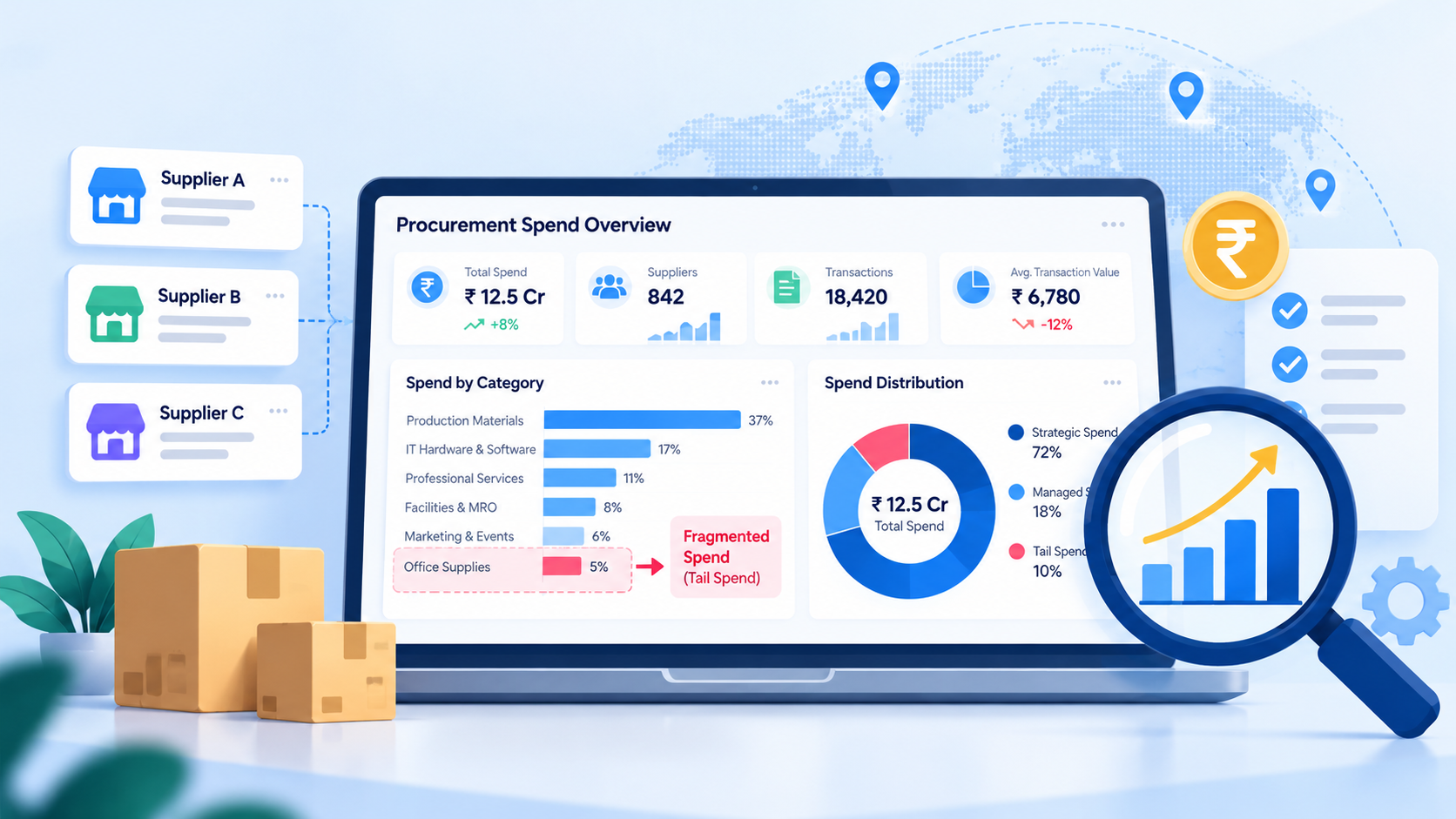
  • Spend Visibility & Reporting: Provides real-time insights into organizational spending.

  • Supplier Performance Tracking: Monitors delivery, quality, and compliance over time.
     

Benefits of Procurement

  • Cost Control: Helps organizations reduce unnecessary and maverick spending.

  • Operational Efficiency: Streamlines purchasing workflows and reduces manual effort.

  • Risk Reduction: Minimizes supply, financial, and compliance risks.

  • Transparency: Improves accountability across procurement activities.

  • Strategic Decision-Making: Enables data-backed procurement planning.
     

What Is Sourcing?

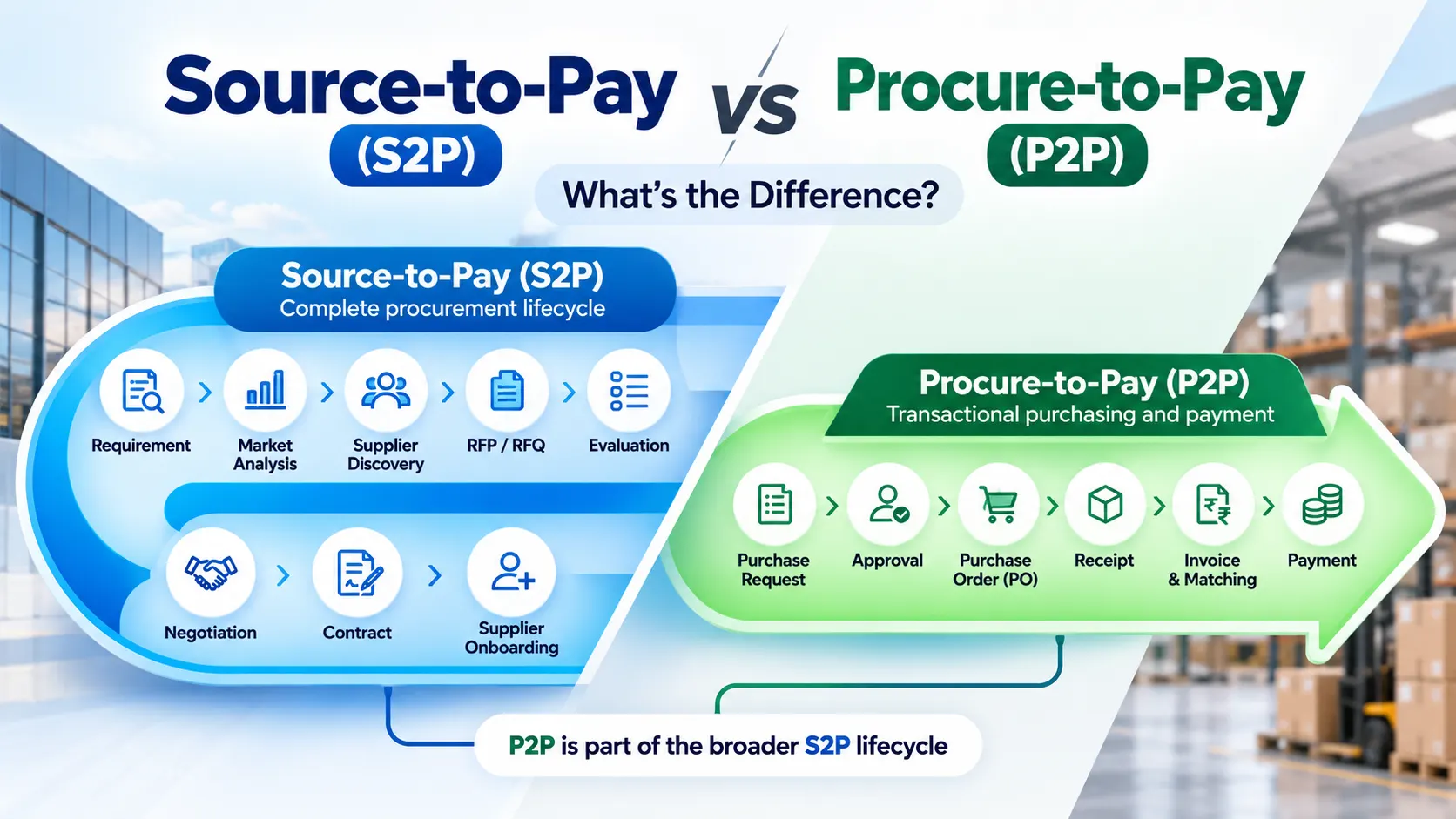
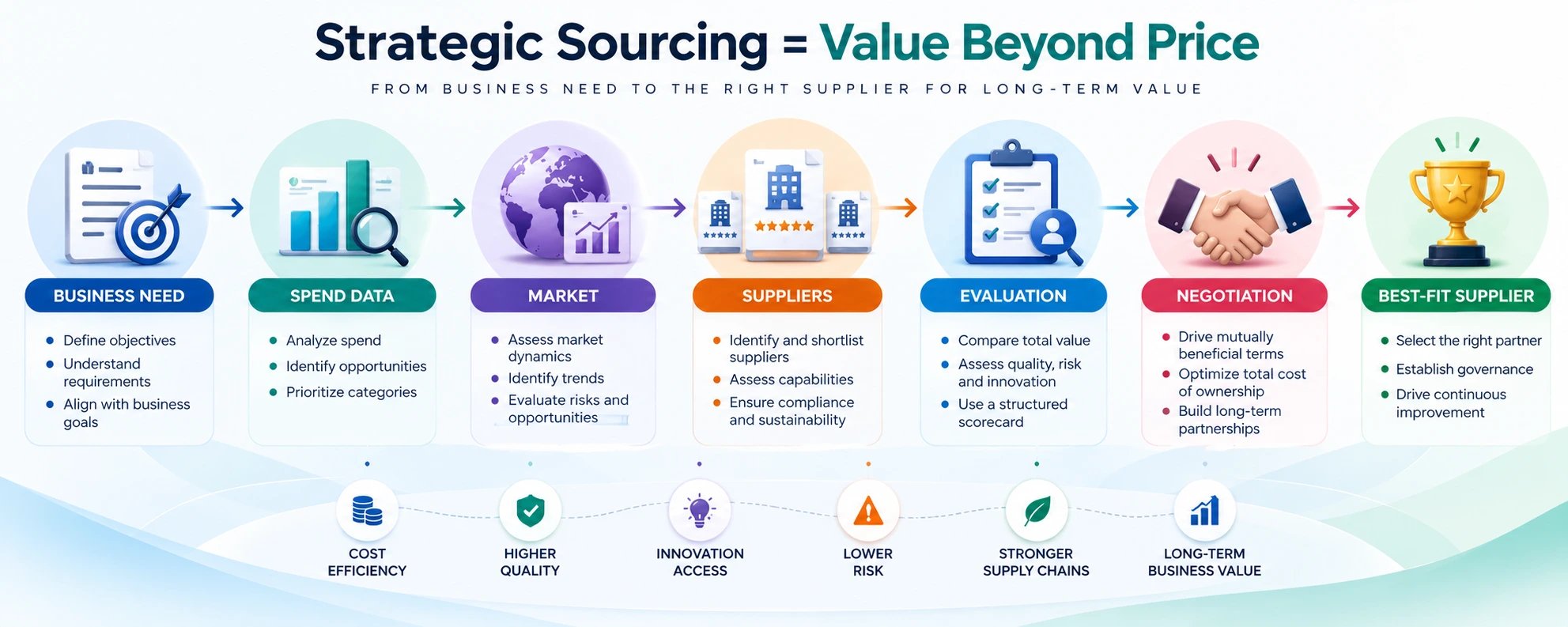
Sourcing is a strategic subset of procurement that focuses specifically on identifying, evaluating, and selecting the right suppliers to meet business needs. It lays the foundation for effective procurement by ensuring that organizations work with suppliers who offer the best balance of price, quality, reliability, and risk.

Effective sourcing goes beyond finding the lowest-cost vendor. It involves market research, supplier benchmarking, competitive bidding processes, and negotiation to create long-term value and stability. In many ways, sourcing determines the strength and resilience of the entire procurement process.
 

Key Features of Sourcing

  • Supplier Research & Discovery: Identifies potential vendors that meet business needs.

  • RFP/RFQ Processes: Encourages competitive bidding for better pricing and value.

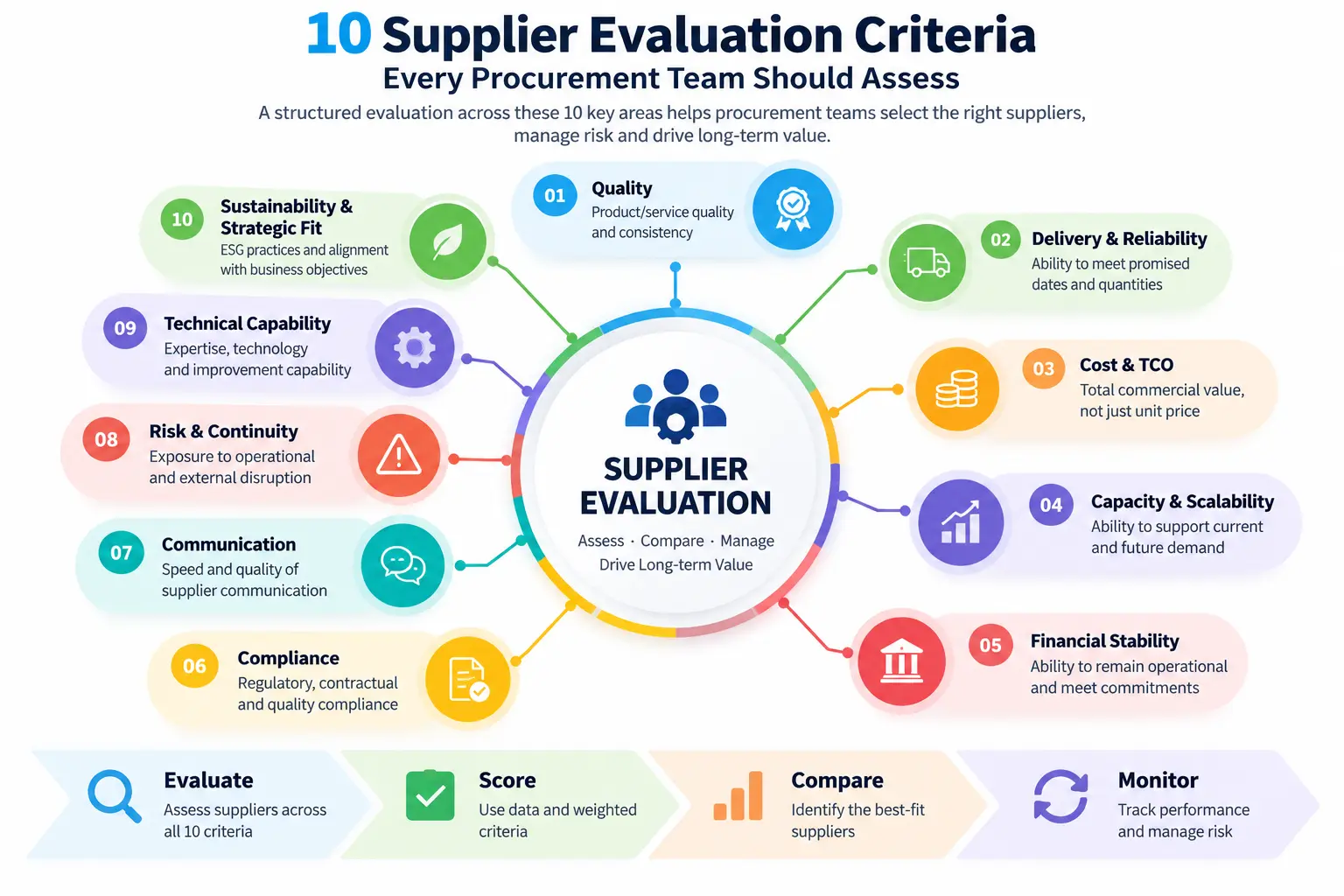
  • Supplier Evaluation & Benchmarking: Compares vendors on cost, quality, and capability.

  • Negotiation Management: Secures favorable pricing and contract terms.

  • Risk & Dependency Assessment: Evaluates supplier reliability and continuity risks.

  • Supplier Onboarding: Ensures smooth integration of new vendors into the ecosystem.
     

Benefits of Sourcing

  • Better Supplier Selection: Ensures reliable and capable vendors are chosen.

  • Cost Savings: Drives lower costs through informed negotiations.

  • Quality Improvement: Leads to better products and service delivery.

  • Supply Chain Stability: Reduces reliance on single or high-risk suppliers.

  • Long-Term Value Creation: Builds strong, strategic supplier partnerships.
     

Why Procurement and Sourcing Are Significant

Procurement and sourcing play a critical role in how organizations control costs, manage risks, and sustain long-term growth. When aligned effectively, they move beyond operational tasks and become strategic drivers of business performance.

1. Cost Control and Spend Optimization

Effective procurement and sourcing help organizations gain visibility into spending patterns, eliminate unnecessary purchases, and negotiate better supplier terms. As a result, businesses can control costs without compromising on quality or performance.

2. Supply Chain Stability and Risk Reduction

By carefully selecting suppliers and managing contracts proactively, sourcing and procurement reduce dependency on single vendors and minimize disruptions. This ensures continuity of supply even during market volatility or unexpected events.

3. Improved Supplier Relationships

Strategic sourcing and structured procurement processes foster transparency and collaboration with suppliers. Over time, this leads to stronger partnerships, better service levels, and improved negotiation outcomes.

4. Compliance and Governance

Procurement ensures that purchases follow internal policies and regulatory requirements. This reduces legal risks, prevents maverick spending, and strengthens organizational governance across all buying activities.

5. Operational Efficiency and Productivity

Automated workflows, standardized processes, and clear approvals streamline procurement operations. Consequently, teams spend less time on manual tasks and more time on strategic initiatives.

6. Data-Driven and Strategic Decision-Making

With access to real-time data and analytics, sourcing and procurement teams can forecast demand, evaluate supplier performance, and make informed decisions that support long-term business goals.
 

Sourcing vs Procurement

Understanding the difference between sourcing and procurement helps eliminate inefficiencies and overlaps.


Although different, sourcing and procurement work best when closely integrated.


The Strategic Evolution of Both

Traditionally, sourcing and procurement were treated as back-office functions focused on cost savings. Today, they are evolving into strategic enablers of business growth.

Key shifts include:

  • From manual processes to digital platforms
     
  • From cost-only focus to value and risk management
     
  • From transactional supplier relationships to partnerships
     
  • From reactive buying to predictive planning
     

Modern sourcing and procurement teams now collaborate closely with finance, operations, and leadership to drive measurable business outcomes.


A Step-by-Step Guide to the Procurement Process

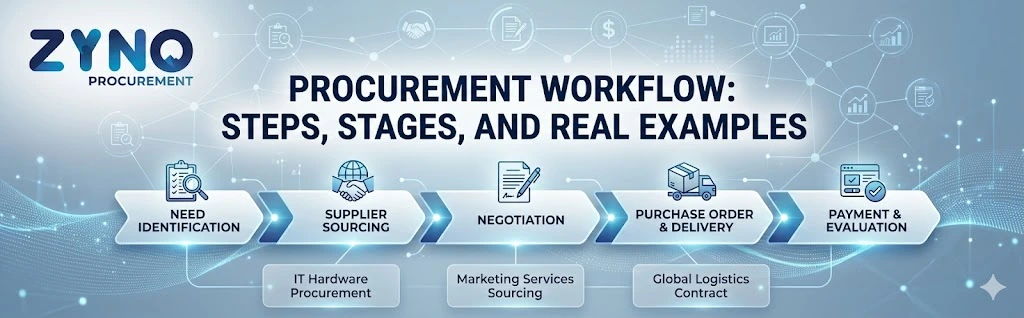
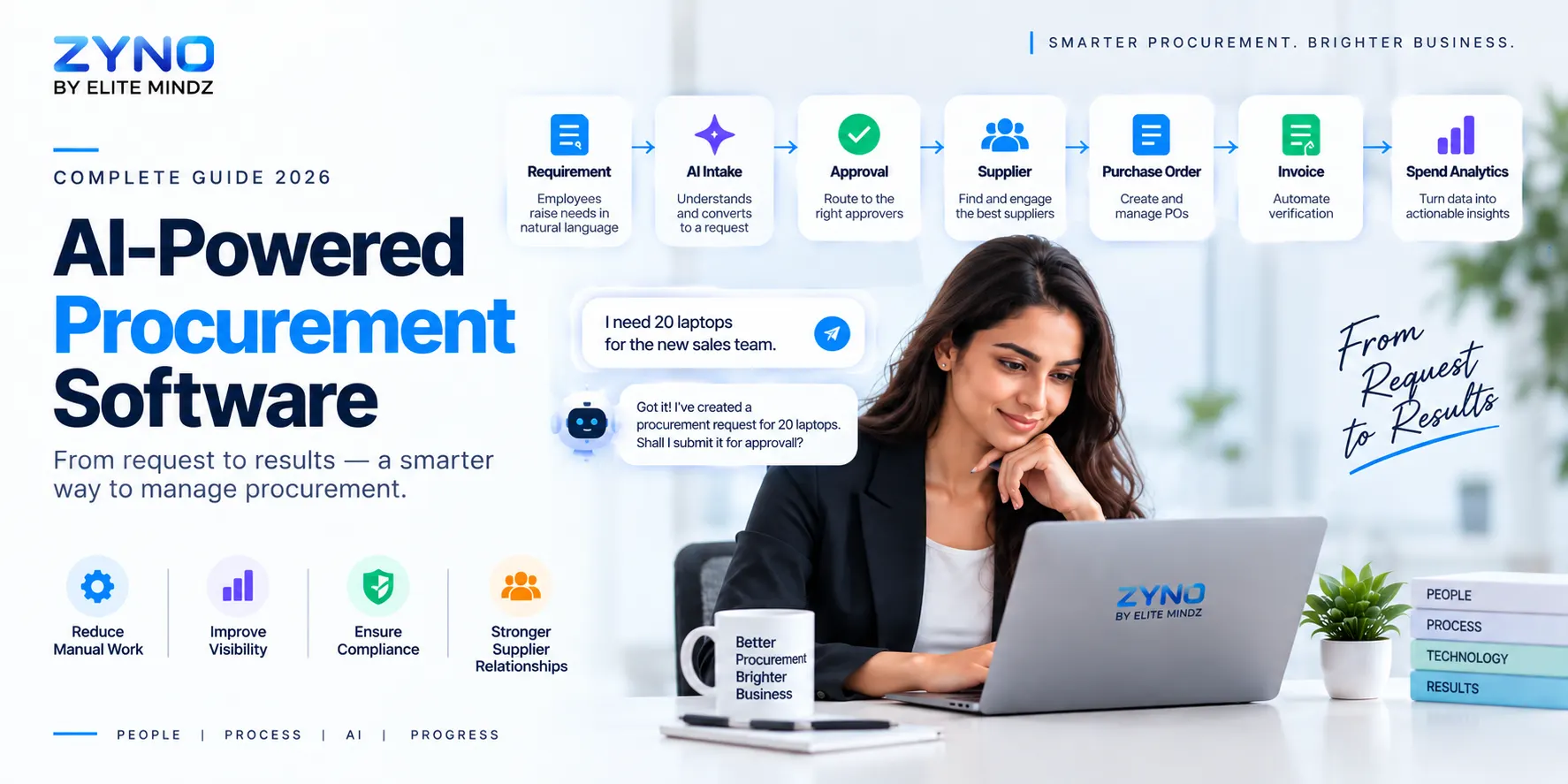
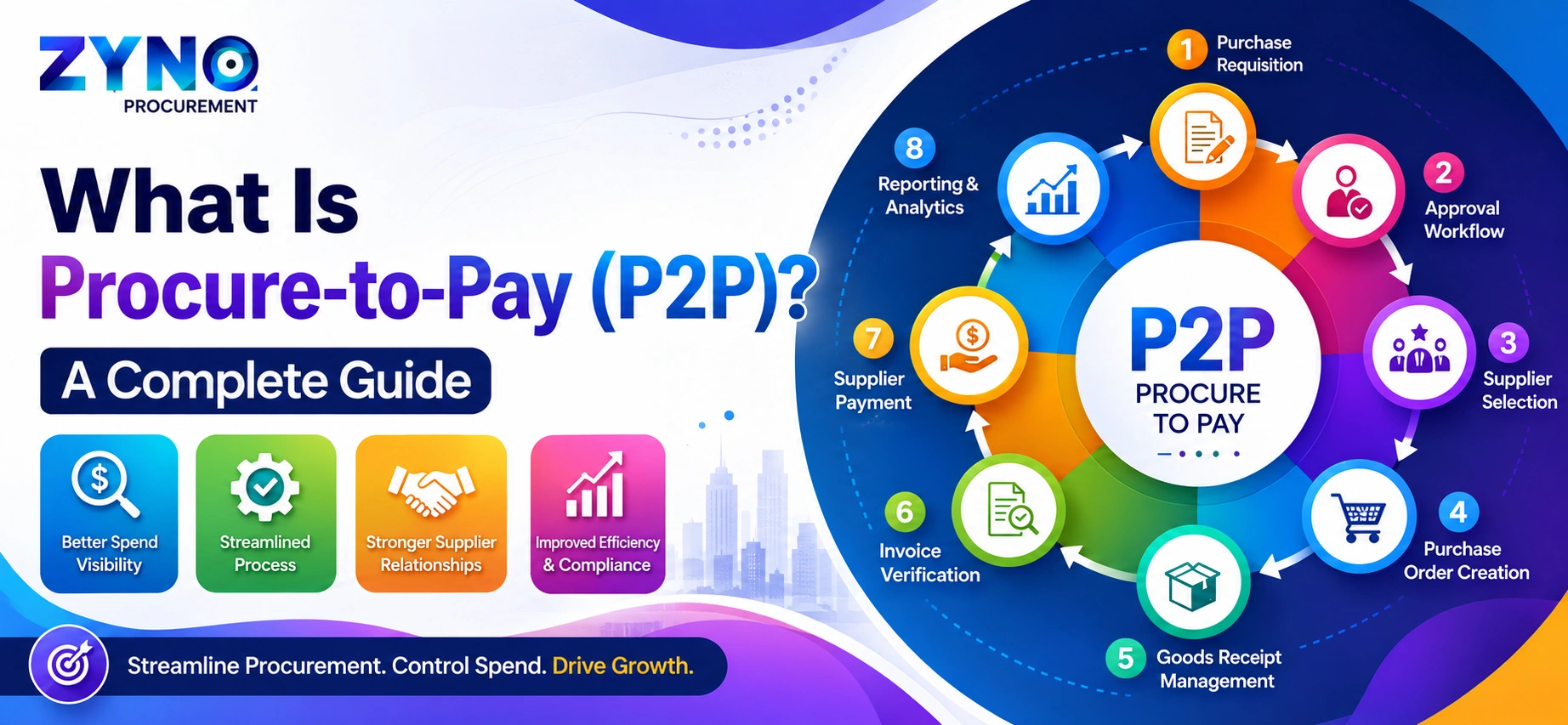
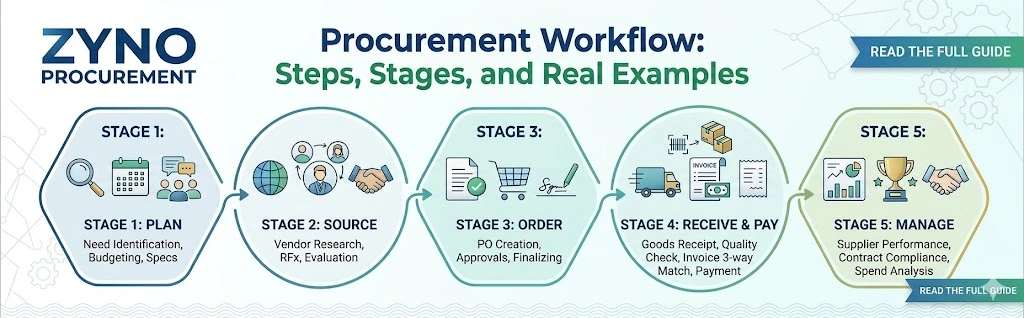
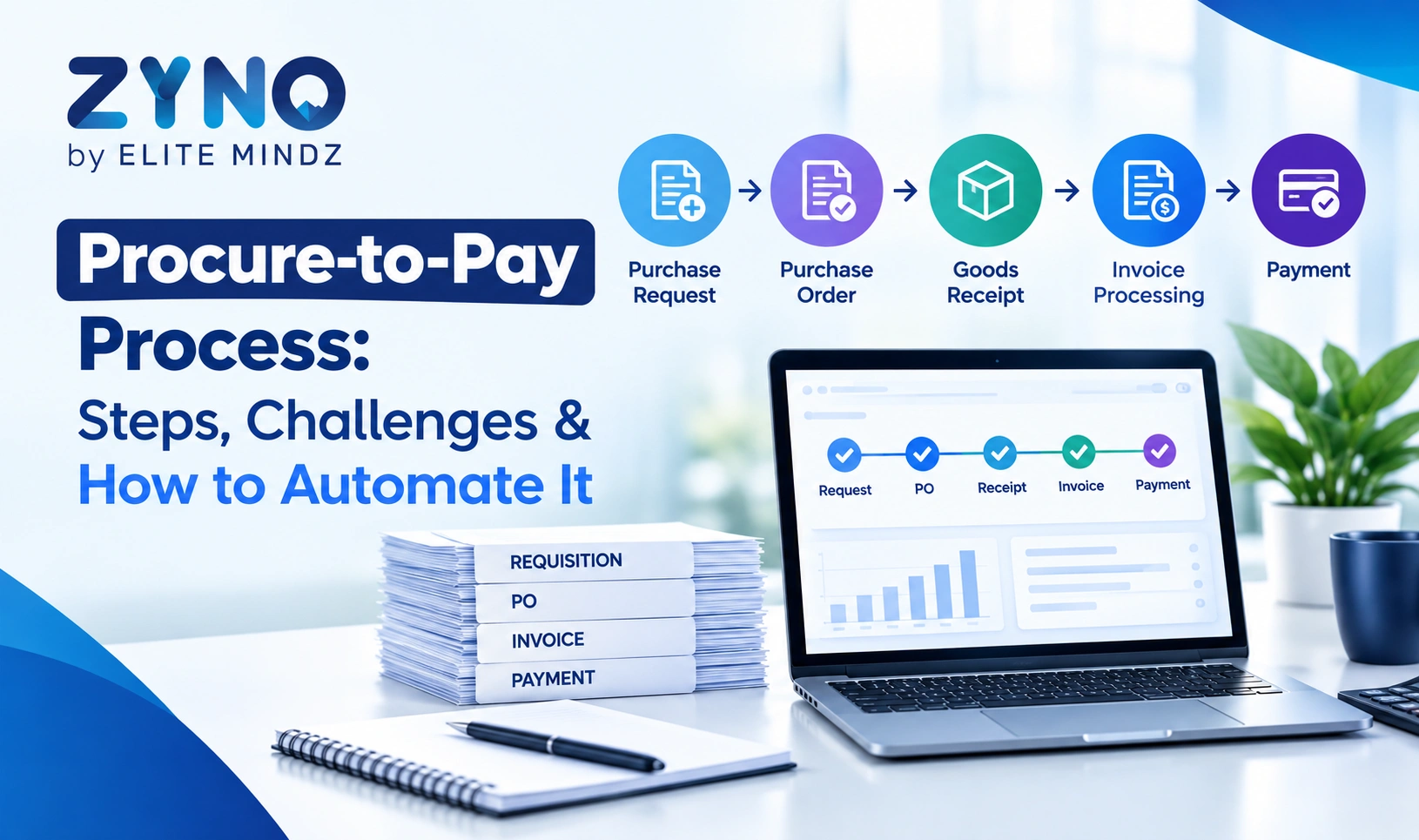
The procurement process is a structured approach that organizations follow to acquire goods and services in a controlled, efficient, and compliant manner. Understanding the procurement process helps businesses reduce costs, minimize risks, and ensure smooth operations across departments.

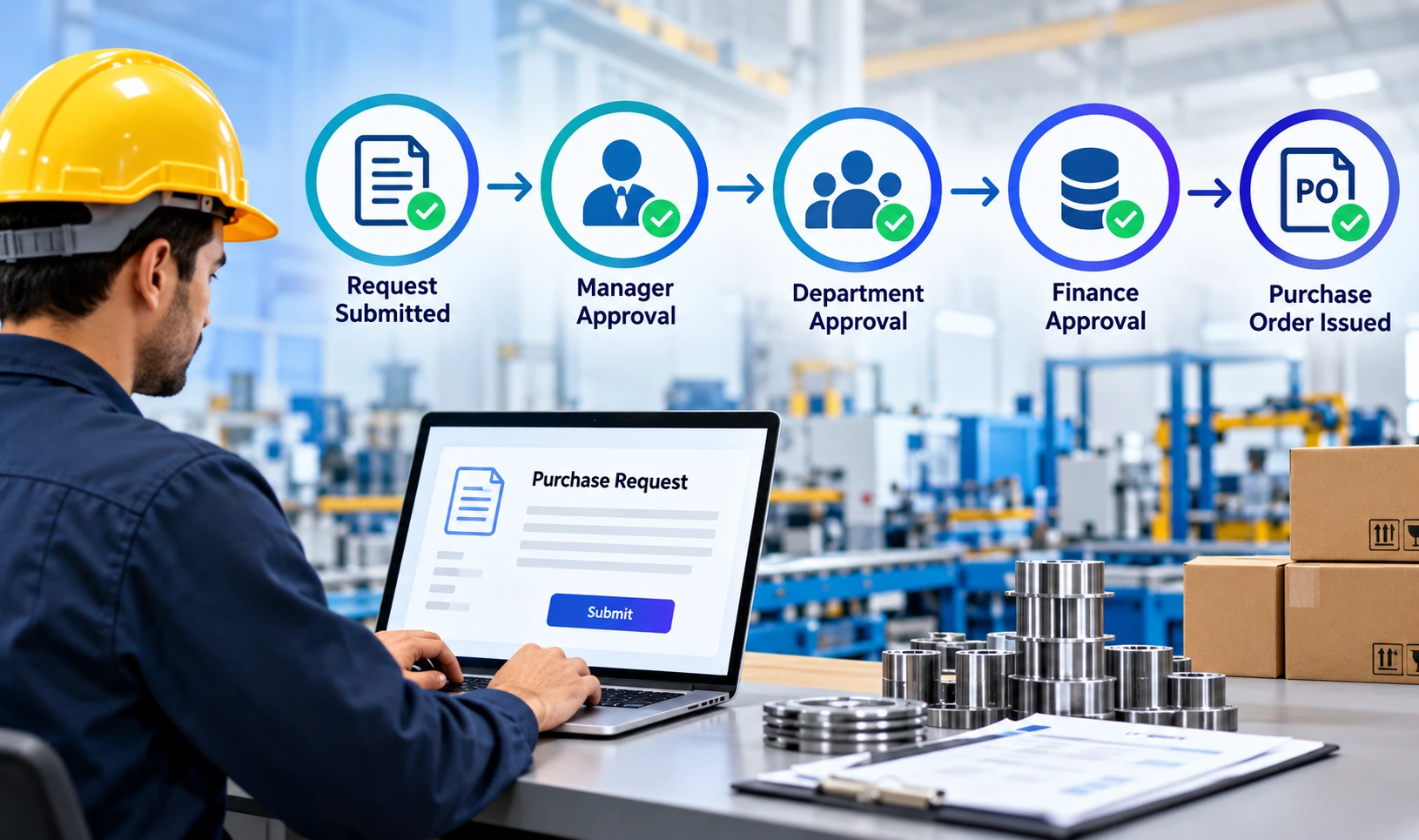
Below is a step-by-step explanation of the typical procurement process:

1. Need Identification

The process begins when a business unit identifies a requirement for goods or services. This includes defining specifications, quantity, quality standards, and timelines to ensure clarity from the start.

2. Purchase Requisition and Approval

Once the need is identified, a purchase requisition is raised and routed through an approval workflow. This step ensures the request aligns with budgets, policies, and business priorities before moving forward.

3. Sourcing and Supplier Selection

At this stage, sourcing teams evaluate potential suppliers through RFQs, RFPs, or negotiations. The goal is to select vendors that offer the best balance of cost, quality, reliability, and risk.

4. Purchase Order Creation

After supplier selection, a purchase order (PO) is issued. The PO outlines pricing, quantities, delivery terms, and contractual conditions, serving as a formal agreement between the buyer and supplier.

5. Order Fulfillment and Receipt

Suppliers deliver the goods or services as agreed. The receiving team verifies the delivery against the purchase order to ensure accuracy, quality, and completeness.

6. Invoice Processing and Verification

The supplier submits an invoice, which is matched against the purchase order and delivery receipt. This three-way matching helps prevent errors, duplicate payments, and fraud.

7. Payment Processing

Once verified, payments are released according to agreed payment terms. Timely payments help maintain strong supplier relationships and trust.

8. Supplier Performance Evaluation

The final step involves reviewing supplier performance based on cost, delivery timelines, quality, and compliance. These insights support continuous improvement and future sourcing decisions.


Integrated Sourcing and Procurement Strategies for Optimal Performance

Organizations achieve the best results when sourcing and procurement work as one unified function.

Effective integration includes:

  • Shared data and analytics across sourcing and procurement:
    Enables teams to access unified insights for informed decisions, accurate forecasting, improved negotiations, and consistent strategy alignment.
     
  • Centralized supplier information:
    Maintains a single source of truth for supplier details, contracts, compliance documents, performance records, and communication history.
     
  • Automated workflows from sourcing to payment:
    Streamlines processes by reducing manual intervention, accelerating approvals, minimizing errors, and ensuring smooth transitions across procurement stages.
     
  • Real-time spend visibility:
    Provides instant insight into spending patterns, budget utilization, and cost leakage, helping organizations control expenses proactively.
     
  • Continuous supplier performance tracking:
    Monitors supplier delivery, quality, compliance, and responsiveness to support ongoing improvement and data-driven sourcing decisions.
     

ZYNO by Elite Mindz enables this integration through AI-powered, cloud-based platforms designed for modern procurement teams.

Looking to integrate sourcing and procurement seamlessly? Get a free demo by ZYNO by Elite Mindz today.


Common Mistakes and How to Fix Them
 

Mistake 1: Treating Procurement as Only Purchasing

Fix: Align procurement with strategic business goals.

Mistake 2: Poor Supplier Evaluation

Fix: Use data-driven sourcing methods and performance metrics.

Mistake 3: Manual and Disconnected Processes

Fix: Adopt automated sourcing and procurement tools.

Mistake 4: Ignoring Risk and Compliance

Fix: Embed risk checks and policy controls into workflows.

Mistake 5: Lack of Collaboration

Fix: Encourage cross-functional involvement across sourcing and procurement.


Future Trends of Sourcing and Procurement

Looking ahead, sourcing and procurement will continue to evolve through:

  • AI-driven supplier insights and spend analytics:
    Uses artificial intelligence to analyze spend data, uncover savings opportunities, assess supplier performance, and support smarter procurement decisions.

  • Predictive demand forecasting:
    Leverages historical data and trends to anticipate future demand, improving planning accuracy and reducing stockouts or excess inventory.

  • Increased focus on ESG and sustainable sourcing:
    Integrates environmental, social, and governance criteria into sourcing decisions to ensure ethical, compliant, and responsible supply chains.

  • Cloud-based procurement platforms:
    Enable centralized access, scalability, automation, and real-time collaboration across procurement teams from any location.

  • Real-time supplier risk monitoring:
    Continuously tracks supplier risks, disruptions, and compliance issues to enable proactive mitigation and uninterrupted supply operations.
     

Organizations that adapt early will gain a strong competitive edge.


Checklist: Are Your Sourcing and Procurement Practices Optimized?

Clear understanding of sourcing and procurement roles
Defined procurement process
Strategic sourcing framework in place
Supplier performance metrics tracked
Automated procurement workflows
Compliance and risk controls embedded
Technology supporting decision-making
 

Turning Sourcing and Procurement into a Competitive Advantage

Understanding sourcing and procurement, and more importantly the difference between sourcing and procurement, is essential for building resilient and cost-effective supply chains. When aligned strategically, they empower organizations to reduce risks, control spending, and drive sustainable growth.

With ZYNO by Elite Mindz, businesses can transform sourcing and procurement from operational tasks into strategic advantages. Ready to future-proof your sourcing and procurement strategy? Connect with ZYNO by  Elite Mindz today.
 

FAQs

What is the difference between sourcing and procurement?
Sourcing focuses on selecting suppliers, while procurement manages the entire purchasing lifecycle.

What is procurement process in simple terms?
It is the structured approach to requesting, sourcing, purchasing, receiving, and paying for goods or services.

Is sourcing part of procurement?
Yes, sourcing is a strategic component within the broader procurement process.

Why is sourcing important in procurement?
Effective sourcing ensures quality suppliers, better pricing, and reduced risks.

How does technology improve sourcing and procurement?
Technology enables automation, analytics, compliance, and smarter decision-making.

Are you looking for a professional advisor for your business?

Get in Touch with Our IT Consultants

Complete the form and discuss implementation strategies with our IT expertise.

Get a Quote in Minutes

next
next
next

Related Blogs

Procurement Software Trends in 2025: What to Expect

Procurement Software Trends in 2025: What to Expect

Read More →
Why E-Procurement Outperforms Traditional ERP in Modern Procurement

Why E-Procurement Outperforms Traditional ERP in Modern Procurement

Read More →
Top Procurement Software Companies in India (2025)

Top Procurement Software Companies in India (2025)

Read More →
Best Procurement Software Companies in Kuwait (2025)

Best Procurement Software Companies in Kuwait (2025)

Read More →
Best Procurement Software in Africa: A 2025 Guide

Best Procurement Software in Africa: A 2025 Guide

Read More →
Best Procurement Software in Nigeria 2025 | Top 5 Picks

Best Procurement Software in Nigeria 2025 | Top 5 Picks

Read More →
Best Procurement Software Providers in USA (2025): How AI is Transforming the Future

Best Procurement Software Providers in USA (2025): How AI is Transforming the Future

Read More →
10 Best Procurement Software Providers in Thailand for Streamlined Supply Chain Management

10 Best Procurement Software Providers in Thailand for Streamlined Supply Chain Management

Read More →
Top 10 Cloud-Based Procurement Solutions in Portugal for Businesses in 2025

Top 10 Cloud-Based Procurement Solutions in Portugal for Businesses in 2025

Read More →
Top 10 Procurement Software Providers in Switzerland 2025: Streamlining Sourcing and Supplier Management

Top 10 Procurement Software Providers in Switzerland 2025: Streamlining Sourcing and Supplier Management

Read More →
What Makes ZYNO Procurement Different from Other Oil & Gas Procurement Software

What Makes ZYNO Procurement Different from Other Oil & Gas Procurement Software

Read More →
The Digital Transformation of Logistics Procurement in the Middle East

The Digital Transformation of Logistics Procurement in the Middle East

Read More →
A Step by Step Guide to Procurement Management Software for Modern Enterprises

A Step by Step Guide to Procurement Management Software for Modern Enterprises

Read More →
Sourcing and Procurement: What’s the Difference and Why It Matters

Sourcing and Procurement: What’s the Difference and Why It Matters

Read More →