×
Become a Partner
Whatsapp

Check Out The Advanced Features That Drive Insightful HR

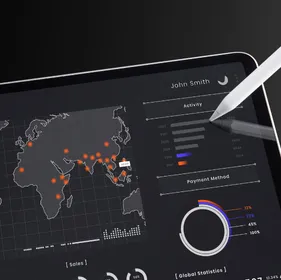
Level up your HR operations with strategically aligned features customized just for you. With real-time dashboards, AI-powered forecasting, and tailored analytics, you can identify workforce trends before they turn into issues, tailor HR programs, and achieve measurable gains across the employee journey— all from one intelligent, connected platform.

Image
Image1

Predictive Analytics

Predict turnover, performance dips, and hiring requisitions in advance.

Predictive Analytics

Image
Image1

Real-Time Dashboards

Track real-time HR data & trends all in a single user-configurable dashboard to drive quicker, more informed decisions.

Real-Time Dashboards

Image
Image1

Employee Lifecycle Monitoring

Monitor each employee's life cycle to maximize retention, engagement, and on-time HR intervention.

Employee Lifecycle Monitoring

Image
Image1

Performance Reporting

To view strengths, weaknesses, and goal alignment for individuals and teams.

Performance Reporting

Image
Image1

Attendance & Staff Planning

Determine attendance and absence patterns to fill the available schedules and achieve maximum staffing levels.

Attendance & Staff Planning

Image
Image1

Ad Hoc Reports

Create reports with smart filters and provide real-time insights to stakeholders.

Ad Hoc Reports

Get Insurance Four Shape

Get a Free Quote

Discover The Strategic Benefits Of Our HR Analytics System

Close the gap between HR and business strategy with real-time intelligence. Get to the root of what motivates your workforce and act boldly to drive growth and performance.

  • Avatar

    Data-Driven Workforce Planning

  • Avatar

    Enhanced Talent Management

  • Avatar

    Improved Performance Management

  • Avatar

    Smarter Recruitment & Onboarding

Data-Driven Workforce Planning

Hire more effectively with predictive intelligence that helps you align workforce supply with organizational demand.

  • Apply historical records, seasonal patterns, and industry norms to more accurately forecast hiring requirements.
  • Simulate various workforce scenarios to plan for business growth, restructuring, or skill shortages.
  • Avtar

    CTA

    Ready to Simplify Your HR Analytics? Fill out the form below and connect with our expert.

    next
    next1
    next2
    next3

    Seamless integration of the HR Data Analytics system with other applications

    Our HR Analytics system offers integration for connectivity and data exchange with a wide range of applications few of which are as follows:

    Next4
    Next4
    Next4
    Next4
    Next4
    Next4
    Next4
    Next4
    Next4
    Next4
    Next4

    What Sets ZYNO HRMS Analytics Apart?

    ZYNO HRMS provides next-level strategic analytics with an unparalleled user experience, helping users save time and make informed decisions. It centralizes all your HR information in one platform, making it possible to drive greater agility, accountability, and strategic impact.

    • Real-Time Dashboards

      All HR data can be accessed in a real-time dashboard without any need to switch tools or update manually.

    • Flexible Reporting

      Streamline reporting with smart views & filters customized to fit your company’s structure and insights.

    • Smooth Integration

      From payroll to hiring, our system integrates smoothly with all your existing tools, apps, and platforms.

    • Strategic Decision-Making

      Convert employee data into meaningful actions that boost team performance and accelerate business growth.

    Frequently Asked Questions (FAQs)

    HR analytics is the process of collecting, analyzing, and interpreting employee data to make informed HR decisions. It helps organizations improve hiring, employee retention, workforce productivity, performance management, and overall business outcomes. By using HR analytics, companies can identify trends, predict workforce challenges, and create data-driven HR strategies that support long-term organizational growth.

    HR analytics helps organizations measure employee performance using real-time data and key performance indicators (KPIs). It identifies productivity trends, skill gaps, and training needs while enabling managers to make objective performance evaluations. With actionable insights, businesses can improve employee engagement, increase productivity, and support career development through personalized performance improvement plans.

    HR analytics software typically includes customizable dashboards, workforce reporting, employee performance tracking, attendance analysis, payroll insights, turnover analysis, recruitment metrics, predictive analytics, compliance reporting, and data visualization. These features help HR teams monitor workforce performance, identify trends, and make strategic decisions based on accurate, real-time data.

    Businesses should monitor important HR metrics such as employee turnover rate, absenteeism, time-to-hire, cost-per-hire, employee engagement, training effectiveness, productivity, overtime, payroll expenses, diversity metrics, and retention rates. Tracking these KPIs helps organizations evaluate HR performance, optimize workforce planning, and improve business decision-making.

    HR analytics provides valuable insights into recruitment performance by measuring hiring sources, candidate quality, time-to-fill positions, recruitment costs, and interview success rates. These insights help organizations optimize hiring strategies, reduce recruitment expenses, improve candidate selection, and build a stronger workforce based on data rather than assumptions.

    Yes. HR analytics is beneficial for businesses of all sizes. Small and medium-sized businesses can use HR analytics to automate reporting, monitor employee performance, manage attendance, improve workforce planning, and make smarter hiring decisions. It helps growing businesses maximize productivity while minimizing administrative effort and HR costs.

    HR analytics helps organizations forecast future workforce requirements by analyzing current employee data, productivity trends, retirement projections, hiring patterns, and skill availability. This enables businesses to prepare for future staffing needs, reduce workforce shortages, and align HR strategies with organizational growth objectives.

    HR reporting focuses on presenting historical HR data through reports and dashboards, while HR analytics goes a step further by analyzing that data to uncover trends, identify risks, predict future outcomes, and support strategic decision-making. HR analytics helps businesses understand not just what happened, but why it happened and what actions should be taken.

    When selecting HR analytics software, businesses should evaluate features such as customizable dashboards, real-time reporting, predictive analytics, payroll integration, attendance tracking, performance management, data security, scalability, compliance support, and ease of use. Choosing software that integrates with existing HR systems and supports business growth ensures maximum return on investment and better workforce management.