×
ZYNO Manufacturing ERP
+
Production Planning & Scheduling
Expense Management Software
Mobile App
AI-Powered Demand Forecasting
Field Service Management
Ticket Management Software
Training Management System
Document Management
Analytics & Reporting
Quotes & Sales Orders (Manufacturing CRM)
Finance & Cost Accounting
Shop-Floor & MES Reporting
Statutory Compliance & Taxation
Subcontracting & Outside Processing
Project-Based Manufacturing
Quality Control & Compliance
Maintenance & Asset Management
Procurement & Supplier Management
Inventory & Warehouse Management
Vendor Management Software
Bill of Materials (BOM)
Product Configurator
ZYNO Procurement
+
ZYNO CRM
+
ZYNO HRMS
+
Integrated recruitment
Learning management
Mobile app
HR chatbot
Custom services
HR automation
Business chat and collaboration
Employee engagement
Integrated travel and expense
Integrated payroll software
Compensation management
Onboarding
Performance management
HR analytics
Digital Document management
HR help desk
Timesheets
Leave management
Shift management
Attendance management
Employee management
Integrations
ZYNO Assets
+
ZYNO EduVibe
+
ZYNO Upskill
+
ZYNO Rewards
+
ZYNO HIMS
+
ZYNO Expenz
+
ZYNO Legal
+
ZYNO Audit
+
ZYNO Retail
+
ZYNO Recruit
+
ZYNO Projects
+
ZYNO Books
+
ZYNO POS
+
Search Engine Optimization
+
Generative Engine Optimization (GEO)
Paid Media & Advertising
+
Amazon Marketing Services
+
Social Media Marketing
+
Content Marketing
+
Conversion Rate Optimization
+
Online Reputation Management (ORM)
+
Analytics, Strategy & Consulting
+
Brand Management
E Commerce Marketing
In the modern global economy, businesses are under constant pressure to innovate faster, optimise operational costs, and access highly specialised talent—while simultaneously competing across borders and time zones. Amid these growing demands, the global capability center (GCC) has emerged as one of the most transformational organisational models for multinational enterprises. According to the India Brand Equity Foundation (IBEF), India currently hosts over 1,700 global capability centers, generating approximately $64.6 billion in annual revenue and employing nearly 1.9 million professionals. These figures highlight not only the scale of GCC adoption but also their increasing strategic importance, with projections indicating substantial growth by 2030.
This explosive expansion has firmly positioned India as the global GCC powerhouse, supported by its deep talent pool, digital maturity, and cost-efficient operating environment. More importantly, GCCs in India have evolved far beyond traditional back-office roles. Today, they function as strategic engines that drive innovation, digital transformation, advanced analytics, and enterprise-wide decision-making—reshaping how global organisations design and deliver work in the future.
A Global Capability Center (GCC) is a strategically owned and operated offshore centre established by a multinational corporation to deliver core and high-value business functions such as technology, analytics, finance, R&D, customer experience, and strategic operations. This model differs from traditional outsourcing because the centre is fully owned and aligned with the organisation’s core business strategy, rather than merely contracted to an external vendor.
In essence, a GCC serves as a centralised global delivery engine that helps organisations reduce costs, accelerate innovation, and build deep domain expertise in key capabilities — often at a scale not achievable through local teams alone.
India has emerged as the leading global destination for GCCs, hosting 53-55% of all GCCs worldwide and accounting for the largest share of international technology and capability hubs.
According to industry reports:
India’s GCC sector generated about $64.6 billion in revenue in FY 2024 — marking a 40% year-on-year growth.
The number of GCCs in India is projected to grow to 2,100–2,400 by 2030, with total employment exceeding 2.5–2.8 million professionals.
Major hubs include Bengaluru, Hyderabad, Mumbai, Pune, Chennai, and Delhi-NCR, which together house over 90% of the country’s GCCs.
This rise reflects India’s deep talent pool, cost advantages, digital readiness, and strong ecosystem spanning technology, R&D, analytics, cloud, and engineering.
India stands at the forefront of the GCC revolution, and its ecosystem presents compelling reasons why.
India currently hosts close to 1,950 GCCs employing almost 1.9 million professionals.
Projections estimate that by 2030, the Indian GCC market will grow to $105–$110 billion, with workforce numbers potentially doubling to 4 million or more.
India’s deep talent pool (especially in STEM and digital fields) and comparatively efficient operating costs continue drawing global companies to locate their capability centers here.
GCCs are not just concentrated in metropolitan hotspots like Bengaluru, Hyderabad, Pune, or Chennai. Many are now scaling into Tier-2 and Tier-3 cities (e.g., Jaipur, Kochi, Vadodara) to tap fresh talent and optimise operational costs.
According to economic surveys, GCCs are projected to generate over $121 billion in revenue by 2030, contributing nearly 3.5% of India’s GDP, with a significant portion coming from exports.
Initially, GCCs focused on transactional tasks such as finance processing, IT support, and customer operations, primarily to reduce costs.
As maturity increased, GCCs began managing complex processes, shared services, and large-scale operations with improved efficiency and quality.
Today, the GCC Model has evolved into innovation-driven hubs owning product development, AI initiatives, cybersecurity, cloud platforms, and enterprise analytics.
This evolution clearly shows how global capability centers are shaping the future of work by moving closer to the core of the business.

Modern global capability centers typically support:
Software Engineering and Product Development
GCCs design, build, test, and enhance digital products and platforms, owning end-to-end development cycles while accelerating innovation and improving time-to-market.
Data Analytics, AI, and Machine Learning
These teams analyse large datasets, build AI and ML models, and generate insights that support smarter decisions, automation, predictive capabilities, and business intelligence.
Finance and Accounting (FP&A, Compliance, Reporting)
GCCs manage financial planning, budgeting, regulatory compliance, and global reporting, ensuring accuracy, transparency, cost control, and data-driven financial decision-making.
Supply Chain and Procurement Operations
They optimise sourcing, vendor management, demand planning, and logistics through analytics and automation, improving efficiency, resilience, and cost optimisation across global supply chains.
HR Technology and Workforce Analytics
GCCs support HR platforms, people analytics, talent management systems, and workforce planning to improve hiring decisions, employee experience, and organisational performance.
Cybersecurity and IT Infrastructure Management
These teams safeguard digital assets by managing networks, cloud infrastructure, security operations, risk monitoring, and compliance against evolving cyber threats.
Research and Development (R&D)
GCCs drive innovation by conducting research, prototyping solutions, testing technologies, and developing intellectual property aligned with long-term business strategy.
GCCs offer both organisational and national economic advantages:
Cost Efficiency and Scale: Lower operating costs combined with access to global talent improve efficiency.
Access to Skilled Workforce: GCCs leverage deep pools of specialised professionals in technology, analytics, and digital functions.
Innovation Amplification: GCCs increasingly lead digital transformation, automation, and product development mandates.
Enhanced Global Delivery: Dedicated centres allow seamless global service delivery with real-time responsiveness.
Job Creation: GCCs directly employ over 1.9 million professionals and are expected to generate more by 2030.
Foreign Investment: Multinational investments into GCC infrastructure and talent bolster FDI.
Skill Development: GCCs contribute to upskilling India’s workforce in future technologies.
Fully Owned Captive Entity
A GCC is entirely owned by the parent organisation, ensuring complete control over operations, culture, data security, governance, and alignment with long-term business objectives.
Long-Term Strategic Focus
GCCs are designed for sustained value creation, supporting core business goals, innovation roadmaps, and enterprise transformation rather than short-term cost or tactical needs.
High-Value, Knowledge-Based Work
They handle complex, specialised functions such as engineering, analytics, research, and digital strategy, requiring deep domain expertise and advanced technical skills.
Strong IP Protection and Data Governance
GCCs implement strict intellectual property safeguards and robust data governance frameworks to ensure compliance, confidentiality, and protection of sensitive business information.
Integration with Global Business Units
GCC teams collaborate closely with global stakeholders, operating as an extension of headquarters and contributing directly to enterprise-wide decision-making and execution.
Emphasis on Innovation and Transformation
GCCs actively drive innovation by adopting emerging technologies, modernising processes, and leading digital transformation initiatives across global operations.
A high-performing GCC typically aligns with several strategic pillars:
Talent and Skills Development
Successful GCCs prioritise continuous upskilling in AI, cloud, analytics, and emerging technologies to build future-ready talent and maintain long-term competitive advantage.
Innovation and Technology Adoption
GCCs integrate advanced technologies, automation, and digital platforms across functions to drive innovation, improve efficiency, and support enterprise-wide transformation initiatives.
Operational Agility
Agile operating models enable GCCs to scale quickly, adapt to changing business needs, and deliver faster outcomes across global teams and time zones.
Strategic Governance
Strong governance frameworks ensure alignment with corporate objectives, performance metrics, risk management, and transparent decision-making across global and local leadership.
Sustainability and ESG Practices
Modern GCCs embed ESG principles by promoting responsible operations, diversity, ethical governance, and environmentally sustainable business practices.
Several trends are accelerating GCC growth:
Adoption of AI, GenAI, and Automation
GCCs leverage AI and automation to improve productivity, enable smarter decision-making, and accelerate digital transformation across business functions.
Shift Toward Product-Centric and Platform Teams
GCCs increasingly own end-to-end products and platforms, moving beyond support roles to deliver measurable business outcomes.
Expansion into Tier-2 and Tier-3 Cities
Companies are setting up GCCs in emerging cities to access new talent pools, reduce costs, and support regional economic growth.
Increased Focus on ESG and Sustainability
GCCs embed sustainability goals by adopting responsible operations, ethical governance, and environmentally conscious business practices.
Demand for 24/7 Global Delivery Models
Distributed GCC teams enable round-the-clock operations, faster turnaround times, and continuous support across global time zones.
Rise of Hybrid and Flexible Work Environments
Flexible work models help GCCs attract talent, improve employee experience, and maintain productivity in evolving workplace environments.

GCCs are reshaping the way companies and professionals work:
Shift to Value-Driven Roles: The demand for AI, analytics, and product development roles has surged — GCC hiring in tech has grown up to 18–27% annually, compared to 4–6% for traditional IT services.
Hybrid and Agile Work Models: GCCs embrace flexible work arrangements and continuous learning frameworks.
Leadership Growth: Centres increasingly house strategic leaders with growing influence on global operations.
Career Opportunities: Professionals find higher compensation, high-impact roles, and global exposure.
Global capability centers are especially strong in:
Information Technology & Software
GCCs support software development, cloud engineering, cybersecurity, and digital platforms, enabling continuous innovation, faster releases, and scalable global technology delivery.
Banking, Financial Services & Insurance (BFSI)
BFSI GCCs manage analytics, risk, compliance, digital banking platforms, and automation while ensuring regulatory adherence and secure financial operations.
Healthcare & Life Sciences
GCCs enable clinical research, data analytics, regulatory compliance, digital health platforms, and medical innovation to improve patient outcomes and operational efficiency.
Manufacturing & Engineering
These GCCs handle product design, engineering services, digital twins, supply chain optimisation, and Industry 4.0 initiatives across global manufacturing operations.
Retail & E-commerce
Retail GCCs support omnichannel platforms, customer analytics, demand forecasting, pricing optimisation, and supply chain agility to enhance customer experience.
Telecom and Media
GCCs drive network optimisation, data analytics, content platforms, cybersecurity, and digital transformation for high-volume, real-time global operations.
Automotive and Mobility
Automotive GCCs focus on embedded systems, EV technology, autonomous driving, connected platforms, and advanced engineering innovation.
Setting up a global capability center requires careful legal planning, including:
Entity Registration and Corporate Structuring
Companies must choose the right legal entity, ownership structure, and location to comply with local regulations and support long-term operational and tax efficiency.
Employment Laws and Labor Compliance
GCCs must adhere to local labour laws covering hiring, wages, working hours, benefits, termination, and workplace safety to avoid legal disputes.
Taxation and Transfer Pricing Regulations
Proper tax planning and transfer pricing policies are essential to meet regulatory requirements and prevent penalties across multiple jurisdictions.
Data Protection and IP Security
Strong legal frameworks are required to protect intellectual property, ensure data privacy compliance, and safeguard sensitive enterprise and customer information.
Cross-Border Contracting and Compliance
Contracts between global entities must align with international laws, regulatory standards, and compliance obligations to support seamless global operations.
Expert legal and advisory support is critical to avoid risks and ensure long-term stability.
While powerful, GCCs are not without challenges:
High Initial Setup and Transition Costs
Establishing a GCC requires significant upfront investment in infrastructure, technology, legal setup, talent acquisition, and transition planning before achieving long-term returns.
Talent Competition in Mature GCC Markets
High demand for skilled professionals in established GCC hubs leads to intense competition, rising wages, and increased effort required for talent attraction.
Cultural and Time-Zone Differences
Differences in work culture, communication styles, and time zones can impact collaboration, decision-making speed, and alignment between global and local teams.
Governance Complexity Across Regions
Managing policies, compliance, performance, and decision-making across multiple geographies adds complexity and requires strong governance frameworks.
Retention and Leadership Pipeline Challenges
Sustaining employee engagement and building future leaders within GCCs requires structured career paths, continuous learning, and strong organisational culture.
However, with the right strategy and partner, these challenges can be effectively managed.
The rise of Global Capability Centers marks a fundamental shift in global business and the future of work. With India leading the global GCC landscape, organisations and professionals have immense opportunities to innovate, grow, and shape the future of competitive enterprise operations. A well-executed GCC strategy not only delivers operational benefits but also drives digital transformation, talent excellence, and strategic advantage — making it a cornerstone of tomorrow’s work ecosystem.
What does a Global Capability Center do?
A GCC is an offshore unit of an MNC that delivers strategic functions like technology, analytics, R&D, and shared business services directly — enhancing global operations.
Why is India a preferred GCC destination?
India offers abundant skilled talent, cost efficiency, strong digital infrastructure, and supportive policies, making it the top GCC hub globally.
What industries are driving GCC growth?
IT, BFSI, healthcare, manufacturing, and tech-driven sectors are major contributors to GCC expansion.
How do GCCs impact careers?
GCCs offer high-value roles in AI, data science, engineering, and global leadership — often with competitive compensation and growth opportunities.
What challenges should businesses anticipate when setting up a GCC?
Key challenges include regulatory compliance, talent gaps, infrastructure needs, and aligning global-local leadership dynamics.
Are you looking for a professional advisor for your business?
Complete the form and discuss implementation strategies with our IT expertise.
Get a Quote in Minutes
Magento vs Shopify vs WooCommerce: Which Platform Wins in 2025?
Read More →

SEO vs Google Ads: Which One Drives Better Results in 2025?
Read More →
Top 10 E-commerce Development Agencies for D2C Brands in India
Read More →
Top Mobile App Development Companies in India (2025 Edition)
Read More →
Top Mobile App Development Companies in Nigeria (2025)
Read More →
Hire Mobile App Developers in India: What You Need to Know
Read More →
Top E-commerce Development Companies in Africa (2025 Edition)
Read More →
Best Mobile App Development Companies in UAE (2025 Edition)
Read More →
Best Digital Marketing Services for Small Businesses in India
Read More →
Best eCommerce Development Companies in Dubai (2025)
Read More →
Top Mobile App Development Companies in Kenya (2025)
Read More →
Top 10 Digital Marketing Companies in the UAE for 2025
Read More →
Best Digital Marketing Companies in Dubai (2025)
Read More →
Best Digital Marketing Companies in Qatar (2025)
Read More →
AI-Powered 5G Mobile Apps: Revolutionizing User Experiences in 2025
Read More →
Top Mobile App Development Firms in Africa (2025): Innovators Driving Digital Transformation
Read More →
Top Mobile App Development Firms in Nigeria (2025): Innovators Powering Digital Growth
Read More →
Top Mobile App Development Firms in Kenya (2025): Innovators Driving Digital Transformation
Read More →
IoT and Mobile Apps: Creating a Connected Ecosystem in 2025
Read More →
How AI Is Reshaping Mobile App Development in 2025
Read More →
Security Trends in Mobile Apps: What Developers Need to Know in 2025
Read More →
Mobile App Security in 2025: Protecting User Data in an AI World
Read More →
10 AI-Powered Features Your Mobile App Needs in 2025
Read More →
Mobile App Development Trends to Watch in 2025 with Elite Mindz
Read More →
The Future of Mobile UX: Motion Design & Touchless UI in 2025
Read More →
What’s Next in Mobile App Tech for 2025 and Beyond
Read More →
Building Apps for the Foldable Device Revolution in 2025
Read More →
Accessibility in Mobile Apps: A 2025 Imperative
Read More →
Hire a Developer with Elite Mindz: Global Demand in 2025
Read More →
Voice Search Optimization 2025: Prepare Apps for the Conversational Web
Read More →
Why Nairobi Is Africa’s Hottest Mobile App Hub in 2025
Read More →
Why Singapore Trusts Elite Mindz for Developer Hiring in 2025
Read More →
Elite Mindz’s Mobile App Services for Addis Ababa in 2025
Read More →
Elite Mindz E‑Commerce Solutions Boosting Global Sales in 2025
Read More →
Elite Mindz Developer Services Power London Tech in 2025
Read More →
How New York Firms Leverage Elite Mindz Talent in 2025
Read More →
How New Delhi Entrepreneurs Scale with Elite Mindz E-Commerce in 2025
Read More →
Low-Code vs. Custom: Choosing the Right Mobile Path in 2025
Read More →
What Latin American E-Commerce Buyers Expect in 2025
Read More →
AI‑Powered Digital Marketing: 2025 Lead Generation with Elite Mindz
Read More →
Merging AI SEO and Paid Media: A GEO-Driven Strategy for the AI Search Era
Read More →
How Extended Reality (XR) Is Transforming Mobile Apps in 2025
Read More →
Why Nairobi Is the Powerhouse of Mobile App Development in Africa in 2025
Read More →
Ultimate Guide to Digital Marketing Strategies in 2025: Actionable Insights to Drive Growth
Read More →
Mobile App Development in Nairobi: Trends & Opportunities in 2025
Read More →
Mastering AI-Driven SEO: Your Survival Guide for 2025 and Beyond
Read More →
African Emerging Cities: Mobile App Trends to Watch in 2025
Read More →
Elite Mindz Developer Hiring Trends Across Continents 2025
Read More →
Google Ads Update 2025: Smarter Campaign Management with Checkbox Filters
Read More →
xAI’s Grok-Code-Fast-1: Transforming Agentic AI for Enterprise Software
Read More →
Mobile App Innovation Trends to Lead in 2025
Read More →
Why Generic Login Pages Confuse Google & Damage SEO
Read More →
The Rise of Social Commerce: Shoppable Apps in 2025
Read More →
Always-On Audits: The Future of Technical SEO Maintenance
Read More →
5G and App Development: Speed & Performance Unlocked in 2025
Read More →
Internal Linking for SEO: Why It Matters and How to Do It Right
Read More →
Mastering SEO in a Fractured Search Landscape: New AI-First Rules for 2025
Read More →
Layered SEO 2025: The 4-Step System to Win AI Search and User Trust
Read More →
Google Antitrust Case: AI Overviews Shift to FastSearch Over Links in 2025
Read More →
Mastering AI Search: Elevate Your Brand Through Superior Website Wellness
Read More →
Tokyo's Retail Market & Elite Mindz in 2025
Read More →
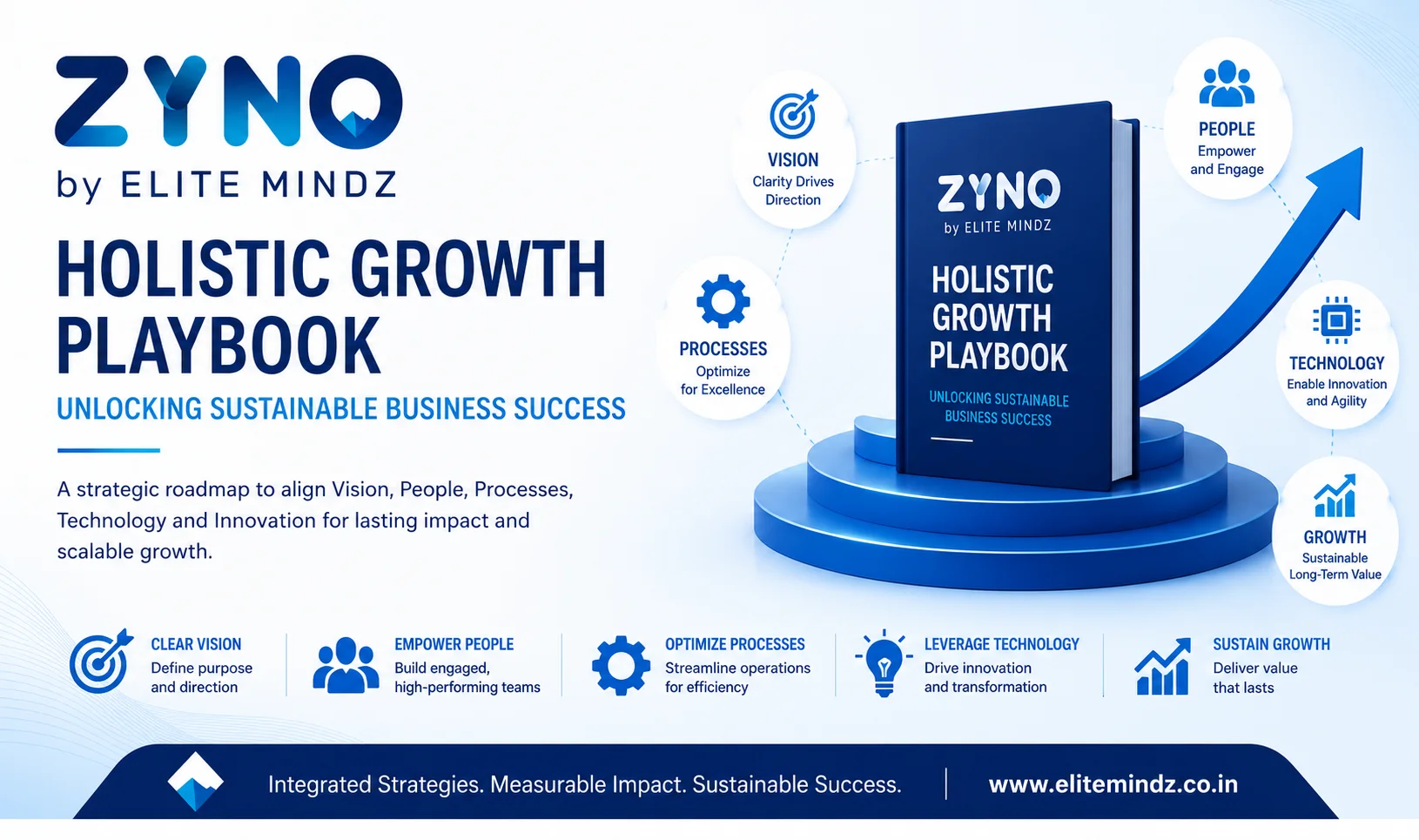
Elite Mindz’s Holistic Growth Playbook for 2025: Unlocking Sustainable Business Success
Read More →
Top Mobile App Development Firms in the U.K. (2025)
Read More →
GEO Meets Local SEO: Revolutionizing Business Discovery in the AI Era
Read More →
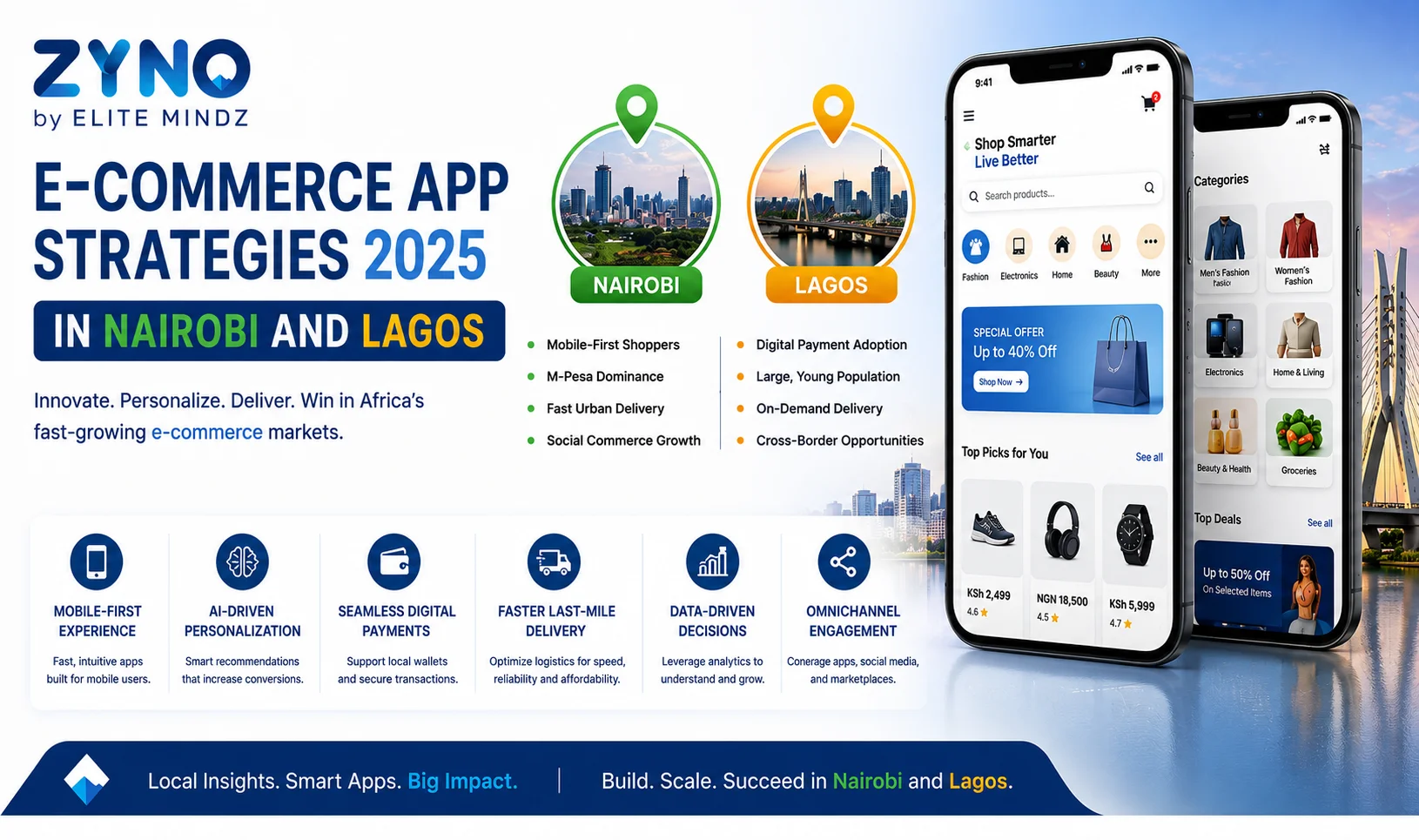
E-Commerce App Strategies 2025 in Nairobi and Lagos
Read More →
Mobile App Strategies that Work in Cairo 2025
Read More →
Best Practices for Mobile App Development in Malaysia with Elite Mindz
Read More →
Top Features Malaysian Businesses Should Add in Their Mobile Apps
Read More →
Top Mobile App Development Firms in Germany (2025)
Read More →
Top Mobile App Development Firms in France (2025)
Read More →
No-Code vs Custom Development: What’s Right for You?
Read More →
10 Industries Being Transformed by ML in 2025
Read More →
How Remote Hiring Changed the Global Developer Landscape
Read More →
Low Code Myths vs Reality
Read More →
Top 10 Developer Hiring Mistakes to Avoid in 2025
Read More →
Hire Dedicated Developers vs Freelancers: Pros & Cons
Read More →
Top Mobile App Development Firms in Saudi Arabia (2025)
Read More →
Top Mobile App Development Firms in Kuwait (2025)
Read More →
Top Mobile App Development Firms in UAE (2025)
Read More →
Top Mobile App Development Firms in Qatar (2025)
Read More →
Best Mobile App Development companies in South Africa for iOS and Android
Read More →
Top Mobile App Development Companies in the USA 2025: Building Innovative Apps for Every Business
Read More →
Taxi Booking App Development Company in the Middle East
Read More →
Developer Hiring Platforms Compared: Finding the Right Fit for Startups and Enterprises
Read More →
Effective Mobile App Monetization Strategies That Work in 2025
Read More →
Why Riders Prefer Taxi Booking App Over Traditional Calls
Read More →How Mobile Apps Are Transforming Pet Care Management in the USA
Read More →
The Complete Step-by-Step Guide to Compliance Software Every Business Needs Now
Read More →How Global Capability Centers Are Shaping the Future of Work
Read More →A New Chapter Begins in 2026: ZYNO’s AI-Powered Software Redefining the IT Landscape
Read More →What is Offshore Outsourcing Services: A Complete Guide
Read More →The Role of AI and Cloud in Modern Custom Application Development
Read More →Top Mobile App Development company in India 2026- ZYNO Tech
Read More →We use browser cookies to ensure you get the best experience on our website. Learn more
The form was submitted successfully!
ZYNO Digital
Fueling Smarter Digital Growth
ZYNO Digital fuels smarter digital growth through data-driven marketing, creative storytelling, and performance strategies that boost visibility, engagement, and measurable business outcomes across global platforms.
ZYNO Tech
Engineering the Future of IT
ZYNO Tech delivers cutting-edge IT solutions — including web, mobile, and digital transformation services — helping businesses scale efficiently, innovate faster, and stay ahead in a connected world.
ZYNO AI
AI Built for Business Growth
ZYNO AI harnesses the power of artificial intelligence to automate processes, enhance decision-making, and deliver predictive insights — driving innovation, agility, and measurable business growth.
ZYNO by Elite Mindz
Your Partner in the AI-Powered Future
ZYNO by Elite Mindz offers AI-powered products and services that unify operations, boost productivity, and drive digital transformation — helping businesses scale smarter and innovate faster.
* In just 2 mins you'll get a response
* Your idea is 100% protected by our Non-Disclosure Agreement