0
×
ZYNO Manufacturing ERP
Production Planning & Scheduling
Expense Management Software
Mobile App
AI-Powered Demand Forecasting
Field Service Management
Ticket Management Software
Training Management System
Document Management
Analytics & Reporting
Quotes & Sales Orders (Manufacturing CRM)
Finance & Cost Accounting
Shop-Floor & MES Reporting
Statutory Compliance & Taxation
Subcontracting & Outside Processing
Project-Based Manufacturing
Quality Control & Compliance
Maintenance & Asset Management
Procurement & Supplier Management
Inventory & Warehouse Management
Vendor Management Software
Bill of Materials (BOM)
Product Configurator
ZYNO Procurement
ZYNO CRM
ZYNO HRMS
Integrated recruitment
Learning management
Mobile app
HR chatbot
Custom services
HR automation
Business chat and collaboration
Employee engagement
Integrated travel and expense
Integrated payroll software
Compensation management
Onboarding
Performance management
HR analytics
Digital Document management
HR help desk
Timesheets
Leave management
Shift management
Attendance management
Employee management
Integrations
ZYNO Assets
ZYNO EduVibe
ZYNO Upskill
ZYNO Rewards
ZYNO HIMS
ZYNO Expenz
ZYNO Legal
ZYNO Audit
ZYNO Retail
ZYNO Recruit
ZYNO Projects
ZYNO Books
ZYNO POS
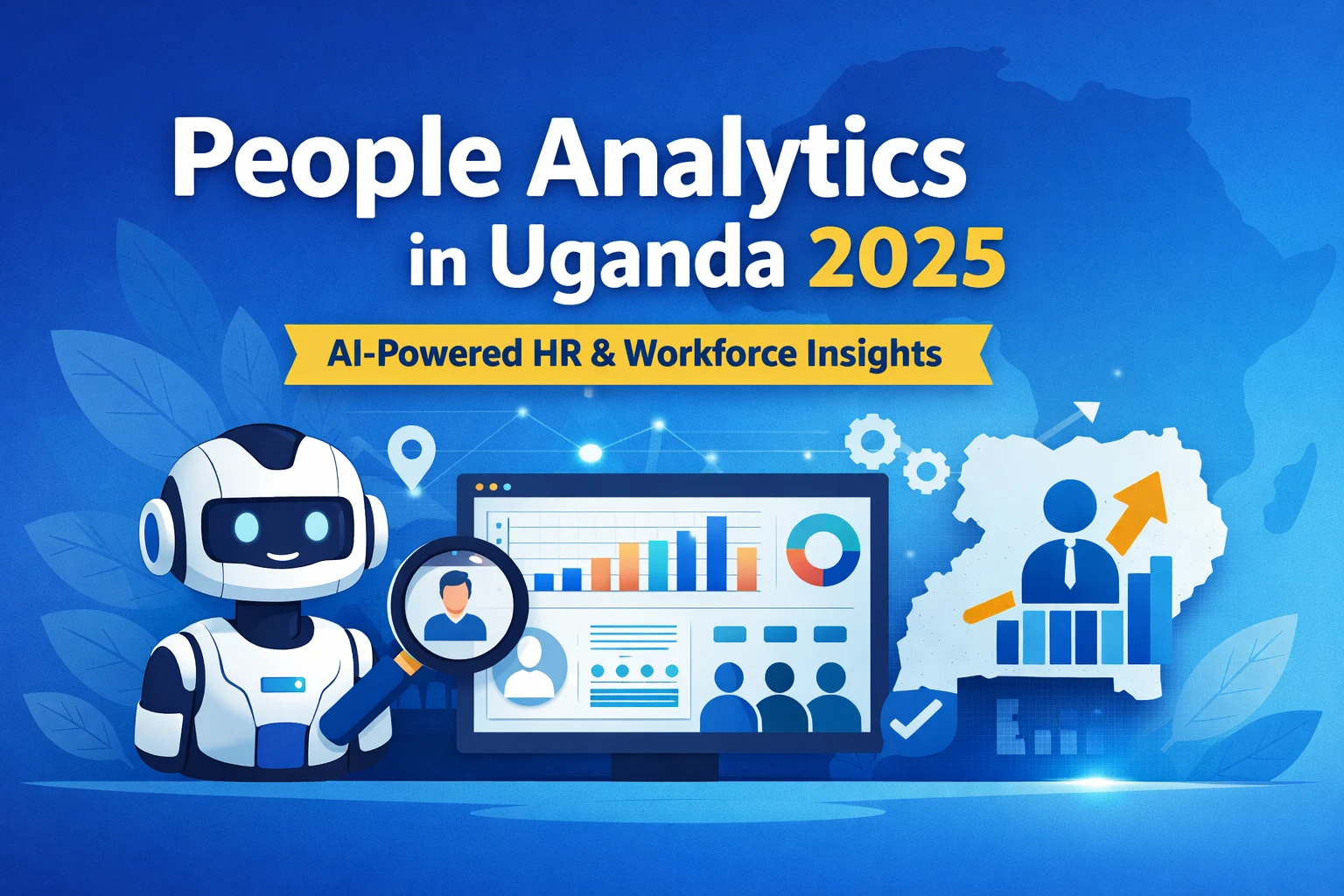
In 2025, hybrid work is reshaping Ugandan businesses, blending in-office and remote work to drive productivity, attract talent, and enhance employee satisfaction. With Uganda’s thriving tech ecosystem, youthful workforce (over 75% under 35), and increasing digital adoption, flexible work in Uganda is a strategic imperative. This blog explores in-depth best practices for implementing hybrid work, focusing on HRMS and remote work tools for Uganda that empower organizations. Designed for buyers and leads of workplace solutions, it offers actionable insights, highlights top providers, and includes a checklist to ensure success in Uganda’s dynamic market.
Uganda’s economy, fueled by fintech, agriculture, and tourism, is rapidly adopting hybrid work to address talent shortages and operational costs. Industry insights indicate that 70% of Ugandan businesses are leveraging digital tools to support remote work, aligning with the government’s Digital Uganda Vision. However, challenges like limited internet access in rural areas (42% penetration), a 7.5% unemployment rate, and urban-rural divides require tailored strategies. Flexible work in Uganda reduces commuting costs in cities like Kampala, supports remote employees in regions like Gulu, and ensures compliance with data protection laws like the Data Protection and Privacy Act 2019. Hybrid workforce solutions, such as HRMS platforms, are critical for managing teams, upskilling employees, and fostering engagement, positioning businesses for success in 2025.
Hybrid work also aligns with Uganda’s youthful workforce, who prioritize flexibility and career growth. By adopting hybrid work tools for Uganda, businesses can tap into the gig economy, where platforms like Upwork thrive, and address unemployment by upskilling workers for high-demand roles in fintech and ICT. This section explores why hybrid work is not just a trend but a necessity for Ugandan SMEs and enterprises.
HRMS platforms are the cornerstone of hybrid work, streamlining scheduling, training, and performance tracking. AI-driven HRMS platforms for remote team management in Uganda automate tasks like attendance monitoring, shift allocation, and compliance with Uganda’s Employment Act 2006. For example, an HRMS can optimize schedules for Kampala-based fintech employees while tracking productivity for remote workers in rural Jinja, ensuring efficiency across diverse settings. These platforms also integrate payroll, reducing manual errors and ensuring timely payments, which is critical for employee satisfaction in Uganda’s cost-sensitive market.
Hybrid work in Uganda thrives on top collaboration software in 2025, including video conferencing tools like Zoom, Microsoft Teams, and Google Meet, as well as project management platforms such as Trello and Asana. These solutions ensure seamless communication for Uganda’s mobile-first workforce, where over 80% access the internet via smartphones. Tools that support local languages like Luganda make collaboration more inclusive, enabling rural employees in areas like Lira to stay connected via mobile devices. Features such as real-time chat, screen sharing, and file sharing bridge the gap between in-office and remote teams, improving coordination in fast-paced industries like tourism and logistics.
Clear, inclusive policies are vital for flexible work in Uganda. Policies should outline expectations for in-office and remote days, accommodate connectivity challenges, and embrace Uganda’s cultural diversity. For instance, offering internet stipends or flexible hours supports remote workers in regions like Mbale, where connectivity is inconsistent. Policies should also address gender equity, ensuring women, who make up 50% of Uganda’s workforce, have equal access to hybrid opportunities. Regular policy reviews ensure alignment with employee needs and business goals, fostering a cohesive hybrid culture.
Hybrid work requires proficiency in digital tools like HRMS or collaboration software. Remote work tools for Uganda, such as HRMS with microlearning modules, deliver training in cybersecurity, data analysis, and remote collaboration. In Uganda’s fintech sector, where platforms like MTN MoMo dominate, upskilling employees in mobile payment systems or blockchain is critical. Microlearning, delivered in 5–10-minute modules, suits Uganda’s busy workforce, allowing employees to learn during breaks. For example, a retail worker in Entebbe can complete a customer service module via a mobile app, boosting skills without disrupting work.
Remote work can lead to isolation, particularly for employees outside urban centers. HRMS platforms with sentiment analysis assess satisfaction through surveys or chat interactions, identifying disengagement early. Virtual team-building activities, such as online events celebrating Ugandan festivals like Martyrs’ Day, foster connection. Wellness programs, like mental health check-ins via HRMS, address stress, reducing turnover in Uganda’s competitive job market. Industry insights suggest that organizations prioritizing well-being see up to 25% higher retention rates, a significant advantage for Ugandan businesses.
Uganda’s Data Protection and Privacy Act 2019 mandates strict data security for employee information. Hybrid work tools for Uganda must encrypt data and comply with local regulations. For example, HRMS platforms should secure employee records and training data, protecting against breaches in remote settings. Regular audits and employee training on cybersecurity best practices, such as using secure passwords, ensure compliance and build trust, especially for businesses in Uganda’s fintech and banking sectors.
Uganda’s 42% internet penetration highlights a digital divide between urban centers like Kampala and rural areas like Arua. Hybrid workforce solutions must include offline capabilities or mobile-optimized interfaces to support rural employees. For instance, HRMS platforms with downloadable training modules allow workers to upskill offline, ensuring inclusivity. Businesses should also invest in low-bandwidth tools to accommodate employees with limited connectivity, maximizing the reach of flexible work in Uganda.
These providers offer HRMS solutions tailored for hybrid work, delivering Uganda-ready HR tech for buyers seeking robust hybrid workforce solutions.
Elite Mindz leads with its AI-powered HRMS, designed for African markets, offering unmatched support for hybrid work. It integrates scheduling, microlearning, and performance analytics, with multilingual support for Uganda’s workforce. Elite Mindz ensures compliance with data protection laws and provides insights to optimize hybrid team performance, ideal for SMEs and enterprises in Kampala’s tech and retail sectors. Its mobile app and offline capabilities make it a top choice for HRMS for remote team management in Uganda.
Zoho People delivers a cloud-based HRMS with scheduling, e-learning, and time tracking for flexible work in Uganda. Its mobile app supports smartphone-driven employees, offering training in technical and soft skills. With affordable plans starting at $1/user/month and multilingual capabilities, Zoho People excels for businesses seeking best collaboration software in Uganda 2025, particularly in retail and hospitality.
SeamlessHR, an African-focused HRMS, supports hybrid work with remote attendance, e-learning, and payroll integration. Its AI-driven analytics reduce HR workload by up to 30%, aligning with Uganda’s digital needs. SeamlessHR is ideal for finance and retail businesses adopting remote work tools for Uganda, with mobile accessibility and local compliance features.
Yo-Uganda, a Kampala-based SaaS provider, offers HRMS solutions tailored for hybrid work. Its platform includes training modules, attendance tracking, and payroll, designed for local compliance and affordability. Yo-Uganda supports SMEs in agriculture and services, delivering Uganda-ready HR tech with a focus on mobile accessibility for rural employees.
HRM-Payroll Uganda, a Ugandan HR tech firm, provides HRMS with training and payroll features for hybrid work. Its mobile-friendly platform supports performance tracking and compliance, catering to Uganda’s diverse workforce. HRM-Payroll Uganda is ideal for businesses seeking localized hybrid workforce solutions, particularly in manufacturing and education.
Implementing hybrid work requires addressing Uganda-specific challenges:
These trends reflect industry patterns for 2025:
To help buyers and leads implement hybrid work, here’s a checklist for SMEs:
In 2025, hybrid work empowers Ugandan businesses with flexibility, cost savings, and talent retention. Hybrid workforce solutions like HRMS platforms streamline team management, upskilling, and engagement, addressing Uganda’s unique connectivity and compliance needs. Providers like Elite Mindz, Zoho People, SeamlessHR, Yo-Uganda, and HRM-Payroll Uganda deliver tailored Uganda-ready HR tech for flexible work in Uganda. Ready to streamline hybrid team management in Uganda?
Contact us today to see how AI-powered HRMS can reduce costs, improve compliance, and elevate your workforce in 2025.
Are you looking for a professional advisor for your business?
Complete the form and discuss implementation strategies with our IT expertise.
Get a Quote in Minutes
12 Must-Have HRMS Software Features for 2025
Read More →
How HRMS Systems Streamline Payroll and HR Processes
Read More →
Top HRMS Software Features For 2025 & Beyond
Read More →Best HRMS Software in Nigeria 2025 | Top HRMS Management Solutions
Read More →
How AI is Transforming HR Management in Nigeria
Read More →
Uganda's Hybrid Workforce: Tech Solutions for HR Leaders
Read More →
Upskilling the Kenyan Workforce: HR Strategies for 2025
Read More →
Data-Driven HR: People Analytics Trends in Uganda 2025
Read More →
Hybrid Work Best Practices for Ugandan Businesses in 2025
Read More →
Driving Employee Engagement: Successful Strategies for Mozambique in 2025
Read More →
Building a Culture of Wellness in Nigerian Workplaces
Read More →
Embedding DEI&B: Local Insights for Mozambican Employers in 2025
Read More →
Affordable HR Automation Solutions for SMEs in Kenya
Read More →
Strategic HR Leadership: What Nigerian CHROs Need to Know in 2025
Read More →
Unlocking Business Value: Practical Ways to Integrate AI into Your HR Workflows
Read More →
From Degrees to Skills: How to Build a Future-Ready Talent Management Strategy
Read More →
Beyond the Ping-Pong Table: Creative Employee Engagement Ideas for Remote Teams
Read More →
Hybrid Work, Real Results: Tools and Tactics to Optimize Flexible Teams
Read More →
Moving Beyond Policies: Embedding DEI&B into Daily Employee Experiences
Read More →
Upskilling Your Workforce: Low-Cost, High-Impact Training Strategies for Modern HR
Read More →
The 2025 Guide to HR Automation: Top Tools Small Businesses Can't Ignore
Read More →
Mental Health at Work: Digital Solutions Every HR Team Needs to Know
Read More →
Essential HR Tech Tools for Businesses in Kenya
Read More →
Getting Started with People Analytics: Beginner Techniques for Data-Driven HR Success
Read More →
The Evolving HR Leader: How to Become a True Strategic Business Partner
Read More →
Developer Hiring Trends: Top Global Cities in 2025
Read More →
Best HRMS Software in Bahrain (2025 Edition)
Read More →
Top HRMS Software Providers in USA
Read More →
Best Service Providers for Cloud-Based HRMS in Singapore
Read More →
Top 10 HR Software Systems in Belgium for Employee Engagement
Read More →
Best HRMS Solutions in Switzerland 2025: Streamlining Payroll, Recruitment & Employee Management
Read More →
The Future of Smart Hospitals: Building Connected, Efficient, and Patient-Centric Healthcare Systems
Read More →
Top HR Management in South Africa
Read More →
How HRMS Empowers Employee Self-Care in the Modern Workplace
Read More →
ZYNO HRMS: Setting the Standard for HRMS Payroll Software Trends in 2026
Read More →
A New Era of HR Excellence Begins with ZYNO HRMS- Best HRMS Software
Read More →