 Contact Us


Solving Critical Challenges in Wholesale Distribution Operations
ZYNO helps wholesalers and distributors overcome operational bottlenecks, improve inventory visibility, streamline procurement and order processing, and manage warehouses, finance, and distribution workflows from one connected platform.
Manual Stock & Reconciliation Errors
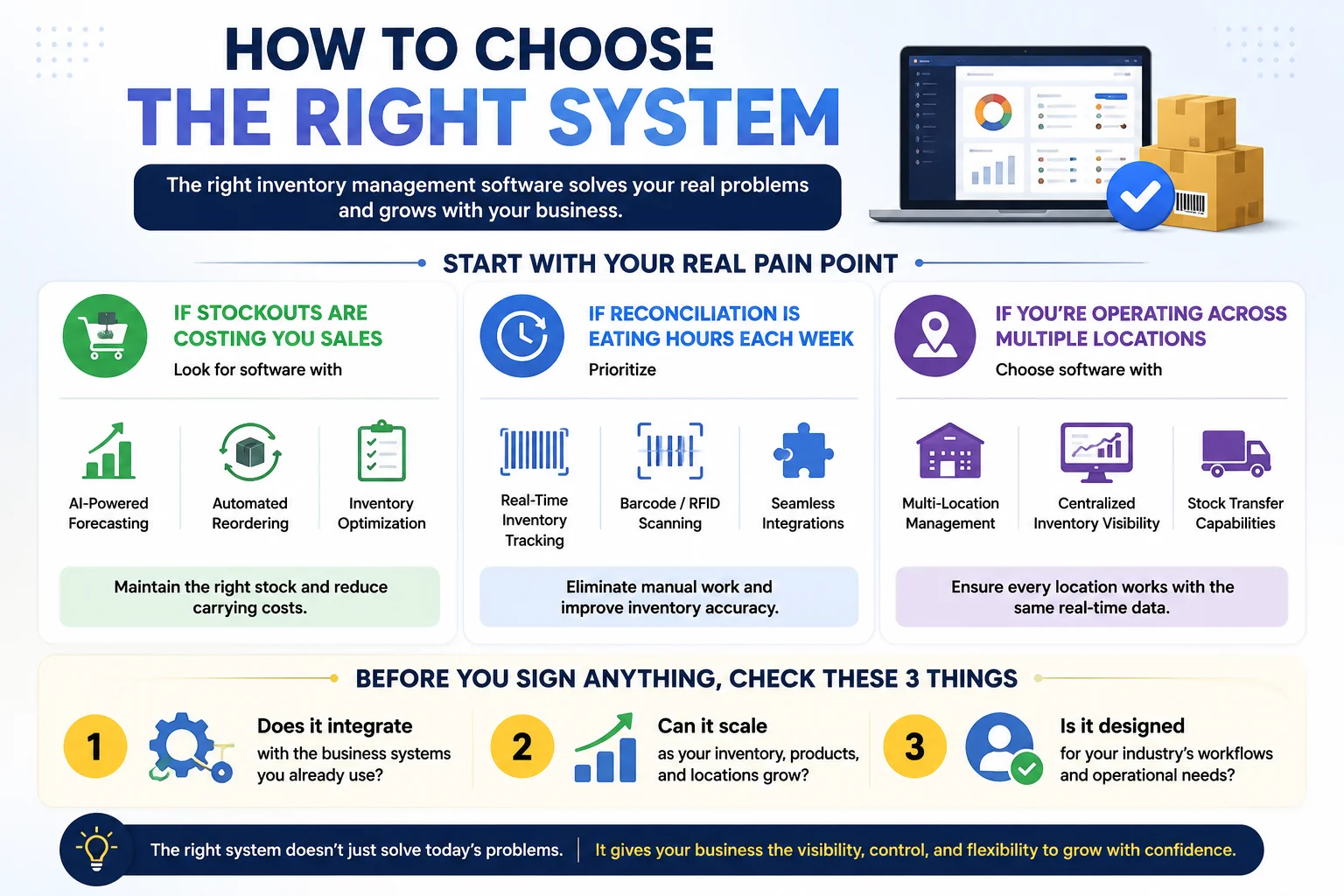
Manual inventory tracking causes frequent mismatches, stock inaccuracies, and reconciliation issues, leading to financial losses, delays, and poor visibility across wholesale trade operations. Without real-time stock data, distributors often struggle to fulfill orders accurately, resulting in disputes with retailers and unnecessary write-offs. This lack of visibility also makes it harder to plan replenishment cycles for a fast-moving distribution business.
Disorganized Purchase Orders & Vendor Delays
Unstructured purchase order handling and weak vendor coordination result in delayed procurement, miscommunication, and inefficient supply chain operations affecting timely product availability. In a fast-moving wholesale industry, even small delays in vendor approvals can disrupt the entire order-to-delivery cycle, leaving distributors scrambling to meet retailer demand.
Slow Billing, Credit and Payment Recovery
Inefficient billing systems and delayed credit processing slow down cash flow, increase outstanding dues, and negatively impact financial stability in wholesale distribution. Without automated invoicing and credit tracking, a distribution business often loses valuable time chasing payments instead of focusing on growth
Poor Demand Forecasting & Stock Planning
Inaccurate forecasting leads to overstocking or stockouts, especially during seasonal demand shifts, reducing profitability and increasing storage and wastage costs. This is one of the most common challenges across wholesale and distribution networks, where manual planning simply can't keep up with fluctuating market demand.
Complex Distributor-Retailer Relationship Management
Managing multiple distributors and retailers manually creates communication gaps, order delays, and reduced trust, impacting long-term business relationships and sales performance. As distributors and wholesalers scale their networks, relationship management without a centralized system becomes increasingly difficult to sustain.
Workforce Scheduling and Warehouse Coordination Gaps
Lack of proper staff scheduling and warehouse coordination leads to operational inefficiencies, delayed order fulfillment, and reduced productivity in distribution centers. A reliable warehouse distribution software solution helps align workforce planning with real-time warehouse activity, closing these coordination gaps.
Disconnected Sales, Warehouse & Finance Systems
Separated systems across departments create data silos, resulting in reporting errors, delayed decision-making, and poor end-to-end operational visibility. Without unified distribution software, sales, warehouse, and finance teams end up working from different versions of the truth, slowing down every decision.
Multi-Location Distribution Inefficiencies
Managing multiple warehouses without centralized control leads to inconsistent stock levels, coordination issues, and reduced efficiency across regional distribution networks. This is a critical bottleneck in supply chain distribution, especially for businesses expanding into new territories without a scalable distribution ERP in place.


.webp)





.webp)



.jpg)
.jpg)

.webp)

.jpg)
.jpg)

.jpg)









.jpg)
.jpg)
(1).webp)
.jpg)
.jpg)






.webp)
.jpg)
.jpg)
.jpg)
.jpg)
.jpg)
.jpg)
.jpg)

.jpg)





.webp)
.webp)




.webp)
.webp)
.webp)
.webp)
(1).webp)




.webp)
.webp)

.webp)

.webp)

.webp)









.webp)

.webp)
.webp)





.jpg)

.jpg)
.jpg)
.jpg)
.jpg)
.jpg)
.jpg)



.jpg)
.jpg)


.webp)
.webp)

![CRM Migration: A Step-by-Step Guide to a Smooth Transition [With Best Practices]](https://cdn.elitemindz.co/admin/marketing_media/blogs_image/1787561783_CRMMigration.webp)
![10 Best Conversation Intelligence Software Options for Sales Teams [2026]](https://cdn.elitemindz.co/admin/marketing_media/blogs_image/1791365785_10BestConversationIntelligenceSoftwareOptionsforSalesTeams(1).webp)





.webp)








.webp)



.webp)

.webp)
.webp)




.webp)
.webp)
.webp)
.webp)
.webp)






.webp)

.webp)
.webp)

.webp)
.webp)



.webp)
_converted.webp)

_converted.webp)
.webp)
.webp)


.webp)


.webp)


(1).webp)


.webp)
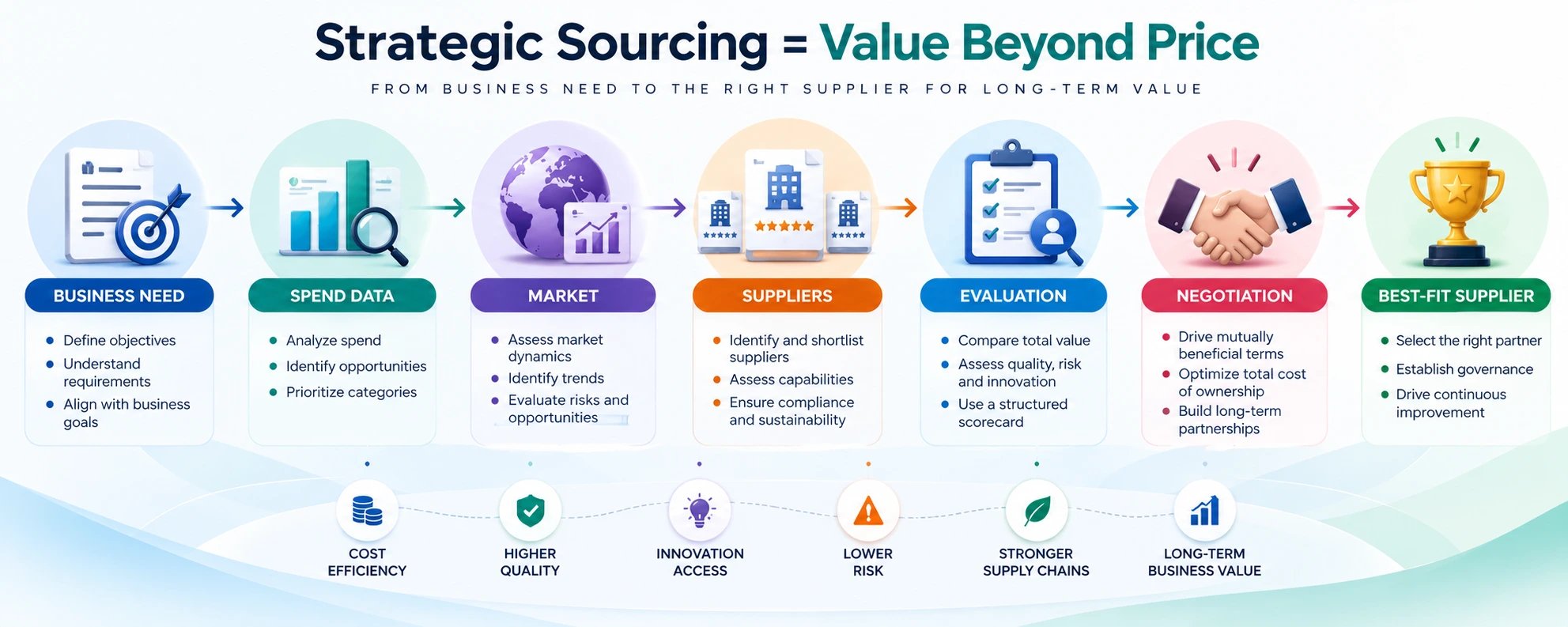
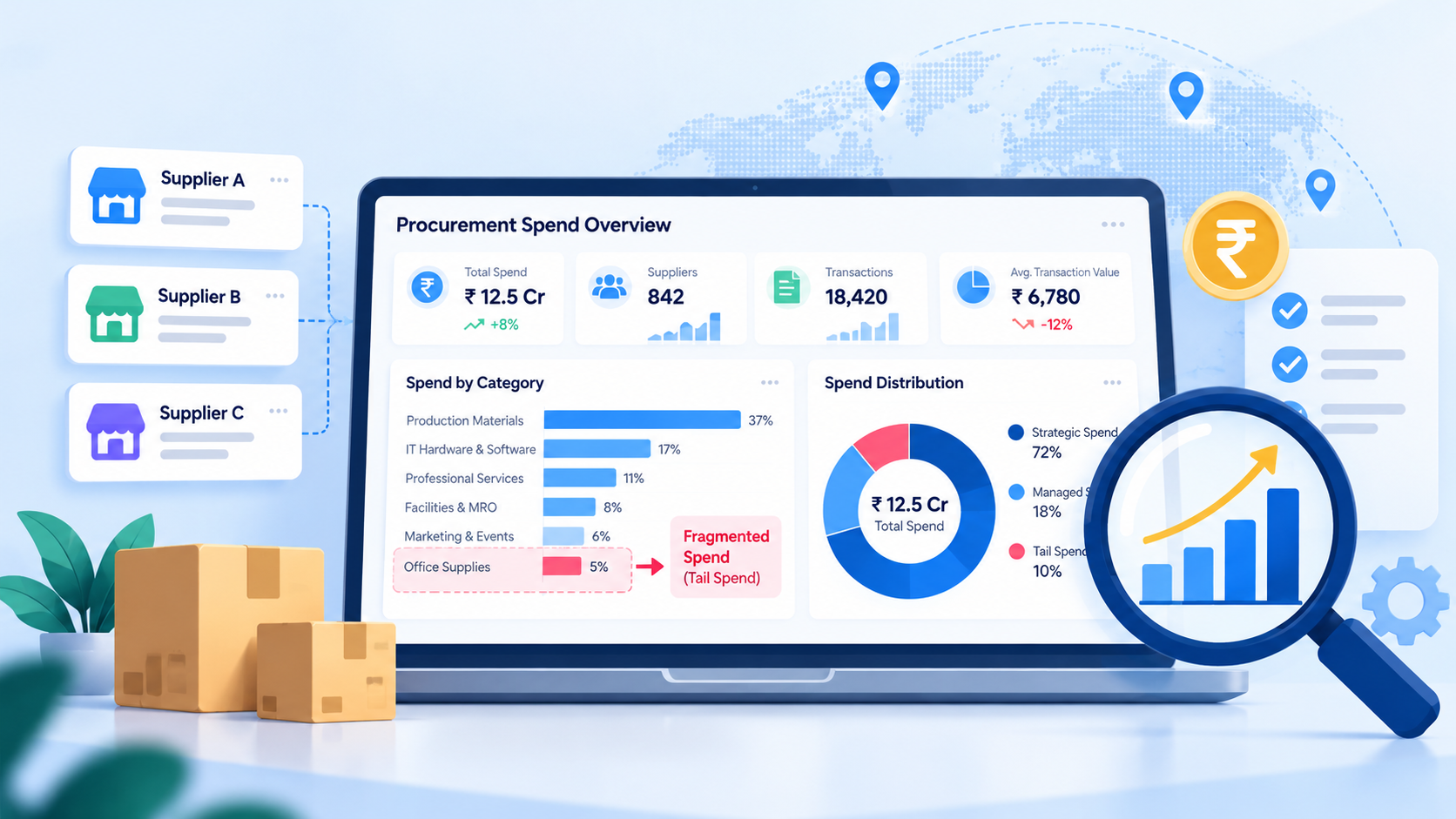
.webp)
(2).webp)


.webp)
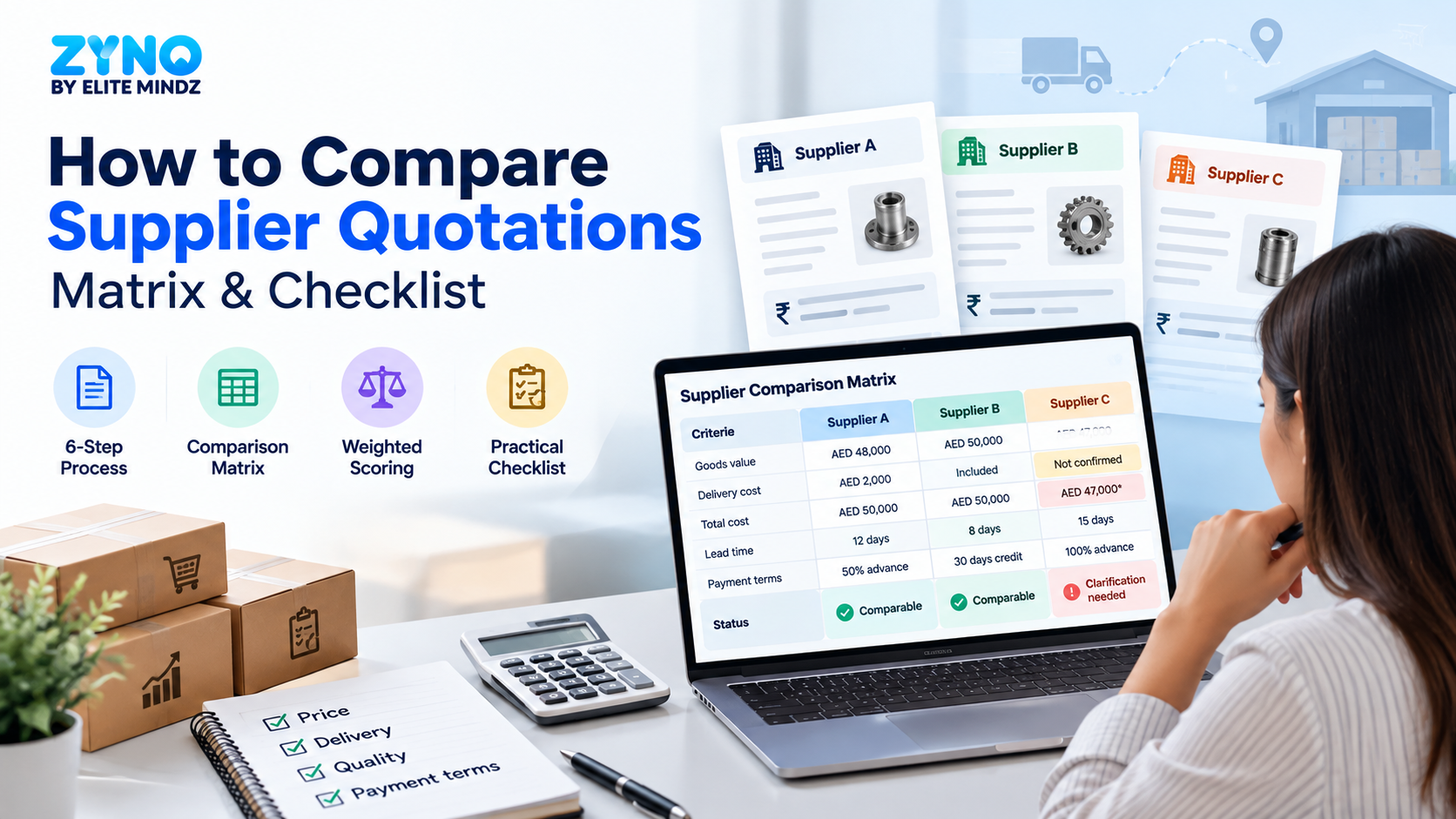
.webp)
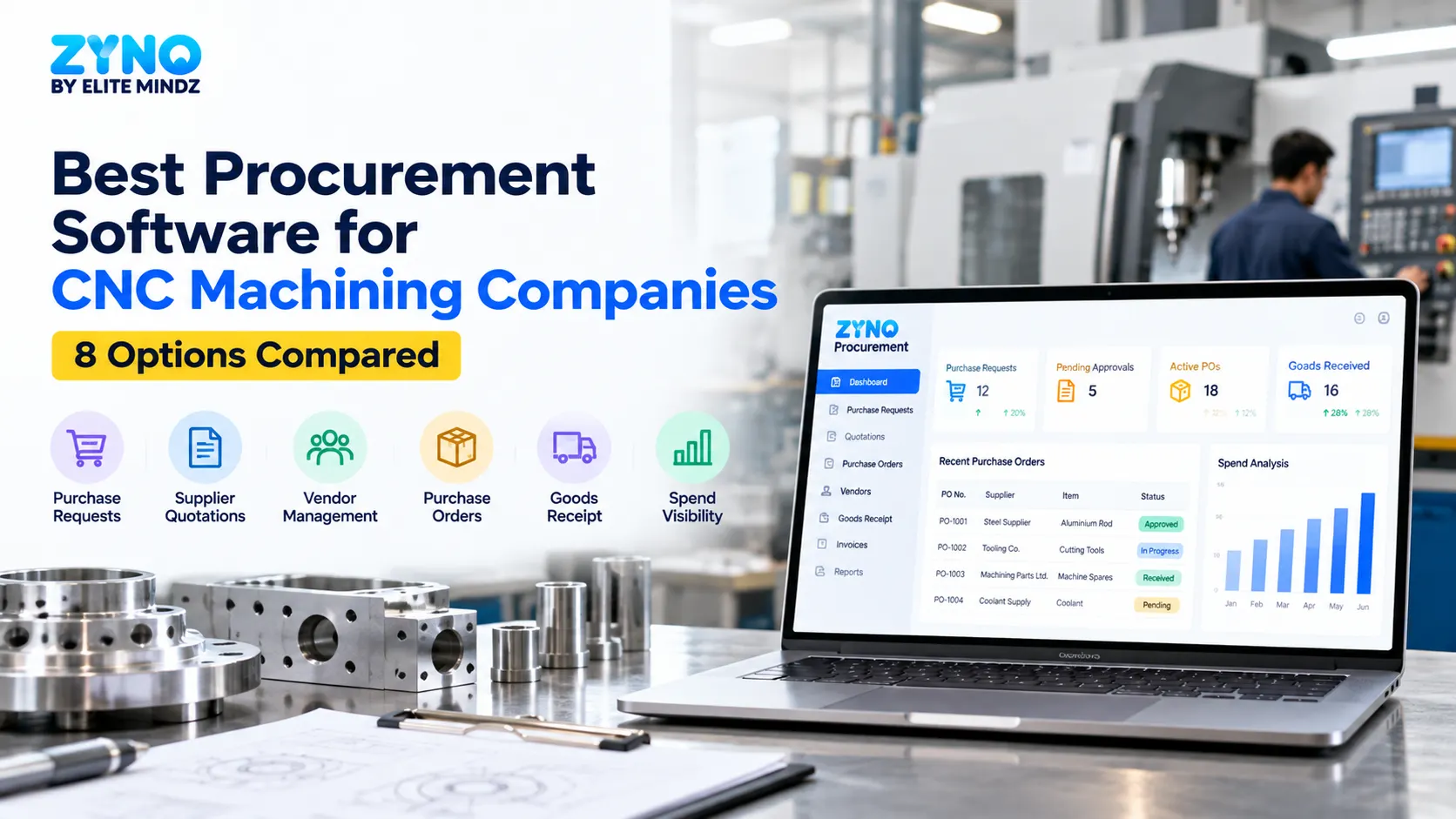

.webp)

.webp)


.webp)

.webp)
.webp)




.webp)


.webp)


.webp)


.webp)
.webp)
.webp)







.webp)




.jpg)
.jpg)

.jpg)


.webp)
.jpg)

.jpg)







(1).jpg)
.jpg)


















-Is-Transforming-Mobile-Apps-in-2025.jpg)
3.webp)


.webp)






.jpg)






.jpg)
.webp)



.jpg)
.jpg)






.jpg)
.jpg)
.jpg)




.webp)



















.webp)
.webp)
.webp)




![Best 15 AI Software Development Companies in USA [2026]](https://cdn.elitemindz.co/admin/marketing_media/blogs_image/1787654233_BestAISoftwareCompaniesinUSA2026-optimized.webp)











.jpg)







































.webp)







.webp)



.webp)


.webp)
.webp)

.webp)
.webp)


.webp)
.webp)
.webp)
.webp)
.png)
.jpg)
.webp)
.webp)
.webp)
.webp)
.webp)
.webp)

.webp)
.webp)
.webp)


.webp)

.webp)
.webp)
.webp)
.webp)


.webp)

.webp)



(1).png)

.webp)
.webp)
.webp)
.webp)
.webp)









.webp)




.webp)
.webp)
.webp)




















.webp)
.webp)




.webp)





.jpg)

.webp)


.webp)
.jpg)
.jpg)
.webp)
.webp)




Meaning,FullForm,Format&Examples.webp)

.webp)
.webp)
.webp)
.webp)
(1).webp)

.webp)

.webp)
.webp)
.webp)
.webp)


.webp)
.webp)
.jpg)







-optimized.webp)






.webp)

.webp)



.webp)
.webp)
.webp)
















.webp)



.webp)