How AI and Automation Are Transforming Retail Operations with ZYNO Retail
Read More →
×
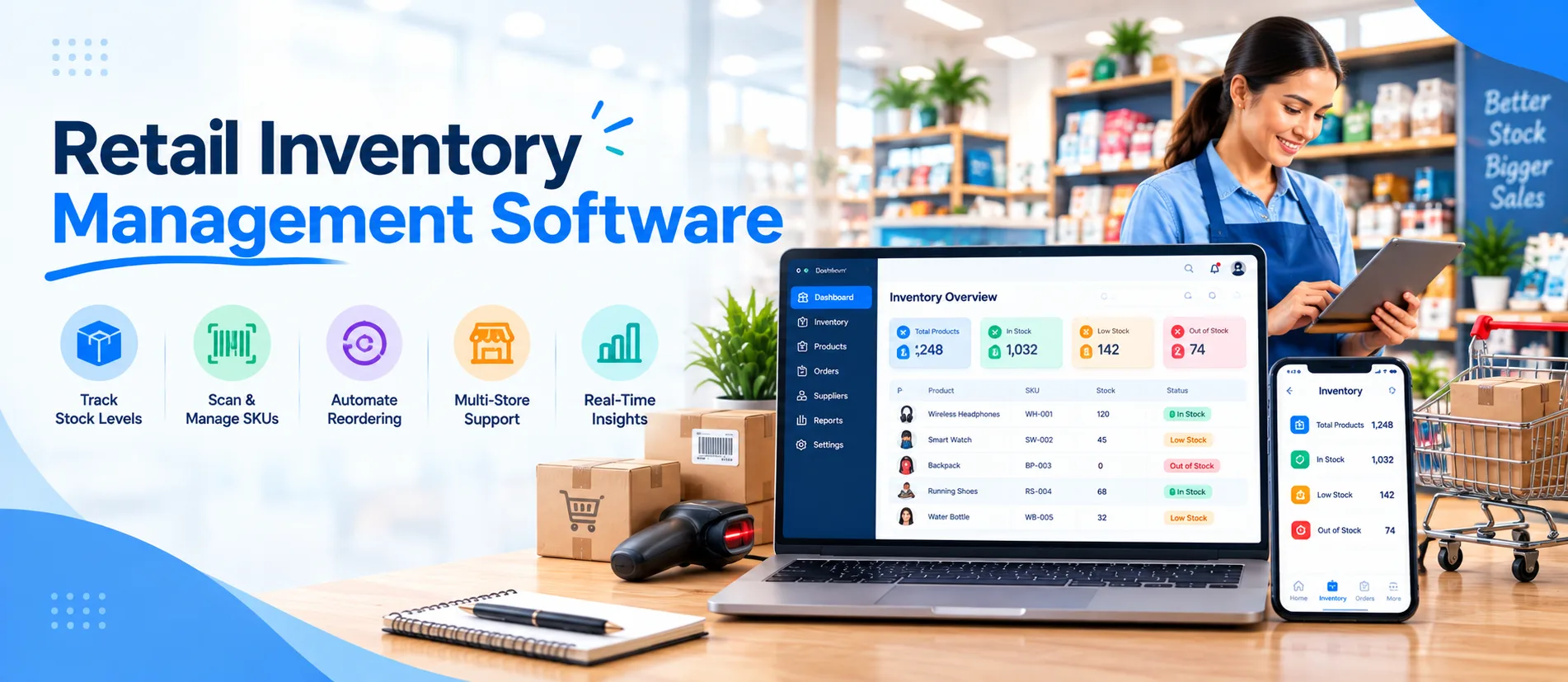
The best retail inventory management software in 2026 includes GOIS, ZYNO Retail, MetaWMS, Zoho Inventory, and Cin7 etc. These platforms help retailers track real-time stock, automate reordering, manage multiple stores, synchronize POS and ecommerce sales, and improve inventory accuracy while reducing stockouts and overstocking.
Businesses using ZYNO Books cut accounting time by 70% and stay 100% ZATCA-compliant — automatically.
Retail inventory management software gives a store one reliable answer to three questions: what stock do we have, where is it, and when should we reorder? In 2026 that answer matters more than ever, because shoppers expect the same item to be available online, in the store and on marketplaces at the same moment.
Most retailers still struggle with the same problems:
A good retail inventory system tracks stock in real time, automates replenishment and gives every team the same view of inventory. That means fewer surprises, faster fulfilment and better buying decisions.
This guide explains 11 retail inventory management software options: GOIS, ZYNO Retail, MetaWMS, Zoho Inventory, QuickBooks Commerce, Cin7, Fishbowl Inventory, Oracle NetSuite Inventory, SAP Inventory Management, Lightspeed Retail and Inventoria Inventory. Each one is covered in the same format, so you can compare them fairly.
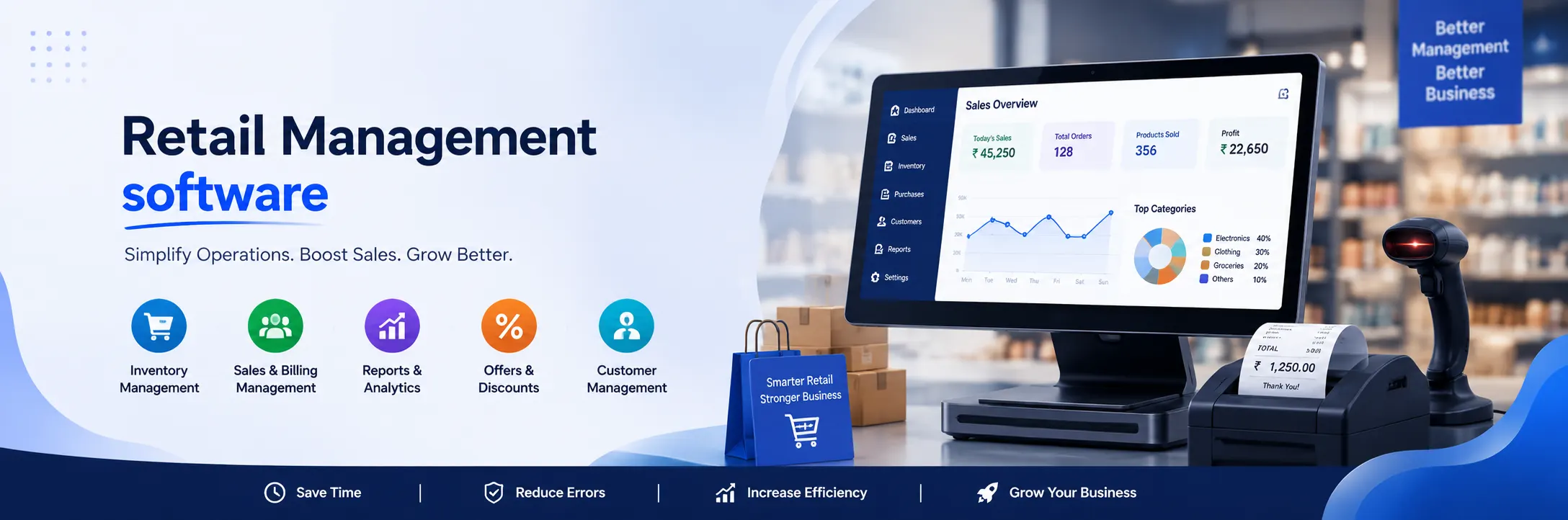
ZYNO Retail helps businesses manage inventory, track real-time stock, automate billing, synchronize online and offline sales, and streamline multi-store operations from one centralized platform.
Use this table for a quick side-by-side view of all 11 options before reading the detailed sections again.
|
S.no |
Software |
Best for |
Key features |
Starting price |
|
1 |
GOIS |
Growing and omnichannel retailers |
Real-time tracking, AI demand forecasting, automated reordering, barcode scanning, multi-location inventory |
Essentials $199 (2 users), Growth $399 (5 users), Scale $699 (10 users) |
|
2 |
ZYNO Retail |
Single stores to multi-store chains needing POS, ecommerce, inventory and accounting in one platform |
AI-powered insights, POS with barcode scanning, online and offline stock sync, multi-store management, GST automation, integrated accounting |
Custom pricing based on stores and features; contact the team for a quote |
|
3 |
MetaWMS |
Businesses using Dynamics 365 Business Central |
Warehouse automation, barcode and RFID scanning, picking and packing, cycle counting |
Contact sales team |
|
4 |
Zoho Inventory |
Small and midsize retailers |
Real-time stock updates, order management, reorder alerts, e-commerce integrations, Zia AI assistant |
Free plan (50 orders); Standard $29, Premium $79, Plus $129, Enterprise $249 per month |
|
5 |
QuickBooks Commerce |
Businesses prioritizing inventory and accounting workflows |
Inventory and accounting sync, sales and purchase orders, stock alerts, financial reporting |
Contact sales team |
|
6 |
Cin7 |
Growing omnichannel retailers and wholesalers |
Inventory control, built-in POS, order management, B2B sales, multi-channel sync, demand planning |
Core: Standard $349, Pro $599, Advanced $1,199 per month |
|
7 |
Fishbowl Inventory |
Inventory-intensive businesses and distributors |
Barcode scanning, purchase suggestions, warehouse operations, manufacturing inventory, QuickBooks integration |
Inventory: Essentials $229, Growth $429, Scale $729 (billed annually); Advanced Warehouse from $595; Manufacturing from $675 |
|
8 |
Oracle NetSuite Inventory |
Midsize and large enterprises |
Centralized visibility, multi-location fulfillment, demand planning, automated replenishment, ERP integration |
Contact sales team |
|
9 |
SAP Inventory Management |
Large and complex retail operations |
Enterprise inventory control, warehouse management, RFID support, analytics, supply chain integration |
Contact sales team |
|
10 |
Lightspeed Retail |
Retailers needing integrated POS and inventory |
POS-linked inventory updates, product variants, low-stock alerts, purchase orders, multi-store transfers |
Basic $89, Core $149, Plus $289 per month |
|
11 |
Inventoria Inventory |
Small businesses needing basic inventory control |
Basic stock tracking, purchase orders, low-stock alerts, SKU management, inventory reporting |
Contact sales team |
Here’s a list of the top 11 retail inventory management software, with key features, best-fit businesses, and important considerations for each:

GOIS (Goods Order Inventory System) is a cloud-based inventory platform that connects stock, orders and purchasing in one place. It links with sales channels and accounting tools, so inventory stays consistent across storefronts and back-office systems.
Key features
Best for: Growing and omnichannel retailers
Pricing:
|
Consider: Multi-location setup and advanced analytics may need some initial configuration and team training.

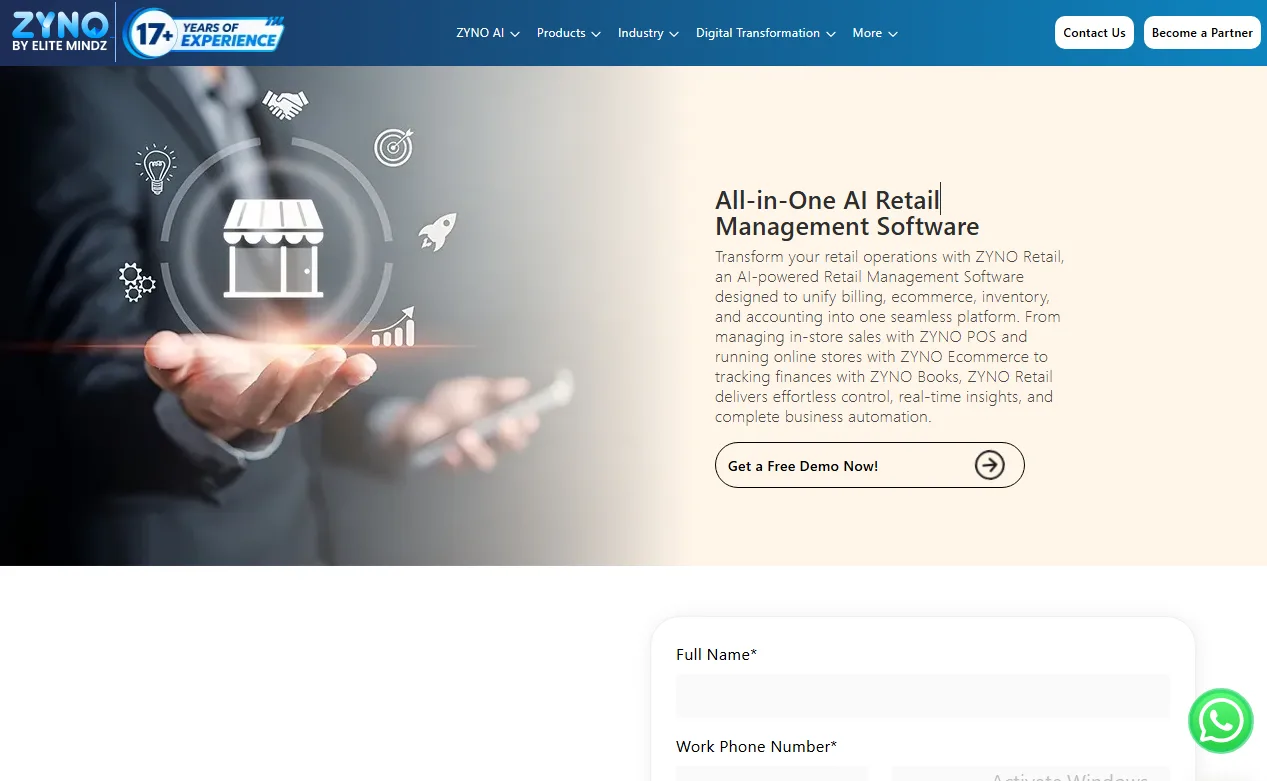
ZYNO Retail is an AI-powered retail management platform that brings billing, ecommerce, inventory and accounting into one connected system. Instead of juggling separate tools, retailers get ZYNO POS for in-store sales, ZYNO Ecommerce for online selling and ZYNO Books for finances, all working from the same real-time stock data.
Key features
Best for: Retailers, from single stores to multi-location chains, that want POS, ecommerce, inventory and accounting in one platform
Why it stands out: ZYNO Retail covers the full retail workflow in a single platform, so stock, sales and accounts stay in sync without manual re-entry. It also offers cloud access, role-based data security, custom workflows and integrations with ecommerce platforms, payment gateways, CRMs and accounting systems, and you can book a free demo to try it with your own products.
Pricing: ZYNO Retail offers flexible, customized pricing based on your business needs, selected features, and number of stores contact the team for a personalized quote.

MetaWMS is a warehouse management solution built as an extension for Microsoft Dynamics 365 Business Central. Inventory movements are recorded directly in the ERP, which gives sales, purchasing and warehouse teams a single source of truth.
Key features
Best for: Businesses using Dynamics 365 Business Central
Consider: It is designed for Dynamics 365 users, and warehouse layouts such as bins and zones need upfront setup.
Pricing: Contact sales Team

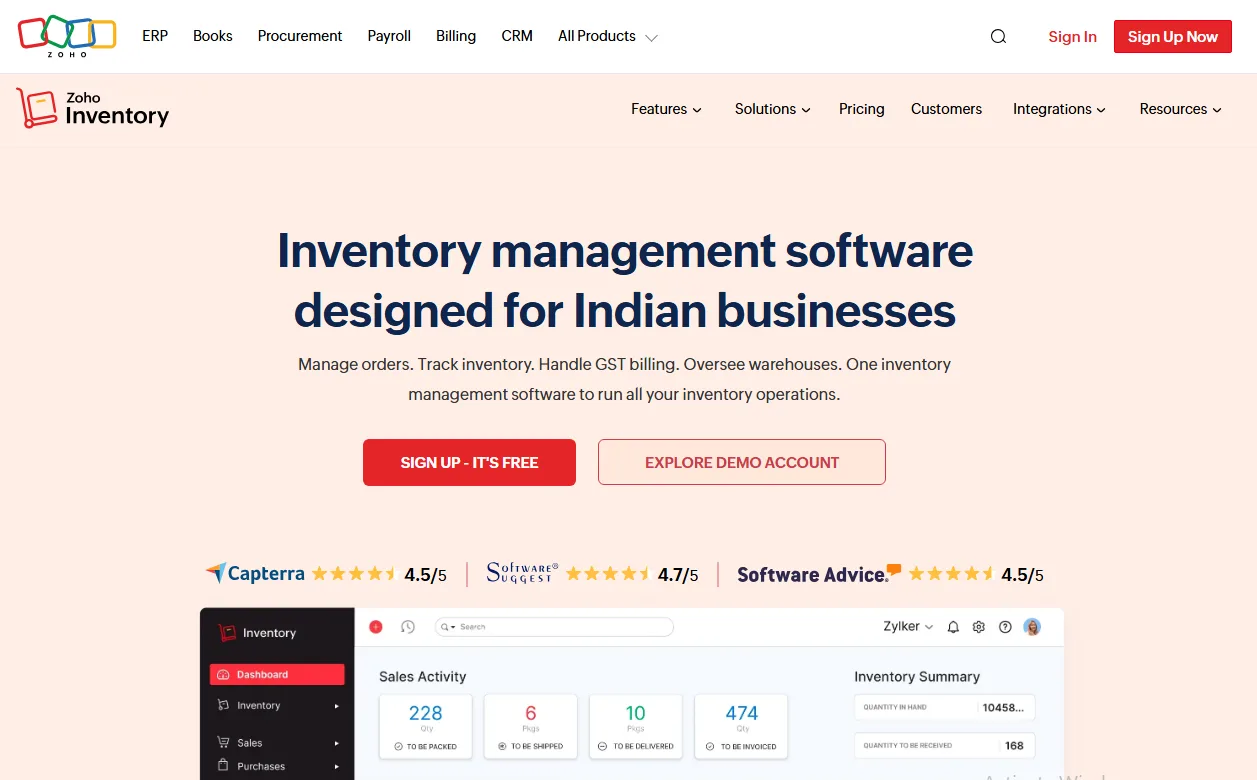
Zoho Inventory is a cloud-based tool popular with small and midsize sellers. It keeps stock in sync across online channels and physical sales points, and it works smoothly with other apps in the Zoho suite.
Key features
Best for: Small and midsize retailers
Consider: It does not offer the deep warehouse controls or advanced reporting of larger enterprise systems.
Pricing:

QuickBooks Commerce, formerly known as TradeGecko, was built around the link between inventory and accounting. Orders, purchases and stock movements flow into the books, so product counts and financial records stay aligned.
Key features
Best for: Businesses that prioritize inventory and accounting workflows
Consider: It focuses on small-business needs rather than large warehouse operations, so confirm current availability before choosing it.
Pricing: Contact Sales Team
Also Read: Store Inventory Excel Sheet Free Download

Cin7 is an all-in-one platform that combines inventory control, point of sale and order management. It lets retailers and wholesalers run in-store, online and B2B sales from a single system with live stock updates.
Key features
Best for: Growing omnichannel retailers and wholesalers
Consider: The wide feature set can mean a steeper learning curve and a higher cost than very small shops need.
Pricing:
|

Fishbowl Inventory is a well-known system for product-based businesses that handle both warehouse and production workflows. It is closely tied to QuickBooks, which makes it a natural fit for teams that already keep their books there.
Key features
Best for: Inventory-intensive businesses and distributors
Consider: The interface may feel less modern than newer cloud-first tools, so test it with your team during a trial.
Pricing :
|

Oracle NetSuite Inventory is the inventory module of a full cloud ERP. It brings stock from every store, warehouse and sales channel into one real-time view, and it shares data with finance and order management.
Key features
Best for: Midsize and large enterprises
Consider: As a full ERP platform, it typically means a bigger budget and a longer implementation than lightweight tools.
Pricing : Contact Sales Team

SAP Inventory Management serves large organizations that need tight control over stock across many sites. It connects inventory with warehouse, manufacturing and logistics processes inside the wider SAP landscape.
Key features
Best for: Large and complex retail operations
Consider: Its depth comes with complexity, so it usually calls for a dedicated IT team and a substantial investment.
Pricing : Contact Sales Team

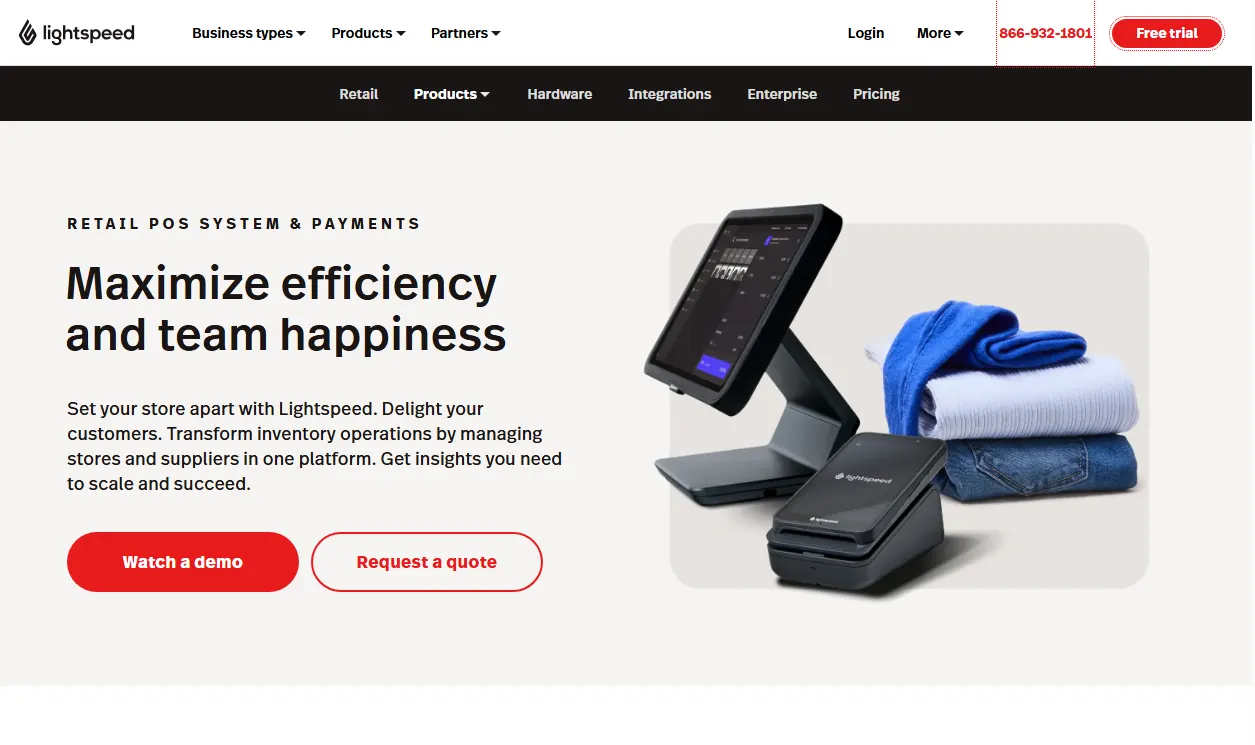
Lightspeed Retail is a point-of-sale system with inventory control built into the checkout process. Every sale updates stock automatically, and staff can see availability across stores without leaving the POS.
Key features
Best for: Retailers that need integrated POS and inventory management
Consider: It is not designed for manufacturing or complex B2B workflows, and advanced forecasting may need add-ons.
Pricing:

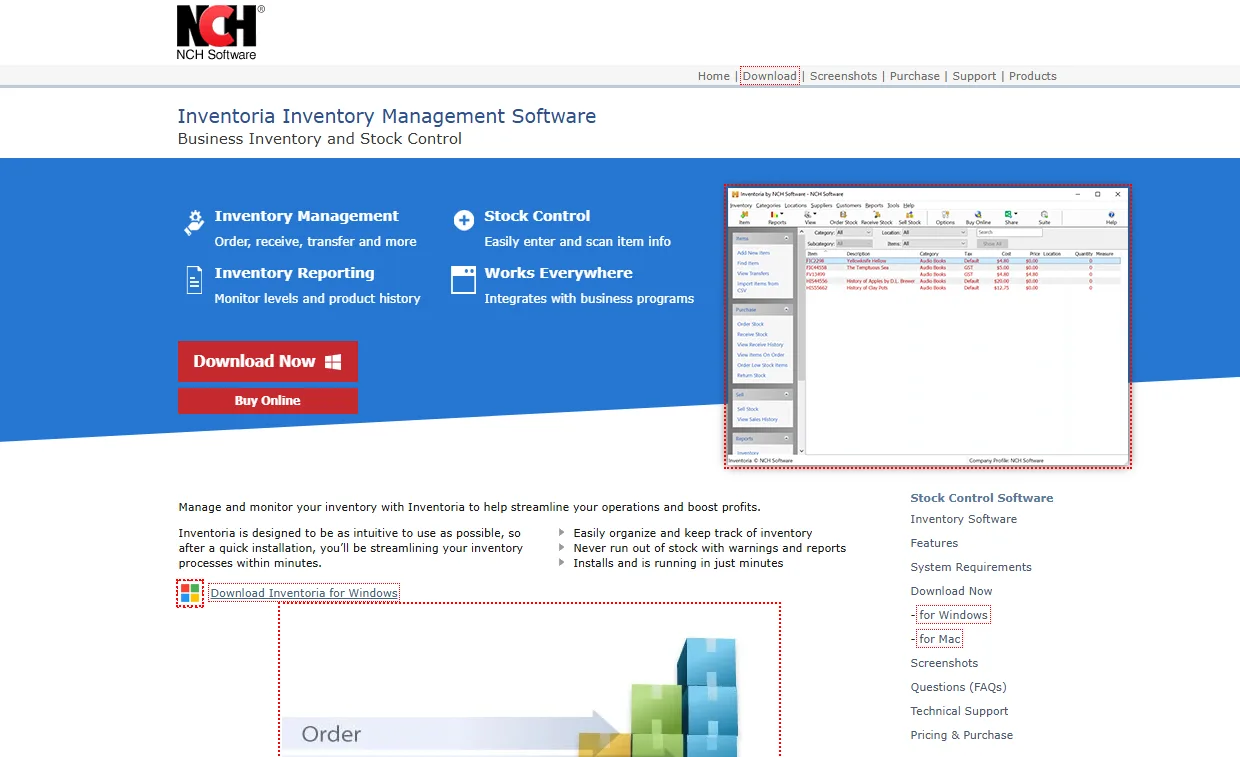
Inventoria Inventory, from NCH Software, is a lightweight tool that covers the basics of stock control. It replaces spreadsheets with a simple, low-setup system that beginners can pick up quickly.
Key features
Best for: Small businesses that need basic inventory control
Consider: It is a desktop application with limited integrations and no built-in POS, so growing retailers may outgrow it.
Pricing: Contact Sales Team
Key Features to Look for in Retail Inventory Management Software
Whatever your size, these features separate a useful retail stock management system from a basic stock list:
The right software pays off in daily operations as well as in the numbers at the end of the quarter:
Manage inventory, track real-time stock, automate billing, synchronize online and offline sales, and streamline multi-store operations with ZYNO Retail.
Explore ZYNO Retail →Finally, use free trials or demos to test real products, process sample orders, and verify that the software meets your operational needs.
The right retail inventory management software helps a business keep stock levels accurate, streamline daily operations and make better purchasing decisions. Each of the 11 tools above solves that problem in its own way, from basic stock tracking to full enterprise ERP and warehouse control.
The best choice depends on your business size, inventory complexity, required integrations and budget. Shortlist the options that match those four factors, run a trial with your own data and pick the one your team will actually use every day.
It is a tool that tracks products across stores, warehouses and online channels. It records every sale, return and transfer, alerts you to low stock and gives you reports that support buying decisions.
There is no single best option for every retailer. ZYNO Retail is a strong choice for retailers who want POS, ecommerce, inventory and accounting in one AI-powered platform. GOIS, Cin7 and Lightspeed Retail suit growing or POS-led retailers, Zoho Inventory and Inventoria suit smaller teams, and NetSuite and SAP suit large enterprises. Match the tool to your size, integrations and budget.
Cost depends on the number of users, locations, orders and add-ons. Basic tools are the most affordable, mid-market cloud tools usually charge subscriptions, and enterprise platforms often use custom pricing. Check each vendor's current pricing and include setup and training in your budget.
ZYNO Retail, Zoho Inventory and Inventoria Inventory are good fits for smaller teams. ZYNO Retail suits single stores and grows with multi-location chains, bringing POS, ecommerce, inventory and accounting together. Zoho Inventory adds online channel sync and automation, while Inventoria keeps things simple with basic stock control.
Look for real-time stock tracking, reorder alerts, barcode or RFID scanning, purchase orders, multi-store visibility, POS and e-commerce integration, reporting, and role-based access.
Yes. Most of the tools in this guide support multiple locations, and many handle stock transfers between stores and warehouses. Confirm the exact multi-store features of your shortlisted software before you buy.
POS software records sales at checkout, while inventory management software controls stock behind the scenes, including purchasing, replenishment, counting and reporting. Some tools, such as Lightspeed Retail and Cin7, combine both.
AI analyzes sales history and seasonality to forecast demand, suggest reorder points and flag slow-moving products. This reduces guesswork and helps prevent both stockouts and overstocking.
Many can. Examples include QuickBooks and Zoho suite connections for accounting, and links to online stores and marketplaces for automatic stock updates. Check the integration list of each vendor against the tools you already use.
List your needs first: inventory volume, number of locations, integrations, automation and budget. Then shortlist two or three tools, run a free trial with real products, and choose the one that fits your workflow and can grow with you.
How AI and Automation Are Transforming Retail Operations with ZYNO Retail
Read More →

Retail Management Software Guide: Features, Benefits & Best Solutions (2026)
Read More →
Top 11 Retail Inventory Management Software in 2026
Read More →Partner with ZYNO by Elite Mindz to revolutionize how your business works. Fill out the form, and we’ll reach out with AI-powered solutions made just for you.
We use browser cookies to ensure you get the best experience on our website. Learn more
The form was submitted successfully!