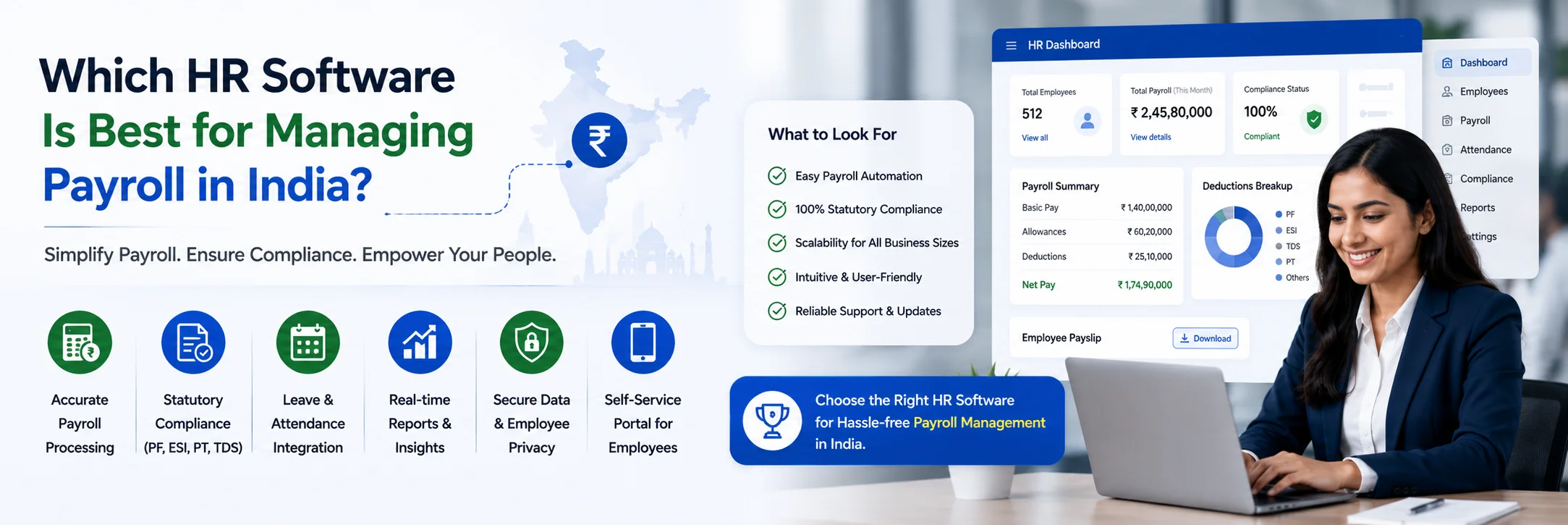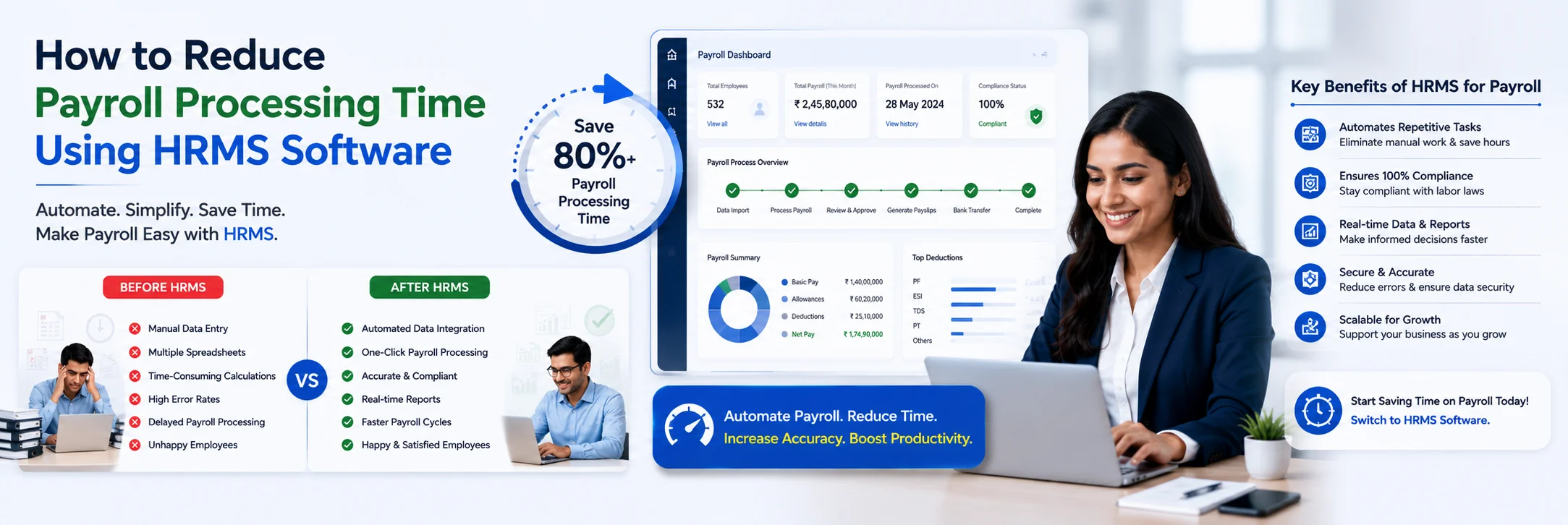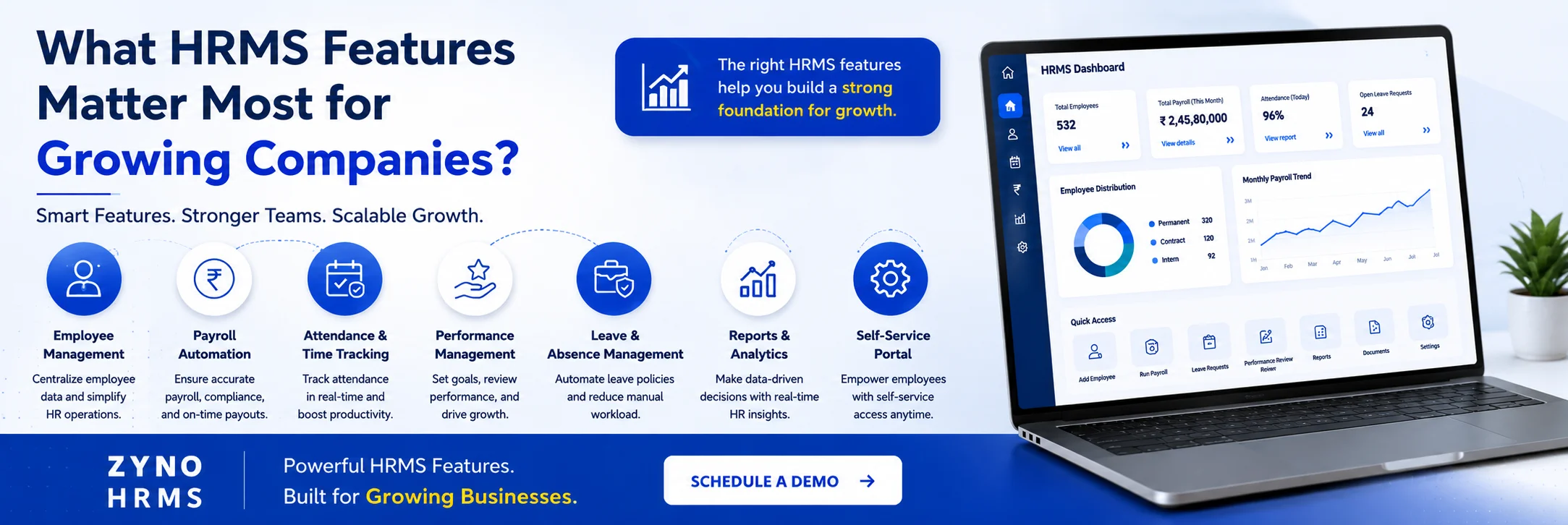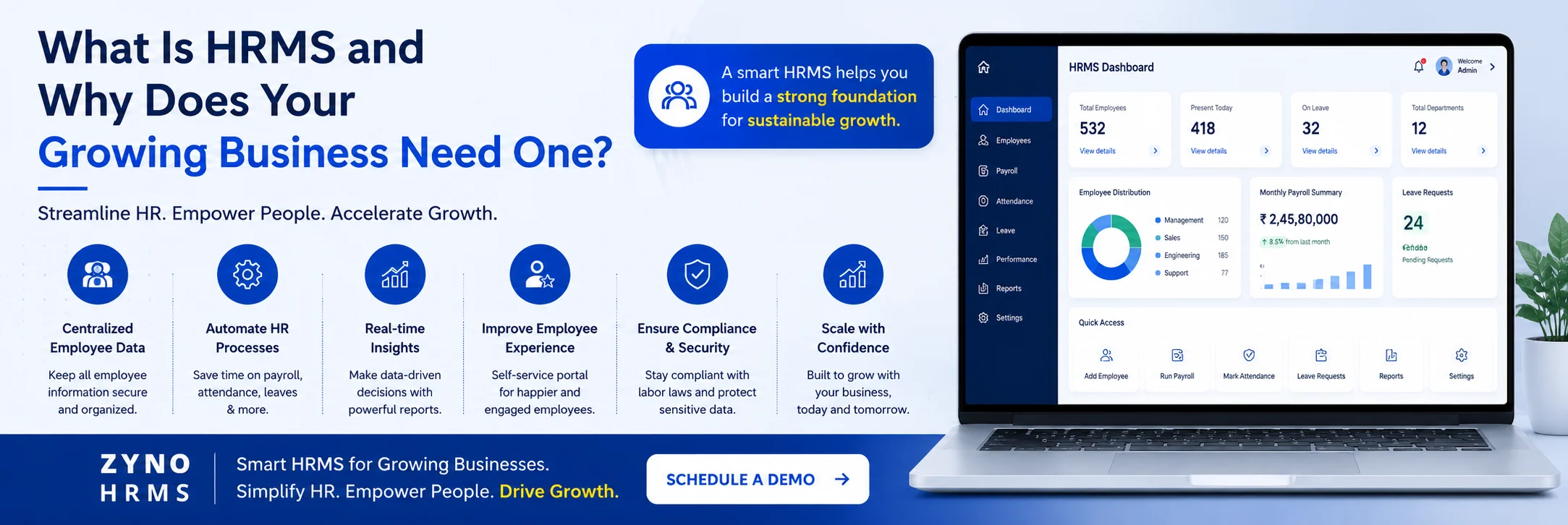


How HRMS Systems Streamline Payroll and HR Processes
Read More →
×
Training reduces employee absenteeism by building skills, confidence and engagement. When employees know their job and feel supported, work stress drops and they have fewer reasons to stay away. Manager training and clear learning paths also improve retention, so teams show up more consistently.
Businesses using ZYNO Books cut accounting time by 70% and stay 100% ZATCA-compliant — automatically.
Every HR manager knows that Monday-morning feeling. You open the attendance sheet, three people are missing, a deadline is two days away, and someone has to cover. One absence is no big deal. A pattern of them is a different story.
Employee absenteeism simply means employees regularly miss work without a planned or approved reason. With hybrid teams and changing expectations, it's become harder to spot and harder to fix. Frequent absences slow down projects, push extra work onto the people who did turn up, and slowly wear down team morale.
That's why learning how to reduce absenteeism in the workplace is a top priority for HR managers in 2027. The good news is that most absenteeism has causes you can actually deal with. In this guide, we'll walk through practical ways to reduce employee absenteeism, from workplace culture and training to wellness programs and smarter attendance tracking with HRMS software.
Take control of workplace attendance with ZYNO HRMS. Automate attendance tracking, simplify leave management, monitor employee performance, and build a more productive workforce with smart HR automation.
Employee absenteeism is the habit of staying away from work when an employee is expected to be there, without a valid, pre-approved reason. It's a growing concern because it doesn't only affect the person who's absent. It affects their team, their manager, their customers and, in the end, the company's bottom line.
Planned leave is approved in advance: annual leave, sick leave with notice, maternity or paternity leave. Emergency leave is unexpected but communicated and usually justified. Absenteeism is different. It's the frequent, unplanned and often unexplained absence that leaves the team scrambling. The first two are part of healthy workforce management. The third is what you want to bring down.

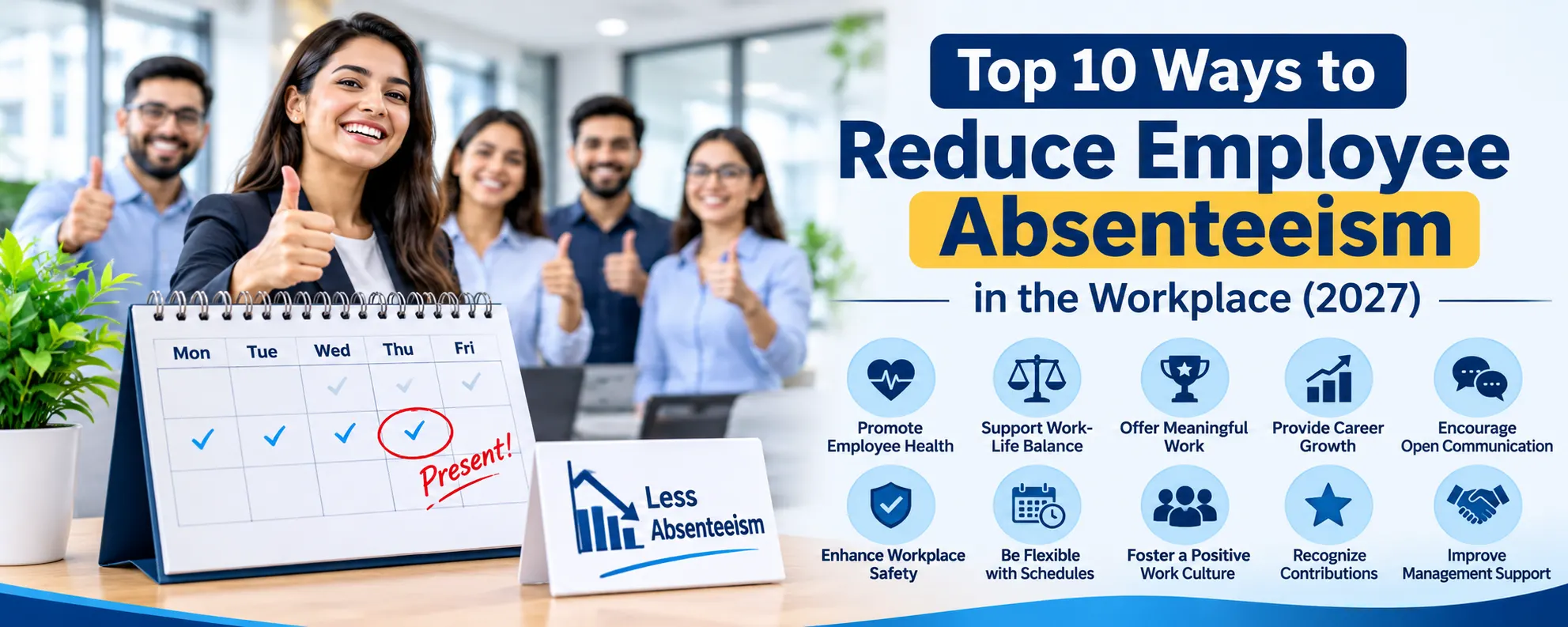
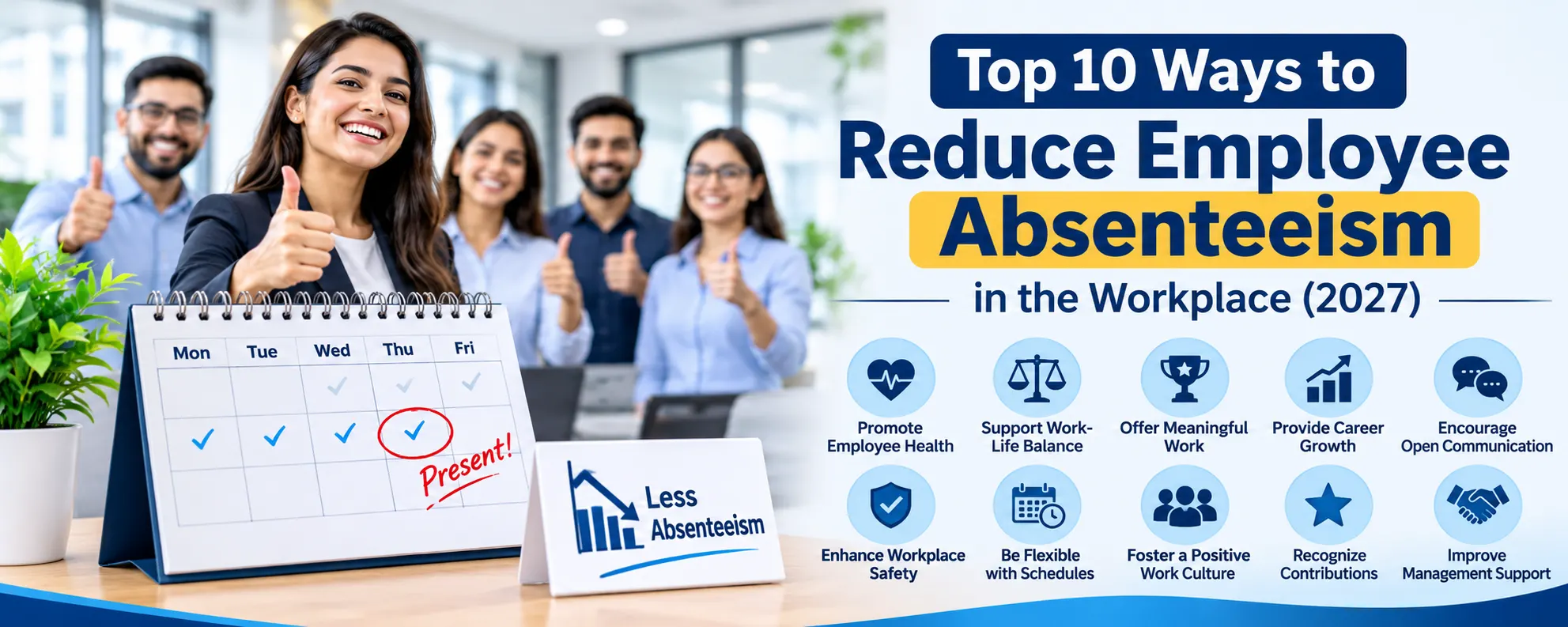
These are the most effective ways to reduce employee absenteeism. You don't need to roll out all ten at once. Start with the ones that match your biggest causes.
People rarely skip a workplace they enjoy being part of. Build a culture where employees feel respected and safe to speak up. Encourage open communication, and train managers to treat people like people, not headcount. When relationships between employees and managers are healthy, the urge to call in "sick" because of stress or conflict drops noticeably.
Rigid schedules push people into taking full days off for things that need only a couple of hours. Flexible start times, remote or hybrid options where the role allows it, and shift swaps for frontline staff give employees control over their time. In return, you get fewer last-minute absences and more reliable attendance.
Training reduces employee absenteeism because it builds confidence and gives people a reason to care about their work. Run regular training sessions, offer professional development programs, and make sure every employee clearly understands their role and responsibilities. Someone who feels capable and sees a future in the company is much more likely to show up.
A healthy team is a present team. Offer access to mental health support, run stress management workshops, and encourage physical wellness through simple activities like walking challenges, yoga sessions or health check-up camps. Promote a healthy work-life balance in practice, not only on posters. Well-designed employee wellness programs often pay for themselves in fewer sick days.
Sometimes absences happen simply because nobody knows the rules. Define what's expected, explain how to apply for leave, and spell out what happens when someone is repeatedly absent. The key is fairness. A clear employee attendance policy works only when it's applied consistently to everyone, from interns to senior managers.
People show up for workplaces that notice their effort. Introduce recognition programs, appreciate consistent performance, and consider performance-based incentives. Even a simple "thank you" from a manager, given regularly, builds loyalty. Encourage employees to take part in nominating and celebrating each other, too.
Many attendance problems start as small issues that nobody mentioned. Hold regular feedback sessions, make it easy for employees to share concerns, and train managers to spot early warning signs like sudden changes in behaviour or punctuality. Trust is the real fix here. If employees believe they can talk to their manager honestly, they won't need to disappear to solve problems.
You can't fix what you can't see. Track daily attendance, look for repeating patterns (certain days, certain teams, certain managers), and review department-wise reports. HR analytics can show you which teams are struggling and why, so you can plan your workforce better and step in early.
Absenteeism often begins at hiring. When the job turns out to be different from what was promised, people disengage fast. Hire candidates whose skills and expectations match the role, explain responsibilities clearly, and set realistic expectations before day one. A structured onboarding program helps new joiners feel settled and connected, which makes early drop-offs far less likely.
Manual registers and spreadsheets make it nearly impossible to catch absenteeism trends in time. An HRMS takes the manual work out of the picture. It automates attendance tracking, manages leave requests, generates attendance reports, highlights absenteeism trends and keeps all employee records in one place. This is exactly where ZYNO HRMS fits in, and we'll look at how in a later section.

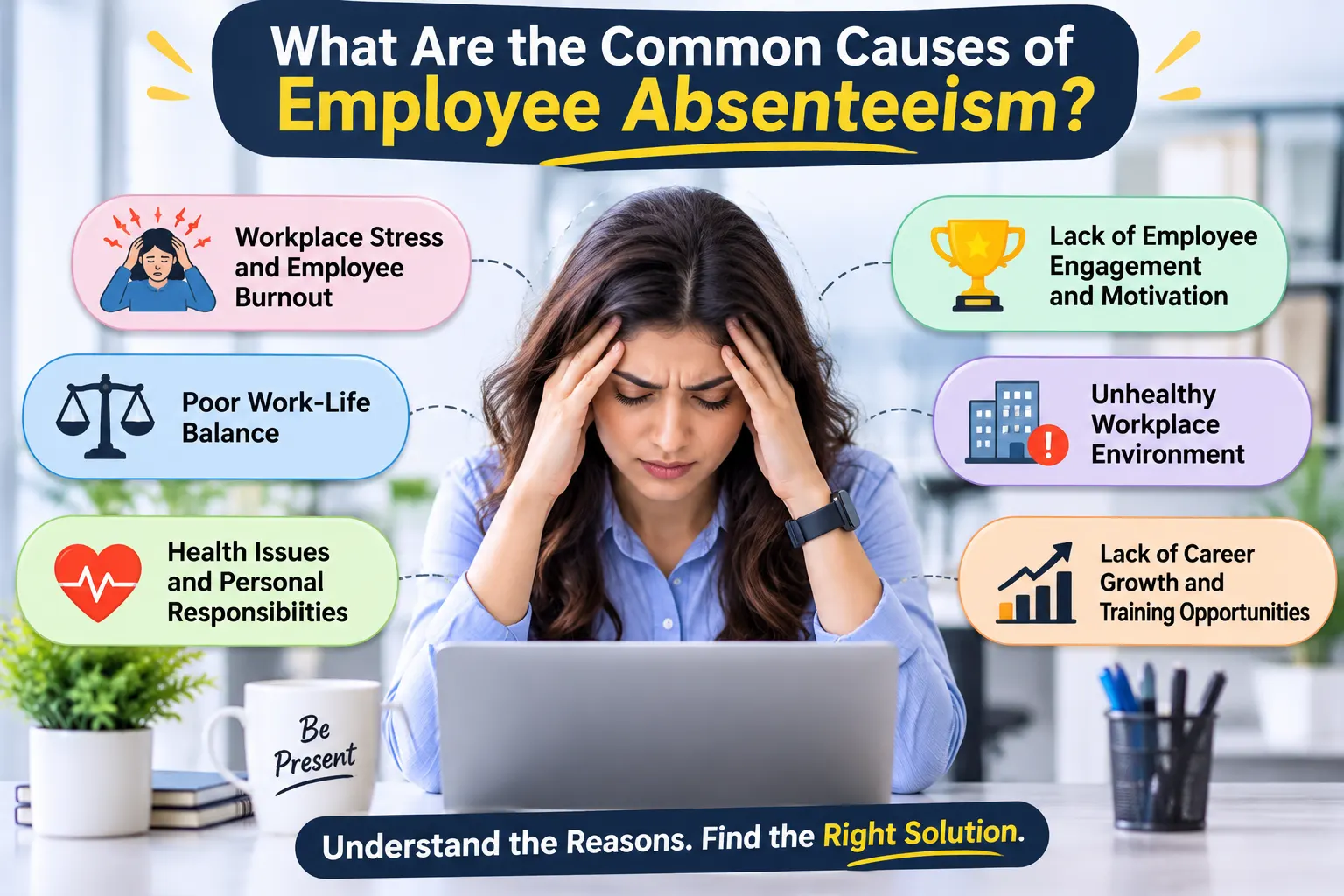
Before fixing the problem, you need to understand why people stay away. In most workplaces, a handful of reasons come up again and again.
Long hours, unrealistic targets and constant pressure leave people drained. Burnout is one of the biggest drivers of sudden sick days.
When people feel their work doesn't matter, showing up becomes optional. Disengaged employees are far more likely to take unplanned days off.
Rigid schedules and long commutes make it hard to manage family, health and personal commitments. Something eventually gives, and it's usually attendance.
Office conflict, bullying, unclear leadership or even poor ergonomics can make people dread coming in.
Illness, caring for children or elderly parents, and family emergencies are legitimate reasons. Companies that offer no support often see more absences, not fewer.
Employees who feel stuck tend to mentally check out long before they hand in their notice.
The cost of absenteeism goes well beyond a missing name on the roster. Here's what usually happens when absences become frequent:
Training is one of the most underrated tools for improving attendance. When people know what they're doing and feel supported, work stops being a source of stress. That connection is the reason training reduces employee absenteeism in so many organizations.
Employees who are unsure of their skills often feel anxious about their performance. Regular skill development closes those gaps and makes daily work feel manageable instead of overwhelming.
Confident employees take ownership. They're more willing to ask questions, handle problems and stay committed to their responsibilities. Over time, that confidence shows up as steadier attendance.
People don't leave companies, they leave managers, and they also take days off because of them. Training managers in communication, empathy and conflict handling can have a surprisingly strong effect on how often their teams are absent.
When a company invests in someone's growth, that person tends to invest back. Employees who see clear learning paths are more engaged, more loyal and less likely to quit. A learning platform such as the learning management module in ZYNO HRMS lets HR assign courses, track progress and keep development consistent across teams.
Minimize unplanned absences and improve workforce management with ZYNO HRMS. Simplify attendance tracking, manage employee leaves, analyze workforce data, and empower your HR team with smarter automation.
High turnover and high absenteeism usually have the same root: employees who feel undervalued or disconnected. That's good news, because one strategy can tackle both. If you want to reduce absenteeism and turnover (or reduce absenteeism and labour turnover, as many HR teams put it), these are the areas to focus on.
Run short pulse surveys, act on the feedback, and make sure work feels meaningful. Satisfied employees stay longer and miss less.
Show people where they can go. Clear promotion paths, mentoring and stretch projects give employees a reason to stay and show up.
Fair pay, timely salary and reasonable benefits remove a big source of frustration. Payroll mistakes and delays, in particular, damage trust very quickly.
A good employee retention strategy combines onboarding, growth, recognition and wellbeing. It shouldn't be a last-minute response to a resignation letter.
When employees feel heard and appreciated, they're less likely to disengage. Make feedback a habit, not a yearly event.
Everything above works better when you have accurate data and less admin. That's where technology steps in. A modern HRMS replaces scattered spreadsheets with a single, reliable system, so HR can see problems early and act on them.

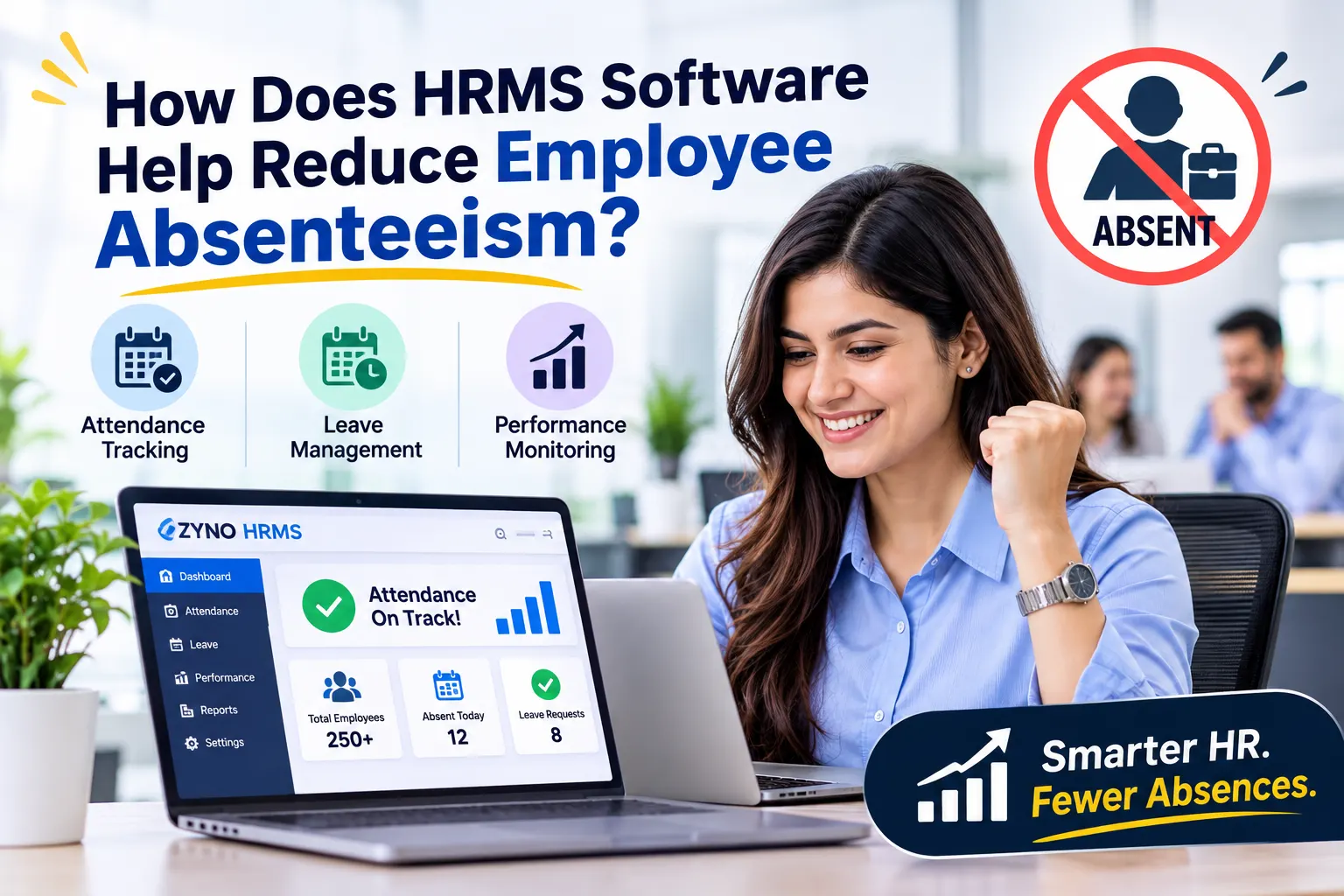
ZYNO HRMS is a cloud-based, AI-powered HR platform that brings attendance, leave, shifts, payroll, performance and employee data together in one place. Here's how it supports your efforts to reduce employee absenteeism.
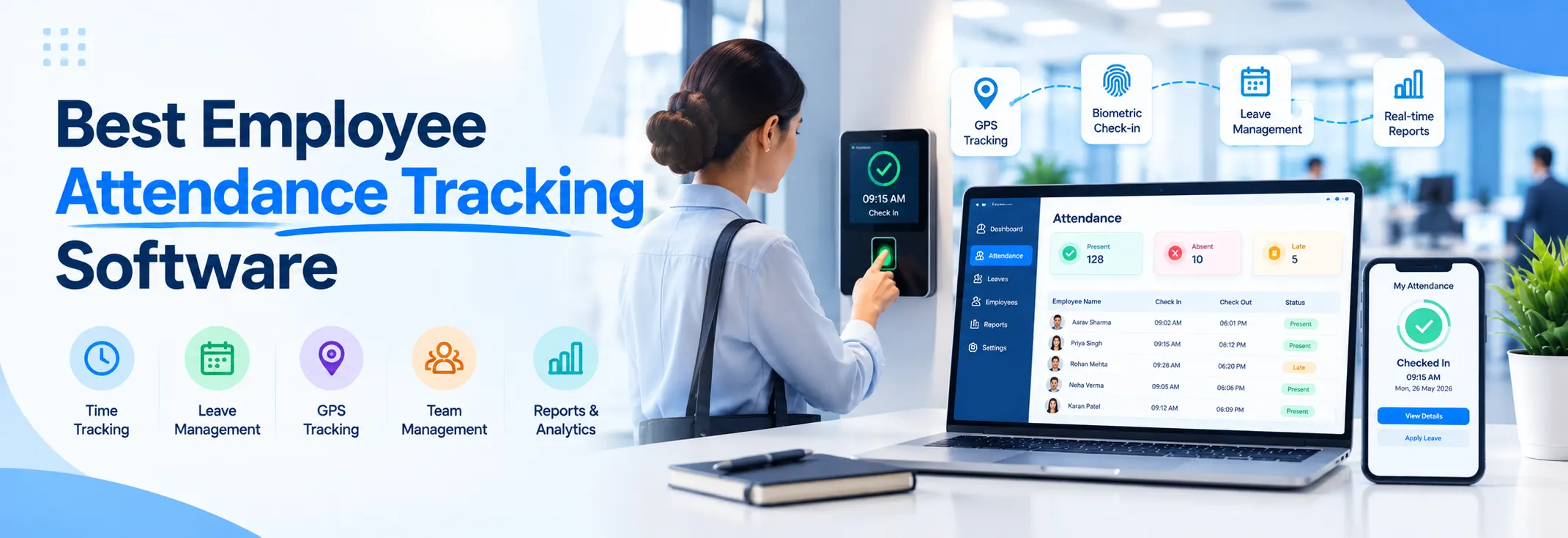
With attendance management in ZYNO HRMS, attendance is captured automatically, including through biometric integrations. That means fewer manual errors, no more chasing registers, and no arguments about who was present.
HR and managers can see who's in, who's out and who's on leave as it happens. Spotting a sudden jump in absences on a Monday becomes a matter of looking at a dashboard, not digging through files at month-end.
The leave management module automates leave requests and approvals and shows real-time leave balances. Employees know exactly what they have left, and managers can plan around approved leave. When planned time off is easy to get, there's less reason for surprise absences.
ZYNO HRMS includes performance management and timesheets, so managers can connect attendance with workload and output. If a normally strong performer suddenly starts missing days, it's an early sign that a conversation is needed.
The HR analytics tools turn raw attendance data into clear reports by employee, team and department. You can see patterns, compare periods and back your decisions with facts.
With shift management, employee self-service and a mobile app, scheduling becomes simpler and more flexible. Employees can apply for leave, check payslips and update details on their own. The built-in HR chatbot and employee engagement features, such as surveys and recognition, also help you tackle the human side of absenteeism, not just the paperwork.
In short, ZYNO HRMS takes care of the repetitive tracking so your HR team can spend more time on what really reduces absences: talking to people and fixing root causes. If you'd like to see it in action, you can book a free demo of ZYNO HRMS.
Even with great policies in place, some employees will have attendance issues. Here's how HR managers can handle it in a fair and constructive way.
Start with facts. Look at attendance records to see when and how often the absences happen. Then find out why before you assume anything.
Have a private, respectful conversation. Listen first. Many people will tell you what's wrong if they feel safe doing so.
Depending on the cause, support may mean flexible hours, a workload review, counselling access or simply clearer expectations.
If the problem continues, apply your attendance policy the same way you would for anyone else. Consistency protects both the employee and the company.
Keep a record of discussions, agreed actions and follow-ups. Track whether attendance improves over the next few weeks, and recognize the effort when it does.
|
HR Activity |
Purpose |
|
Daily attendance tracking |
Monitor employee presence |
|
Leave management |
Maintain leave records |
|
Employee feedback |
Identify workplace issues |
|
Training programs |
Improve employee skills |
|
Wellness initiatives |
Support employee health |
|
Attendance reports |
Identify absenteeism patterns |
Read More:
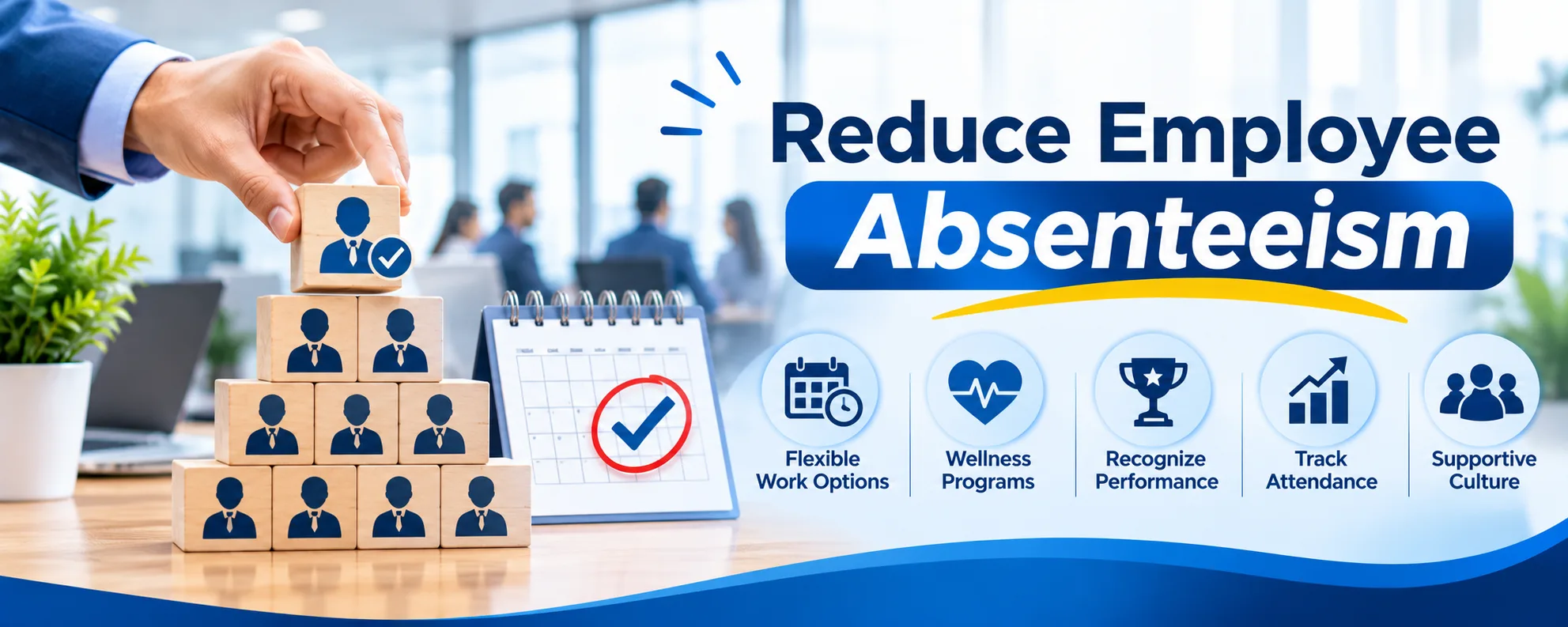
Absenteeism isn't just an attendance problem. It's usually a sign of something deeper, whether that's stress, disengagement, unclear rules or a lack of growth. The ten strategies in this guide, from a supportive culture and flexible work to training, recognition, better hiring and clear policies, all work on those root causes.
Two things tie everything together. First, care about employee well-being, training and engagement, because people who feel supported show up. Second, keep monitoring attendance consistently so you can step in early instead of reacting late. HRMS technology makes that far easier by automating attendance and leave management and giving you clear data to work with.
If you're ready to reduce employee absenteeism and give your HR team some breathing room, explore ZYNO HRMS and see how it can help you build a more productive, supportive workplace.
Reduce employee absenteeism with ZYNO HRMS. Simplify attendance tracking, automate leave management, monitor workforce performance, and manage all your HR operations from one centralized platform.
The most effective ways include building a supportive work culture, offering flexible schedules, investing in training, running wellness programs, setting a clear attendance policy, recognizing good performance and using an HRMS to track attendance and spot patterns.
Start by finding out why people are absent. Then fix the main causes, whether that's stress, poor communication or lack of flexibility. Pair that with clear policies and regular attendance monitoring.
Training builds skills and confidence, which lowers work-related stress. It also shows employees that the company is investing in them, which improves engagement and makes them more likely to show up.
Common causes include burnout, low engagement, poor work-life balance, an unhealthy workplace environment, health and family responsibilities, and limited career growth.
It slows down projects, increases workload for other team members, raises operating costs, hurts customer service and can lead to lower morale and higher turnover.
Review attendance records, speak to the employee privately, offer support where needed, apply the attendance policy fairly and keep documentation of the whole process.
Focus on shared causes: engagement, career growth, fair pay, recognition and good management. A solid retention strategy usually brings both numbers down together.
An HRMS such as ZYNO HRMS automates attendance and leave tracking, gives real-time visibility, produces reports and highlights trends, so HR can act early instead of discovering problems after the fact.
It varies by industry and country, but many organizations treat an absenteeism rate of around 2 to 3 percent as healthy. Rates well above that are usually worth investigating.
Engaged employees feel connected to their work and team, so they have fewer reasons to stay away. Recognition, feedback and growth opportunities all help build that connection.
How HRMS Systems Streamline Payroll and HR Processes
Read More →

Top HRMS Software Providers in USA
Read More →
Best Service Providers for Cloud-Based HRMS in Singapore
Read More →
Top 10 HR Software Systems in Belgium for Employee Engagement
Read More →
ZYNO HRMS: Setting the Standard for HRMS Payroll Software Trends in 2026
Read More →
A New Era of HR Excellence Begins with ZYNO HRMS- Best HRMS Software
Read More →Revolutionize HR Management With Powerful SaaS HR Solutions
Read More →Why Businesses Are Switching to Cloud-Based Payroll Software
Read More →
Essential HR Tech Tools for Businesses in Kenya
Read More →
21 Must-Have HRMS Software Features in 2025 (Complete Checklist)
Read More →
Top People Analytics Trends in Uganda (2026): AI, HR Data & Workforce Insights
Read More →
12 Must Have HRMS Features for Every Business
Read More →Top 10 Payroll Software Companies in India 2026 Updated List
Read More →
Why Your Business Needs HR Management Software to Scale Faster
Read More →
Top 10 HR Software in India for Smart HR Automation
Read More →
Best HRMS Software in Kenya for Modern Businesses (2026 Guide)
Read More →
Buy Affordable HRMS Software in Middle East for Smart HR Management
Read More →
Buy HR Management Software in Ethiopia for Business Growth
Read More →
ZYNO HRMS vs Zoho People: Which HR Software Is Better for You?
Read More →
Top 10 Zoho People Alternatives Compared: Features, Pricing & Reviews
Read More →
Top Keka Alternatives: Choosing the Right HRMS for Your Business
Read More →
Which HR Software Do Most Small Businesses Use in India? Guide
Read More →
What is Cloud Based Payroll? A Complete Guide to Cloud Based Payroll Software
Read More →
How Does HR Software Streamline Payroll Processing?
Read More →
What is the Use of HR Management Software?
Read More →
What Is Streamline Payroll? A Complete Guide for Modern Businesses
Read More →
Best Employee Management Software Every HR Should Check
Read More →
10 Best Employee Management Software for Small Business
Read More →
Employee Monitoring Software for All Businesses | Complete Guide
Read More →
Best Software for Payroll in India: A Full Comparison for 2026
Read More →
Why Payroll Management in India Is More Complex Than You Think
Read More →
How to Reduce Payroll Processing Time Using HRMS Software
Read More →
What HRMS Features Matter Most for Growing Companies?
Read More →
What Is HRMS and Why Does Your Growing Business Need One?
Read More →
GreytHR vs Keka vs ZYNO HRMS: Which HR Software Should You Choose?
Read More →
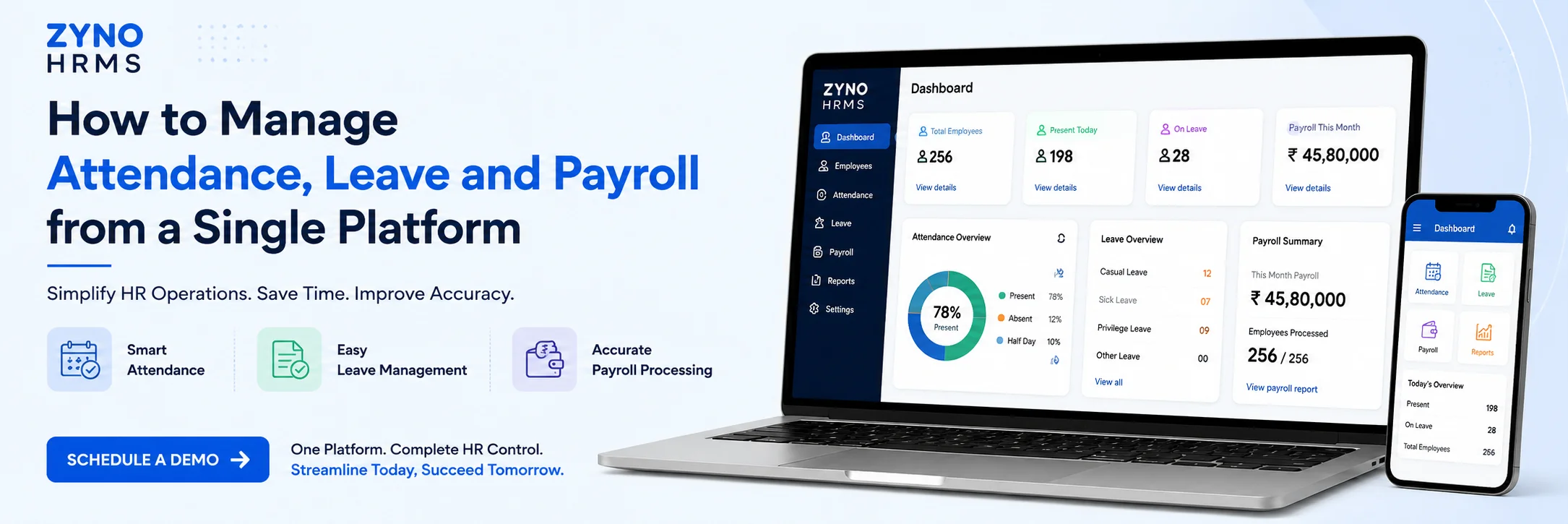
How to Manage Attendance, Leave and Payroll from a Single Platform
Read More →
ZYNO HRMS: The Smarter AI-Powered HR and Payroll Solution for Kenyan Businesses
Read More →
HROne vs ZYNO HRMS: Which HR Software is Best for Your Business in 2026?
Read More →
Gratuity Calculation in India: Formula, Eligibility, Calculator & Latest Rules (2026)
Read More →
BambooHR vs ZYNO HRMS: Features, Pricing, Pros & Cons Compared (2026)
Read More →
Best HRMS for UAE Payroll in 2026: Top AI-Powered HR & Payroll Software for UAE Businesses
Read More →
How to Choose the Best Payroll Software for Hospitals & Healthcare Organizations
Read More →
Best Payroll Management Software in Ethiopia: Features, Benefits & Compliance Guide
Read More →
Top 15 HR Software in Ethiopia (2026) | Features, Pros, Cons & Pricing
Read More →15 Best Employee Field Tracking Software in India in 2026
Read More →
10 Powerful Questions to Ask in Every HR Software Demo
Read More →10 Best Employee Attendance Tracking Software in 2026: Features, Pricing & Reviews
Read More →Top 10 Employee Leave Tracking Software in 2026: Features, Pricing
Read More →
Top 10 Employee Shift Scheduling Software in 2026
Read More →
Top 10 HRMS Software for Manufacturing Companies in India
Read More →
10 Best HRMS Software for Enterprises in India: Top 10 Picks for 2027
Read More →
Top 10 Recruiting Software in India (2027): Features Pricing & Comparison
Read More →
Top 10 Workforce Management Software for Enterprises in 2027: Features, Benefits & Pricing
Read More →
Top 15 Employee Onboarding Software for IT Companies: Features, Benefits & Best Tools in 2027
Read More →
Top 10 Ways to Reduce Employee Absenteeism in the Workplace (2027)
Read More →
Top 10 Ways to Reduce Employee Absenteeism in the Workplace (2027)
Read More →Partner with ZYNO by Elite Mindz to revolutionize how your business works. Fill out the form, and we’ll reach out with AI-powered solutions made just for you.
We use browser cookies to ensure you get the best experience on our website. Learn more
The form was submitted successfully!