How HRMS Systems Streamline Payroll and HR Processes
Read More →

×
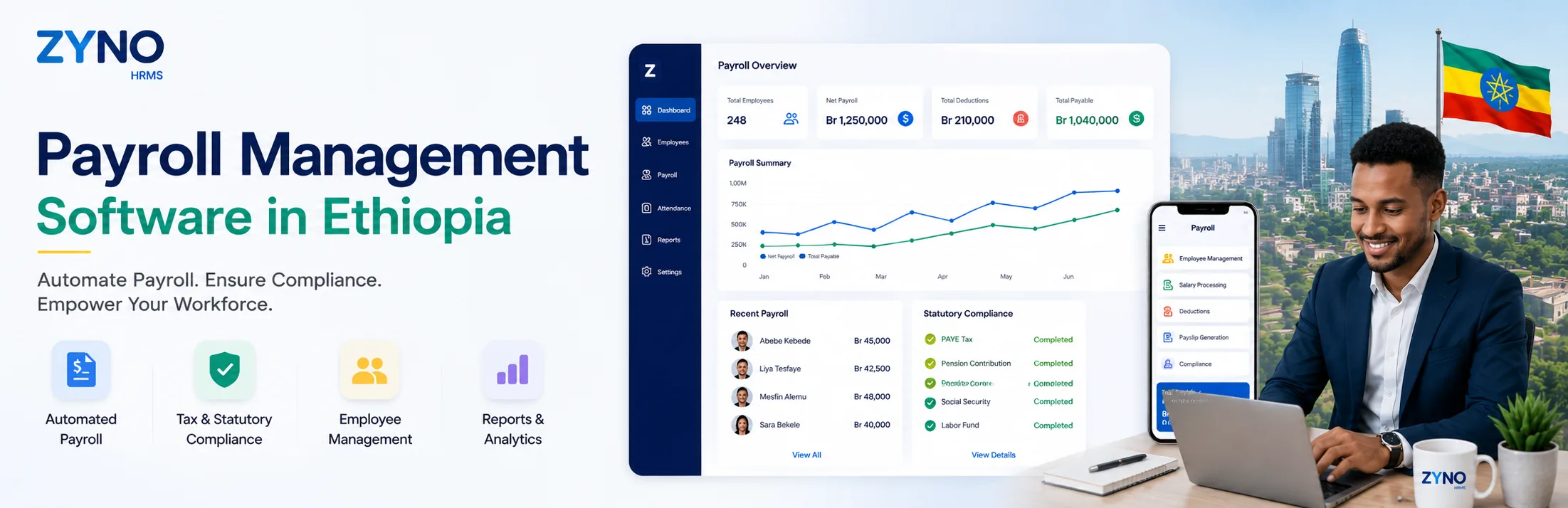
Explore how Payroll Management Software in Ethiopia simplifies salary processing, tax, pension, attendance, compliance, and employee management while reducing manual work and improving payroll accuracy, efficiency, transparency, and HR operations for growing businesses.
Businesses using ZYNO Books cut accounting time by 70% and stay 100% ZATCA-compliant — automatically.
Managing payroll accurately is one of the most important responsibilities for any organization. As businesses in Ethiopia grow, handling employee salaries, deductions, taxes, benefits, attendance, and payroll records manually can become time-consuming and prone to errors. Payroll Management Software in Ethiopia helps organizations automate these processes, improve payroll accuracy, and simplify compliance-related tasks.
Modern payroll software goes beyond basic salary calculation. It can connect payroll with attendance, leave management, employee information, benefits, and reporting, giving HR and finance teams a centralized system for managing the complete payroll cycle.
For Ethiopian businesses, choosing payroll system that can support local payroll requirements is particularly important. Ethiopia's employment framework is governed by Labour Proclamation No. 1156/2019, while private-sector pension contributions are also governed by separate pension legislation.
Payroll management software is a digital solution designed to automate the process of calculating and managing employee compensation. Instead of maintaining salary information in spreadsheets or performing calculations manually, businesses can use a centralized platform to manage payroll from one place.
A payroll system can help HR and finance teams manage:
When payroll is integrated with attendance and leave management, salary calculations can also reflect employee working hours, overtime, absences, and approved leave.
Explore ZYNO HRMS and discover how AI-powered payroll and HR automation can simplify salary processing, attendance, leave, employee management, and workforce operations for your business.
Payroll can become complicated as an organization increases its workforce. Managing hundreds or thousands of employees manually can increase the possibility of calculation mistakes, duplicate records, incorrect deductions, and delayed salary processing.
Payroll system helps create a standardized payroll process while reducing repetitive administrative work.
For businesses operating in Ethiopia, software can also help HR teams maintain payroll processes in line with applicable employment and pension requirements. Ethiopia's Labour Proclamation No. 1156/2019 covers areas including wages, working hours, leave, employment relationships, and other employment matters.
A centralized payroll system therefore provides both operational and administrative benefits.

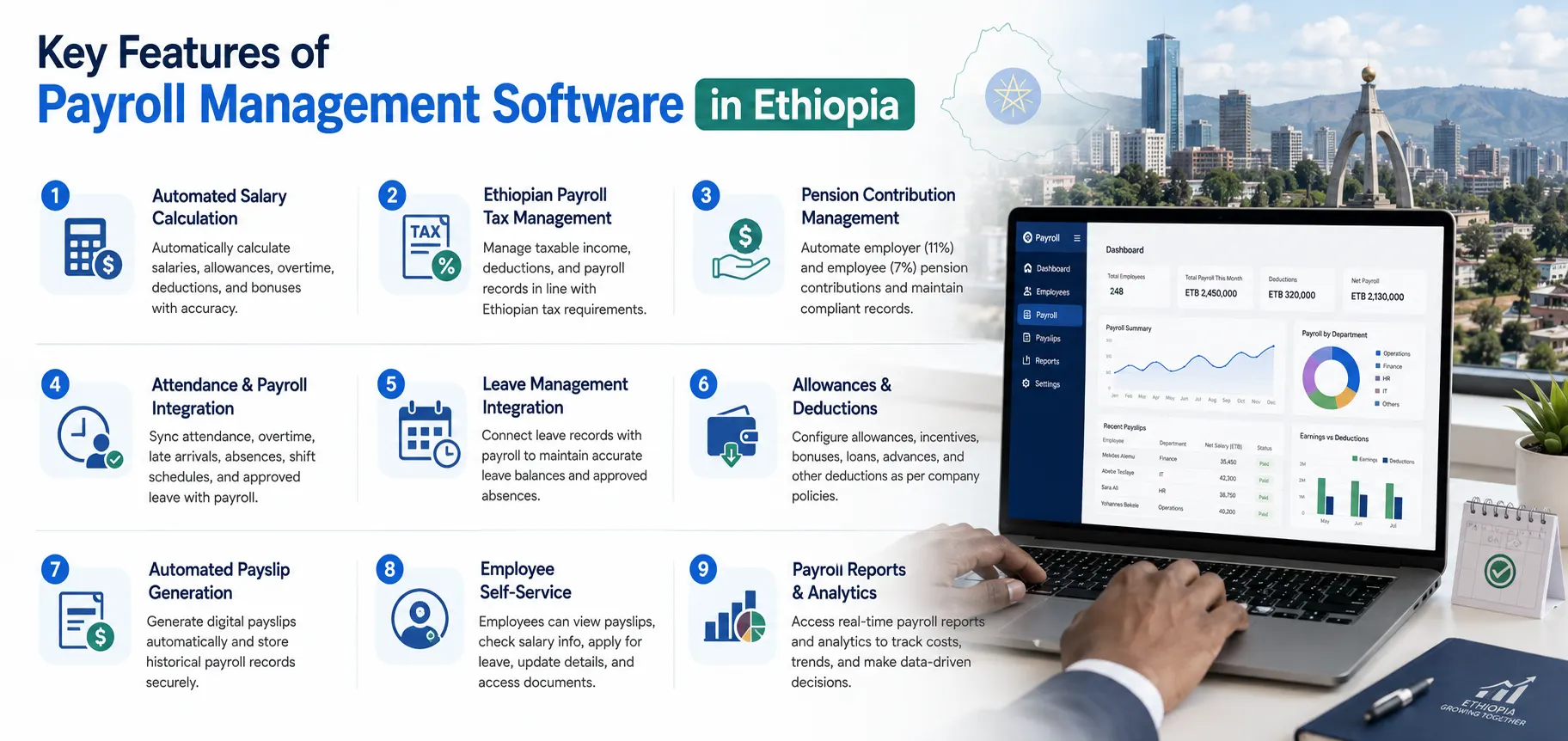
One of the primary features of payroll software is automated salary calculation.
The system can calculate employee salaries based on predefined compensation structures, including basic salary, allowances, deductions, overtime, bonuses, and other applicable components.
Automation reduces the need for HR teams to manually calculate every employee's salary each month and helps minimize common calculation errors.
Payroll system should support the organization's applicable tax requirements and provide configurable salary and deduction rules.
A payroll platform can help HR and finance teams organize taxable income, deductions, and payroll records in a consistent manner. Instead of maintaining separate spreadsheets for different calculations, payroll information can be managed within a centralized system.
Businesses should ensure that the software's tax rules are regularly reviewed and updated when Ethiopian tax regulations change.
Pension contribution management is another important payroll requirement.
For private organizations, Ethiopia's pension framework provides for contributions from both employers and employees. The ILO's summary of the Private Organizations Employees Pension Proclamation identifies an employer contribution of 11% and an employee contribution of 7%.
Payroll software can automate the calculation and recording of applicable pension contributions, helping organizations reduce manual work and maintain consistent payroll records.
Because contribution rules and applicable regulations can change, organizations should ensure their payroll system remains updated with the latest requirements.
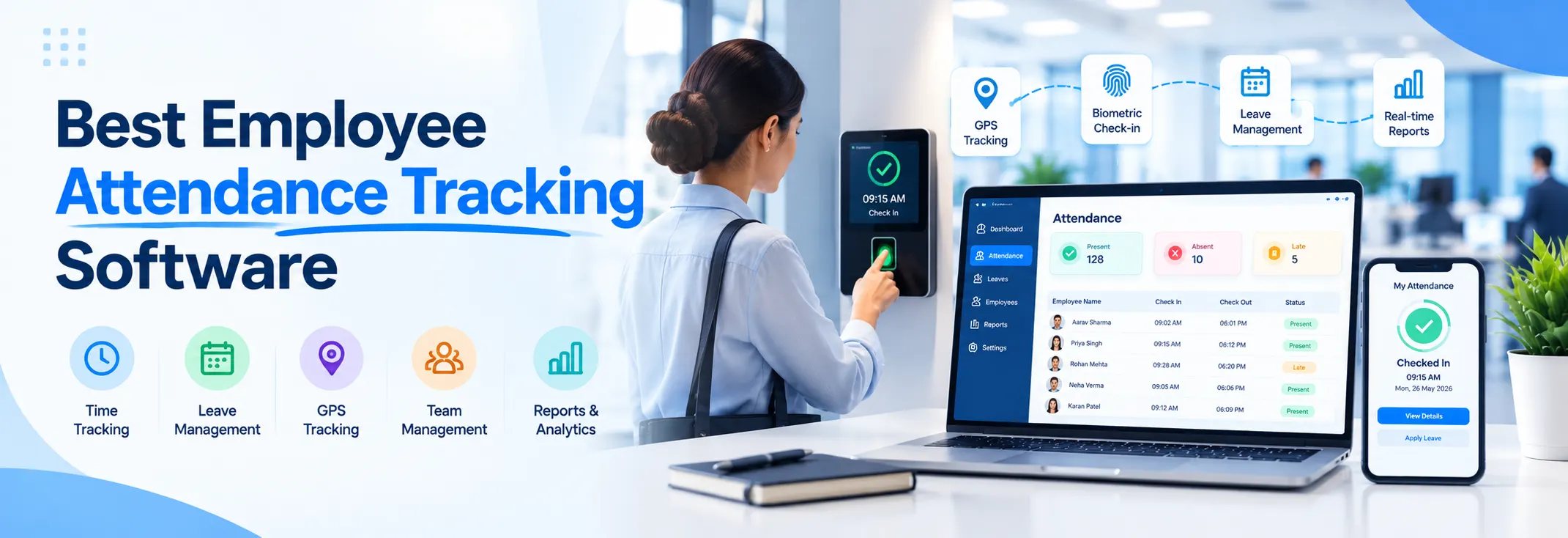
Integrating attendance with payroll can significantly simplify salary processing.
A payroll system can receive attendance information such as:
This information can then be used during payroll processing according to the organization's policies.
For example, if an employee works approved overtime, the relevant overtime amount can be incorporated into payroll without requiring HR to manually transfer information between different spreadsheets.
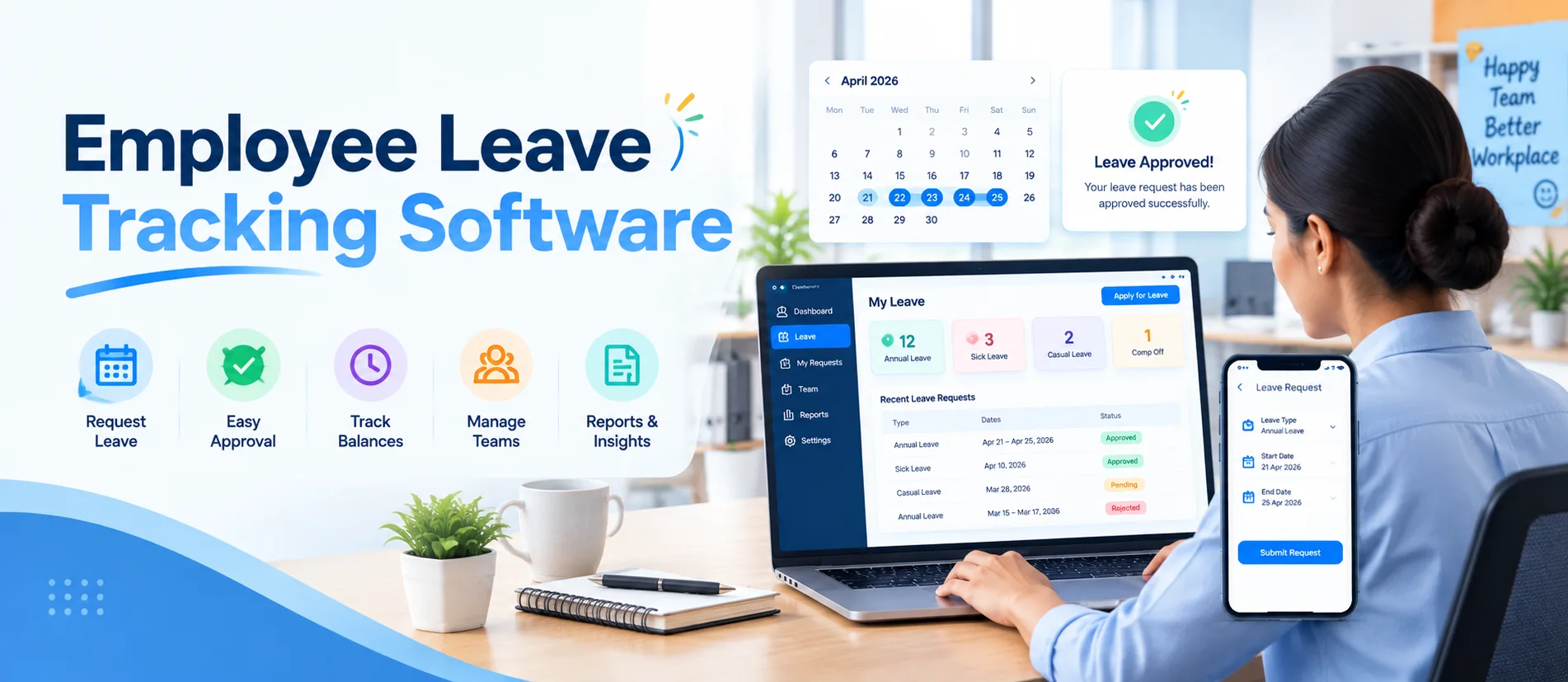
Leave and payroll are closely connected.
An integrated HRMS can connect employee leave records with payroll so that HR teams have a centralized view of leave balances and approved absences.
This can help organizations maintain accurate employee records and reduce the risk of inconsistent information between HR and payroll departments.
Employees may receive different components of compensation depending on their role and employment terms.
Payroll software can support configurable salary components such as:
HR teams can configure salary structures according to company policies and applicable regulations.
Creating payslips manually every month can consume significant administrative time.
Payroll management software can generate digital payslips automatically after payroll processing. Employees can access information such as gross salary, deductions, contributions, and net salary through an employee self-service portal when this feature is available.
Digital payslips also make it easier for employees and HR teams to maintain historical payroll records.
Employee Self-Service, or ESS, allows employees to access payroll-related information without depending entirely on the HR department.
Depending on the system, employees may be able to:
This reduces repetitive HR queries and gives employees greater visibility into their employment information.
Payroll system can generate reports that help HR and finance teams understand payroll expenses and employee compensation.
Common reports may include:
These reports can help management make better workforce and budgeting decisions.

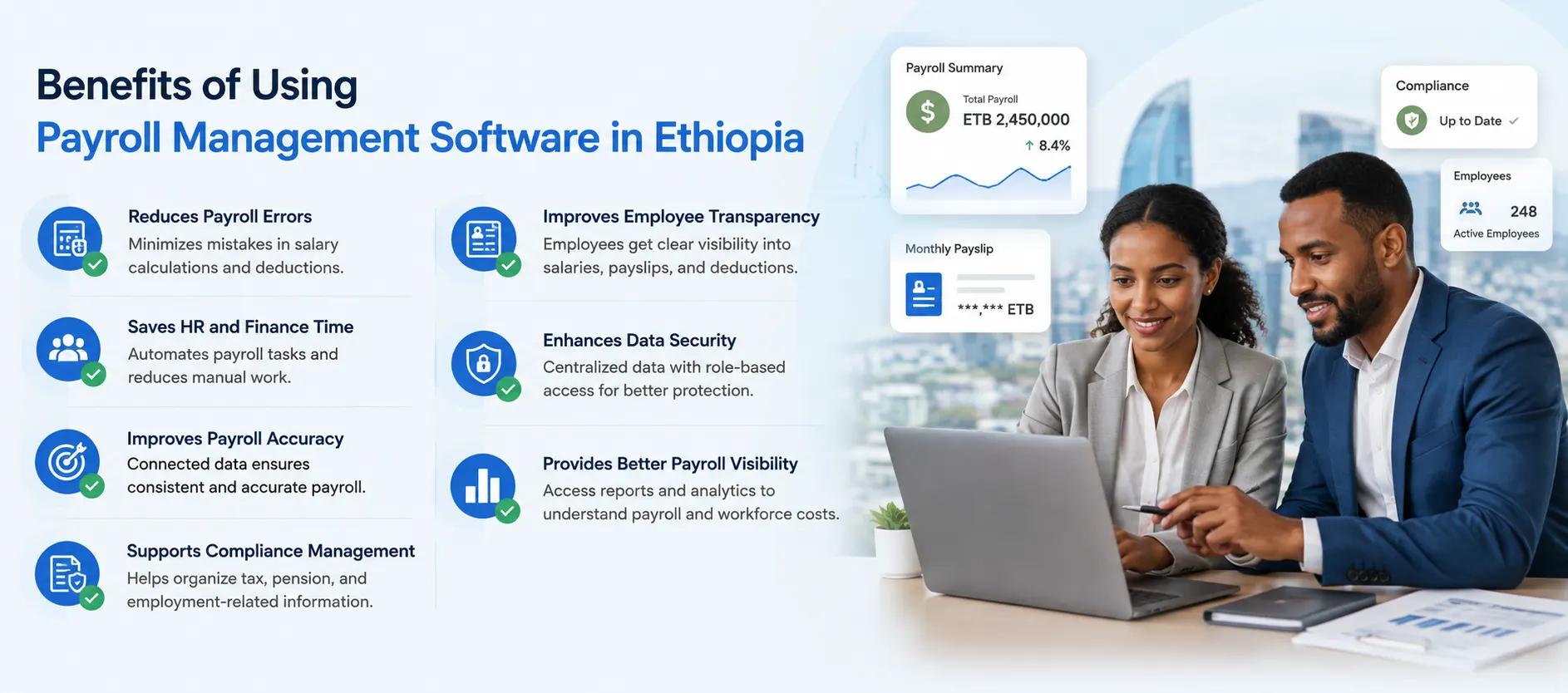
Manual payroll calculations can result in incorrect salary amounts, missed deductions, duplicate entries, or calculation errors. Automation standardizes calculations and reduces the risk of human error.
Payroll processing involves repetitive activities every month. Automating calculations, reports, payslips, and employee records allows HR and finance teams to spend less time on administrative work.
When employee data, attendance, leave, and compensation information are connected, organizations can maintain more consistent payroll records.
Payroll software can help organizations organize tax, pension, salary, and employment-related information. However, software should be regularly updated and reviewed to ensure that calculations reflect current Ethiopian requirements.
Employees can receive clearer visibility into their salary information, payslips, deductions, and other payroll details.
Paper records and scattered spreadsheets can be difficult to protect and manage. A centralized payroll platform can provide controlled access based on employee roles and responsibilities.
Managers can access payroll reports and analytics to understand salary costs, overtime expenses, department-wise payroll, and other workforce-related information.
Compliance is an important consideration when choosing payroll software in Ethiopia. Businesses need to manage employee salaries, income tax, pension contributions, working hours, leave, and payroll records according to applicable Ethiopian regulations. The Income Tax (Amendment) Proclamation No. 1395/2025 introduced important changes to Ethiopia's income-tax framework, making accurate and updated payroll calculations even more important.
A reliable payroll solution should support configurable rules and help businesses adapt when tax and employment regulations change.
Using compliance-ready payroll management software in Ethiopia can help organizations reduce manual tax-related errors, improve payroll accuracy, and maintain more transparent and auditable payroll processes. Businesses should also verify payroll configurations against the latest guidance from Ethiopian tax and labour authorities.
Selecting payroll software in Ethiopia should not be based only on the number of features. Businesses should evaluate whether the system fits their workforce, payroll structure, local compliance requirements, and future growth.
Here are some factors to consider:
Choose a system that can accommodate Ethiopian payroll requirements, including applicable taxes, pension contributions, salary structures, and deductions.
An integrated HRMS can connect payroll with attendance, leave, employee management, recruitment, performance, and other HR functions.
The software should be capable of supporting business growth, whether the organization has a small workforce or several branches and thousands of employees.
Look for automation capabilities that reduce repetitive payroll activities and minimize manual data entry.
Strong reporting capabilities are essential for HR, finance, payroll auditing, and management decision-making.
Payroll contains sensitive employee information. Choose software with role-based access, authentication controls, secure data management, and appropriate backup mechanisms.
Cloud-based payroll system allows authorized users to access payroll information from different locations, which can be useful for organizations with multiple offices or distributed teams.
ESS can reduce HR workload by allowing employees to access payslips and submit routine requests themselves.
For Ethiopian businesses looking to simplify payroll while modernizing their complete HR operations, ZYNO HRMS combines payroll automation, AI-powered HR solutions, and workforce management capabilities in one centralized platform. By connecting payroll with attendance, leave, recruitment, employee support, compensation, and analytics, ZYNO HRMS can help businesses reduce administrative work and manage their growing workforce more efficiently.
With these AI-powered and integrated capabilities, ZYNO HRMS can help Ethiopian businesses reduce manual payroll work, simplify HR administration, improve employee support, accelerate recruitment, and gain better visibility into workforce operations. Instead of using payroll software only for salary calculations, businesses can use ZYNO HRMS as a complete AI-powered HRMS and Payroll Management Software to build a more automated, efficient, and scalable HR operation.
Automate payroll, attendance, leave, employee management, and HR processes with ZYNO HRMS. See how AI-powered HR automation can help your business save time and improve payroll efficiency.
Request a Free Demo →Spreadsheets may work for very small organizations, but payroll becomes increasingly difficult to manage manually as employee numbers increase.
Consider a company with hundreds of employees. HR may need to collect attendance data, calculate overtime, update salary changes, apply deductions, process taxes and pension contributions, generate payslips, and prepare reports every month.
Performing these tasks manually can take considerable time.
With payroll management software in Ethiopia, many of these activities can be brought into one centralized workflow. HR teams can maintain employee information, process payroll, generate reports, and provide employees with access to payroll documents from a single platform.
This can improve efficiency while giving management better control over payroll operations.
Payroll is increasingly becoming part of a broader digital HR ecosystem. Modern businesses are moving beyond standalone payroll tools toward integrated HRMS and payroll software that connects employee data, attendance, leave, recruitment, performance, compensation, and analytics.
AI and automation can further reduce repetitive HR activities. For example, intelligent systems can help identify payroll anomalies, automate employee queries, generate reports, and provide HR teams with actionable workforce insights.
For growing Ethiopian organizations, an integrated HRMS can therefore provide a more scalable approach than managing payroll as a completely separate process.
Payroll Management Software in Ethiopia can help organizations simplify salary processing, reduce manual calculations, manage employee deductions, automate payslips, integrate attendance and leave data, and improve payroll visibility.
The most effective solution is not simply one that calculates salaries. Businesses should look for a payroll platform that supports their complete payroll workflow while accommodating applicable Ethiopian tax, pension, and employment requirements.
As organizations expand and workforce management becomes more complex, moving from manual payroll processing to an integrated HRMS payroll solution can help HR and finance teams save time, improve accuracy, strengthen record management, and provide a better employee experience.
For Ethiopian businesses looking to modernize payroll, the right Payroll Management Software can become an important part of building a more efficient, transparent, and scalable HR operation.
1. What is payroll management software in Ethiopia?
Payroll management software in Ethiopia is a digital solution that automates salary calculations, deductions, income tax, pension contributions, payslips, payroll reports, and employee payroll records.
2. What is the best payroll software in Ethiopia?
The best payroll software in Ethiopia should support local payroll requirements, income tax and pension calculations, attendance, leave, employee management, reporting, and HR automation.
3. How does payroll software help Ethiopian businesses?
Payroll software helps businesses automate salary processing, reduce manual errors, save HR time, improve payroll accuracy, and maintain better employee and payroll records.
4. Does payroll software in Ethiopia calculate income tax and pension?
Yes, payroll software can automate applicable income tax, pension contributions, and other statutory deductions to simplify payroll processing and reduce calculation errors.
5. Can payroll software integrate with attendance management in Ethiopia?
Yes, payroll software can integrate attendance data such as working hours, overtime, shifts, and absences to improve payroll accuracy and reduce manual data entry.
6. What features should payroll software in Ethiopia have?
Important features include payroll automation, tax and pension management, attendance and leave integration, payslip generation, employee self-service, payroll reports, compliance support, and HR analytics.
7. How does payroll software improve payroll compliance in Ethiopia?
It helps businesses manage tax and payroll rules, maintain digital records, automate statutory calculations, and generate payroll reports for better transparency and compliance.
8. Can ZYNO HRMS manage payroll for Ethiopian businesses?
Yes, ZYNO HRMS provides payroll management along with attendance, leave management, compensation management, employee self-service, AI-powered HR automation, AI HR Chatbot, AI HR Help Desk, and HR analytics to streamline HR and payroll operations
How HRMS Systems Streamline Payroll and HR Processes
Read More →
Top HRMS Software Providers in USA
Read More →
Best Service Providers for Cloud-Based HRMS in Singapore
Read More →
Top 10 HR Software Systems in Belgium for Employee Engagement
Read More →
ZYNO HRMS: Setting the Standard for HRMS Payroll Software Trends in 2026
Read More →
A New Era of HR Excellence Begins with ZYNO HRMS- Best HRMS Software
Read More →Revolutionize HR Management With Powerful SaaS HR Solutions
Read More →Why Businesses Are Switching to Cloud-Based Payroll Software
Read More →
Essential HR Tech Tools for Businesses in Kenya
Read More →
21 Must-Have HRMS Software Features in 2025 (Complete Checklist)
Read More →
Top People Analytics Trends in Uganda (2026): AI, HR Data & Workforce Insights
Read More →
12 Must Have HRMS Features for Every Business
Read More →Top 10 Payroll Software Companies in India 2026 Updated List
Read More →
Why Your Business Needs HR Management Software to Scale Faster
Read More →
Top 10 HR Software in India for Smart HR Automation
Read More →
Best HRMS Software in Kenya for Modern Businesses (2026 Guide)
Read More →
Buy Affordable HRMS Software in Middle East for Smart HR Management
Read More →
Buy HR Management Software in Ethiopia for Business Growth
Read More →
ZYNO HRMS vs Zoho People: Which HR Software Is Better for You?
Read More →
Top 10 Zoho People Alternatives Compared: Features, Pricing & Reviews
Read More →
Top Keka Alternatives: Choosing the Right HRMS for Your Business
Read More →
Which HR Software Do Most Small Businesses Use in India? Guide
Read More →
What is Cloud Based Payroll? A Complete Guide to Cloud Based Payroll Software
Read More →
How Does HR Software Streamline Payroll Processing?
Read More →
What is the Use of HR Management Software?
Read More →
What Is Streamline Payroll? A Complete Guide for Modern Businesses
Read More →
Best Employee Management Software Every HR Should Check
Read More →
10 Best Employee Management Software for Small Business
Read More →
Employee Monitoring Software for All Businesses | Complete Guide
Read More →
Best Software for Payroll in India: A Full Comparison for 2026
Read More →
Why Payroll Management in India Is More Complex Than You Think
Read More →
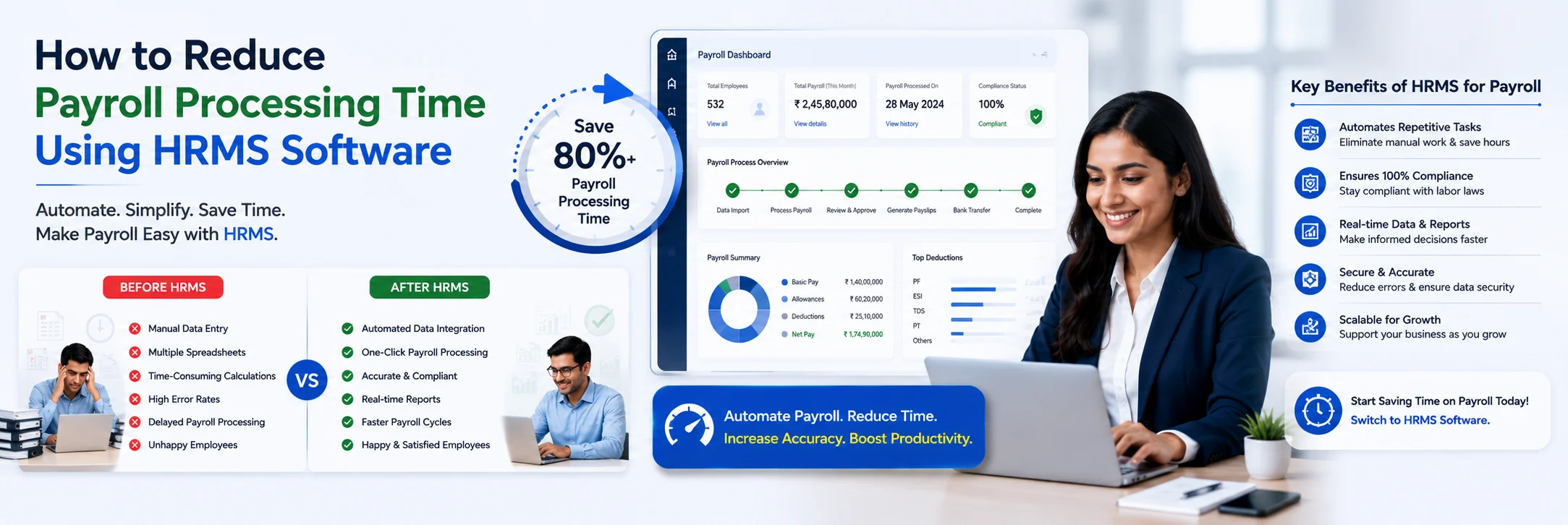
How to Reduce Payroll Processing Time Using HRMS Software
Read More →
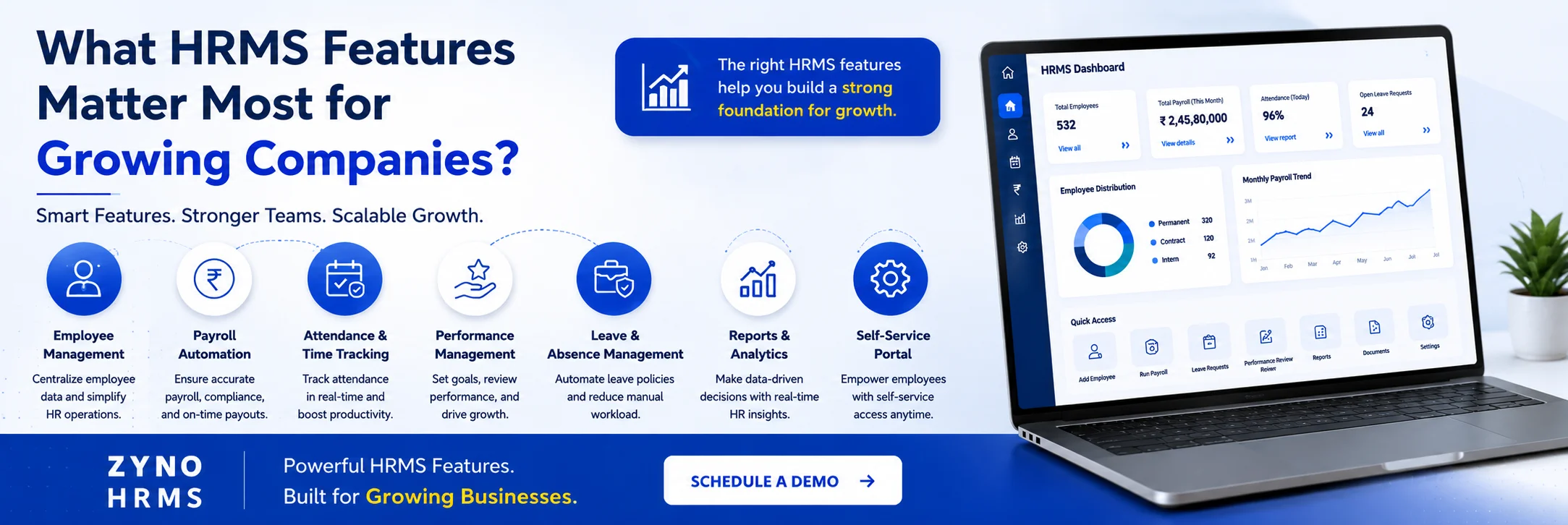
What HRMS Features Matter Most for Growing Companies?
Read More →
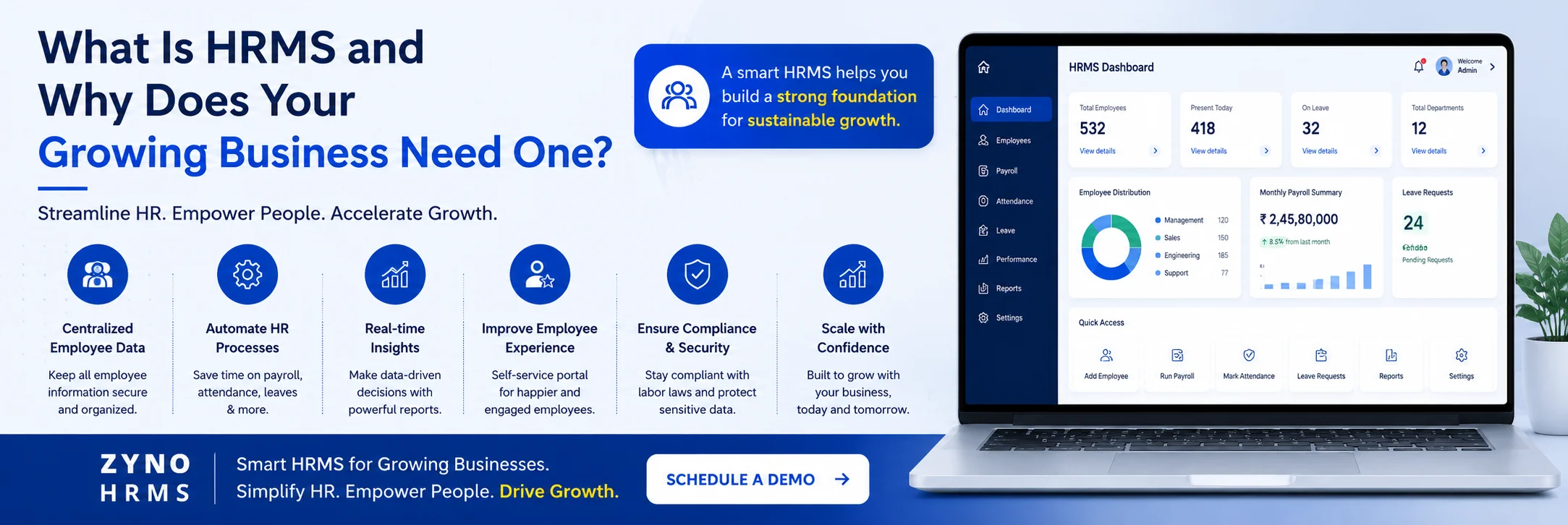
What Is HRMS and Why Does Your Growing Business Need One?
Read More →
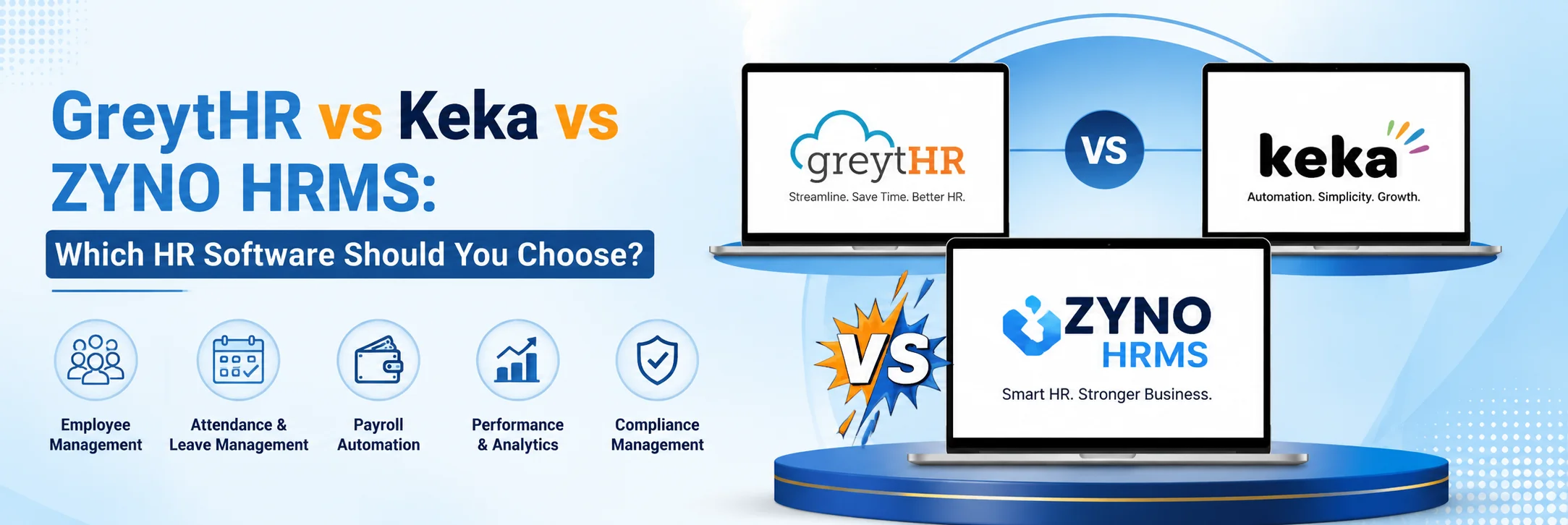
GreytHR vs Keka vs ZYNO HRMS: Which HR Software Should You Choose?
Read More →
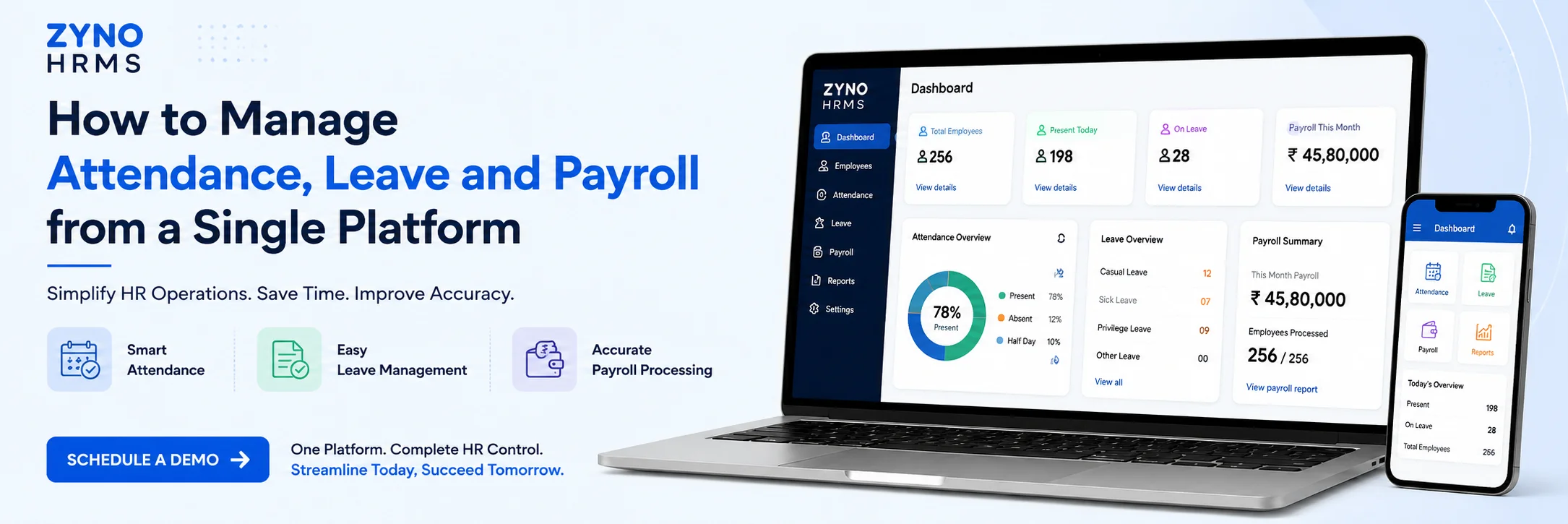
How to Manage Attendance, Leave and Payroll from a Single Platform
Read More →
ZYNO HRMS: The Smarter AI-Powered HR and Payroll Solution for Kenyan Businesses
Read More →
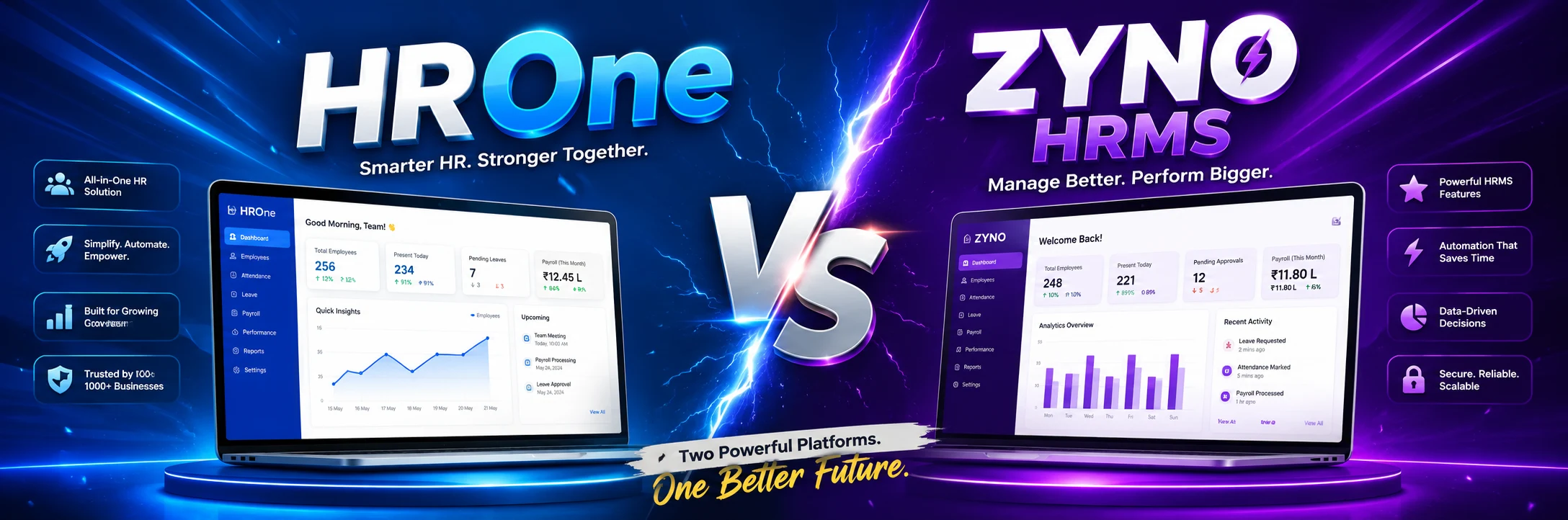
HROne vs ZYNO HRMS: Which HR Software is Best for Your Business in 2026?
Read More →
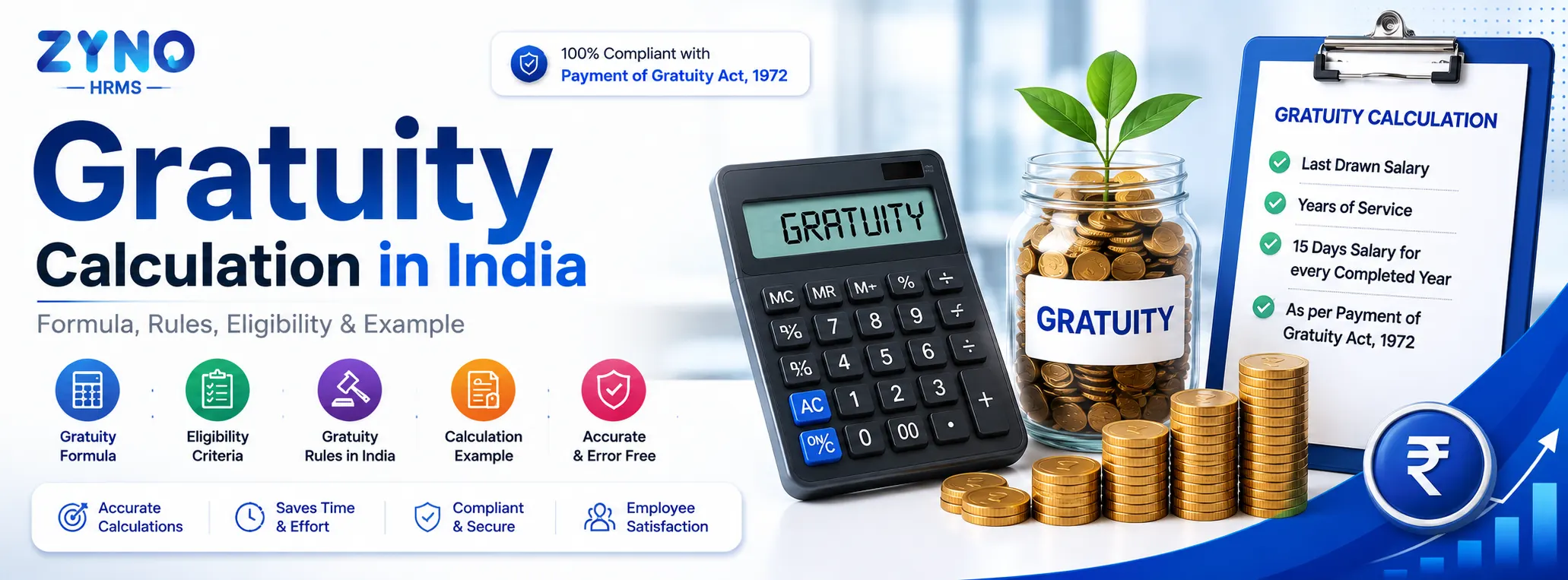
Gratuity Calculation in India: Formula, Eligibility, Calculator & Latest Rules (2026)
Read More →
BambooHR vs ZYNO HRMS: Features, Pricing, Pros & Cons Compared (2026)
Read More →
Best HRMS for UAE Payroll in 2026: Top AI-Powered HR & Payroll Software for UAE Businesses
Read More →
How to Choose the Best Payroll Software for Hospitals & Healthcare Organizations
Read More →
Best Payroll Management Software in Ethiopia: Features, Benefits & Compliance Guide
Read More →Partner with ZYNO by Elite Mindz to revolutionize how your business works. Fill out the form, and we’ll reach out with AI-powered solutions made just for you.
We use browser cookies to ensure you get the best experience on our website. Learn more
The form was submitted successfully!