×
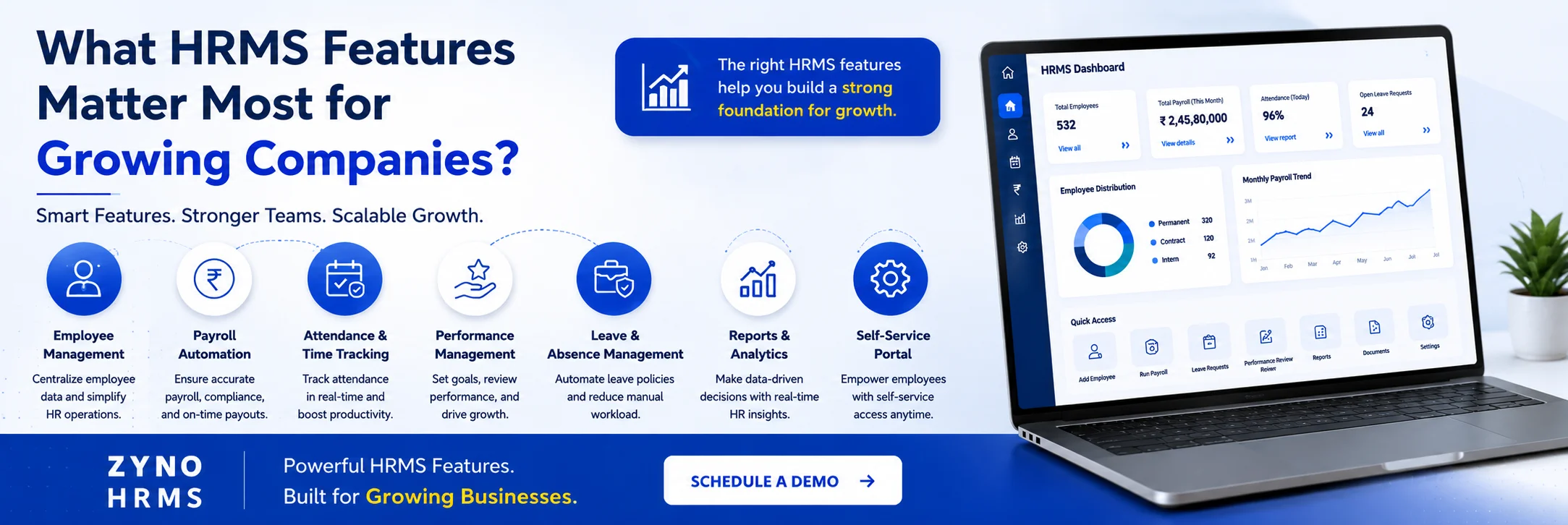
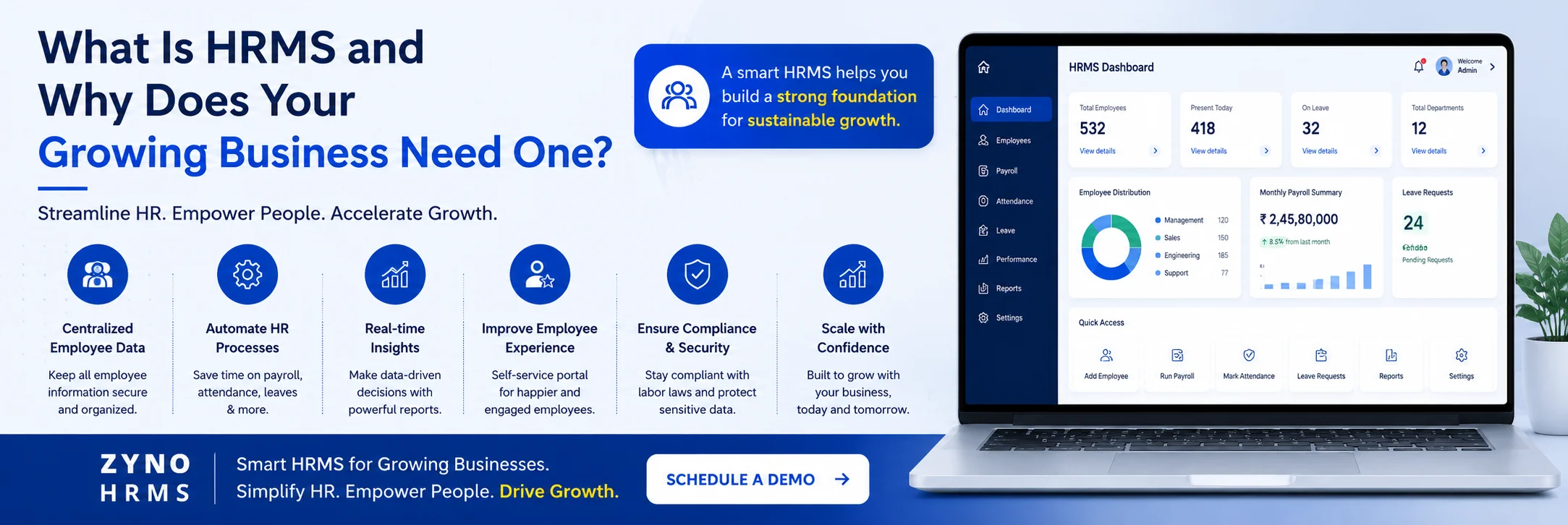
Growing companies should choose an HRMS that offers payroll management, attendance tracking, leave management, employee self-service, statutory compliance, performance management, and real-time reporting. A cloud-based HRMS with automation and integration capabilities enables businesses to manage a growing workforce efficiently while saving time and reducing operational costs.
Businesses using ZYNO Books cut accounting time by 70% and stay 100% ZATCA-compliant — automatically.

When your company is small, HR is simple. You know everyone by name, onboarding takes an afternoon, and payroll fits on a spreadsheet. But growth changes everything. More hires, more locations, more compliance requirements, more data, and suddenly managing people becomes as complex as managing operations.
That is where an HRMS comes in. But not all HRMS platforms are built the same, and not every feature matters equally at every stage of growth. The question is not just which HRMS to buy. It is which features actually move the needle for a growing company.
A startup with 20 people has different HR challenges than a company with 200. And a business scaling from 200 to 500 employees across multiple cities has different needs again.
Growing companies sit in a particularly demanding position. You are past the stage where informal processes work, but you may not yet have a large dedicated HR team to manage complexity manually. You need systems that reduce administrative burden, enforce consistency, stay compliant, and give your people a good experience, all at the same time.
The right HRMS features do not just save your HR team time. They reduce attrition, speed up hiring, improve manager effectiveness, and keep you on the right side of labour laws. Here is what to prioritise.
Choosing the Best HR Software for Payroll is the first step toward automating salary processing, attendance, and statutory compliance.
This is the foundation everything else builds on. A centralised employee database storing personal details, employment history, documents, role changes, and reporting lines is the single source of truth for your people's data.
For growing companies, this matters because data gets messy fast. When employee information is scattered across spreadsheets, email threads, and filing cabinets, simple tasks like pulling headcount reports or updating an employee record become unnecessarily complicated.
A modern employee management software solution centralizes employee records, leave, attendance, and payroll in one place.
2. Payroll Management with Compliance Built In
Payroll is non-negotiable. But for growing businesses it is not just about running payroll accurately. It is about running it compliantly across different states, salary structures, and tax categories.
For Indian businesses specifically, payroll compliance means handling PF, ESI, TDS deductions, professional tax, and generating Form 16, all of which vary by employee type, salary band, and state. Getting this wrong does not just create accounting headaches. It creates legal exposure.
The features that matter here are automated tax calculations, statutory compliance updates, digital payslip generation, and direct integration with your accounting system. Payroll should run cleanly, compliantly, and on time every time without your HR team manually cross-referencing tax tables or emailing finance a spreadsheet each month.
Investing in the best payroll software helps businesses eliminate manual calculations and improve payroll accuracy.
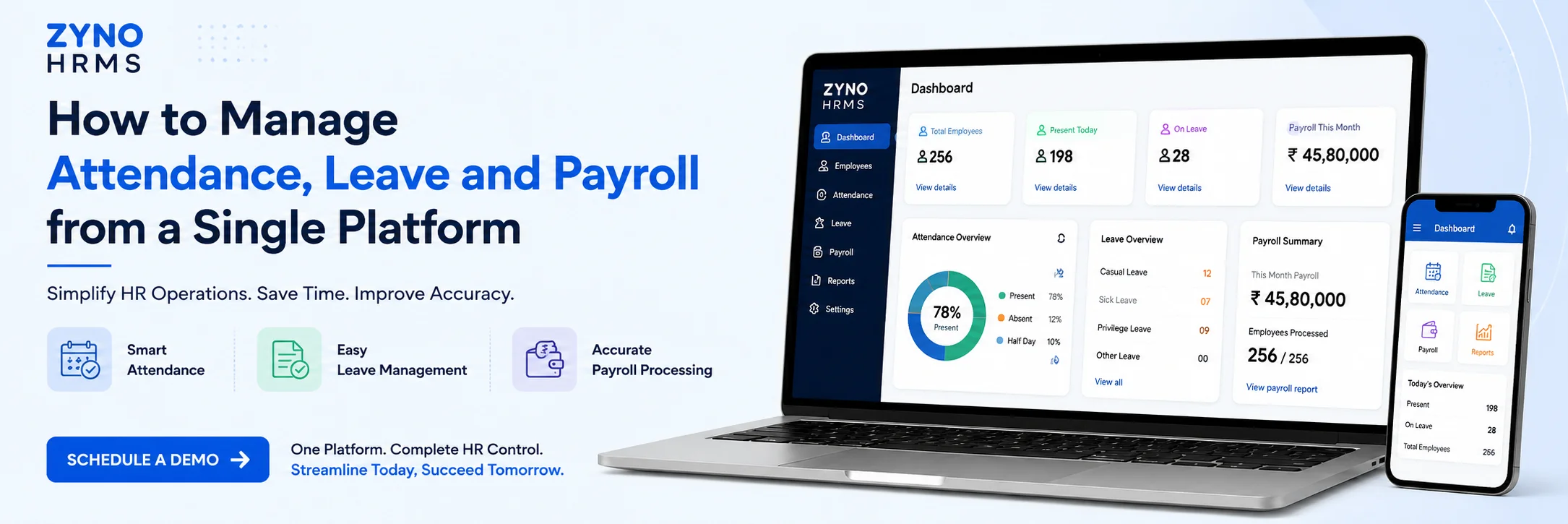
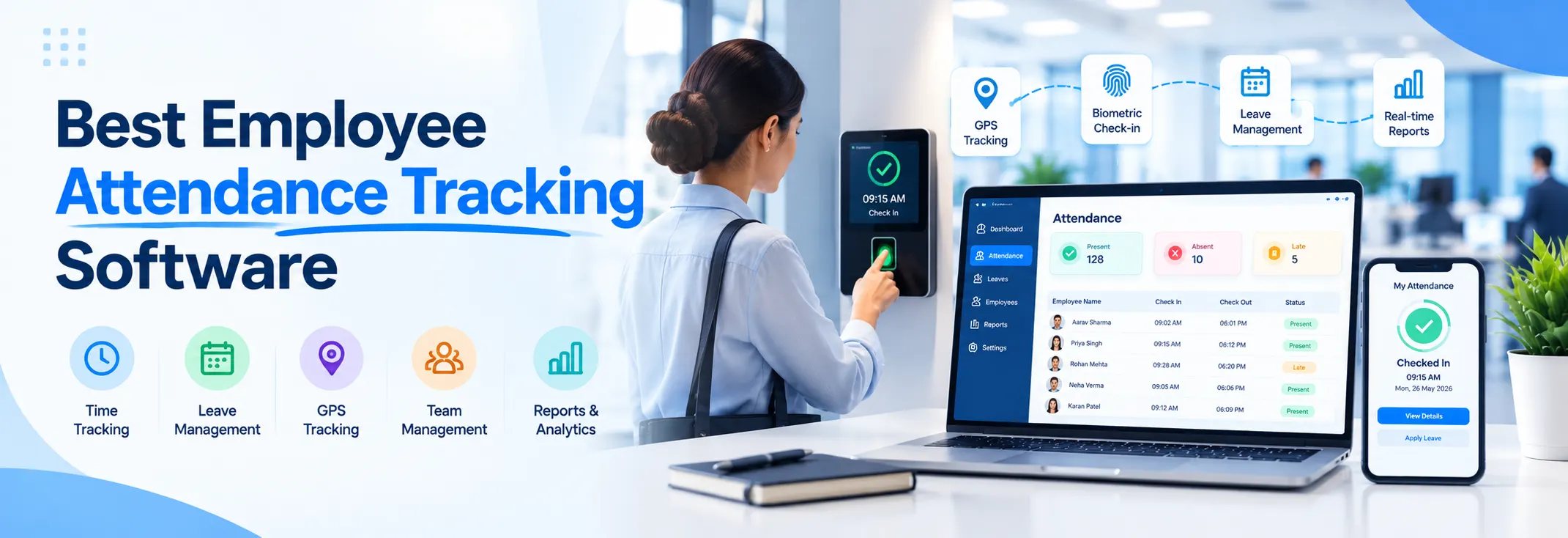
Manual attendance tracking is one of the first things that breaks when a company starts to scale. When you are managing attendance across multiple shifts, locations, or remote teams, spreadsheets and punch cards simply do not work.
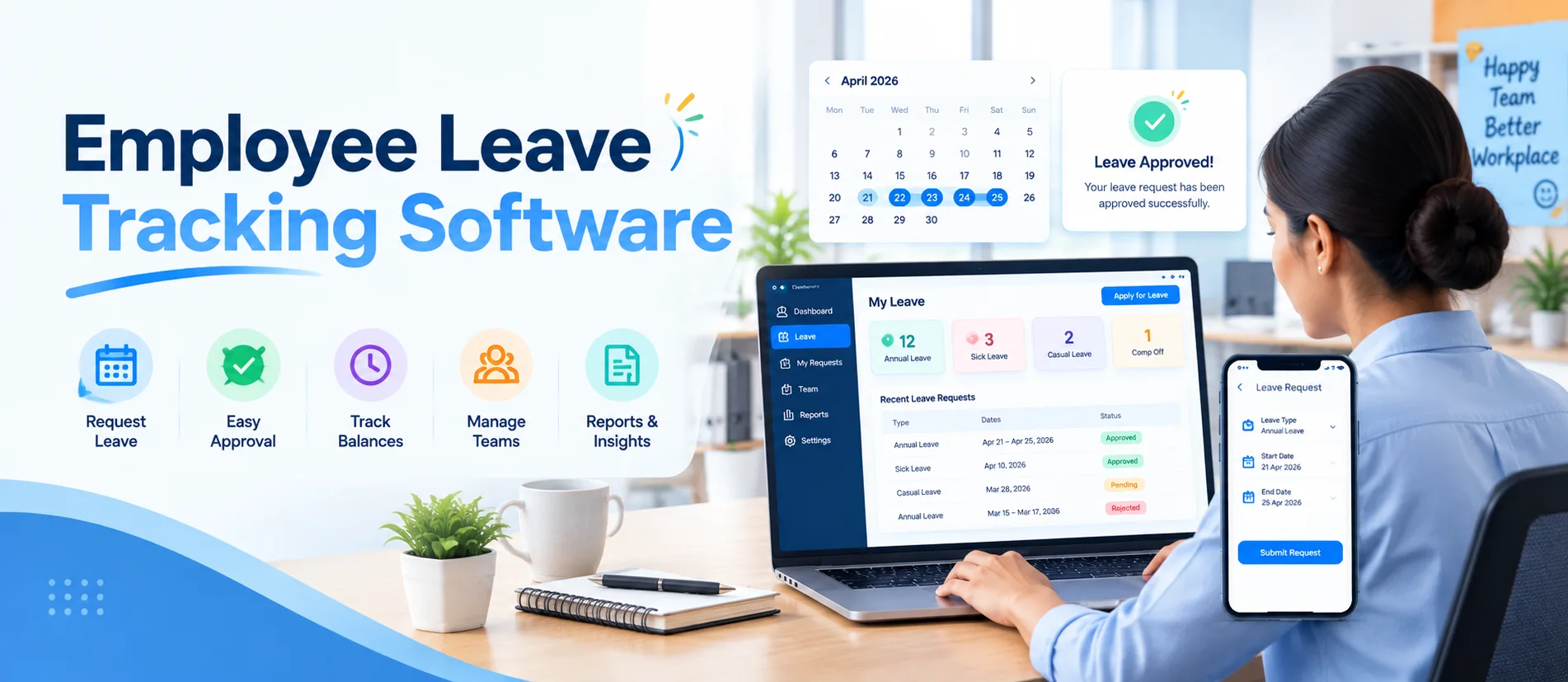
A modern HRMS should offer flexible attendance tracking including biometric integration, mobile check-in, and geofencing for field staff, alongside a configurable leave management system that handles different leave types, approval workflows, and accrual policies.
For managers this means real-time visibility into who is in, who is out, and what the team availability looks like. For HR it means clean data that feeds directly into payroll without manual reconciliation every month end.
Hiring is one of the most time-intensive activities at any growing company. Without a structured system it becomes chaotic fast. Job postings go out on multiple platforms, resumes pile up in inboxes, interview feedback lives in WhatsApp messages, and no one has a clear view of where each candidate stands.
An HRMS with a built-in Applicant Tracking System brings structure to the entire recruitment process. Job requisitions, posting, resume screening, interview scheduling, offer letters, and onboarding are all managed in one place. What used to take weeks of email coordination becomes a structured, trackable process with faster hiring, better candidate experience, and a complete audit trail.
First impressions matter. A new employee's onboarding experience shapes how they feel about your company from day one. But for HR teams managing multiple hires at once, manual onboarding is exhausting and error-prone.
Automated onboarding workflows change this completely. The moment a candidate accepts an offer, the system triggers a sequence covering welcome emails, digital document collection, mandatory training assignment, payroll setup, and IT notifications, all without HR managing each task individually. Every new hire gets a consistent, professional experience regardless of which HR team member is handling the process.
As companies grow, informal performance conversations stop being enough. Without a structured process, reviews become inconsistent, feedback gets delayed, and high performers feel undervalued while underperformance goes unaddressed.
A good HRMS performance module supports goal setting, continuous feedback, mid-year check-ins, and annual appraisals with a clear link between individual performance and compensation decisions. Managers get visibility into team performance trends and HR gets the data needed to make fair, evidence-based decisions on increments and promotions rather than gut-feel calls made once a year.
One of the biggest drains on any HR team is answering routine employee queries. Payslip requests, leave balances, tax documents, policy clarifications. Multiply that across 200 employees and it consumes hours every week.
Employee self-service portals solve this by putting routine information directly in employees hands. Check payslips, apply for leave, update personal details, download Form 16, raise IT declarations, all without emailing HR. A mobile-friendly self-service portal combined with a manager dashboard giving team leads real-time visibility into attendance and leave can free up a significant portion of your HR team's week every single month.
Integrating employee monitoring software with your HRMS provides accurate attendance data for faster payroll processing.
Data-driven HR is no longer a luxury for growing companies. Attrition rates, headcount trends, cost per hire, absenteeism patterns, department-wise payroll costs, these numbers matter for business planning, not just HR reporting.
A strong HRMS provides built-in analytics with pre-configured dashboards and the ability to generate custom reports across all modules. Whether your leadership team wants a headcount summary or your finance team needs a department-wise salary breakdown, the data should be available in real time without manual compilation.
HR does not operate in isolation. Payroll data needs to flow into accounting. Headcount plans inform procurement and operations. When your HRMS sits in a silo you end up with the same disconnected tools problem that holds back so many growing businesses. The best platforms integrate natively with your ERP or finance system so people data and business data stay in sync automatically.
Growing companies can simplify HR operations by implementing employee management software for small businesses with built-in payroll automation.
The right HRMS does not just make HR easier. It makes your entire business run better. When your people data is centralised, payroll is compliant, hiring is structured, and employees have a seamless experience, the entire organisation benefits.
For growing companies, the features that matter most are the ones that eliminate manual work, enforce consistency at scale, keep you compliant, and give leadership real-time visibility into their most important asset, their people.
Q1. What is an HRMS and how is it different from basic HR software?
An HRMS manages the entire employee lifecycle including recruitment, onboarding, payroll, attendance, performance, and compliance in one place. Basic HR software typically handles only one or two of these functions. An integrated HRMS gives you a single system of record for all people data.
Q2. At what stage should a growing company invest in an HRMS?
Most businesses start feeling the need between 50 and 100 employees. Key triggers include complex payroll compliance, HR spending too much time on admin, inconsistent onboarding, and difficulty tracking attendance across locations.
Q3. Does an HRMS handle Indian payroll compliance?
A good HRMS built for Indian businesses should include native support for PF, ESI, TDS, professional tax, and Form 16 generation. Compliance should be built in, not bolted on through third-party add-ons.
Q4. Can an HRMS handle attendance across multiple locations?
Yes. Modern HRMS platforms support biometric device integration, mobile app check-in, and geo-tagged attendance for field staff, making them suitable for businesses with factory floors, warehouses, retail outlets, or distributed remote teams.
Q5. How long does HRMS implementation take for a mid-sized business?
For SME-focused platforms, implementation typically takes four to ten weeks depending on the number of modules, payroll complexity, and data migration requirements.
Sneha Singh
Content writer
Sneha Singh is a B2B tech content strategist with 4+ years of experience. She specializes in SEO-driven SaaS content, whitepapers, and platform-native social media campaigns that simplify complex technology and drive business growth.
How HRMS Systems Streamline Payroll and HR Processes
Read More →

Top HRMS Software Providers in USA
Read More →
Best Service Providers for Cloud-Based HRMS in Singapore
Read More →
Top 10 HR Software Systems in Belgium for Employee Engagement
Read More →
ZYNO HRMS: Setting the Standard for HRMS Payroll Software Trends in 2026
Read More →
A New Era of HR Excellence Begins with ZYNO HRMS- Best HRMS Software
Read More →Revolutionize HR Management With Powerful SaaS HR Solutions
Read More →Why Businesses Are Switching to Cloud-Based Payroll Software
Read More →
Essential HR Tech Tools for Businesses in Kenya
Read More →
21 Must-Have HRMS Software Features in 2025 (Complete Checklist)
Read More →
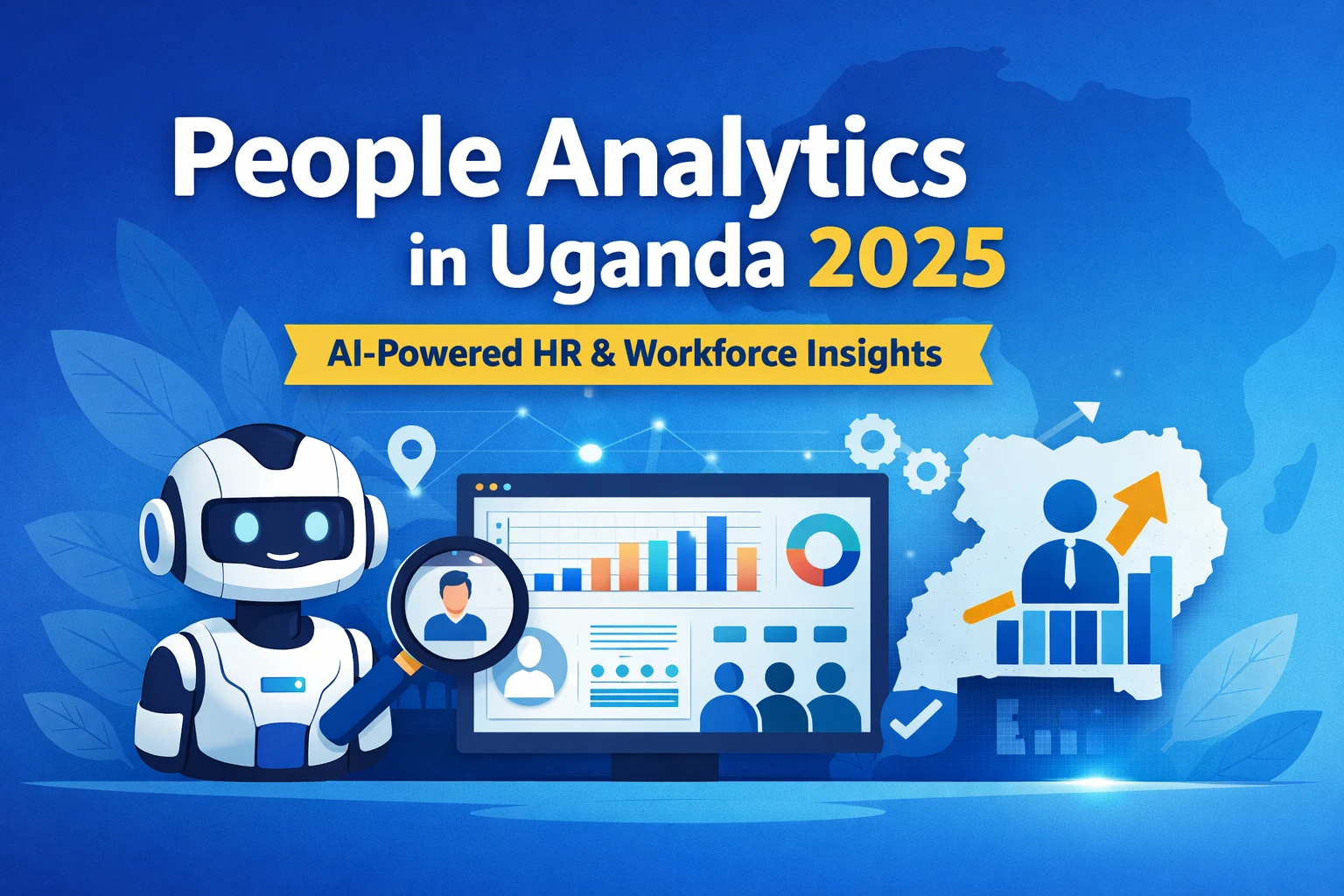
Top People Analytics Trends in Uganda (2026): AI, HR Data & Workforce Insights
Read More →
12 Must Have HRMS Features for Every Business
Read More →Top 10 Payroll Software Companies in India 2026 Updated List
Read More →
Why Your Business Needs HR Management Software to Scale Faster
Read More →
Top 10 HR Software in India for Smart HR Automation
Read More →
Best HRMS Software in Kenya for Modern Businesses (2026 Guide)
Read More →
Buy Affordable HRMS Software in Middle East for Smart HR Management
Read More →
Buy HR Management Software in Ethiopia for Business Growth
Read More →
ZYNO HRMS vs Zoho People: Which HR Software Is Better for You?
Read More →
Top 10 Zoho People Alternatives Compared: Features, Pricing & Reviews
Read More →
Top Keka Alternatives: Choosing the Right HRMS for Your Business
Read More →
Which HR Software Do Most Small Businesses Use in India? Guide
Read More →
What is Cloud Based Payroll? A Complete Guide to Cloud Based Payroll Software
Read More →
How Does HR Software Streamline Payroll Processing?
Read More →
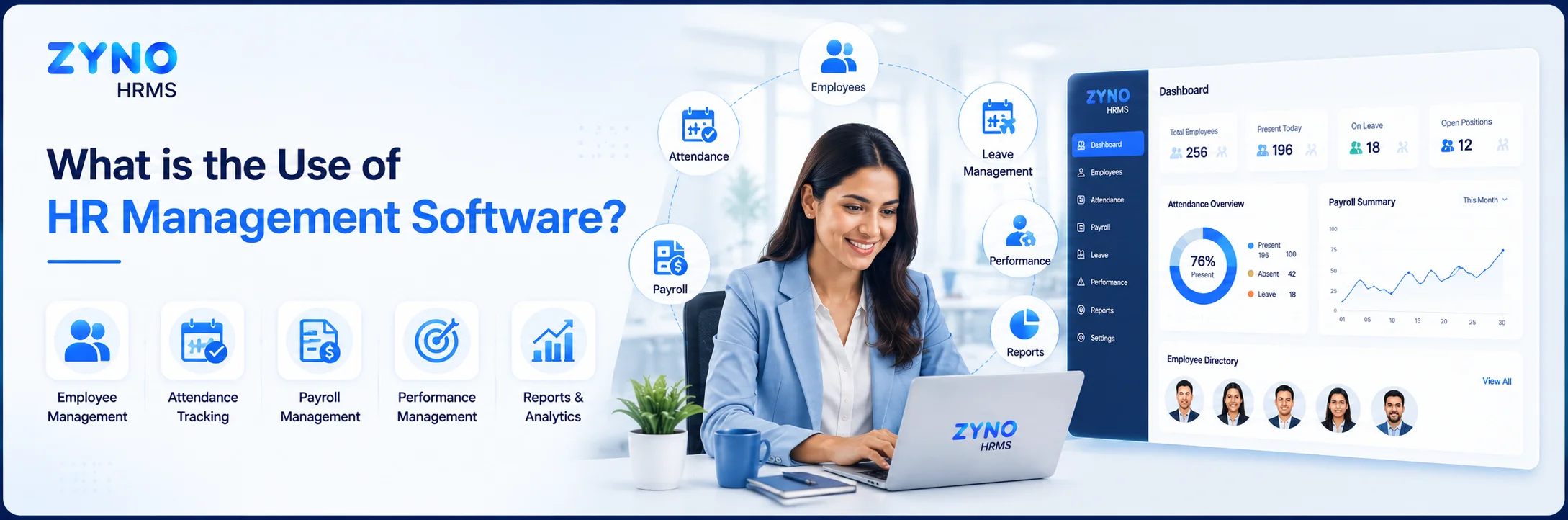
What is the Use of HR Management Software?
Read More →
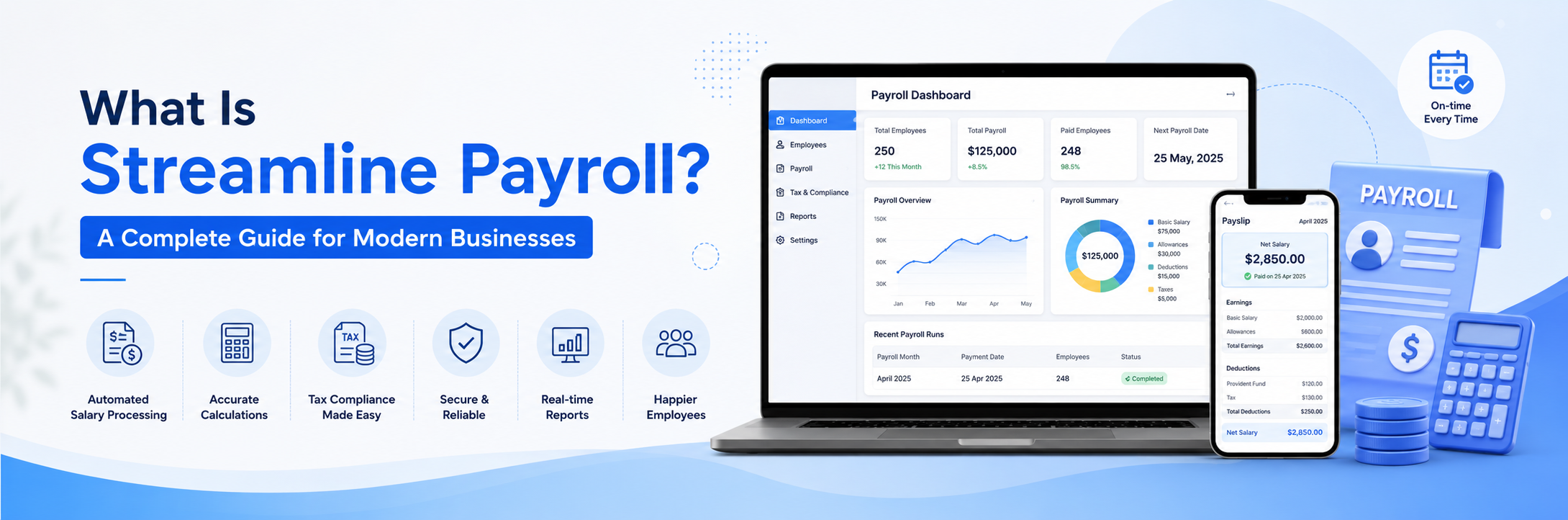
What Is Streamline Payroll? A Complete Guide for Modern Businesses
Read More →
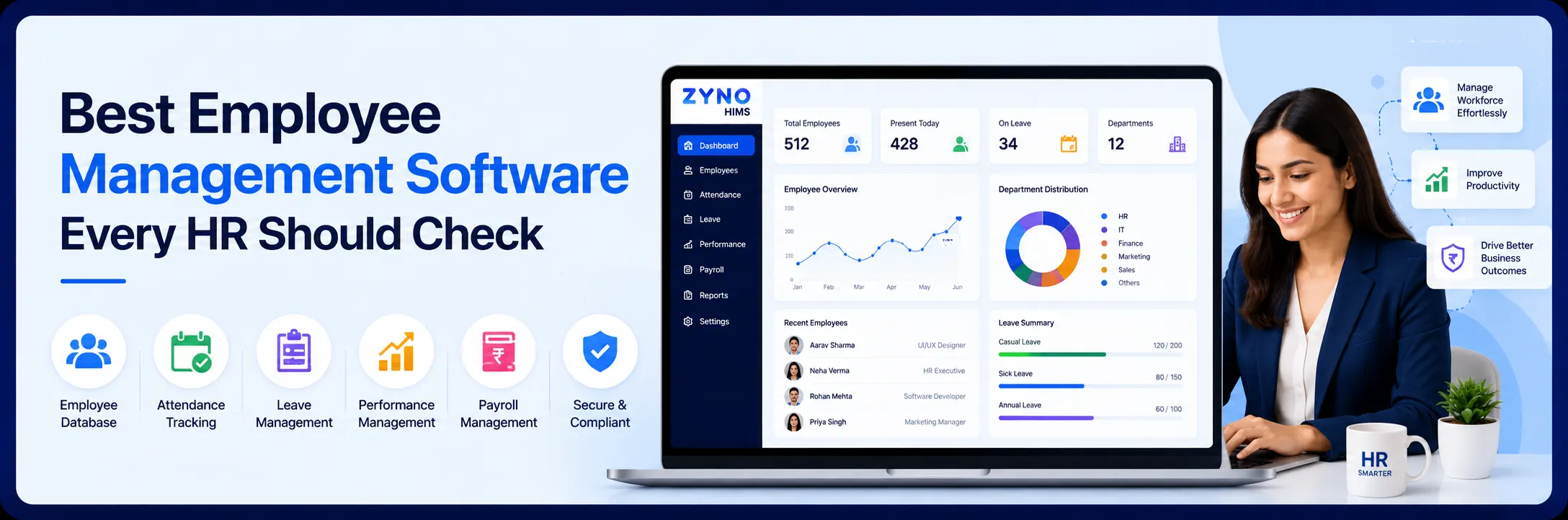
Best Employee Management Software Every HR Should Check
Read More →
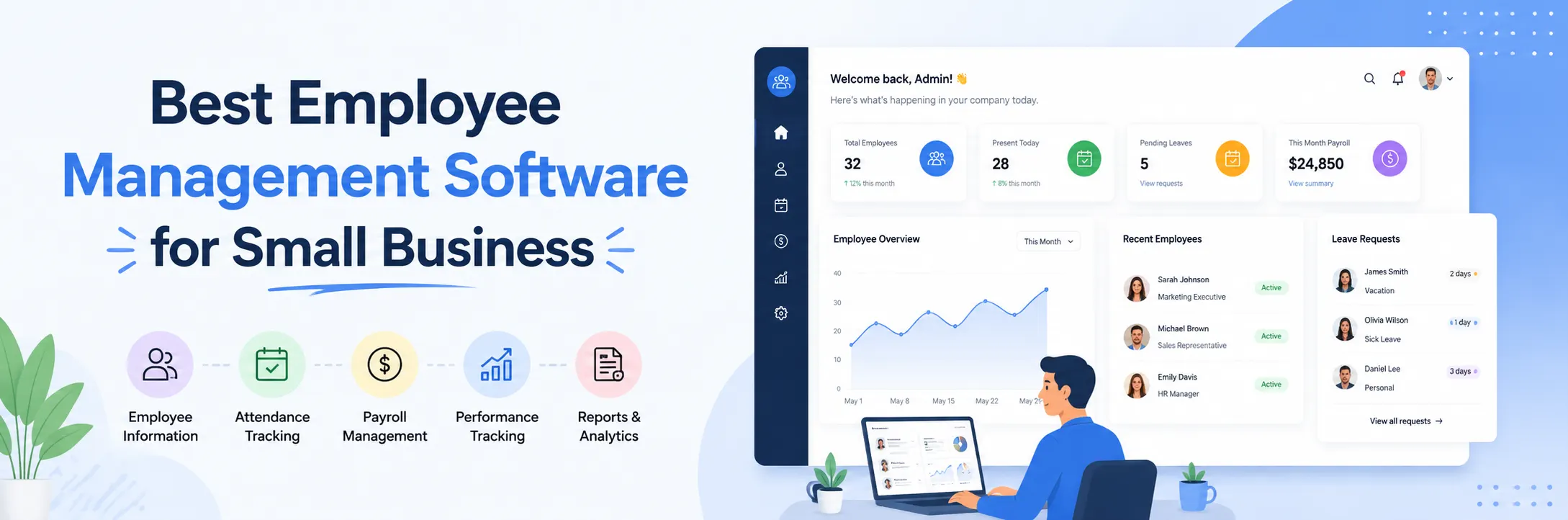
10 Best Employee Management Software for Small Business
Read More →
Employee Monitoring Software for All Businesses | Complete Guide
Read More →
Best Software for Payroll in India: A Full Comparison for 2026
Read More →
Why Payroll Management in India Is More Complex Than You Think
Read More →
How to Reduce Payroll Processing Time Using HRMS Software
Read More →
What HRMS Features Matter Most for Growing Companies?
Read More →
What Is HRMS and Why Does Your Growing Business Need One?
Read More →Partner with ZYNO by Elite Mindz to revolutionize how your business works. Fill out the form, and we’ll reach out with AI-powered solutions made just for you.
We use browser cookies to ensure you get the best experience on our website. Learn more
The form was submitted successfully!
ZYNO Digital
Fueling Smarter Digital Growth
ZYNO Digital fuels smarter digital growth through data-driven marketing, creative storytelling, and performance strategies that boost visibility, engagement, and measurable business outcomes across global platforms.
ZYNO Tech
Engineering the Future of IT
ZYNO Tech delivers cutting-edge IT solutions — including web, mobile, and digital transformation services — helping businesses scale efficiently, innovate faster, and stay ahead in a connected world.
ZYNO AI
AI Built for Business Growth
ZYNO AI harnesses the power of artificial intelligence to automate processes, enhance decision-making, and deliver predictive insights — driving innovation, agility, and measurable business growth.
ZYNO by Elite Mindz
Your Partner in the AI-Powered Future
ZYNO by Elite Mindz offers AI-powered products and services that unify operations, boost productivity, and drive digital transformation — helping businesses scale smarter and innovate faster.
* In just 2 mins you'll get a response
* Your idea is 100% protected by our Non-Disclosure Agreement