How HRMS Systems Streamline Payroll and HR Processes
Read More →

×
For dedicated field-force operations, SalaryBox, Unolo, TrackoField, FieldAssist, and dayTrack are strong options. For organizations looking for broader HR management alongside field attendance, ZYNO HRMS, Zoho People, Keka HR, HROne, factoHR, and Pocket HRMS are worth considering.
Businesses using ZYNO Books cut accounting time by 70% and stay 100% ZATCA-compliant — automatically.
The best employee field tracking software in 2026 is no longer just about putting employees on a GPS map. Businesses need a combination of real-time location tracking, GPS/geofenced attendance, client-visit verification, route and activity history, task management, reporting, payroll integration, and employee-friendly mobile apps.
ZYNO HRMS ranks #4 in this list because it takes a broader people-first approach: field and remote attendance sits alongside employee management, leave, payroll, performance, workflows, analytics, and AI-powered employee self-service.
Employee field tracking software helps businesses understand where field employees are working, when they start and finish their day, which customers they visit, how much they travel, and what work they complete.
For example, a field sales representative can check in from a customer location, record the visit, submit an order or report, and continue to the next assigned location. Managers can then review field activity from a central dashboard.
The important distinction is that good employee tracking should create operational visibility without turning into unnecessary surveillance. Current Indian field-tracking guidance also emphasizes the importance of consent and transparent handling of employee location data.
| Software | Best For | Key Features | |
|---|---|---|---|
| 1 | SalaryBox | Overall field workforce management | Live GPS, visits, geofencing, attendance, payroll |
| 2 | Unolo | Field sales & service teams | Live location, geofencing, visits, attendance |
| 3 | TrackoField | FMCG & pharma | GPS, beat planning, visits, orders |
| 4 | ZYNO HRMS | HR-led field & distributed teams | Mobile attendance, workforce management, payroll, AI |
| 5 | Zoho People | Businesses using Zoho | GPS attendance, CRM integration, HR |
| 6 | dayTrack | Sales & field teams | GPS, visits, orders, expenses, reports |
| 7 | FieldAssist | FMCG sales forces | Beat planning, outlet visits, orders |
| 8 | Keka HR | Tech SMBs & mixed teams | Attendance, HR, performance |
| 9 | HROne | Mid-market businesses | GPS attendance, HR workflows, expenses |
| 10 | factoHR | Industrial & logistics teams | Attendance, travel, payroll |
| 11 | Pocket HRMS | SMBs | GPS attendance, HR self-service |
| 12 | Trackowheels | Fleet-heavy operations | GPS, routes, fleet intelligence |
| 13 | PagarBook | Small field teams | GPS attendance, wages |
| 14 | Truein | Multi-location & frontline teams | GPS/face attendance, workforce management |
| 15 | Connecteam | Distributed operational teams | GPS, time tracking, tasks, communication |
The first ten platforms are also represented in the 2026 field-tracking comparison material supplied for this article, which evaluates tools around GPS accuracy, visit logging, anti-spoof/geofenced attendance, activity reporting, and payroll/leave integration.
Best for: Sales teams, delivery executives, service engineers, medical representatives, insurance agents, facility teams and other field-heavy businesses.
SalaryBox takes a broad approach to field workforce management by connecting employee location, attendance, visits, tasks and payroll. Its field-tracking capabilities include real-time location visibility, GPS-verified client visits, geofenced attendance, daily task recording and payroll integration. The platform also supports offline synchronization, which can matter when employees work in areas with unreliable connectivity.
The strongest advantage is that employees can record work directly from the field instead of reconstructing their entire day later through spreadsheets or messages.
Businesses looking for sophisticated CRM-style sales pipelines or advanced route optimization may need additional specialist tools. The supplied comparison also notes that these areas are less extensive than dedicated field-force CRM platforms.
Track field employees, manage attendance, monitor activities, and improve workforce productivity with a smart employee field tracking solution.
Best for: Field sales, service teams and businesses with distributed employees.
Unolo is designed specifically around field sales and service operations. Its platform provides real-time employee location monitoring, geofence alerts, distance calculation and timeline-based activity review. It also supports location-based attendance and geo-verified customer visits.
Unolo is focused on the realities of mobile work. Employees can use a mobile application rather than depending on fixed attendance machines.
Its strongest value is field-force management, so companies primarily looking for a complete enterprise HRMS may want to compare it with broader HR platforms.
Best for: FMCG distributors, pharmaceutical companies and consumer-goods field sales teams.
TrackoField is designed around high-volume field-force activity, where employees may need to visit numerous outlets, retailers or healthcare professionals every day. Its feature set includes field tracking, beat planning, route scheduling, order submission and location-based attendance.
A well-planned beat structure gives field representatives clearer expectations about where they need to go and what they need to accomplish.
Businesses looking for extensive payroll and HR capabilities may need a separate HRMS.
Best for: Businesses that want field and distributed workforce management connected with a complete HRMS.
ZYNO HRMS takes a different approach from purely field-force applications. Instead of treating an employee as simply a GPS point, it connects attendance and workforce visibility with employee management, leave, payroll, performance, workflows, analytics and employee self-service.
Its attendance system supports mobile access and is specifically positioned for hybrid and field teams, while attendance data can flow into payroll, overtime and leave processes.
ZYNO also introduces prompt-based AI capabilities through which employees can ask questions about attendance, leave, payroll and policies, while HR teams can automate routine HR processes.
The people-first advantage is that tracking is part of a broader employee experience. Employees can manage attendance, leave, payslips, HR requests and other services rather than interacting with a standalone tracking system.
If your primary requirement is highly specialized FMCG beat management, outlet sales automation or fleet telematics, a dedicated field-force platform may provide deeper functionality in that specific area.
Best for: Organizations already using Zoho CRM, Zoho Books, Zoho Inventory or other Zoho applications.
Zoho People provides GPS-based attendance, location check-ins and HR management. Its strongest advantage for field teams comes when the organization is already invested in the wider Zoho ecosystem. The supplied 2026 comparison highlights its integration with Zoho CRM for connecting field visits with sales information.
Employees get a familiar HR environment instead of switching between multiple systems.
Dedicated field-force tools may provide deeper visit and route management.
Best for: Sales representatives, service teams and businesses managing distributed field employees.
dayTrack combines employee location tracking with attendance, customer visits, orders, expenses and reporting. Its platform supports GPS-tagged attendance, live location, GPS-verified visits, order booking, expense validation and automated reporting.
Field employees can manage several parts of their working day from one mobile application, including attendance, visits, orders and expenses.
Businesses seeking a broader HR lifecycle platform may prefer an HRMS Software such as ZYNO, particularly when payroll, performance and employee self-service are equally important.
Best for: FMCG brands and distributors managing large sales teams.
FieldAssist is a specialist sales-force automation platform rather than a traditional HRMS. It focuses on beat planning, outlet visits, order management, sales analytics and field location visibility.
Sales representatives get workflows built around the actual activities they perform in the market.
HR, payroll and leave functions require a separate HR system.
Improve field visibility, simplify attendance tracking, and manage employee activities from one powerful workforce management platform.
Best for: Technology companies, startups and businesses where most employees work from offices but some teams regularly work outside.
Keka combines HR, attendance and employee management with basic location-based functionality. It can be useful where field employees are only one part of a larger workforce.
Employees don't need a separate system simply because their role occasionally requires field work.
For businesses with hundreds of employees spending most of their time in the field, specialized platforms can offer deeper tracking and visit functionality.
Best for: Mid-sized organizations with significant field teams and high HR approval requirements.
HROne combines GPS-based attendance with HR workflows. One of its notable strengths is handling approvals around expenses, travel, overtime and leave—areas that can become complicated when employees spend much of their working time outside the office.
Field employees can handle common HR requests without returning to the office.
Visit logging and advanced route intelligence are not its primary strengths.
Best for: Logistics employees, delivery teams, maintenance technicians and industrial field workers.
factoHR is particularly suitable when field attendance needs to connect with payroll, travel allowances and broader workforce administration. It also supports biometric and RFID integrations for environments where employees move between depots, warehouses and field locations.
It can reduce repetitive attendance and payroll processes across different work locations.
Client-visit and meeting capture is less central than it is in dedicated field-force applications.
Best for: Small and medium businesses where field employees need easy access to HR services.
Pocket HRMS combines GPS attendance with wider HR functionality and its smHRty chatbot. The chatbot can help employees manage attendance, leave, expenses and payslip-related questions while they are away from a desk.
Conversational HR support can reduce the need to contact HR for routine questions.
Its visit and route-management capabilities are not as deep as specialist field-force platforms.
Best for: Logistics and transportation companies managing vehicles as well as mobile employees.
Trackowheels is more fleet-centric than HR-centric. Its platform focuses on real-time GPS, route history, vehicle intelligence, fuel monitoring, driver behavior and maintenance.
For drivers and mobile operations teams, the system can connect their daily movement with fleet and vehicle information.
Organizations need separate HR/payroll software for comprehensive employee administration.
Best for: Small businesses with approximately 5–20 field employees that primarily need simple attendance and wage management.
PagarBook focuses on accessible workforce management. Its capabilities include GPS attendance, mobile check-ins and wage calculations, making it suitable for businesses that don't need a sophisticated field-force platform.
The system is relatively straightforward and doesn't require extensive training.
It lacks the visit management, client-meeting capture and route intelligence required by larger field organizations.
Best for: Frontline workers, contractors and organizations managing employees across multiple locations.
Truein is built around attendance and workforce management for distributed teams. It is particularly relevant when the core requirement is to establish verified attendance across multiple sites rather than manage detailed sales journeys.
A mobile-first attendance experience can be easier for workers who do not have access to a fixed office attendance device.
Businesses requiring sophisticated sales visits, orders and customer relationship workflows may need a dedicated field-force application alongside it.
Best for: Businesses managing frontline, operational and distributed employees.
Connecteam brings together time tracking, scheduling, communication, tasks and workforce management. It can work well when managers want to combine employee communication and task execution with workforce visibility.
Instead of using separate applications for schedules, communication and tasks, employees can access multiple work functions from one mobile environment.
Companies operating specifically around Indian payroll, statutory compliance or highly specialized FMCG field sales may prefer an India-focused platform.
Managing a field team manually creates a visibility gap. A manager may know that an employee started the day, but not whether they reached the assigned customer, how long the visit lasted, what work was completed or how much travel actually occurred.
For employees, the goal should not simply be “tracking.” A well-designed system should make their work easier by reducing repetitive reporting, simplifying attendance, automating expense submissions and giving them access to HR services from their phone. The source material similarly highlights real-time GPS, client visit logs, daily task reports and geofenced attendance as core capabilities.
Don't select a platform simply because its marketing page shows a GPS map. The important question is whether the information collected is accurate, useful and connected to the rest of your workflow.
You should also evaluate battery consumption, mobile usability, privacy controls, employee consent, role-based access, reporting, integrations, scalability and support.
For a people-first implementation, employees should understand what is tracked, when it is tracked and why the information is being collected.

The biggest difference between ZYNO HRMS and a dedicated field tracker is scope.
A field tracking application primarily answers:
“Where is my employee and what did they do?”
A modern HRMS needs to answer a broader question:
“How can we manage, support, pay and develop this employee throughout their entire employment lifecycle?”
ZYNO HRMS is designed around the second question.
It brings employee management, attendance, shifts, leave, payroll, performance, recruitment, analytics, workflows and employee self-service into one cloud-based platform.
ZYNO supports mobile attendance for hybrid and field teams, while attendance information can connect with payroll, overtime and leave processes.
Employees can manage profiles, attendance, leave, payslips and HR tasks through self-service functionality rather than depending on HR for every request.
ZYNO's prompt-based AI allows employees to ask HR questions in natural language and supports automated workflows around payroll, attendance, leave and employee requests.
Managers can access workforce analytics, attendance information, performance insights and operational data from a unified HR environment.
Instead of exporting attendance information and manually reconciling it with payroll, ZYNO is designed to connect attendance, leave, overtime and salary processing.
Recruitment, onboarding, employee management, attendance, leave, performance, payroll and employee self-service are part of the same platform. That makes ZYNO particularly compelling for organizations that don't want a standalone tracking tool sitting beside their HRMS.
The right employee field tracking software depends on what your workforce actually needs.
Rather than treating employees as locations on a map, ZYNO connects workforce visibility with the wider employee lifecycle, making it a stronger fit for businesses that want to manage field employees while also improving the employee experience.
Monitor employee movement and field activities, streamline workforce processes, and make better decisions with a modern HRMS solution.
There is no single best platform for every business. SalaryBox is a strong overall option for field workforce tracking, while Unolo, TrackoField, FieldAssist and dayTrack are particularly relevant for dedicated field operations.
Businesses wanting field attendance within a broader HRMS can consider ZYNO HRMS, Zoho People, Keka HR, HROne or factoHR.
Yes. Several platforms in this list provide real-time or location-based tracking. Unolo, SalaryBox and dayTrack, for example, explicitly offer real-time employee location capabilities.
Yes. Dedicated field-force applications can use GPS and timestamps to verify that an employee was at a particular customer location. SalaryBox, Unolo and dayTrack provide location-based visit capabilities.
Yes. GPS attendance and geofencing are common features. The strongest platforms connect attendance with working hours, leave and payroll rather than keeping attendance data isolated.
Geofencing creates a virtual geographic boundary around a location. Businesses can use it to restrict or verify attendance and generate alerts when an employee enters or leaves a defined area.
Yes. Sales teams are one of the most common use cases because managers need visibility into customer visits, routes, attendance, orders and daily activities.
Look for an application with offline data capture and later synchronization. This is especially important for employees working in rural areas or locations with inconsistent network coverage.
Not necessarily. Location tracking is one component of workforce management. A people-first system should use location information for legitimate operational purposes—such as attendance, customer visits, safety or route management—rather than indiscriminate monitoring.
Many HR-focused platforms can. SalaryBox, for example, connects field working hours with payroll, while broader HRMS platforms such as ZYNO integrate attendance with salary, overtime and leave workflows.
It depends on the primary requirement. If your business needs beat planning, outlet visits and order management, a specialist field-force application may be better. If you want attendance, payroll, leave, performance, employee management and field workforce support in one platform, an HRMS can be the more practical choice.
How HRMS Systems Streamline Payroll and HR Processes
Read More →
Top HRMS Software Providers in USA
Read More →
Best Service Providers for Cloud-Based HRMS in Singapore
Read More →
Top 10 HR Software Systems in Belgium for Employee Engagement
Read More →
ZYNO HRMS: Setting the Standard for HRMS Payroll Software Trends in 2026
Read More →
A New Era of HR Excellence Begins with ZYNO HRMS- Best HRMS Software
Read More →Revolutionize HR Management With Powerful SaaS HR Solutions
Read More →Why Businesses Are Switching to Cloud-Based Payroll Software
Read More →
Essential HR Tech Tools for Businesses in Kenya
Read More →
21 Must-Have HRMS Software Features in 2025 (Complete Checklist)
Read More →
Top People Analytics Trends in Uganda (2026): AI, HR Data & Workforce Insights
Read More →
12 Must Have HRMS Features for Every Business
Read More →Top 10 Payroll Software Companies in India 2026 Updated List
Read More →
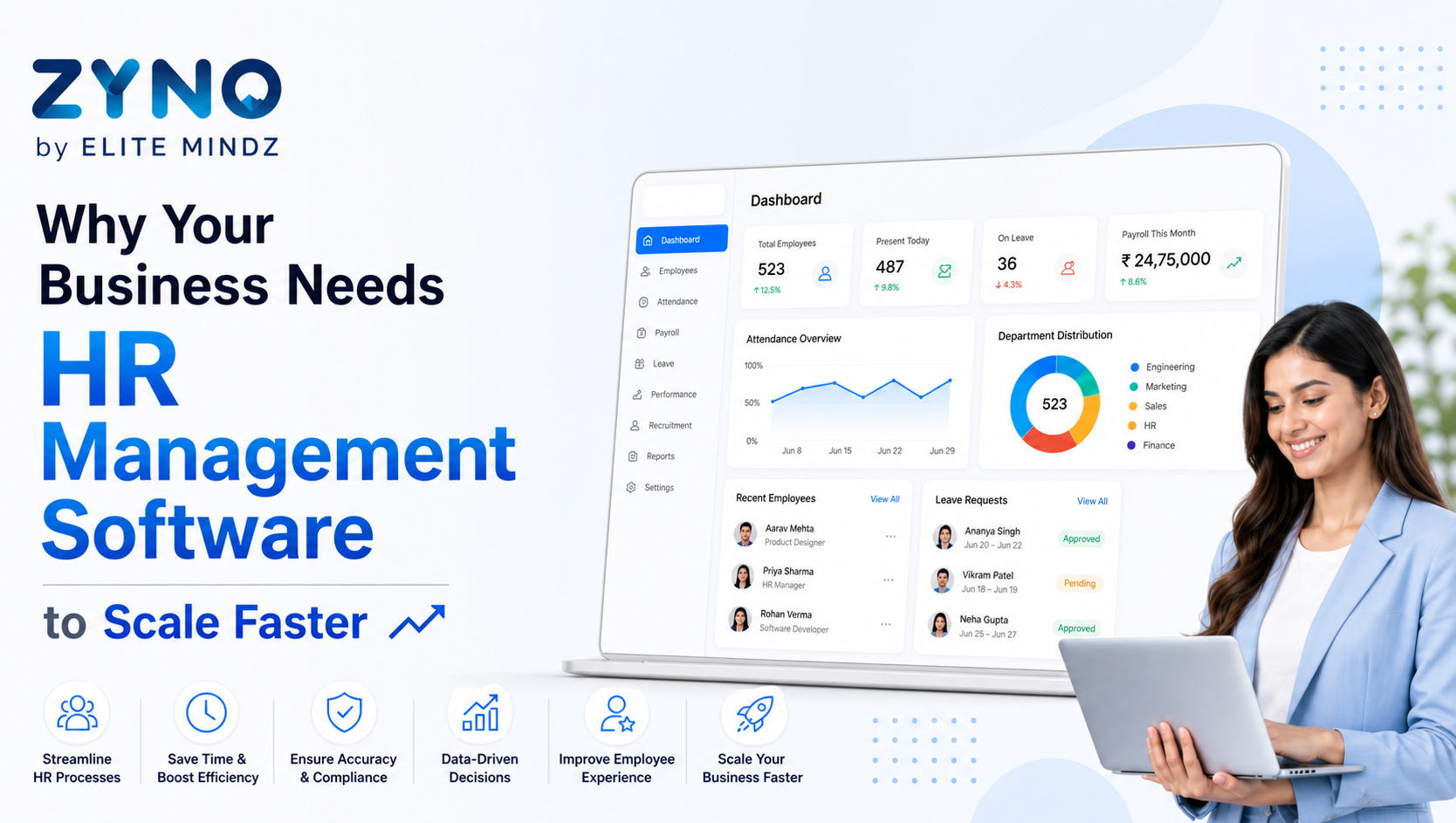
Why Your Business Needs HR Management Software to Scale Faster
Read More →
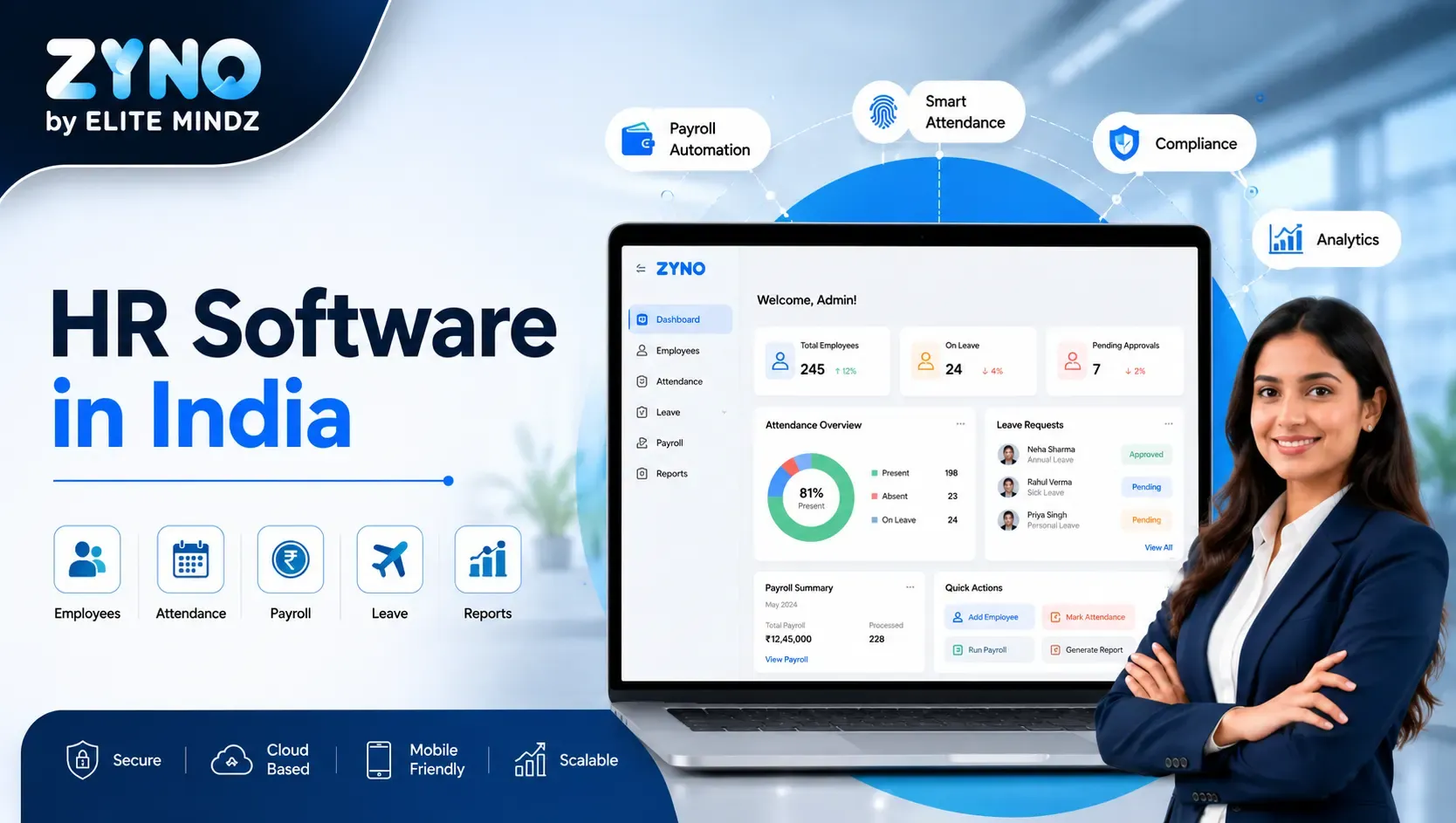
Top 10 HR Software in India for Smart HR Automation
Read More →
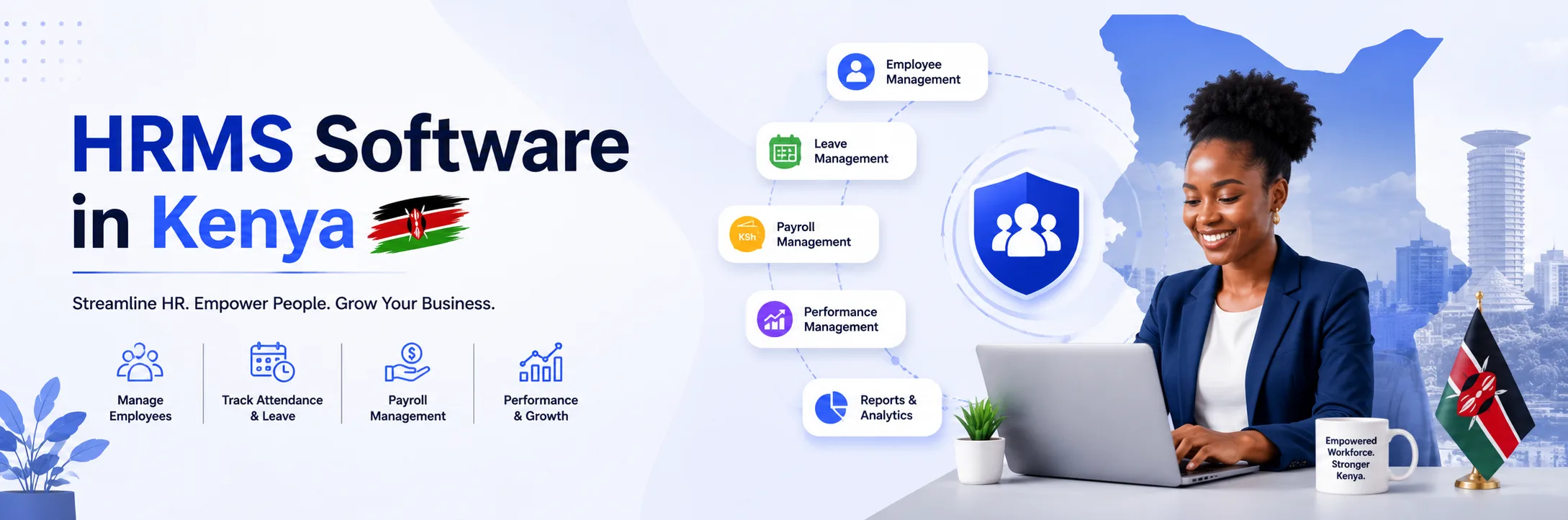
Best HRMS Software in Kenya for Modern Businesses (2026 Guide)
Read More →
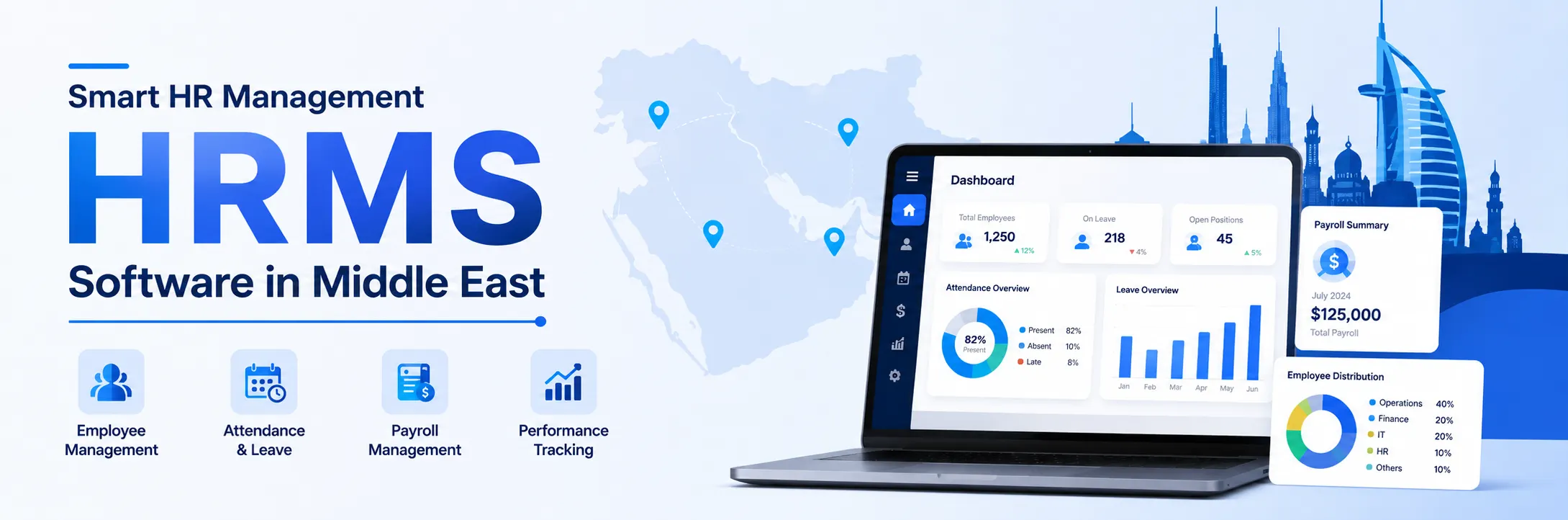
Buy Affordable HRMS Software in Middle East for Smart HR Management
Read More →
Buy HR Management Software in Ethiopia for Business Growth
Read More →
ZYNO HRMS vs Zoho People: Which HR Software Is Better for You?
Read More →
Top 10 Zoho People Alternatives Compared: Features, Pricing & Reviews
Read More →
Top Keka Alternatives: Choosing the Right HRMS for Your Business
Read More →
Which HR Software Do Most Small Businesses Use in India? Guide
Read More →
What is Cloud Based Payroll? A Complete Guide to Cloud Based Payroll Software
Read More →
How Does HR Software Streamline Payroll Processing?
Read More →
What is the Use of HR Management Software?
Read More →
What Is Streamline Payroll? A Complete Guide for Modern Businesses
Read More →
Best Employee Management Software Every HR Should Check
Read More →
10 Best Employee Management Software for Small Business
Read More →
Employee Monitoring Software for All Businesses | Complete Guide
Read More →
Best Software for Payroll in India: A Full Comparison for 2026
Read More →
Why Payroll Management in India Is More Complex Than You Think
Read More →
How to Reduce Payroll Processing Time Using HRMS Software
Read More →
What HRMS Features Matter Most for Growing Companies?
Read More →
What Is HRMS and Why Does Your Growing Business Need One?
Read More →
GreytHR vs Keka vs ZYNO HRMS: Which HR Software Should You Choose?
Read More →
How to Manage Attendance, Leave and Payroll from a Single Platform
Read More →
ZYNO HRMS: The Smarter AI-Powered HR and Payroll Solution for Kenyan Businesses
Read More →
HROne vs ZYNO HRMS: Which HR Software is Best for Your Business in 2026?
Read More →
Gratuity Calculation in India: Formula, Eligibility, Calculator & Latest Rules (2026)
Read More →
BambooHR vs ZYNO HRMS: Features, Pricing, Pros & Cons Compared (2026)
Read More →
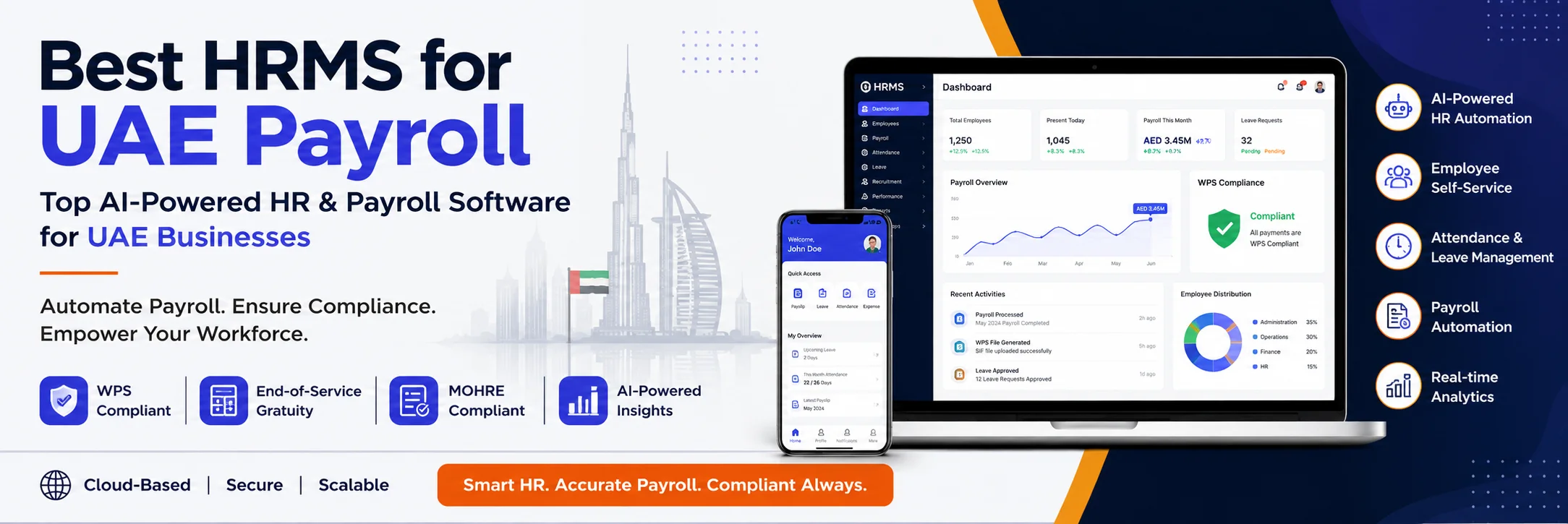
Best HRMS for UAE Payroll in 2026: Top AI-Powered HR & Payroll Software for UAE Businesses
Read More →
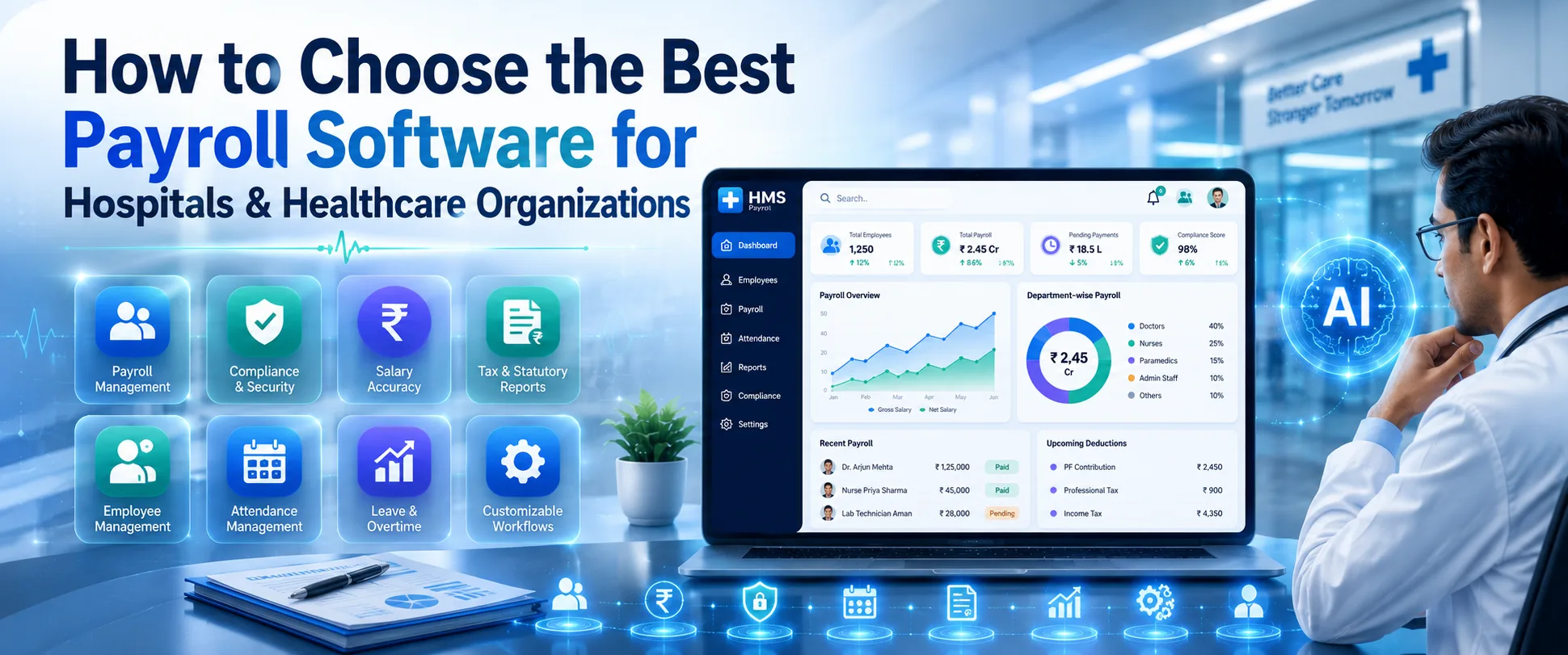
How to Choose the Best Payroll Software for Hospitals & Healthcare Organizations
Read More →
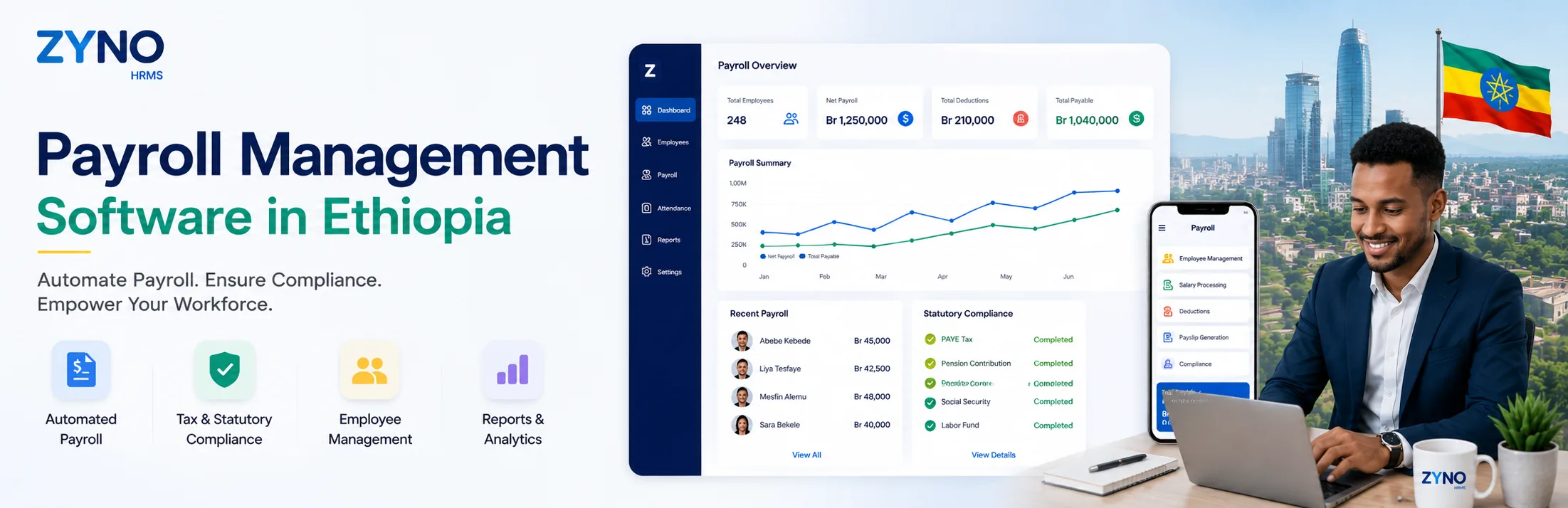
Best Payroll Management Software in Ethiopia: Features, Benefits & Compliance Guide
Read More →
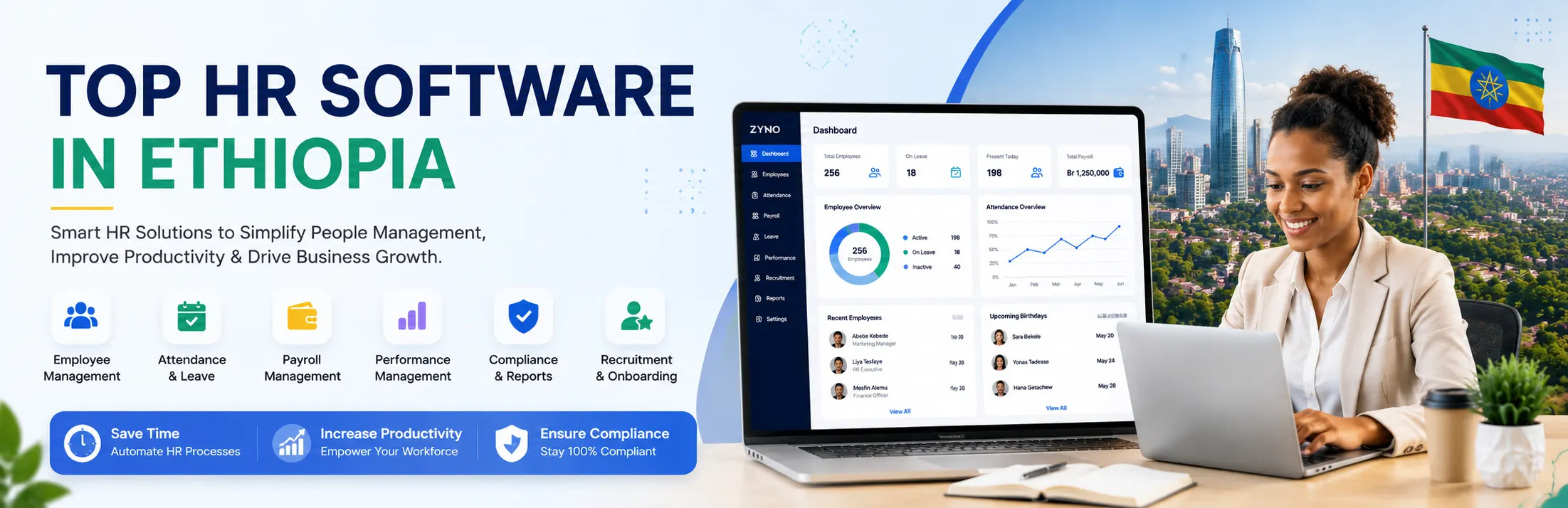
Top 15 HR Software in Ethiopia (2026) | Features, Pros, Cons & Pricing
Read More →15 Best Employee Field Tracking Software in India in 2026
Read More →Partner with ZYNO by Elite Mindz to revolutionize how your business works. Fill out the form, and we’ll reach out with AI-powered solutions made just for you.
We use browser cookies to ensure you get the best experience on our website. Learn more
The form was submitted successfully!