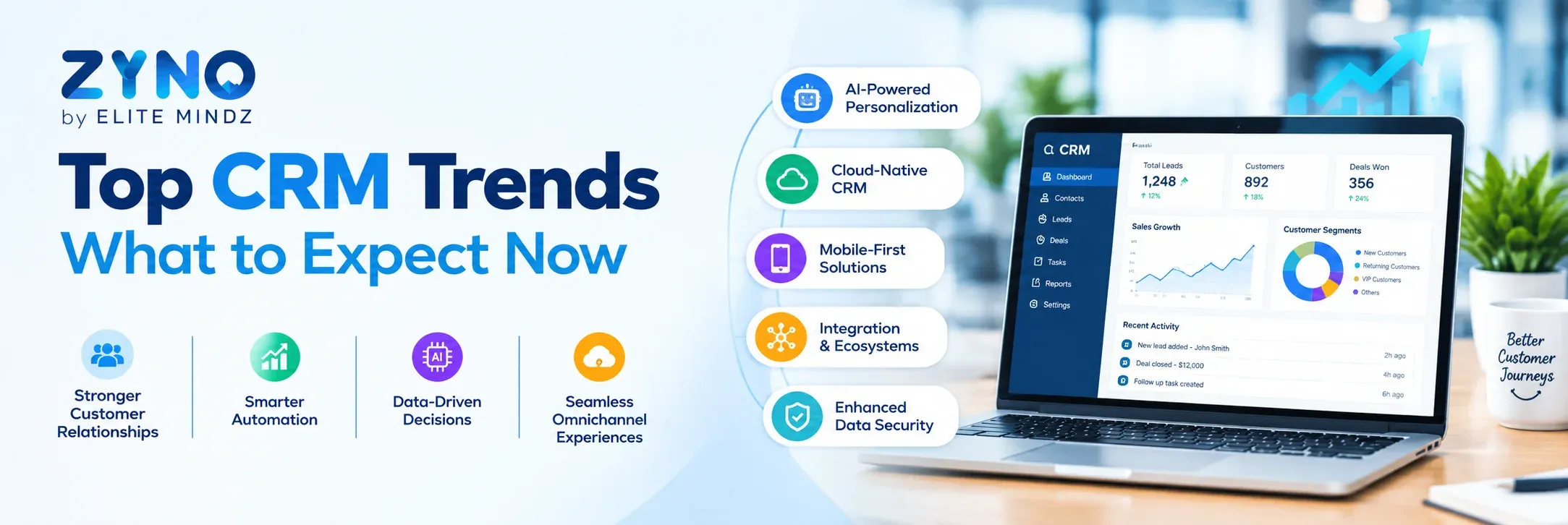
Top CRM Trends in 2025: What to Expect
Read More →

×
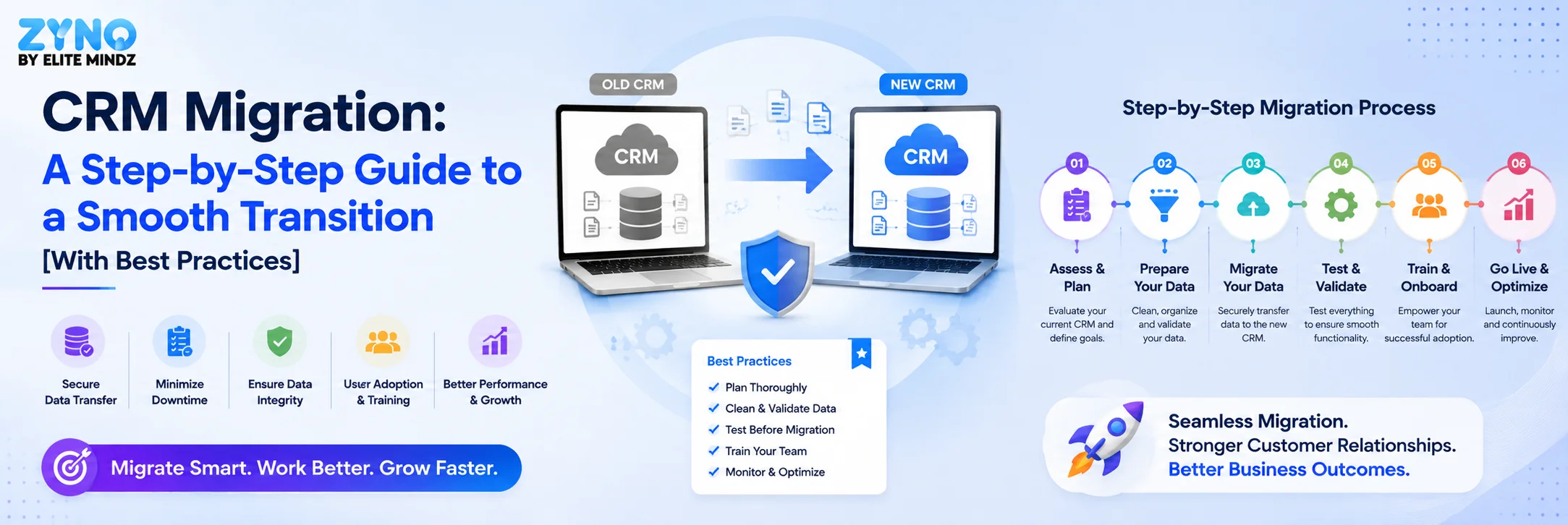
Discover the essential steps and best practices for a smooth CRM migration. Learn how to plan your migration, move data securely, avoid common challenges, optimize your new CRM, and measure post-migration success.
Businesses using ZYNO Books cut accounting time by 70% and stay 100% ZATCA-compliant — automatically.
Switching your business to a new customer relationship management platform is one of the biggest operational decisions a growing company can make. A well-executed CRM migration can unlock automation, better reporting, and stronger customer relationships — while a poorly planned one can mean lost records, frustrated sales teams, and weeks of cleanup.
This guide walks you through everything you need to know about CRM migration: what it is, how to prepare for it, the challenges you're likely to face, and the best practices that separate a smooth transition from a chaotic one.
Start your CRM migration journey with confidence and build a more efficient customer management system.
CRM migration (also called CRM data migration) is the process of moving customer data, contacts, deals, communication history, and workflows from one CRM system to another. Think of it like moving offices — except instead of furniture, you're relocating years of customer relationships, sales pipelines, and business intelligence.
Companies typically undertake a CRM migration because their current, legacy CRM software no longer supports their scale, lacks automation, is too expensive, or simply doesn't integrate well with the rest of their tech stack. The goal of any CRM system migration is to come out the other side with cleaner data, better efficiency, and a platform that actually supports growth.
Before starting a CRM migration, reviewing your overall CRM strategy can help you define clear objectives, improve customer management, and align the new platform with your long-term business goals.
Is your team planning a CRM migration in the coming months?
Let's connect to discuss the key considerations for your CRM migration and help your team make a more informed decision.
Book CRM Migration AssessmentBefore diving into the how, it helps to understand the why. Common triggers for a CRM migration project include:
Whatever the reason, a clear understanding of why you're migrating shapes every decision that follows — from which CRM migration tools you use to how you structure your data mapping.
Preparation is where most successful migrations are won or lost. Rushing straight into moving records without a plan is the single biggest cause of failed CRM data migration projects.
Start by evaluating your existing CRM: what's working, what isn't, and which data is actually worth carrying over. This includes reviewing duplicate records, outdated contacts, broken workflows, and unused custom fields.
A CRM migration strategy without clear objectives is directionless. Are you migrating to improve data accuracy? Enable better automation? Support a larger sales team? Documented goals give your team a benchmark to measure the migration process against, both during and after the move.
Whether you handle the move in-house or bring in a specialist, having the right expertise matters. A good CRM migration partner brings technical know-how, helps with data cleansing before the move, and ensures nothing critical gets lost in transit.
Businesses planning a CRM transition can also compare different CRM software solutions based on features, scalability, automation, integrations, and pricing before selecting a new platform.
The right tools can simplify different stages of the CRM migration process, particularly when dealing with large datasets, complex integrations, and multiple systems.
Popular CRM platforms and solutions businesses may consider include:
Each platform offers different capabilities for managing customer data, automating workflows, improving sales processes, and supporting business operations. The right choice depends on your business requirements, existing technology stack, data volume, integrations, budget, and long-term CRM objectives.
ZYNO by Elite Mindz is a modern business management platform designed to help organizations streamline customer management, sales workflows, and business operations through a centralized system. For businesses planning a CRM transition, ZYNO can be considered as an option when evaluating modern CRM platforms and solutions.
When moving from a legacy CRM or another customer management platform, businesses can assess requirements such as data migration, workflow configuration, user access, reporting, automation, integrations, and scalability before selecting the right solution.
For complex CRM migration projects, professional migration services can also provide technical expertise, data mapping, testing, implementation support, and post-migration optimization.
Ultimately, the best CRM migration tool or platform is one that fits your business processes, supports secure and accurate data transfer, and provides the flexibility your organization needs as it grows.
If your existing platform is becoming difficult to manage, understanding the signs you need to upgrade your CRM can help determine whether migration is the right solution for your business.
Almost every CRM migration runs into a few predictable obstacles. Knowing them ahead of time makes them far easier to manage.
Data Quality Issues: Duplicate contacts, incomplete records, and inconsistent formatting are the most common headaches in any CRM data migration. Cleaning and standardizing your data before the move — not after — saves significant rework.
Technical Complexity: Every CRM structures its data differently. Mismatched fields, incompatible file formats, and integration gaps can all disrupt a smooth CRM system migration. Using reliable CRM migration tools and testing early reduces this risk considerably.
Time and Resource Constraints: A rushed migration timeline almost always leads to mistakes. Allocating enough time, assigning clear ownership, and tracking progress against milestones keeps the migration process on schedule.
Once preparation is complete, the actual execution comes down to a few core practices.
Data mapping is the process of aligning fields from your old CRM to your new one, so information lands in the right place without loss or duplication. Before mapping, make sure your data is:
Never migrate your full database in one shot. Run a CRM migration test using a small data subset first, validate that fields, records, and integrations map correctly, then scale up once you're confident in the results.
Always keep a full backup of your original CRM data before starting the transfer. This is your safety net if anything goes wrong mid-migration.
A new CRM is only as effective as the people using it. Role-specific training, clear documentation, and ongoing support ensure your team adapts quickly instead of reverting to old habits or spreadsheets.
Small businesses can also evaluate the benefits of CRM software for small businesses to understand how automation, centralized customer data, and better sales management can support growth.
The CRM migration doesn't end once data transfer is complete—that's where the real optimization work begins.
Real-world CRM migration examples can provide useful lessons for businesses planning their own transition. Successful projects typically have several common characteristics: clearly defined objectives, accurate data mapping, strong stakeholder communication, thorough testing, and effective employee training.
For example, an organization migrating from a legacy CRM may first audit its existing database, remove unnecessary records, map critical fields, and conduct multiple test migrations before going live.
Another organization may focus heavily on stakeholder communication by defining migration goals, assigning responsibilities, creating a detailed timeline, and providing employees with training before launch.
These examples demonstrate that successful CRM migration depends as much on preparation and change management as it does on technology.
Once your CRM migration is live, measure success against concrete metrics, not just "did the data move." Key indicators include:
Depending on your source and target platforms, several tools and services can simplify a CRM data migration, including native import tools from platforms like HubSpot and Salesforce, third-party data migration software, and specialized CRM migration services for complex, large-scale moves.
A successful CRM migration is about far more than transferring records from one system to another — it's an opportunity to clean up your data, improve internal processes, and set your team up for long-term growth. With clear planning, the right tools, and a focus on continuous improvement after go-live, your CRM migration can become a genuine growth catalyst rather than a disruptive IT project.
Planning a CRM migration? Let's make your transition smoother.
Get expert guidance on CRM data migration, data mapping, testing, implementation, and post-migration optimization to reduce risks and ensure a smooth transition.
Book CRM Migration AssessmentHow do I migrate to a new CRM? Start by auditing your current CRM, defining clear goals, mapping data fields between the old and new systems, cleaning and backing up your data, running a test migration, and then executing the full transfer with your team trained and ready.
How long does a CRM migration take? Most CRM migration projects take anywhere from a few weeks to 2–3 months, depending on data volume, system complexity, and how much cleansing is required beforehand.
What are the biggest CRM migration challenges? The most common challenges are data quality issues, technical incompatibilities between systems, and tight timelines that don't allow enough room for proper testing and training.
Do I need a migration partner for CRM data migration? Not always — smaller migrations with clean data can often be handled in-house. Larger, more complex moves typically benefit from an experienced CRM migration partner who can handle data mapping, testing, and troubleshooting.
What does CRM stand for?
CRM stands for Customer Relationship Management. A CRM system helps businesses manage customer information, sales activities, communications, leads, opportunities, and customer relationships in one centralized platform.
What is a CRM migration?
CRM migration is the process of moving customer, sales, contact, account, and other business data from one CRM system to another. A successful migration involves data cleansing, mapping, testing, validation, and transferring the data securely to the new CRM.
Will CRM be replaced by AI?
AI is unlikely to completely replace CRM systems. Instead, AI is increasingly being integrated into CRM platforms to automate tasks, analyze customer data, improve forecasting, personalize interactions, and help sales and service teams make faster decisions.
What should I do before migrating CRM data?
Before migration, audit your existing CRM, remove duplicate and outdated records, clean and standardize data, identify the information that needs to be transferred, map fields between systems, create a backup, and test the migration process before the final transfer.
How do I avoid losing data during CRM migration?
To reduce the risk of data loss, create a complete backup of your existing CRM, carefully map fields, clean the source data, run a test migration, validate the transferred records, and verify the data before switching completely to the new CRM.
What are the best practices for CRM migration?
Key CRM migration best practices include defining clear objectives, creating a migration checklist, cleaning data before migration, mapping fields accurately, maintaining backups, testing the migration, validating data, training users, and monitoring the new CRM after implementation.
Read More: Best B2B CRM Software for Sales
Read More: AI CRM softwar
Top CRM Trends in 2025: What to Expect
Read More →
How to Choose the Best CRM Software in 2025
Read More →
Top CRM Software Solutions for Indian Businesses in 2025
Read More →
Best CRM Software for Small Businesses in Nigeria (2025)
Read More →
Best CRM Software for B2B Sales Teams in India (2025)
Read More →
Top CRM Providers in the UK (2025): A Deep Dive for Buyers
Read More →
Top 10 CRM Solutions for Growing Business in U.K (2025)
Read More →
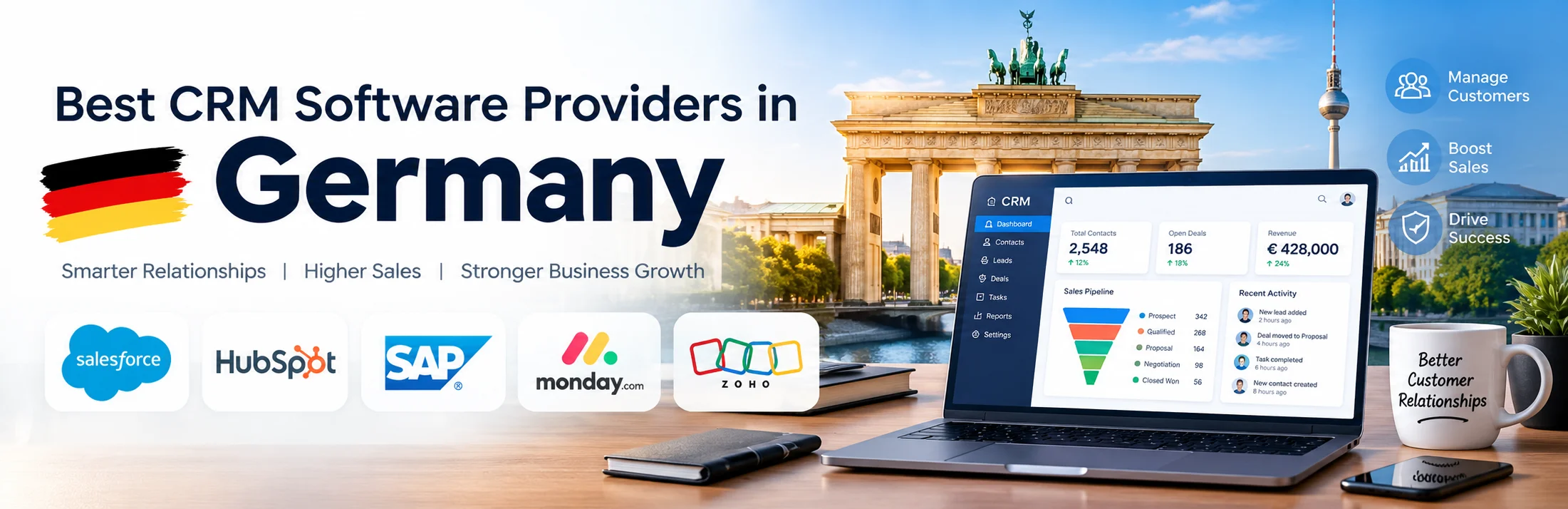
Best CRM Software Providers in Germany (2026 Update)
Read More →
Best CRM Providers in Qatar (2025): Why ZYNO CRM Leads the Pack
Read More →
Best CRM Software Providers in Saudi Arabia (2025 Guide)
Read More →
Top US CRM Software Providers to Watch in 2025: Innovation Meets Scalability
Read More →
Top 10 CRM Providers in Japan Offering AI-Powered Solutions for Businesses
Read More →
Top CRM Solutions in the USA 2025: Boost Customer Engagement and Drive Sales Growth
Read More →
Best CRM Software Providers in Italy to Transform Customer Engagement (2025)
Read More →
Best CRM Software for European Countries (2025) A Complete Guide with ZYNO CRM
Read More →
Best CRM Tool for Smarter Lead Management and Sales Automation
Read More →
Best CRM Software in Dubai, UAE 2026 ZYNO CRM
Read More →Best CRM Software in India- ZYNO CRM
Read More →CRM Software Development Services to Boost Sales and Productivity
Read More →
Benefits of CRM Software for Small Business: The Complete 2026 Guide
Read More →Best CRM Software in India for Small and Large Businesses
Read More →
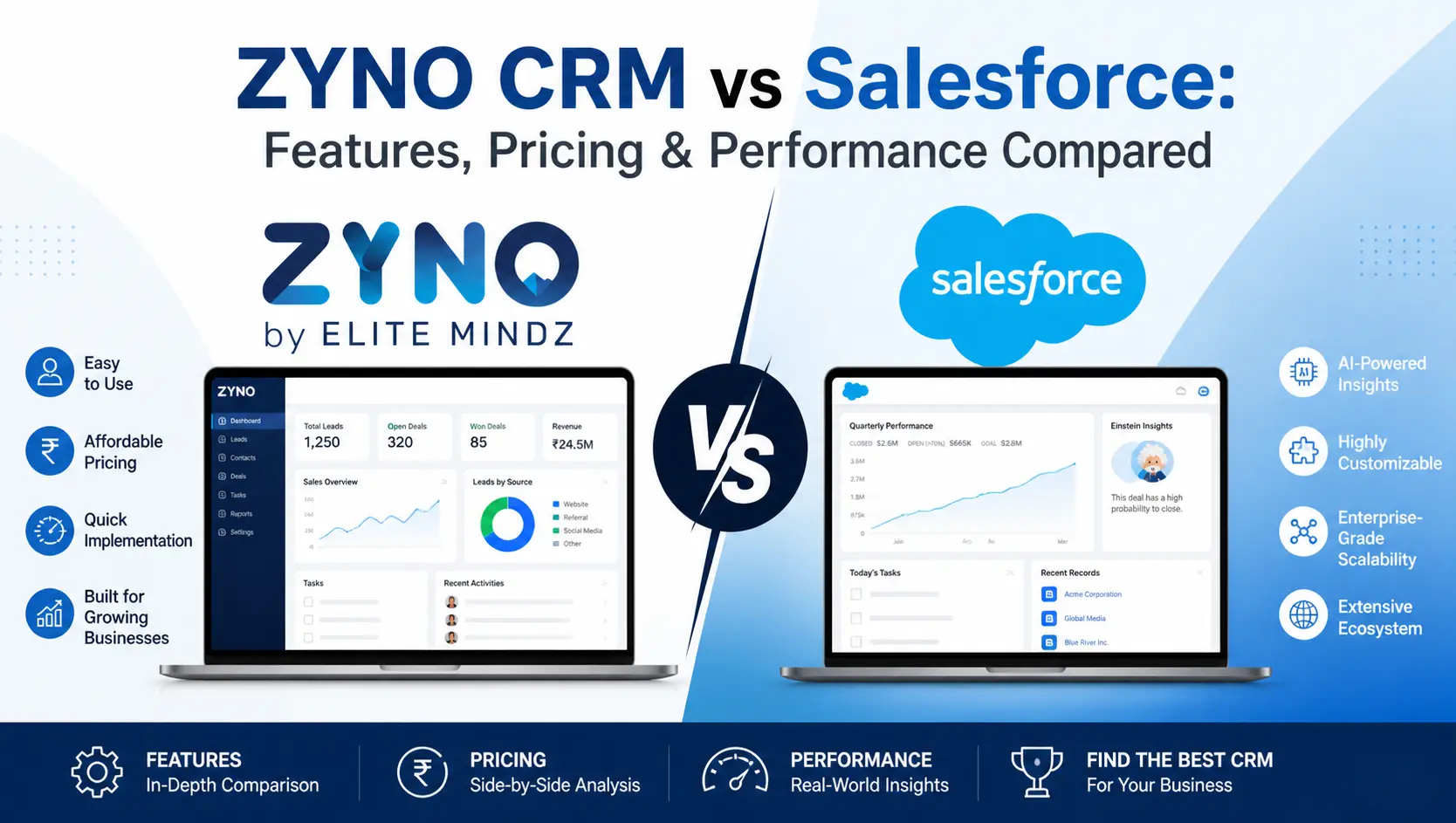
ZYNO CRM vs Salesforce: Features, Pricing & Performance Compared
Read More →
CRM Implementation Guide for Startups and SMEs
Read More →
Best CRM Templates for 2026
Read More →
Best CRM Software for Healthcare Industry in 2026
Read More →
Best Zoho Alternative CRM Software for Small Businesses in 2026
Read More →
Top 10 Affordable HubSpot Alternative CRM Software in 2026
Read More →
Top 10 CRM Software for the Banking Industry in 2026
Read More →
Best and Easy Customer Relationship Management Software in Kenya
Read More →
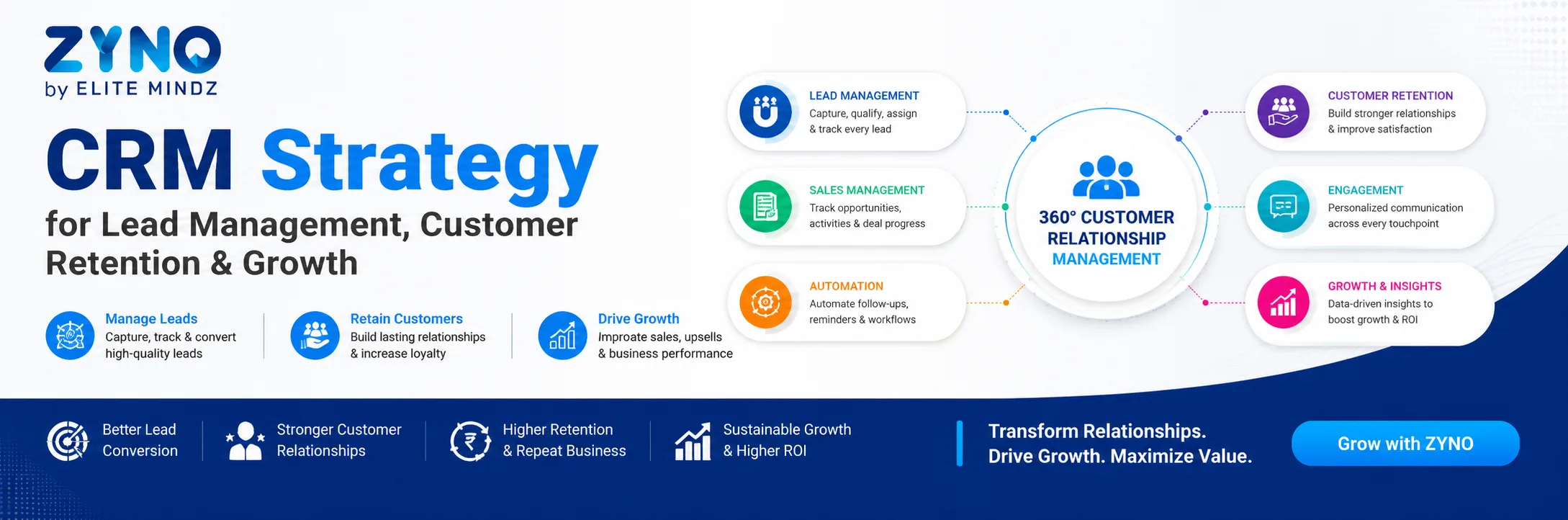
CRM Strategy for Lead Management, Customer Retention & Growth
Read More →
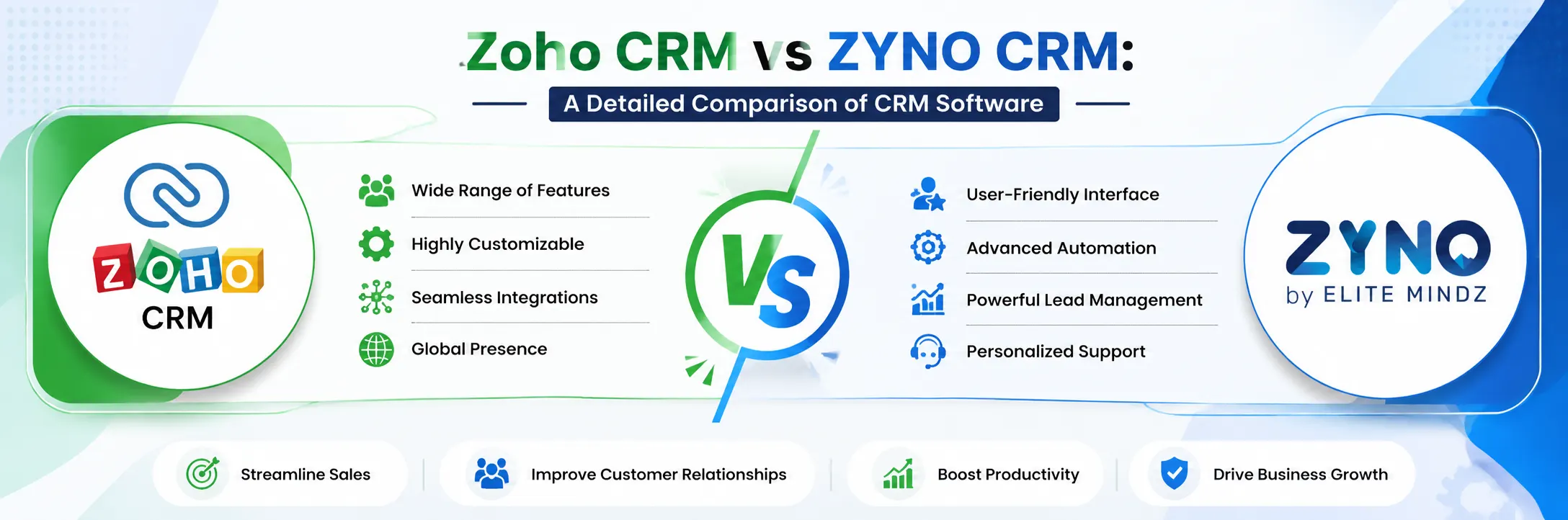
Zoho CRM vs ZYNO CRM: A Detailed Comparison of CRM Software
Read More →
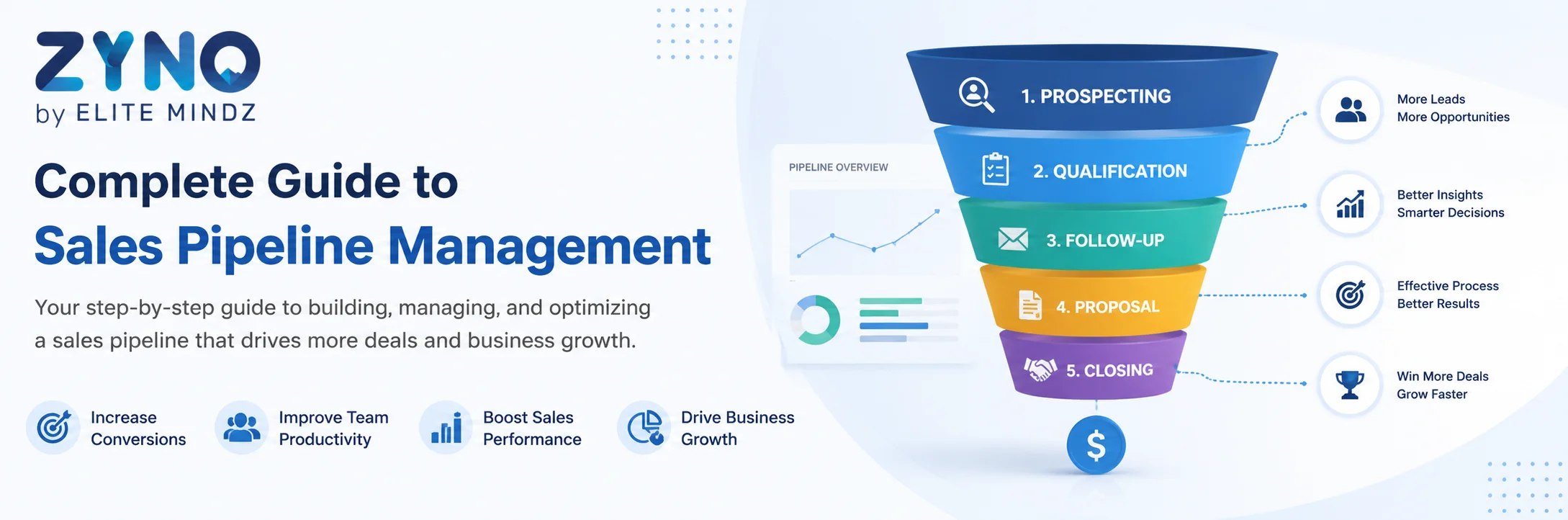
Complete Guide to Sales Pipeline Management: Strategies, Stages, and Tools
Read More →
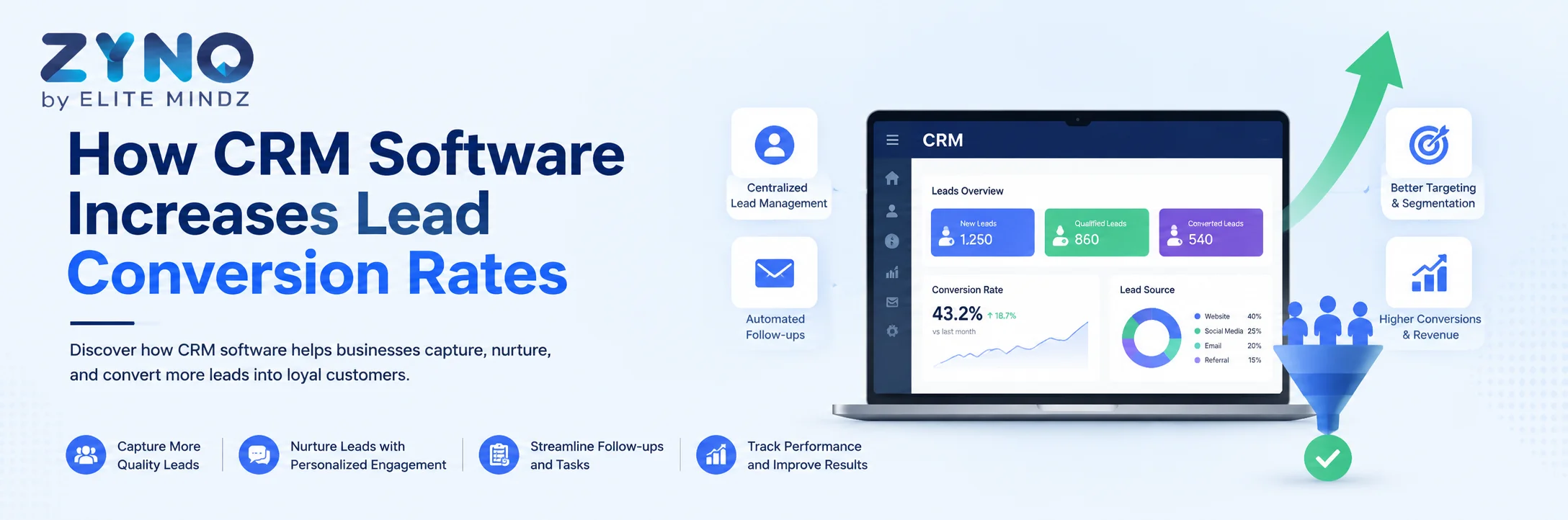
How CRM Software Increases Lead Conversion Rates
Read More →
CRM and Customer Service: A Powerful Combination
Read More →
Signs It's Time to Upgrade Your ERP or CRM System
Read More →
How the Right CRM Software Can Transform Your Sales Pipeline
Read More →
Sales Force Automation: Save Time, Close More Deals
Read More →
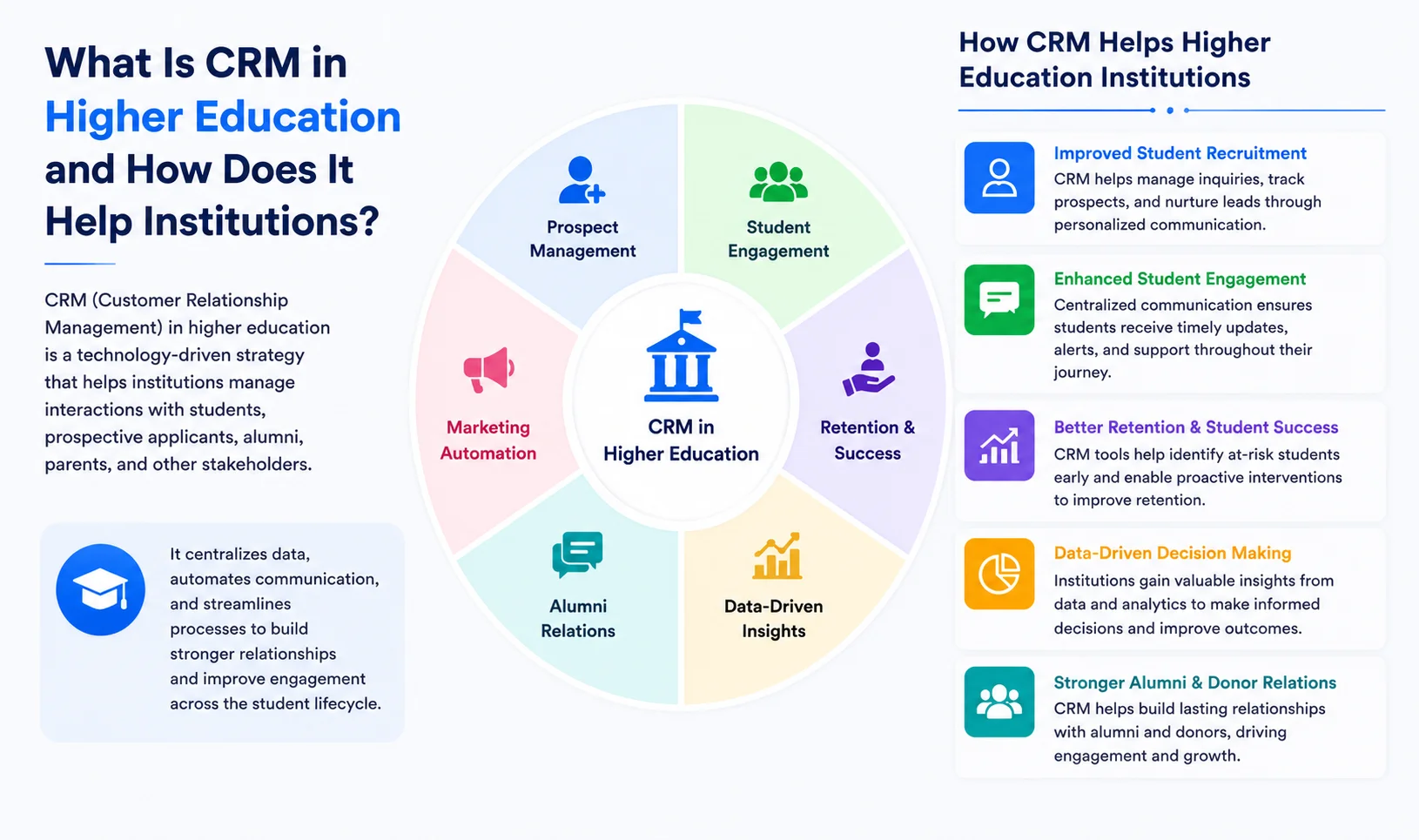
What Is CRM in Higher Education and How Does It Help Institutions?
Read More →
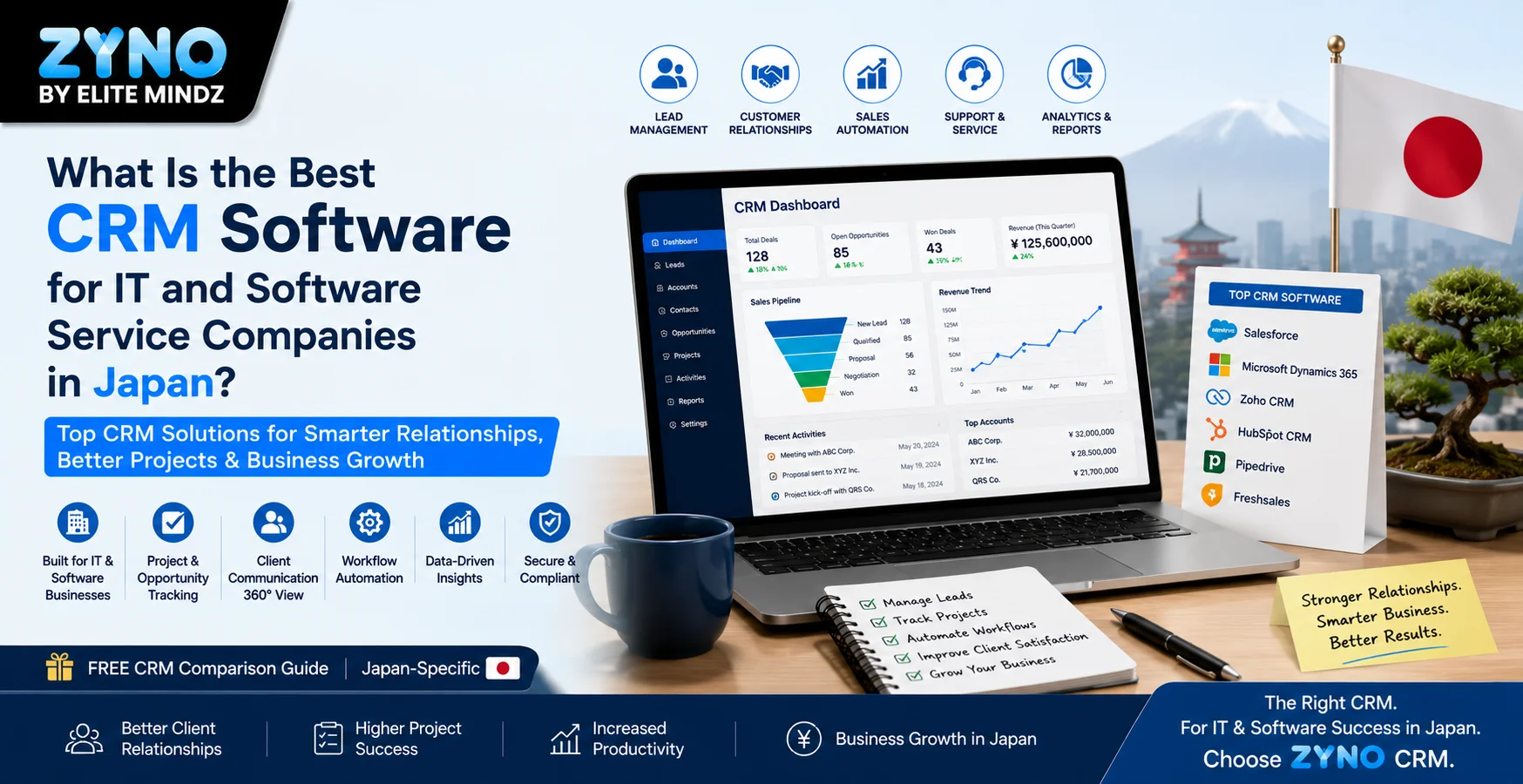
What Is the Best CRM Software for IT and Software Service Companies in Japan?
Read More →
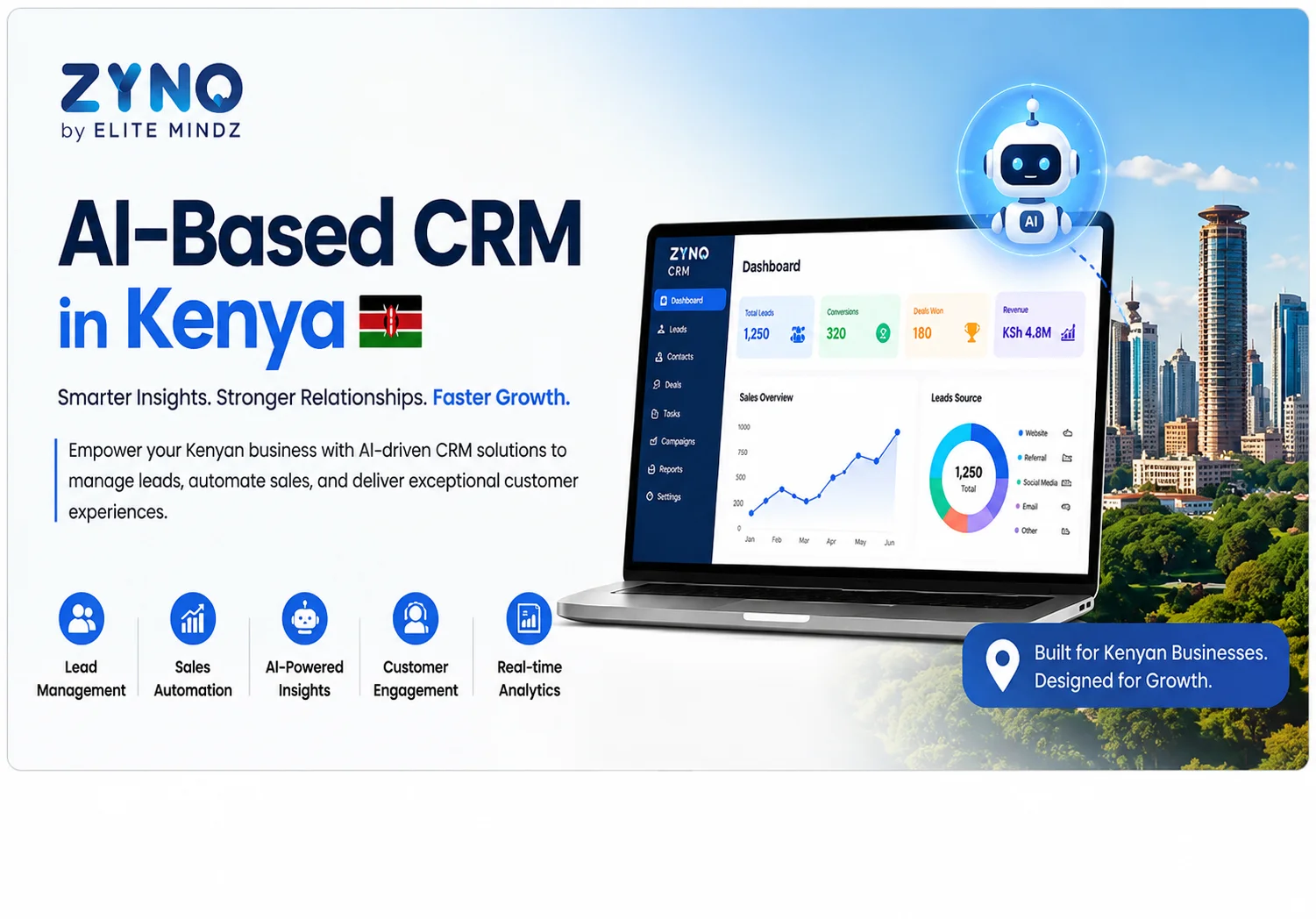
AI-Based CRM in Kenya: Smarter Sales, Better Customer Engagement for All Businesses
Read More →
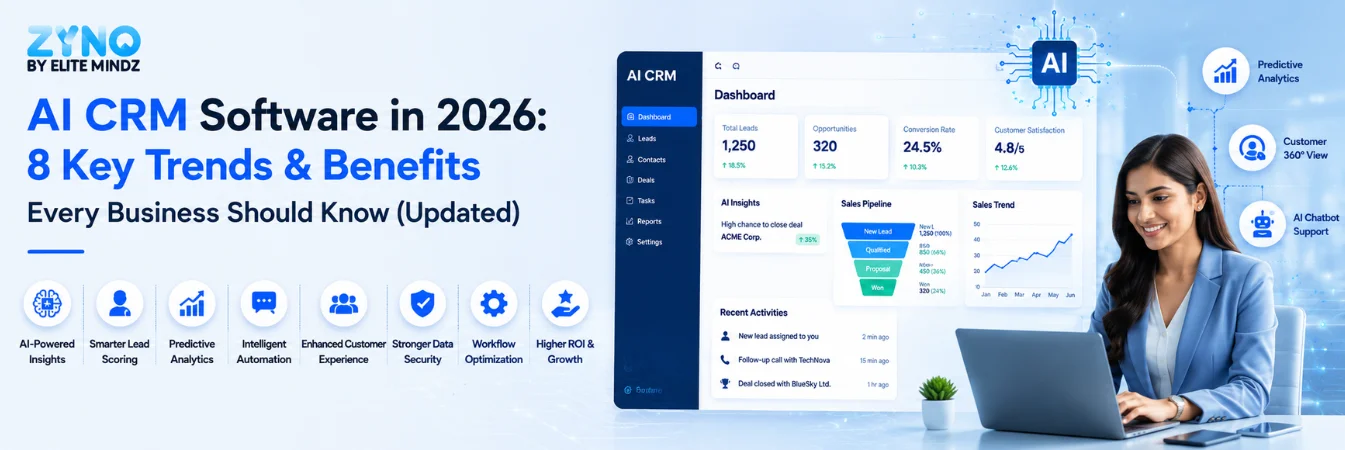
AI CRM Software in 2026: 8 Key Trends & Benefits Every Business Should Know (Updated)
Read More →
Omnichannel CRM Software India: The Complete Guide to Unified Customer Engagement (2026)
Read More →
What Is CRM (Customer Relationship Management)?
Read More →
What is Omnichannel CRM? Meaning, Benefits, and Use Cases
Read More →
What Is Sales Force Automation Software, and Why Do You Need It?
Read More →
How to Automate Sales Follow-Ups? A Complete Guide to Sales Automation
Read More →
10 AI CRM Use Cases for 2026: Benefits, Examples & Applications
Read More →
Best CRM Software in Kenya for Small Businesses in 2026
Read More →
20 Best CRM Software in Japan (2026): Features, Pricing & Comparison
Read More →
Top 20 Sales Enablement Tools: The Ultimate Guide for Sales Teams
Read More →
Customer Journey Orchestration: The Definitive Guide to Personalized Customer Experiences
Read More →
Best Mobile CRM Apps 2026: Top 10 Compared, Ranked, and Priced
Read More →
CRM Migration: A Step-by-Step Guide to a Smooth Transition [With Best Practices]
Read More →Partner with ZYNO by Elite Mindz to revolutionize how your business works. Fill out the form, and we’ll reach out with AI-powered solutions made just for you.
We use browser cookies to ensure you get the best experience on our website. Learn more
The form was submitted successfully!