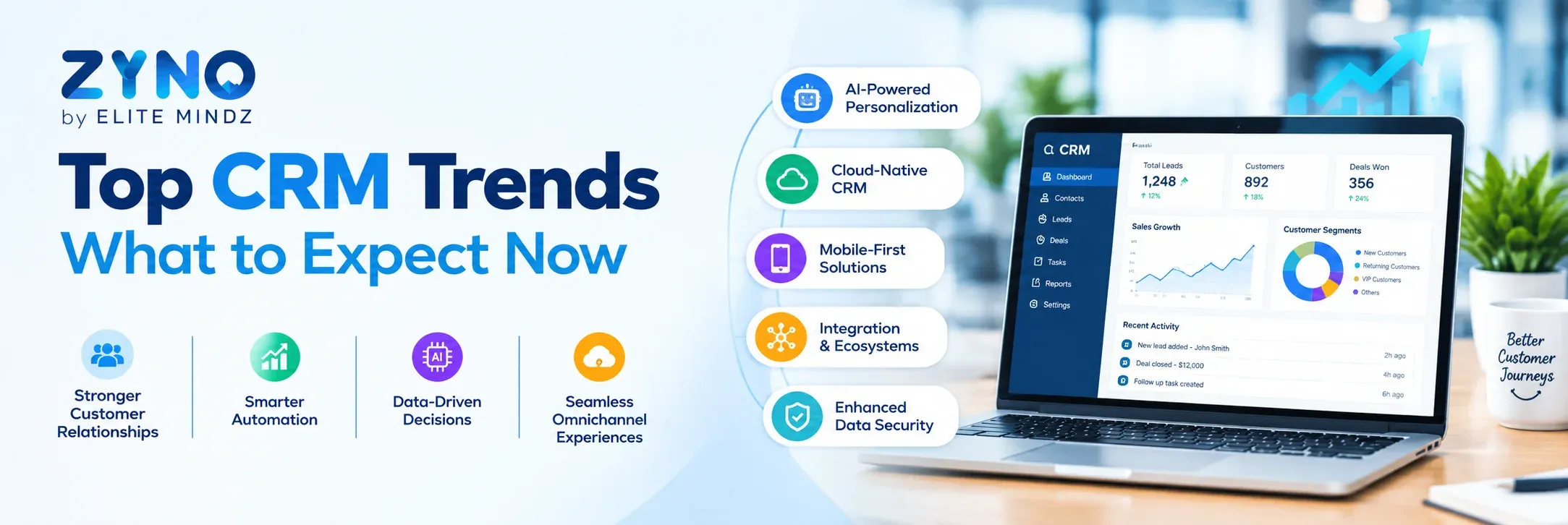
Top CRM Trends in 2025: What to Expect
Read More →

×
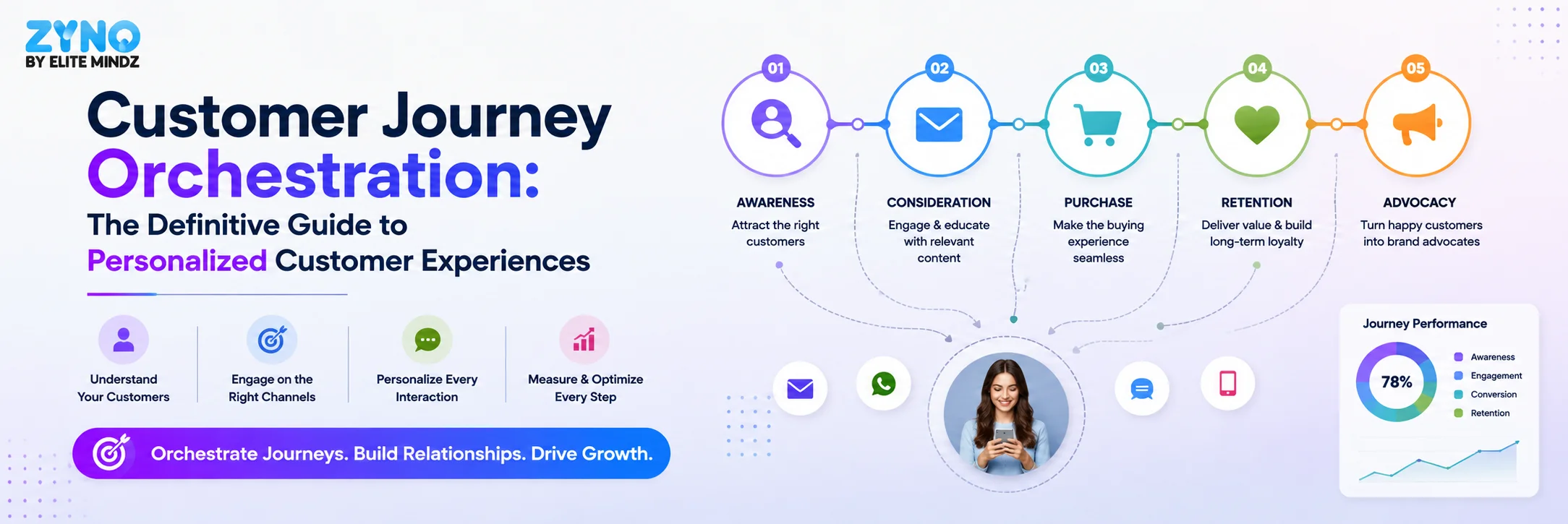
Customer journey orchestration helps businesses create seamless, personalized experiences by connecting customer data, channels, and interactions in real time.
Businesses using ZYNO Books cut accounting time by 70% and stay 100% ZATCA-compliant — automatically.
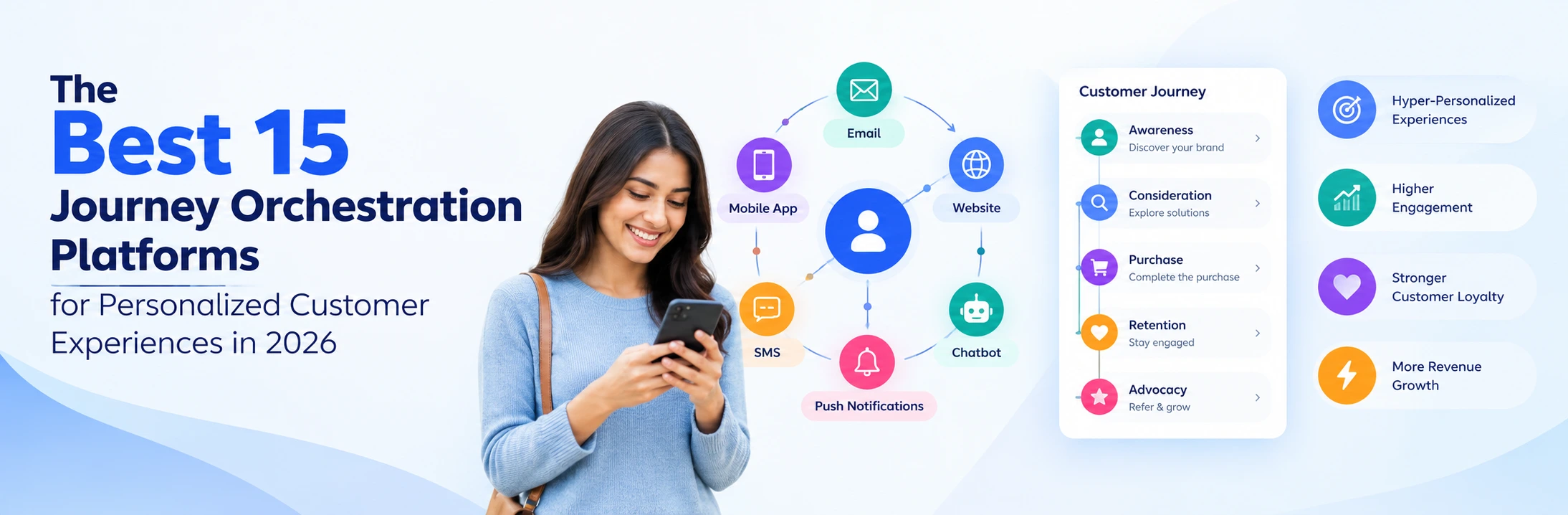
Customer journey orchestration connects data, AI, and automation to deliver faster, more personalized experiences that keep customers engaged, satisfied, and loyal across every channel.
The average customer now engages with a brand across more than 10 channels before completing a purchase, and 79% of customers now expect every one of those interactions to feel seamless. Meeting that bar means building experiences that feel personal, responsive, and joined-up, not a string of disconnected touchpoints.
This guide covers everything you need to know about customer journey orchestration: what it means, how it works, why it matters, the best customer journey orchestration tools, real-world examples, and how a unified ZYNO CRM puts journey orchestration into practice for growing businesses across India and the GCC.
Customer journey orchestration is the practice of dynamically coordinating and personalizing customer interactions across every channel and touchpoint, using real-time data, artificial intelligence, and automation.
Instead of pushing every customer through the same fixed campaign or workflow, orchestration reacts to what each person is actually doing right now. It moves a business beyond fixed segments and personas, responding instead to each customer's live behavior so the experience adapts to what they need in the moment, not what a static rulebook assumed weeks earlier.
These three terms get used interchangeably, but they describe different stages of CX maturity:
Customers don't experience a brand as a series of isolated interactions — they experience it as one continuous relationship. A quick, helpful reply in chat counts for little if the follow-up email has no context, or if a sales rep has no visibility into a support conversation from last week. Orchestration keeps that thread intact, so each interaction builds on the last instead of starting from zero.
The stakes are real: more than half of customers will cut spending or leave a brand entirely after just one bad experience, and 73% of customers say the overall experience shapes their purchasing decisions as much as the product itself. Yet most organizations still struggle to keep that experience consistent once a customer moves across more than one channel.
Customer experience orchestration closes that gap by unifying data, channels, and decision-making so every team, from sales to support, works off the same real-time picture of the customer — which matters even more for businesses across India, Dubai, and Doha, where repeat business and referrals drive a large share of revenue.
Deliver personalized customer experiences across every touchpoint with AI-powered Customer Journey Orchestration. Automate journeys, coordinate interactions, improve engagement, and turn every customer moment into an opportunity for growth.
Request a Free Demo Explore Customer Journey OrchestrationJourney orchestration software typically combines customer data, behavioral triggers, automation rules, communication channels, and analytics to determine the next relevant interaction. It is not a one-time setup — it runs as a continuous loop:
Customer Data → Behavioral Signal → AI/Business Rule → Next Best Action → Automated Interaction → Journey Analytics → Optimization
For example, when a customer opens an email, visits a website, responds to a campaign, or reaches a particular lifecycle stage, the system uses that signal to trigger the next step in the journey — so interactions change according to customer behavior rather than following a fixed sequence.
Orchestration depends on a single, real-time view of the customer pulled from CRM records, website behavior, purchase history, support tickets, email engagement, and social channels. Fragmented data living in separate spreadsheets or disconnected tools is the single biggest blocker to effective orchestration.
Key metrics worth tracking as part of this foundation include:
Collecting data is only step one. Orchestration platforms continuously monitor interactions as they happen, flagging intent, sentiment, and friction the moment it appears, rather than surfacing it in a report weeks later. This lets sales and support teams intervene before a frustrated customer churns.
Whether a customer reaches out on chat, email, phone, or WhatsApp, omnichannel journey orchestration ensures the experience stays consistent and informed. Customers can move between channels without repeating themselves, because context carries forward automatically. This is the same principle behind omnichannel CRM software, which unifies every customer conversation into a single connected record.
AI-powered journey orchestration is what gives orchestration its intelligence. It predicts next-best actions, automates routine follow-ups, scores leads based on live engagement, and recommends the right offer or message at the right moment, without a rep having to manually piece it together. Machine learning models improve these predictions over time as more interaction data flows through the system.
Live journeys still need regular review. Teams should track drop-off points, test new messaging, and adjust journey logic as customer expectations and channels evolve — orchestration is never "finished."
Customer journey orchestration helps businesses connect customer data, channels, and interactions to create more relevant and seamless experiences. By responding to customer behavior in real time, businesses can improve engagement, increase conversions, strengthen customer loyalty, and reduce friction across the entire customer journey.
Orchestration delivers real value, but a few common obstacles slow adoption:
Several customer journey orchestration tools compete in this space, each with a different focus:
The right tool depends on company size, budget, and where most customer interactions actually happen. Enterprise suites like Adobe suit large, marketing-led organizations with dedicated CX teams; unified CRM platforms suit growing businesses that need journey orchestration built into their everyday sales and support workflow without a six-figure implementation project.
A returning e-commerce customer browses a product page, abandons their cart, then messages support on WhatsApp about a delivery delay. In an orchestrated journey, the support agent sees the cart abandonment and browsing history instantly, and can offer a relevant nudge instead of starting the conversation cold.
A B2B buyer downloads a pricing sheet, attends a product demo, and later emails a question about implementation. Orchestration connects all three touchpoints so the sales rep responding to that email already knows exactly where the prospect is in their decision, instead of asking them to repeat context. This is the same behavior-based approach that helps businesses increase lead conversion rates through timely, personalized follow-ups.
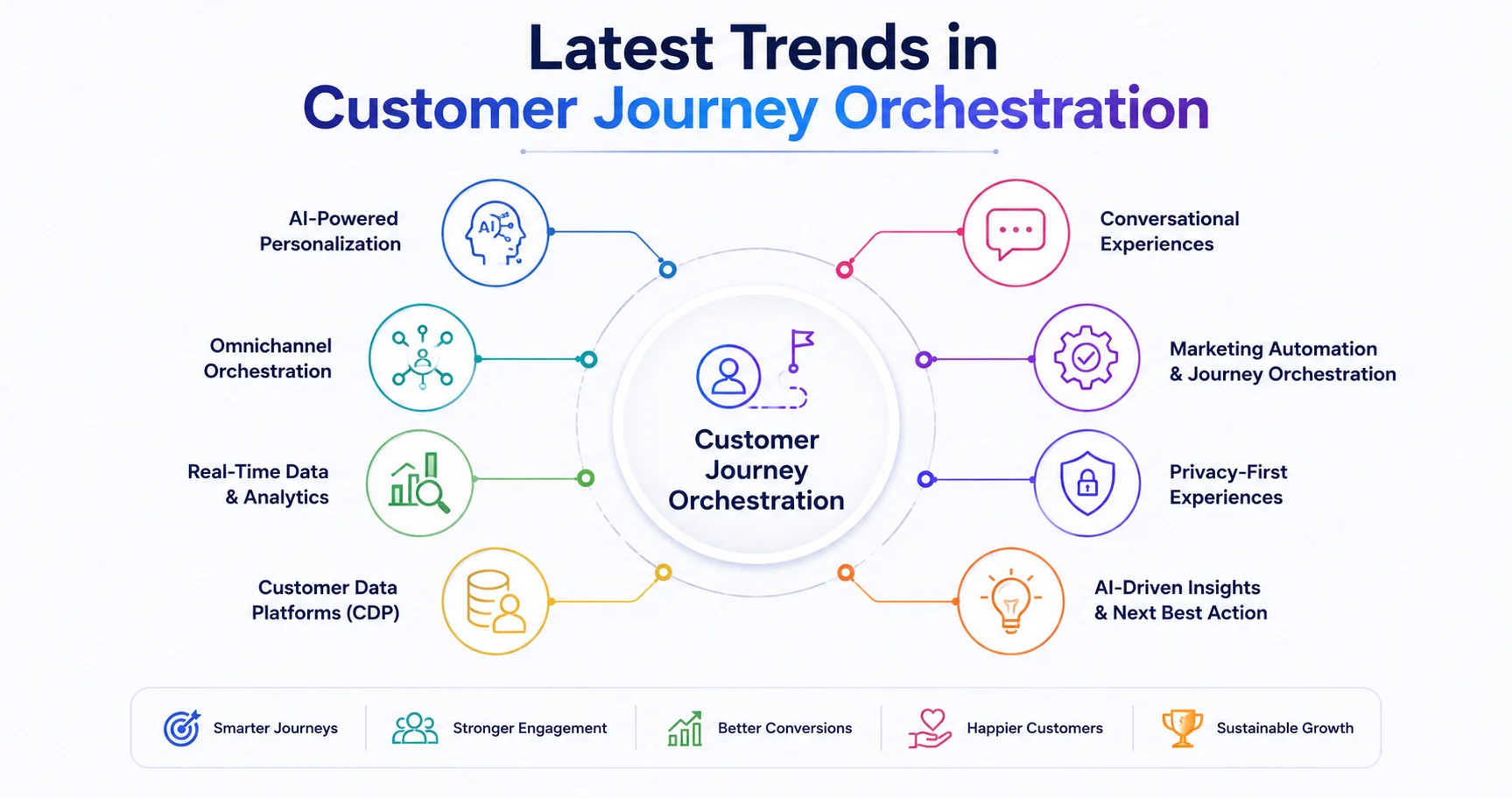
Customer expectations are changing quickly, and businesses need to continuously adapt how they design and manage customer experiences. Advances in AI, automation, real-time data, and omnichannel engagement are making customer journey orchestration more intelligent and responsive.
Some of the key trends shaping customer journey orchestration include:

AI is making it easier for businesses to understand customer intent and deliver more relevant customer experiences in real time.
AI-powered journey orchestration can analyze customer behavior, purchase history, preferences, and customer interactions to recommend the next best action.
This can help businesses:
Rather than relying entirely on predefined workflows, AI allows customer journeys to become more adaptive and responsive.
Customers expect businesses to respond to their actions quickly. Real-time data is therefore becoming an important part of modern customer journey orchestration.
Businesses can monitor signals such as website visits, clicks, purchases, support requests, and product interactions to determine what should happen next.
For example, a customer who repeatedly views a product may receive relevant information or assistance immediately instead of entering a generic marketing sequence.
AI agents are becoming an important part of modern customer experience strategies. They can handle routine requests, provide self-service support, collect information, and assist customers without requiring human intervention for every interaction.
Within journey orchestration, AI agents can also work alongside human teams by providing customer context, summarizing previous customer interactions, and recommending appropriate next steps.
This allows businesses to combine automation with human support where it matters most for the customer experience.
Businesses are increasingly using predictive analytics to understand what customers are likely to do next.
Instead of waiting for customers to explicitly express their needs, customer journey orchestration platforms can analyze behavioral patterns to identify signals such as:
These insights allow businesses to take proactive action and create more personalized customer journeys.
Customers move between channels throughout their relationship with a brand. They may begin on a website, continue through email, contact support through chat, and complete an action through a mobile app.
Modern customer journey orchestration focuses on connecting these channels so customers can move between them without losing context.
The goal is to create one continuous customer experience rather than treating every channel as a separate interaction.
As businesses collect more customer data for personalization, data privacy and security are becoming increasingly important.
Organizations need to balance personalized customer experiences with responsible customer data management.
Effective journey orchestration requires:
Responsible data practices help businesses build personalized customer experiences while maintaining customer trust.
Customer journeys cannot be designed once and left unchanged.
Customer expectations, behaviors, channels, and business goals continue to evolve. Businesses are therefore using analytics and experimentation to identify customer friction points and improve customer journey performance continuously.
Teams can test different messages, channels, offers, and workflows to determine what works best for their customers.
This makes customer journey orchestration an ongoing process of learning, testing, and optimization rather than a one-time implementation.
ZYNO CRM's Journey Orchestration module builds AI-powered lifecycle automation directly into its omnichannel CRM platform, rather than treating it as a bolt-on. Sales, marketing, and support interactions live in one unified customer record, so every team sees the same real-time context, whether the customer last reached out over email, WhatsApp, or a support call.
Core capabilities include:
For businesses across India, Dubai, and Doha managing high interaction volumes with lean teams, this matters more than an enterprise marketing suite built for global campaign complexity. Combined with ZYNO CRM's AI, Sales Enablement, and Analytics modules, teams get customer journey orchestration without the implementation overhead or quote-based enterprise pricing that platforms like Adobe Journey Optimizer typically require.
It is a data-driven, AI-powered approach to managing customer interactions that lets businesses deliver personalized, relevant experiences across every channel in real time, adapting each customer's journey based on their unique behavior rather than a fixed path.
How is journey orchestration different from journey mapping?
Journey mapping is a static, one-time exercise that documents the intended customer path. Journey orchestration is dynamic and continuous, using live data to adapt the actual experience as it happens.
What is journey orchestration software vs. a CDP?
Journey orchestration software helps businesses design, automate, and optimize personalized customer journeys across multiple channels, responding to behavior in real time. A Customer Data Platform (CDP) primarily collects, unifies, and organizes customer data from different sources — it's the data hub, while orchestration software acts on that data to create and automate contextual interactions.
What data does customer journey orchestration need?
A unified view pulled from CRM records, website and app behavior, purchase history, email engagement, and support interactions, updated in real time.
Is customer journey orchestration only for large enterprises?
No. While platforms like Adobe Journey Optimizer target large enterprises with complex, high-volume marketing programs, unified CRM platforms such as ZYNO CRM bring journey orchestration capabilities to mid-market businesses at a more accessible cost and with a lower setup effort.
What are the biggest challenges in implementing journey orchestration?
Disconnected data silos, data privacy compliance, cross-team alignment, and the gap between deploying the technology and teams actually adopting new ways of working.
How does AI fit into customer journey orchestration?
AI analyzes real-time behavioral data to predict customer intent, recommend next-best actions, automate routine follow-ups, and continuously refine decisioning as more interaction data comes in.
What industries benefit most from customer journey orchestration?
Retail and e-commerce, financial services, healthcare, and B2B SaaS businesses with multi-channel, high-touch customer relationships tend to see the fastest returns, though any business managing customers across multiple channels benefits.
How do I get started with customer journey orchestration?
Start by unifying customer data in one platform, define the KPIs that matter most (CSAT, NPS, CES), and layer in automation for the highest-friction points in the journey before expanding to full AI-driven decisioning. You can request a personalized ZYNO CRM demo to see journey orchestration in action.
Read More:
Omnichannel CRM Software India: Features, Benefits & Best Solutions
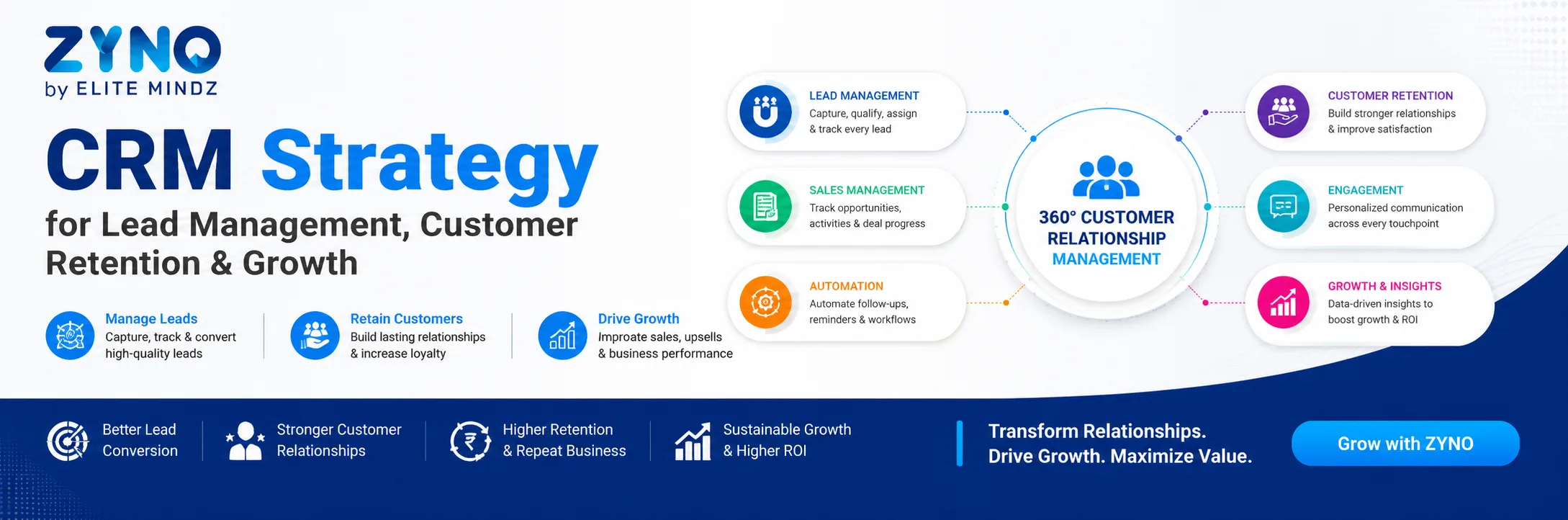
CRM Strategy: Boost Lead Management, Retention & Business Growth
Top CRM Trends in 2025: What to Expect
Read More →
How to Choose the Best CRM Software in 2025
Read More →
Top CRM Software Solutions for Indian Businesses in 2025
Read More →
Best CRM Software for Small Businesses in Nigeria (2025)
Read More →
Best CRM Software for B2B Sales Teams in India (2025)
Read More →
Top CRM Providers in the UK (2025): A Deep Dive for Buyers
Read More →
Top 10 CRM Solutions for Growing Business in U.K (2025)
Read More →
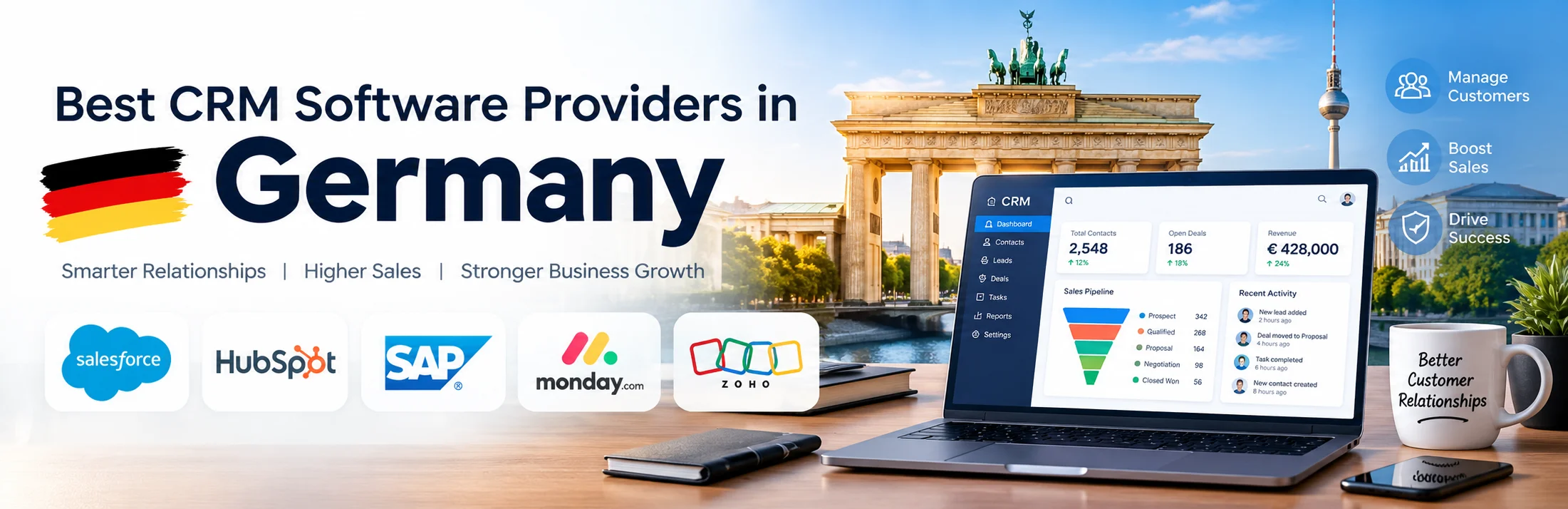
Best CRM Software Providers in Germany (2026 Update)
Read More →
Best CRM Providers in Qatar (2025): Why ZYNO CRM Leads the Pack
Read More →
Best CRM Software Providers in Saudi Arabia (2025 Guide)
Read More →
Top US CRM Software Providers to Watch in 2025: Innovation Meets Scalability
Read More →
Top 10 CRM Providers in Japan Offering AI-Powered Solutions for Businesses
Read More →
Top CRM Solutions in the USA 2025: Boost Customer Engagement and Drive Sales Growth
Read More →
Best CRM Software Providers in Italy to Transform Customer Engagement (2025)
Read More →
Best CRM Software for European Countries (2025) A Complete Guide with ZYNO CRM
Read More →
Best CRM Tool for Smarter Lead Management and Sales Automation
Read More →
Best CRM Software in Dubai, UAE 2026 ZYNO CRM
Read More →Best CRM Software in India- ZYNO CRM
Read More →CRM Software Development Services to Boost Sales and Productivity
Read More →
Benefits of CRM Software for Small Business: The Complete 2026 Guide
Read More →Best CRM Software in India for Small and Large Businesses
Read More →
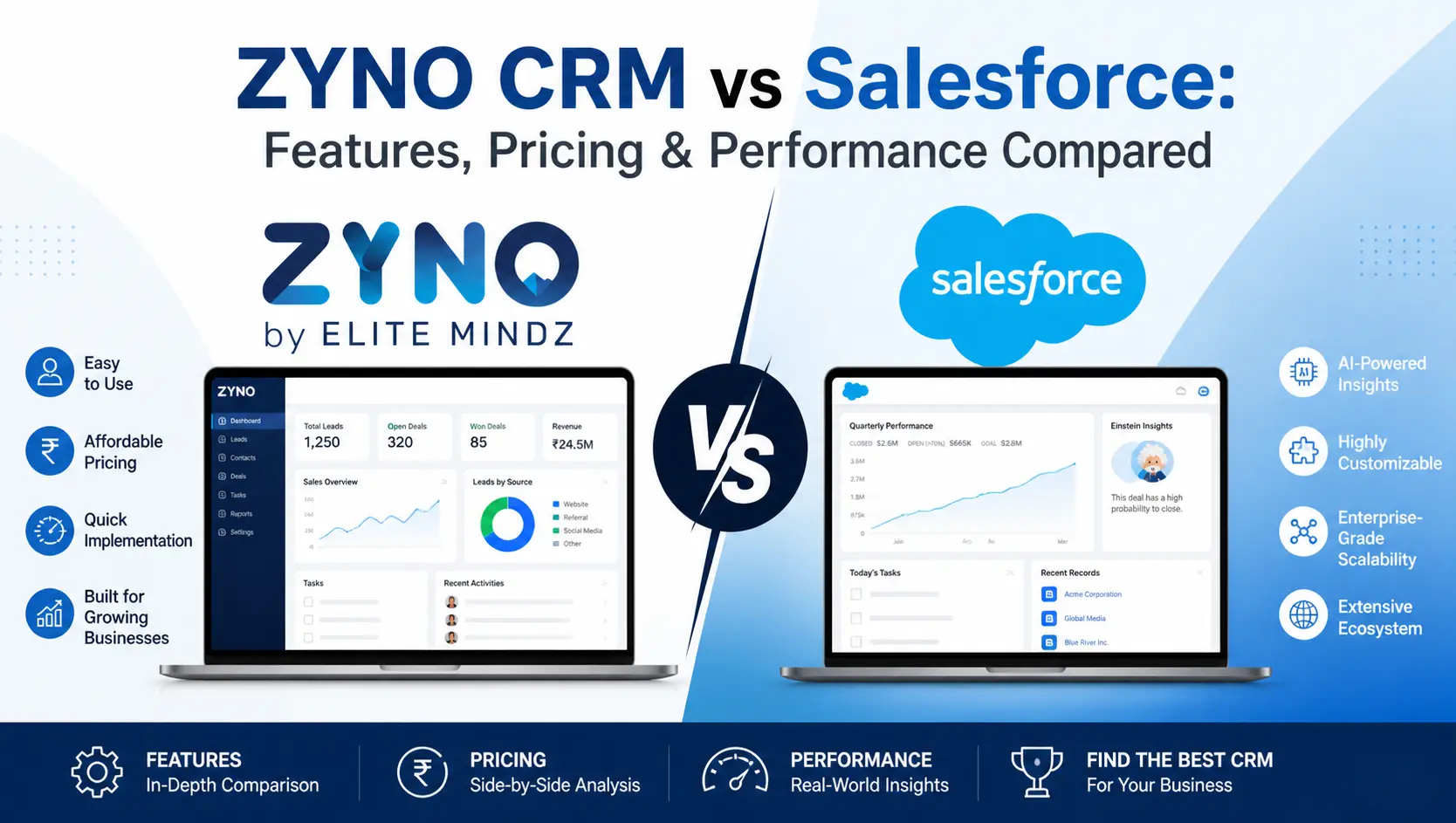
ZYNO CRM vs Salesforce: Features, Pricing & Performance Compared
Read More →
CRM Implementation Guide for Startups and SMEs
Read More →
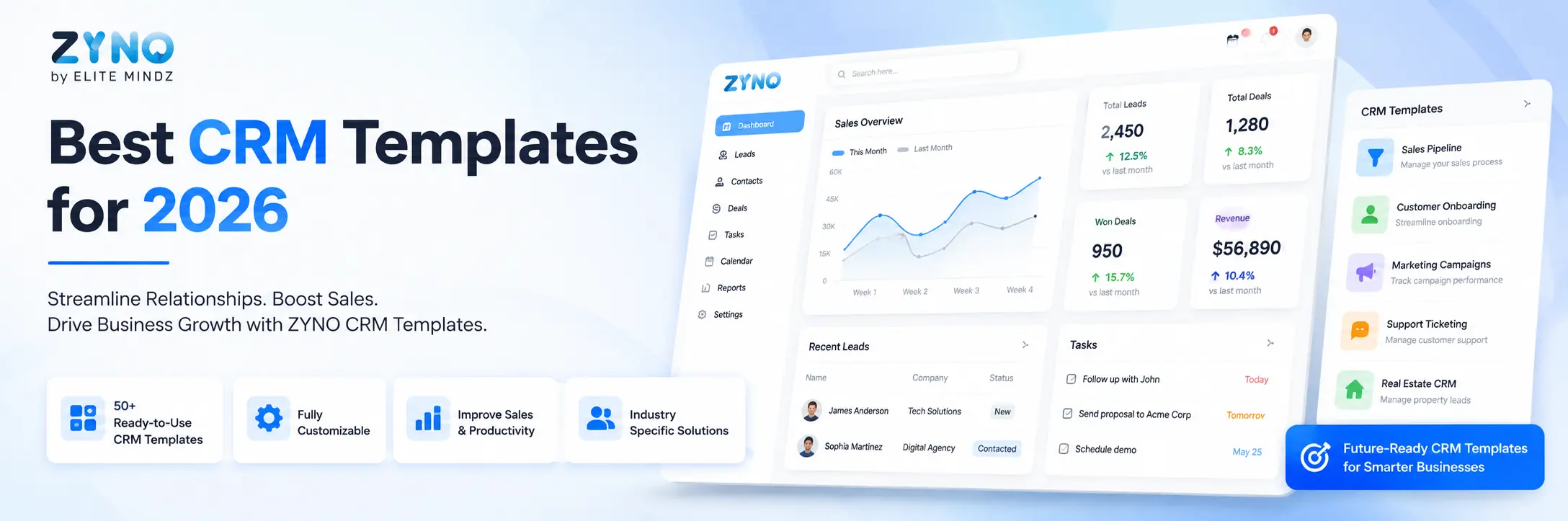
Best CRM Templates for 2026
Read More →
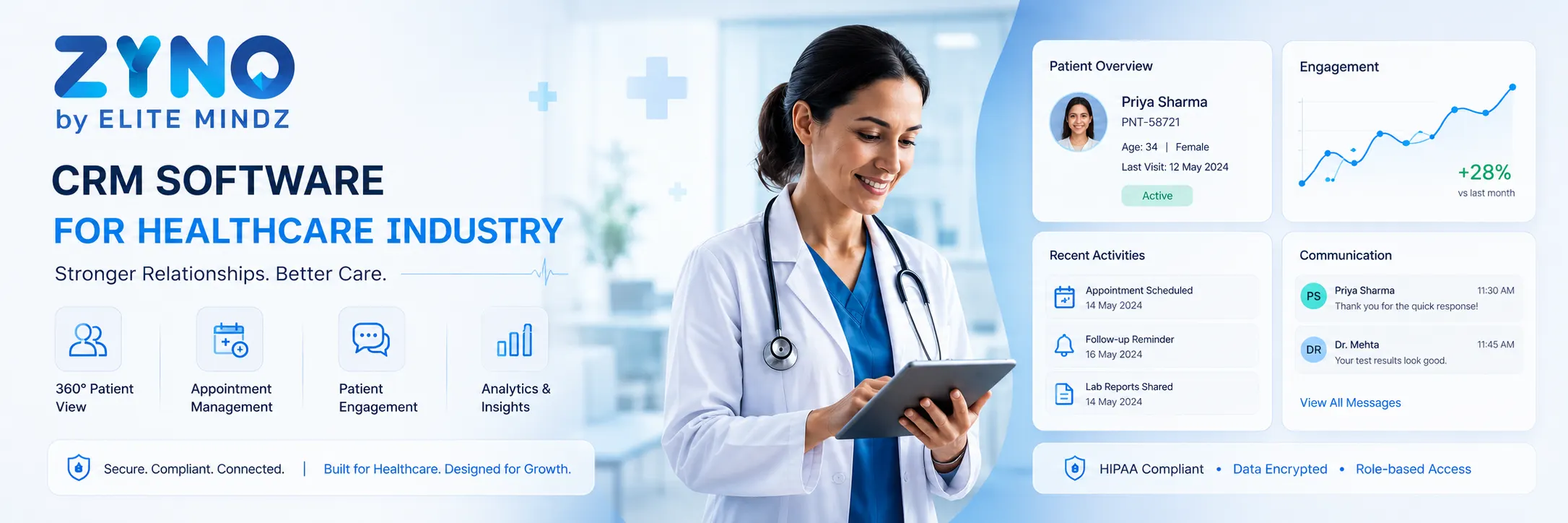
Best CRM Software for Healthcare Industry in 2026
Read More →
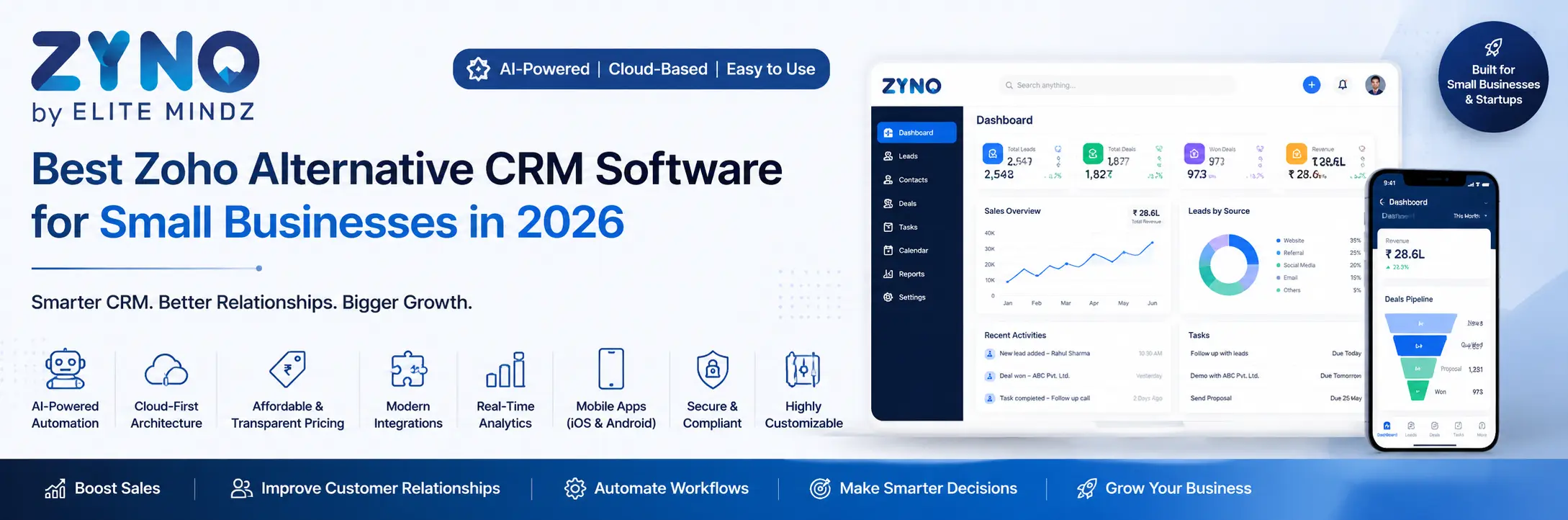
Best Zoho Alternative CRM Software for Small Businesses in 2026
Read More →
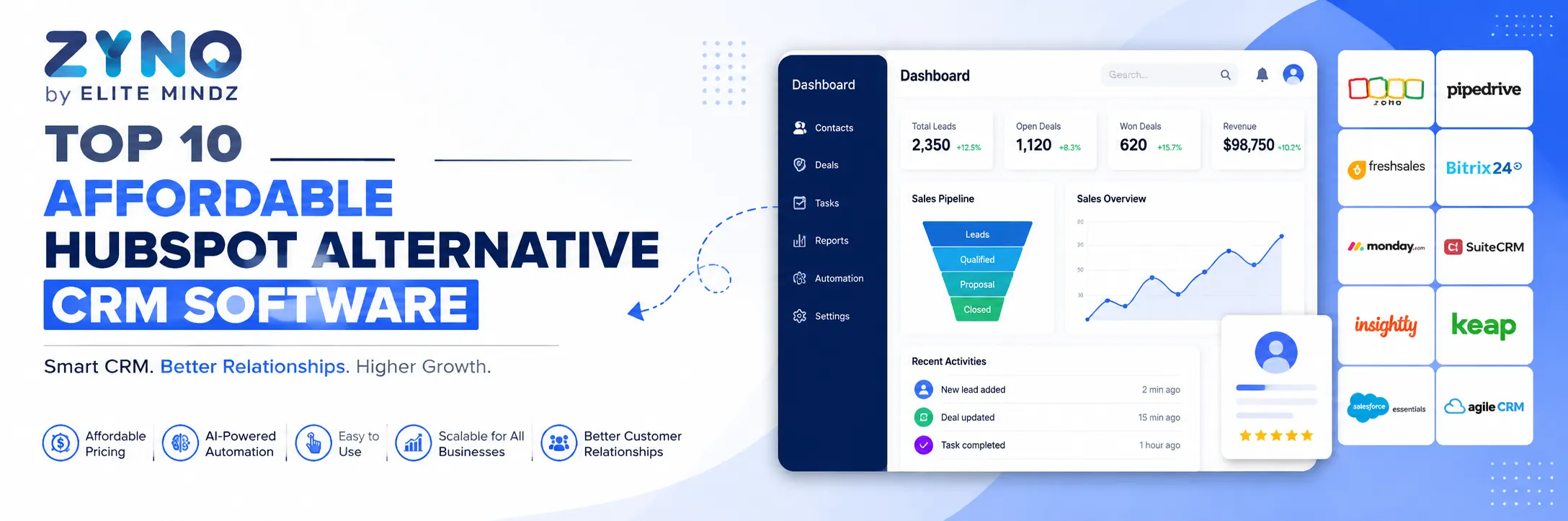
Top 10 Affordable HubSpot Alternative CRM Software in 2026
Read More →
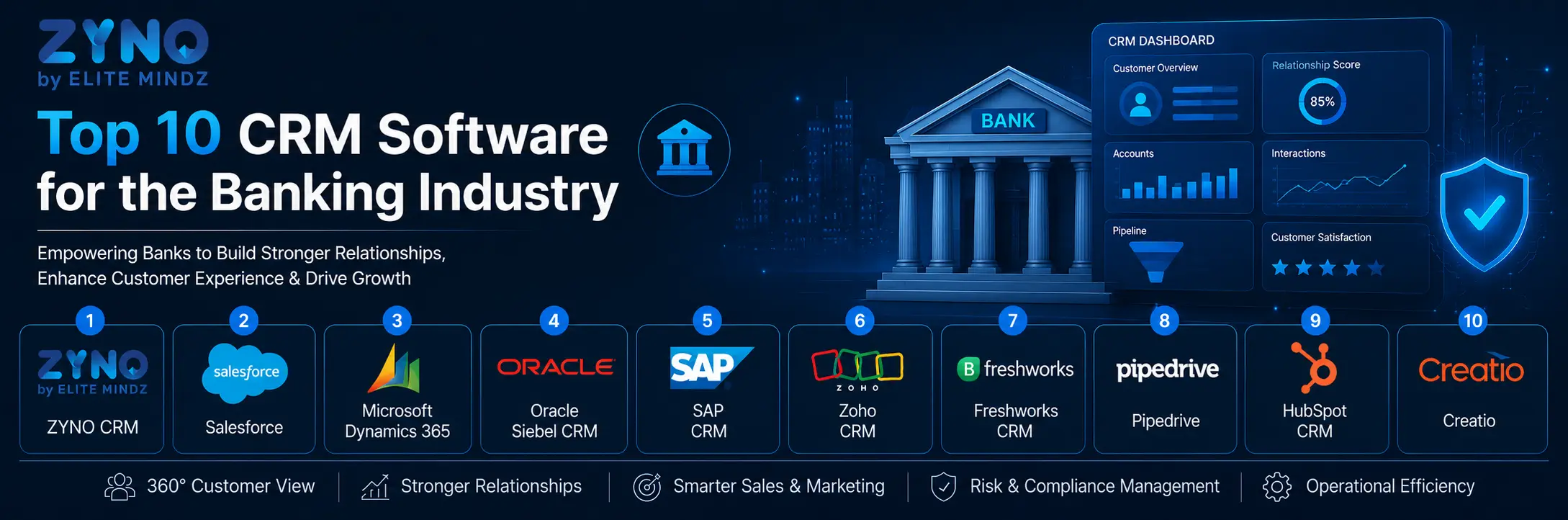
Top 10 CRM Software for the Banking Industry in 2026
Read More →
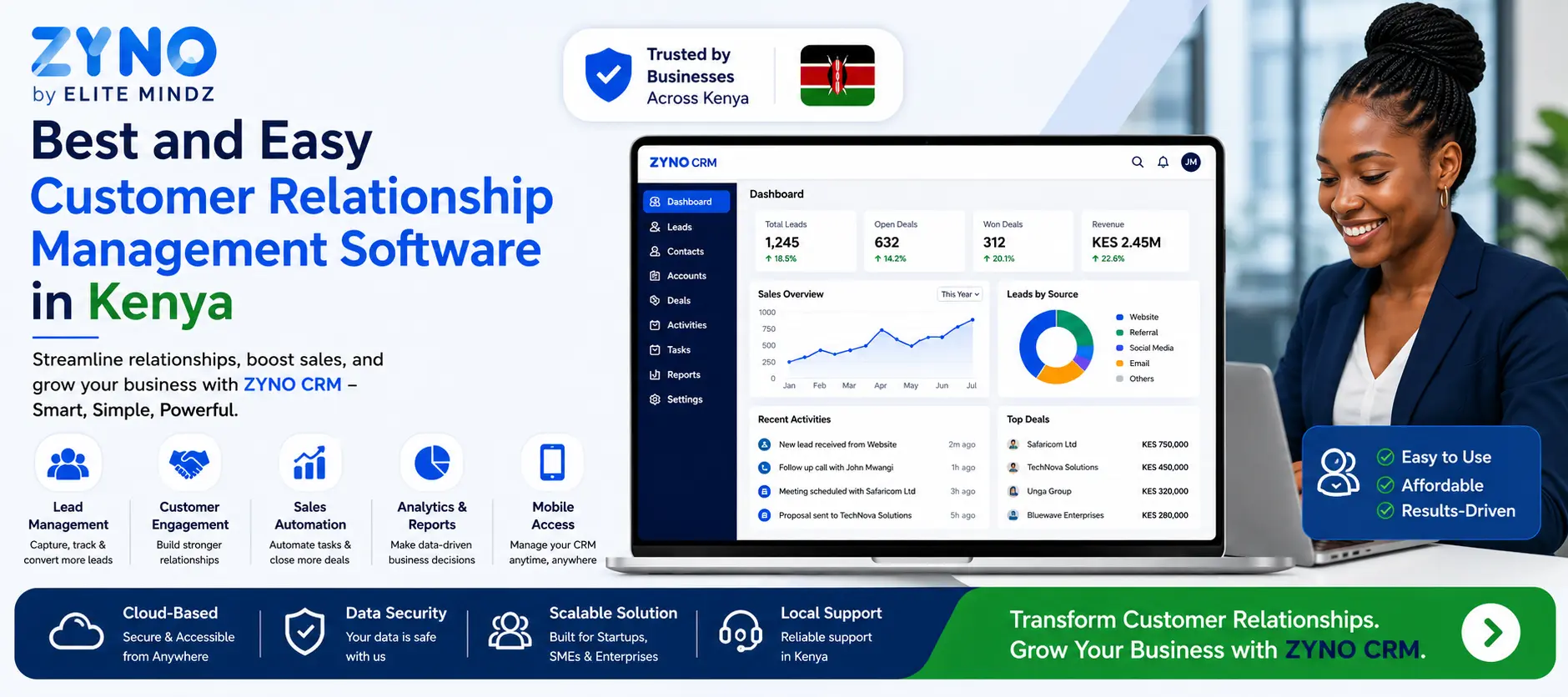
Best and Easy Customer Relationship Management Software in Kenya
Read More →
CRM Strategy for Lead Management, Customer Retention & Growth
Read More →
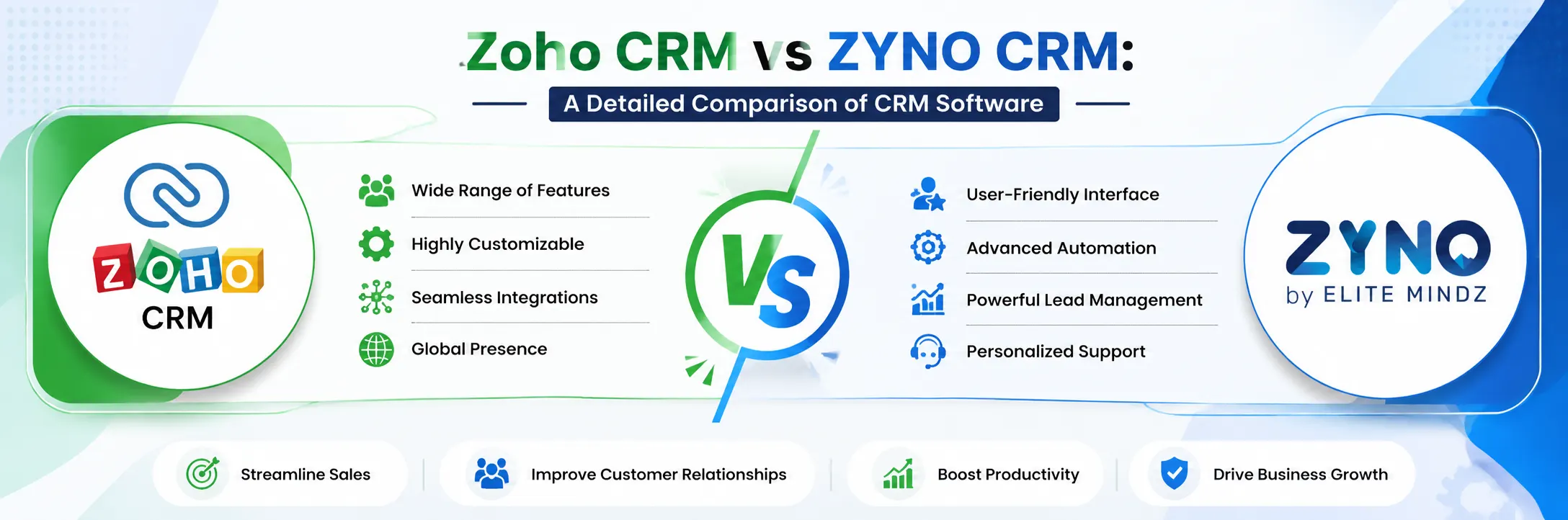
Zoho CRM vs ZYNO CRM: A Detailed Comparison of CRM Software
Read More →
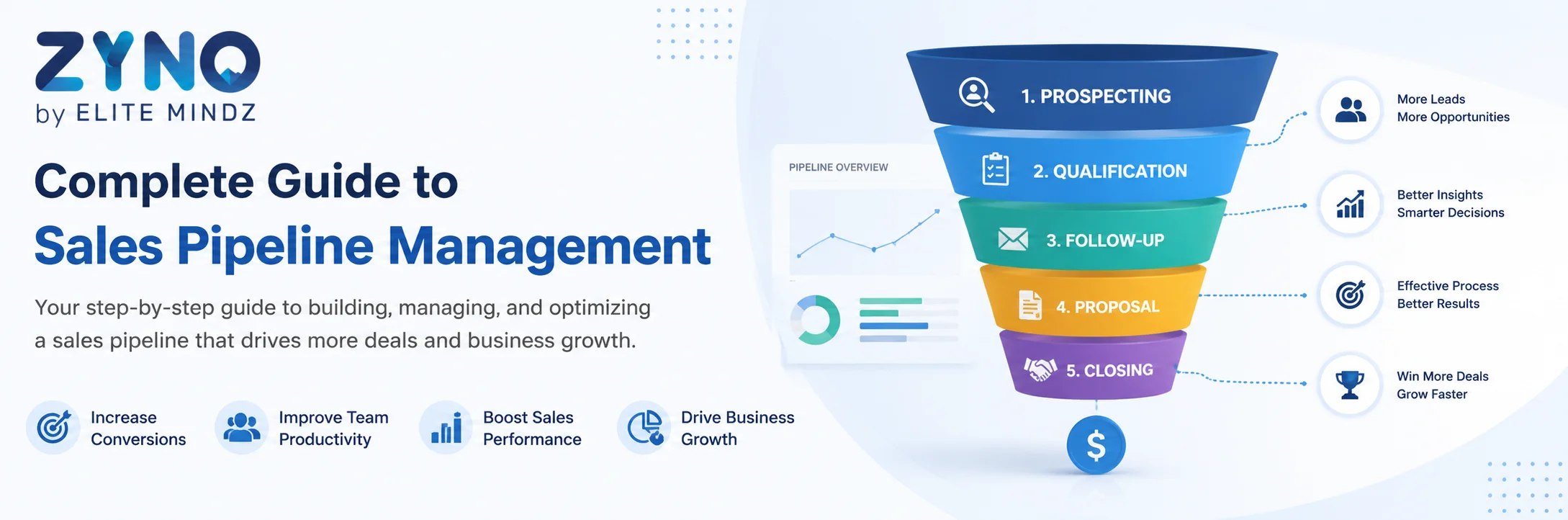
Complete Guide to Sales Pipeline Management: Strategies, Stages, and Tools
Read More →
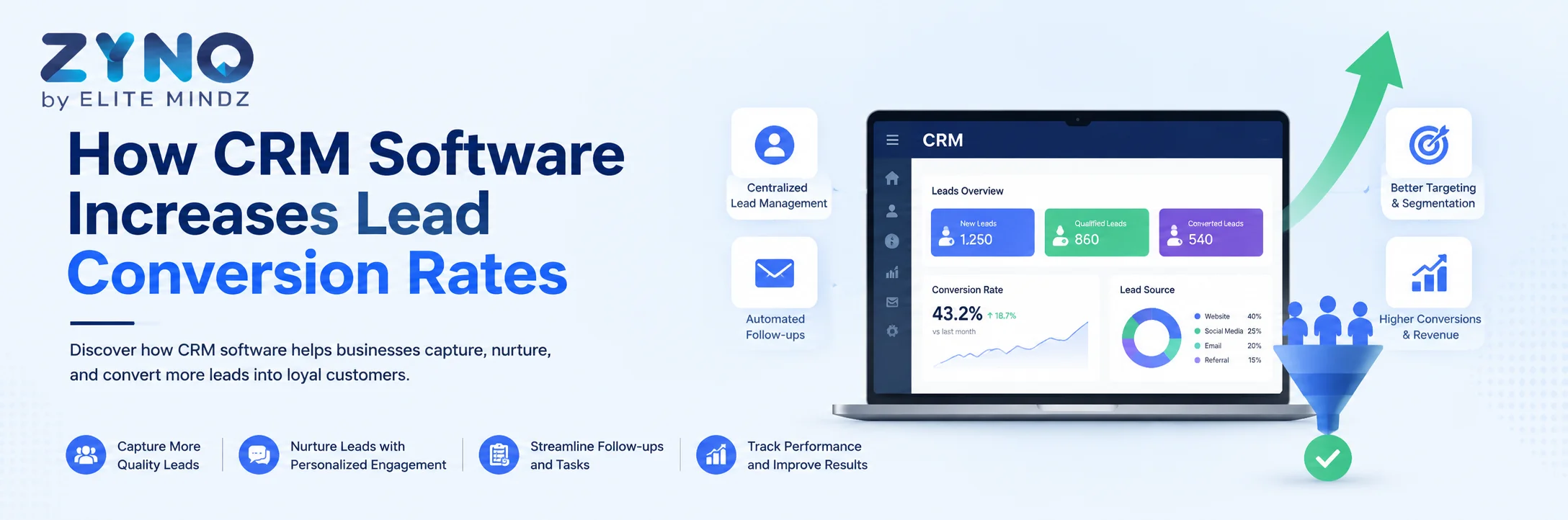
How CRM Software Increases Lead Conversion Rates
Read More →
CRM and Customer Service: A Powerful Combination
Read More →
Signs It's Time to Upgrade Your ERP or CRM System
Read More →
How the Right CRM Software Can Transform Your Sales Pipeline
Read More →
Sales Force Automation: Save Time, Close More Deals
Read More →
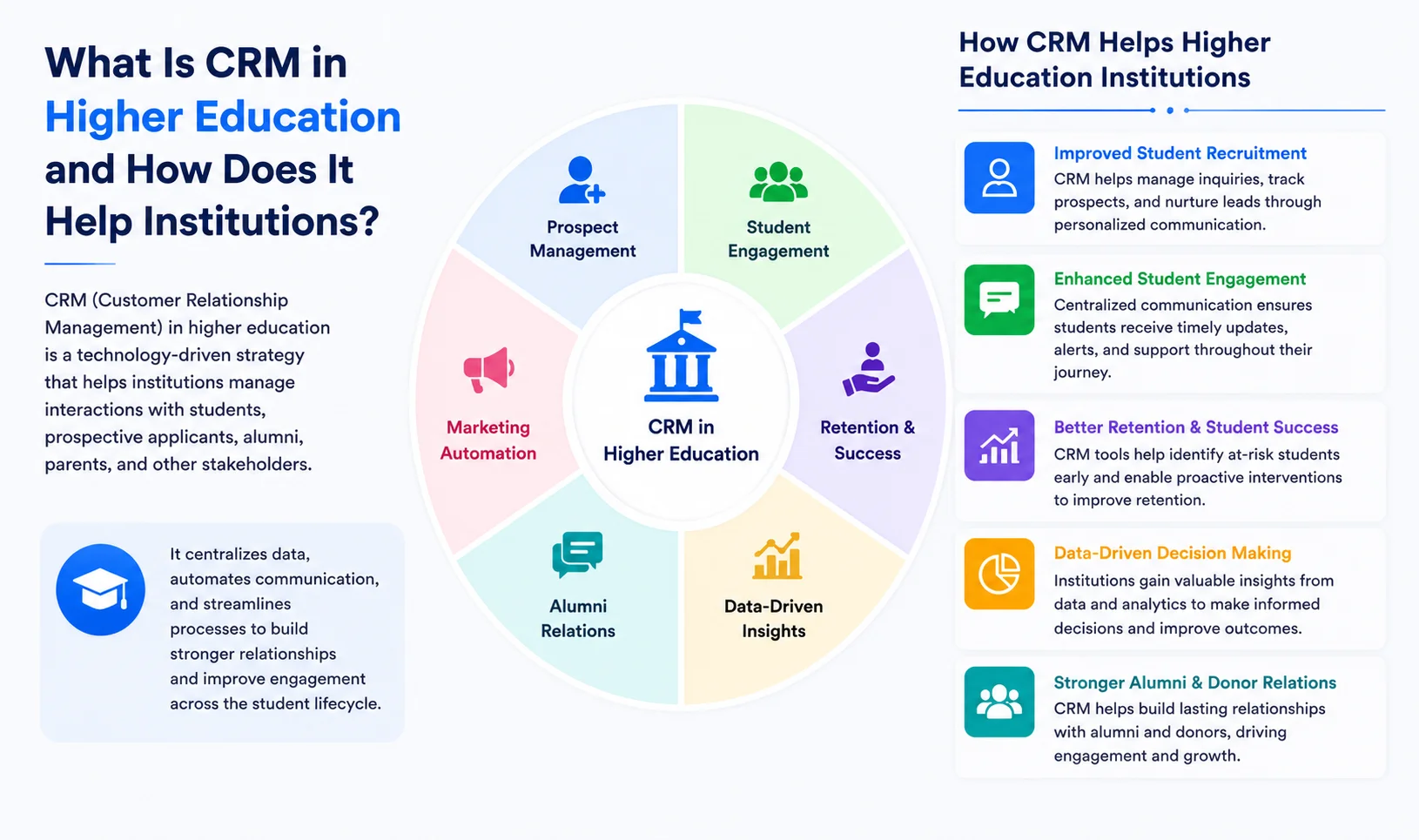
What Is CRM in Higher Education and How Does It Help Institutions?
Read More →
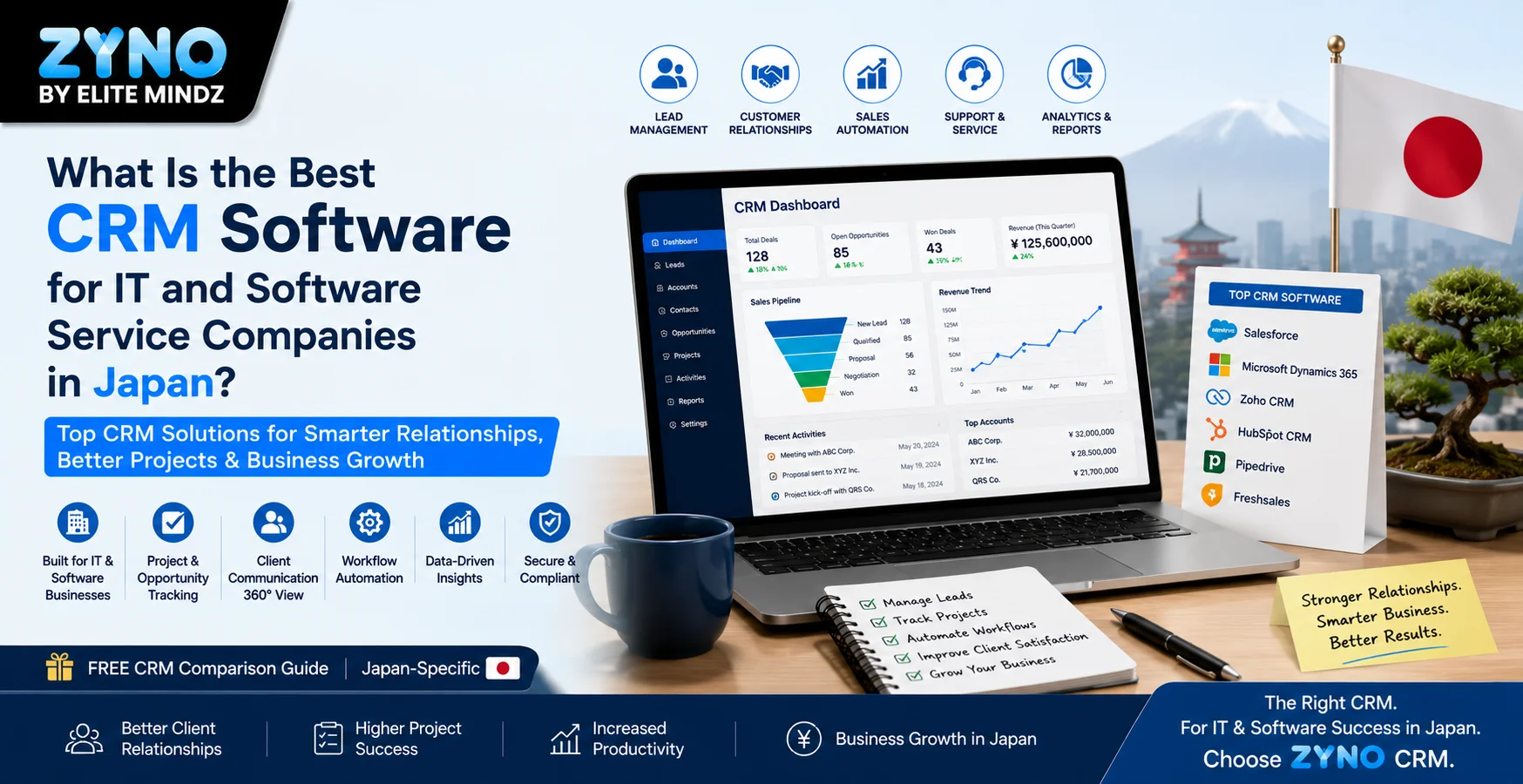
What Is the Best CRM Software for IT and Software Service Companies in Japan?
Read More →
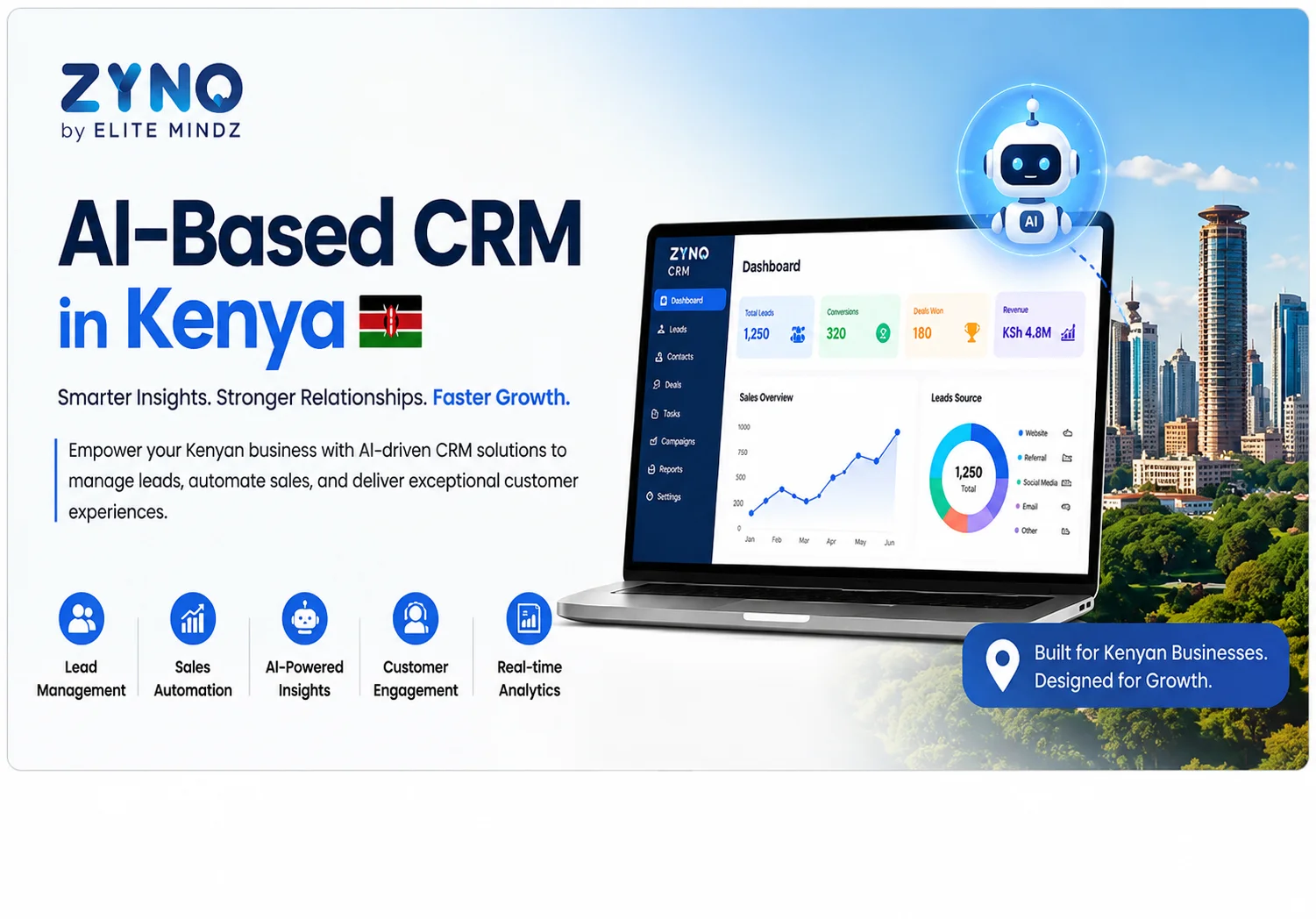
AI-Based CRM in Kenya: Smarter Sales, Better Customer Engagement for All Businesses
Read More →
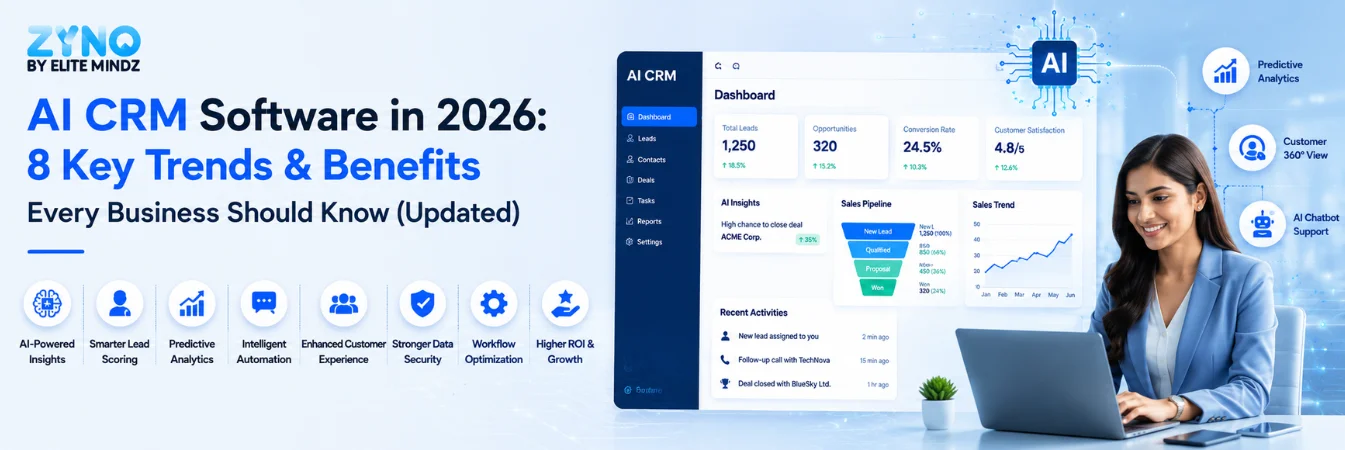
AI CRM Software in 2026: 8 Key Trends & Benefits Every Business Should Know (Updated)
Read More →
Omnichannel CRM Software India: The Complete Guide to Unified Customer Engagement (2026)
Read More →
What Is CRM (Customer Relationship Management)?
Read More →
What is Omnichannel CRM? Meaning, Benefits, and Use Cases
Read More →
What Is Sales Force Automation Software, and Why Do You Need It?
Read More →
How to Automate Sales Follow-Ups? A Complete Guide to Sales Automation
Read More →
10 AI CRM Use Cases for 2026: Benefits, Examples & Applications
Read More →
Best CRM Software in Kenya for Small Businesses in 2026
Read More →
20 Best CRM Software in Japan (2026): Features, Pricing & Comparison
Read More →
Top 20 Sales Enablement Tools: The Ultimate Guide for Sales Teams
Read More →
Customer Journey Orchestration: The Definitive Guide to Personalized Customer Experiences
Read More →Partner with ZYNO by Elite Mindz to revolutionize how your business works. Fill out the form, and we’ll reach out with AI-powered solutions made just for you.
We use browser cookies to ensure you get the best experience on our website. Learn more
The form was submitted successfully!