Top CRM Trends in 2025: What to Expect
Read More →

×
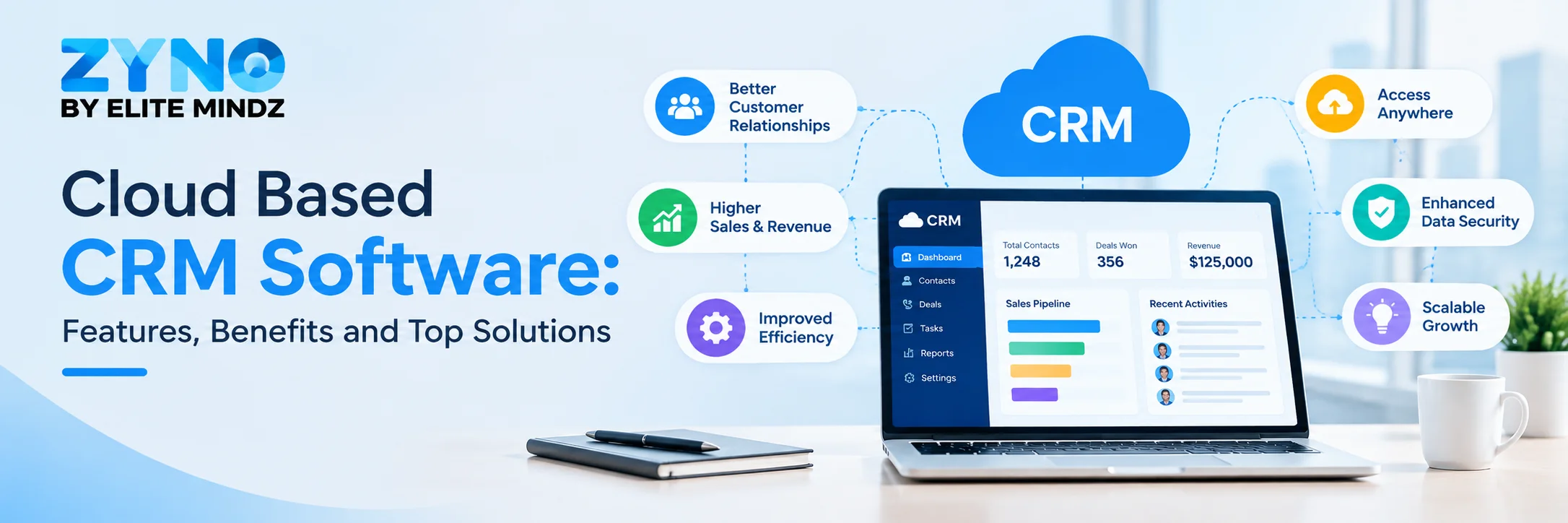
Cloud based CRM software is a customer relationship management system hosted online, allowing businesses to manage leads, contacts, sales, customer service, and automation from anywhere. It offers real-time data access, scalability, integrations, analytics, and lower IT maintenance costs compared with traditional on-premise CRM systems.
Businesses using ZYNO Books cut accounting time by 70% and stay 100% ZATCA-compliant — automatically.
Cloud Based CRM Software is customer relationship management software hosted on remote cloud servers and accessed through web browsers or mobile applications. It centralizes customer information, sales activities, communication, and business workflows, allowing authorized teams to access updated information without maintaining local CRM infrastructure.
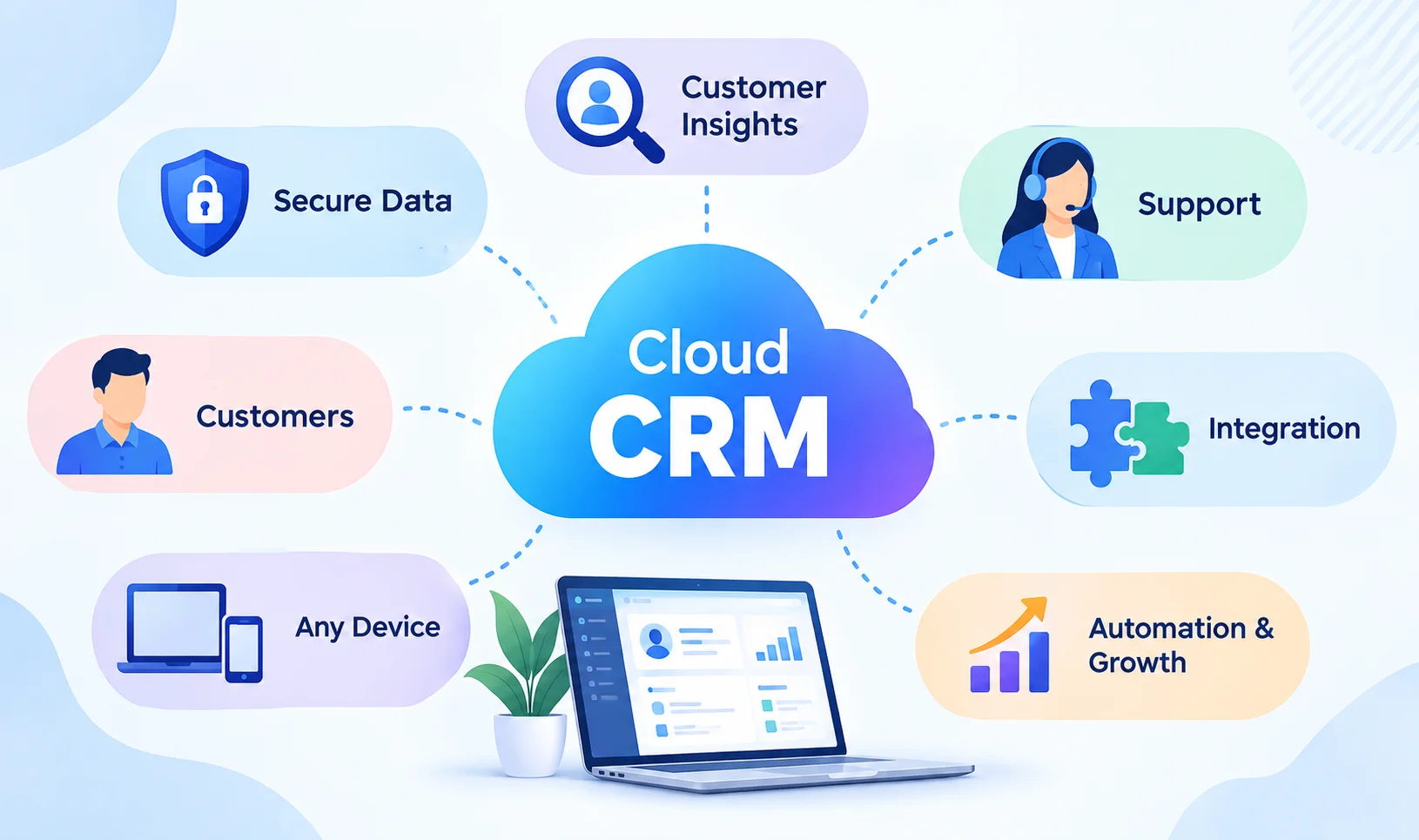
Modern cloud CRM software combines contact management, lead management, sales automation, analytics, customer service, marketing automation, integrations, and AI-powered capabilities. This makes cloud CRM an important technology for businesses looking to improve customer visibility, streamline processes, and support growth.
A cloud CRM platform stores customer and business information on remote infrastructure managed by the CRM provider. Employees access the platform through a browser or mobile application instead of installing the complete system on local servers.
When a sales representative updates a customer record, the information can be synchronized across authorized users and connected devices. This gives sales, marketing, and customer service teams access to a centralized view of customer interactions.
The provider typically manages software updates, infrastructure maintenance, backups, and core security measures. Businesses can therefore focus on managing customer relationships instead of maintaining CRM hardware and software infrastructure.
Read More: CRM Migration Guide
Modern Cloud Based CRM Software provides features that support different stages of the customer journey. The most important capabilities include:
Contact management centralizes customer profiles, contact information, communication history, notes, activities, and related business records. Teams can access customer information from one location instead of maintaining separate spreadsheets or databases.
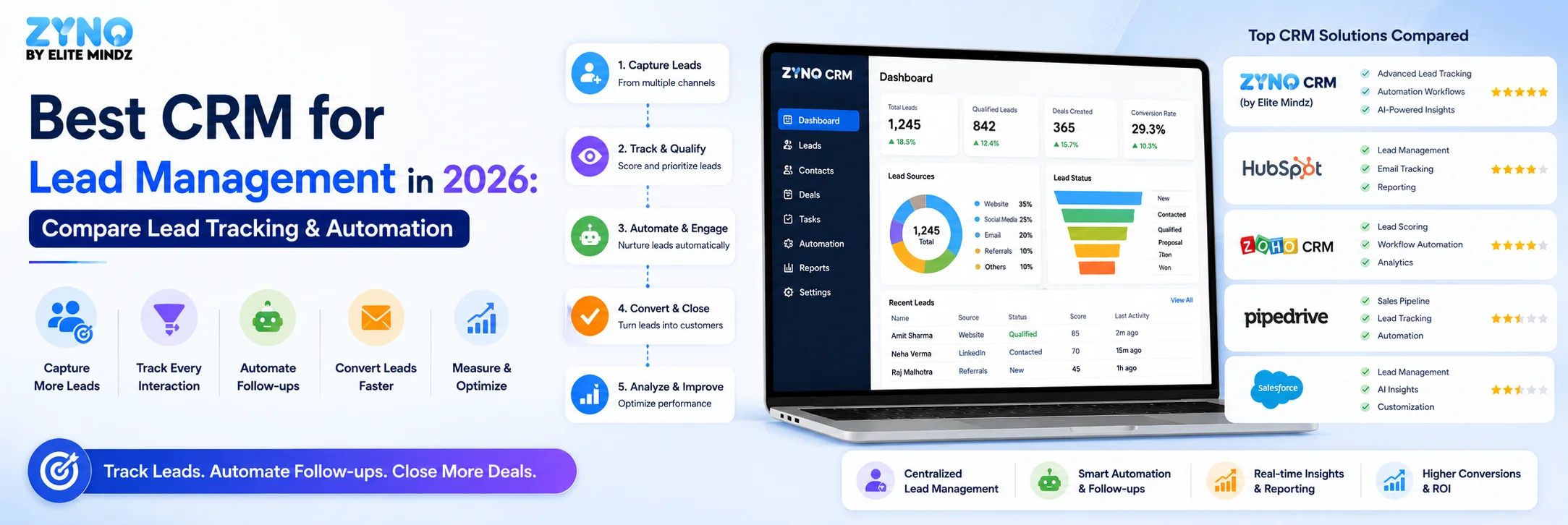
Lead management helps businesses capture, organize, qualify, assign, and nurture potential customers. CRM platforms can track lead sources, interactions, follow-ups, and conversion activity throughout the sales process.
Read More: Best CRM for Lead Management
Sales pipeline management allows sales teams to monitor opportunities across different stages. Representatives can track deal values, activities, expected closing dates, and follow-ups, while managers can review pipeline health and forecasting data.
CRM automation reduces repetitive administrative work through automated workflows. Common examples include lead assignment, task creation, follow-up reminders, notifications, email sequences, and deal-stage updates.
CRM analytics software converts customer and sales information into useful business insights. Teams can monitor lead conversion, sales performance, pipeline value, customer activity, revenue trends, and other important metrics.
Cloud CRM can connect customer service information with sales and customer records. Support teams can view previous interactions, customer details, open opportunities, and service history, creating a more consistent customer experience.
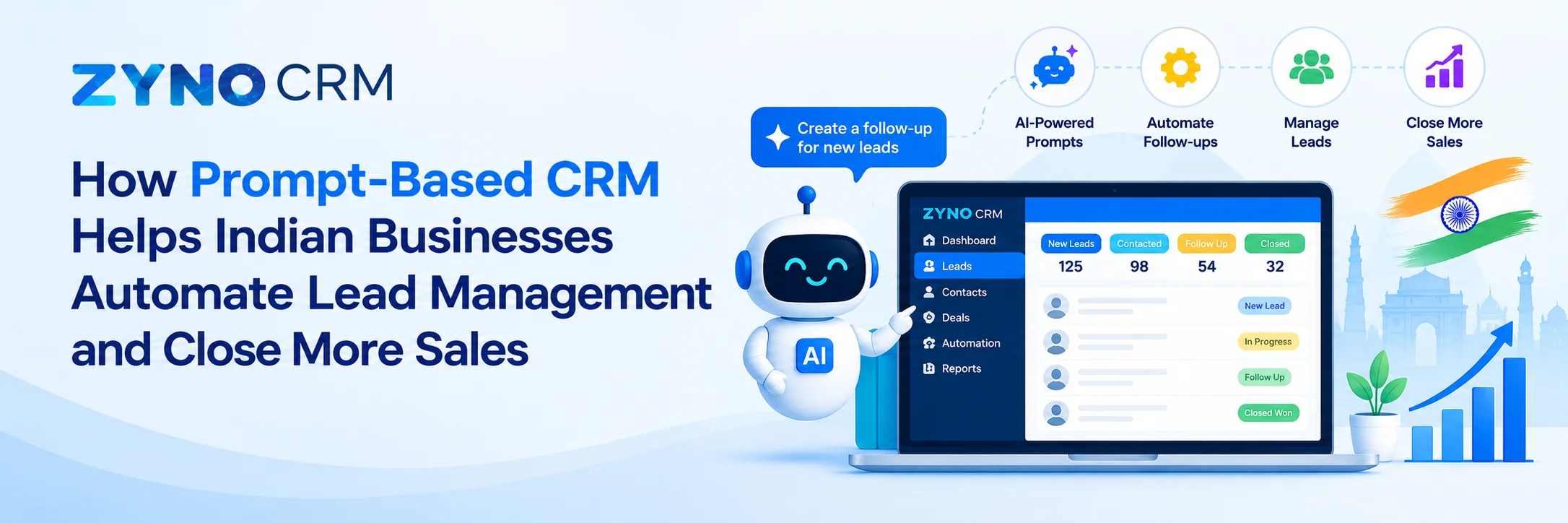
ZYNO CRM by Elite Mindz helps businesses manage leads, customers, sales, automation, and support with a scalable cloud based CRM software solution.
Marketing automation helps businesses manage campaigns, segmentation, lead nurturing, email communication, and customer engagement. Connecting marketing activity with CRM records can provide better visibility into the complete customer journey.
AI CRM software can support activities such as lead scoring, sales forecasting, customer data analysis, automated summaries, recommendations, and workflow assistance. AI capabilities vary between CRM providers and plans.
CRM integrations connect the CRM with other business applications, including accounting platforms, ERP systems, marketing tools, communication software, e-commerce platforms, and customer support applications.

Businesses use cloud CRM solutions because they can centralize customer information while reducing the need for internally managed CRM infrastructure.
Key benefits include:
Read More: Best Mobile CRM Software
The cloud CRM market includes platforms designed for different business sizes, industries, and use cases. Commonly evaluated solutions include:
The most suitable platform depends on the company's workflow, team size, required integrations, budget, customization requirements, and growth plans.
A cloud CRM platform can act as a central hub connecting marketing activities with sales processes. Marketing teams can capture prospects through campaigns, while sales teams can access lead information, engagement activity, and qualification data.
This connection between marketing automation and sales pipeline management helps reduce data silos and manual information transfer.
For example, a business can track campaign responses, website interactions, lead qualification, sales activities, and deal progression within connected workflows. This gives teams better visibility into how prospects move through the customer lifecycle.
The main difference is where the CRM infrastructure is hosted and maintained.
| Factor | Cloud-Based CRM | On-Premise CRM |
|---|---|---|
| Hosting | Provider-managed cloud infrastructure | Business-owned infrastructure |
| Access | Web and mobile applications | Local or configured remote access |
| Maintenance | Primarily managed by provider | Managed internally |
| Updates | Usually provider-managed | Usually business-managed |
| Infrastructure | Minimal local infrastructure | Requires internal infrastructure |
| Scalability | Can scale with business requirements | Requires additional infrastructure planning |
| Deployment | Generally faster | Can require longer implementation |
The appropriate approach depends on a company's security requirements, technical resources, business processes, integrations, and scalability needs.
Security is an important consideration when selecting cloud CRM software because CRM platforms can contain sensitive customer and business information.
Businesses should evaluate encryption, authentication, access controls, user permissions, backup policies, audit logs, data handling practices, and relevant compliance requirements.
Organizations should also understand where their data is stored, how it is protected, who can access it, and what security controls are available within the selected CRM platform.
Customer lifecycle management involves managing interactions from initial awareness and lead generation through conversion, retention, and ongoing engagement.
A cloud CRM platform can maintain customer information throughout these stages. Teams can track lead status, sales activities, customer interactions, support requests, and follow-up requirements from centralized records.
This allows businesses to identify customer needs at different stages and create more consistent communication across the customer journey.
Choosing the right cloud CRM solution requires more than comparing the number of features. Businesses should first identify their actual requirements.
Consider:
Businesses should also test the platform through a demo or trial where available. This helps teams evaluate usability and determine whether employees can adopt the system effectively.
Manage leads, customer relationships, sales activities, and workflows from one connected platform with ZYNO CRM by Elite Mindz.
Cloud Based CRM Software is customer relationship management software hosted on cloud infrastructure and accessed through web or mobile applications. It centralizes customer information, sales activities, communication, automation, and reporting.
Yes. CRM software for small businesses can provide contact management, lead tracking, sales pipeline management, automation, reporting, and customer communication without requiring businesses to maintain their own CRM servers.
Cloud CRM security depends on the provider, configuration, and security practices used by the organization. Businesses should evaluate encryption, authentication, permissions, backups, audit logs, compliance, and data protection policies before selecting a platform.
Yes. Most modern cloud CRM solutions provide integrations or APIs that connect CRM data with marketing, accounting, ERP, communication, e-commerce, analytics, and customer service applications.
Many modern CRM platforms include AI CRM capabilities such as lead scoring, forecasting, data analysis, automated summaries, recommendations, and workflow assistance. Available functionality varies by provider.
Cloud-based CRM software provides businesses with a centralized system for managing customer information, sales processes, marketing activities, service interactions, and analytics. By using cloud infrastructure, organizations can reduce local infrastructure requirements while providing authorized teams with convenient access to CRM information.
Modern cloud CRM software goes beyond basic contact management. Features such as CRM automation, sales pipeline management, CRM analytics, AI CRM, marketing automation, integrations, and customer lifecycle tracking can help businesses create more connected and efficient customer management processes.
The right cloud CRM platform depends on business requirements, workflows, security needs, integrations, scalability, usability, and total cost. Evaluating these factors together can help organizations select a CRM solution that supports both current operations and future growth.
Read More: Best CRM Software in Japan
Read More: How to Automate Sales Follow-Ups
Read More: CRM in Higher Education
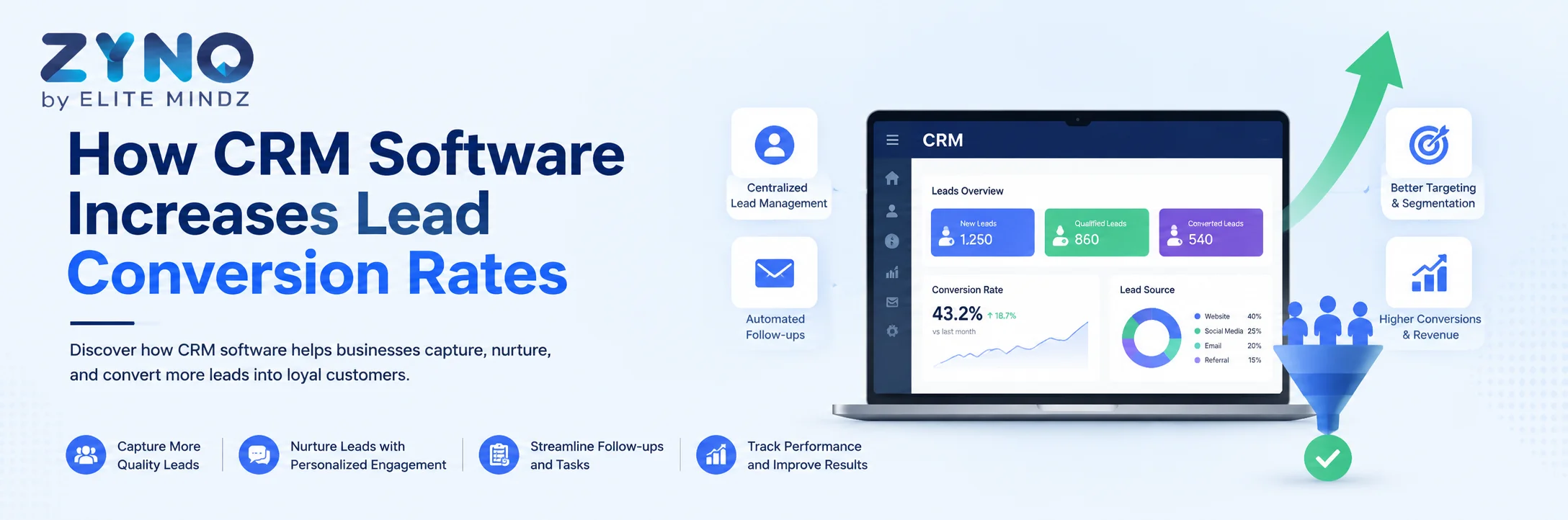
Read More: How CRM Software Increases Lead Conversion Rates
Read More: CRM Strategy Guide
Top CRM Trends in 2025: What to Expect
Read More →
How to Choose the Best CRM Software in 2025
Read More →
Top CRM Software Solutions for Indian Businesses in 2025
Read More →
Best CRM Software for Small Businesses in Nigeria (2025)
Read More →
Best CRM Software for B2B Sales Teams in India (2025)
Read More →
Top CRM Providers in the UK (2025): A Deep Dive for Buyers
Read More →
Top 10 CRM Solutions for Growing Business in U.K (2025)
Read More →
Best CRM Software Providers in Germany (2026 Update)
Read More →
Best CRM Providers in Qatar (2025): Why ZYNO CRM Leads the Pack
Read More →
Best CRM Software Providers in Saudi Arabia (2025 Guide)
Read More →
Top US CRM Software Providers to Watch in 2025: Innovation Meets Scalability
Read More →
Top 10 CRM Providers in Japan Offering AI-Powered Solutions for Businesses
Read More →
Top CRM Solutions in the USA 2025: Boost Customer Engagement and Drive Sales Growth
Read More →
Best CRM Software Providers in Italy to Transform Customer Engagement (2025)
Read More →
Best CRM Software for European Countries (2025) A Complete Guide with ZYNO CRM
Read More →
Best CRM Tool for Smarter Lead Management and Sales Automation
Read More →
Best CRM Software in Dubai, UAE 2026 ZYNO CRM
Read More →Best CRM Software in India- ZYNO CRM
Read More →CRM Software Development Services to Boost Sales and Productivity
Read More →
Benefits of CRM Software for Small Business: The Complete 2026 Guide
Read More →Best CRM Software in India for Small and Large Businesses
Read More →
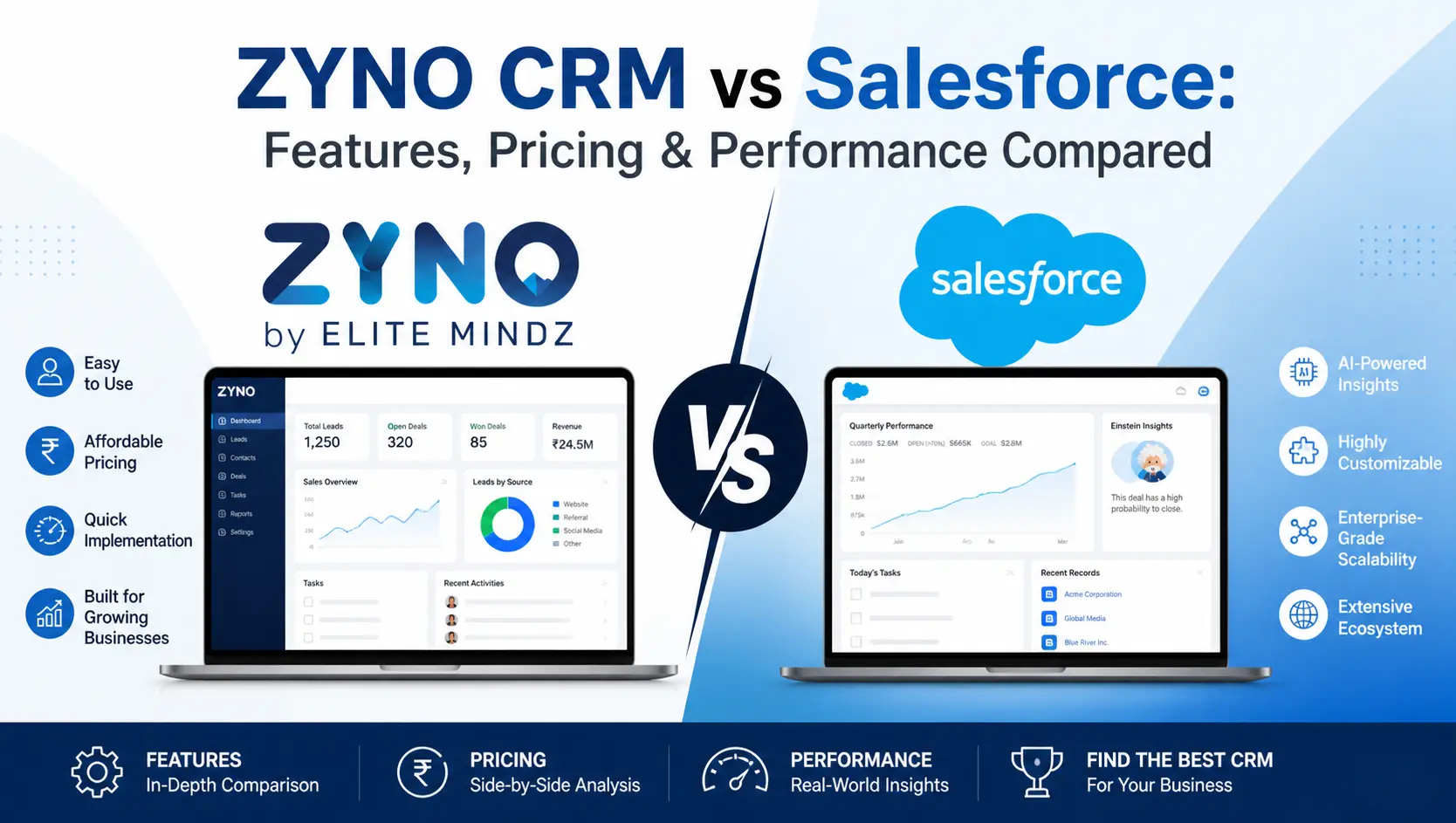
ZYNO CRM vs Salesforce: Features, Pricing & Performance Compared
Read More →
CRM Implementation Guide for Startups and SMEs
Read More →
Best CRM Templates for 2026
Read More →
Best CRM Software for Healthcare Industry in 2026
Read More →
Best Zoho Alternative CRM Software for Small Businesses in 2026
Read More →
Top 10 Affordable HubSpot Alternative CRM Software in 2026
Read More →
Top 11 CRM Software for the Banking Industry in 2026
Read More →
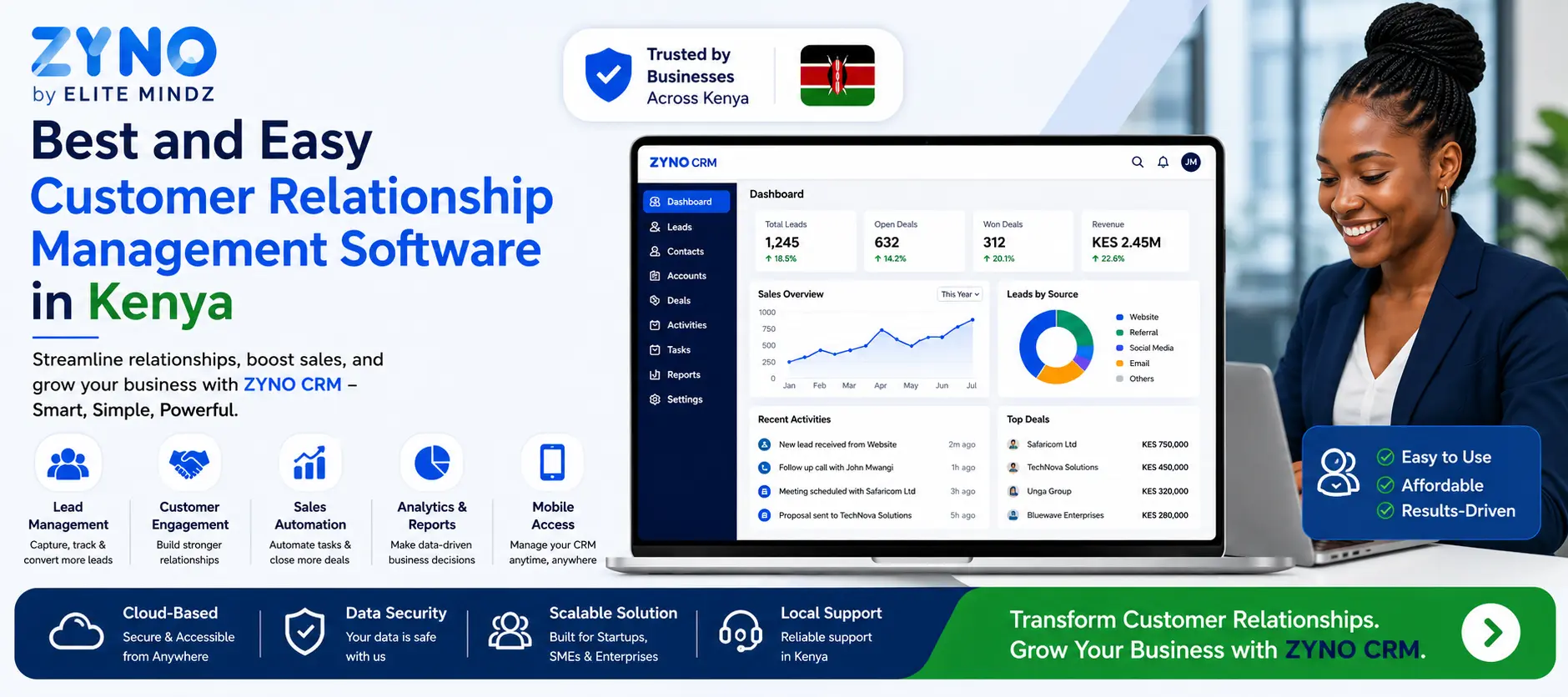
Best and Easy Customer Relationship Management Software in Kenya
Read More →
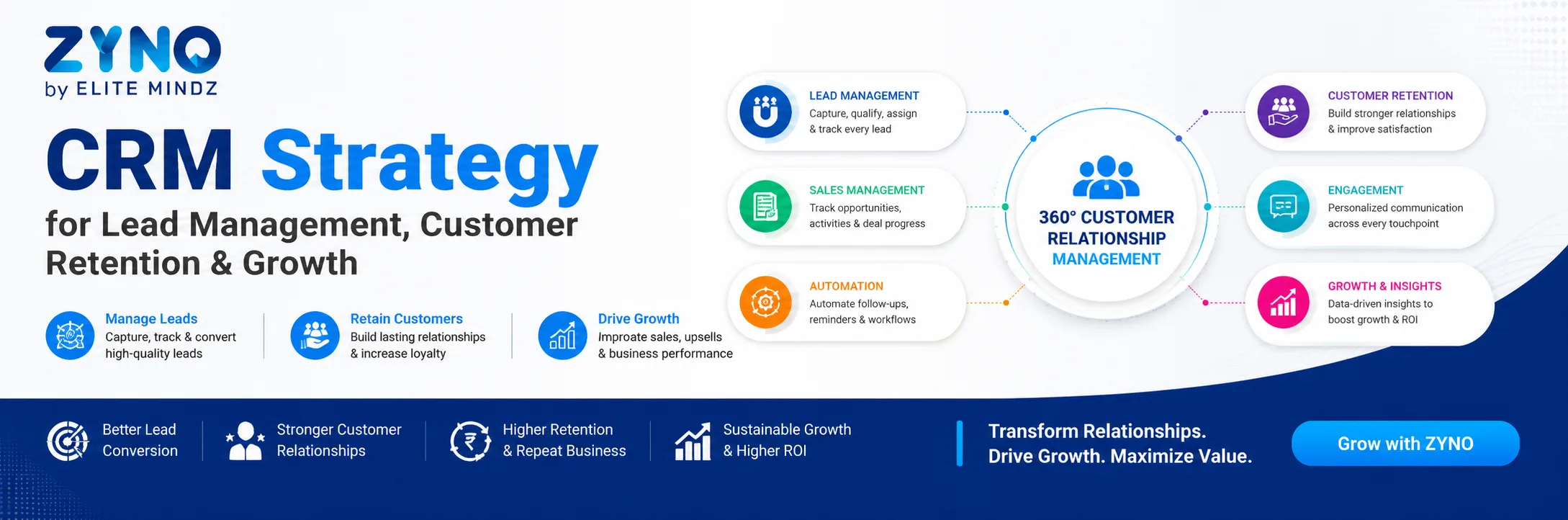
CRM Strategy for Lead Management, Customer Retention & Growth
Read More →
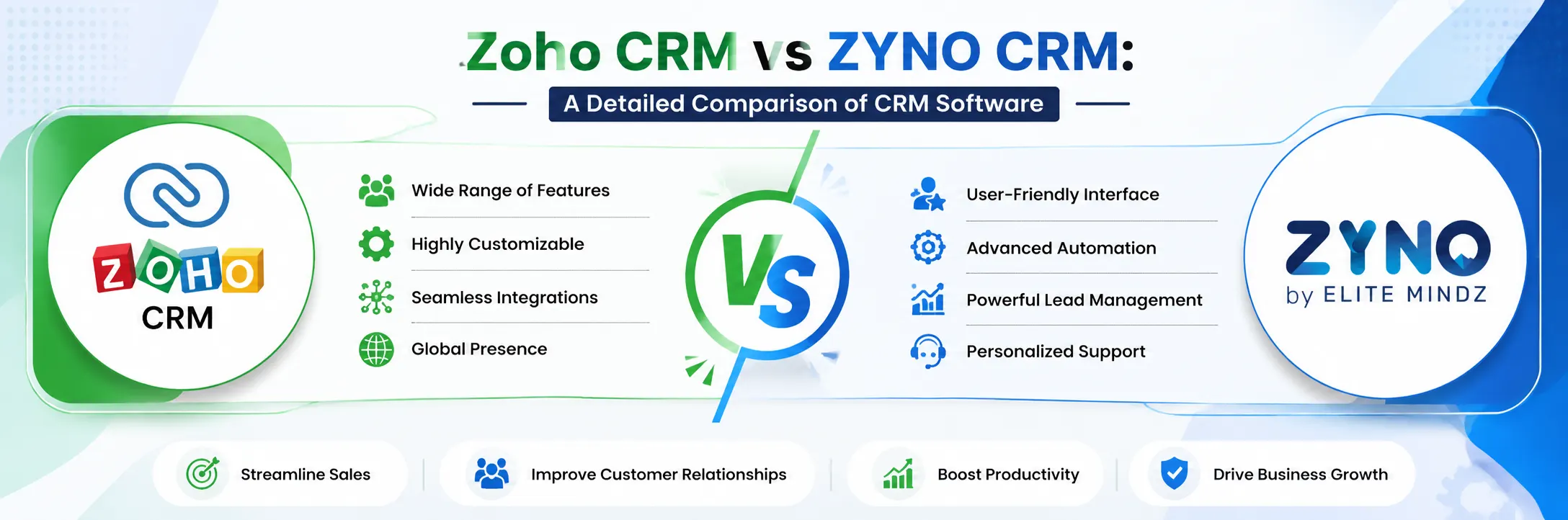
Zoho CRM vs ZYNO CRM: A Detailed Comparison of CRM Software
Read More →
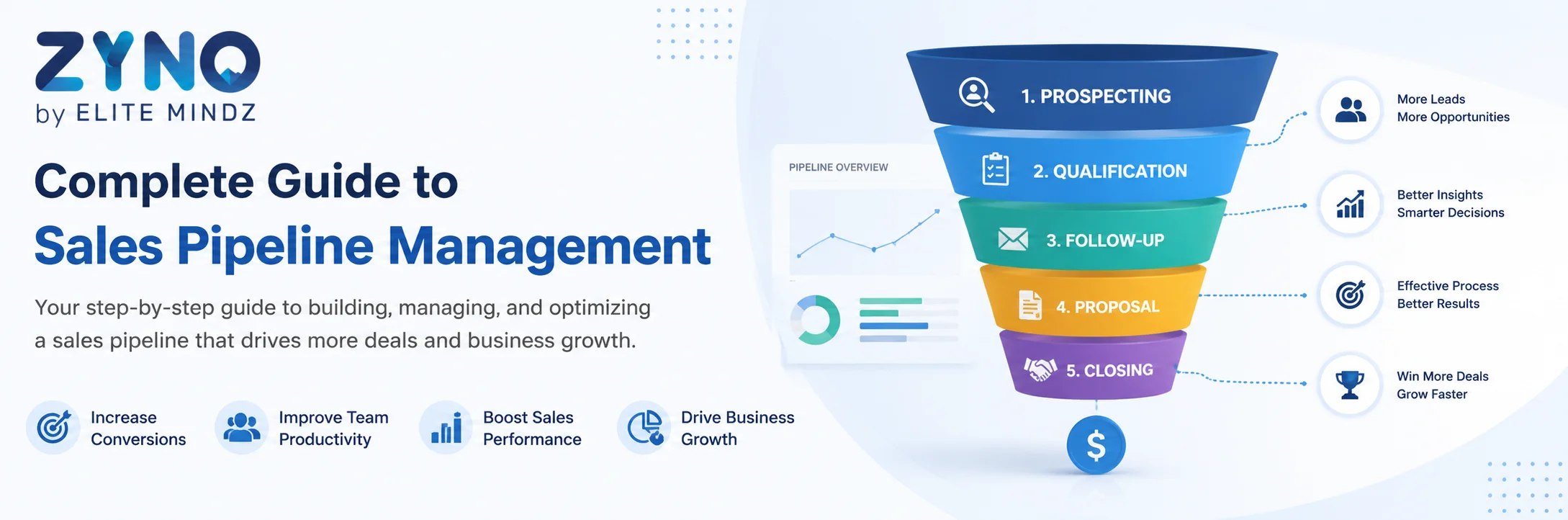
Complete Guide to Sales Pipeline Management: Strategies, Stages, and Tools
Read More →
How CRM Software Increases Lead Conversion Rates
Read More →
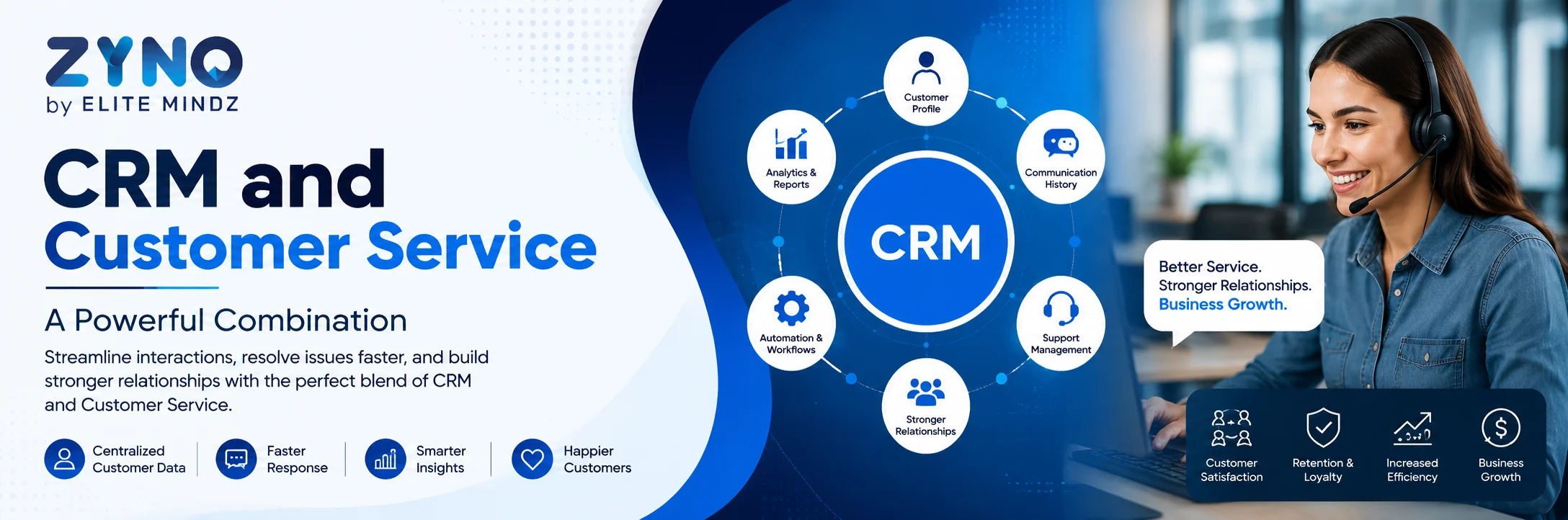
CRM and Customer Service: A Powerful Combination
Read More →
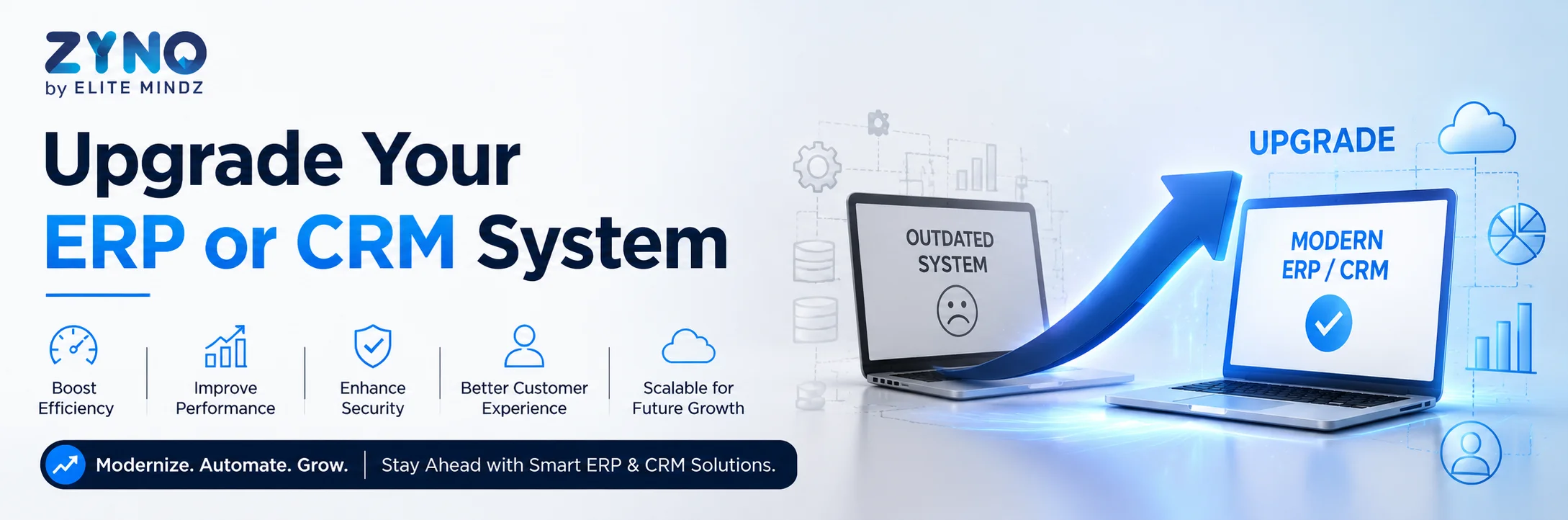
Signs It's Time to Upgrade Your ERP or CRM System
Read More →
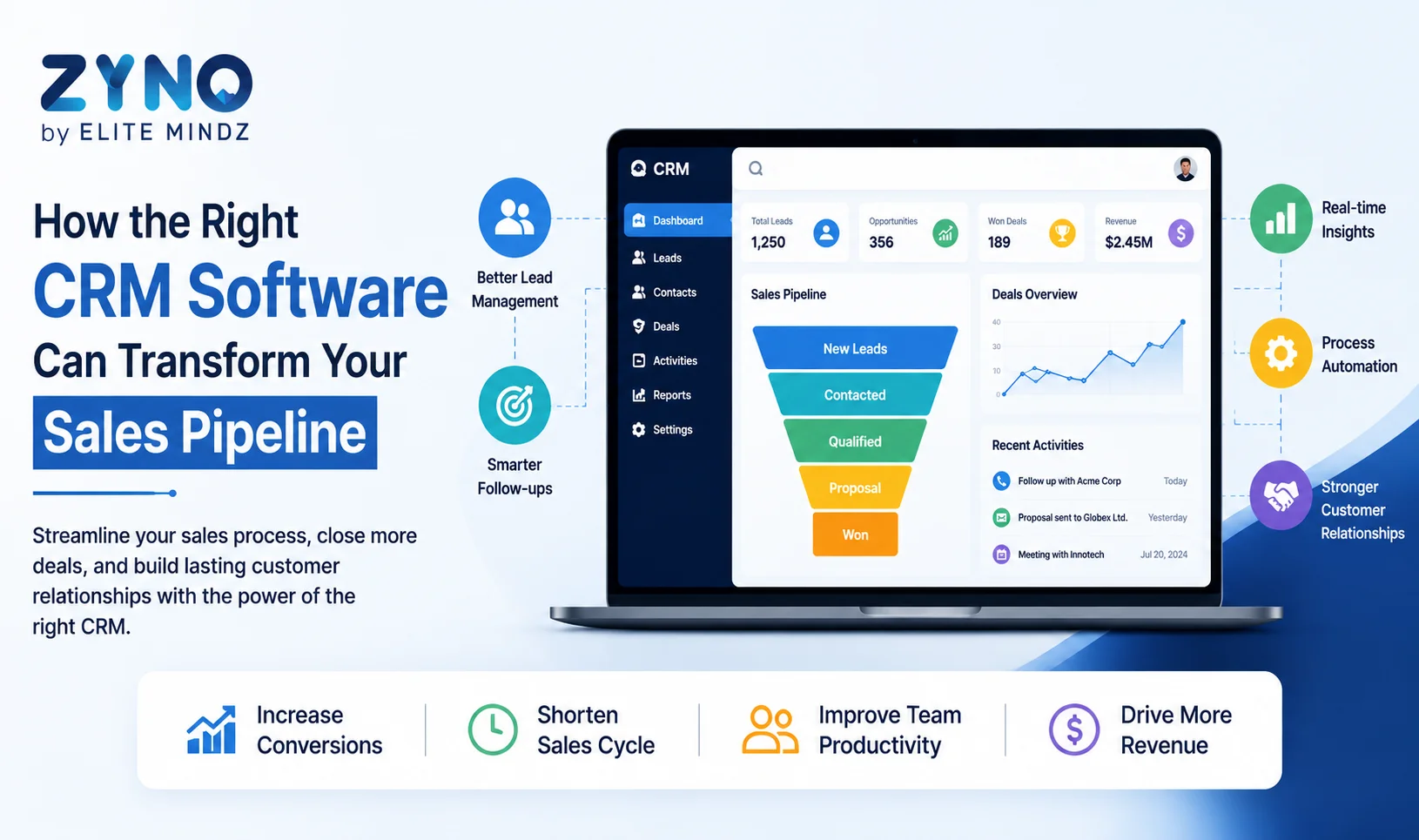
How the Right CRM Software Can Transform Your Sales Pipeline
Read More →
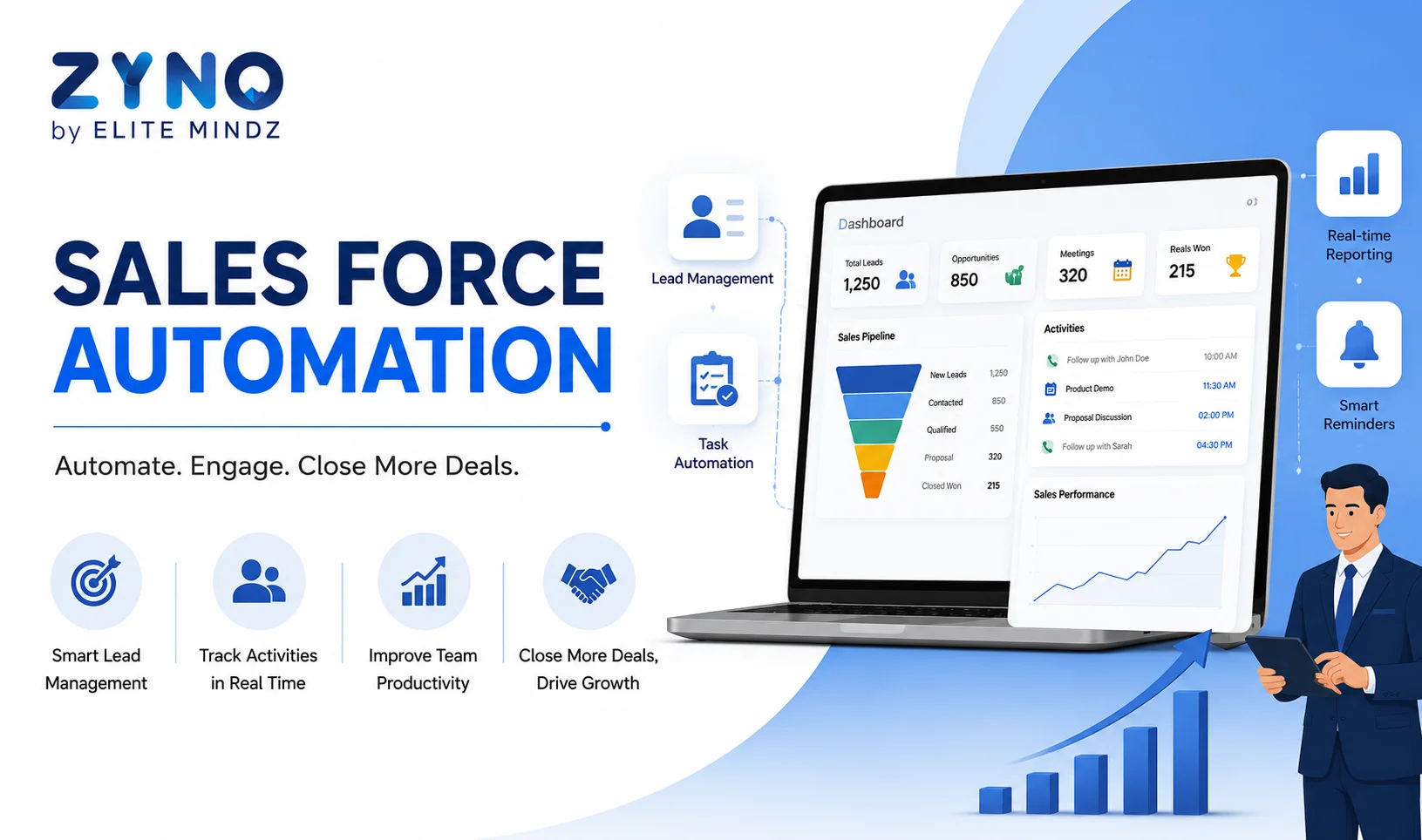
Sales Force Automation: Save Time, Close More Deals
Read More →
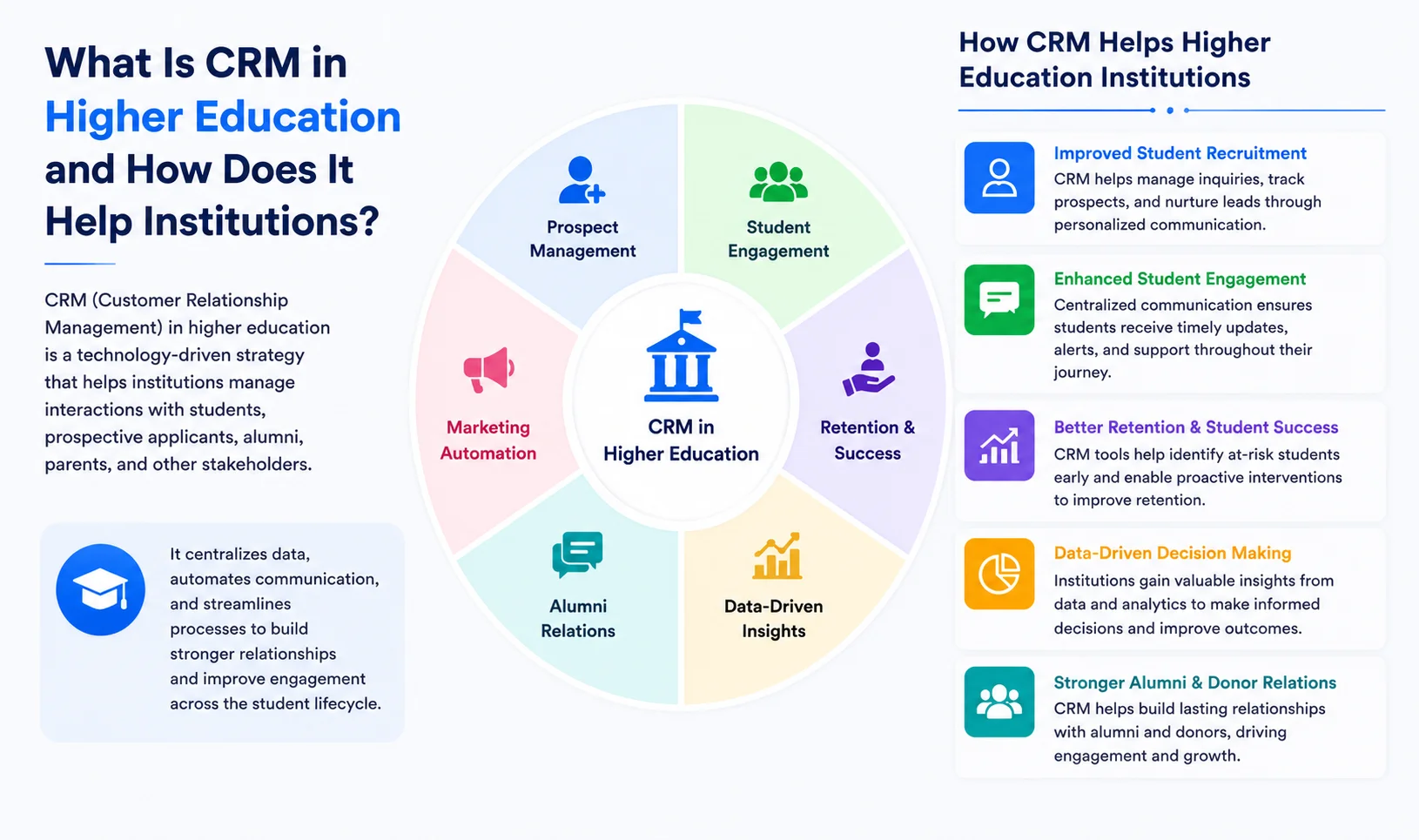
What Is CRM in Higher Education and How Does It Help Institutions?
Read More →
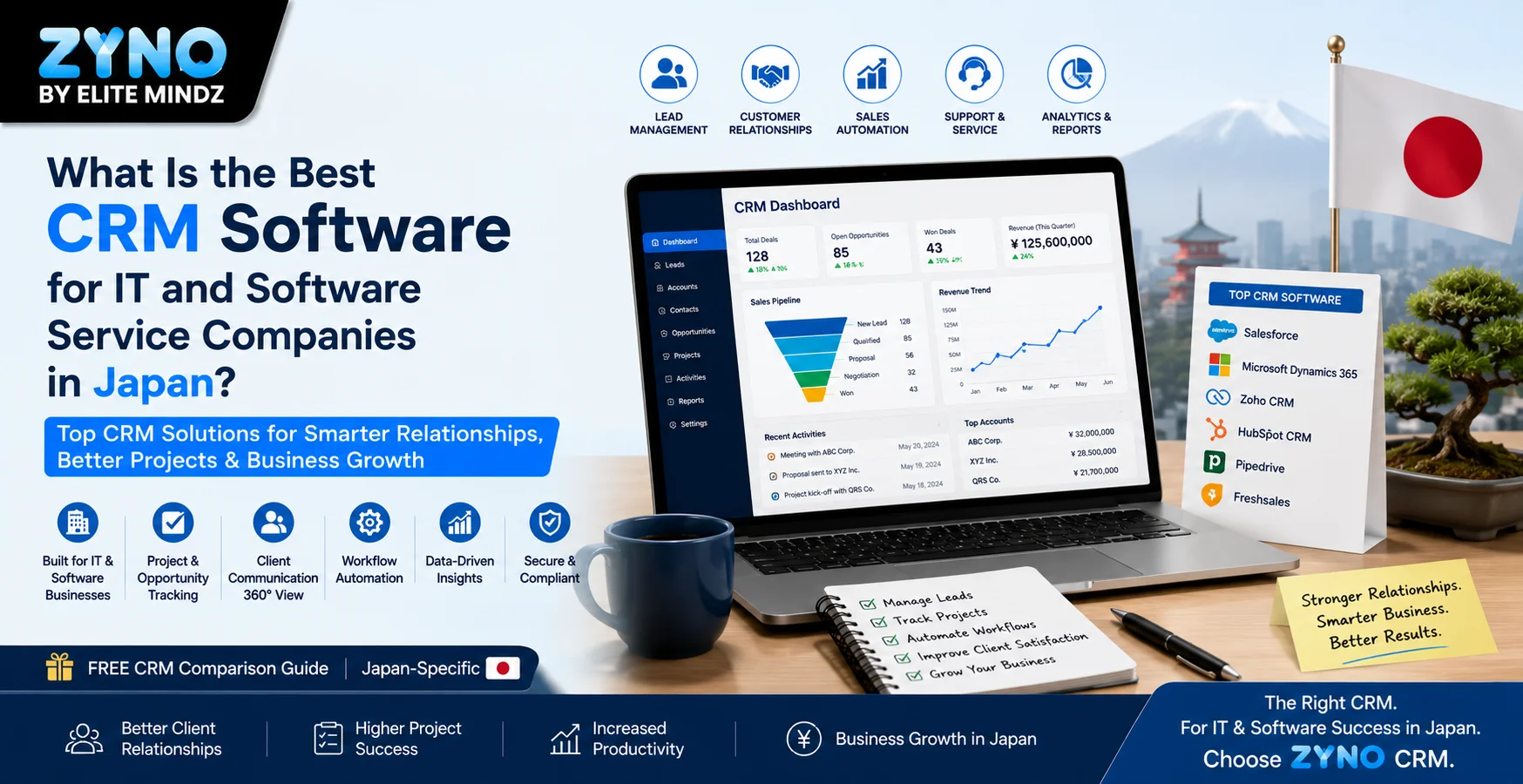
What Is the Best CRM Software for IT and Software Service Companies in Japan?
Read More →
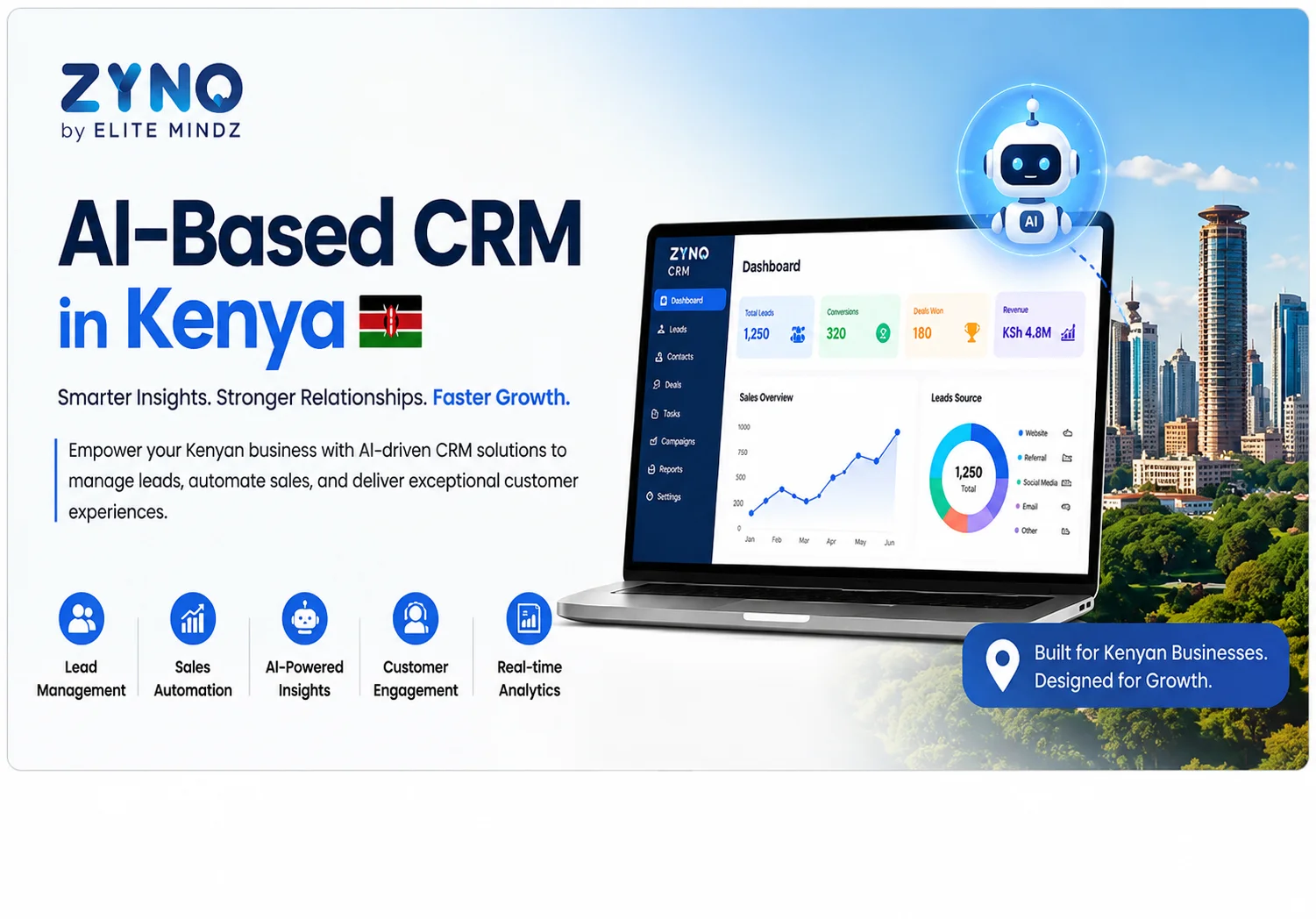
AI-Based CRM in Kenya: Smarter Sales, Better Customer Engagement for All Businesses
Read More →
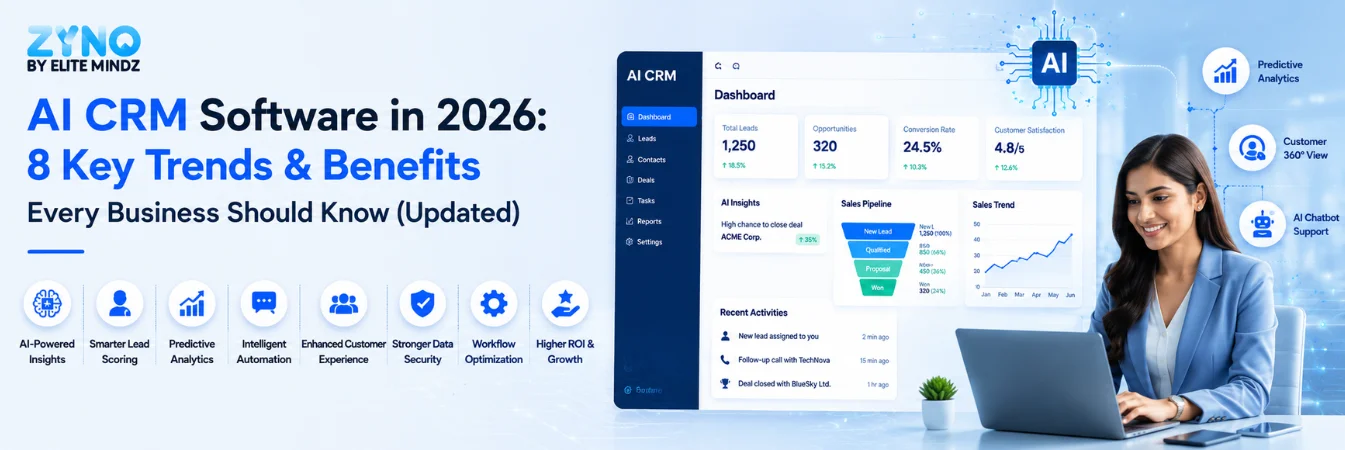
AI CRM Software in 2026: 8 Key Trends & Benefits Every Business Should Know (Updated)
Read More →
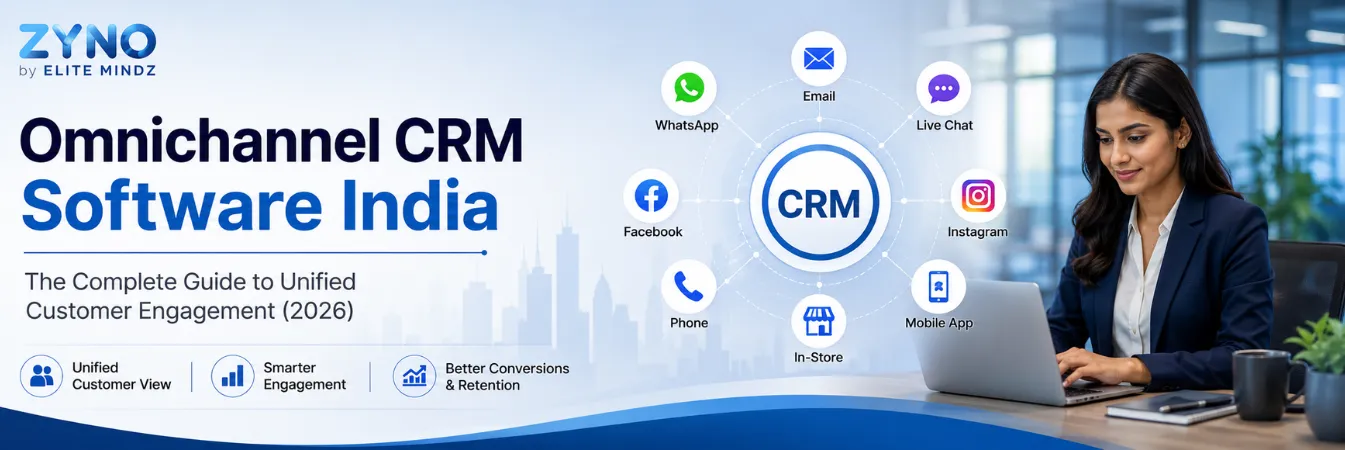
Omnichannel CRM Software India: The Complete Guide to Unified Customer Engagement (2026)
Read More →
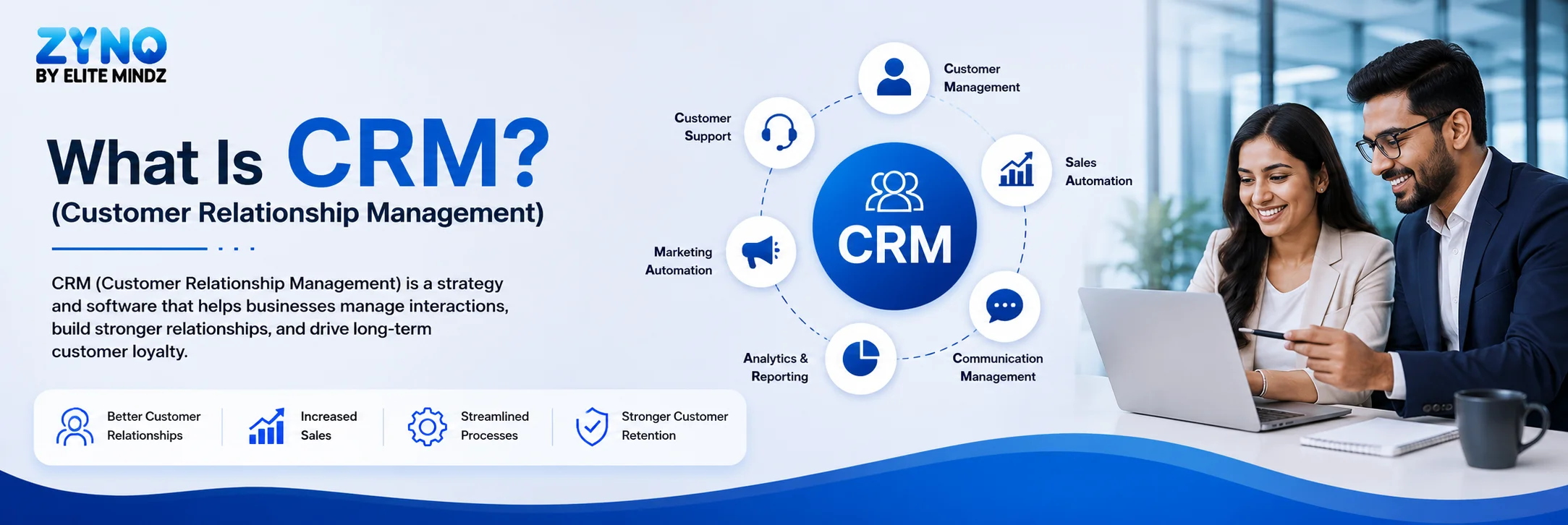
What Is CRM (Customer Relationship Management)?
Read More →
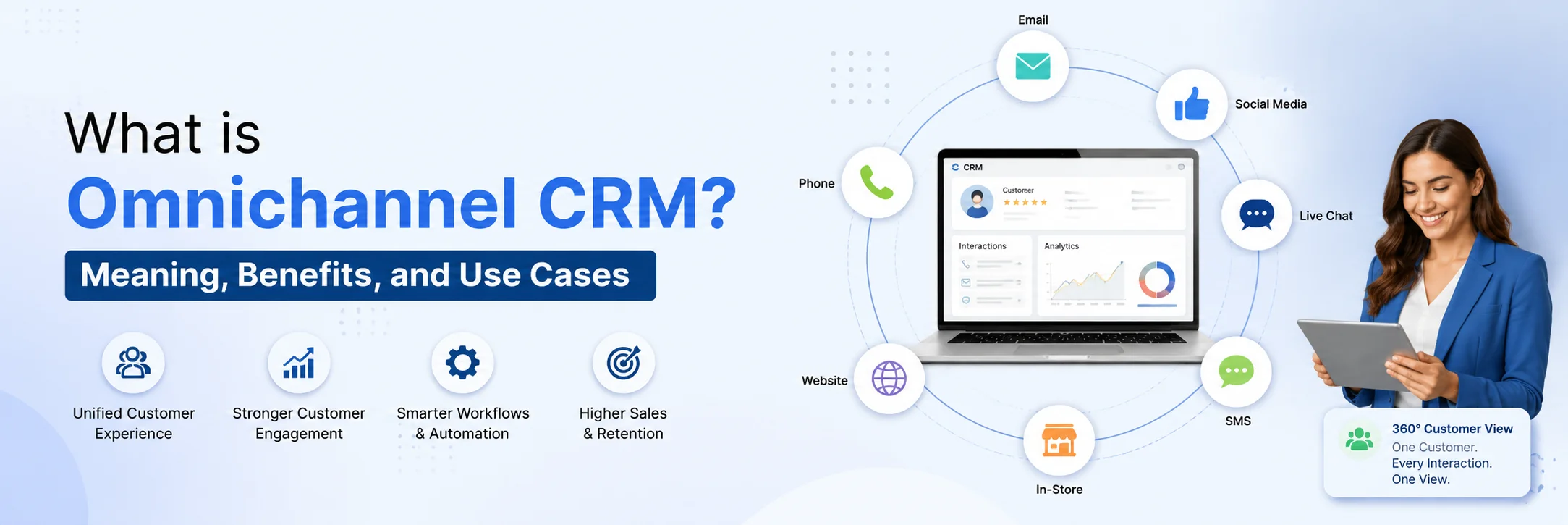
What is Omnichannel CRM? Meaning, Benefits, and Use Cases
Read More →
What Is Sales Force Automation Software, and Why Do You Need It?
Read More →
How to Automate Sales Follow-Ups? A Complete Guide to Sales Automation
Read More →
10 AI CRM Use Cases for 2026: Benefits, Examples & Applications
Read More →
Best CRM Software in Kenya for Small Businesses in 2026
Read More →
20 Best CRM Software in Japan (2026): Features, Pricing & Comparison
Read More →
Top 20 Sales Enablement Tools: The Ultimate Guide for Sales Teams
Read More →
Customer Journey Orchestration: The Definitive Guide to Personalized Customer Experiences
Read More →
Best Mobile CRM Apps 2026: Top 10 Compared, Ranked, and Priced
Read More →
CRM Migration: A Step-by-Step Guide to a Smooth Transition [With Best Practices]
Read More →
Best CRM for Lead Management in 2026: Compare Lead Tracking & Automation
Read More →
How to Analyze and Fix CRM Data Gaps: 10-Step Framework
Read More →
Cloud Based CRM Software: Features, Benefits & Top Solutions in 2026
Read More →Partner with ZYNO by Elite Mindz to revolutionize how your business works. Fill out the form, and we’ll reach out with AI-powered solutions made just for you.
We use browser cookies to ensure you get the best experience on our website. Learn more
The form was submitted successfully!