The Ultimate Guide to Managing Your Business with ZYNO Books
Read More →

×
The 4 types of purchase orders are Standard (SPO), Planned (PPO), Blanket (BPO), and Contract (CPO). Standard POs cover one-time purchases with all details fixed upfront. Planned and Blanket POs allow flexible delivery timing or quantities for recurring needs, while Contract POs set long-term pricing and terms for future orders.
Businesses using ZYNO Books cut accounting time by 70% and stay 100% ZATCA-compliant — automatically.
Not every purchase your business makes looks the same. A one-time order for office chairs is nothing like a year-long supply agreement with your raw material vendor and using the wrong purchase order type for each situation is exactly what causes GST reconciliation headaches, budget overruns, and vendor disputes down the line.
There are four main types of purchase orders: Standard (SPO), Planned (PPO), Blanket (BPO), and Contract (CPO). Each one is built for a different level of certainty how much you know about the item, quantity, price, and delivery schedule at the time you raise the order.
This guide breaks down all four types with real, GST/HSN-compliant examples relevant to Indian businesses, a side-by-side comparison table, and a clear framework for choosing the right one so you stop defaulting to a Standard PO for every purchase and start using purchase order management the way it's meant to work.
| PO Type | Best For | What's Fixed Upfront | What's Flexible | GST/HSN Handling |
|---|---|---|---|---|
| Standard (SPO) | One-time, clearly defined purchases | Item, quantity, price, delivery date | Nothing, all details locked | HSN/SAC + GST rate fixed per line item |
| Planned (PPO) | Known items, uncertain delivery timing | Item, quantity, price | Delivery dates confirmed via releases | GST computed at each release, not upfront |
| Blanket (BPO) | Recurring purchases, same vendor | Item list, price range, validity period | Exact quantity and timing per release | GST applied per release invoice, not on the BPO itself |
| Contract (CPO) | Long-term vendor agreements | Terms, pricing formula, duration | Items and quantities defined in each SPO raised under it | No GST on the CPO; applies to individual POs raised against it |
Now let's look at each type in depth what it includes, when to use it, what it deliberately leaves out, and how it plays out in a real Indian business scenario.
A Standard Purchase Order is the most commonly used type, and the one most people picture when they think "purchase order." You use an SPO when every detail of the transaction is already known and agreed upon there's nothing left to confirm later.
This is a closed transaction. Once the vendor accepts and delivers, the PO is fulfilled and closed; there's no ongoing relationship tied to it.
A Planned Purchase Order works like an SPO in every way except one: the exact delivery date isn't locked in when the PO is created. You know what you're buying, how much, and at what price but the timing is confirmed later through a release.
Each quarter, Sharma Textiles issues a "schedule release" against this PPO to confirm the exact delivery date and location the price and total quantity were already locked in.
A Blanket Purchase Order sometimes called a standing order is used for recurring purchases from the same vendor over a set period. Unlike a PPO, even the exact quantity per delivery isn't fixed. You agree on the item, a price range or fixed rate, and a total spending or quantity ceiling, then release individual orders as needed.
This structure means Elite Foods doesn't need to renegotiate pricing or raise a fresh PO every time they need packaging they just release against the existing BPO.
A Contract Purchase Order is the most flexible and highest-level type. It's essentially a framework agreement it locks in terms, pricing structure, and duration with a vendor, but doesn't specify exact items or quantities. Individual Standard POs are then raised under the CPO whenever an actual purchase is needed.
Every time Vasant Hospitality needs linens, they raise a quick SPO that references CPO-0021 pricing and terms are already settled, so there's no renegotiation.
Ask yourself three questions before raising a PO:
Defaulting to a Standard PO for everything including recurring or long-term purchases creates unnecessary paperwork and makes forecasting harder. Matching the PO type to the actual purchasing situation is what separates organized purchase order management from a spreadsheet full of one-off documents.
Managing Standard, Planned, Blanket, and Contract POs manually across spreadsheets and email quickly becomes unmanageable especially when GST, HSN/SAC codes, and TDS under Section 194Q need to be tracked correctly on every release.
ZYNO Expenz, Elite Mindz's AI-powered expense management platform, is built for exactly this. It lets Indian businesses:
For businesses that have outgrown manual PO tracking but don't need a heavy, complex ERP, this kind of integrated, India-first system closes the gap between control and simplicity.
The four main types are Standard Purchase Orders (one-time, fully defined purchases), Planned Purchase Orders (known items and pricing, flexible delivery timing), Blanket Purchase Orders (recurring purchases from one vendor with flexible quantities), and Contract Purchase Orders (framework agreements setting terms for future orders).
A Blanket PO covers multiple deliveries of specific, named items over a set period, with exact quantities and timing confirmed through releases. A Contract PO sets the overall terms of a vendor relationship pricing, payment terms, quality standards without naming specific items; individual Standard POs are then raised under it.
All four types become legally binding once the vendor accepts them whether through signature, written confirmation, or fulfillment. For Blanket and Planned POs, each individual release also becomes binding once confirmed.
Not necessarily all four, but most growing businesses end up using at least a Standard PO for one-off purchases and a Blanket PO for recurring vendor relationships. Planned and Contract POs typically become relevant as purchase volume and vendor relationships mature.
For a Standard PO, GST is calculated once, on the full order. For Planned and Blanket POs, GST is applied separately on each release/invoice rather than on the master PO, since the master PO doesn't represent a final transaction. Contract POs carry no GST themselves GST applies only to the individual Standard POs raised under the contract.
Choosing the right purchase order type isn't just an administrative detail it directly affects how cleanly your GST reconciliation, budget tracking, and vendor negotiations play out. Standard POs handle the one-time and fully-defined purchases. Planned and Blanket POs give you flexibility for recurring or scheduled needs without sacrificing pricing control. Contract POs set the stage for long-term vendor relationships without locking you into specific items too early.
Getting this right at the process level and backing it with GST-ready, HSN-compliant documentation is what turns purchase order management from a compliance chore into an actual growth lever for Indian businesses
The Ultimate Guide to Managing Your Business with ZYNO Books
Read More →
Why Is 206CR of Income Tax Act Important for Businesses in India?
Read More →The Best Accounting Software in Saudi Arabia
Read More →
Managing Multi-Country Taxes Made Easy with ZYNO Books Integrations
Read More →
Why TRN Validation is Essential for VAT Compliance in the UAE
Read More →
Best Accounts Payable Automation Software
Read More →Best Cloud Accounting Software in Kenya with M-Pesa Integration (2026) - eTIMS Compliant
Read More →Ultimate Cloud Accounting Software Guide That Saves Businesses 15+ Hours Weekly
Read More →ZATCA E-Invoicing Saudi Arabia - Complete Business Guide 2026
Read More →Cloud Accounting vs Desktop Accounting - Which Is Best for Your Business?
Read More →
Zyno Books: Best ZATCA-Approved Accounting Software in Saudi Arabia
Read More →
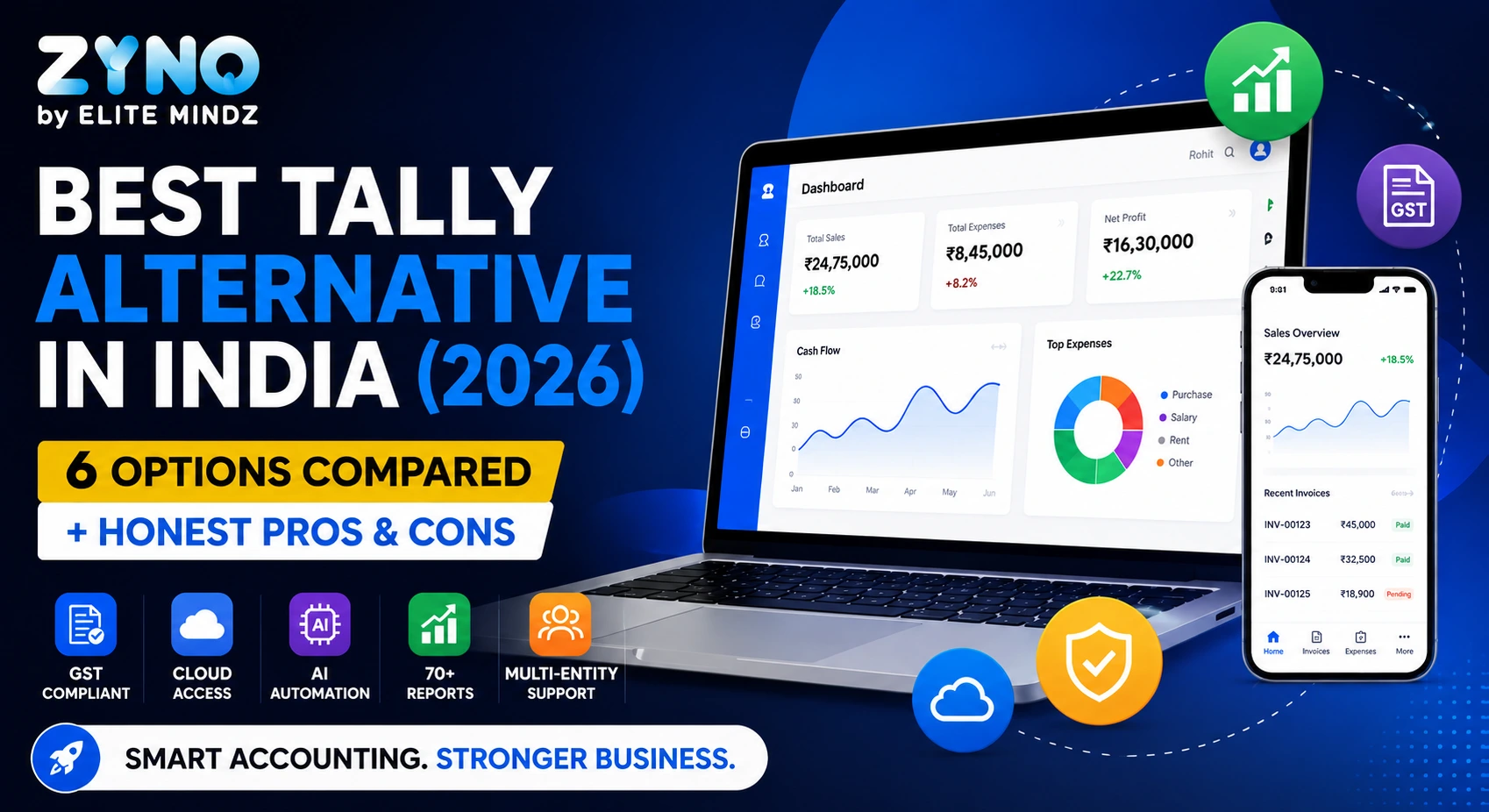
Best Tally Alternative in India (2026) — 6 Options Compared + Honest Pros & Cons
Read More →
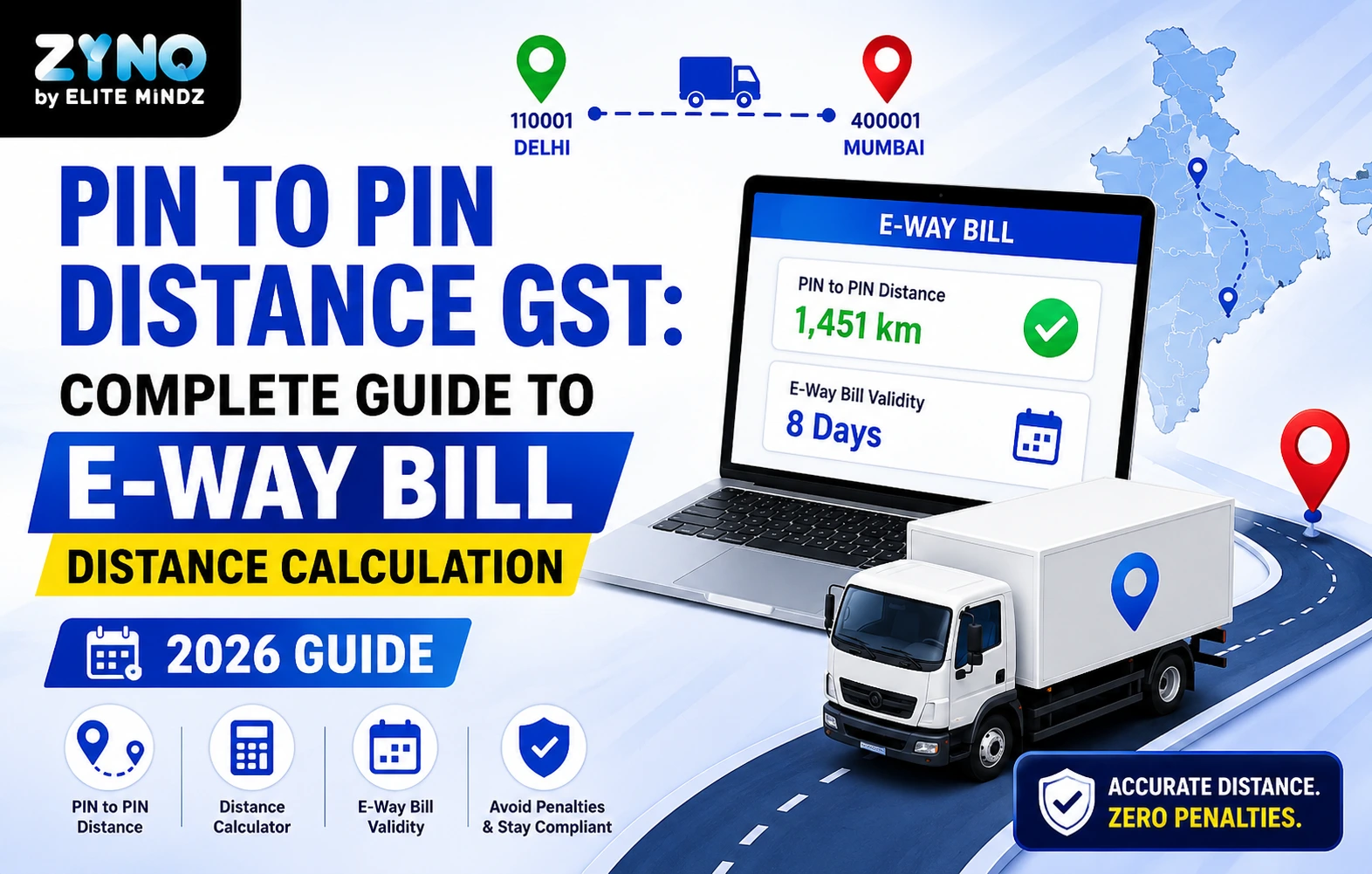
Pin to Pin Distance GST: Free E-Way Bill Calculator, Validity & Penalty Guide (2026)
Read More →
Best Small Business Accounting Software in 2026: Complete Guide
Read More →
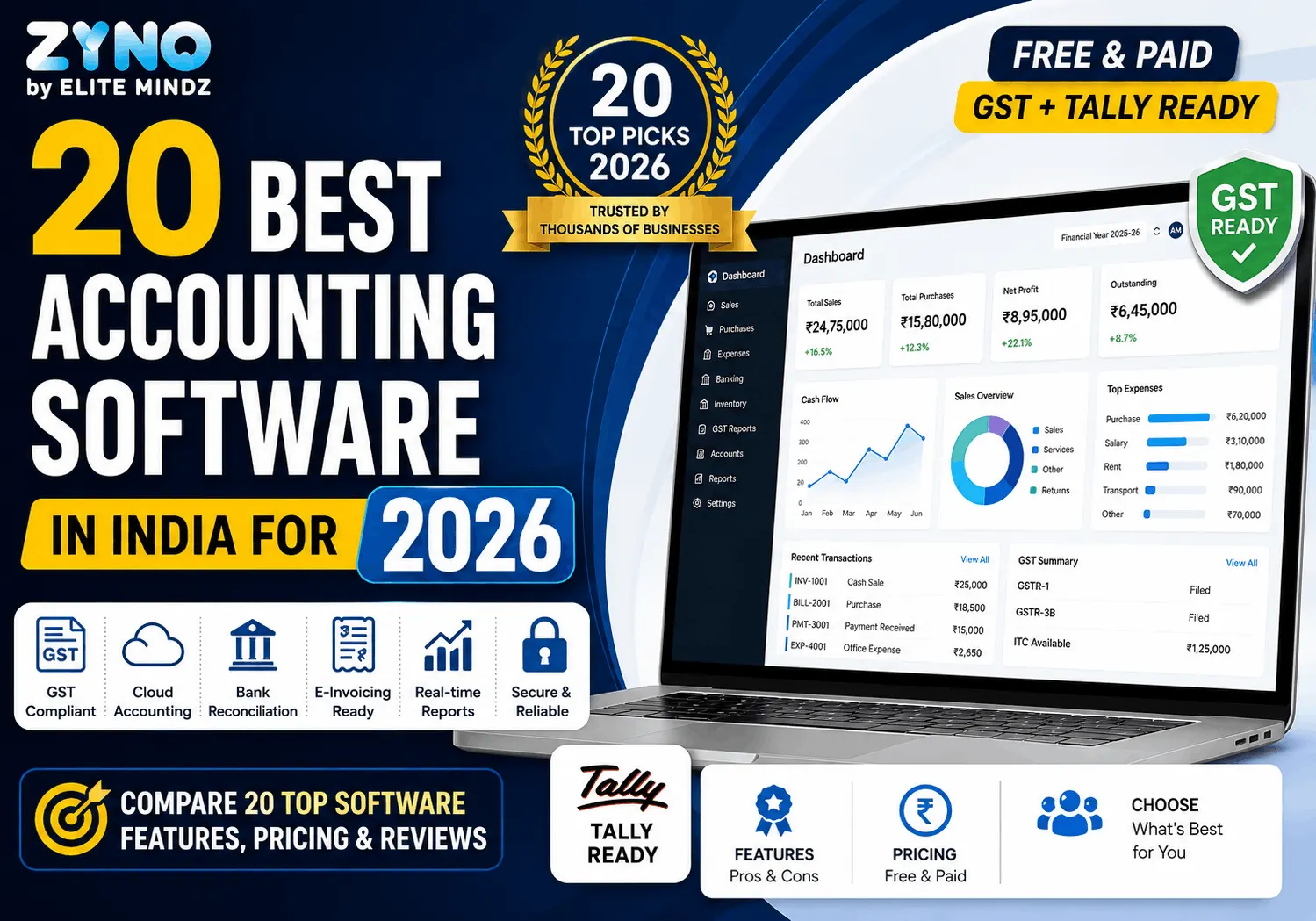
20 Best Accounting Software in India for 2026 - Free & Paid (GST + Tally Ready)
Read More →
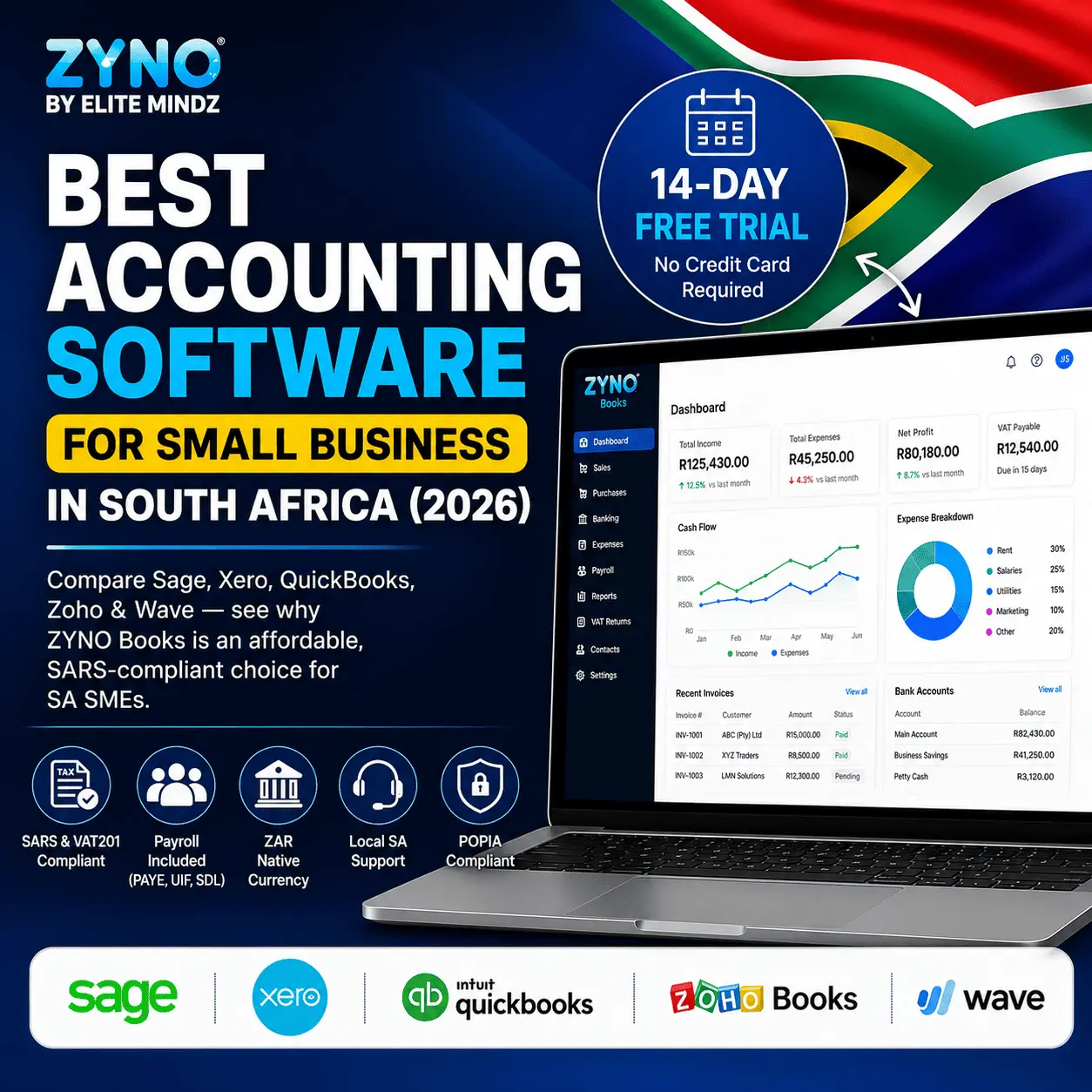
Best Accounting Software for Small Business in South Africa (2026)
Read More →
What Is a Proforma Invoice? Complete Guide with Format, Examples & Free Template (2026)
Read More →
Which Accounting Software is Better for Modern Businesses?
Read More →
Bank Reconciliation Statement (BRS): Meaning, Full Form, Format & Examples
Read More →
Which Accounting Program Handles GST Best?
Read More →
AI Accounting Software in India: The Next Generation
Read More →
Which Document Management Software Offers OCR and Workflow Automation?
Read More →
How to Manage ISO Documents and Compliance Records Digitally?
Read More →
Which Are the Best Accounting Softwares Other Than Tally?
Read More →
ZYNO DMS vs SharePoint: A Detailed Comparison for Enterprise Document Control?
Read More →
How to Control Document Versions and Revisions Without Excel?
Read More →
How to Automate Document Approval Workflows Across Departments?
Read More →
Which Is the Best Accounting Software in India? (2026 Guide)
Read More →
Best Accounting Software in Kenya (2026): Cloud-Based, VAT-Ready & Built for SMEs
Read More →
Cloud Accounting Software Comparison: Which One Is Right for Your Business?
Read More →
GST Accounting Software Comparison for Indian Businesses (2026 Guide)
Read More →
Zyno Books vs Vyapar: Which One Gives You More Value?
Read More →
OCR Invoice Processing: The Complete Guide for Finance Teams in 2026
Read More →
Accounting Software: The Complete Guide for Businesses in 2026
Read More →
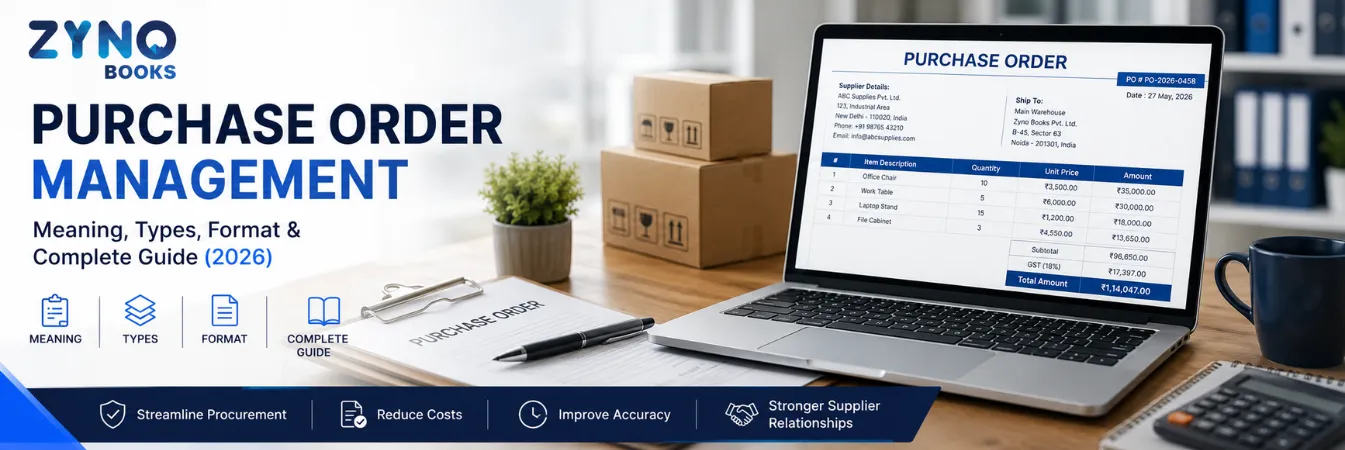
Purchase Order Management: Meaning, Types, Format & Complete Guide (2026)
Read More →
Purchase Order vs Purchase Requisition vs Invoice: Complete Guide (2026)
Read More →
Types of Purchase Orders Explained: SPO, PPO, BPO & CPO (With Real Examples)
Read More →Partner with ZYNO by Elite Mindz to revolutionize how your business works. Fill out the form, and we’ll reach out with AI-powered solutions made just for you.
Download your exclusive guide
We use browser cookies to ensure you get the best experience on our website. Learn more
The form was submitted successfully!
From our first line of code to ZYNO's AI-powered ERP suite — 17 years of helping businesses run smarter. Celebrating with our clients and partners on 1st August.
Book a free ZYNO consultation this anniversary week and get a special 17th-year offer on your first project.
Anniversary discount on your first ZYNO engagement, valid till 7th August.
Your anniversary offer request has been received.
Our team will connect with you within one business day.
ZYNO Digital
Fueling Smarter Digital Growth
ZYNO Digital fuels smarter digital growth through data-driven marketing, creative storytelling, and performance strategies that boost visibility, engagement, and measurable business outcomes across global platforms.
ZYNO Tech
Engineering the Future of IT
ZYNO Tech delivers cutting-edge IT solutions — including web, mobile, and digital transformation services — helping businesses scale efficiently, innovate faster, and stay ahead in a connected world.
ZYNO AI
AI Built for Business Growth
ZYNO AI harnesses the power of artificial intelligence to automate processes, enhance decision-making, and deliver predictive insights — driving innovation, agility, and measurable business growth.
ZYNO by Elite Mindz
Your Partner in the AI-Powered Future
ZYNO by Elite Mindz offers AI-powered products and services that unify operations, boost productivity, and drive digital transformation — helping businesses scale smarter and innovate faster.
* In just 2 mins you'll get a response
* Your idea is 100% protected by our Non-Disclosure Agreement