The Ultimate Guide to Managing Your Business with ZYNO Books
Read More →

×
206CR of the Income Tax Act is important for businesses because it helps ensure proper tax collection and compliance. Understanding its TCS requirements enables businesses to avoid errors, meet reporting obligations, maintain accurate records, and reduce the risk of tax-related penalties.
Businesses using ZYNO Books cut accounting time by 70% and stay 100% ZATCA-compliant — automatically.
Running a business in India means dealing with various tax regulations. Section 206CR of the Income Tax Act has become a vital tax regulation for businesses operating throughout India. If you're trying to understand this section's impact on your business, you have come to the right place.
The basic tax system appears complex because its main purpose is to make sure all taxpayers pay their appropriate dues. Businesses use Section 206CR of the Income Tax Act to determine their tax collection and payment processes.
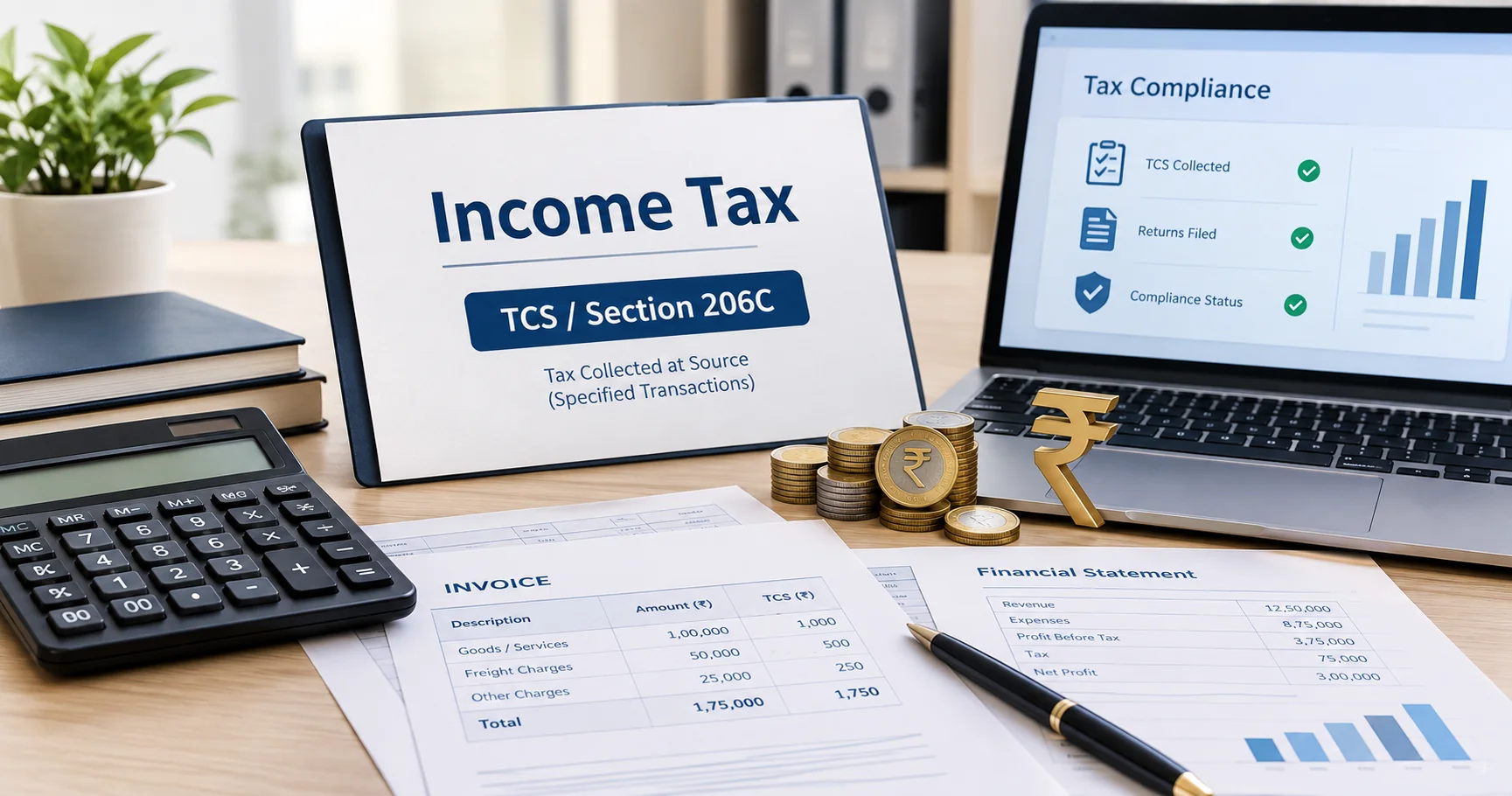
When you sell goods or services, your business needs to collect tax at a rate that requires you to charge customers a specific percentage. This is called Tax Collected at Source (TCS). Similarly, when someone pays you, they might deduct some tax before making the payment. This is Tax Deducted at Source (TDS).
Now, what happens if a business doesn't file its income tax returns on time? That's where Section 206CR comes into play.
Section 206CR of the Income Tax Act puts additional responsibility on businesses that haven't filed their tax returns. Here's what it means in practical terms.
If you haven't filed your income tax returns for the last two years, and the due date for filing has passed, you'll face higher TDS and TCS rates. Instead of the normal rate, you'll pay double. Or, if there's a specific rate mentioned elsewhere, you'll pay the higher amount between 5% and that specified rate, as laid out under the Income Tax Act.
This might sound harsh. But the government introduced this to encourage businesses to stay compliant with their tax filing obligations.
Understanding 206CR becomes easier when you know how it connects with other sections of the Income Tax Act.
Section 206C of the Income Tax Act deals with TCS on the sale of goods. When a seller collects tax from buyers during certain transactions, they must deposit this amount with the government. Section 206C outlines which transactions require TCS collection and at what rates.
For instance, if you're selling scrap, minerals, or motor vehicles above a certain value, you need to collect TCS from your buyers.
Section 206CQ of the Income Tax Act specifically addresses the remittance of money through authorized dealers. When someone sends money abroad under the Liberalised Remittance Scheme, the bank or authorized dealer collects TCS.
Under section 206CQ, banks collect 5% TCS on remittances exceeding Rs. 7 lakh in a financial year. However, for education or medical purposes funded through loans, different rates apply.
The majority of people who research 206CL actually find the relevant information through different sections of the document. People frequently confuse 206CL with 206CR during their discussions about the two terms. The system requires proper assessment of how its multiple components interact to form a complete tax collection framework.

Your question might read, "I pay my tax on time, therefore do I have anything to worry about?" Here's why every business should understand this provision.
Impact on Cash Flow: When higher TDS or TCS rates apply, it affects your working capital. Money that could be used for operations gets locked up until you file your returns and claim refunds. This can strain your business finances, especially for small and medium enterprises.
Compliance Pressure: Section 206CR creates a strong incentive to maintain tax compliance. Businesses that fall behind on their return filing face immediate financial consequences. This pressure helps ensure that companies take their tax obligations seriously.
Reputation Matters: Vendors and clients often check whether their business partners are tax compliant. When your payments are subject to higher TDS deductions, it indicates that you have failed to comply with regulations. The outcome will be the damaging of business for your company, and this will affect its future possibilities.
Let me share some situations where 206CR typically comes into effect.
Imagine a manufacturing company that got busy with expansion and forgot about filing returns for two consecutive years. Later, when they go to collect TCS on their goods, they are required to collect it at double the rate. This creates anxiety amongst their buyers as to why they need to pay more tax, resulting in ill-will and confrontational conversations.
Or take the case of a consultant who has not filed his returns. Whenever clients make payments for services availed, they have to deduct TDS at double the rate. The consultant ends up with less from the beginning and has to wait for a refund after he finally files returns.
These are just the scenarios that illustrate why it's not just about compliance; it's about practicing good business.
Keep your financial records organized, automate accounting tasks, and manage GST, billing, reporting, and business transactions more efficiently with ZYNO Books.
Managing tax compliance has become much easier with modern tools. This is where solutions like ZYNO Books come into the picture.
Cloud-Based Accounting Software: The use of cloud-based accounting software eliminates all problems that arise from manual record maintenance. The system maintains all data in one central location, which users can access from any remote location. The system allows you to monitor all your financial activities, which include income, expenses, and tax duties, in real time. ZYNO Books provides a complete set of accounting tools that enable companies to keep their financial records accurate. All your information becomes structured and prepared for tax filing when the tax season begins.
GST Management Made Simple. GST compliance goes hand-in-hand with income tax compliance. The best GST management software enables you to submit your tax returns punctually while keeping your documents organized.
Your accounting system benefits from GST management software, which enables you to create reports and handle return submissions while maintaining compliance requirements. ZYNO Books provides seamless GST filing software that simplifies the entire process.
Automated Invoicing: With the development of online billing software, the method of doing transactions in business has been completely transformed. In the past, billing would be handled manually, and errors often resulted from this approach.
When you use invoicing software like ZYNO Books, every transaction gets recorded properly. This creates a clear audit trail and makes tax calculation straightforward. The online GST billing software feature ensures your invoices comply with all legal requirements.
Prevention is better than cure. Here's what one ought to do to avoid getting into complications of 206CR.
Maintain a Regular Filing Schedule. Set reminders for return filing deadlines. Don't wait until the last moment. File your returns as soon as your financial year closes and accounts are finalized.
Keep Records Updated. Use reliable online billing software to maintain day-to-day records. When everything is documented properly, preparing returns becomes much faster.
ZYNO Books helps businesses maintain comprehensive records that make tax filing effortless. From income tracking to expense management, everything stays organized.
Reconcile Regularly: Don't wait until the end of the year to reconcile your accounts. Monthly reconciliations help in quickly finding errors and ensure that the real situation is reflected in the books.
Seek Professional Help: Tax laws change frequently. Having a good CA or tax consultant ensures you're always compliant. They can guide you through complex provisions like 206CQ TDS and Section 206C of the Income Tax Act requirements.
Different businesses face unique challenges with 206CR compliance.
E-commerce Sellers: Online sellers deal with high transaction volumes. Managing TCS on numerous small transactions can be challenging. Good invoicing software becomes essential for tracking everything properly.
Service Providers: Consultants, freelancers, and service providers must track TDS deductions carefully. When clients deduct TDS at higher rates due to 206CR, it significantly impacts cash flow.
Traders and dealers: Businesses dealing in goods covered under Section 206C need extra vigilance. They must collect TCS at the right rates and deposit it on time. Using GST filing software that integrates TCS tracking helps immensely.
Understanding provisions like 206CR of the Income Tax Act, Section 206CQ, and related sections helps businesses see the complete picture of tax obligations.
The government wants to ensure tax collection happens smoothly. The company uses Section 206CQ regulations to create costly consequences for non-compliance, which compels organizations to follow their rules.
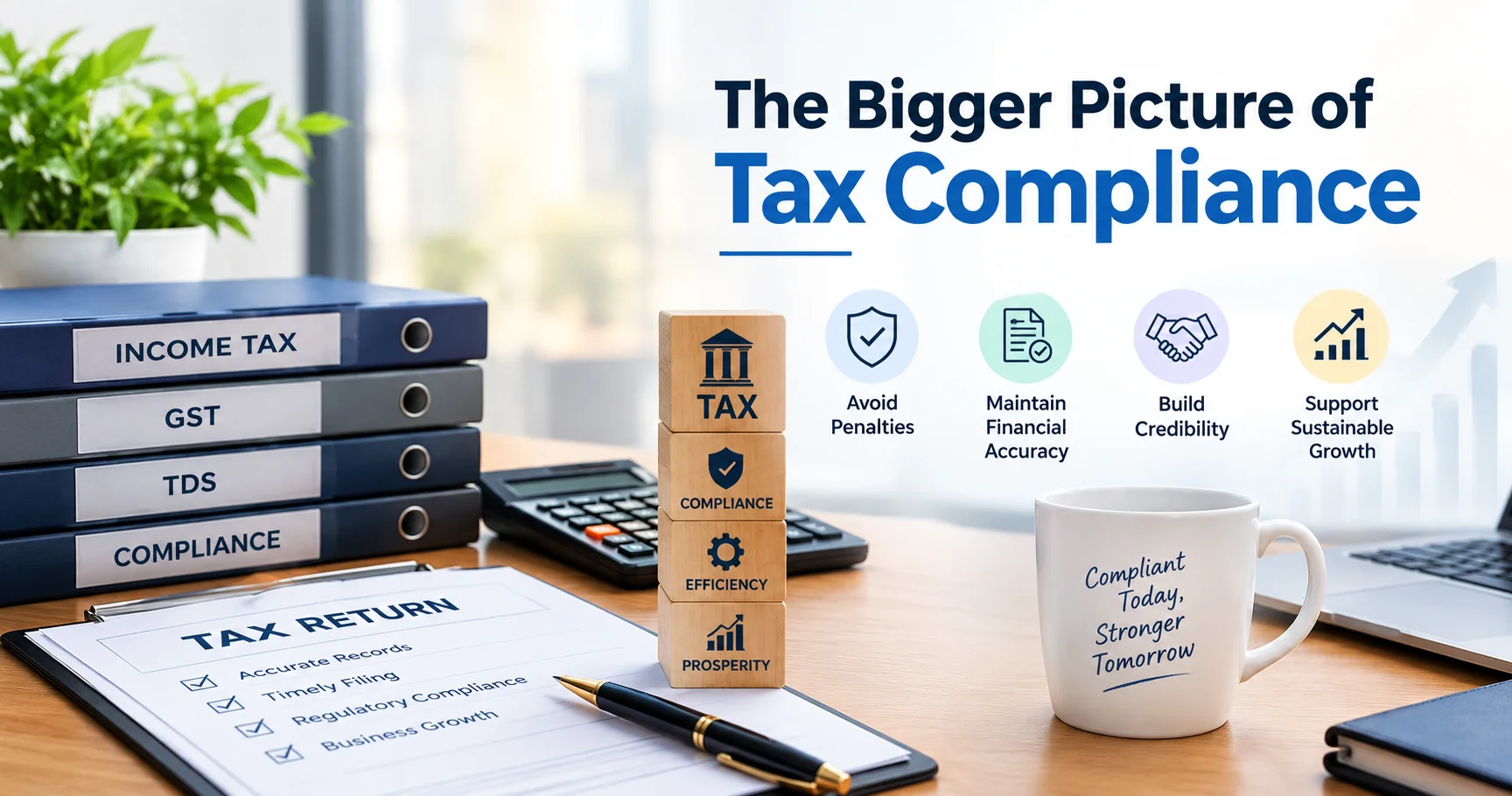
For businesses, compliance isn't just about avoiding penalties. The organization needs to establish legal operations that enable its long-term development.

Modern businesses can't afford to rely on outdated methods for tax management. The complexity of provisions like Section 206CQ of the Income Tax Act and TCS on sale of goods requires systematic tracking.
This is where comprehensive solutions like ZYNO Books become invaluable. By using cloud-based accounting software and adding GST management software, organizations are able to obtain a complete toolkit.
With your invoicing software, billing system, and tax filing tools working together like a well-oiled machine, tax compliance becomes part of your daily routine.
Learning from others' mistakes can save your business from trouble.
Ignoring Filing Deadlines: The most common mistake is missing return filing deadlines. Once you miss two consecutive years, 206CR provisions kick in automatically. Set multiple reminders and prioritize tax filing.
Poor Documentation: Inadequate record-keeping makes return filing difficult and increases error chances. Invest in good online billing software that maintains comprehensive records.
Not Tracking TDS/TCS Properly: When others deduct TDS from your payments or you collect TCS from buyers, proper tracking is essential. Use GST software that includes TDS/TCS tracking features.
Assuming Compliance Issues Will Resolve Themselves: Tax compliance issues rarely disappear on their own. Address problems promptly and maintain regular filing habits.
While we've discussed the penalties of non-compliance, let's look at the positive side of maintaining good tax discipline.
Better Credit Access: Banks and financial institutions check tax compliance before approving loans. Regular filers with clean records get better terms and faster approvals.
Smoother Business Operations: When you're compliant, you don't worry about higher TDS rates or explaining non-compliance to clients. Business relationships remain smooth and professional.
Peace of Mind: Knowing your tax affairs are in order lets you focus on growing your business. You're not constantly worried about notices or penalties.
Easier Expansion: When expanding to new markets or onboarding new clients, compliance records matter. Being current with all tax obligations opens more doors.
The Income Tax Act Section 206CR functions as a critical reminder that all enterprises must give their primary attention to tax compliance. The provision establishes strict requirements that actually help the business ecosystem because it promotes ethical tax practices.
Businesses should understand compliance as a necessary element that helps them operate their organization. Organizations can achieve compliance through proper tools and methods because they simplify the task of compliance maintenance. ZYNO Books provides a solution to business tax compliance problems that companies encounter.
The company provides integrated solutions which include accounting, GST filing, invoicing, and additional services to help businesses maintain their compliance requirements without difficulty. The platform's online GST billing software and comprehensive GST management software work together to ensure you never miss important deadlines or requirements.
In case you or your business haven't filed returns for the past two years, you need not panic. However, you must take immediate corrective action to consult with your CA and file the pending returns at the earliest via the official Income Tax e-filing portal.
If you are currently compliant, continue to be so. Invest in good cloud-based accounting software by keeping your information well-organized, making your taxes easy to file.
Remember, provisions like Section 206CQ of the Income Tax Act, 206CR TCS on the sale of goods, and other sections are not introduced to penalize businesses. Such regulations are adopted for smooth tax collection and for encouraging compliance.
With this understanding of these provisions and the aid of modern technology like ZYNO Books, you can be sure of successfully navigating tax compliance. Always stick to what you do best: running your business.
Tax compliance might seem overwhelming, but breaking it down makes it manageable. Section 206CR of Income Tax Act highlights why staying current with tax filings matters. The financial impact of non-compliance extends beyond just higher tax rates, it affects cash flow, business relationships, and growth opportunities.
Modern solutions combining cloud-based accounting software, GST management software, and integrated invoicing software have made compliance easier than ever. Whether you're dealing with 206CQ TDS requirements or ensuring proper TCS collection on sale of goods, the right technology simplifies everything.
Take control of your business's tax compliance today. Don't get caught off guard with provisions like 206CR. With appropriate planning and record-keeping, along with the right tools, you will be able to maintain compliance seamlessly.
Your business is worth running without any worries about tax complications. Make tax compliance a priority, and you will witness your business growing like never before.
What is Section 206CR of the Income Tax Act?
Section 206CR doubles TDS and TCS rates if a taxpayer hasn't filed income tax returns for two consecutive years. The rate becomes 5% or double the specified rate, whichever is higher. It directly affects cash flow and working capital.
What is the difference between Section 206C, 206CQ, and 206CR?
Section 206C covers TCS on sale of goods. Section 206CQ applies to TCS on foreign remittances. Section 206CR is a penalty provision that doubles TDS/TCS rates for non-filers. Each serves a different compliance purpose.
How can I check if 206CR is applied to me?
Check Form 16A for higher TDS deductions or review TCS rates collected. You can also log in to the income tax portal to verify pending returns. Two consecutive years of non-filing trigger 206CR automatically.
Can accounting software help avoid 206CR?
Yes. Cloud-based accounting and GST software help maintain proper records, track TDS/TCS, and send filing reminders. Timely return filing prevents 206CR from applying and keeps compliance smooth.
What should I do if 206CR already applies?
File all pending returns immediately to restore normal rates. Claim credit for excess TDS/TCS in your return. Implement proper accounting systems and consult a CA to prevent future penalties.
Who does Section 206CR apply to?
Section 206CR applies to any person, business, or entity liable to deduct TDS or collect TCS, if the deductee or collectee hasn't filed income tax returns for the preceding two years and the total TDS/TCS in each of those years was Rs. 50,000 or more. This covers companies, firms, and individual taxpayers alike.
Does 206CR apply differently to foreign remittances under Section 206CQ?
Yes. When a non-filer sends money abroad under the Liberalised Remittance Scheme, the authorized dealer must apply the higher 206CR rate on top of the standard Section 206CQ TCS rate, since remittance-based TCS is also covered under this penalty provision.
If I file my pending returns mid-year, does 206CR stop immediately?
Once the pending returns are filed and processed, 206CR no longer applies going forward, and normal TDS/TCS rates resume. However, higher rates already deducted or collected before filing are not automatically reversed. You must claim that excess amount as a refund or credit when filing your income tax return.
How does 206CR affect e-commerce sellers and GST-registered businesses?
E-commerce sellers and GST-registered businesses that haven't filed returns face doubled TCS on high transaction volumes, which can significantly strain working capital. Using GST filing software to stay current with return filing is the most effective way to avoid this exposure.
Can the higher TDS/TCS rate under 206CR be claimed back later?
Yes. Any excess TDS or TCS deducted or collected under 206CR can be claimed as a credit or refund when you file your income tax return for that financial year, provided the pending returns are also filed. There's no permanent loss, but it does mean a temporary hit to cash flow until refunds are processed.
Read More
The Ultimate Guide to Managing Your Business with ZYNO Books
Managing Multi-Country Taxes Made Easy with ZYNO Books Integrations
Which Accounting Program Handles GST Best?
Top 11 Best Accounting Automation Software (2026) — Compared
The Ultimate Guide to Managing Your Business with ZYNO Books
Read More →
Why Is 206CR of Income Tax Act Important for Businesses in India?
Read More →The Best Accounting Software in Saudi Arabia
Read More →
Managing Multi-Country Taxes Made Easy with ZYNO Books Integrations
Read More →
Why TRN Validation is Essential for VAT Compliance in the UAE
Read More →
Best Accounts Payable Automation Software
Read More →Best Cloud Accounting Software in Kenya with M-Pesa Integration (2026) - eTIMS Compliant
Read More →Ultimate Cloud Accounting Software Guide That Saves Businesses 15+ Hours Weekly
Read More →ZATCA E-Invoicing Saudi Arabia - Complete Business Guide 2026
Read More →Cloud Accounting vs Desktop Accounting - Which Is Best for Your Business?
Read More →
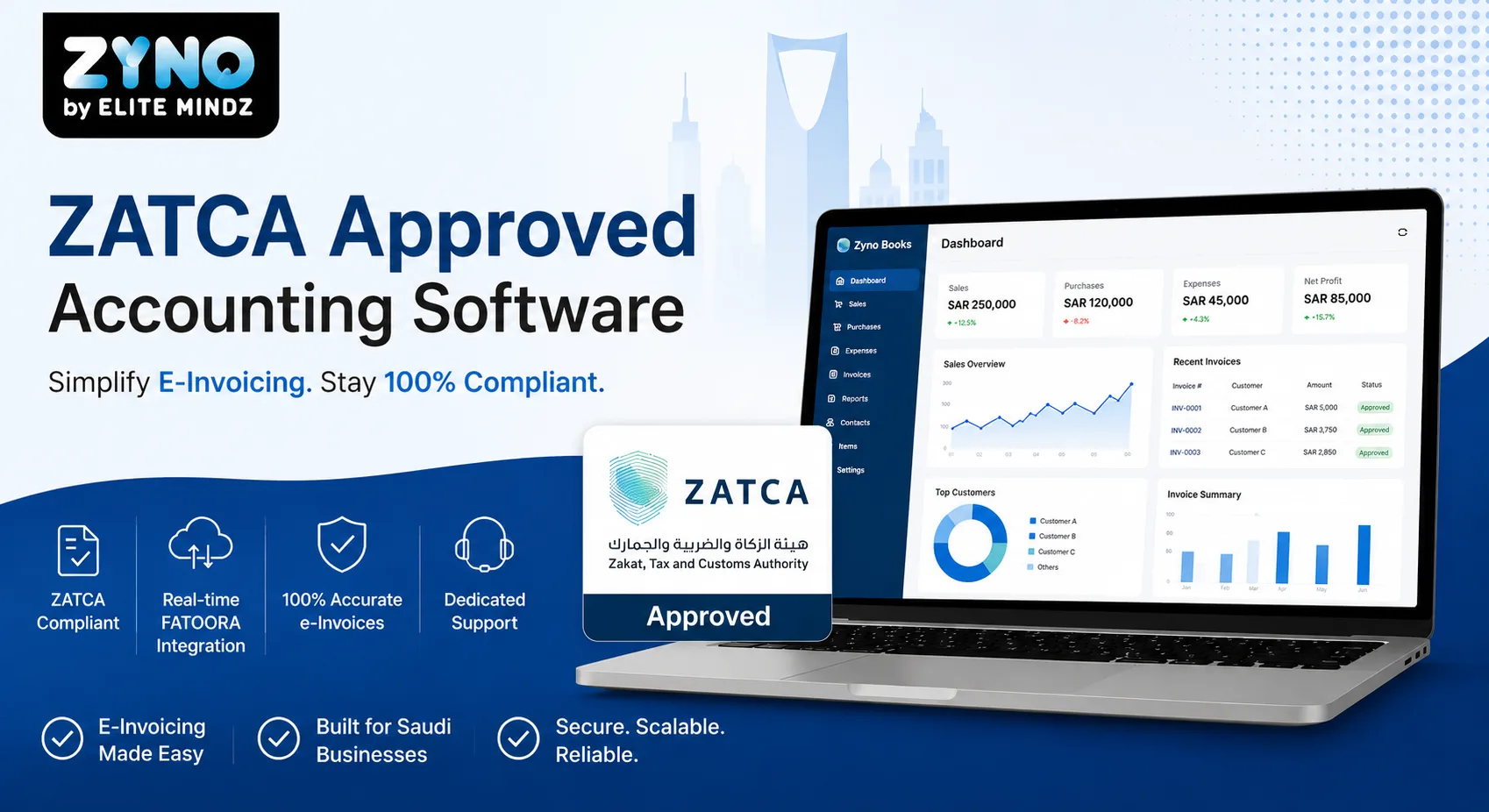
Zyno Books: Best ZATCA-Approved Accounting Software in Saudi Arabia
Read More →
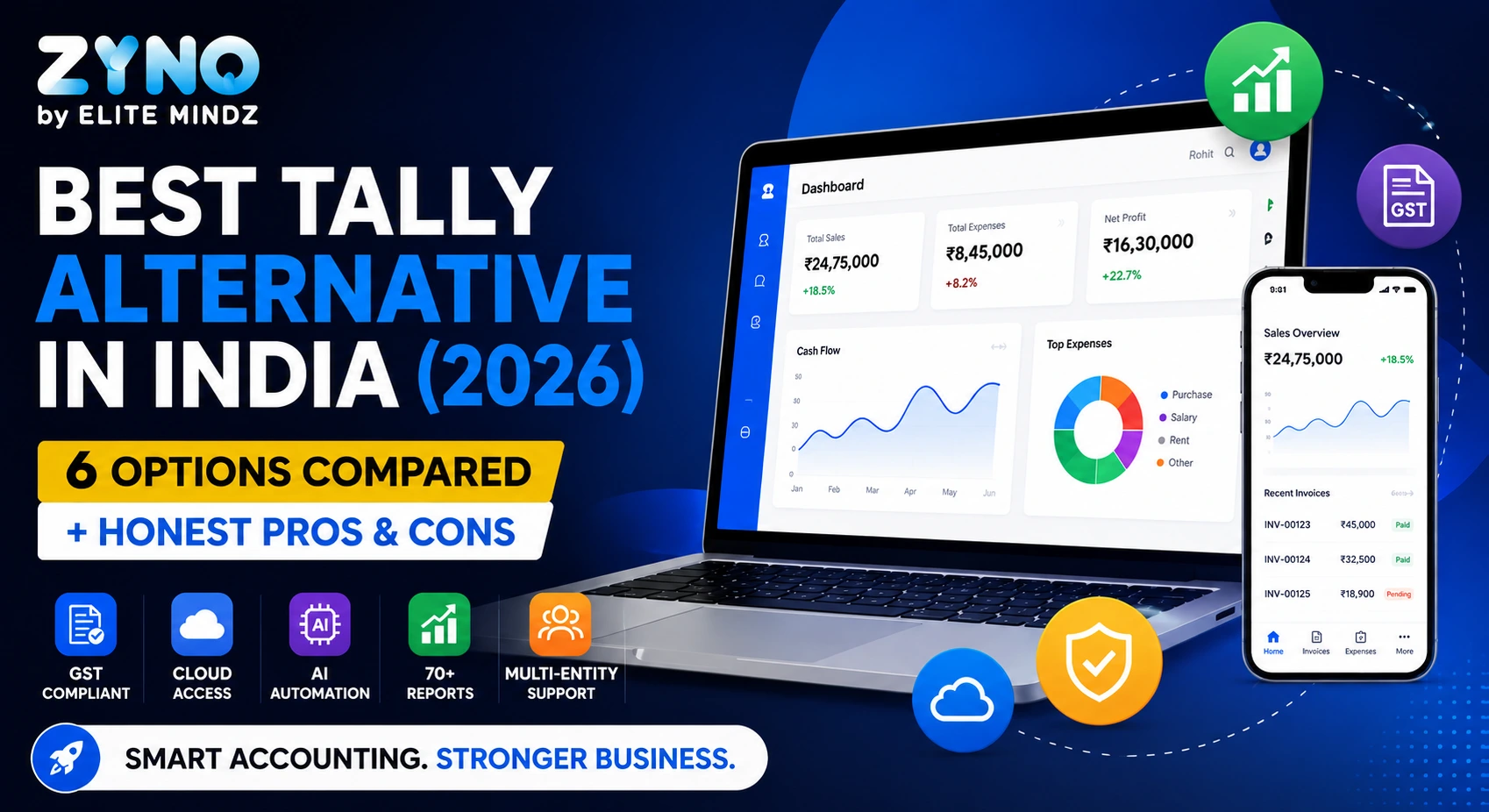
Best Tally Alternative in India (2026): 6 Options Compared + Honest Pros and Cons
Read More →
Pin to Pin Distance GST: Free E-Way Bill Calculator, Validity & Penalty Guide (2026)
Read More →
Best Small Business Accounting Software in 2026: Complete Guide
Read More →
ZYNO Books: Accounting Software Built Specially for Indian Businesses
Read More →
Best Accounting Software for Small Business in South Africa (2026)
Read More →
What Is a Proforma Invoice? Complete Guide with Format, Examples & Free Template (2026)
Read More →
Which Accounting Software is Better for Modern Businesses?
Read More →
Bank Reconciliation Statement (BRS): Meaning, Full Form, Format & Examples
Read More →
Which Accounting Program Handles GST Best?
Read More →
AI Accounting Software in India: The Next Generation
Read More →
Which Document Management Software Offers OCR and Workflow Automation?
Read More →
How to Manage ISO Documents and Compliance Records Digitally?
Read More →
Which Are the Best Accounting Softwares Other Than Tally?
Read More →
ZYNO DMS vs SharePoint: A Detailed Comparison for Enterprise Document Control?
Read More →
How to Control Document Versions and Revisions Without Excel?
Read More →
How to Automate Document Approval Workflows Across Departments?
Read More →
Which Is the Best Accounting Software in India? (2026 Guide)
Read More →
Best Accounting Software in Kenya (2026): Cloud-Based, VAT-Ready & Built for SMEs
Read More →
Cloud Accounting Software Comparison: Which One Is Right for Your Business?
Read More →
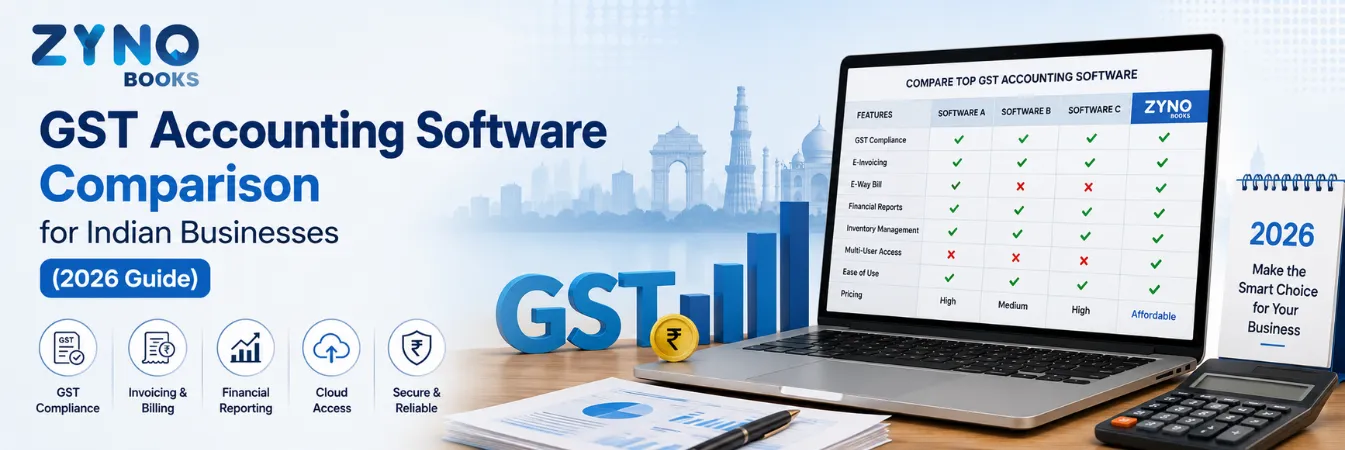
GST Accounting Software Comparison for Indian Businesses (2026 Guide)
Read More →
Zyno Books vs Vyapar: Which One Gives You More Value?
Read More →
OCR Invoice Processing: The Complete Guide for Finance Teams in 2026
Read More →
Accounting Software: The Complete Guide for Businesses in 2026
Read More →
Purchase Order Management: Meaning, Types, Format & Complete Guide (2026)
Read More →
Purchase Order vs Purchase Requisition vs Invoice: Complete Guide (2026)
Read More →
Types of Purchase Orders Explained: SPO, PPO, BPO & CPO (With Real Examples)
Read More →
Purchase Order Format: Complete Guide (GST & HSN Compliant) & Free Template
Read More →
ZynoBooks vs QuickBooks: Which AI Powered Accounting Software Is Right for Your Business in 2026
Read More →
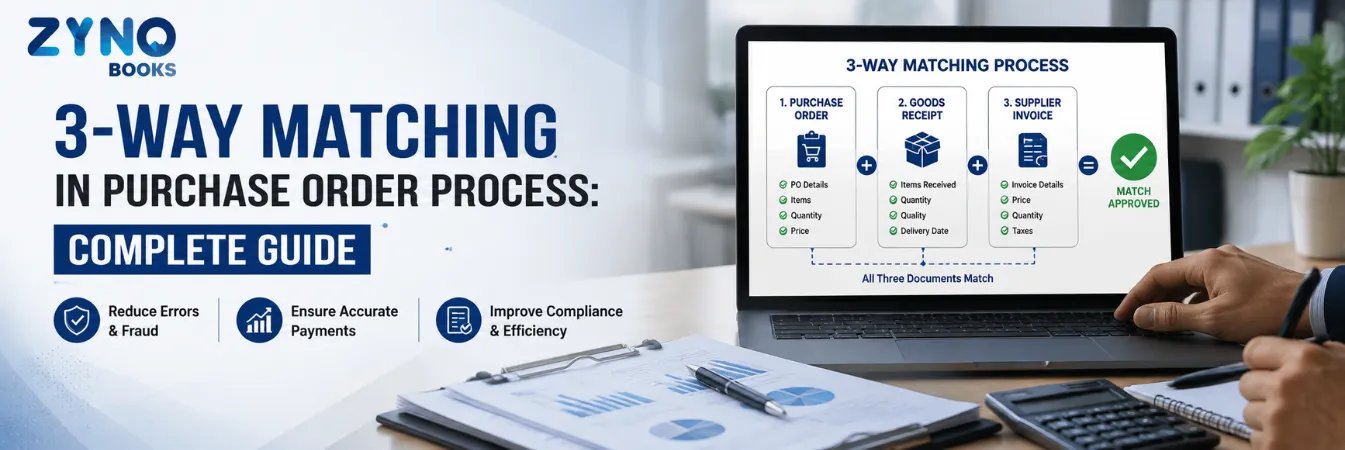
3-Way Matching in Purchase Order Process: Complete Guide
Read More →
Purchase Order Management Software: Features to Look For (2026 Buyer's Guide)
Read More →
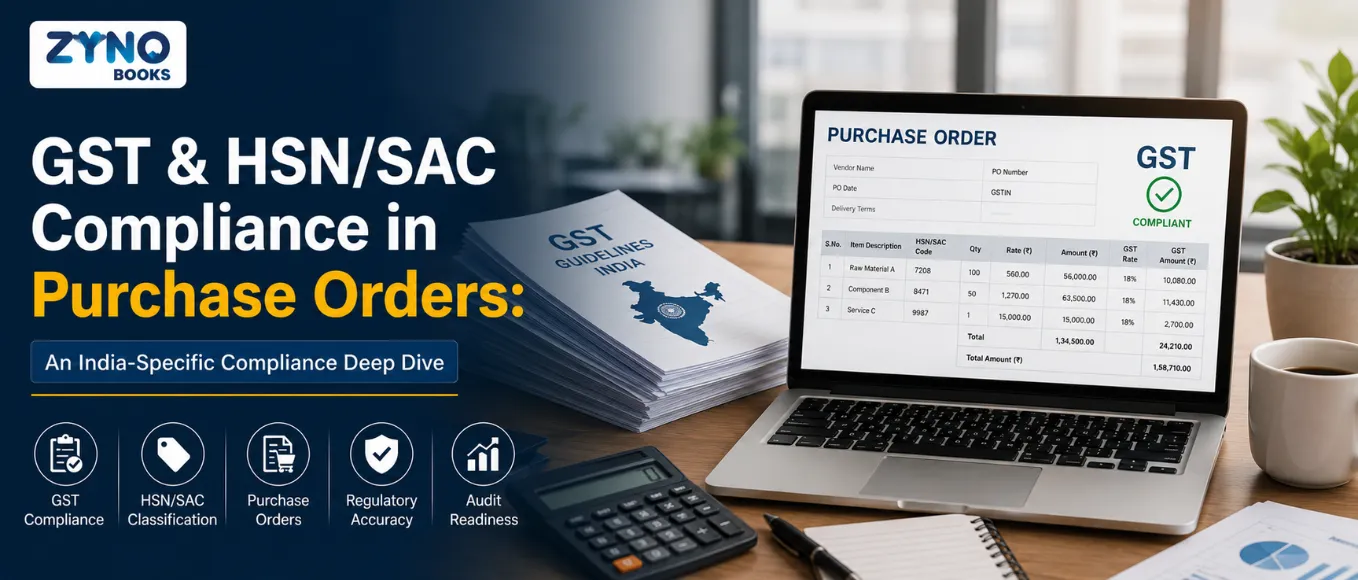
GST & HSN/SAC Compliance in Purchase Orders: An India-Specific Compliance Deep Dive
Read More →
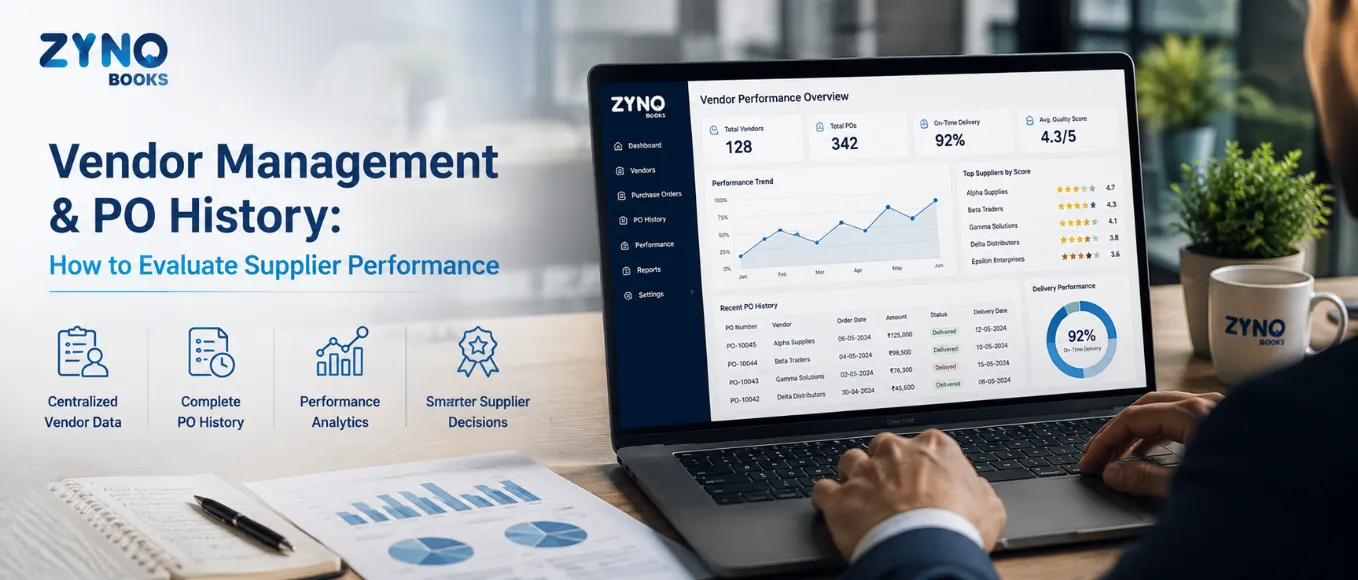
Vendor Management & PO History: How to Evaluate Supplier Performance
Read More →
What Is Busy Software and Its Best Alternative in the Market?
Read More →
15 Fast Accounting Software That Can Make Your Life Easy
Read More →
GST Billing Software: Complete Guide to Features, Benefits, Pricing & Best Options
Read More →
Cloud Based Inventory Management Software: The Complete Guide for 2026
Read More →
Top 11 Best Accounting Automation Software (2026) — Compared
Read More →Partner with ZYNO by Elite Mindz to revolutionize how your business works. Fill out the form, and we’ll reach out with AI-powered solutions made just for you.
We use browser cookies to ensure you get the best experience on our website. Learn more
The form was submitted successfully!