AI Enablement in the Age of Generative AI: ZYNO by Elite Mindz Leading the Charge
Read More →
×
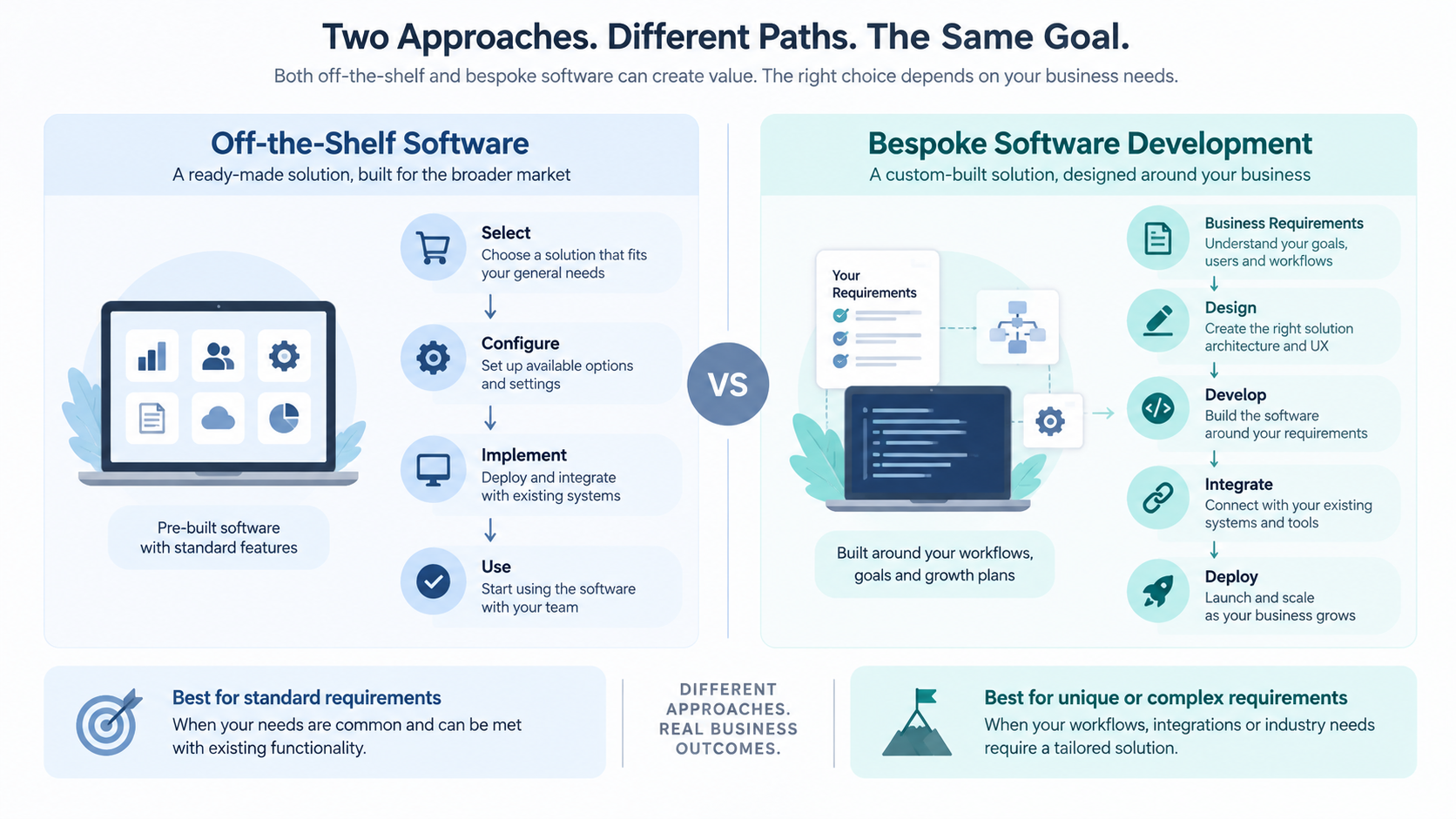
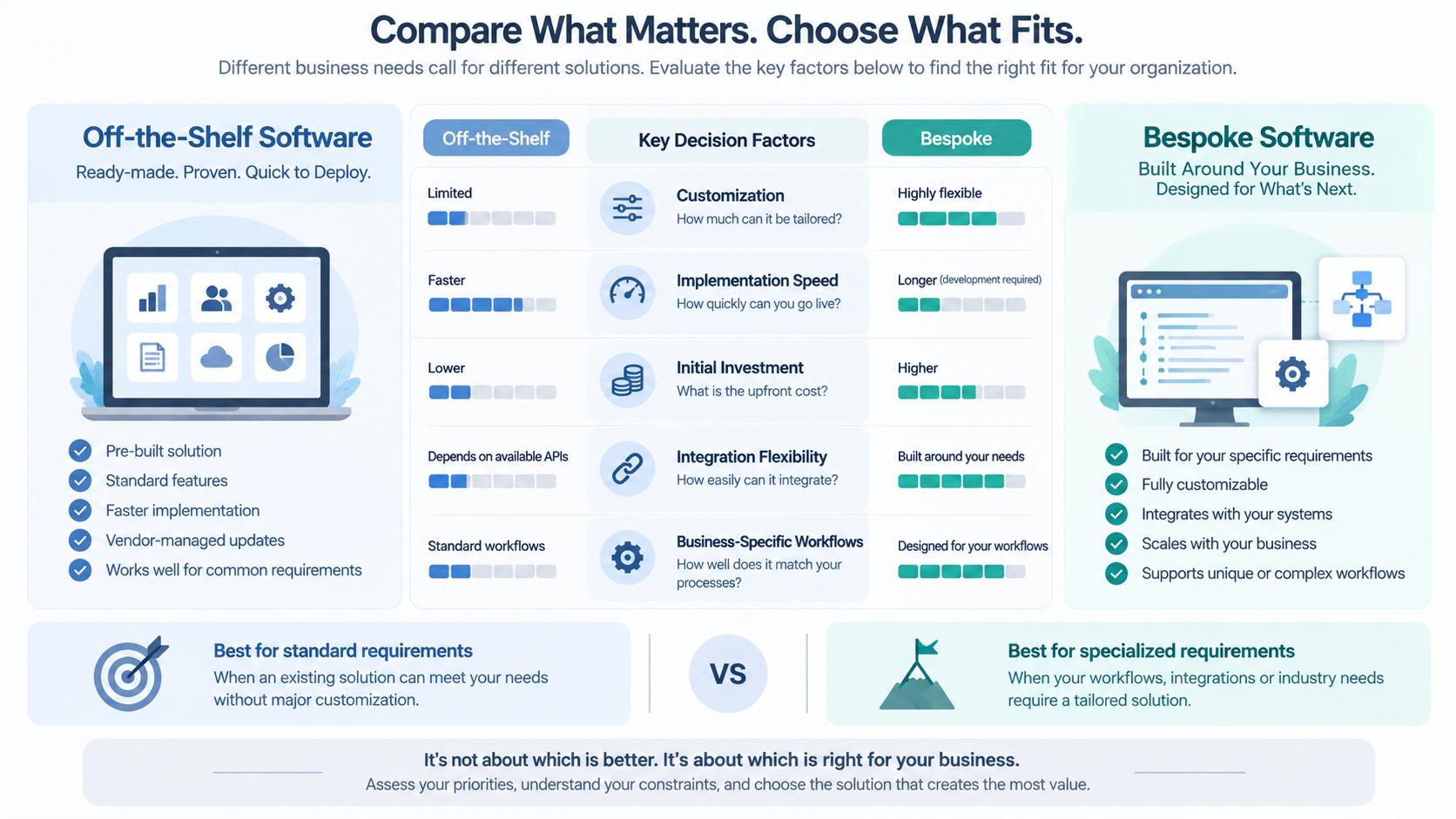
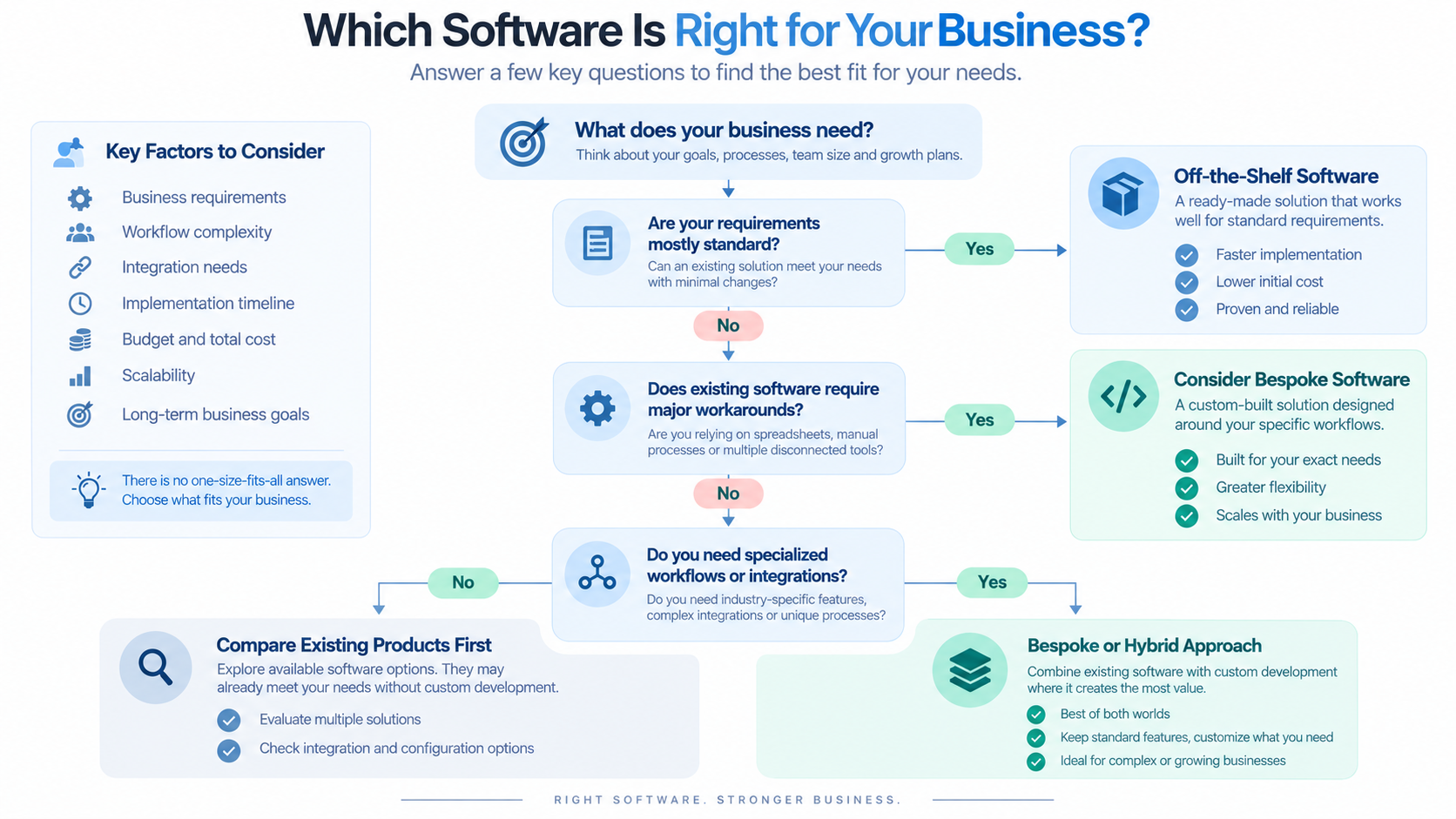
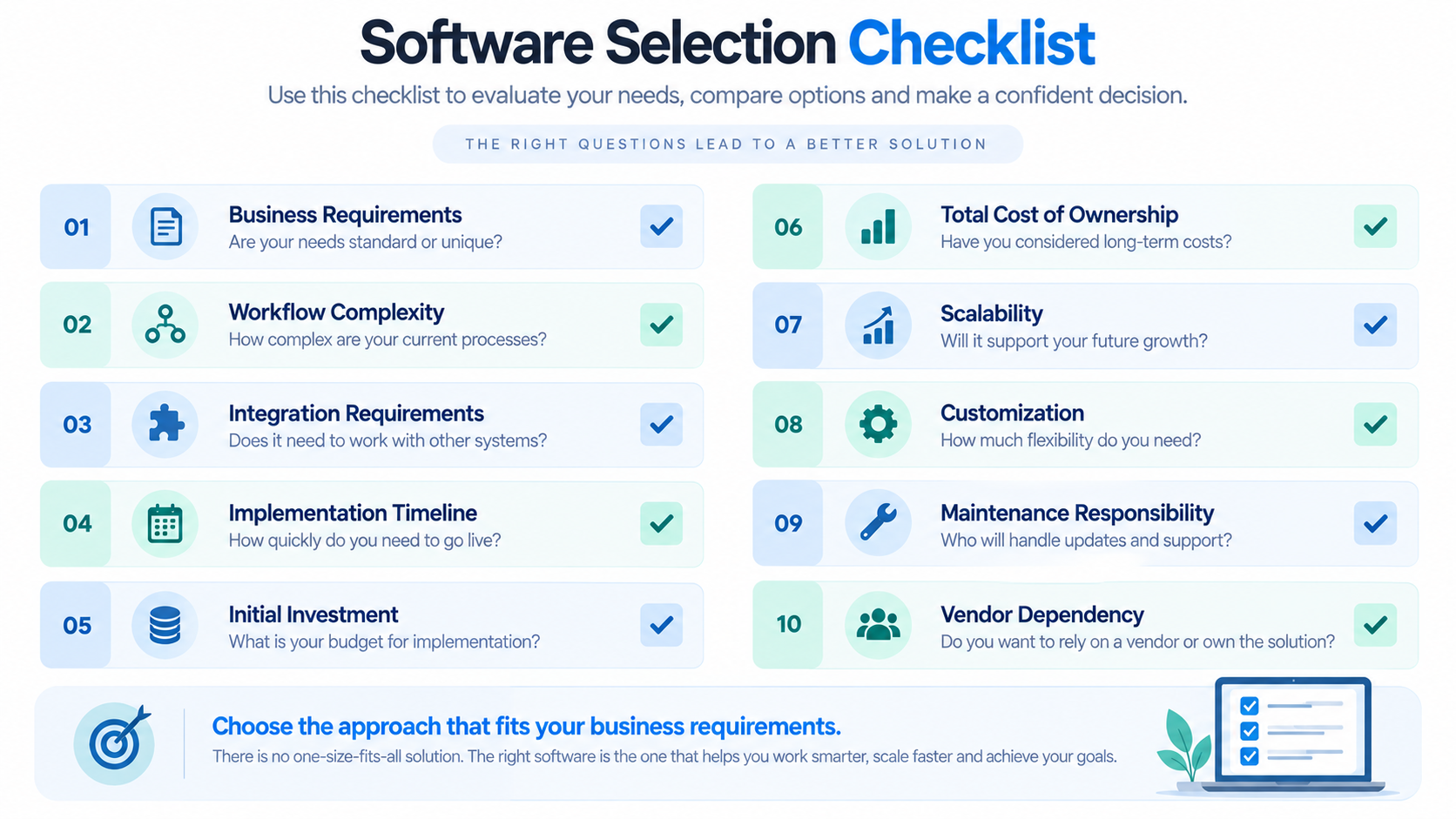
Choosing between bespoke software and an off-the-shelf product is not simply a choice between customization and cost. For most businesses, the better option depends on five things: how unique your workflows are, how much customization you need, which systems must integrate, how quickly you need to launch, and the total cost of ownership. Choose off-the-shelf software when an existing product can handle most of your requirements without forcing major changes to your business. Choose bespoke software when your processes, integrations or business requirements are sufficiently specific that adapting to a standard product creates more problems than it solves. There is also a third option: a hybrid approach, where a business uses an existing platform for standard functions and custom software or integrations for the areas where differentiation matters. The right decision is therefore not about which type of software is universally better. It is about which approach fits your business requirements with the least unnecessary cost, complexity and operational friction.
Businesses using ZYNO Books cut accounting time by 70% and stay 100% ZATCA-compliant — automatically.
Put your HTML text here
Choosing between bespoke software and an off-the-shelf product comes down to how closely the software needs to match your business. Off-the-shelf software is generally faster to implement and works well when your requirements are standard. Bespoke software takes more planning and development, but it can be designed around unique workflows, integrations and business requirements.
Neither option is automatically better. The right choice depends on your workflow complexity, customization needs, integration requirements, implementation timeline, budget and long-term operating costs.
| Factor | Off-the-Shelf Software | Bespoke Software |
|---|---|---|
| What it is | Pre-built software designed for a broad market | Software designed around a specific business |
| Initial investment | Usually lower | Usually higher |
| Time to launch | Generally faster | Usually longer |
| Customization | Limited to available configuration | Designed around your requirements |
| Workflow flexibility | Works within the product's capabilities | Can mirror specific workflows |
| Integrations | Depends on available APIs and connectors | Integrations can be designed around requirements |
| Updates | Usually handled by the vendor | Managed according to the development arrangement |
| Control | More dependent on the vendor | Greater control over the solution |
| Maintenance | Usually included or vendor-managed | Business must plan for ongoing maintenance |
| Best suited for | Standardized business requirements | Unique or complex business requirements |
The table gives you the short version. The more useful question is which trade-offs actually matter to your business.
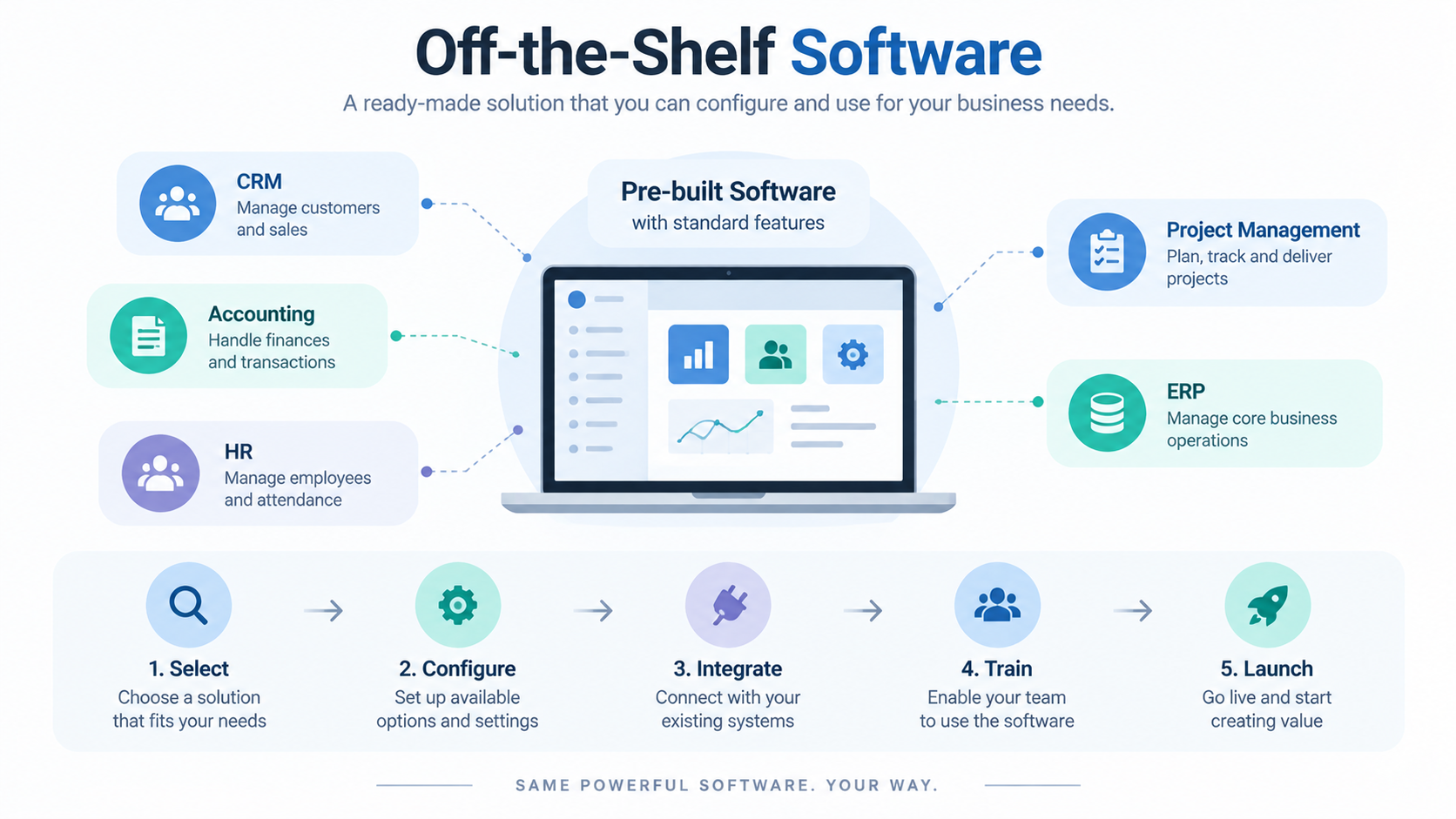
Off-the-shelf software is a pre-built application developed for a broad group of customers rather than one specific organization.
Examples can include:
The software already exists, so a business can generally configure it, subscribe to it or purchase it and begin implementation without funding the entire product development process.
The main advantage is speed and predictability. A business can select an existing product, configure the available settings, train employees and begin using it without developing every function from the ground up.
It can also be easier to budget because pricing models, features and implementation processes are often already established. For businesses with relatively standard requirements, this can make off-the-shelf software the more practical choice.
The software's flexibility is ultimately limited by what the vendor provides. You may be able to configure workflows, fields, permissions and integrations, but there will usually be boundaries.
If your business process falls outside those boundaries, you may have to:
That is where the comparison with bespoke software becomes important.
Bespoke software development is the process of designing and developing software specifically around the requirements of an individual business or organization.
Instead of starting with a fixed product and adapting the business to it, the development process starts with the business requirements.
Those requirements can include:
For example, a manufacturing company may have a workflow such as:
If existing software cannot support that workflow efficiently, custom ERP software development or custom manufacturing software may be worth considering.
The important point is that bespoke development does not necessarily mean building an entire ERP system from scratch. A business can also develop one focused application to solve a specific operational problem.
Neither is automatically better.
Off-the-shelf software is usually the better choice when your requirements are common, you want to launch quickly and an existing product already supports your critical workflows.
Bespoke software becomes more attractive when your business has unique workflows, complex integrations, industry-specific requirements or operational processes that standard software cannot handle efficiently.
If the software can adapt to your business, off-the-shelf may be enough. If your business has to repeatedly adapt around the software, bespoke development may be worth considering.
The following sections explain when each approach makes practical sense.
Off-the-shelf software is often the sensible starting point when your business requirements are relatively standard.
If your business follows common workflows that are well supported by existing software, custom development may add unnecessary complexity.
For example, if you need basic:
there may already be mature products that meet your requirements.
If the software needs to be operational within weeks rather than going through a longer development cycle, an existing product may be more appropriate.
Developing software specifically for one business generally requires more upfront investment than purchasing or subscribing to an existing application.
If an off-the-shelf product solves the actual business problem at a reasonable total cost, custom development may not be financially justified.
If your requirements can be met through configuration rather than development, an existing product may provide the right balance of functionality and cost.
With off-the-shelf software, the vendor generally manages product updates, infrastructure and much of the ongoing platform maintenance. This can reduce the internal technical responsibility for the business.
Bespoke software becomes more compelling when the software itself needs to reflect how your business operates.
If your business follows a process that does not fit standard software, custom development can allow the system to reflect the actual workflow.
For example:
If a standard product forces employees to bypass steps or maintain additional spreadsheets, custom software may make more sense.
A business may use:
If these systems do not exchange the required information efficiently, employees may repeatedly enter data or manually move information between platforms.
Custom software development and API integrations can be used to create a more connected workflow where the technical requirements and system access make this feasible.
This is one of the strongest signals that it may be time to evaluate custom development.
For example, if employees regularly:
the issue may no longer be simply a missing feature. The business may have outgrown the software's underlying workflow.
Some industries have processes that generic platforms cannot fully accommodate.
Examples can include:
Custom software can be designed around the organization's actual operating model.
A system that works for a small team may become difficult to manage as the number of users, transactions, locations, suppliers, customers, products or business units increases.
Scaling does not automatically mean you need bespoke software, but it is a reason to reassess whether the existing platform will continue to support your processes.
If the software enables a business process that differentiates your company from competitors, owning more control over that workflow may have strategic value.
In that situation, software is not merely an operational tool. It becomes part of the business model.
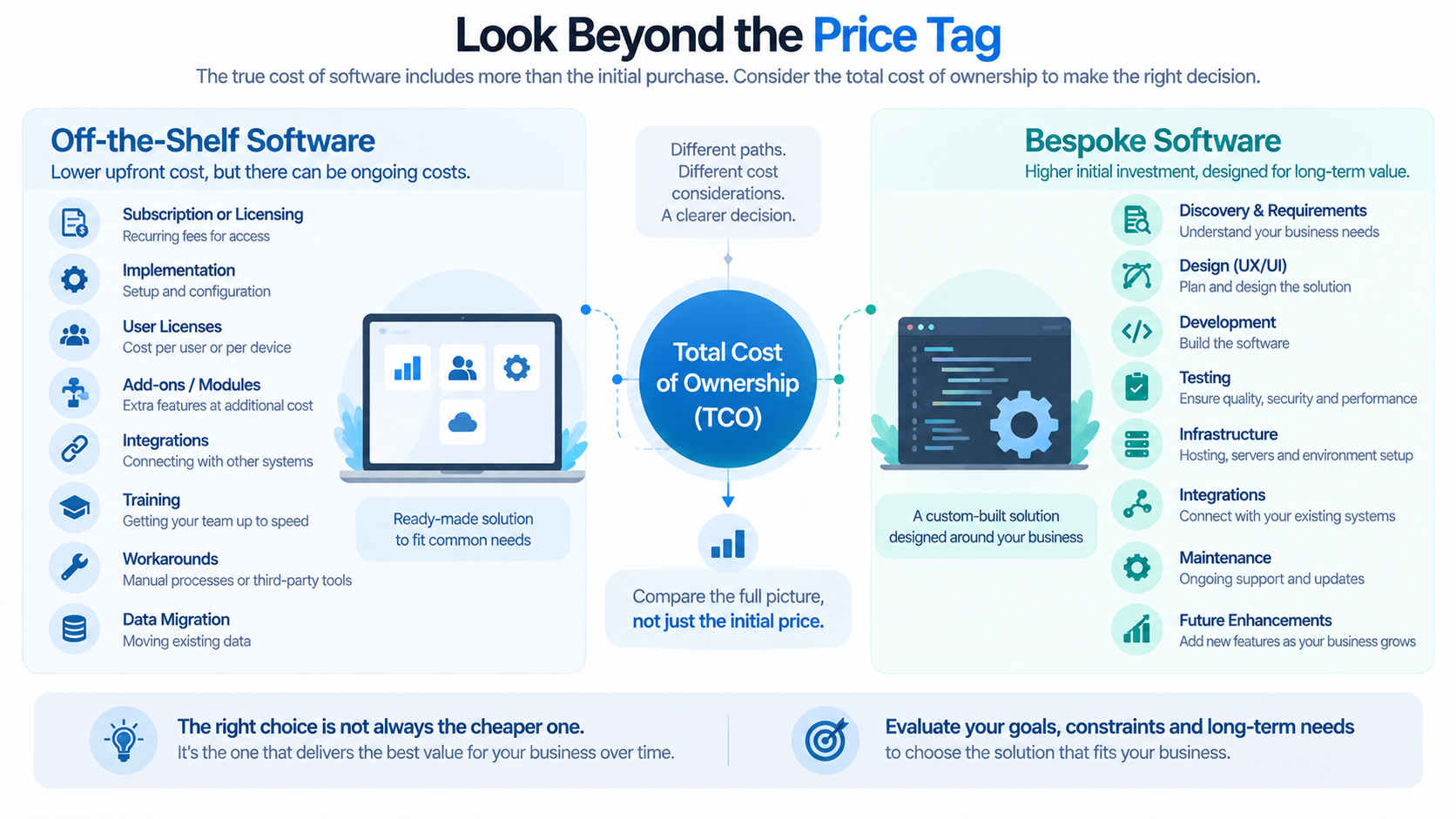
The biggest mistake businesses make is comparing only the purchase price of off-the-shelf software with the development quotation for custom software. Those are not directly comparable.
Instead, consider total cost of ownership.
The correct comparison is:
Total cost of the existing solution + operational friction
versus
Total cost of building, operating and maintaining the custom solution.
There is no universal price for bespoke software because the cost can vary significantly depending on the number of modules, users, integrations, platforms, security requirements, automation and ongoing support.
Custom software offers significant flexibility, but that flexibility comes with responsibility.
The system can be designed around the way your organization actually works.
Business-specific fields, workflows, permissions, dashboards and automation can be incorporated into the solution.
The software can be designed to communicate with existing business systems where the required APIs and technical access are available.
Repetitive manual tasks can potentially be incorporated into automated workflows.
The business can have greater control over how the application evolves, depending on the ownership and development agreement.
The architecture can be planned around expected business growth and technical requirements.
Custom development requires design, development and testing rather than simply subscribing to an existing product.
The software has to be analyzed, designed, built and tested before full deployment.
Someone needs to manage security updates, bugs, infrastructure, monitoring and future changes.
Poor requirements, weak architecture or inadequate testing can lead to delays and additional costs.
If the software is not properly documented and knowledge is concentrated with one developer or vendor, future maintenance can become difficult.
That is why choosing the right custom software development company matters as much as choosing the technology.
Off-the-shelf software also has trade-offs.
The question is therefore not whether off-the-shelf software has limitations. Every software approach does. The question is whether those limitations actually matter to your business.
You may want to evaluate bespoke software when several of these problems occur at the same time.
Employees maintain spreadsheets because the primary system does not provide the required functionality.
The same customer, product, order or financial information has to be entered into multiple systems.
Important approvals happen through email, messaging applications or informal processes.
Your CRM, ERP, inventory, accounting or other platforms do not share information effectively.
Management repeatedly asks for reports that the existing software cannot produce without manual work.
Employees have developed unofficial processes to compensate for limitations in the software.
The system worked when the company was smaller but increasingly creates bottlenecks as the business grows.
One problem alone does not necessarily justify custom development. The stronger signal is when multiple workarounds are consuming significant employee time or affecting business operations.
Instead of asking, "Should we buy custom software?", score your situation against these questions.
| Question | If the Answer Is "Yes" |
|---|---|
| Are our workflows significantly different from standard industry processes? | Bespoke becomes more attractive |
| Does existing software require many workarounds? | Consider bespoke |
| Do several systems need specialized integration? | Consider bespoke or hybrid |
| Do we need to launch very quickly? | Off-the-shelf may be better |
| Does an existing product already solve most critical requirements? | Off-the-shelf may be better |
| Is our budget primarily focused on short-term implementation cost? | Off-the-shelf may be better |
| Do we need highly specific automation? | Bespoke becomes more attractive |
| Is the workflow strategically important to our business? | Bespoke may provide greater control |
| Are our requirements likely to remain simple? | Off-the-shelf may be sufficient |
| Are we repeatedly changing our process to accommodate software? | Reassess the current platform |
This framework does not produce an automatic answer. It helps identify where the business problem actually sits.
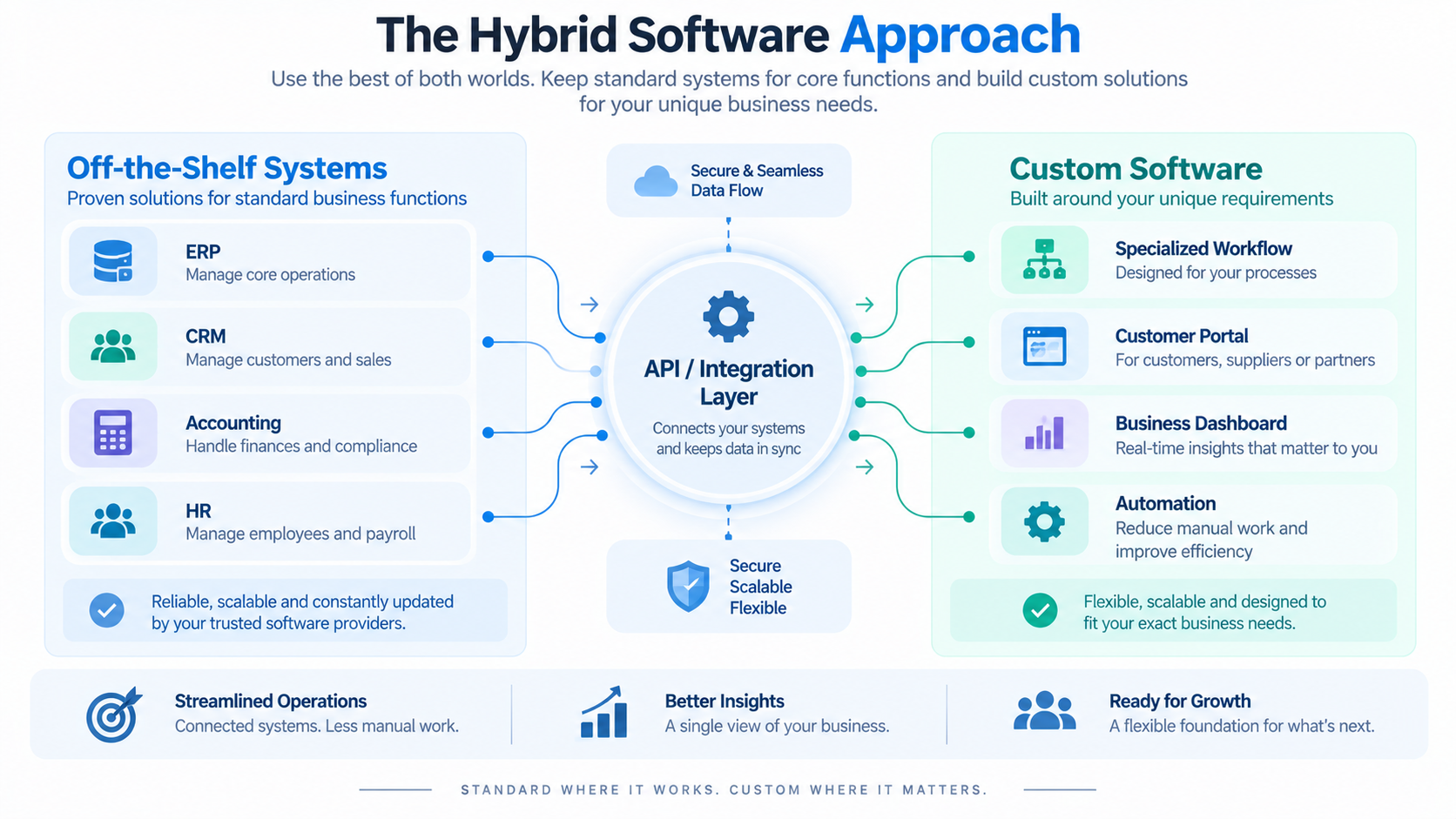
There is another option that businesses often overlook.
You do not always have to choose between completely custom software and a completely off-the-shelf technology stack. A hybrid approach can combine both.
For example:
The business can keep standard functions inside mature products while developing custom functionality for processes that genuinely require differentiation.
This can make sense when:
For many organizations, this approach can provide a practical balance between speed, cost and customization.
A bespoke software development company can build anything from a focused internal application to a larger enterprise platform.
Common examples include:
The important point is that custom development does not always mean creating a huge application. Sometimes the best solution is a small, focused system that removes one major operational bottleneck.
For businesses evaluating broader business-system modernization, it can also be useful to understand how ERP software connects functions such as finance, inventory, sales, HR and operations.
The strongest reason to build custom software is not customization for its own sake. It is solving a business problem that existing tools do not handle efficiently.
Possible solution: A centralized procurement application can collect purchase requests, route approvals and connect approved requests with purchasing workflows.
Possible solution: A custom integration layer can connect sales information with inventory and fulfillment processes.
Possible solution: APIs and a centralized data model can reduce unnecessary duplicate entry.
Possible solution: A custom reporting layer can bring together the KPIs that matter specifically to the organization.
Possible solution: A custom workflow application can be designed around the actual business process instead of requiring employees to follow an unsuitable sequence.
This is where custom workflow software, business process automation and custom business software can create practical value.
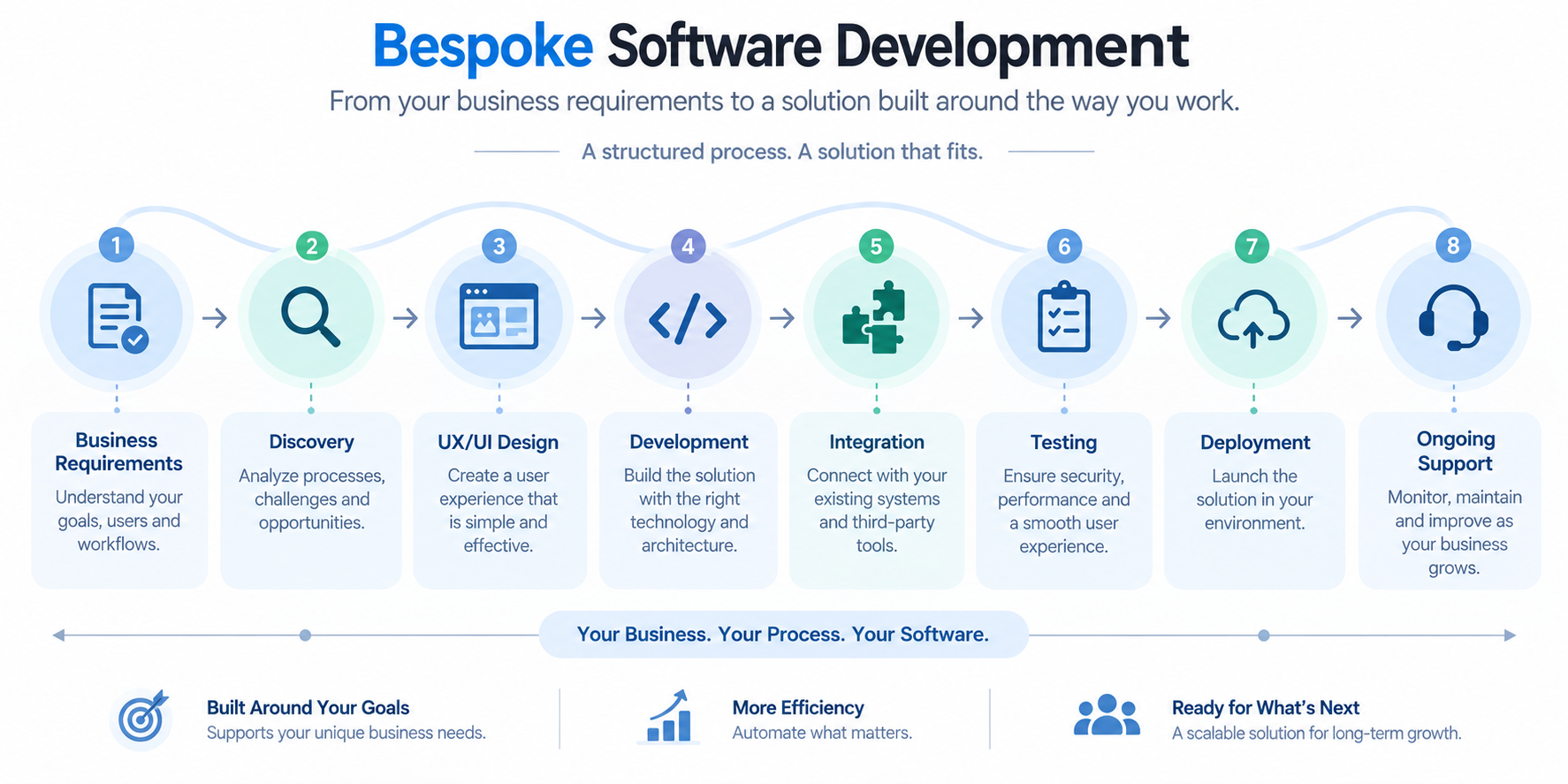
A good custom software project should not begin with developers immediately writing code. It should begin with understanding the business problem.
A typical process looks like:
This process helps prevent one of the common custom-development problems: building software before fully understanding the problem it is supposed to solve.
If custom software appears to be the right direction, selecting the development partner becomes critical. Look beyond the technology stack.
Can the company understand your workflow before proposing a solution?
Has the team worked on applications similar in complexity to yours?
Can they handle the required architecture, APIs, databases, cloud infrastructure and application development?
Can they connect the software with your existing ERP, CRM, accounting, payment, inventory or other platforms?
This is especially important if your project depends on APIs or several existing business systems. Elite Mindz also provides software development and API development services for business applications and system connectivity.
Ask how authentication, authorization, data protection, backups and access controls will be handled.
Ask how the solution will accommodate additional users, transactions, locations and integrations.
Clarify who owns the source code, documentation, infrastructure and intellectual property.
Understand who will maintain the application after launch and how future enhancements will be handled.
Make sure requirements, deliverables, milestones, assumptions and change requests are clearly documented.
If your project involves AI, evaluate whether the development team understands how AI fits into the actual business workflow rather than simply adding a chatbot.
For projects where AI is part of the requirement, you can also review AI-powered custom software development as a related consideration.
It can be, but only when the business problem justifies the additional investment and responsibility.
The value of custom software may come from:
But those benefits should be evaluated against development, implementation and ongoing maintenance costs.
If an existing product already solves your critical requirements with little customization and reasonable total cost, off-the-shelf software may be the smarter decision.
If employees are constantly working around software limitations and those limitations are creating meaningful operational costs, bespoke software deserves serious consideration.
The goal is not to build custom software because custom software sounds better. The goal is to choose the technology approach that solves the business problem most effectively.
Here is the simplest way to approach the decision:
Buy when the market already provides what you need. Build when your requirements are important enough and different enough that adapting to existing software creates more friction than value.
If most of your needs are standard, start by evaluating established off-the-shelf products. If your business depends on unique workflows, specialized integrations or processes that existing products cannot support efficiently, evaluate bespoke development. If only a few parts of the operation need customization, a hybrid approach may be the better fit.
When a business decides that standard software is no longer sufficient, the next step is finding a development partner that understands both technology and business processes.
Elite Mindz's custom software development services focus on building software around specific business requirements, workflows and operational objectives.
The focus can include:
The approach should remain business-first:
The objective is not to add unnecessary technology. It is to build the software that the business actually needs.
If you are unsure whether your business needs a ready-made product, a bespoke application or a hybrid approach, start with the business requirements rather than the technology.
Elite Mindz can help assess the workflow, integration requirements, technical scope and development considerations before a solution is defined.
Discuss Your Software RequirementsBespoke software is software designed and developed specifically around the requirements of an individual business or organization rather than being built for a broad market.
The terms are often used interchangeably. Both generally refer to software developed around specific business requirements instead of relying entirely on standardized off-the-shelf functionality.
Not always. Off-the-shelf software is often better when a business has standard requirements and wants faster implementation. Bespoke software is more suitable when unique workflows, integrations or specialized functionality are important.
The initial investment is often higher because the software has to be designed and developed. However, businesses should compare total cost of ownership rather than only the initial price.
There is no standard timeline. It depends on the scope, number of modules, integrations, platforms, security requirements, testing and other project requirements. A small internal application can require very different effort from a large enterprise platform.
Yes. Custom software can be designed to exchange data with existing ERP, CRM, accounting, inventory, payment and other systems using APIs and other integration methods, subject to the capabilities and access provided by those systems.
Yes, but the business case should justify the investment. A small business with highly specialized workflows or significant manual processes may benefit from custom software, while a business with straightforward requirements may be better served by an existing product.
Common considerations include higher initial investment, longer development time, ongoing maintenance, security responsibilities and dependence on the quality of the development team.
Off-the-shelf software can offer faster deployment, established functionality, vendor support, existing integrations and a lower initial investment in many cases.
Consider reassessing the current solution when employees rely heavily on spreadsheets and workarounds, systems do not integrate properly, manual processes consume significant time, reporting requirements cannot be met or the software is becoming a bottleneck as the business grows.
Yes. A hybrid approach can use established products for standard functions while custom applications or integrations handle specialized workflows.
Evaluate business understanding, relevant technical experience, integration capability, security practices, scalability, project communication, documentation, ownership terms and post-launch support.
AI Enablement in the Age of Generative AI: ZYNO by Elite Mindz Leading the Charge
Read More →

Top 10 Trends Shaping the Future of AI Agents in 2025
Read More →
Top 6 AI Chatbot Features Transforming Customer Engagement in 2026
Read More →
Top 10 AI Integration Strategies for Seamless ERP and CRM Upgrades in 2025
Read More →
Best GAI Consulting Approaches for Ethical Business Transformation in 2025
Read More →
From Vision to Value: The Ultimate Guide to Enterprise GenAI Platforms
Read More →
Top 10 GAI Development Trends Shaping Autonomous Agents in 2025
Read More →
The Future of Computer Vision: Trends to Watch in 2025
Read More →
Generative AI in 2025: How ZYNO BY Elite Mindz is Transforming Enterprise Workflows
Read More →
10 Real-World Applications of Computer Vision in 2025
Read More →
Integrating Computer Vision with IoT and AI: Driving the Next Wave of Intelligent Systems in 2025
Read More →
Agentic AI Explained: How AI Agents Are Transforming Business in 2025
Read More →
From Chatbots to Autonomous Agents: The Evolution of Agentic AI
Read More →
The Rise of Multi-Agent Systems: How Agentic AI Teams Will Run Enterprises of the Future
Read More →
Agentic AI vs Generative AI: What Business Leaders Need to Know
Read More →
The Power of Autonomous Agents: Understanding Agentic AI for Enterprises
Read More →
The Role of Agentic AI in Enhancing Enterprise Agility and Responsiveness
Read More →
Agentic AI as a Competitive Advantage: Why Businesses Can’t Ignore It
Read More →
The Shift from Automation to Autonomy: How Agentic AI is Redefining Enterprise Operations
Read More →
From Reactive to Proactive: How Agentic AI Changes Enterprise Decision-Making
Read More →
Why Every Business Will Hire an AI Agent Soon
Read More →
Agentic AI for Startups: Leveling the Playing Field
Read More →
Agentic AI: The New Digital Workforce
Read More →
The Future of Business: Autonomous Teams of AI Agents
Read More →
From Insights to Action: How AI Agents Close the Gap
Read More →
Agentic AI in 2026: From Hype to Enterprise-Ready Transformation
Read More →
The Competitive Edge: Why Early Adopters of Agentic AI Are Winning Markets
Read More →
Beyond Automation: Why Agentic AI is the Key to Enterprise Agility in 2025
Read More →
The Human-AI Partnership: Building Smarter Teams with Agentic AI
Read More →
The Rise of Autonomous Teams: Why Agentic AI is the New Digital Workforce
Read More →
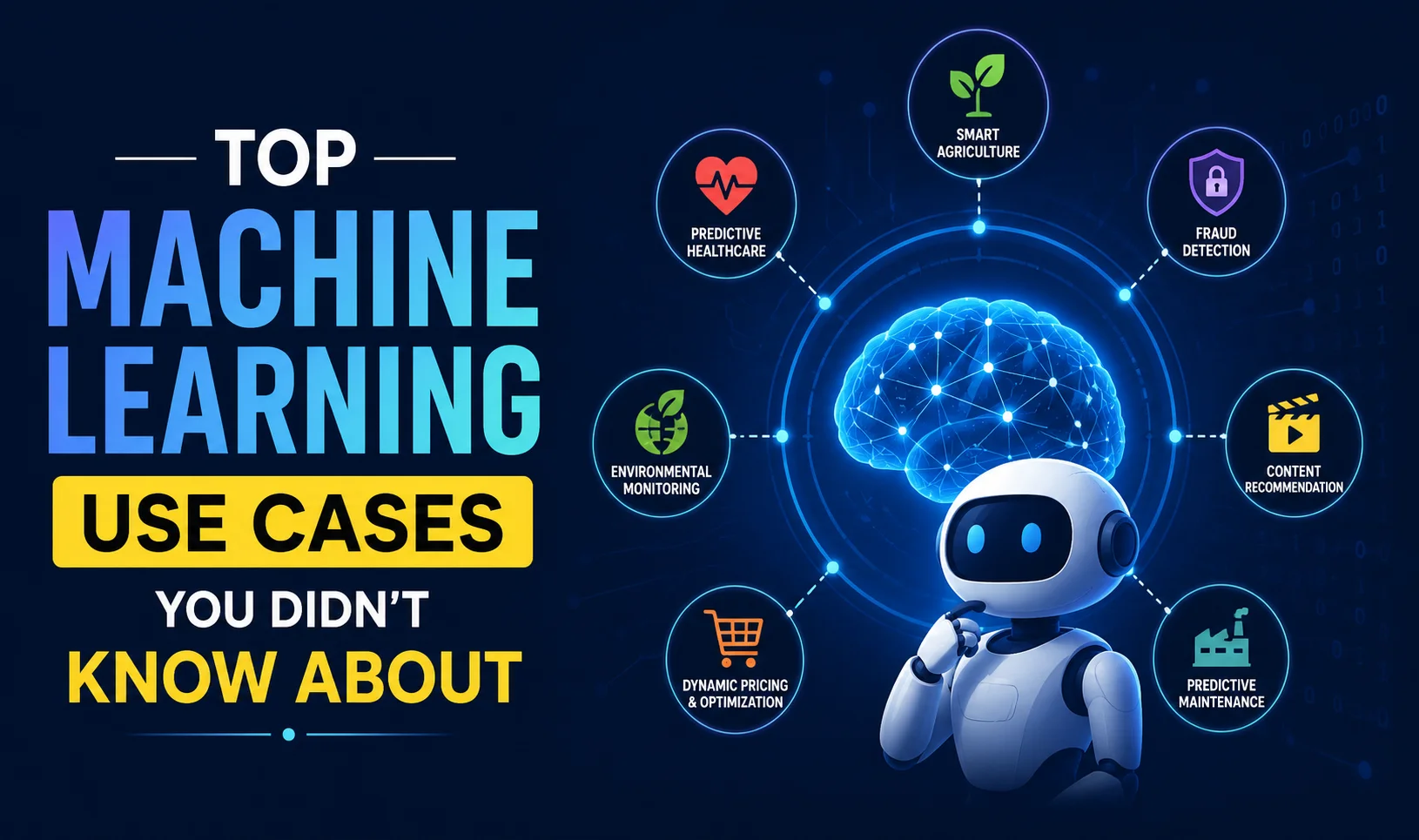
Top Machine Learning Use Cases You Didn’t Know About
Read More →
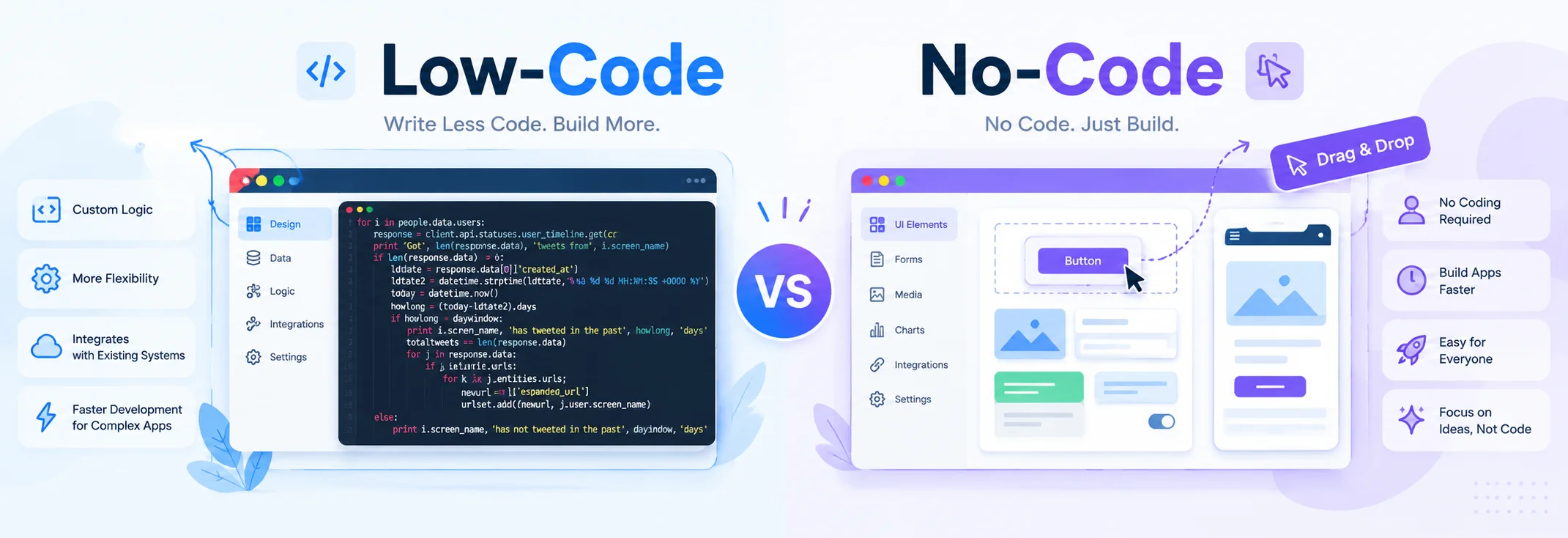
What Is Low Code/No Code and Why It Matters in 2025
Read More →
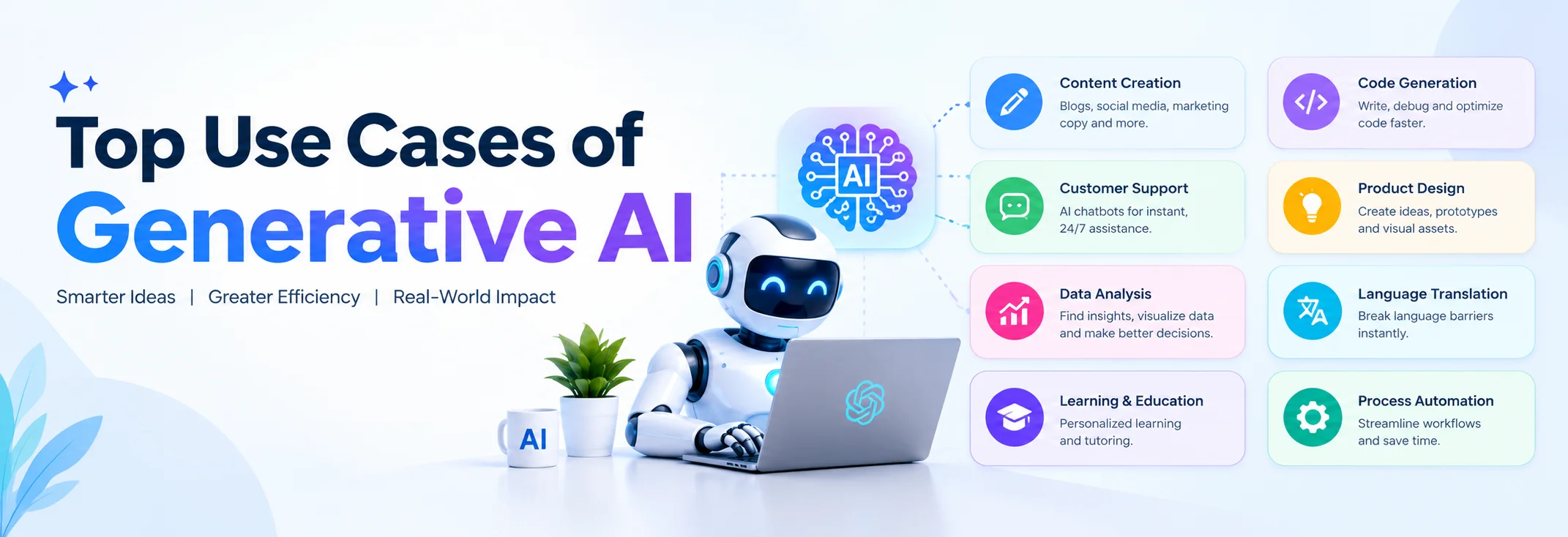
Top Use Cases of Generative AI in 2026
Read More →
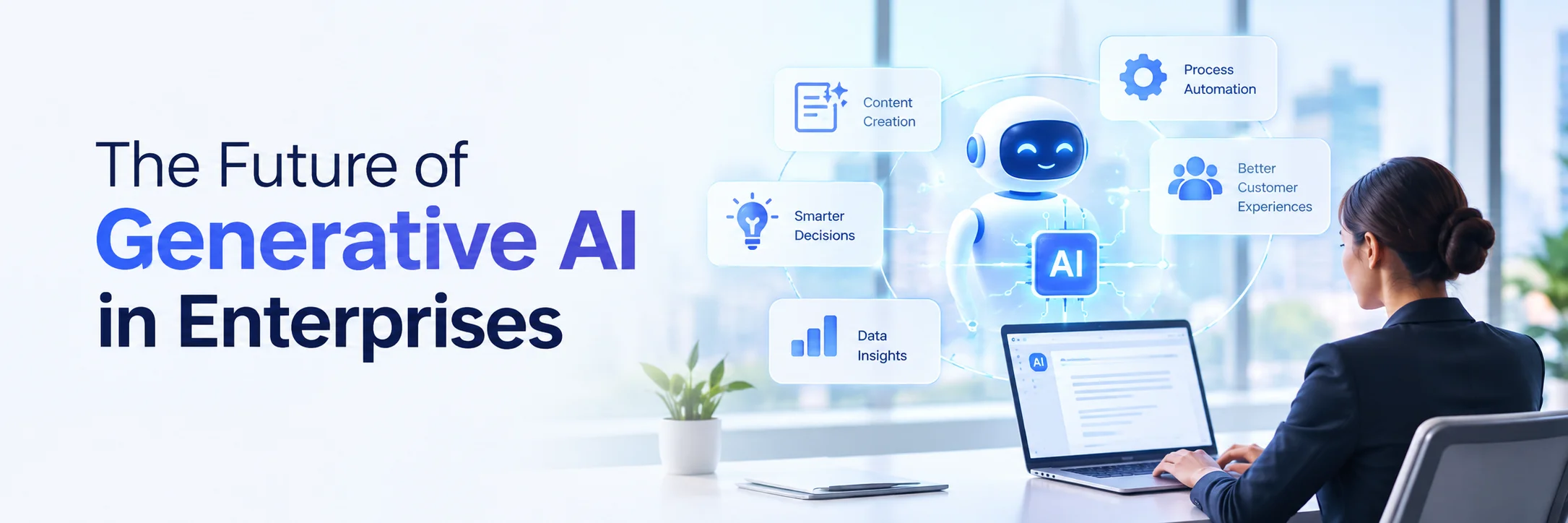
The Future of Generative AI in Enterprises
Read More →
How Generative AI Is Reshaping Enterprise Operations in 2025
Read More →
Top AI Features Every Modern Taxi App Must Include in 2026
Read More →The Future of Events: How Artificial Intelligence Is Changing the Industry
Read More →Why Are AI Agents the Next Big Shift in Banking and Finance
Read More →How AI-Driven Analytics Improve Learning Outcomes
Read More →How AI Is Optimizing Every Step of Food Delivery Apps
Read More →How AI-Powered CRM Is Transforming the Media & Entertainment Industry
Read More →
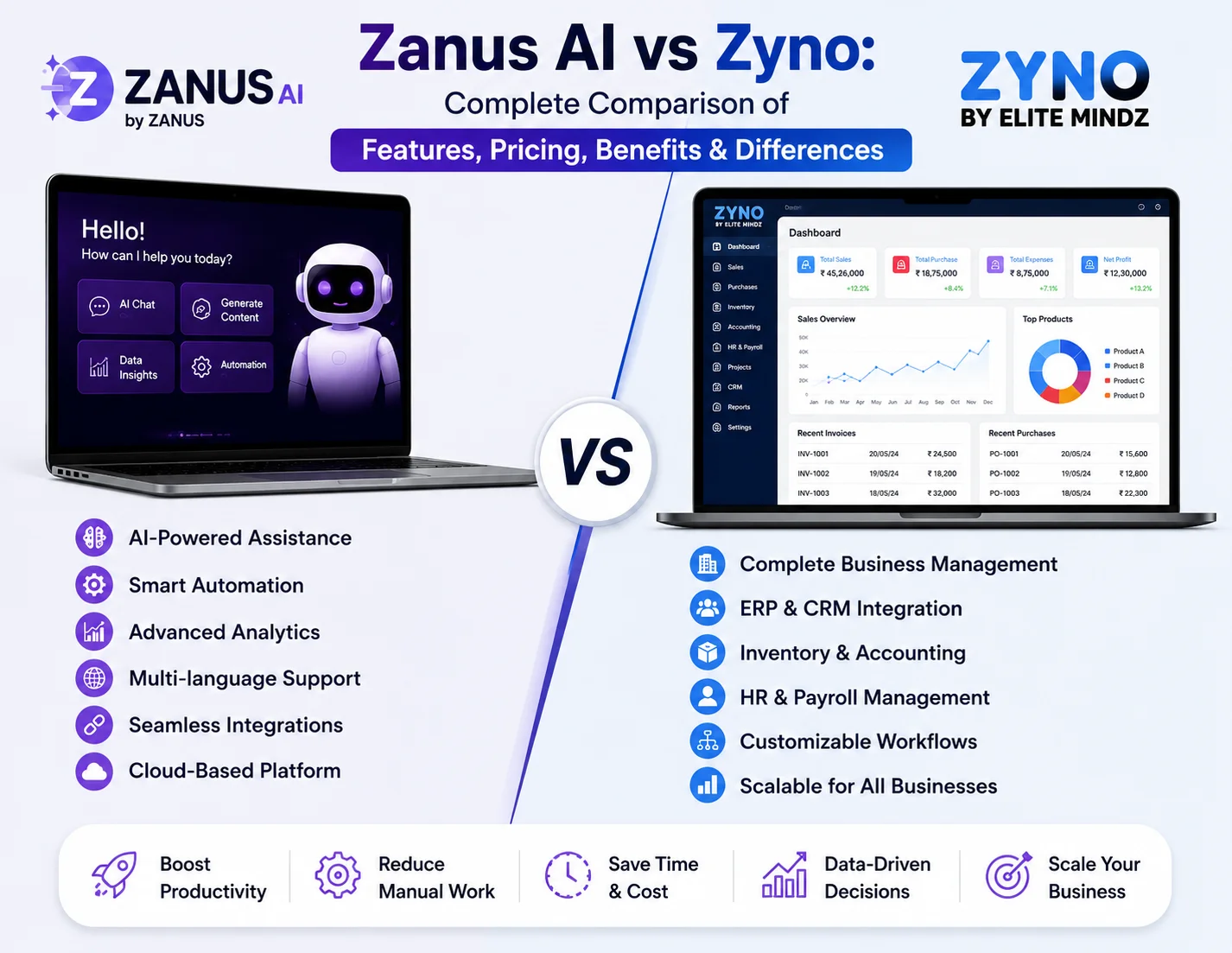
ZYNO vs Zanus AI: Which Is Better for Your Business?
Read More →
Why US Companies Are Outsourcing Agentic AI Development to India

Read More →
Top Agentic AI Development Companies in India for US Businesses (2026)

Read More →
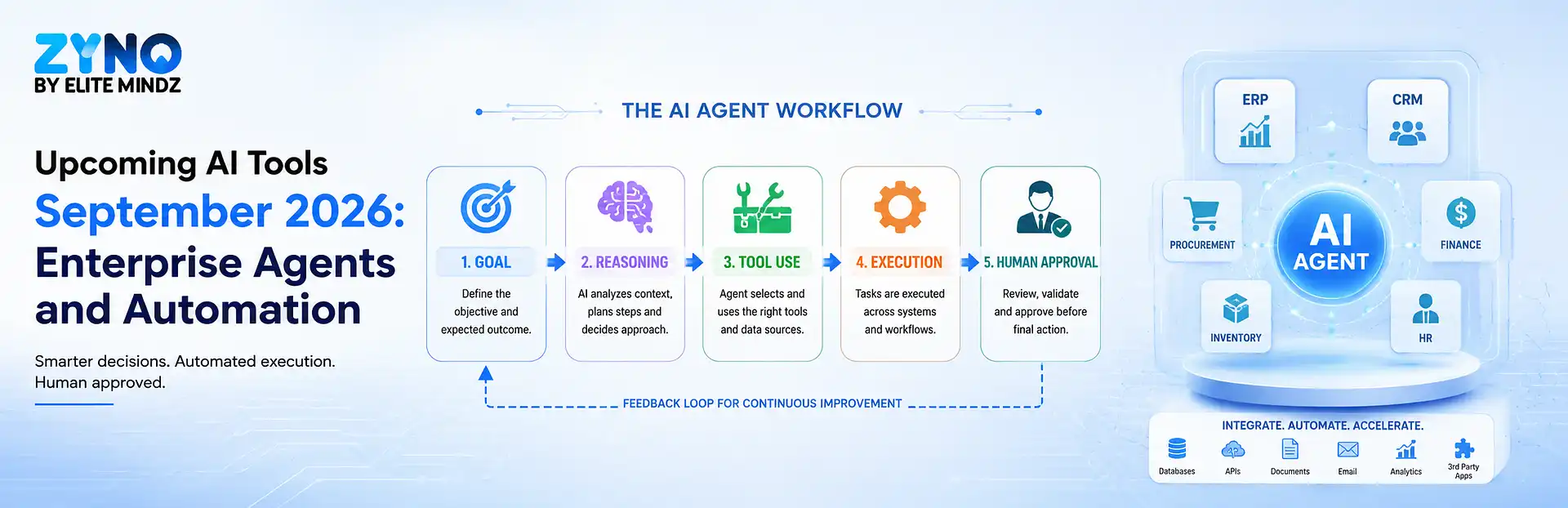
Top Upcoming AI Tools of September 2026 You Must Watch
Read More →
Google Opal vs Tilda Bio AI: What Each Tool Actually Does (and Why They Aren't True Rivals)
Read More →
AI Agent Development Services: A Practical Guide for Business Teams

Read More →
Enterprise AI Agent Development Services: The Complete Guide to Cost, Benefits, Use Cases & Implementation

Read More →
How Much Does Custom AI Agent Development Cost in 2026? Calculate Real Price Ranges
Read More →
Machine Learning Software: Features, Benefits, Pricing & How to Choose the Right Solution in 2026
Read More →
Computer Vision in AI: How It Works, Types, Applications & Benefits
Read More →
Computer Vision Software Development Services
Read More →
What Is AI Identity Verification? How It Works, Benefits & Use Cases
Read More →
AI Identity Verification Software: Features & How to Choose
Read More →
Google's New AI Tool for App Development
Read More →
Bespoke Software Development vs Off-the-Shelf Software: Which Is Right for Your Business?
Read More →Partner with ZYNO by Elite Mindz to revolutionize how your business works. Fill out the form, and we’ll reach out with AI-powered solutions made just for you.
We use browser cookies to ensure you get the best experience on our website. Learn more
The form was submitted successfully!