AI Enablement in the Age of Generative AI: ZYNO by Elite Mindz Leading the Charge
Read More →
×
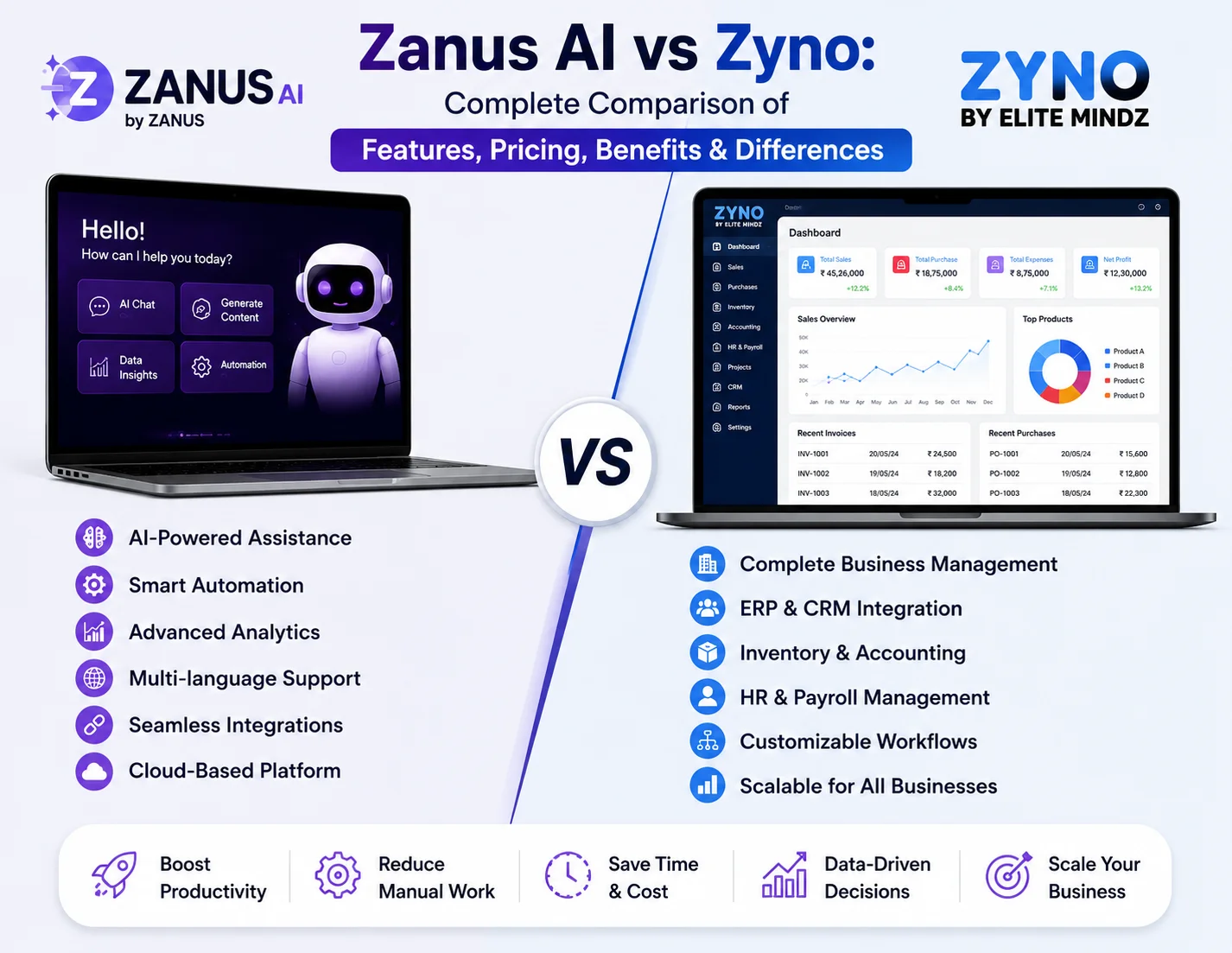
ZYNO is better suited to ERP, procurement, manufacturing, and AI-powered business automation, while Zanus AI is designed for private, on-premises AI and local data processing.
Businesses using ZYNO Books cut accounting time by 70% and stay 100% ZATCA-compliant — automatically.
If you are comparing ZYNO vs Zanus AI, the most important question is not simply which platform has more AI features. The better question is what you need the software and AI to do inside your business.
ZYNO is primarily suited to ERP, procurement, manufacturing and AI-powered business workflow automation. Zanus AI has a broader enterprise AI portfolio, with offerings focused on private/on-premises AI infrastructure, enterprise AI software and AI-powered front-office automation.
That means the two platforms can overlap in areas such as AI assistance, workflow automation, knowledge management and business processes, but they approach the problem from different directions. ZYNO starts with business operations and integrates AI into ERP and operational workflows. Zanus AI places greater emphasis on enterprise AI infrastructure and AI-powered applications, including private AI and its Front Office SaaS offering.
This comparison looks at the areas that typically matter when evaluating enterprise software and AI platforms: ERP, procurement, manufacturing, AI capabilities, deployment, data environment, workflow automation, integrations, pricing, security considerations and business fit.
How this comparison was prepared: The product and pricing information below is based on publicly available information from the official ZYNO/Elite Mindz and Zanus AI product pages. It is not presented as a hands-on test of both platforms. Features, integrations, deployment options and pricing can change, so businesses should confirm current details with the respective vendors before making a purchasing decision.
| Business Requirement | ZYNO | Zanus AI |
|---|---|---|
| Primary focus | ERP, procurement, manufacturing and business operations | Enterprise AI, private AI infrastructure and AI-powered applications |
| ERP | Core part of the platform | Not the primary focus of the Enterprise Operations offering |
| Procurement | Dedicated procurement workflows and automation | Enterprise AI and workflow capabilities rather than procurement as the central product category |
| Manufacturing | Dedicated manufacturing ERP | Private manufacturing AI software is also available |
| AI interaction | Natural-language interaction with ERP and business data | Private AI, knowledge management, document intelligence, AI agents and AI-powered front-office workflows |
| Deployment | Business software and ERP environment | Private/on-premises AI options plus SaaS offerings depending on product |
| Best fit | Businesses modernizing ERP, procurement, manufacturing and operational workflows | Organizations prioritizing private enterprise AI, AI infrastructure or AI-powered front-office automation |
The distinction becomes clearer when you look at the problem each platform is designed to solve. ZYNO connects AI to business operations. Zanus AI provides enterprise AI capabilities across private AI infrastructure and SaaS applications.
ZYNO by Elite Mindz is an AI-powered business software ecosystem built around ERP, procurement, manufacturing and other business operations.
ZYNO AI is positioned as a prompt-based ERP for finance, procurement, HR and operations. Instead of requiring employees to move through multiple menus to find information, users can interact with business information and workflows using natural language.
The current ZYNO AI platform describes capabilities including business reporting, AI workflow automation, cross-module data intelligence, AI-powered dashboards, purchase requisitions and invoice verification.
For example, a finance or operations employee can ask for a business report, an inventory update or information about pending approvals without manually searching through multiple ERP screens.
You can explore the ZYNO AI prompt-based ERP to see how these capabilities are positioned for business operations.
Zanus AI is an enterprise AI platform with offerings spanning private/on-premises AI infrastructure, enterprise AI software and AI-powered front-office automation.
Its Enterprise Operations offering is designed around the Zanus AI Operating System and Zanus AI Server, with private AI capabilities, enterprise knowledge management, document intelligence, workflow automation and custom AI agents. Zanus describes this environment as capable of operating without an internet connection and keeping enterprise data within the organization's environment.
The Enterprise Operations product lists more than 15 operational and administrative modules covering areas such as AI document generation, cross-division knowledge management, task and project management, enterprise scheduling, workflow automation, compliance and audit reporting, website chatbot capabilities and custom AI agents.
Zanus also lists integrations including SAP, Oracle, ServiceNow, Workday and Microsoft 365 for its Enterprise Operations offering.
In addition to its private AI offering, Zanus now also promotes Front Office, a SaaS product designed to automate front-office activities such as phone, chat, email, leads, demos, quotes, booking and customer service. Its current Front Office plans include ANSWER, SELL, CLOSE and SCALE, with annual pricing starting at $4,900 for ANSWER. See the current Zanus Front Office offering.
Therefore, "Zanus AI" should not be treated as a single deployment model. The relevant product and deployment option depends on the business requirement being evaluated.
Both platforms use AI, but their priorities are different. A useful comparison should therefore evaluate what each platform does, where it runs and which business workflows it is designed to support.
ZYNO uses AI within ERP and business operations. Its current AI platform supports natural-language interaction with business information, report generation, workflow automation, purchase requests, invoice-related tasks and cross-module data access.
Zanus AI focuses on enterprise AI capabilities such as private AI, knowledge management, document intelligence, AI agents and workflow automation. Its Front Office offering extends AI into customer-facing activities including conversations, demonstrations, lead follow-up, booking and quoting.
The practical difference is therefore not simply "which has more AI." ZYNO is designed to make business systems and workflows more intelligent, while Zanus AI provides AI capabilities through both private enterprise infrastructure and dedicated AI applications.
This is one of the clearest areas where the platforms have different positioning.
ZYNO is built around business operations and includes ERP capabilities across areas such as finance, inventory, sales, employees, procurement and reporting. Its AI layer allows users to interact with ERP information using natural language.
Zanus AI Enterprise Operations can work with enterprise information and workflows, but ERP is not the central product proposition of that offering.
If the project is primarily an ERP modernization or ERP automation project, ZYNO is the more directly aligned platform to evaluate.
Explore ZYNO ERP if ERP is the center of your project.
Procurement is another area where the platforms have different positions.
ZYNO Procurement is specifically designed around purchasing and procurement workflows. The current product offering covers sourcing, quotation management, RFPs, procure-to-pay, purchase requests, vendor management, vendor portals, inventory and spend-related processes.
That distinction matters because procurement automation involves more than asking an AI assistant a question. A procurement process also needs requests, approvals, supplier records, purchase orders, receipts, invoices and controls to move through a connected workflow.
ZYNO's purchase requisition capability is designed to route purchase requests through approval workflows and maintain visibility from request to order.
If procurement is your primary requirement, explore ZYNO Procurement.
You can also review ZYNO AI Purchase Requisition Software if purchase-request automation is a specific requirement.
Both platforms have manufacturing relevance, but for different reasons.
ZYNO Manufacturing ERP is designed around connected manufacturing operations, including production planning and scheduling, shop-floor reporting, bills of materials, inventory, vendor management, procurement, maintenance, quality and compliance.
This makes ZYNO particularly relevant when a manufacturer wants to connect production with inventory, purchasing and wider business operations through an ERP environment.
Zanus AI also offers manufacturing-focused AI software. Its manufacturing offering is positioned around private AI software and capabilities such as manufacturing document intelligence, supplier and vendor management, production-related workflows, quality documentation and manufacturing AI agents.
Therefore, the comparison should not be framed as ZYNO has manufacturing and Zanus does not.
A more accurate distinction is:
Choose ZYNO when you need manufacturing ERP and connected production, procurement and inventory workflows.
Evaluate Zanus AI when private manufacturing AI infrastructure and on-premises AI processing are central requirements.
See ZYNO Manufacturing ERP for its current manufacturing capabilities.
Deployment architecture can be a major factor in choosing between enterprise AI platforms.
Zanus AI's Enterprise Operations offering is designed around private, on-premises infrastructure. Zanus states that its AI system runs on the Zanus AI Server and is designed to keep enterprise information within the organization's environment. The offering also describes operation without internet connectivity.
Zanus's Front Office SaaS follows a different deployment model. It is designed as a cloud-based AI application that can operate alongside an organization's existing CRM and front-office systems.
ZYNO is positioned primarily as business software and ERP with AI integrated into business workflows. Its value proposition is therefore less about owning dedicated private AI infrastructure and more about connecting AI with business data and operational processes.
If your first question is "Where will our AI run?", evaluate the specific Zanus deployment option against your security, infrastructure and data requirements.
If your first question is "How can we automate our ERP and business workflows with AI?", ZYNO is more directly aligned with that requirement.
Security and data governance should be evaluated against the actual deployment model rather than treated as a simple feature checklist.
Zanus AI's private Enterprise Operations offering emphasizes private infrastructure, local processing and controlled deployment. Its product information also references enterprise requirements such as SOX, GDPR, SOC 2 and ISO 27001-related operational use cases.
For a private AI deployment, buyers should verify the actual architecture, network isolation, data residency, access controls, logging, backups, model handling and compliance responsibilities during technical evaluation.
For ZYNO, the relevant evaluation should focus on how business and ERP data is handled, what integrations are required, how access is controlled and whether the deployment model meets the organization's security requirements.
The right comparison is therefore not simply "which platform is more secure?" but "which deployment and security architecture meets our organization's requirements?"
Zanus AI places significant emphasis on enterprise knowledge management and document intelligence. Its Enterprise Operations offering is designed to work with organization-specific information such as documents, policies and other internal business knowledge.
ZYNO approaches business knowledge from the ERP and operational side. Its AI platform connects information across business areas such as finance, inventory, HR and procurement so users can ask questions and retrieve business information through natural-language prompts.
The important distinction is the source and purpose of the knowledge layer. Zanus emphasizes private enterprise knowledge and AI infrastructure, while ZYNO emphasizes operational and ERP information.
Both platforms support workflow automation, but the workflows they emphasize are different.
Zanus AI's Enterprise Operations offering includes workflow automation, document intelligence and custom AI agents within its private AI environment. Its Front Office product extends automation to customer-facing workflows such as lead handling, demonstrations, booking, email and quoting.
ZYNO focuses on business workflows such as approval routing, purchase requests, reporting, alerts, status updates and cross-department operational processes.
For an organization choosing between them, the better question is not "Which platform has AI automation?" Both do.
The better question is "Which workflows do we need to automate, and where does that automation need to operate?"
Integration requirements should be checked against the systems your business already uses.
Zanus AI's current Enterprise Operations offering lists integrations including SAP, Oracle, ServiceNow, Workday and Microsoft 365.
ZYNO AI currently lists integrations including Tally, QuickBooks, Excel/Sheets, WhatsApp, Slack, Gmail/Outlook, Zapier, REST API, Salesforce and Google Drive.
Neither list should be interpreted as a universal winner. The relevant question is whether the platform connects with the applications, databases and workflows that matter to your organization.
Looking at real business requirements makes the comparison easier than looking at feature lists alone.
ZYNO is the more directly aligned choice.
ERP modernization involves more than adding an AI chatbot. It involves finance, purchasing, inventory, sales, employees, reporting and the movement of information between departments.
ZYNO combines ERP capabilities with AI-assisted interaction and workflow automation, making it relevant for businesses that want AI to work inside their operational environment.
ZYNO is the more directly specialized choice.
Procurement teams need connected processes for purchase requests, approvals, sourcing, supplier management, purchase orders, goods receipts, invoices and related activities.
ZYNO Procurement is specifically structured around these procurement processes.
For procurement teams, start with the ZYNO Procurement platform and map it against your existing procure-to-pay process.
ZYNO is the more directly aligned choice when manufacturing ERP is the requirement.
Its manufacturing platform brings production planning, scheduling, BOM management, inventory, procurement, supplier management, maintenance and quality into a connected manufacturing environment.
This is particularly relevant when the goal is to connect production activity with the rest of the business rather than add a separate AI system.
Zanus AI is the more directly aligned option when private AI infrastructure is the primary requirement.
Its Enterprise Operations offering is built around private AI infrastructure, enterprise knowledge management, document intelligence, workflow automation and custom AI agents.
Organizations evaluating this model should pay particular attention to deployment architecture, security requirements, data location, network isolation, integrations and implementation requirements.
Zanus AI is the more directly aligned option when the primary requirement is automating customer-facing work.
Zanus Front Office is positioned around AI-powered phone, chat, voice, email, lead handling, demonstrations, quotes, booking and customer service workflows.
This is a different use case from ZYNO's primary ERP and operational automation positioning, so businesses should evaluate which part of the organization they are trying to automate.
ZYNO is the more directly aligned option when AI needs to work inside everyday business operations.
Instead of treating AI as a separate assistant, ZYNO connects AI capabilities with ERP information and workflows. That makes it relevant for teams that want to automate business processes while keeping operational data and workflows connected.
Pricing requires careful attention because these platforms offer different products and commercial models. A headline price should not be treated as a like-for-like comparison.
The current broader ZYNO pricing page lists:
| ZYNO Plan | Current Listed Price |
|---|---|
| Starter | $239/month |
| Professional | $639/month |
| Enterprise | Custom pricing |
ZYNO Procurement follows a more modular approach, with procurement capabilities selected according to the organization's requirements.
You can check the current ZYNO pricing before making a purchasing decision because plans and prices can change.
Zanus AI has multiple commercial offerings, so its pricing should be evaluated by product.
For Enterprise Operations, the current Zanus AI product page lists a $19,900 AI software activation. Zanus describes this offering as software for its private AI environment and indicates that infrastructure, configuration and deployment requirements form part of the broader implementation consideration.
Zanus also has a separate Front Office SaaS pricing model. Its current plans include:
| Zanus Front Office Plan | Current Listed Price | Model |
|---|---|---|
| ANSWER | $4,900/year | SaaS |
| SELL | $9,900/year | SaaS |
| CLOSE | $19,900/year | SaaS |
| SCALE | Contact for pricing | Enterprise |
The Front Office plans also use an AI-capacity/credit model and include onboarding charges depending on the plan. Businesses should verify the current commercial terms directly with Zanus before comparing total costs.
See current Zanus Front Office pricing and Enterprise Operations pricing before making a purchasing decision.
It would be misleading to compare these numbers as if they represented identical products.
ZYNO's listed plans represent a business software pricing model, while the $19,900 Zanus Enterprise Operations figure represents an AI software activation for a private enterprise AI offering. Zanus Front Office follows another SaaS pricing model.
A serious enterprise comparison should instead calculate the total cost of ownership, including software, infrastructure, implementation, integrations, support, users, modules, AI usage or capacity and ongoing operating costs.
The answer depends on the business problem, deployment requirements and workflows you need to solve.
| If Your Main Requirement Is... | Evaluate First | Why |
|---|---|---|
| ERP modernization | ZYNO | ERP and operational workflows are central to the platform |
| Procurement automation | ZYNO | Dedicated procurement workflows and automation |
| Manufacturing ERP | ZYNO | Production, inventory, procurement and manufacturing workflows |
| AI-powered business operations | ZYNO | AI is integrated with business and ERP workflows |
| Private on-premises AI | Zanus AI | Private AI infrastructure is a central product proposition |
| Enterprise knowledge and private document AI | Zanus AI | Strong emphasis on private enterprise knowledge and document intelligence |
| AI-powered front-office automation | Zanus AI | Front Office is designed around customer-facing AI workflows |
ZYNO is the better fit when the goal is to make the business itself more connected, automated and AI-enabled.
Zanus AI is the better fit when private enterprise AI, AI infrastructure or AI-powered front-office automation is the central requirement.
A good enterprise software comparison should start with your workflow and requirements, not the feature list.
Start by identifying the process you want to improve. Is it procurement cycle time, ERP reporting, production visibility, supplier management, document processing, internal knowledge access, customer-facing automation or private AI deployment?
List the ERP, procurement tools, databases, documents, CRM, communication applications and other systems the new platform needs to work with.
If your organization has strict requirements for local processing, data residency or network isolation, deployment architecture becomes a major evaluation criterion.
If the main objective is ERP or business automation, the depth of workflow and business-system integration may matter more.
Do not compare only the headline software price. Consider implementation, infrastructure, integrations, support, modules, users, AI usage or capacity and ongoing operating costs.
Ask where data is processed and stored, how access is controlled, what security controls are available, how integrations handle business data and what responsibilities remain with your organization.
During a product demonstration, ask the vendor to demonstrate something your team actually does.
For example, request a procurement approval, generate an ERP report, retrieve manufacturing information, process a business document or demonstrate how an internal knowledge-management task would work.
A real workflow tells you much more than a generic AI demonstration.
ZYNO focuses primarily on ERP, procurement, manufacturing and AI-powered business workflow automation. Zanus AI has a broader enterprise AI portfolio covering private AI infrastructure, enterprise AI software and AI-powered front-office automation.
Neither platform is universally better. ZYNO is more relevant when ERP, procurement, manufacturing and connected business workflows are the primary requirements. Zanus AI is more relevant when private enterprise AI, controlled AI infrastructure or AI-powered front-office automation is the primary requirement.
Yes. ZYNO includes ERP capabilities and its AI offering is positioned around prompt-based interaction with finance, procurement, HR and operations. The wider ZYNO ecosystem also includes procurement, manufacturing, CRM, HRMS and other business applications.
ZYNO is the more directly aligned option for procurement automation. ZYNO Procurement provides capabilities for sourcing, purchasing, purchase requests, approvals, vendor management and procure-to-pay workflows.
For manufacturing ERP and connected production workflows, ZYNO is the more directly aligned option. Zanus AI also offers manufacturing-focused private AI software, so the right choice depends on whether the main requirement is manufacturing ERP or private manufacturing AI infrastructure.
Zanus AI is the more directly aligned option for private, on-premises AI deployment. Its Enterprise Operations offering is designed around the Zanus AI Server and private AI infrastructure, with offline and isolated deployment capabilities described by Zanus.
Zanus Front Office is more directly aligned with this use case. Its current offering is designed around AI-powered phone, chat, voice, email, lead handling, demonstrations, quoting, booking and customer service workflows.
The current broader ZYNO pricing page lists Starter at $239/month, Professional at $639/month and Enterprise at custom pricing. Procurement pricing can vary according to the capabilities required.
Zanus has multiple offerings. Its current Enterprise Operations product lists a $19,900 AI software activation, while its Front Office SaaS plans currently start at $4,900/year for ANSWER. Pricing should therefore be evaluated according to the specific Zanus product and deployment model being considered.
They can be compared at the business-requirement level, but they are not identical products. ZYNO is more directly focused on ERP and operational workflows, while Zanus AI spans private enterprise AI infrastructure and AI-powered applications.
Evaluate the actual business problem, deployment model, data requirements, existing systems, integrations, security requirements, workflows, implementation requirements and total cost of ownership. A real workflow demonstration is also useful before making a final decision.
If your evaluation is focused on ERP, procurement, manufacturing or AI-powered business automation, the next step is to see how those workflows work in ZYNO.
Explore ZYNO ERP for broader business management and ERP requirements.
Explore ZYNO Procurement for sourcing, purchasing, supplier management and procure-to-pay workflows.
Explore ZYNO Manufacturing ERP for production planning, inventory, procurement, shop-floor operations and manufacturing management.
Tell us what you want to automate across ERP, procurement, manufacturing or business operations, and our team can walk you through the relevant ZYNO capabilities.
Book a Free DemoZYNO and Zanus AI overlap in AI and automation, but their primary strengths are different.
If your priority is ERP, procurement, manufacturing and AI-powered business automation, ZYNO is the more directly aligned choice. Its strength is bringing AI into the operational systems and workflows businesses use every day.
If your priority is private, on-premises AI and controlled AI infrastructure, Zanus AI is the more directly aligned option. If your priority is AI-powered front-office automation, Zanus Front Office is the relevant product to evaluate.
The best choice is therefore not the platform with the longest feature list. It is the platform that fits the problem you need to solve, the systems you already use, where your AI needs to run, your workflows, security requirements and budget.
For businesses specifically evaluating AI-powered ERP, procurement or manufacturing automation, explore ZYNO and map the platform against your actual workflow before making a decision.
AI Enablement in the Age of Generative AI: ZYNO by Elite Mindz Leading the Charge
Read More →

Top 10 Trends Shaping the Future of AI Agents in 2025
Read More →
Top 6 AI Chatbot Features Transforming Customer Engagement in 2026
Read More →
Top 10 AI Integration Strategies for Seamless ERP and CRM Upgrades in 2025
Read More →
Best GAI Consulting Approaches for Ethical Business Transformation in 2025
Read More →
From Vision to Value: The Ultimate Guide to Enterprise GenAI Platforms
Read More →
Top 10 GAI Development Trends Shaping Autonomous Agents in 2025
Read More →
The Future of Computer Vision: Trends to Watch in 2025
Read More →
Generative AI in 2025: How ZYNO BY Elite Mindz is Transforming Enterprise Workflows
Read More →
10 Real-World Applications of Computer Vision in 2025
Read More →
Integrating Computer Vision with IoT and AI: Driving the Next Wave of Intelligent Systems in 2025
Read More →
Agentic AI Explained: How AI Agents Are Transforming Business in 2025
Read More →
From Chatbots to Autonomous Agents: The Evolution of Agentic AI
Read More →
The Rise of Multi-Agent Systems: How Agentic AI Teams Will Run Enterprises of the Future
Read More →
Agentic AI vs Generative AI: What Business Leaders Need to Know
Read More →
The Power of Autonomous Agents: Understanding Agentic AI for Enterprises
Read More →
The Role of Agentic AI in Enhancing Enterprise Agility and Responsiveness
Read More →
Agentic AI as a Competitive Advantage: Why Businesses Can’t Ignore It
Read More →
The Shift from Automation to Autonomy: How Agentic AI is Redefining Enterprise Operations
Read More →
From Reactive to Proactive: How Agentic AI Changes Enterprise Decision-Making
Read More →
Why Every Business Will Hire an AI Agent Soon
Read More →
Agentic AI for Startups: Leveling the Playing Field
Read More →
Agentic AI: The New Digital Workforce
Read More →
The Future of Business: Autonomous Teams of AI Agents
Read More →
From Insights to Action: How AI Agents Close the Gap
Read More →
Agentic AI in 2026: From Hype to Enterprise-Ready Transformation
Read More →
The Competitive Edge: Why Early Adopters of Agentic AI Are Winning Markets
Read More →
Beyond Automation: Why Agentic AI is the Key to Enterprise Agility in 2025
Read More →
The Human-AI Partnership: Building Smarter Teams with Agentic AI
Read More →
The Rise of Autonomous Teams: Why Agentic AI is the New Digital Workforce
Read More →
Top Machine Learning Use Cases You Didn’t Know About
Read More →
What Is Low Code/No Code and Why It Matters in 2025
Read More →
Top Use Cases of Generative AI in 2026
Read More →
The Future of Generative AI in Enterprises
Read More →
How Generative AI Is Reshaping Enterprise Operations in 2025
Read More →
Top AI Features Every Modern Taxi App Must Include in 2026
Read More →The Future of Events: How Artificial Intelligence Is Changing the Industry
Read More →Why Are AI Agents the Next Big Shift in Banking and Finance
Read More →How AI-Driven Analytics Improve Learning Outcomes
Read More →How AI Is Optimizing Every Step of Food Delivery Apps
Read More →How AI-Powered CRM Is Transforming the Media & Entertainment Industry
Read More →
ZYNO vs Zanus AI: Which Is Better for Your Business?
Read More →
Why US Companies Are Outsourcing Agentic AI Development to India

Read More →
Top Agentic AI Development Companies in India for US Businesses (2026)

Read More →
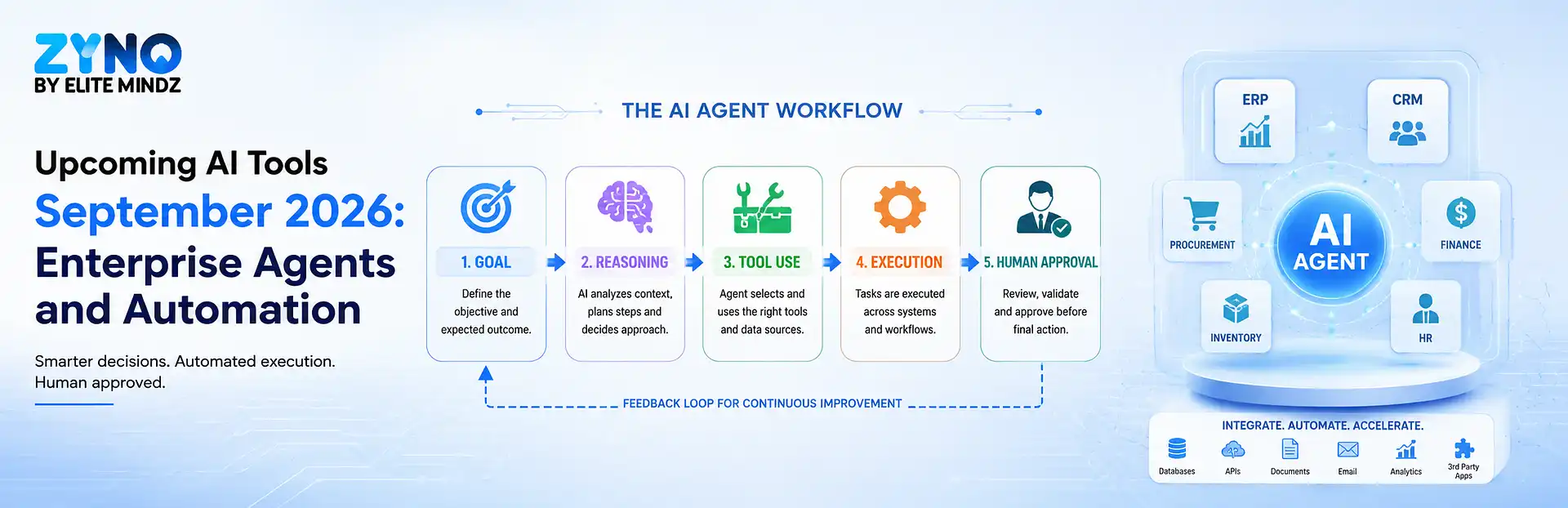
Top Upcoming AI Tools of September 2026 You Must Watch
Read More →
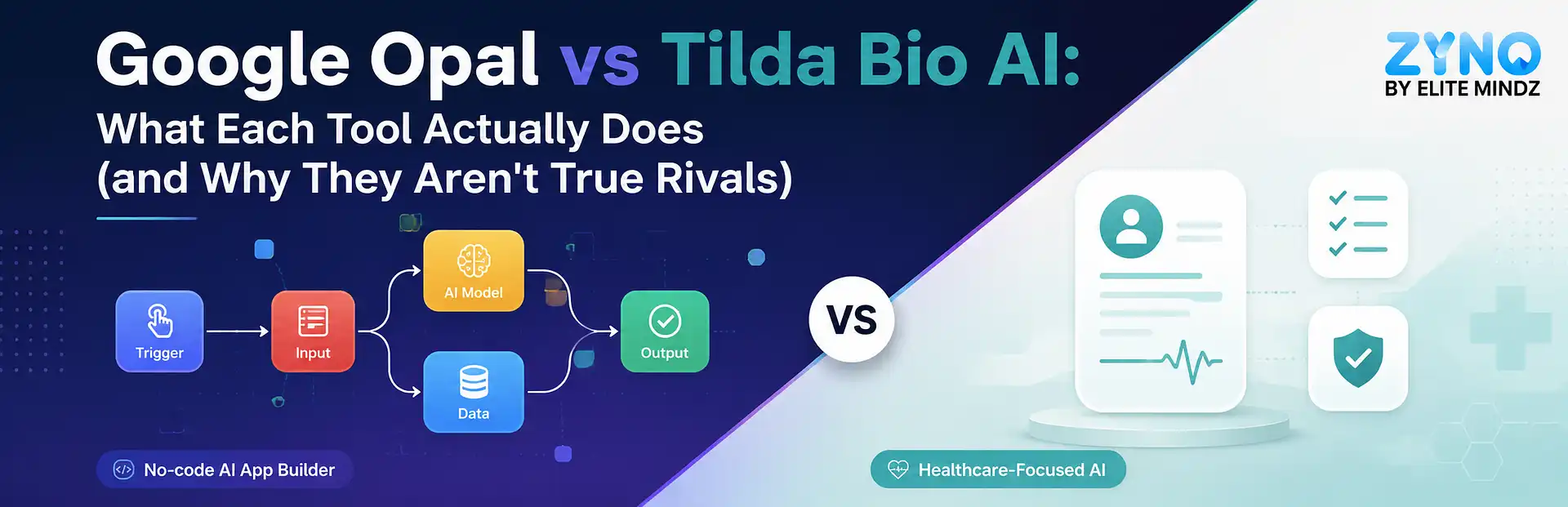
Google Opal vs Tilda Bio AI: What Each Tool Actually Does (and Why They Aren't True Rivals)
Read More →
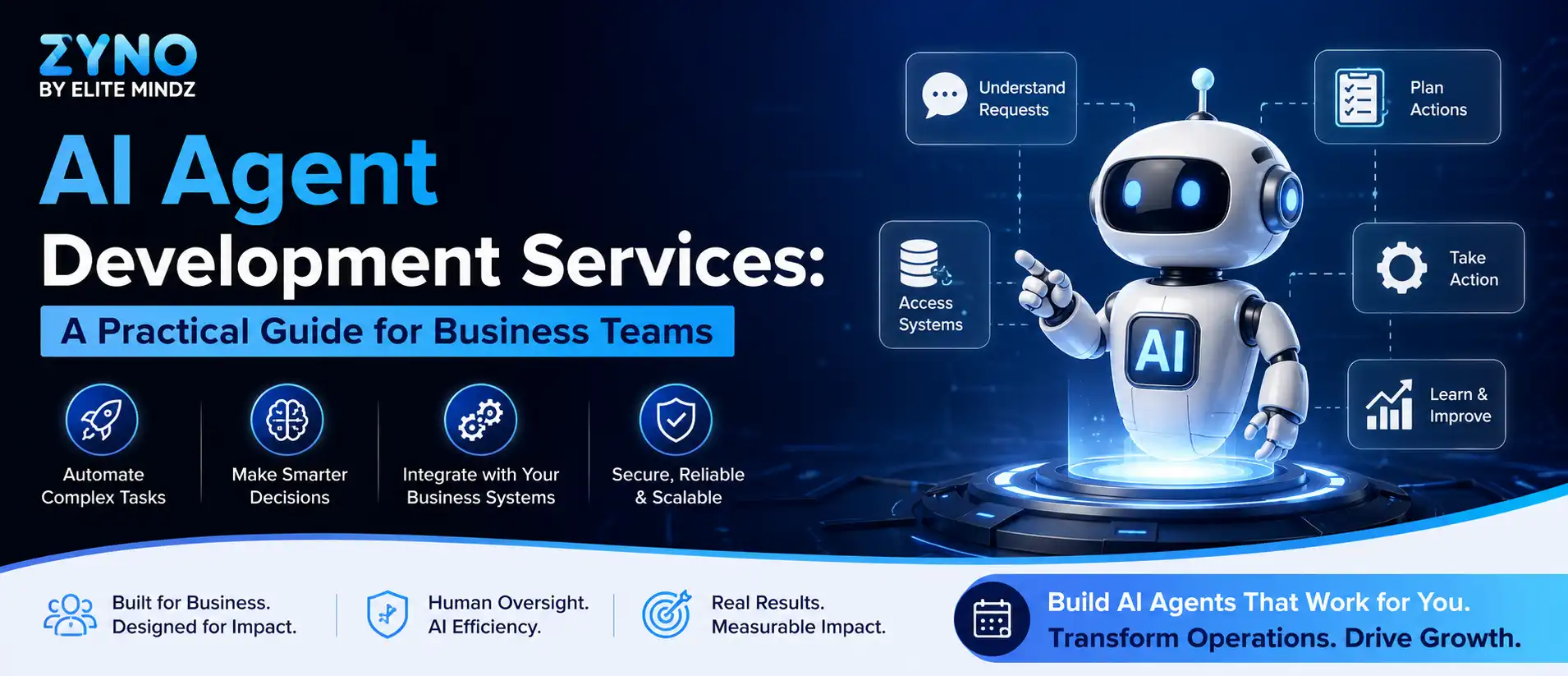
AI Agent Development Services: A Practical Guide for Business Teams

Read More →
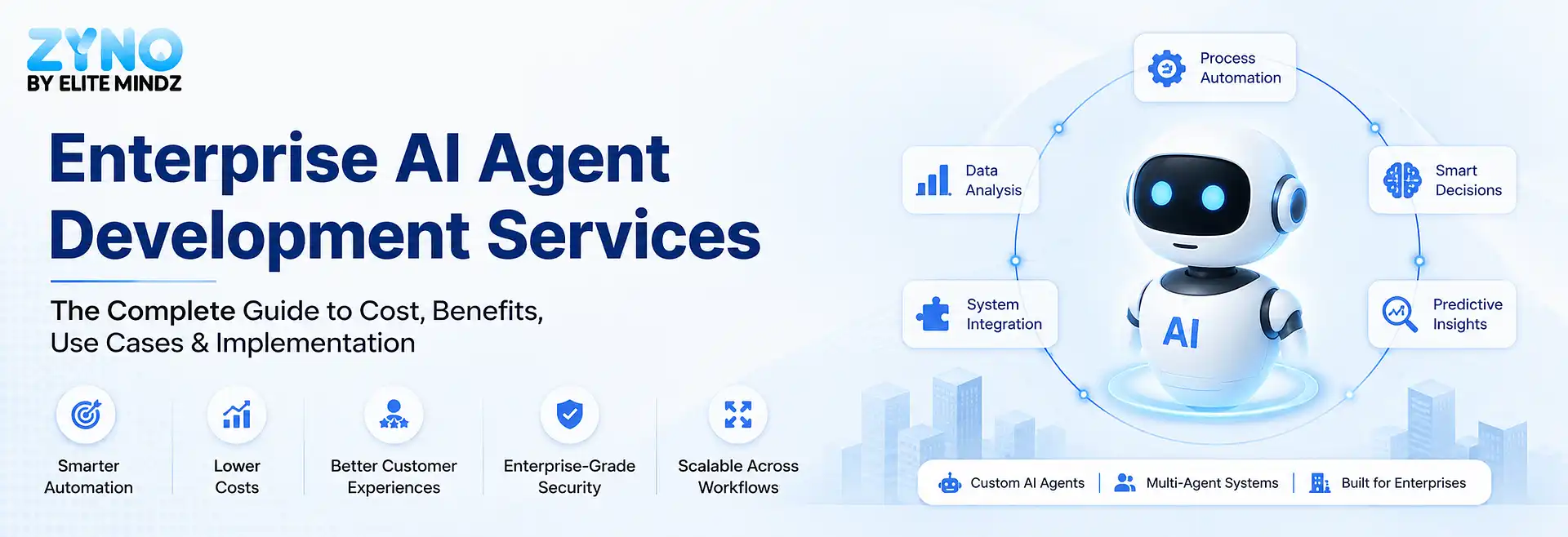
Enterprise AI Agent Development Services: The Complete Guide to Cost, Benefits, Use Cases & Implementation

Read More →
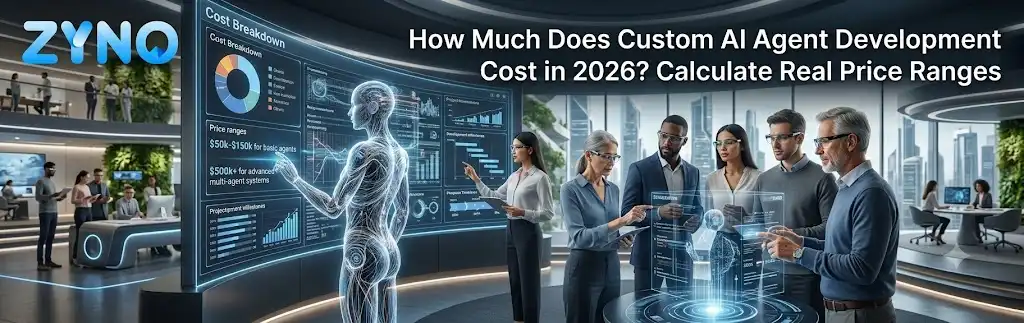
How Much Does Custom AI Agent Development Cost in 2026? Calculate Real Price Ranges
Read More →
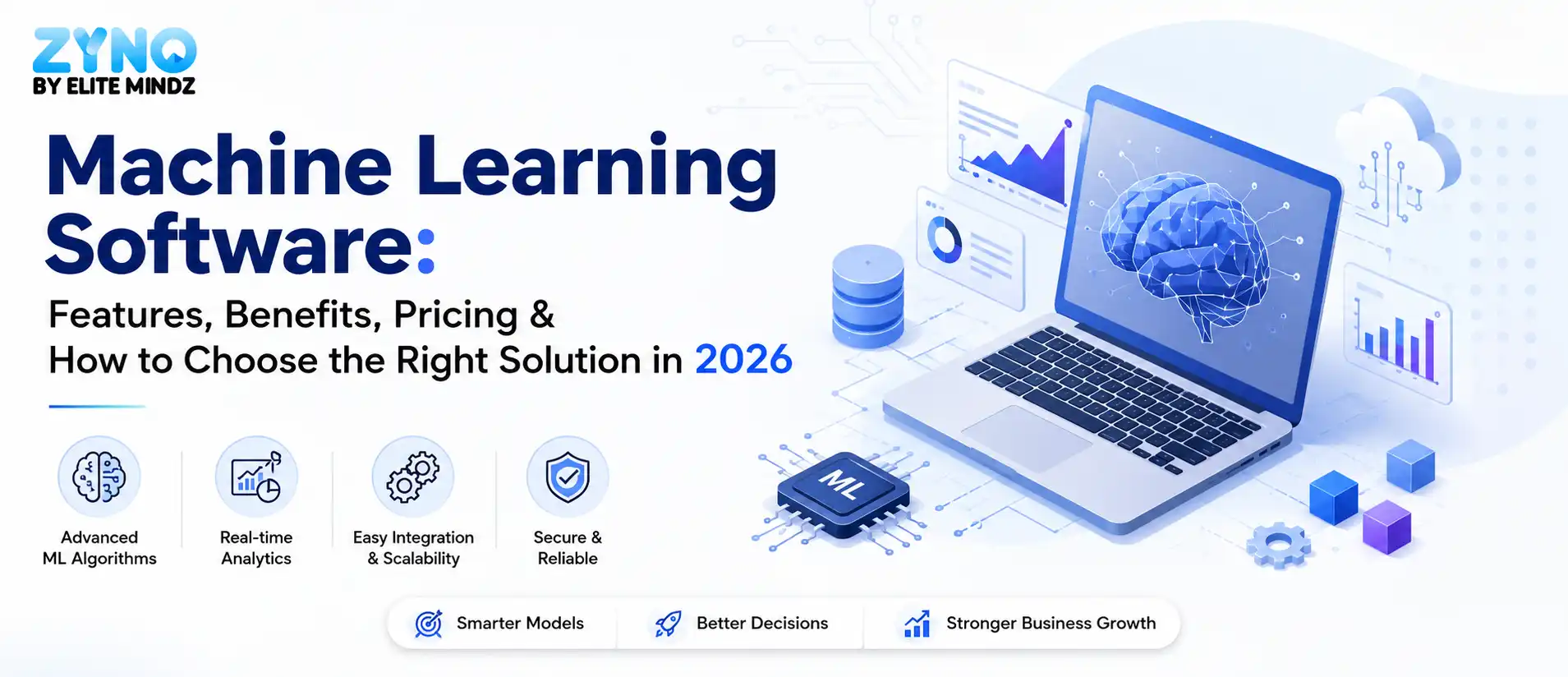
Machine Learning Software: Features, Benefits, Pricing & How to Choose the Right Solution in 2026
Read More →
Computer Vision in AI: How It Works, Types, Applications & Benefits
Read More →
Computer Vision Software Development Services
Read More →
What Is AI Identity Verification? How It Works, Benefits & Use Cases
Read More →
AI Identity Verification Software: Features & How to Choose
Read More →
Google's New AI Tool for App Development
Read More →
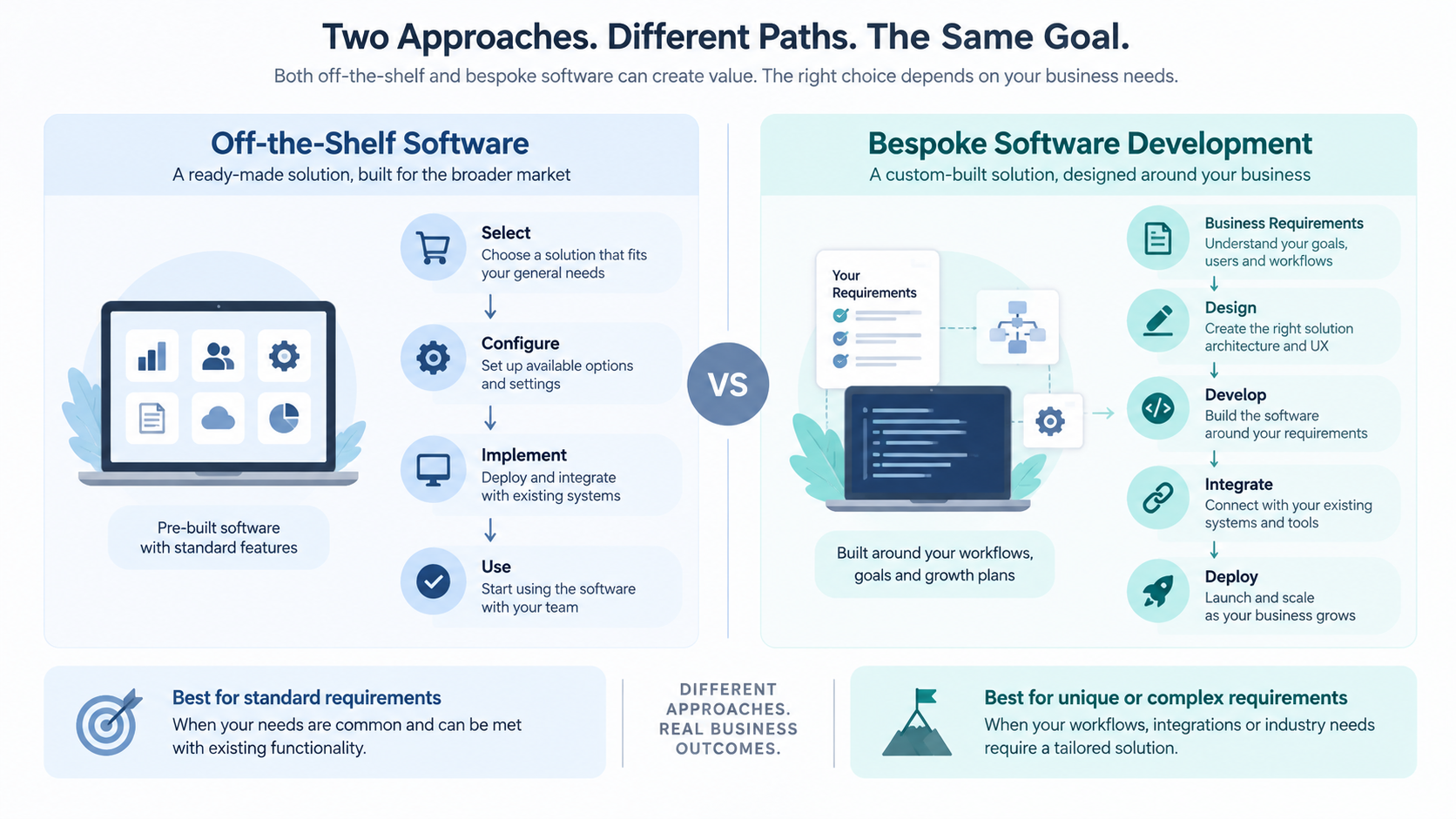
Bespoke Software Development vs Off-the-Shelf Software: Which Is Right for Your Business?
Read More →
AI Agent Development Company in Delhi: Services, Process, Cost & Benefits

Read More →
AI Agent Development Company in Mumbai: Services, Process, Cost & Benefits
Read More →
Best Practices that Support Successful Software Projects
Read More →
Top 6 Image to Text Uses Transforming Document Workflows in 2026

Read More →Partner with ZYNO by Elite Mindz to revolutionize how your business works. Fill out the form, and we’ll reach out with AI-powered solutions made just for you.
We use browser cookies to ensure you get the best experience on our website. Learn more
The form was submitted successfully!