AI Enablement in the Age of Generative AI: ZYNO by Elite Mindz Leading the Charge
Read More →
×
ZYNO by Elite Mindz is a leading AI Agent Development Company in Mumbai, helping businesses build custom AI agents for workflow automation, customer support, sales, finance, HR, and enterprise operations. Our AI solutions integrate with existing CRM, ERP, APIs, and business systems to automate multi-step tasks and improve efficiency.
Businesses using ZYNO Books cut accounting time by 70% and stay 100% ZATCA-compliant — automatically.
Mumbai businesses are under constant pressure to move faster: more customer queries, more data, more systems to keep in sync, and fewer hours in the day to manage it all manually. AI agents are becoming the practical answer to that pressure. Unlike static software that follows fixed rules, AI agents can understand context, make decisions, and carry out multi-step tasks with minimal human oversight. For companies evaluating an AI Agent Development Company in Mumbai, this is less about chasing a trend and more about solving real operational friction.
Mumbai and the wider Mumbai Metropolitan Region host one of India's most diverse business ecosystems, spanning finance, retail, healthcare, manufacturing, and a fast-growing technology sector. That diversity is exactly why demand for custom AI agent development, and increasingly agentic AI development, has grown here, with businesses looking for automation that fits their existing systems rather than forcing them to rebuild around new software.
This article covers what AI agent development services include, how the development process works, which technologies power these systems, what costs and timelines typically look like, and why ZYNO by Elite Mindz is a relevant partner for businesses across Mumbai.
An AI agent development company designs, builds, and maintains software agents that reason through tasks and act on them, not just respond to fixed prompts. This typically covers agent strategy, custom development, workflow automation, integration with existing business systems, deployment, and ongoing maintenance. Many businesses also look for an AI software development company Mumbai teams can rely on for broader platform work alongside individual agents.
For businesses across Mumbai and the Mumbai Metropolitan Region, working with AI agent developers in Mumbai who are familiar with the local business environment can make requirement discussions, implementation planning, and ongoing collaboration considerably smoother.
Most companies don't struggle with a shortage of software. They struggle with disconnected systems, repetitive tasks, and workflows that can't keep pace with growth: manual data entry, support queues that outgrow the team handling them, manual lead qualification, slow internal approvals, and difficulty scaling without proportionally scaling headcount. AI agents address these problems by handling repetitive, judgment-based work that used to require someone watching every step.
In practice, AI agents can triage support tickets, qualify inbound leads, pull and summarize data from internal systems, draft responses to routine emails, monitor workflows for exceptions, and trigger actions in connected software once a decision is made. Some operate as fully autonomous AI agents, carrying a task through from start to finish. The specific role depends on the business process it's built around.
Traditional automation follows fixed rules: if X happens, do Y. It works for predictable, repetitive tasks but breaks down once a scenario falls outside its scripted logic. AI agents use contextual reasoning to interpret information and decide what to do next, even when the input varies, which is what makes them useful for the messier workflows traditional automation was never built to handle.
Custom AI agent development services generally fall into a few core categories. A good AI agent development partner scopes these based on what your business actually needs rather than offering a one-size-fits-all package.
Agent development built around a company's own workflows, data, and systems rather than a generic template, usually starting with the exact task the agent needs to own.
Autonomous agents complete multi-step tasks with minimal supervision, using memory and context to carry a task through, such as an invoice moving from intake to approval.
These agents pair generative AI with task execution, useful for content creation, report drafting, and summarization that also needs live business data.
Conversational agents handle customer or employee queries in natural language, going beyond scripted flows to understand intent and pull real answers from connected knowledge bases.
Voice agents extend the same reasoning to phone-based interactions, useful for support lines, appointment scheduling, and outbound calling.
Some workflows need multiple agents working together, such as one handling data retrieval while another handles decisions and a third handles communication. This approach, often called multi-agent AI development, coordinates these roles into a single workflow.
An agent is only as useful as the systems it can act on. Integration with CRM, ERP, ticketing, and internal databases turns an isolated chatbot into a functional business tool.
Beyond individual agents, workflow automation ties multiple steps together, so an agent completes the whole process, not just a single answer, from data capture to final action.
AI agent development services are the design, engineering, and deployment work involved in building software agents that understand business context, make decisions, and execute tasks using APIs, data, and connected tools. These services cover strategy, architecture, integration, testing, deployment, and ongoing optimization for a specific business use case.
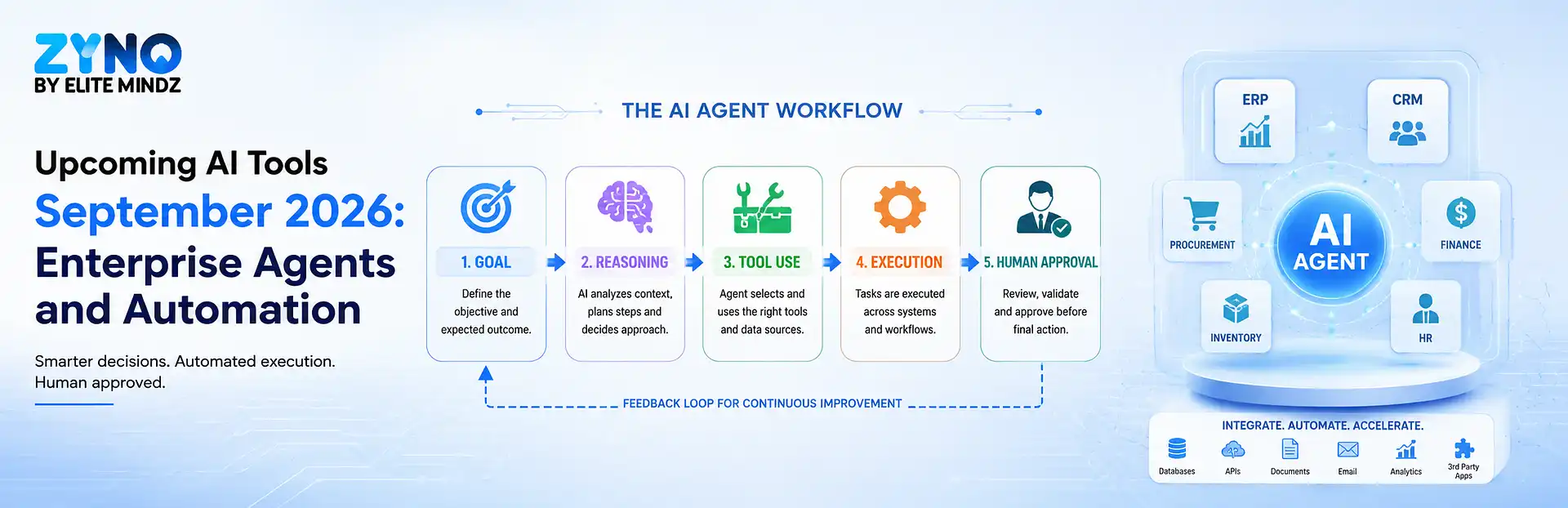
At a conceptual level, most AI agents follow a consistent loop:
An agent receives input, such as a message, document, or trigger from another system, reasons through it using an LLM and relevant context, decides what action to take, executes that action through connected tools or APIs, and uses the outcome to refine future responses.
A functioning AI agent typically relies on large language models, natural language processing, machine learning, APIs, business data and knowledge bases, RAG for grounding responses in real information, memory for context, and integrations with the tools it needs to act on.
AI agents are applied across customer support, sales, marketing, HR, finance, procurement, healthcare administration, and document processing. The common thread is replacing manual, repetitive decision-making with a system that handles it consistently.
Building a reliable AI agent follows a structured lifecycle rather than a single build phase.
Understanding the exact problem the agent needs to solve, which stakeholders it affects, and what success looks like.
Defining the agent's scope, the systems it will touch, and how success will be measured.
Mapping out how the agent will reason, what data it needs, and how it fits the broader technical environment.
Matching the right LLM, frameworks, and infrastructure to the specific task. This stage is sometimes called LLM agent development, since model choice shapes how the agent reasons and responds.
Connecting the agent to relevant business data and knowledge sources, often through RAG, so responses stay grounded in accurate information.
The core build phase, where the agent's reasoning logic, decision flows, and task execution are engineered.
Connecting the agent to the systems it needs to act on, whether a CRM, ERP, ticketing platform, or internal database.
Testing the agent against real scenarios before deployment to check accuracy, reliability, and edge-case handling.
Rolling the agent out into the live environment, often starting with a limited scope before expanding.
Monitoring performance post-launch and refining the agent based on real usage and feedback.
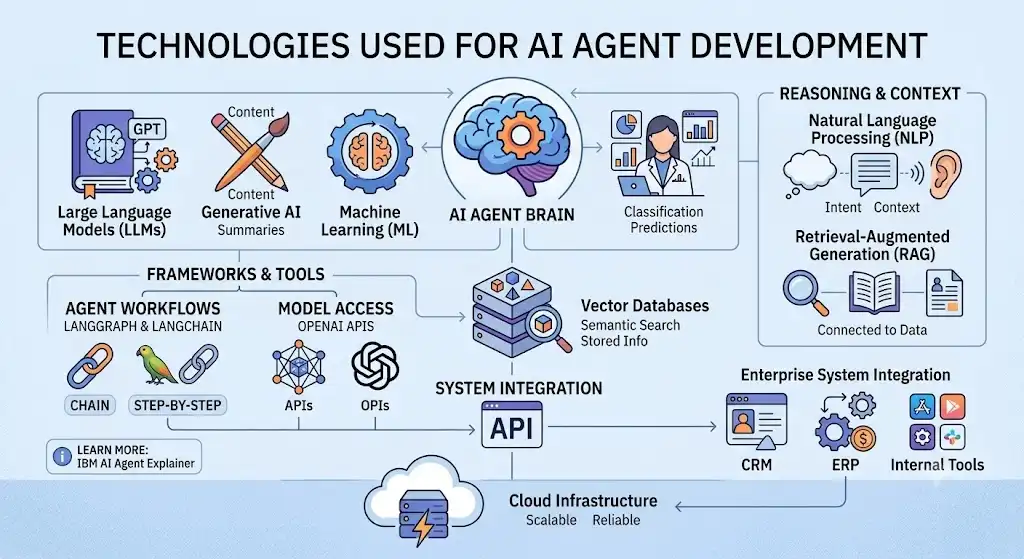
The following AI agent development technologies form the technical backbone of most agent builds, from reasoning through deployment.
LLMs provide the reasoning and language understanding behind an agent's decision-making.
Generative AI lets agents draft content, summaries, and responses as part of a broader task.
Machine learning models support classification, prediction, and pattern recognition that complement an agent's reasoning.
NLP allows agents to interpret and respond to human language accurately, including intent and context.
RAG connects an agent's responses to real business data, reducing reliance on generic or outdated information.
LangChain is a widely used framework for chaining LLM calls, tools, and memory into working applications.
LangGraph extends this for more structured, stateful, multi-step agent workflows.
OpenAI APIs are commonly used to access the underlying language models that power reasoning and generation.
Vector databases store and retrieve information based on semantic similarity, central to how RAG systems work.
This layer connects agents to the CRMs, ERPs, and internal tools they need to take action in.
Cloud platforms provide the scalability and reliability needed to run agents in production. For a broader technical overview, IBM's explainer on AI agents is a useful reference.

How much does AI agent development cost? Cost depends on project scope, including how many agents are needed, how complex the reasoning and integrations are, and how much custom data work is required. There is no fixed industry rate, so any number quoted without understanding your requirements is a rough estimate at best. An AI consulting conversation is usually the fastest way to get a scoped estimate.
Several factors shape the final price: agent complexity, number of agents, LLM and API usage, data and RAG requirements, third-party integrations, security and compliance needs, testing scope, and the level of post-launch maintenance.
Pricing for AI agent development in Mumbai, like anywhere, varies based on the team's expertise, project complexity, integration depth, technology stack, team composition, and the level of post-launch support included. Rather than comparing headline numbers across locations, it's more useful to compare what's actually included in the scope. Any specific figures should be treated as indicative until a detailed requirement discussion happens.
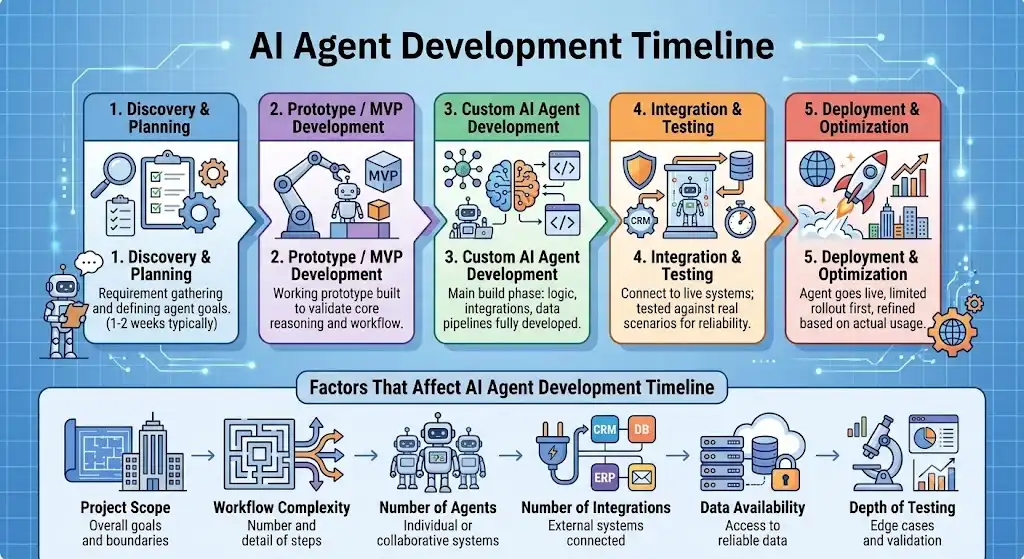
How long does AI agent development take? Timelines vary based on scope, but most projects move through a similar sequence of phases.
Requirement gathering and defining what the agent needs to accomplish, typically taking one to two weeks depending on complexity.
A working prototype is built to validate the core reasoning and workflow before full-scale development begins.
The main build phase, where the agent's logic, integrations, and data pipelines are fully developed.
The agent is connected to live systems and tested against real scenarios to confirm reliability.
The agent goes live, typically with a limited rollout first, followed by refinement based on actual usage.
Project scope, workflow complexity, the number of agents and integrations involved, data availability, and the depth of testing needed all influence how long a project takes.

ZYNO by Elite Mindz works with businesses looking for a practical, integration-focused approach to AI development. Whether searching for an AI Development Company Mumbai teams can integrate with quickly, or an AI Automation Company Mumbai teams trust for ongoing support, the evaluation criteria stay the same: integration experience, transparent scoping, and support after launch. The team supports companies operating across Mumbai, South Mumbai, Andheri, Powai, BKC, and the wider Mumbai Metropolitan Region, including businesses in Navi Mumbai and Thane.
Agents are built around each business's actual workflows, not adapted from a generic template. These AI agent development solutions are scoped to the exact process they need to support.
The focus stays on solving operational problems, not building AI for its own sake.
Systems are designed to grow with the business, so an agent built for one use case can extend as needs evolve.
The team works with current LLMs and frameworks, matching the right technology to each task rather than defaulting to a single stack.
Agents connect to the CRMs, ERPs, and internal systems a business already relies on, minimizing disruption to operations.
Data handling and system access are built with security addressed from the start, not added on afterward.
Support covers the full lifecycle, from strategy through deployment and maintenance, so businesses aren't left managing the system alone. Companies that prefer to extend an in-house team can also explore hire a developer services.
Freeing staff from repetitive manual work lets teams focus on higher-value activities.
Workflows that once required multiple manual handoffs move faster with an agent managing the process.
Fewer manual steps mean fewer errors and less time lost to routine administrative work.
Agents that pull and summarize data quickly help teams decide without waiting on manual reporting.
Faster, more accurate responses to customer queries directly improve satisfaction and retention.
Agents don't need shift schedules, so support and workflow coverage can extend beyond business hours.
Rather than replacing existing software, agents work within it, reducing the disruption of adoption.
As a business grows, the same agent architecture can extend to new workflows and departments.
Every business operates differently, so agents are built to match specific processes, not a generic fit.
Turn Complex Workflows Into Intelligent Actions
Build custom AI agents that can understand business context, connect with your existing systems, and automate multi-step tasks with greater efficiency.
Handling routine queries and ticket triage, freeing staff to focus on complex issues.
Qualifying and enriching leads with relevant context before a rep engages, shortening the sales cycle.
Assisting with content drafts, campaign data summaries, and audience insights pulled from connected tools.
Supporting recruitment screening, employee query handling, and onboarding coordination.
Assisting with invoice processing, reconciliation checks, and routine reporting, often paired with AI-powered document capture for scanned or paper-based records.
Supporting appointment coordination and patient query handling, within appropriate compliance boundaries.
Managing vendor communication, purchase order tracking, and approval workflows.
Tying multiple departmental workflows into a coordinated automation layer across the business.
Mumbai's business landscape spans established financial and enterprise players, fast-growing technology companies, retail and e-commerce brands, and manufacturing and logistics operations across the Mumbai Metropolitan Region. Across this mix, the underlying pressure is similar: rising customer expectations, growing data volumes, and the need to do more without proportionally growing headcount.
AI agent development addresses these pressures directly. Automating repetitive workflows improves productivity, faster response builds retention, and scalable AI systems give room to grow without a matching spike in overhead. This is the kind of end-to-end capability an AI Solutions Company Mumbai businesses partner with typically provides. Technology companies in Andheri and Powai, financial businesses around BKC, and enterprises across Navi Mumbai and Thane are all working through some version of this same automation question. McKinsey's research on generative AI's economic potential points to substantial productivity gains from applying generative AI across business functions, which underscores why intelligent workflow automation is drawing serious investment across industries, including in Mumbai's business community.
Ready to Automate Your Mumbai Business?
ZYNO by Elite Mindz helps businesses across Mumbai build custom AI agents for customer support, workflow automation, data handling, and business operations.
AI agent development gives businesses a practical way to automate workflows that traditional software could never fully handle, from customer support and lead qualification to data processing and cross-system coordination. Understanding the process, the technologies involved, realistic cost factors, and typical timelines helps set the right expectations before choosing an AI Agent Development Company in Mumbai to work with.
For businesses across Mumbai and the Mumbai Metropolitan Region, working with a partner that understands both the technology and the local business context makes collaboration easier at every stage. ZYNO by Elite Mindz brings that combination, offering custom AI agent development built around real business needs rather than generic templates. If your business is exploring custom AI agent development services in Mumbai, you can explore the full AI-Verse suite of services to see what fits.
AI agent development is the process of building software agents that reason through tasks, make decisions, and act on connected systems using AI, rather than following fixed, rule-based instructions.
These services cover the strategy, design, engineering, integration, testing, and deployment work needed to build a custom AI agent for a business, plus ongoing support after launch.
Cost depends on the agent's complexity, the number of integrations required, data and RAG requirements, and security needs. There's no fixed industry rate; accurate estimates require a discussion of project scope.
Timelines vary based on scope, moving through discovery, prototyping, custom build, integration and testing, and deployment. Simple agents may take weeks, while complex multi-agent systems take longer.
Common technologies include LLMs, NLP, machine learning, RAG, vector databases, frameworks like LangChain and LangGraph, APIs, and cloud infrastructure for deployment.
Yes. Integration with CRM, ERP, and other business software is core to AI agent development, letting agents pull data and trigger actions in systems a business already uses.
Yes. AI agents can manage multi-step workflows, from data intake through decision-making to final action, reducing the manual handoffs traditional processes require.
A chatbot typically follows scripted conversation flows, while an AI agent reasons through context, makes decisions, and takes action across connected systems, well beyond answering predefined questions.
Yes. ZYNO by Elite Mindz works with businesses across Mumbai and the Mumbai Metropolitan Region to design and build custom AI agents for specific operational needs.
Look for a company that understands your business processes, has experience integrating with your existing systems, is transparent about cost and timeline, and offers support after deployment, not just a one-time build. Whether you search for an AI Agent Development Company in Mumbai or an AI Agent Development Company Mumbai, the comparison criteria stay the same.
AI Enablement in the Age of Generative AI: ZYNO by Elite Mindz Leading the Charge
Read More →

Top 10 Trends Shaping the Future of AI Agents in 2025
Read More →
Top 6 AI Chatbot Features Transforming Customer Engagement in 2026
Read More →
Top 10 AI Integration Strategies for Seamless ERP and CRM Upgrades in 2025
Read More →
Best GAI Consulting Approaches for Ethical Business Transformation in 2025
Read More →
From Vision to Value: The Ultimate Guide to Enterprise GenAI Platforms
Read More →
Top 10 GAI Development Trends Shaping Autonomous Agents in 2025
Read More →
The Future of Computer Vision: Trends to Watch in 2025
Read More →
Generative AI in 2025: How ZYNO BY Elite Mindz is Transforming Enterprise Workflows
Read More →
10 Real-World Applications of Computer Vision in 2025
Read More →
Integrating Computer Vision with IoT and AI: Driving the Next Wave of Intelligent Systems in 2025
Read More →
Agentic AI Explained: How AI Agents Are Transforming Business in 2025
Read More →
From Chatbots to Autonomous Agents: The Evolution of Agentic AI
Read More →
The Rise of Multi-Agent Systems: How Agentic AI Teams Will Run Enterprises of the Future
Read More →
Agentic AI vs Generative AI: What Business Leaders Need to Know
Read More →
The Power of Autonomous Agents: Understanding Agentic AI for Enterprises
Read More →
The Role of Agentic AI in Enhancing Enterprise Agility and Responsiveness
Read More →
Agentic AI as a Competitive Advantage: Why Businesses Can’t Ignore It
Read More →
The Shift from Automation to Autonomy: How Agentic AI is Redefining Enterprise Operations
Read More →
From Reactive to Proactive: How Agentic AI Changes Enterprise Decision-Making
Read More →
Why Every Business Will Hire an AI Agent Soon
Read More →
Agentic AI for Startups: Leveling the Playing Field
Read More →
Agentic AI: The New Digital Workforce
Read More →
The Future of Business: Autonomous Teams of AI Agents
Read More →
From Insights to Action: How AI Agents Close the Gap
Read More →
Agentic AI in 2026: From Hype to Enterprise-Ready Transformation
Read More →
The Competitive Edge: Why Early Adopters of Agentic AI Are Winning Markets
Read More →
Beyond Automation: Why Agentic AI is the Key to Enterprise Agility in 2025
Read More →
The Human-AI Partnership: Building Smarter Teams with Agentic AI
Read More →
The Rise of Autonomous Teams: Why Agentic AI is the New Digital Workforce
Read More →
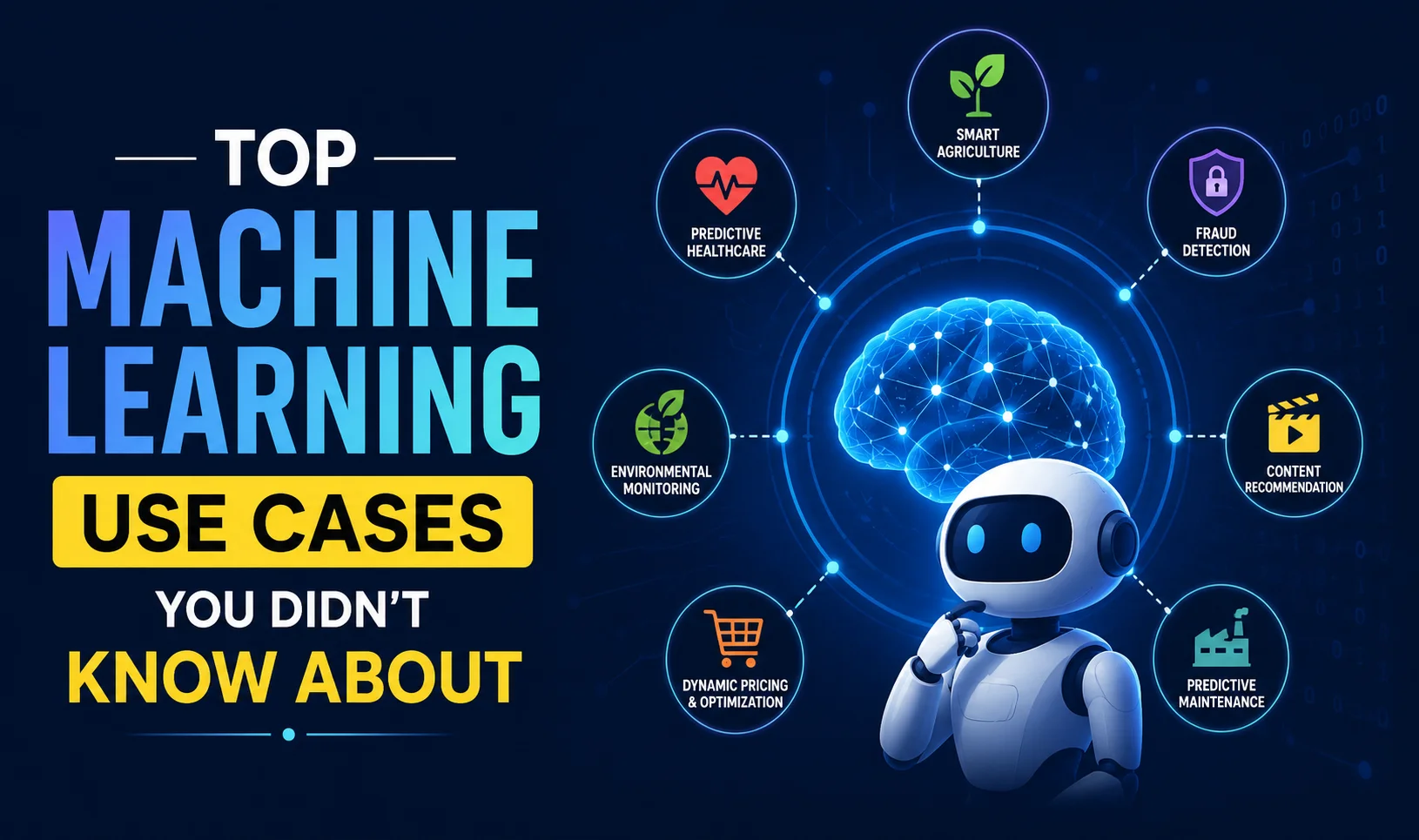
Top Machine Learning Use Cases You Didn’t Know About
Read More →
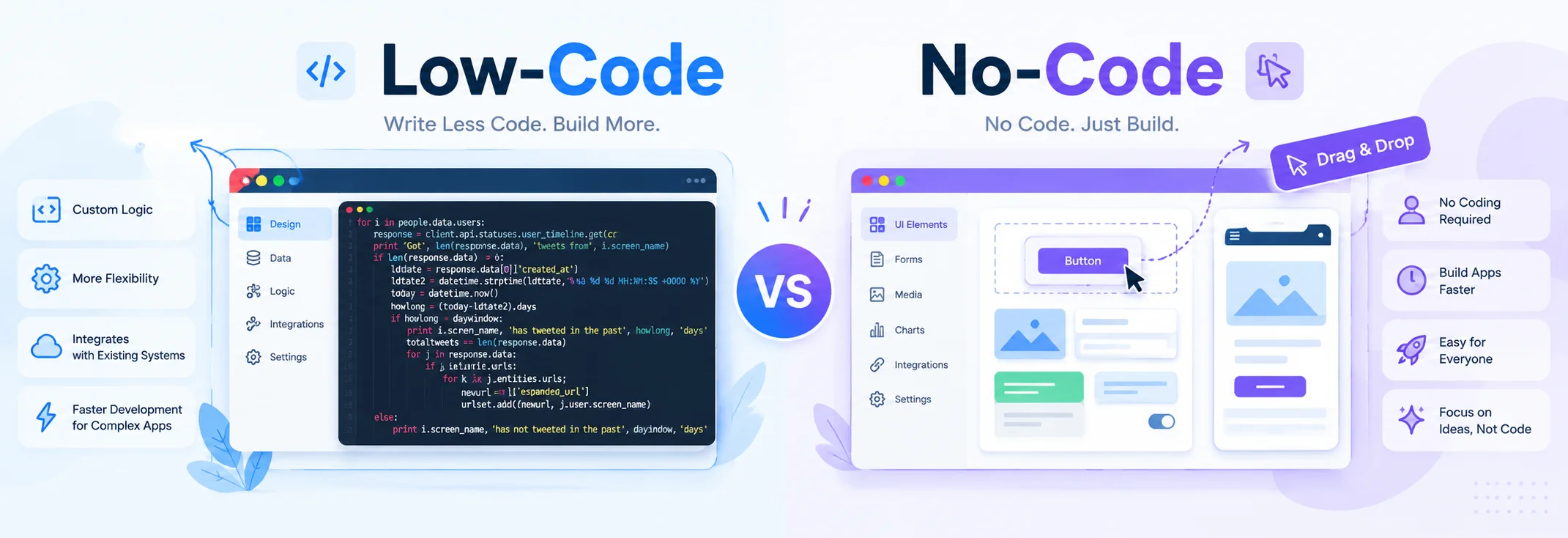
What Is Low Code/No Code and Why It Matters in 2025
Read More →
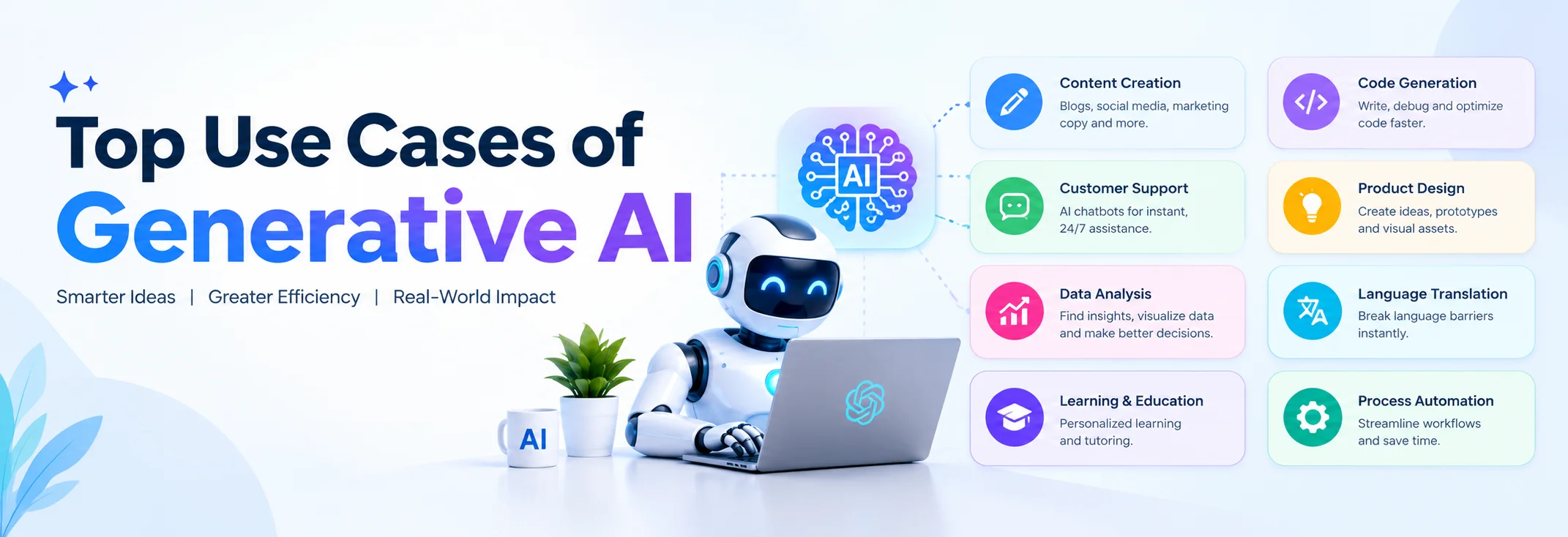
Top Use Cases of Generative AI in 2026
Read More →
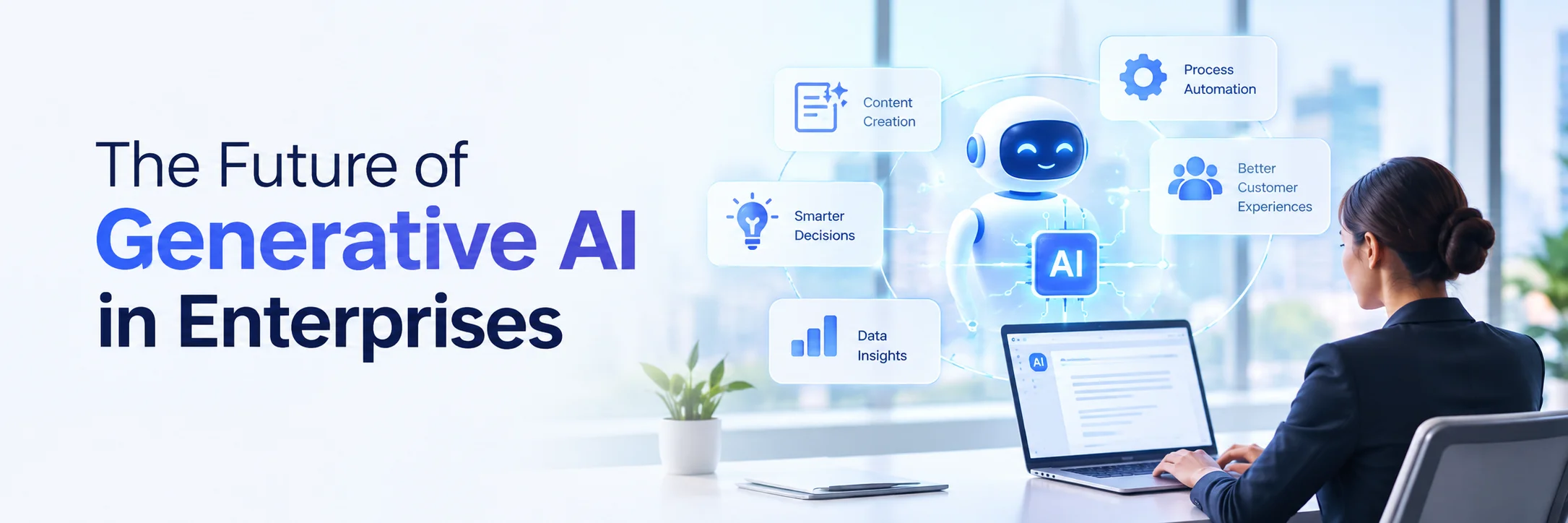
The Future of Generative AI in Enterprises
Read More →
How Generative AI Is Reshaping Enterprise Operations in 2025
Read More →
Top AI Features Every Modern Taxi App Must Include in 2026
Read More →The Future of Events: How Artificial Intelligence Is Changing the Industry
Read More →Why Are AI Agents the Next Big Shift in Banking and Finance
Read More →How AI-Driven Analytics Improve Learning Outcomes
Read More →How AI Is Optimizing Every Step of Food Delivery Apps
Read More →How AI-Powered CRM Is Transforming the Media & Entertainment Industry
Read More →
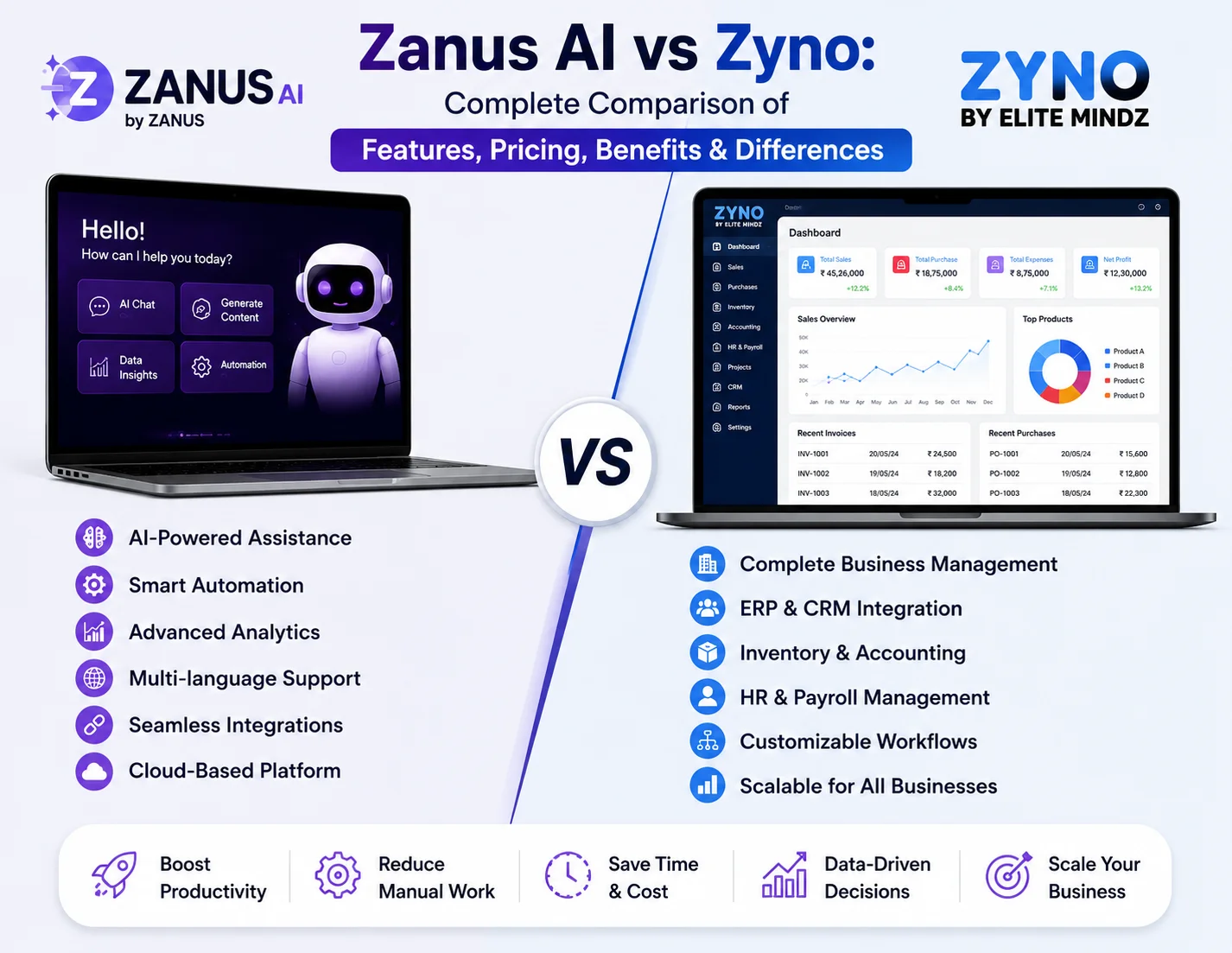
ZYNO vs Zanus AI: Which Is Better for Your Business?
Read More →
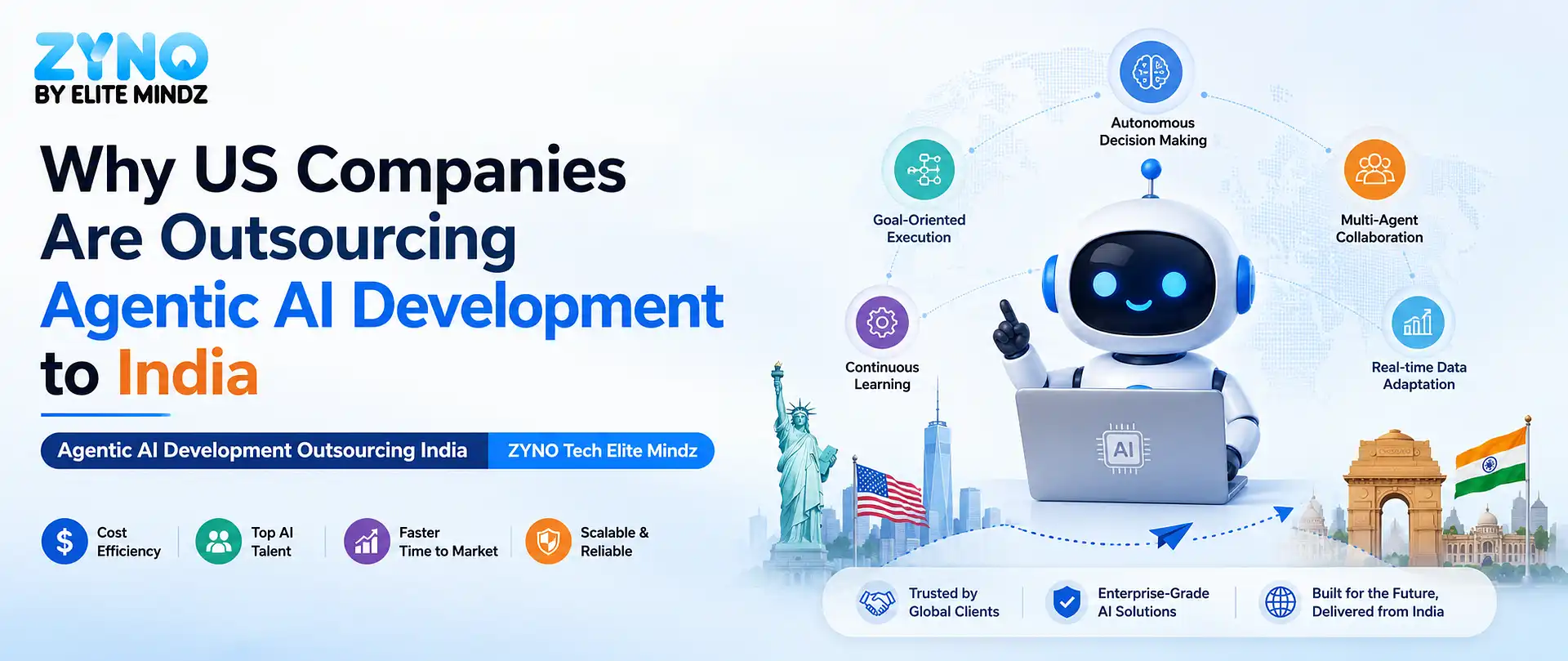
Why US Companies Are Outsourcing Agentic AI Development to India

Read More →
Top Agentic AI Development Companies in India for US Businesses (2026)
Read More →
Top Upcoming AI Tools of September 2026 You Must Watch
Read More →
Google Opal vs Tilda Bio AI: What Each Tool Actually Does (and Why They Aren't True Rivals)
Read More →
AI Agent Development Services: A Practical Guide for Business Teams

Read More →
Enterprise AI Agent Development Services: The Complete Guide to Cost, Benefits, Use Cases & Implementation

Read More →
How Much Does Custom AI Agent Development Cost in 2026? Calculate Real Price Ranges
Read More →
Machine Learning Software: Features, Benefits, Pricing & How to Choose the Right Solution in 2026
Read More →
Computer Vision in AI: How It Works, Types, Applications & Benefits
Read More →
Computer Vision Software Development Services
Read More →
What Is AI Identity Verification? How It Works, Benefits & Use Cases
Read More →
AI Identity Verification Software: Features & How to Choose
Read More →
Google's New AI Tool for App Development
Read More →
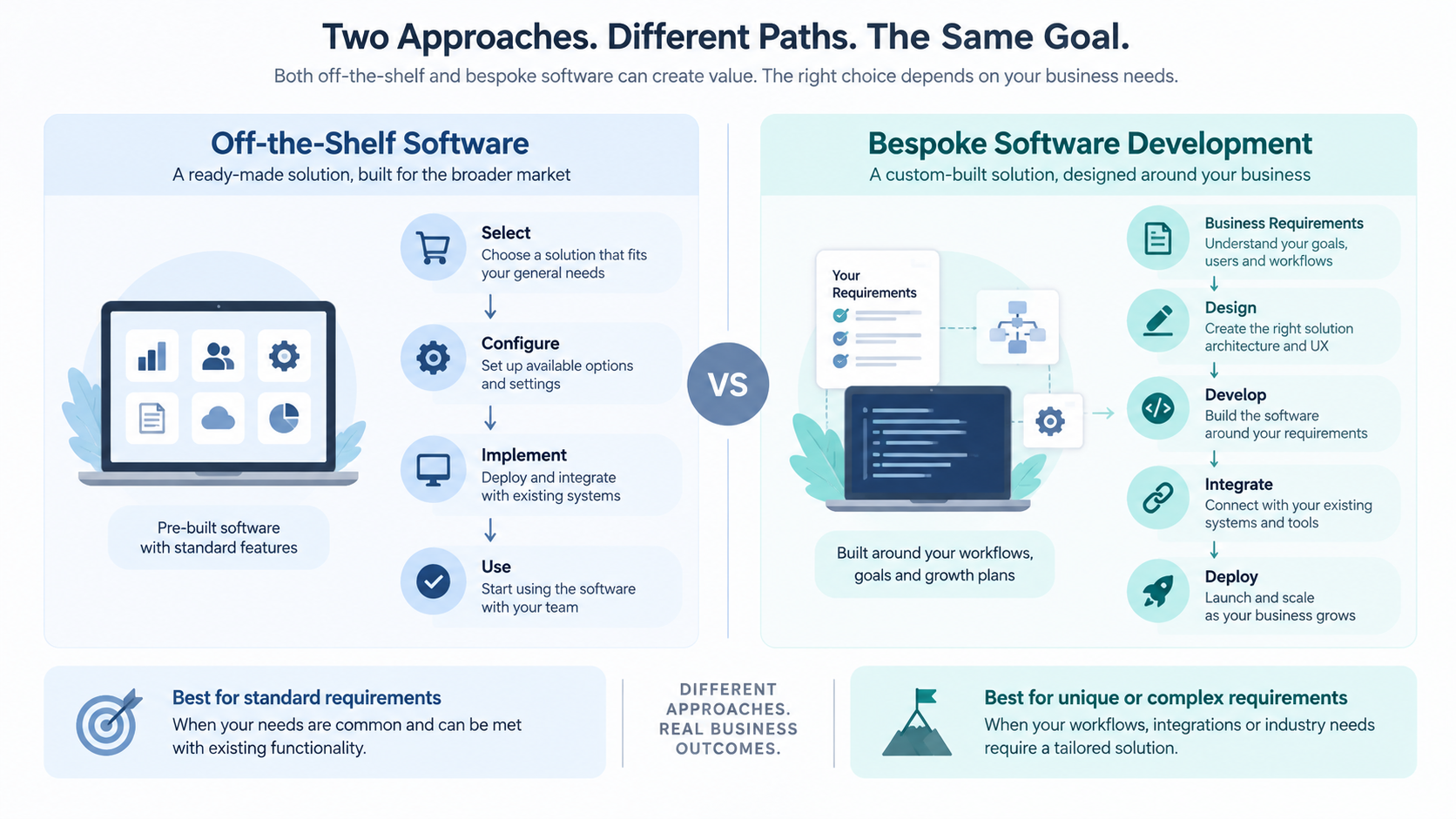
Bespoke Software Development vs Off-the-Shelf Software: Which Is Right for Your Business?
Read More →
AI Agent Development Company in Delhi: Services, Process, Cost & Benefits

Read More →
AI Agent Development Company in Mumbai: Services, Process, Cost & Benefits
Read More →Partner with ZYNO by Elite Mindz to revolutionize how your business works. Fill out the form, and we’ll reach out with AI-powered solutions made just for you.
We use browser cookies to ensure you get the best experience on our website. Learn more
The form was submitted successfully!