×
Still chasing leads on WhatsApp and Excel sheets? Here's what real estate software actually costs in 2026 — CRM, RERA compliance, and AI, explained simply.
Businesses using ZYNO Books cut accounting time by 70% and stay 100% ZATCA-compliant — automatically.

If you run a real estate business today, you already know the feeling. A lead comes in on WhatsApp, another through a Facebook ad, a third walks into your office - and by evening, half of them are lost somewhere between a notebook, an Excel sheet, and someone's personal phone. Your site visits don't sync with your CRM. Your property listings live in three different places. And every time a buyer asks "is this RERA registered?", someone scrambles to find the paperwork.
This isn't a people problem. It's a software problem - and it's exactly why real estate web and software development services have become one of the fastest-growing investments for brokerages, developers, and property management companies across India and the Middle East.
This guide walks through what real estate software actually involves, what it costs in 2026, where AI fits in, and how to pick a real estate custom software development company that won't leave you with another half-built system six months from now.
The real estate industry isn't short on technology - it's short on technology that fits the way real estate actually works. Generic CRMs aren't built for site visits and broker commissions. Generic accounting tools don't understand RERA escrow rules. And spreadsheets simply stop working once you cross a certain number of listings, leads, or properties under management.
That gap is exactly why the market is moving so fast. Industry research from Grand View Research projects the global real estate software market growing from roughly $12.79 billion in 2025 to nearly $32 billion by 2033 - a sign that this isn't a passing trend, it's a structural shift in how the industry operates. At the same time, buyer behaviour has changed permanently: the overwhelming majority of property buyers now start their search online, and the businesses winning leads are the ones whose digital systems respond instantly, not the ones still relying on phone calls and follow-up sheets.
For Indian and GCC real estate businesses specifically, this shift comes with a layer most global software simply ignores: regulatory compliance - RERA in India, DLD and Ejari requirements in Dubai, REGA in Saudi Arabia. Off-the-shelf platforms built for the US or UK market weren't designed with these rules in mind, which is exactly where custom real estate software development earns its value.
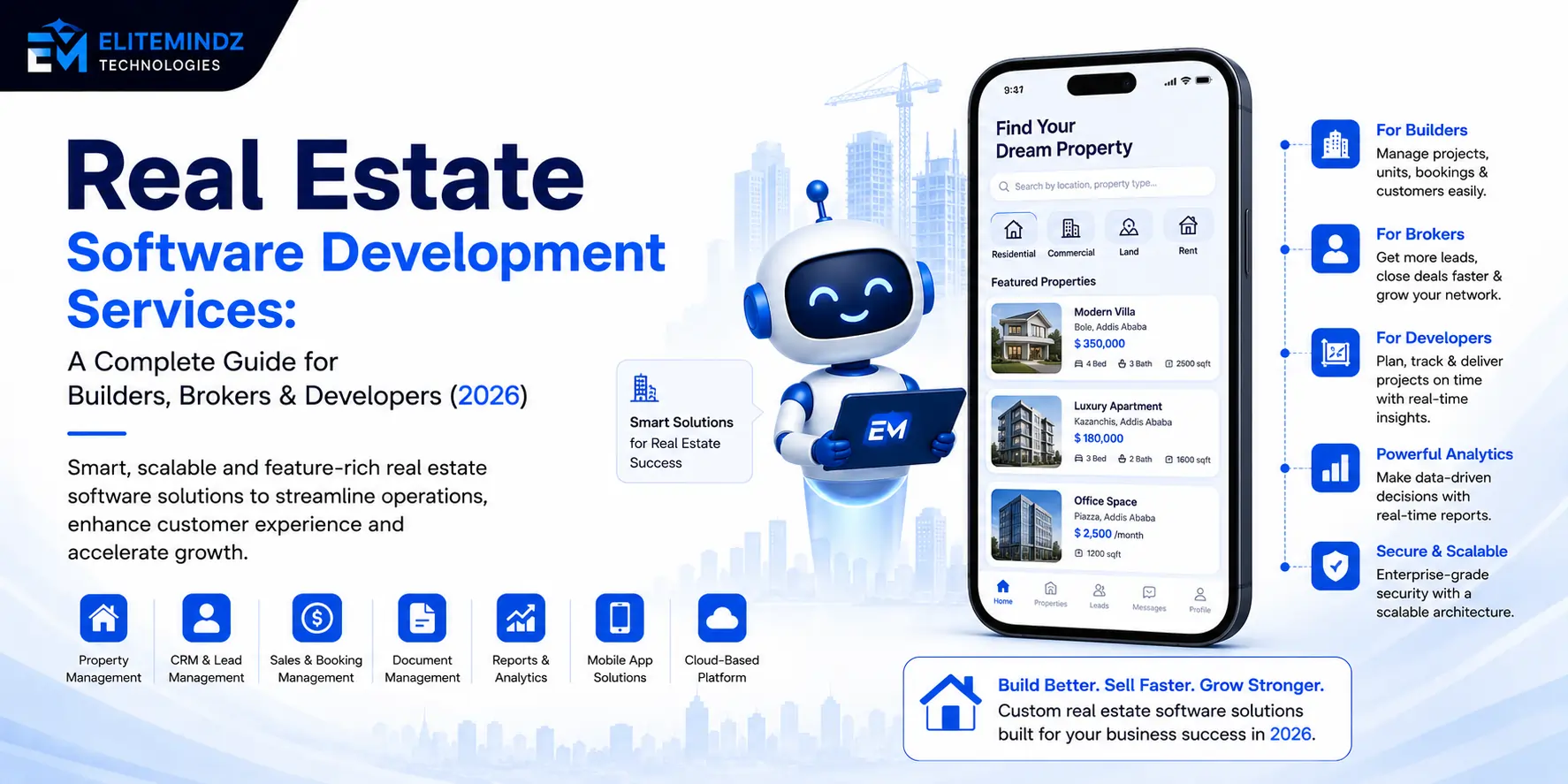
Take the next step with custom Real Estate Software Development Services designed for builders, brokers, and developers who want to scale faster in 2026 and beyond. From automated property listings and CRM systems to advanced analytics and client portals, we build solutions that streamline every stage of your real estate operations.
"Real estate software" isn't one product - it's a category. Knowing which type your business actually needs (sometimes more than one) is the first real decision in this process.
Built for property managers, landlords, and facility owners juggling tenant onboarding, rent collection, maintenance requests, and lease renewals. A well-built property management software development project automates the repetitive admin work - reminders, billing, document storage - so your team spends less time chasing paperwork and more time on tenants who actually need attention.
This is the engine behind your sales pipeline. A purpose-built real estate CRM development project tracks every lead from first inquiry to closed deal, automates follow-ups, manages commission splits, and gives brokers visibility into which agents are converting and which leads are going cold. In India and the UAE especially, the highest-performing real estate CRMs are the ones wired directly into WhatsApp Business API, since that's where most buyer conversations genuinely happen.
If your business relies on shared listing data, MLS/IDX integration services connect your platform to listing feeds so prices, availability, and property details update automatically instead of manually. While true MLS infrastructure is more common in the US, India and GCC markets are increasingly building similar centralized listing logic for brokerage networks and developer portals.
Buyers expect to browse properties, schedule visits, and chat with agents from their phone - not a desktop browser. Real estate mobile app development typically covers buyer-facing apps, agent apps, and admin dashboards, each with different workflows but a shared backend. If you're evaluating partners for this specifically, it's worth seeing how a team approaches mobile app development for other complex, multi-stakeholder platforms before committing.
This is where the category is moving fastest. AI-powered real estate web and software development now handles automated property valuations, predictive lead scoring, and conversational assistants that qualify buyers before a human agent even gets involved. We'll go deeper on this below.
For developers and construction-driven real estate businesses, project management software tracks budgets, vendor contracts, material procurement, and timelines across multiple sites. This often overlaps with broader supply and vendor coordination - the same logic behind supply chain management systems applies directly to managing construction materials and contractor networks at scale.
Every module above needs to sit on a compliant foundation. In India, that means RERA-aligned escrow tracking, disclosure documentation, and project registration data built into the system from day one - not bolted on afterward. In the UAE, it means Ejari-aligned lease records and DLD-compatible data structures. This is the single most overlooked piece of real estate software development services, and it's usually the reason businesses end up rebuilding software they bought off the shelf.
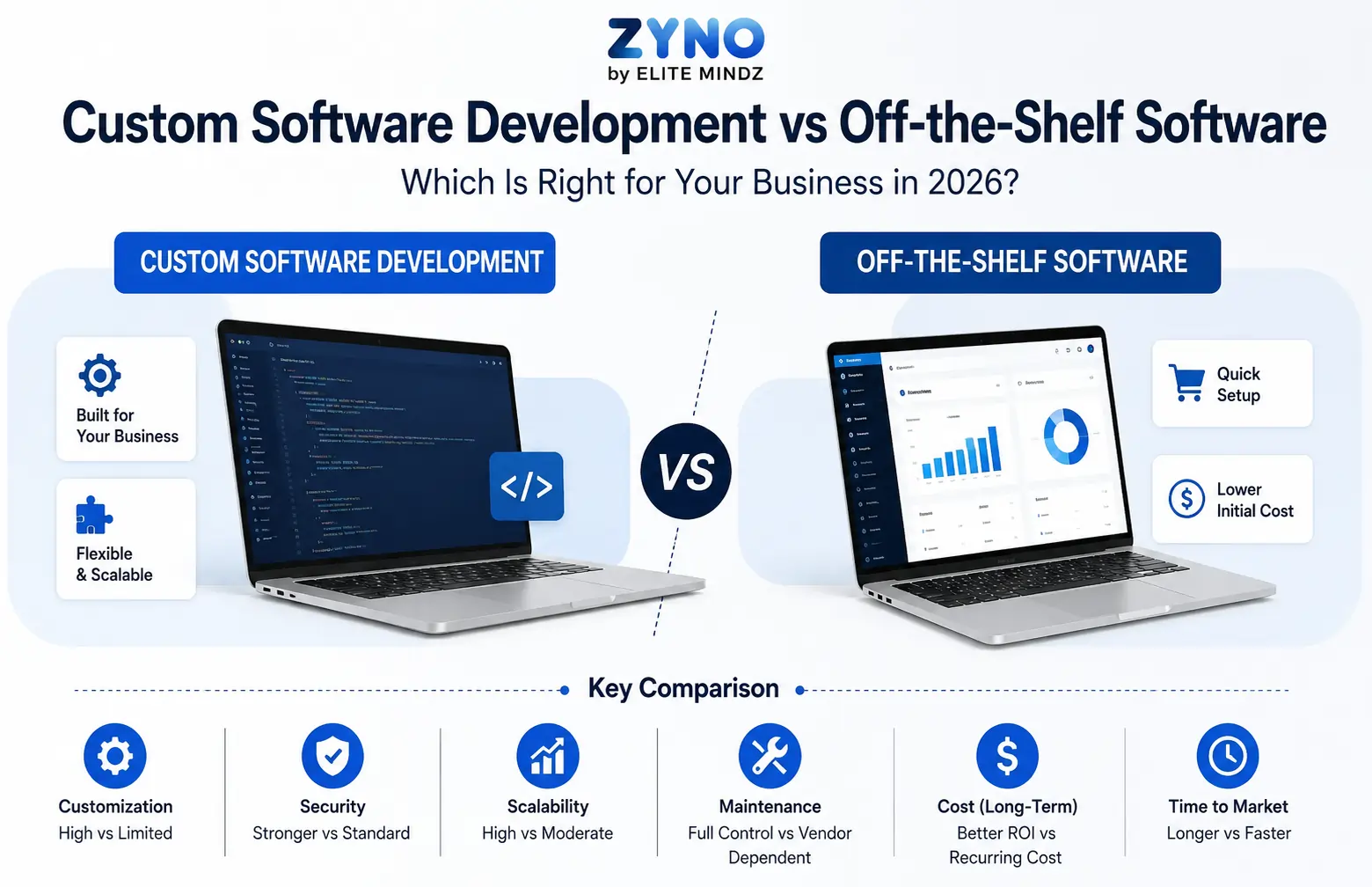
It's a fair question - why build custom software instead of subscribing to an existing SaaS platform? The honest answer: for many small operations, SaaS is genuinely the right call. But once your business hits a certain scale - multiple branches, hundreds of active listings, RERA compliance obligations, or a sales process that doesn't fit a generic CRM template - off-the-shelf tools start working against you instead of for you.
Licensing fees scale with every user and every listing. Customization is limited to whatever the vendor allows. And your data lives on someone else's infrastructure, with someone else's roadmap deciding what features you get next. We've broken down this exact trade-off in more detail in our guide on custom software vs. SaaS for growing enterprises - it's worth reading before you sign another annual subscription.
The real test is simple: if your business processes are unique enough that you're constantly working around your software instead of with it, that's the signal to invest in something built for you.
If you're at that decision point, talk to our team about what a custom-built platform would actually look like for your business - explore our Real Estate Software Development Services.
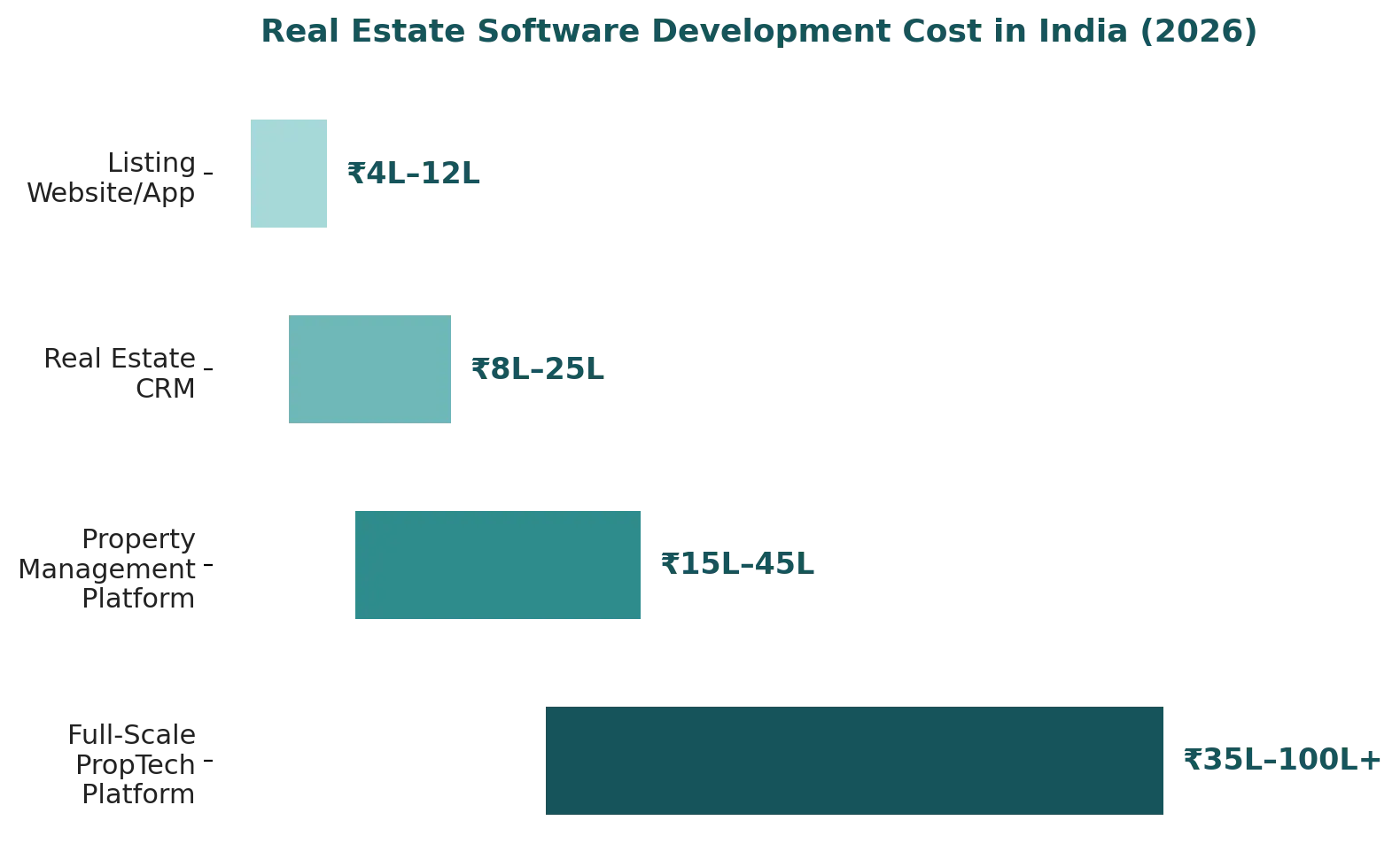
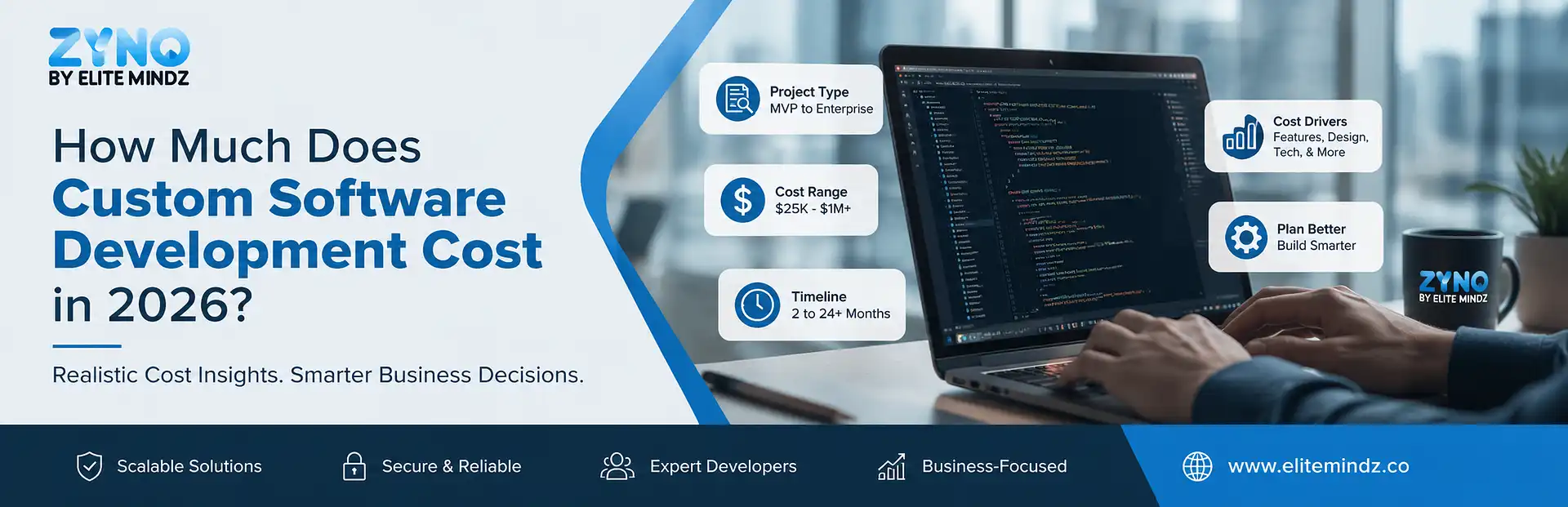
This is usually the first question - and the honest answer is: it depends heavily on scope. But here's a realistic starting framework based on current market benchmarks:
| Software Type | Indicative Cost (INR) | Typical Timeline |
|---|---|---|
| Basic Property Listing Website/App | ₹4,00,000 – ₹12,00,000 | 6–10 weeks |
| Real Estate CRM (Mid-complexity) | ₹8,00,000 – ₹25,00,000 | 10–16 weeks |
| Property Management Platform | ₹15,00,000 – ₹45,00,000 | 14–24 weeks |
| Full-Scale PropTech Platform (Multi-module, AI-enabled) | ₹35,00,000 – ₹1,00,00,000+ | 5–9 months |

One thing worth saying plainly: the cheapest quote is rarely the cheapest outcome. A platform that's missing compliance logic or can't scale past 500 listings often costs more to fix later than it would have cost to build right the first time.
AI in real estate isn't a buzzword feature anymore - it's becoming the difference between a platform that just stores data and one that actively helps your team close deals.
Conversational AI and chatbots are perhaps the most immediately useful application. A well-built real estate assistant can answer property questions instantly, qualify a buyer's budget and intent, schedule site visits, and hand off only the serious leads to your agents - at any hour, on any channel. We've covered how this works in detail in our piece on AI chatbot development services, and the same logic applies directly to lead qualification for property businesses.
Predictive lead scoring uses historical conversion data to flag which inquiries are most likely to actually close, so your agents spend time on the right leads instead of working every inquiry equally.
AI-assisted property valuation analyzes comparable sales, location data, and market trends to generate pricing estimates - useful for both buyer-facing tools and internal investment decisions.
This entire category sits on the same foundation as broader enterprise AI adoption. If you want to understand how AI integrates into business software more generally before narrowing it down to real estate specifically, our guide on AI-powered custom software development is a good starting point.
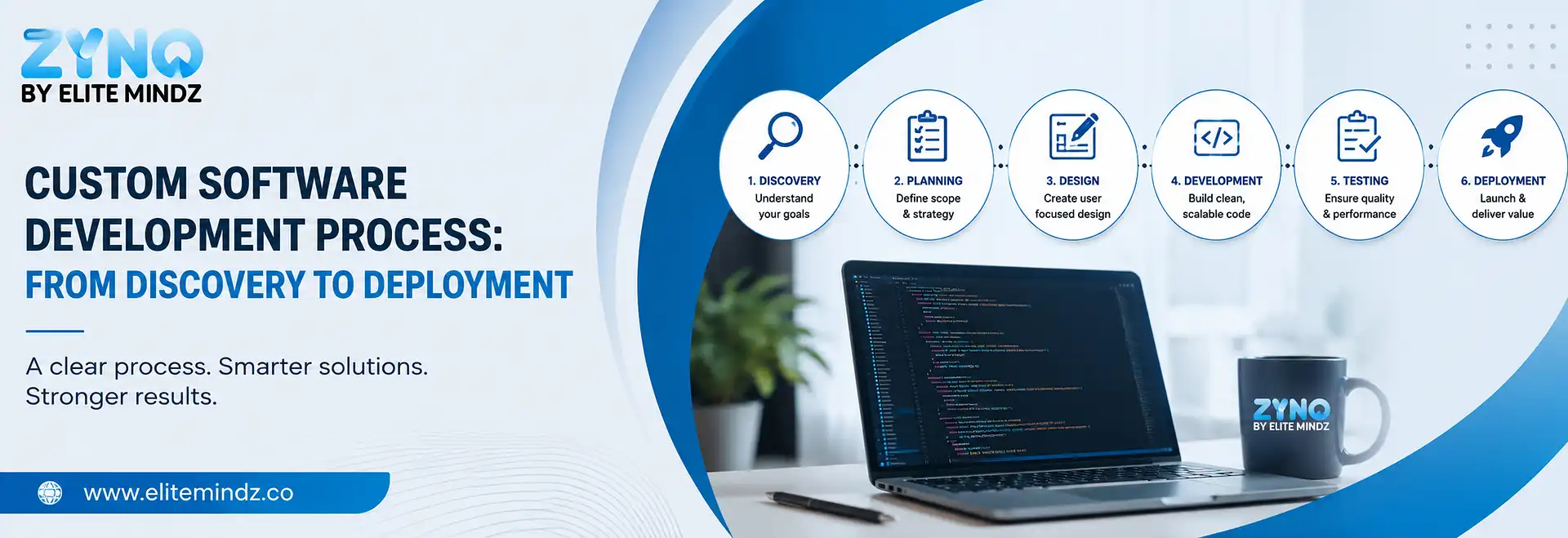
A platform is only as good as the process behind it. Here's what a properly run build actually looks like:
A few honest questions to ask before signing anyone:
We've spent years building AI-powered enterprise software - ERP, CRM, HRMS, and industry-specific platforms - across India, the UAE, and Saudi Arabia. That same engineering discipline now applies directly to real estate: compliance-first architecture, AI woven in from day one, and a team that's already solved the RERA and Ejari compliance problem instead of learning it on your project's timeline.
We're not interested in handing you a generic template with a real estate skin on it. We build the system around how your business actually works - your listings, your sales process, your compliance obligations - and we stay with you after launch, because software that isn't maintained stops being an asset within a year.
If your team is still running on spreadsheets and scattered WhatsApp chats, let's talk about what's actually possible.
Costs typically range from ₹4 lakh for a basic listing platform to over ₹1 crore for a full-scale, AI-enabled PropTech platform with CRM, property management, and compliance modules. The final number depends on user roles, integrations, and AI features.
A basic platform can take 6–10 weeks. A full property management or CRM system typically takes 3–6 months, and enterprise-grade, multi-module platforms can run 5–9 months depending on integration complexity.
For smaller operations, ready-made tools can work fine. But once your business has unique workflows, compliance needs, or scale that a generic platform can't accommodate, custom software typically pays for itself by removing licensing limits and workaround costs.
Yes - MLS/IDX and third-party listing integrations are a standard part of real estate platform development, and the approach is adapted depending on which listing networks your business already works with.
Yes, compliance is built into the data architecture from the start - including project registration data, escrow-related tracking, and disclosure documentation workflows required under RERA, with equivalent handling for Ejari and REGA requirements for GCC-based businesses.
Most modern platforms combine cloud-native backends, mobile-first frontends, and AI/ML modules for valuation and chat features, along with secure APIs for CRM, payment, and listing integrations. The exact stack depends on your scale and existing systems.
Yes - most real estate platforms today are designed mobile-first, with a responsive web admin dashboard for internal teams and dedicated apps for buyers and agents.
Yes. Ongoing maintenance, feature updates, and compliance updates (as RERA or local regulations evolve) are typically built into a post-launch support plan rather than treated as one-time work.
Real estate runs on relationships, but in 2026, it runs better with the right software underneath those relationships - systems that catch the lead you'd otherwise lose, the compliance step you'd otherwise miss, and the buyer question your team doesn't have time to answer at 11 PM.
If you're ready to move past spreadsheets and disconnected tools, we'd like to understand your business first - not pitch you a template.
Sneha Singh
Content writer
Sneha Singh is a B2B tech content strategist with 4+ years of experience. She specializes in SEO-driven SaaS content, whitepapers, and platform-native social media campaigns that simplify complex technology and drive business growth
Magento vs Shopify vs WooCommerce: Which Platform Wins in 2025?
Read More →

SEO vs Google Ads: Which One Drives Better Results in 2025?
Read More →
Top 10 E-commerce Development Agencies for D2C Brands in India
Read More →
Top Mobile App Development Companies in India (2025 Edition)
Read More →
Top Mobile App Development Companies in Nigeria (2025)
Read More →
Hire Mobile App Developers in India: What You Need to Know
Read More →
Top E-commerce Development Companies in Africa (2025 Edition)
Read More →
Best Mobile App Development Companies in UAE (2025 Edition)
Read More →
Best Digital Marketing Services for Small Businesses in India
Read More →
Best eCommerce Development Companies in Dubai (2025)
Read More →
Top Mobile App Development Companies in Kenya (2025)
Read More →
Top 10 Digital Marketing Companies in the UAE for 2025
Read More →
Best Digital Marketing Companies in Dubai (2025)
Read More →
Best Digital Marketing Companies in Qatar (2025)
Read More →
AI-Powered 5G Mobile Apps: Revolutionizing User Experiences in 2025
Read More →
Top Mobile App Development Firms in Africa (2026): Innovators Driving Digital Transformation
Read More →
Top Mobile App Development Firms in Nigeria (2025): Innovators Powering Digital Growth
Read More →
Top Mobile App Development Firms in Kenya (2025): Innovators Driving Digital Transformation
Read More →
IoT and Mobile Apps: Creating a Connected Ecosystem in 2025
Read More →
How AI Is Reshaping Mobile App Development in 2025
Read More →
Security Trends in Mobile Apps: What Developers Need to Know in 2026
Read More →
Mobile App Security in 2025: Protecting User Data in an AI World
Read More →
10 AI-Powered Features Your Mobile App Needs in 2025
Read More →
Mobile App Development Trends to Watch in 2025 with Elite Mindz
Read More →
The Future of Mobile UX: Motion Design & Touchless UI in 2025
Read More →
What Next in Mobile App Tech for 2026 and Beyond
Read More →
Building Apps for the Foldable Device Revolution in 2025
Read More →
Accessibility in Mobile Apps: A 2025 Imperative
Read More →
Hire a Developer with Elite Mindz: Global Demand in 2025
Read More →
Voice Search Optimization 2025: Prepare Apps for the Conversational Web
Read More →
Why Nairobi Is Africa's Hottest Mobile App Hub in 2025
Read More →
Why Singapore Trusts Elite Mindz for Developer Hiring in 2025
Read More →
EliteMindz Mobile App Services for Addis Ababa in 2026
Read More →
EliteMindz ECommerce Solutions Boosting Global Sales in 2026
Read More →
EliteMindz Developer Services Power London Tech in 2026
Read More →
How New York Firms Leverage Elite Mindz Talent in 2025
Read More →
How New Delhi Entrepreneurs Scale with Elite Mindz E-Commerce in 2025
Read More →
Low-Code vs. Custom: Choosing the Right Mobile Path in 2025
Read More →
What Latin American E-Commerce Buyers Expect in 2025
Read More →
AI Powered Digital Marketing: 2026 Lead Generation with EliteMindz
Read More →
Merging AI SEO and Paid Media: A GEO-Driven Strategy for the AI Search Era
Read More →
How Extended Reality (XR) Is Transforming Mobile Apps in 2025
Read More →
Why Nairobi Is the Powerhouse of Mobile App Development in Africa in 2025
Read More →
Ultimate Guide to Digital Marketing Strategies in 2025: Actionable Insights to Drive Growth
Read More →
Mobile App Development in Nairobi: Trends & Opportunities in 2025
Read More →
Mastering AI-Driven SEO: Your Survival Guide for 2025 and Beyond
Read More →
African Emerging Cities: Mobile App Trends to Watch in 2025
Read More →
Elite Mindz Developer Hiring Trends Across Continents 2025
Read More →
Google Ads Update 2025: Smarter Campaign Management with Checkbox Filters
Read More →
xAI’s Grok Code Fast 1: Transforming Agentic AI for Enterprise Software
Read More →
Mobile App Innovation Trends to Lead in 2025
Read More →
Why Generic Login Pages Confuse Google & Damage SEO
Read More →
The Rise of Social Commerce: Shoppable Apps in 2025
Read More →
Always-On Audits: The Future of Technical SEO Maintenance
Read More →
5G and App Development: Speed & Performance Unlocked in 2025
Read More →
Internal Linking for SEO: Why It Matters and How to Do It Right
Read More →
Mastering SEO in a Fractured Search Landscape: New AI-First Rules for 2025
Read More →
Layered SEO 2025: The 4-Step System to Win AI Search and User Trust
Read More →
Google Antitrust Case: AI Overviews Shift to FastSearch Over Links in 2025
Read More →
Mastering AI Search: Elevate Your Brand Through Superior Website Wellness
Read More →
Tokyo's Retail Market & Elite Mindz in 2026
Read More →
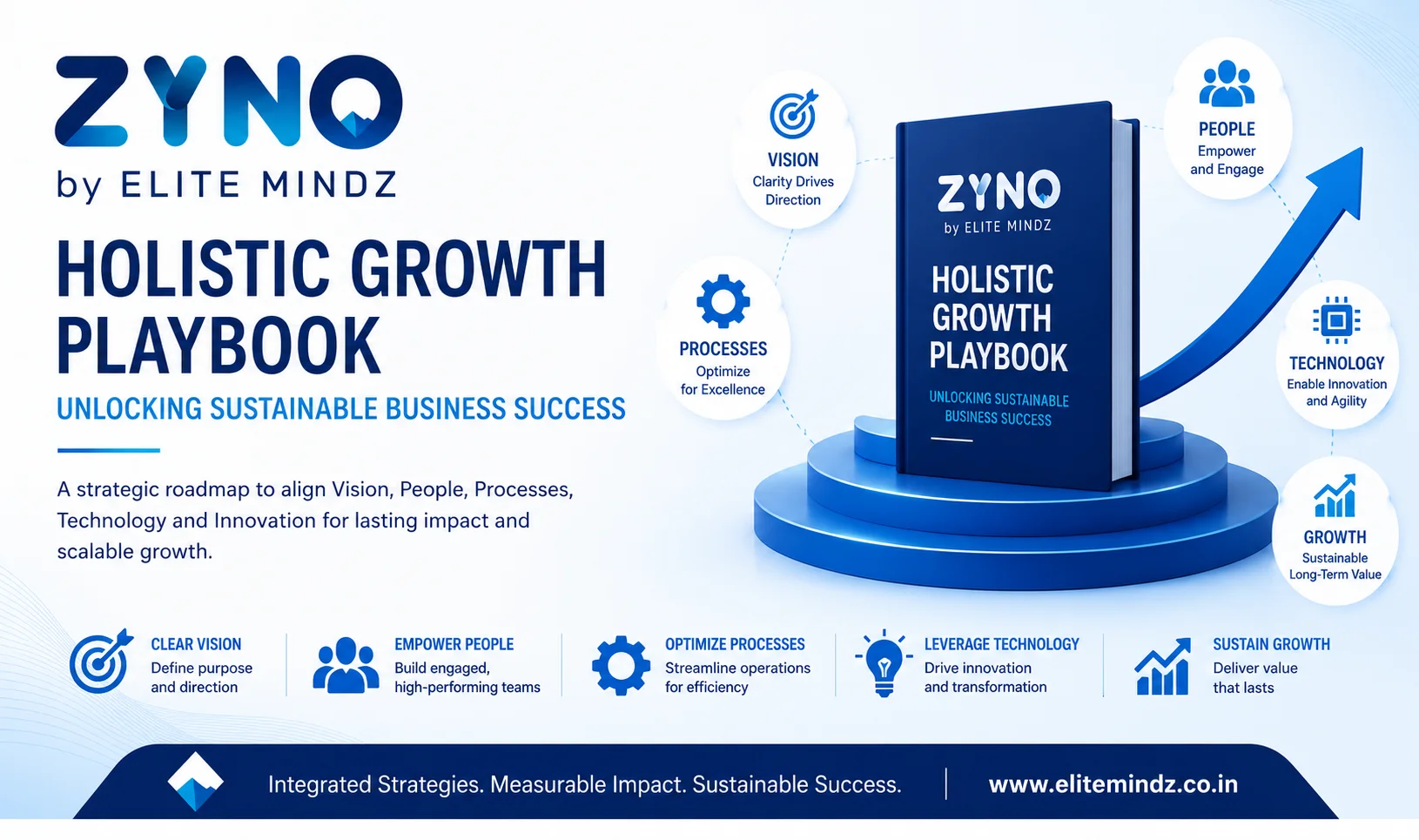
Elite Mindz Holistic Growth Playbook for 2025: Unlocking Sustainable Business Success
Read More →
Top Mobile App Development Firms in the U.K. (2025)
Read More →
GEO Meets Local SEO: Revolutionizing Business Discovery in the AI Era
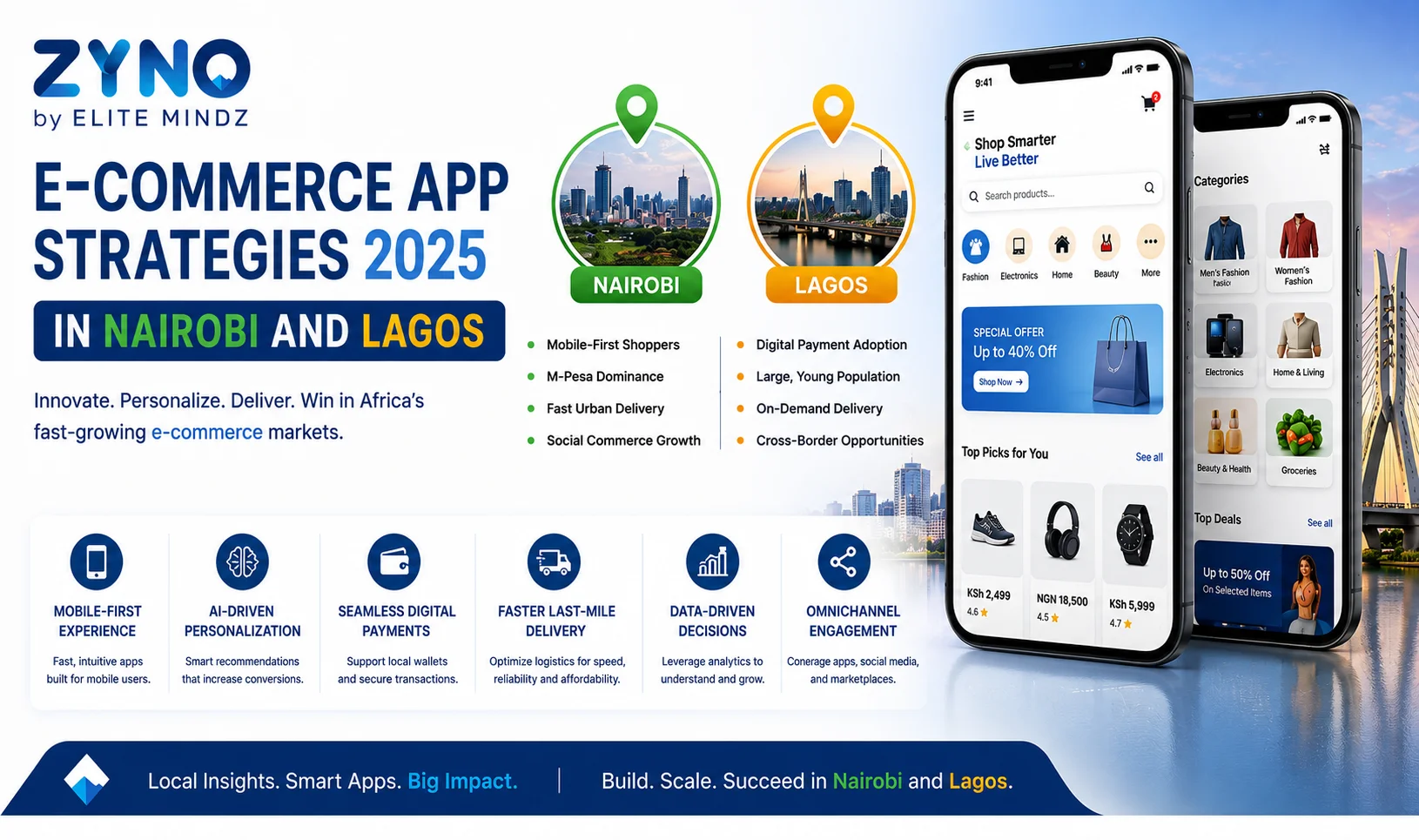
Read More →E-Commerce App Strategies 2025 in Nairobi and Lagos
Read More →
Mobile App Strategies that Work in Cairo 2025
Read More →
Best Practices for Mobile App Development in Malaysia with Elite Mindz
Read More →
Top Features Malaysian Businesses Should Add in Their Mobile Apps
Read More →
Top Mobile App Development Firms in Germany (2025)
Read More →
Top Mobile App Development Firms in France (2025)
Read More →
No-Code vs Custom Development in 2026: What’s Right for Your Business?
Read More →
10 Industries Being Transformed by ML in 2025
Read More →
How Remote Hiring Changed the Global Developer Landscape
Read More →
Low Code Myths vs Reality
Read More →
Top 10 Developer Hiring Mistakes to Avoid in 2025
Read More →
Hire Dedicated Developers vs Freelancers: Pros & Cons
Read More →
Top Mobile App Development Firms in Saudi Arabia (2025)
Read More →
Top Mobile App Development Firms in Kuwait (2025)
Read More →
Top Mobile App Development Firms in UAE (2025)
Read More →
Top Mobile App Development Firms in Qatar (2025)
Read More →
Top 3 Mobile App Development companies in South Africa for iOS and Android
Read More →
Top Mobile App Development Companies in the USA 2025: Building Innovative Apps for Every Business
Read More →
Taxi Booking App Development Company in the Middle East
Read More →
Developer Hiring Platforms Compared: Finding the Right Fit for Startups and Enterprises
Read More →
Effective Mobile App Monetization Strategies That Work in 2025
Read More →
Why Riders Prefer Taxi Booking App Over Traditional Calls
Read More →How Mobile Apps Are Transforming Pet Care Management in the USA
Read More →
The Complete Step-by-Step Guide to Compliance Software Every Business Needs Now
Read More →How Global Capability Centers Are Shaping the Future of Work
Read More →A New Chapter Begins in 2026: ZYNO’s AI-Powered Software Redefining the IT Landscape
Read More →What is Offshore Outsourcing Services: A Complete Guide
Read More →The Role of AI and Cloud in Modern Custom Application Development
Read More →Top Mobile App Development company in India 2026- ZYNO Tech
Read More →A complete guide to build a mobile app for your travel business
Read More →Cybersecurity & Compliance: The New Pillars of Global Capability Centers
Read More →A Practical Guide to Choose the Right B2B Mobile App Development Partner
Read More →
Android App Development for Fintech in UAE: The Complete 2026 Guide
Read More →
Complete Guide to Healthcare App Development in 2026: Features, Process, Costs, Types
Read More →
Top 10 Android App Development Companies in India That Are Dominating 2026
Read More →
What is BRS? Bank Reconciliation Statement Meaning, Importance & Process Explained
Read More →
Best Mobile App Development Company in Delhi & Noida (2026 Guide)
Read More →
Voice Search SEO for Apps: The Complete Optimization Guide
Read More →
The Top 10 Supply Chain Management Systems (SCM) for 2026
Read More →
AI-Powered Custom Software Development: How Businesses Are Building Smarter Applications
Read More →
Why Enterprises Prefer Custom Software Development Over SaaS in 2026
Read More →
AI Chatbot Development Services: Everything Businesses Need to Know Before Investing in 2026
Read More →
Real Estate Software Development Services: A Complete Guide for Builders, Brokers & Developers (2026)
Read More →Partner with ZYNO by Elite Mindz to revolutionize how your business works. Fill out the form, and we’ll reach out with AI-powered solutions made just for you.
We use browser cookies to ensure you get the best experience on our website. Learn more
The form was submitted successfully!
ZYNO Digital
Fueling Smarter Digital Growth
ZYNO Digital fuels smarter digital growth through data-driven marketing, creative storytelling, and performance strategies that boost visibility, engagement, and measurable business outcomes across global platforms.
ZYNO Tech
Engineering the Future of IT
ZYNO Tech delivers cutting-edge IT solutions — including web, mobile, and digital transformation services — helping businesses scale efficiently, innovate faster, and stay ahead in a connected world.
ZYNO AI
AI Built for Business Growth
ZYNO AI harnesses the power of artificial intelligence to automate processes, enhance decision-making, and deliver predictive insights — driving innovation, agility, and measurable business growth.
ZYNO by Elite Mindz
Your Partner in the AI-Powered Future
ZYNO by Elite Mindz offers AI-powered products and services that unify operations, boost productivity, and drive digital transformation — helping businesses scale smarter and innovate faster.
* In just 2 mins you'll get a response
* Your idea is 100% protected by our Non-Disclosure Agreement