Magento vs Shopify vs WooCommerce: Which Platform Wins in 2025?
Read More →

×
Software timelines shrink dramatically when scope is clear and decisions move fast. Talk to ZYNO about your project and get a realistic, discovery-based timeline instead of a guess. Get Your Project Timeline →
Businesses using ZYNO Books cut accounting time by 70% and stay 100% ZATCA-compliant — automatically.
Short answer: custom software development can take anywhere from about 2 months for a small MVP to well over a year for a complex enterprise platform. There's no fixed timeline that applies across projects, because every piece of software has a different set of requirements, integrations, and quality expectations behind it. How long does it take to build custom software for your business specifically depends on scope, feature count, platforms, integrations, security needs, and how quickly decisions get made along the way.
Planning and discovery have more influence on delivery speed than most people expect. Two projects with a similar feature list can land on very different timelines simply because one started with clear, documented requirements and the other didn't. This article breaks the timeline question down by project type, by development phase, and by the specific factors that push a timeline longer or shorter, along with realistic project scenarios and practical ways to avoid the delays that catch most businesses off guard.
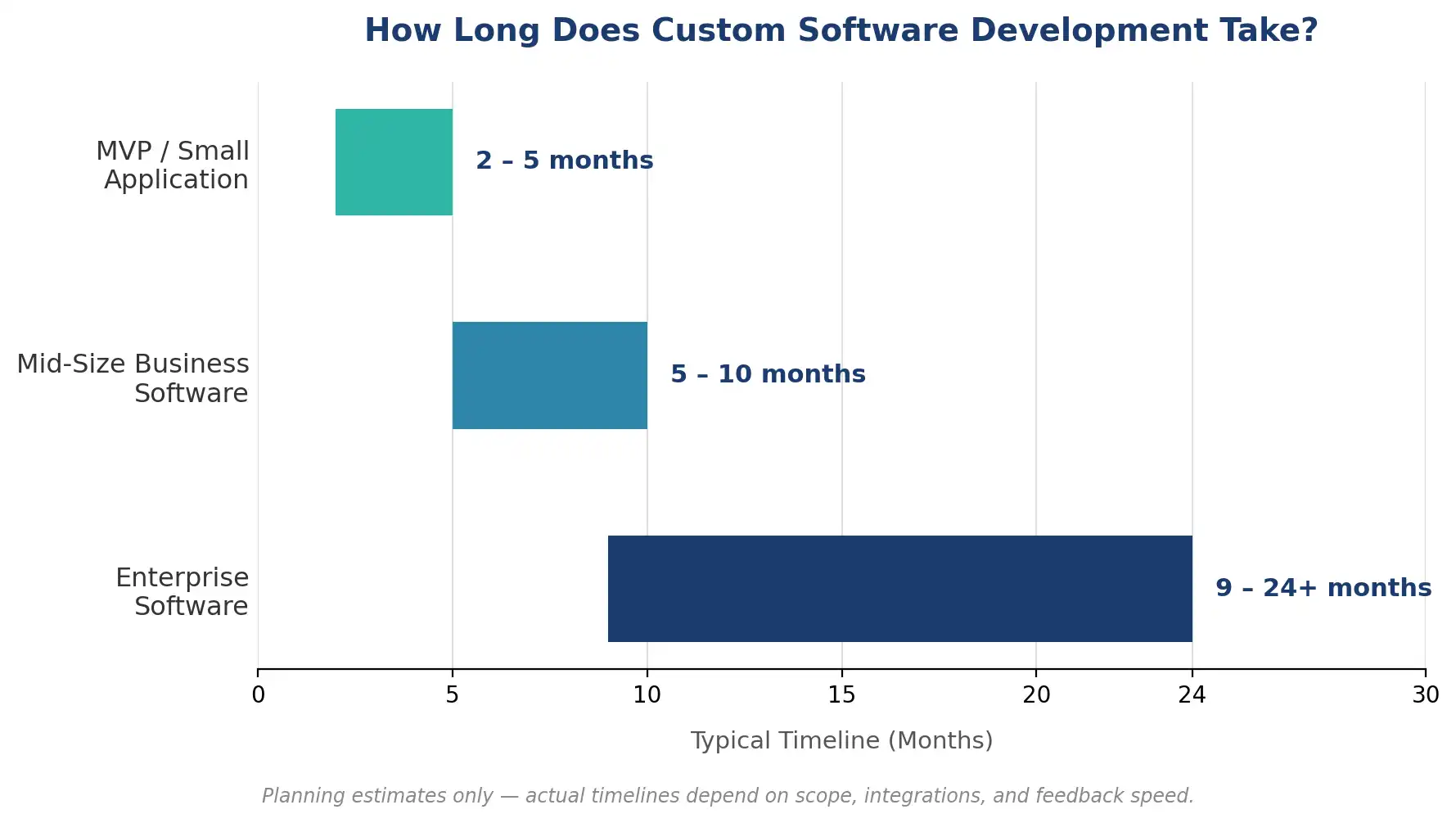
Generally, custom software development timelines run 2 to 5 months for an MVP or small application, 5 to 10 months for a mid-size business application, and 9 to 24 months or longer for enterprise software. These ranges reflect typical scope and complexity at each tier, not a fixed formula that applies to every project.
| Project Type | Average Timeline | Examples |
|---|---|---|
| MVP / Small Application | 2 to 5 months | Startup MVP, Internal Tool |
| Mid-Size Business Software | 5 to 10 months | CRM, HRMS, Workflow Platform |
| Enterprise Software | 9 to 24+ months | ERP, Large-Scale Business Platform |
These are planning estimates, not guarantees. A vendor can only commit to a specific timeline once requirements, features, and integrations are actually documented through discovery.
Need Custom Software Built Faster?
Whether you're building an MVP, enterprise platform, CRM, ERP, or AI-powered solution, our experts help you deliver scalable software on time and within budget.
An MVP typically takes 2 to 5 months to build. The goal at this stage isn't a complete product, it's a focused version that validates whether the core idea actually works for real users, with just enough functionality to be genuinely useful.
MVP timelines stay short because the scope is deliberately narrow: core functionality only, one primary user group, basic integrations rather than a full integration ecosystem, and enough usable design to support real testing without a full design system behind it.
Here's a concrete example. A startup building a customer booking platform might launch an MVP with user registration, a booking system, payment integration, and a basic admin dashboard. What it wouldn't include at this stage: advanced analytics, AI-based recommendations, or complex workflow automation. Those are valuable additions, but none of them are required to test whether customers will actually use the booking flow. Cutting scope this way isn't a compromise on quality, it's what lets the team launch fast enough to get real feedback instead of guessing for another six months.
Small business software, distinct from an MVP because it's built for ongoing operational use rather than idea validation, typically takes 3 to 6 months. Common examples include an internal workflow application, a basic inventory system, an employee management tool, or a customer portal serving one department.
This timeline moves through the same core phases as any project: requirements gathering, design, development, testing, and deployment, just at a smaller scale than a mid-size or enterprise build. The shorter timeline usually comes from a narrower user base and fewer integrations rather than skipping any of these phases.
Mid-size business applications generally take 5 to 10 months. This tier covers software like a CRM platform, an HRMS, procurement software, or individual ERP modules built for a specific department rather than an entire organization.
The added time compared to small business software comes from real complexity increases: multiple user roles that each need their own permission logic, admin dashboards, reporting features that require data aggregation, several integrations instead of one or two, and workflow automation that needs to be tested across different user paths, not just the happy path.
Enterprise software typically takes 9 to 24 months or longer. Examples include an enterprise ERP system, a healthcare management platform, a supply chain platform connecting multiple vendors, or banking software subject to financial regulation.
The extended timeline reflects genuine organizational scale: a large user base across departments and often multiple locations, advanced security requirements, regulatory compliance obligations, data migration from legacy systems, integration with several existing platforms, and frequently a phased rollout rather than a single launch date. Phasing a large deployment, launching to one department or region before expanding, is often a deliberate strategy to reduce risk rather than a sign the project is behind schedule.
Turn Your Software Idea into Reality
From planning and UI/UX design to development, testing, deployment, and ongoing support, we build custom software that grows with your business.
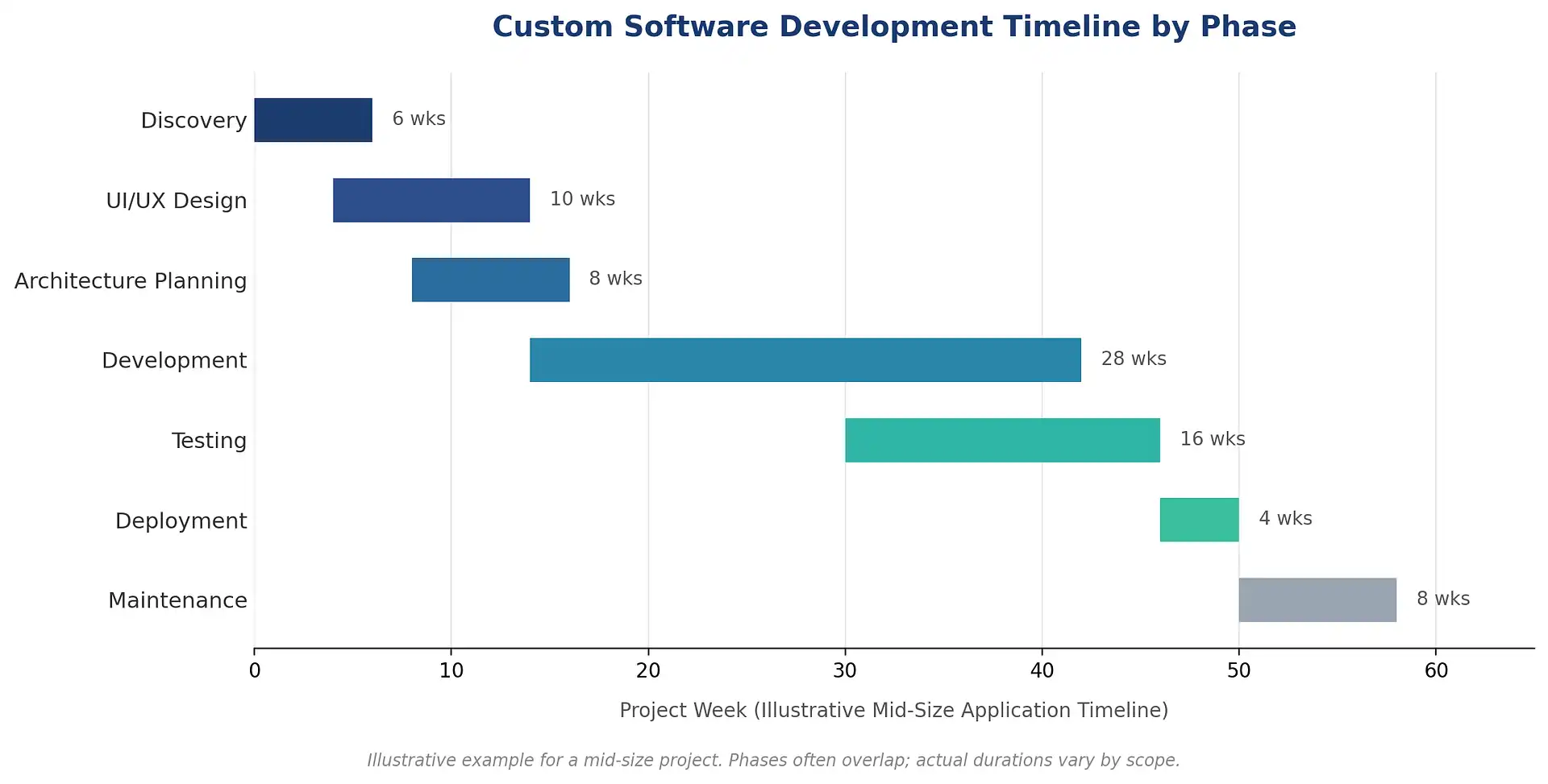
Beyond project type, it helps to understand how time gets distributed across the actual phases of a project. Here's a general breakdown.
| Phase | Typical Duration | Main Activities |
|---|---|---|
| Discovery | 2 to 6 weeks | Requirements gathering, business research, project planning |
| UI/UX Design | 3 to 8 weeks | Wireframes, prototypes, user interface design |
| Architecture Planning | 2 to 6 weeks | Technology selection, database design, integrations |
| Development | 3 to 12+ months | Feature development, coding, API integration |
| Testing | 4 to 12 weeks | Quality assurance, bug fixing, validation |
| Deployment | 1 to 4 weeks | Production launch, server configuration, go-live |
| Maintenance | Ongoing | Updates, performance optimization, ongoing improvements |
Discovery sets the foundation for everything that follows. This is where the team documents business requirements, technical requirements, and user needs before any design or development work begins. Rushing this phase is one of the most reliable ways to add weeks or months back into a project later, through rework.
UI/UX design turns those requirements into wireframes and prototypes that map out how the software will actually work and look, before development resources are committed to building it.
Architecture planning covers the technical decisions: technology stack, database structure, and how integrations will be handled, all of which affect how smoothly development goes once it starts.
Development is usually the longest phase and the one that scales most directly with feature count and complexity.
Testing should run throughout development in practice, but a dedicated testing phase before launch still matters for full validation across the system, including scenarios that only make sense once most features are built.
Deployment covers releasing the software into production, including infrastructure setup and final configuration.
Maintenance isn't really a phase with an end date. It's an ongoing part of owning the software once it's live.
Ready to Build Your Custom Software?
Reduce development delays with an experienced software team delivering web, mobile, SaaS, AI, ERP, and enterprise applications tailored to your business goals.
More features generally mean more development time, though not always in a straight line, since some features touch far more of the system than others. A simple employee portal with login, profile management, and leave requests will take meaningfully less time than a complete HRMS covering payroll, attendance tracking, performance management, recruitment, and analytics. The second isn't just "more of the same," it's several distinct subsystems that each need their own logic and testing.
Poor requirements create rework, delays, and additional development cycles that weren't in the original plan. This is one of the clearest reasons discovery matters: a team building against a vague or incomplete requirements document will inevitably hit ambiguity mid-build, and resolving that ambiguity after code has already been written costs more time than resolving it on paper beforehand.
Integrations with ERP systems, CRM platforms, payment systems, general APIs, or government systems all add time, and the amount varies widely depending on the integration itself. Each one typically requires data mapping between systems, dedicated testing, and security validation, particularly for integrations touching payment or personal data. A project with one well-documented API integration moves much faster than one connecting to five different systems, some of which have limited documentation.
A simple interface built from standard components takes far less design time than a full enterprise user experience built around custom workflows, a documented design system, and usability testing with real users. Both are legitimate approaches, they just serve different needs and carry different timelines.
Features like AI capabilities, machine learning components, real-time systems, advanced cloud architecture, or heightened security requirements all add development and testing time beyond what a standard CRUD application would need. These aren't reasons to avoid such features, but they should be planned for realistically rather than treated as a quick add-on.
Projects replacing a legacy system often require data cleanup, transformation into new formats, validation, and dedicated migration testing. This work is frequently underestimated because it's easy to treat "moving the data over" as a formality rather than a project phase with its own risks.
Slow approvals, requirements that keep changing mid-project, or missing information from stakeholders can extend a timeline just as much as technical complexity can. A development team that has to wait a week for sign-off on a design decision loses that week regardless of how efficiently the code itself gets written. This is one of the few timeline factors that sits entirely on the client side, and it's also one of the easiest to fix once it's recognized.
A food delivery startup needs a customer-facing app, a restaurant dashboard, order management, and payment integration. Timeline: approximately 4 months.
This falls on the shorter end of the MVP range because the feature set, while covering four distinct user-facing components, stays focused on the core transaction flow: browsing, ordering, and paying. Nothing here requires deep integrations with external logistics platforms or complex routing logic, which keeps both development and testing manageable within four months.
A manufacturing company needs production tracking, inventory management, a reporting dashboard, and ERP integration. Timeline: approximately 8 to 12 months.
This sits in mid-size to enterprise territory because production tracking and inventory management both typically need to reflect real-time operational data, and the ERP integration adds meaningful data mapping and testing work on top of the core application. The reporting dashboard also depends on data structures being finalized across the other components first, which affects sequencing.
A large organization needs a platform spanning multiple departments, enterprise-grade security controls, data migration from legacy systems, and custom workflows specific to each department. Timeline: approximately 12 to 24 months.
Multi-department software at this scale is rarely delivered as a single launch. It's much more common to see a phased development approach: one department or one core workflow goes live first, feedback and real usage data inform adjustments, and additional departments or modules follow in planned stages. This reduces the risk of a single large launch failing across the entire organization at once, even though it stretches the overall calendar timeline.
Agile development breaks work into sprints, typically one to four weeks each, with continuous feedback built into the cycle, features prioritized by business value, and validation happening throughout rather than only at the end.
It's worth being clear about what Agile actually changes and what it doesn't. Agile doesn't necessarily make the overall project faster in raw calendar time. What it reliably does is reduce risk, since problems surface within a sprint or two instead of showing up during a single testing phase months later, improve flexibility to adjust priorities as the business learns more, and deliver working value earlier, since functional pieces of the product become usable before the entire project is complete. For projects with any real uncertainty in requirements, that early validation is often worth more than a marginally shorter total timeline.
Let's Build Software That Drives Business Growth
Every successful software product starts with the right strategy. Our custom software development team helps businesses design, build, and launch secure, scalable solutions with predictable timelines.
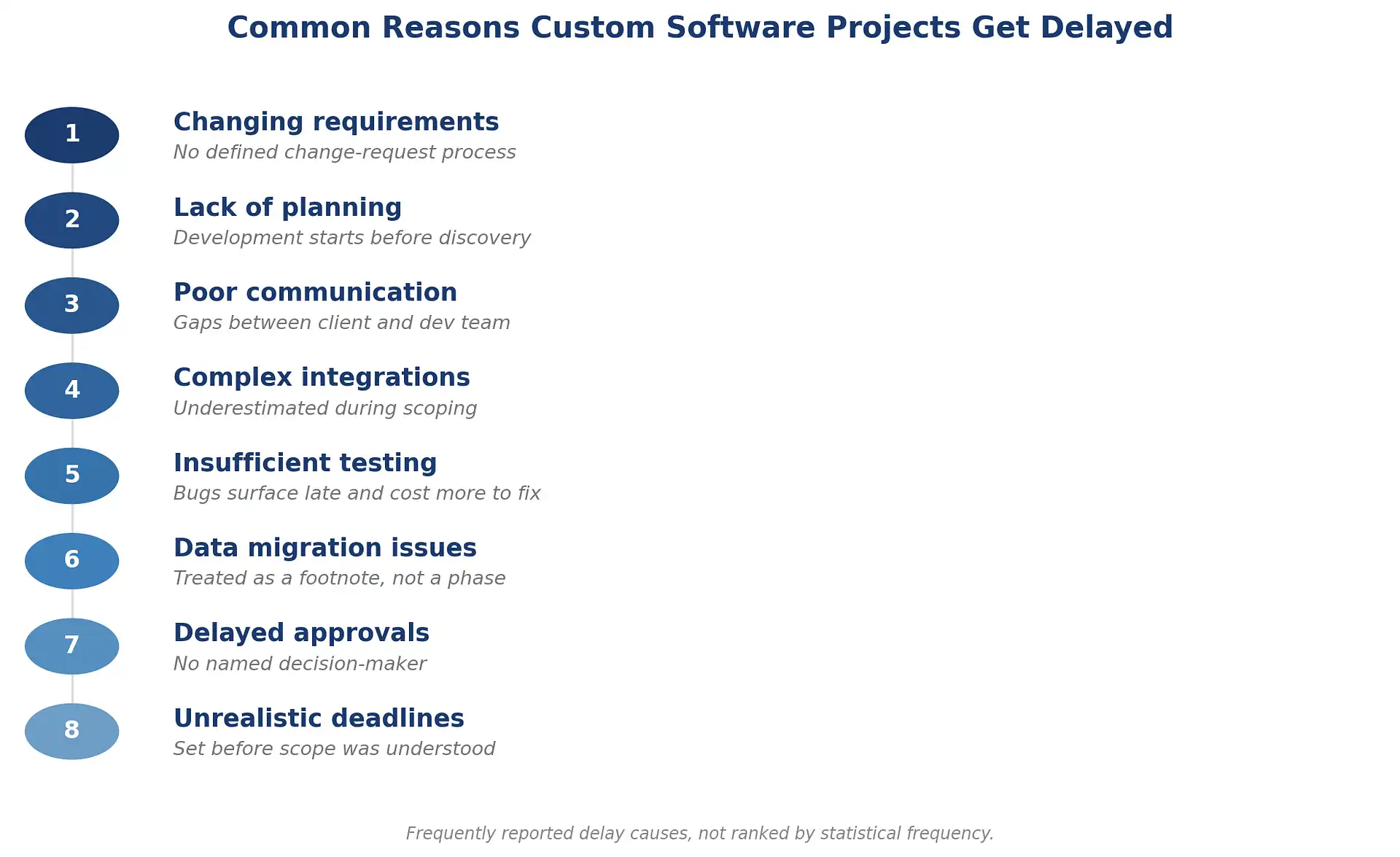
Changing requirements mid-project, without a clear process for evaluating the impact, tends to push everything downstream. The fix is a defined change-request process rather than informal scope additions.
Lack of planning before development starts almost always resurfaces later as rework. The fix is proper discovery, even when it feels like it's slowing down the start of "real" work.
Poor communication between the client and development team creates gaps that show up as misunderstood requirements. The fix is regular, structured check-ins rather than sporadic updates.
Complex integrations that weren't scoped accurately at the start can eat significantly more time than planned. The fix is investigating integration requirements during architecture planning, not during development.
Insufficient testing early on lets bugs accumulate until they're expensive to isolate and fix. The fix is testing throughout development, not only before launch.
Data migration issues are frequently underestimated in initial timelines. The fix is treating migration as its own phase with dedicated time, not a footnote.
Delayed approvals from stakeholders stall work that's otherwise ready to proceed. The fix is naming specific decision-makers with authority to approve, upfront.
Unrealistic deadlines set before scope is actually understood create pressure that leads to shortcuts elsewhere. The fix is setting timeline expectations after discovery, not before it.
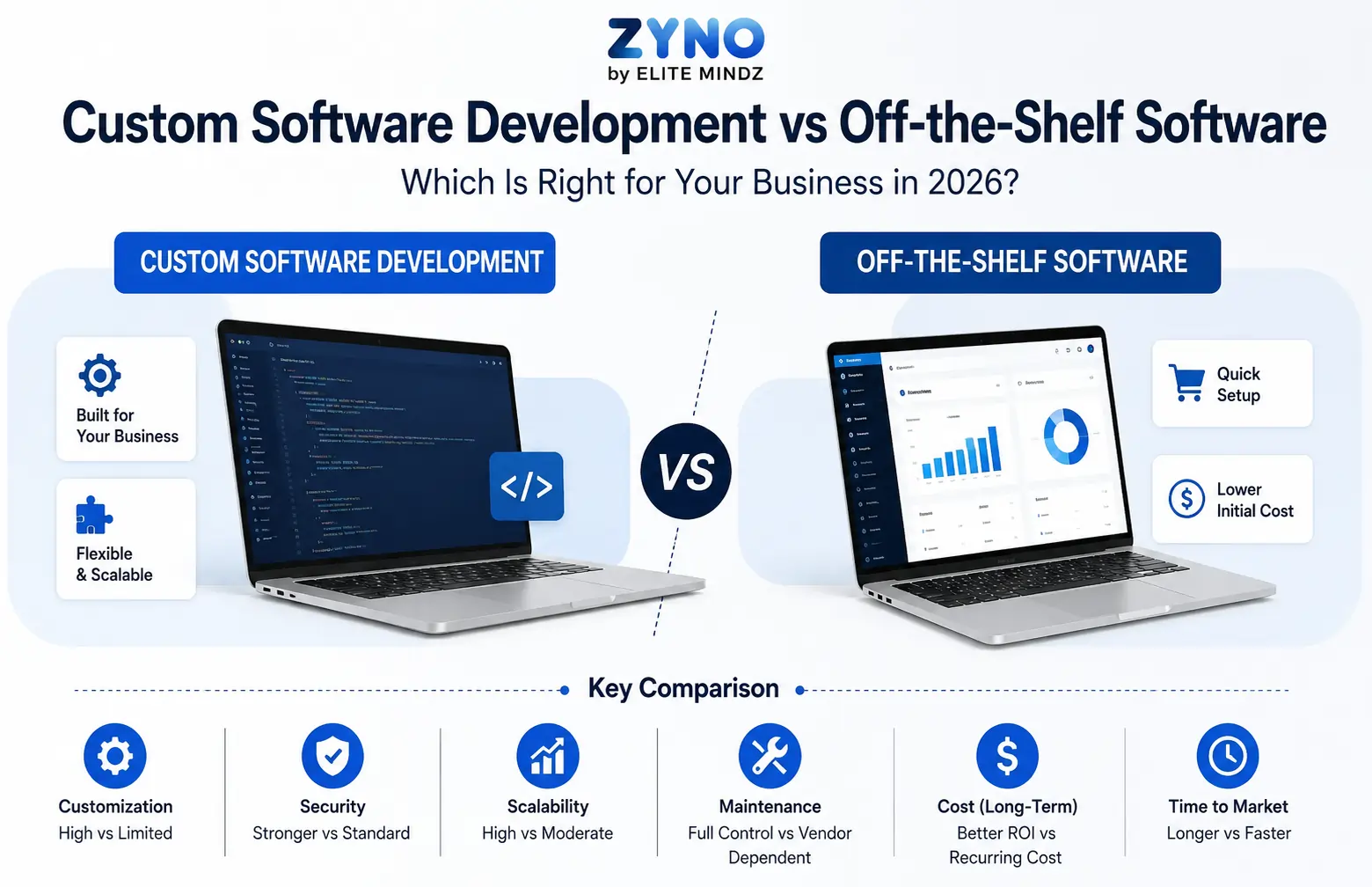
| Factor | Custom Software | Off-the-Shelf Software |
|---|---|---|
| Setup Time | Longer | Faster |
| Customization | High | Limited |
| Business Fit | Exact match for business needs | Depends on available features |
| Scalability | Greater flexibility and control | Vendor-dependent |
Off-the-shelf software wins on setup speed, since it's already built and can often be deployed in days or weeks. Custom software takes longer upfront because it's designed specifically around a business's workflows rather than the other way around. The tradeoff shows up over time: off-the-shelf tools often require the business to adapt its processes to fit the software, while custom software fits the business from the start and typically scales without licensing or feature limitations imposed by a third-party vendor. Businesses evaluating this tradeoff in more depth may find our breakdown of why enterprises prefer custom software development over SaaS useful, since it covers the long-term cost and control differences in more detail than a single table can.
Generally, off-the-shelf software makes sense when the business need is common and well served by existing tools, budget or timeline constraints are tight, and deep customization isn't a priority. Custom software makes more sense when workflows are specific to the business, integration needs are complex, or the software needs to scale in ways generic tools don't support well.
ZYNO by Elite Mindz supports businesses through the complete software development lifecycle, with an approach built around reducing the specific delays described throughout this article.
Discovery and Planning. Requirement analysis, business workflow understanding, and technical planning before development starts, so the timeline estimate that follows is based on documented scope rather than a rough guess.
UI/UX Design. User research, wireframes, and prototypes handled through our UI and UX design process, catching usability issues before they become expensive to fix mid-build.
MVP and POC Development. Idea validation and prototype development for businesses that want to test the market faster, through our MVP and POC development process, built specifically to support the shorter timelines an MVP requires.
Custom Software Development. Business applications, enterprise platforms, and automation solutions delivered through our custom software development services, scoped and staged appropriately to project complexity.
Legacy Modernization. Modernizing outdated systems, improving performance, and planning migrations carefully through our legacy modernization services, since migration timelines depend heavily on how well the existing system is understood before work begins.
None of this guarantees a specific delivery date for every project, since timelines are ultimately shaped by scope and complexity that vary case by case. What a structured process does is reduce the avoidable delays, unclear requirements, late-discovered integration issues, stalled approvals, that tend to be the real cause behind projects running long. For businesses comparing potential partners on more than price, our look at top software development companies in India covers what else is worth evaluating.
Build Custom Software Faster Without Compromising Quality
Whether you're planning an MVP, enterprise application, CRM, ERP, SaaS platform, or AI-powered solution, our experienced development team transforms your ideas into scalable, secure, and future-ready software with transparent timelines and agile delivery.
Trusted by startups, SMBs, and enterprises to deliver high-performance software solutions on time and within budget.
Custom software development typically takes 2 to 5 months for an MVP, 5 to 10 months for a mid-size business application, and 9 to 24 months or longer for enterprise software. The exact timeline for any specific project depends on feature count, integrations, security requirements, and how clearly the scope was defined before development started.
Yes, a focused MVP or small application with a narrow, well-defined feature set can realistically be built in 3 months. This is only achievable when scope is kept deliberately tight, requirements are clear from the start, and the project avoids scope changes mid-build.
Enterprise software takes longer because it typically involves a larger user base, multiple departments, advanced security and compliance requirements, data migration from legacy systems, and several integrations that each need their own testing. Many enterprise projects also use a phased rollout, which extends the overall calendar timeline even though it reduces risk.
MVP development typically takes 2 to 5 months. The timeline stays short because an MVP intentionally limits scope to core functionality needed to validate the idea, rather than building out every feature a full product might eventually need.
The fastest path is starting with a tightly scoped MVP, completing discovery before development begins, and keeping decision-making fast on the client side throughout the project. Skipping discovery to save time upfront is one of the more common ways teams end up losing more time later to rework.
Yes, generally, though not in a strictly linear way, since some features touch far more of the underlying system than others. A feature that requires new data models, new integrations, or new permission logic adds more time than a feature that's largely cosmetic or self-contained.
Businesses can reduce delays by defining requirements clearly before development starts, assigning specific decision-makers who can approve work quickly, providing timely feedback during reviews, and planning integrations and data migration early rather than treating them as late-stage additions.
An accurate timeline estimate comes from documented requirements, not a one-line project description. It requires completing discovery first: defining the feature list, identifying integrations, understanding security needs, and separating must-have functionality from what can wait for a later release, before a development partner can give a realistic range.
Want a realistic timeline for your project? The only reliable way to get one is through a structured discovery conversation covering your features, integrations, and business goals. If you're ready to scope out what your project would actually take, our custom software development services page is a good place to start that conversation.
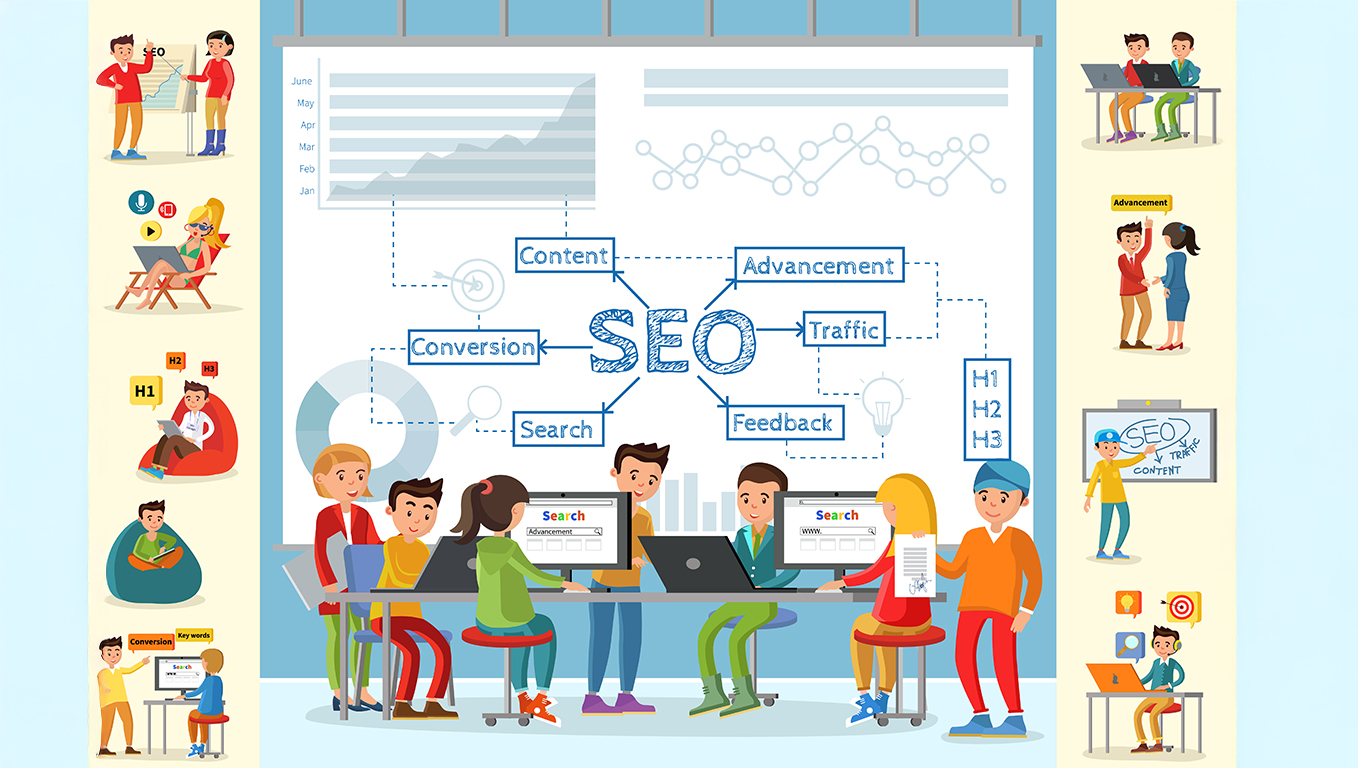
Magento vs Shopify vs WooCommerce: Which Platform Wins in 2025?
Read More →
SEO vs Google Ads: Which One Drives Better Results in 2025?
Read More →
Top 10 E-commerce Development Agencies for D2C Brands in India
Read More →
Top Mobile App Development Companies in India (2025 Edition)
Read More →
Top Mobile App Development Companies in Nigeria (2025)
Read More →
Hire Mobile App Developers in India: What You Need to Know
Read More →
Top E-commerce Development Companies in Africa (2025 Edition)
Read More →
Best Mobile App Development Companies in UAE (2025 Edition)
Read More →
Best Digital Marketing Services for Small Businesses in India
Read More →
Best eCommerce Development Companies in Dubai (2025)
Read More →
Top Mobile App Development Companies in Kenya (2025)
Read More →
Top 10 Digital Marketing Companies in the UAE for 2025
Read More →
Best Digital Marketing Companies in Dubai (2026)
Read More →
Best Digital Marketing Companies in Qatar 2026 List
Read More →
AI-Powered 5G Mobile Apps: Revolutionizing User Experiences in 2025
Read More →
Top Mobile App Development Firms in Africa (2026): Innovators Driving Digital Transformation
Read More →
Top Mobile App Development Firms in Nigeria (2025): Innovators Powering Digital Growth
Read More →
Top Mobile App Development Firms in Kenya (2025): Innovators Driving Digital Transformation
Read More →
IoT and Mobile Apps: Creating a Connected Ecosystem in 2025
Read More →
How AI Is Reshaping Mobile App Development in 2025
Read More →
Security Trends in Mobile Apps: What Developers Need to Know in 2026
Read More →
Mobile App Security in 2025: Protecting User Data in an AI World
Read More →
10 AI-Powered Features Your Mobile App Needs in 2026
Read More →
Mobile App Development Trends to Watch in 2025 with Elite Mindz
Read More →
The Future of Mobile UX: Motion Design & Touchless UI in 2025
Read More →
What Next in Mobile App Tech for 2026 and Beyond
Read More →
Building Apps for the Foldable Device Revolution in 2025
Read More →
Accessibility in Mobile Apps: A 2025 Imperative
Read More →
Hire a Developer with Elite Mindz: Global Demand in 2025
Read More →
Voice Search Optimization 2025: Prepare Apps for the Conversational Web
Read More →
Why Nairobi Is Africa's Hottest Mobile App Hub in 2025
Read More →
Why Singapore Trusts Elite Mindz for Developer Hiring in 2025
Read More →
EliteMindz Mobile App Services for Addis Ababa in 2026
Read More →
EliteMindz ECommerce Solutions Boosting Global Sales in 2026
Read More →
EliteMindz Developer Services Power London Tech in 2026
Read More →
How New York Firms Leverage Elite Mindz Talent in 2025
Read More →
How New Delhi Entrepreneurs Scale with Elite Mindz E-Commerce in 2025
Read More →
Low-Code vs. Custom: Choosing the Right Mobile Path in 2025
Read More →
What Latin American E-Commerce Buyers Expect in 2025
Read More →
AI Powered Digital Marketing: 2026 Lead Generation with EliteMindz
Read More →
Merging AI SEO and Paid Media: A GEO-Driven Strategy for the AI Search Era
Read More →
How Extended Reality (XR) Is Transforming Mobile Apps in 2025
Read More →
Nairobi Tech Hub in 2026: Why It's Africa's Undisputed Mobile App Development Powerhouse
Read More →
Ultimate Guide to Digital Marketing Strategies in 2025: Actionable Insights to Drive Growth
Read More →
Mobile App Development in Nairobi: Trends & Opportunities in 2025
Read More →
Mastering AI-Driven SEO: Your Survival Guide for 2025 and Beyond
Read More →
African Emerging Cities: Mobile App Trends to Watch in 2025
Read More →
Elite Mindz Developer Hiring Trends Across Continents 2025
Read More →
Google Ads Update 2025: Smarter Campaign Management with Checkbox Filters
Read More →
xAI’s Grok Code Fast 1: Transforming Agentic AI for Enterprise Software
Read More →
Mobile App Innovation Trends to Lead in 2025
Read More →
Why Generic Login Pages Confuse Google & Damage SEO
Read More →
The Rise of Social Commerce: Shoppable Apps in 2025
Read More →
Always-On Audits: The Future of Technical SEO Maintenance
Read More →
5G and App Development: Speed & Performance Unlocked in 2025
Read More →
Internal Linking for SEO: Why It Matters and How to Do It Right
Read More →
Mastering SEO in a Fractured Search Landscape: New AI-First Rules for 2025
Read More →
Layered SEO 2025: The 4-Step System to Win AI Search and User Trust
Read More →
Google Antitrust Case: AI Overviews Shift to FastSearch Over Links in 2025
Read More →
Mastering AI Search: Elevate Your Brand Through Superior Website Wellness
Read More →
Tokyo's Retail Market & Elite Mindz in 2026
Read More →
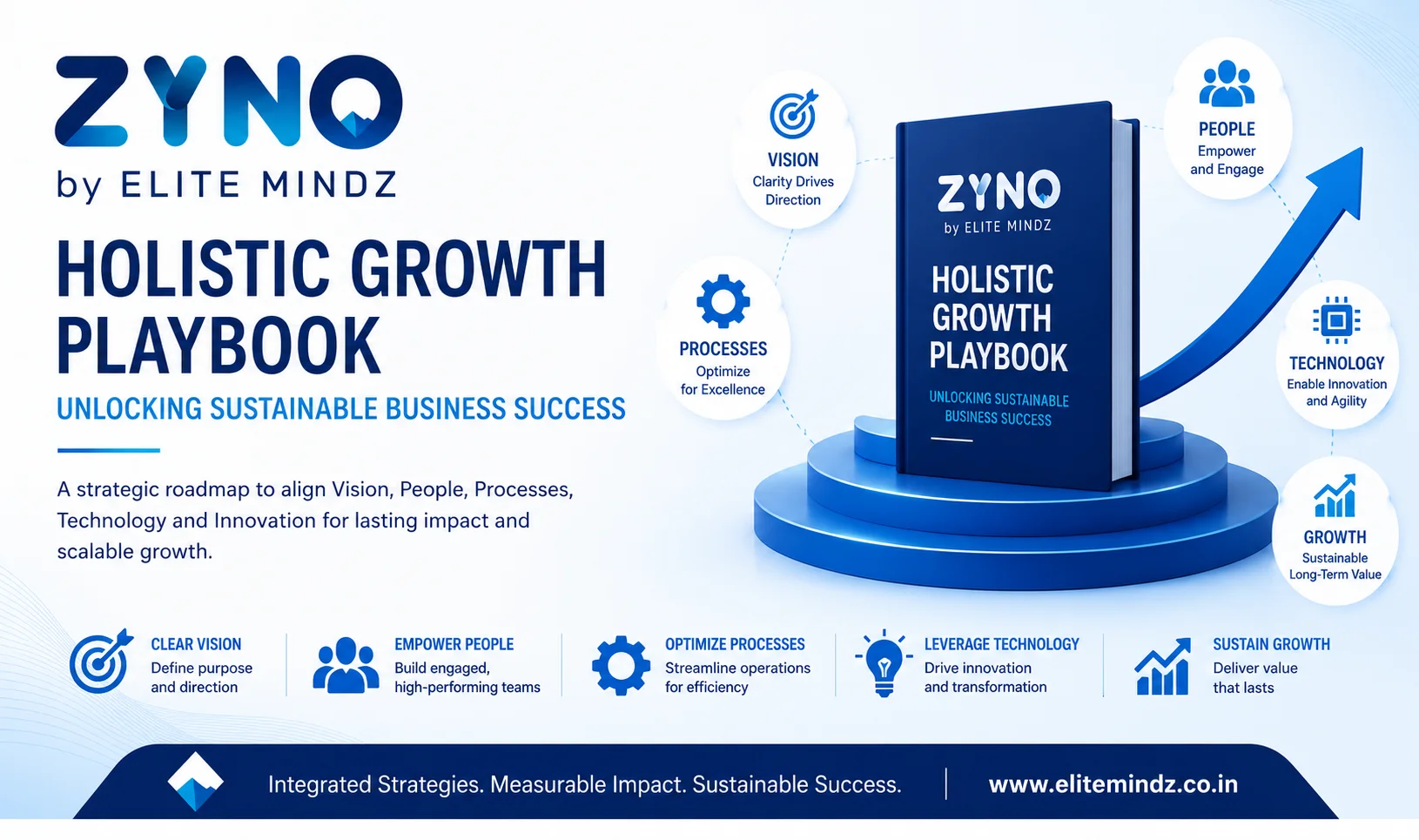
Elite Mindz Holistic Growth Playbook for 2025: Unlocking Sustainable Business Success
Read More →
Top Mobile App Development Firms in the U.K. (2025)
Read More →
GEO Meets Local SEO: Revolutionizing Business Discovery in the AI Era
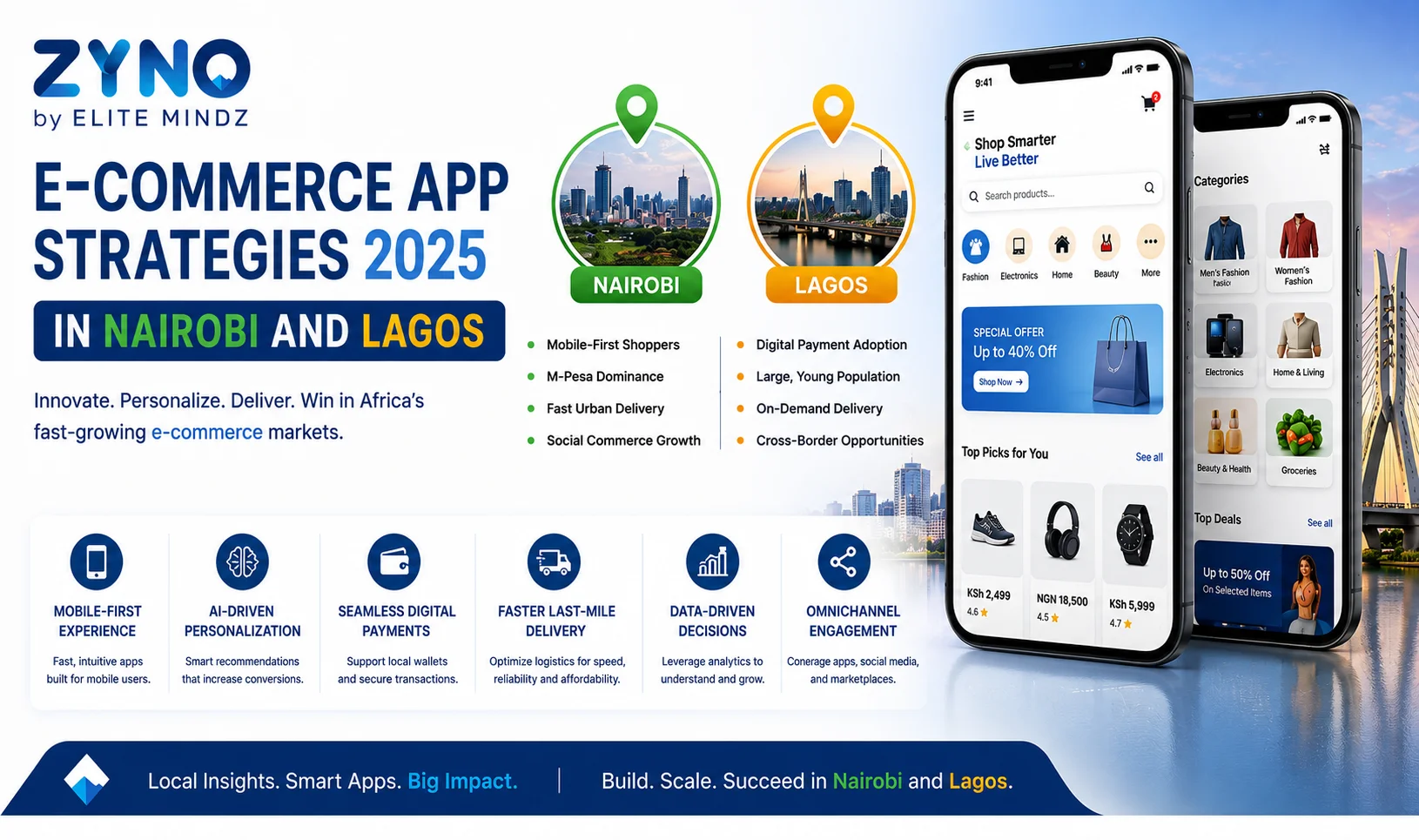
Read More →E-Commerce App Strategies 2025 in Nairobi and Lagos
Read More →
Mobile App Strategies that Work in Cairo 2025
Read More →
Best Practices for Mobile App Development in Malaysia with Elite Mindz
Read More →
Top Features Malaysian Businesses Should Add in Their Mobile Apps
Read More →
Top Mobile App Development Firms in Germany (2025)
Read More →
Top Mobile App Development Firms in France (2025)
Read More →
No-Code vs Custom Development in 2026: What’s Right for Your Business?
Read More →
10 Industries Being Transformed by ML in 2025
Read More →
How Remote Hiring Changed the Global Developer Landscape
Read More →
Low Code Myths vs Reality
Read More →
Top 10 Developer Hiring Mistakes to Avoid in 2025
Read More →
Hire Dedicated Developers vs Freelancers: Pros & Cons
Read More →
Top Mobile App Development Firms in Saudi Arabia (2026)
Read More →
Top Mobile App Development Firms in Kuwait (2025)
Read More →
Top Mobile App Development Firms in UAE (2025)
Read More →
Top Mobile App Development Firms in Qatar (2026)
Read More →
Top 3 Mobile App Development companies in South Africa for iOS and Android
Read More →
Top Mobile App Development Companies in the USA 2025: Building Innovative Apps for Every Business
Read More →
Taxi Booking App Development Company in the Middle East
Read More →
Developer Hiring Platforms Compared: Finding the Right Fit for Startups and Enterprises
Read More →
Effective Mobile App Monetization Strategies That Work in 2025
Read More →
Why Riders Prefer Taxi Booking App Over Traditional Calls
Read More →How Mobile Apps Are Transforming Pet Care Management in the USA
Read More →
The Complete Step-by-Step Guide to Compliance Software Every Business Needs Now
Read More →How Global Capability Centers Are Shaping the Future of Work
Read More →A New Chapter Begins in 2026: ZYNO’s AI-Powered Software Redefining the IT Landscape
Read More →What is Offshore Outsourcing Services: A Complete Guide
Read More →The Role of AI and Cloud in Modern Custom Application Development
Read More →Top Mobile App Development company in India 2026- ZYNO Tech
Read More →A complete guide to build a mobile app for your travel business
Read More →Cybersecurity & Compliance: The New Pillars of Global Capability Centers
Read More →A Practical Guide to Choose the Right B2B Mobile App Development Partner
Read More →
Android App Development for Fintech in UAE: The Complete 2026 Guide
Read More →
Complete Guide to Healthcare App Development in 2026: Features, Process, Costs, Types
Read More →
Top 10 Android App Development Companies in India That Are Dominating 2026
Read More →
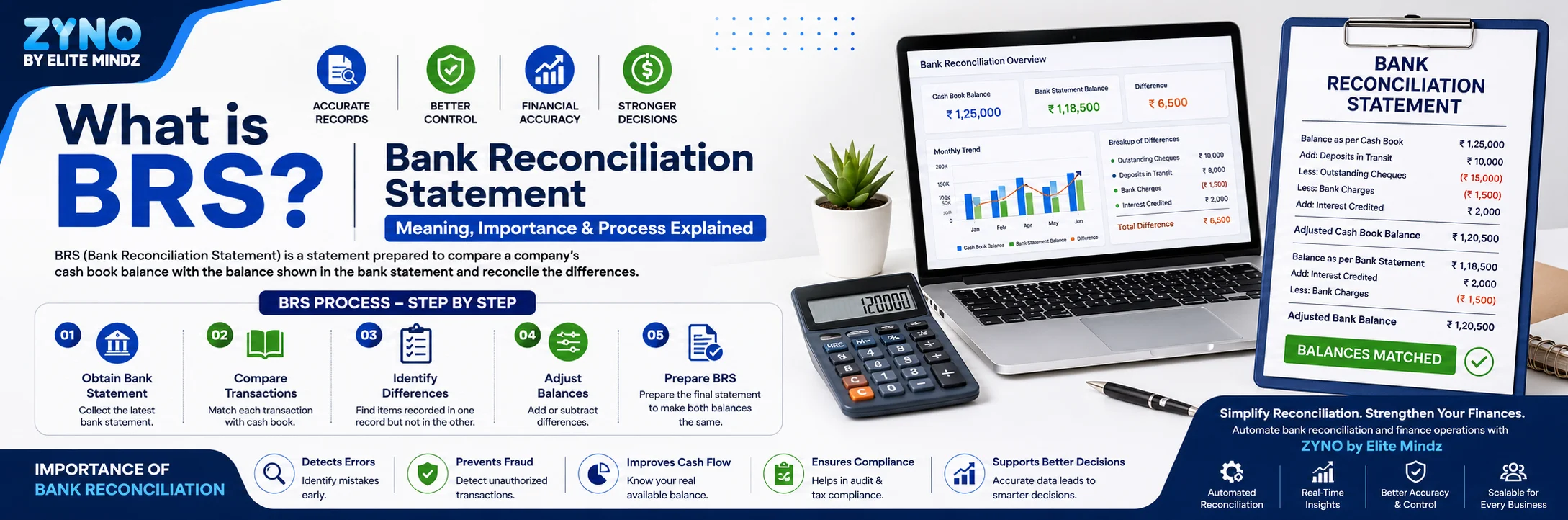
What is BRS? Bank Reconciliation Statement Meaning, Importance & Process Explained
Read More →
Best Mobile App Development Company in Delhi & Noida (2026 Guide)
Read More →
Voice Search SEO for Apps: The Complete Optimization Guide
Read More →
The Top 10 Supply Chain Management Systems (SCM) for 2026
Read More →
AI-Powered Custom Software Development: How Businesses Are Building Smarter Applications
Read More →
Why Enterprises Prefer Custom Software Development Over SaaS in 2026
Read More →
AI Chatbot Development Services: Everything Businesses Need to Know Before Investing in 2026
Read More →
Real Estate Software Development Services: A Complete Guide for Builders, Brokers & Developers (2026)
Read More →
Website Development Process: Full Guide by ZYNO Digital EliteMindz
Read More →
Website Development Cost in India (2026): Real Pricing, Hidden Costs & What You Actually Get
Read More →
WordPress vs Custom Website Development: Which Is Better in 2026?
Read More →
Custom Software Development vs Off-the-Shelf Software: Which Is Right for Your Business in 2026?
Read More →
Digital Transformation Strategies for Mid-Market Companies in India
Read More →
How Should a Mid-Sized Indian Company Prioritize Technology Investments During Digital Transformation
Read More →
Common Challenges Mid-Market Businesses in India Face When Implementing Digital Transformation
Read More →
How Do Mid-Market Companies in India Measure the Success of Their Digital Transformation Initiatives
Read More →
What Role Does Leadership and Change Management Play in Driving Digital Transformation in Mid-Sized Indian Companies
Read More →
Mobile App Development Trends for 2026: What Every Business Needs to Know
Read More →
Best AI Software Manufacturer & Software Development Company in Kenya
Read More →
Hire Mobile App Developers in Kenya: Complete 2026 Guide to Finding the Right Development Team
Read More →
How Much Does Custom Software Development Cost in 2026?
Read More →
Custom Software Development Process: From Discovery to Deployment
Read More →
How Long Does It Take to Build Custom Software?
Read More →Partner with ZYNO by Elite Mindz to revolutionize how your business works. Fill out the form, and we’ll reach out with AI-powered solutions made just for you.
We use browser cookies to ensure you get the best experience on our website. Learn more
The form was submitted successfully!
ZYNO Digital
Fueling Smarter Digital Growth
ZYNO Digital fuels smarter digital growth through data-driven marketing, creative storytelling, and performance strategies that boost visibility, engagement, and measurable business outcomes across global platforms.
ZYNO Tech
Engineering the Future of IT
ZYNO Tech delivers cutting-edge IT solutions — including web, mobile, and digital transformation services — helping businesses scale efficiently, innovate faster, and stay ahead in a connected world.
ZYNO AI
AI Built for Business Growth
ZYNO AI harnesses the power of artificial intelligence to automate processes, enhance decision-making, and deliver predictive insights — driving innovation, agility, and measurable business growth.
ZYNO by Elite Mindz
Your Partner in the AI-Powered Future
ZYNO by Elite Mindz offers AI-powered products and services that unify operations, boost productivity, and drive digital transformation — helping businesses scale smarter and innovate faster.
* In just 2 mins you'll get a response
* Your idea is 100% protected by our Non-Disclosure Agreement