```html
×
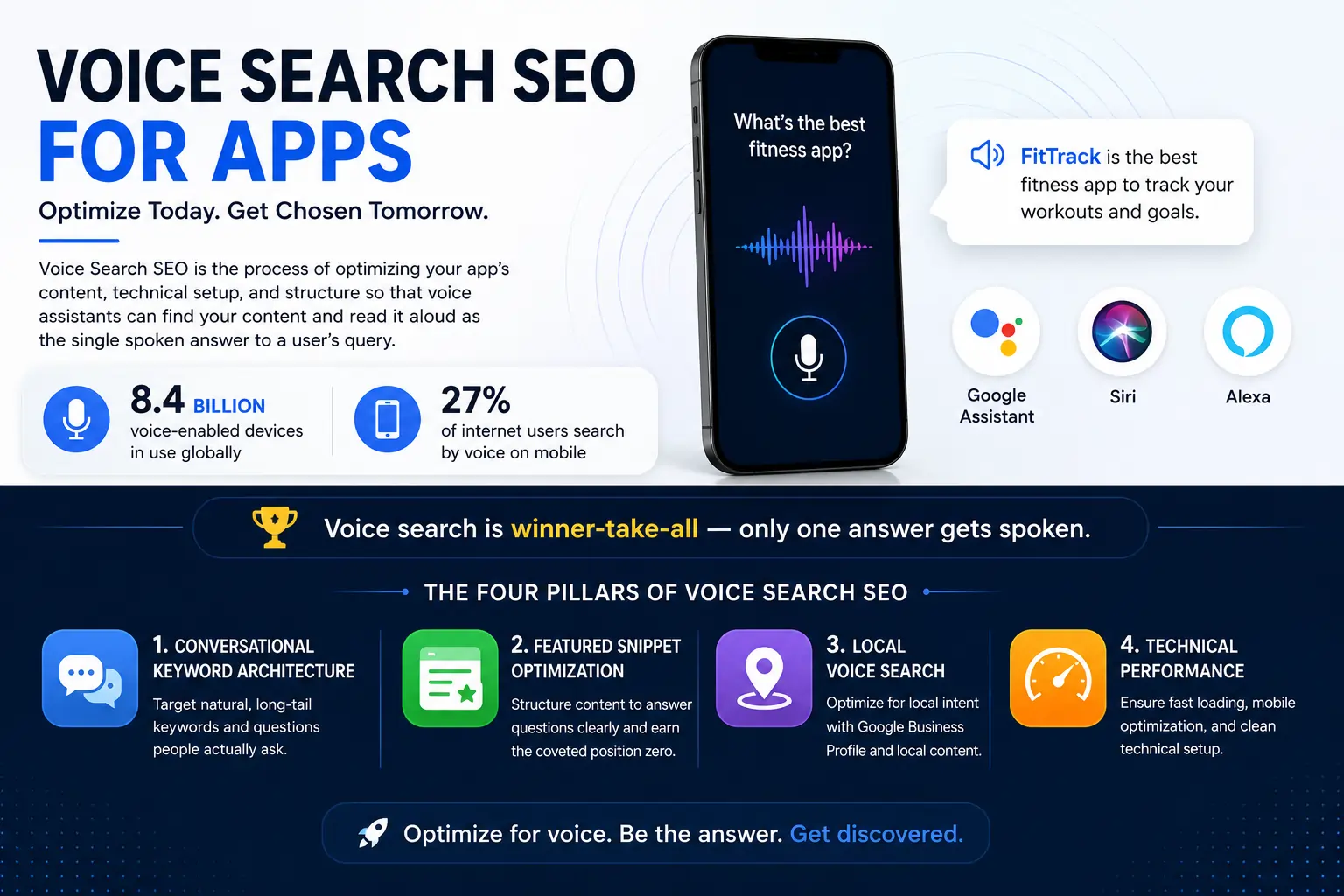
Voice Search SEO is the process of optimizing your app so voice assistants like Google Assistant, Siri, and Alexa can deliver your content as the spoken answer to user queries. Since voice search typically provides a single result, optimizing conversational keywords, featured snippets, local search, and technical performance is essential for visibility.
Businesses using ZYNO Books cut accounting time by 70% and stay 100% ZATCA-compliant — automatically.

Someone is in their car right now, hands on the wheel, late for a meeting. They say: "Hey Google, find me a productivity app that syncs with my calendar and works offline."
In the next two seconds, Google speaks one answer aloud. Not ten. Not three. One.
Either your app is that answer - or it doesn't exist.
That is voice search SEO in 2026. And most apps are still built like it's 2019.
This guide is built on real data, real competitor gaps, and practitioner-level observations from working with app businesses across India, the Middle East, and Africa. It won't give you a generic list of tips. It will show you exactly why voice-optimized apps are winning right now, what unoptimized apps are doing wrong, and how to fix it - pillar by pillar, section by section.
If you want the short version: voice search rewards apps that answer questions clearly, load fast, earn local trust, and speak the same language as their users. Everything below is how you actually do that.
Voice search SEO is the practice of structuring your app's content, metadata, technical setup, and UX so that voice assistants - Google Assistant, Siri, Alexa, ChatGPT Voice, Gemini Live - can find your content, trust it, and read it aloud as the single spoken answer to a user's query.
That last part is what most guides skim past. Voice is winner-take-all. When someone types a query, they see ten results and decide. When someone speaks a query, they hear one answer. If you're not that answer, you're invisible - not second, not third. Gone.
The numbers make this urgent right now. There are 8.4 billion voice-enabled devices in use globally, outnumbering the human population. Over 27% of the global online population uses voice search on mobile. And yet only about 13% of marketers actively optimize for it. That gap between adoption and optimization is where the opportunity lives - and it is closing fast.
The apps and businesses that move now will own those featured snippet positions before competitors wake up. The ones that wait will find those positions already taken, and voice search results don't rotate the way organic rankings do. The answer that earns position zero tends to stay there.
Before getting to fixes, it's worth being honest about why apps underperform in voice search. There are three root causes that explain the vast majority of cases.
Most app landing pages, help centers, and blog content are built around typed keywords - short, fragmented, stripped down for an algorithm. Voice queries are fundamentally different. They average 4–7 words, they're phrased as complete questions, and they carry clear intent baked in. "Budgeting app" is a typed query. "Which budgeting app works offline and doesn't require my bank login?" is a voice query. If your content only answers the first version, voice assistants will never use you for the second.
Voice assistants don't hunt through paragraphs looking for information. They look for a clearly formatted question paired with a direct, concise answer in the first 40–60 words. If your content buries the answer behind context, qualifications, and preamble, you get skipped in favor of a competitor who leads with the point.
Voice search results load 52% faster than average web pages - around 4.6 seconds versus the typical 8–10. If your mobile page is slow, unresponsive, or fails Core Web Vitals, no amount of great content will save you. Technical performance is the price of entry, not a bonus.
Most voice search SEO guides tell you to "use long-tail keywords" and "write conversationally." That's directionally right, but practically useless without knowing where to find those keywords and how to deploy them.
Here is the process that actually works.
Start by mining three sources almost no one uses properly. First, your own app's support chat logs. The messages users send to support teams are exactly how they'd phrase a voice query - informal, specific, emotionally honest. When one development team audited six months of support logs, they found over 60% of questions contained five or more words, and almost none of those phrases appeared anywhere in their SEO content. That's an immediate, unfair competitive advantage hiding in data you already own.
Second, Google Search Console's query report filtered for questions. Sort by impressions, not clicks. You're looking for question-based queries already triggering impressions but generating zero clicks - meaning you're appearing in search but not in the answer position. These are your highest-priority voice optimization targets right now.
Third, Google's People Also Ask boxes. Every PAA question is Google's own mapping of how real people ask questions about your topic. These are voice queries in written form. Each one is an optimization opportunity.
Once you have your question list, structure them as H2 or H3 headings on your content pages, then answer each one directly in the first 40–60 words beneath each heading. No preamble. No "great question." The answer, immediately, then depth below.
At ZYNO Digital by Elite Mindz, our SEO content writing process starts exactly here - with what users are already saying, not what a keyword tool suggests. The difference in voice search visibility between keyword-tool content and support-log content is significant, and it shows up in impressions within weeks.
Around 40–60% of voice search answers are pulled directly from featured snippets. This single statistic should reshape your entire content strategy.
The featured snippet - the answer box that appears above all organic results - is what voice assistants read aloud. Capturing it for a relevant query doesn't just boost visibility. For voice search, it's the only visible position that matters.
Getting there requires three things done consistently.
Answer-first structure. State the direct answer in the opening 40–60 words. Then go deeper. This is the opposite of how most content is written, where the answer arrives after context-setting and qualifications. Google's algorithm is looking for the fastest path to a useful answer. Give it that first, then earn time with depth.
Question-formatted headings. An H2 that reads "Voice Search Optimization" gives Google a topic. An H2 that reads "How do I optimize my app for voice search?" gives Google a query to match. The second structure is dramatically more likely to trigger a featured snippet because it mirrors exactly how a voice query is phrased.
Visible Q&A content sections. Build dedicated FAQ sections on high-traffic pages using real questions drawn from your support logs, PAA research, and keyword tools - and answer each one directly. This is your featured snippet pipeline, and it compounds over time as more questions get answered and indexed.
Our SEO audit service at ZYNO Digital specifically maps which of your existing pages are close to featured snippet positions but structured incorrectly - and what single change would push them over the line. For most apps, there are three to five pages sitting at position two or three that could capture position zero with a content restructure rather than new content entirely.
Over 58% of voice searches carry local intent. Three-quarters of voice assistant users perform local searches weekly. And 76% of people who do a local voice search on mobile visit a related business within 24 hours.
If your app has any local dimension - service discovery, booking, navigation, restaurant or retail integration, location-based features - local voice search is likely your single highest-converting traffic source. And it is almost certainly underoptimized right now.
The local voice search strategy comes down to four specific moves.
Your Google Business Profile Q&A section is a direct voice data feed. Google Assistant pulls answers from it when users ask location-based questions about your business. Most businesses leave it completely empty. Add 10–15 questions that your users commonly ask - about hours, services, pricing, process, availability - with direct, clear answers. This content begins feeding voice results almost immediately after indexing.
NAP consistency across every listing. Name, address, phone number must be identical across Google, Yelp, Apple Maps, Bing Places, and every directory where your business appears. A single discrepancy creates trust conflicts that suppress local voice visibility. This sounds basic - it costs rankings constantly.
Location-aware responses inside the app itself. "The nearest service centre is 1.2 km away on MG Road, open until 9 PM tonight" is voice-ready. "Here are some results" is not. The specificity of the response is what makes it usable as a spoken answer.
LocalBusiness schema markup for any physical presence. This tells Google exactly what you are, where you are, and when you're available - all the signals that local voice queries depend on to surface the right answer.
Our local SEO service at ZYNO Digital covers all four of these systematically - GBP optimization, NAP audit across directories, local schema implementation, and location-aware content strategy. For app businesses with local functionality, this is consistently one of the highest-ROI services we deliver.
No amount of great content overcomes slow, broken, mobile-unfriendly pages. For voice search, the technical bar is higher than for text search because Google is staking its own spoken response on your page's reliability. It will not cite a page it doesn't trust.
The non-negotiables are specific and measurable.
Mobile page speed with LCP under 2.5 seconds. Run your primary landing page through Google's PageSpeed Insights on mobile right now. If you're above 4 seconds, that is your single most urgent fix - before any content work, before any schema, before anything else. Speed is the prerequisite. Everything else builds on top of it.
HTTPS across the entire domain. Not just the homepage - every page. Voice assistants will not cite content from insecure pages. This is a hard filter, not a ranking signal.
Schema markup where eligible. HowTo schema for step-by-step content, LocalBusiness for location-based apps, and Speakable schema for content you explicitly want voice assistants to read aloud. These don't guarantee voice answers but dramatically improve your content's eligibility for them.
Mobile-first UX with clean navigation. If a mobile user can't reach your answer within two taps, you're creating friction in exactly the context where voice search happens most - on the go, distracted, expecting instant results.
Our technical SEO service at ZYNO Digital runs a full mobile performance audit specifically mapped to voice search eligibility - Core Web Vitals, LCP, schema implementation, HTTPS integrity, and crawlability - and delivers a prioritized fix list so your development team works on what matters most first.

This connection changes the ROI calculation for voice optimization significantly, and it's worth slowing down on.
Google's AI Overviews and voice search are powered by the same underlying technology: natural language processing that interprets intent rather than matching keywords. A page that answers "How do I optimize my app for voice search?" in a structured, authoritative, direct format is the same page that gets cited in AI Overviews for the same query.
You don't need two separate strategies. Optimize for voice - conversational language, answer-first structure, question-based headings, direct FAQ content - and AI Overview citation improves as a byproduct. The work compounds across both surfaces simultaneously.
This is why Elite Mindz built Generative Engine Optimization (GEO) as a dedicated service within ZYNO Digital. As AI assistants like ChatGPT Voice, Gemini Live, and Perplexity become default search interfaces for millions of users, the brands that are structuring content for voice today are building the exact foundation that earns AI citation tomorrow. One strategy, two compounding channels of discoverability.
SEO gets your content found. UX is what determines whether users stay, convert, and return. Most voice search guides stop at the content layer and completely ignore the product layer. That is a significant mistake, because voice search and voice UX are two halves of the same experience.
Users who interact with voice-enabled apps have fundamentally different expectations from users who type. They expect multi-turn conversations - "Show me flights to Mumbai" followed immediately by "Actually make that Pune, direct flights only, Thursday morning." If the app resets after the first query, the voice experience is broken regardless of how well optimized the landing page is.
They speak with ambiguity and mid-sentence correction. "Not that one - I meant the cheaper option" is a completely normal thing a user says. An app that can't handle contextual follow-ups isn't voice-ready at the product level.
They speak with emotional context and urgency. "I'm running low on budget this month - what's the most affordable plan?" is not a keyword. It's a human speaking from a real situation. Apps designed only for clean command inputs will fail this interaction every time.
Three UX patterns that voice-ready apps share. Context retention across multi-turn dialogues - the app remembers what was said previously and interprets the next query through that lens. Graceful clarification flows - when intent is unclear, the app asks "Did you mean X or Y?" rather than returning an error or a generic result. Voice-augmented visual feedback - on screen-based devices, spoken responses combined with quick-reply buttons and visual context make complex decisions faster and clearer.
If your app needs voice UX built from the ground up - multi-turn dialogue, conversational search, on-device NLP, cross-platform voice SDK integration - our mobile app development team at Elite Mindz builds it with voice-first architecture from the first line of code, not as a feature bolted on later.
Voice search doesn't have its own analytics channel in Google Analytics or a dedicated filter in Search Console. Measuring it requires indirect signals - but tracked consistently, they tell a clear story.
The most reliable proxy signals are these four.
Question-based query impressions in Google Search Console. Filter your queries for who, what, where, when, why, how. Track impressions and average position for these monthly. An upward trend in impressions with improving position is your clearest leading indicator of growing voice search visibility.
Featured snippet ownership. Track which of your content pages hold featured snippets. Tools like Ahrefs and SEMrush show this directly. Every new featured snippet captured is a new potential voice answer. Watch this number monthly.
Google Business Profile actions. For apps with any local presence, track direction taps, calls, and website clicks from GBP monthly. These actions are predominantly driven by local voice queries converting to intent - they're among the cleanest conversion signals in local SEO.
Long-tail query traffic share. As voice optimization compounds, you'll see a growing percentage of your traffic arriving from queries of five or more words. That shift in query length distribution is a reliable signal that voice visibility is building. Shorter queries trending longer is voice search working.
Our digital marketing strategy team at ZYNO Digital builds voice search measurement dashboards that track all four of these signals in one view - so you can see voice visibility building in real numbers, not just theory.
This is not a 40-point framework. These are the five moves that produce the fastest, most measurable results and should be done before anything else.
Pull your Google Search Console query data and identify question-based queries - any query starting with who, what, where, when, why, or how - that have over 100 impressions but a click-through rate below 5%. These are your immediate content optimization targets. They're already ranking. They just need restructuring to capture the answer position.
Pick your three highest-traffic content pages. Check whether each has a question-formatted H2 heading with a direct 40–60 word answer immediately below it. If not, add them. This single structural change moves featured snippet eligibility faster than almost anything else you can do without touching technical SEO.
Open your Google Business Profile. Go to the Q&A section. Add 10 questions your users commonly ask about your app, your service, your pricing, your availability. Answer each one in two to three clear sentences. This feeds Google Assistant directly and costs nothing but 30 minutes of your time.
Run your primary landing page through Google's PageSpeed Insights on mobile. If the mobile score is below 75 or LCP is above 4 seconds, that fix goes to the top of your development queue. No other voice SEO work compounds properly until this passes.
Add HowTo or Speakable schema to your most instructional content. If you have step-by-step guides, tutorial pages, or process walkthroughs, schema markup makes them eligible for voice responses in a way that unmarked content cannot be - regardless of content quality.
Reading this guide is one thing. Executing keyword architecture, featured snippet optimization, local voice SEO, schema markup, mobile performance fixes, and voice UX redesign while running an actual business is a different challenge entirely.
That is the gap ZYNO Digital by Elite Mindz was built to close - specifically for app businesses and enterprises that need voice search SEO implemented properly, not just advised on.
Here is exactly what we do, and how each service connects to the voice search strategy above:
Our search engine optimization team audits your existing content for voice search gaps, identifies pages close to featured snippets but structured incorrectly, and rebuilds your content architecture around conversational intent. If your app isn't being read aloud by Google Assistant for your highest-value queries, this is where it changes.
Before optimizing anything, you need to know exactly what is broken and what opportunity is being left on the table. Our voice-specific SEO audit covers technical performance, mobile speed, schema markup, featured snippet eligibility, local signals, and keyword architecture. Most clients are surprised by how many quick wins are sitting unfixed.
Over 58% of voice searches carry local intent. Our local SEO service covers GBP optimization, NAP audit across directories, local schema, review strategy, and location-aware content - everything that feeds local voice assistant results directly and converts at 76% within 24 hours.
Voice results load 52% faster than average pages. If your mobile performance isn't there, nothing else in this guide matters. We fix Core Web Vitals, LCP, mobile responsiveness, HTTPS integrity, and structured data implementation.
Voice search visibility is built on topical authority and answer depth. Our SEO content writing team creates answer-first blog content, FAQ libraries, HowTo guides, and conversational landing page copy - all structured to capture featured snippets and trigger voice answers at scale.
If your Mobile app needs voice UX built in - multi-turn dialogue, conversational search, on-device NLP, cross-platform SDK integration - our development team builds it with voice-first architecture from day one.
Voice search and AI Overviews run on the same engine. Our GEO service structures your content to be cited by ChatGPT, Gemini, Perplexity, and AI answer engines - not just Google Assistant. As AI search becomes the default interface, this is the next frontier of discoverability your app needs to be ready for.
Not sure which of these your app needs most urgently? Our team will tell you - with a clear prioritization, not a generic proposal.
Talk to the ZYNO Digital Team Today →
Voice search SEO is the practice of structuring your content, technical setup, and app UX so that voice assistants can find, understand, and read your content aloud as the single answer to a spoken query. It differs from traditional SEO because voice is winner-take-all - there is one spoken answer, not ten blue links to choose from.
Voice queries are 4–7 words long on average, phrased as complete questions, and carry clear intent. Typed queries tend to be 2–3 fragmented keywords. Someone typing searches "expense tracking app." Someone speaking asks "which expense tracking app works offline without needing my bank login?" Your content needs to answer the spoken version to be visible in voice results.
Featured snippet ownership. Around 40–60% of voice search answers come directly from featured snippets. If your content isn't structured to capture position zero - answer-first paragraphs, question-formatted headings, direct FAQ sections - voice assistants will not use it regardless of how strong your traditional rankings are.
Yes, directly. Both voice search and AI Overviews use the same natural language processing and draw from the same structured, answer-first content. A page optimized for voice will also see improved citation frequency in AI Overviews. One strategy, two compounding channels of discoverability.
Critical. Voice search results load 52% faster than average web pages. If your mobile page takes longer than 4–5 seconds to load, your content is functionally ineligible for voice answers regardless of its quality. Mobile LCP under 2.5 seconds is the performance baseline every voice-optimized page must meet.
More important than for almost any other content type. Over 58% of voice searches carry local intent, and 76% of local voice searches result in a business visit within 24 hours. If your app has any location-based functionality, an optimized Google Business Profile, NAP consistency, and local schema markup are your highest-conversion voice traffic source.
More effectively than in traditional SEO. Voice search rewards answer quality and topical specificity over pure domain authority. A focused app with tightly structured FAQ content, clean technical foundations, and a complete Google Business Profile can capture featured snippets for specific long-tail voice queries against much larger competitors. The playing field is more level than keyword-based text search.
Track question-based query impressions in Google Search Console, monitor featured snippet ownership in Ahrefs or SEMrush, watch Google Business Profile action metrics monthly, and measure the growing share of long-tail queries in your traffic. These four signals together give you a clear picture of voice search visibility building over time.
Voice search SEO isn't a channel you add to your strategy when you get around to it. It is the direction the entire search landscape is moving - toward conversational intent, direct answers, and single spoken results rather than pages of links.
The apps that lead in this environment aren't necessarily the biggest or the best-funded. They're the ones that answer questions clearly, load fast, earn local trust, and meet users exactly where they are - speaking naturally into the device in their hand, expecting an immediate, accurate, spoken answer.
Your users are already talking.
The question is whether your app is the one being heard.
Ready to make your app voice search ready - from content architecture to conversational UX to technical performance? ZYNO Digital by EliteMindz has helped app businesses across India, the UAE, the Middle East, and Africa move from voice-invisible to voice-dominant.
Sneha Singh
Content writer
Sneha Singh is a B2B tech content strategist with 4+ years of experience. She specializes in SEO-driven SaaS content, whitepapers, and platform-native social media campaigns that simplify complex technology and drive business growth
Magento vs Shopify vs WooCommerce: Which Platform Wins in 2025?
Read More →

SEO vs Google Ads: Which One Drives Better Results in 2025?
Read More →
Top 10 E-commerce Development Agencies for D2C Brands in India
Read More →
Top Mobile App Development Companies in India (2025 Edition)
Read More →
Top Mobile App Development Companies in Nigeria (2025)
Read More →
Hire Mobile App Developers in India: What You Need to Know
Read More →
Top E-commerce Development Companies in Africa (2025 Edition)
Read More →
Best Mobile App Development Companies in UAE (2025 Edition)
Read More →
Best Digital Marketing Services for Small Businesses in India
Read More →
Best eCommerce Development Companies in Dubai (2025)
Read More →
Top Mobile App Development Companies in Kenya (2025)
Read More →
Top 10 Digital Marketing Companies in the UAE for 2025
Read More →
Best Digital Marketing Companies in Dubai (2025)
Read More →
Best Digital Marketing Companies in Qatar (2025)
Read More →
AI-Powered 5G Mobile Apps: Revolutionizing User Experiences in 2025
Read More →
Top Mobile App Development Firms in Africa (2026): Innovators Driving Digital Transformation
Read More →
Top Mobile App Development Firms in Nigeria (2025): Innovators Powering Digital Growth
Read More →
Top Mobile App Development Firms in Kenya (2025): Innovators Driving Digital Transformation
Read More →
IoT and Mobile Apps: Creating a Connected Ecosystem in 2025
Read More →
How AI Is Reshaping Mobile App Development in 2025
Read More →
Security Trends in Mobile Apps: What Developers Need to Know in 2026
Read More →
Mobile App Security in 2025: Protecting User Data in an AI World
Read More →
10 AI-Powered Features Your Mobile App Needs in 2025
Read More →
Mobile App Development Trends to Watch in 2025 with Elite Mindz
Read More →
The Future of Mobile UX: Motion Design & Touchless UI in 2025
Read More →
What’s Next in Mobile App Tech for 2025 and Beyond
Read More →
Building Apps for the Foldable Device Revolution in 2025
Read More →
Accessibility in Mobile Apps: A 2025 Imperative
Read More →
Hire a Developer with Elite Mindz: Global Demand in 2025
Read More →
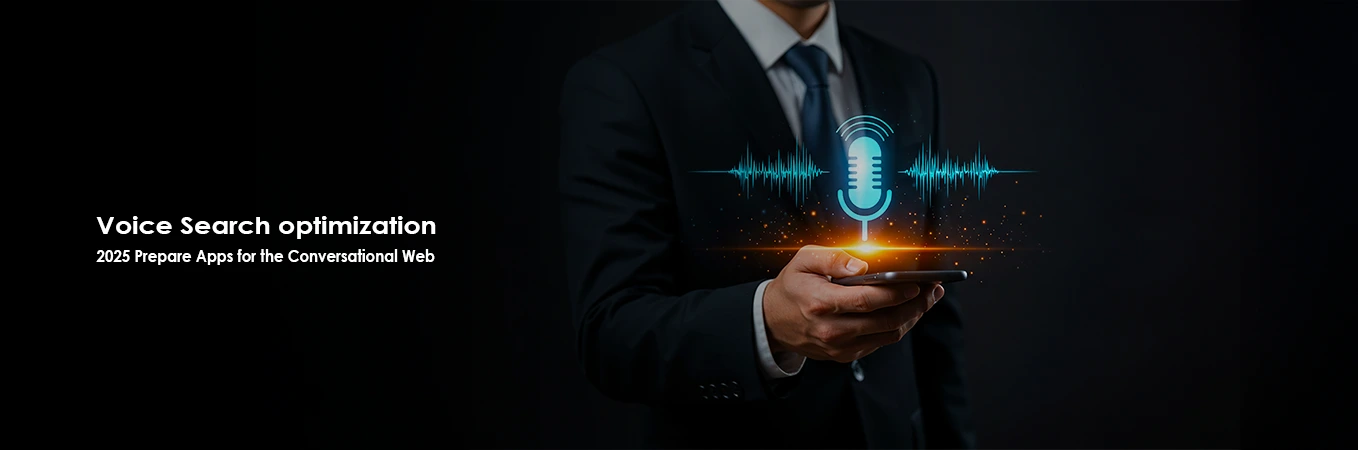
Voice Search Optimization 2025: Prepare Apps for the Conversational Web
Read More →
Why Nairobi Is Africa’s Hottest Mobile App Hub in 2025
Read More →
Why Singapore Trusts Elite Mindz for Developer Hiring in 2025
Read More →
Elite Mindz’s Mobile App Services for Addis Ababa in 2025
Read More →
Elite Mindz E‑Commerce Solutions Boosting Global Sales in 2025
Read More →
Elite Mindz Developer Services Power London Tech in 2025
Read More →
How New York Firms Leverage Elite Mindz Talent in 2025
Read More →
How New Delhi Entrepreneurs Scale with Elite Mindz E-Commerce in 2025
Read More →
Low-Code vs. Custom: Choosing the Right Mobile Path in 2025
Read More →
What Latin American E-Commerce Buyers Expect in 2025
Read More →
AI‑Powered Digital Marketing: 2025 Lead Generation with Elite Mindz
Read More →
Merging AI SEO and Paid Media: A GEO-Driven Strategy for the AI Search Era
Read More →
How Extended Reality (XR) Is Transforming Mobile Apps in 2025
Read More →
Why Nairobi Is the Powerhouse of Mobile App Development in Africa in 2025
Read More →
Ultimate Guide to Digital Marketing Strategies in 2025: Actionable Insights to Drive Growth
Read More →
Mobile App Development in Nairobi: Trends & Opportunities in 2025
Read More →
Mastering AI-Driven SEO: Your Survival Guide for 2025 and Beyond
Read More →
African Emerging Cities: Mobile App Trends to Watch in 2025
Read More →
Elite Mindz Developer Hiring Trends Across Continents 2025
Read More →
Google Ads Update 2025: Smarter Campaign Management with Checkbox Filters
Read More →
xAI’s Grok-Code-Fast-1: Transforming Agentic AI for Enterprise Software
Read More →
Mobile App Innovation Trends to Lead in 2025
Read More →
Why Generic Login Pages Confuse Google & Damage SEO
Read More →
The Rise of Social Commerce: Shoppable Apps in 2025
Read More →
Always-On Audits: The Future of Technical SEO Maintenance
Read More →
5G and App Development: Speed & Performance Unlocked in 2025
Read More →
Internal Linking for SEO: Why It Matters and How to Do It Right
Read More →
Mastering SEO in a Fractured Search Landscape: New AI-First Rules for 2025
Read More →
Layered SEO 2025: The 4-Step System to Win AI Search and User Trust
Read More →
Google Antitrust Case: AI Overviews Shift to FastSearch Over Links in 2025
Read More →
Mastering AI Search: Elevate Your Brand Through Superior Website Wellness
Read More →
Tokyo's Retail Market & Elite Mindz in 2026
Read More →
Elite Mindz’s Holistic Growth Playbook for 2025: Unlocking Sustainable Business Success
Read More →
Top Mobile App Development Firms in the U.K. (2025)
Read More →
GEO Meets Local SEO: Revolutionizing Business Discovery in the AI Era
Read More →
E-Commerce App Strategies 2025 in Nairobi and LagosÂÂÂ
Read More →
Mobile App Strategies that Work in Cairo 2025
Read More →
Best Practices for Mobile App Development in Malaysia with Elite Mindz
Read More →
Top Features Malaysian Businesses Should Add in Their Mobile Apps
Read More →
Top Mobile App Development Firms in Germany (2025)
Read More →
Top Mobile App Development Firms in France (2025)
Read More →
No-Code vs Custom Development: What’s Right for You?
Read More →
10 Industries Being Transformed by ML in 2025
Read More →
How Remote Hiring Changed the Global Developer Landscape
Read More →
Low Code Myths vs Reality
Read More →
Top 10 Developer Hiring Mistakes to Avoid in 2025
Read More →
Hire Dedicated Developers vs Freelancers: Pros & Cons
Read More →
Top Mobile App Development Firms in Saudi Arabia (2025)
Read More →
Top Mobile App Development Firms in Kuwait (2025)
Read More →
Top Mobile App Development Firms in UAE (2025)
Read More →
Top Mobile App Development Firms in Qatar (2025)
Read More →
Top 3 Mobile App Development companies in South Africa for iOS and Android
Read More →
Top Mobile App Development Companies in the USA 2025: Building Innovative Apps for Every Business
Read More →
Taxi Booking App Development Company in the Middle East
Read More →
Developer Hiring Platforms Compared: Finding the Right Fit for Startups and Enterprises
Read More →
Effective Mobile App Monetization Strategies That Work in 2025
Read More →
Why Riders Prefer Taxi Booking App Over Traditional Calls
Read More →How Mobile Apps Are Transforming Pet Care Management in the USA
Read More →
The Complete Step-by-Step Guide to Compliance Software Every Business Needs Now
Read More →How Global Capability Centers Are Shaping the Future of Work
Read More →A New Chapter Begins in 2026: ZYNO’s AI-Powered Software Redefining the IT Landscape
Read More →What is Offshore Outsourcing Services: A Complete Guide
Read More →The Role of AI and Cloud in Modern Custom Application Development
Read More →Top Mobile App Development company in India 2026- ZYNO Tech
Read More →A complete guide to build a mobile app for your travel business
Read More →Cybersecurity & Compliance: The New Pillars of Global Capability Centers
Read More →A Practical Guide to Choose the Right B2B Mobile App Development Partner
Read More →
Android App Development for Fintech in UAE: The Complete 2026 Guide
Read More →
Complete Guide to Healthcare App Development in 2026: Features, Process, Costs, Types
Read More →
Top 10 Android App Development Companies in India That Are Dominating 2026
Read More →
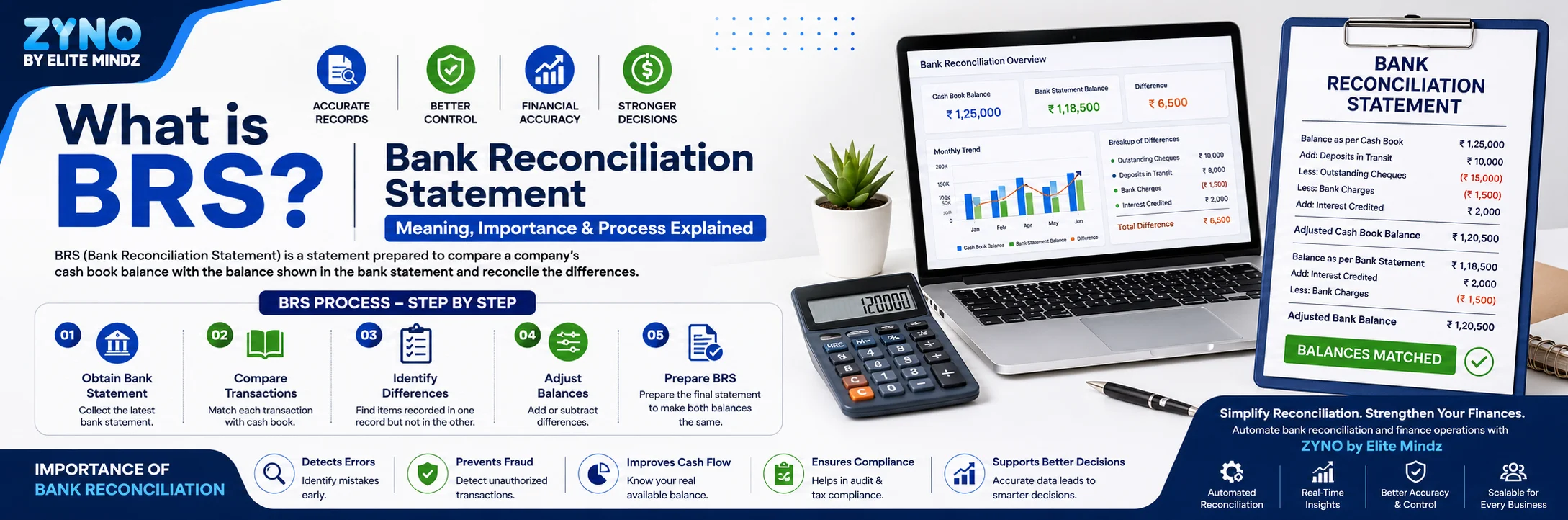
What is BRS? Bank Reconciliation Statement Meaning, Importance & Process Explained
Read More →
Best Mobile App Development Company in Delhi & Noida (2026 Guide)
Read More →
Voice Search SEO for Apps: The Complete Optimization Guide
Read More →Partner with ZYNO by Elite Mindz to revolutionize how your business works. Fill out the form, and we’ll reach out with AI-powered solutions made just for you.
We use browser cookies to ensure you get the best experience on our website. Learn more
The form was submitted successfully!
ZYNO Digital
Fueling Smarter Digital Growth
ZYNO Digital fuels smarter digital growth through data-driven marketing, creative storytelling, and performance strategies that boost visibility, engagement, and measurable business outcomes across global platforms.
ZYNO Tech
Engineering the Future of IT
ZYNO Tech delivers cutting-edge IT solutions — including web, mobile, and digital transformation services — helping businesses scale efficiently, innovate faster, and stay ahead in a connected world.
ZYNO AI
AI Built for Business Growth
ZYNO AI harnesses the power of artificial intelligence to automate processes, enhance decision-making, and deliver predictive insights — driving innovation, agility, and measurable business growth.
ZYNO by Elite Mindz
Your Partner in the AI-Powered Future
ZYNO by Elite Mindz offers AI-powered products and services that unify operations, boost productivity, and drive digital transformation — helping businesses scale smarter and innovate faster.
* In just 2 mins you'll get a response
* Your idea is 100% protected by our Non-Disclosure Agreement