Magento vs Shopify vs WooCommerce: Which Platform Wins in 2025?
Read More →

×
Custom software costs vary widely, but a clear scope makes the number predictable. Talk to ZYNO about your project goals, features, and timeline, and get a realistic cost estimate before you commit to a build. Get Your Free Software Cost Estimate →
Businesses using ZYNO Books cut accounting time by 70% and stay 100% ZATCA-compliant — automatically.
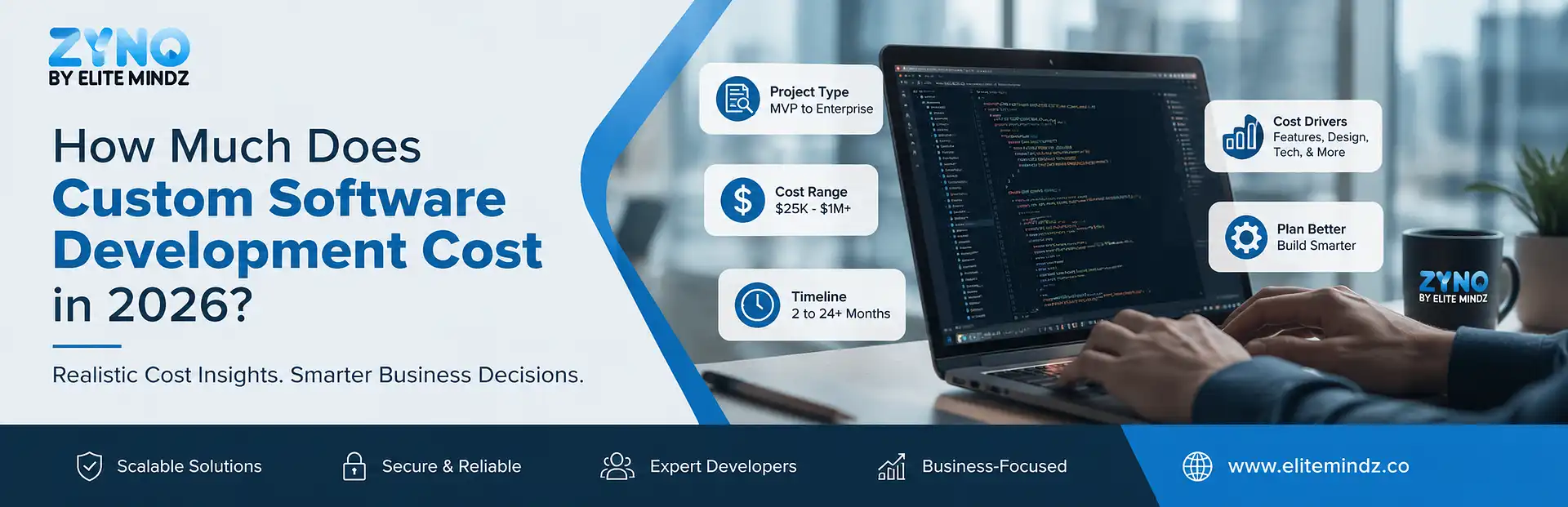
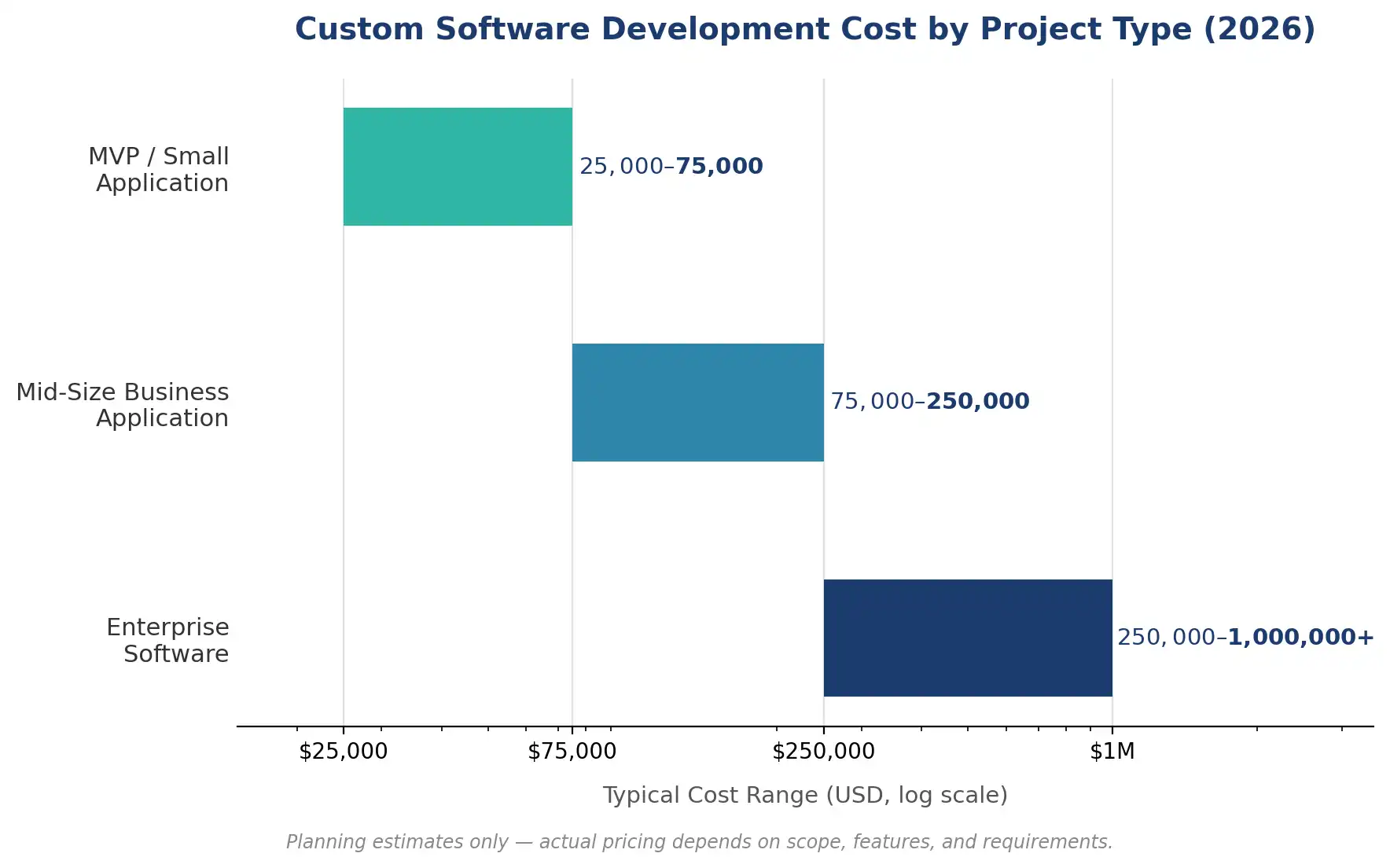
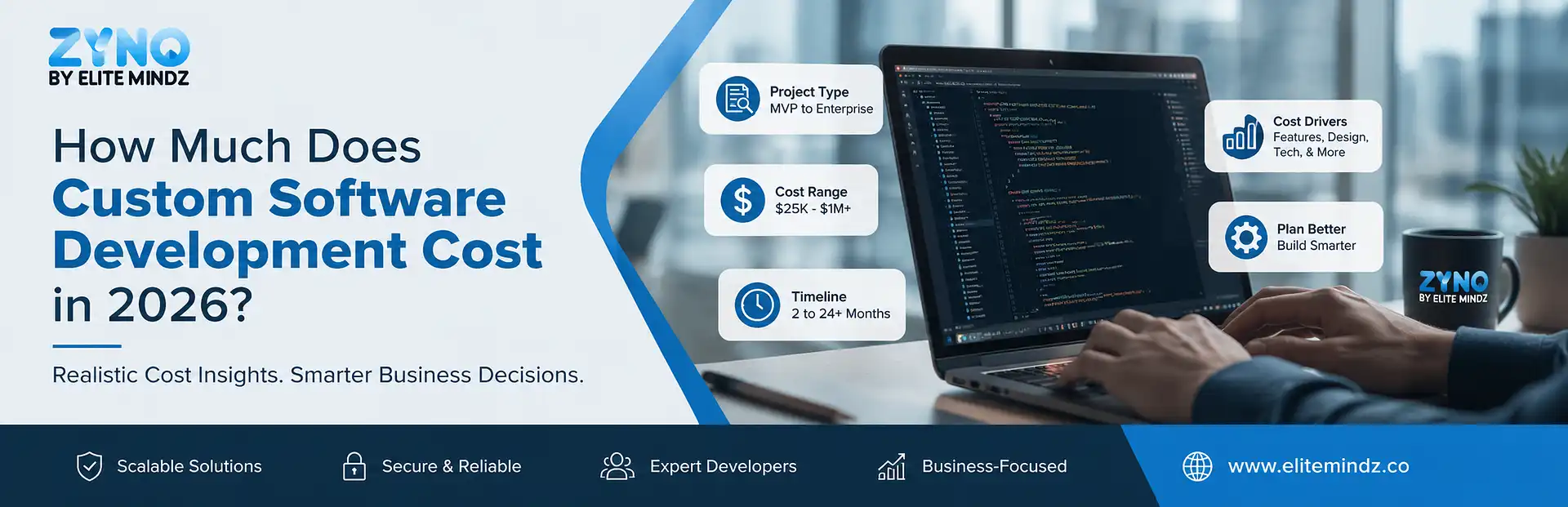
Short answer: custom software development cost typically falls between $25,000 and $75,000 for a basic MVP or small application, $75,000 to $250,000 for a mid-size business application, and $250,000 to $1 million or more for complex enterprise software. These are broad planning ranges, not fixed quotes. The actual number for your project depends on scope, features, integrations, technology choices, security requirements, and how the software needs to scale over time.
There is no single universal price for custom software because no two projects share the same requirements. A basic internal tool with one user role and a handful of screens costs very differently than a multi-department platform that connects to five external systems and needs to pass a security audit. In practice, complexity usually affects the final custom software development cost more than the raw number of screens or pages does. Two applications can have a similar screen count and still land in different budget tiers because one involves real-time data processing, role-based permissions, and legacy system integration, while the other is a straightforward form-and-database tool.
This article breaks down custom software development cost by project type (MVP, mid-size, and enterprise), the individual factors that drive pricing up or down, how team location affects cost, the difference between fixed-price and time-and-materials pricing models, what belongs in a professional quote, and how ongoing maintenance adds to total cost of ownership after launch. It also covers practical ways to reduce cost without cutting corners on quality or security.
Generally, custom software development cost is best understood as a range tied to project category rather than a flat number. The table below summarizes typical costs, timelines, and examples for the three broad categories most businesses fall into.
| Project Type | Typical Cost Range | Typical Timeline | Common Examples |
|---|---|---|---|
| MVP or small application | $25,000 to $75,000 | 2 to 5 months | MVP, internal tool, basic web application |
| Mid-size business application | $75,000 to $250,000 | 5 to 10 months | CRM, workflow platform, business management system |
| Enterprise software | $250,000 to $1 million+ | 9 to 24+ months | ERP, multi-system platform, enterprise automation |
These ranges are planning estimates, not guaranteed quotes. A vendor can only give a reliable number after reviewing your specific requirements, so treat these figures as a starting point for budget conversations rather than a price you can lock in before scoping the work.
It also helps to separate three related but different numbers that often get confused during budgeting:
A business that only budgets for development cost and ignores total cost of ownership is likely to be surprised by expenses in year two and beyond.
Have a Business Idea That Needs the Right Technology?
Turn your business requirements into secure, scalable, and high-performance custom software built around the way your organization works.
Cost differences between project types come down to the number of user roles, the depth of integrations, the security posture required, and how much the system needs to scale. Here is what typically falls into each tier.
An MVP, or minimum viable product, is built to test a business idea or serve a narrow internal need with the smallest feature set that still delivers value. MVP development cost generally lands in the $25,000 to $75,000 range because the scope is intentionally limited.
Typical characteristics of MVP and small custom software include:
Common examples include a startup MVP built to validate a product idea with early users, an internal business tool that replaces a spreadsheet-based process, a basic customer portal, a simple workflow automation system, or a small inventory application for a single location.
Several factors can push an MVP toward the higher end of its range or beyond it entirely: building for multiple platforms (web plus iOS plus Android) instead of one, complex approval workflows, advanced third-party integrations, AI-driven features, real-time functionality such as live chat or live tracking, and stricter security requirements than a typical MVP would need.
Mid-size business applications generally cost between $75,000 and $250,000. This tier serves companies that have outgrown basic tools and need software that supports multiple teams, structured permissions, and operational reporting.
Typical features found in this tier include:
Common examples are a CRM, an HRMS, a procurement platform, an inventory management system, a broader business operations platform, or a customer portal that serves several departments at once.
The jump in cost from MVP to mid-size reflects added complexity, not just added screens. Supporting multiple user roles means building permission logic, testing each role's access paths, and often redesigning workflows so that different teams see only what's relevant to them. Add reporting, and you're now handling data aggregation and dashboard performance. Add several integrations, and testing effort multiplies because each connection has its own failure modes.
Enterprise software typically ranges from $250,000 to $1 million or more, and large, highly regulated, or multi-system projects can exceed that. This tier is defined by scale and organizational complexity as much as by features.
Enterprise-level requirements commonly include:
Examples include an enterprise ERP system, a large-scale CRM deployed across regions, a supply chain platform connecting multiple vendors, banking software subject to financial regulation, a healthcare platform that must meet data privacy requirements, or a manufacturing management system tied to production equipment.
The table below compares how core factors shift across the three tiers.
| Factor | MVP | Mid-Size Application | Enterprise Software |
|---|---|---|---|
| Users | Limited | Multiple teams | Large organization |
| Integrations | Few | Several | Complex ecosystem |
| Security | Standard | Advanced | Enterprise-grade |
| Scalability | Basic | High | Very high |
| Testing | Core QA | Comprehensive QA | Multi-layer testing |
| Support | Basic | Ongoing | Dedicated support |
The main factors are project scope, software complexity, feature count, target platforms, UI and UX depth, integration requirements, security and compliance needs, data migration, technology stack, and the composition of the development team. Each one is explained below.
Unclear requirements are one of the most common reasons software projects go over budget. When a team starts building before the scope is documented, small ambiguities turn into scope creep: features get added mid-project, previously built components need rework, and timelines slip. This is why discovery and requirements documentation matter so much before development begins. A clearly written set of business requirements and functional requirements gives both the client and the development team a shared reference point, which reduces costly misunderstandings later.
Not all applications are equally complex to build, even at a similar feature count. A simple CRUD application (create, read, update, delete) that manages basic records is far less involved than a workflow-based system with conditional logic, a real-time platform that needs live data synchronization, an AI-powered application with a recommendation or prediction engine, or a full enterprise ecosystem tying together several systems. Complexity, more than raw size, is usually the biggest driver of custom software development cost.
Features are not equal in effort. A login screen and an AI recommendation engine might both appear as "one feature" on a project list, but they require vastly different amounts of work.
| Feature | Relative Complexity |
|---|---|
| User login | Low |
| User roles and permissions | Medium |
| Payment integration | Medium |
| Real-time communication | High |
| AI recommendation engine | High |
| Complex ERP integration | Very High |
This table is illustrative, not a pricing formula. The actual effort for any feature depends on existing infrastructure, chosen technology, and how it needs to integrate with the rest of the system.
Building for a web application only is generally less expensive than adding an iOS application, an Android application, a cross-platform application, desktop software, or a full multi-platform ecosystem. Each additional platform adds development, testing, and long-term maintenance work, since updates and bug fixes typically need to be repeated or adapted per platform. Businesses should decide early which platforms are actually necessary for launch and which can be added later.
There's a meaningful cost difference between a basic interface built with off-the-shelf components and a custom UX design built around specific user research. Enterprise applications often require a documented design system, interactive prototyping, and usability testing with real users before development starts. This work reduces rework later and improves adoption, but it adds time upfront. Businesses evaluating design needs for their project can review our UI and UX Design services for more detail on what a structured design process includes.
Most business software needs to connect to something else: payment gateways, CRM systems, ERP systems, accounting software, HR systems, logistics platforms, government systems, or general third-party APIs. Integration complexity depends on the quality and completeness of the third-party API's documentation, the authentication method required, how much data mapping is needed between systems, any rate limits imposed by the external service, and how thoroughly the integration needs to be tested. A well-documented, modern API is usually straightforward to connect. An older, poorly documented system can take significantly longer to integrate reliably.
Security should be planned into the software's architecture from the beginning rather than added as a final step before launch. Key areas include authentication, authorization, encryption of data at rest and in transit, secure API design, audit logging, general data protection practices, and vulnerability testing. Industries with regulatory obligations add compliance requirements on top of standard security practices, which increases both development and testing time. Retrofitting security into a system that wasn't designed with it in mind is typically more expensive and riskier than building it in from day one.
Migrating data from legacy systems into new custom software is often underestimated. It involves cleaning data that has accumulated years of inconsistencies, mapping old data structures to new ones, transforming data into the correct format, validating that nothing was lost or corrupted in the process, and planning for any downtime the migration requires. Businesses replacing an aging system should budget for this separately from core development. Our Legacy Modernization services address this kind of transition in more depth.
The technology stack selected for a project affects more than initial development speed. It influences how easy it is to hire developers who know the stack, how well the system scales, what infrastructure it requires, ongoing maintenance effort, and long-term cost as the software evolves. The right stack depends on the specific requirements of the project (expected user volume, integration needs, team expertise) rather than whatever framework happens to be trending. A technology choice made purely for novelty can create maintenance headaches years down the line.
Depending on project size, a development team may include a business analyst, a solution architect, a project manager, UI/UX designers, front-end developers, back-end developers, mobile developers, QA engineers, and DevOps engineers. Not every project needs every role working full-time. An MVP might share one developer across front-end and back-end work, while an enterprise project may need dedicated specialists in each area throughout the engagement. Team composition is one of the clearest cost levers in a project, and it should be matched to actual project complexity rather than assumed by default.
Software Should Adapt to Your Business, Not the Other Way Around
Whether you need an MVP, a business application, or enterprise-grade software, our team helps you design and develop technology that supports long-term growth.
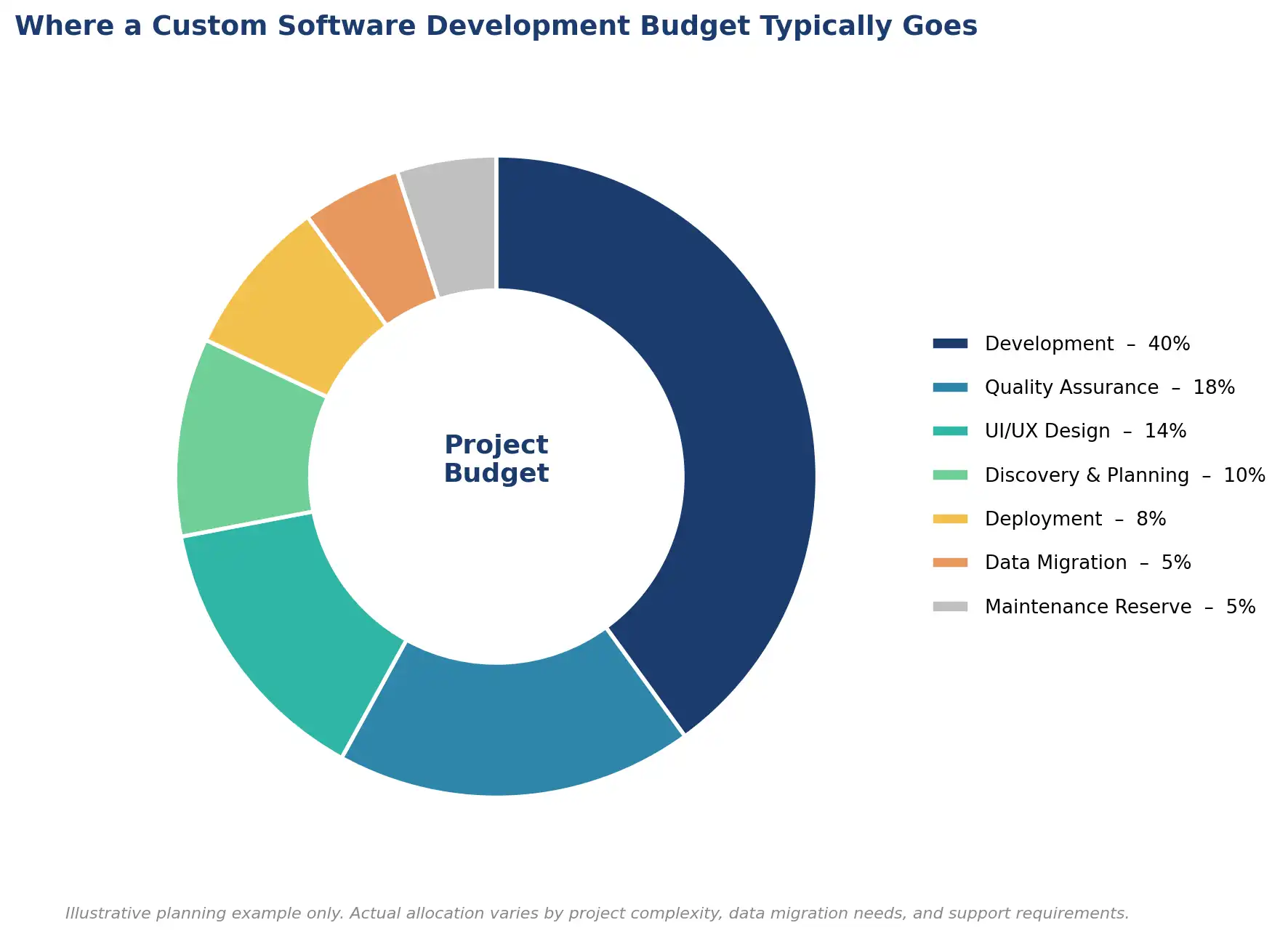
A typical project cost is distributed across several categories rather than spent entirely on writing code.
| Cost Component | What It Covers |
|---|---|
| Discovery and planning | Requirements, research, technical planning |
| UI/UX design | User flows, wireframes, prototypes, visual design |
| Development | Front-end, back-end, APIs, database |
| Quality assurance | Functional, performance, security, usability testing |
| Deployment | Cloud setup, production deployment, DevOps |
| Data migration | Data extraction, transformation, validation |
| Maintenance | Bug fixes, updates, monitoring, improvements |
The percentage each component takes up varies by project. A greenfield MVP with no legacy data might spend nothing on data migration, while a legacy modernization project might spend a substantial share of the budget there. As a general planning example, discovery and design often make up a meaningful minority of the pre-launch budget, with development and QA taking the largest share, but this split shifts based on project type and should not be treated as a fixed formula.
Cost by team location depends on developer experience, team structure, technical specialization, project complexity, communication practices, time zone alignment, and the engagement model used, not on geography alone. A cheaper hourly rate in one region does not automatically mean a lower total project cost if it comes with slower delivery, more rework, or weaker communication.
Broadly, businesses evaluating where to build custom software consider a few major markets:
Rather than choosing a location on price alone, businesses should evaluate technical quality, communication practices, portfolio and past project relevance, security practices, delivery process maturity, and what post-launch support looks like. A team that communicates clearly and follows a disciplined delivery process, whether in the U.S., India, or elsewhere, typically produces better cost outcomes over the life of a project than a lower headline rate paired with weak process. This applies equally to businesses evaluating an enterprise software development company India options for a large-scale build, where process maturity and security practices matter as much as, or more than, hourly rate.
The two most common software development pricing models are fixed-price and time-and-materials, and each fits different project situations.
The fixed-price model works best when the scope is clearly defined, requirements are stable, and deliverables are fixed in advance. The client and vendor agree on a set price for an agreed set of features.
Limitations include less flexibility once development starts, and any change requests outside the original scope typically increase the price or require a formal change order.
The time-and-materials model works best for evolving requirements, agile development processes, ongoing product development, and long-term software projects where the exact feature set may shift as the business learns more.
Advantages include more flexibility to adjust priorities, continuous reprioritization as business needs change, and easier adaptation when new information emerges mid-project.
| Aspect | Fixed-Price | Time and Materials |
|---|---|---|
| Best for | Well-defined, stable scope | Evolving, agile projects |
| Flexibility | Low | High |
| Cost predictability | High upfront | Variable, tracked over time |
| Change requests | Often require new pricing | Absorbed into ongoing work |
| Typical use case | Small, well-scoped MVPs | Long-term product development |
A professional custom software development quote should clearly define what the client is paying for. At minimum, it should include:
Before signing a contract, buyers should clarify what happens with change requests outside the original scope, who owns the source code and intellectual property after delivery, what post-launch support is included and for how long, how bugs found after launch are handled, and what the process looks like if timelines slip. A vendor that can answer these questions clearly and in writing is generally a safer choice than one that leaves them vague.
From Idea to Scalable Software
Get the technical expertise you need to plan, design, develop, test, and launch custom software that is built for your specific business goals.
Development is not the only cost associated with custom software. Once the software is live, it needs ongoing attention to stay secure, reliable, and useful.
Ongoing costs after launch typically include bug fixes, security updates, operating system and dependency updates, cloud hosting, performance monitoring, performance optimization as usage grows, new feature development as business needs change, updates required when third-party APIs change their behavior, technical support for users, and backup and disaster recovery planning.
| Ongoing Cost | Why It Matters |
|---|---|
| Hosting | Runs the application infrastructure |
| Security updates | Protects the system |
| Monitoring | Identifies performance issues |
| Bug fixes | Maintains reliability |
| New features | Supports business growth |
| API updates | Maintains integrations |
Maintenance requirements vary based on how critical the application is to daily operations and what service-level expectations the business sets. A customer-facing platform that processes payments needs a different maintenance commitment than an internal reporting tool used occasionally by one department.
Businesses should consider the following practical steps to manage cost responsibly:
Cutting quality assurance or security to save money is not a safe way to reduce cost. Issues skipped during testing or security review tend to resurface after launch, often at a higher cost to fix than they would have cost to prevent, and sometimes with real business or reputational consequences.
Before requesting a software development quote, define your business goals, essential features, user types, integrations, and scalability requirements. A structured discovery process can help convert an initial idea into a more realistic project scope and cost estimate. The summary below brings the three tiers together for quick reference.
| Project Type | Cost Range | Best For | Main Cost Drivers |
|---|---|---|---|
| MVP | $25,000 to $75,000 | Testing an idea | Core features, basic UX |
| Mid-size | $75,000 to $250,000 | Growing businesses | Workflows, integrations, dashboards |
| Enterprise | $250,000 to $1M+ | Large organizations | Scale, security, integrations, compliance |
These are broad planning ranges. Final pricing requires project discovery, since the specific mix of features, integrations, and non-functional requirements is what turns a range into an actual number.
ZYNO by Elite Mindz works with businesses across MVP, mid-size, and enterprise projects, supporting custom software development, broader product development, MVP and proof-of-concept development, UI and UX design, enterprise software, business process automation, API integrations, legacy system modernization, cloud-based applications, and scalable digital solutions.
Business-Aligned Development. Software is planned around actual business workflows and operational requirements rather than forcing a generic template onto the business.
Scalable Architecture. Solutions can be designed with future growth and additional features in mind, so scaling later doesn't require a costly rebuild.
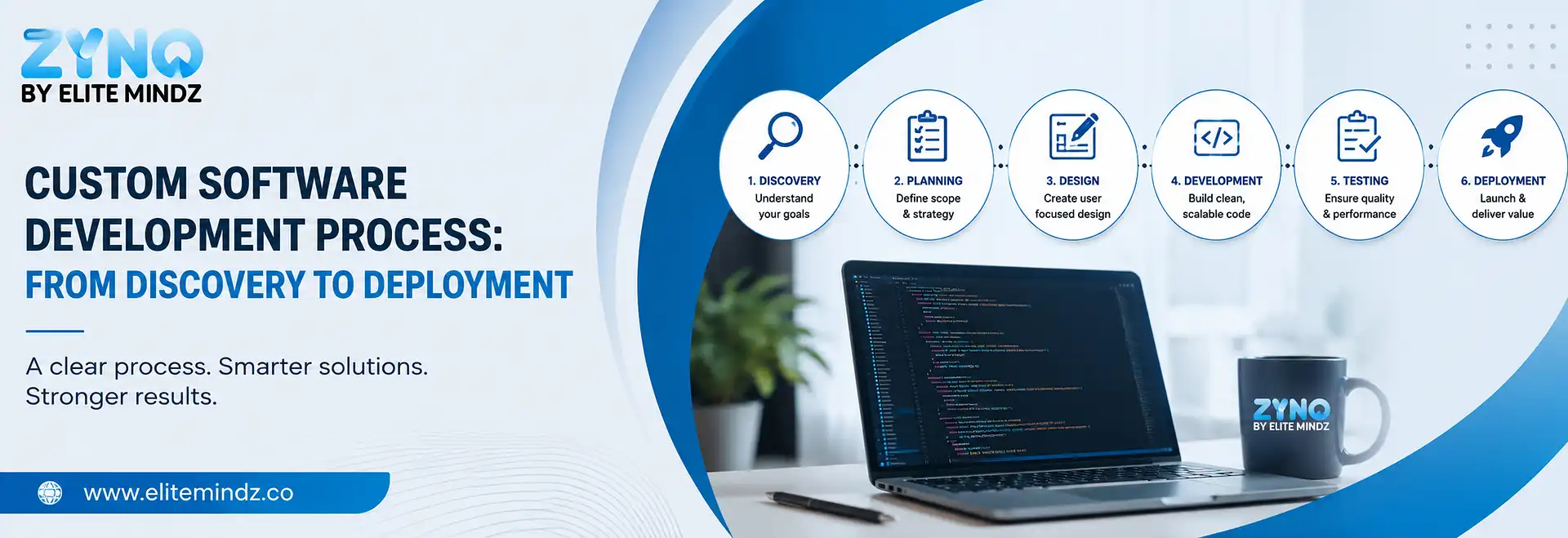
End-to-End Development. Support can cover the full lifecycle: discovery, planning, design, development, testing, deployment, and maintenance, so businesses aren't left coordinating multiple vendors for different stages.
Industry-Specific Solutions. Custom software can be adapted to the specific requirements of a given industry or business model rather than requiring the business to adjust its processes to fit generic software.
Integration Capabilities. Software can connect with existing systems, ERPs, CRMs, and third-party platforms where required, reducing operational friction between old and new tools.
Long-Term Support. Businesses can continue improving the software as requirements evolve, rather than treating launch as the end of the relationship.
For businesses evaluating a partner for their next project, our custom software development services page outlines the specifics of how these engagements are structured. Related services include Product Development, MVP and POC Development, and UI and UX Design.
An accurate estimate is based on documented requirements, not a one-line project description. Businesses looking to get a realistic number should work through the following steps:
A vendor asked to price a project based on a vague idea can only offer a rough range. A vendor working from documented requirements can offer a much more reliable estimate, which is why the discovery step matters as much as the development work itself.
Ready to Invest in Software Built Around Your Business?
Partner with ZYNO Digital to create custom software that improves operations, supports growth, and gives your business the flexibility to evolve.
There is no single average cost because pricing depends entirely on project scope. As a general guide, MVPs typically run $25,000 to $75,000, mid-size applications run $75,000 to $250,000, and enterprise software runs $250,000 to $1 million or more, with final pricing determined through discovery and requirements analysis.
MVP development cost typically ranges from $25,000 to $75,000. The exact figure depends on the number of core features, whether the app targets one platform or several, the complexity of any integrations, and how much custom UI/UX design work is involved.
Enterprise software development cost can range from a few hundred thousand dollars to over $1 million, depending on scope and complexity. Cost drivers include the number of departments and locations supported, integration with legacy systems, compliance requirements, and the level of security and support needed.
Timelines vary by project tier: an MVP typically takes about 2 to 5 months, a mid-size application about 5 to 10 months, and enterprise software about 9 to 24 months or longer. Actual timelines depend on scope, team size, and how stable the requirements stay during the project.
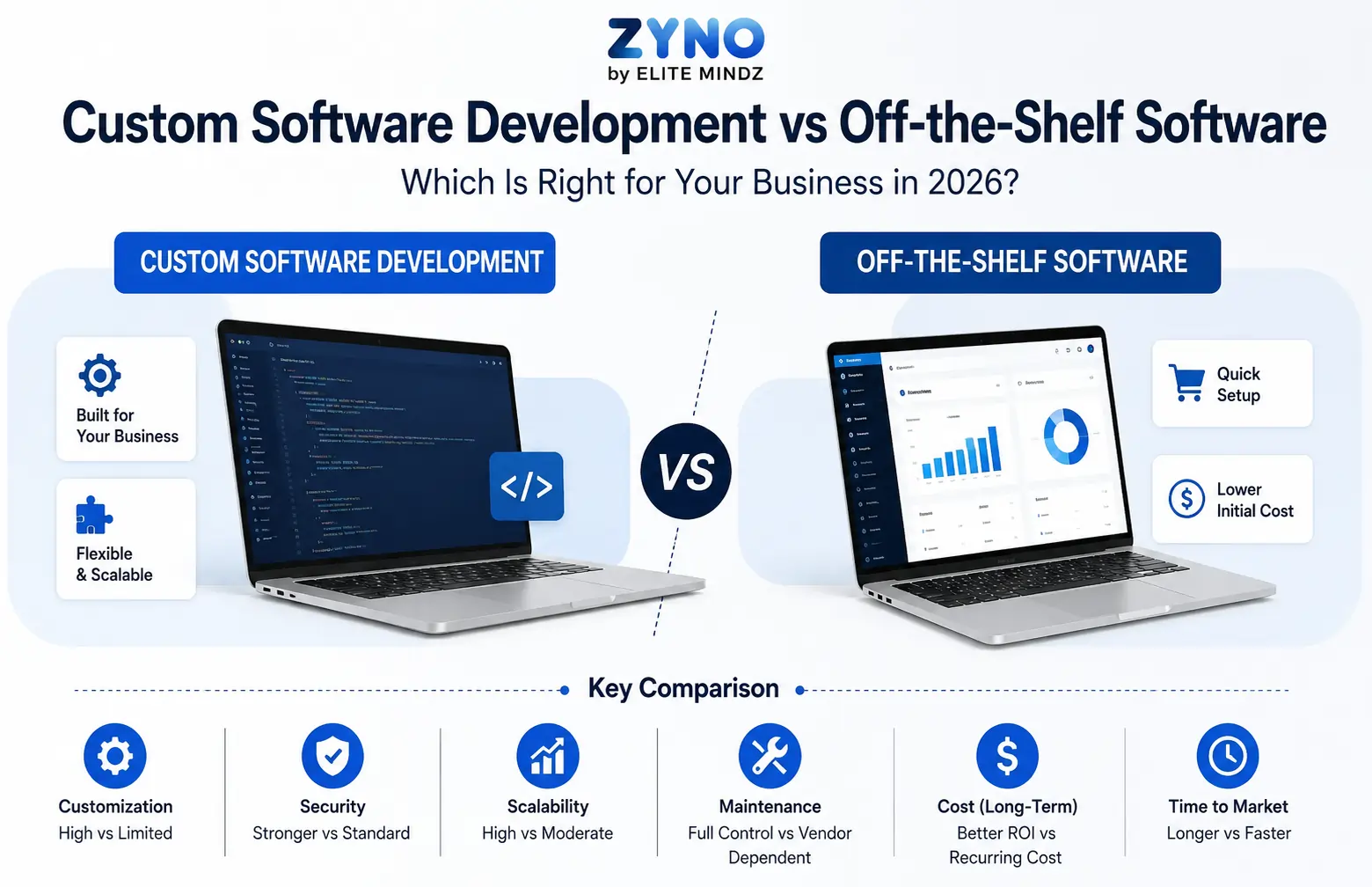
Custom software usually has a higher upfront cost than off-the-shelf software, since it's built specifically for the business rather than sold to many companies at once. Over time, though, custom software can offer better long-term business value by fitting workflows precisely, avoiding recurring per-user licensing fees, and scaling without the limitations that generic tools often impose.
The main cost drivers are project complexity, the number and depth of features, the number of platforms supported, integration requirements, security and compliance needs, data migration from legacy systems, and the level of ongoing support and scalability the software needs to support.
Businesses can manage cost by defining a clear MVP scope, prioritizing must-have features, completing discovery before development starts, planning integrations early, choosing an appropriate technology stack, and budgeting for maintenance from the outset rather than treating it as an afterthought. Quality assurance and security should not be the areas cut to save money.
Most startups are better served by an MVP first, since it validates the business idea with real users at a lower cost before committing to a full-scale build. A full custom software product usually makes more sense once the business has validated demand and needs to support a larger, more established user base.
Evaluate a custom software development company based on technical expertise relevant to your project, a portfolio of comparable work, clear communication practices, a structured delivery process, sound security practices, pricing transparency, and what post-launch support is included. A vendor that scores well across all of these factors, rather than just offering the lowest price, is more likely to deliver a project that holds up over time.
Ready to scope your project? If you're weighing custom software development cost against your budget and timeline, the next useful step isn't a price quote, it's a structured discovery conversation. Talk through your business goals, must-have features, user types, and integration needs with the ZYNO team, and you'll walk away with a clearer picture of what your project actually requires and what it's realistically going to cost.
Magento vs Shopify vs WooCommerce: Which Platform Wins in 2025?
Read More →
SEO vs Google Ads: Which One Drives Better Results in 2025?
Read More →
Top 10 E-commerce Development Agencies for D2C Brands in India
Read More →
Top Mobile App Development Companies in India (2025 Edition)
Read More →
Top Mobile App Development Companies in Nigeria (2025)
Read More →
Hire Mobile App Developers in India: What You Need to Know
Read More →
Top E-commerce Development Companies in Africa (2025 Edition)
Read More →
Best Mobile App Development Companies in UAE (2025 Edition)
Read More →
Best Digital Marketing Services for Small Businesses in India
Read More →
Best eCommerce Development Companies in Dubai (2025)
Read More →
Top Mobile App Development Companies in Kenya (2025)
Read More →
Top 10 Digital Marketing Companies in the UAE for 2025
Read More →
Best Digital Marketing Companies in Dubai (2026)
Read More →
Best Digital Marketing Companies in Qatar 2026 List
Read More →
AI-Powered 5G Mobile Apps: Revolutionizing User Experiences in 2025
Read More →
Top Mobile App Development Firms in Africa (2026): Innovators Driving Digital Transformation
Read More →
Top Mobile App Development Firms in Nigeria (2025): Innovators Powering Digital Growth
Read More →
Top Mobile App Development Firms in Kenya (2025): Innovators Driving Digital Transformation
Read More →
IoT and Mobile Apps: Creating a Connected Ecosystem in 2025
Read More →
How AI Is Reshaping Mobile App Development in 2025
Read More →
Security Trends in Mobile Apps: What Developers Need to Know in 2026
Read More →
Mobile App Security in 2025: Protecting User Data in an AI World
Read More →
10 AI-Powered Features Your Mobile App Needs in 2026
Read More →
Mobile App Development Trends to Watch in 2025 with Elite Mindz
Read More →
The Future of Mobile UX: Motion Design & Touchless UI in 2025
Read More →
What Next in Mobile App Tech for 2026 and Beyond
Read More →
Building Apps for the Foldable Device Revolution in 2025
Read More →
Accessibility in Mobile Apps: A 2025 Imperative
Read More →
Hire a Developer with Elite Mindz: Global Demand in 2025
Read More →
Voice Search Optimization 2025: Prepare Apps for the Conversational Web
Read More →
Why Nairobi Is Africa's Hottest Mobile App Hub in 2025
Read More →
Why Singapore Trusts Elite Mindz for Developer Hiring in 2025
Read More →
EliteMindz Mobile App Services for Addis Ababa in 2026
Read More →
EliteMindz ECommerce Solutions Boosting Global Sales in 2026
Read More →
EliteMindz Developer Services Power London Tech in 2026
Read More →
How New York Firms Leverage Elite Mindz Talent in 2025
Read More →
How New Delhi Entrepreneurs Scale with Elite Mindz E-Commerce in 2025
Read More →
Low-Code vs. Custom: Choosing the Right Mobile Path in 2025
Read More →
What Latin American E-Commerce Buyers Expect in 2025
Read More →
AI Powered Digital Marketing: 2026 Lead Generation with EliteMindz
Read More →
Merging AI SEO and Paid Media: A GEO-Driven Strategy for the AI Search Era
Read More →
How Extended Reality (XR) Is Transforming Mobile Apps in 2025
Read More →
Nairobi Tech Hub in 2026: Why It's Africa's Undisputed Mobile App Development Powerhouse
Read More →
Ultimate Guide to Digital Marketing Strategies in 2025: Actionable Insights to Drive Growth
Read More →
Mobile App Development in Nairobi: Trends & Opportunities in 2025
Read More →
Mastering AI-Driven SEO: Your Survival Guide for 2025 and Beyond
Read More →
African Emerging Cities: Mobile App Trends to Watch in 2025
Read More →
Elite Mindz Developer Hiring Trends Across Continents 2025
Read More →
Google Ads Update 2025: Smarter Campaign Management with Checkbox Filters
Read More →
xAI’s Grok Code Fast 1: Transforming Agentic AI for Enterprise Software
Read More →
Mobile App Innovation Trends to Lead in 2025
Read More →
Why Generic Login Pages Confuse Google & Damage SEO
Read More →
The Rise of Social Commerce: Shoppable Apps in 2025
Read More →
Always-On Audits: The Future of Technical SEO Maintenance
Read More →
5G and App Development: Speed & Performance Unlocked in 2025
Read More →
Internal Linking for SEO: Why It Matters and How to Do It Right
Read More →
Mastering SEO in a Fractured Search Landscape: New AI-First Rules for 2025
Read More →
Layered SEO 2025: The 4-Step System to Win AI Search and User Trust
Read More →
Google Antitrust Case: AI Overviews Shift to FastSearch Over Links in 2025
Read More →
Mastering AI Search: Elevate Your Brand Through Superior Website Wellness
Read More →
Tokyo's Retail Market & Elite Mindz in 2026
Read More →
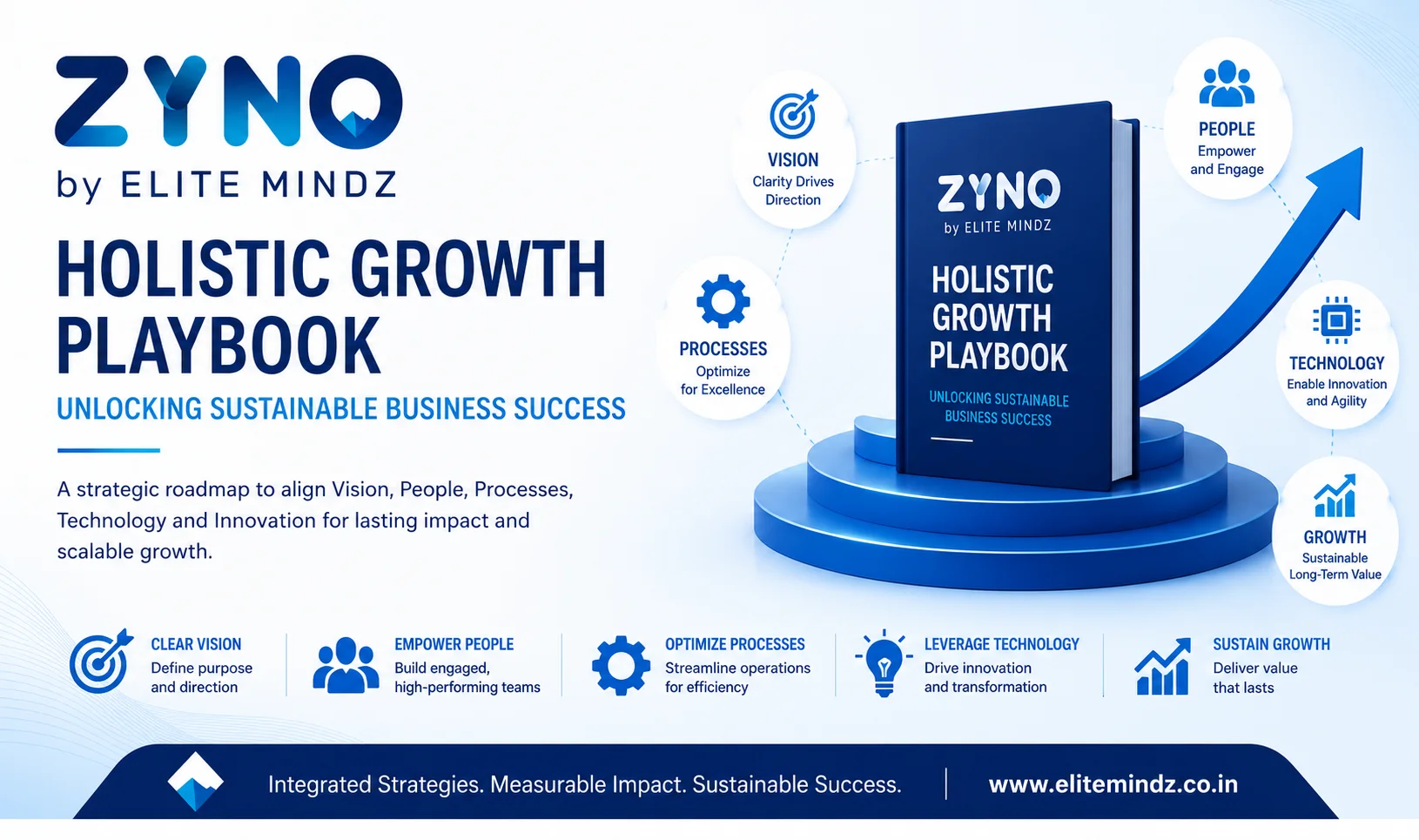
Elite Mindz Holistic Growth Playbook for 2025: Unlocking Sustainable Business Success
Read More →
Top Mobile App Development Firms in the U.K. (2025)
Read More →
GEO Meets Local SEO: Revolutionizing Business Discovery in the AI Era
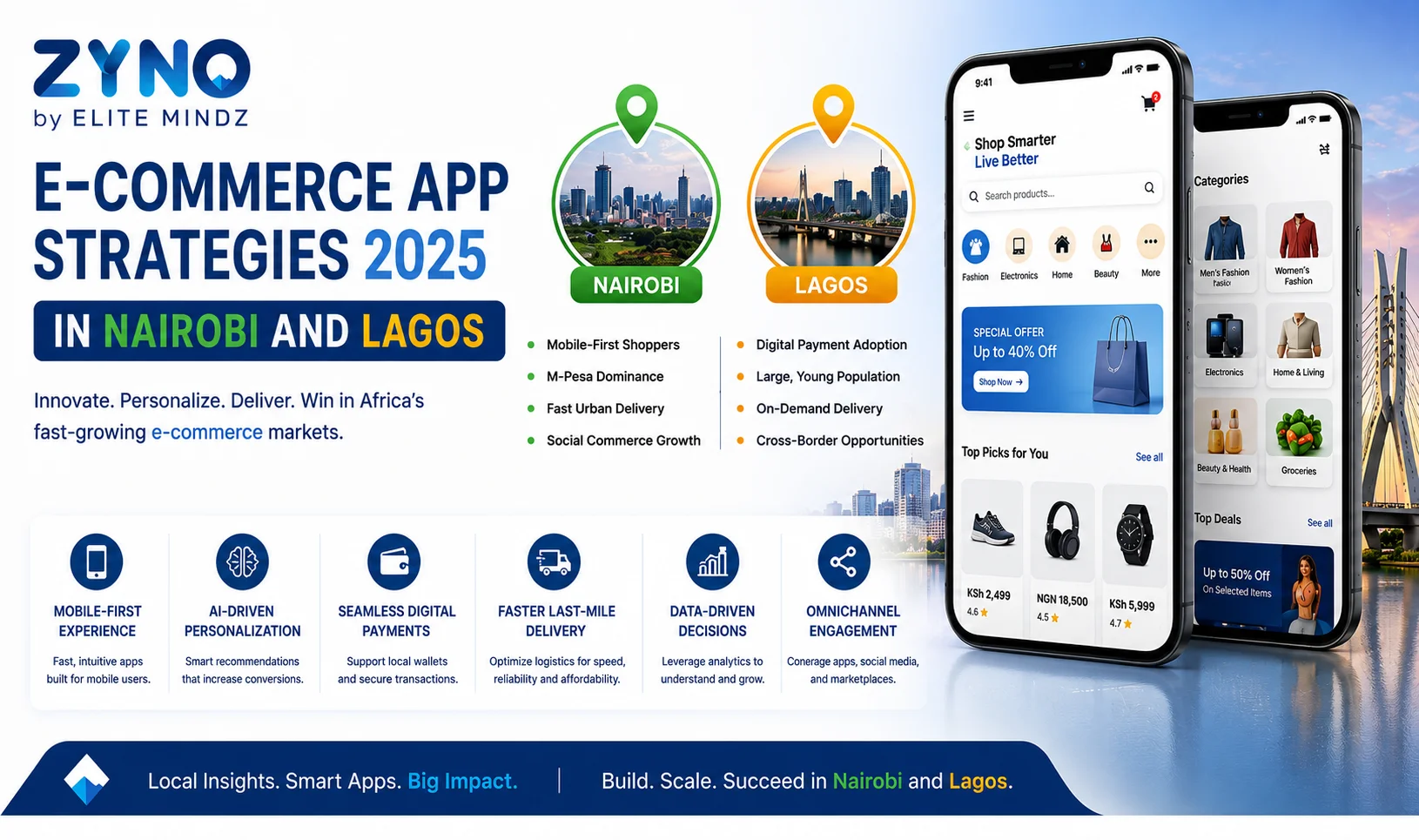
Read More →E-Commerce App Strategies 2025 in Nairobi and Lagos
Read More →
Mobile App Strategies that Work in Cairo 2025
Read More →
Best Practices for Mobile App Development in Malaysia with Elite Mindz
Read More →
Top Features Malaysian Businesses Should Add in Their Mobile Apps
Read More →
Top Mobile App Development Firms in Germany (2025)
Read More →
Top Mobile App Development Firms in France (2025)
Read More →
No-Code vs Custom Development in 2026: What’s Right for Your Business?
Read More →
10 Industries Being Transformed by ML in 2025
Read More →
How Remote Hiring Changed the Global Developer Landscape
Read More →
Low Code Myths vs Reality
Read More →
Top 10 Developer Hiring Mistakes to Avoid in 2025
Read More →
Hire Dedicated Developers vs Freelancers: Pros & Cons
Read More →
Top Mobile App Development Firms in Saudi Arabia (2026)
Read More →
Top Mobile App Development Firms in Kuwait (2025)
Read More →
Top Mobile App Development Firms in UAE (2025)
Read More →
Top Mobile App Development Firms in Qatar (2026)
Read More →
Top 3 Mobile App Development companies in South Africa for iOS and Android
Read More →
Top Mobile App Development Companies in the USA 2025: Building Innovative Apps for Every Business
Read More →
Taxi Booking App Development Company in the Middle East
Read More →
Developer Hiring Platforms Compared: Finding the Right Fit for Startups and Enterprises
Read More →
Effective Mobile App Monetization Strategies That Work in 2025
Read More →
Why Riders Prefer Taxi Booking App Over Traditional Calls
Read More →How Mobile Apps Are Transforming Pet Care Management in the USA
Read More →
The Complete Step-by-Step Guide to Compliance Software Every Business Needs Now
Read More →How Global Capability Centers Are Shaping the Future of Work
Read More →A New Chapter Begins in 2026: ZYNO’s AI-Powered Software Redefining the IT Landscape
Read More →What is Offshore Outsourcing Services: A Complete Guide
Read More →The Role of AI and Cloud in Modern Custom Application Development
Read More →Top Mobile App Development company in India 2026- ZYNO Tech
Read More →A complete guide to build a mobile app for your travel business
Read More →Cybersecurity & Compliance: The New Pillars of Global Capability Centers
Read More →A Practical Guide to Choose the Right B2B Mobile App Development Partner
Read More →
Android App Development for Fintech in UAE: The Complete 2026 Guide
Read More →
Complete Guide to Healthcare App Development in 2026: Features, Process, Costs, Types
Read More →
Top 10 Android App Development Companies in India That Are Dominating 2026
Read More →
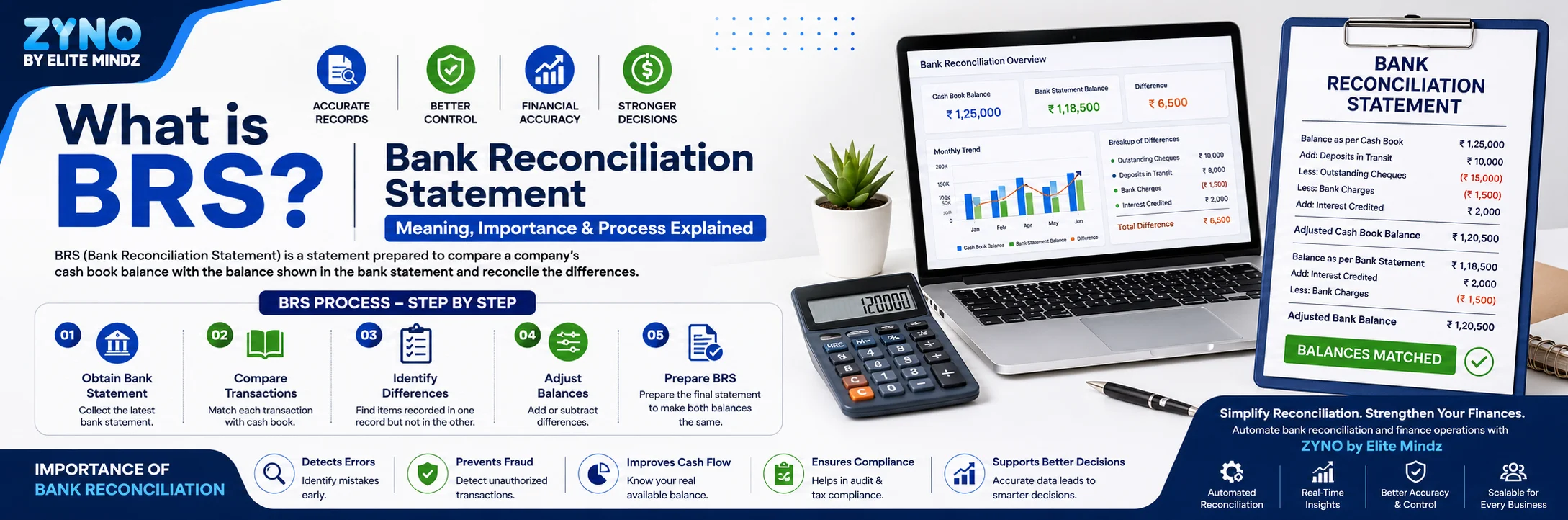
What is BRS? Bank Reconciliation Statement Meaning, Importance & Process Explained
Read More →
Best Mobile App Development Company in Delhi & Noida (2026 Guide)
Read More →
Voice Search SEO for Apps: The Complete Optimization Guide
Read More →
The Top 10 Supply Chain Management Systems (SCM) for 2026
Read More →
AI-Powered Custom Software Development: How Businesses Are Building Smarter Applications
Read More →
Why Enterprises Prefer Custom Software Development Over SaaS in 2026
Read More →
AI Chatbot Development Services: Everything Businesses Need to Know Before Investing in 2026
Read More →
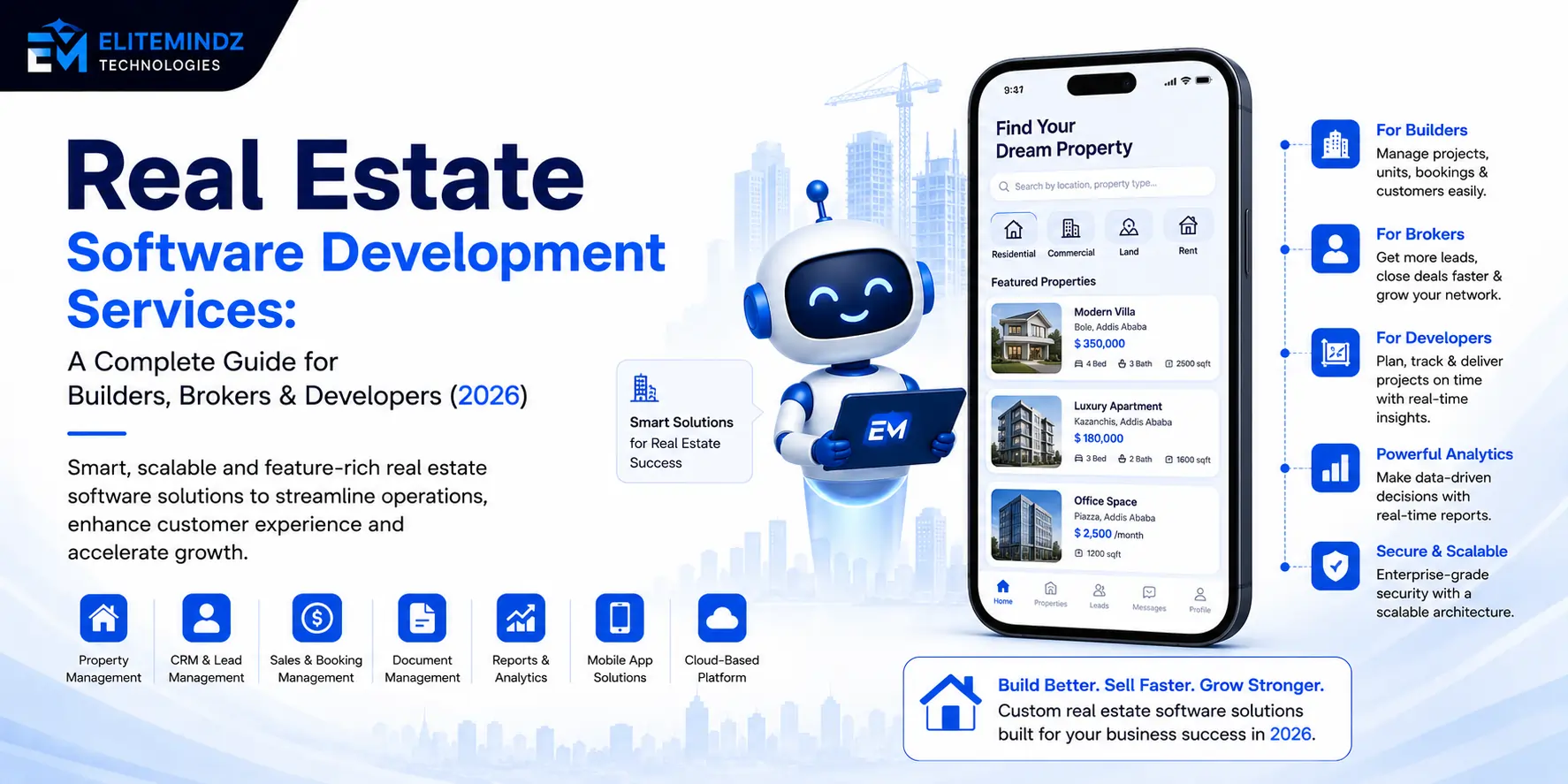
Real Estate Software Development Services: A Complete Guide for Builders, Brokers & Developers (2026)
Read More →
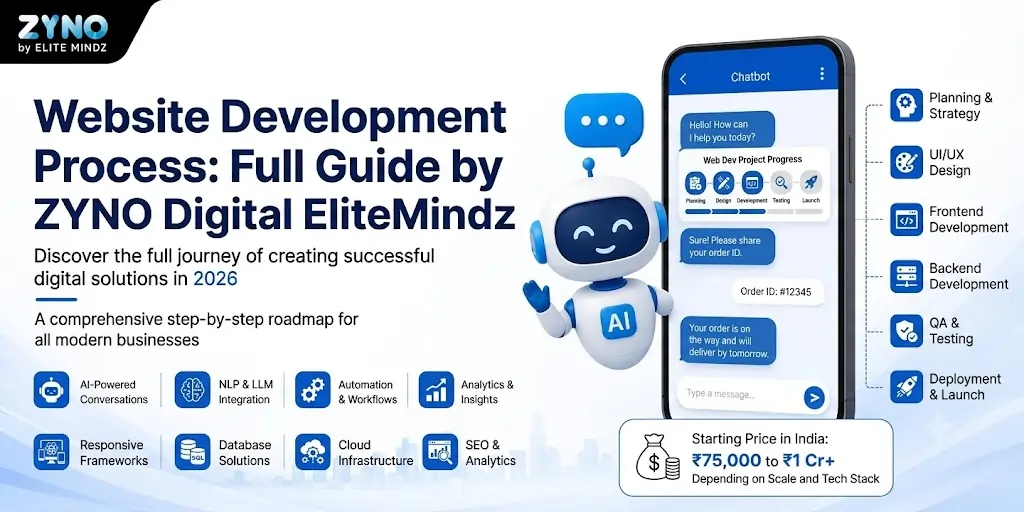
Website Development Process: Full Guide by ZYNO Digital EliteMindz
Read More →
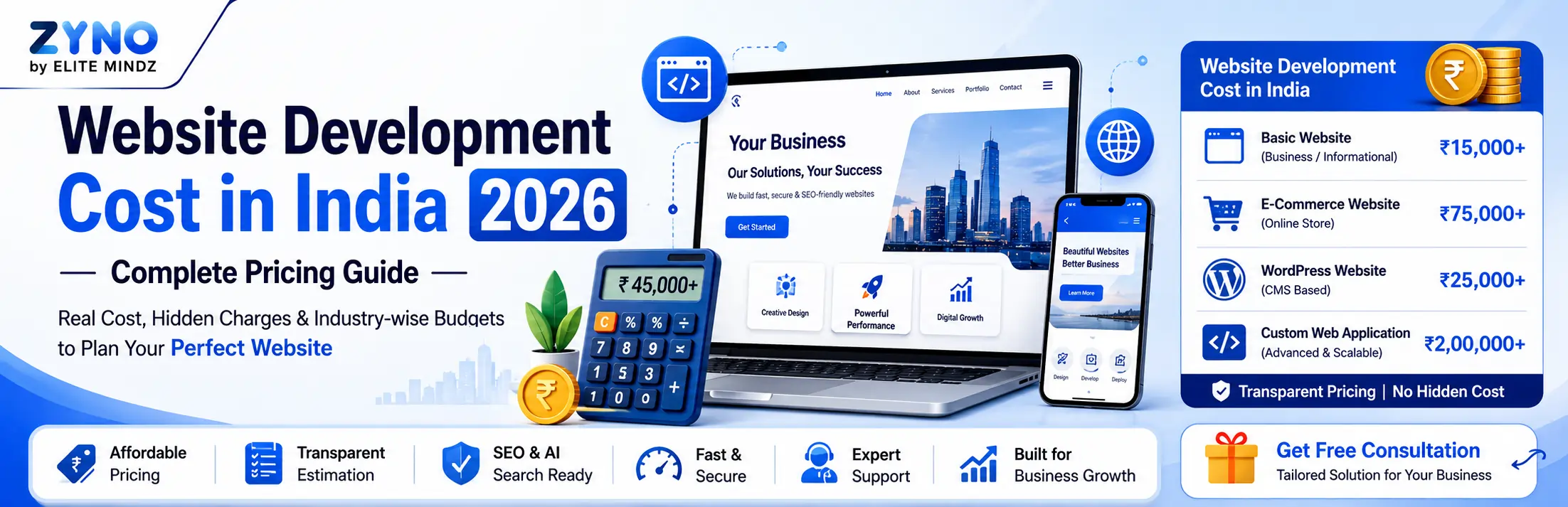
Website Development Cost in India (2026): Real Pricing, Hidden Costs & What You Actually Get
Read More →
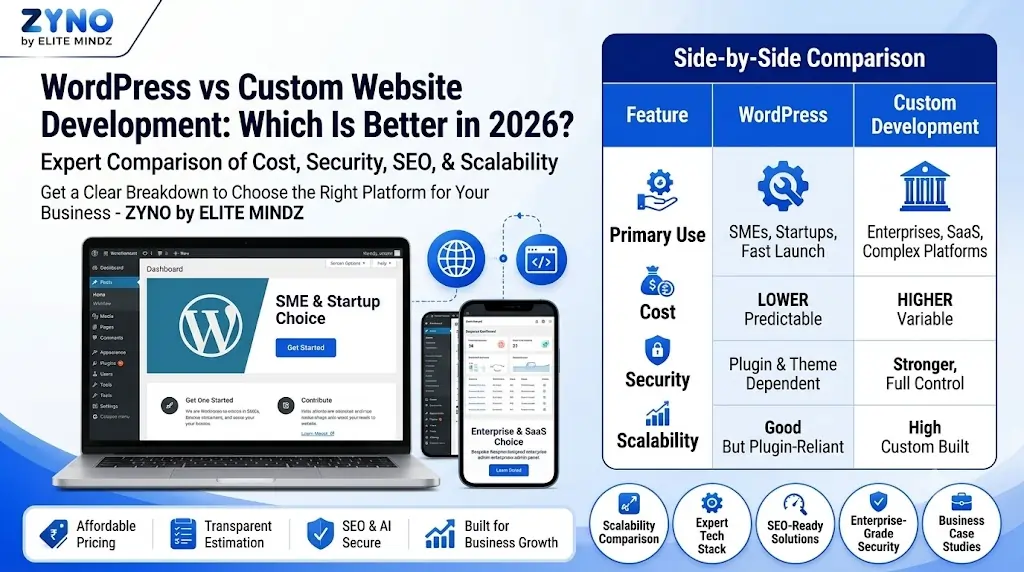
WordPress vs Custom Website Development: Which Is Better in 2026?
Read More →
Custom Software Development vs Off-the-Shelf Software: Which Is Right for Your Business in 2026?
Read More →
Digital Transformation Strategies for Mid-Market Companies in India
Read More →
How Should a Mid-Sized Indian Company Prioritize Technology Investments During Digital Transformation
Read More →
Common Challenges Mid-Market Businesses in India Face When Implementing Digital Transformation
Read More →
How Do Mid-Market Companies in India Measure the Success of Their Digital Transformation Initiatives
Read More →
What Role Does Leadership and Change Management Play in Driving Digital Transformation in Mid-Sized Indian Companies
Read More →
Mobile App Development Trends for 2026: What Every Business Needs to Know
Read More →
Best AI Software Manufacturer & Software Development Company in Kenya
Read More →
Hire Mobile App Developers in Kenya: Complete 2026 Guide to Finding the Right Development Team
Read More →
How Much Does Custom Software Development Cost in 2026?
Read More →
Custom Software Development Process: From Discovery to Deployment
Read More →Partner with ZYNO by Elite Mindz to revolutionize how your business works. Fill out the form, and we’ll reach out with AI-powered solutions made just for you.
We use browser cookies to ensure you get the best experience on our website. Learn more
The form was submitted successfully!
ZYNO Digital
Fueling Smarter Digital Growth
ZYNO Digital fuels smarter digital growth through data-driven marketing, creative storytelling, and performance strategies that boost visibility, engagement, and measurable business outcomes across global platforms.
ZYNO Tech
Engineering the Future of IT
ZYNO Tech delivers cutting-edge IT solutions — including web, mobile, and digital transformation services — helping businesses scale efficiently, innovate faster, and stay ahead in a connected world.
ZYNO AI
AI Built for Business Growth
ZYNO AI harnesses the power of artificial intelligence to automate processes, enhance decision-making, and deliver predictive insights — driving innovation, agility, and measurable business growth.
ZYNO by Elite Mindz
Your Partner in the AI-Powered Future
ZYNO by Elite Mindz offers AI-powered products and services that unify operations, boost productivity, and drive digital transformation — helping businesses scale smarter and innovate faster.
* In just 2 mins you'll get a response
* Your idea is 100% protected by our Non-Disclosure Agreement