Magento vs Shopify vs WooCommerce: Which Platform Wins in 2025?
Read More →

×
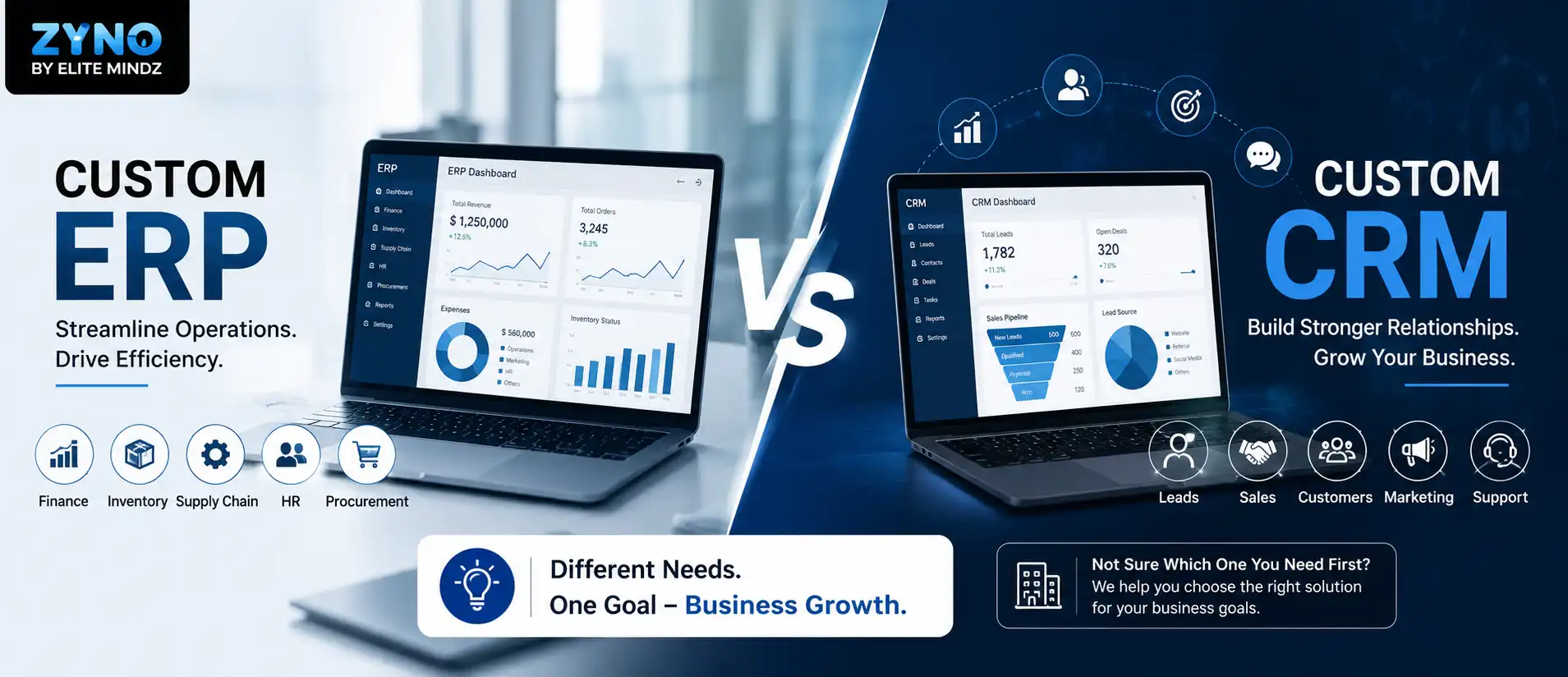
Not sure whether to invest in a custom ERP or custom CRM first? This guide explains the key differences, costs, implementation timelines, and how to choose the right solution for your business growth. Need expert advice? Contact our custom software development team for a free consultation and build the solution that delivers the highest ROI.
Businesses using ZYNO Books cut accounting time by 70% and stay 100% ZATCA-compliant — automatically.
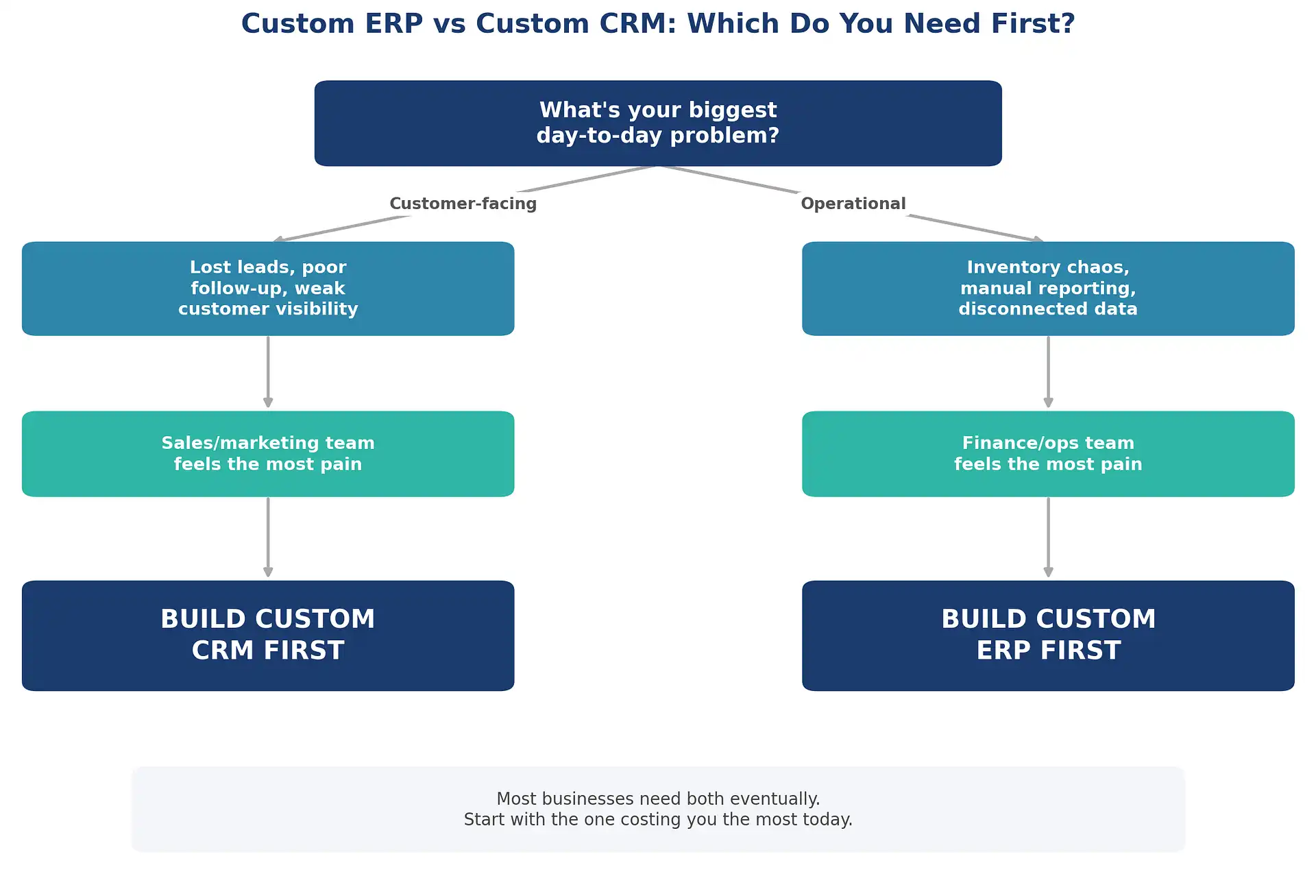
Short answer: build a custom CRM first if your biggest problem is managing leads, sales visibility, or customer relationships. Build a custom ERP first if the real problem is operational, disconnected inventory, manual financial reconciliation, or departments that can't see each other's data. Most growing businesses eventually need both, but starting with the system that addresses your most expensive daily problem is what actually matters, not which one is "supposed" to come first.
The confusion around this question usually isn't really about ERP versus CRM as concepts. It's about not having clearly identified which specific workflow is costing the business the most time and money right now. It's also, just as often, about not having found the right custom software development company to build either one properly. A vague requirement handed to the wrong partner produces a disappointing result regardless of whether you picked ERP or CRM first. This guide walks through what each system actually does, a practical framework for diagnosing which one you need first, realistic cost and timeline expectations for custom builds of each, how modern AI-powered platforms are changing the calculus, and what to actually look for in a custom software development company before you commit budget to either build.
Generally, CRM comes first for sales-driven, customer-facing businesses trying to fix lead management, pipeline visibility, or customer retention. ERP comes first for operations-heavy businesses, manufacturers, distributors, and multi-location retailers, struggling with inventory visibility, financial reporting delays, or disconnected internal processes. The right starting point depends on which problem is actually costing you money today, not on a fixed industry rule, and it depends just as much on partnering with a custom software development company capable of scoping the right solution rather than defaulting to a generic template.
| Factor | Custom CRM | Custom ERP |
|---|---|---|
| Primary Focus | Customers, sales, and marketing | Internal operations, finance, and business resources |
| Best First Choice For | Sales-driven businesses and service companies | Manufacturers, distributors, and multi-location retailers |
| Typical Trigger | Lost leads, poor pipeline visibility, and weak customer retention | Inventory mismatches, manual reporting, and data silos |
| Core Users | Sales, marketing, and customer support teams | Finance, operations, supply chain, and HR teams |
Confused Between a Custom ERP and CRM?
Choosing the right business software can save time, reduce costs, and accelerate growth. Our experts will help you identify whether your business needs a Custom ERP, a Custom CRM, or an integrated solution designed specifically for your workflows.
Get a Free Consultation Explore ZYNO CRM →✔ Tailor-Made Solutions | ✔ Scalable Architecture | ✔ Fast Deployment | ✔ Dedicated Support
An ERP, or enterprise resource planning system, is software that integrates a business's core internal operations, finance, inventory, procurement, manufacturing, and HR, into a single connected platform instead of separate disconnected tools. Gartner, the technology research firm that coined the term ERP in 1990, defines it as the ability to deliver an integrated suite of business applications that share a common process and data model across broad, end-to-end operational processes.
In practice, a custom ERP replaces the situation where finance uses one spreadsheet, inventory lives in another system, and procurement runs on email threads and separate vendor portals. Everything connects to the same underlying data, so a change in inventory reflects immediately in financial reporting without someone manually reconciling numbers between systems.
A CRM, or customer relationship management system, is software focused on managing everything related to customers: leads, sales pipelines, marketing campaigns, and post-sale support. Gartner defines CRM as a business strategy designed to optimize profitability, revenue, and customer satisfaction, supported by technology that coordinates customer interactions across every channel a business uses to reach them.
Where ERP looks inward at operations, CRM looks outward at the customer relationship. A custom CRM typically tracks a lead from first contact through the sales pipeline, into a closed deal, and through ongoing support, giving sales and marketing teams a single, connected view of every customer interaction instead of scattered notes across email, spreadsheets, and separate tools.
| Aspect | ERP | CRM |
|---|---|---|
| Direction of Focus | Internal operations and resource management | External customer relationships and sales |
| Core Modules | Finance, inventory, procurement, manufacturing, and HR | Sales pipeline, lead management, marketing, and customer support |
| Who Uses It Daily | Operations, finance, and supply chain teams | Sales, marketing, and customer service teams |
| What It Solves | Data silos, manual reconciliation, and inventory blind spots | Lost leads, inconsistent follow-ups, and limited customer visibility |
| Typical Adopters | Manufacturing companies, distributors, and multi-location retailers | B2B sales teams, service businesses, consulting firms, and agencies |
It's worth being direct about one thing many comparisons gloss over: most ERP systems include a basic CRM module, and many CRM platforms offer light operational features. But a CRM module bundled inside an ERP is usually less capable than a dedicated CRM, and operational features bolted onto a CRM rarely match what a real ERP delivers. If either function is central to how your business runs, that function deserves its own dedicated build from an experienced custom software development company rather than a secondary, bundled module.
Transform Your Business with a Custom ERP Solution
Eliminate disconnected systems and streamline every business process with a scalable ERP tailored to your organization. From finance and inventory to HR, procurement, sales, and operations, our ERP solutions help improve productivity, visibility, and business growth.
Book a Free ERP Consultation Explore ZYNO ERP →Before deciding between ERP and CRM, it helps to get specific about the actual friction in your business rather than starting from the solution. Ask these questions:
Getting specific about the actual workflow causing pain, rather than debating ERP versus CRM as abstract categories, is what actually produces a clear answer for most businesses. It also produces a much clearer brief to hand to a custom software development company, which directly affects how accurate their scoping and cost estimate will be.
A custom CRM typically makes sense as the first build when:
A B2B professional services firm, a growing SaaS company, or an agency scaling its sales team are all common examples of businesses where CRM is the more urgent build, since the operational side of the business is comparatively lean.
A custom ERP typically makes sense as the first build when:
A manufacturer juggling production schedules, raw material inventory, and multi-stage quality checks is a clear ERP-first case, since the operational complexity is what's actually limiting growth, not customer relationship management.
Technically, yes, but it's rarely the practical choice. Building both systems simultaneously from scratch means splitting focus, budget, and stakeholder attention across two complex builds at once, which tends to slow both down and increase the risk of scope creep in each. Most experienced development teams recommend sequencing: build the system tied to your most urgent problem first, get it live and adopted, then build or integrate the second system once the first is stable.
This sequencing also produces better results in practice. A business that gets its CRM live first learns real things about its sales data and customer patterns that make the eventual ERP build more accurate. A business that gets its ERP live first has cleaner operational data ready to feed into a CRM's customer view later. Building both blind, without either system's real-world data to inform the other, tends to produce more assumptions and more rework.
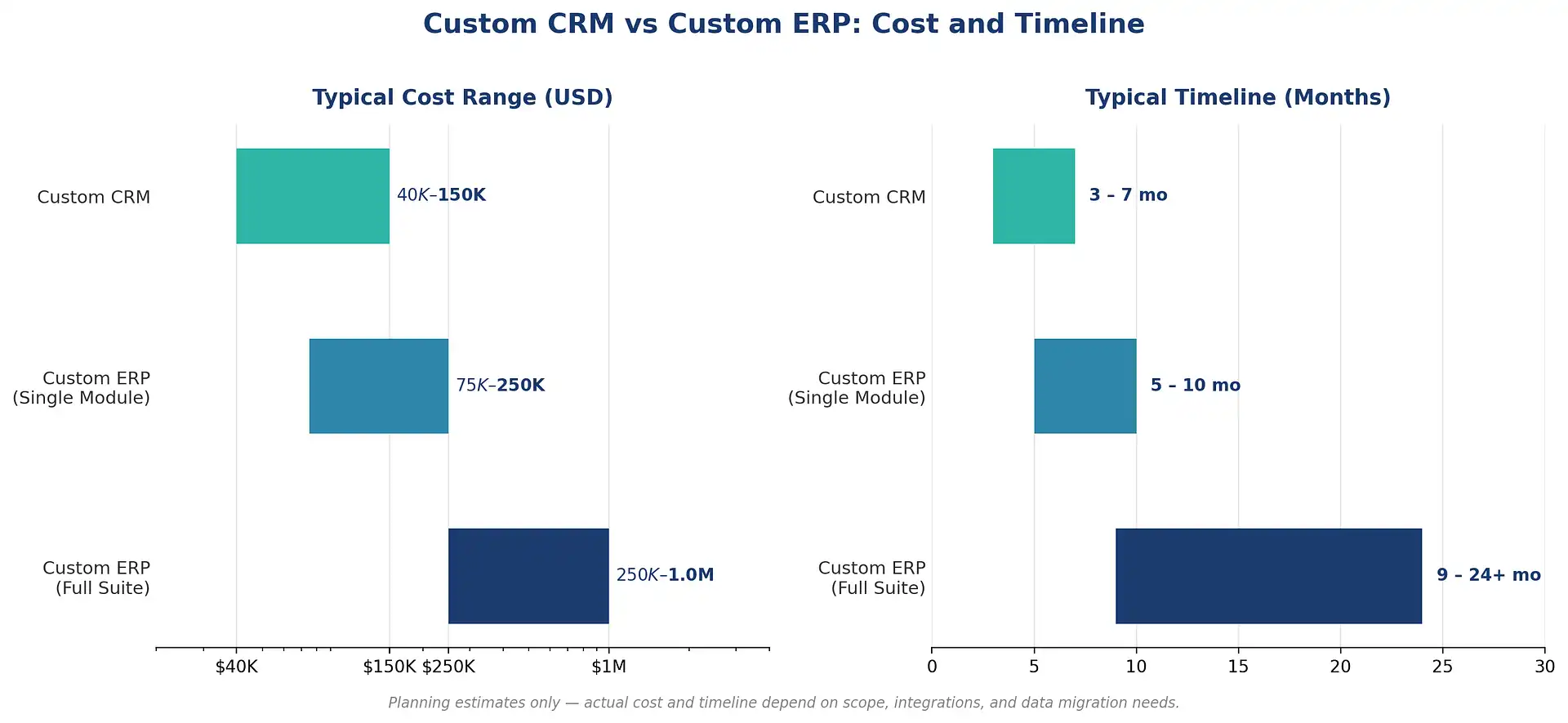
Custom ERP systems generally cost more and take longer to build than custom CRM systems, mainly because ERP touches more departments, more data types, and more compliance-sensitive processes (like finance) than a CRM typically does.
| System | Typical Cost Range (USD) | Typical Timeline |
|---|---|---|
| Custom CRM | $40,000 – $150,000 | 3 to 7 months |
| Custom ERP (Single Module – Inventory, Finance, etc.) | $75,000 – $250,000 | 5 to 10 months |
| Custom ERP (Full Multi-Department Suite) | $250,000 – $1,000,000+ | 9 to 24+ months |
These are broad planning ranges, not fixed quotes. Actual cost and timeline depend heavily on the number of integrations, user roles, data migration needs, and industry-specific compliance requirements, as well as which custom software development company you choose and how their pricing model works. Our detailed breakdown of custom software development cost and the custom software development process cover the underlying factors that drive these ranges in more depth.
A common approach for ERP specifically is a phased build: launching one module (inventory management, for example) before expanding into finance, procurement, and manufacturing. This spreads cost over time and lets teams adopt one workflow before the next one lands, rather than facing a single, overwhelming go-live date across the entire operation.
| Industry | Usually Needs First | Why |
|---|---|---|
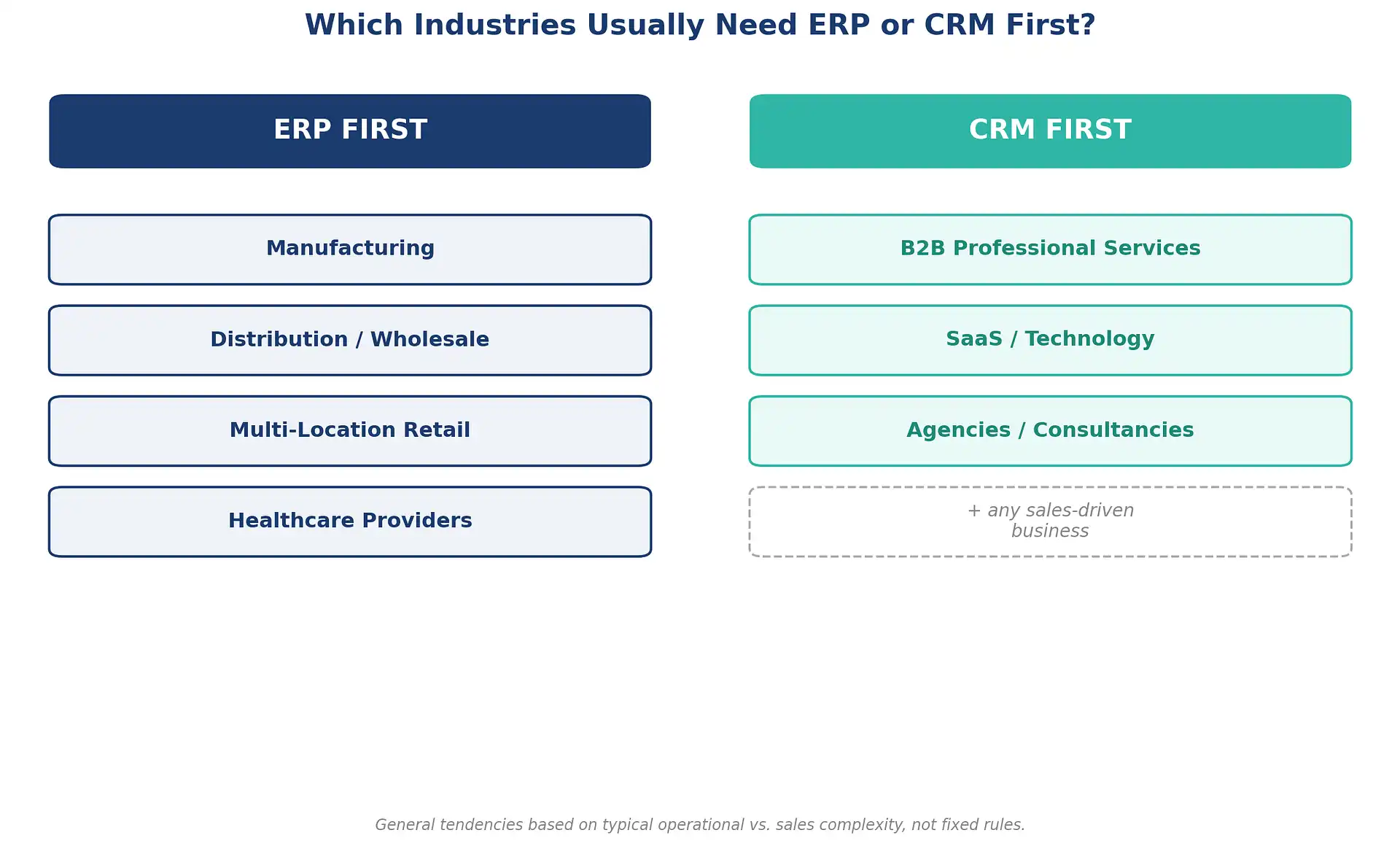
| Manufacturing | ERP | Production scheduling, inventory management, and supply chain complexity have a greater business impact than sales complexity. |
| Distribution / Wholesale | ERP | Inventory accuracy, warehouse operations, and order fulfillment are the biggest operational challenges. |
| B2B Professional Services | CRM | Business growth depends on strong client relationships, lead management, and a healthy sales pipeline. |
| SaaS / Technology | CRM | Customer acquisition, retention, and recurring revenue have a greater impact than internal operational complexity. |
| Multi-Location Retail | ERP | Real-time inventory visibility across stores helps reduce stockouts, overstocking, and operational costs. |
| Healthcare Providers | ERP (with CRM-style patient engagement) | Scheduling, billing, compliance, medical records, and operational workflows are typically higher priorities than sales-focused CRM capabilities. |
| Agencies / Consultancies | CRM | Client relationship management, opportunity tracking, and sales pipeline visibility directly influence revenue growth. |
These are general tendencies, not fixed rules. A manufacturer with a complex enterprise sales cycle might genuinely need CRM first if lost deals are costing more than inventory inefficiency. Use the diagnostic framework above to confirm rather than defaulting purely to industry pattern.
AI has changed what both systems are capable of, and it's changing how businesses should think about the ERP-versus-CRM decision itself. Traditional ERP and CRM platforms required manual navigation through menus, forms, and reports. AI-enabled platforms increasingly let users interact through natural language, automate repetitive data entry and follow-ups, and surface predictive insights (demand forecasting, churn risk, deal probability) without a dedicated data analyst pulling reports manually.
This matters directly for the "which first" question. A modern, AI-enabled ERP or CRM platform can surface far more value from the same underlying data than a traditional system could, which means the system you build first captures more of the total value available, buying more time before the second system becomes urgent. It also means integration between the two, when you eventually build both, benefits from AI-assisted data mapping and workflow automation rather than requiring purely manual integration work.
Deciding between ERP and CRM is only half the equation. The other half, and the part that actually determines whether the project succeeds, is choosing the right custom software development company to build it. The wrong partner can turn a correctly scoped CRM project into a system nobody adopts, or an ERP build that never quite connects the departments it was supposed to unify.
If your project has enterprise-level complexity, multiple departments, large user volumes, compliance requirements, or significant data migration, you need an enterprise software development company India offers with genuine experience at that scale, not just a team that's willing to take on a big project. Ask specifically about past projects with similar user counts, similar compliance obligations, and similar integration complexity. An enterprise-grade build exposes gaps in a team's process far faster than a smaller project would, so this is not the place to take a partner's word for it without checking references.
Before committing to a custom build at all, it's worth confirming that a custom application development company is actually the right choice over an off-the-shelf ERP or CRM platform. Off-the-shelf tools are faster to deploy and cheaper upfront, but they force your business to adapt its workflows to the software rather than the other way around. A custom application development company builds around your actual processes, which matters more as those processes become a genuine competitive advantage rather than a generic operational necessity. If your workflows are fairly standard, an off-the-shelf tool might solve the problem faster. If they're specific to how your business actually wins, custom development usually pays off over time.
Whichever partner you choose, a proper bespoke software development services engagement should include discovery and requirements gathering, UI/UX design, development, quality assurance, deployment, and post-launch support, not just the coding portion of the project. A quote that skips discovery or excludes testing and support is missing components that directly affect whether the final system actually gets adopted. Ask any potential partner to walk through what's included at each stage before comparing prices, since a lower quote that excludes half of this list isn't actually cheaper once the gaps get filled in later.
Startups evaluating a software development company for startups specifically should weigh a few things differently than an enterprise would: speed to a working MVP, flexibility as requirements evolve, and a pricing model that doesn't require a massive upfront commitment before the idea is validated. A partner experienced with startup-stage engagements will typically default to a phased, MVP-first approach rather than trying to scope a full enterprise-grade CRM or ERP on day one, which keeps early costs manageable while still building on an architecture that can scale later.
Most of the guidance above assumes you're choosing between two genuinely separate systems that will eventually need to be integrated, often expensively, once both exist. ZYNO by Elite Mindz, a custom software development company offering custom software development services from MVP to enterprise scale, takes a different architectural approach that's worth understanding before you commit to a sequencing decision or a vendor.
A unified, modular platform instead of two systems to integrate later. ZYNO ERP and ZYNO CRM are built as modules within the same underlying platform, alongside HR, procurement, finance, and manufacturing modules, rather than as separate products that need custom integration work down the line. That means starting with CRM doesn't lock you out of ERP later, and starting with ERP doesn't mean a painful, expensive integration project when you're ready to add CRM. You add the next module onto infrastructure that's already connected to what you built first.
AI built into both ERP and CRM natively. ZYNO CRM includes AI-assisted lead management, automated follow-up and lead capture, a visual sales pipeline, and 360-degree customer profiles built from every touchpoint. ZYNO ERP includes AI-driven automation for tasks like production planning, inventory forecasting, and procurement workflows (RFQ through invoicing), along with real-time analytics and predictive insights across finance and operations. Neither is an AI feature bolted onto an existing product. Both were built with AI-driven automation as a core part of the platform from the start.
A natural-language AI layer that works across both systems at once. This is the feature most competitors in this space don't have an equivalent for. ZYNO's platform includes a prompt-based AI assistant that works across ERP, procurement, HR, CRM, finance, and other connected modules simultaneously. Instead of navigating separate menus to create a purchase order in one system and check a customer's deal status in another, a user can type a request in plain language and have it executed across whichever module the task actually touches.
Full-lifecycle custom software development services, not just ERP and CRM. As a custom application development company, ZYNO's scope extends beyond these two systems specifically. The same discovery-first process, AI-enabled development approach, and modular architecture apply to bespoke software development services for any custom application, whether that's an internal tool, a customer-facing product, or a full enterprise platform. Businesses that start with an ERP or CRM engagement often expand into broader custom software development with the same team once the relationship is established.
Built for businesses of every size. Whether you're a startup that needs a software development company for startups experienced with lean, MVP-first engagements, or an enterprise software development company in India capable of handling large-scale, compliance-heavy builds, ZYNO's modular approach and team depth (350+ IT professionals) support both ends of that range within the same platform architecture. You can review the specifics on the ZYNO ERP page, the ZYNO CRM features page, the combined custom ERP and CRM development service, or the broader custom software development services ZYNO offers beyond ERP and CRM specifically.
None of this eliminates the need to diagnose your actual problem first using the framework earlier in this article, or to properly vet whichever custom software development company you're considering. It does mean that whichever system you determine you need first, the decision carries less long-term risk than it would with two separately built, separately integrated systems from a vendor without that architecture.
Build Custom Software That Grows with Your Business
Off-the-shelf software shouldn't limit your business. Our custom software development experts design secure, scalable, and high-performance solutions tailored to your unique workflows, helping you automate operations, improve efficiency, and achieve long-term growth.
Get a Free Consultation Explore Custom Software Services →Build CRM first if your biggest problem is managing leads, sales pipeline visibility, or customer retention. Build ERP first if your biggest problem is operational: inventory visibility, financial reporting delays, or disconnected internal processes. The right choice depends on which problem is costing your business the most right now, not a fixed rule based on company size or industry.
No, they solve different problems and aren't substitutes for each other. A CRM manages customer-facing sales and marketing processes, while an ERP manages internal operations like finance, inventory, and procurement. Most ERP systems include a basic CRM module and some CRM platforms offer light operational features, but neither fully replaces a dedicated system if that function is central to your business.
A custom CRM typically costs $40,000 to $150,000, while a custom ERP ranges from $75,000 to $250,000 for a single module up to $1 million or more for a full multi-department suite. ERP generally costs more because it touches more departments, more data types, and more compliance-sensitive processes than a CRM typically does.
Most growing businesses eventually need both systems, since operations and customer relationships both become harder to manage manually as a company scales. The practical question isn't whether you'll need both, it's which one addresses your most urgent problem right now, since building both simultaneously from scratch is rarely the most efficient path.
AI-enabled ERP and CRM platforms can extract significantly more value from existing data through automation, natural language interaction, and predictive insights than traditional systems could. This means the system you build first delivers more value on its own, which can reduce the urgency of building the second system immediately and make eventual integration between the two easier if the platform was built with AI-assisted data connections from the start.
Manufacturing, distribution, multi-location retail, and logistics businesses typically need ERP first, since their primary bottlenecks are usually inventory visibility, production scheduling, and financial reporting rather than sales pipeline management. This is a general tendency rather than a fixed rule, and any business should confirm its own priority using its actual operational and sales pain points.
Look for a custom software development company that runs a clear discovery process, has relevant experience at your project's scale (startup-friendly or enterprise-grade, depending on your needs), is transparent about what's included in pricing, and offers post-launch support. Whether you need bespoke software development services for a CRM, an ERP, or both, the evaluation criteria stay largely the same.
Not sure which system fits your business first? The clearest way to answer that is a direct conversation about your specific operational and customer-facing pain points with a custom software development company that will scope the actual problem instead of selling a template. Talk to the custom software development services team at ZYNO to work through the diagnostic questions above for your actual business.
Magento vs Shopify vs WooCommerce: Which Platform Wins in 2025?
Read More →
SEO vs Google Ads: Which One Drives Better Results in 2025?
Read More →
Top 10 E-commerce Development Agencies for D2C Brands in India
Read More →
Top Mobile App Development Companies in India (2025 Edition)
Read More →
Top Mobile App Development Companies in Nigeria (2025)
Read More →
Hire Mobile App Developers in India: What You Need to Know
Read More →
Top E-commerce Development Companies in Africa (2025 Edition)
Read More →
Best Mobile App Development Companies in UAE (2025 Edition)
Read More →
Best Digital Marketing Services for Small Businesses in India
Read More →
Best eCommerce Development Companies in Dubai (2025)
Read More →
Top Mobile App Development Companies in Kenya (2025)
Read More →
Top 10 Digital Marketing Companies in the UAE for 2025
Read More →
Best Digital Marketing Companies in Dubai (2026)
Read More →
Best Digital Marketing Companies in Qatar 2026 List
Read More →
AI-Powered 5G Mobile Apps: Revolutionizing User Experiences in 2025
Read More →
Top Mobile App Development Firms in Africa (2026): Innovators Driving Digital Transformation
Read More →
Top Mobile App Development Firms in Nigeria (2025): Innovators Powering Digital Growth
Read More →
Top Mobile App Development Firms in Kenya (2025): Innovators Driving Digital Transformation
Read More →
IoT and Mobile Apps: Creating a Connected Ecosystem in 2025
Read More →
How AI Is Reshaping Mobile App Development in 2025
Read More →
Security Trends in Mobile Apps: What Developers Need to Know in 2026
Read More →
Mobile App Security in 2025: Protecting User Data in an AI World
Read More →
10 AI-Powered Features Your Mobile App Needs in 2026
Read More →
Mobile App Development Trends to Watch in 2025 with Elite Mindz
Read More →
The Future of Mobile UX: Motion Design & Touchless UI in 2025
Read More →
What Next in Mobile App Tech for 2026 and Beyond
Read More →
Building Apps for the Foldable Device Revolution in 2025
Read More →
Accessibility in Mobile Apps: A 2025 Imperative
Read More →
Hire a Developer with Elite Mindz: Global Demand in 2025
Read More →
Voice Search Optimization 2025: Prepare Apps for the Conversational Web
Read More →
Why Nairobi Is Africa's Hottest Mobile App Hub in 2025
Read More →
Why Singapore Trusts Elite Mindz for Developer Hiring in 2025
Read More →
EliteMindz Mobile App Services for Addis Ababa in 2026
Read More →
EliteMindz ECommerce Solutions Boosting Global Sales in 2026
Read More →
EliteMindz Developer Services Power London Tech in 2026
Read More →
How New York Firms Leverage Elite Mindz Talent in 2025
Read More →
How New Delhi Entrepreneurs Scale with Elite Mindz E-Commerce in 2025
Read More →
Low-Code vs. Custom: Choosing the Right Mobile Path in 2025
Read More →
What Latin American E-Commerce Buyers Expect in 2025
Read More →
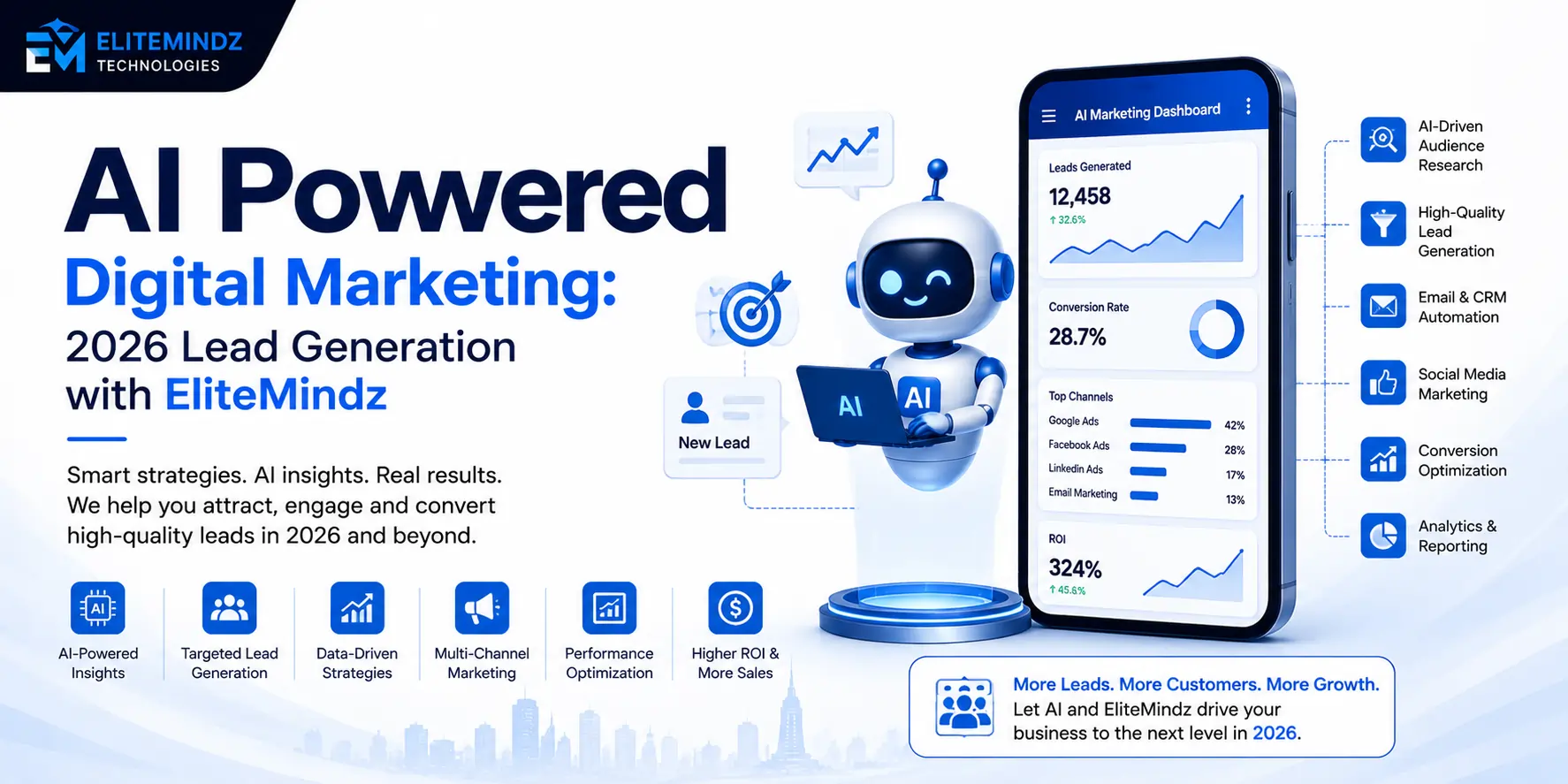
AI Powered Digital Marketing: 2026 Lead Generation with EliteMindz
Read More →
Merging AI SEO and Paid Media: A GEO-Driven Strategy for the AI Search Era
Read More →
How Extended Reality (XR) Is Transforming Mobile Apps in 2025
Read More →
Nairobi Tech Hub in 2026: Why It's Africa's Undisputed Mobile App Development Powerhouse
Read More →
Ultimate Guide to Digital Marketing Strategies in 2025: Actionable Insights to Drive Growth
Read More →
Mobile App Development in Nairobi: Trends & Opportunities in 2025
Read More →
Mastering AI-Driven SEO: Your Survival Guide for 2025 and Beyond
Read More →
African Emerging Cities: Mobile App Trends to Watch in 2025
Read More →
Elite Mindz Developer Hiring Trends Across Continents 2025
Read More →
Google Ads Update 2025: Smarter Campaign Management with Checkbox Filters
Read More →
xAI’s Grok Code Fast 1: Transforming Agentic AI for Enterprise Software
Read More →
Mobile App Innovation Trends to Lead in 2025
Read More →
Why Generic Login Pages Confuse Google & Damage SEO
Read More →
The Rise of Social Commerce: Shoppable Apps in 2025
Read More →
Always-On Audits: The Future of Technical SEO Maintenance
Read More →
5G and App Development: Speed & Performance Unlocked in 2025
Read More →
Internal Linking for SEO: Why It Matters and How to Do It Right
Read More →
Mastering SEO in a Fractured Search Landscape: New AI-First Rules for 2025
Read More →
Layered SEO 2025: The 4-Step System to Win AI Search and User Trust
Read More →
Google Antitrust Case: AI Overviews Shift to FastSearch Over Links in 2025
Read More →
Mastering AI Search: Elevate Your Brand Through Superior Website Wellness
Read More →
Tokyo's Retail Market & Elite Mindz in 2026
Read More →
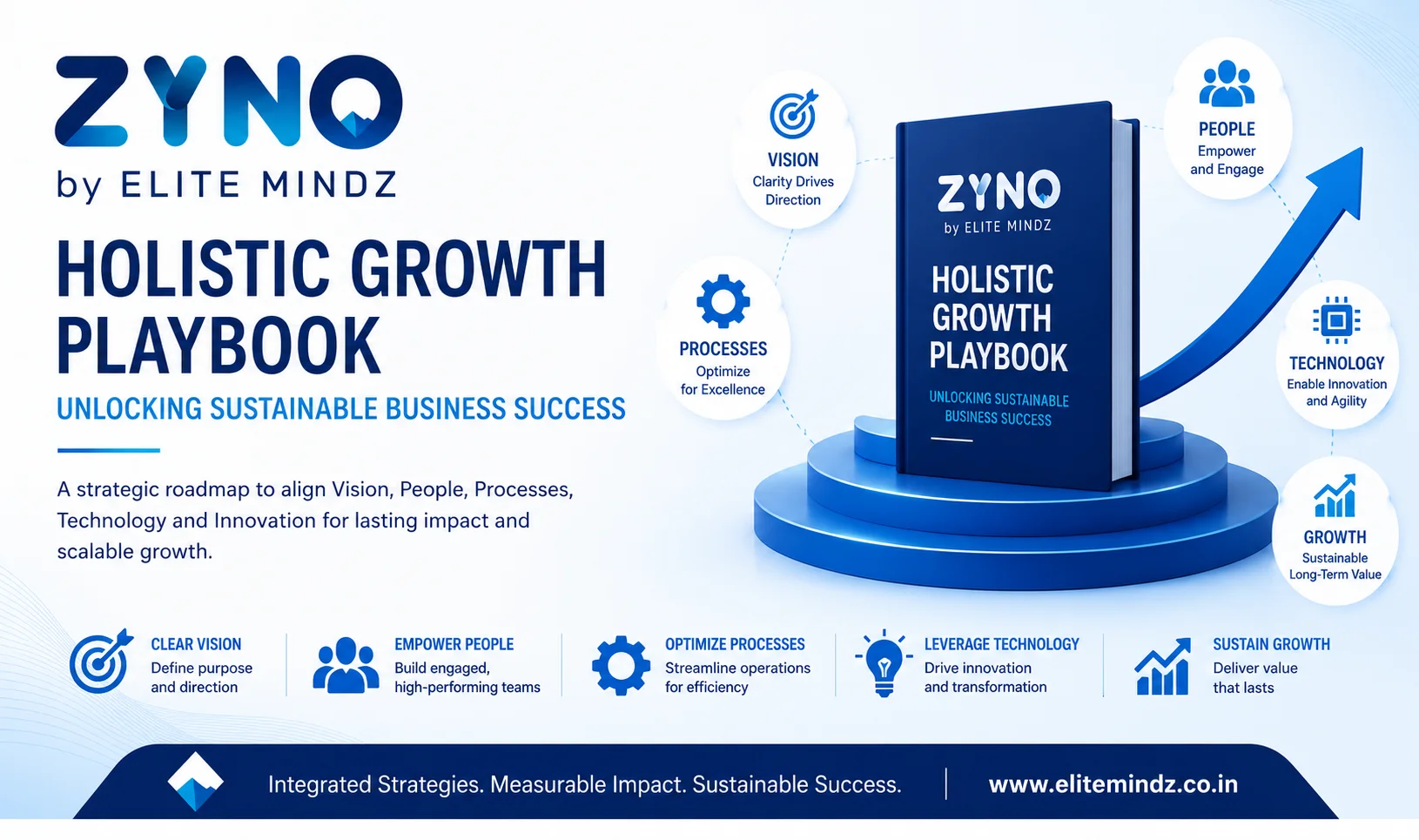
Elite Mindz Holistic Growth Playbook for 2025: Unlocking Sustainable Business Success
Read More →
Top Mobile App Development Firms in the U.K. (2025)
Read More →
GEO Meets Local SEO: Revolutionizing Business Discovery in the AI Era
Read More →E-Commerce App Strategies 2025 in Nairobi and Lagos
Read More →
Mobile App Strategies that Work in Cairo 2025
Read More →
Best Practices for Mobile App Development in Malaysia with Elite Mindz
Read More →
Top Features Malaysian Businesses Should Add in Their Mobile Apps
Read More →
Top Mobile App Development Firms in Germany (2025)
Read More →
Top Mobile App Development Firms in France (2025)
Read More →
No-Code vs Custom Development in 2026: What’s Right for Your Business?
Read More →
10 Industries Being Transformed by ML in 2025
Read More →
How Remote Hiring Changed the Global Developer Landscape
Read More →
Low Code Myths vs Reality
Read More →
Top 10 Developer Hiring Mistakes to Avoid in 2025
Read More →
Hire Dedicated Developers vs Freelancers: Pros & Cons
Read More →
Top Mobile App Development Firms in Saudi Arabia (2026)
Read More →
Top Mobile App Development Firms in Kuwait (2025)
Read More →
Top Mobile App Development Firms in UAE (2025)
Read More →
Top Mobile App Development Firms in Qatar (2026)
Read More →
Top 3 Mobile App Development companies in South Africa for iOS and Android
Read More →
Top Mobile App Development Companies in the USA 2025: Building Innovative Apps for Every Business
Read More →
Taxi Booking App Development Company in the Middle East
Read More →
Developer Hiring Platforms Compared: Finding the Right Fit for Startups and Enterprises
Read More →
Effective Mobile App Monetization Strategies That Work in 2025
Read More →
Why Riders Prefer Taxi Booking App Over Traditional Calls
Read More →How Mobile Apps Are Transforming Pet Care Management in the USA
Read More →
The Complete Step-by-Step Guide to Compliance Software Every Business Needs Now
Read More →How Global Capability Centers Are Shaping the Future of Work
Read More →A New Chapter Begins in 2026: ZYNO’s AI-Powered Software Redefining the IT Landscape
Read More →What is Offshore Outsourcing Services: A Complete Guide
Read More →The Role of AI and Cloud in Modern Custom Application Development
Read More →Top Mobile App Development company in India 2026- ZYNO Tech
Read More →A complete guide to build a mobile app for your travel business
Read More →Cybersecurity & Compliance: The New Pillars of Global Capability Centers
Read More →A Practical Guide to Choose the Right B2B Mobile App Development Partner
Read More →
Android App Development for Fintech in UAE: The Complete 2026 Guide
Read More →
Complete Guide to Healthcare App Development in 2026: Features, Process, Costs, Types
Read More →
Top 10 Android App Development Companies in India That Are Dominating 2026
Read More →
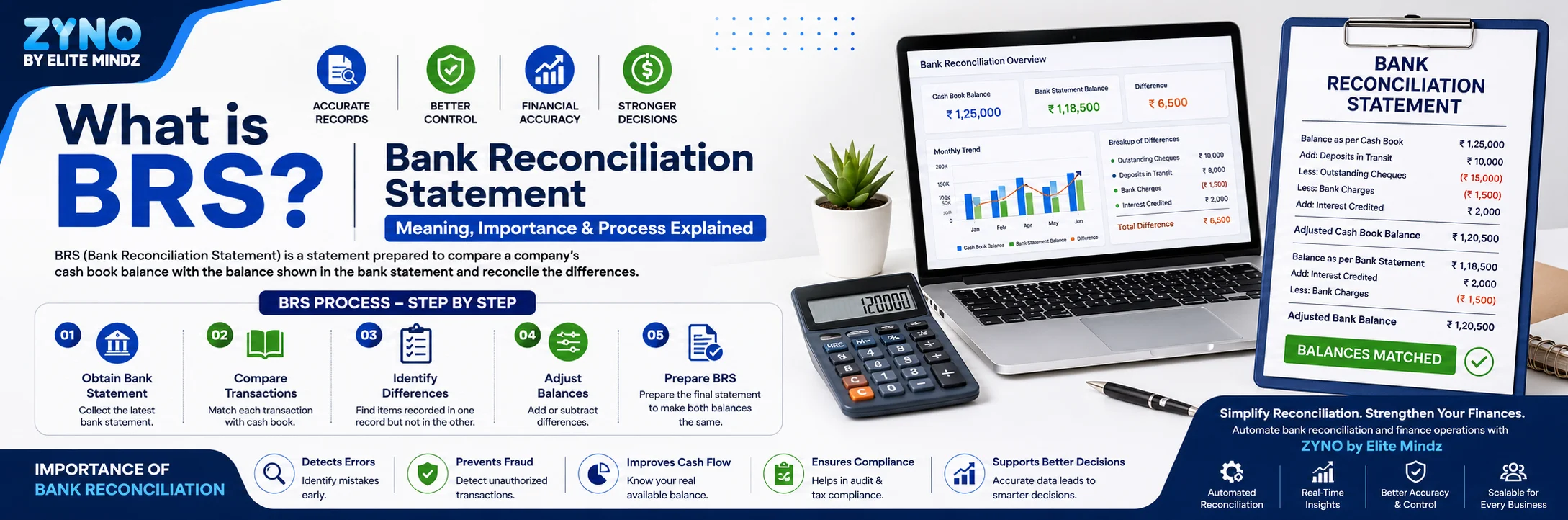
What is BRS? Bank Reconciliation Statement Meaning, Importance & Process Explained
Read More →
Best Mobile App Development Company in Delhi & Noida (2026 Guide)
Read More →
Voice Search SEO for Apps: The Complete Optimization Guide
Read More →
The Top 10 Supply Chain Management Systems (SCM) for 2026
Read More →
AI-Powered Custom Software Development: How Businesses Are Building Smarter Applications
Read More →
Why Enterprises Prefer Custom Software Development Over SaaS in 2026
Read More →
AI Chatbot Development Services: Everything Businesses Need to Know Before Investing in 2026
Read More →
Real Estate Software Development Services: A Complete Guide for Builders, Brokers & Developers (2026)
Read More →
Website Development Process: Full Guide by ZYNO Digital EliteMindz
Read More →
Website Development Cost in India (2026): Real Pricing, Hidden Costs & What You Actually Get
Read More →
WordPress vs Custom Website Development: Which Is Better in 2026?
Read More →
Custom Software Development vs Off-the-Shelf Software: Which Is Right for Your Business in 2026?
Read More →
Digital Transformation Strategies for Mid-Market Companies in India
Read More →
How Should a Mid-Sized Indian Company Prioritize Technology Investments During Digital Transformation
Read More →
Common Challenges Mid-Market Businesses in India Face When Implementing Digital Transformation
Read More →
How Do Mid-Market Companies in India Measure the Success of Their Digital Transformation Initiatives
Read More →
What Role Does Leadership and Change Management Play in Driving Digital Transformation in Mid-Sized Indian Companies
Read More →
Mobile App Development Trends for 2026: What Every Business Needs to Know
Read More →
Best AI Software Manufacturer & Software Development Company in Kenya
Read More →
Hire Mobile App Developers in Kenya: Complete 2026 Guide to Finding the Right Development Team
Read More →
How Much Does Custom Software Development Cost in 2026?
Read More →
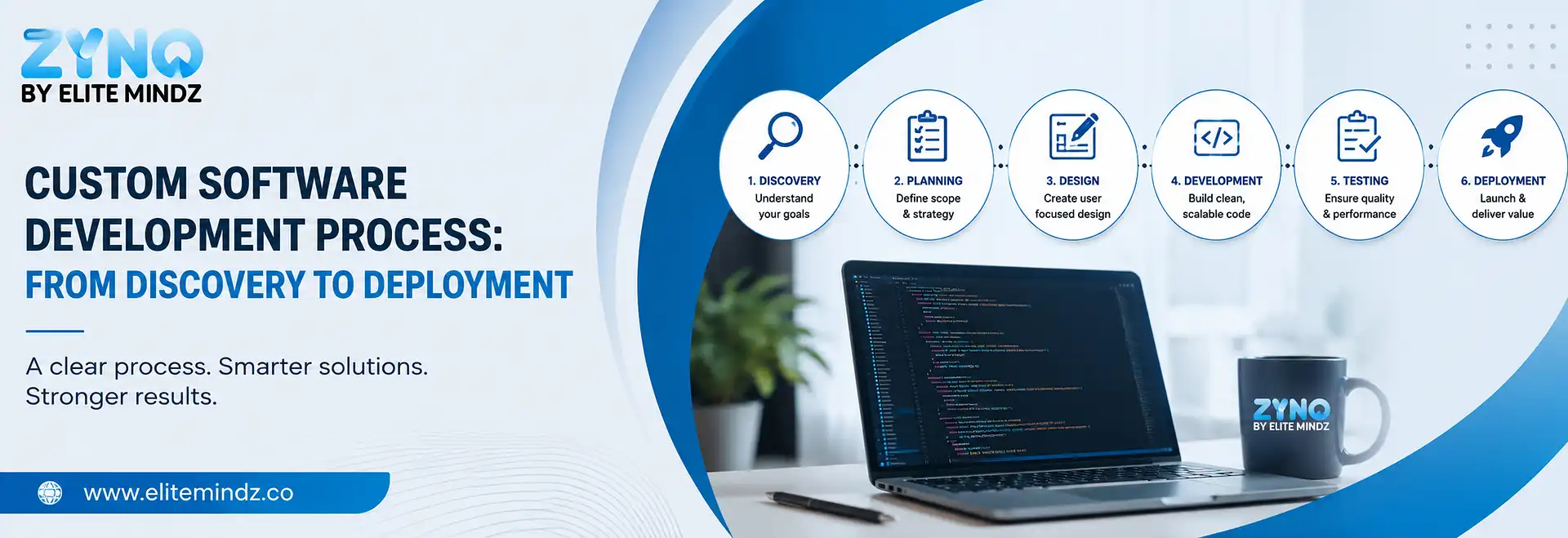
Custom Software Development Process: From Discovery to Deployment
Read More →
How Long Does It Take to Build Custom Software?
Read More →
Top 10 Custom Software Development Companies in India (2026 Guide, And How to Choose the Best One)
Read More →
Custom ERP vs Custom CRM: Which Do You Need First?
Read More →Partner with ZYNO by Elite Mindz to revolutionize how your business works. Fill out the form, and we’ll reach out with AI-powered solutions made just for you.
We use browser cookies to ensure you get the best experience on our website. Learn more
The form was submitted successfully!
ZYNO Digital
Fueling Smarter Digital Growth
ZYNO Digital fuels smarter digital growth through data-driven marketing, creative storytelling, and performance strategies that boost visibility, engagement, and measurable business outcomes across global platforms.
ZYNO Tech
Engineering the Future of IT
ZYNO Tech delivers cutting-edge IT solutions — including web, mobile, and digital transformation services — helping businesses scale efficiently, innovate faster, and stay ahead in a connected world.
ZYNO AI
AI Built for Business Growth
ZYNO AI harnesses the power of artificial intelligence to automate processes, enhance decision-making, and deliver predictive insights — driving innovation, agility, and measurable business growth.
ZYNO by Elite Mindz
Your Partner in the AI-Powered Future
ZYNO by Elite Mindz offers AI-powered products and services that unify operations, boost productivity, and drive digital transformation — helping businesses scale smarter and innovate faster.
* In just 2 mins you'll get a response
* Your idea is 100% protected by our Non-Disclosure Agreement