Magento vs Shopify vs WooCommerce: Which Platform Wins in 2025?
Read More →

×
Swift vs SwiftUI can shape your iOS app’s development approach, performance, and long-term scalability. Understand the key differences, use cases, and which option fits your iOS app development needs. Explore practical guidance for choosing Swift, SwiftUI, UIKit, or a hybrid approach. Planning an iOS app? Talk to ZYNO by EliteMindz for custom iOS app development.
Businesses using ZYNO Books cut accounting time by 70% and stay 100% ZATCA-compliant — automatically.
If you've spent any time talking to developers about building an iPhone app, you've probably heard "Swift" and "SwiftUI" tossed around like they're two competing options — pick one, and you're set. That mix-up trips up a lot of founders and product teams before a single line of code gets written, and it can lead to the wrong conversation with the wrong development partner.
Here's the short version: Swift and SwiftUI aren't rivals. One is a programming language. The other is a framework built on top of it. But the way you use them together — and how much you lean on SwiftUI versus older tools like UIKit — genuinely affects your app's speed to market, user experience, long-term maintenance costs, and how easily you can scale the product later. That's a decision worth understanding before you brief a development team.
Swift and SwiftUI are not direct alternatives. Swift is Apple's programming language, while SwiftUI is a UI framework built using Swift. For most new iOS applications, Swift and SwiftUI can work together. The right choice depends on the app's UI requirements, existing codebase, platform support, team expertise, performance needs, and long-term maintenance.
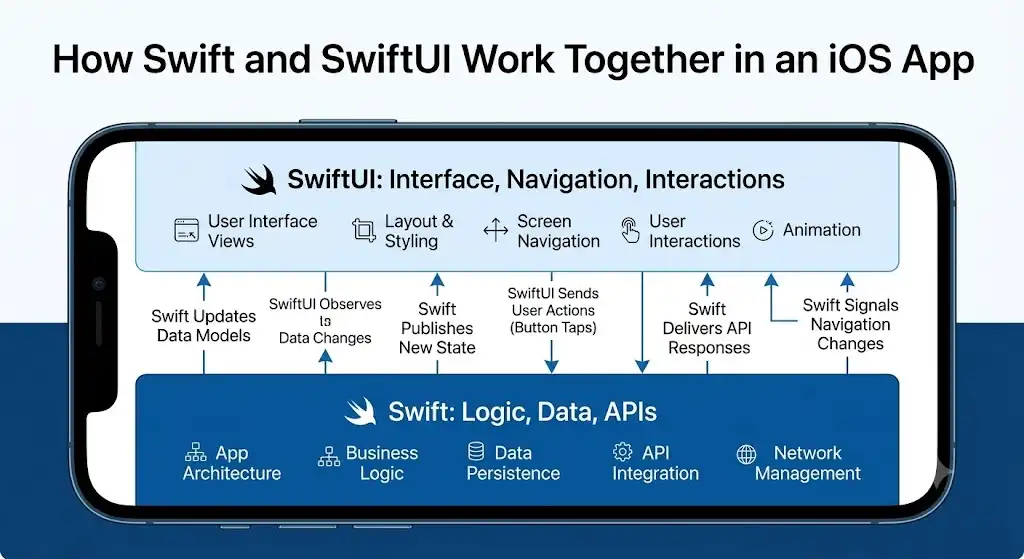
In practice, Swift handles the logic running behind the scenes — your data models, networking, business rules, and API calls — while SwiftUI (or, in some cases, UIKit) handles what the user actually sees and taps on screen.
| Term | One-Line Definition |
|---|---|
| Swift | Apple's programming language for building apps across iPhone, iPad, Mac, Apple Watch, and Apple TV. |
| SwiftUI | A declarative UI framework, written in Swift, used to build app interfaces across Apple platforms. |
| UIKit | Apple's older, imperative UI framework, still widely used in existing and legacy iOS apps. |
| Xcode | Apple's official development environment used to write, test, and build Swift and SwiftUI code. |
| Native iOS app | An app built directly for Apple's platform using Swift, offering full access to device features and performance. |
| Declarative UI | A UI approach where developers describe the desired end state, and the framework handles the update logic, as used by SwiftUI. |
| Imperative UI | A UI approach where developers explicitly code each step of how the interface changes, as used by UIKit. |
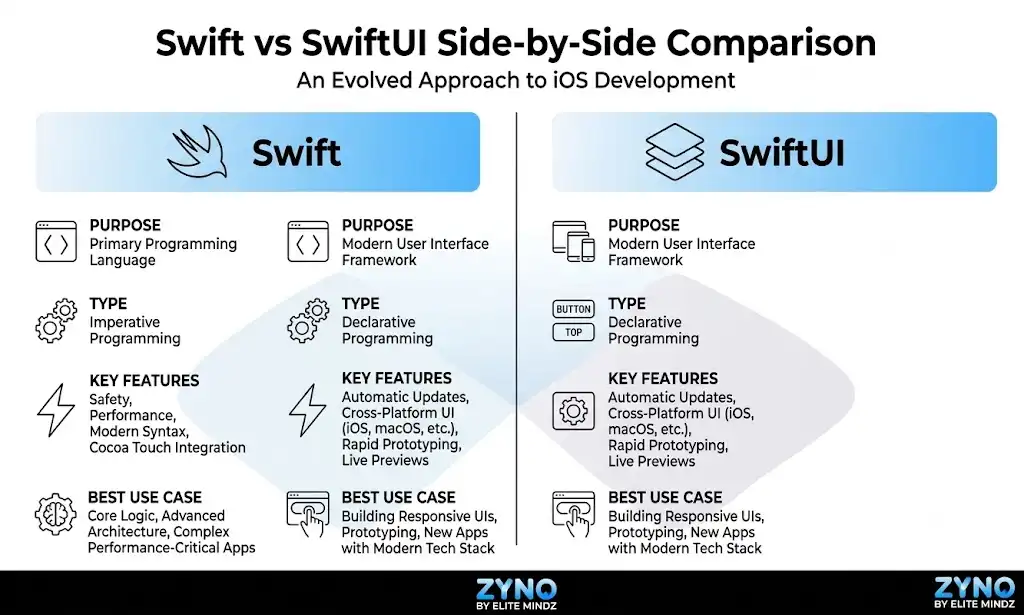
| Aspect | Swift | SwiftUI |
|---|---|---|
| What it is | Apple's general-purpose programming language | A declarative framework for building user interfaces |
| Main purpose | Application logic, data handling, APIs | Visual layout, screens, navigation, interactions |
| Type | Programming language | UI framework (written in Swift) |
| Best suited for | All iOS development — logic, backend calls, architecture | Modern, UI-driven apps across Apple platforms |
| UI development | Possible via UIKit (imperative) | Native, declarative UI building |
| Learning curve | Moderate; standard for iOS developers | Easier for UI work once Swift basics are known |
| Performance considerations | Consistently fast and compiled | Very good for most apps; some complex custom UI may still favor UIKit |
| Compatibility | Works across all Apple platforms | Works across iOS, iPadOS, macOS, watchOS, tvOS (with some version constraints) |
| Long-term maintenance | Stable, mature ecosystem | Actively evolving; fewer lines of UI code to maintain over time |
Swift is Apple's programming language for building apps across the Apple ecosystem, including iPhone, iPad, Mac, Apple Watch, and Apple TV. It handles everything an app does behind the scenes — logic, data, and connections to other systems — regardless of which UI framework sits on top of it.
Swift was introduced in 2014 to replace the older Objective-C as the primary way to build apps for Apple's platforms. Apple designed it to be safer, faster to write, and easier to read than what came before, without giving up the performance native apps are known for.
When people talk about "native iOS app development," they're almost always talking about Swift underneath. It's the language used to write:
Swift isn't limited to what the user sees. A banking app's fraud checks, a retail app's checkout logic, a healthcare app's data encryption — all of that typically lives in Swift code, regardless of which UI framework sits on top of it. That's why businesses building serious, long-term native iOS apps generally choose Swift by default: it's fast, it's actively maintained by Apple, and it has a large, experienced developer community behind it. You can review the language's official reference on Swift.org's documentation if you want to see how Apple positions it.
Turn Your iOS App Idea Into a Digital Reality
Partner with ZYNO Digital for scalable iOS app development, intuitive user experiences, and technology solutions built to support your digital transformation goals.
Explore iOS App Development Talk to Our ExpertsSwiftUI is Apple's declarative UI framework, built using Swift, for designing app interfaces across iPhone, iPad, Mac, Apple Watch, and Apple TV. Introduced in 2019, it replaces much of the manual, step-by-step interface coding that older tools required.
Instead of manually describing every step needed to draw and update a screen, SwiftUI lets developers describe what the interface should look like for a given state, and the framework handles the rendering. This is called a declarative approach, and it's a meaningful shift from how UI was traditionally built on Apple platforms.
Practically, this means:
SwiftUI fits naturally into modern iOS development, especially for apps that need to look and feel current, support multiple Apple devices, and evolve quickly based on user feedback. Apple's own developer documentation for the framework, available at Apple Developer's SwiftUI reference, is worth a look if your technical team wants to go deeper on specific components.
The core difference is layer, not competition: Swift is the language the entire app is written in, while SwiftUI is the framework used specifically to build what the user sees and interacts with. You can't build an iOS app without Swift; you can build one without SwiftUI, using UIKit instead.
The clearest way to think about it: Swift is the language you write instructions in. SwiftUI is one of the tools you can use, in that language, to build what the user interacts with.
An analogy that tends to land with non-technical stakeholders: Swift is like English, and SwiftUI is like a specific writing style — say, technical writing — used for a particular purpose. You wouldn't say English competes with technical writing; one is the language, the other is how you apply it for a specific outcome. UIKit, Apple's older UI toolkit, is another "writing style" available in the same language.
So the real decision isn't "Swift or SwiftUI." It's "Swift plus SwiftUI, Swift plus UIKit, or Swift plus a mix of both." That distinction matters when you're scoping a project with a development team, because it changes what questions you should actually be asking.
Once the language-versus-framework distinction is clear, a few practical differences are worth understanding:
SwiftUI is Apple's newer, declarative UI framework; UIKit is the older, imperative framework it's gradually complementing. Neither has fully replaced the other — most real-world App Store apps use one, or a mix of both, depending on when they were built.
This comparison comes up constantly because UIKit is still very much in use across the App Store, and it isn't going away soon.
UIKit is Apple's original, mature UI framework. It's imperative, meaning developers write explicit code for how views should behave and update. It has over a decade of real-world use, extensive third-party library support, and fine-grained control over complex, custom interfaces.
SwiftUI is newer, declarative, and generally faster to build with — but it's still maturing in a few areas, particularly around highly customized UI behavior and certain edge cases that UIKit has long since solved.
When UIKit still makes sense:
When SwiftUI is preferable:
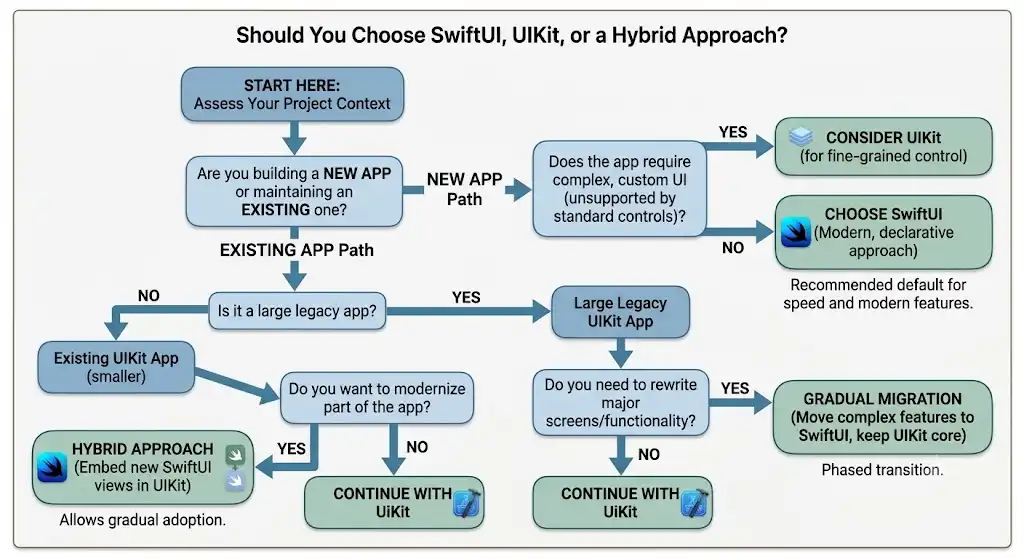
Many production apps today use a hybrid approach — SwiftUI for newer screens, UIKit for legacy or highly specialized ones — bridged together using Apple's interoperability tools. This is common enough that it's rarely a red flag; it's often just a pragmatic way to modernize a codebase in stages.
Yes — for most modern iOS projects, using Swift and SwiftUI together is the standard, default setup, not a special case. Swift manages the app's logic and data; SwiftUI manages the interface built on top of it.
Swift typically handles:
SwiftUI typically handles:
Think of it as separating the "brain" of the app from its "face." Swift manages what the app does; SwiftUI manages how that gets presented and interacted with. This separation is generally good architecture regardless of which UI framework is used, and it's part of why so many teams building custom iOS app development projects lean on both together rather than treating it as an either-or decision.
SwiftUI tends to be the stronger default choice when:
UIKit, or a hybrid of UIKit and SwiftUI, tends to make more sense when:
Neither approach is universally "better." The right call depends on what already exists, what the app needs to do, and how much risk makes sense for your timeline and budget.
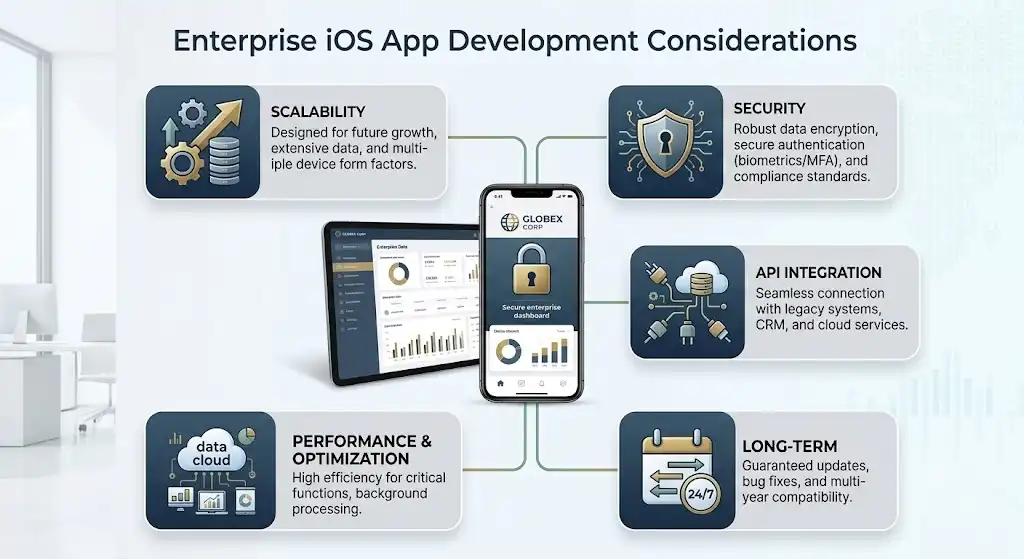
Enterprise apps carry different pressures than a consumer MVP — more integrations, stricter security requirements, larger user bases, and a much longer expected lifespan. A few considerations matter more here:
For enterprise decision-makers, this is rarely a purely technical choice — it's a business risk conversation about timelines, budget, and how much change the organization can absorb at once.
There's no honest fixed number here, and any article that gives you one without knowing your project is guessing. What actually drives cost is a combination of factors, not the choice between Swift and SwiftUI on its own — since both typically get used together regardless.
| Cost Factor | Why It Matters |
|---|---|
| App complexity | More complex logic and workflows require more development and testing time. |
| Number of screens | Each screen adds design, development, and QA effort. |
| Feature set | Real-time features, offline support, and custom interactions all add scope. |
| Backend/API integrations | Connecting to existing systems, CRMs, or third-party services adds engineering time. |
| Third-party integrations | Payment gateways, analytics, maps, and similar tools each need setup and testing. |
| UI/UX requirements | Highly custom or animated interfaces take longer than standard UI patterns. |
| Security requirements | Compliance needs, such as healthcare or finance requirements, add architecture and testing work. |
| Testing | Thorough QA across devices and OS versions affects the overall timeline. |
| Maintenance | Ongoing updates, OS compatibility, and bug fixes create recurring costs after launch. |
| Team location and expertise | Rates and delivery speed vary significantly based on team experience and location. |
If you want a realistic estimate, it comes from a scoped conversation about your specific app — not a generic price list.
Choosing between Swift, SwiftUI, UIKit, or a hybrid setup isn't really a technology preference — it's an architecture decision that should be based on your app's actual requirements, your existing codebase (if any), your timeline, and how the app needs to grow over the next few years. Getting this wrong early on tends to show up later as slow development, expensive rework, or a UI that's hard to maintain.
This is where an experienced iOS development team earns its keep. At ZYNO by EliteMindz, the approach starts with understanding what the app actually needs to do before deciding how to build it. That includes:
If your business is exploring related platforms too, ZYNO's mobile app development services and cross-platform app development services cover broader scenarios where a single codebase needs to reach both iOS and Android. For apps with a strong web presence alongside mobile, the PWA and mobile-first design services page is also worth a look.
The right technology stack isn't something you should have to figure out alone before you even talk to a developer. A capable team will ask the right questions first — what the app does, who it's for, what already exists — and let the architecture follow from that.
Not sure whether Swift, SwiftUI, UIKit, or a hybrid approach is right for your app? Talk to the ZYNO team about your requirements, architecture, timeline, and development goals. Get in touch with ZYNO for a straightforward conversation about what your project actually needs — no pressure, just a clear path forward.
Build Smarter iOS Apps with ZYNO Digital
Transform your ideas into secure, high-performance iOS applications with ZYNO Digital and accelerate your digital transformation.
Explore iOS App Development Start Your Digital TransformationNo. Swift is Apple's programming language used to write the entire app, including logic, data handling, and networking. SwiftUI is a UI framework, written in Swift, used specifically to build the visual interface. They work together rather than competing with each other.
This comparison doesn't quite apply, since Swift is the language and SwiftUI is a framework built with it. A more accurate question is whether SwiftUI is better than UIKit for building the interface — and that depends on the app's complexity, existing codebase, and UI requirements.
Yes, and this is the standard setup for most modern iOS apps. Swift handles business logic, data models, and API calls, while SwiftUI handles the visual interface, navigation, and interactive elements. Together, they form a complete native iOS application.
For most new apps, SwiftUI is a strong default choice, especially for startups and MVPs that need faster iteration and a modern interface. It also extends more easily across Apple devices. Exceptions exist for apps needing highly specialized, custom UI behavior.
Yes, with the right architecture and experienced developers. SwiftUI can handle enterprise-grade apps well, particularly for newer projects. Existing enterprise apps built on UIKit often benefit from a gradual, hybrid modernization approach rather than a full rewrite.
SwiftUI is where Apple is investing most of its ongoing development, but UIKit remains widely used and fully supported, especially in existing apps. Many production apps use both together, and that's expected to continue for the foreseeable future.
Yes, and it's usually done gradually rather than all at once. Apple provides interoperability tools that let SwiftUI and UIKit coexist within the same app, so teams can modernize screen by screen without the risk of a full rebuild.
They're not competing options, so "better" doesn't really apply. Swift is required for any native iOS app. SwiftUI is one of two main choices (alongside UIKit) for building the interface, and the right pick depends on your app's specific needs.
Magento vs Shopify vs WooCommerce: Which Platform Wins in 2025?
Read More →
SEO vs Google Ads: Which One Drives Better Results in 2025?
Read More →
Top 10 E-commerce Development Agencies for D2C Brands in India
Read More →
Top Mobile App Development Companies in India (2025 Edition)
Read More →
Top Mobile App Development Companies in Nigeria (2025)
Read More →
Hire Mobile App Developers in India: What You Need to Know
Read More →
Top E-commerce Development Companies in Africa (2025 Edition)
Read More →
Best Mobile App Development Companies in UAE (2025 Edition)
Read More →
Best Digital Marketing Services for Small Businesses in India
Read More →
Best eCommerce Development Companies in Dubai (2025)
Read More →
Top Mobile App Development Companies in Kenya (2025)
Read More →
Top 10 Digital Marketing Companies in the UAE for 2025
Read More →
Best Digital Marketing Companies in Dubai (2026)
Read More →
Best Digital Marketing Companies in Qatar 2026 List
Read More →
AI-Powered 5G Mobile Apps: Revolutionizing User Experiences in 2025
Read More →
Top Mobile App Development Firms in Africa (2026): Innovators Driving Digital Transformation
Read More →
Top Mobile App Development Firms in Nigeria (2025): Innovators Powering Digital Growth
Read More →
Top Mobile App Development Firms in Kenya (2025): Innovators Driving Digital Transformation
Read More →
IoT and Mobile Apps: Creating a Connected Ecosystem in 2025
Read More →
How AI Is Reshaping Mobile App Development in 2025
Read More →
Security Trends in Mobile Apps: What Developers Need to Know in 2026
Read More →
Mobile App Security in 2025: Protecting User Data in an AI World
Read More →
10 AI-Powered Features Your Mobile App Needs in 2026
Read More →
Mobile App Development Trends to Watch in 2025 with Elite Mindz
Read More →
The Future of Mobile UX: Motion Design & Touchless UI in 2025
Read More →
What Next in Mobile App Tech for 2026 and Beyond
Read More →
Building Apps for the Foldable Device Revolution in 2025
Read More →
Accessibility in Mobile Apps: A 2025 Imperative
Read More →
Hire a Developer with Elite Mindz: Global Demand in 2025
Read More →
Voice Search Optimization 2025: Prepare Apps for the Conversational Web
Read More →
Why Nairobi Is Africa's Hottest Mobile App Hub in 2025
Read More →
Why Singapore Trusts Elite Mindz for Developer Hiring in 2025
Read More →
EliteMindz Mobile App Services for Addis Ababa in 2026
Read More →
EliteMindz ECommerce Solutions Boosting Global Sales in 2026
Read More →
EliteMindz Developer Services Power London Tech in 2026
Read More →
How New York Firms Leverage Elite Mindz Talent in 2025
Read More →
How New Delhi Entrepreneurs Scale with Elite Mindz E-Commerce in 2025
Read More →
Low-Code vs. Custom: Choosing the Right Mobile Path in 2025
Read More →
What Latin American E-Commerce Buyers Expect in 2025
Read More →
AI Powered Digital Marketing: 2026 Lead Generation with EliteMindz
Read More →
Merging AI SEO and Paid Media: A GEO-Driven Strategy for the AI Search Era
Read More →
How Extended Reality (XR) Is Transforming Mobile Apps in 2025
Read More →
Nairobi Tech Hub in 2026: Why It's Africa's Undisputed Mobile App Development Powerhouse
Read More →
Ultimate Guide to Digital Marketing Strategies in 2025: Actionable Insights to Drive Growth
Read More →
Mobile App Development in Nairobi: Trends & Opportunities in 2025
Read More →
Mastering AI-Driven SEO: Your Survival Guide for 2025 and Beyond
Read More →
African Emerging Cities: Mobile App Trends to Watch in 2025
Read More →
Elite Mindz Developer Hiring Trends Across Continents 2025
Read More →
Google Ads Update 2025: Smarter Campaign Management with Checkbox Filters
Read More →
xAI’s Grok Code Fast 1: Transforming Agentic AI for Enterprise Software
Read More →
Mobile App Innovation Trends to Lead in 2025
Read More →
Why Generic Login Pages Confuse Google & Damage SEO
Read More →
The Rise of Social Commerce: Shoppable Apps in 2025
Read More →
Always-On Audits: The Future of Technical SEO Maintenance
Read More →
5G and App Development: Speed & Performance Unlocked in 2025
Read More →
Internal Linking for SEO: Why It Matters and How to Do It Right
Read More →
Mastering SEO in a Fractured Search Landscape: New AI-First Rules for 2025
Read More →
Layered SEO 2025: The 4-Step System to Win AI Search and User Trust
Read More →
Google Antitrust Case: AI Overviews Shift to FastSearch Over Links in 2025
Read More →
Mastering AI Search: Elevate Your Brand Through Superior Website Wellness
Read More →
Tokyo's Retail Market & Elite Mindz in 2026
Read More →
Elite Mindz Holistic Growth Playbook for 2025: Unlocking Sustainable Business Success
Read More →
Top Mobile App Development Firms in the U.K. (2025)
Read More →
GEO Meets Local SEO: Revolutionizing Business Discovery in the AI Era
Read More →E-Commerce App Strategies 2025 in Nairobi and Lagos
Read More →
Mobile App Strategies that Work in Cairo 2025
Read More →
Best Practices for Mobile App Development in Malaysia with Elite Mindz
Read More →
Top Features Malaysian Businesses Should Add in Their Mobile Apps
Read More →
Top Mobile App Development Firms in Germany (2025)
Read More →
Top Mobile App Development Firms in France (2025)
Read More →
No-Code vs Custom Development in 2026: What’s Right for Your Business?
Read More →
10 Industries Being Transformed by ML in 2025
Read More →
How Remote Hiring Changed the Global Developer Landscape
Read More →
Low Code Myths vs Reality
Read More →
Top 10 Developer Hiring Mistakes to Avoid in 2025
Read More →
Hire Dedicated Developers vs Freelancers: Pros & Cons
Read More →
Top Mobile App Development Firms in Saudi Arabia (2026)
Read More →
Top Mobile App Development Firms in Kuwait (2025)
Read More →
Top Mobile App Development Firms in UAE (2025)
Read More →
Top Mobile App Development Firms in Qatar (2026)
Read More →
Top 3 Mobile App Development companies in South Africa for iOS and Android
Read More →
Top Mobile App Development Companies in the USA 2025: Building Innovative Apps for Every Business
Read More →
Taxi Booking App Development Company in the Middle East
Read More →
Developer Hiring Platforms Compared: Finding the Right Fit for Startups and Enterprises
Read More →
Effective Mobile App Monetization Strategies That Work in 2025
Read More →
Why Riders Prefer Taxi Booking App Over Traditional Calls
Read More →How Mobile Apps Are Transforming Pet Care Management in the USA
Read More →
The Complete Step-by-Step Guide to Compliance Software Every Business Needs Now
Read More →How Global Capability Centers Are Shaping the Future of Work
Read More →A New Chapter Begins in 2026: ZYNO’s AI-Powered Software Redefining the IT Landscape
Read More →What is Offshore Outsourcing Services: A Complete Guide
Read More →The Role of AI and Cloud in Modern Custom Application Development
Read More →Top Mobile App Development company in India 2026- ZYNO Tech
Read More →A complete guide to build a mobile app for your travel business
Read More →Cybersecurity & Compliance: The New Pillars of Global Capability Centers
Read More →A Practical Guide to Choose the Right B2B Mobile App Development Partner
Read More →
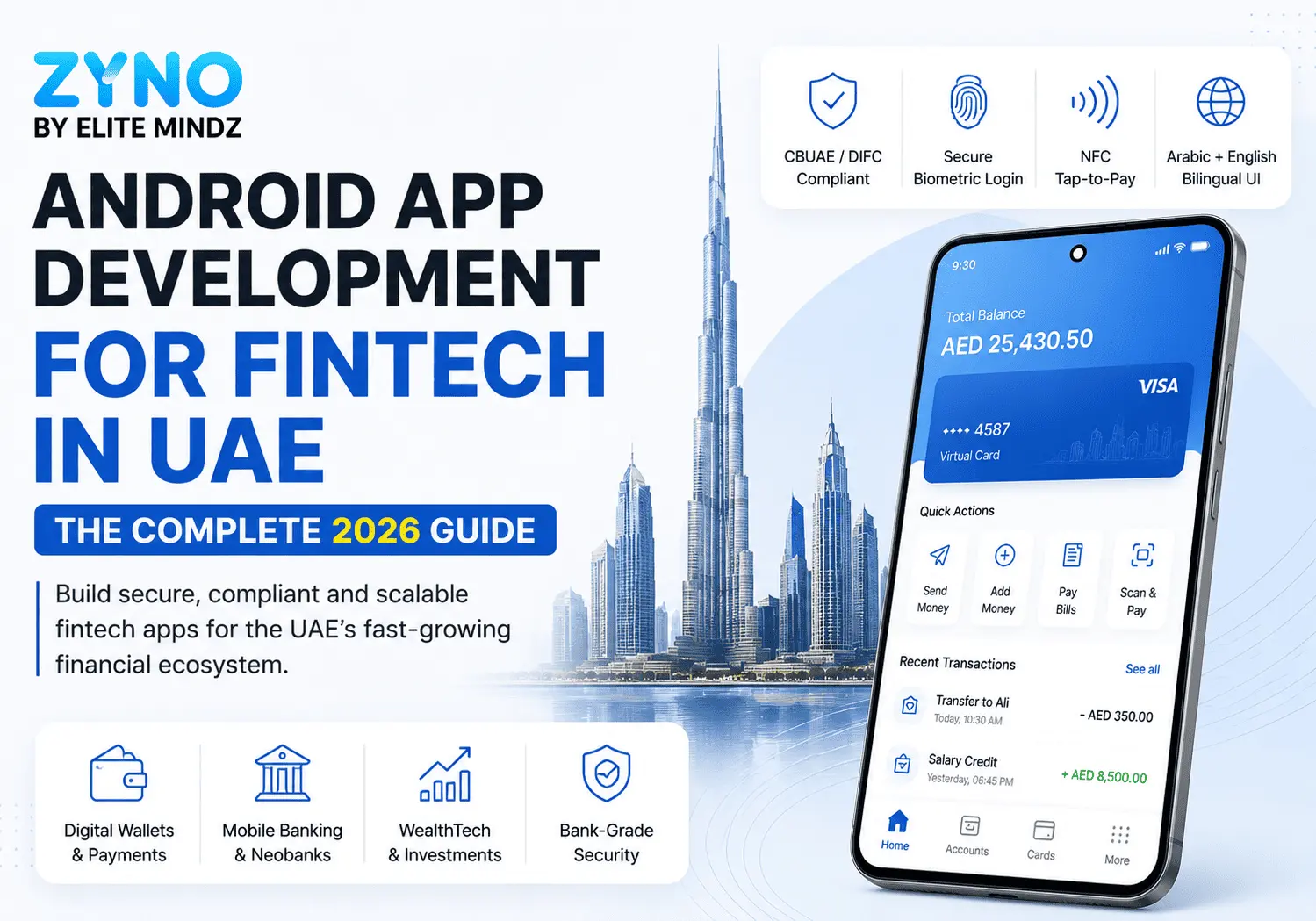
Android App Development for Fintech in UAE: The Complete 2026 Guide
Read More →
Complete Guide to Healthcare App Development in 2026: Features, Process, Costs, Types
Read More →
Top 10 Android App Development Companies in India That Are Dominating 2026
Read More →
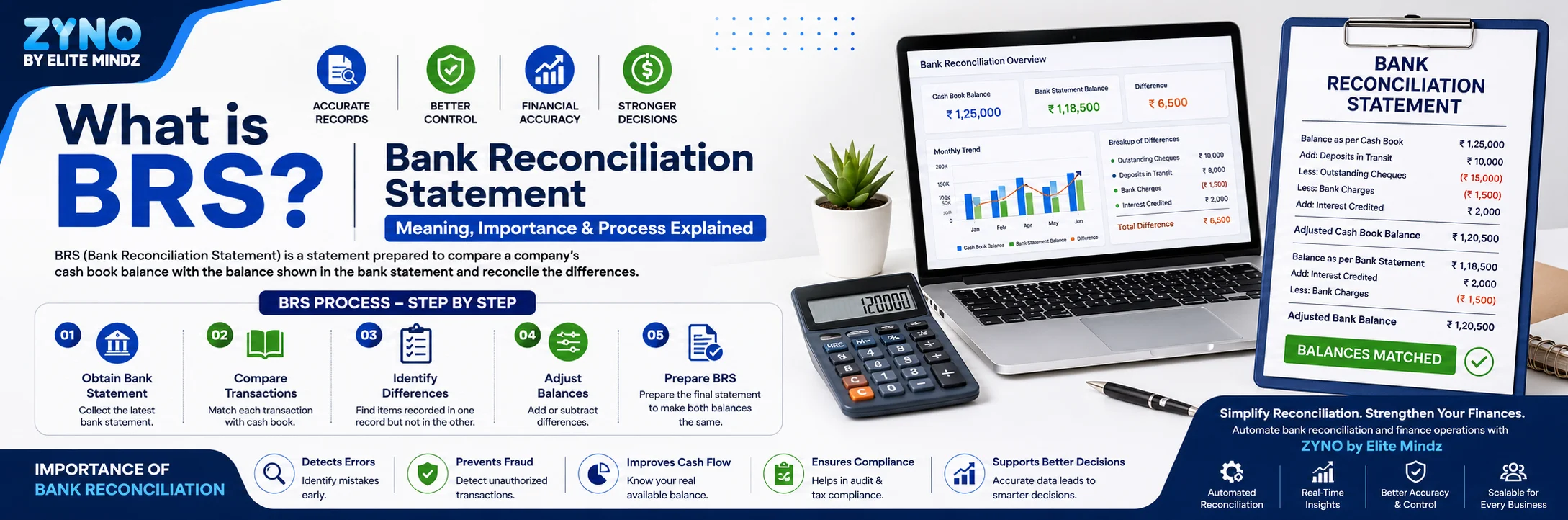
What is BRS? Bank Reconciliation Statement Meaning, Importance & Process Explained
Read More →
Best Mobile App Development Company in Delhi & Noida (2026 Guide)
Read More →
Voice Search SEO for Apps: The Complete Optimization Guide
Read More →
The Top 10 Supply Chain Management Systems (SCM) for 2026
Read More →
AI-Powered Custom Software Development: How Businesses Are Building Smarter Applications
Read More →
Why Enterprises Prefer Custom Software Development Over SaaS in 2026
Read More →
AI Chatbot Development Services: Everything Businesses Need to Know Before Investing in 2026
Read More →
Real Estate Software Development Services: A Complete Guide for Builders, Brokers & Developers (2026)
Read More →
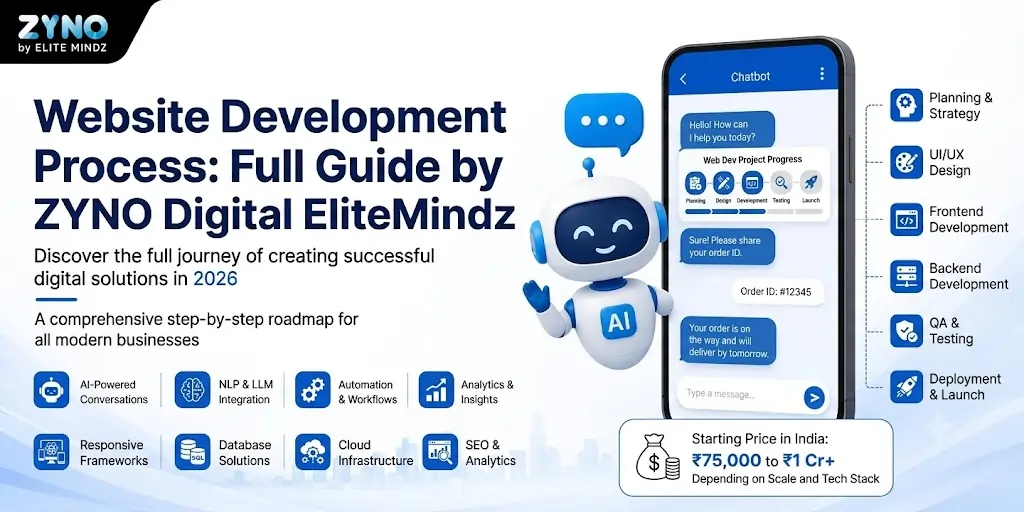
Website Development Process: Full Guide by ZYNO Digital EliteMindz
Read More →
Website Development Cost in India (2026): Real Pricing, Hidden Costs & What You Actually Get
Read More →
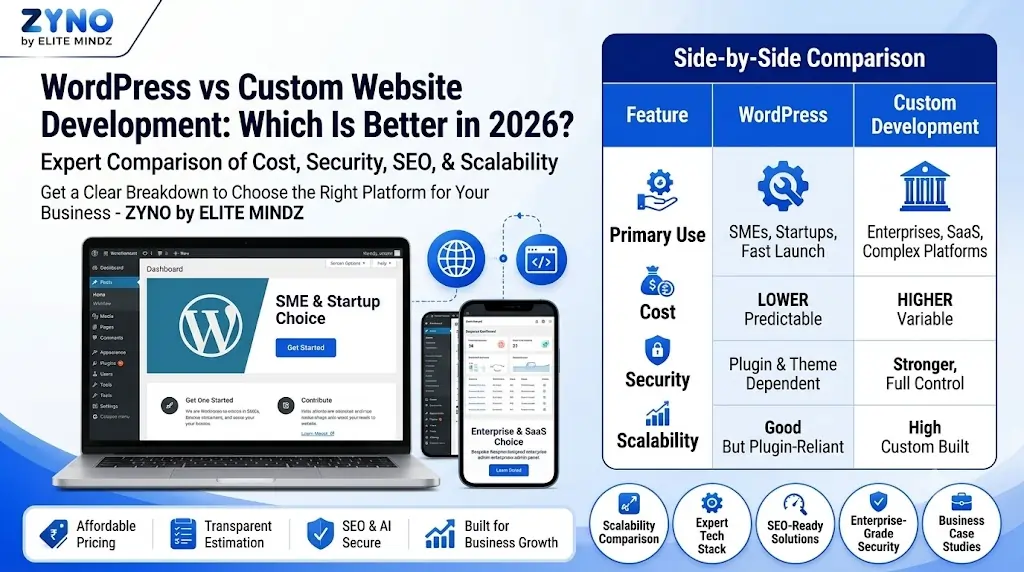
WordPress vs Custom Website Development: Which Is Better in 2026?
Read More →
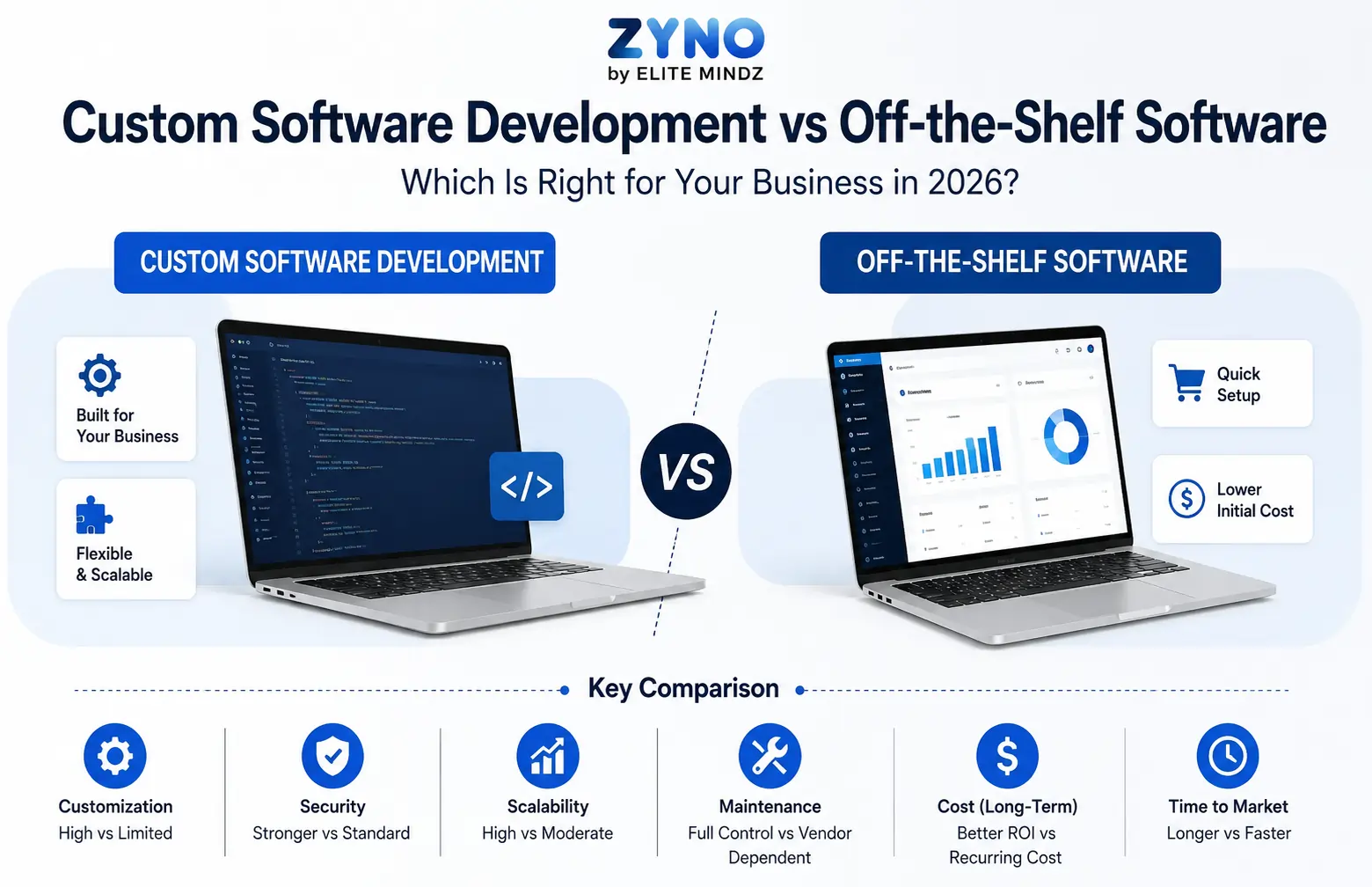
Custom Software Development vs Off-the-Shelf Software: Which Is Right for Your Business in 2026?
Read More →
Digital Transformation Strategies for Mid-Market Companies in India
Read More →
How Should a Mid-Sized Indian Company Prioritize Technology Investments During Digital Transformation
Read More →
Common Challenges Mid-Market Businesses in India Face When Implementing Digital Transformation
Read More →
How Do Mid-Market Companies in India Measure the Success of Their Digital Transformation Initiatives
Read More →
What Role Does Leadership and Change Management Play in Driving Digital Transformation in Mid-Sized Indian Companies
Read More →
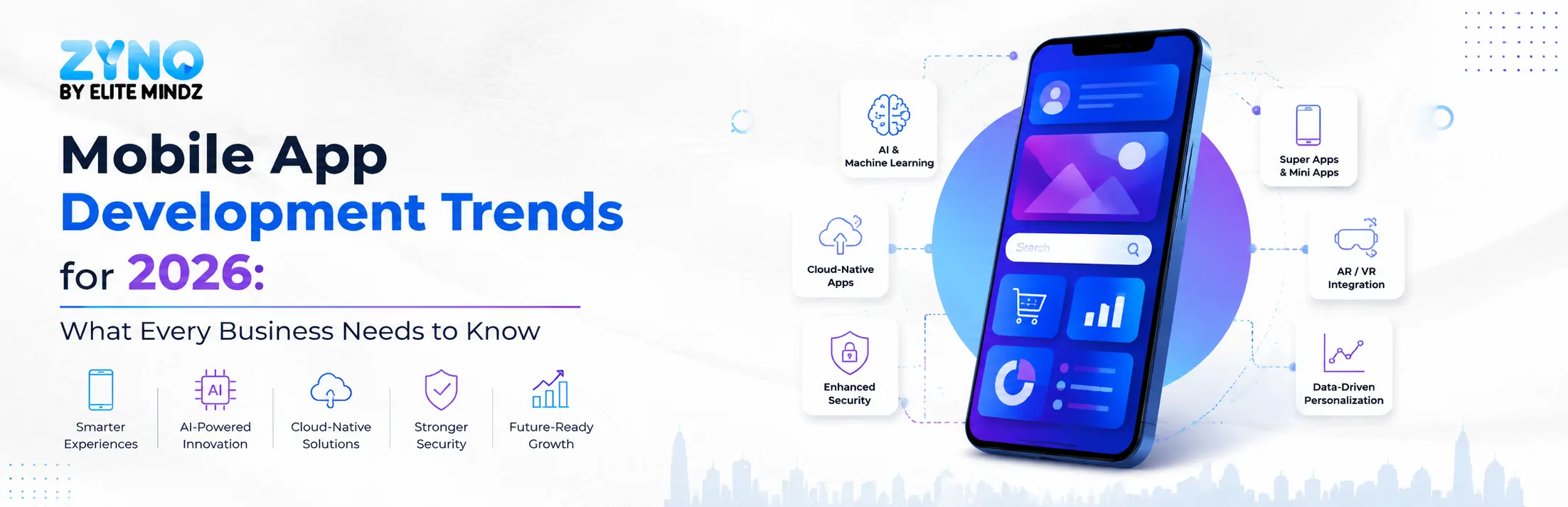
Mobile App Development Trends for 2026: What Every Business Needs to Know
Read More →
Best AI Software Manufacturer & Software Development Company in Kenya
Read More →
Hire Mobile App Developers in Kenya: Complete 2026 Guide to Finding the Right Development Team
Read More →
How Much Does Custom Software Development Cost in 2026?
Read More →
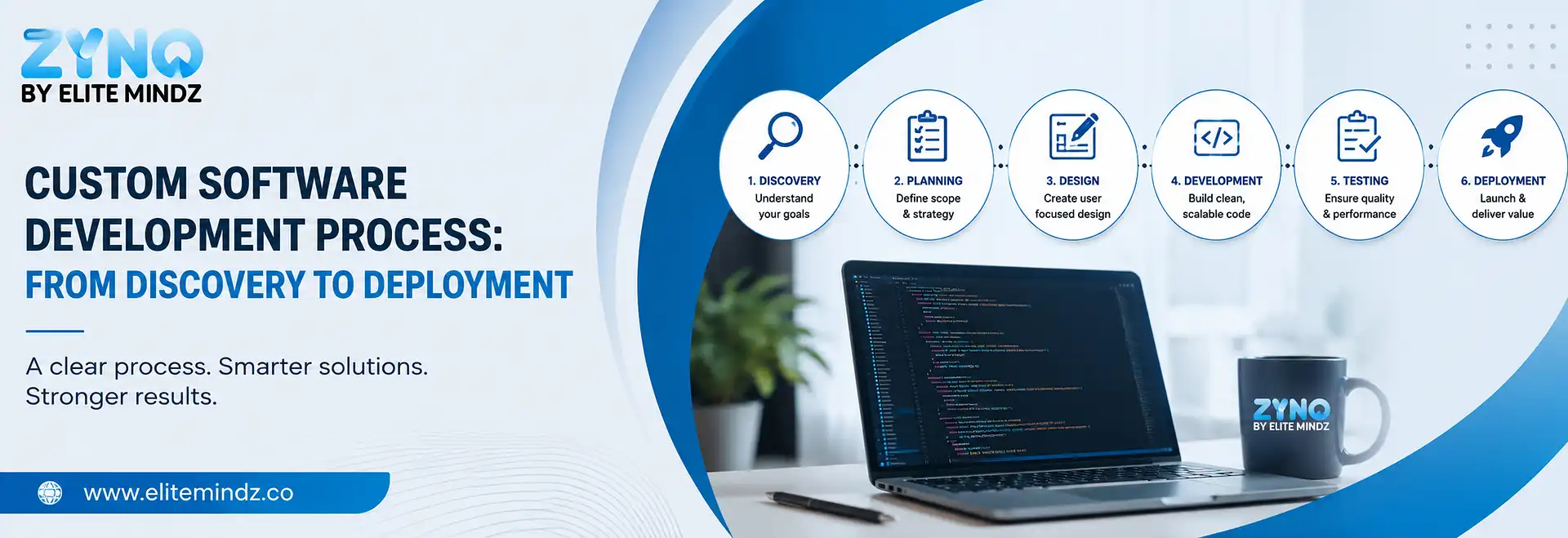
Custom Software Development Process: From Discovery to Deployment
Read More →
How Long Does It Take to Build Custom Software?
Read More →
Top 10 Custom Software Development Companies in India (2026 Guide, And How to Choose the Best One)
Read More →
Custom ERP vs Custom CRM: Which Do You Need First?
Read More →
Custom Software Development for Startups: From MVP to Scale
Read More →
Custom Software Development for Healthcare: Build Compliant, Patient-Centered Systems
Read More →
Custom Software Development for Logistics: Streamline Your Supply Chain
Read More →
Custom Software Development for IoT: Build Connected, Intelligent Systems
Read More →
Swift vs SwiftUI: Which Technology Should You Choose for Your iOS App Development?
Read More →Partner with ZYNO by Elite Mindz to revolutionize how your business works. Fill out the form, and we’ll reach out with AI-powered solutions made just for you.
We use browser cookies to ensure you get the best experience on our website. Learn more
The form was submitted successfully!