×
Effective inventory management is one of the biggest challenges businesses face today. Whether you're managing a pharmaceutical warehouse, a food distribution center, a manufacturing facility, or a retail operation, poor inventory control can lead to costly consequences. Expired products, stockouts, excess inventory, compliance violations, and inefficient warehouse management can quickly impact profitability and customer satisfaction.
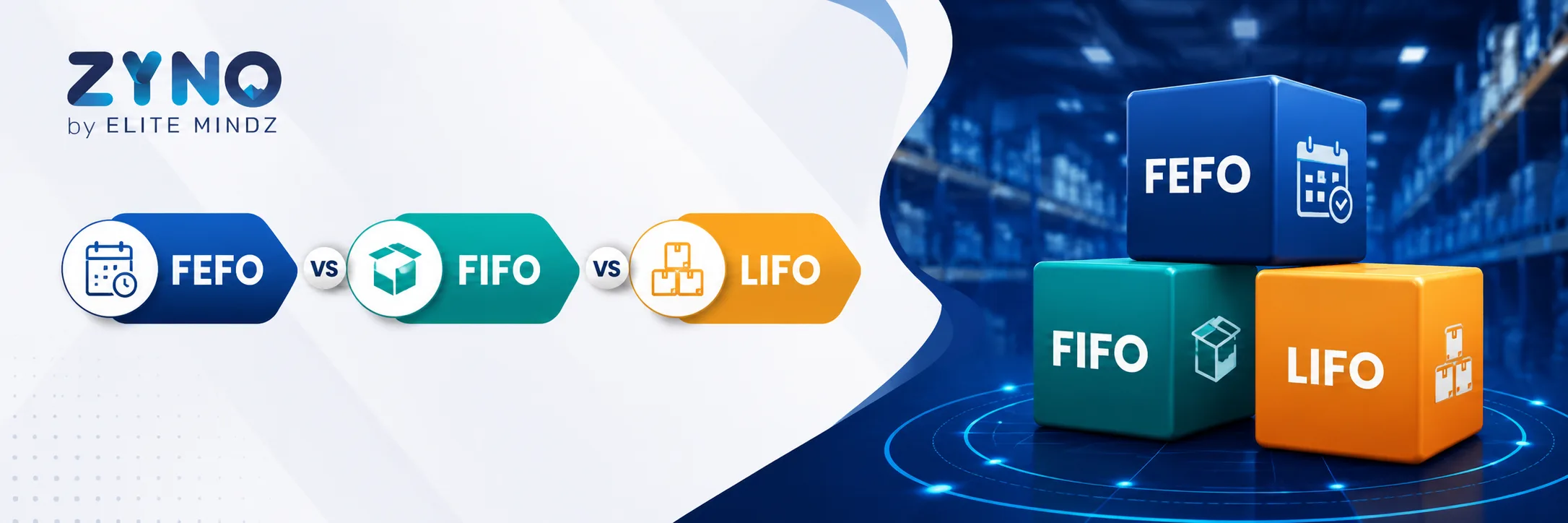
The good news is that proven inventory methods can help organizations improve stock rotation, reduce waste, maintain compliance, and optimize their supply chain operations. Among the most widely used methodologies are FEFO (First Expiry First Out), FIFO (First In First Out), and LIFO (Last In First Out).
Understanding the differences between these inventory management methods is essential for choosing the right approach for your business. In this guide, we'll explore what FEFO and FIFO are, compare them with LIFO, and help you determine which inventory control strategy best fits your operational needs.
Inventory is often one of the largest assets a company owns. Without a structured inventory management system, businesses face numerous challenges:
Proper stock rotation ensures that inventory moves through the supply chain efficiently while minimizing waste and maximizing profitability.
For example, a pharmaceutical distributor cannot afford to ship products nearing expiration when newer stock has a longer shelf life. Similarly, a retail store needs to ensure older inventory sells before newer inventory accumulates and becomes obsolete. This is where FEFO, FIFO, and LIFO inventory methods become critical.
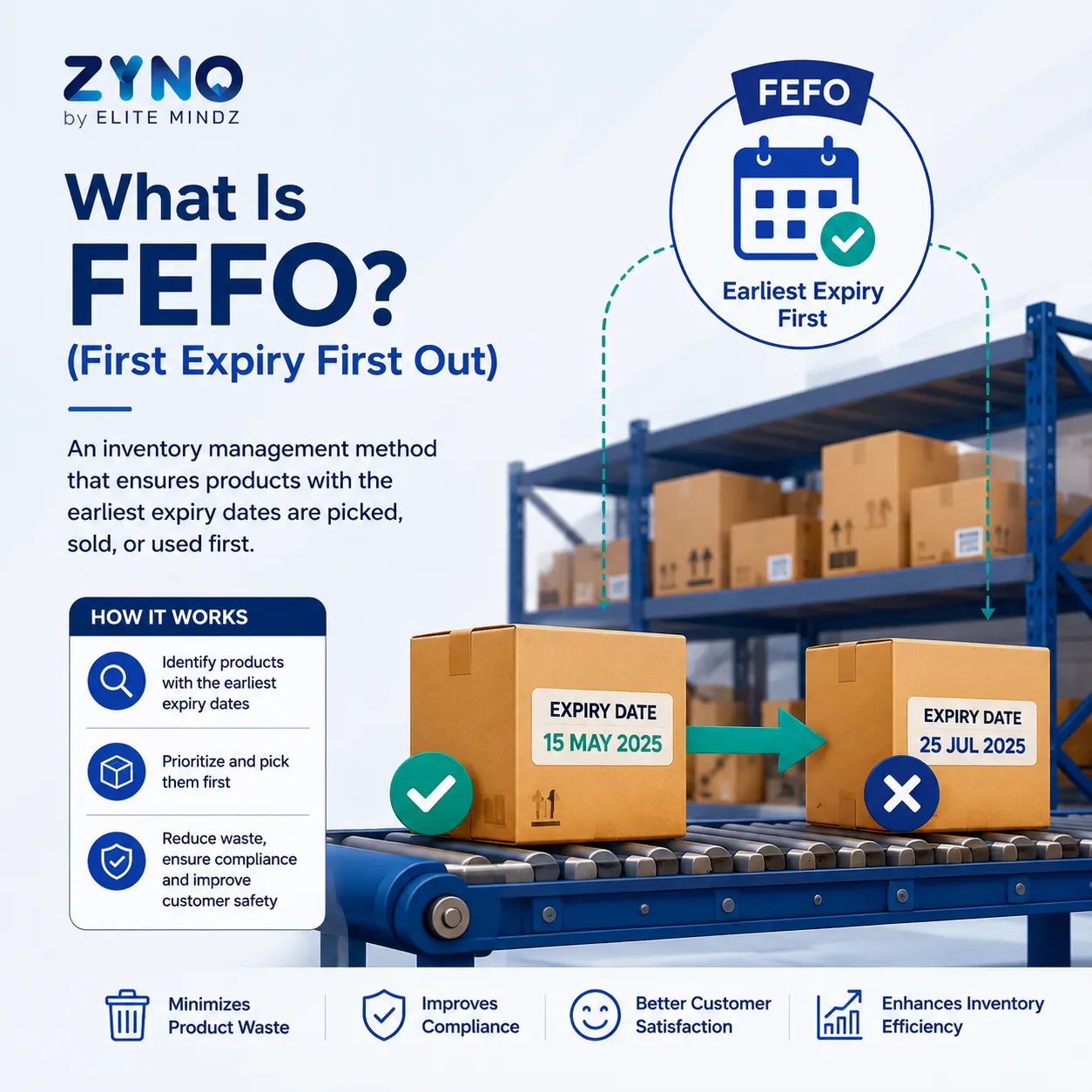
FEFO, or First Expiry First Out, is an inventory management method that prioritizes products based on their expiration dates rather than when they entered the warehouse. Under FEFO, the products with the earliest expiration dates are picked, sold, or used first, regardless of when they were received.
This method is particularly important for businesses dealing with products that have limited shelf lives.
Imagine a pharmaceutical warehouse receives two shipments of medication:
Even if Batch B arrived after Batch A, FEFO requires warehouse staff to distribute Batch B first because it expires sooner. The primary objective is to prevent products from expiring while sitting in storage.
FEFO is widely used in industries where expiration dates directly impact product quality, safety, and regulatory compliance:
Medicines must be distributed before expiration to ensure patient safety and regulatory compliance.
Perishable products require careful stock rotation to minimize spoilage.
Many cosmetic products contain active ingredients that degrade over time.
Hospitals and healthcare providers rely on FEFO to ensure safe patient care.
Many chemicals have limited usable lifespans and must be managed carefully.
One of the biggest advantages of FEFO is its ability to minimize expired inventory. By prioritizing products nearing expiration, businesses significantly reduce waste and inventory write-offs.
Industries such as pharmaceuticals and food processing face strict compliance requirements. FEFO helps businesses meet regulatory standards by ensuring products are distributed within approved shelf-life windows.
Customers receive fresher products with longer usable shelf lives, improving overall customer experience.
According to supply chain benchmarks, inventory carrying costs average 20-30% of total inventory value annually. When items expire under poor rotation, that write-off includes not just the cost of goods, but also the accrued holding costs and disposal fees. FEFO helps organizations maximize the value of their inventory investment.
While highly effective, FEFO requires robust inventory control systems.
This is where manual ledger systems completely fall apart. Tracking rolling dates across thousands of SKUs requires automated batch-control and dynamic Goods Receipt Notes (GRN) tracking. Common challenges include:
Without automation, managing FEFO manually can become time-consuming and error-prone.
Consider a pharmaceutical distributor managing thousands of medications with different expiration dates. Without FEFO, products nearing expiration may remain in storage while newer stock is shipped first. This can lead to product waste, compliance violations, and significant financial losses. By implementing FEFO within a warehouse management system, the company automatically identifies products closest to expiration and prioritizes them for order fulfillment, reducing waste and improving inventory accuracy.
FIFO, or First In First Out, is one of the most commonly used inventory methods across industries. Under FIFO, the inventory that enters the warehouse first is sold, used, or shipped first. The principle assumes that older inventory should move out before newer inventory arrives. FIFO aligns closely with the natural flow of goods through a warehouse and is considered a best practice for many inventory management operations.
Suppose a retailer receives inventory shipments on:
Under FIFO, products received in January are sold first, followed by February inventory and then March inventory. The focus is on arrival date rather than expiration date.
FIFO is highly effective in industries where inventory naturally ages over time.
Retailers use FIFO to prevent older products from becoming obsolete.
Raw materials and components are consumed based on receipt order.
FIFO supports efficient warehouse operations and inventory turnover.
Online retailers rely on FIFO to manage fast-moving inventory and maintain inventory accuracy.
FIFO encourages continuous inventory movement and reduces aging stock.
Because products flow through the warehouse in sequence, operations become more organized and efficient.
Older inventory is sold first, lowering the risk of products becoming outdated or unsellable.
FIFO often provides a realistic reflection of current inventory value, making financial reporting easier.
FIFO is not always ideal for products with varying expiration dates.
Potential limitations include:
For products with strict shelf-life requirements, FEFO often provides a better solution.
A consumer electronics retailer receives laptop shipments every month. By using FIFO, older inventory is sold first, reducing the risk of products becoming outdated when newer models are introduced. This improves inventory turnover, frees up warehouse space, and minimizes markdown costs.
At first glance, FEFO and FIFO may appear similar because both focus on stock rotation. However, their primary objectives are different. FIFO prioritizes inventory based on the date products enter the warehouse, while FEFO prioritizes inventory based on expiration dates.
Understanding this distinction is critical for selecting the right inventory management strategy.
| Criteria | FEFO | FIFO |
|---|---|---|
| Full Form | First Expiry First Out | First In First Out |
| Priority | Earliest expiration date | Earliest receipt date |
| Best For | Perishable and regulated products | General inventory management |
| Focus | Product freshness and compliance | Inventory flow and stock rotation |
| Risk Reduction | Prevents expired inventory | Prevents aging inventory |
| Complexity | Higher | Lower |
| Technology Requirement | Moderate to High | Moderate |
The most significant difference is how inventory is selected. With FIFO, products are picked based on when they arrived. With FEFO, products are picked based on when they expire. Consider a warehouse that receives two batches of yogurt:
1. Inventory Arrival: Receiving Batch A & B.
Your warehouse receives Batch A (Yogurt) on January 1st with an expiration date of June 30th. On January 15th, you receive Batch B, but due to supply chain variables, its expiration date is much tighter: April 30th.
2. The Order Picking Trigger: An order for 100 units comes in.
An order arrives on February 1st. The picker must pull stock from the shelves immediately to fulfill the shipment.
3. The FIFO Execution Path: Flawed for perishables.
A standard FIFO system looks at the calendar and pulls Batch A because it has been sitting in the warehouse longest.
Result: Batch B continues to age on the shelf, moving closer to its rapid April 30th expiration date.
4. The FEFO Execution Path: Optimal for perishables.
An expiration-aware system bypasses arrival dates entirely, looks at the expiry metadata, and pulls Batch B first.
Result: The short-dated stock clears the building safely, and Batch A safely utilizes its longer runway.
One of the biggest pain points inventory managers face is product waste.
Expired inventory results in:
FEFO directly addresses this challenge by ensuring products nearing expiration are distributed first. FIFO reduces aging inventory but may not always prevent expiration if shelf-life variations exist.
Regulated industries often require strict inventory traceability. FEFO supports compliance by ensuring products are distributed within approved shelf-life windows.
Industries benefiting from FEFO include:
FIFO remains suitable for industries where expiration dates are not a primary concern.
Modern warehouse management systems (WMS) support both methodologies.
However, FEFO typically requires:
FIFO can often be implemented using simpler warehouse processes and inventory software.
Unlike FIFO and FEFO, which focus on moving older inventory out first, the Last In First Out (LIFO) method operates on the assumption that the most recently acquired inventory is the first to be sold or used.
While LIFO is a common talking point in corporate finance, it is critical to separate its accounting implications from physical warehouse reality. From an operational standpoint, physically leaving older stock at the back of a warehouse indefinitely is a recipe for product degradation, obsolescence, and extreme waste.
Suppose a manufacturing business receives raw materials in three consecutive monthly batches: January ($10/unit), February ($12/unit), and March ($15/unit).
Under LIFO accounting, when a sale is made in April, the cost of goods sold (COGS) is calculated using the March price of $15/unit. In periods of high inflation, this matching of current, higher costs against current revenues lowers the company's reported net income on paper. Consequently, this reduces tax liabilities in certain tax jurisdictions, which is the primary reason some enterprise financial teams prefer it.
For companies operating globally, or those looking to expand into international markets, LIFO introduces severe compliance hurdles. The acceptability of this method depends entirely on the accounting framework your business uses:
US GAAP (Generally Accepted Accounting Principles): Permissible. Under the IRS "LIFO Conformity Rule," if a company uses LIFO for tax purposes to reduce income tax liabilities, it must also use LIFO for financial reporting to its shareholders.
IFRS (International Financial Reporting Standards): Strictly Prohibited. IFRS completely bans the use of LIFO for inventory valuation. The International Accounting Standards Board (IASB) argues that LIFO does not provide a reliable or realistic reflection of actual inventory flow, as it allows older inventory layers to remain undervalued on the balance sheet indefinitely.
The ERP Challenge: If your business operates across multiple countries—such as managing operations across the US and European or Asian markets—relying on a rigid, legacy system can lead to severe compliance fragmentation.
Modern, multi-entity ERP systems must be able to track physical inventory flow on a FIFO/FEFO basis on the warehouse floor while accurately mapping reporting structures to comply with both local GAAP and global IFRS rules.
This is one of the most common questions inventory managers ask. The answer depends on whether you're discussing inventory operations or accounting treatment. For most inventory management and warehouse operations, FIFO is generally considered the better approach.
FIFO ensures inventory moves through the warehouse efficiently.
Older products are sold first, minimizing obsolescence.
Customers receive fresher inventory.
FIFO aligns naturally with warehouse layouts and picking processes.
Inventory managers can track stock movement more effectively.
LIFO may still be considered in specific accounting scenarios where inflation affects inventory costs. However, from an operational standpoint, FIFO remains the preferred inventory management method.
| Criteria | FIFO | LIFO |
|---|---|---|
| Inventory Flow | Oldest stock first | Newest stock first |
| Waste Reduction | High | Low |
| Product Freshness | Better | Poorer |
| Obsolescence Risk | Lower | Higher |
| Warehouse Efficiency | Higher | Lower |
| Regulatory Acceptance | Widely accepted | Limited acceptance |
| Best For | Most businesses | Specific accounting situations |
For most businesses, FIFO is the better choice because it:
LIFO may offer accounting benefits in certain situations but rarely improves operational inventory management.
Selecting the best inventory method depends on your products, industry, and operational requirements.
Examples include:
Examples include:
Today's inventory management systems make implementing FEFO and FIFO significantly easier.
Modern software can automate:
A WMS provides real-time inventory visibility and supports automated picking based on FIFO or FEFO rules.
These technologies improve inventory accuracy and reduce manual errors.
Businesses using FEFO can receive alerts when products approach expiration, helping prevent waste before it occurs.
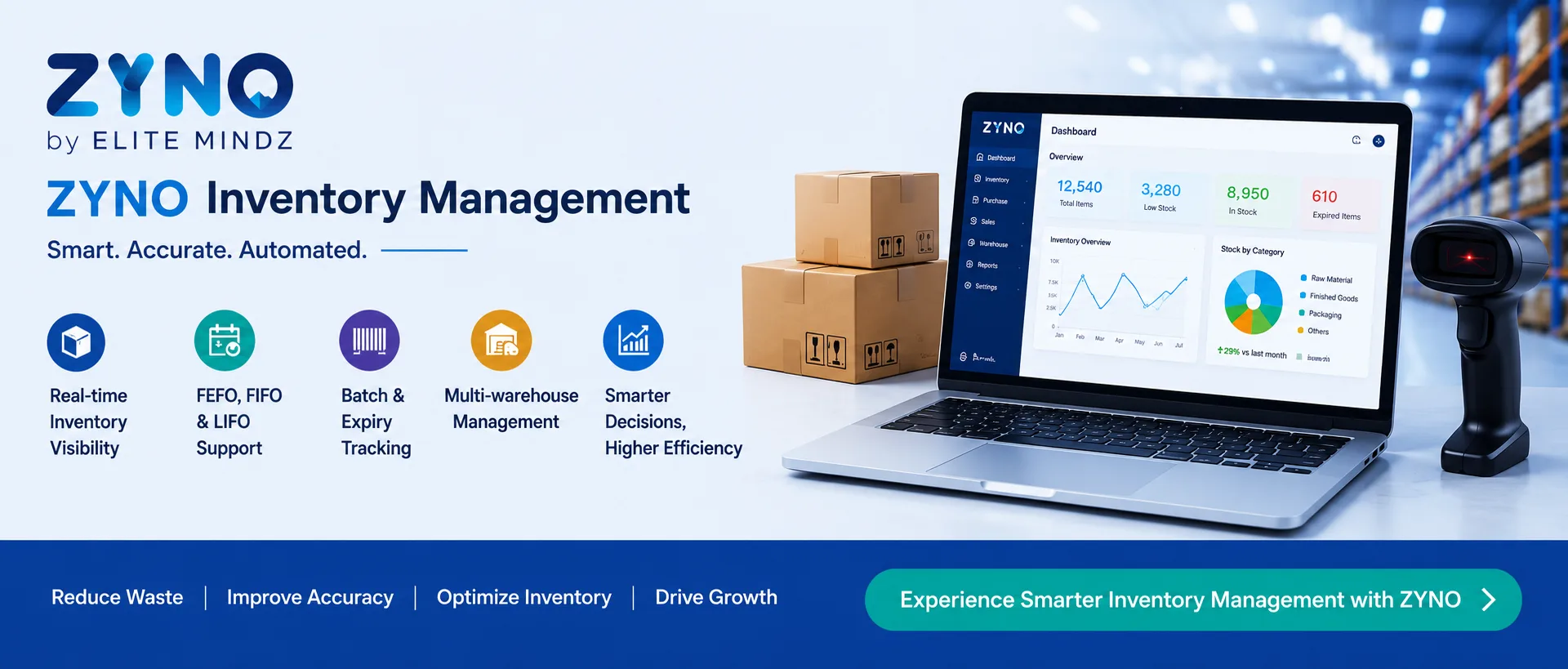
Implementing FEFO and FIFO manually can be challenging, especially as inventory volumes grow across multiple warehouses and locations. Modern inventory management solutions such as ZYNO Inventory Management help businesses automate stock rotation, track expiration dates, monitor inventory levels in real time, and maintain complete inventory visibility. Instead of forcing your team to choose between strict floor-level FEFO picking and accurate FIFO accounting valuation, the software automates the picking logic via barcode scanning while simultaneously keeping your financial ledgers perfectly balanced.
Features such as automated goods receipt notes (GRNs), stock audits, demand forecasting, and real-time inventory tracking help reduce human errors while improving inventory control and warehouse efficiency. By combining intelligent automation with supply chain visibility, businesses can minimize waste, prevent stockouts, improve compliance, and make faster, data-driven inventory decisions.
ZYNO Inventory Management helps businesses automate stock rotation, track expiry dates, manage multiple warehouses, and improve inventory accuracy through real-time visibility.
Failure to monitor expiration dates often leads to spoilage, compliance violations, and financial losses.
Businesses handling perishable products may unknowingly increase waste by relying solely on FIFO.
Without accurate inventory data, stock rotation becomes difficult.
Even the best inventory systems fail if warehouse staff do not follow established processes.
The answer depends on the type of inventory your business manages. Both FEFO and FIFO are effective inventory management methods, but they serve different purposes. If your products have expiration dates, FEFO is generally superior because it directly addresses spoilage and compliance risks.
If expiration dates are not a major concern, FIFO offers a simpler and highly effective inventory control strategy. Many modern businesses combine both methods by using FIFO for general stock movement and FEFO for expiry-sensitive inventory.
Beyond warehouse operations, FIFO and LIFO also impact inventory valuation and financial reporting.
Consider the following inventory purchases:
| Batch | Quantity | Cost Per Unit |
|---|---|---|
| Batch A | 100 Units | $10 |
| Batch B | 100 Units | $15 |
The company sells 100 units.
The first 100 units sold come from Batch A.
Cost of Goods Sold (COGS):
100 × $10 = $1,000
The most recently purchased inventory is sold first.
Cost of Goods Sold (COGS):
100 × $15 = $1,500
FIFO results in lower COGS and higher reported profits during periods of rising prices. LIFO results in higher COGS and lower reported profits. FIFO provides a more realistic value of inventory remaining in stock because it reflects recent purchase costs. This is one reason FIFO remains the preferred inventory valuation method for many organizations and is widely accepted under international accounting standards.
As inventory operations become more complex, manual tracking methods are no longer sufficient. Businesses managing multiple warehouses, thousands of SKUs, and expiration-sensitive products need greater visibility, accuracy, and automation.
Modern inventory management software helps organizations implement FEFO and FIFO consistently while reducing manual effort and operational risks.
Automated FEFO workflows prioritize products with the earliest expiration dates, helping businesses reduce spoilage, minimize waste, and maintain regulatory compliance.
FIFO automation ensures older inventory is always picked and dispatched first, improving inventory turnover and preventing inventory aging.
Advanced batch tracking allows businesses to monitor inventory movement across the supply chain, improve traceability, and quickly identify affected products during recalls or audits.
Real-time expiry monitoring provides alerts for products approaching expiration, helping organizations take proactive action before inventory becomes unsellable.
Organizations operating across multiple locations gain centralized inventory visibility, enabling better stock allocation, reduced stockouts, and more accurate demand planning.

ZYNO Inventory Management helps businesses automate inventory control, implement FEFO and FIFO methodologies, track batches and expiration dates, manage inventory across multiple warehouses, and gain real-time visibility into stock movement.
Whether you're managing pharmaceuticals, food products, retail inventory, or manufacturing operations, ZYNO Inventory Management provides the tools needed to reduce waste, improve accuracy, optimize warehouse performance, and strengthen your supply chain operations.
Explore ZYNO Inventory Management today and discover how intelligent inventory automation can help your business reduce costs, improve efficiency, and make better inventory decisions.
FEFO (First Expiry First Out) is an inventory management method that prioritizes products with the earliest expiration dates for sale, shipment, or usage. It helps businesses reduce spoilage, maintain compliance, and improve inventory control.
FIFO (First In First Out) is an inventory method where the oldest inventory received is sold, used, or shipped first. It helps improve stock rotation and prevents inventory from becoming obsolete.
The main difference is that FEFO prioritizes inventory based on expiration dates, while FIFO prioritizes inventory based on the order in which products were received. FEFO is ideal for perishable goods, while FIFO is suitable for general inventory management.
Neither method is universally better. FEFO is best for products with expiration dates, such as pharmaceuticals and food products, while FIFO is ideal for businesses focused on efficient stock rotation and inventory turnover.
For most businesses, FIFO is the preferred inventory method because it improves stock rotation, reduces waste, and aligns with the natural flow of inventory. LIFO is primarily used for specific accounting and inventory valuation purposes.
Yes. Many businesses use FIFO for general inventory movement while applying FEFO to products with expiration dates. This hybrid approach improves inventory accuracy and minimizes waste.
Industries such as pharmaceuticals, healthcare, food and beverage, cosmetics, chemicals, and medical supplies benefit most from FEFO because product freshness and compliance are critical.
Proper stock rotation helps reduce spoilage, prevent inventory aging, improve warehouse efficiency, lower carrying costs, and ensure customers receive high-quality products.
Inventory management software automates stock rotation, tracks expiration dates, manages batch numbers, provides real-time inventory visibility, and reduces manual errors, making FEFO and FIFO easier to implement.
Common challenges include tracking expiration dates, maintaining accurate inventory records, training warehouse staff, managing multiple warehouse locations, and ensuring consistent stock rotation processes. Modern inventory management systems can help overcome these challenges.
The right inventory method depends on your products, industry regulations, warehouse operations, and business goals. Businesses with perishable products typically benefit from FEFO, while retail, manufacturing, and distribution companies often use FIFO for efficient inventory control.
Ultimately, the best inventory control strategy depends on your products, industry requirements, and business goals. By combining the right inventory method with modern warehouse management technology, organizations can improve accuracy, reduce costs, and build a more resilient supply chain.
Sneha Singh
Content Writer
Sneha Singh is a B2B tech content strategist with 4+ years of experience. She specializes in SEO-driven SaaS content, whitepapers, and platform-native social media campaigns that simplify complex technology and drive business growth. Sneha's core exp
Procurement Software Trends in 2026: What to Expect
Read More →

Why E-Procurement Outperforms Traditional ERP in Modern Procurement
Read More →Top 10 Procurement Software Companies in India 2026
Read More →
Best Procurement Software Companies in Kuwait (2025)
Read More →
5 Best Procurement Software in Africa for Enterprises & SMEs (2026 Guide)
Read More →
Best Procurement Software in Nigeria 2026 | Top 5 Picks
Read More →
Best Procurement Software Providers in USA (2025): How AI is Transforming the Future
Read More →
10 Best Procurement Software Providers in Thailand for Streamlined Supply Chain Management
Read More →
Top 10 Cloud-Based Procurement Solutions in Portugal for Businesses in 2025
Read More →
Top 10 Procurement Software Providers in Switzerland 2026: Streamlining Sourcing and Supplier Management
Read More →
What Makes ZYNO Procurement Different from Other Oil & Gas Procurement Software
Read More →
The Digital Transformation of Logistics Procurement in the Middle East
Read More →
A Step by Step Guide to Procurement Management Software for Modern Enterprises
Read More →
Sourcing and Procurement: What is the Difference and Why It Matters
Read More →Difference Between Procurement and Supply Chain Management
Read More →
What Is Procurement Software and Why Modern Businesses Need It
Read More →
Best Procurement Management Software to Automate ERP Process
Read More →
Direct vs Indirect Procurement: Key Differences, Examples & Uses (2026)
Read More →
Smart procurement strategies for cost optimization & risk management
Read More →
What Is Procurement? Everything You Need to Know (Types, Process & SAP)
Read More →Beyond Cost-Cutting: How Procurement Drives Margin Expansion in 2026
Read More →
Direct Procurement Explained: Process, Examples, and When It Is Used
Read More →
What Are the 5 Types of E-Procurement? A Complete Guide for Businesses
Read More →
Which Procurement Management Software Is Best? Top Tools Compared for 2026
Read More →
Top 8 Coupa Alternatives to Explore in 2026
Read More →
Looking to Replace Coupa? Discover the Best Alternatives Like ZYNO Procurement
Read More →
How Does Procurement Software Work? A Complete Guide
Read More →
ZYNO Procurement vs Coupa: Best Procurement Software Comparison for Mid-Market Teams
Read More →
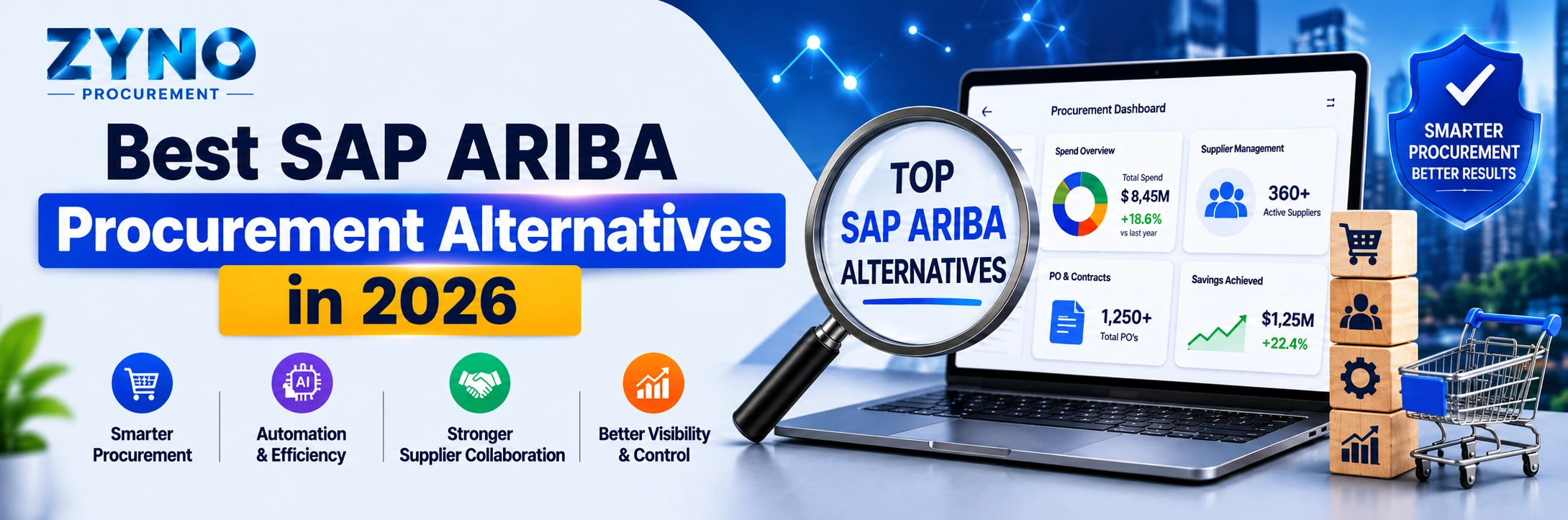
Best SAP ARIBA Procurement Alternatives in 2026
Read More →
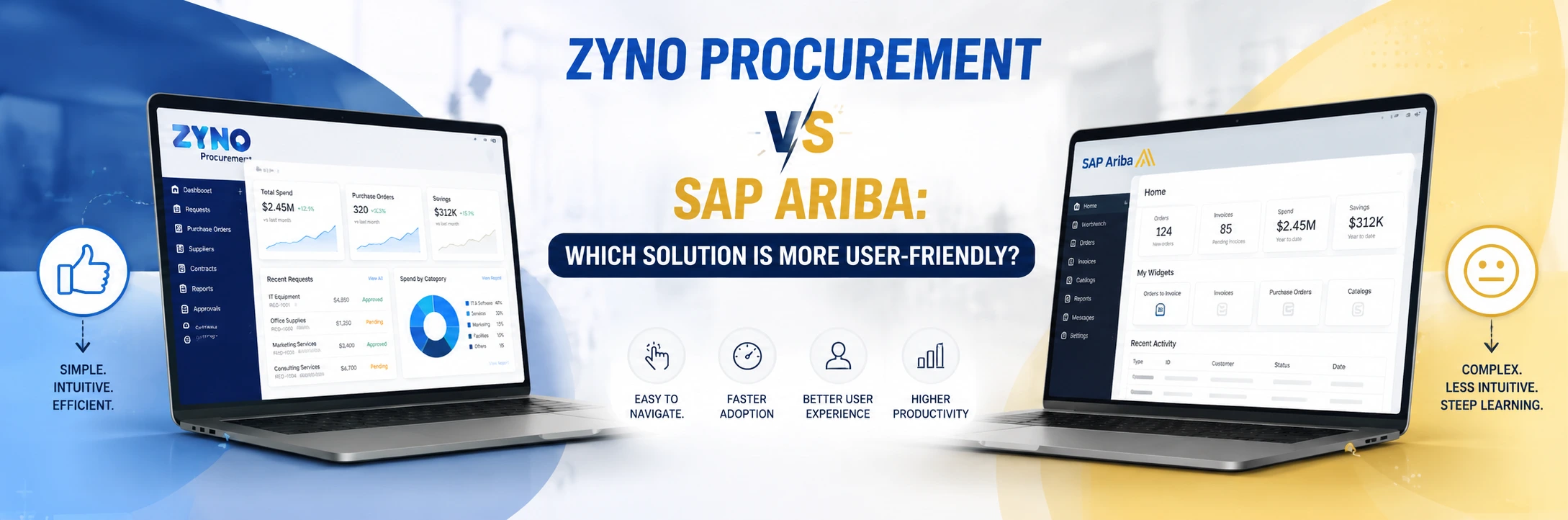
ZYNO Procurement vs SAP Ariba: Which Solution Is More User-Friendly?
Read More →
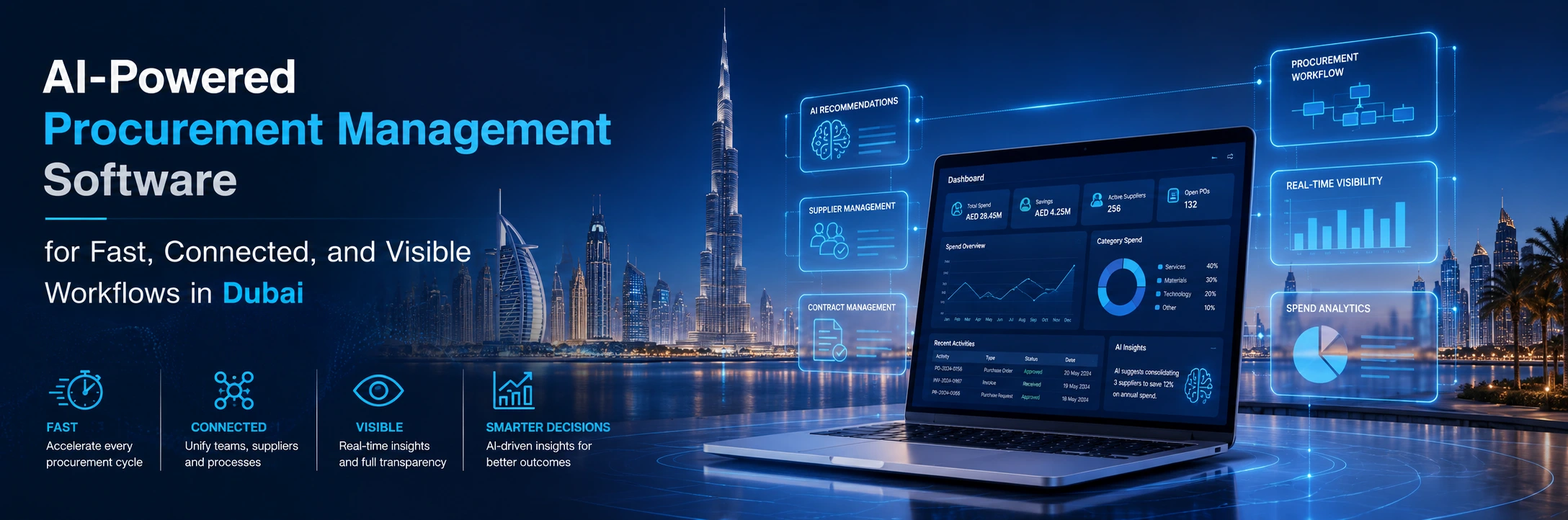
AI-Powered Procurement Management Software for Fast, Connected, and Visible Workflows in Dubai
Read More →
What is Vendor Management? Complete Guide to Vendor Management Software, Systems, and Processes
Read More →
Best Procurement Management Software In Kenya
Read More →
6 SAP Ariba Alternatives for Mid-Market Businesses in 2026
Read More →
Top E-Procurement Solutions for B2B Organizations (2026)
Read More →
Quotation Format: Free Templates + Complete Guide (2026)
Read More →
Cost Control Software Compared: Features, Pricing, and Performance
Read More →
Procurement Workflow: Steps, Stages, and Real Examples
Read More →
Top 10 Zycus Alternatives for Procurement Teams in 2026
Read More →
Best Precoro Alternative for Purchase Requisition and Procurement
Read More →
Top AI Procurement Tools in 2026
Read More →
Best Tools for Supplier Risk Management
Read More →
FEFO vs FIFO vs LIFO: Differences, Benefits & Which Inventory Method Is Best?
Read More →
AI-Powered Procurement Software: A Complete Guide for Businesses
Read More →
Best AI Tools for Supply Chain Procurement
Read More →
Procurement Risk Management
Read More →Partner with ZYNO by Elite Mindz to revolutionize how your business works. Fill out the form, and we’ll reach out with AI-powered solutions made just for you.
We use browser cookies to ensure you get the best experience on our website. Learn more
The form was submitted successfully!
ZYNO Digital
Fueling Smarter Digital Growth
ZYNO Digital fuels smarter digital growth through data-driven marketing, creative storytelling, and performance strategies that boost visibility, engagement, and measurable business outcomes across global platforms.
ZYNO Tech
Engineering the Future of IT
ZYNO Tech delivers cutting-edge IT solutions — including web, mobile, and digital transformation services — helping businesses scale efficiently, innovate faster, and stay ahead in a connected world.
ZYNO AI
AI Built for Business Growth
ZYNO AI harnesses the power of artificial intelligence to automate processes, enhance decision-making, and deliver predictive insights — driving innovation, agility, and measurable business growth.
ZYNO by Elite Mindz
Your Partner in the AI-Powered Future
ZYNO by Elite Mindz offers AI-powered products and services that unify operations, boost productivity, and drive digital transformation — helping businesses scale smarter and innovate faster.
* In just 2 mins you'll get a response
* Your idea is 100% protected by our Non-Disclosure Agreement