×
Become a Partner call Contact Us
Whatsapp
Contact Us
03-04-2026
BySneha Singh

Beyond Cost-Cutting: How Procurement Drives Margin Expansion in 2026


Traditionally, organizations saw procurement as a support function focused on minimizing expenses through negotiation and lower pricing, with little attention to long-term value beyond short-term savings.

Today’s business climate requires procurement to drive sustainable growth, protect margins, and enhance quality, speed, and resilience, moving beyond cost-cutting alone. Procurement has evolved into a strategic function that directly impacts profitability. With the right procurement strategy, organizations can unlock hidden value, increase efficiency, and drive long-term margin growth.

This transformation redefines procurement’s role. In the following sections, this blog examines how businesses can make procurement a margin driver through new tools and smarter practices. Key takeaway: Modern procurement expands margins through innovation and strategy. To summarize: Prioritize innovation, analytics, and strategic partnerships to enhance margins through procurement.


The History of Procurement: How It Has Changed to Be Value Creation, Not Cost Control

Historically, procurement prioritized aggressive cost-cutting and price negotiation, often reducing short-term expenses at the expense of long-term impacts.

For example:

  • Choosing the cheapest supplier could lead to quality issues.

  • Poor supplier relationships could cause delays.

  • Lack of visibility could increase risks.

Modern strategic procurement focuses on value creation by considering cost, quality, risk, and long-term partnerships. This shift is driven by three major changes:

1. Market Volatility

Geopolitical tensions, inflation, and shifting demand disrupt global supply chains, leading to rapid price fluctuations. Companies must adapt procurement strategies to maintain stability.
 

2. Digital Transformation

Advanced technologies provide better data. Procurement analytics enable real-time insights, accurate forecasting, improved decision-making, and identification of cost-saving opportunities.
 

3. Focus on Profitability

Organizations now see procurement as a margin driver, boosting efficiency, improving supplier performance, reducing risk, and enhancing profitability.

As a result, procurement departments are becoming key business partners. The next section explores how procurement directly drives margin expansion by creating value. Key takeaway: Strategic procurement directly drives profitability and value creation. Remember: Shift focus from cost-cutting to value creation for sustained profitability.
 

Understanding Margin Expansion Through Procurement

Margin expansion refers to increasing the gap between revenue and cost. While higher sales contribute, cost efficiency is often more impactful. Procurement influences margins in several ways:

  • Reducing the total cost of ownership

  • Improving supplier performance

  • Enhancing operational efficiency

  • Minimizing risks and disruptions

Companies now seek to reduce procurement costs throughout the value chain, not just at the point of purchase.

This includes:

  • Better contract management

  • Efficient sourcing processes

  • Smart demand planning

  • Strong supplier relationships

Effective procurement is now a key driver of organizational profitability. Next, we examine how to build a strong sourcing strategy to support this role. Key takeaway: Use procurement practices to reduce costs across the value chain, not just at purchase points.
 

Building a Strong Sourcing Strategy

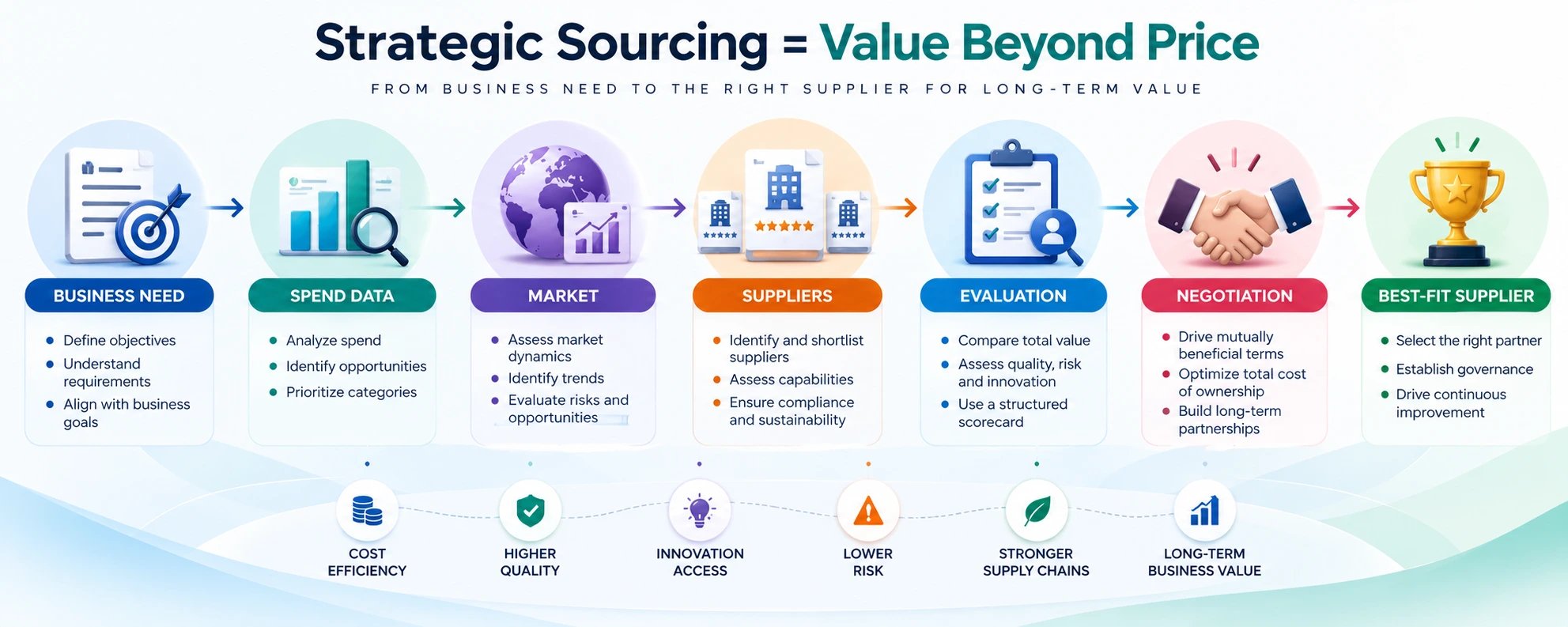
A strong sourcing strategy is fundamental to modern procurement, enabling effective supplier selection, risk management, and cost optimization.

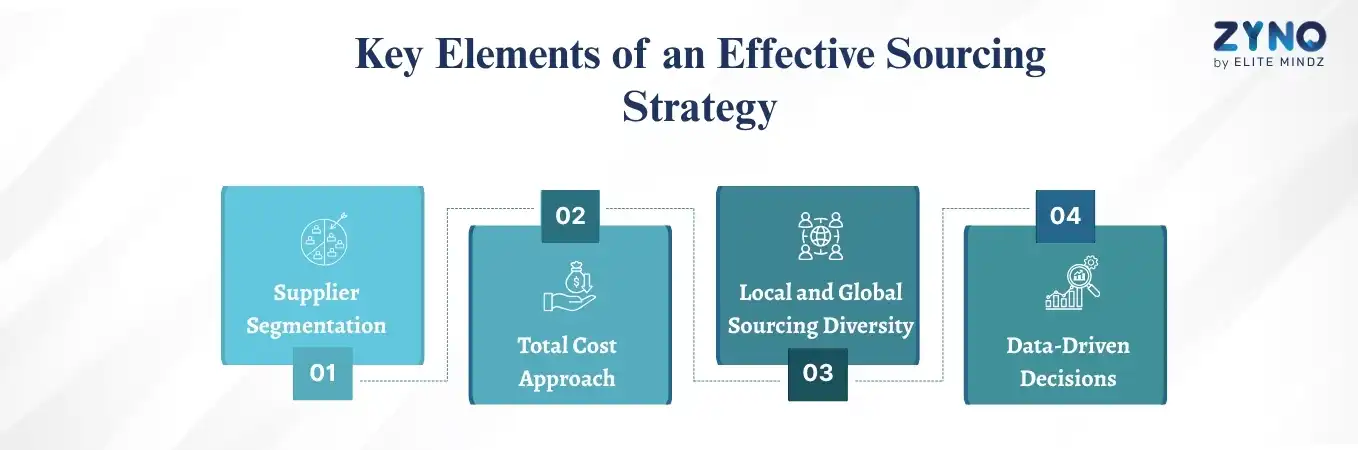
Key Elements of an Effective Sourcing Strategy


1. Supplier Segmentation

Not all suppliers are equal. Businesses must identify and segment suppliers as follows:

  • Strategic suppliers

  • Critical suppliers

  • Transactional suppliers

Each supplier group requires a tailored approach.
 

2. Total Cost Approach

Companies should consider the following factors beyond price:

  • Logistics costs

  • Quality costs

  • Maintenance costs

  • Risk factors

This approach delivers greater long-term procurement cost savings.
 

3. Local and Global Sourcing Diversity

Businesses balance international and domestic sourcing to increase flexibility and minimize risk.
 

4. Data-Driven Decisions

Procurement analytics allow companies to analyze supplier performance and market trends.

An effective sourcing strategy increases efficiency and reduces costs. With this foundation, we move to explore the role of supply chain optimization in margin gains. Key takeaway: Tailor sourcing approaches and consider total costs, risks, and supplier diversity to achieve optimal strategy results.
 

The Role of Supply Chain Optimization

Supply chain optimization is essential for margin gains, as inefficiencies increase costs and reduce profits. Procurement plays a central role in this process.

How Procurement Supports Optimization

Procurement contributes to supply chain optimization in several ways:

1. Demand Planning

Procurement analytics improve visibility and enable accurate demand forecasting, align sourcing with needs, reduce surplus and stockouts, and optimize spend management.
 

2. Inventory Management

Carrying and storage costs are minimized by maximizing inventory using strategic procurement software and procurement management software. It also guarantees a timely supply of goods, enhances cash flow, reduces procurement costs, and improves operational efficiency.
 

3. Supplier Collaboration

Effective supplier management builds trust and transparency. Close collaboration with partners enhances delivery performance, reduces lead times, promotes innovation, and improves results using advanced supplier management software.
 

4. Process Efficiency

Streamlining workflows with procurement software eliminates manual effort and errors. Automation increases speed, ensures compliance, reduces operational costs, and improves productivity in sourcing, purchasing, and spend management.
 

5. Contract Management

Effective contract management ensures fair pricing, clear terms, and robust risk management. Procurement software and consulting help monitor compliance, prevent cost leakage, and achieve long-term savings.


6. Risk Management

Proactive risk management identifies supply chain disruptions early. Procurement analytics and strategy help companies assess supplier risks, maintain continuity, and improve supply chain efficiency.

Streamlining supply chains enables businesses to achieve significant margin gains. In the following section, we discuss how procurement analytics further supports these gains through data-driven decision-making. Key takeaway: Optimize demand, inventory, and supplier processes to maximize profitability.
 

Leveraging Procurement Analytics for Better Decisions

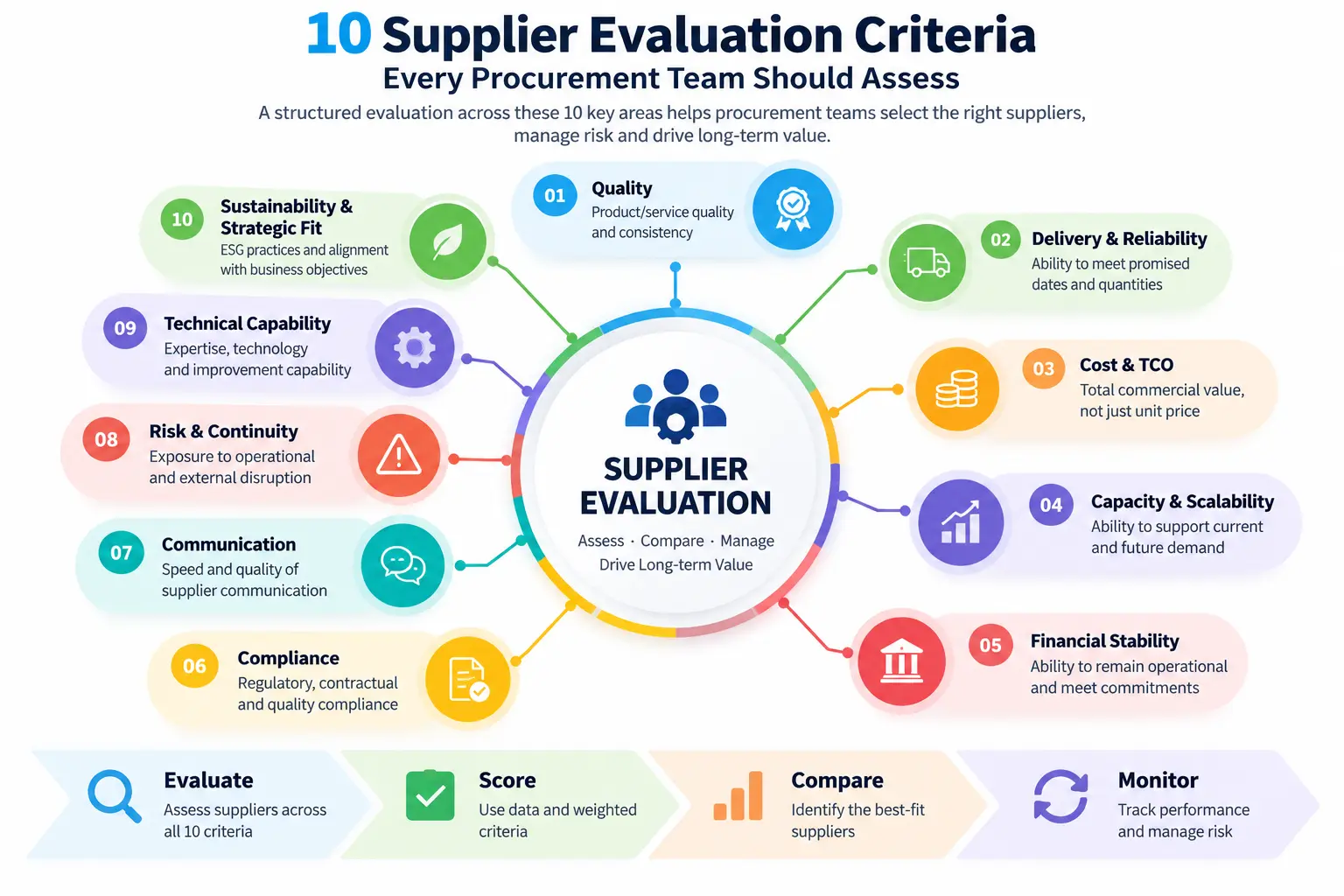
Data is now a powerful procurement tool. Procurement analytics empower organizations to make informed decisions, including the ability to:

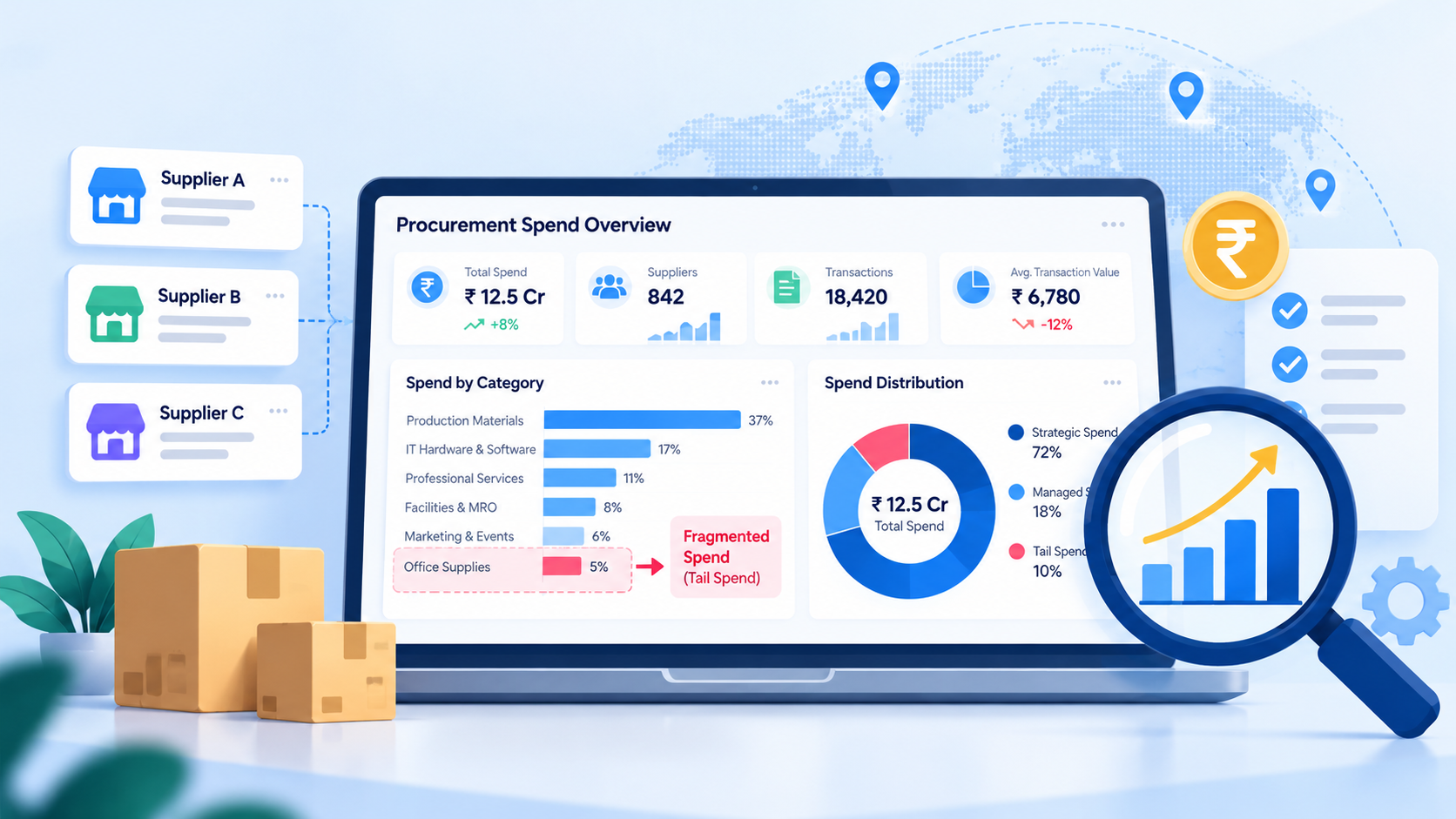
1. Spend Visibility

Procurement analytics provide visibility into spend by category, department, and supplier. They help manage spending, identify maverick spend, highlight savings, and enhance control using spend management software.
 

2. Supplier Scorecard Tracking

Analytics give organizations deeper control over suppliers, enabling them to monitor delivery schedules, quality, and prices. Management software and insights help businesses assess supplier reliability, foster collaboration, and refine sourcing strategies.
 

3. Risk Management

Procurement analytics expose supply chain risks, such as dependency, delays, and price swings. Analytics enable proactive decisions, improving supply chain planning and business continuity.
 

4. Forecasting and Planning

Procurement analytics drive demand forecasting and financial planning with accurate insights. Analytics help align procurement strategy, improve budgeting, and allocate resources efficiently across operations.
 

5. Cost Optimization

Analytics identify cost drivers and inefficiencies in procurement processes. It facilitates cost reduction and strategic procurement decision-making, enhancing negotiation outcomes and resulting in sustainable procurement cost savings and better margins.
 

6. Compliance and Policy Control

Procurement analytics enforces compliance with policy and contracts. They prevent illegal expenditures, improve audit readiness, and strengthen governance with software and standardized procurement solutions.
 

7. Strategic Decision-Making

Evidence-based data enables leaders to make informed procurement decisions. Analytics support long-term strategy, enhance sourcing, and drive better results.

With the right knowledge, procurement teams move from reactive to proactive decision-making. Building on this, the next section examines how strategic supplier management creates long-term value. Key takeaway: Leverage procurement analytics to make strategic, data-driven decisions that boost margins.
 

Strategic Supplier Management for Long-Term Value

Effective supplier management is essential for margin expansion. Strong supplier relationships improve pricing, quality, and innovation. Key supplier management practices include:

1. Performance Monitoring

Regular performance tracking with analytics monitors supplier quality, delivery, and compliance. This strengthens management, increases accountability, and aligns with procurement goals.
 

2. Collaboration

Close collaboration with suppliers drives innovation, cost savings, and process improvements. Strategic procurement and management tools enable better communication, shared objectives, and long-term value across the supply chain.
 

3. Risk Assessment

Early risk assessment identifies potential supplier disruptions, financial issues, or dependencies. Procurement analytics and strategic practices help mitigate risks and maintain supply chain continuity.
 

4. Long-Term Partnerships 

Long-term supplier relationships build trust, stability, and stronger negotiation. Consistent supplier performance delivers quality, competitive pricing, and sustained cost benefits.
 

5. Supplier Segmentation

Supplier segmentation categorizes vendors by value and risk. It assists in prioritizing strategic suppliers, optimizing sourcing strategies, and enhancing supplier management efficiency by leveraging procurement management software and data-driven insights.
 

6. Contract Management

Contract management will provide clear stipulations, ensure adherence, and monitor performance. With procurement software solutions, the business will be able to reduce risks, eliminate cost leakage, and achieve better procurement cost control and savings.
 

7. Continuous Improvement

Promoting continuous improvement helps suppliers improve their quality, efficiency, and innovation. The long-term value, performance, and optimization of the supply chain can be achieved through strategic procurement and supplier management software that optimizes supply chain operations within organizations. Supplier management software automates and streamlines these processes.

This approach enhances efficiency and strengthens supplier relationships.
 

The Importance of Spend Management

Spend management is critical to modern procurement, ensuring every expense is controlled and optimized. Key areas include:

1. Spend Analysis

Procurement analytics spend analysis provides an in-depth view of spending across categories and departments. It assists in identifying inefficiencies and reducing waste, and helps make better decisions with advanced spend management software.
 

2. Budget Control

Good budget control ensures spending aligns with the financial plans. Through procurement management software, companies can track costs in real time, avoid unnecessary spending, and ensure discipline across all procurement and sourcing processes.
 

3. Policy Compliance

Policy compliance will help standardize procurement processes and minimize maverick spending. The procurement software solutions provide guidelines, enhance transparency, facilitate audit readiness, and improve overall spend management and governance.
 

4. Cost Optimization

Cost optimization involves cutting unnecessary expenditures without compromising quality. Strategic sourcing and procurement, along with procurement analytics, enable the identification of potential savings and transform procurement costs into reduced costs and enhanced profitability through sustainable procurement.
 

5. Supplier Spend Management

Supplier-related spending is also managed, providing better visibility and control over vendor costs. Supplier management software supports contract monitoring, price optimization, and alignment of supplier performance with procurement strategy and overall spend management objectives.
 

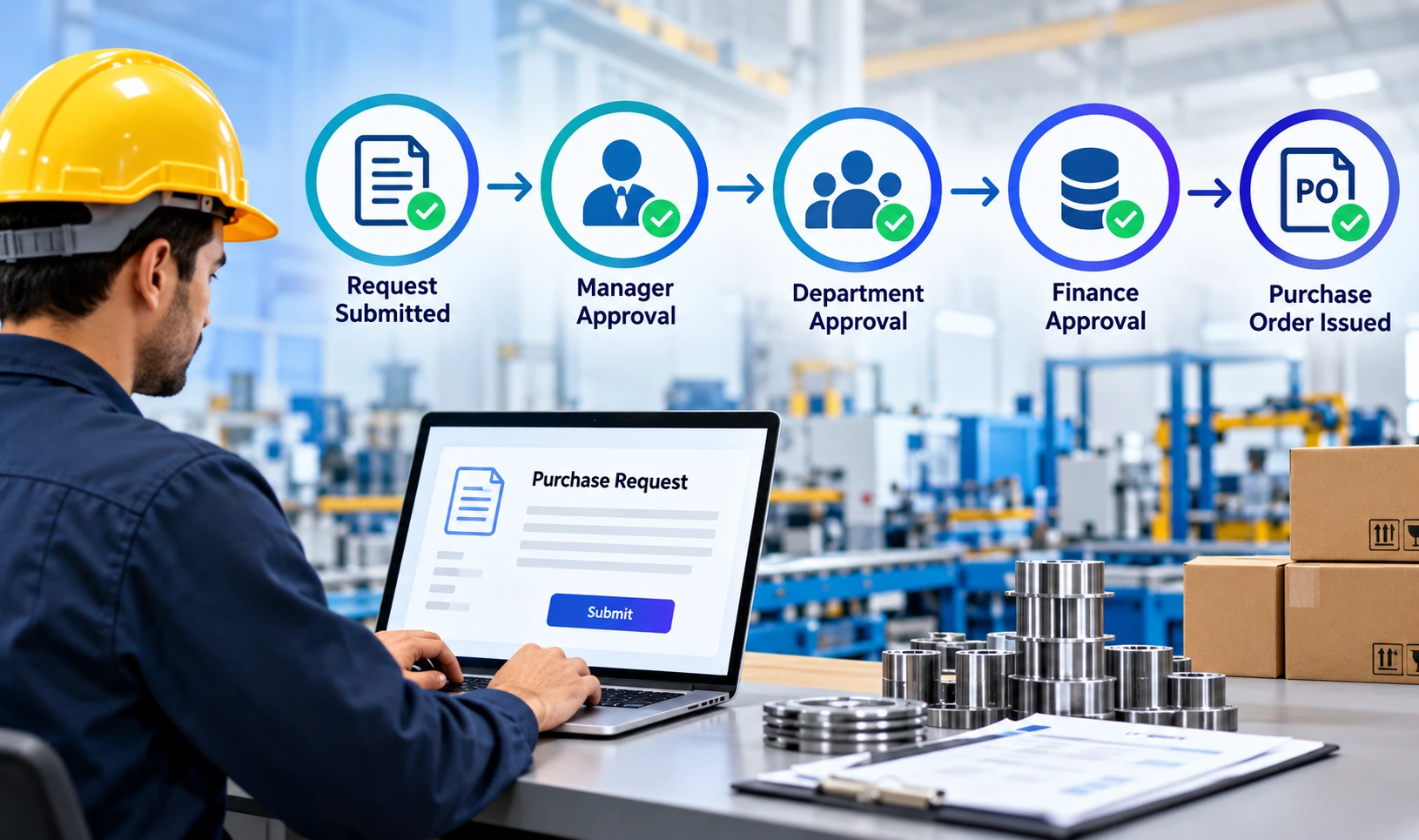
6. The automation of the procurement process

Automation using procurement software reduces manual work, errors, and wasted time. It also increases efficiency and accelerates approvals, improves compliance, and enables uninterrupted spend management throughout the procurement lifecycle.
 

7. Real-Time Spend Visibility

Real-time visibility into spending enables faster decision-making and better control. With spend management software and procurement analytics, organizations can track expenses in real time, identify risks early, and improve financial and operational efficiency.

With advanced spend management software, organizations can gain full visibility into their spending. This leads to better control and improved margins.
 

Procurement Digital Transformation

In 2026, procurement will be changing the face of technology. Companies are implementing high-tech procurement software to enhance effectiveness and decision-making. Critical technologies that are spurring change include

1. Automation

The procurement software is automated to minimize human effort and errors and to expedite processes. It enhances efficiency in sourcing, approvals, and purchasing procedures, and helps manage spend and reduce overall procurement costs.
 

2. Artificial Intelligence

Artificial intelligence improves procurement analytics to make demand predictions, supplier selection, and risk estimation smarter. It supports strategic procurement, enhances decision-making, and helps businesses achieve greater procurement cost savings and efficiencies.
 

3. Cloud-Based Platforms

Cloud-based procurement software solutions provide real-time access to data from anywhere. They improve collaboration, enhance visibility, support supply chain optimization, and ensure scalability for growing business needs and procurement operations.
 

4. Integration

Modern procurement management software integrates seamlessly with finance, inventory, and supply chain systems. This ensures data consistency, improves process efficiency, enhances spend management, and supports better decision-making across the organization.
 

5. Advanced Analytics Tools

Advanced analytics tools provide deep insights into spending, supplier performance, and risks. They strengthen procurement strategy, enable data-driven decisions, and support continuous improvement through procurement analytics and enhanced visibility.
 

6. Robotic Process Automation (RPA)

RPA automates repetitive procurement tasks such as invoice processing and order management. It reduces operational costs, improves accuracy, and enhances productivity within procurement software and overall procurement management processes.
 

7. Blockchain Technology

Blockchain improves transparency and security in procurement transactions. It enables better supplier management, ensures data integrity, reduces fraud risks, and supports trust and efficiency across supply chain optimization and procurement operations.

By using procurement and procurement management software, companies can streamline operations and reduce costs.
 

The Procurement Consulting Services Role

Most organizations are seeking procurement consulting services to enhance their strategies. Procurement consulting advantages are as follows:

1. Expert Guidance

Consulting services in procurement provide advice based on experience and industry best practices. They assist organizations in creating a powerful procurement strategy and practices that enhance sourcing and align procurement objectives with business goals and development strategies.
 

2. Process Improvement

Consultants examine current workflows and identify inefficiencies. They automate procurement, improve productivity, and optimize the supply chain through proven methodologies, procurement analytics, and sophisticated procurement management software solutions.
 

3. Technology Implementation

The procurement consulting services will help select and implement appropriate procurement software solutions. They ensure that procurement and spend management software are implemented, integrated, and adopted effectively to enhance efficiency and visibility.
 

4. Cost Optimization

Consultants find cost-saving sources in sourcing, supplier contracts, and operations. They facilitate sustainable cost savings in procurement by practicing strategic procurement, negotiating more effectively, and implementing spending management.
 

5. Risk Management Support

Consultants assist in risk identification and risk mitigation in procurement and supply chain. They enhance supplier management, compliance, and business continuity and resilience through procurement analytics and strategic procurement methods.
 

6. Training and Change Management

Procurement consulting services support change management by training teams and enhancing the adoption of new processes and tools. They facilitate skills development, smooth transitions, and the maximization of procurement software and procurement strategy project work.

Businesses can accelerate their procurement transformation with the right support.
 

A Sustainable Procurement Cost Saving

Sustainable procurement cost savings are not limited to short-term cost reductions. They focus on long-term value. Sustainable savings strategies are the following: -

1. Standardization

The unification of goods and services reduces variation and complexity. It enhances efficiency, reduces procurement expenses, eases supplier management, and helps reduce procurement costs through better prices, greater consistency, and simpler procurement sourcing strategies.
 

2. Volume Consolidation

Volume consolidation merges departmental buying to create the power of bargaining. It facilitates better negotiation outcomes, lower unit costs, and stronger supplier relations, and contributes to strategic procurement and long-term procurement cost savings.
 

3. Contract Optimization

Contract optimization guarantees good prices, terms, and adherence. Businesses can reduce risk, prevent cost leaks, and enhance overall spend management and procurement cost reduction with procurement software and analytics.
 

4. Continuous Improvement

Continuous improvement aims to regularly review procurement processes and performance. The organization can uncover gaps and improve efficiency and sustainable procurement cost savings by leveraging procurement analytics and procurement management software for long-term results.
 

5. Supplier Negotiation Strategies

Good negotiation techniques improve pricing, payment terms, and service levels. Strategic supplier management and procurement ensure relationships are established, costs are saved, and the overall procurement strategy and supply chain are optimized.
 

6. Demand Management

Demand management aligns purchasing with real business requirements. It minimizes waste and unnecessary spending, avoids overstocking, and enhances spend management through better planning, procurement analytics, and efficient implementation of sourcing strategies.
 

7. Adoption of Procurement digitally

The use of procurement software solutions and spend management software enhances visibility and control. It automates procedures, improves data accuracy, reduces procurement costs, and enables smarter, faster decisions.

The strategies help retain margins in the long run.
 

Integrating Procurement with Business Strategy

Procurement must align with overall business goals. This ensures that it contributes directly to margin expansion. Key integration areas are the following: 

  • Finance
    Aligning procurement with financial goals improves budgeting and cost control.
     
  • Operations
    Collaboration with operations improves efficiency.
     
  • Sales and Marketing
    Understanding demand helps optimize sourcing.
     
  • Technology
    Integrating systems improves data visibility.

A well-aligned procurement strategy supports business growth and profitability.
 

Measuring Procurement Performance

To drive margin expansion, companies must measure procurement performance. Key metrics to track include the following: -

  • Cost savings achieved

  • Supplier performance

  • Procurement cycle time

  • Compliance rates

  • Return on investment

Using procurement analytics, businesses can effectively track these metrics. This helps identify areas for improvement.
 

Challenges in Modern Procurement

While procurement offers many benefits, it also faces challenges. Common challenges are as follows: -

1. Data Silos

Data silos occur when systems are not integrated, limiting visibility across procurement processes. This affects procurement analytics, reduces efficiency, and weakens decision-making, despite the use of advanced procurement software and procurement management solutions.
 

2. Resistance to Change

The unwillingness towards change delays the implementation of new procurement strategies and technologies. This can influence the efficiency of processes, innovation, and final success of strategic procurement programs, as employees will be reluctant to work with procurement software solutions or spend management software.
 

3. Supplier Risks

Global sourcing exposes the company to supplier-related risks, including delays, quality issues, and disruptions. Supplier management, procurement analytics, and strategic procurement practices should be strong to enable supply chain optimization and business continuity.
 

4. Skill Gaps

The ability to use procurement software and analytics tools is constrained by the lack of skills. The procurement strategies require teams to be trained on procurement analytics, spend management, and digital tools to enhance procurement efficiency and deliver the cost benefits of procurement strategies.

To be successful, these challenges should be addressed.
 

The Future of Procurement in 2026 and Beyond

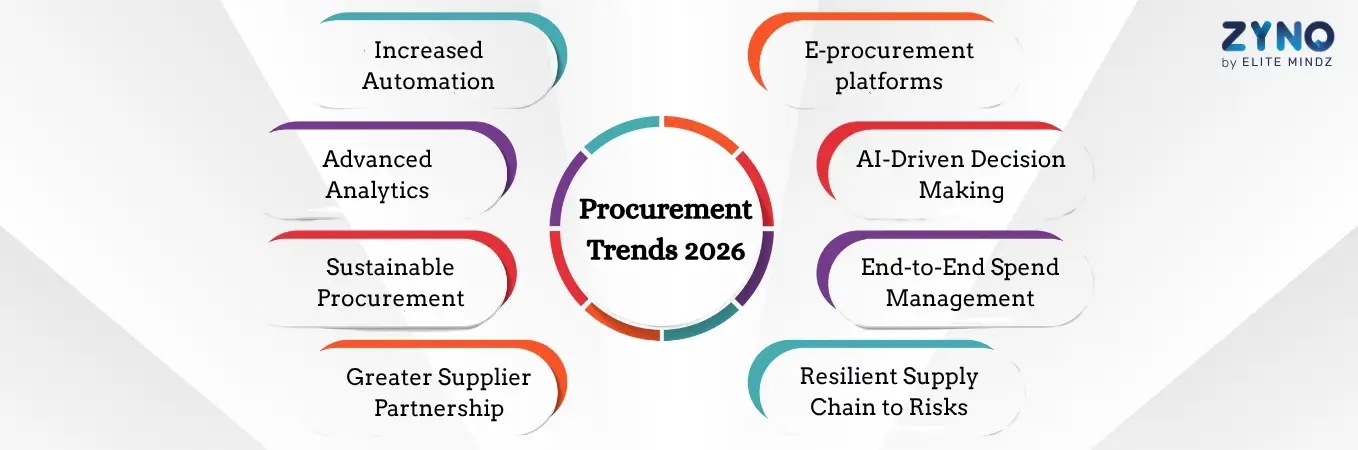
Procurement will continue to evolve. It will become more strategic, data-driven, and technology-enabled. Key trends to watch are the following: -


1. Increased Automation

Automation will expand across procurement processes, reducing manual work and errors. Procurement software and procurement management software will streamline workflows, improve efficiency, and support better spend management and procurement cost reduction.
 

2. Advanced Analytics

Highly sophisticated procurement analytics will promote informed decision-making. Data insights will help businesses improve sourcing strategy, supplier management, costs, and overall procurement strategy and performance through real-time data.
 

3. Sustainable Procurement

Sustainable procurement will address environmental and social responsibility. Firms will implement an ethical sourcing policy, lower their carbon footprint, ensure their procurement strategy aligns with ESG objectives, and, at the same time, preserve procurement cost reductions and long-term value.
 

4. Greater Supplier Partnership

The process of collaboration with suppliers will be more strategic. Supplier management software and data-oriented procurement analytics will help businesses build long-term relationships, become more innovative, and manage suppliers more efficiently.
 

5. E-procurement platforms

The use of digital procurement solutions will grow. Cloud-based procurement and spend management software will also increase visibility and efficiency and facilitate a smooth integration between procurement and supply chain operations.
 

6. AI-Driven Decision Making

This will involve using artificial intelligence in procurement strategy. The use of AI in procurement analytics will enhance forecasting, supplier selection, and risk management, and assist in reducing procurement costs and in developing a smart sourcing strategy.
 

7. End-to-End Spend Management

Institutions will embrace end-to-end spend management. The spend management software will offer full visibility, enhance control, and help reduce procurement costs by improving planning, tracking, and analysis.
 

8. Resilient Supply Chain to Risks

Resilient supply chains will be concentrated within businesses. Procurement analytics and strategic procurement will be used to assess risks, improve supplier diversification, and refine supply chain focus to enhance continuity and performance.

The trends will determine the future of procurement.
 

Procurement as a Growth Engine

In 2026, procurement is no longer just about cutting costs. It is about creating value and driving growth. By focusing on:

  • Strong sourcing strategy

  • Effective supplier management

  • Advanced procurement analytics

  • Smart spend management

  • Modern procurement software solutions

Businesses can achieve sustainable margin expansion. Procurement is now a strategic function. It plays a key role in improving efficiency, reducing risks, and increasing profitability. Organizations that embrace this shift will gain a competitive advantage. They will not only survive in a challenging market but also thrive. The message is clear. Procurement is no longer a cost center. It is a growth engine for the future.
 

Frequently Asked Questions

What is strategic procurement, and why is it important in 2026?

Strategic procurement is value-oriented rather than cost-reduction-oriented. It enhances supplier management, helps maintain the sourcing strategy, increases efficiency, and directly drives margin growth and business performance.

What is the role of procurement analytics in cost savings for businesses?

Procurement analytics provides insights into spending habits, supplier performance, and risks. It helps identify cost-saving opportunities, make better decisions, and reduce procurement costs while managing expenditure effectively.

What are the advantages of the procurement software?

Procurement software and procurement management software automate, improve accuracy, increase visibility, and optimize workflows. They facilitate procurement strategy, improve spending management, and enhance procurement efficiency.

What can be done to enhance procurement performance under supplier management?

Effective supplier management enhances quality, reduces risk, and minimizes time-to-delivery. Business firms can reduce procurement costs, increase collaboration, and strengthen relationships with suppliers by using supplier management software.

What is the role of spend management in procurement?

With spend management, there is enhanced control over the company's expenses. Using spend management software, businesses can monitor spending, minimize waste, enhance compliance, and support procurement cost reduction and financial efficiency.

What is the way to attain sustainable procurement cost savings at a business?

Strategic procurement, sourcing strategy optimization, supplier collaboration, and the application of procurement analytics and software solutions enable businesses to achieve sustainable savings and continually improve their processes.

Are you looking for a professional advisor for your business?

Get in Touch with Our IT Consultants

Complete the form and discuss implementation strategies with our IT expertise.

Get a Quote in Minutes

next
next
next

Related Blogs

Procurement Software Trends in 2025: What to Expect

Procurement Software Trends in 2025: What to Expect

Read More →
Why E-Procurement Outperforms Traditional ERP in Modern Procurement

Why E-Procurement Outperforms Traditional ERP in Modern Procurement

Read More →
Top 10 Procurement Software Companies in India 2026

Top 10 Procurement Software Companies in India 2026

Read More →
Best Procurement Software Companies in Kuwait (2025)

Best Procurement Software Companies in Kuwait (2025)

Read More →
5 Best Procurement Software in Africa for Enterprises & SMEs (2026 Guide)

5 Best Procurement Software in Africa for Enterprises & SMEs (2026 Guide)

Read More →
Best Procurement Software in Nigeria 2025 | Top 5 Picks

Best Procurement Software in Nigeria 2025 | Top 5 Picks

Read More →
Best Procurement Software Providers in USA (2025): How AI is Transforming the Future

Best Procurement Software Providers in USA (2025): How AI is Transforming the Future

Read More →
10 Best Procurement Software Providers in Thailand for Streamlined Supply Chain Management

10 Best Procurement Software Providers in Thailand for Streamlined Supply Chain Management

Read More →
Top 10 Cloud-Based Procurement Solutions in Portugal for Businesses in 2025

Top 10 Cloud-Based Procurement Solutions in Portugal for Businesses in 2025

Read More →
Top 10 Procurement Software Providers in Switzerland 2025: Streamlining Sourcing and Supplier Management

Top 10 Procurement Software Providers in Switzerland 2025: Streamlining Sourcing and Supplier Management

Read More →
What Makes ZYNO Procurement Different from Other Oil & Gas Procurement Software

What Makes ZYNO Procurement Different from Other Oil & Gas Procurement Software

Read More →
The Digital Transformation of Logistics Procurement in the Middle East

The Digital Transformation of Logistics Procurement in the Middle East

Read More →
A Step by Step Guide to Procurement Management Software for Modern Enterprises

A Step by Step Guide to Procurement Management Software for Modern Enterprises

Read More →
Sourcing and Procurement: What is the Difference and Why It Matters

Sourcing and Procurement: What is the Difference and Why It Matters

Read More →
Difference Between Procurement and Supply Chain Management

Difference Between Procurement and Supply Chain Management

Read More →
What Is Procurement Software and Why Modern Businesses Need It

What Is Procurement Software and Why Modern Businesses Need It

Read More →
Best Procurement Management Software to Automate ERP Process

Best Procurement Management Software to Automate ERP Process

Read More →
Direct vs Indirect Procurement: Key Differences, Examples & Uses (2026)

Direct vs Indirect Procurement: Key Differences, Examples & Uses (2026)

Read More →
Smart procurement strategies for cost optimization & risk management

Smart procurement strategies for cost optimization & risk management

Read More →
What Is Procurement? Everything You Need to Know (Types, Process & SAP)

What Is Procurement? Everything You Need to Know (Types, Process & SAP)

Read More →
Beyond Cost-Cutting: How Procurement Drives Margin Expansion in 2026

Beyond Cost-Cutting: How Procurement Drives Margin Expansion in 2026

Read More →