×
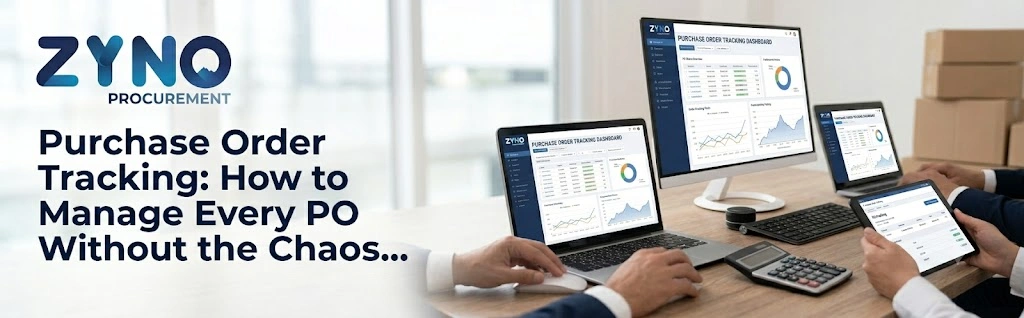
Purchase order tracking is essential for maintaining control over procurement activities and ensuring every purchase moves smoothly from request to delivery. Without a structured tracking process, businesses often face delays, missed approvals, duplicate orders, and limited visibility into spending.
Businesses using ZYNO Books cut accounting time by 70% and stay 100% ZATCA-compliant — automatically.

A purchase order tracker is a system or software used to monitor the full lifecycle of procurement—from the initial request and supplier approval through delivery, invoice matching, and final payment. It gives procurement and finance teams real-time visibility into what's being bought, who approved it, and where each order stands at any moment.
Without centralized tracking, POs get lost in email threads, invoices don't match what was ordered, and month-end close turns into a scramble. This guide covers how PO tracking works, the key data points to monitor, common tracking methods from spreadsheets to AI-powered software, and best practices for managing purchase orders at scale.
Purchase order tracking is a system or process used to monitor the full lifecycle of procurement—from the initial request through supplier approval, delivery, invoice matching, and final payment. Think of it like tracking a package you ordered online, except you're following every purchase your organization makes across departments, vendors, and locations.
At its core, tracking answers three questions at any moment: what's being bought, who approved it, and where does each order stand? Without this visibility, procurement teams end up chasing emails, digging through spreadsheets, and hoping nothing slips through.
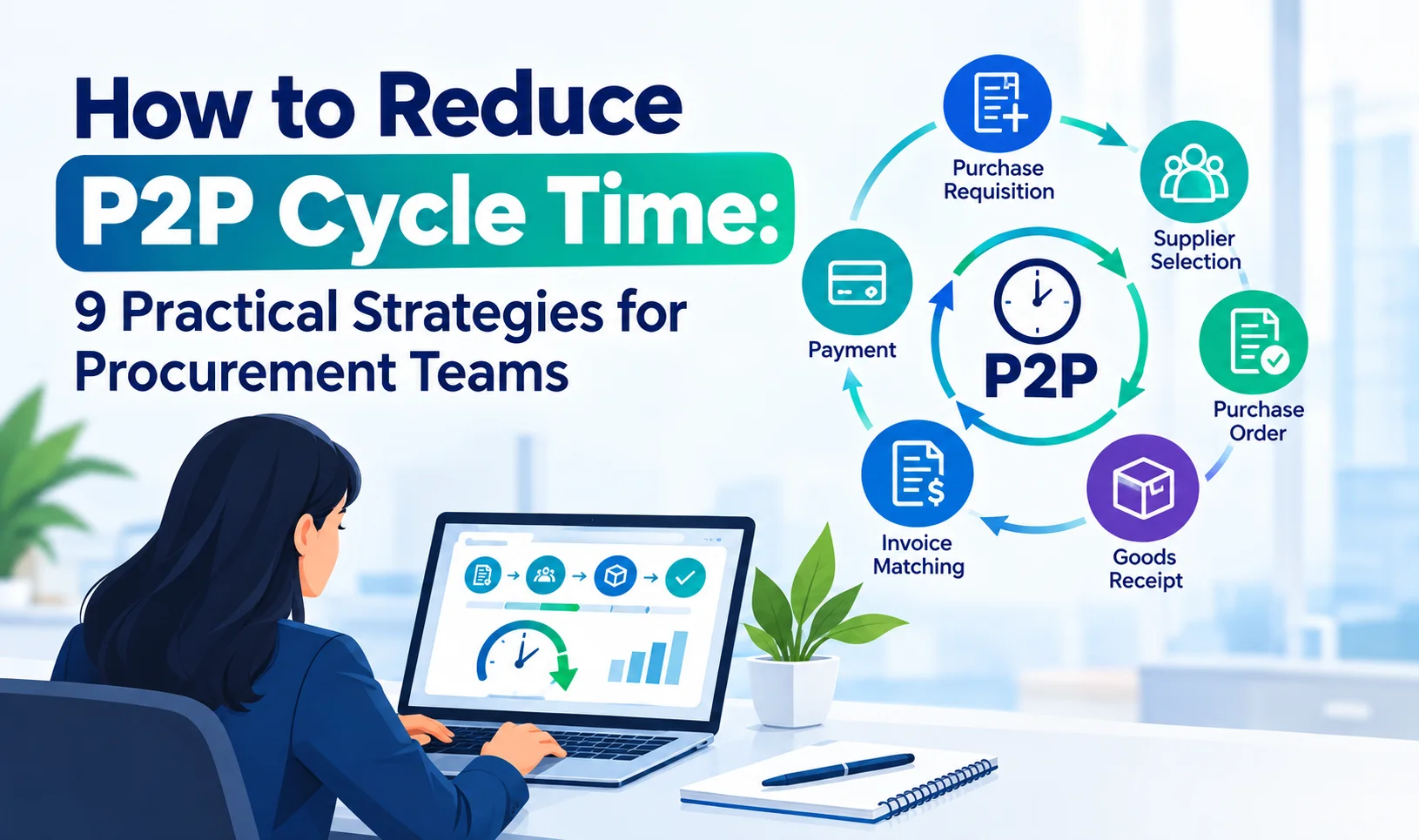
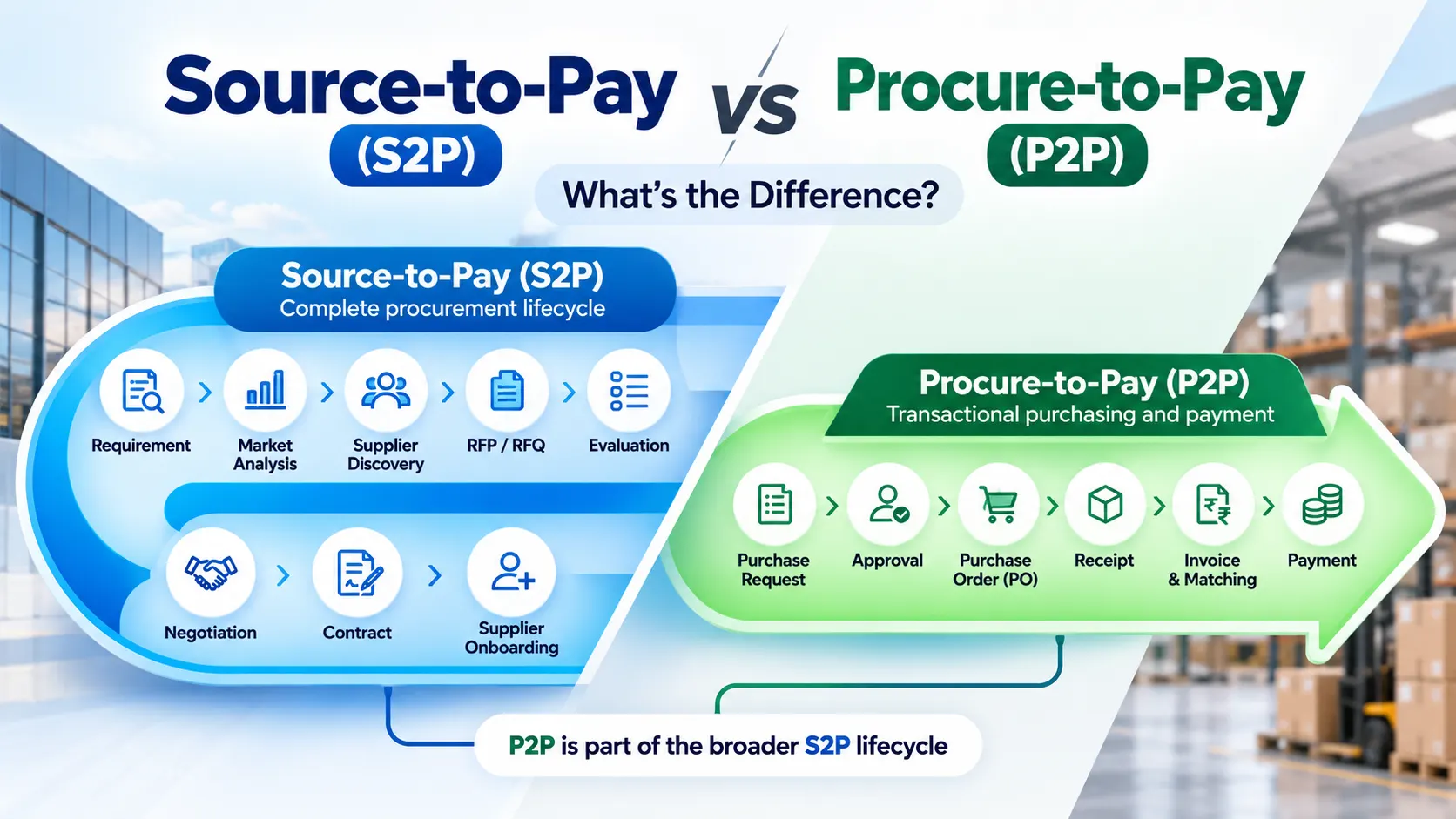
The process sits within what's called procure-to-pay (P2P), which covers the entire journey from identifying a business need to closing out payment. Effective PO tracking connects every step so nothing gets lost between request and receipt.
When purchase orders go untracked, problems stack up fast. Deliveries arrive late without warning. Invoices don't match what was ordered. Budgets blow past limits before anyone notices.
Here's what proper tracking actually prevents:
Supply chain delays: Real-time status updates flag overdue orders before they become production stoppages
Budget overruns: Live spend visibility keeps purchases within approved limits across departments
Invoice discrepancies: Matching POs to receipts catches billing errors before payment goes out
Audit failures: A documented trail of approvals and payments simplifies compliance reviews
For finance teams specifically, tracking transforms month-end close from a scramble into a routine process. When every PO has a clear status and paper trail, reconciliation happens faster.
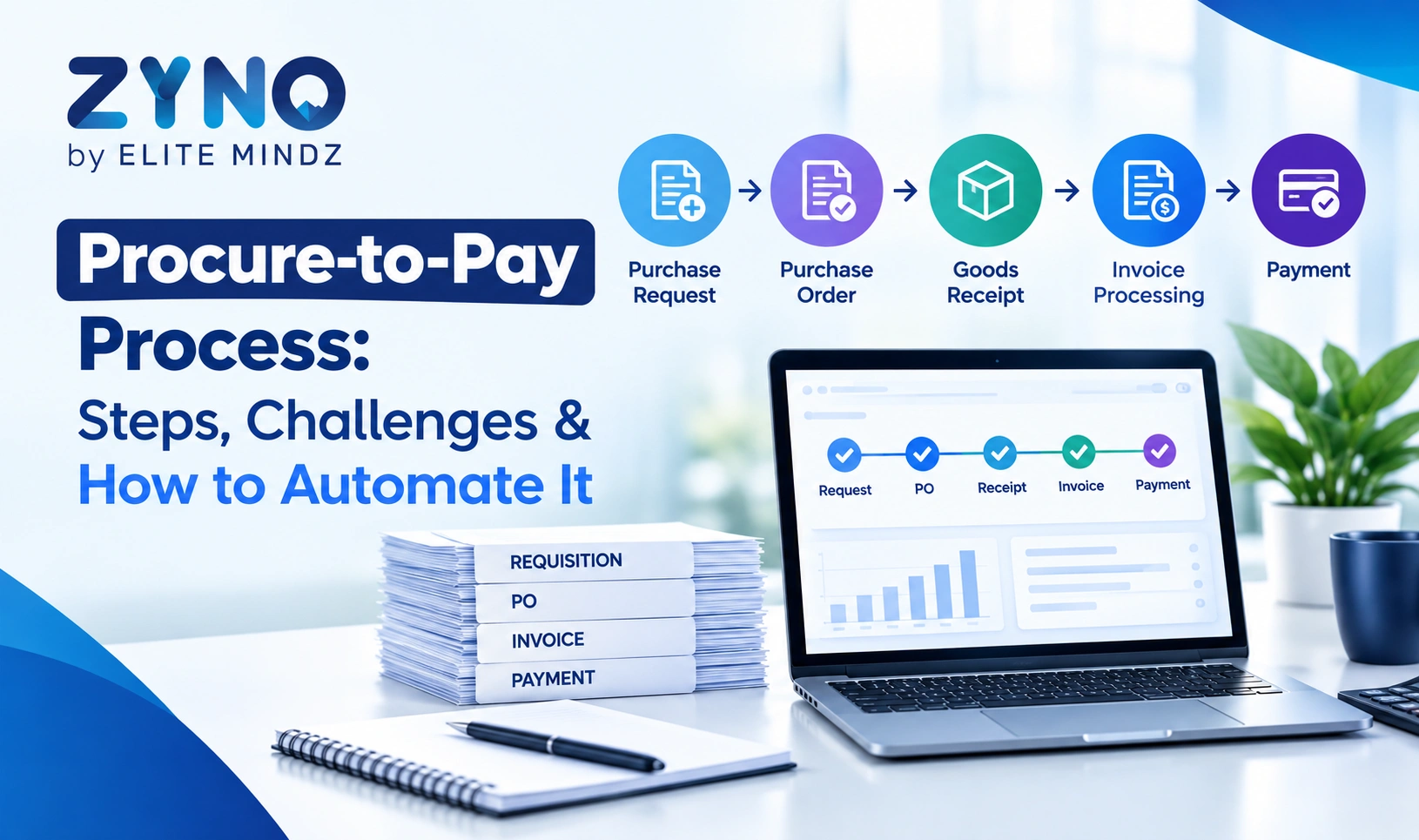
Understanding the PO lifecycle helps you see exactly where tracking adds value. Each stage represents a handoff point where orders can stall or create downstream problems if not monitored.
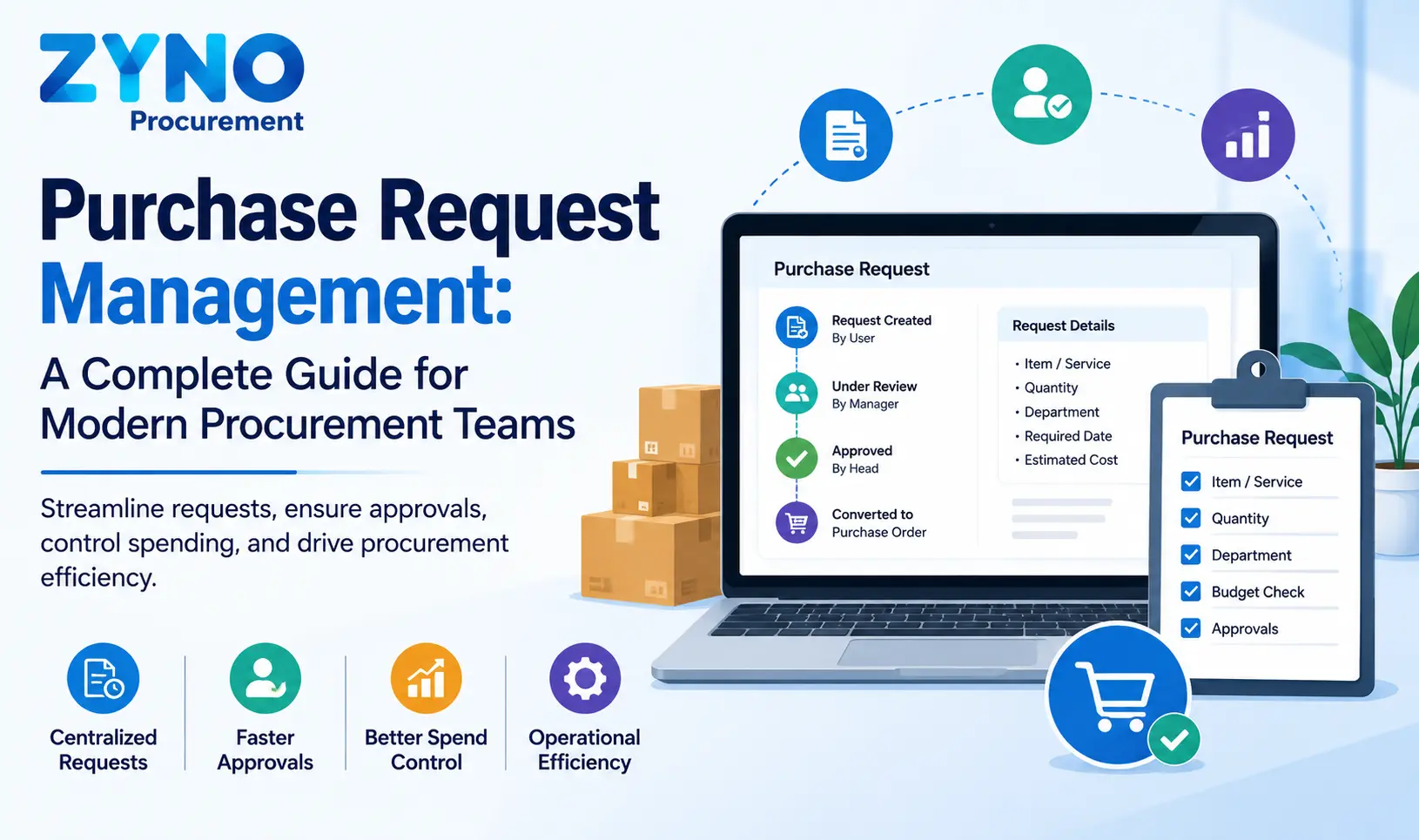
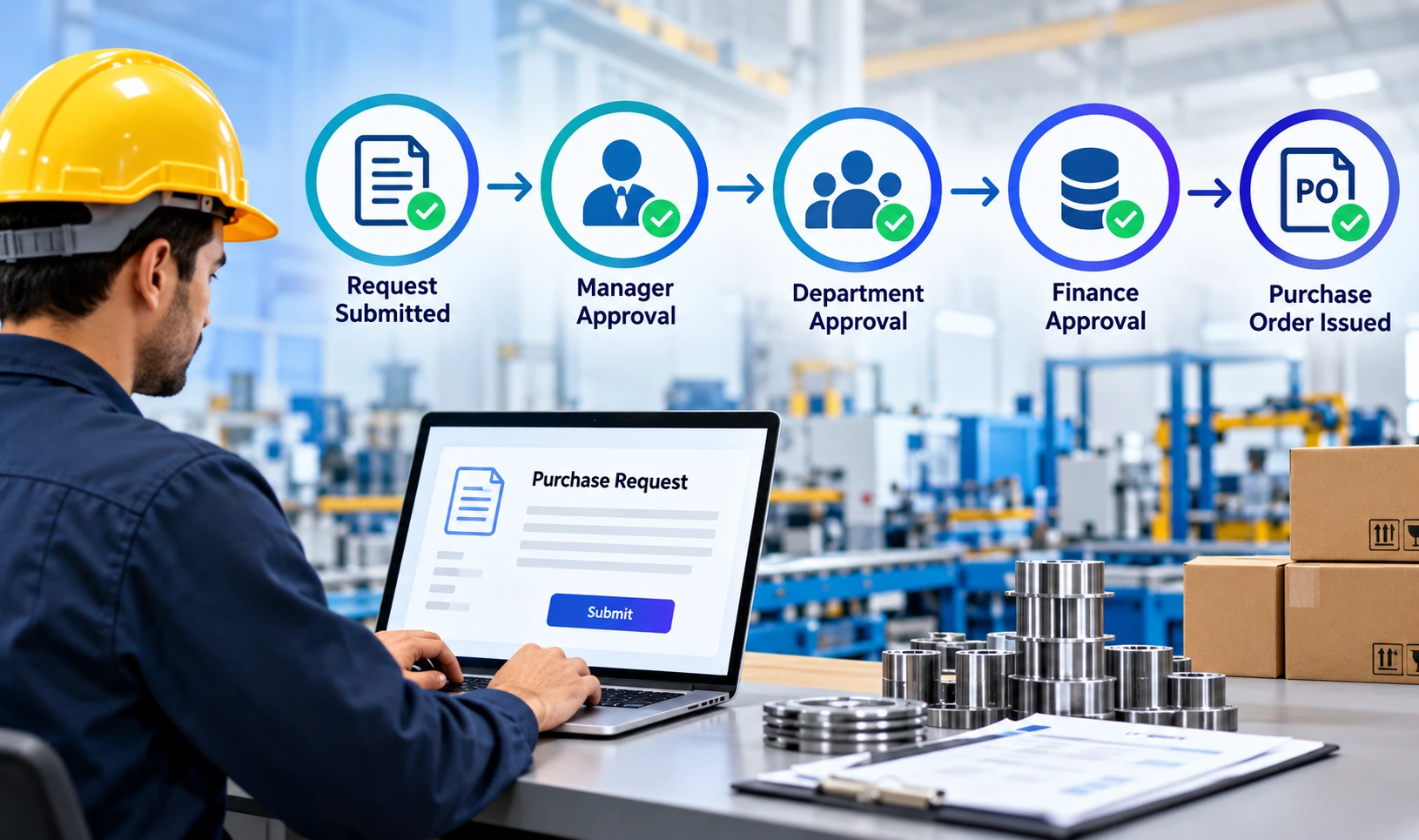
The lifecycle begins when someone submits a purchase request. This request then routes through approval workflows based on company policy—typically involving budget checks and manager sign-offs.
Delays here are common when approvals happen via email. Requests sit in inboxes, approvers forget, and requesters have no visibility into where things stand.
Once approved, the request becomes a formal purchase order sent to the supplier. The vendor confirms receipt through the vendor portal, acknowledges order details, and provides an expected delivery date.
The PO number becomes the reference point for everything that follows—receipts, invoices, and payments all tie back to it.
When goods arrive, they're checked against the original PO and logged through a Goods Receipt Note (GRN). The GRN documents what was actually received—quantities, condition, and any discrepancies.
Without this step, you might pay for items that never arrived or accept partial shipments without flagging the shortfall.
The final stage involves three-way matching: comparing the PO, the GRN, and the vendor's invoice. If quantities, prices, and terms align, payment proceeds. If not, discrepancies get flagged before any money moves—a critical step given that manual invoice processing costs $12–$30 per invoice with significantly higher error rates.
Once payment completes, the PO closes out with a full audit trail.
Knowing what to track matters as much as having a system to track it. Missing data fields create blind spots that surface later as reconciliation headaches.
| Data Category | Key Fields |
|---|---|
| Purchase Order Details | PO number, line items, quantities, unit prices, total value |
| Vendor and Delivery | Vendor name, expected delivery date, shipping status |
| Approval History | Requester, approvers, timestamps, current status |
| Budget and Payment | Budget code, payment terms, invoice amounts, payment status |
Every PO carries a unique identifier linking all related documents. Beyond the PO number, you're tracking line items, quantities, pricing, and total order value.
Supplier details, expected delivery dates, and shipping status help anticipate arrivals and follow up on delays.
Who requested the purchase? Who approved it? When? This history creates accountability and supports compliance.
Linking POs to budget codes enables real-time spend tracking against allocated funds.
Organizations typically fall somewhere on a spectrum from fully manual to fully automated. Where you land depends on PO volume and how much visibility you actually need.
| Method | Best For | Limitations |
|---|---|---|
| Manual and Email-Based | Very Small Teams | No centralized visibility, error-prone |
| Spreadsheet-Based | Small Businesses | Manual updates, version control issues |
| Procurement Software | Mid-to-Large Organizations | Requires investment but delivers automation |
Some teams still track POs through email folders and paper files. This approach offers no centralized visibility—you're relying on individual memory and inbox searches.
Excel or Google Sheets trackers represent a step up. You can create templates with columns for PO numbers, vendors, and status. However, manual entry introduces errors, and real-time updates aren't possible.
Procurement software automates tracking from one centralized platform. POs route automatically, statuses update in real time, and integrations with inventory management and accounting eliminate duplicate data entry.
Moving from scattered tracking to a centralized system delivers measurable improvements across procurement operations. According to The Hackett Group, digitally mature procurement teams achieve 2.6x higher ROI than peers while operating with 31% fewer staff.
With a tracking system, you can see what's being purchased across every department and location at any moment. This visibility enables better budget decisions and catches overspending early.
Automated routing eliminates email chains and follow-up calls. Requests go directly to the right approver with all necessary context.
Maverick spending—purchases made outside approved channels—can erode 5–16% of negotiated savings and creates compliance risk. Tracking systems flag unauthorized purchases before they're processed.
Every approval, receipt, and payment gets logged automatically with timestamps. When auditors arrive, the documentation already exists in one searchable system.
Tracking enables performance monitoring by vendor—on-time delivery rates, quality issues, pricing compliance.
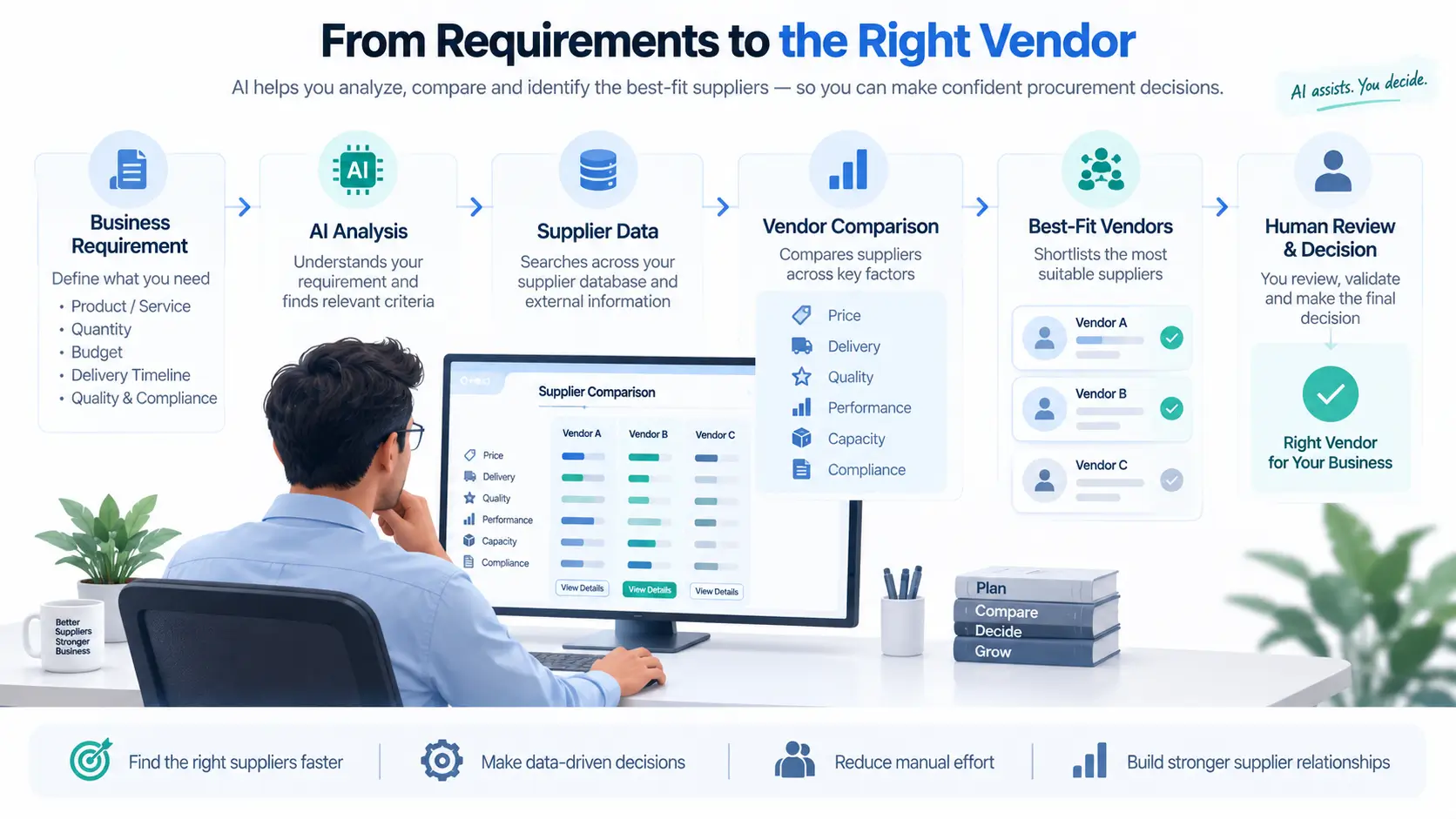
PO tracking connects to the broader procure-to-pay workflow. Modern procurement software integrates tracking with vendor management, approvals, GRN processing, and accounts payable on one centralized platform.
Here's how tracking software touches each P2P stage:
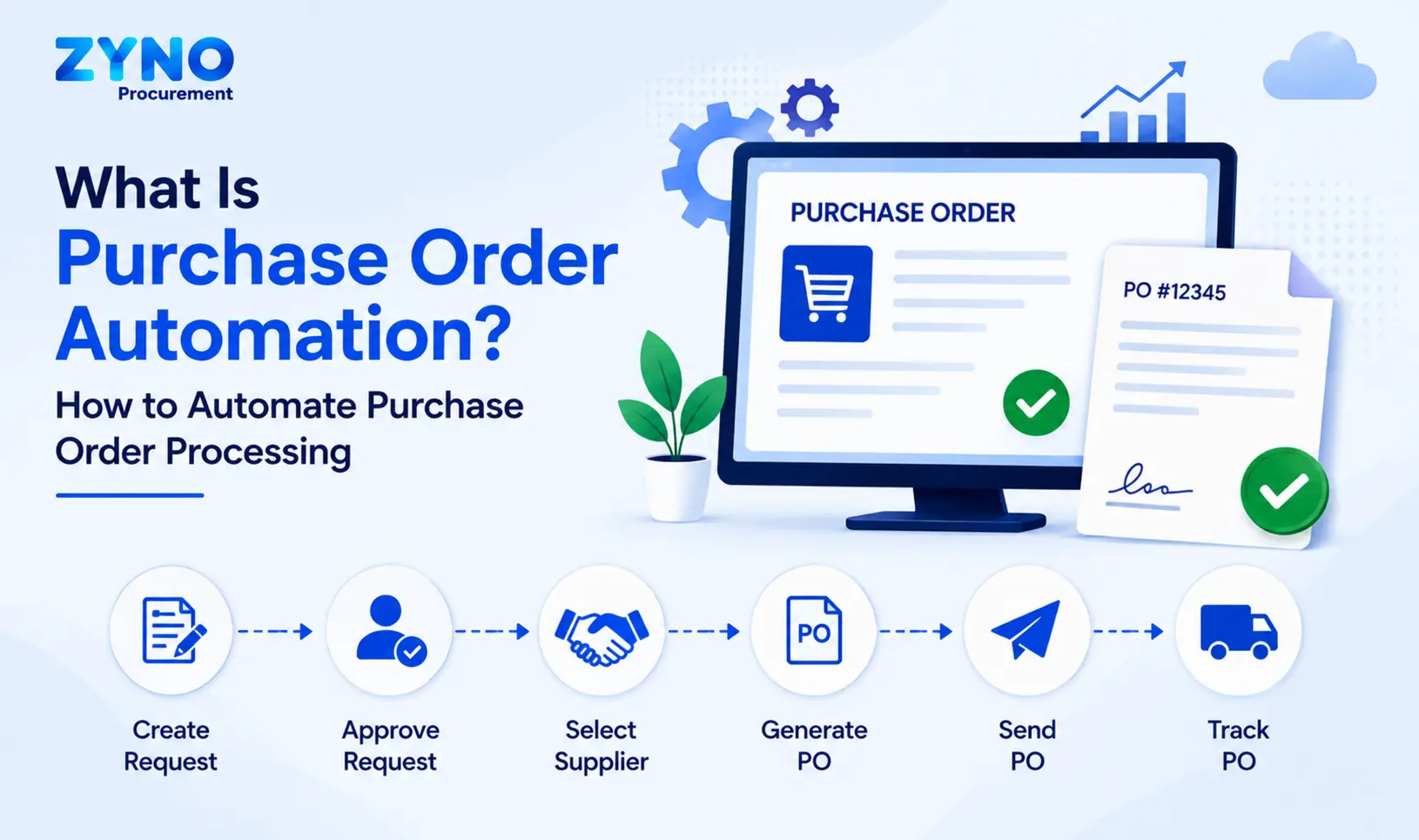
Purchase requests: Auto-routing based on policy rules and budget thresholds
Vendor selection: RFQ management with supplier performance data
PO creation: Instant generation from approved requests
Receipt verification: GRN matching to confirm delivery
Invoice processing: Automated three-way matching
Payment closure: Compliant processing with full audit trail
Eliminate procurement delays, improve visibility, and track every purchase order from request to delivery. With ZYNO Procurement, automate approvals, monitor order status in real time, and keep your entire procurement process organized from a single platform.
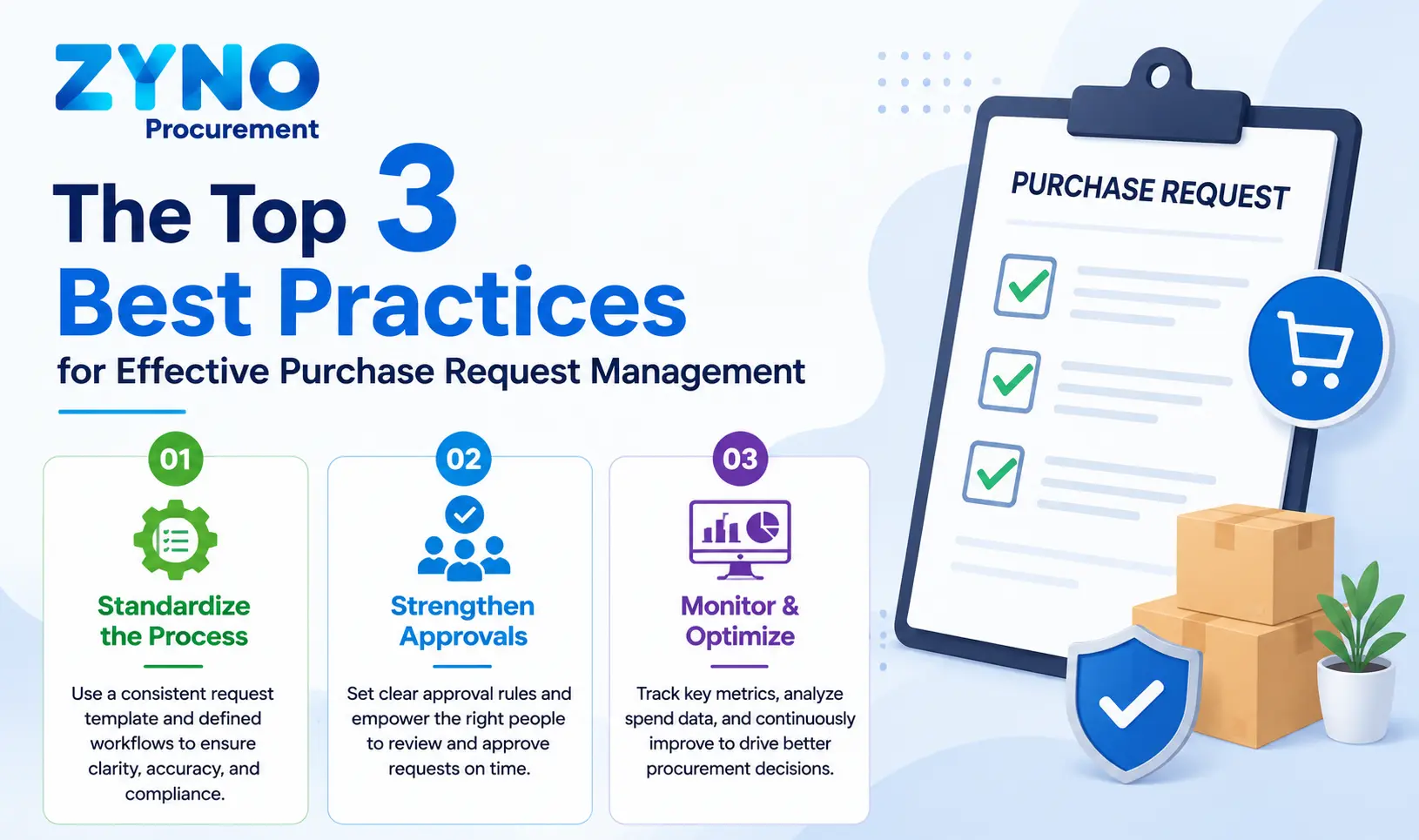
As PO volume grows, basic tracking breaks down. The following practices help organizations maintain control across multiple departments and vendor relationships.
Consistent numbering conventions prevent confusion and enable searchability. When every branch uses the same format, you can locate any PO instantly.
Scattered data in emails and disconnected systems creates blind spots. One centralized platform gives everyone access to the same real-time information.
Automated workflows send POs to the right approvers based on amount or category. Policy checks flag violations before orders go out.
Automated matching of PO, GRN, and invoice catches discrepancies that manual review misses.
Regular analysis of cycle times and vendor performance reveals bottlenecks that would otherwise stay hidden.
If you're evaluating tracking solutions, a structured approach helps find the right fit.
Start with the basics: how many POs do you process monthly? How many vendors and locations? Higher volume demands more robust automation.
Identify connections needed with ERP, accounting, and inventory systems. Seamless integration eliminates duplicate data entry.
Look for auto-routing, smart matching, and spend analytics that reduce manual work.
Factor in implementation timeline and user adoption support. A phased rollout often works better than a big-bang approach.
Move beyond manual purchase order tracking with ZYNO Procurement. Automate requisitions, approvals, vendor management, PO tracking, GRN processing, and invoice matching from a single platform. Gain complete visibility and control across your procurement lifecycle.
The following metrics help measure procurement efficiency:
PO cycle time: Time from request to PO issuance
On-time delivery rate: Percentage of orders delivered by confirmed date
Invoice match rate: Percentage matching without manual intervention
Maverick spend percentage: Purchases made outside approved channels
Cost savings per PO: Savings through negotiation or error prevention
PO tracking is evolving beyond status monitoring toward predictive intelligence. AI-powered systems can forecast delivery delays, detect spending anomalies, and recommend optimal reorder timing based on historical patterns.
This shift moves procurement from reactive tracking to proactive optimization—preventing problems before they occur.
Managing purchase orders across departments and vendors doesn't have to mean chaos. ZYNO Procurement brings purchasing, approvals, receipts, and payments into one centralized platform with real-time visibility at every stage.
From automated approval routing to three-way invoice matching and spend analytics, ZYNO Procurement delivers the control and compliance that modern procurement teams need.
Book a Demo to see how ZYNO Procurement can transform your purchase order tracking.
You can track a purchase order by logging it in a centralized system and monitoring its status through each lifecycle stage. The key is having one source of truth where anyone can check current status without chasing emails.
Use your procurement system's search function to locate a PO by its unique number. This pulls up the full order history including approvals, receipts, and payment status.
Yes, small businesses with low PO volume can use Excel templates for basic tracking. However, as volume grows, manual updates become unsustainable and real-time visibility becomes impossible.
A PO tracker monitors order status. Procurement software is a comprehensive platform that also handles requisitions, vendor management, approvals, and invoice matching across the full procure-to-pay workflow.
Sneha Singh
Content Writer
Sneha Singh is a B2B tech content strategist with 4+ years of experience. She specializes in SEO-driven SaaS content, whitepapers, and platform-native social media campaigns that simplify complex technology and drive business growth. Sneha's core exp
Procurement Software Trends in 2026: What to Expect
Read More →

Why E-Procurement Outperforms Traditional ERP in Modern Procurement
Read More →Top 10 Procurement Software Companies in India 2026
Read More →
Best Procurement Software Companies in Kuwait (2025)
Read More →
5 Best Procurement Software in Africa for Enterprises & SMEs (2026 Guide)
Read More →
Best Procurement Software in Nigeria 2026 | Top 5 Picks
Read More →
Best Procurement Software Providers in USA (2025): How AI is Transforming the Future
Read More →
10 Best Procurement Software Providers in Thailand for Streamlined Supply Chain Management
Read More →
Top 10 Cloud-Based Procurement Solutions in Portugal for Businesses in 2025
Read More →
Top 10 Procurement Software Providers in Switzerland 2026: Streamlining Sourcing and Supplier Management
Read More →
What Makes ZYNO Procurement Different from Other Oil & Gas Procurement Software
Read More →
The Digital Transformation of Logistics Procurement in the Middle East
Read More →
A Step by Step Guide to Procurement Management Software for Modern Enterprises
Read More →
Sourcing and Procurement: What is the Difference and Why It Matters
Read More →Difference Between Procurement and Supply Chain Management
Read More →
What Is Procurement Software and Why Modern Businesses Need It
Read More →
Best Procurement Management Software to Automate ERP Process
Read More →
Direct vs Indirect Procurement: Key Differences, Examples & Uses (2026)
Read More →
Smart procurement strategies for cost optimization & risk management
Read More →
What Is Procurement? Everything You Need to Know (Types, Process & SAP)
Read More →Beyond Cost-Cutting: How Procurement Drives Margin Expansion in 2026
Read More →
Direct Procurement Explained: Process, Examples, and When It Is Used
Read More →
What Are the 5 Types of E-Procurement? A Complete Guide for Businesses
Read More →
Which Procurement Management Software Is Best? Top Tools Compared for 2026
Read More →
Top 8 Coupa Alternatives to Explore in 2026
Read More →
Looking to Replace Coupa? Discover the Best Alternatives Like ZYNO Procurement
Read More →
How Does Procurement Software Work? A Complete Guide
Read More →
ZYNO Procurement vs Coupa: Best Procurement Software Comparison for Mid-Market Teams
Read More →
Best SAP ARIBA Procurement Alternatives in 2026
Read More →
ZYNO Procurement vs SAP Ariba: Which Solution Is More User-Friendly?
Read More →
AI-Powered Procurement Management Software for Fast, Connected, and Visible Workflows in Dubai
Read More →
What is Vendor Management? Complete Guide to Vendor Management Software, Systems, and Processes
Read More →
Best Procurement Management Software In Kenya
Read More →
6 SAP Ariba Alternatives for Mid-Market Businesses in 2026
Read More →
Top E-Procurement Solutions for B2B Organizations (2026)
Read More →
Quotation Format: Free Templates + Complete Guide (2026)
Read More →
Cost Control Software Compared: Features, Pricing, and Performance
Read More →
Procurement Workflow: Steps, Stages, and Real Examples
Read More →
Top 10 Zycus Alternatives for Procurement Teams in 2026
Read More →
Best Precoro Alternative for Purchase Requisition and Procurement
Read More →
Top AI Procurement Tools in 2026
Read More →
Best Tools for Supplier Risk Management
Read More →
FEFO vs FIFO vs LIFO: Differences, Benefits & Which Inventory Method Is Best?
Read More →
AI-Powered Procurement Software: A Complete Guide for Businesses
Read More →
Best AI Tools for Supply Chain Procurement
Read More →
Procurement Risk Management
Read More →
Still Using Excel for Procurement? Read This Before It's Too Late
Read More →
Best RFP Software in 2026: Top Tools Compared for Faster Proposal Responses
Read More →
What Is Procure-to-Pay (P2P)? A Complete Guide
Read More →
Complete Procurement Workflow Guide for Modern Businesses
Read More →
Complete Guide to E-Procurement Solutions for B2B Organizations
Read More →
Cost Control Software Comparison Guide: Features, Pricing & Benefits
Read More →
Purchase Order Tracking: How to Manage Every PO Without the Chaos
Read More →
Inventory Management: What It Is, How It Works and Why It Matters
Read More →
Top 10 Procurement Software Tools for Purchasing Automation in 2026
Read More →
Agentic AI Procurement Platforms and the Future of Strategic Sourcing
Read More →Partner with ZYNO by Elite Mindz to revolutionize how your business works. Fill out the form, and we’ll reach out with AI-powered solutions made just for you.
We use browser cookies to ensure you get the best experience on our website. Learn more
The form was submitted successfully!
ZYNO Digital
Fueling Smarter Digital Growth
ZYNO Digital fuels smarter digital growth through data-driven marketing, creative storytelling, and performance strategies that boost visibility, engagement, and measurable business outcomes across global platforms.
ZYNO Tech
Engineering the Future of IT
ZYNO Tech delivers cutting-edge IT solutions — including web, mobile, and digital transformation services — helping businesses scale efficiently, innovate faster, and stay ahead in a connected world.
ZYNO AI
AI Built for Business Growth
ZYNO AI harnesses the power of artificial intelligence to automate processes, enhance decision-making, and deliver predictive insights — driving innovation, agility, and measurable business growth.
ZYNO by Elite Mindz
Your Partner in the AI-Powered Future
ZYNO by Elite Mindz offers AI-powered products and services that unify operations, boost productivity, and drive digital transformation — helping businesses scale smarter and innovate faster.
* In just 2 mins you'll get a response
* Your idea is 100% protected by our Non-Disclosure Agreement