×
Discover the best cost control software solutions and compare their features, pricing, and performance. Learn how leading platforms help businesses manage budgets, track expenses, improve financial visibility, and control project costs.
Businesses using ZYNO Books cut accounting time by 70% and stay 100% ZATCA-compliant — automatically.

Spreadsheets and email approvals work fine until they don't. One missed budget threshold, one duplicate purchase order, one vendor invoice that slips through without matching—and suddenly finance is scrambling to explain a six-figure variance at month-end.
Cost control software eliminates that scramble by centralizing budgets, approvals, and spend tracking on one platform with real-time visibility. Deloitte's 2025 Global CPO Survey found that digitally mature organizations meet cost savings targets 96% of the time. This guide compares the leading platforms by features, pricing models, and performance benchmarks—so you can evaluate which solution fits your organization's procurement and finance operations.
Cost control software is a digital system that helps businesses monitor, manage, and optimize spending in real time. It centralizes budget tracking, approval workflows, and spend analytics on one platform—so finance teams can see exactly where money goes without chasing spreadsheets or waiting for month-end reports.
A few terms come up often in this space. Budget variance is the gap between what you planned to spend and what you actually spent. Spend visibility means having a clear, live view of expenses across departments and locations. Approval routing refers to the automated path a purchase request follows before getting approved.
Without centralized cost control, teams typically piece together data from multiple sources, chase approvals via email, and discover budget overruns weeks after they happen. Cost control software puts everything in one place, updated continuously.
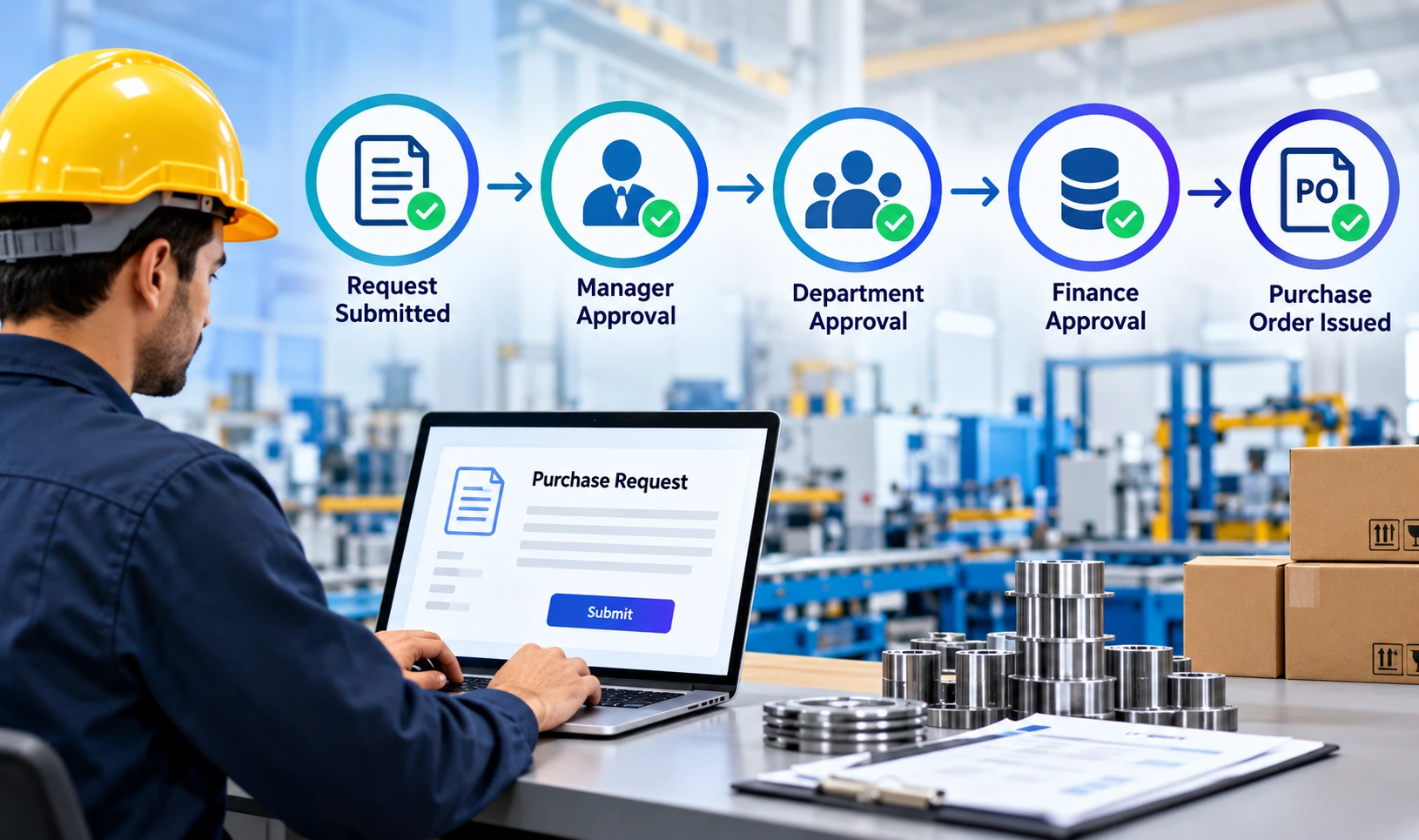
The workflow mirrors how purchasing actually happens in organizations. First, finance sets spending limits by department, project, or cost center. Then, team members submit purchase requests through the platform instead of email. The system checks each request against budgets and policies, then routes it to the right approver automatically.
Once approved, dashboards show committed spend, pending approvals, and actual expenditures as they happen. Notifications fire when spending approaches or exceeds thresholds. Finally, analytics reveal spending patterns and optimization opportunities.
Budget allocation: Setting spending limits by department, project, or cost center
Purchase requests: Submitting requests through the platform, not email
Automated approvals: System checks against budgets and policies before routing
Real-time tracking: Dashboards show committed and actual spend as it happens
Variance alerts: Notifications when spending approaches thresholds
Reporting: Analytics for spending patterns and vendor performance
Modern cost control platforms share a common set of capabilities. Understanding what each feature does helps you evaluate which platform fits your organization.
Teams set spending limits by department, project, or cost center through the platform. Multi-level budget hierarchies let you allocate funds from corporate down to individual teams, with approval workflows that keep allocations aligned with internal policies.
Forecasting tools project future costs based on historical data and current commitments. Finance teams can anticipate budget pressures before they become problems—rather than reacting after overruns occur.
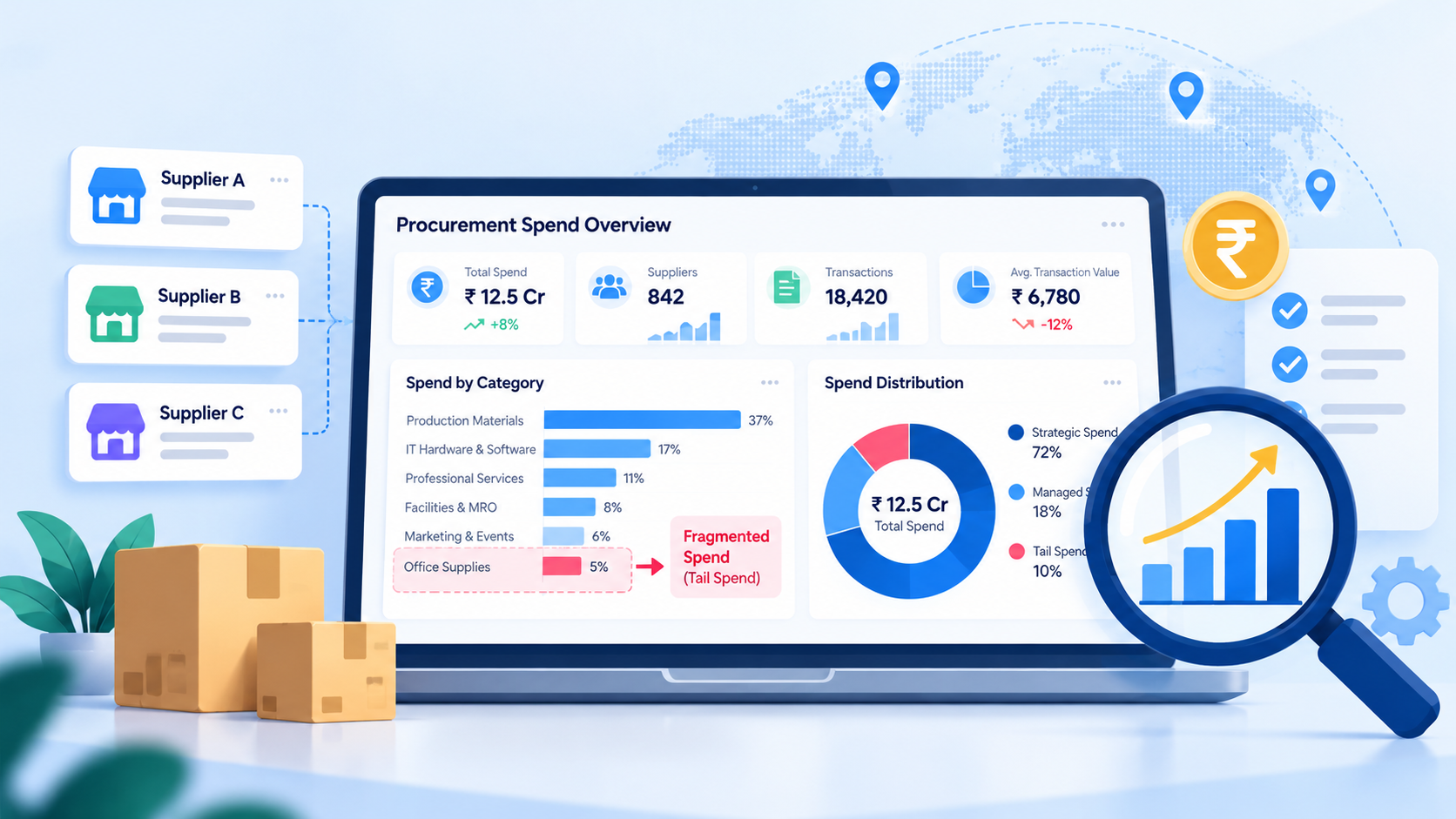
Live dashboards show committed, pending, and actual spend across branches and locations from one centralized platform. You see exactly where money is going without waiting for month-end reports or reconciliation cycles.
Policy-driven routing sends requests to the right approvers based on amount, category, or department. No more chasing signatures or wondering where a request got stuck. The system handles routing automatically and logs every approval for audit purposes.
The software flags budget overruns and discrepancies as they happen. Variance analysis—comparing planned versus actual costs—becomes automatic rather than a manual exercise at month-end.
Dashboards, drill-down reports, and export capabilities give finance teams the insights they need. Audit-ready records and compliance tracking keep you prepared when auditors come calling.
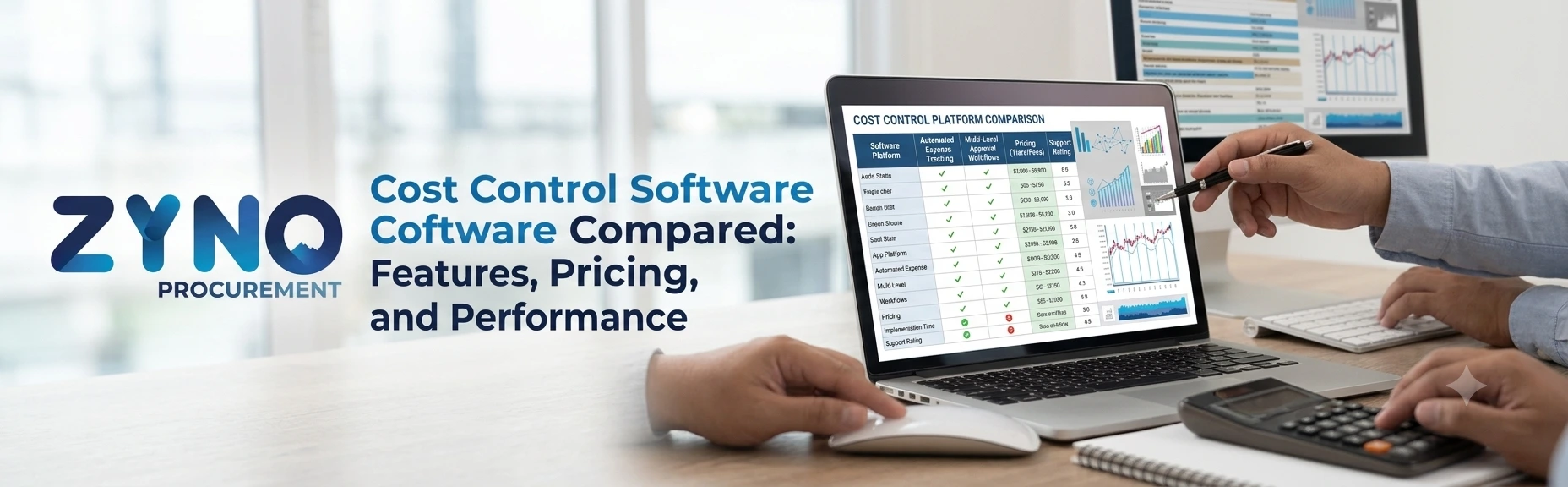
Choosing the right platform depends on your organization's size, industry, and integration requirements. Here's how leading solutions stack up:
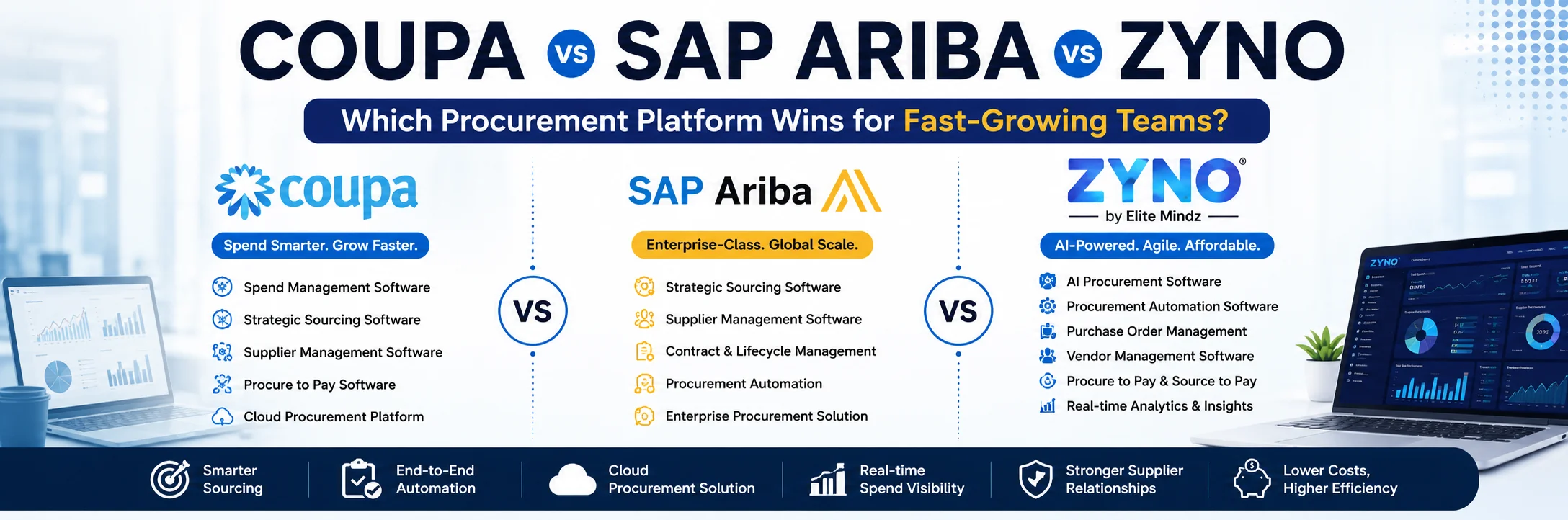
| Software | Best For | Key Strength | Deployment | AI Capabilities |
|---|---|---|---|---|
| ZYNO Procurement | Mid-market and enterprise | Procure-to-pay automation | Cloud | Full AI automation |
| SAP Ariba | Large global enterprises | Deep ERP integration | Cloud/Hybrid | Limited |
| Coupa | Enterprise spend management | Supplier network | Cloud | Moderate |
| Oracle NetSuite | Unified financials | Built-in ERP | Cloud | Moderate |
| Sage Intacct | Professional services | Multi-entity support | Cloud | Limited |
| Cleopatra Enterprise | Capital projects | Cost engineering | On-premise/Cloud | Limited |
| Microsoft Dynamics 365 | Microsoft ecosystem users | Native integrations | Cloud | Moderate |
ZYNO Procurement delivers AI-powered procurement and cost control for mid-market and enterprise organizations. The platform covers the full procure-to-pay lifecycle—from purchase request through payment closure—with automated approvals, real-time spend analytics, and multi-branch control from one centralized platform.
SAP Ariba serves large global enterprises that already run SAP ERP systems. The deep integration with SAP's ecosystem is its primary strength, though implementation complexity makes it less accessible for mid-market organizations.
Coupa positions itself as a business spend management platform with a strong supplier network. It works well for enterprises focused on supplier collaboration and procurement optimization.
NetSuite offers built-in cost control and project accounting within its broader ERP platform. Organizations wanting unified financials and operations in one system often consider NetSuite, particularly for multi-subsidiary environments.
Sage Intacct focuses on project cost management for professional services and construction firms. Multi-entity and multi-currency support make it popular with organizations operating across regions.
Cleopatra Enterprise specializes in project controls for capital projects, with strong cost estimating and engineering capabilities. It's particularly relevant for construction and infrastructure organizations managing large-scale projects.
Business Central provides budgeting and cost tracking for mid-market organizations already invested in the Microsoft ecosystem. Native integration with Office 365 and other Microsoft tools is its primary advantage.
Pricing varies significantly by vendor, deployment model, and feature scope.
Monthly or annual per-seat licensing works well for smaller teams with predictable user counts. You pay for each person who accesses the system, typically ranging from $15 to $150 per user per month depending on feature tier.
Some vendors price by feature modules or tiers—basic, professional, enterprise. This pay-only-for-what-you-need approach lets you start with core functionality and add capabilities as requirements grow.
Large deployments often involve negotiated pricing with implementation, training, and support bundled together. ZYNO Procurement offers custom pricing aligned to business scale, so organizations pay for value delivered rather than arbitrary seat counts.
Tip: When evaluating pricing, factor in implementation costs, training, and ongoing support—not just license fees.
Evaluating cost control software ROI involves looking at specific operational improvements:
Purchase cycle acceleration: Faster request-to-PO turnaround
Invoice processing efficiency: Reduced manual matching and fewer errors in accounts payable workflows
Budget compliance improvement: Lower maverick spending and fewer policy violations
Month-end close acceleration: Faster reconciliation and reporting cycles
Spend visibility gains: Real-time tracking across departments and locations
Organizations implementing comprehensive cost control platforms commonly see significant reductions in processing time—automated AP systems handle nearly 4x more invoices per FTE than manual processes—and improvements in budget compliance rates.
Selection depends on integration requirements, scale, usability, and long-term platform vision.
Your cost control platform connects to existing financial systems through APIs. Look for pre-built integrations with tools like Tally, SAP, Oracle, QuickBooks, and Zoho Books. The fewer manual data transfers required, the better.
Multi-branch, multi-location, and multi-currency requirements matter if you operate across regions. Real-time visibility across distributed operations becomes critical as organizations grow.
Complex interfaces reduce adoption and create workarounds. Self-service portals and mobile access help ensure teams actually use the system rather than reverting to email and spreadsheets.
Deployment timelines vary from weeks to months depending on complexity. Cloud-based solutions typically deploy faster than on-premise alternatives. Training programs and onboarding assistance accelerate time-to-value.
Evaluate the vendor's current AI capabilities and development plans. According to The Hackett Group, 64% of procurement leaders expect AI to transform their roles within five years, and automation for approvals, invoice matching, and spend predictions delivers ongoing efficiency gains beyond initial implementation.
Real-time dashboards, configurable alerts, and notification systems for budget thresholds and approval escalations keep stakeholders informed without manual reporting.
AI transforms cost control from reactive tracking to proactive optimization. Here's what AI-powered platforms deliver:
Automated approval routing: Policy-driven workflows without manual intervention
Automated three-way matching: AI matches invoices to POs and GRN records, flagging discrepancies automatically
Spend pattern analysis: Machine learning identifies cost-saving opportunities across vendors and categories
Predictive forecasting: AI models project future spend based on historical trends
Fraud and anomaly detection: Automated flagging of unusual transactions before they become problems
The shift from manual processing to AI-driven automation frees finance teams to focus on strategic decisions rather than data entry and reconciliation.
Compare leading cost control software solutions and discover how the right platform can help you track budgets, manage expenses, improve forecasting, and maximize profitability. Make smarter financial decisions with real-time visibility and automated cost management.
Cost control software serves diverse sectors, each with specific requirements:
Construction and infrastructure: Project-based budgeting, subcontractor cost tracking, BOQ-based estimation
Manufacturing: Production cost monitoring, inventory spend control, vendor management
Professional services: Project cost management, resource optimization, time-based billing
Healthcare: Supply chain cost control, compliance tracking, multi-location visibility
Retail and hospitality: Multi-location inventory and spend visibility, vendor management, seasonal budgeting
Technology and software: Departmental budget control, subscription cost tracking, vendor consolidation
ZYNO Procurement serves teams across industries from one centralized platform, adapting workflows to industry-specific requirements.
Cost control software connects to your existing tech stack through APIs and pre-built integrations:
ERP systems: SAP, Oracle, Microsoft Dynamics, Odoo
Accounting software: Tally, QuickBooks, Xero, Zoho Books
Procurement platforms: Vendor portals, supplier management systems
Payment gateways: Automated payment processing and reconciliation
HRMS and payroll: Employee expense and reimbursement sync
ZYNO Procurement offers API-based integrations with leading business tools, so data flows seamlessly between systems without manual transfers.
ZYNO Procurement brings AI-powered cost control and procurement together on one centralized platform. You get complete spend visibility, automated approvals, real-time budget tracking, and multi-branch control—all covering the full procure-to-pay lifecycle from purchase request through payment closure.
Organizations using ZYNO Procurement consistently report faster purchasing cycles, reduced invoice processing time, lower maverick spending, and audit-ready records.
Stop relying on spreadsheets and disconnected systems. With ZYNO Procurement, you can automate approvals, monitor budgets in real time, eliminate maverick spending, and gain complete visibility into organizational costs from a single platform.
Cost control software focuses on monitoring and limiting spend against budgets, while cost management software encompasses broader planning, estimation, and optimization across the full project or business lifecycle. Many platforms—including ZYNO Procurement—combine both capabilities.
Yes, many cost control platforms offer tiered pricing and modular features that scale for small teams. Per-user subscription models make adoption accessible, and cloud deployment eliminates infrastructure requirements.
Reputable cloud cost control platforms use enterprise-grade security including role-based access, encryption, and audit logs to protect financial data. Look for SOC 2 compliance and regular security audits when evaluating vendors.
Implementation timelines vary from weeks to months depending on complexity, integrations, and customization requirements. Cloud-based solutions typically deploy faster, with some organizations going live in as little as 4-6 weeks.
Yes, standalone cost control platforms operate independently and often serve as the first step toward broader digital transformation. Integration with ERP and accounting systems delivers greater visibility and automation, but it's not required to get started.
Sneha Singh
Content Writer
Sneha Singh is a B2B tech content strategist with 4+ years of experience. She specializes in SEO-driven SaaS content, whitepapers, and platform-native social media campaigns that simplify complex technology and drive business growth. Sneha's core exp
Procurement Software Trends in 2026: What to Expect
Read More →

Why E-Procurement Outperforms Traditional ERP in Modern Procurement
Read More →Top 10 Procurement Software Companies in India 2026
Read More →
Best Procurement Software Companies in Kuwait (2025)
Read More →
5 Best Procurement Software in Africa for Enterprises & SMEs (2026 Guide)
Read More →
Best Procurement Software in Nigeria 2026 | Top 5 Picks
Read More →
Best Procurement Software Providers in USA (2025): How AI is Transforming the Future
Read More →
10 Best Procurement Software Providers in Thailand for Streamlined Supply Chain Management
Read More →
Top 10 Cloud-Based Procurement Solutions in Portugal for Businesses in 2025
Read More →
Top 10 Procurement Software Providers in Switzerland 2026: Streamlining Sourcing and Supplier Management
Read More →
What Makes ZYNO Procurement Different from Other Oil & Gas Procurement Software
Read More →
The Digital Transformation of Logistics Procurement in the Middle East
Read More →
A Step by Step Guide to Procurement Management Software for Modern Enterprises
Read More →
Sourcing and Procurement: What is the Difference and Why It Matters
Read More →Difference Between Procurement and Supply Chain Management
Read More →
What Is Procurement Software and Why Modern Businesses Need It
Read More →
Best Procurement Management Software to Automate ERP Process
Read More →
Direct vs Indirect Procurement: Key Differences, Examples & Uses (2026)
Read More →
Smart procurement strategies for cost optimization & risk management
Read More →
What Is Procurement? Everything You Need to Know (Types, Process & SAP)
Read More →Beyond Cost-Cutting: How Procurement Drives Margin Expansion in 2026
Read More →
Direct Procurement Explained: Process, Examples, and When It Is Used
Read More →
What Are the 5 Types of E-Procurement? A Complete Guide for Businesses
Read More →
Which Procurement Management Software Is Best? Top Tools Compared for 2026
Read More →
Top 8 Coupa Alternatives to Explore in 2026
Read More →
Looking to Replace Coupa? Discover the Best Alternatives Like ZYNO Procurement
Read More →
How Does Procurement Software Work? A Complete Guide
Read More →
ZYNO Procurement vs Coupa: Best Procurement Software Comparison for Mid-Market Teams
Read More →
Best SAP ARIBA Procurement Alternatives in 2026
Read More →
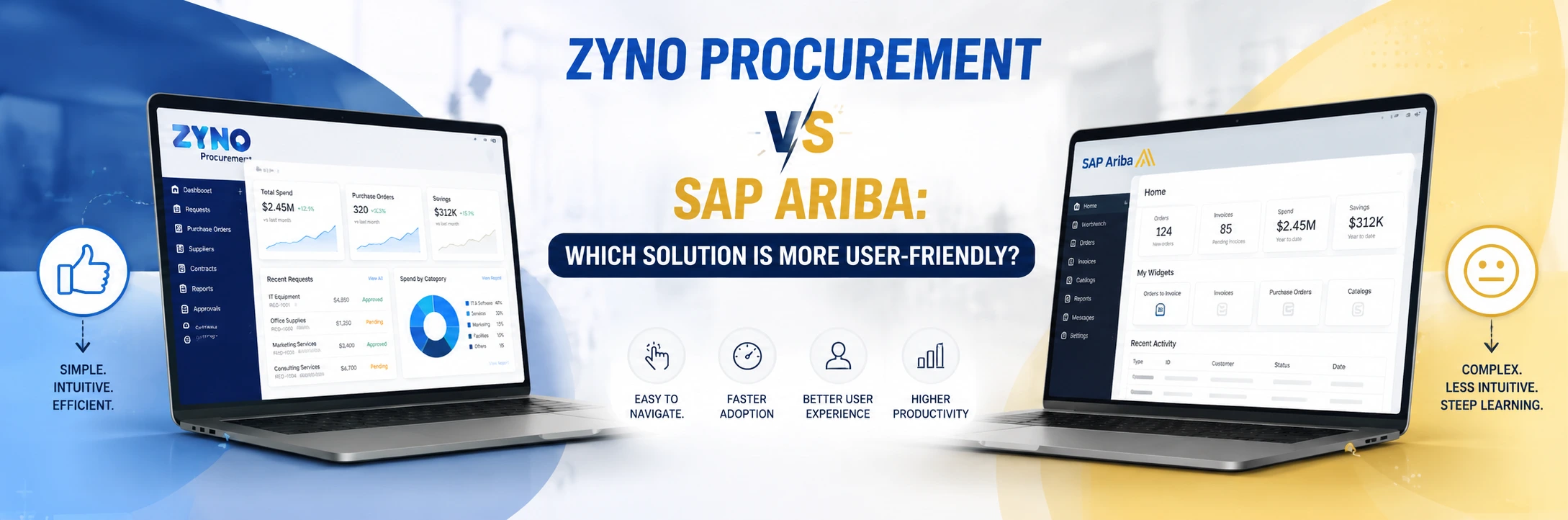
ZYNO Procurement vs SAP Ariba: Which Solution Is More User-Friendly?
Read More →
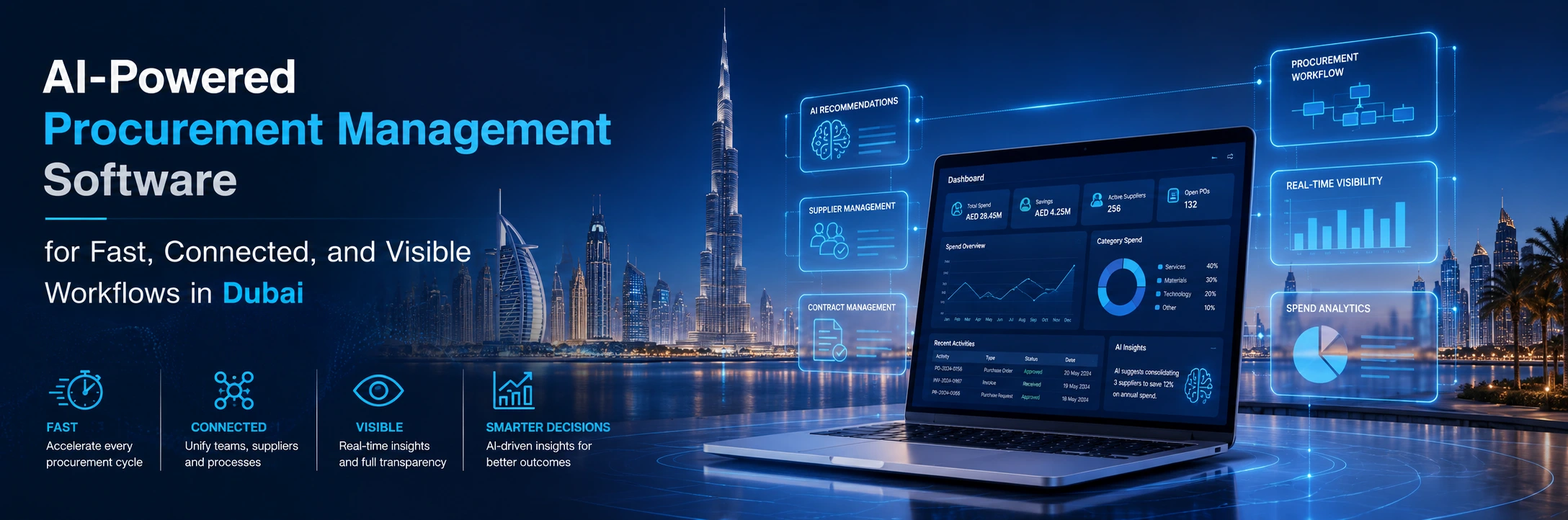
AI-Powered Procurement Management Software for Fast, Connected, and Visible Workflows in Dubai
Read More →
What is Vendor Management? Complete Guide to Vendor Management Software, Systems, and Processes
Read More →
Best Procurement Management Software In Kenya
Read More →
6 SAP Ariba Alternatives for Mid-Market Businesses in 2026
Read More →
Top E-Procurement Solutions for B2B Organizations (2026)
Read More →
Quotation Format: Free Templates + Complete Guide (2026)
Read More →
Cost Control Software Compared: Features, Pricing, and Performance
Read More →
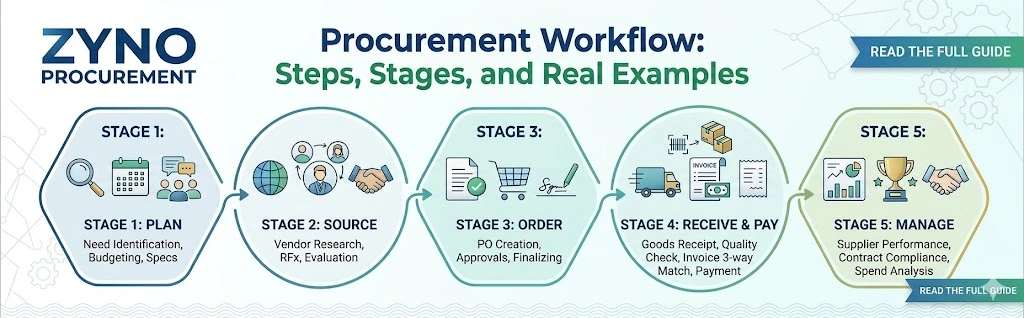
Procurement Workflow: Steps, Stages, and Real Examples
Read More →
Top 10 Zycus Alternatives for Procurement Teams in 2026
Read More →
Best Precoro Alternative for Purchase Requisition and Procurement
Read More →
Top AI Procurement Tools in 2026
Read More →
Best Tools for Supplier Risk Management
Read More →
FEFO vs FIFO vs LIFO: Differences, Benefits & Which Inventory Method Is Best?
Read More →
AI-Powered Procurement Software: A Complete Guide for Businesses
Read More →
Best AI Tools for Supply Chain Procurement
Read More →
Procurement Risk Management
Read More →
Still Using Excel for Procurement? Read This Before It's Too Late
Read More →
Best RFP Software in 2026: Top Tools Compared for Faster Proposal Responses
Read More →
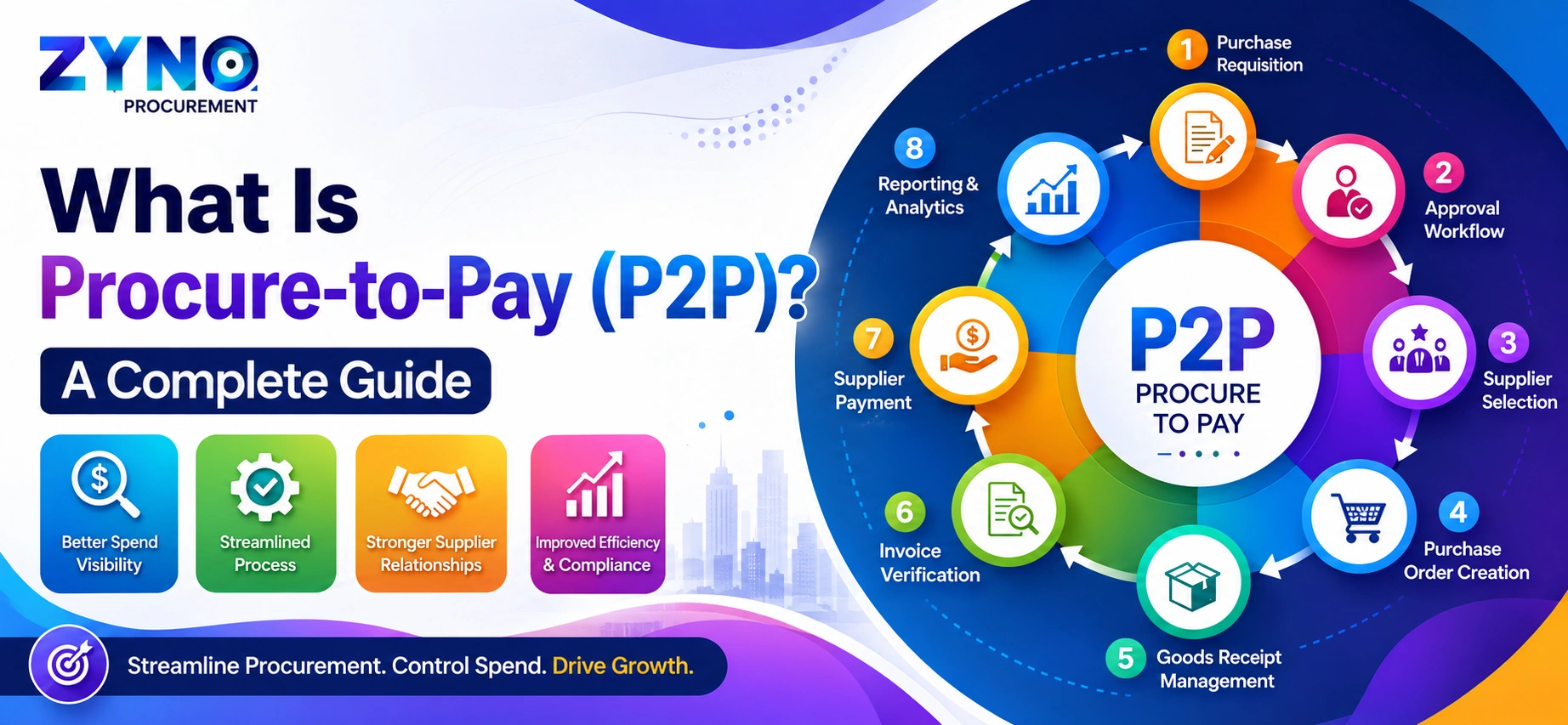
What Is Procure-to-Pay (P2P)? A Complete Guide
Read More →
Complete Procurement Workflow Guide for Modern Businesses
Read More →
Complete Guide to E-Procurement Solutions for B2B Organizations
Read More →
Cost Control Software Comparison Guide: Features, Pricing & Benefits
Read More →
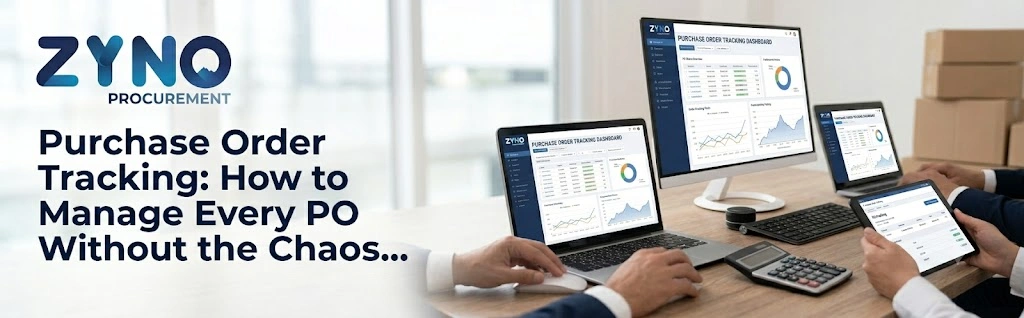
Purchase Order Tracking: How to Manage Every PO Without the Chaos
Read More →
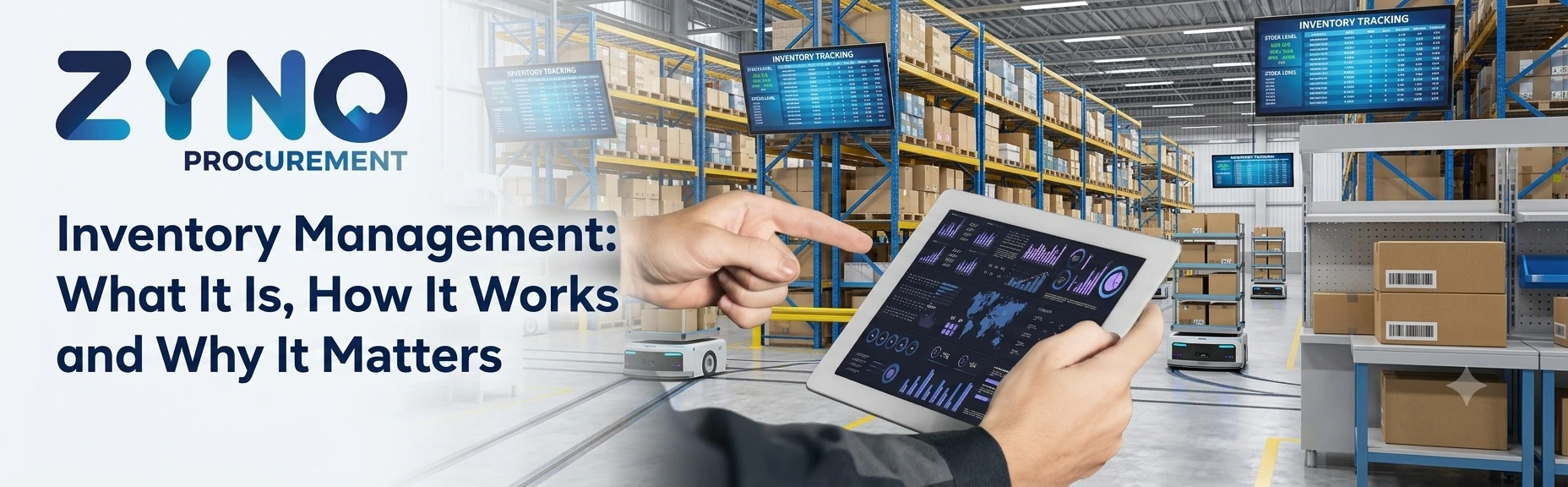
Inventory Management: What It Is, How It Works and Why It Matters
Read More →
Top 10 Procurement Software Tools for Purchasing Automation in 2026
Read More →
Agentic AI Procurement Platforms and the Future of Strategic Sourcing
Read More →
AI Spend Analytics Software for Procurement Leaders
Read More →
From Prompt to Procurement: How AI Is Transforming Enterprise Purchasing
Read More →Partner with ZYNO by Elite Mindz to revolutionize how your business works. Fill out the form, and we’ll reach out with AI-powered solutions made just for you.
We use browser cookies to ensure you get the best experience on our website. Learn more
The form was submitted successfully!
ZYNO Digital
Fueling Smarter Digital Growth
ZYNO Digital fuels smarter digital growth through data-driven marketing, creative storytelling, and performance strategies that boost visibility, engagement, and measurable business outcomes across global platforms.
ZYNO Tech
Engineering the Future of IT
ZYNO Tech delivers cutting-edge IT solutions — including web, mobile, and digital transformation services — helping businesses scale efficiently, innovate faster, and stay ahead in a connected world.
ZYNO AI
AI Built for Business Growth
ZYNO AI harnesses the power of artificial intelligence to automate processes, enhance decision-making, and deliver predictive insights — driving innovation, agility, and measurable business growth.
ZYNO by Elite Mindz
Your Partner in the AI-Powered Future
ZYNO by Elite Mindz offers AI-powered products and services that unify operations, boost productivity, and drive digital transformation — helping businesses scale smarter and innovate faster.
* In just 2 mins you'll get a response
* Your idea is 100% protected by our Non-Disclosure Agreement