×
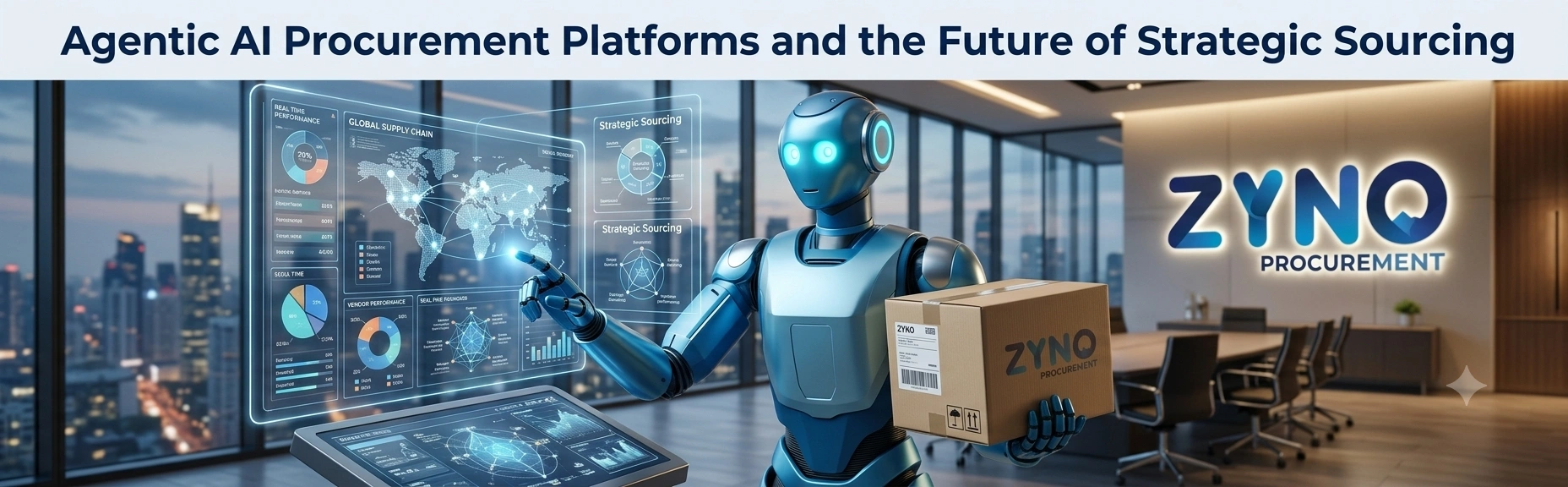
Agentic AI procurement platforms are transforming strategic sourcing by enabling autonomous decision-making, smarter supplier selection, and real-time data-driven insights. As organizations move toward intelligent procurement ecosystems, these advanced AI systems are redefining efficiency, cost optimization, and long-term sourcing strategies for modern enterprises.
Businesses using ZYNO Books cut accounting time by 70% and stay 100% ZATCA-compliant — automatically.

Most procurement teams spend their days chasing approvals, matching invoices, and reconciling spreadsheets—work that keeps the lights on but rarely moves the business forward. Agentic AI changes that equation by deploying autonomous agents that execute procurement tasks from start to finish without waiting for someone to click the next button.
An agentic AI procurement platform embeds these goal-driven agents across the entire source-to-pay lifecycle, handling everything from RFQ generation and supplier vetting to invoice matching and payment closure. This guide covers how agentic AI works, where it delivers the most value, and what it takes to implement it successfully.
An agentic AI procurement platform uses autonomous AI agents to independently execute, manage, and optimize the entire source-to-pay lifecycle. Unlike a chatbot that answers questions or a dashboard that displays data, an agentic system perceives what's happening across your procurement data, reasons through options, and takes action on its own.
Here's the key difference: traditional automation waits for instructions. Agentic AI pursues goals. You tell it "process this purchase request," and it figures out the steps—checking budgets, comparing suppliers, routing approvals, generating the PO—without someone clicking through each stage.
Autonomy: Acts on goals rather than waiting for step-by-step commands
Reasoning: Evaluates options and selects the best path based on your business rules
Adaptability: Learns from outcomes and adjusts behavior in real time
Everything runs from one centralized platform, so your team sees what the agent did, why it made that decision, and what data it used.
You've probably heard these terms tossed around interchangeably. They're not the same thing, and the differences matter when you're evaluating what your procurement operation actually requires.
| Technology | What It Does | Procurement Limitation |
|---|---|---|
| RPA | Follows scripted rules to complete repetitive tasks | Breaks when processes change; cannot handle exceptions |
| Generative AI | Creates content, summaries, and recommendations | Requires a human to act on outputs |
| Machine Learning | Predicts outcomes based on historical data | Does not execute actions autonomously |
| Agentic AI | Perceives, decides, and acts to complete goals | Requires governance and clean data infrastructure |
Generative AI produces outputs—contract summaries, spend reports, supplier recommendations—and stops there. Someone still reviews and acts on those outputs. Agentic AI takes the next step by sending the RFQ, routing the approval, or updating the supplier record itself.
RPA follows fixed scripts. If a supplier portal changes its interface, the bot fails. Agentic AI adapts to exceptions, interprets unstructured data like email attachments, and makes judgment calls within the policy guardrails you've set.
ML models forecast demand, predict supplier risk scores, or flag anomalies. Agentic AI uses those forecasts to trigger procurement actions automatically—reordering stock before a stockout, flagging underperforming suppliers, or adjusting sourcing strategy based on market conditions.
The architecture follows a perception-reasoning-action loop. Think of it like how an experienced procurement manager works, just faster and at scale.
Perception: Ingests data from ERPs, supplier portals, contracts, invoices, and market feeds
Reasoning: Applies business rules, compliance policies, and learned patterns to evaluate options
Action: Executes tasks—sends POs, routes approvals, flags discrepancies, negotiates quotes
Learning: Improves over time based on outcomes and feedback
Every agent activity gets logged for audit trails and real-time visibility. The key difference from traditional workflow automation? Agents don't just follow a predetermined path. They evaluate the situation and choose the appropriate response, whether that's escalating to a human, selecting an alternative supplier, or proceeding with the standard process.
Not every platform claiming "AI-powered procurement" delivers true agentic capabilities. Here's what separates enterprise-grade systems from basic automation.
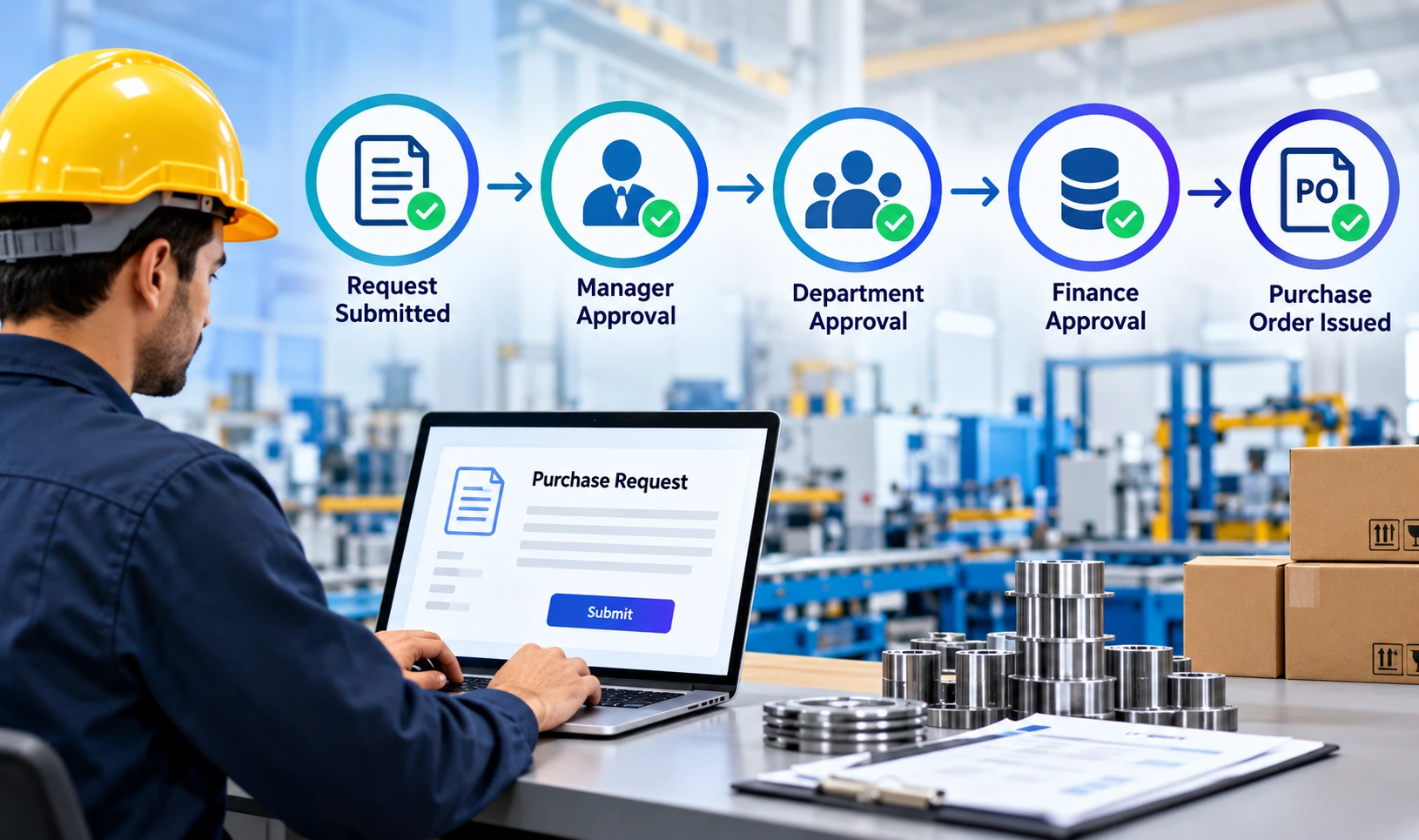
Agents complete multi-step tasks from requisition to PO without manual handoffs. You define the goal, and the agent figures out the steps: validate budget, check preferred suppliers, compare quotes, route for approval, generate PO.
Automated approval workflows enforce budget limits, spending policies, and compliance rules. A $500 office supply request follows a different path than a $50,000 equipment purchase. Approvals route based on thresholds, categories, and organizational hierarchy.
Dashboards and alerts surface spend patterns, supplier performance, and risk indicators as they happen—not after month-end close. Budget utilization, contract compliance, and category trends update continuously.
End-to-end automation from purchase request through invoice matching and payment closure runs from one centralized platform. No more switching between systems or reconciling data across spreadsheets.
Agents refine recommendations and actions based on historical outcomes, user feedback, and changing business conditions. The system identifies patterns your team might miss.
Where does agentic AI add the most value? These use cases represent the highest-impact opportunities for most procurement organizations.
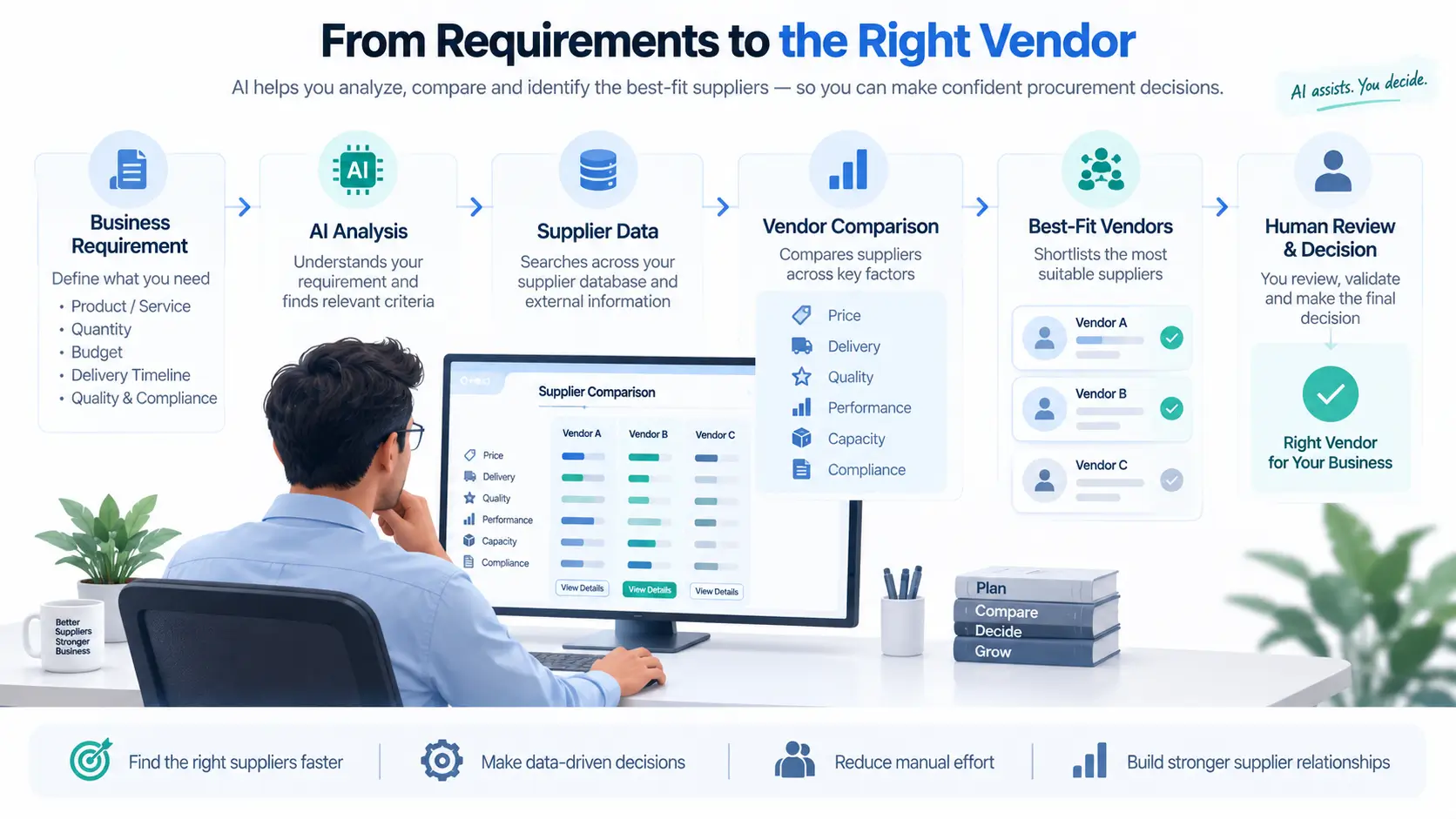
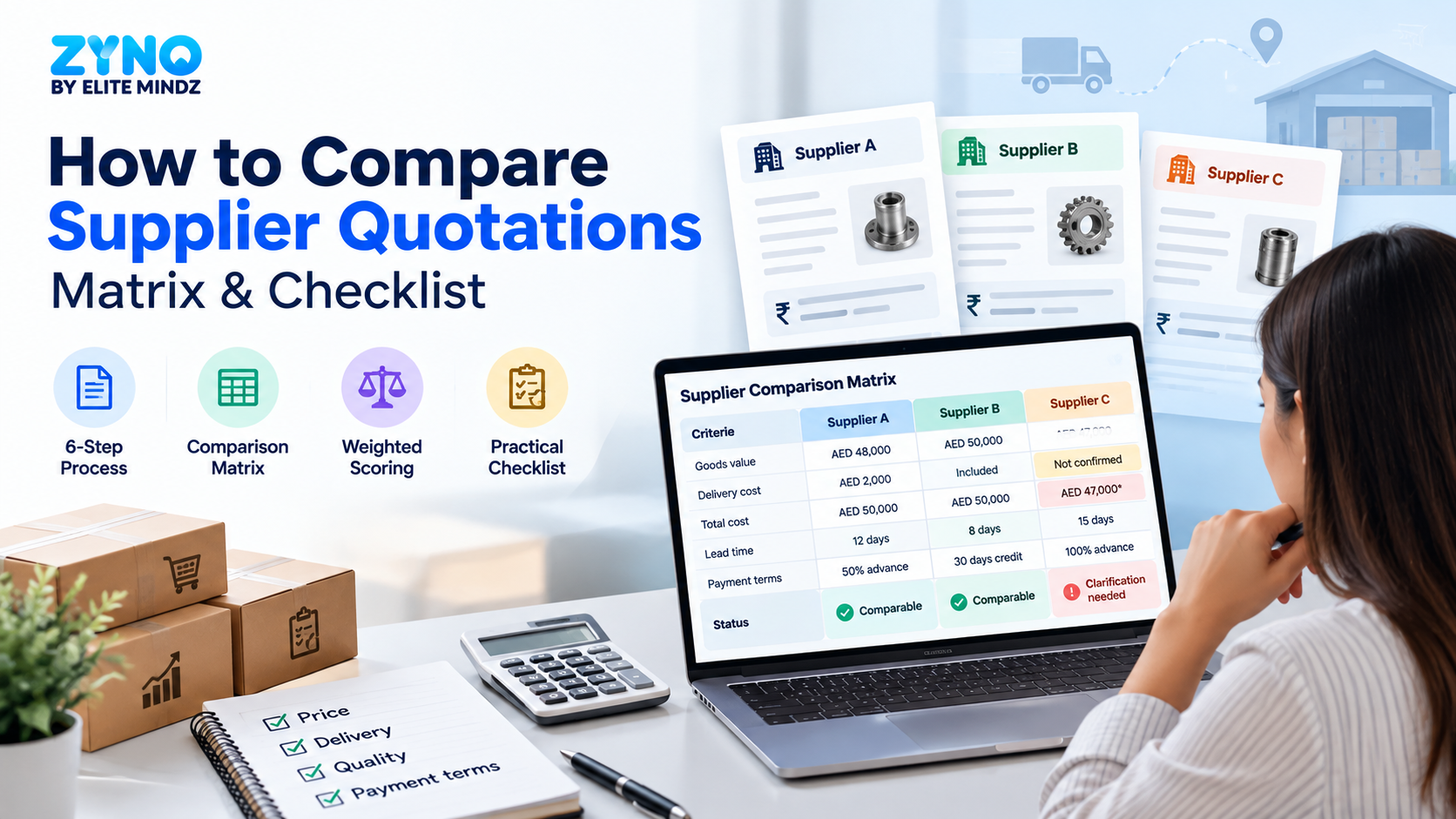
Agents identify sourcing needs, generate RFQs, collect and compare quotes, and recommend or execute supplier selection within policy limits. For tactical purchases, the entire process runs without human intervention.
Auto-generates POs from approved requisitions, validates against contracts, and sends to suppliers without manual intervention.
Three-way matching—invoice, PO, goods receipt note—with automatic discrepancy flagging and resolution workflows. Agents identify mismatches, determine root causes, and either resolve automatically or escalate with context.
Agents monitor contract terms, flag expirations and renewals, and ensure purchases stay within negotiated pricing and terms.
Continuous assessment of supplier health, delivery performance, and external risk signals triggers alerts or alternative sourcing when thresholds breach.
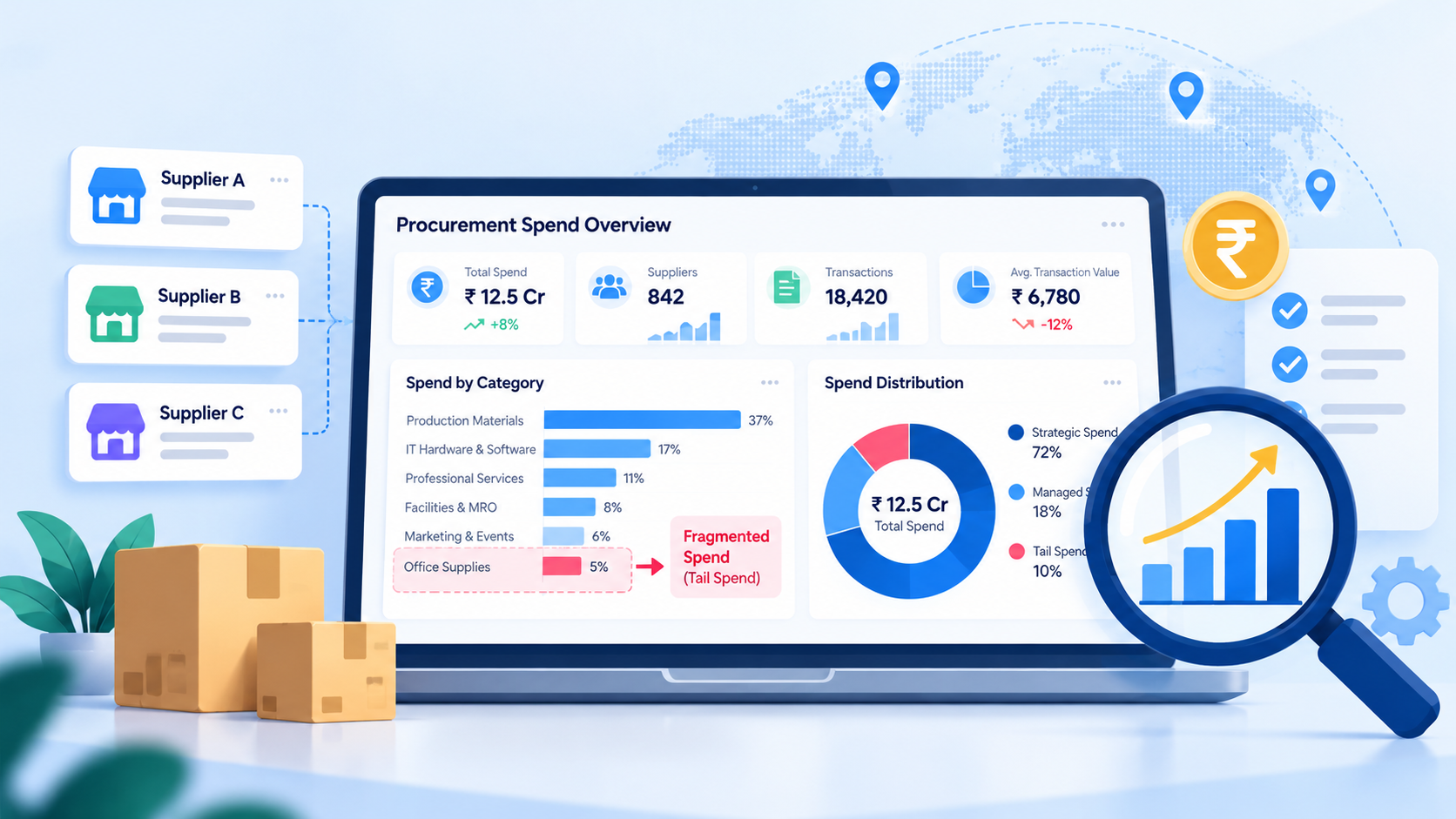
Automated categorization of spend, identification of consolidation opportunities, and recommendations for strategic category decisions.
When agents handle routine execution, your team focuses on supplier relationships, category strategy, and value creation. Real-time visibility into supplier performance and market conditions enables proactive sourcing decisions rather than reactive scrambling.
Supplier relationship management: Agents track SLAs, flag underperformance, and recommend corrective actions
Strategic category planning: AI-driven insights surface consolidation and negotiation opportunities
Market intelligence: Agents monitor commodity prices, supply disruptions, and alternative supplier.Free Demo
Transform procurement with Agentic AI that enables smarter sourcing decisions, automated workflows, and real-time strategic insights for modern enterprises.
The operational improvements translate directly to measurable business outcomes, with agentic AI projected to make procurement 25% to 40% more efficient.
Reduced cycle times from requisition to PO to payment by eliminating manual handoffs and approval bottlenecks.
Policy enforcement at the point of purchase prevents unauthorized or off-contract spending before it happens. You're not chasing compliance after the fact—you're building it into the process.
Complete audit trails, automated policy checks, and real-time documentation keep records audit-ready without manual effort.
Consistent communication, performance tracking, and proactive issue resolution improve supplier partnerships and reduce supply chain risk.
Standalone agents without a single source of truth create data silos, compliance gaps, and conflicting actions. An agent making sourcing decisions requires access to contract terms, supplier performance history, budget status, and inventory levels—all in one place.
Data consistency: Agents require unified supplier, contract, and spend data to make accurate decisions
Policy enforcement: Centralized rules ensure all agents follow the same compliance standards
Audit trail: One platform captures all agent actions for transparency and accountability
ZYNO Procurement is designed as a unified platform for agentic AI integration, connecting purchasing, vendor management, sourcing, and procure-to-pay workflows in one centralized system.
Agentic AI isn't a magic solution. Organizations that rush implementation without proper foundations often struggle.
Data quality issues: Agents are only as good as the data they access—procurement functions use less than 20% of available data for decision-making, and dirty or fragmented data leads to poor decisions
Governance gaps: Without clear policies and human-in-the-loop checkpoints, agents may take unintended actions—over 40% of agentic AI projects risk cancellation due to inadequate governance
Integration complexity: Connecting agents to legacy systems requires careful planning
Change management: Teams require time to understand how to work alongside autonomous agents
The most successful implementations start with clean data, clear policies, and a focused pilot before scaling.
A phased approach reduces risk and builds organizational confidence.
Identify processes with high volume, clear rules, and measurable inefficiencies. Invoice matching and PO creation are common first targets.
Define policies, approval thresholds, escalation rules, and human oversight checkpoints before deploying agents.
Start with a single use case to prove value and refine agent behavior before scaling. Measure cycle time, error rates, and user satisfaction.
Integrate agents with a centralized procurement platform to ensure data accuracy, policy consistency, and complete visibility.
Expand agent coverage incrementally—by spend category, business unit, or geography—while monitoring performance and refining policies.
Schedule a Demo to see how ZYNO Procurement supports phased agentic AI implementation.
Multi-agent collaboration is emerging, where specialized agents for sourcing, contracts, and payments work together on complex procurement scenarios. Predictive supply chain orchestration will anticipate disruptions and adjust sourcing strategies automatically.
Organizations adopting agentic AI now are building competitive advantage through faster, smarter procurement decisions.
ZYNO Procurement delivers the unified, AI-powered platform that enables agentic AI at scale—covering the full procure-to-pay lifecycle with policy-driven workflows, real-time visibility, and multi-branch control. From purchase request through payment closure, everything runs from one centralized platform.
Move beyond traditional sourcing systems. Enable autonomous decision-making, predictive insights, and end-to-end procurement automation with next-gen AI platforms.
Agentic AI is ideal for organizations seeking autonomous, end-to-end automation across sourcing, purchasing, and supplier management. Generative AI and ML tools suit specific tasks like spend analysis or contract summarization.
Examples include enterprise source-to-pay solutions with embedded autonomous agents, such as ZYNO Procurement, as well as offerings from vendors like JAGGAER, Ivalua, and Coupa that are integrating agentic capabilities.
An AI-powered procurement tool assists with specific tasks like spend classification or supplier recommendations. An agentic AI procurement platform autonomously executes multi-step workflows—making decisions, taking actions, and adapting without requiring human intervention at each step.
Enterprise-grade agentic AI procurement platforms include role-based access controls, encryption, audit logging, and policy guardrails that ensure autonomous agents operate within approved boundaries.
Organizations can typically launch a focused pilot within weeks and scale to full implementation over several months with a phased approach.
Sneha Singh
Content Writer
Sneha Singh is a B2B tech content strategist with 4+ years of experience. She specializes in SEO-driven SaaS content, whitepapers, and platform-native social media campaigns that simplify complex technology and drive business growth. Sneha's core exp
Procurement Software Trends in 2026: What to Expect
Read More →

Why E-Procurement Outperforms Traditional ERP in Modern Procurement
Read More →Top 10 Procurement Software Companies in India 2026
Read More →
Best Procurement Software Companies in Kuwait (2025)
Read More →
5 Best Procurement Software in Africa for Enterprises & SMEs (2026 Guide)
Read More →
Best Procurement Software in Nigeria 2026 | Top 5 Picks
Read More →
Best Procurement Software Providers in USA (2025): How AI is Transforming the Future
Read More →
10 Best Procurement Software Providers in Thailand for Streamlined Supply Chain Management
Read More →
Top 10 Cloud-Based Procurement Solutions in Portugal for Businesses in 2025
Read More →
Top 10 Procurement Software Providers in Switzerland 2026: Streamlining Sourcing and Supplier Management
Read More →
What Makes ZYNO Procurement Different from Other Oil & Gas Procurement Software
Read More →
The Digital Transformation of Logistics Procurement in the Middle East
Read More →
A Step by Step Guide to Procurement Management Software for Modern Enterprises
Read More →
Sourcing and Procurement: What is the Difference and Why It Matters
Read More →Difference Between Procurement and Supply Chain Management
Read More →
What Is Procurement Software and Why Modern Businesses Need It
Read More →
Best Procurement Management Software to Automate ERP Process
Read More →
Direct vs Indirect Procurement: Key Differences, Examples & Uses (2026)
Read More →
Smart procurement strategies for cost optimization & risk management
Read More →
What Is Procurement? Everything You Need to Know (Types, Process & SAP)
Read More →Beyond Cost-Cutting: How Procurement Drives Margin Expansion in 2026
Read More →
Direct Procurement Explained: Process, Examples, and When It Is Used
Read More →
What Are the 5 Types of E-Procurement? A Complete Guide for Businesses
Read More →
Which Procurement Management Software Is Best? Top Tools Compared for 2026
Read More →
Top 8 Coupa Alternatives to Explore in 2026
Read More →
Looking to Replace Coupa? Discover the Best Alternatives Like ZYNO Procurement
Read More →
How Does Procurement Software Work? A Complete Guide
Read More →
ZYNO Procurement vs Coupa: Best Procurement Software Comparison for Mid-Market Teams
Read More →
Best SAP ARIBA Procurement Alternatives in 2026
Read More →
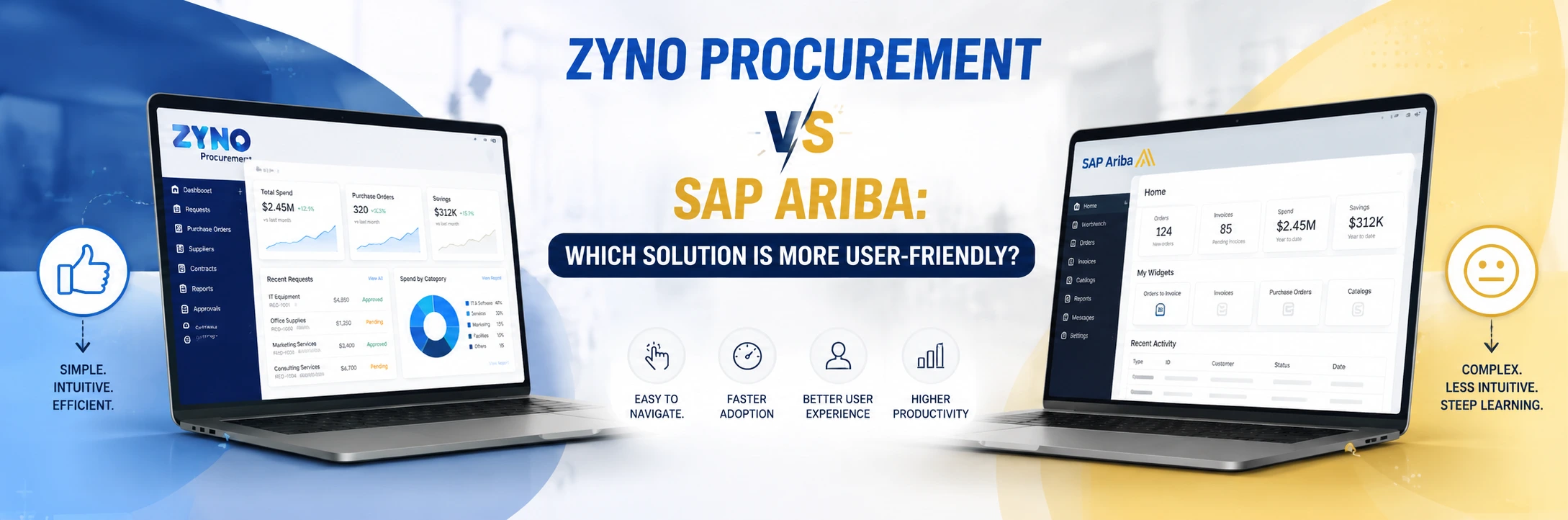
ZYNO Procurement vs SAP Ariba: Which Solution Is More User-Friendly?
Read More →
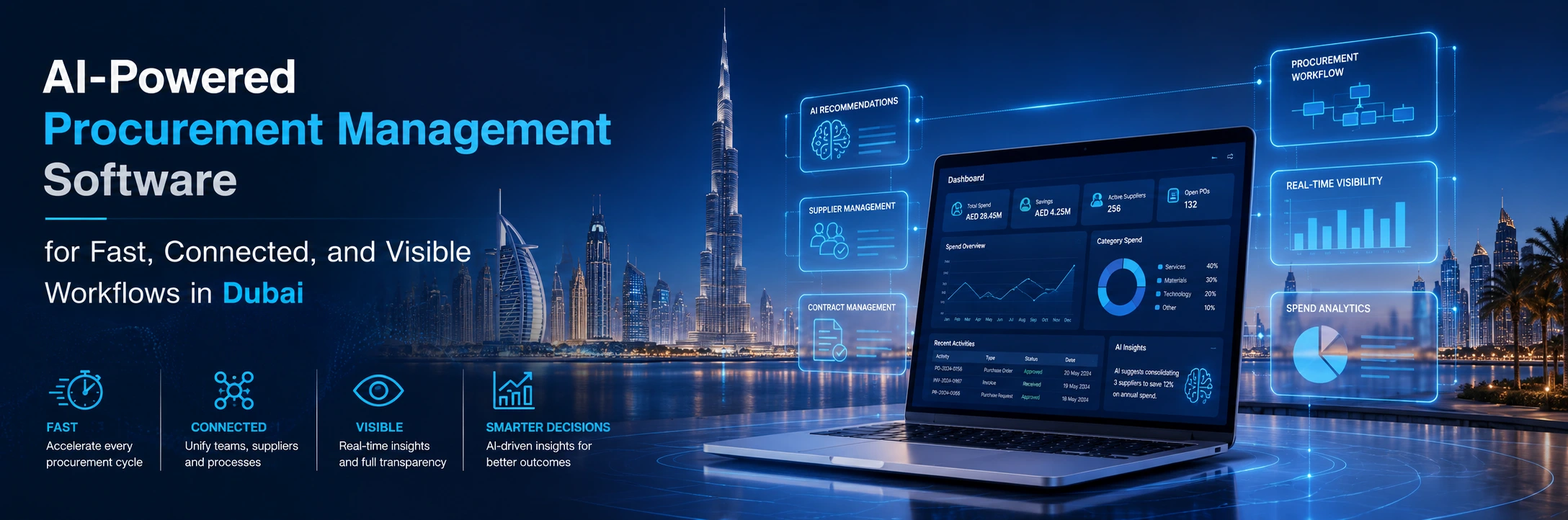
AI-Powered Procurement Management Software for Fast, Connected, and Visible Workflows in Dubai
Read More →
What is Vendor Management? Complete Guide to Vendor Management Software, Systems, and Processes
Read More →
Best Procurement Management Software In Kenya
Read More →
6 SAP Ariba Alternatives for Mid-Market Businesses in 2026
Read More →
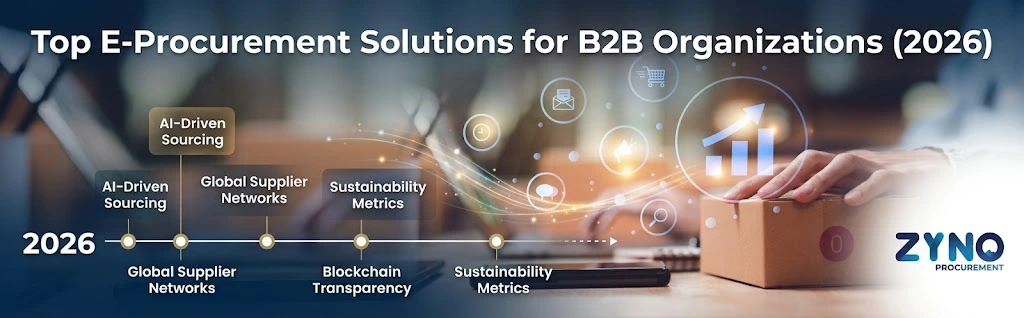
Top E-Procurement Solutions for B2B Organizations (2026)
Read More →
Quotation Format: Free Templates + Complete Guide (2026)
Read More →
Cost Control Software Compared: Features, Pricing, and Performance
Read More →
Procurement Workflow: Steps, Stages, and Real Examples
Read More →
Top 10 Zycus Alternatives for Procurement Teams in 2026
Read More →
Best Precoro Alternative for Purchase Requisition and Procurement
Read More →
Top AI Procurement Tools in 2026
Read More →
Best Tools for Supplier Risk Management
Read More →
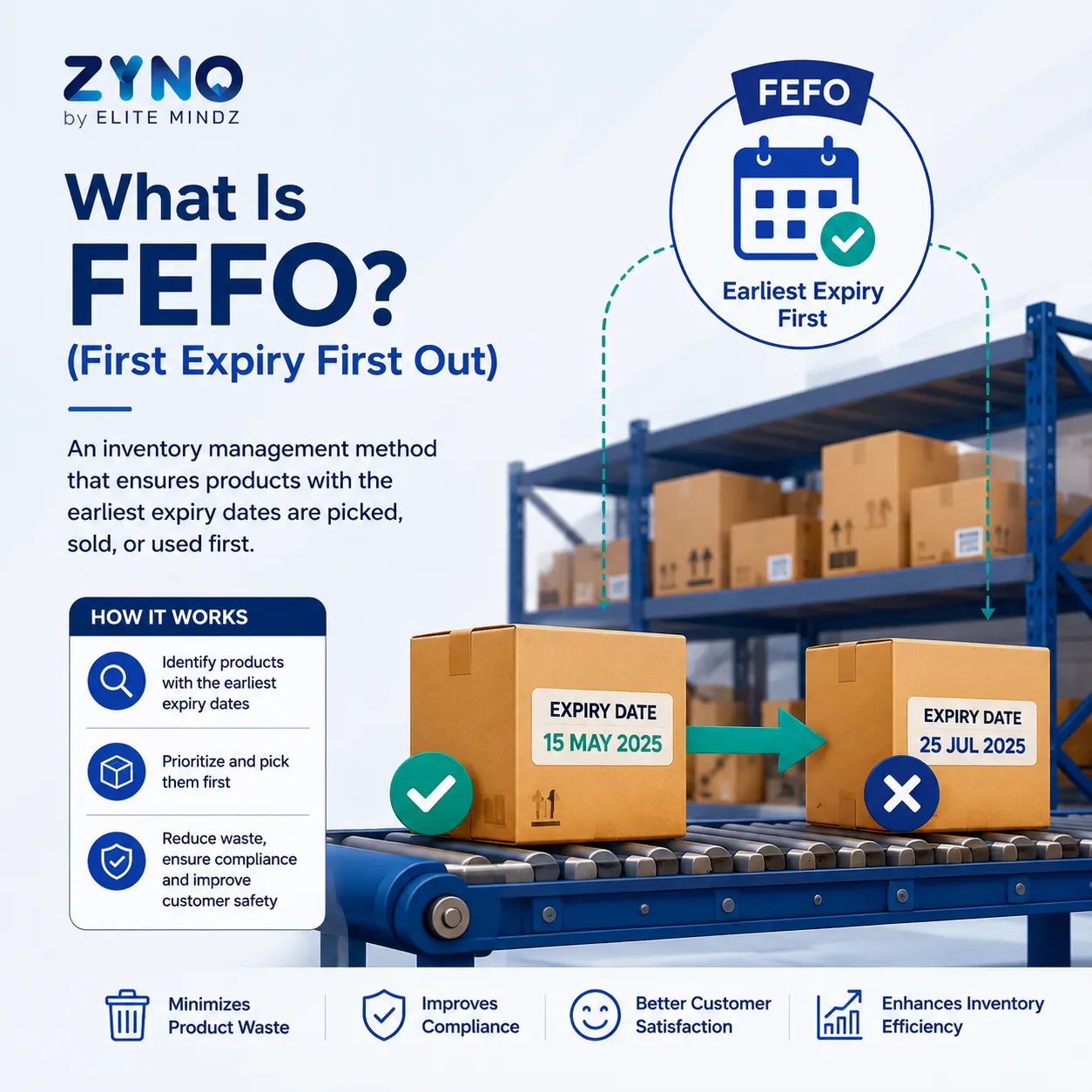
FEFO vs FIFO vs LIFO: Differences, Benefits & Which Inventory Method Is Best?
Read More →
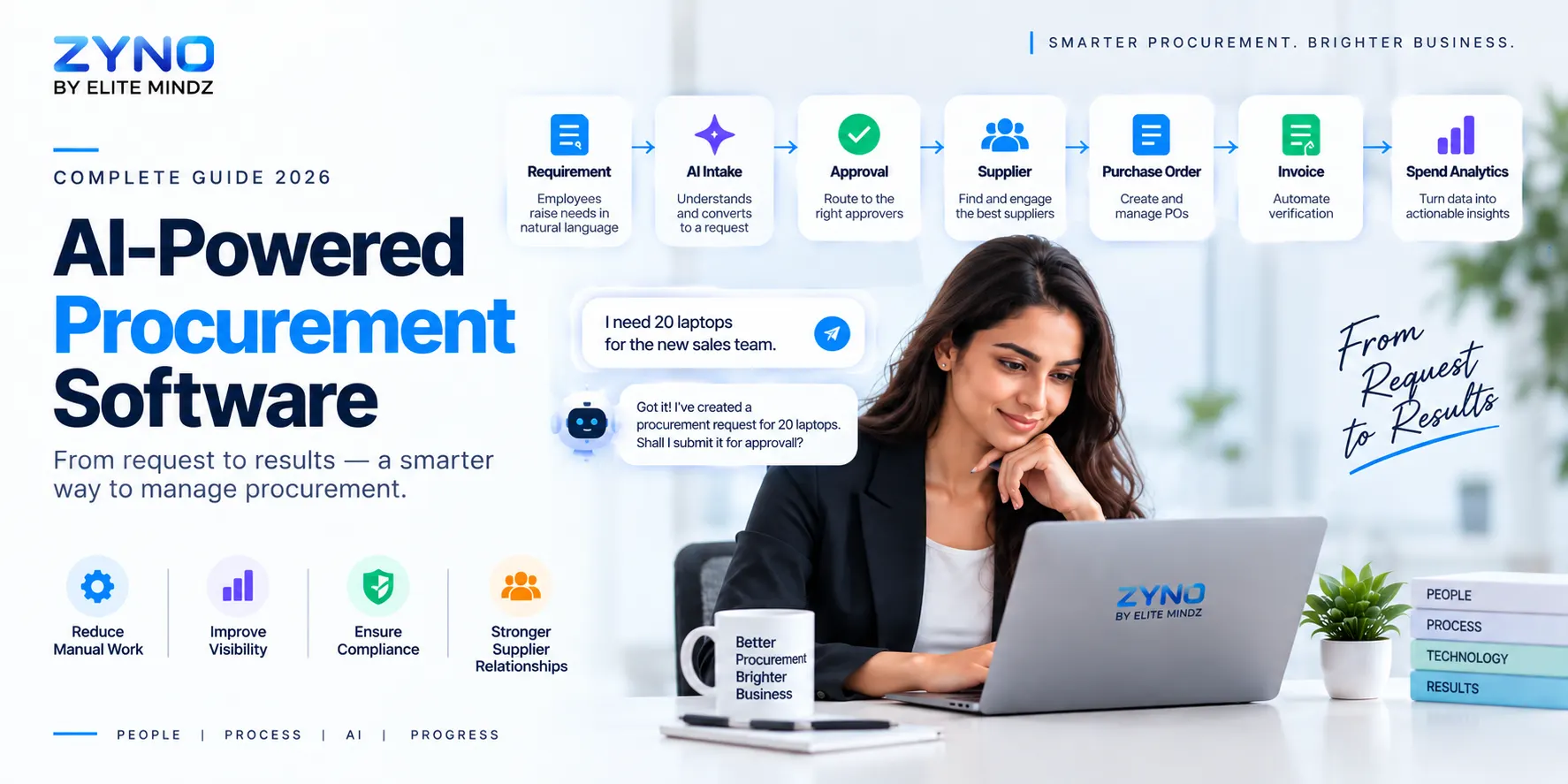
AI-Powered Procurement Software: A Complete Guide for Businesses
Read More →
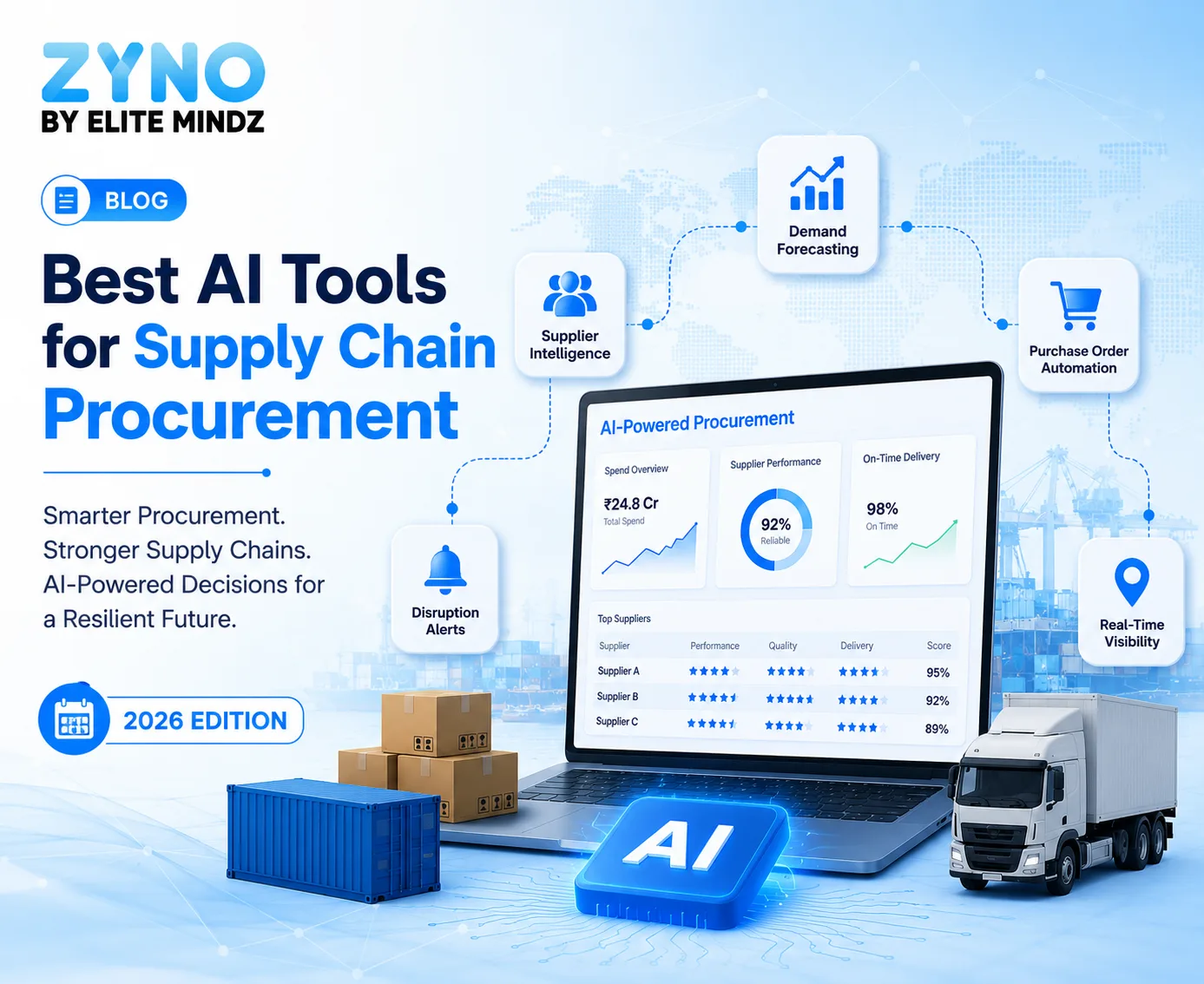
Best AI Tools for Supply Chain Procurement
Read More →
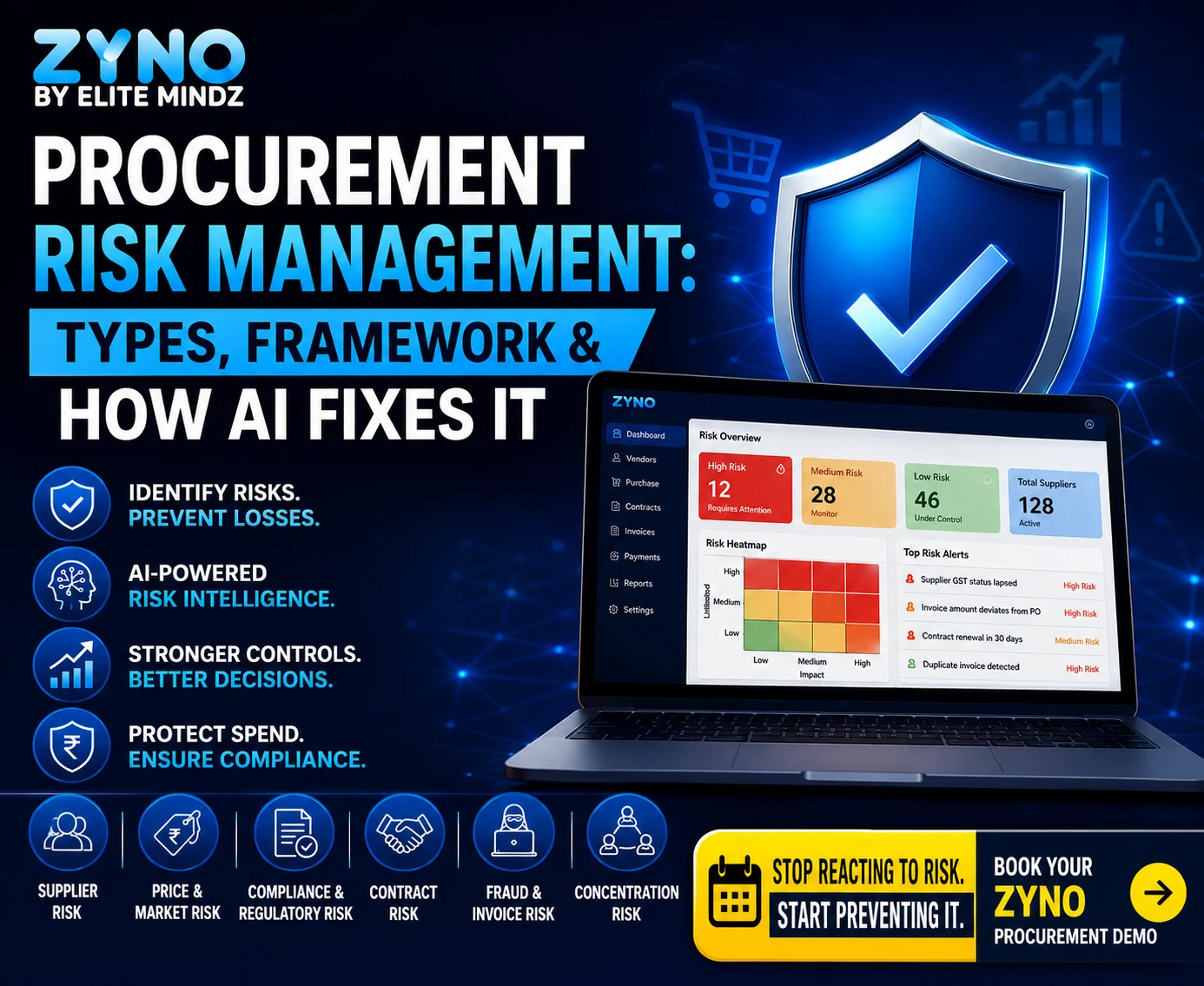
Procurement Risk Management
Read More →
Still Using Excel for Procurement? Read This Before It's Too Late
Read More →
Best RFP Software in 2026: Top Tools Compared for Faster Proposal Responses
Read More →
What Is Procure-to-Pay (P2P)? A Complete Guide
Read More →
Complete Procurement Workflow Guide for Modern Businesses
Read More →
Complete Guide to E-Procurement Solutions for B2B Organizations
Read More →
Cost Control Software Comparison Guide: Features, Pricing & Benefits
Read More →
Purchase Order Tracking: How to Manage Every PO Without the Chaos
Read More →
Inventory Management: What It Is, How It Works and Why It Matters
Read More →
Top 10 Procurement Software Tools for Purchasing Automation in 2026
Read More →
Agentic AI Procurement Platforms and the Future of Strategic Sourcing
Read More →
AI Spend Analytics Software for Procurement Leaders
Read More →Partner with ZYNO by Elite Mindz to revolutionize how your business works. Fill out the form, and we’ll reach out with AI-powered solutions made just for you.
We use browser cookies to ensure you get the best experience on our website. Learn more
The form was submitted successfully!
ZYNO Digital
Fueling Smarter Digital Growth
ZYNO Digital fuels smarter digital growth through data-driven marketing, creative storytelling, and performance strategies that boost visibility, engagement, and measurable business outcomes across global platforms.
ZYNO Tech
Engineering the Future of IT
ZYNO Tech delivers cutting-edge IT solutions — including web, mobile, and digital transformation services — helping businesses scale efficiently, innovate faster, and stay ahead in a connected world.
ZYNO AI
AI Built for Business Growth
ZYNO AI harnesses the power of artificial intelligence to automate processes, enhance decision-making, and deliver predictive insights — driving innovation, agility, and measurable business growth.
ZYNO by Elite Mindz
Your Partner in the AI-Powered Future
ZYNO by Elite Mindz offers AI-powered products and services that unify operations, boost productivity, and drive digital transformation — helping businesses scale smarter and innovate faster.
* In just 2 mins you'll get a response
* Your idea is 100% protected by our Non-Disclosure Agreement