
 Contact Us




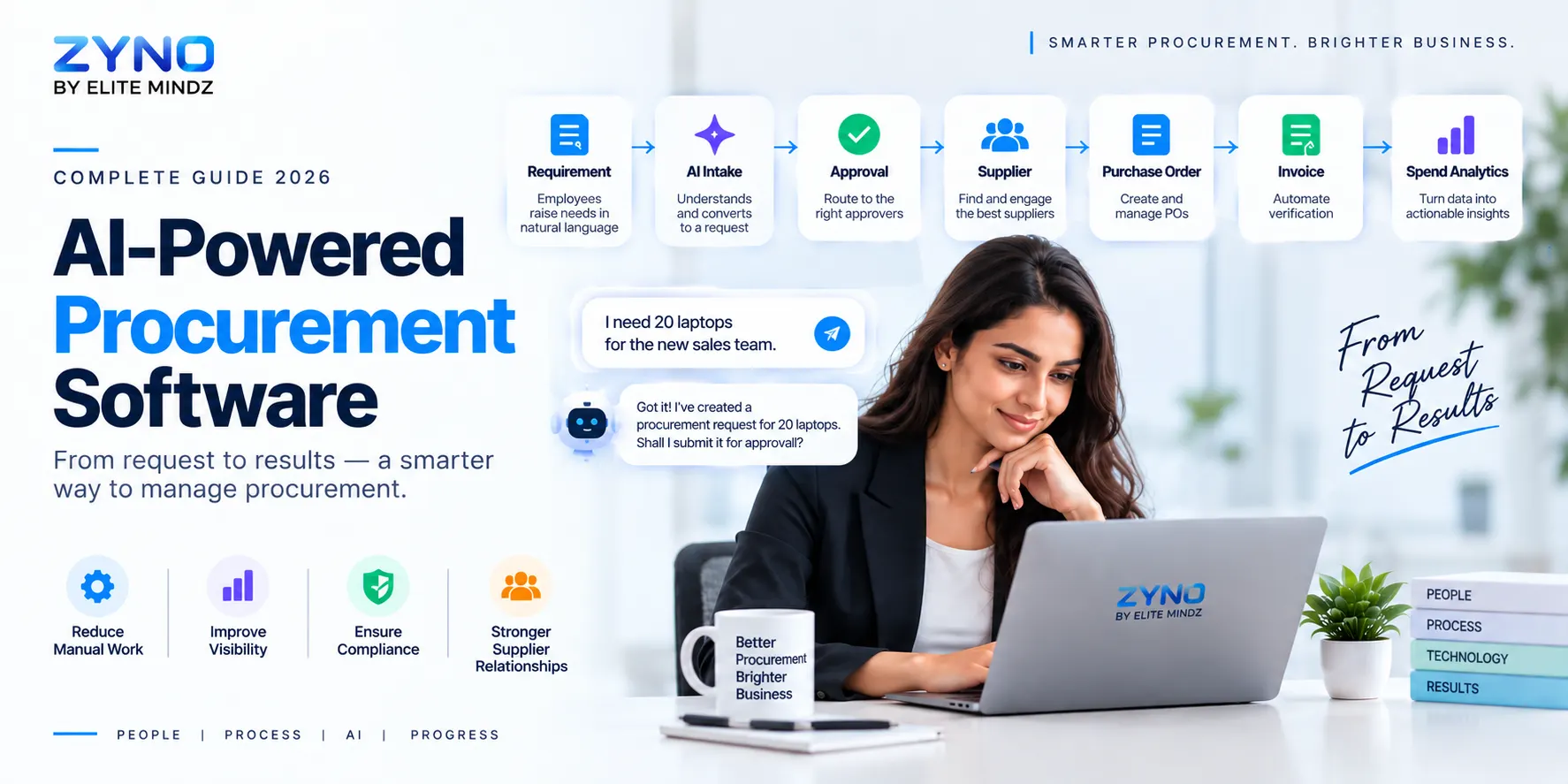




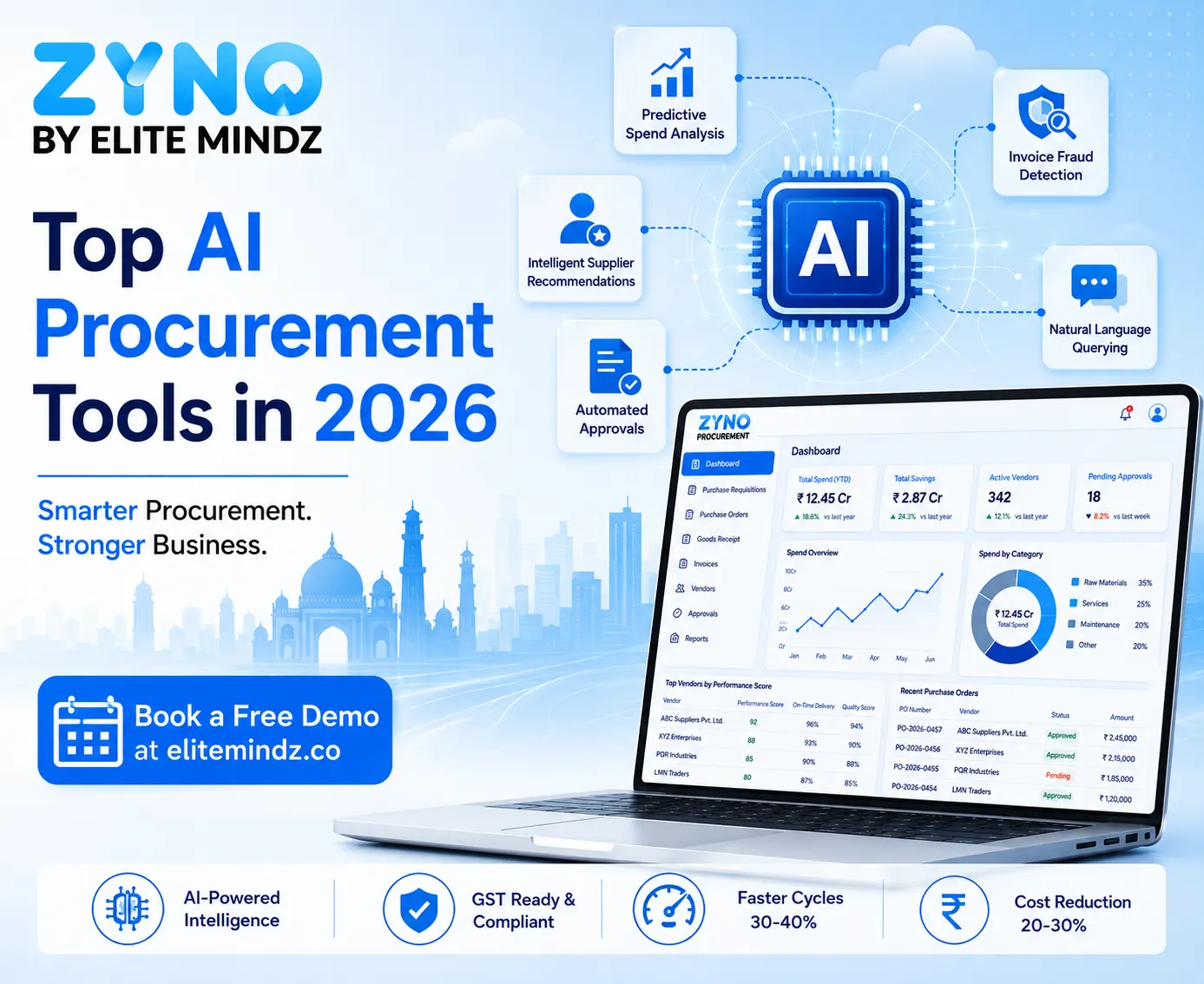
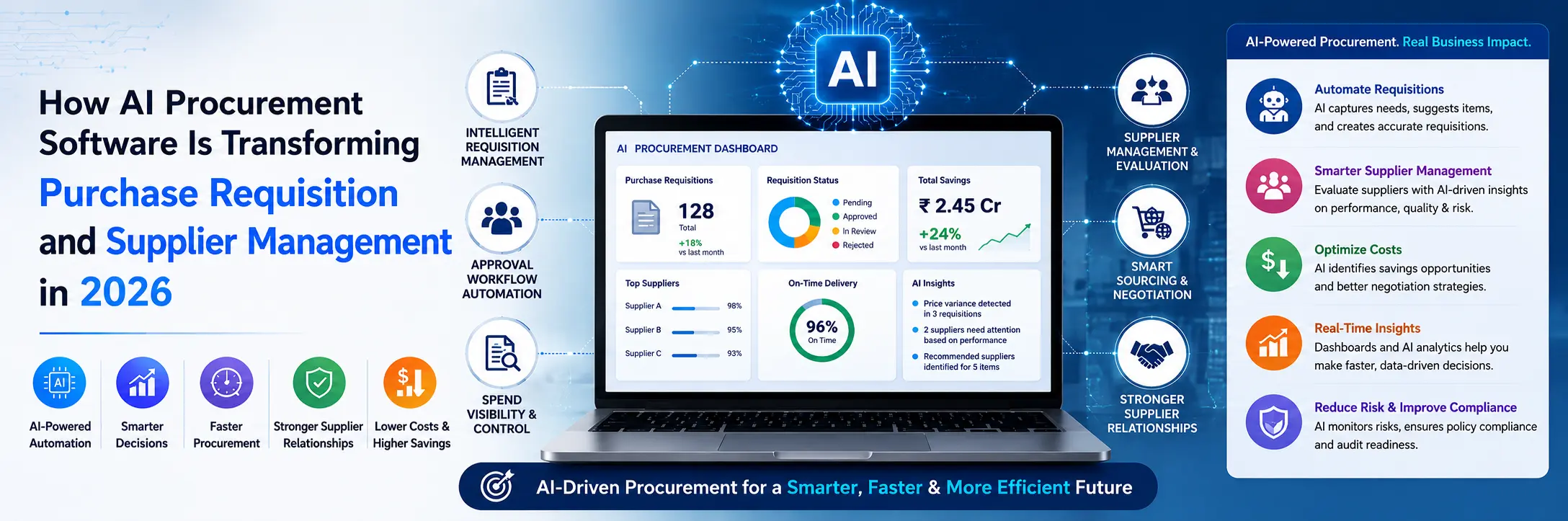
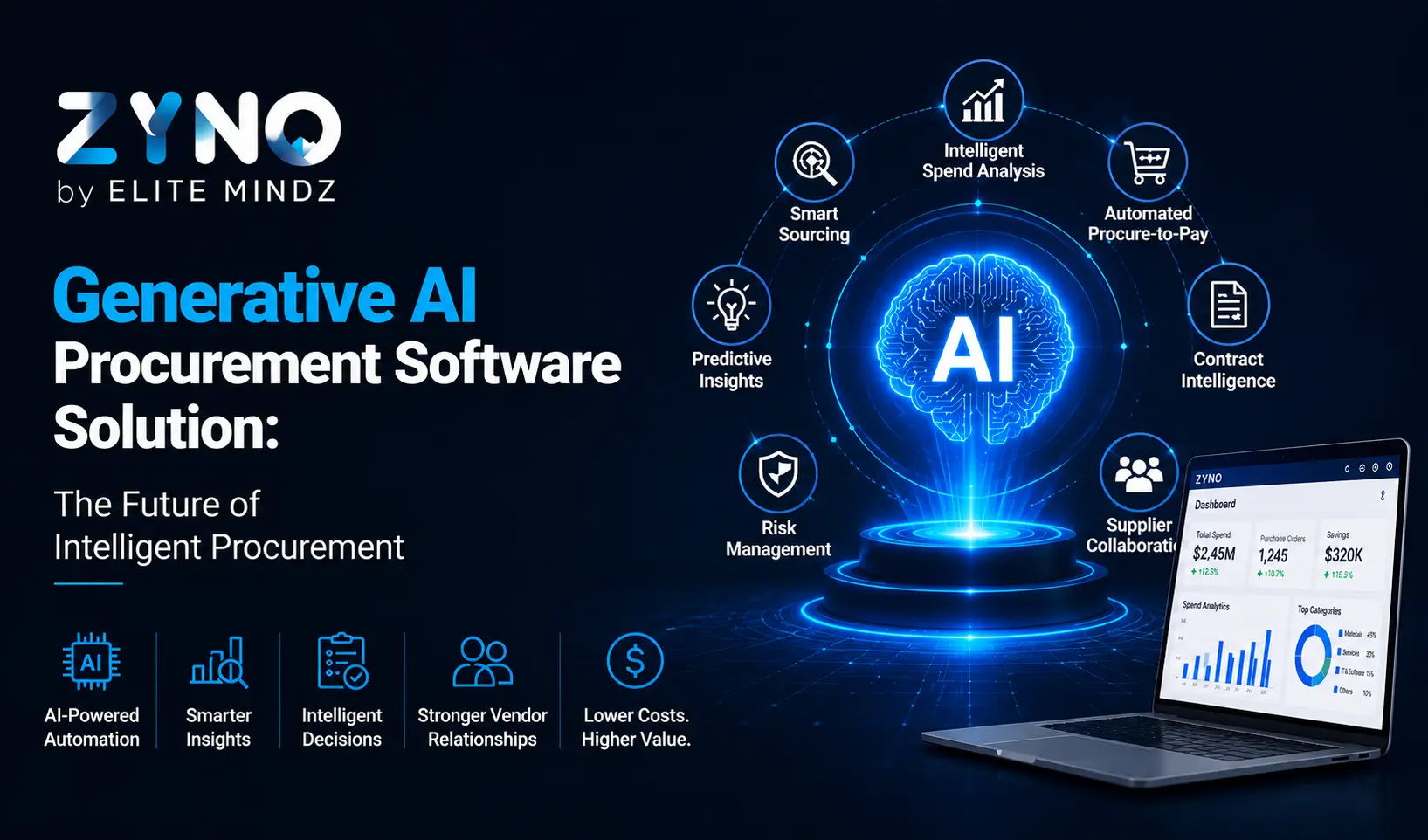
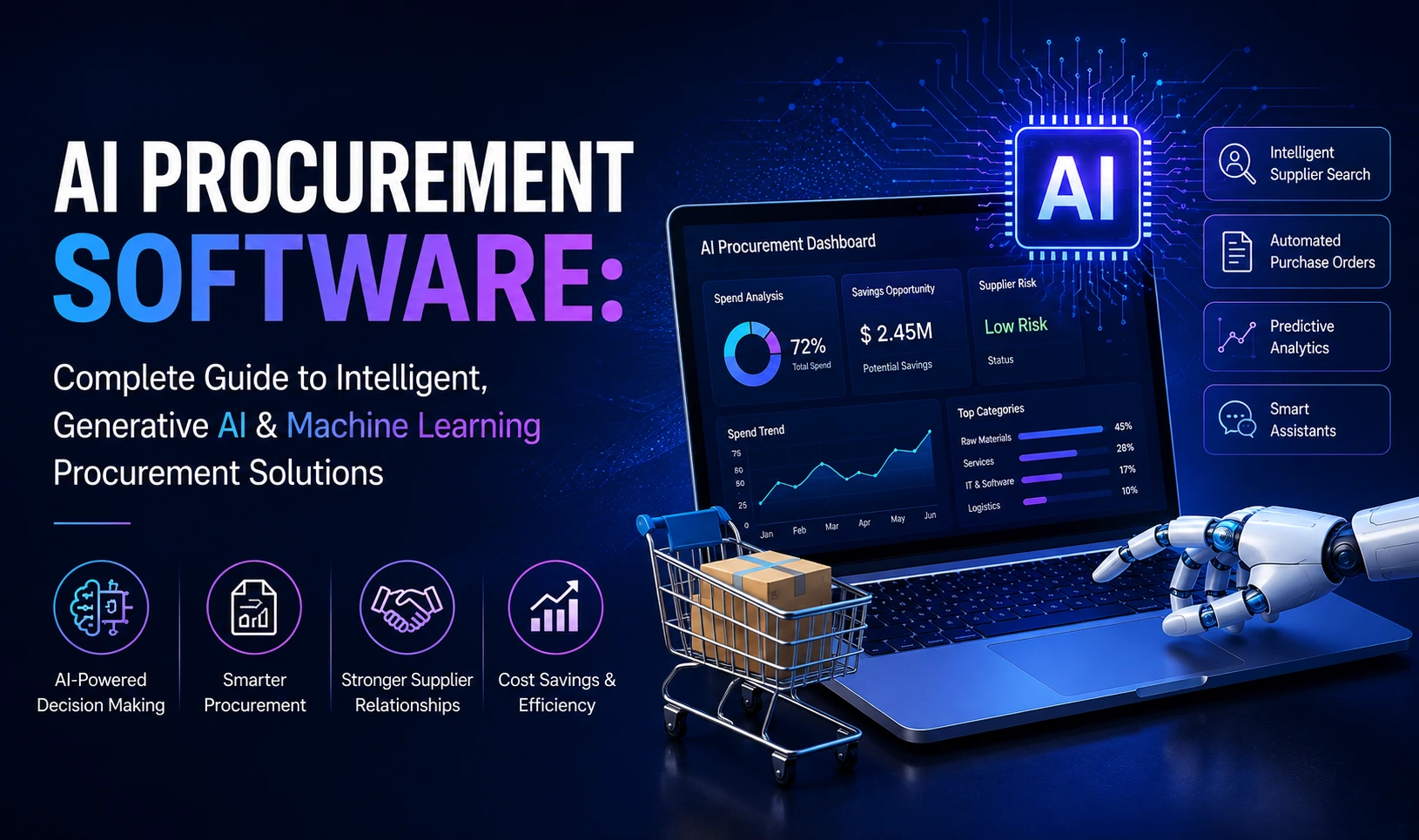
AI procurement software combines procurement workflows with AI capabilities such as natural-language request intake, document data extraction, supplier and quotation analysis, invoice verification support, and spend insights. The available functions vary by platform, so buyers should verify capabilities, integrations, approval controls, and how AI-generated outputs are reviewed.
The important question is not whether a procurement platform says it uses AI. The better question is:
What can the AI actually do inside the procurement workflow, what procurement data does it use, how are its outputs controlled, and where does human approval remain necessary?
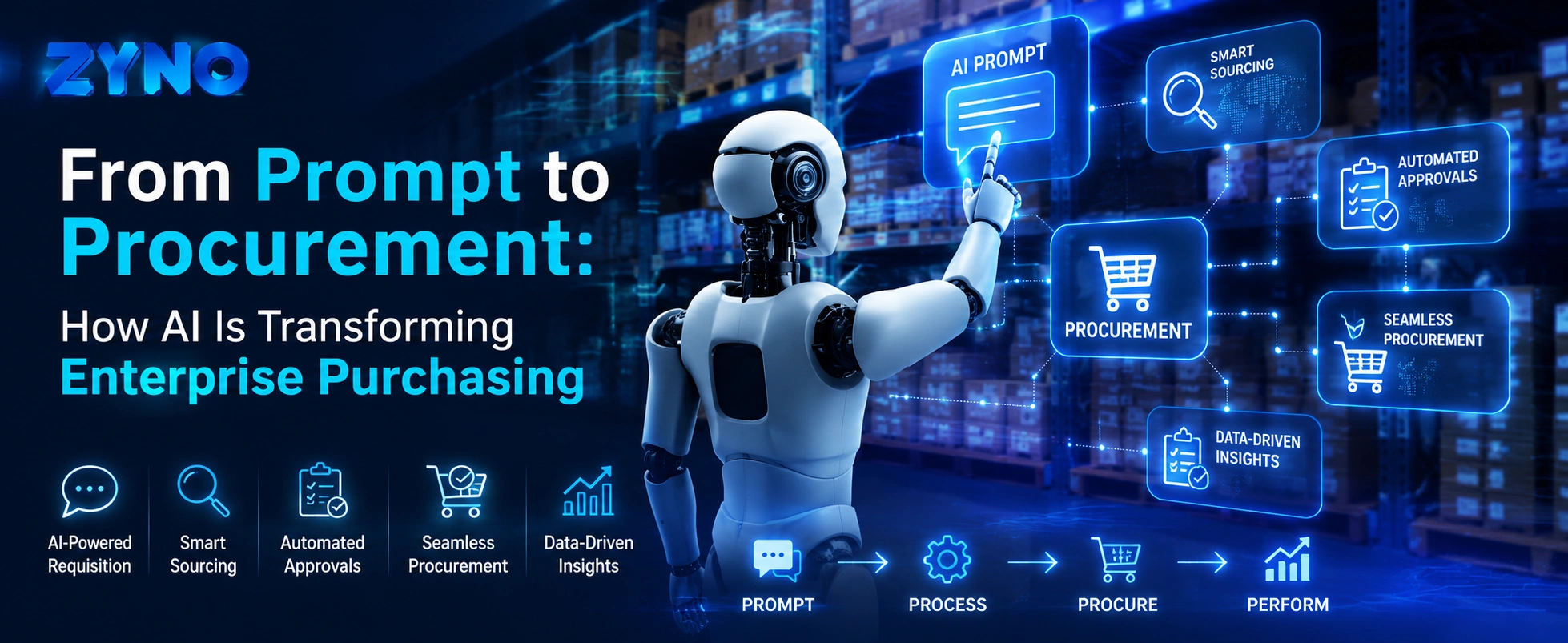
This guide explains what AI procurement software is, how it works, where AI can be applied, which capabilities matter, how to evaluate vendors, what pricing and ROI involve, what implementation requires, and how ZYNO applies AI to real procurement workflows.
AI Procurement Software: Key Takeaways
- AI procurement software applies AI to purchasing, sourcing, supplier management, invoice processing, spend analysis, and related workflows.
- Generative AI can help interpret natural-language requests, summarize information, and assist with procurement tasks.
- AI capabilities differ by vendor; not every platform supports autonomous or agentic workflows.
- Integrations, data quality, security, governance, and human approval controls matter as much as AI features.
- Evaluate platforms using real procurement scenarios and measurable KPIs, not AI claims alone.
- Pricing and ROI depend on workflow requirements, implementation effort, adoption, and measured business outcomes.
What Is AI Procurement Software?
AI procurement software applies artificial intelligence to purchasing and sourcing activities, supplier management, approvals, invoice processing, and spend analysis. It can help interpret requests, extract information from documents, analyze purchasing data, identify exceptions, and support decisions.
Traditional procurement software digitizes purchasing processes and applies configured workflows. AI-enabled systems can add natural-language interaction, intelligent data extraction, recommendations, and AI-assisted analysis.
Capabilities vary by platform. Buyers should verify which features are included, what data they use, how outputs are validated, and which actions still require human approval.
How Does AI Procurement Software Work?
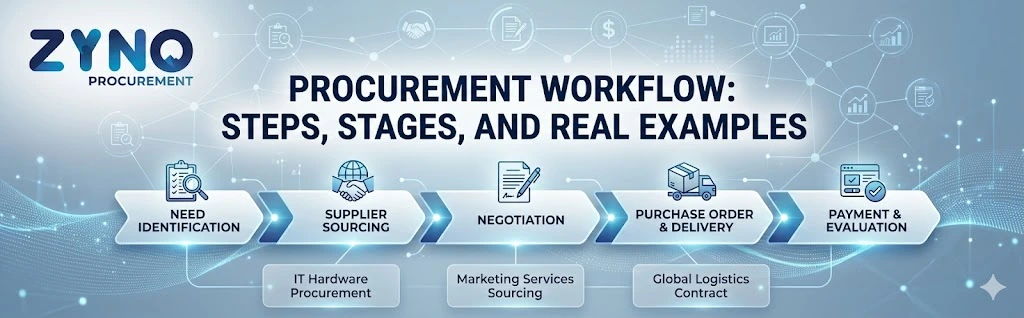
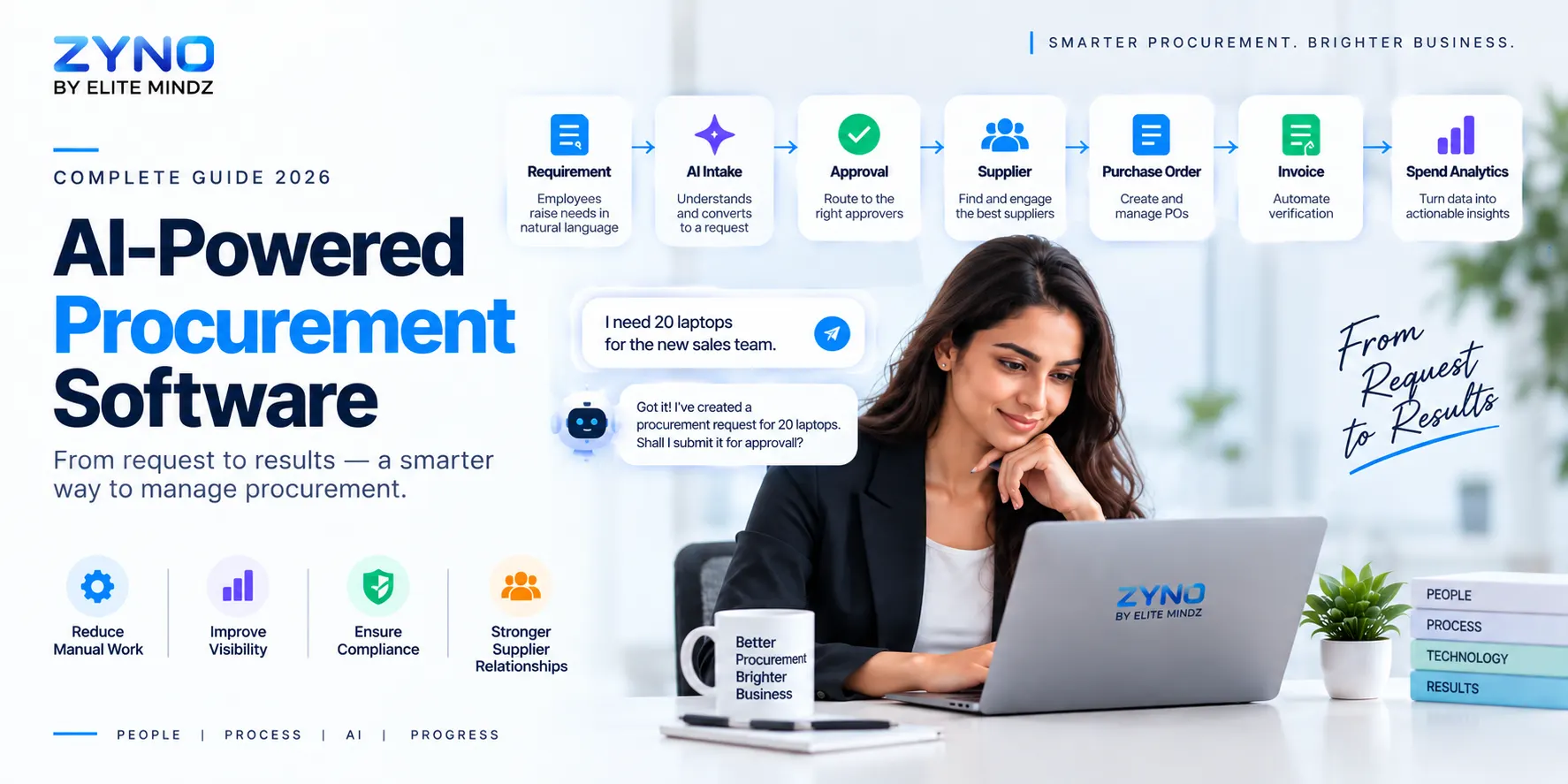
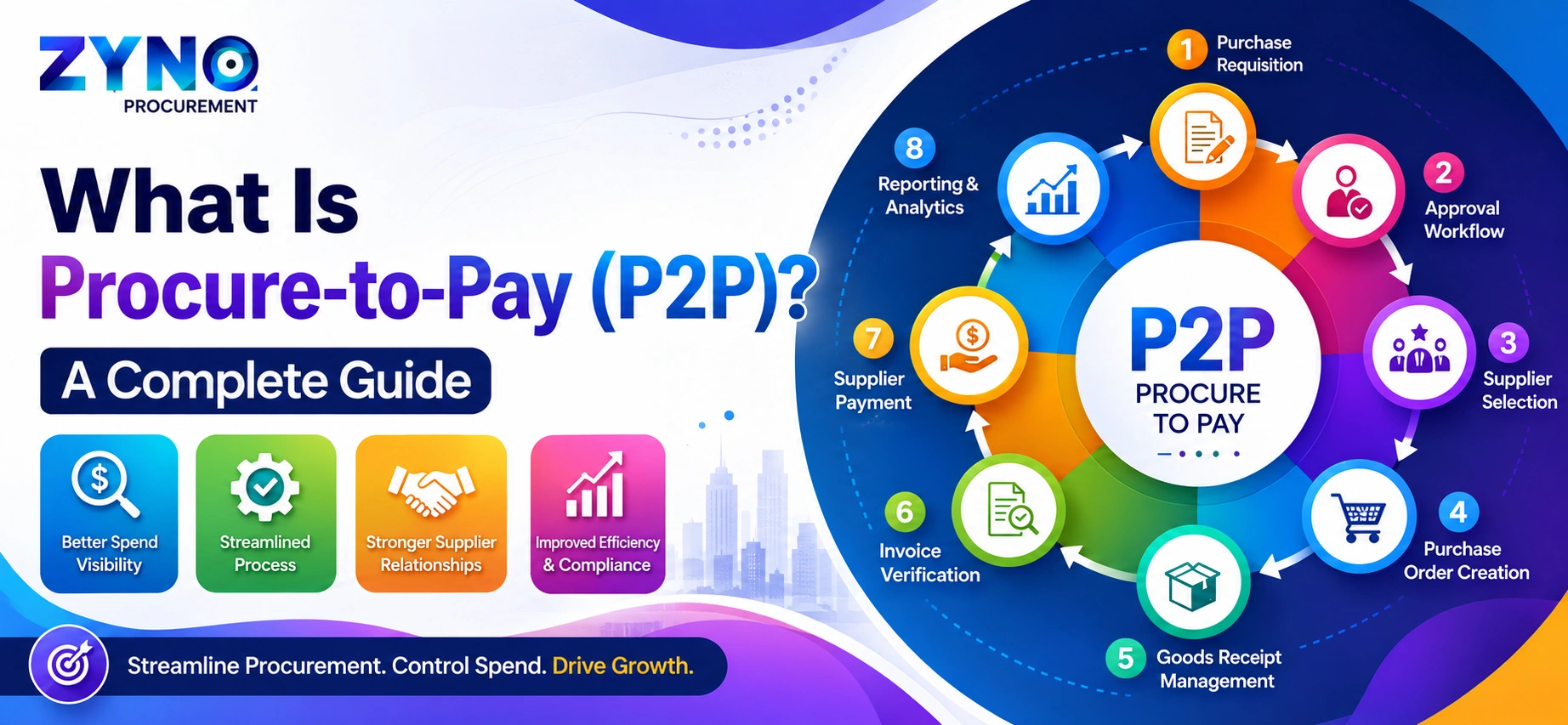
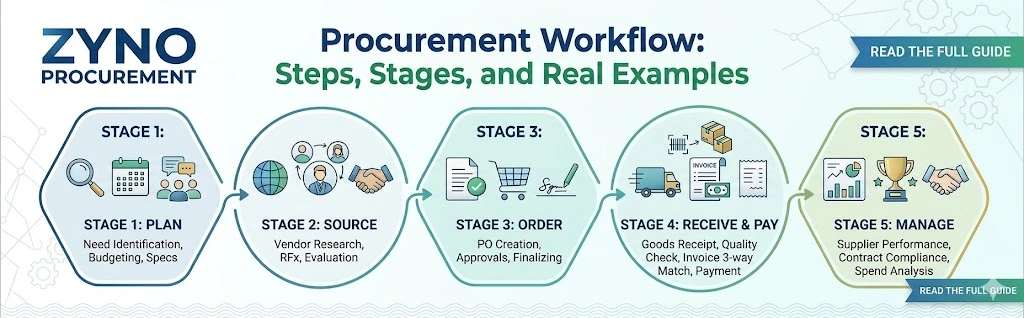
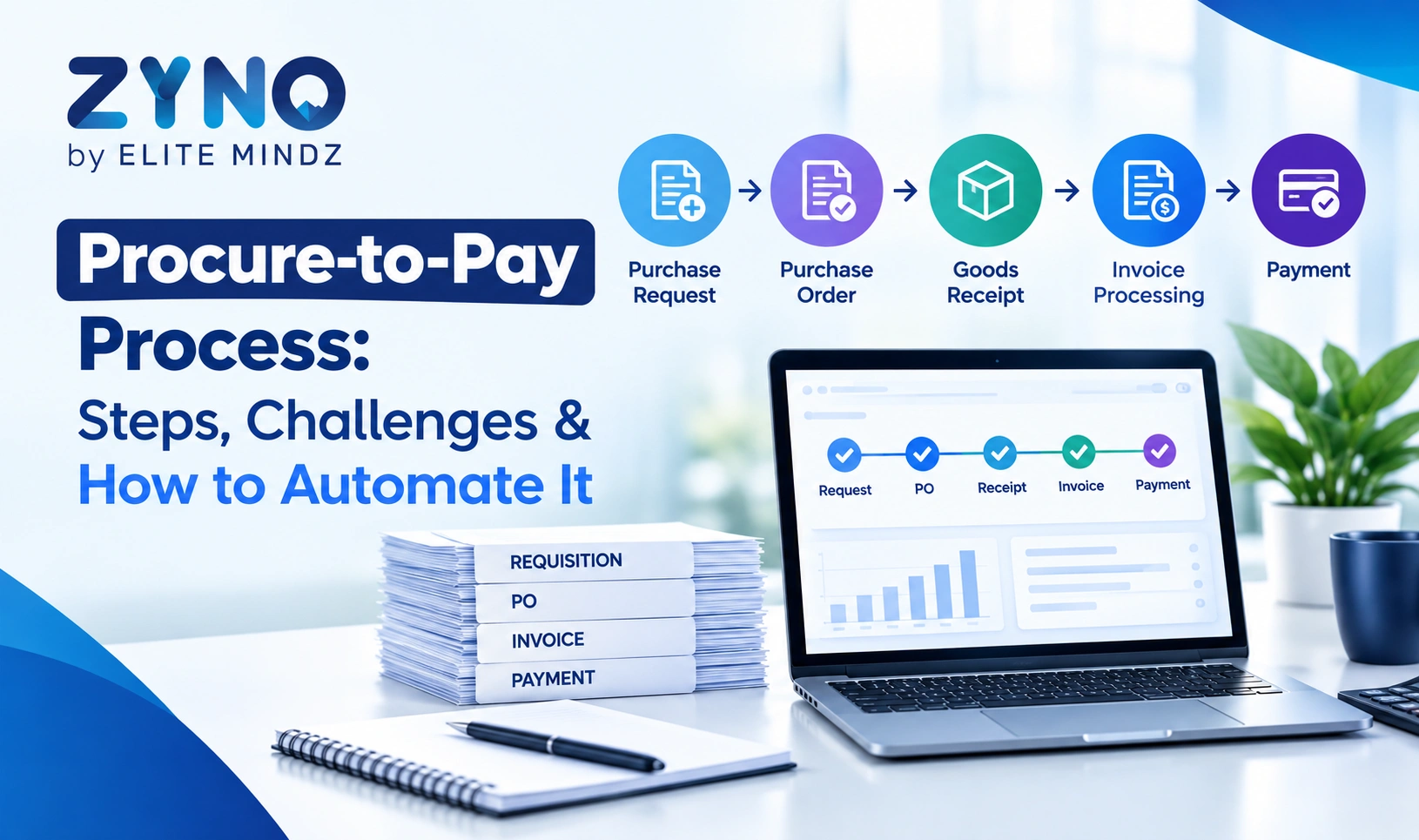
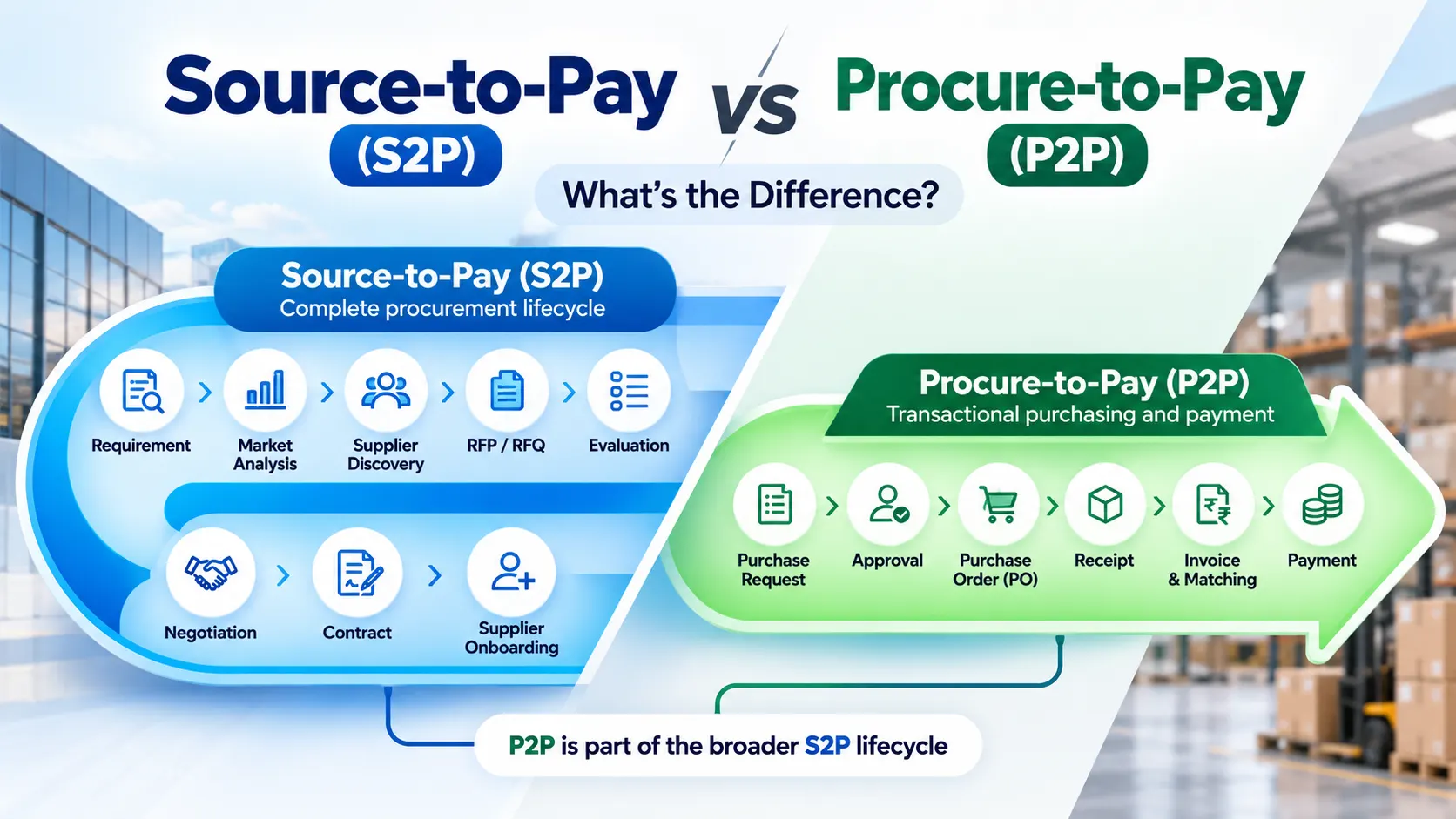
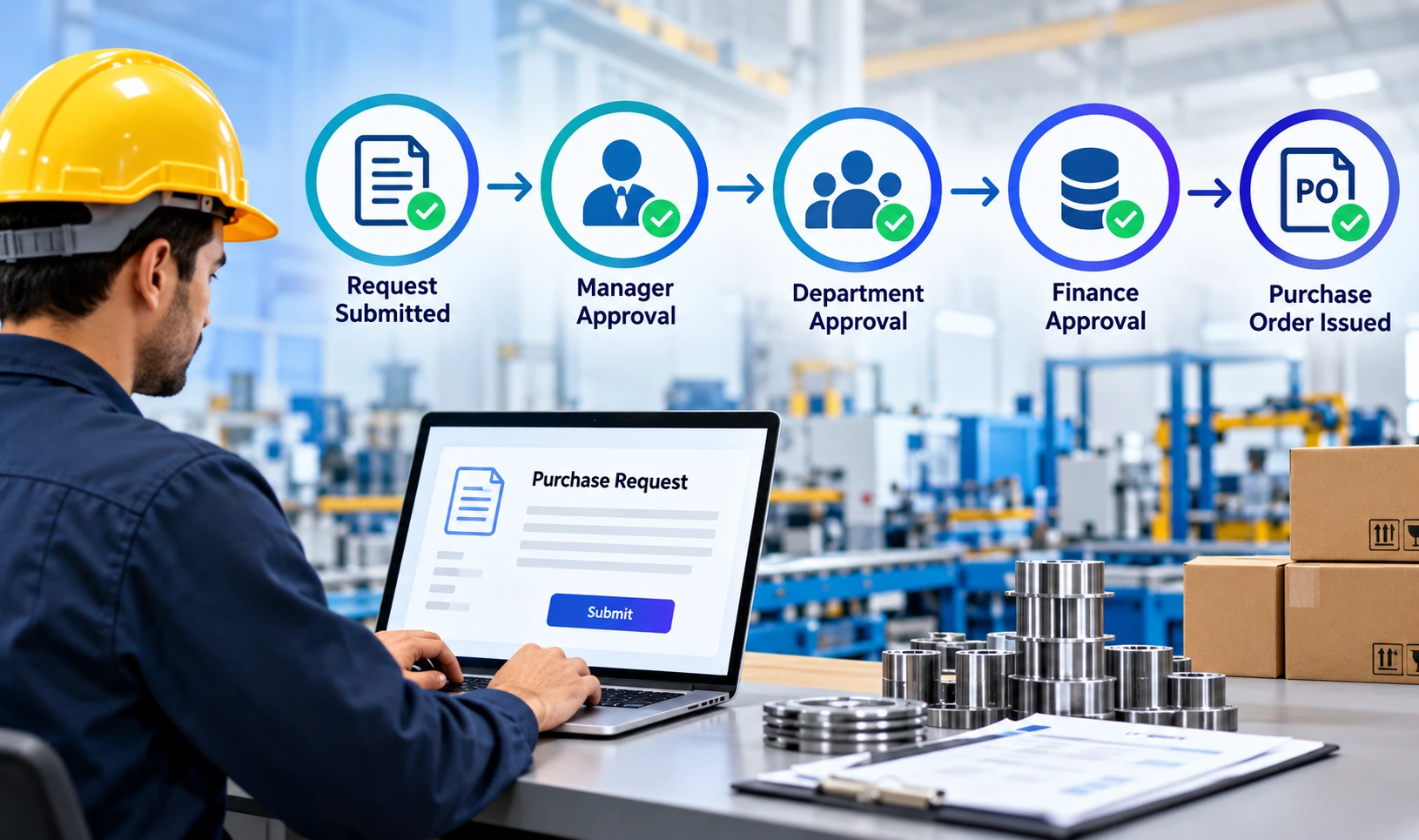
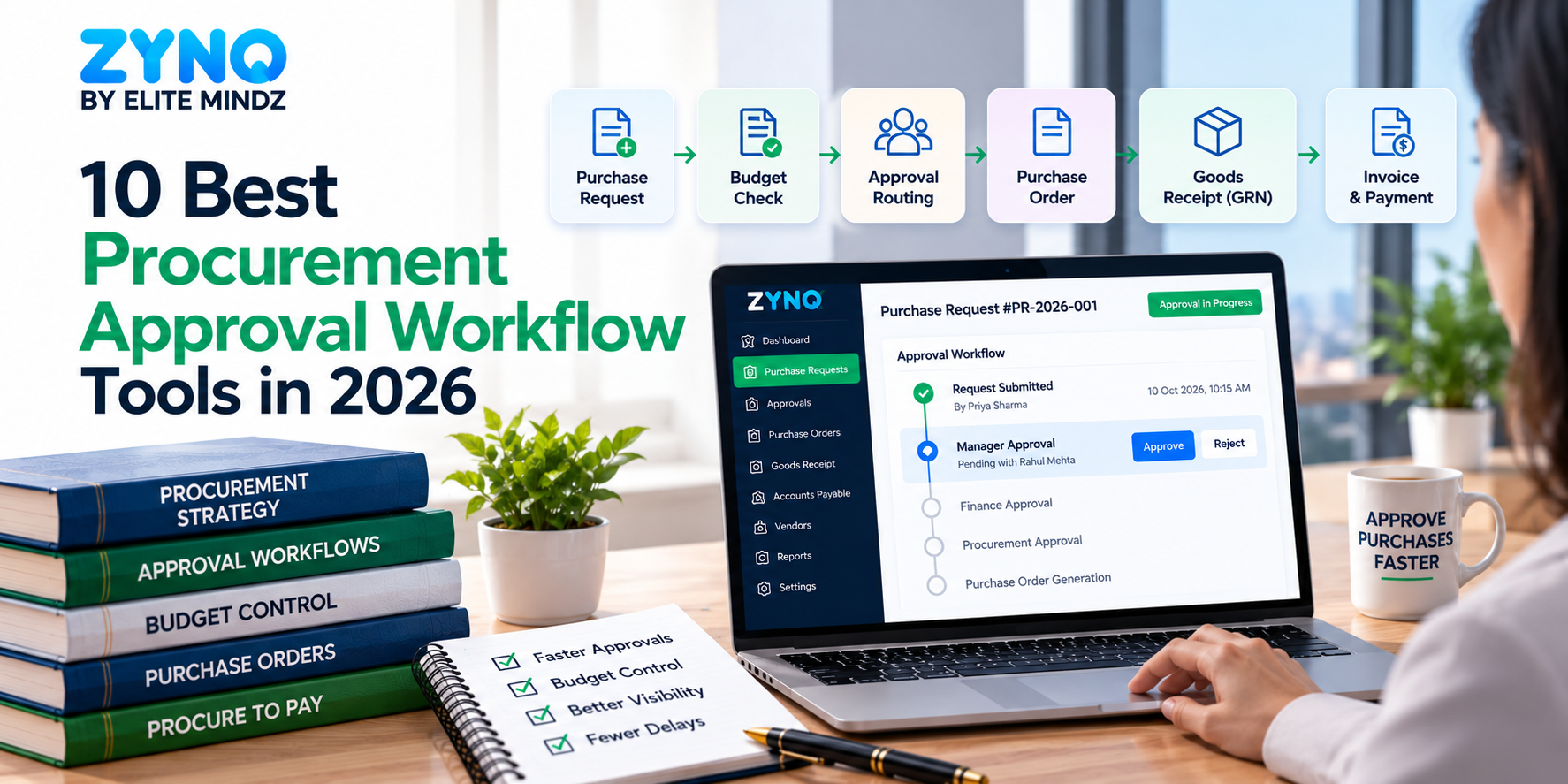
A typical procure-to-pay workflow moves from a business requirement to a purchase request, approval, sourcing, purchase order, receipt, invoice verification, payment, and spend analysis. AI may assist at selected stages, while configured business rules and human approvals continue to govern the process.
- Requirement
An employee or department identifies a need.
- Purchase request
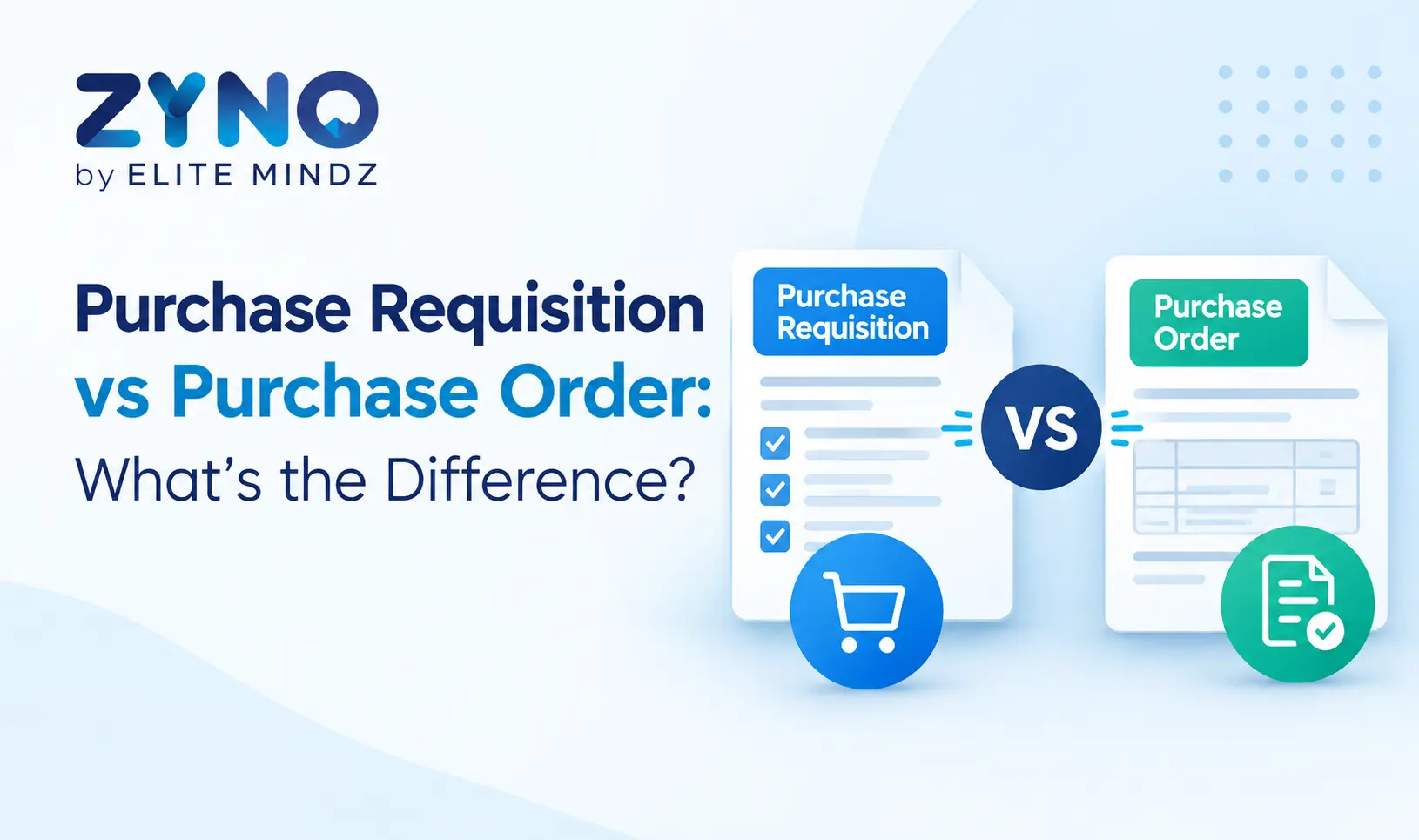
The requirement becomes a structured purchase requisition.
- Approval
The request is checked against the organization's approval workflow.
- Sourcing
Procurement may request quotations, use AI RFP software, or select an approved supplier.
- Purchase order
An approved purchase is converted into a purchase order.
- Receipt
The organization records receipt of goods or services.
- Invoice
The supplier submits an invoice.
- Verification
Invoice information can be checked against procurement records.
- Payment
Approved invoices move into the payment process.
- Analytics
Purchasing data can be analyzed by supplier, category, department, location, or other dimensions.
AI can be applied at several of these stages.
For example, SAP's current procurement AI capabilities include AI assistance for requisition and buying, supplier recommendations, sourcing, bid analysis, supplier management and invoicing.
Where Is AI Used in Procurement?
AI is most useful when it is connected to a real procurement task.
1. AI-Powered Purchase Requests
Employees often know what they need, but they may not know how to express that requirement using procurement terminology.
A natural-language interface can change that.
Instead of completing a long form, an employee might enter:
"I need 25 laptops for the new sales team, required by the end of the month."
An AI-enabled procurement system can interpret the request and help turn it into structured procurement information.
Depending on the platform, this can include:
- item
- quantity
- category
- supplier information
- delivery requirement
- budget information
- approval routing
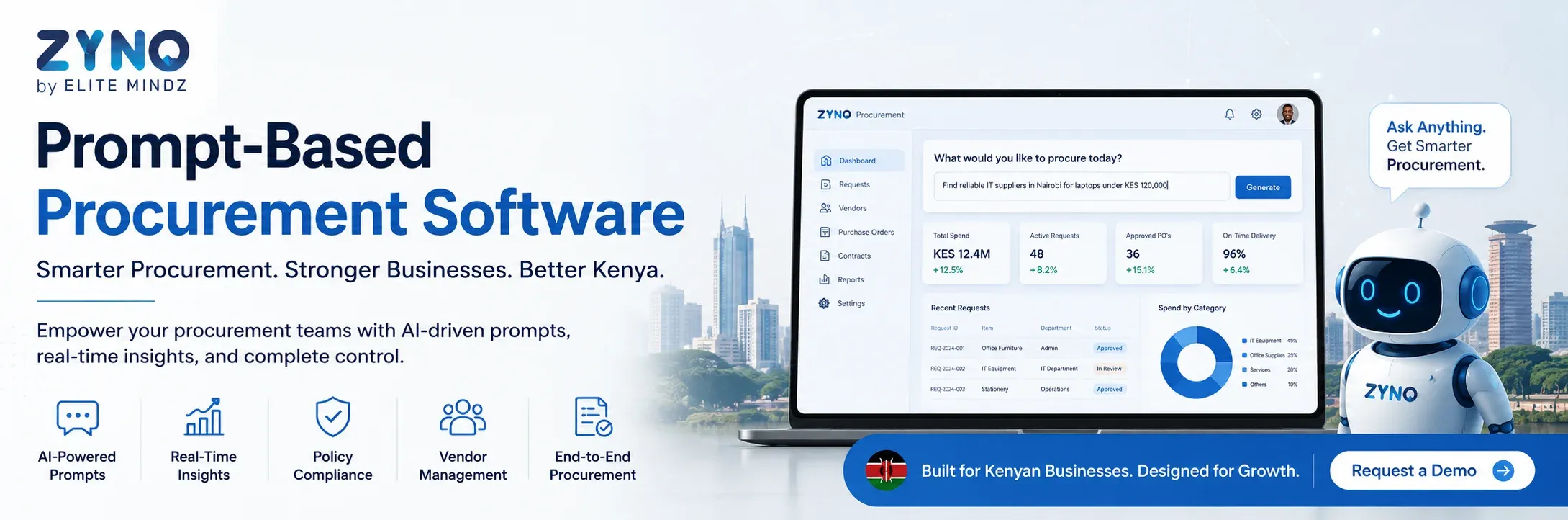
ZYNO AI Intake is designed around this type of natural-language procurement intake. Its product documentation describes AI purchase requisition software that converts natural-language requirements into structured purchase requisitions and supporting information such as suppliers, categories, budgets and delivery details.
Why this matters: the procurement process can begin with the employee's requirement instead of forcing the employee to understand the software first.
2. Intelligent Approval Workflows
Procurement approvals can involve:
- purchase value
- department
- cost center
- category
- budget
- organizational hierarchy
- procurement policy
AI can assist with information capture and routing, while predefined business rules can continue to control approvals.
This is an important distinction:
AI should support procurement governance, not bypass it.
For higher-risk purchasing decisions, organizations should define when human approval is required.
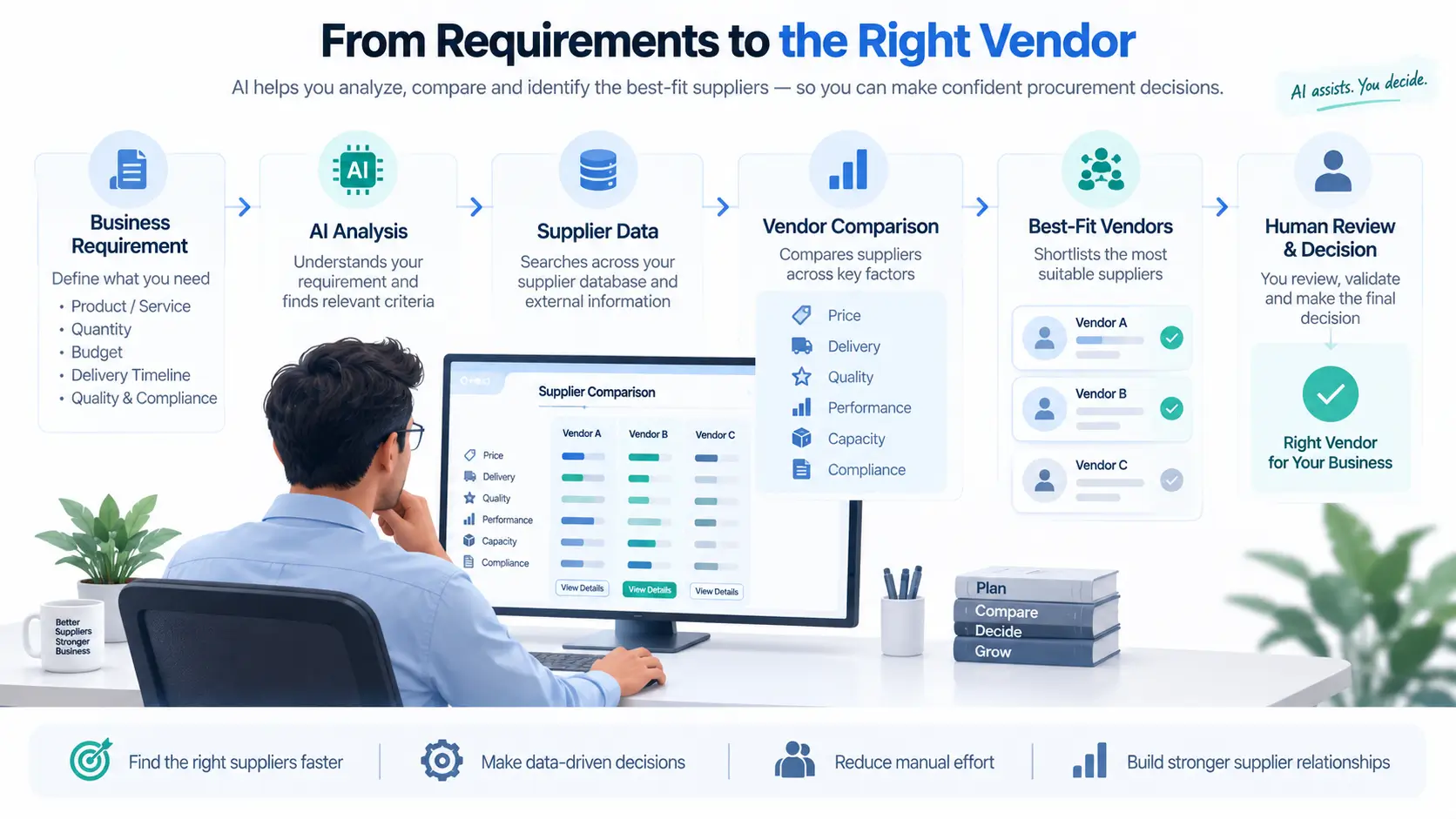
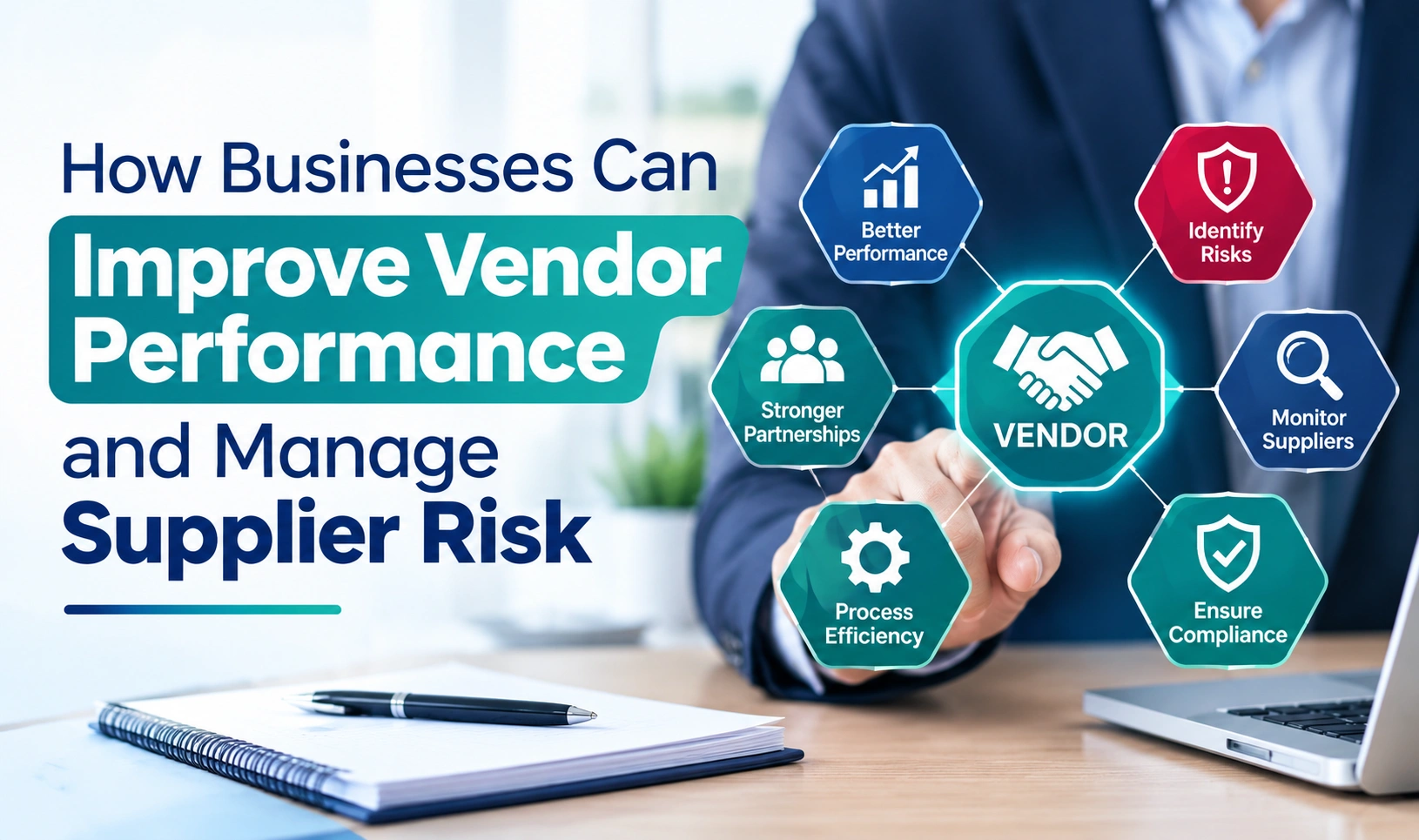
3. Supplier Discovery and vendor management software
Supplier data can become difficult to manage as organizations work with more vendors.
AI can assist with activities such as:
- supplier matching
- supplier classification
- supplier performance analysis
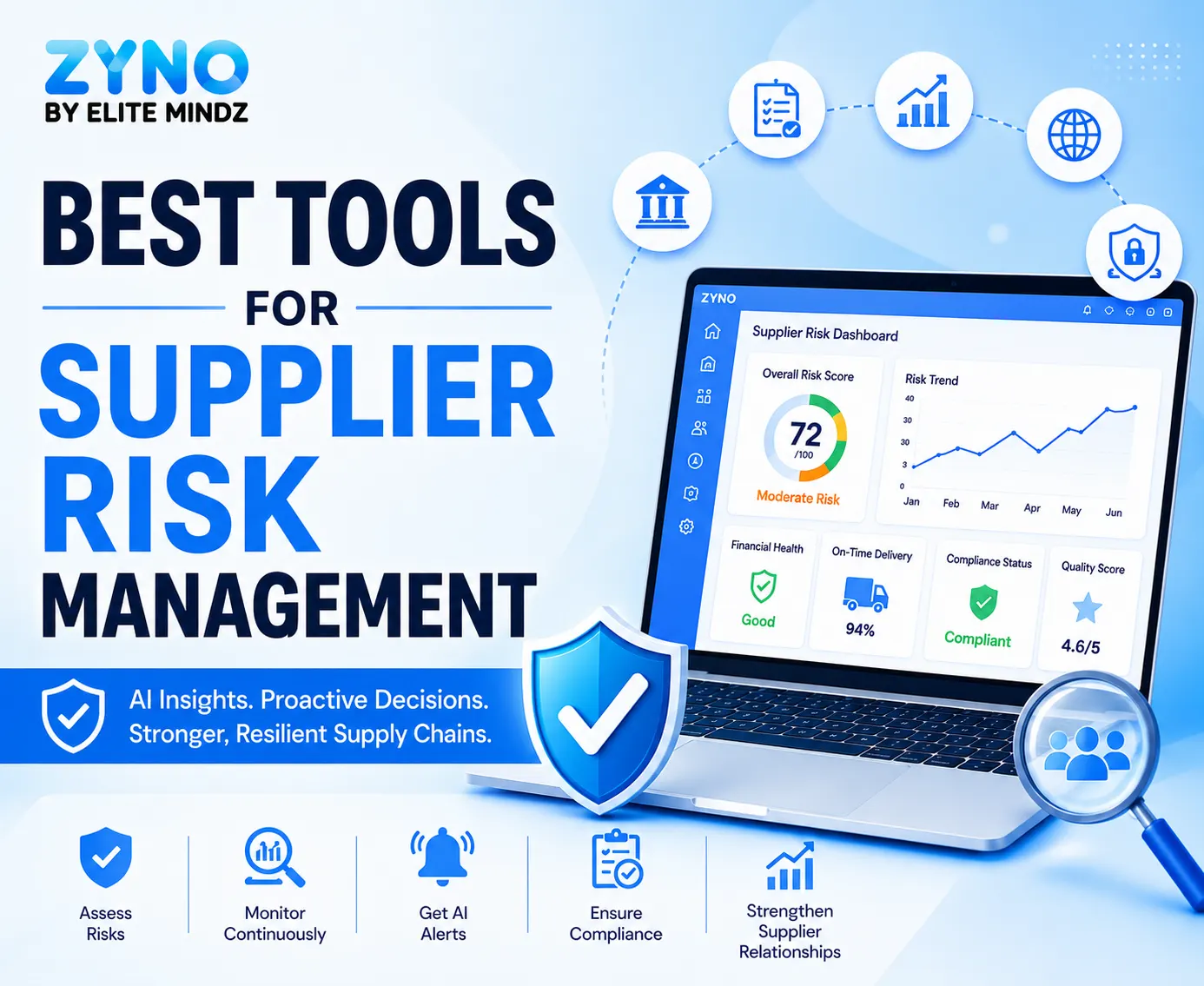
- risk-related insights
- supplier comparison
- supplier information retrieval
However, procurement teams should distinguish between supplier recommendations and automated supplier decisions.
A recommendation can help a buyer work faster.
The final supplier decision may still require commercial, technical, compliance or relationship considerations.
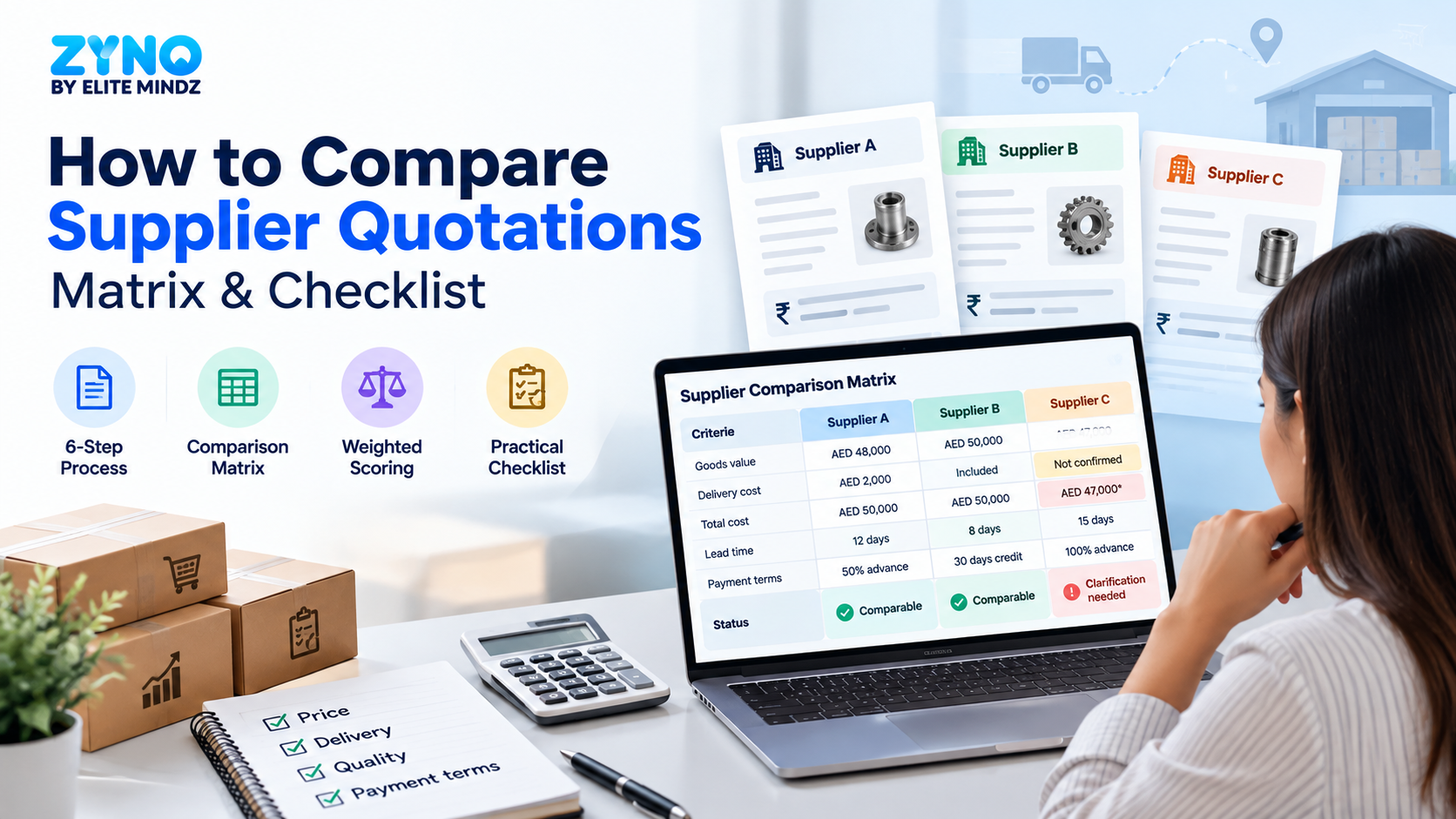
4. AI-Assisted Sourcing and Quotation Analysis
Sourcing often involves reviewing multiple supplier submissions.
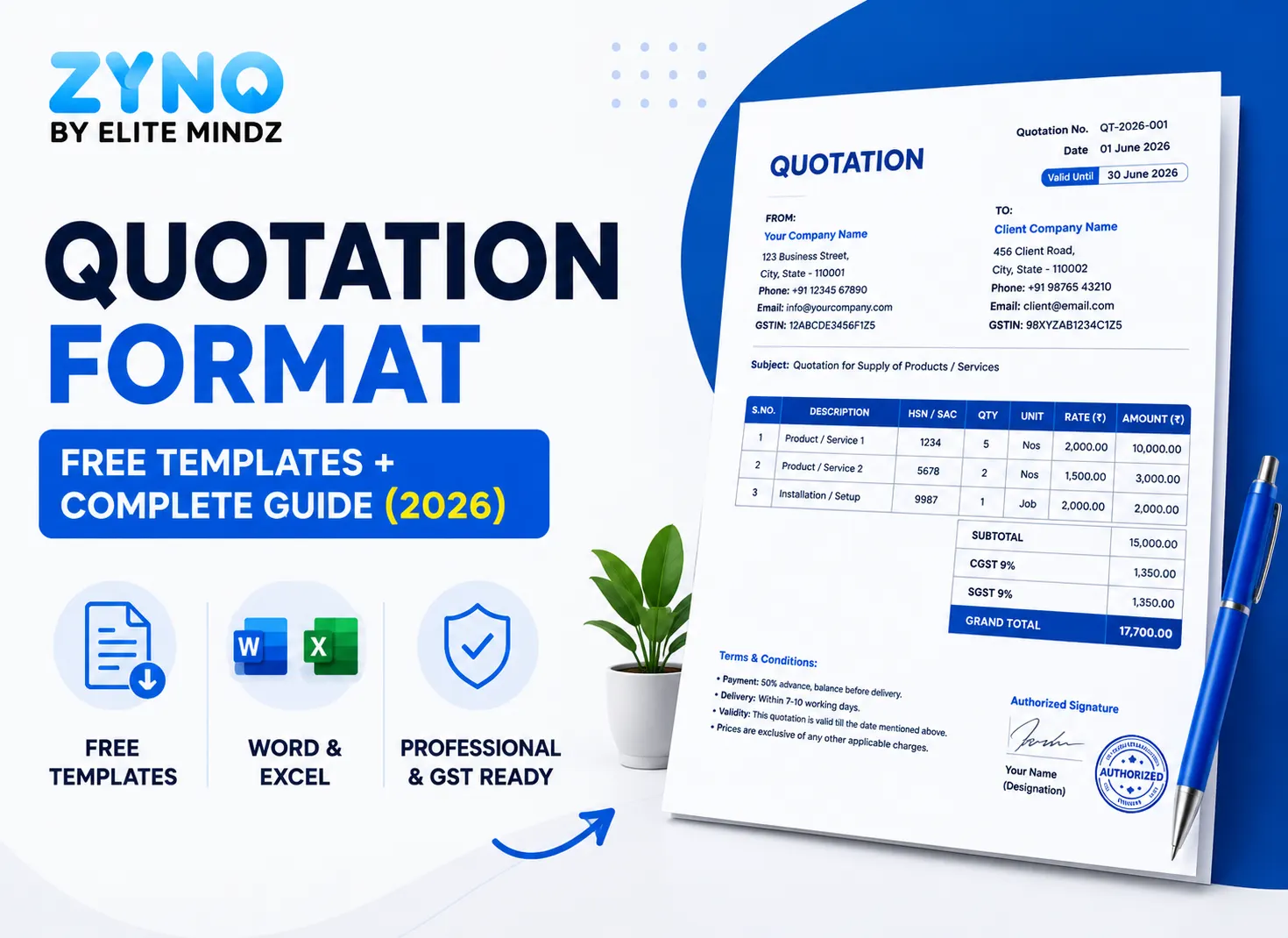
AI can help organize and compare information from quotations or sourcing events using AI quotation management software.
Potential applications include:
- extracting quotation data
- comparing supplier responses
- identifying differences
- summarizing submissions
- highlighting exceptions
- supporting bid analysis
SAP's current Sourcing Assistant, for example, is positioned around supplier discovery, sourcing-event creation, bid analysis and supplier negotiations.
The important evaluation question is:
Does the system only summarize supplier information, or can it connect that analysis to the actual sourcing workflow?
5. AI Invoice Processing
Invoice processing is another area where AI can reduce repetitive work.
A procurement or accounts payable automation platform can use document intelligence to extract information such as:
- supplier
- invoice number
- date
- tax information
- line items
- quantities
- amounts
The extracted information can then be checked against procurement records.
For example:
Purchase Order + goods receipt management + Invoice
can be used as part of a three-way matching workflow.
ZYNO's current AI invoice capability describes extracting invoice information and validating it against purchase orders and goods receipts while identifying duplicates and mismatches for review.
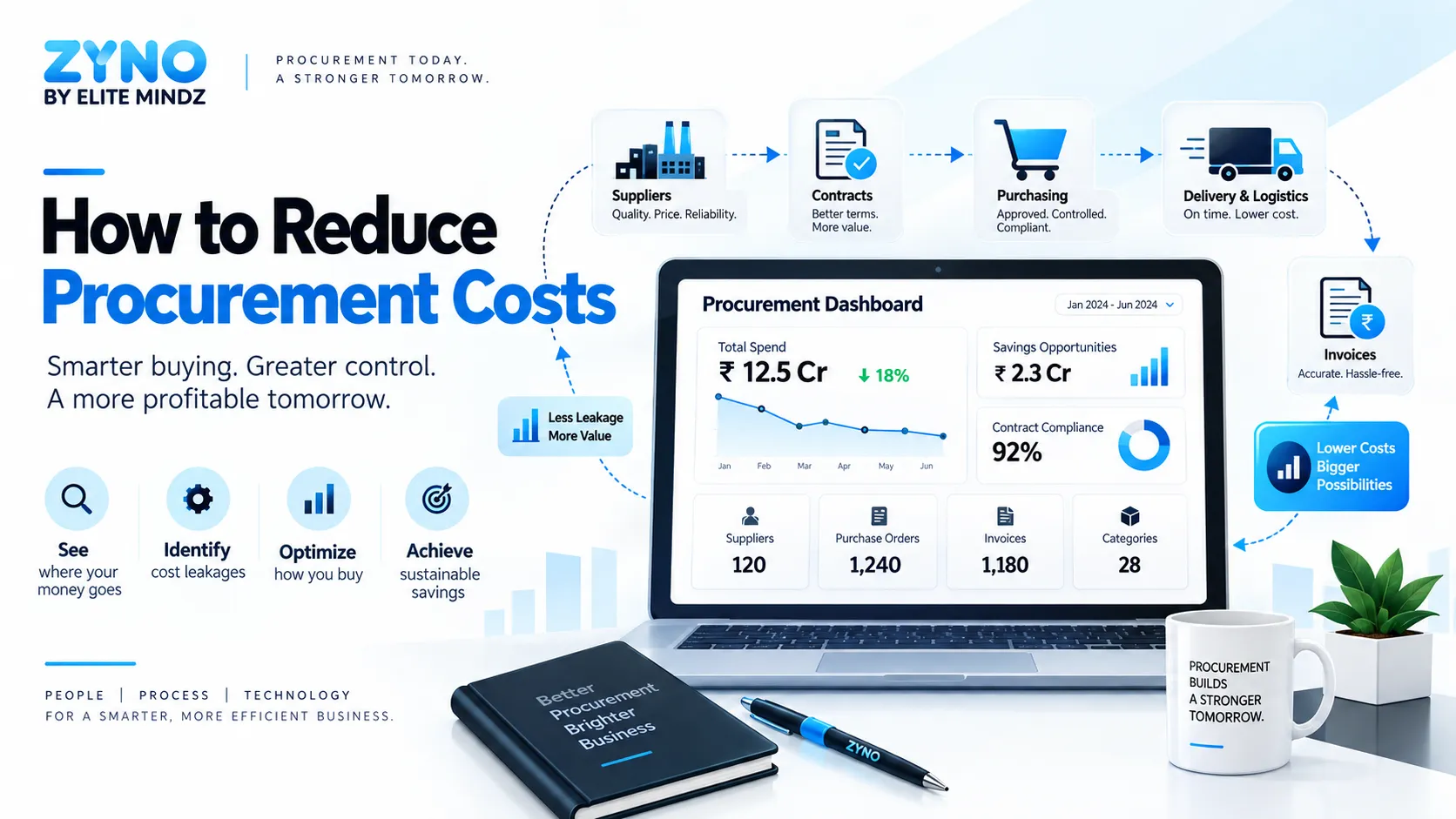
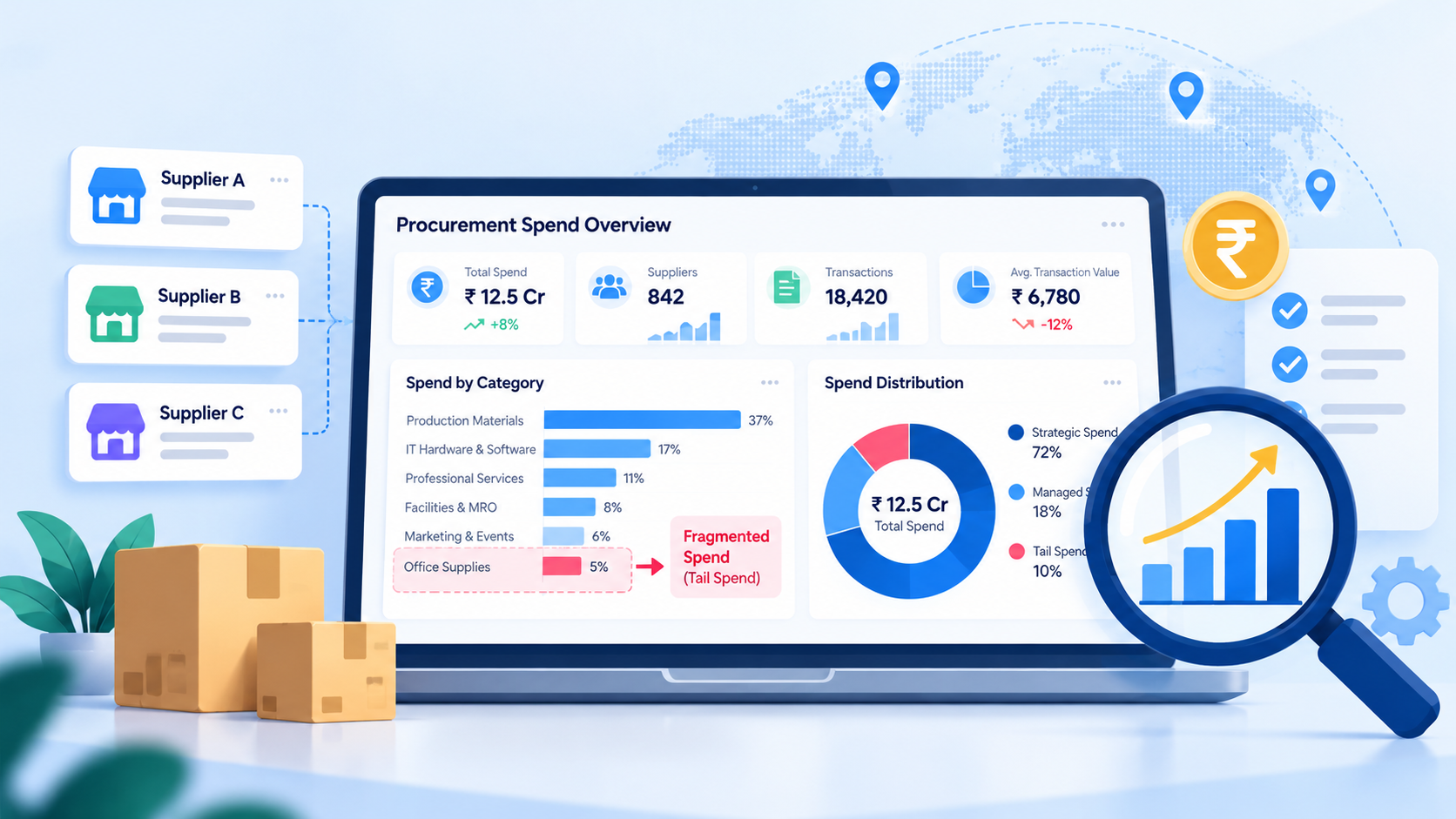
6. Spend Analytics
Procurement teams cannot control spending effectively if they cannot see it.
AI spend analytics software can help teams examine:
- supplier spend
- category spend
- department spend
- purchasing trends
- exceptions
- potential inefficiencies
The value is not simply having another dashboard.
The value is helping procurement answer questions such as:
Which suppliers are receiving the most spend?
Where is spending increasing?
Which categories need attention?
Where are purchasing patterns inconsistent with expectations?
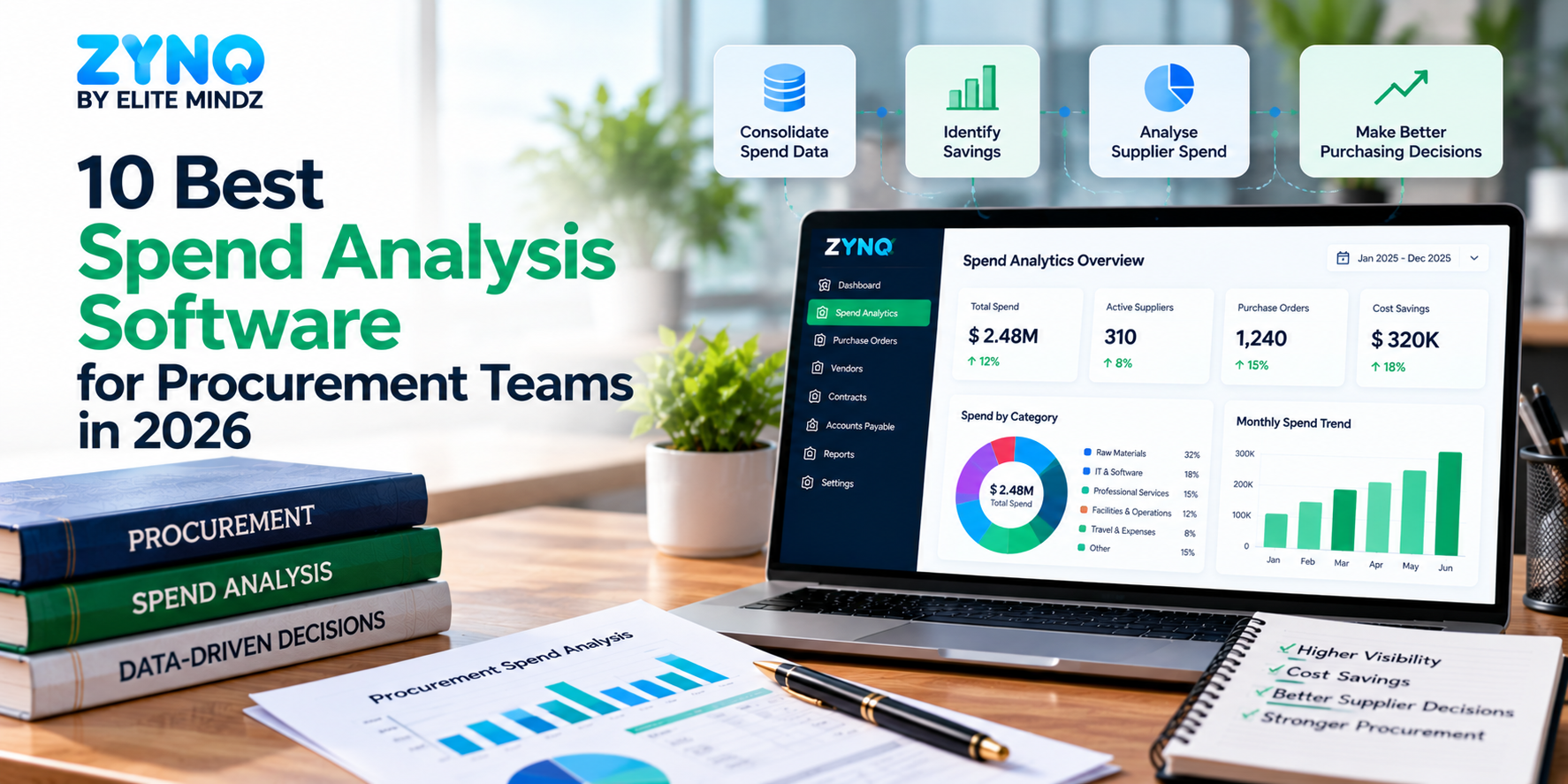
ZYNO's Spend Analytics offering is positioned around centralized procurement-spend analysis and real-time decision support.
7. Conversational Procurement
One of the most visible changes in procurement software is the move from menu-driven interfaces toward conversational interactions.
Instead of:
Search → Filter → Open → Compare → Analyze
a user may be able to ask:
"Show pending purchase orders awaiting approval."
"Compare the latest supplier quotations."
"Show procurement spend for this quarter."
The important part is not making procurement sound like ChatGPT.
The important part is reducing the amount of navigation required to get useful procurement information or initiate an approved workflow.
ZYNO's Hockey India implementation demonstrates this approach using natural-language procurement prompts for RFPs, bids, purchase orders and contract information.
See how AI connects to a real procurement workflow
ZYNO Procurement combines AI-assisted procurement capabilities with purchase requests, approvals, sourcing, supplier management, procure-to-pay, invoice verification and spend analytics.
AI vs Automation vs Generative AI vs Agentic AI in Procurement
These technologies overlap, but they solve different problems. Understanding the difference helps procurement teams evaluate software without being distracted by AI terminology.
| Technology | What it does | Procurement example |
|---|---|---|
| Rules-based automation | Follows predefined conditions and workflows. | Route a purchase above a defined threshold to finance approval. |
| AI / machine learning | Identifies patterns, classifications, predictions, or recommendations from data. | Identify unusual spend or support supplier-risk analysis. |
| Generative AI | Understands and generates natural-language content or summaries. | Summarize supplier quotations or turn a natural-language requirement into structured information. |
| Agentic AI | Can coordinate multiple permitted actions toward a defined objective. | Prepare and progress a routine procurement workflow while applying defined rules and escalating exceptions. |
The practical model for modern procurement is not AI instead of automation. It is AI + automation + business rules + procurement data + human oversight.
AI Procurement Software vs Traditional Procurement Software
The difference is best understood as workflow + intelligence, rather than simply "old software vs new software."
| Capability | Traditional approach | AI-enabled approach |
|---|---|---|
| Purchase intake | Manual forms/data entry | Natural-language or AI-assisted intake |
| Data extraction | Manual | AI-assisted extraction |
| Supplier analysis | Manual comparison | AI-assisted recommendations/analysis |
| Invoice processing | Manual review | Automated extraction and matching assistance |
| Spend analysis | Periodic reporting | Faster, interactive analysis |
| Procurement queries | Menu navigation | Conversational queries where supported |
| Workflow | Rule-based | Rules combined with AI assistance |
| Decisions | Human-led | Human-led with AI-assisted insights |
| Execution | Workflow automation | Increasingly AI-assisted execution with defined controls |
Traditional automation is still valuable.
For example:
If purchase value > threshold → send for finance approval
is rule-based automation.
AI adds another layer:
Understand the purchase requirement → extract relevant information → recommend or prepare the next action → apply workflow rules → escalate when human judgment is required.
The strongest procurement environments can combine both.
Benefits and Business Problems Solved by AI Procurement Software
AI procurement software is most useful when a specific capability addresses a measurable operational problem. Potential benefits depend on data quality, workflow design, integrations, adoption, and the platform's actual capabilities.
| Procurement problem | How AI may help | What to measure |
|---|---|---|
| Incomplete or slow purchase requests | Natural-language intake and structured data capture | Request completion time and incomplete-request rate |
| Manual supplier and quotation comparison | Extract, organize, summarize, and compare supplier information | Evaluation time and exception rate |
| Approval delays | Support request classification and routing alongside business rules | Approval turnaround time |
| High invoice workload | Extract invoice data and support matching against purchase orders and receipts | Processing time and mismatch rate |
| Fragmented spend data | Classify and analyze purchasing information | Spend visibility and reporting time |
| Slow procurement reporting | Retrieve relevant information and assist with report summaries | Report preparation time and data accuracy |
| Policy or transaction exceptions | Flag anomalies or missing information for review | Exception rate and resolution time |
These are potential applications, not guaranteed outcomes. Record a baseline before implementation and measure whether the selected workflow improves after deployment.
AI Procurement Software Features to Look For
Evaluate the whole procurement workflow, not just the AI interface. Confirm which capabilities are available in the product tier being considered and whether they are native, integrated, or dependent on additional services.
Core procurement workflow capabilities
- Purchase requisitions and purchase orders
- Approval workflows and policy controls
- Supplier and vendor management
- RFQs, RFPs, tendering, and quotation management
- Goods receipt and procure-to-pay workflows
- Invoice processing and accounts payable integration
- Spend analytics and procurement reporting
AI capabilities to evaluate
- Natural-language purchase intake
- Document extraction and validation
- Supplier recommendations and quotation analysis
- Invoice matching assistance and exception detection
- Conversational access to procurement information
- AI-assisted reporting and spend analysis
- Predictive or agentic capabilities where relevant and genuinely supported
Integration, security, and governance
- ERP, finance, inventory, and procurement integrations
- Role-based access, approval permissions, and segregation of duties
- Audit trails, workflow history, and exception handling
- Data security, retention, and applicable data-residency controls
- Clear information about how procurement data is used by AI
- Human review and override mechanisms
AI Procurement Security and Governance Checklist
Procurement systems handle sensitive information such as supplier records, pricing, contracts, purchasing activity, and financial data. AI capabilities should therefore operate within appropriate security and governance controls.
Before selecting a platform, evaluate:
- Role-based access controls
- Approval permissions and segregation of duties
- Audit logs and workflow history
- Data encryption and retention policies
- Data residency requirements where applicable
- AI activity logging where applicable
- Human approval and override controls
- Exception handling
- Supplier and financial-data protection
- API and integration security
- How procurement data is used by AI models
The objective is not to remove people from procurement. It is to use AI where it can safely reduce repetitive work while keeping consequential purchasing decisions under appropriate organizational control.
How to Choose and Evaluate AI Procurement Software
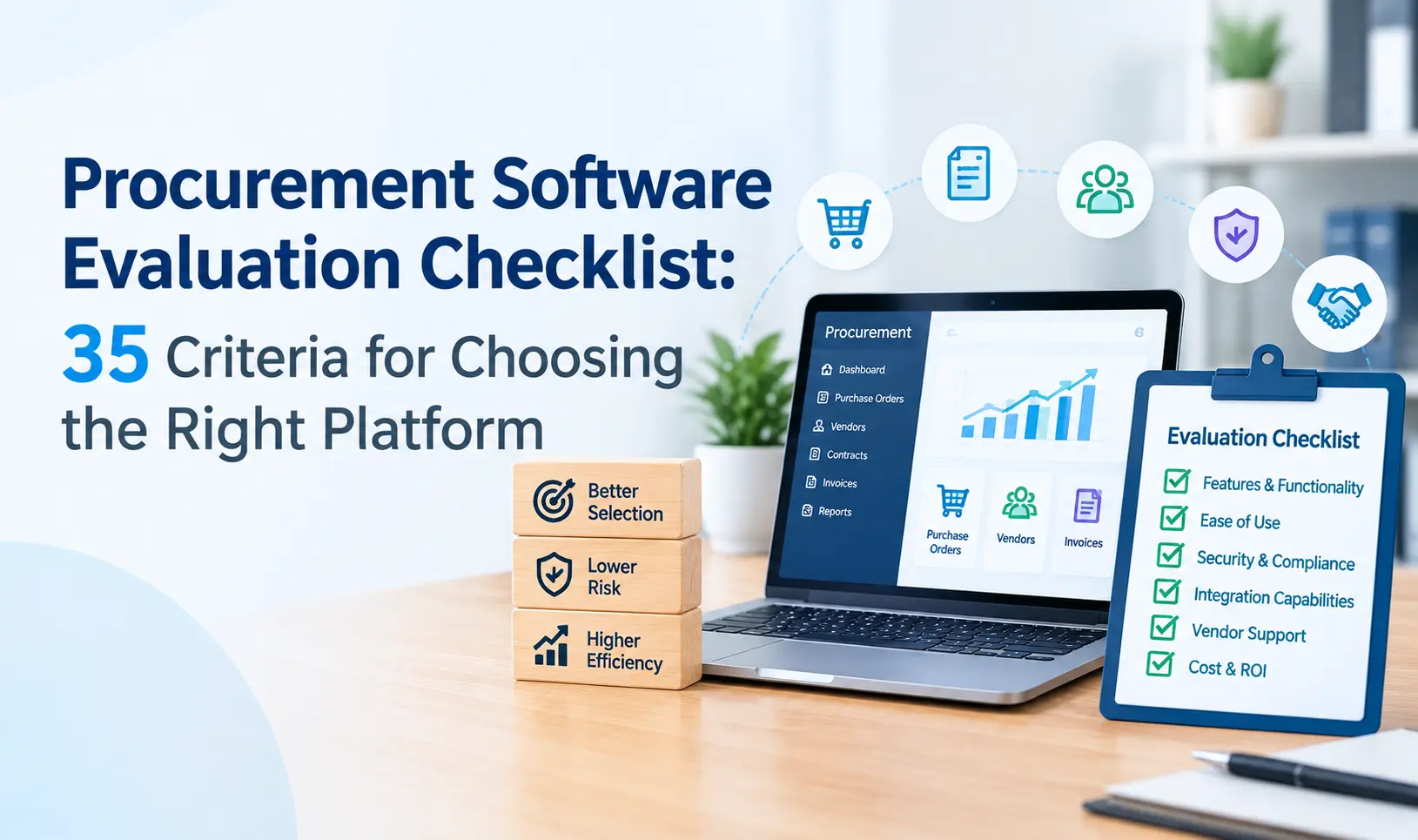
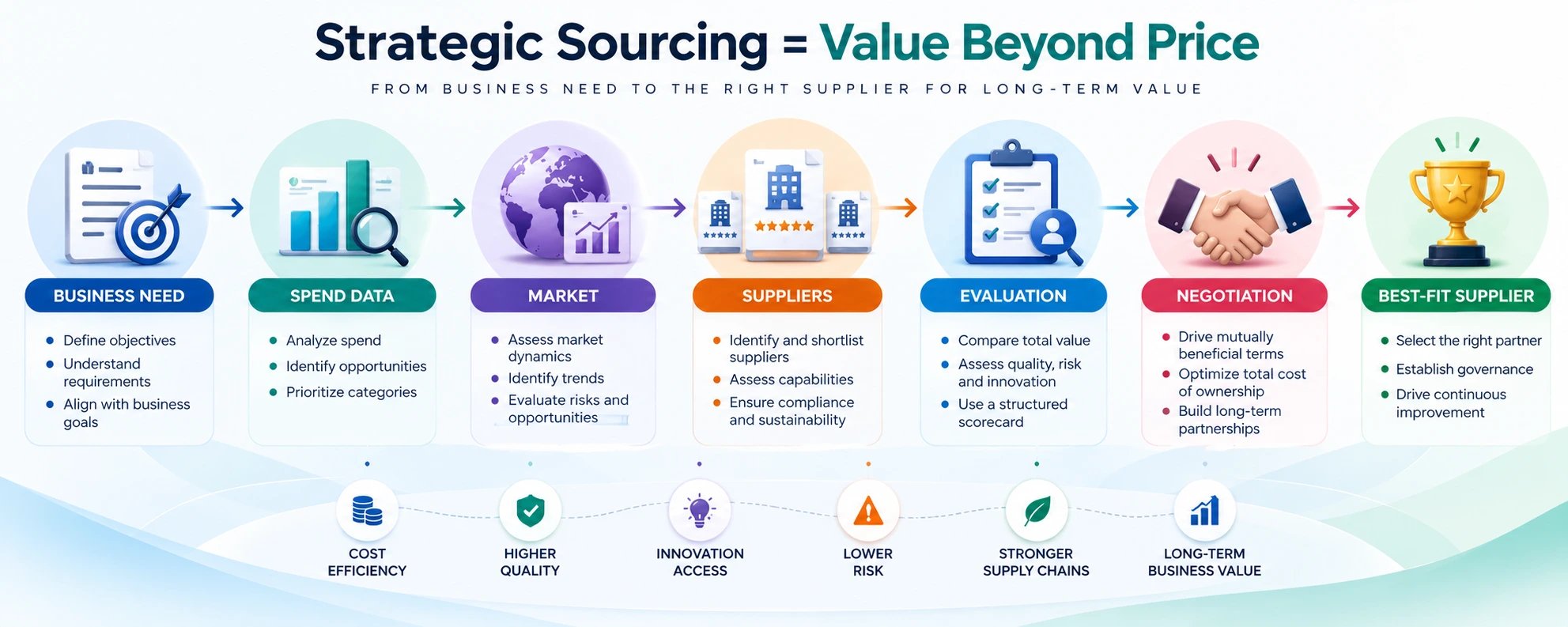
Start with your current procurement workflow and the problems you need to solve. Compare platforms based on workflow coverage, the AI capabilities they actually provide, governance, integration, implementation, and measurable outcomes. Do not choose a platform simply because it advertises more AI features.
Step 1: Map the current procurement process
Document the journey from requirement and purchase request through approval, sourcing, purchase order, receipt, invoice, and payment. The procure-to-pay process guide explains the stages in more detail.
Step 2: Identify bottlenecks and define measurable outcomes
- Where do purchase requests get delayed or submitted incomplete?
- Where is information entered more than once?
- Which approvals or sourcing activities take the most time?
- Where do supplier comparisons or invoice checks require manual effort?
- Which procurement reports are difficult to prepare?
Translate each problem into an outcome, such as reducing purchase-request completion time, improving invoice matching, or shortening approval turnaround. Record the current baseline before implementation.
Step 3: Compare the capabilities that matter to your workflow
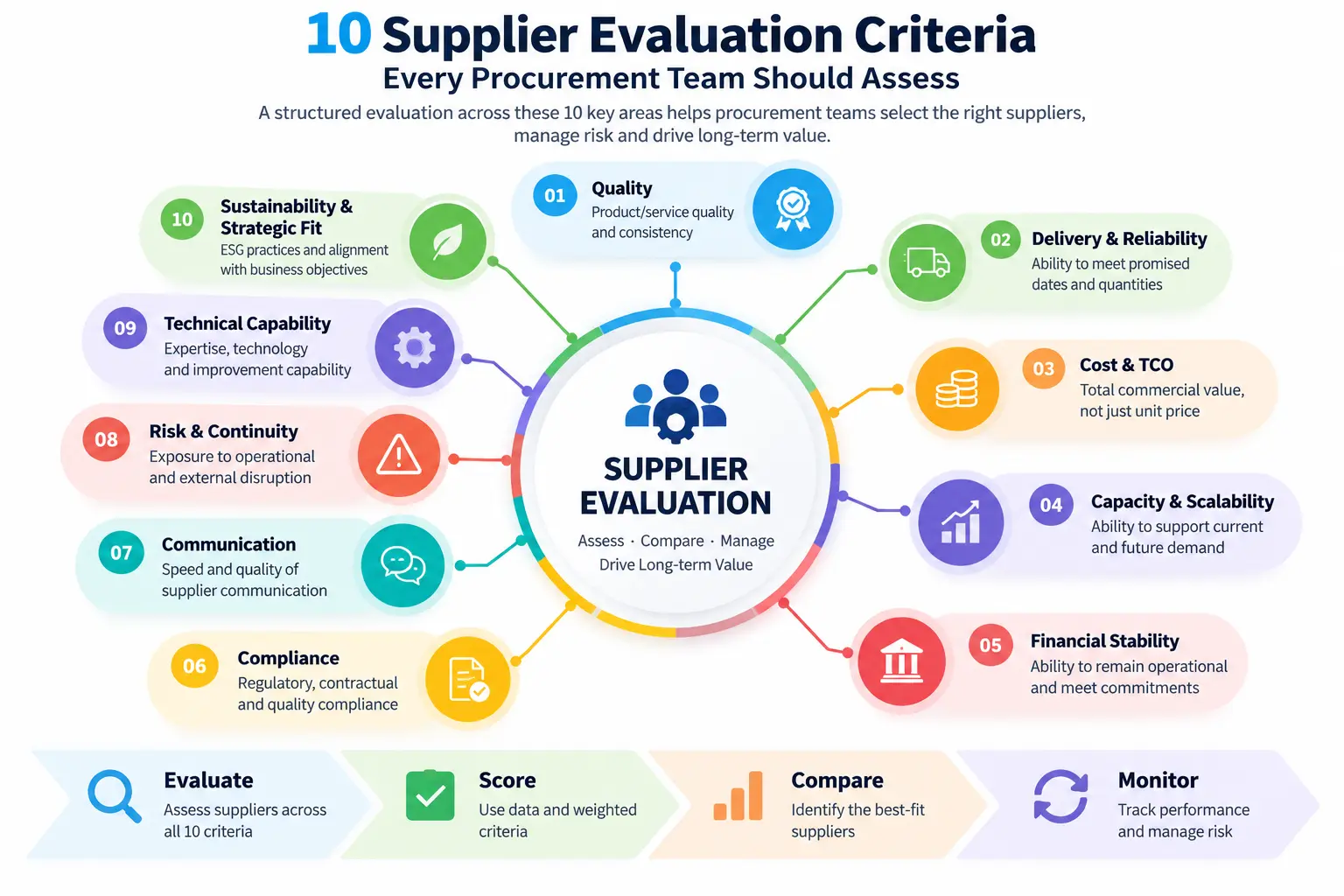
| Evaluation criterion | What to verify |
|---|---|
| AI purchase intake | Can it turn natural-language requirements into structured requests, and how are missing details confirmed? |
| Sourcing and supplier analysis | Can it extract and compare relevant supplier or quotation information while exposing exceptions? |
| Workflow coverage | Does it support the required requisition, approval, PO, receipt, invoice, and spend workflows? |
| Human review | Which actions require approval, and can users correct or override AI outputs? |
| Integration and data | Which ERP, finance, inventory, and procurement systems are supported, and how is data synchronized? |
| Security and governance | Are access permissions, data handling, approval controls, and audit history clear? |
| Explainability and auditability | Can users review the source information, outputs, decisions, and exceptions? |
| Implementation and adoption | What data cleanup, configuration, integration, training, and support are required? |
| Total cost and ROI | Can costs and expected outcomes be tied to your baseline KPIs? |
Step 4: Ask vendors specific questions
- What exactly does the AI do, and what data does it use?
- How does it handle incorrect, uncertain, or incomplete information?
- Which actions require human approval?
- Can we review the history of AI-assisted actions and their source information?
- Which integrations are supported, and are any additional fees involved?
- Can you demonstrate our complete workflow, including exceptions and approval handoffs?
Step 5: Use a scorecard
Score each area from 1 to 5, using evidence from product documentation and the live demonstration. Weight criteria according to business priorities; the total score should support, not replace, security, technical, and commercial due diligence.
| Evaluation area | Score |
|---|---|
| Fit with required procurement workflows | __/5 |
| Relevant AI capabilities and output quality | __/5 |
| Supplier management and sourcing | __/5 |
| Invoice processing and spend analytics | __/5 |
| Integrations and data quality | __/5 |
| Security, governance, and auditability | __/5 |
| Implementation, training, and adoption | __/5 |
| Total cost and measurable business value | __/5 |
Step 6: Test the complete workflow in a live demo
Give the vendor a realistic scenario, such as: “Our IT department needs 50 laptops. The purchase needs approval, supplier comparison, a purchase order, receipt, and invoice verification.”
Ask the vendor to demonstrate how the requirement is captured, how the request is created, how policy and budget checks work, how approval is routed, how supplier information is compared, how the PO and receipt are handled, and how invoice mismatches are flagged. Check the audit trail and ask: What happens when the AI is wrong?
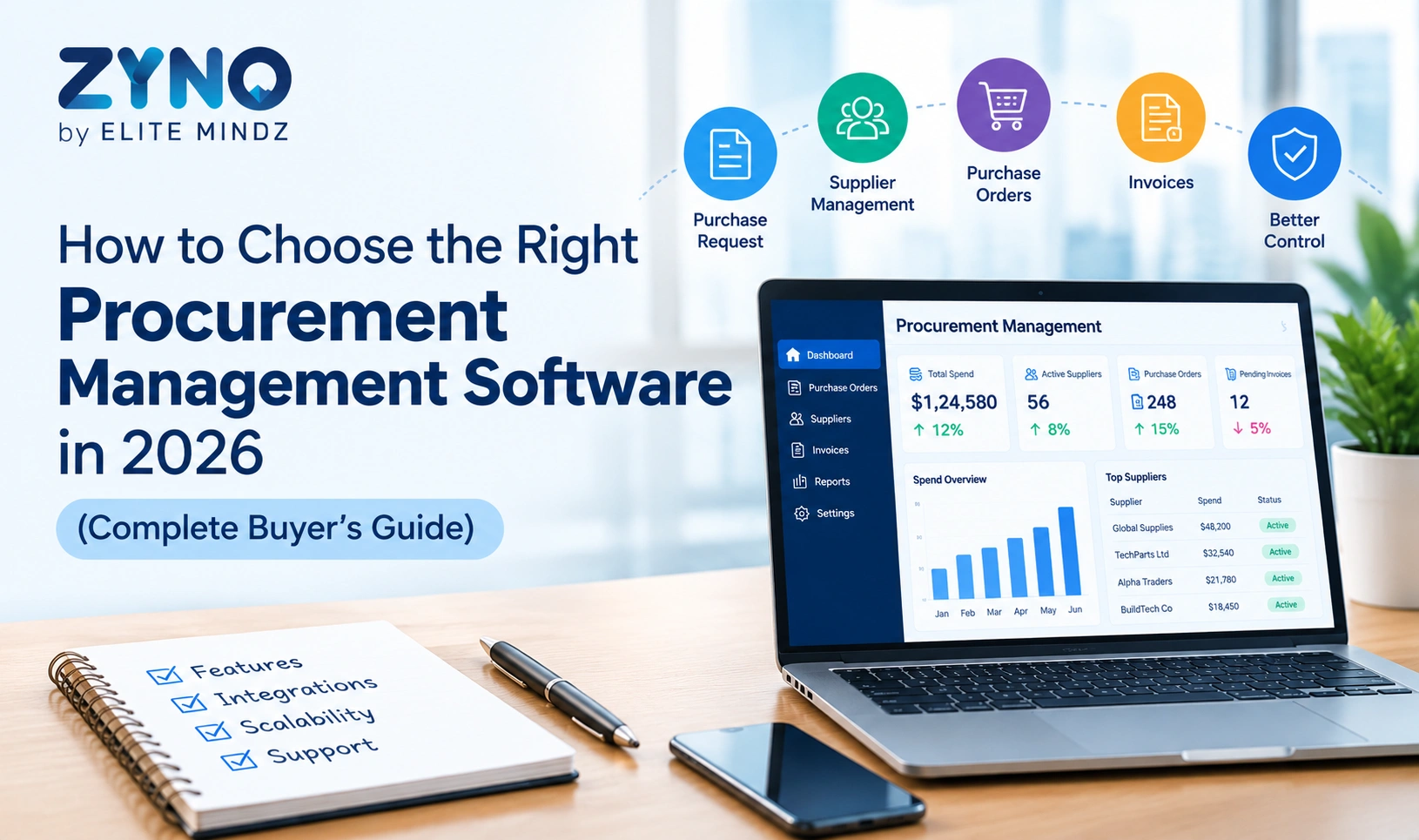
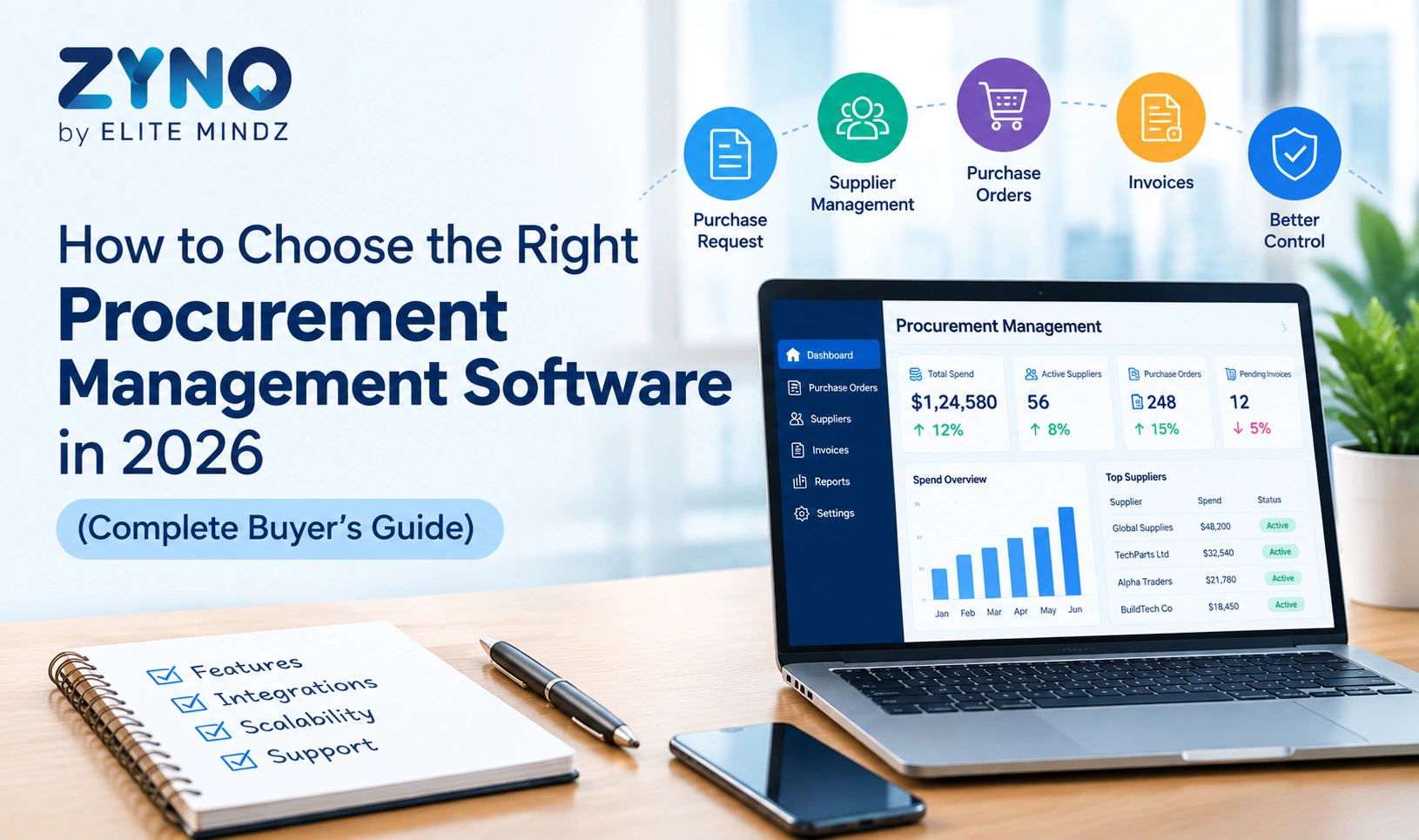
For a broader buying framework, see the procurement management software buyer's guide.
Implementation: How to Introduce AI into Procurement
AI should not be introduced as a replacement for procurement process design.
A practical implementation sequence is:
- Assess
Document existing procurement workflows and pain points.
- Standardize
Clean up categories, suppliers, approval rules and purchasing processes.
- Integrate
Connect the procurement platform with relevant finance, ERP and business systems.
- Configure
Set approval workflows, policies, permissions and procurement rules.
- Pilot
Start with a defined procurement process or business unit.
- Train
Help procurement teams, finance teams and employees understand the new workflow.
- Measure
Compare results against the baseline.
- Scale
Expand successful workflows to additional departments, categories or locations.
This matters because AI cannot compensate for poor data or unclear processes.
Data quality, governance, integration, and change management should be planned alongside the AI use case.
What Are the Risks of AI Procurement Software?
AI can improve procurement, but it introduces additional considerations.
Data quality
Poor supplier or purchasing data can reduce the usefulness of AI-generated insights.
Incorrect outputs
AI-generated recommendations or extracted information can require human verification.
Security
Procurement data can contain commercially sensitive information.
Governance
Organizations need to decide which actions AI can perform and which require approval.
Integration complexity
AI procurement software must work with the systems already used by finance, ERP, inventory and other business teams.
Change management
Employees will not automatically adopt a new procurement workflow simply because it contains AI.
The right approach is:
AI where it adds value + automation where rules are clear + human judgment where decisions are consequential.
What Is Agentic AI in Procurement?
Agentic AI refers to systems designed to pursue a defined goal through multiple permitted steps, rather than only answering a question or generating a summary. In procurement, a potential use case is an AI system that helps progress a purchase workflow, checks information, prepares next steps, and escalates exceptions.
The term does not mean that every procurement platform can make or execute purchasing decisions autonomously. Before evaluating agentic features, ask:
- What actions can the system execute, and what permissions limit those actions?
- Which policies and approval thresholds apply?
- When must a human review or approve the next step?
- Can the organization audit the actions, inputs, and outcomes?
Autonomy should only be used where the controls, data quality, and oversight are appropriate for the risk.
How Much Does AI Procurement Software Cost?
There is no universal price.
Total cost can depend on:
- users
- transaction volume
- modules
- implementation
- integrations
- customization
- data migration
- training
- support
- security requirements
Therefore, compare total cost of ownership, not just software subscription price.
Ask vendors to separate:
Software + implementation + integration + customization + training + support
That gives procurement and finance leaders a more realistic basis for comparison.
How Should You Measure AI Procurement ROI?
Start with a baseline.
For a simple business case, calculate:
ROI (%) = (Measured annual benefits − total annual costs) ÷ total annual costs × 100
Use the organization's actual baseline wherever possible. Avoid assuming that an AI feature automatically creates savings; measure the change in the workflow after implementation.
Useful procurement KPIs can include:
- Purchase request processing time
- Purchase order cycle time
- Approval turnaround time
- Invoice processing time
- Manual data-entry effort
- Supplier onboarding time
- Spend under management
- Maverick spend
- Exception rate
- Procurement compliance
- User adoption
- Savings identified
The KPI should connect directly to the problem you were trying to solve.
Problem: employees spend too much time completing purchase requests.
Metric: average purchase-request creation time.
Or:
Problem: finance manually processes invoices.
Metric: invoice processing time and exception rate.
This makes the business case measurable.
Real-World Example: Hockey India + ZYNO
A useful way to understand AI procurement is to look at a real implementation rather than a generic feature list.
In the Hockey India case study provided by EliteMindz, procurement had become more complex as operations expanded across national events. The documented challenges included fragmented processes across emails and spreadsheets, slow bid comparisons and approval follow-ups, and limited real-time visibility into procurement and vendor activity.
ZYNO was implemented as an integrated procurement ecosystem connecting the procurement journey from requirement through payment.
The documented solution included:
- End-to-end procurement lifecycle
- Automated tendering and bidding
- Centralized vendor management
- Real-time dashboards and analytics
The case study also demonstrates the AI interaction layer.
Users could ask questions such as:
"Show me all open RFPs awaiting approval."
"Compare the latest bids and highlight the most competitive options."
"Show me tenders where approval is pending beyond the expected timeline."
The documented result was faster access to procurement information and exception visibility through natural-language interaction.
The tender workflow connected:
with digital tendering, vendor submissions, technical and commercial evaluation, auctions, approvals and structured bid comparison.
Most importantly, the case study describes the transformation as moving from fragmented procurement activities to one structured, traceable and connected procurement journey.
This is the kind of evidence that makes an AI procurement discussion more credible than simply listing AI features.
Read the Hockey India × ZYNO procurement case study
How ZYNO Procurement Applies AI to Procurement Workflows
ZYNO Procurement by Elite Mindz connects procurement activities across the purchasing lifecycle. Its relevance to an organization's AI procurement strategy depends on the specific workflows, integrations, controls, and capabilities the organization needs.
AI-assisted purchase requests
ZYNO AI Intake is designed to help users describe a purchasing requirement in natural language and turn it into structured purchase-request information. This can make it easier for employees to initiate procurement while retaining organizational approval and policy controls. Verify the supported fields, validation steps, and approval flow in a demonstration.
Explore ZYNO AI purchase requisition software.
Supplier management and sourcing
Supplier and sourcing workflows can help teams manage vendor information, quotations, RFPs, and related purchasing activities. Evaluate these capabilities against your actual supplier evaluation, approval, and sourcing requirements.
Explore vendor management, quotation management, and RFP software.
AI-assisted invoice verification
ZYNO's AI invoice capability is described as extracting invoice information and validating it against purchase orders and goods receipts, while identifying duplicates and mismatches for review. Confirm supported document types, validation rules, integrations, and exception handling during a demo.
Explore accounts payable automation and goods receipt management.
Procurement spend analytics
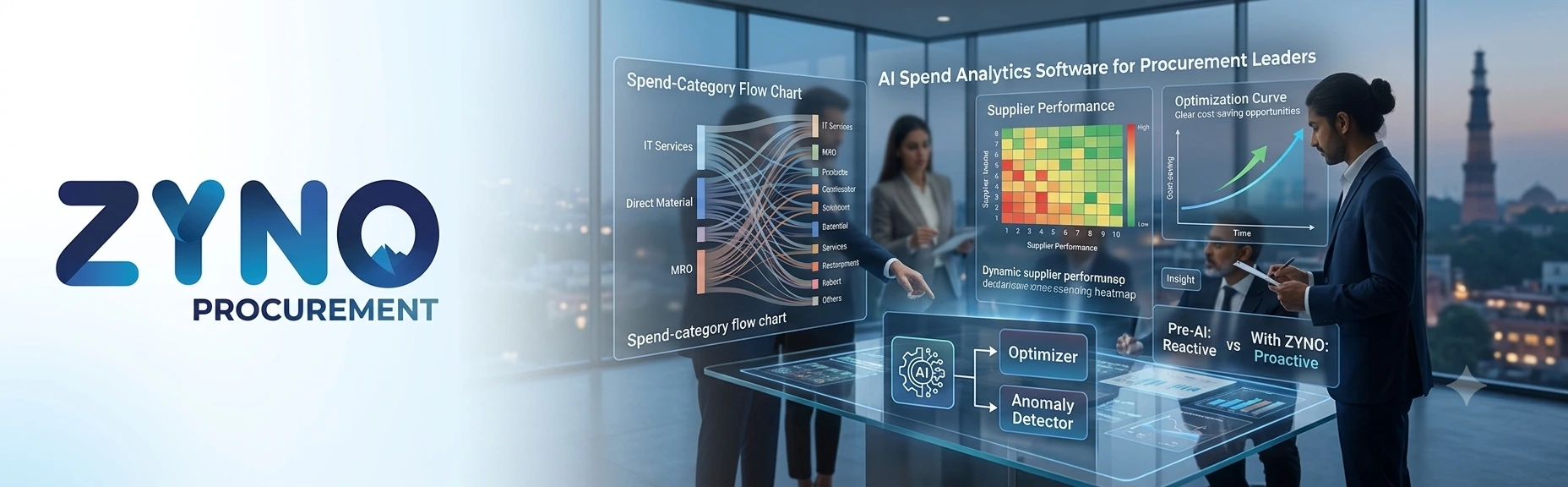
ZYNO Spend Analytics is positioned around centralized procurement spend analysis. Its practical value depends on data quality, reporting requirements, and the decisions procurement teams need to make. See also the guide to AI spend analytics for procurement leaders.
Evaluate the connected workflow
A broader procurement workflow may connect purchase requests, approvals, sourcing, purchase orders, goods receipts, invoice verification, accounts payable, and spend visibility. Confirm the actual workflow coverage, integrations, and where AI assists versus where rules or human approval govern the process.
Explore ZYNO Procurement to evaluate the platform against your requirements.
AI Procurement Software Checklist
Use this checklist during product research and demonstrations. Verify each item through current product documentation and the vendor's live workflow; not every platform offers every capability.
Procurement workflows
- Purchase requests, requisitions, and approval workflows
- Purchase orders and goods receipt
- Supplier management and sourcing
- RFQ, RFP, tendering, and quotation comparison
- Invoice processing and procure-to-pay
- Spend analytics and procurement reporting
AI capabilities
- Natural-language procurement intake
- Document extraction and validation
- Supplier and quotation analysis
- Invoice matching assistance and exception detection
- Conversational access to procurement information
- Defined action limits and human-review points
Technology and governance
- ERP, finance, and other required integrations
- Role-based access and approval permissions
- Audit trails, exception handling, and override mechanisms
- Data security, retention, and applicable data-residency controls
- Clear explanation of how procurement data is used by AI
Implementation and business value
- Implementation, configuration, and user training plan
- Baseline KPIs and a method to measure results
- Total cost of ownership, including integration and support
- A live demonstration using a realistic procurement scenario
Frequently Asked Questions
What is AI procurement software?
AI procurement software applies artificial intelligence to procurement activities such as purchase requests, sourcing, supplier management, invoice processing, approvals, and spend analysis. Capabilities vary by platform.
How does generative AI work in procurement?
Generative AI can interpret natural-language requests, summarize supplier information, help extract or organize document data, and answer questions about procurement information when the system has access to the relevant data. Outputs may require verification.
What is the difference between AI procurement and procurement automation?
Procurement automation generally follows predefined rules and workflows. AI can additionally interpret information, analyze data, generate summaries or recommendations, and assist users with decisions. Many platforms combine both.
What can AI automate in procurement?
Depending on the platform, AI can assist with purchase intake, document extraction, supplier and quotation analysis, invoice processing, spend analysis, reporting, and selected workflow tasks. The level of automation and required human review varies.
What are the most important AI procurement software features?
Prioritize capabilities that address your workflow, such as purchase intake, sourcing and supplier analysis, invoice verification, spend analytics, integrations, security, governance, auditability, and clear human-approval controls.
How do I choose AI procurement software?
Map your procurement process, identify measurable bottlenecks, verify workflow coverage and integrations, assess security and governance, compare total cost, and test vendors using a real procurement scenario that includes exceptions and approvals.
What is agentic AI in procurement?
Agentic AI refers to systems designed to perform multiple permitted steps toward a goal. In procurement, any such capability should have clearly defined permissions, policies, human-review points, and an auditable activity history.
How much does AI procurement software cost?
Pricing depends on users, transaction volume, modules, integrations, implementation, customization, training, support, and enterprise requirements. Compare total cost of ownership rather than subscription price alone.
Can AI replace procurement professionals?
AI can assist with repetitive tasks and information analysis, but strategic sourcing, negotiation, supplier relationships, exception management, and consequential purchasing decisions can still require human judgment.
What is ZYNO Procurement?
ZYNO Procurement is a procurement platform from Elite Mindz that connects workflows such as purchase requests, approvals, supplier management, sourcing, procure-to-pay, invoice processing, and spend analytics. Its specific AI capabilities and integrations should be verified against current product documentation and a demonstration.
Evaluate AI Procurement for Your Business
Start by identifying the procurement workflow you want to improve and the outcome you need to measure.
If your team is dealing with manual purchase requests, approval delays, supplier comparison work, invoice verification, or limited spend visibility, evaluate how ZYNO fits your workflow, integrations, approval requirements, and business goals.
Request a ZYNO Procurement Consultation
Bring one real procurement scenario to the discussion and evaluate the workflow end to end.
Request a ZYNO Procurement Consultation

.webp)








.webp)


.webp)
.webp)
.webp)



.webp)
.webp)
.webp)
.webp)
.webp)

.webp)
.webp)
.webp)
.webp)
.webp)

.webp)
_converted.webp)

_converted.webp)
.webp)
.webp)
.webp)
.webp)

(1).webp)
.webp)
.webp)
(2).webp)
.webp)
.webp)
.webp)
.webp)
.webp)
.webp)
.webp)