Why Cloud-Based AI HIMS is Transforming the Future of Indian Healthcare
Read More →

×
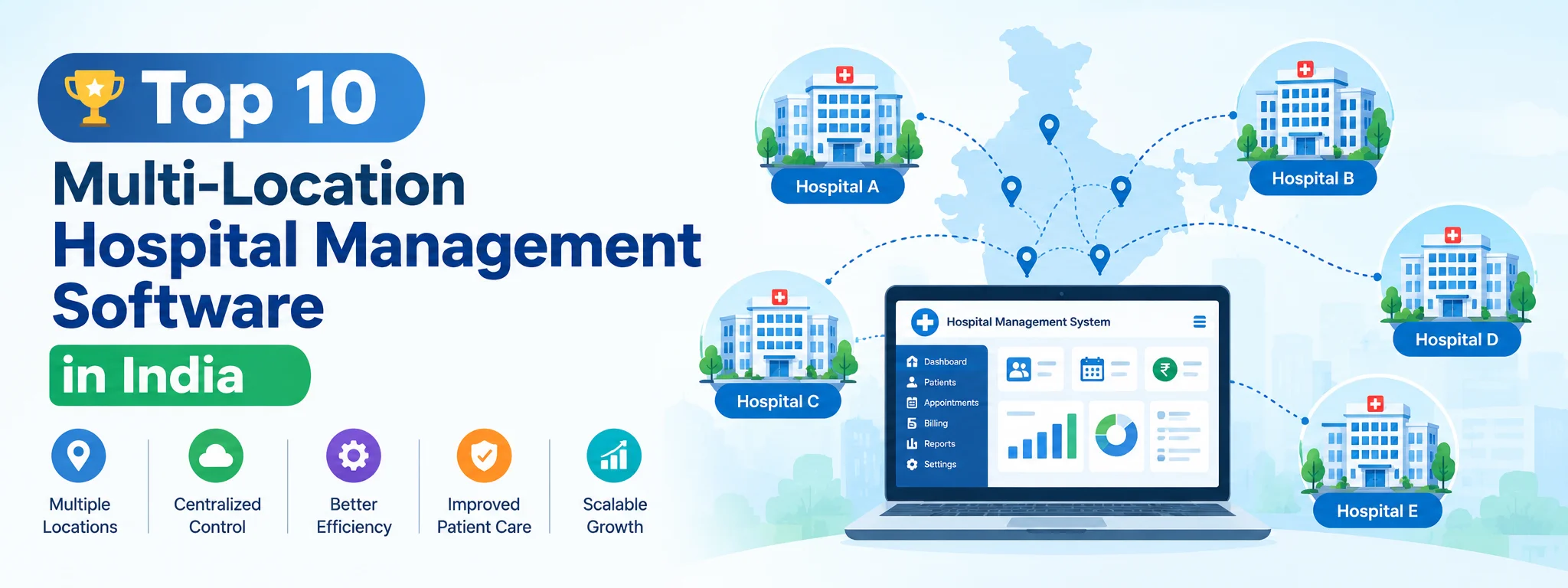
Managing multiple hospitals, branches, clinics, or healthcare facilities requires more than a basic hospital management system. Multi-location healthcare management software helps centralize patient data, inventory, billing, clinical workflows, reporting, and operational visibility across facilities.
Businesses using ZYNO Books cut accounting time by 70% and stay 100% ZATCA-compliant — automatically.
Explore how ZYNO HIMS can bring hospital management, patient care, billing, pharmacy, compliance, AI, and connected healthcare workflows together on one platform.
Ranked by AI capability, integration depth, and fit for multi-location operations.
Source: platform comparison across deployment model, target hospital size, and core strength.
| # | Software | Best For | Deployment | Key Strength |
|---|---|---|---|---|
| 1 | ZYNO HIMS | Hospitals, labs and hospital chains | Cloud (SaaS) | AI-powered core with full department integration |
| 2 | MocDoc | Mid-sized hospitals | Cloud | Digital prescriptions |
| 3 | Practo Ray | Clinics and small OPDs | Cloud | Patient appointment booking |
| 4 | HealthPlix | Individual doctors | Cloud + AI | AI-driven EMR |
| 5 | Insta by Practo | Large enterprises | Cloud / On-Premise | Scalability |
| 6 | Attune | Hospital chains and labs | Cloud | LIS and network management |
| 7 | DocPulse | Clinics and nursing homes | Cloud | Telemedicine integration |
| 8 | Caresoft (Hallo) | Traditional hospitals | On-Premise | Legacy reliability |
| 9 | Akhil Systems | Large government hospitals | On-Premise | Heavy customization |
| 10 | Suvarna HIS | South India hospitals | Desktop / Web | Regional support |
Run three branches for a month, and the pattern shows up on its own: patient records that don't follow the patient, stock that runs out at one facility while it sits unused at another, and a director who has to call four managers to get a straight revenue number. A single-facility HMS was never built to solve that. It manages one building well and falls apart the moment a second location gets added.
Purpose-built multi-location platforms solve this at the data layer. Every branch writes to the same system, so inventory, billing, and clinical records move with the patient instead of staying trapped inside one facility's walls.
Before comparing vendors, check that the shortlist covers these four basics. Anything missing here becomes a manual workaround later.
Real-time visibility into patient flow, bed and OT capacity, and revenue across every branch, viewed from one login instead of four.
Stock transfers between facilities, automated reorder alerts, and expiry tracking that works across locations, not just within one pharmacy.
EMR and EHR data that moves cleanly between branches and departments, so a referral doesn't mean re-entering the patient's history from scratch.
Support for local and national data standards such as NABH and ABDM, with audit trails that hold up during accreditation review, not just at go-live.
A hospital running ten specialties under one roof needs more than centralized data. These five requirements decide whether the software actually fits how the hospital works day to day.
Cardiology consultations run longer than a general OPD visit. Orthopaedic billing needs procedure codes that dermatology never touches. The HMS has to let each specialty set its own consultation fees, slot durations, and prescription templates instead of forcing one shared template on all of them.
With 10 to 30 doctors on different schedules, the OPD module needs to handle simultaneous bookings across all of them, show real-time availability, and stop double-booking before it happens.
When a general physician sends a patient to a cardiologist in the same hospital, the diagnosis notes and investigation results should move with them automatically. Re-entering that data at the next desk is exactly the friction a unified HMS is supposed to remove.
A hospital director needs total revenue, patient volume, and department performance in one view, with the option to drill down to a single department when something needs a closer look.
A doctor sees only their own patients. A pharmacist sees only the pharmacy module. The administrator sees everything. This is a security requirement for any hospital handling patient data, not an optional extra.
ZYNO HIMS is built as a single Healthcare OS that runs patient care, billing, pharmacy, and compliance for everything from a solo practice to a multi-branch hospital chain, on both web and app.
Create patient records, generate reports, retrieve medical histories, and run routine tasks using plain language instead of navigating menus. It turns hospital administration into a conversation instead of a form-filling exercise.
Prescriptions, lab reports, discharge summaries, and invoices get read, organized, and analyzed automatically, cutting down manual data entry and reducing the errors that come with it.
Seamless ABHA ID creation, digital health record exchange, and patient consent management, built to connect directly into India's Ayushman Bharat Digital Mission ecosystem.
Get a walkthrough scoped to your hospital's size, specialties, and number of locations, with real pricing instead of a generic quote.
Book your free demoIt is a single platform that connects patient records, billing, inventory, and staff scheduling across every branch of a hospital group, instead of each location running its own separate system.
Single-facility HMS is built to manage one building well. Multi-hospital software adds centralized inventory transfers, consolidated financial reporting, and cross-branch patient records, none of which a single-facility system is designed to handle.
Start with a centralized dashboard, multi-location inventory control, interoperable EMR and EHR, and compliance support for standards like NABH and ABDM. Everything else is easier to add once these four are in place.
Yes. ZYNO HIMS is built as one Healthcare OS that scales from a solo practitioner to a multi-specialty hospital chain, using the same core system rather than a different product for each size of provider.
ABDM is India's Ayushman Bharat Digital Mission, the national framework for digital health records and interoperability. Hospitals connected to it can create ABHA IDs, exchange health records digitally, and manage patient consent in a standardized, compliant way.
Every user gets access scoped to their role. A doctor sees their own patients, a pharmacist sees the pharmacy module, and an administrator sees the full system across all locations. This limits exposure of sensitive patient data to only the staff who need it.
A well-built platform should integrate with existing LIS, PACS, and pharmacy systems rather than forcing every branch to rip out and replace what already works. Always confirm this integration capability before signing with a vendor.
Branch-level inventory tracks stock only within one facility, so a shortage at one branch and a surplus at another never connect. Centralized inventory sees stock across every location at once, enabling automatic transfers and reorder alerts before a shortage becomes a problem.
Timelines depend on the number of branches, existing systems being migrated, and staff training needs. A single facility can often go live in a few weeks, while a full multi-branch rollout typically takes a few months to complete properly.
Pricing depends on hospital size, number of modules, and deployment model, whether cloud or on-premises. Most vendors price by subscription tier, so it is worth requesting a quote scoped to your own hospital rather than relying on a generic pricing page.
Yes. Structured documentation and built-in audit trails turn accreditation from a once-a-year scramble into something the system maintains automatically, which makes the review itself considerably less painful.
How ZYNO HIMS Software Boosts Hospital Management & Patient Care
How to Choose the Right Hospital Management Software: Complete Guide
Why Cloud-Based AI HIMS is Transforming the Future of Indian Healthcare
Read More →The Complete ZYNO HIMS Guide for Modern Healthcare Management
Read More →How a Hospital Management System Improves Healthcare Operations
Read More →
Cloud vs Offline Hospital Management Systems: What Should Your Hospital Choose
Read More →What Is a Hospital Information System (HIS)? Features, Benefits & Complete Guide
Read More →How HIMS Software Improves Patient Care and Hospital Efficiency
Read More →How Is Hospital Software Transforming Patient Data Management in Modern Healthcare
Read More →
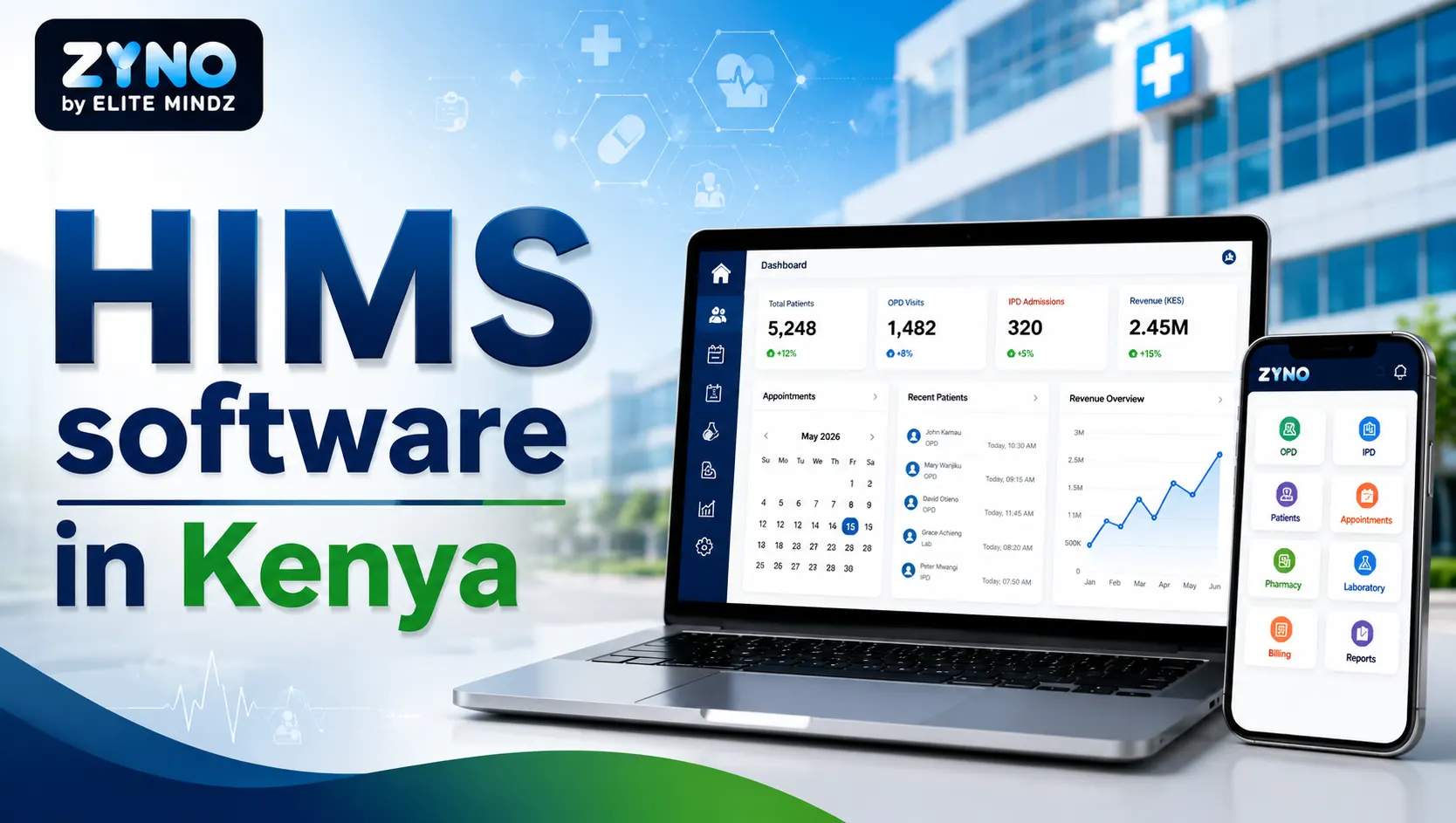
HIMS Software in Kenya: The Complete Guide for Hospitals & Clinics (2026)
Read More →
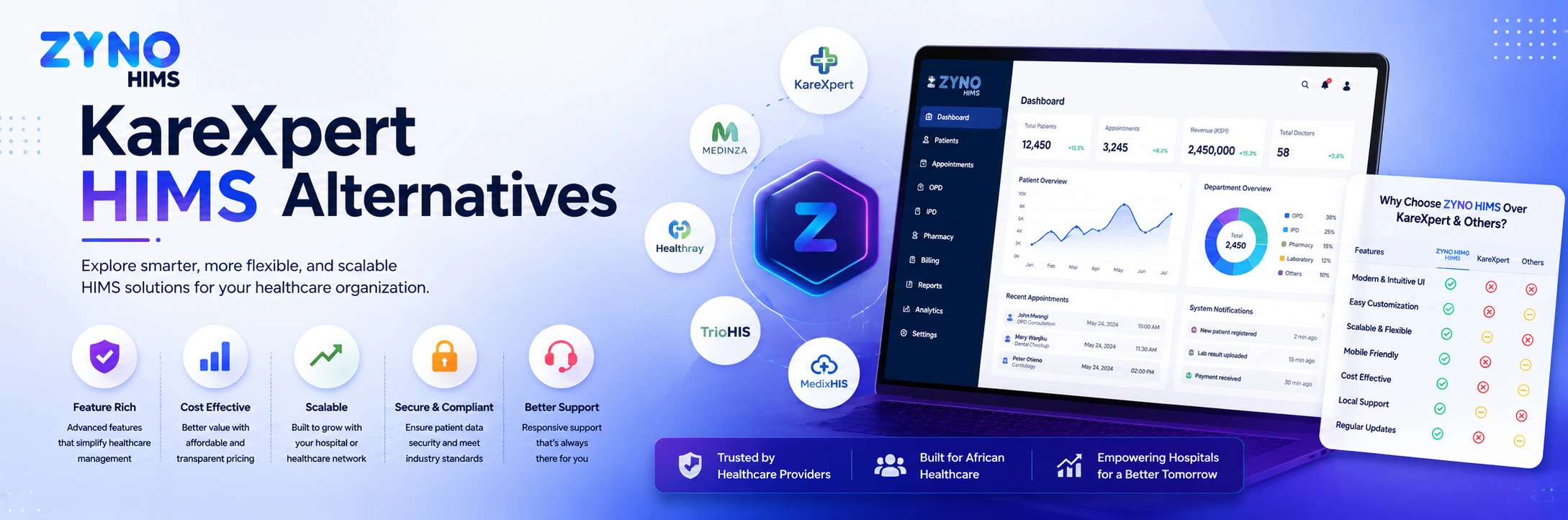
Top 10 KareXpert HIMS Alternatives & Competitors in 2026
Read More →
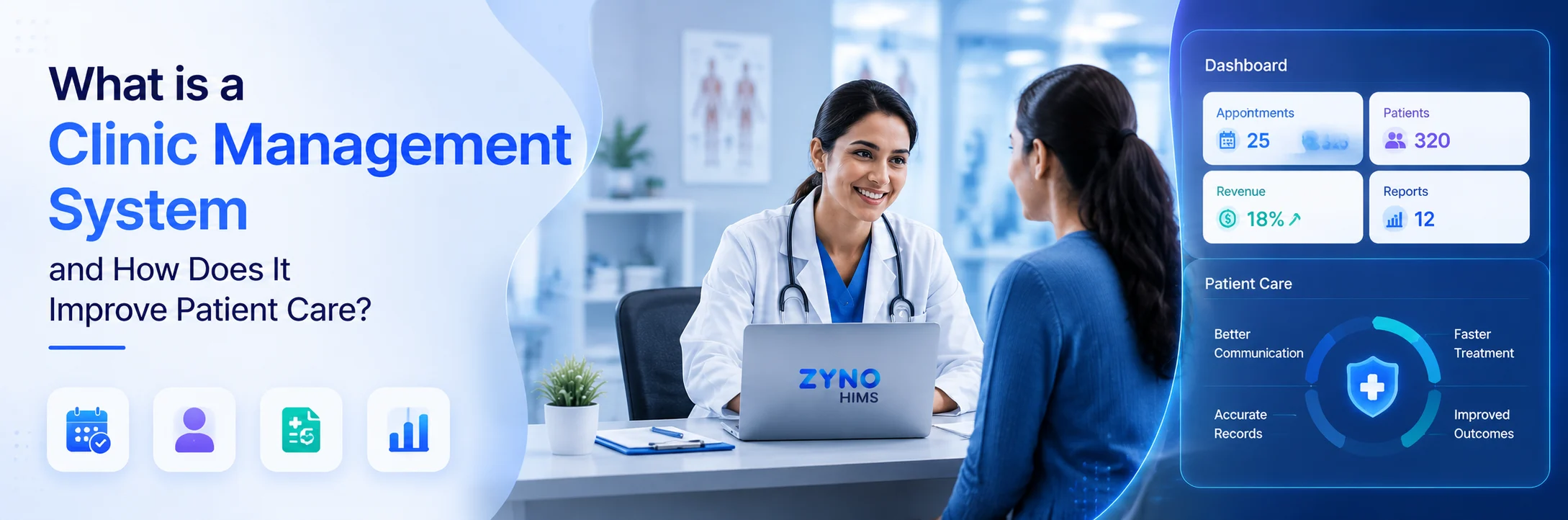
What is a Clinic Management System and How Does It Improve Patient Care?
Read More →
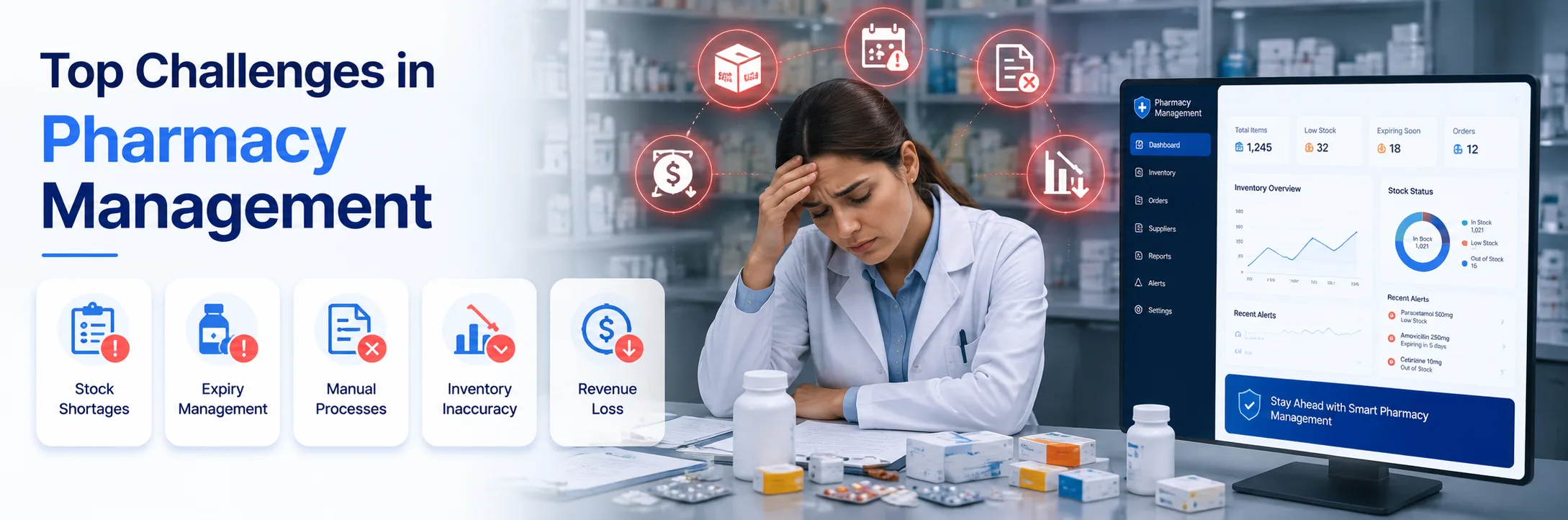
Top Challenges in Pharmacy Management and How to Overcome Them
Read More →
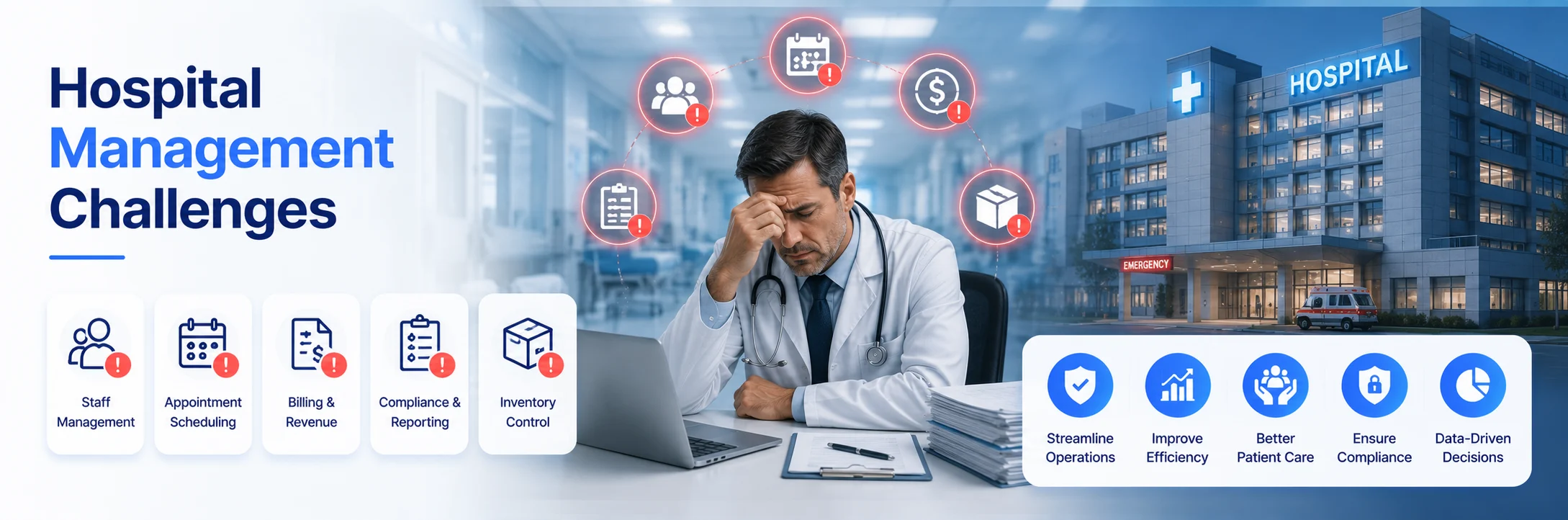
Top 10 Hospital Management Challenges and How ZYNO HIMS Solves Them
Read More →
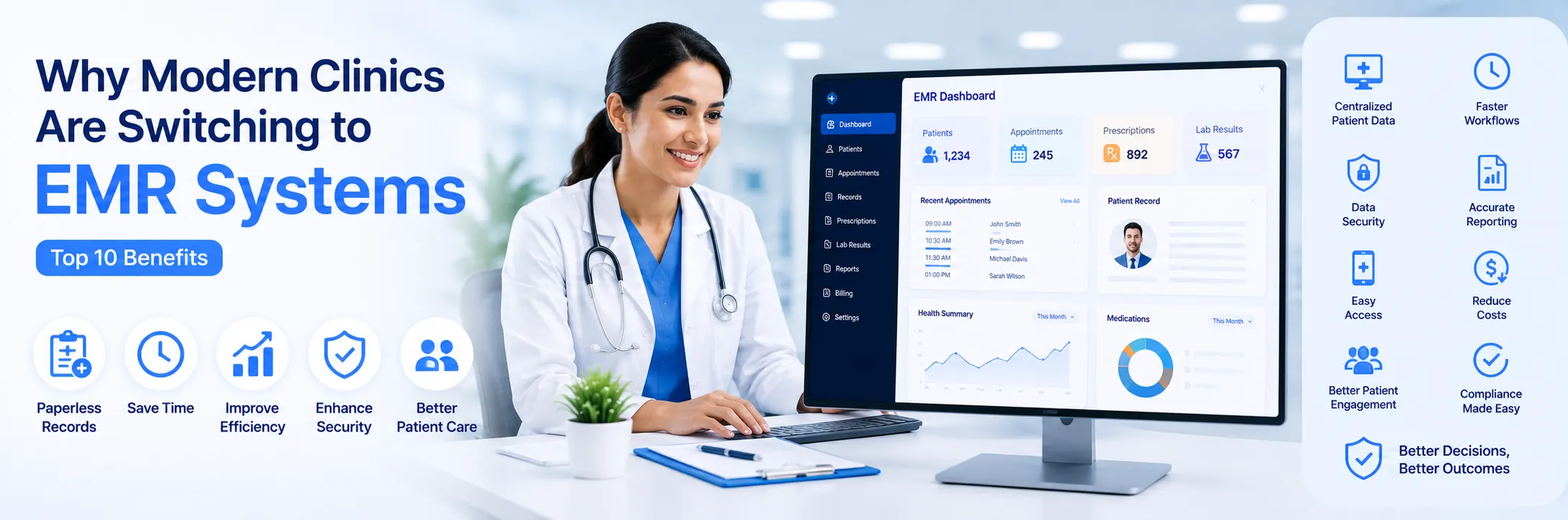
Why Modern Clinics Are Switching to EMR Systems
Read More →
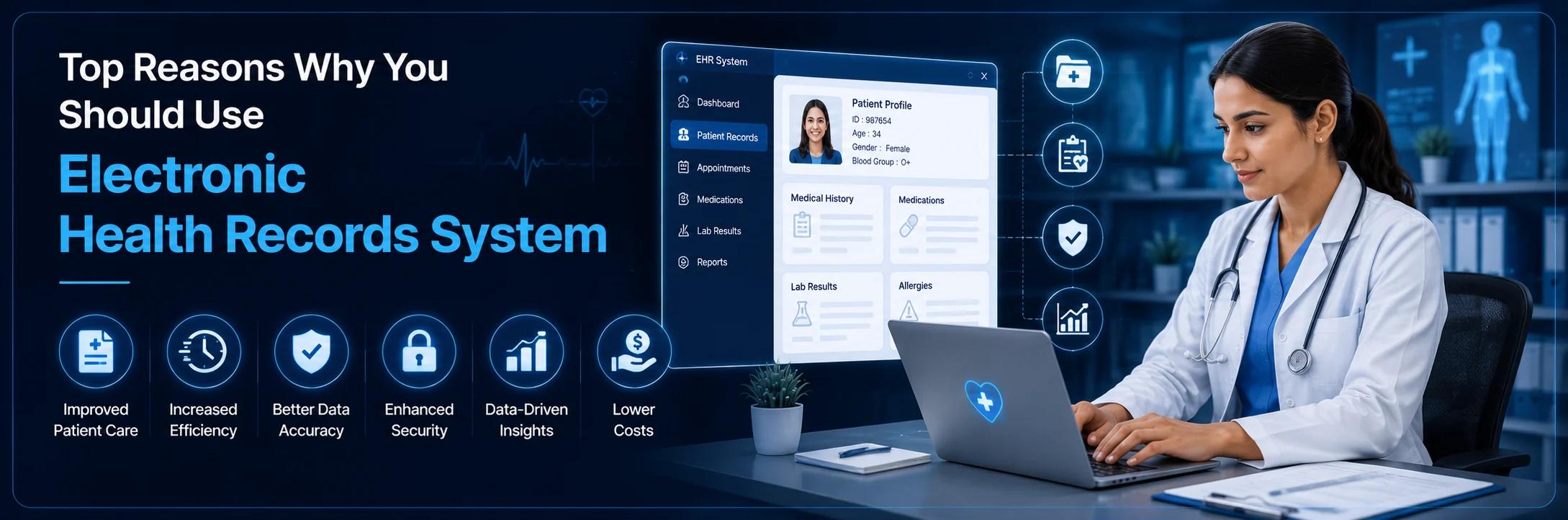
Top Reasons Why You Should Use Electronic Health Records System
Read More →
A Complete Guide to Choosing the Right Hospital Management Software
Read More →
ABDM Compliance Checklist: A Complete Guide for Hospitals to Achieve Digital Health Compliance
Read More →
Why Govt Hospitals Need HIMS: Improving Patient Care, Efficiency, and Digital Healthcare
Read More →
What Is Hospital Information Management Systems in Healthcare? A Complete Guide
Read More →
DocPulse vs ZYNO HIMS (2026): Why ZYNO HIMS Is the Smarter Hospital Management Choice
Read More →
MocDoc vs ZYNO HIMS: Which Hospital Management Software Is Better in 2026?
Read More →
Caresoft vs ZYNO HIMS: Complete HIMS Comparison for Hospitals
Read More →
Best PMJAY-Compliant HIMS Software in India (2026): Complete Guide for Hospitals
Read More →
Medical Report Analyzer Software: How AI Makes Medical Reports Easy to Understand
Read More →
How to Choose a Hospital Management System
Read More →
AI in HIMS: 10 Practical Ways Artificial Intelligence is Transforming Hospital Management
Read More →
Best Hospital Management Software for Private Clinics in Kenya
Read More →
Hospital Management Software in Japan: What Healthcare Providers Need in 2026
Read More →
Pharmacy Management Software for Kenyan Pharmacies: Features That Matter
Read More →
DHA and MOH Compliance for Hospital Software in the UAE
Read More →
Top 10 Hospital Management Software in India 2026: Features, Pros, Cons & Pricing
Read More →
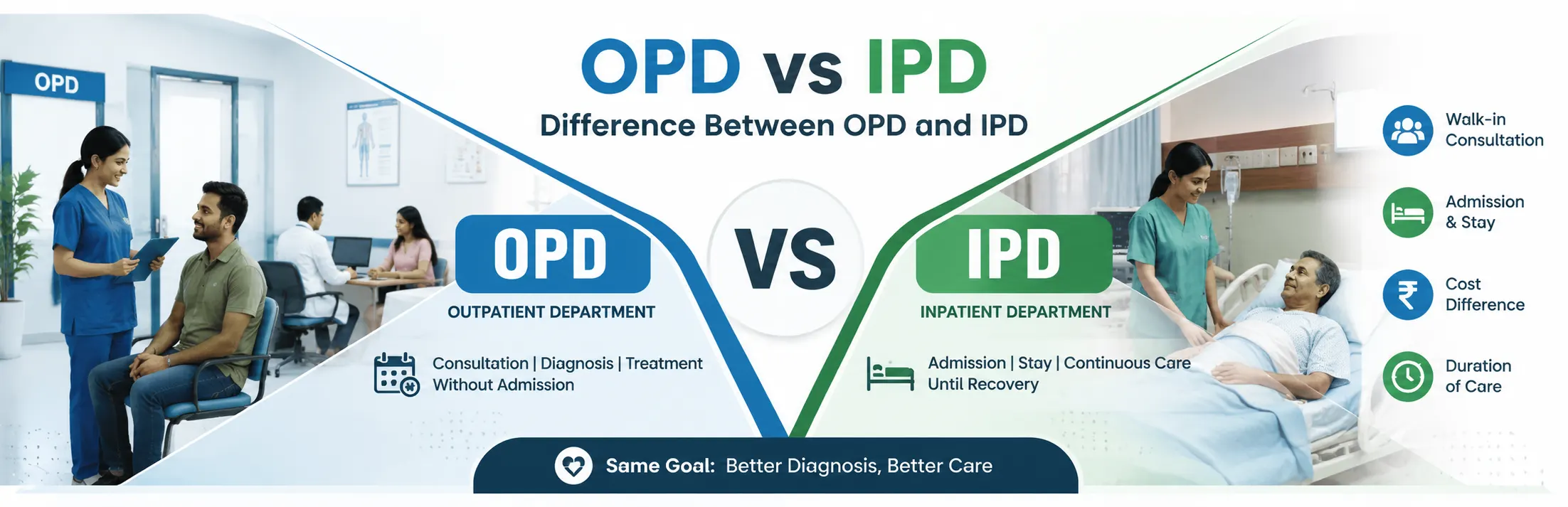
OPD vs IPD: Difference Between OPD and IPD, Services & Complete Guide
Read More →
Pharmacy Inventory Management: Methods, Inventory Control & Best Practices
Read More →
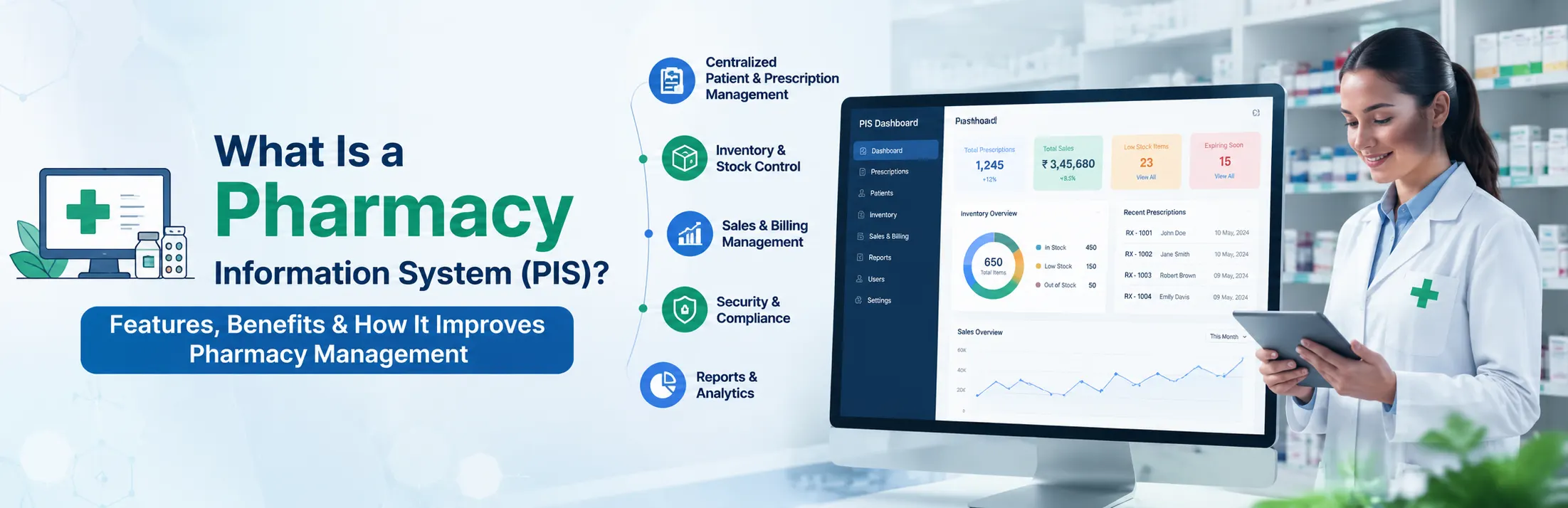
What Is a Pharmacy Information System (PIS)? Features, Benefits & How It Improves Pharmacy Management
Read More →
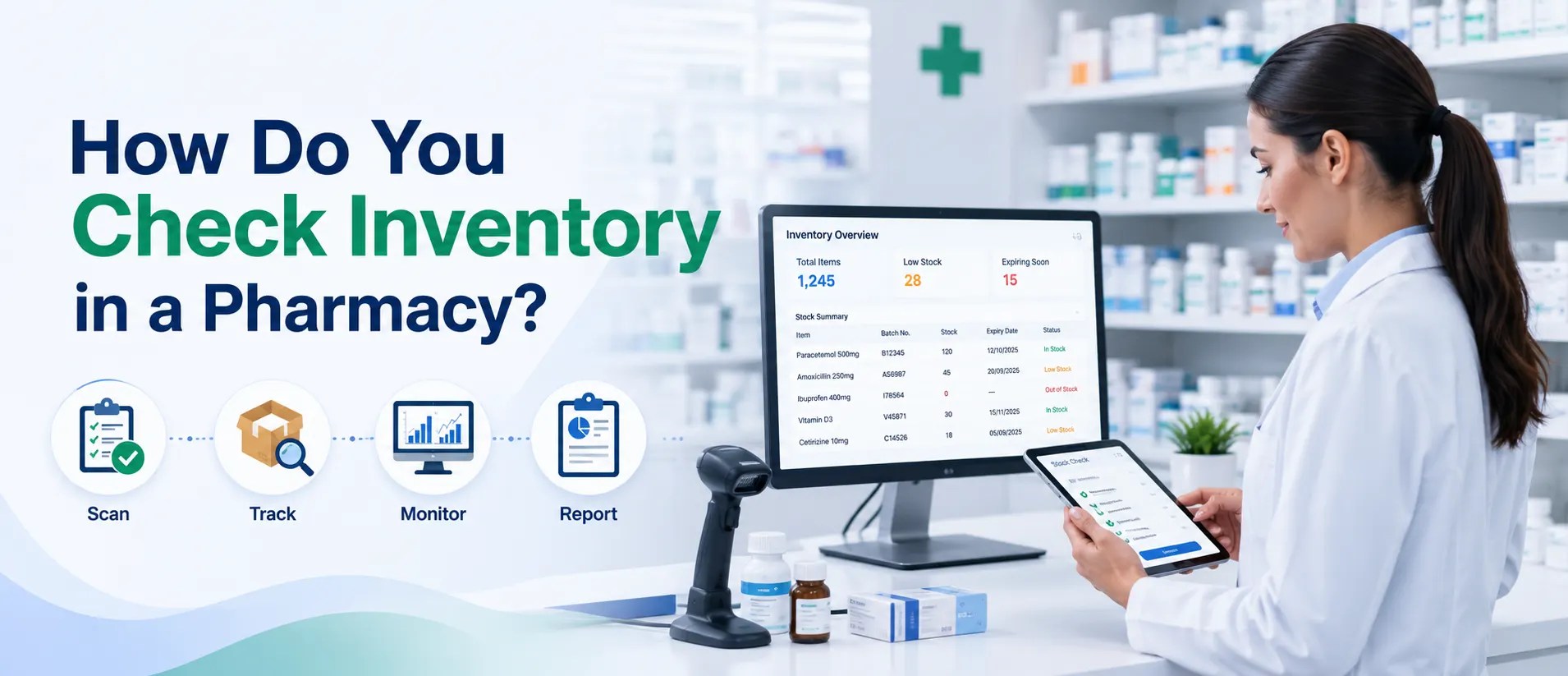
How Do You Check Inventory in a Pharmacy?
Read More →
What’s the Difference Between EHR and EMR? Key Differences, Benefits & Guide
Read More →
What is Radiology Information System? Features & Benefits
Read More →
What Is Digital Healthcare? Benefits, Examples & Future
Read More →
Healthcare Supply Chain Management Benefits
Read More →
Benefits of Patient Information Management Systems for Hospitals & Clinics
Read More →
What Is the Difference Between PACS, DICOM, RIS & CIS?
Read More →
Best Hospital Billing Software in India 2026: Top 10 Medical Billing Solutions
Read More →
Top Features of Hospital Billing Software in India
Read More →
Best Cloud-Based Hospital Inventory Management Software in 2026: Top 10 Solutions
Read More →
Which Hospital Management Software in India Is Suitable for Newly Established Hospitals?
Read More →
Medical Diagnostic Software: What It Is, How It Works & Top 5 Players in 2026
Read More →
10 Best Patient Management Software in 2026
Read More →
Hospital Management Software for Multispecialty Hospitals: A Complete Guide
Read More →
Top 10 Multi-Location Hospital Management Software in India
Read More →Partner with ZYNO by Elite Mindz to revolutionize how your business works. Fill out the form, and we’ll reach out with AI-powered solutions made just for you.
We use browser cookies to ensure you get the best experience on our website. Learn more
The form was submitted successfully!