Why Cloud-Based AI HIMS is Transforming the Future of Indian Healthcare
Read More →

×
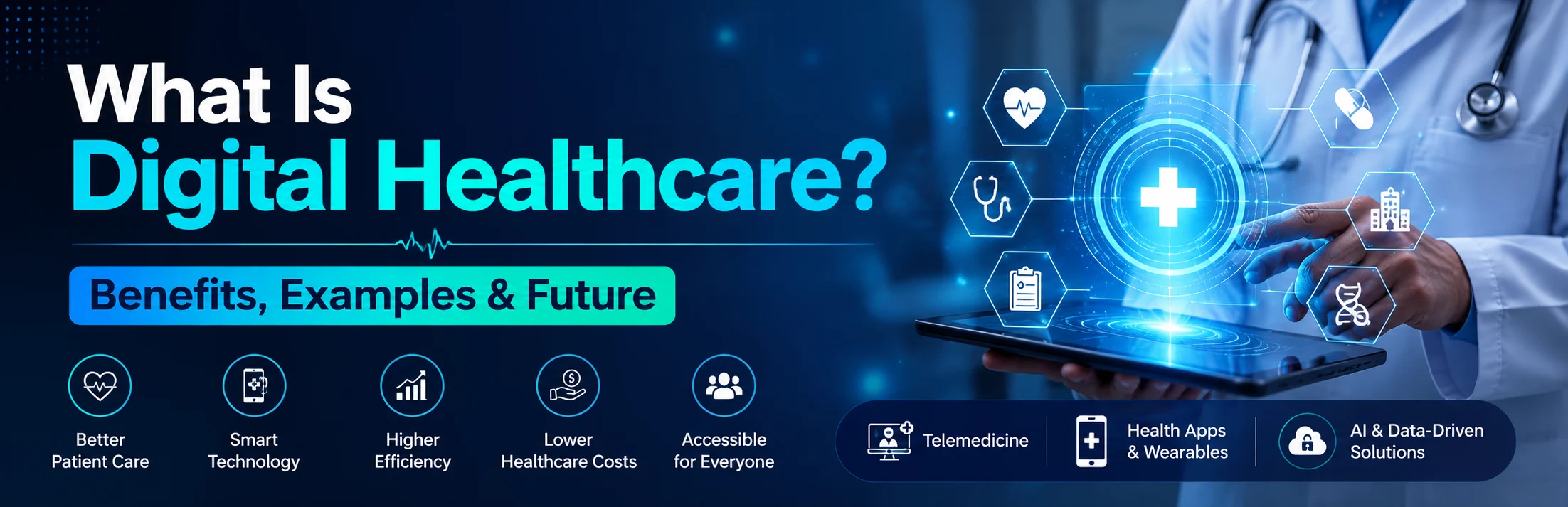
What is Digital Healthcare? Discover the definition, benefits, future, technologies, and digital healthcare products helping hospitals and clinics deliver smarter, connected patient care.
Businesses using ZYNO Books cut accounting time by 70% and stay 100% ZATCA-compliant — automatically.
Healthcare is rapidly moving beyond traditional paper-based processes. From electronic patient records and online appointments to telemedicine, artificial intelligence, connected medical devices, and hospital management software, technology is changing how healthcare is delivered, managed, and experienced.
This transformation is commonly referred to as digital healthcare or digital health.
But what exactly is digital healthcare? What technologies does it include? How does it benefit hospitals, doctors, and patients? And what does the future of digital healthcare look like?
In this guide, we will explore the definition of digital healthcare, its benefits, key technologies, future trends, challenges, and major digital healthcare products.
Discover how ZYNO HIMS connects patient records, OPD, IPD, pharmacy, laboratory, billing, and more in one AI-powered healthcare platform.
Digital healthcare is the use of digital technologies, software, connected devices, data, and information systems to improve the delivery, management, accessibility, and quality of healthcare services.
It covers a broad range of technologies, including electronic health records, electronic medical records, telemedicine, mobile health applications, artificial intelligence, cloud computing, wearable devices, health information systems, data analytics, and connected medical equipment.
The World Health Organization describes digital health as a field involving the development and use of digital technologies to improve health. It also highlights areas such as artificial intelligence, big data, health information systems, interoperability, IoT, and telemedicine.
In simple terms, digital healthcare connects patients, healthcare professionals, medical information, technology, and healthcare operations through digital systems.
For example, instead of maintaining a patient's medical history only in paper files, a hospital can use an EMR or EHR system to securely store and access patient information digitally.
Similarly, instead of managing appointments manually, healthcare providers can use digital appointment scheduling software to manage bookings, doctor availability, cancellations, and patient visits.
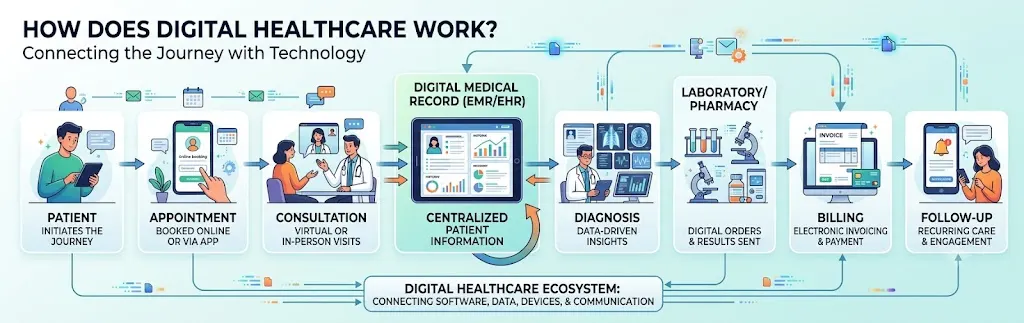
Digital healthcare works by connecting different healthcare processes through software, data, devices, and communication technologies.
A typical digital healthcare ecosystem may include:

Patient → Appointment → Consultation → Digital Medical Record → Diagnosis → Laboratory/Pharmacy → Billing → Follow-up
Each stage can generate and use digital information.
For example, when a patient books an appointment online, their information can be captured digitally. During consultation, the doctor can access the patient's medical history through an EMR or EHR system. Laboratory results can then be added to the patient's record, while prescriptions and billing information can be managed digitally.
This connected approach helps reduce information silos and gives healthcare organizations better visibility across their operations.
Digital healthcare is not based on one technology. It combines multiple technologies to create a connected healthcare environment.
EMR software allows healthcare providers to digitally maintain patient medical records.
Instead of depending on physical files, doctors can access information such as:
This can make information easier to retrieve and support more coordinated clinical workflows.
EHR systems provide a broader digital record of a patient's health information and can support information exchange across different healthcare settings when systems are interoperable.
A well-designed EHR environment can help authorized healthcare professionals access relevant patient information when needed.
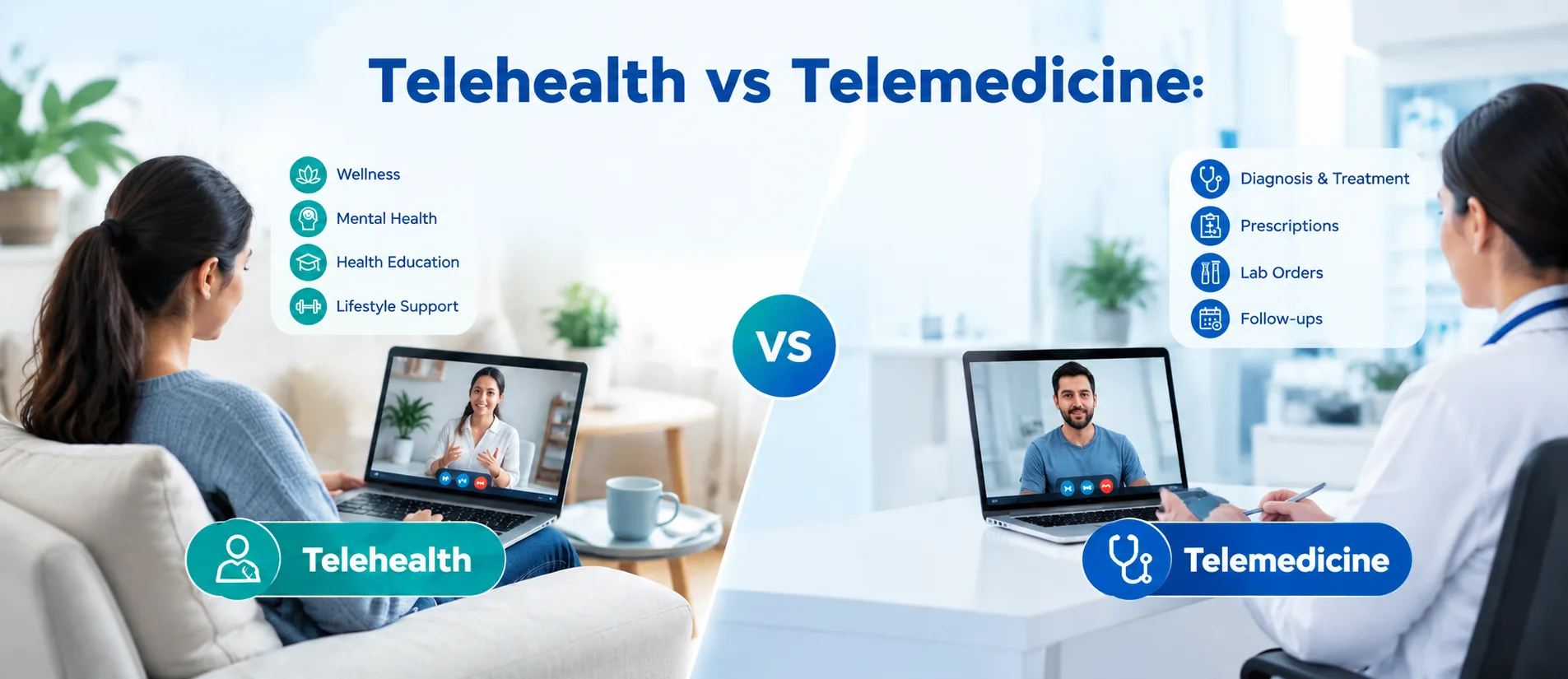
Telemedicine enables healthcare professionals to provide certain clinical services remotely using digital communication technologies.
Patients can consult healthcare professionals through video or audio communication, share medical information, and receive follow-up guidance without always visiting a healthcare facility.
Telehealth is broader than telemedicine and can include clinical as well as non-clinical healthcare services and activities.
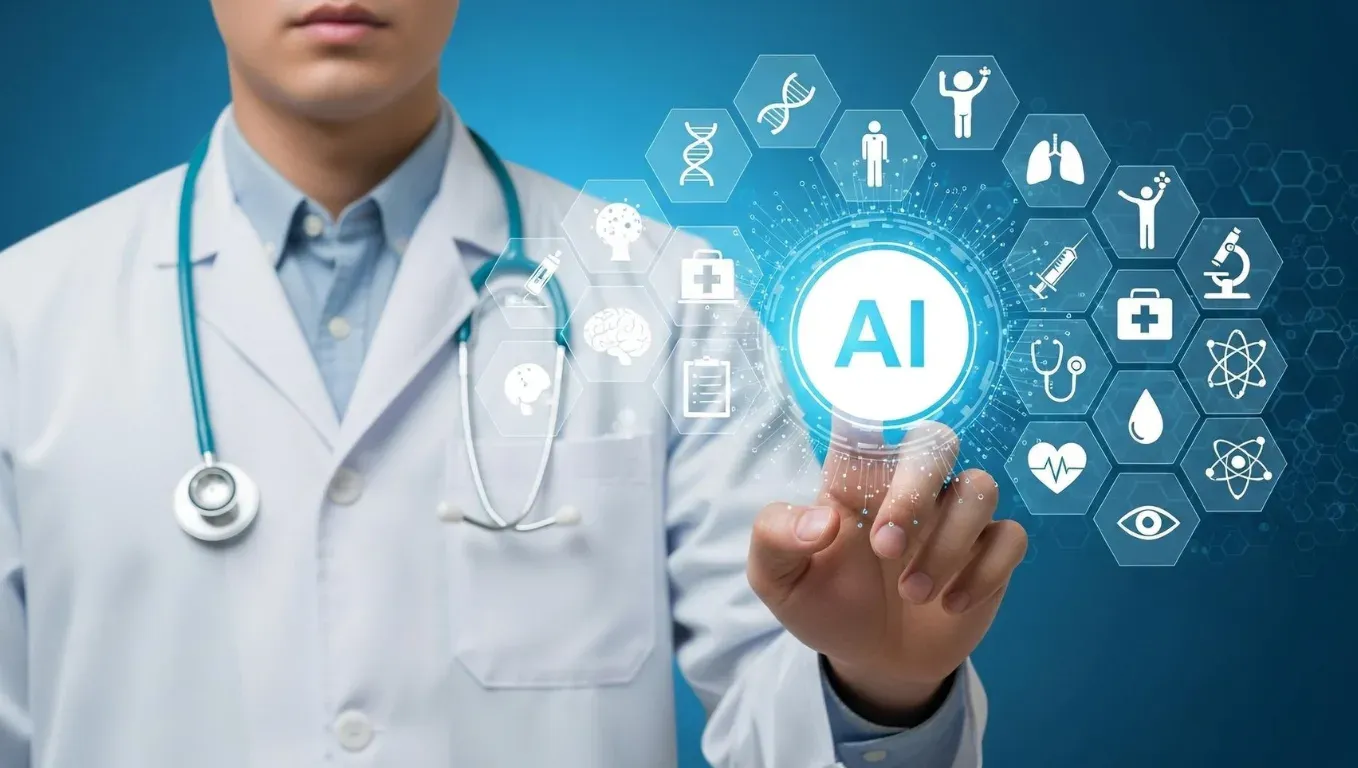
Artificial intelligence is becoming an important component of digital healthcare.
AI can support healthcare organizations in areas such as:
AI is not necessarily a replacement for healthcare professionals. Instead, it can help automate repetitive processes and provide useful insights that support healthcare teams.
Cloud technology allows healthcare applications and data to be accessed through secure internet-connected infrastructure.
Cloud-based healthcare software can help organizations scale their systems, connect departments, and access information from different locations, depending on the architecture, security controls, and access policies implemented.
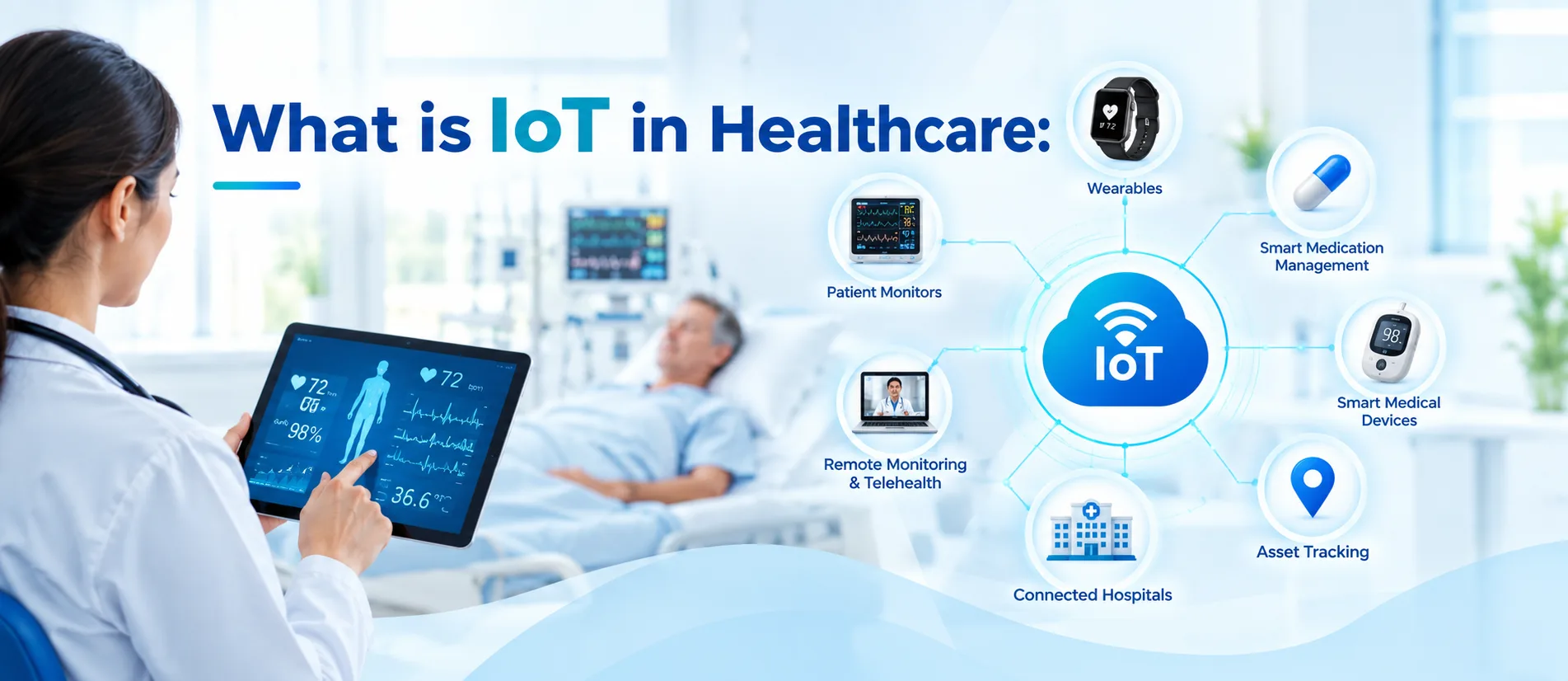
Connected devices and wearable technologies can collect health-related information such as heart rate, activity, sleep, blood pressure, or other measurements.
When appropriately integrated into healthcare workflows, this information can support monitoring and long-term patient management.
Healthcare organizations generate large amounts of information every day.
Data analytics can help hospitals and clinics identify trends, monitor operational performance, understand patient patterns, manage resources, and support data-informed decision-making.
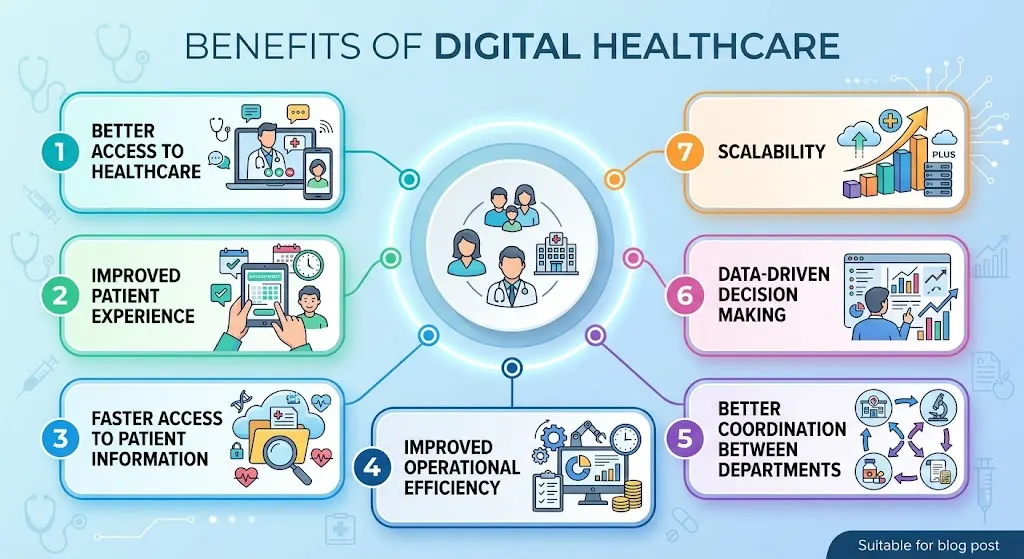
The adoption of digital healthcare can benefit patients, doctors, hospitals, clinics, laboratories, pharmacies, and healthcare administrators.
Digital healthcare can make certain healthcare services available beyond traditional physical settings.
Telemedicine, patient portals, mobile applications, and digital communication can help patients interact with healthcare providers remotely where clinically appropriate.
Digital appointment scheduling, faster access to records, electronic prescriptions, online communication, and reduced paperwork can create a smoother patient journey.
Patients no longer need to depend entirely on manual processes for every interaction with a healthcare organization.
Healthcare professionals can spend significant time searching for patient information when records are fragmented or paper-based.
Digital medical records can centralize relevant information and make it easier for authorized users to retrieve patient data.
Digital healthcare systems can automate repetitive administrative tasks such as appointment management, billing, reporting, inventory tracking, and documentation.
This can allow healthcare staff to spend more time on activities that require human attention.

A modern healthcare information system can connect different departments such as OPD, laboratory, pharmacy, billing, and clinical services.
When information flows efficiently between departments, healthcare organizations can reduce duplicate data entry and improve workflow coordination.
Digital systems generate structured data that can be analyzed to understand healthcare operations.
Hospital administrators can use dashboards and reports to monitor patient volumes, revenue, resource utilization, inventory, appointments, and other operational indicators.
Cloud-based and modular healthcare technologies can make it easier for healthcare organizations to expand their digital capabilities as their requirements grow.
Digital healthcare is not a single product. It includes a complete ecosystem of software and technology solutions.
Some of the most important digital healthcare products include:
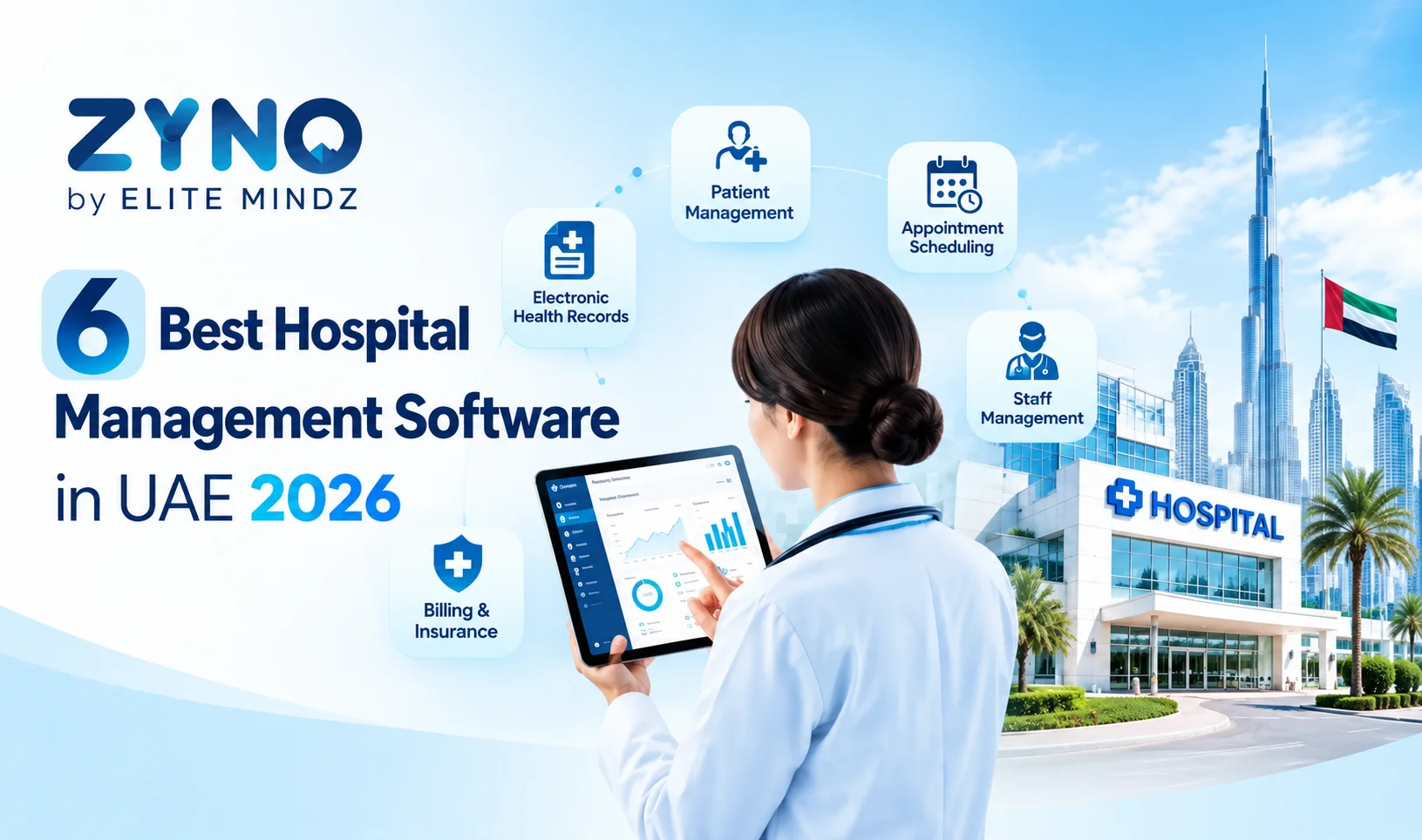
A Hospital Management System (HMS/HIMS) connects different hospital processes through a centralized platform.
It can support areas such as patient management, appointments, billing, clinical workflows, laboratory operations, pharmacy, reporting, and administration.
EMR software focuses on creating and managing digital medical records and supporting clinical workflows.
EHR platforms provide broader digital health records and can support information sharing and coordinated care where interoperability is available.
Clinic management software helps clinics manage appointments, patients, billing, medical records, doctors, and daily operations.
LIMS software helps laboratories manage samples, test workflows, results, reporting, inventory, and laboratory data.
Pharmacy management software can support prescription processing, billing, medicine inventory, stock monitoring, and pharmacy operations.
Appointment scheduling systems help healthcare providers manage doctor schedules, patient bookings, appointment status, and cancellations.
Telemedicine solutions enable remote patient-provider interactions and can support virtual consultations and digital healthcare delivery.
Patient management systems help healthcare organizations maintain patient information, appointments, visits, clinical workflows, and related administrative data.
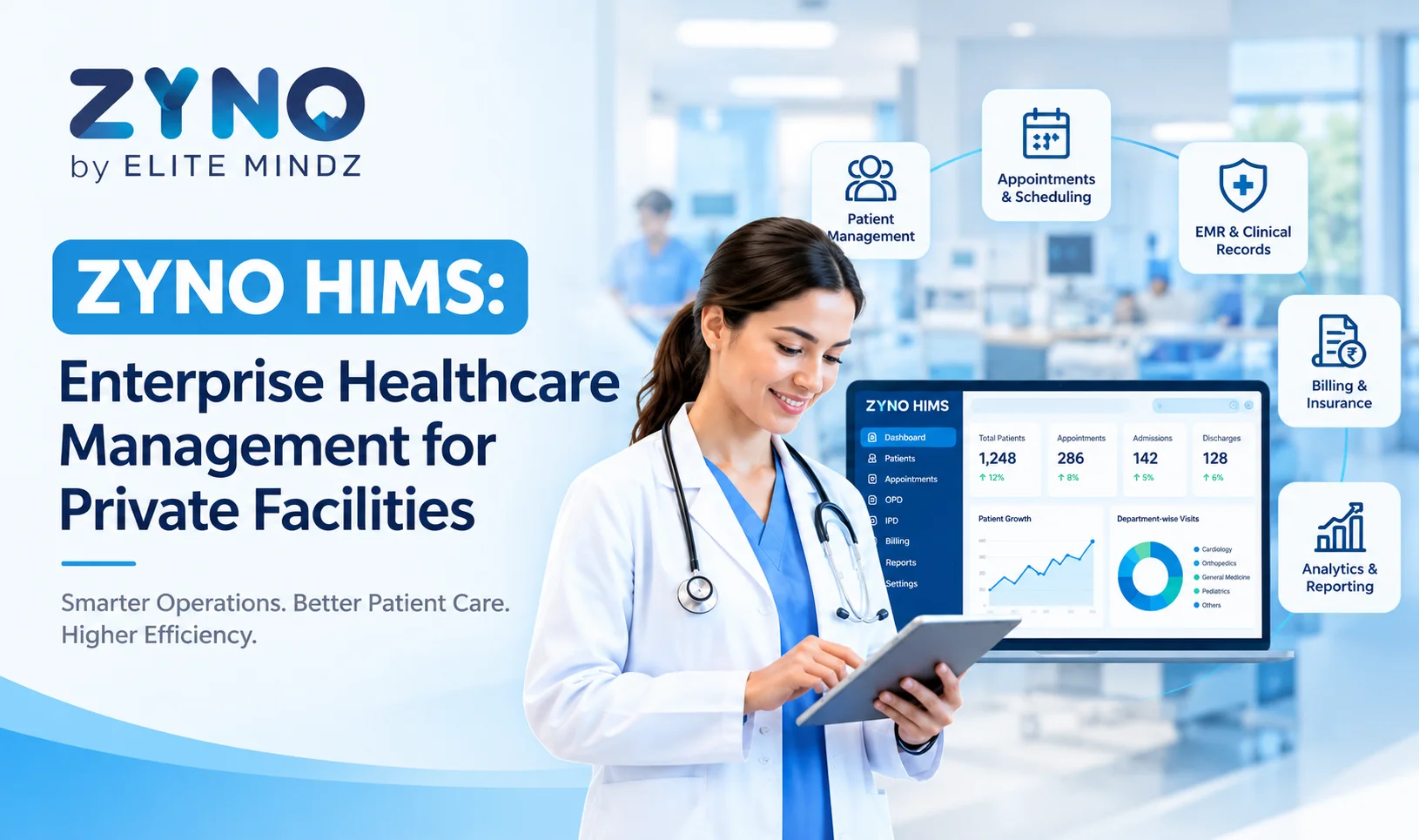
For organizations looking for an integrated healthcare platform, ZYNO HIMS provides an end-to-end hospital management ecosystem with solutions covering EMR, EHR, clinic management, patient management, billing, laboratory, pharmacy, and appointment scheduling.
The future of healthcare will increasingly depend on connected technologies and intelligent data systems.
Several trends are expected to shape the next generation of digital healthcare.
AI will increasingly support administrative automation, medical data analysis, patient communication, decision support, and personalized healthcare workflows.
Healthcare organizations will increasingly look for systems that can communicate with one another rather than operating as isolated applications.
Interoperability and data sharing are important components of a connected digital health ecosystem. WHO also emphasizes standards for interoperability and data sharing as part of strengthening digital health systems.
Connected medical devices and wearables can enable healthcare providers to monitor certain health parameters outside traditional clinical environments.
This can be particularly valuable for chronic disease management and follow-up care when clinically appropriate.
Healthcare is gradually moving toward more personalized approaches using patient-specific information, clinical history, genetics, lifestyle data, and analytics.
Digital technologies can help bring these different information sources together to support more individualized care.
Cloud-based healthcare software can help organizations improve accessibility, scalability, collaboration, and centralized management, provided appropriate security, privacy, and governance measures are in place.
Despite its benefits, digital healthcare also comes with challenges.
Healthcare data is highly sensitive. Healthcare organizations need strong access controls, encryption, authentication, monitoring, backup strategies, and appropriate security policies.
Different healthcare systems may use different technologies and data formats. Integrating these systems can therefore be technically challenging.
Healthcare professionals and patients may require training to effectively use new digital platforms.
Moving from manual or legacy systems to modern digital platforms requires investment in technology, infrastructure, training, implementation, and ongoing support.
Technology adoption is not only a technical project. Healthcare organizations must also manage employee adoption, workflow changes, training, and organizational resistance.
Digital healthcare is transforming healthcare from disconnected, paper-heavy processes into more connected, data-driven, and technology-enabled ecosystems.
From EMR and EHR systems to AI, telemedicine, cloud computing, laboratory software, pharmacy management, and hospital information systems, digital technologies can improve how healthcare organizations manage information and deliver services.
The goal is not simply to make healthcare “digital.” The real objective is to use technology to make healthcare more accessible, coordinated, efficient, informed, and patient-focused.
As healthcare organizations continue to adopt digital platforms, integrated solutions such as hospital management systems will become increasingly important in connecting clinical, administrative, and operational workflows.
Transform healthcare delivery with ZYNO HIMS, connecting patient records, OPD, IPD, pharmacy, laboratory, billing, and more in one platform.
Explore ZYNO HIMS →Digital healthcare represents a major transformation in the way healthcare services are delivered and managed. It combines technologies such as AI, cloud computing, EMR, EHR, telemedicine, IoT, data analytics, and healthcare information systems to create more connected healthcare environments.
For hospitals and clinics, digitalization can improve operational efficiency, information accessibility, patient experience, and data-driven decision-making.
The future of healthcare will not be defined by one technology. Instead, it will be shaped by how effectively different digital healthcare technologies work together to support patients, healthcare professionals, and healthcare organizations.
For healthcare providers planning their digital transformation, an integrated Hospital Information Management System (HIMS) can provide a strong foundation by bringing patient management, clinical workflows, billing, pharmacy, laboratory, appointments, and other hospital operations into a connected digital environment.
Learn more about ZYNO HIMS and its healthcare management capabilities to explore how an integrated digital healthcare platform can support modern hospitals and clinics.
Digital healthcare is the use of digital technologies such as healthcare software, EMR, EHR, AI, telemedicine, cloud computing, IoT, and data analytics to improve healthcare delivery, patient management, clinical workflows, and healthcare operations.
Digital health is a broad term covering the use of digital technologies to improve health and healthcare. Digital healthcare generally refers to the practical application of these technologies in healthcare delivery, clinical services, patient management, and healthcare operations.
Examples include EMR and EHR software, telemedicine platforms, hospital management systems, clinic management software, pharmacy management software, LIMS, patient portals, wearable devices, AI healthcare applications, and digital appointment systems.
Major benefits include improved access to healthcare, faster information retrieval, better patient experience, streamlined workflows, improved coordination, reduced manual work, data-driven decision-making, and greater operational efficiency.
AI can support healthcare organizations through medical data analysis, report analysis, predictive analytics, clinical decision support, patient communication, appointment automation, and administrative process automation.
EMR software allows healthcare providers to digitally manage patient medical information. It can make patient records easier for authorized healthcare professionals to access, update, and use during clinical workflows.
A Hospital Information Management System, or HIMS, is an integrated healthcare software platform that helps hospitals manage patient information, appointments, clinical workflows, billing, pharmacy, laboratory operations, reporting, and other administrative processes through a centralized system.
The future of digital healthcare is expected to involve greater use of AI, connected healthcare systems, interoperability, remote patient monitoring, cloud platforms, data analytics, personalized healthcare, and integrated hospital management solutions.
Why Cloud-Based AI HIMS is Transforming the Future of Indian Healthcare
Read More →The Complete ZYNO HIMS Guide for Modern Healthcare Management
Read More →How a Hospital Management System Improves Healthcare Operations
Read More →
Cloud vs Offline Hospital Management Systems: What Should Your Hospital Choose
Read More →What Is a Hospital Information System (HIS)? Features, Benefits & Complete Guide
Read More →How HIMS Software Improves Patient Care and Hospital Efficiency
Read More →How Is Hospital Software Transforming Patient Data Management in Modern Healthcare
Read More →
HIMS Software in Kenya: The Complete Guide for Hospitals & Clinics (2026)
Read More →
Top 10 KareXpert HIMS Alternatives & Competitors in 2026
Read More →
What is a Clinic Management System and How Does It Improve Patient Care?
Read More →
Top Challenges in Pharmacy Management and How to Overcome Them
Read More →
Top 10 Hospital Management Challenges and How ZYNO HIMS Solves Them
Read More →
Why Modern Clinics Are Switching to EMR Systems
Read More →
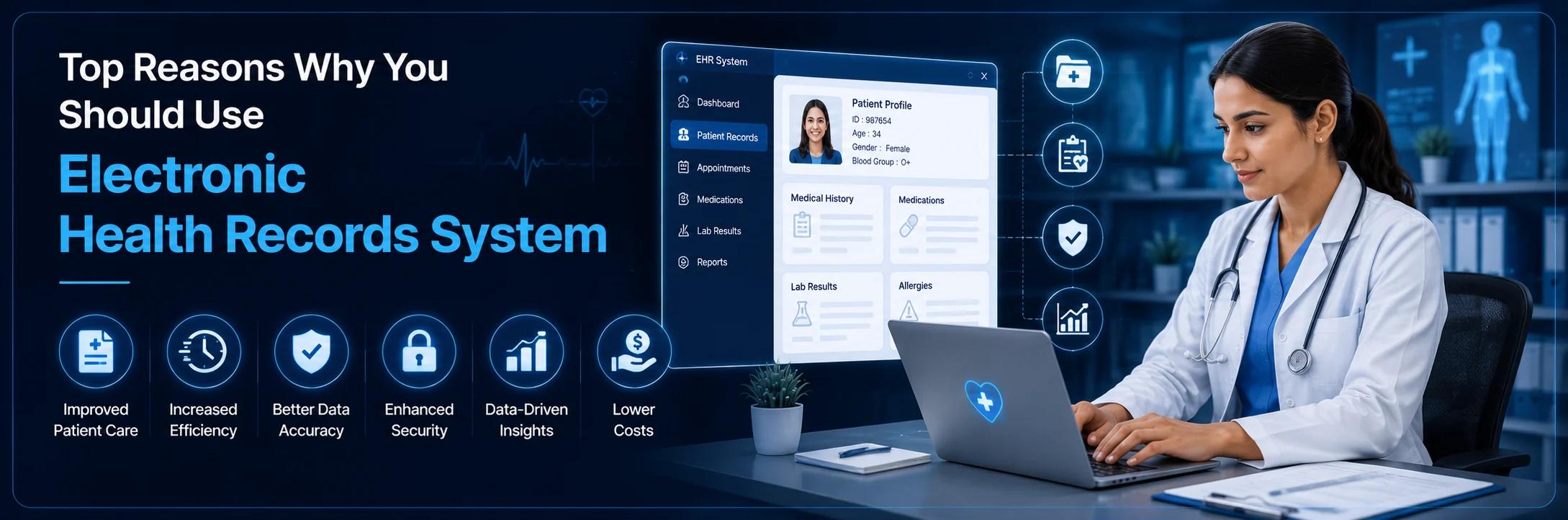
Top Reasons Why You Should Use Electronic Health Records System
Read More →
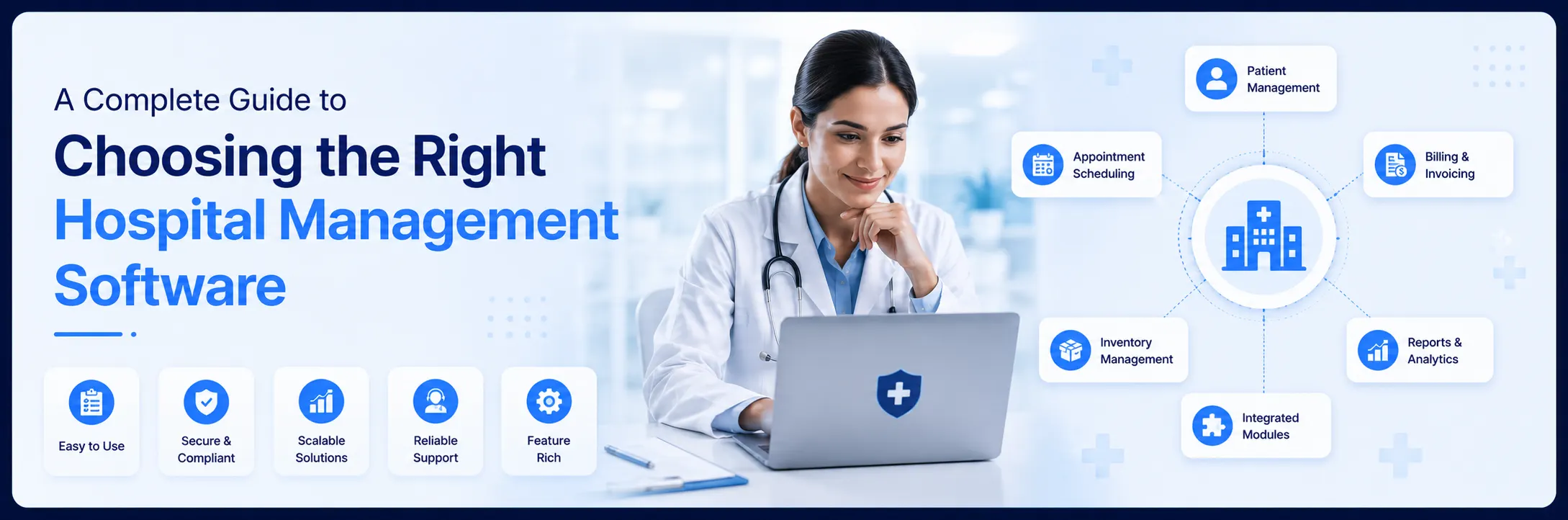
A Complete Guide to Choosing the Right Hospital Management Software
Read More →
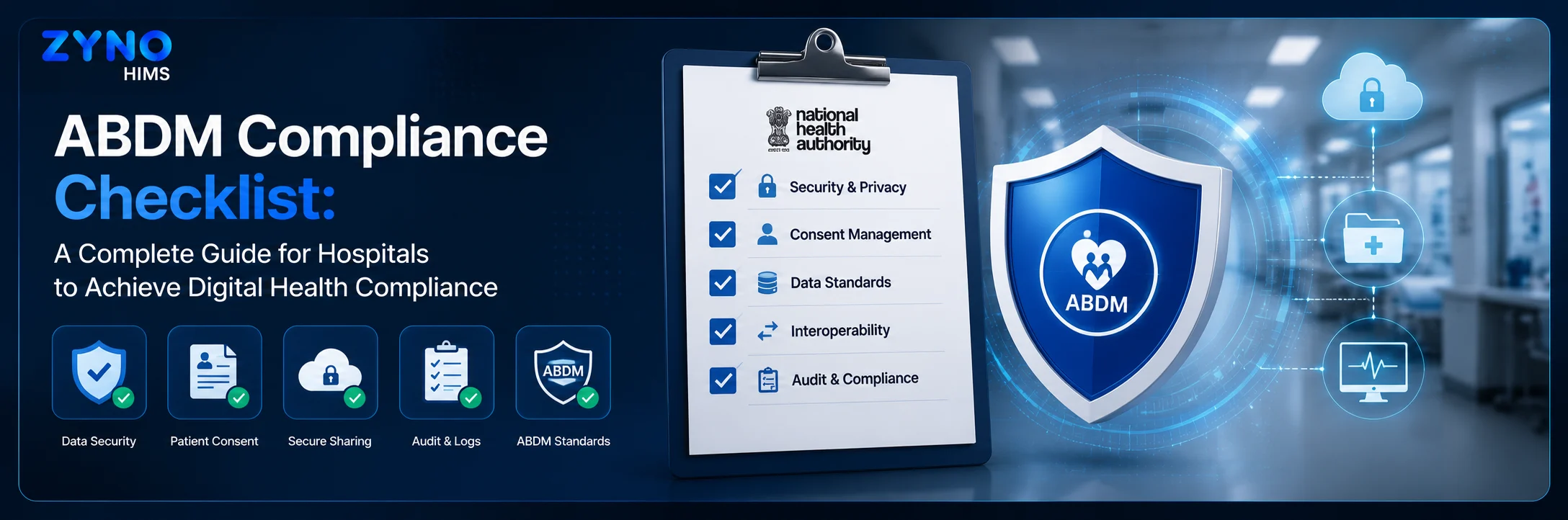
ABDM Compliance Checklist: A Complete Guide for Hospitals to Achieve Digital Health Compliance
Read More →
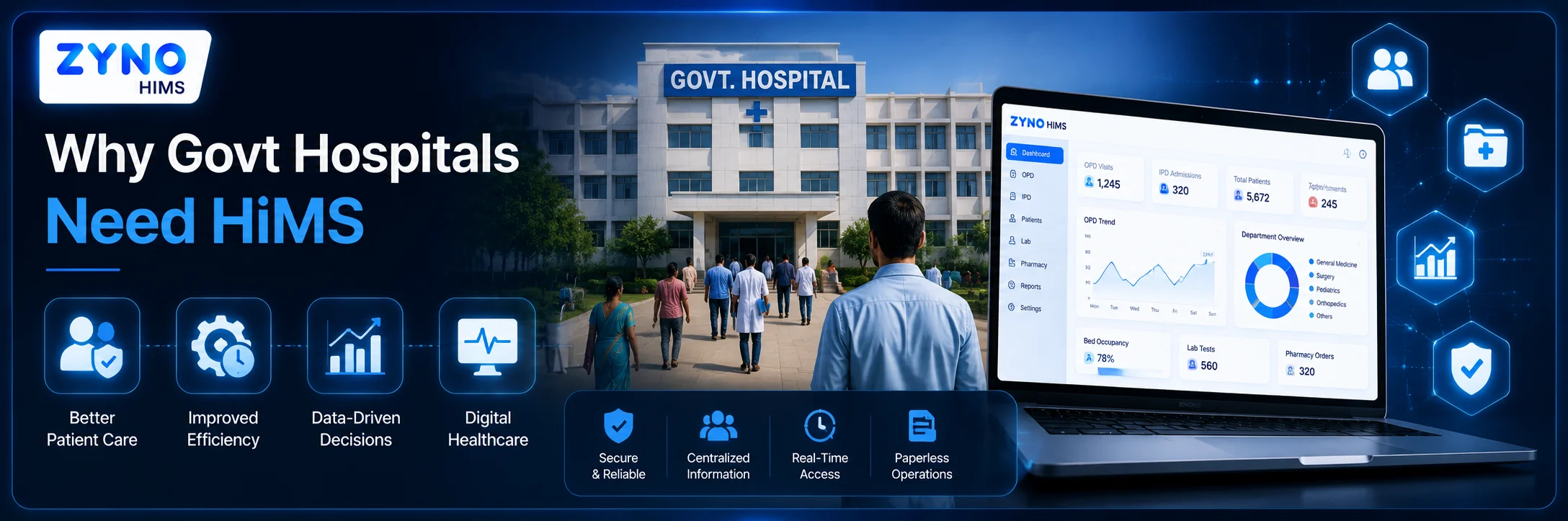
Why Govt Hospitals Need HIMS: Improving Patient Care, Efficiency, and Digital Healthcare
Read More →
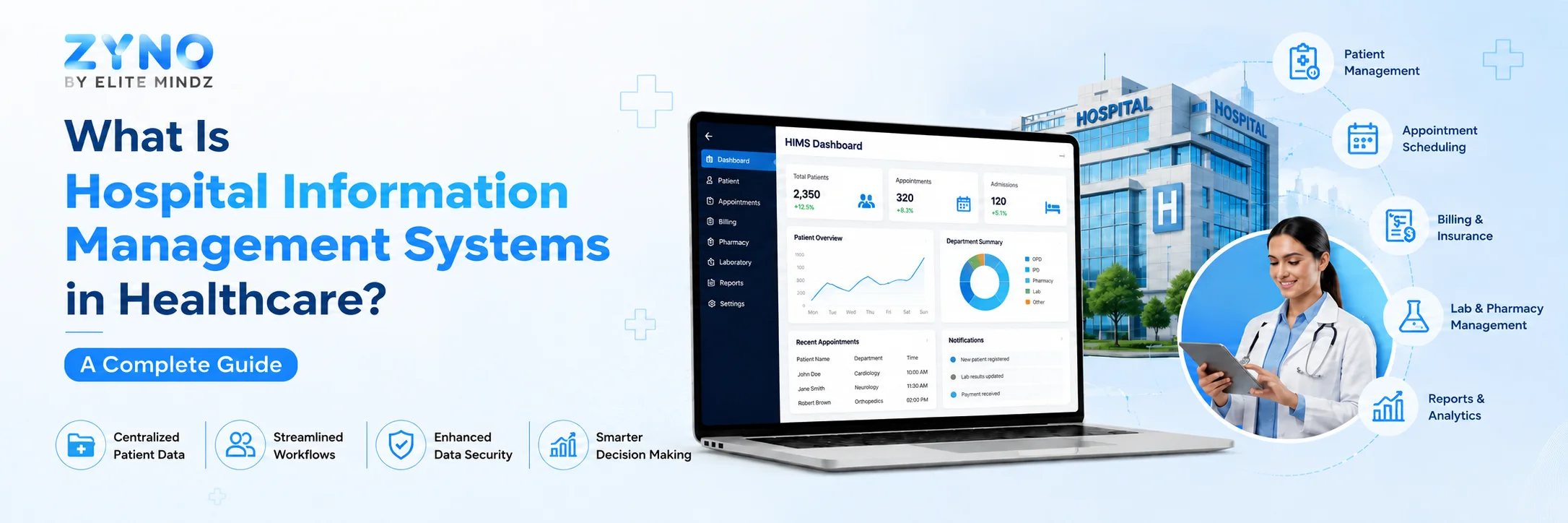
What Is Hospital Information Management Systems in Healthcare? A Complete Guide
Read More →
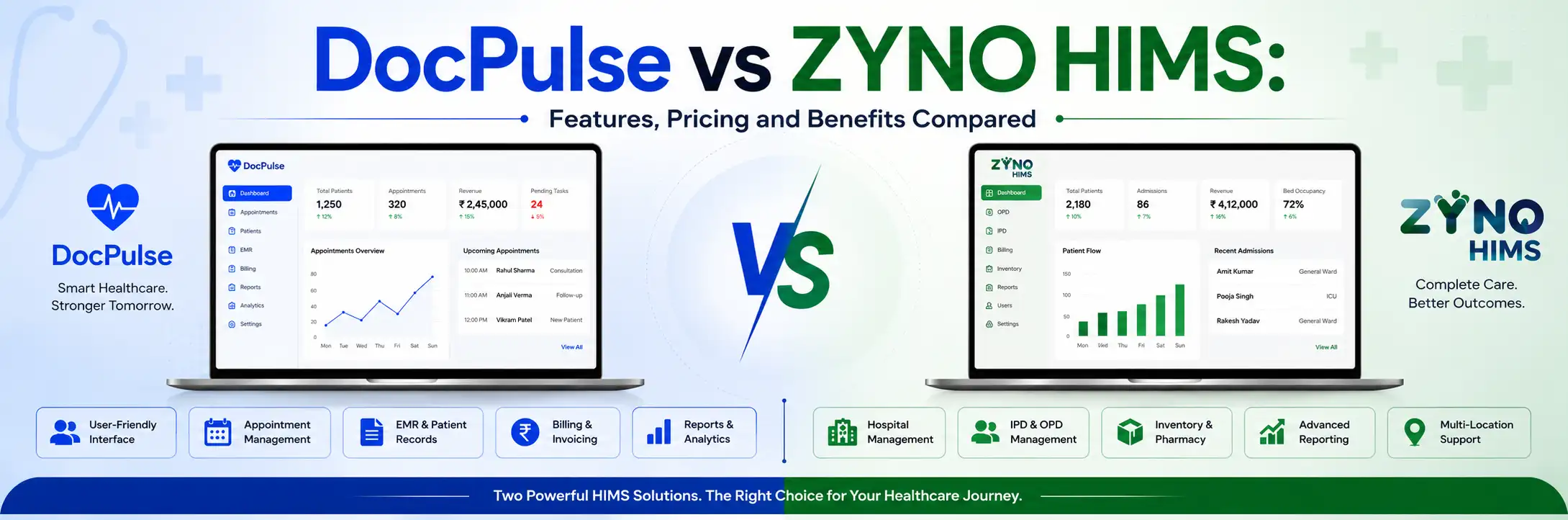
DocPulse vs ZYNO HIMS (2026): Why ZYNO HIMS Is the Smarter Hospital Management Choice
Read More →
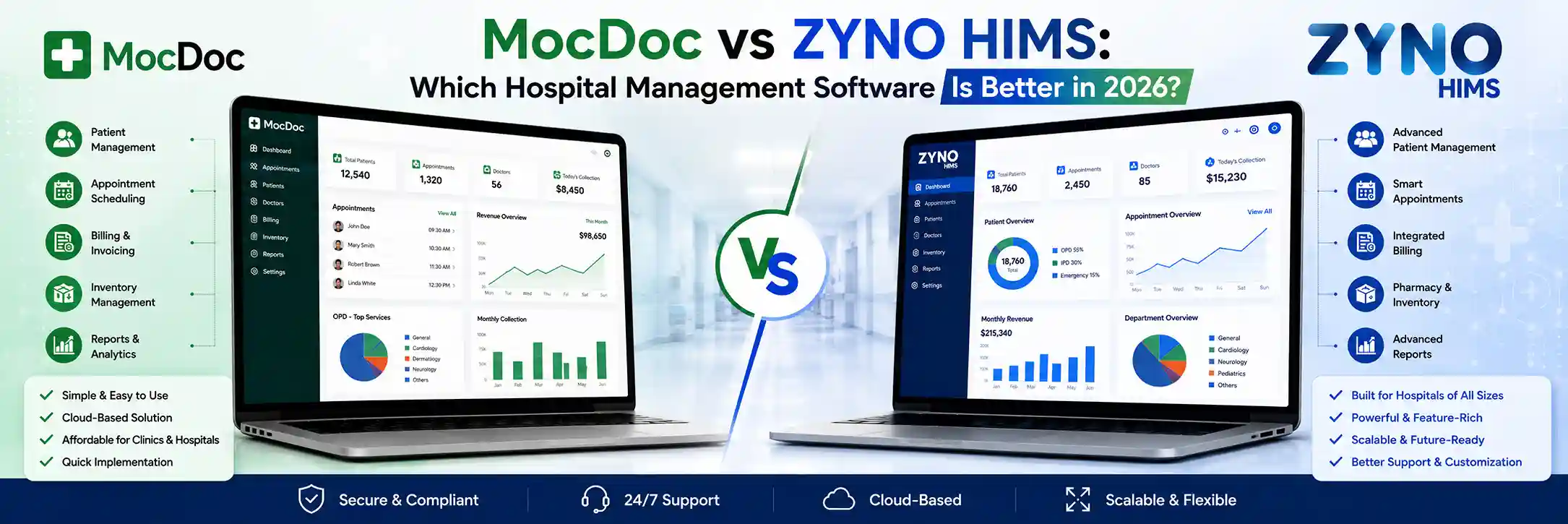
MocDoc vs ZYNO HIMS: Which Hospital Management Software Is Better in 2026?
Read More →
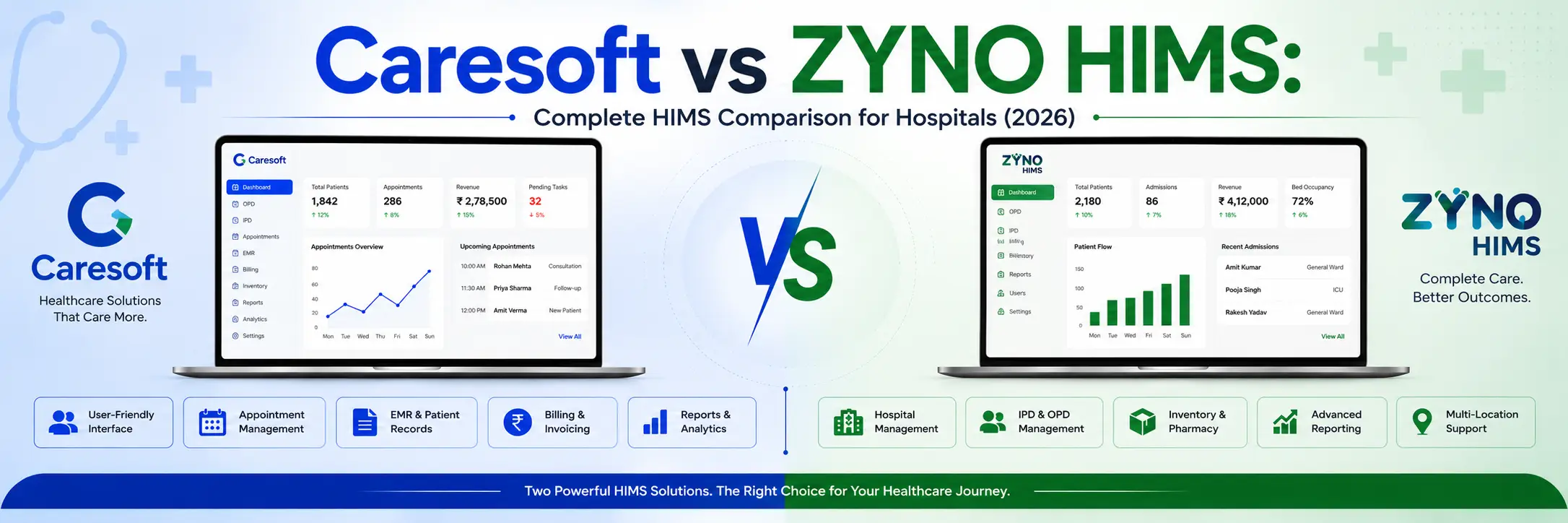
Caresoft vs ZYNO HIMS: Complete HIMS Comparison for Hospitals
Read More →
Best PMJAY-Compliant HIMS Software in India (2026): Complete Guide for Hospitals
Read More →
Medical Report Analyzer Software: How AI Makes Medical Reports Easy to Understand
Read More →
How to Choose a Hospital Management System
Read More →
AI in HIMS: 10 Practical Ways Artificial Intelligence is Transforming Hospital Management
Read More →
Best Hospital Management Software for Private Clinics in Kenya
Read More →
Hospital Management Software in Japan: What Healthcare Providers Need in 2026
Read More →
Pharmacy Management Software for Kenyan Pharmacies: Features That Matter
Read More →
DHA and MOH Compliance for Hospital Software in the UAE
Read More →
Top 10 Hospital Management Software in India 2026: Features, Pros, Cons & Pricing
Read More →
OPD vs IPD: Difference Between OPD and IPD, Services & Complete Guide
Read More →
Pharmacy Inventory Management: Methods, Inventory Control & Best Practices
Read More →
What Is a Pharmacy Information System (PIS)? Features, Benefits & How It Improves Pharmacy Management
Read More →
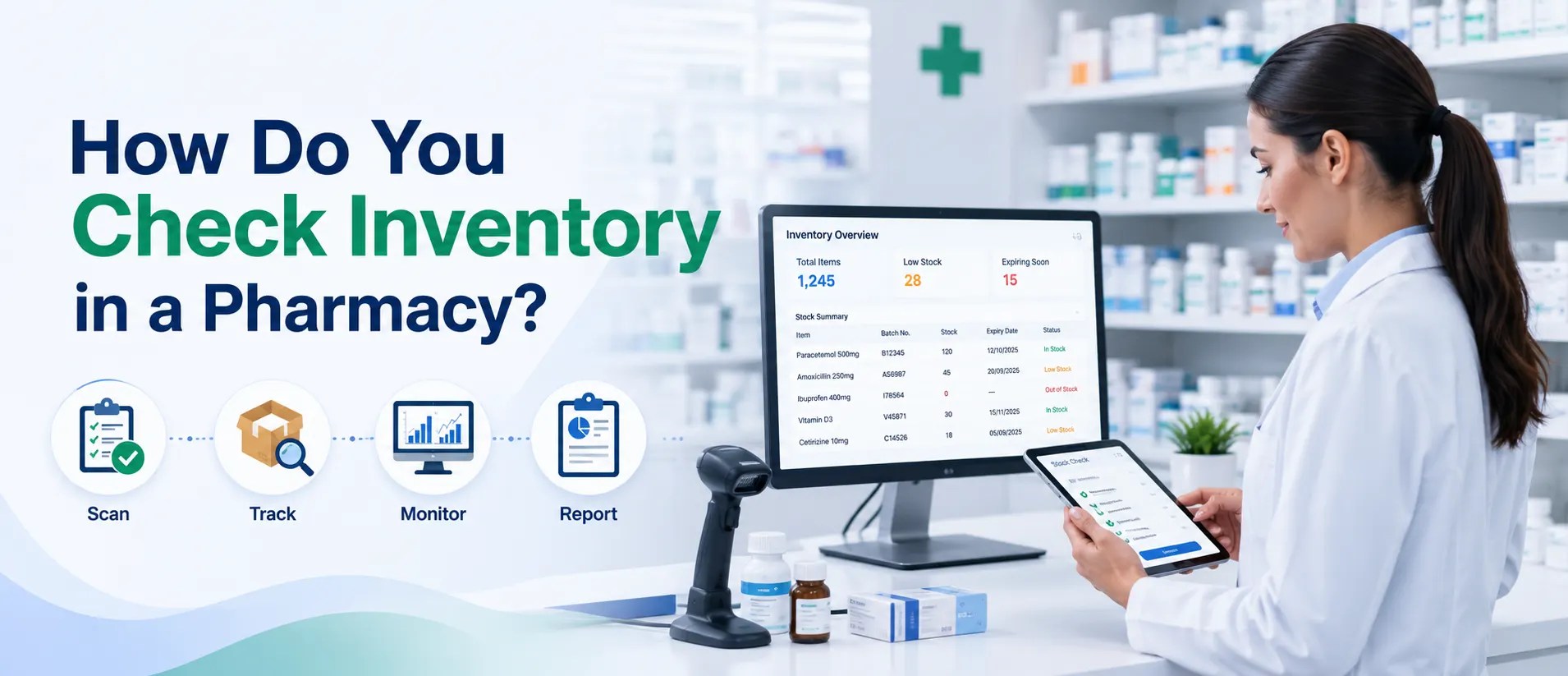
How Do You Check Inventory in a Pharmacy?
Read More →
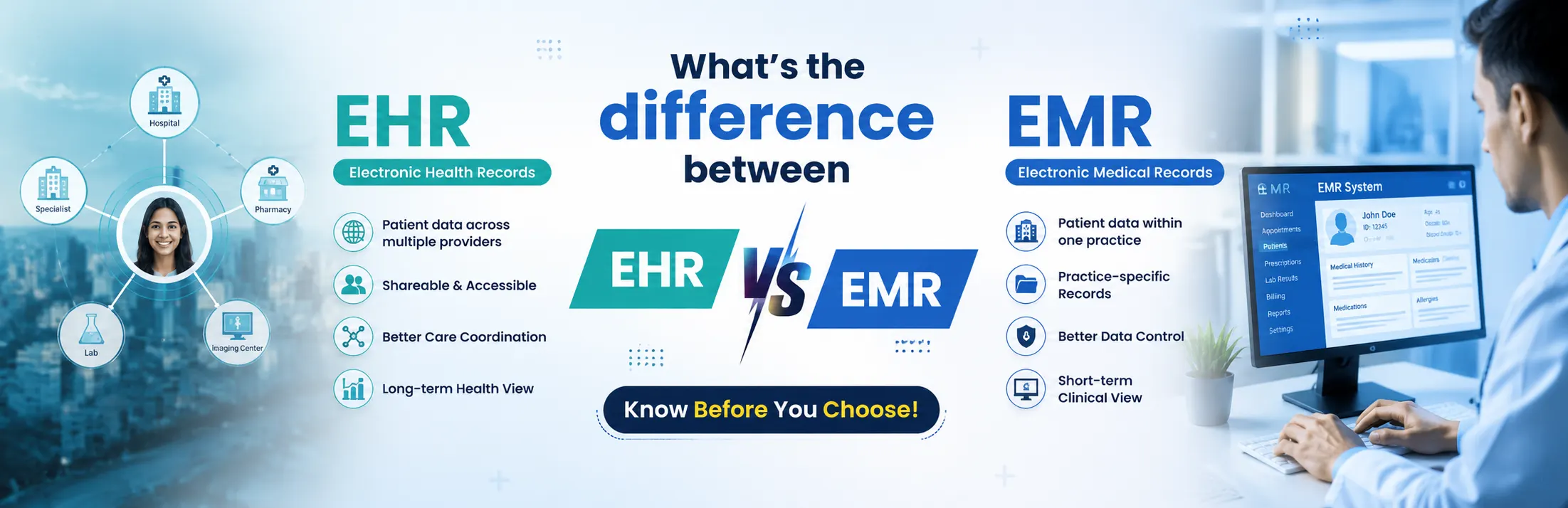
What’s the Difference Between EHR and EMR? Key Differences, Benefits & Guide
Read More →
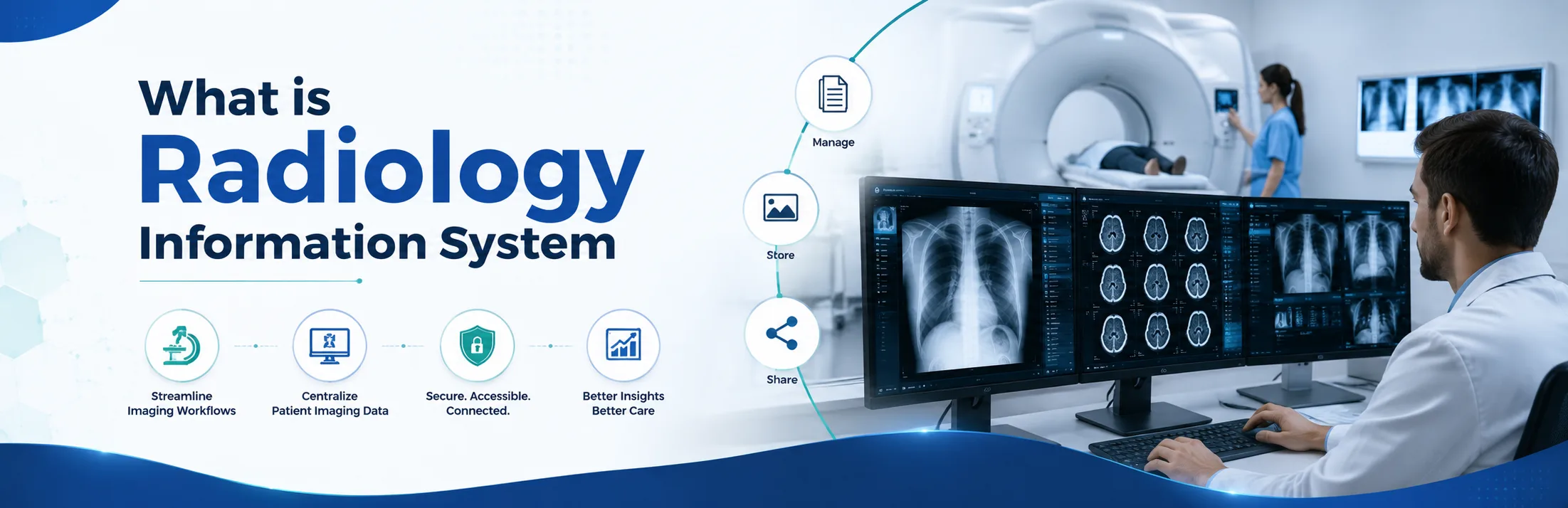
What is Radiology Information System? Features & Benefits
Read More →
What Is Digital Healthcare? Benefits, Examples & Future
Read More →
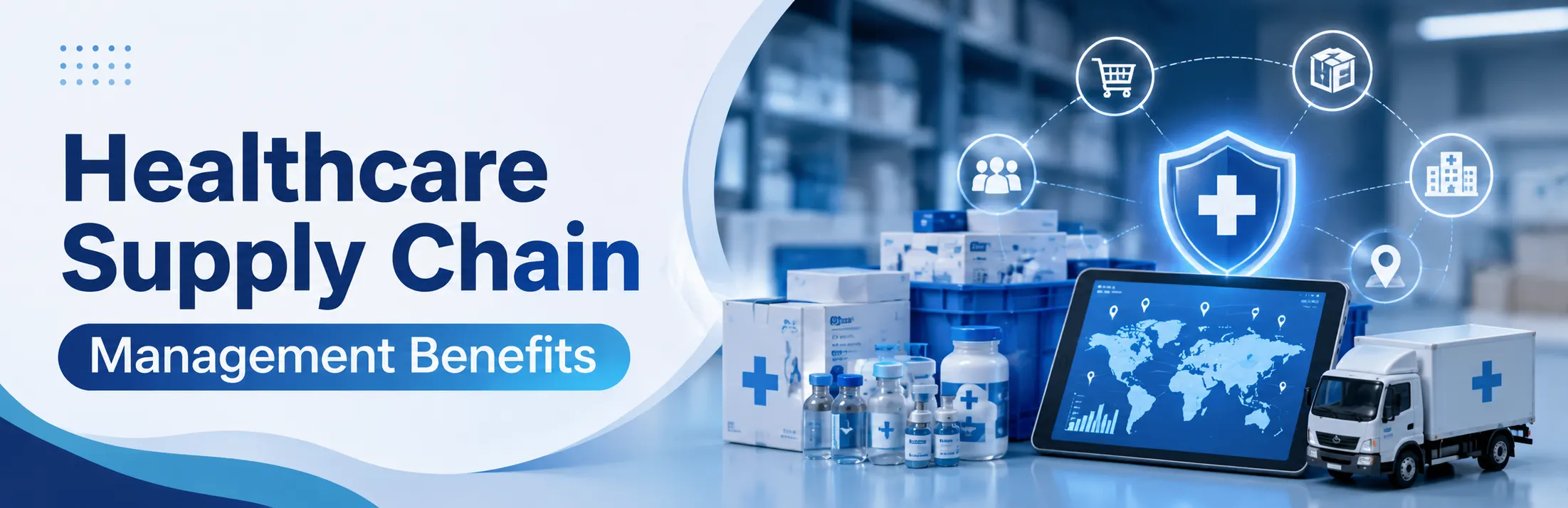
Healthcare Supply Chain Management Benefits
Read More →Partner with ZYNO by Elite Mindz to revolutionize how your business works. Fill out the form, and we’ll reach out with AI-powered solutions made just for you.
We use browser cookies to ensure you get the best experience on our website. Learn more
The form was submitted successfully!