Why Cloud-Based AI HIMS is Transforming the Future of Indian Healthcare
Read More →{ "@context": "https://schema.org", "@type": "FAQPage", "mainEntity": [ { "@type": "Question", "name": "What is healthcare supply chain management?", "acceptedAnswer": { "@type": "Answer", "text": "Healthcare supply chain management is the process of planning, purchasing, receiving, storing, distributing, tracking, and managing medical products, medicines, equipment, and other resources required by healthcare organizations." } }, { "@type": "Question", "name": "What are the main benefits of healthcare supply chain management?", "acceptedAnswer": { "@type": "Answer", "text": "The main benefits include better inventory control, reduced stockouts, lower costs, less waste, improved procurement, better supplier management, greater operational efficiency, and improved supply chain resilience." } }, { "@type": "Question", "name": "Why is supply chain management important in hospitals?", "acceptedAnswer": { "@type": "Answer", "text": "Supply chain management ensures that hospitals have the medicines, medical equipment, surgical supplies, laboratory consumables, and other resources needed to support patient care and daily operations." } }, { "@type": "Question", "name": "How does technology improve healthcare supply chain management?", "acceptedAnswer": { "@type": "Answer", "text": "Technology can automate inventory tracking, purchase workflows, stock alerts, supplier management, batch and expiry tracking, reporting, and consumption analysis, helping healthcare organizations improve visibility and efficiency." } }, { "@type": "Question", "name": "How can healthcare organizations reduce inventory waste?", "acceptedAnswer": { "@type": "Answer", "text": "Healthcare organizations can reduce inventory waste by monitoring stock levels, tracking expiry dates and batches, analyzing consumption patterns, setting appropriate reorder levels, and using suitable stock rotation methods." } }, { "@type": "Question", "name": "What is hospital inventory management?", "acceptedAnswer": { "@type": "Answer", "text": "Hospital inventory management is the process of tracking, controlling, storing, and replenishing medicines, medical supplies, equipment, and other products used across hospital departments." } }, { "@type": "Question", "name": "Can a HIMS help with healthcare supply chain management?", "acceptedAnswer": { "@type": "Answer", "text": "Yes. A HIMS can connect healthcare operations such as patient management, pharmacy, laboratory, billing, and inventory-related workflows. This integration can provide better visibility and reduce data silos across hospital departments." } }, { "@type": "Question", "name": "How does ZYNO HIMS support hospital operations?", "acceptedAnswer": { "@type": "Answer", "text": "ZYNO HIMS provides an integrated hospital management environment covering areas such as EMR, EHR, patient management, clinic management, pharmacy management, laboratory management, billing, and appointment scheduling. This can help hospitals connect clinical and operational workflows through a centralized digital platform." } } ] }

×
Discover the key benefits of healthcare supply chain management, including lower costs, better inventory control, reduced waste, faster procurement, and improved patient care.
Businesses using ZYNO Books cut accounting time by 70% and stay 100% ZATCA-compliant — automatically.
Healthcare organizations depend on a continuous supply of medicines, medical equipment, surgical instruments, laboratory supplies, protective equipment, and other essential products. If these resources are not available at the right time, patient care and hospital operations can be affected.
This is why healthcare supply chain management has become an important part of modern healthcare operations.
An effective healthcare supply chain helps hospitals and clinics manage everything from procurement and supplier relationships to inventory, storage, distribution, and consumption. It ensures that the right products are available in the right quantity, at the right location, and at the right time.
With increasing healthcare costs, growing patient demand, complex procurement processes, and the need to reduce waste, healthcare organizations are increasingly focusing on supply chain optimization.
Discover how ZYNO HIMS helps streamline inventory, procurement, pharmacy, billing, and hospital operations with one connected healthcare platform.
In this article, we will explore the key healthcare supply chain management benefits, how the process works, common challenges, and how technology can help hospitals build a more efficient and reliable supply chain.
Healthcare supply chain management is the process of planning, purchasing, receiving, storing, distributing, tracking, and managing healthcare products and resources throughout a healthcare organization.
It can include:
The objective is simple: make sure healthcare providers have the resources they need without unnecessarily tying up money in excess inventory.
A hospital supply chain typically involves multiple stages:
Demand Planning → Procurement → Supplier Management → Purchase Order → Goods Receipt → Inventory → Storage → Distribution → Consumption → Reordering
Each stage needs accurate information and coordination to prevent delays, shortages, overstocking, and unnecessary expenditure.

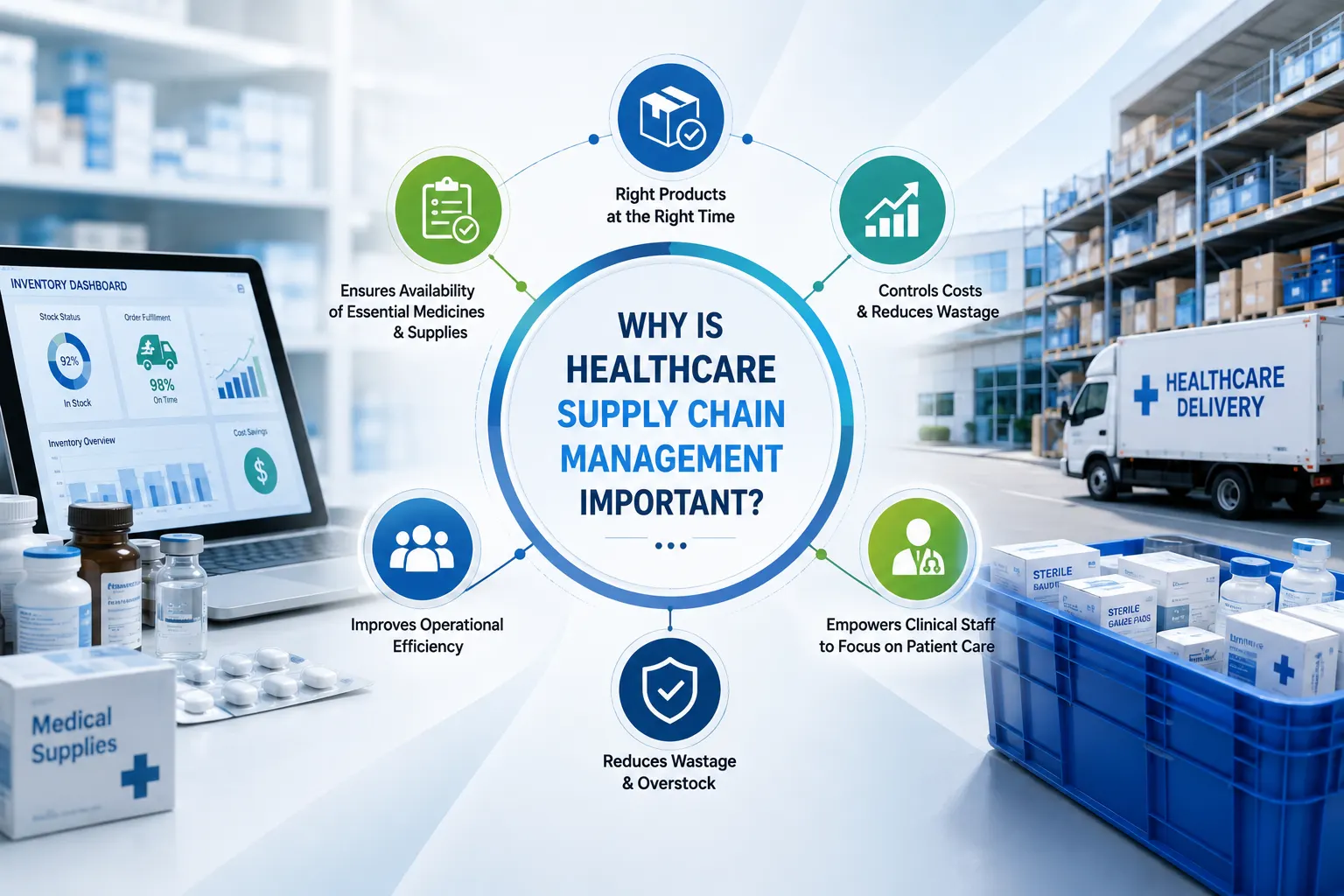
Supply chain management directly affects both the operational and financial performance of healthcare organizations.
Hospitals cannot function effectively if essential medicines or medical supplies are unavailable. At the same time, keeping excessive stock can increase storage costs, wastage, and the risk of products becoming obsolete or expiring.
Effective inventory and supply chain management can help organizations maintain the right balance between availability and cost.
Research and healthcare supply-chain programs have highlighted benefits such as reducing stock wastage and overstock, improving operational efficiency, and freeing clinical staff from time-consuming inventory administration.
One of the biggest benefits of healthcare supply chain management is improved inventory control.
Hospitals manage thousands of products with different usage patterns, storage requirements, expiry dates, and replenishment cycles. Manual inventory tracking can make it difficult to know exactly what is available.
A structured supply chain system can help organizations monitor:
Better inventory visibility helps healthcare organizations maintain sufficient stock while reducing unnecessary inventory.
A shortage of an essential medicine or medical supply can disrupt healthcare services.
For example, if a hospital runs out of a critical surgical consumable, a procedure may need to be delayed while the required item is sourced.
Healthcare supply chain management helps reduce this risk by monitoring inventory levels and identifying products that need replenishment.
Automated reorder alerts, demand forecasting, and consumption tracking can help procurement teams act before inventory reaches critical levels.
Cost management is another major benefit.
Healthcare organizations spend significant amounts on medicines, equipment, consumables, logistics, and other supplies. Poor procurement practices or excessive inventory can increase these costs.
A well-managed supply chain can help reduce expenses through:
Supply-chain optimization is therefore not only an operational function but also an important financial strategy for healthcare organizations.
Healthcare products can have limited shelf lives.
Medicines, laboratory reagents, consumables, and other products may become unusable if they are not consumed before their expiry dates.
Poor stock rotation can therefore lead to unnecessary financial losses.
Healthcare inventory management software can help organizations track product batches and expiry dates and use appropriate stock rotation practices such as First Expiry, First Out (FEFO) where applicable.
This can reduce the amount of inventory that becomes obsolete or expires before use.
Procurement is a major component of the healthcare supply chain.
Without a structured procurement process, hospitals may struggle with manual purchase requests, approval delays, supplier communication, and purchase tracking.
A digital procurement workflow can help healthcare organizations manage:
Purchase Request → Approval → Supplier Selection → Purchase Order → Goods Receipt → Invoice
This creates greater visibility into what was ordered, from whom, at what price, and whether the goods were received.
It can also help procurement teams analyze historical purchasing data and make more informed buying decisions.
Healthcare organizations often work with multiple suppliers for medicines, equipment, consumables, and other products.
Managing these relationships manually can become difficult as the number of vendors increases.
Supply chain management allows hospitals to maintain structured supplier information and monitor factors such as:
Better supplier visibility can help hospitals identify dependable suppliers and reduce their dependence on unreliable sources.
Manual supply chain processes can consume significant staff time.
Employees may need to check physical stock, prepare purchase requests, update spreadsheets, contact suppliers, verify deliveries, and prepare inventory reports.
Digitizing these activities can reduce repetitive administrative work.
For example, inventory alerts can notify staff when stock falls below predefined levels instead of requiring employees to manually inspect every item.
This allows teams to focus more time on procurement planning, supplier management, and other higher-value activities.
Although supply chain management is often considered an administrative function, it has a direct connection to patient care.
Doctors, nurses, laboratories, pharmacies, and operating rooms depend on the availability of essential products.
When the supply chain works efficiently, healthcare professionals are more likely to have the required resources available when they need them.
A reliable supply chain therefore supports continuity of healthcare services and can reduce operational disruptions caused by unavailable supplies.
One of the major problems with traditional supply chain processes is limited visibility.
A procurement team may know what was ordered, while the pharmacy knows what was received and a clinical department knows what it consumed. If these systems are disconnected, getting a complete picture becomes difficult.
Digital healthcare systems can bring information together and provide visibility into inventory movement across departments.
Managers can gain insights into:
This data can support better operational decisions.
Healthcare organizations need to be prepared for unexpected disruptions.
Supply shortages, transportation problems, sudden demand increases, supplier failures, and other external events can affect the availability of healthcare products.
A resilient supply chain combines inventory visibility, supplier diversification, demand planning, risk monitoring, and contingency planning.
The goal is not necessarily to maintain excessive stock. Instead, healthcare organizations need enough visibility and planning capability to respond quickly when supply conditions change.
Recent healthcare supply-chain guidance continues to emphasize resilience, inventory optimization, and preparedness as important components of hospital supply chain management.
Technology is playing an increasingly important role in modern healthcare supply chains.
Instead of managing inventory, procurement, pharmacy, and hospital operations through disconnected spreadsheets and manual records, healthcare organizations can use integrated software platforms.
A digital healthcare management system can connect supply-related activities with other hospital processes.
For example:
Patient Activity → Medical Service → Medicine/Consumable Usage → Inventory Update → Reorder Requirement
This creates a more connected flow of information.
Technology can support:
For hospitals looking to connect supply-related processes with broader healthcare operations, an integrated hospital management platform can be particularly useful.
ZYNO HIMS brings multiple hospital functions into a connected digital environment, including EMR, EHR, clinic management, patient management, pharmacy management, laboratory management, billing, and appointment management. Its pharmacy management capabilities include inventory-related workflows for medicines and prescriptions.
This integration can help reduce the disconnect between clinical activity and inventory movement.
For example, when medicines are issued through pharmacy operations, inventory information can be updated as part of the digital workflow. Similarly, patient and clinical information can remain connected with the operational processes surrounding healthcare delivery.
This type of integration is particularly valuable for hospitals that want to move away from isolated systems and create a more centralized healthcare management environment.

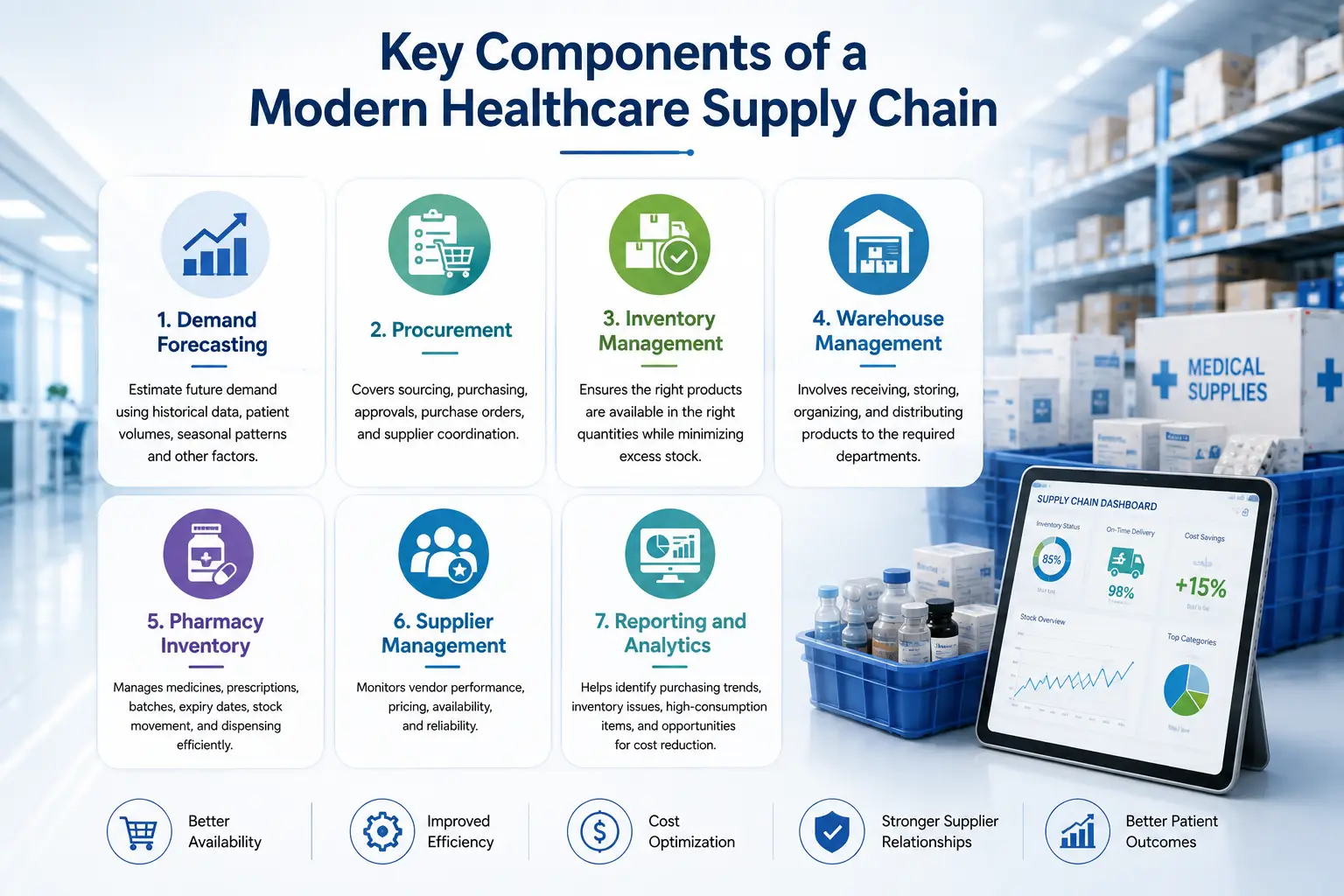
A strong healthcare supply chain generally includes several interconnected components.
Hospitals need to estimate future demand based on historical consumption, patient volumes, seasonal patterns, and other relevant factors.
The procurement process covers sourcing, purchasing, approvals, purchase orders, and supplier coordination.
Inventory management ensures that products are available in appropriate quantities while minimizing unnecessary stock.
Warehouse operations involve receiving, storing, organizing, and distributing products to the required departments.
Pharmacy inventory management focuses specifically on medicines, prescriptions, batches, expiry dates, stock movement, and dispensing.
Supplier management helps healthcare organizations monitor vendor performance, pricing, availability, and reliability.
Analytics can help hospital administrators identify purchasing trends, inventory issues, high-consumption products, and potential areas for cost reduction.
Despite its importance, healthcare supply chain management can be difficult to manage.
Some common challenges include:
Spreadsheets and paper records can create data duplication and increase the possibility of errors.
When departments maintain separate inventory records, management may not have a complete view of available stock.
Buying more products than necessary can increase storage costs and create expiry or obsolescence risks.
Insufficient inventory can disrupt clinical activities and require urgent procurement.
Managing multiple vendors, contracts, prices, and delivery schedules can become difficult without centralized information.
When procurement, pharmacy, inventory, billing, and clinical systems operate independently, information can become fragmented.
Healthcare organizations can improve supply chain performance by following several practical strategies:
Maintain procurement, supplier, inventory, and consumption information in a centralized system wherever practical.
Track stock movements as they occur rather than depending entirely on periodic manual counts.
Use batch and expiry tracking to reduce product wastage.
Set appropriate minimum stock levels for critical products based on consumption and replenishment requirements.
Use historical data to identify frequently used products and anticipate future demand.
Regularly review supplier reliability, delivery times, pricing, and product quality.
Connecting pharmacy, patient management, billing, procurement, and inventory systems can provide a more complete view of healthcare operations.
Streamline inventory, procurement, pharmacy, billing, and hospital operations with ZYNO HIMS for a more connected and efficient healthcare workflow.
Explore ZYNO HIMS →The future of healthcare supply chain management will increasingly rely on automation, analytics, artificial intelligence, connected systems, and real-time data.
AI and predictive analytics can help organizations identify consumption patterns and improve demand forecasting.
Cloud-based platforms can provide centralized access to information across locations, while connected inventory technologies can improve visibility into stock movement.
Healthcare organizations are also likely to focus more heavily on supply chain resilience, sustainability, waste reduction, and data-driven procurement.
The broader direction is clear: healthcare supply chains are moving from reactive inventory management toward predictive, connected, and data-driven supply chain management.
Healthcare supply chain management plays a critical role in keeping hospitals and healthcare organizations operational.
From procurement and supplier management to inventory, pharmacy, warehousing, and distribution, every stage contributes to the availability of essential healthcare resources.
The major healthcare supply chain management benefits include:
Technology can make these processes more efficient by connecting supply chain activities with broader hospital workflows.
For hospitals that want to modernize their operations, an integrated hospital management platform such as ZYNO HIMS can provide a foundation for connecting patient management, pharmacy, laboratory, billing, EMR, EHR, appointments, and other healthcare workflows within one digital ecosystem.
As healthcare continues to become more technology-driven, efficient supply chain management will remain an important part of delivering reliable, cost-effective, and patient-focused healthcare services.
Healthcare supply chain management is the process of planning, purchasing, receiving, storing, distributing, tracking, and managing medical products, medicines, equipment, and other resources required by healthcare organizations.
The main benefits include better inventory control, reduced stockouts, lower costs, less waste, improved procurement, better supplier management, greater operational efficiency, and improved supply chain resilience.
Supply chain management ensures that hospitals have the medicines, medical equipment, surgical supplies, laboratory consumables, and other resources needed to support patient care and daily operations.
Technology can automate inventory tracking, purchase workflows, stock alerts, supplier management, batch and expiry tracking, reporting, and consumption analysis, helping healthcare organizations improve visibility and efficiency.
Healthcare organizations can reduce inventory waste by monitoring stock levels, tracking expiry dates and batches, analyzing consumption patterns, setting appropriate reorder levels, and using suitable stock rotation methods.
Hospital inventory management is the process of tracking, controlling, storing, and replenishing medicines, medical supplies, equipment, and other products used across hospital departments.
Yes. A HIMS can connect healthcare operations such as patient management, pharmacy, laboratory, billing, and inventory-related workflows. This integration can provide better visibility and reduce data silos across hospital departments.
ZYNO HIMS provides an integrated hospital management environment covering areas such as EMR, EHR, patient management, clinic management, pharmacy management, laboratory management, billing, and appointment scheduling. This can help hospitals connect clinical and operational workflows through a centralized digital platform.
Why Cloud-Based AI HIMS is Transforming the Future of Indian Healthcare
Read More →The Complete ZYNO HIMS Guide for Modern Healthcare Management
Read More →How a Hospital Management System Improves Healthcare Operations
Read More →
Cloud vs Offline Hospital Management Systems: What Should Your Hospital Choose
Read More →What Is a Hospital Information System (HIS)? Features, Benefits & Complete Guide
Read More →How HIMS Software Improves Patient Care and Hospital Efficiency
Read More →How Is Hospital Software Transforming Patient Data Management in Modern Healthcare
Read More →
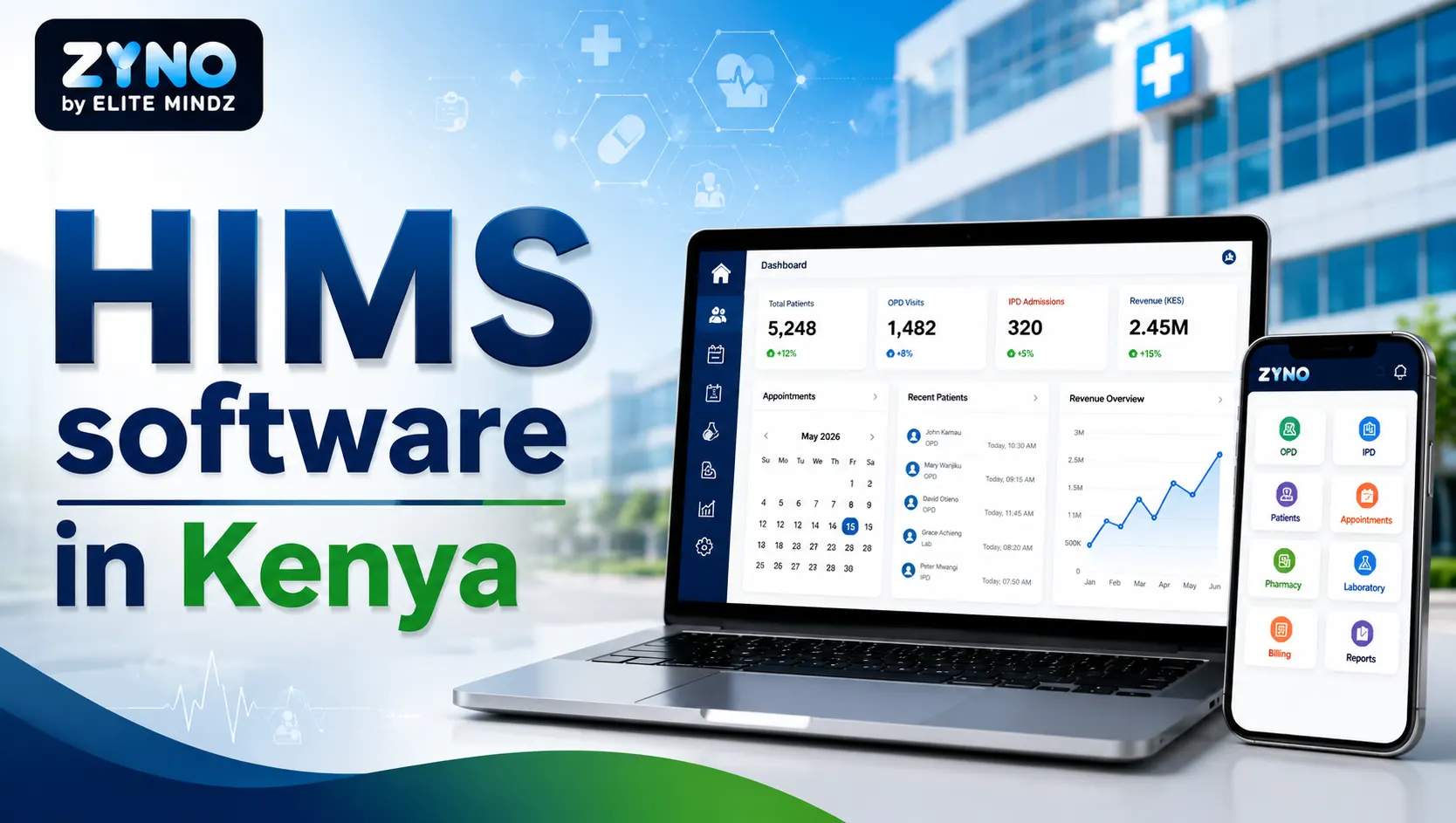
HIMS Software in Kenya: The Complete Guide for Hospitals & Clinics (2026)
Read More →
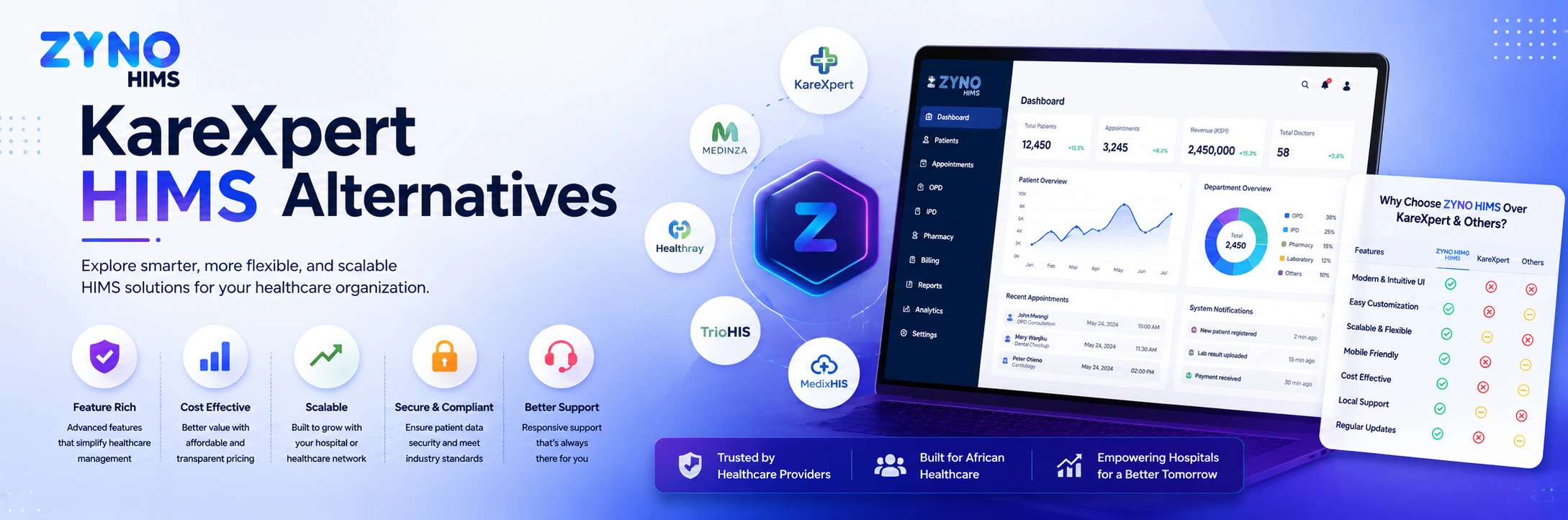
Top 10 KareXpert HIMS Alternatives & Competitors in 2026
Read More →
What is a Clinic Management System and How Does It Improve Patient Care?
Read More →
Top Challenges in Pharmacy Management and How to Overcome Them
Read More →
Top 10 Hospital Management Challenges and How ZYNO HIMS Solves Them
Read More →
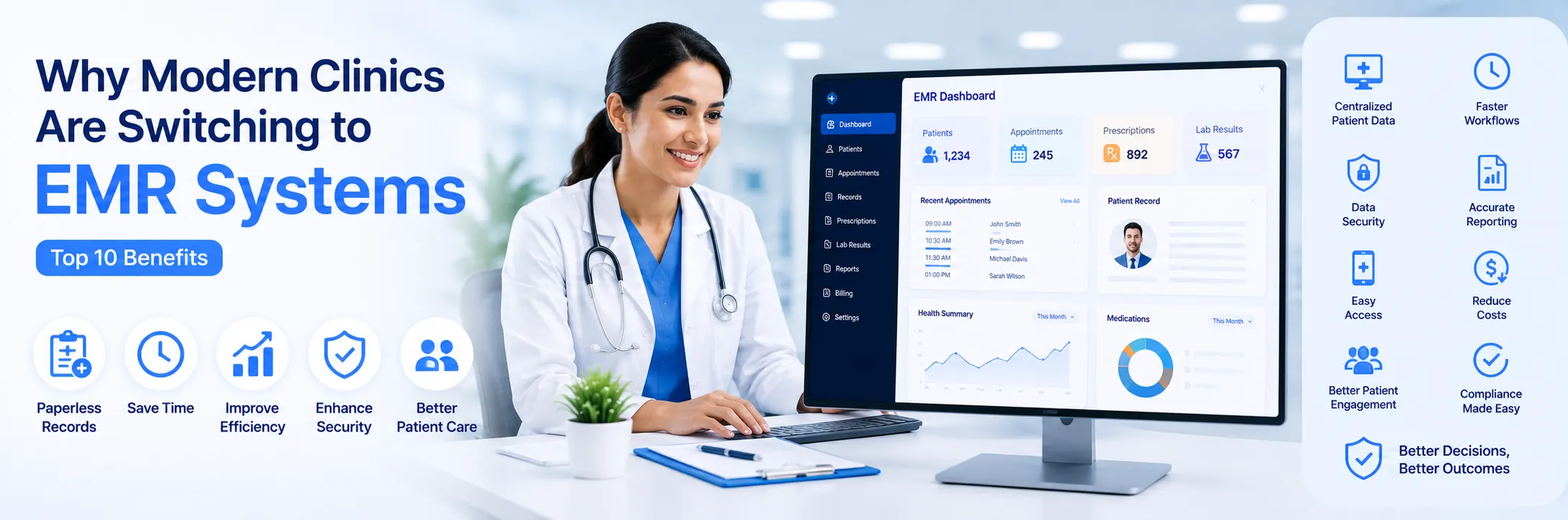
Why Modern Clinics Are Switching to EMR Systems
Read More →
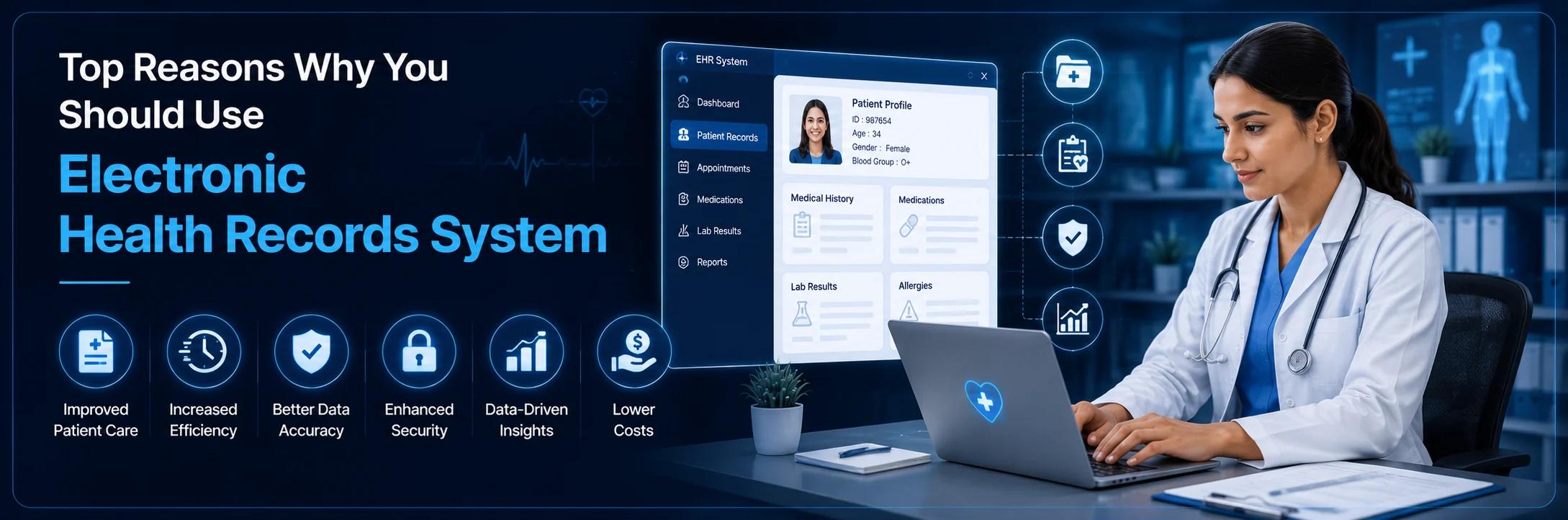
Top Reasons Why You Should Use Electronic Health Records System
Read More →
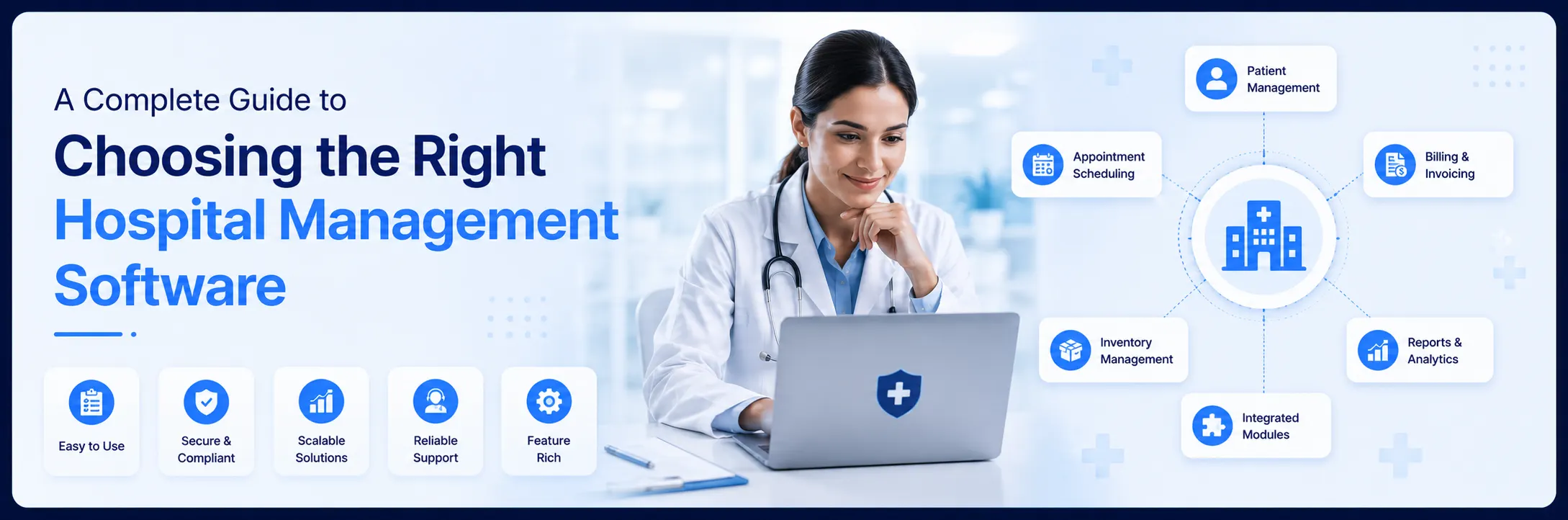
A Complete Guide to Choosing the Right Hospital Management Software
Read More →
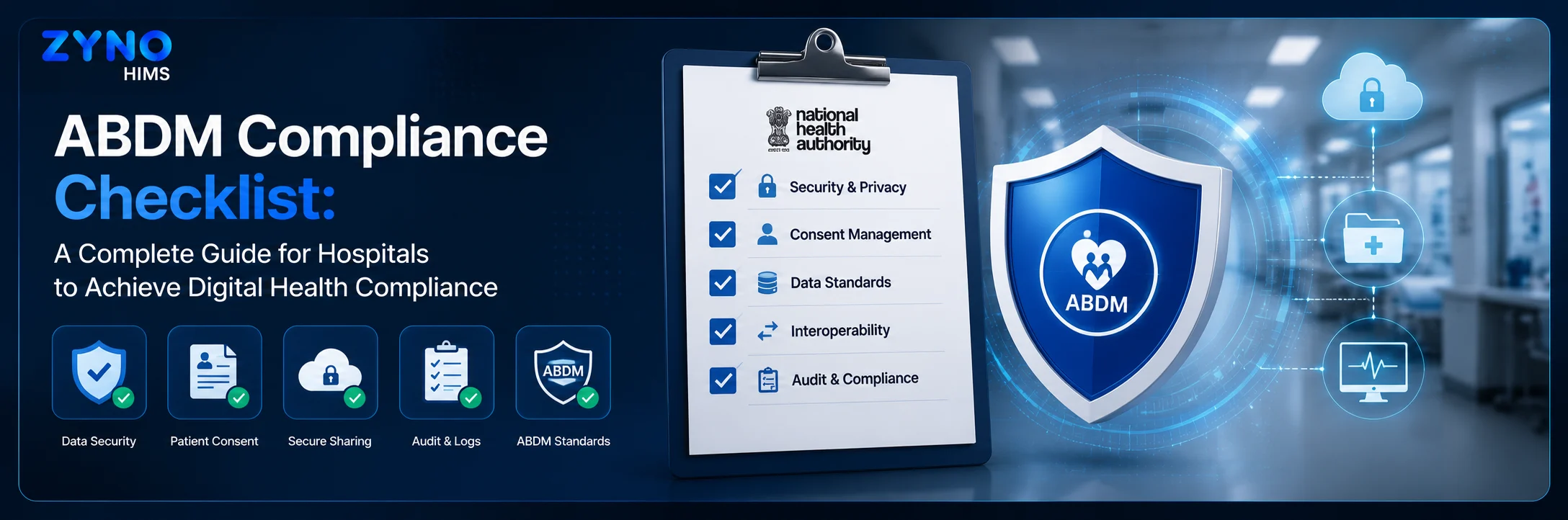
ABDM Compliance Checklist: A Complete Guide for Hospitals to Achieve Digital Health Compliance
Read More →
Why Govt Hospitals Need HIMS: Improving Patient Care, Efficiency, and Digital Healthcare
Read More →
What Is Hospital Information Management Systems in Healthcare? A Complete Guide
Read More →
DocPulse vs ZYNO HIMS (2026): Why ZYNO HIMS Is the Smarter Hospital Management Choice
Read More →
MocDoc vs ZYNO HIMS: Which Hospital Management Software Is Better in 2026?
Read More →
Caresoft vs ZYNO HIMS: Complete HIMS Comparison for Hospitals
Read More →
Best PMJAY-Compliant HIMS Software in India (2026): Complete Guide for Hospitals
Read More →
Medical Report Analyzer Software: How AI Makes Medical Reports Easy to Understand
Read More →
How to Choose a Hospital Management System
Read More →
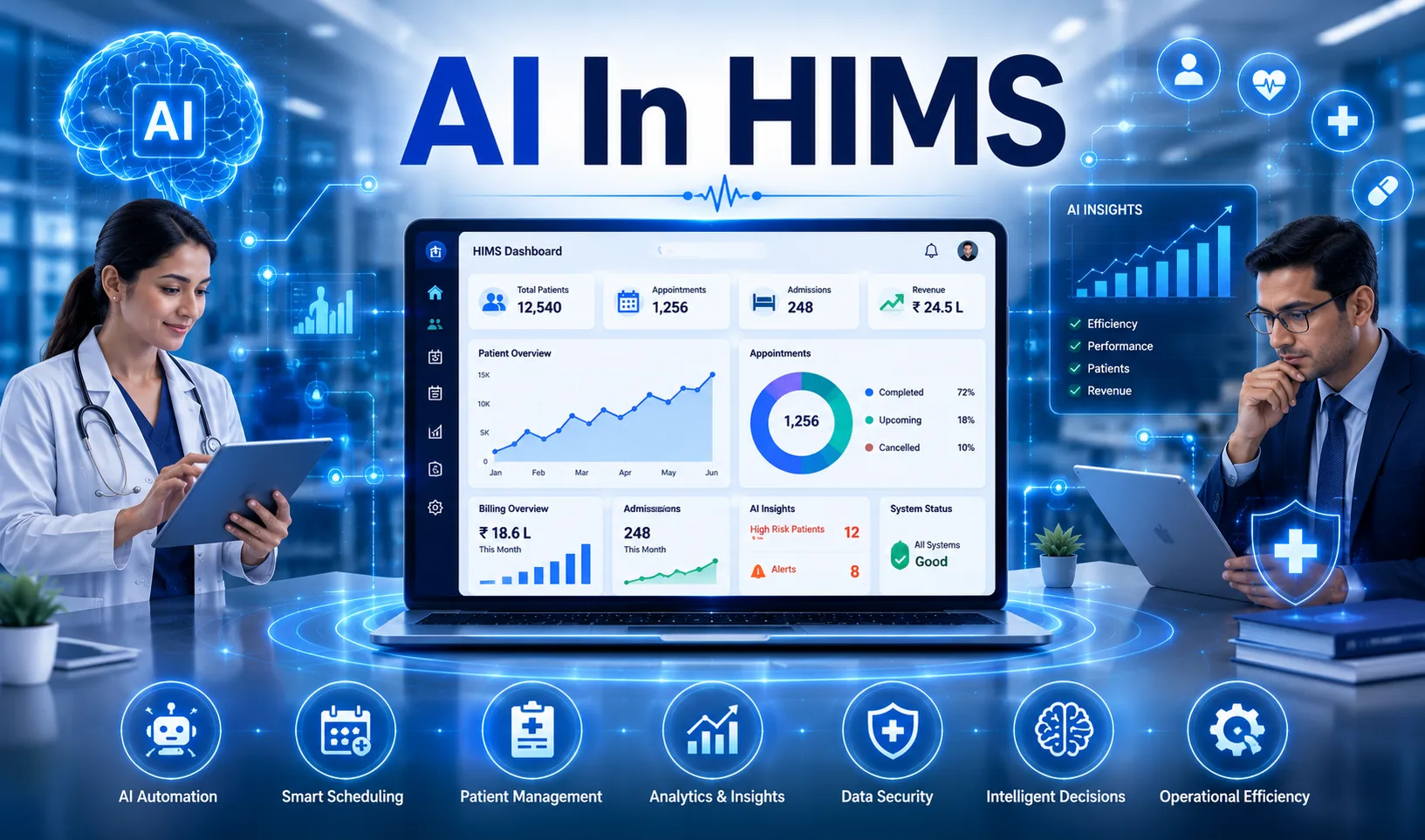
AI in HIMS: 10 Practical Ways Artificial Intelligence is Transforming Hospital Management
Read More →
Best Hospital Management Software for Private Clinics in Kenya
Read More →
Hospital Management Software in Japan: What Healthcare Providers Need in 2026
Read More →
Pharmacy Management Software for Kenyan Pharmacies: Features That Matter
Read More →
DHA and MOH Compliance for Hospital Software in the UAE
Read More →
Top 10 Hospital Management Software in India 2026: Features, Pros, Cons & Pricing
Read More →
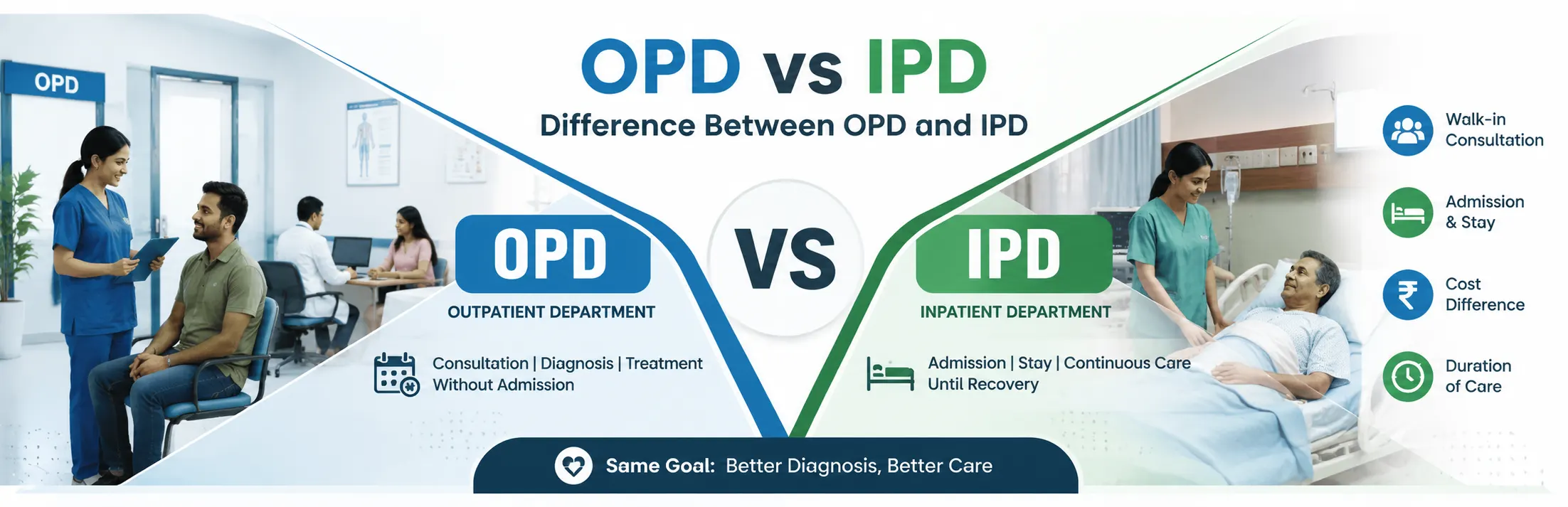
OPD vs IPD: Difference Between OPD and IPD, Services & Complete Guide
Read More →
Pharmacy Inventory Management: Methods, Inventory Control & Best Practices
Read More →
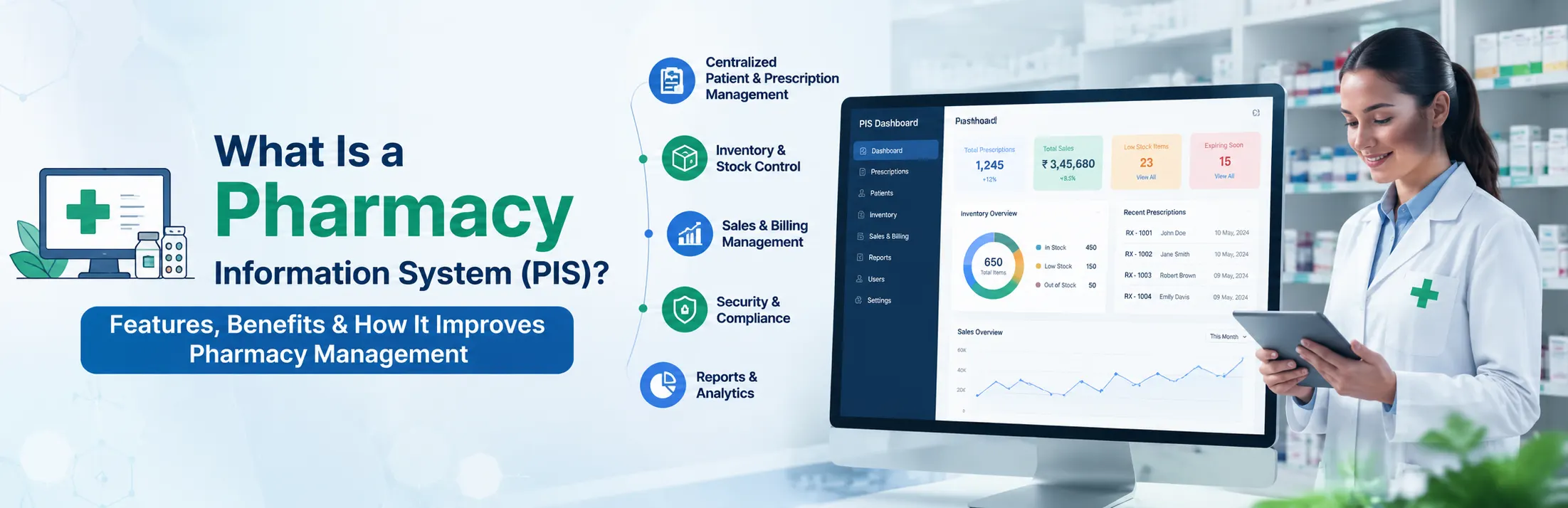
What Is a Pharmacy Information System (PIS)? Features, Benefits & How It Improves Pharmacy Management
Read More →
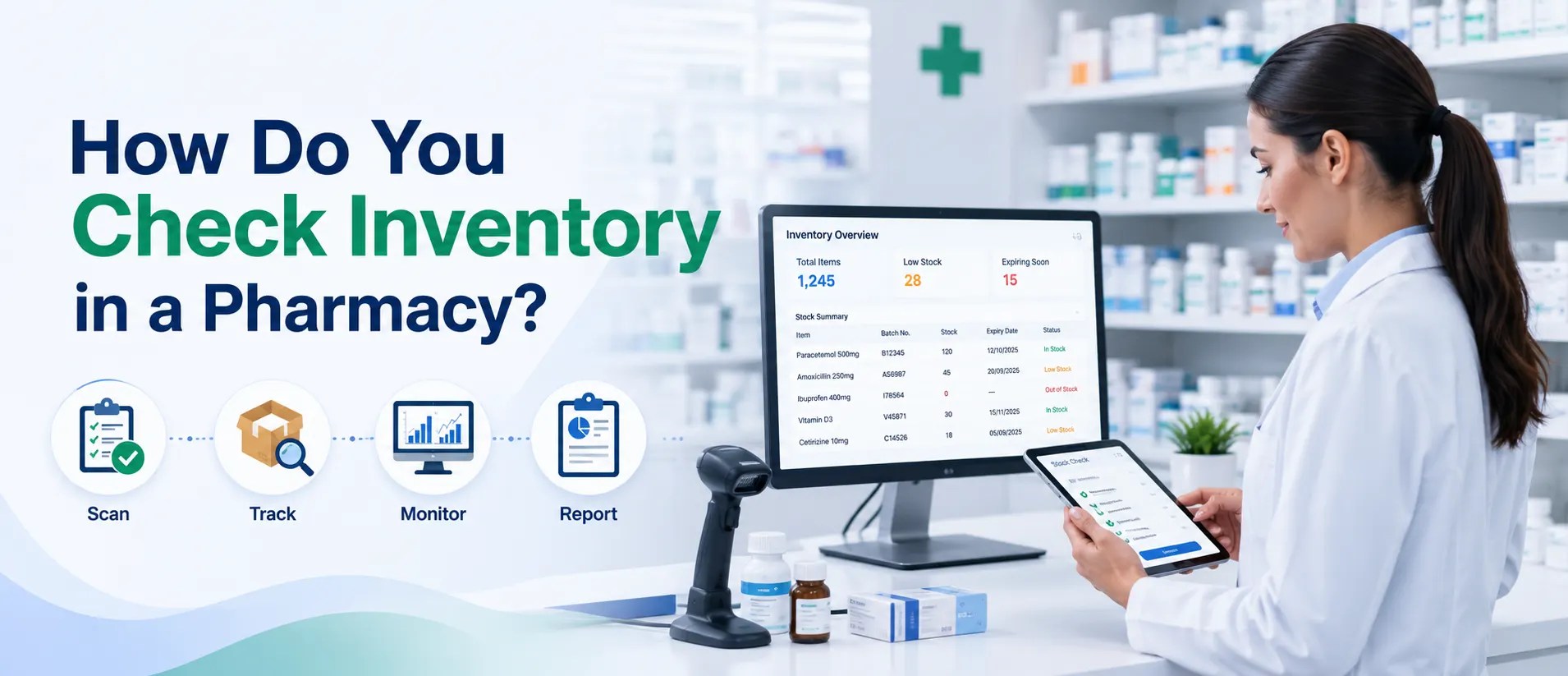
How Do You Check Inventory in a Pharmacy?
Read More →
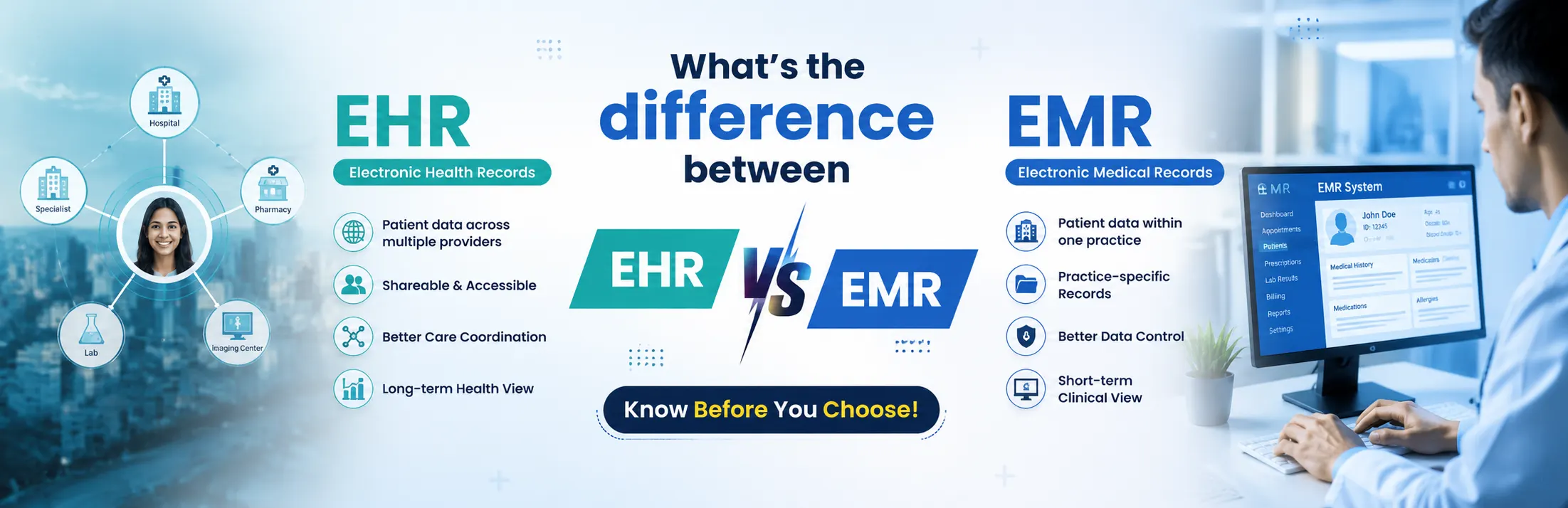
What’s the Difference Between EHR and EMR? Key Differences, Benefits & Guide
Read More →
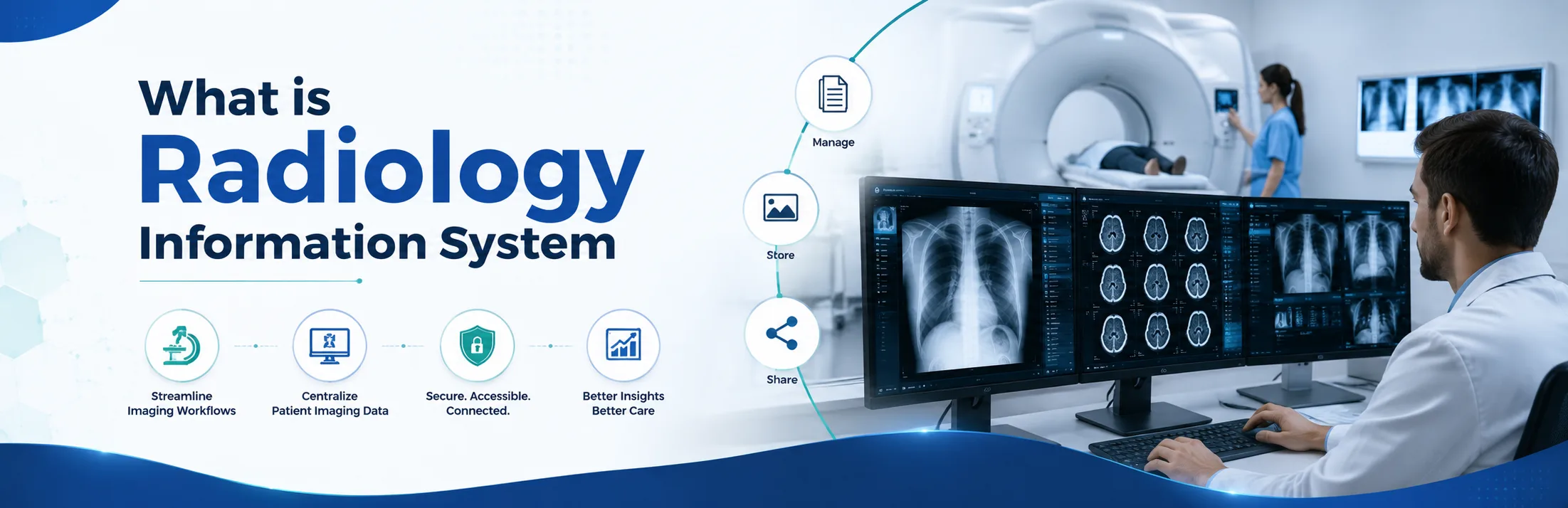
What is Radiology Information System? Features & Benefits
Read More →
What Is Digital Healthcare? Benefits, Examples & Future
Read More →
Healthcare Supply Chain Management Benefits
Read More →Partner with ZYNO by Elite Mindz to revolutionize how your business works. Fill out the form, and we’ll reach out with AI-powered solutions made just for you.
We use browser cookies to ensure you get the best experience on our website. Learn more
The form was submitted successfully!