×
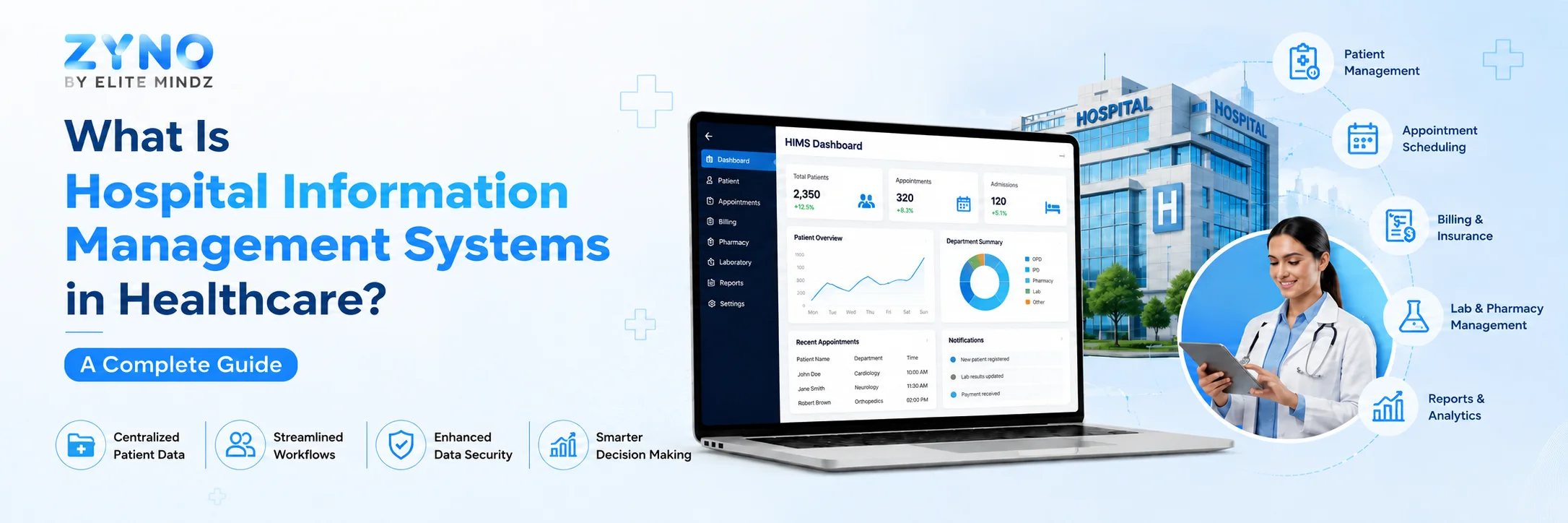
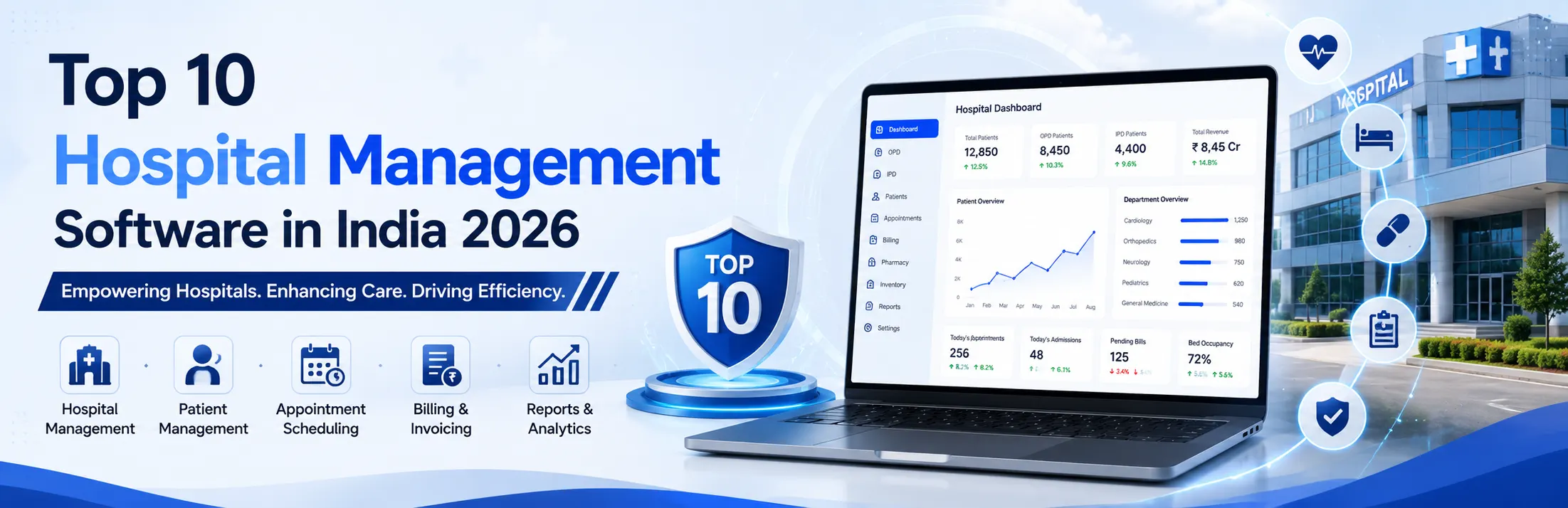
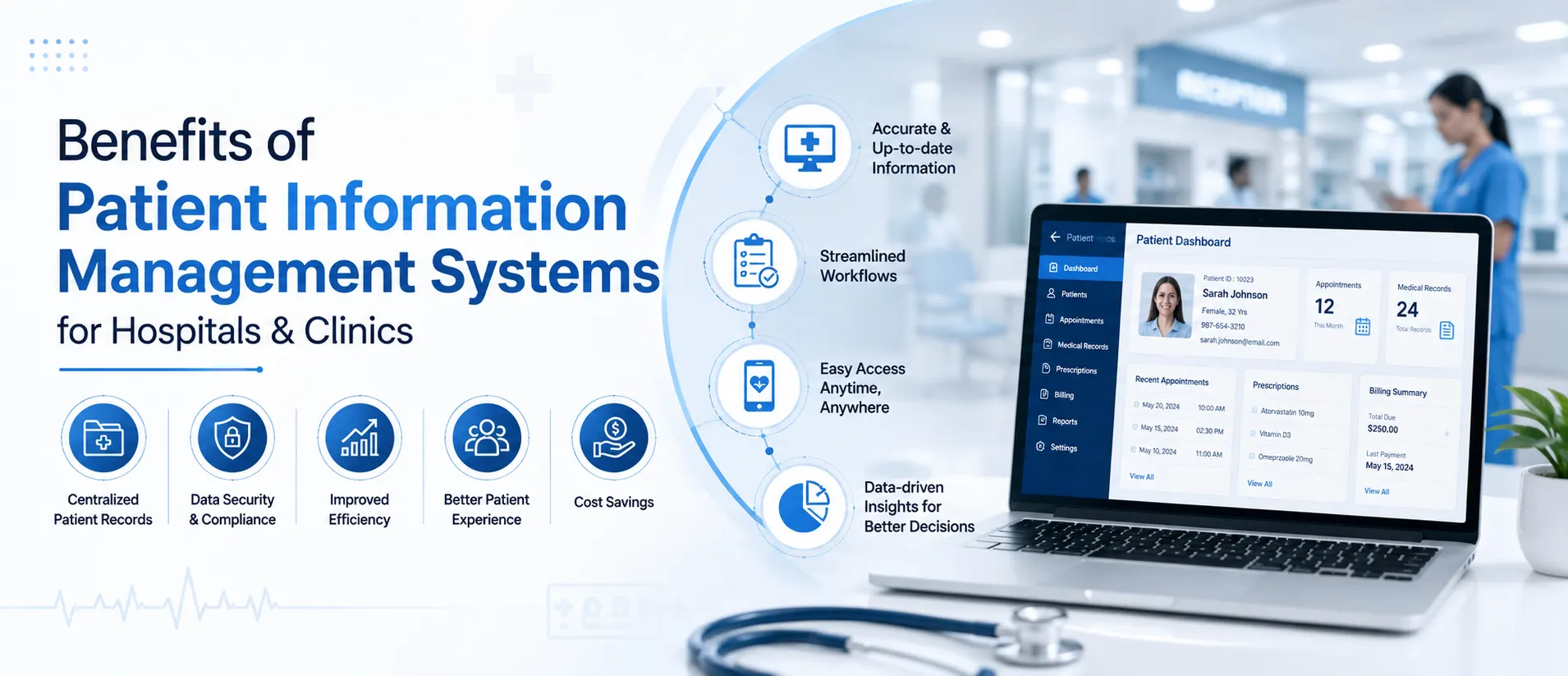
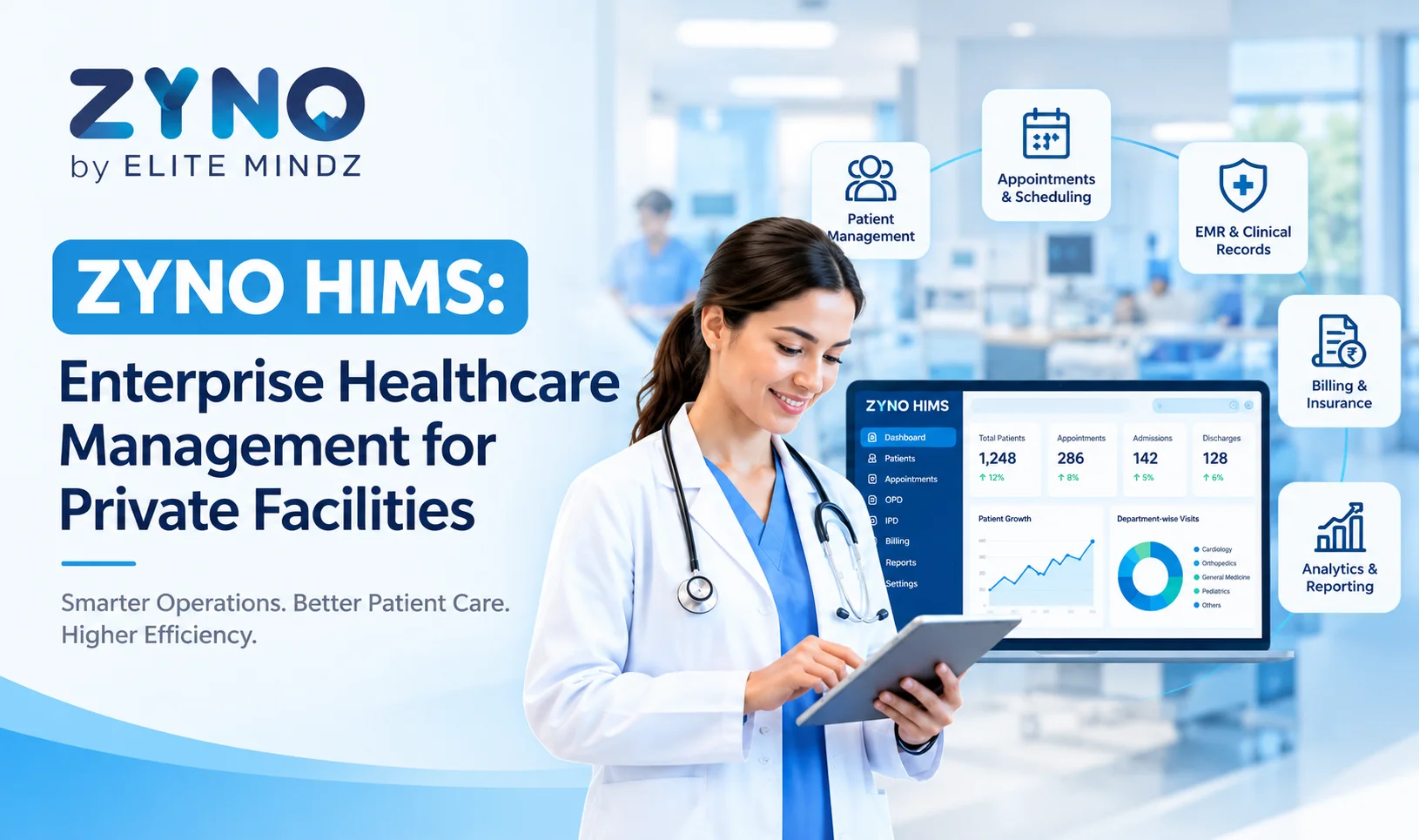
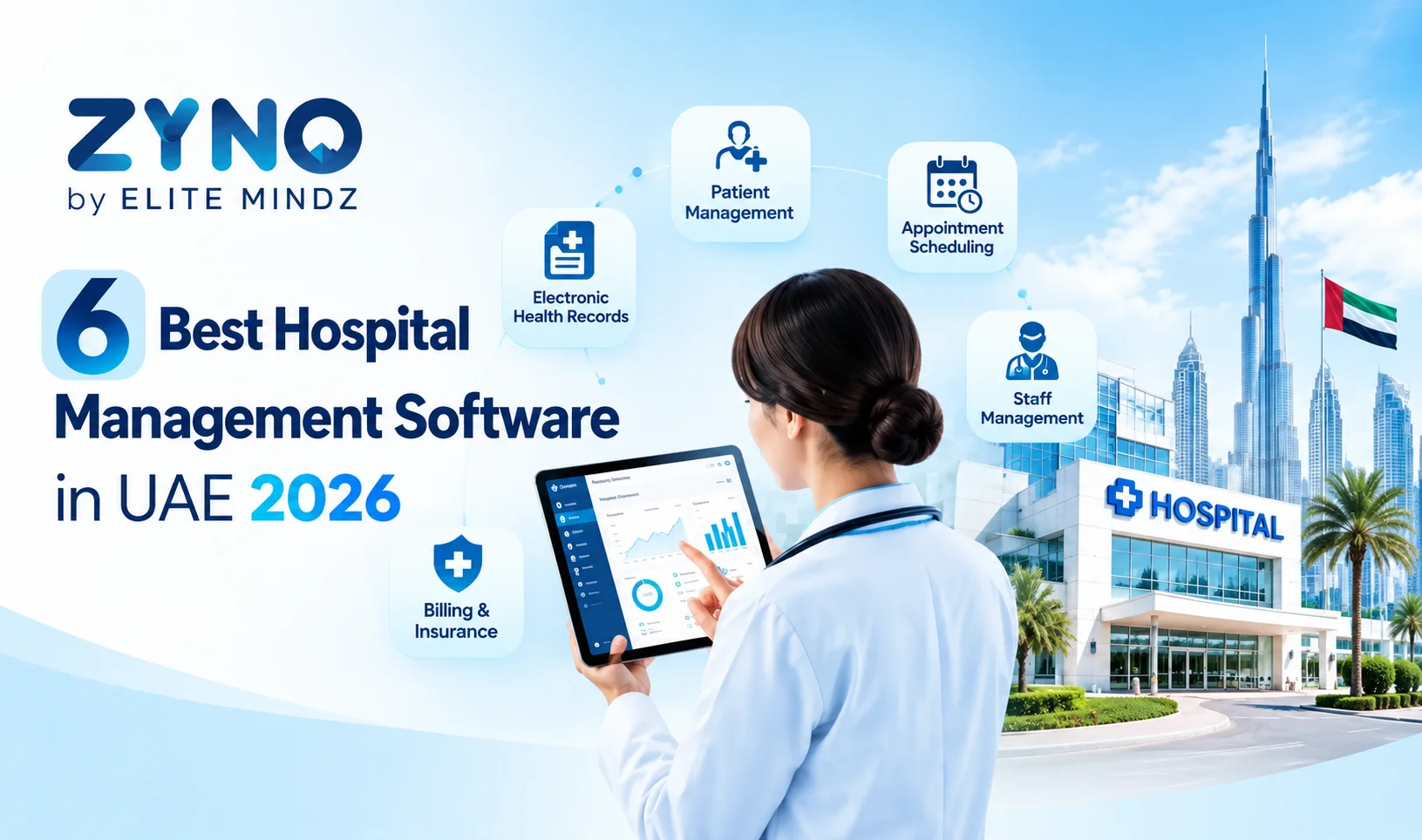
Looking to streamline hospital operations and improve patient care? A Hospital Information Management System (HIMS) centralizes patient records, appointments, billing, pharmacy, and clinical workflows into one intelligent platform. It helps healthcare providers enhance efficiency, reduce errors, and deliver faster, more connected care.
Businesses using ZYNO Books cut accounting time by 70% and stay 100% ZATCA-compliant — automatically.

Anyone who has spent time inside a busy hospital knows the feeling — waiting rooms packed, staff visibly stretched, and somewhere in the middle of it all, a doctor asking for a test report that hasn't arrived yet.
It's not a staffing problem, usually. It's an information problem.
Results sitting in one system. Patient history in another. Billing done separately. Pharmacy working off handwritten prescriptions. Nobody doing anything wrong — just everyone working in silos, which means things fall through the cracks constantly.
Hospital Information Management Systems exist because of exactly this. Not as a concept or a trend, but as a practical answer to a problem that gets worse the bigger a hospital gets.
HIMS Hospital Information Management System is software that connects a hospital's departments into one working system.
Not "integrated" in the brochure sense. Actually connected. When a doctor orders a test, the lab sees it. When results come in, the doctor sees them. When a patient is discharged, the bill reflects everything that happened during the stay automatically, not because someone manually entered it.
That's the core of what HIMS does. Everything else the modules, the dashboards, the reports builds on top of that basic principle.
Paper records get lost. Handwritten prescriptions get misread. Billing errors cause disputes. Lab reports take longer than they should because someone has to physically carry them somewhere.
None of this sounds catastrophic in isolation. But in a hospital handling five hundred patients a day, these small failures stack up. Delayed diagnosis. Incorrect medication. A patient billed for something they didn't receive. An inventory shortage that nobody flagged in time.
HIMS System doesn't make hospitals perfect. It does make these specific failures much less likely — because the information is in one place, moving automatically, accessible to whoever needs it.
Say someone books an appointment. The system registers it. When they arrive, the front desk pulls up their record — previous visits, existing conditions, medications, allergies. The doctor already has context before the consultation starts.
Tests get ordered electronically. The lab receives the request, processes the sample, uploads results into the same patient file the doctor is looking at. Prescription goes to pharmacy digitally. By the time the patient is ready to leave, the bill is already prepared — every service accounted for, insurance details already attached.
Compare that to a paper-based setup where each of those steps requires someone to physically carry something somewhere. The difference isn't subtle.
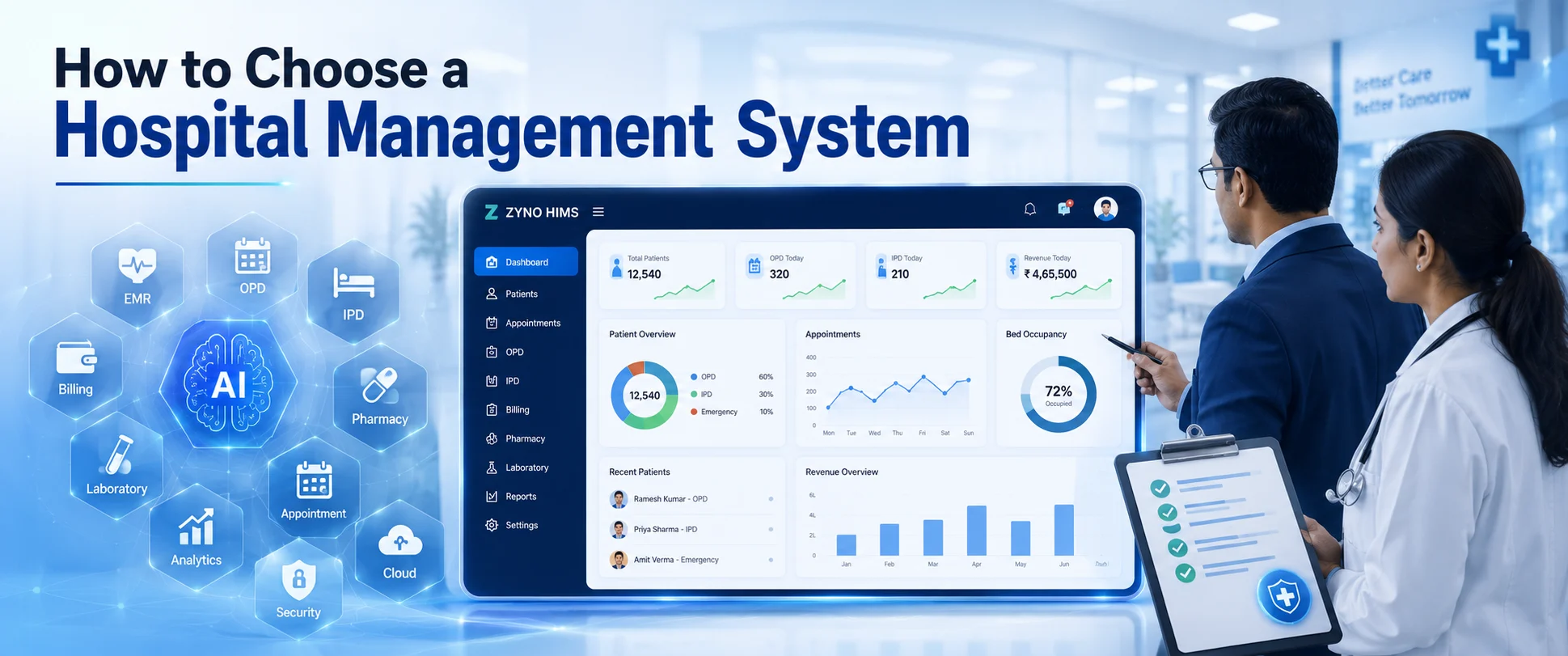
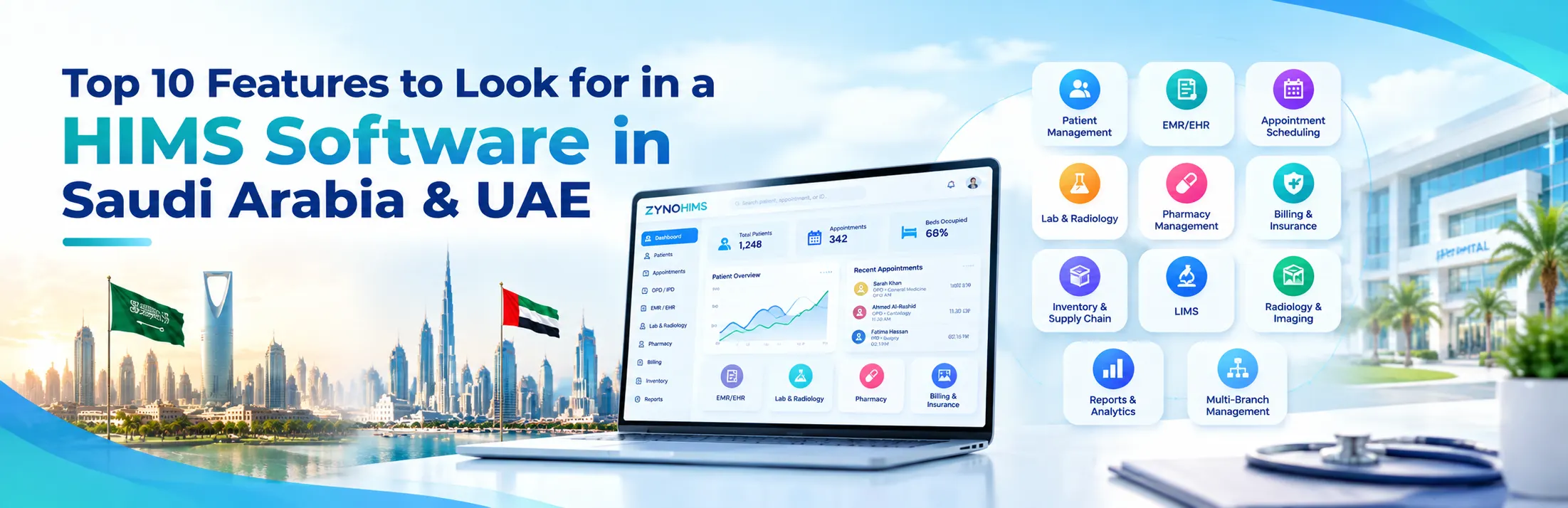
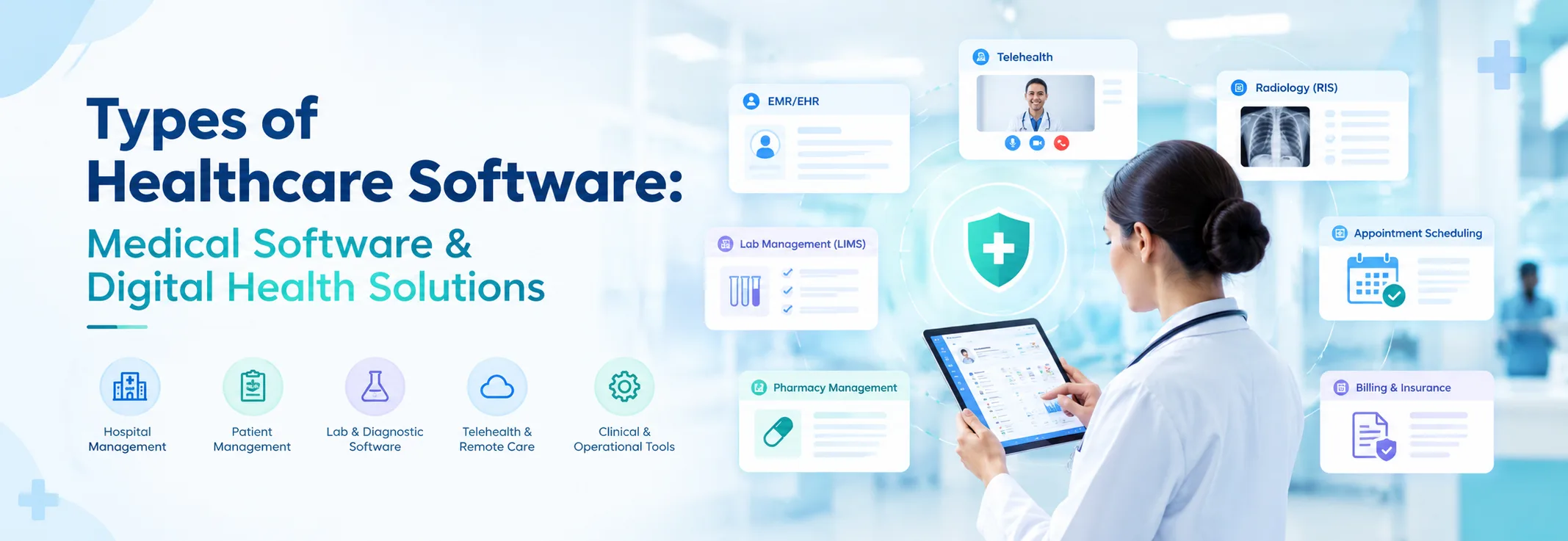
Discover the powerful features that make a Hospital Information Management System (HIMS) indispensable. From patient registration and appointment scheduling to billing, pharmacy, laboratory, and electronic medical records, HIMS brings every critical healthcare function into one centralized platform for seamless hospital management.
Patient Management begins at the first point of contact. The system collects basic patient information, medical history, insurance details, and previous visit records. Returning patients are identified immediately, eliminating the need to re-enter information that's already on file. This speeds up registration and improves record accuracy.
Every clinical detail lives here. Diagnoses, prescriptions, lab reports, imaging, treatment history, allergies. Doctors aren't working from memory or incomplete notes — the full picture is there.
Online booking for patients, calendar management for staff. Automated reminders cut down no-shows. Waitlists are managed properly instead of through sticky notes and phone calls.
Generated from actual recorded services — not from what someone remembers to include. Insurance claims, GST, payment tracking, revenue reports. Less manual entry means fewer errors and faster collections.
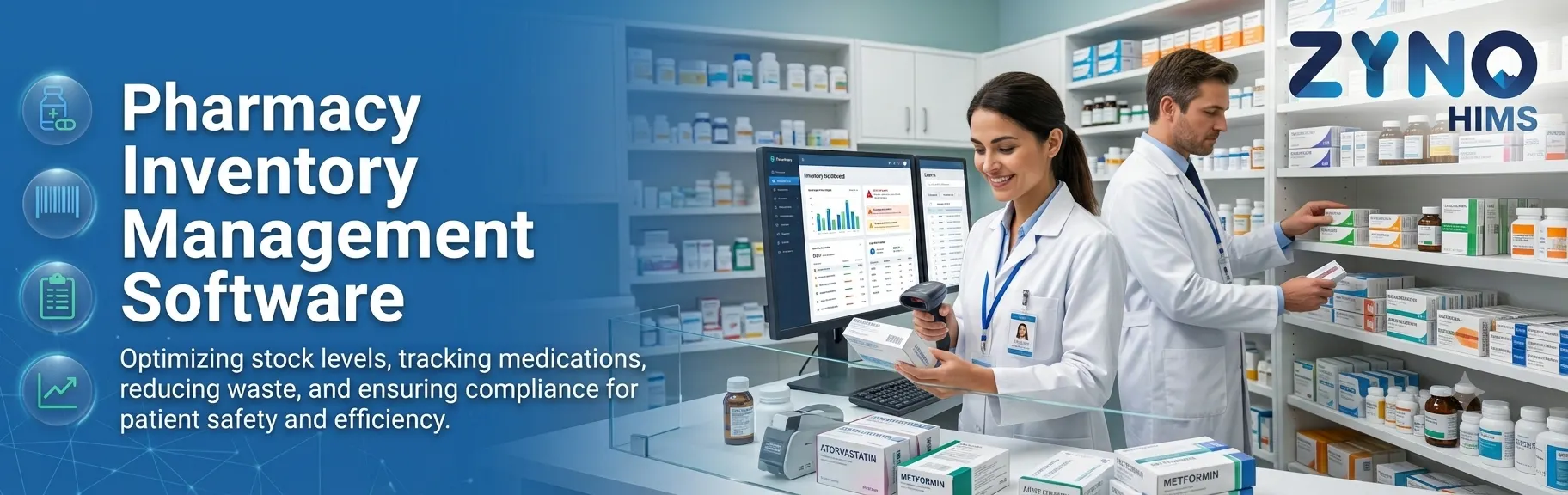
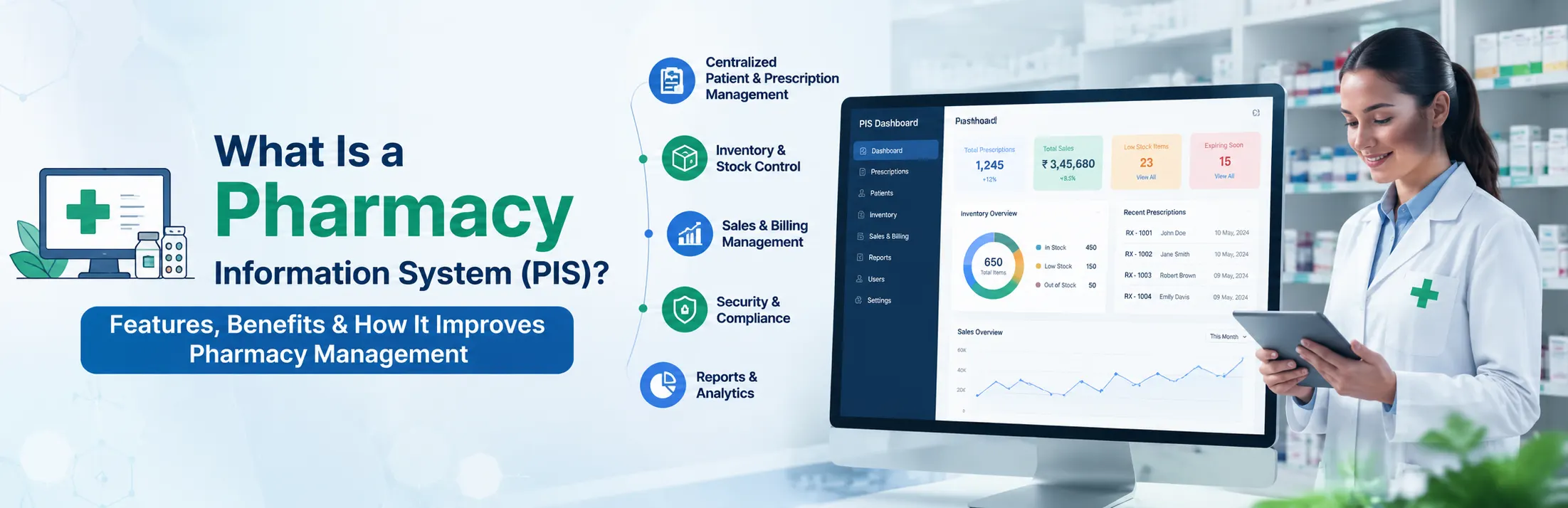
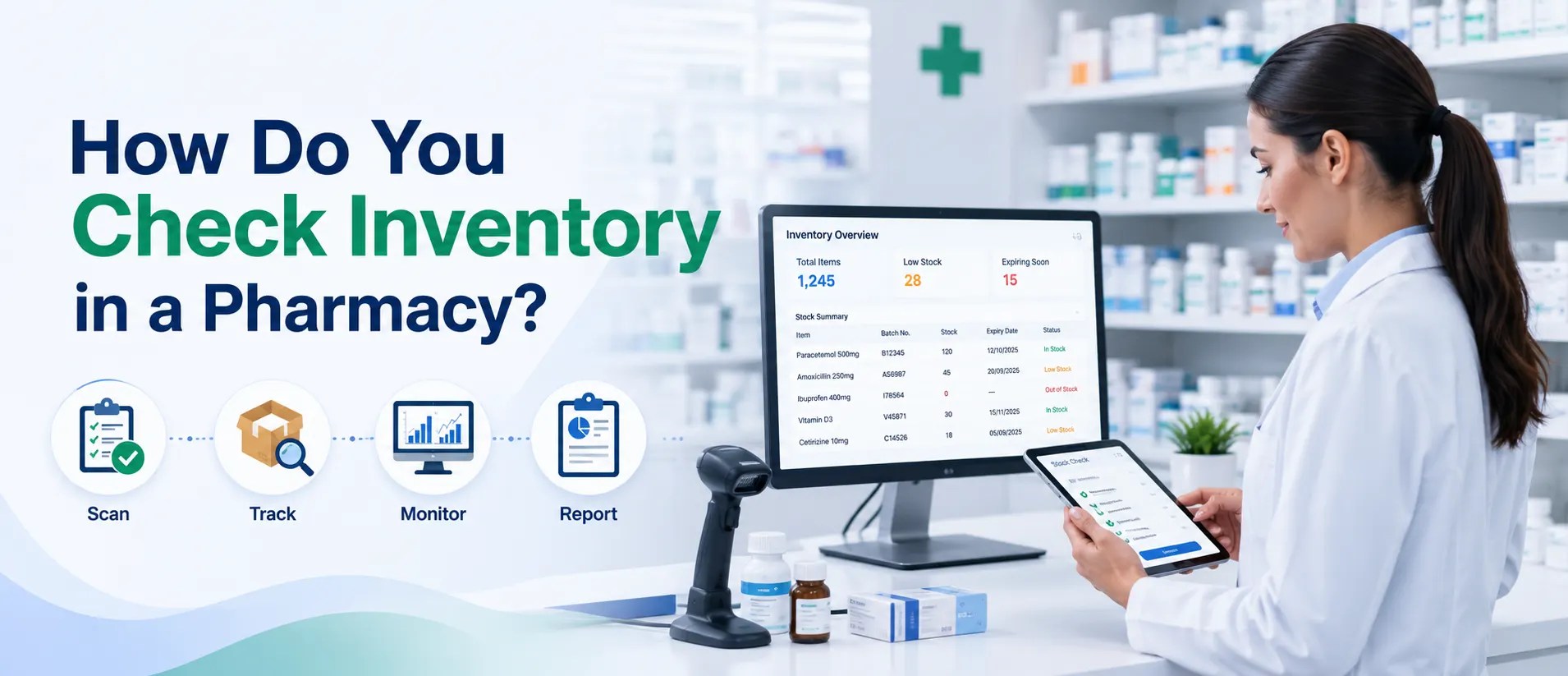
Prescriptions arrive digitally. Stock is tracked in real time. The system flags when something is running low before it runs out. Expiry dates are monitored. Suppliers are on record.
Test requests placed electronically. Samples tracked. Results uploaded directly into patient files. No paper reports to chase, no manual transcription.
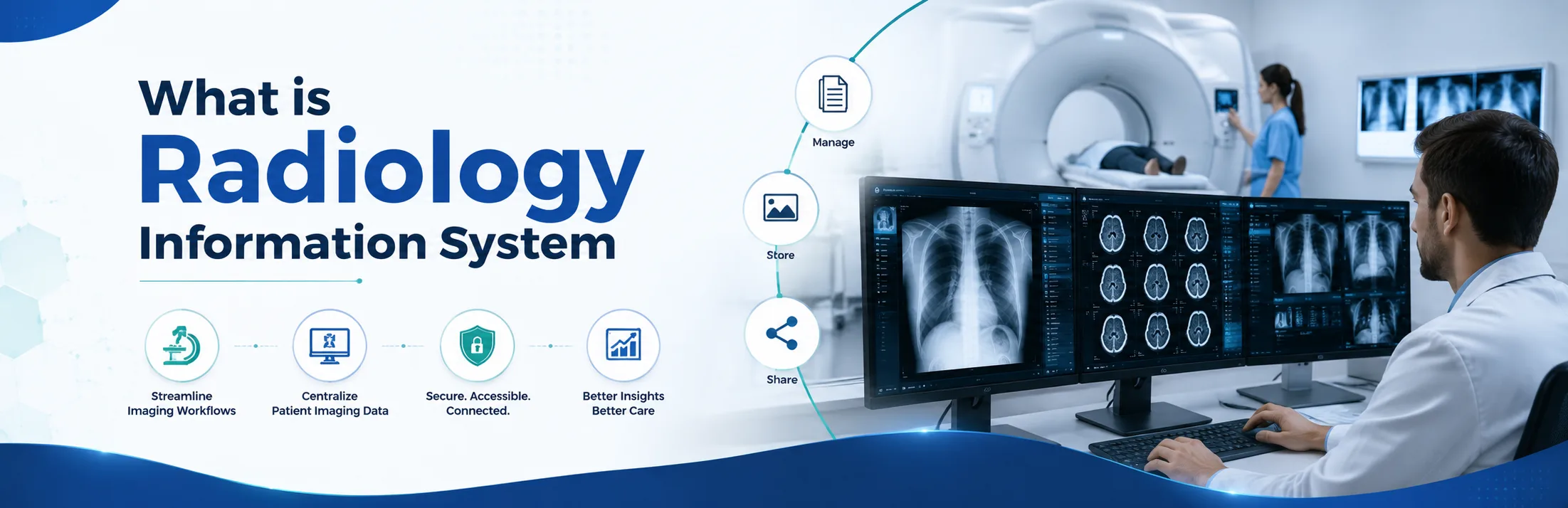
Imaging requests, scheduling, storage, reporting all within the system. Integration with PACS means scans are accessible wherever they're needed, not just on one computer in one room.
Consumables, equipment, medical supplies tracked continuously. Purchase planning based on actual data rather than someone's estimate.
Attendance, leave, salary, scheduling. Useful in any industry, genuinely critical in healthcare where shift management and compliance requirements are complicated.
Bed occupancy, revenue, department performance, clinical outcomes. Numbers that management actually needs, available without asking someone to spend half a day compiling them.
Speed is the first thing people notice. Registration moves faster. Lab results don't take half a day to reach the doctor. Bills are ready at discharge.
Accuracy comes next. Digital prescriptions don't get misread. Billing system reflects what actually happened. Stock levels are accurate. Patient records are complete.
Then, after a few months, something more useful starts to happen. Data accumulates. Patterns become visible. Which departments have the longest wait times. Where revenue is leaking. What's driving readmission rates. Hospital administrators start making decisions based on actual evidence rather than assumptions.
That shift from reactive management to informed planning is probably the biggest long-term benefit of HIMS. It just takes time to show up.
Cloud-based HIMS costs less upfront, updates automatically, and works from anywhere. For hospitals opening new locations or trying to avoid heavy IT infrastructure investment, it's usually the right call.
On-premise gives full control over infrastructure and data. Hospitals with dedicated IT teams and strict data sovereignty requirements sometimes go this route.
Honest answer for most hospitals today, especially those growing or operating across multiple sites, cloud-based is simpler and more practical.
The feature list matters less than most vendors want you to think.
What matters more: will your staff actually use it, or will they find workarounds? Does it integrate with your existing lab equipment and accounting software, or does it require replacing everything? What does implementation look like because the software is only as good as how it gets set up?
After that, yes — look at security, scalability, mobile access, compliance support, and reporting. But don't let an impressive feature checklist distract from the basics.
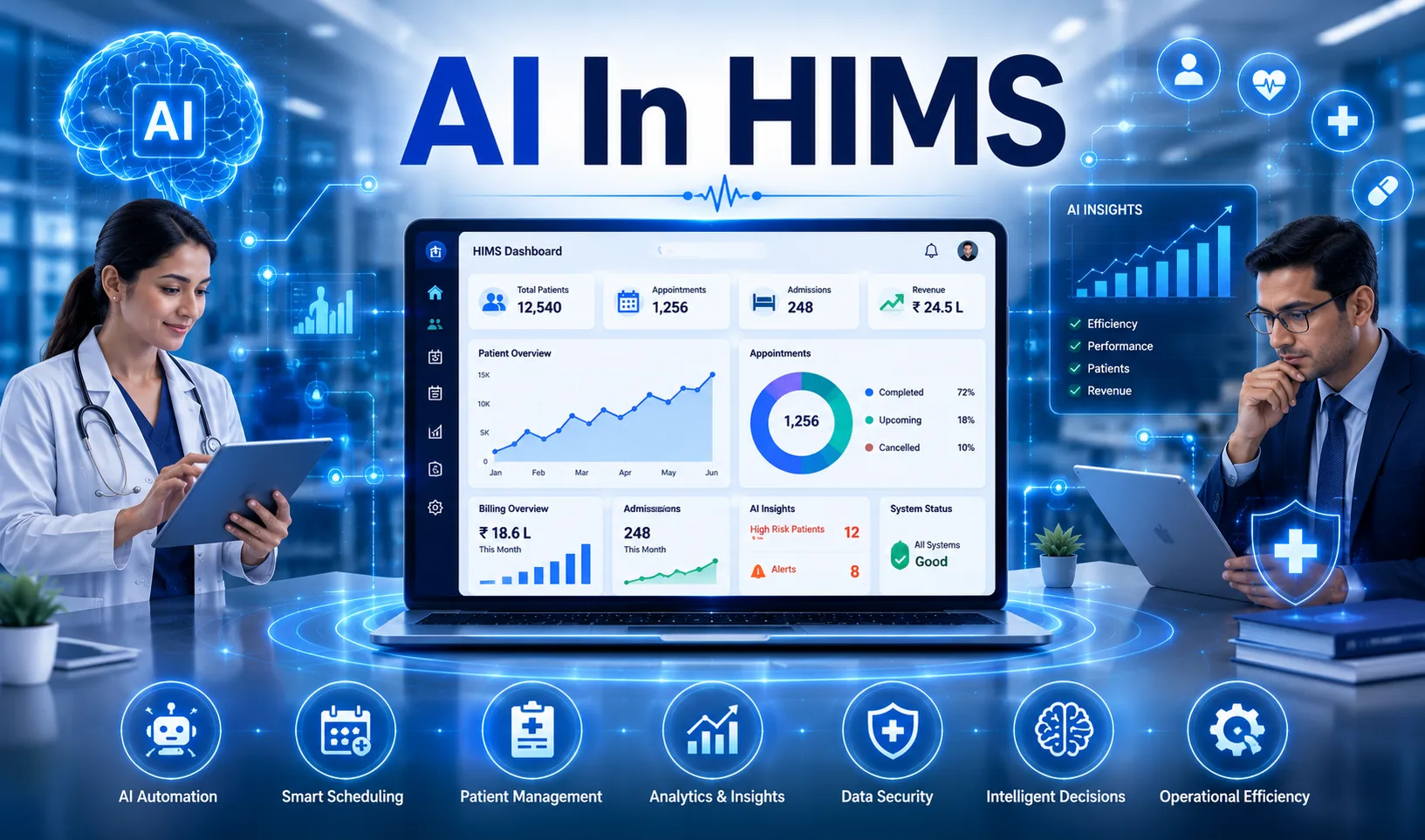
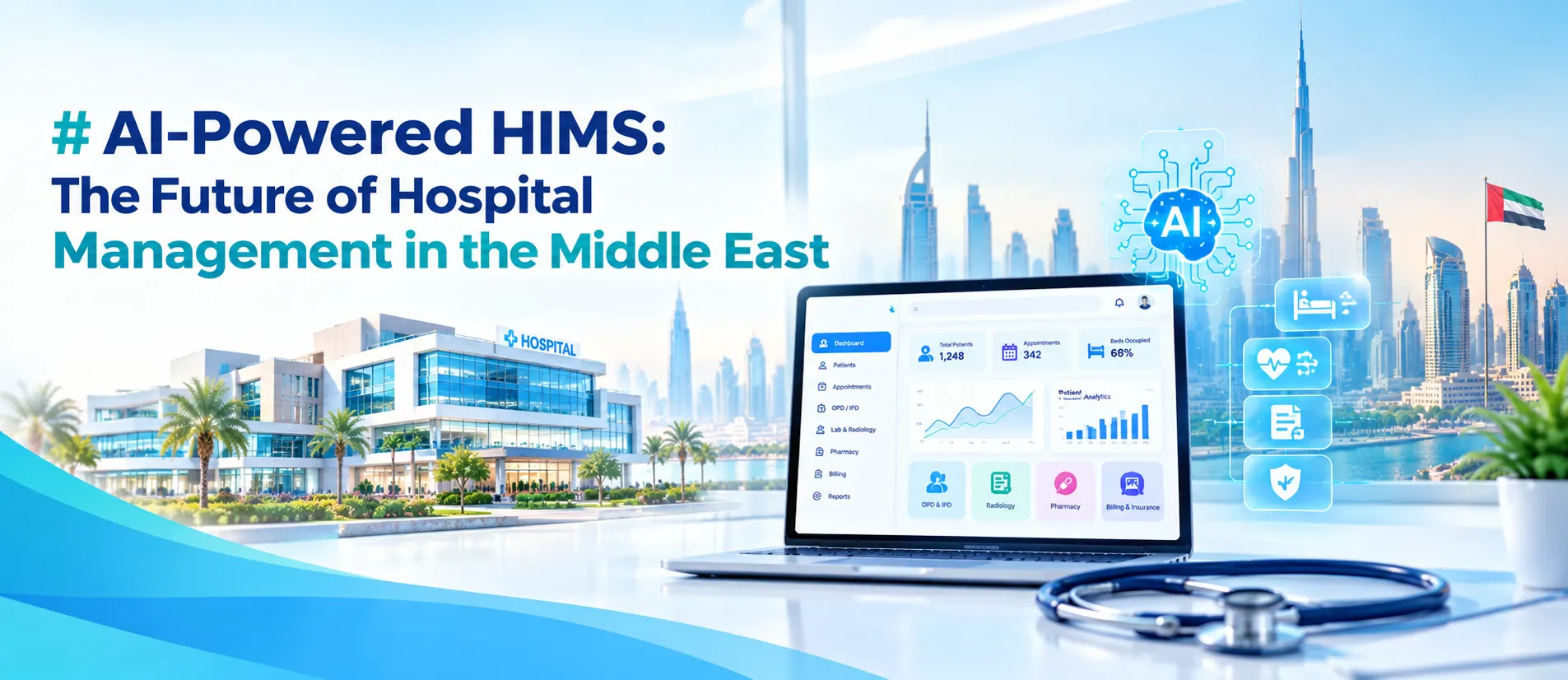
AI is already inside some platforms in genuinely useful ways. Flagging patients who may be deteriorating before it becomes obvious. Surfacing relevant clinical data during consultations. Automating documentation through voice.
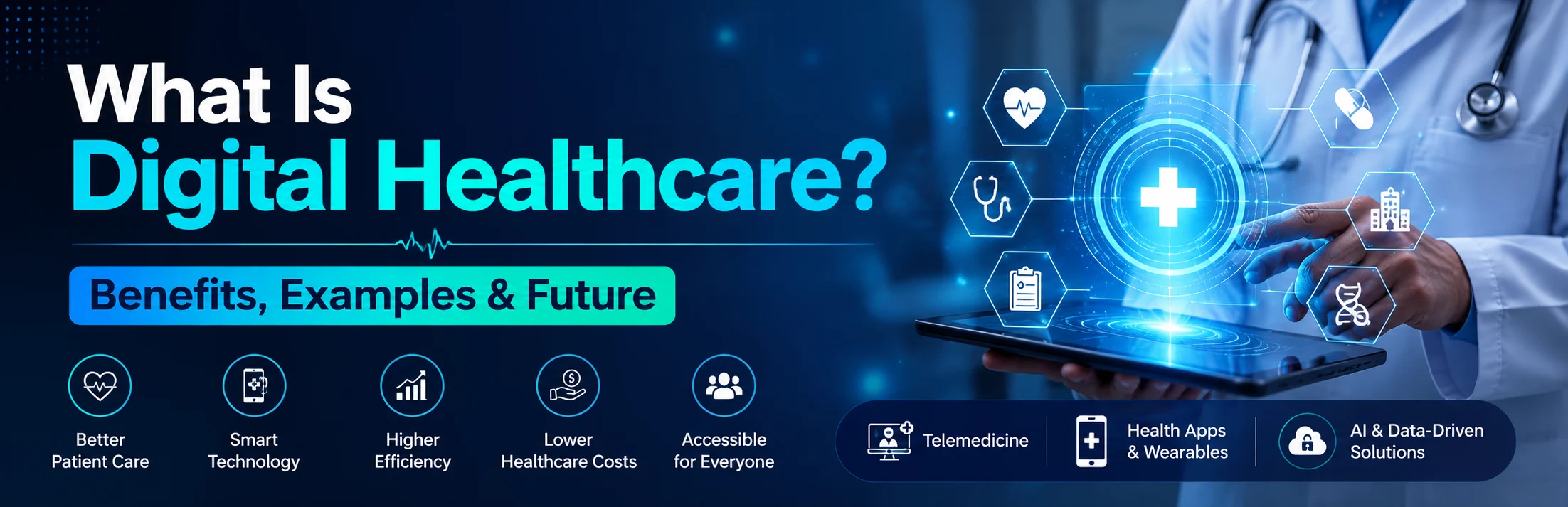
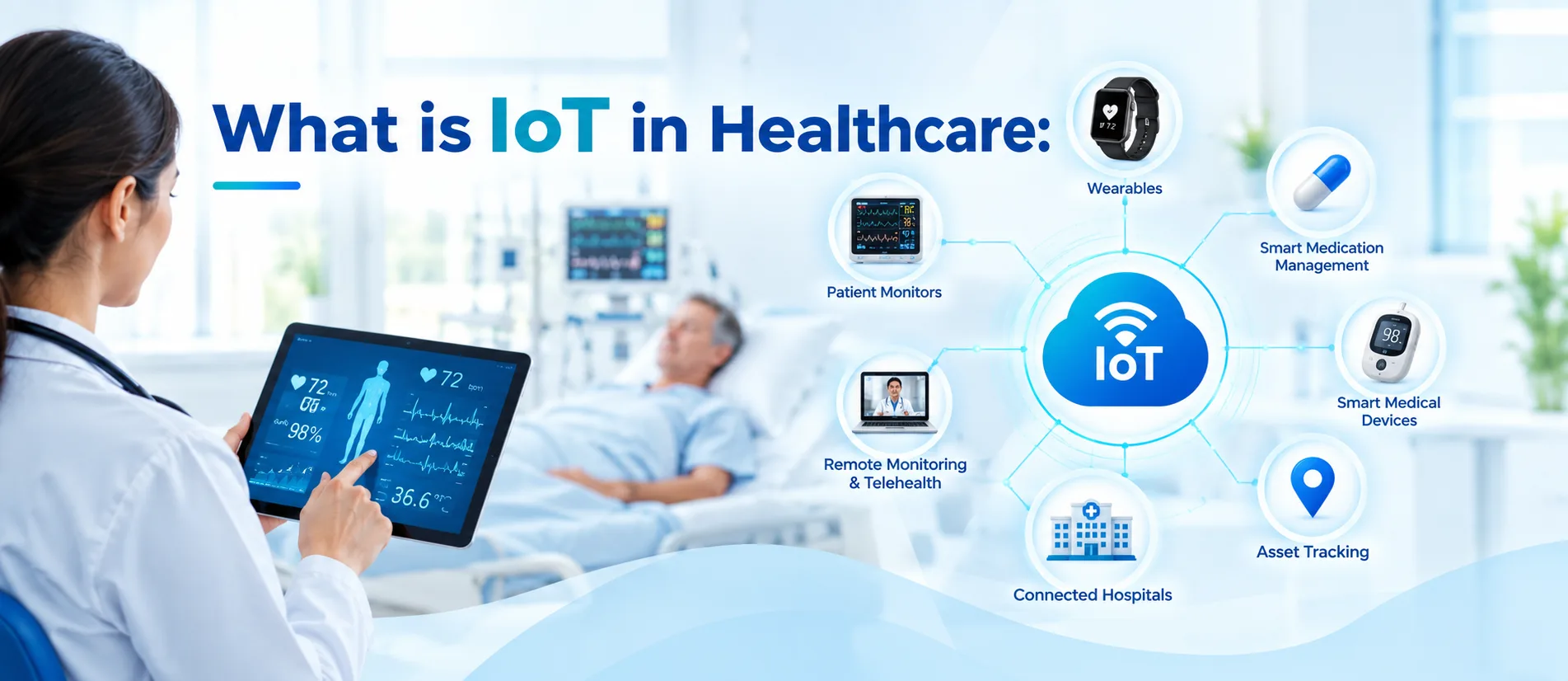
Telemedicine, IoMT integration, predictive analytics for resource planning these are becoming standard expectations rather than optional extras.
The honest version: platforms five years from now will make today's look fairly basic. That's not a reason to wait — it's just context for knowing the technology will keep evolving.
Digitize hospital operations, streamline patient care, automate appointments, billing, pharmacy, and clinical workflows with a secure, scalable Hospital Information Management System designed for modern healthcare providers.
HIMS isn't a luxury upgrade. It's what running a modern hospital actually requires.
At a certain scale, manual processes simply cannot keep up. Information gaps become patient safety risks. Administrative errors become financial losses. Compliance becomes increasingly difficult to maintain without automation.
What a well-implemented HIMS delivers isn't just efficiency it's a hospital that functions the way it's supposed to. Patients get faster, safer, better-coordinated care. Staff spend less time on administrative friction and more time on their actual jobs. Management can see what's happening across the organization and respond to it.
That's what the technology is for.
What is HIMS in healthcare?
Software that connects a hospital's departments patient records, billing, pharmacy, lab, radiology, inventory, HR — into one working platform.
Why do hospitals implement HIMS?
To reduce manual work, fix information gaps between departments, improve patient care, and get reliable data for decision-making.
What's the difference between HIMS and EMR?
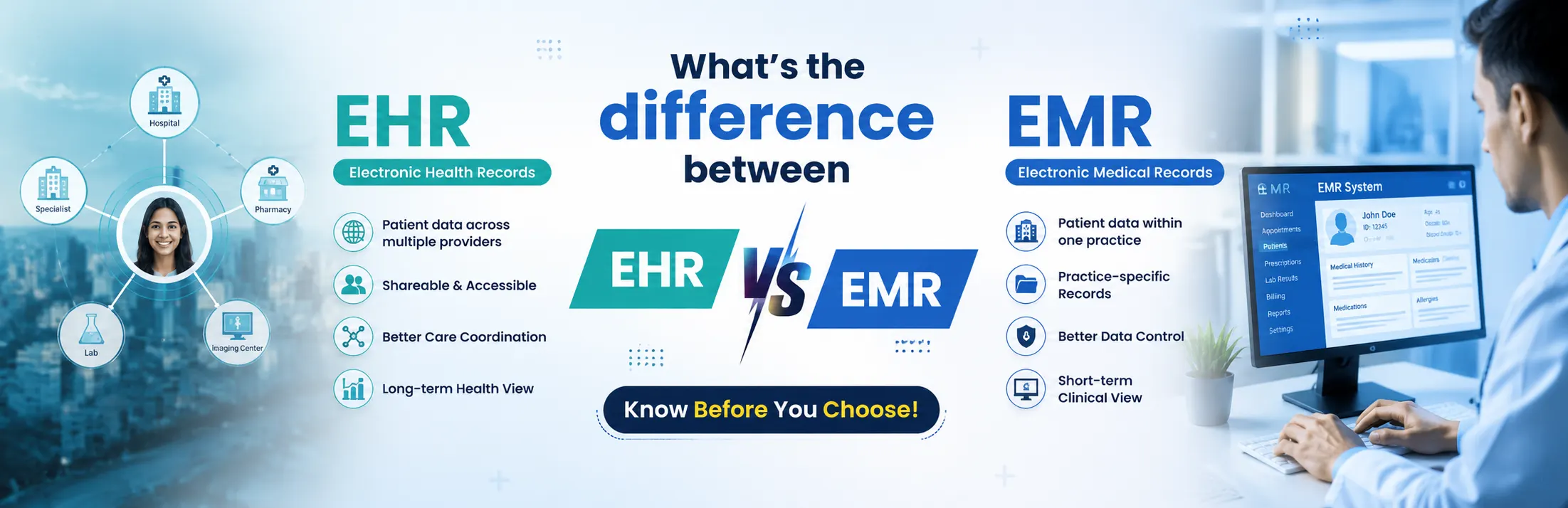
EMR is specifically about patient medical records. HIMS covers the whole hospital — operations, finance, pharmacy, inventory — with EMR as one piece of it.
Is it secure?
Modern platforms use encryption, access controls, audit logs, and regular backups. Data protection is built in, not bolted on.
Does it integrate with lab and pharmacy systems?
Yes. Integration with laboratory equipment, pharmacy management, radiology, and billing is standard in most platforms.
Cloud or on-premise?
Cloud works better for most hospitals — lower upfront cost, automatic updates, accessible remotely, easier to scale.
Who uses HIMS?
Hospitals of all sizes, clinics, diagnostic centers, nursing homes, specialty facilities, medical colleges.
How do I pick the right one?
Focus on ease of use, implementation support, integration with existing systems, security, and scalability. Don't just compare feature lists.
Sneha Singh
Content writer
Sneha Singh is a B2B tech content strategist with 4+ years of experience. She specializes in SEO-driven SaaS content, whitepapers, and platform-native social media campaigns that simplify complex technology and drive business growth.
Why Cloud-Based AI HIMS is Transforming the Future of Indian Healthcare
Read More →The Complete ZYNO HIMS Guide for Modern Healthcare Management

Read More →How a Hospital Management System Improves Healthcare Operations
Read More →
Cloud vs Offline Hospital Management Systems: What Should Your Hospital Choose
Read More →What Is a Hospital Information System (HIS)? Features, Benefits & Complete Guide
Read More →How HIMS Software Improves Patient Care and Hospital Efficiency
Read More →How Is Hospital Software Transforming Patient Data Management in Modern Healthcare
Read More →
HIMS Software in Kenya: The Complete Guide for Hospitals & Clinics (2026)
Read More →
Top 10 KareXpert HIMS Alternatives & Competitors in 2026
Read More →
What is a Clinic Management System and How Does It Improve Patient Care?
Read More →
Top Challenges in Pharmacy Management and How to Overcome Them
Read More →
Top 10 Hospital Management Challenges and How ZYNO HIMS Solves Them
Read More →
Why Modern Clinics Are Switching to EMR Systems
Read More →
Top Reasons Why You Should Use Electronic Health Records System
Read More →
A Complete Guide to Choosing the Right Hospital Management Software
Read More →
ABDM Compliance Checklist: A Complete Guide for Hospitals to Achieve Digital Health Compliance
Read More →
Why Govt Hospitals Need HIMS: Improving Patient Care, Efficiency, and Digital Healthcare
Read More →
What Is Hospital Information Management Systems in Healthcare? A Complete Guide
Read More →Partner with ZYNO by Elite Mindz to revolutionize how your business works. Fill out the form, and we’ll reach out with AI-powered solutions made just for you.
We use browser cookies to ensure you get the best experience on our website. Learn more
The form was submitted successfully!
ZYNO Digital
Fueling Smarter Digital Growth
ZYNO Digital fuels smarter digital growth through data-driven marketing, creative storytelling, and performance strategies that boost visibility, engagement, and measurable business outcomes across global platforms.
ZYNO Tech
Engineering the Future of IT
ZYNO Tech delivers cutting-edge IT solutions — including web, mobile, and digital transformation services — helping businesses scale efficiently, innovate faster, and stay ahead in a connected world.
ZYNO AI
AI Built for Business Growth
ZYNO AI harnesses the power of artificial intelligence to automate processes, enhance decision-making, and deliver predictive insights — driving innovation, agility, and measurable business growth.
ZYNO by Elite Mindz
Your Partner in the AI-Powered Future
ZYNO by Elite Mindz offers AI-powered products and services that unify operations, boost productivity, and drive digital transformation — helping businesses scale smarter and innovate faster.
* In just 2 mins you'll get a response
* Your idea is 100% protected by our Non-Disclosure Agreement