Why Cloud-Based AI HIMS is Transforming the Future of Indian Healthcare
Read More →

×
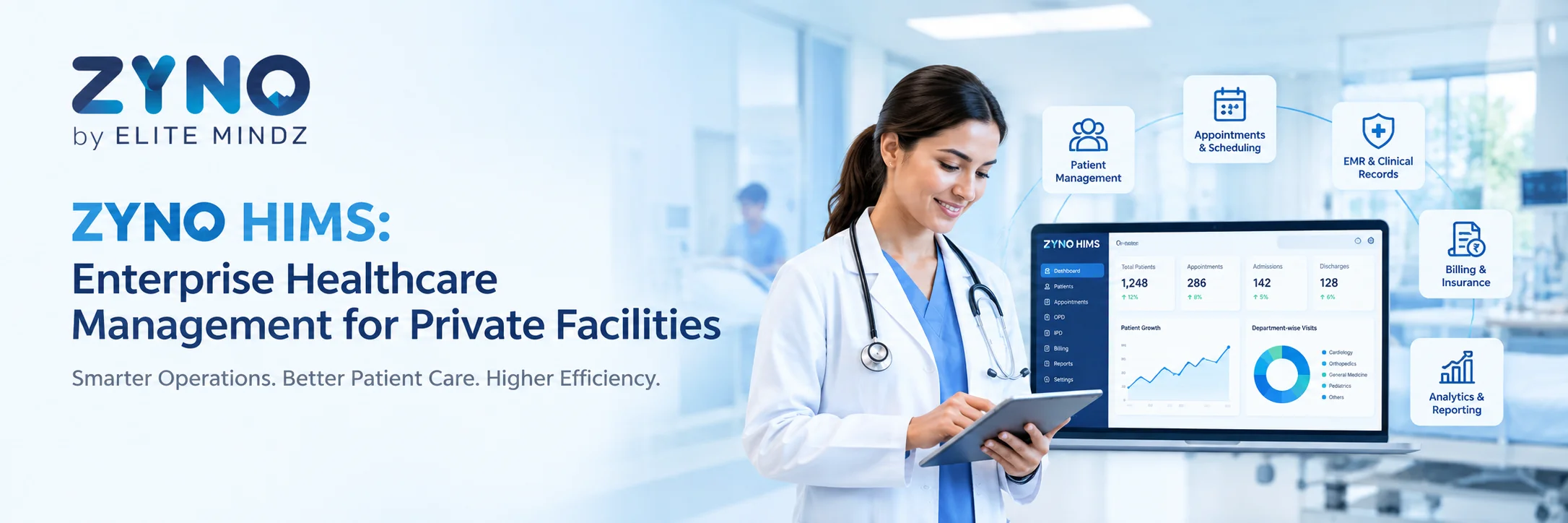
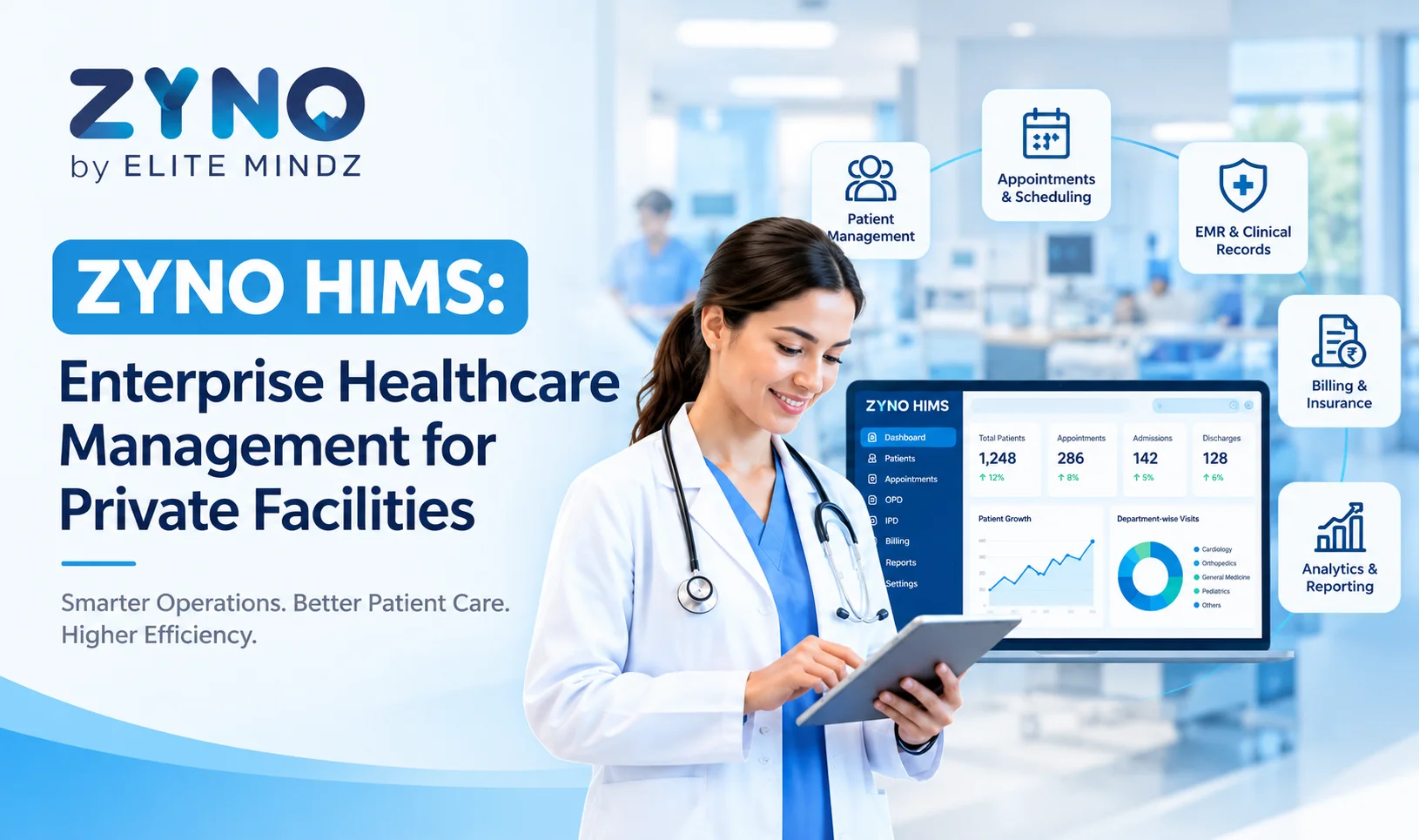
ZYNO HIMS is an enterprise healthcare management solution for private healthcare facilities. It helps hospitals and clinics manage patient records, appointments, billing, clinical workflows, and healthcare operations from one platform. With centralized data and digital workflows, ZYNO HIMS supports efficient, connected, and scalable healthcare management.
Businesses using ZYNO Books cut accounting time by 70% and stay 100% ZATCA-compliant — automatically.
ZYNO HIMS is an enterprise-grade hospital information management system designed for private clinics, hospitals, polyclinics, and multi-specialty healthcare networks across India. The platform combines ABDM compliance with comprehensive clinic management features.
Patient Registration and ABHA Integration: Create patient profiles and link ABHA health IDs directly within the system. Patients can generate health accounts instantly, enabling participation in the national digital health ecosystem.
Electronic Medical Records: Store complete patient histories including past diagnoses, medications, allergies, and treatment plans. Doctors access full medical context during consultations, improving clinical decision-making.
Appointment and Schedule Management: Reduce patient waiting times with automated appointment scheduling. Calendar integrations help doctors and staff manage patient flow efficiently across clinic locations.
Digital Prescription Generation: Create electronic prescriptions that patients receive instantly. Prescriptions integrate with pharmacy systems, reducing medication errors and improving patient compliance.
Billing and Financial Management: Automate invoice generation, payment tracking, and revenue reporting. Integrated payment processing reduces manual Clinic billing Software errors and improves cash flow for your healthcare facility.
Lab and Diagnostic Integration: Connect directly with diagnostic centers and labs. Test results automatically link to patient records without manual data entry.
Multi-Location Support: Hospital networks and polyclinics managing multiple locations can centralize patient records while maintaining location-specific clinic operations.
Telemedicine Capabilities: Support remote consultations with video integration, digital prescriptions, and secure patient communication. Ideal for healthcare providers expanding remote care services.
Analytics and Reporting: Track key metrics like patient volume, revenue, appointment compliance, and doctor productivity. Data-driven insights help optimize clinic operations and healthcare delivery.
Discover how ZYNO HIMS helps hospitals and private healthcare facilities manage patients, appointments, billing, clinical workflows, and daily operations from one platform.
Private clinics and hospitals choose ZYNO HIMS Software because it handles the complete patient journey from appointment booking through treatment completion and follow-up care.
The platform's affordability makes it accessible for single-doctor clinics while its scalability grows with multi-specialty hospitals. Implementation happens quickly with minimal disruption to daily operations.
Cloud-based architecture means doctors access patient records from any device, anywhere. This flexibility is especially valuable for healthcare professionals managing multiple clinic locations or offering telemedicine services.
ZYNO HIMS maintains full ABDM compliance without requiring separate systems or workarounds. Your healthcare facility integrates naturally into India's digital health infrastructure.
Doctors App specializes in single-doctor and small clinic operations. The interface is intentionally simple, requiring minimal training for staff adoption. Features include patient record management, appointment scheduling, basic billing, and ABHA integration.
The platform works well for clinics prioritizing ease of use over advanced reporting. Cloud storage ensures data access from mobile devices.
Practo Ray serves clinics and small hospitals with multiple doctors and departments. The platform handles patient management, appointment scheduling, billing, and performance analytics.
Practitioners appreciate Practo Ray's reliability and consistent performance. The system scales moderately well as clinics expand, though advanced features like multi-location management remain limited.
MocDoc is designed for hospitals and large polyclinics managing significant patient volumes. The system includes advanced features like pharmacy integration, lab management, and complex billing scenarios.
Healthcare administrators use MocDoc's reporting capabilities to monitor facility performance across departments and doctors. The platform handles complicated workflows in specialty hospitals effectively.
MediXcel emphasizes accurate, detailed clinical documentation. Customizable templates help healthcare providers standardize how doctors record patient information.
Specialist clinics and hospitals with specific documentation requirements often choose MediXcel. The system reduces clinical errors through structured data entry.
DocEngage serves hospital networks and healthcare organizations managing multiple clinic locations. Customizable workflows adapt to different specialties and departments.
The platform supports expansion across cities while maintaining centralized patient records. Advanced scheduling handles complex doctor rotations and specialist availability.

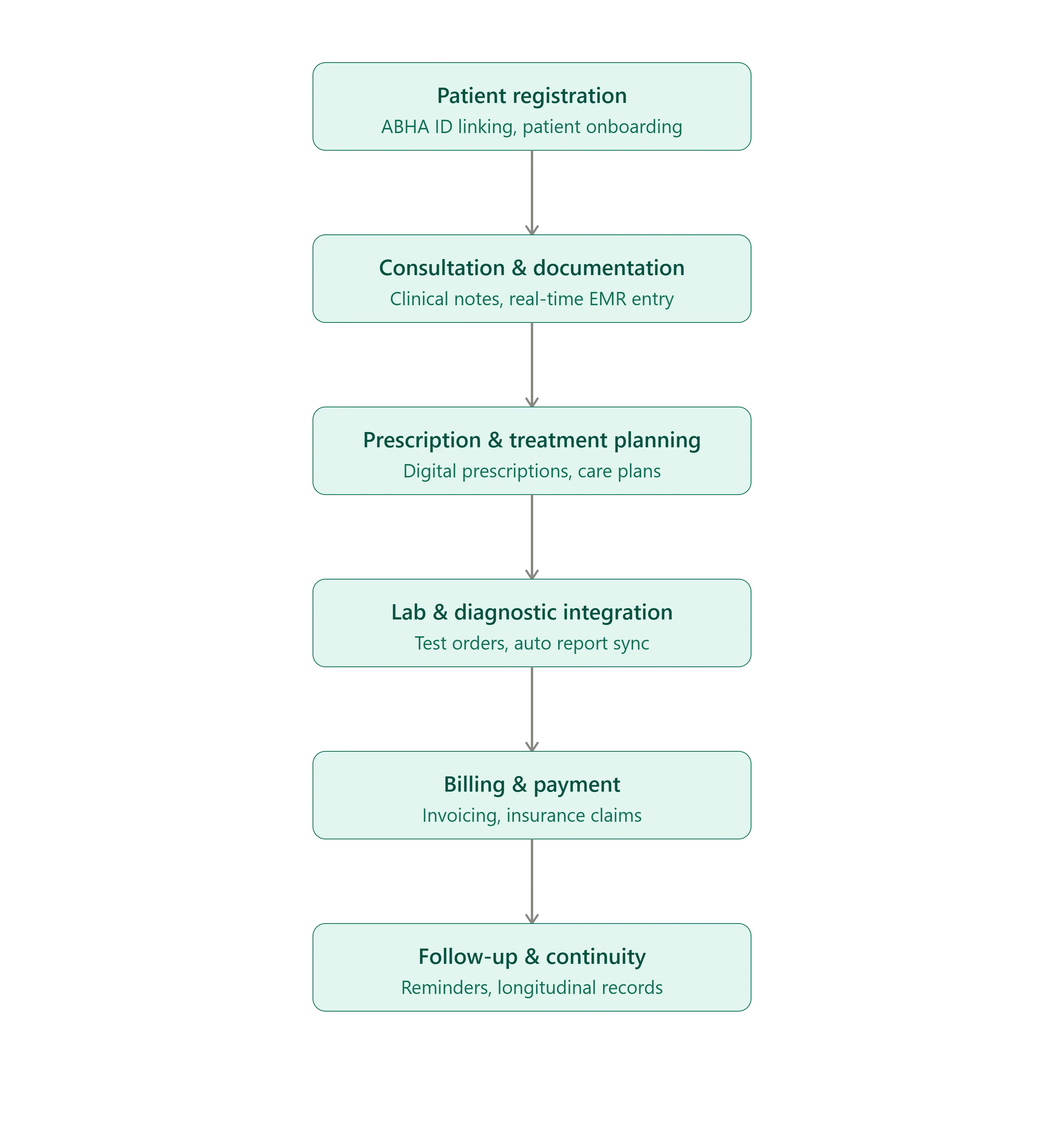
A patient arrives at a private clinic. Staff creates a profile in the healthcare management system or links the patient's existing ABHA health ID. Complete medical history loads instantly.
The doctor reviews the patient's health records during the consultation without searching physical files or asking patients to repeat their medical history.
The doctor records consultation notes directly in the EMR system. Relevant patient history, current symptoms, examination findings, and diagnosis all document in structured format.
Previous treatments and medications appear on screen, preventing harmful drug interactions. The doctor cross-references the patient's complete medical picture before prescribing.
Electronic prescriptions generate instantly, complete with dosage, frequency, and duration. Patients receive digital copies on their phones or email. Pharmacy systems receive prescription data automatically.
If tests or specialist consultations are needed, the healthcare provider schedules appointments and links referral information in the system.
Patient lab results arrive in the EMR system automatically. Doctors review results within the context of the patient's complete medical record. Trending data helps identify patterns over time.
Automated billing generates invoices based on services provided and medicines dispensed. Patients receive bills immediately, understanding exactly what they're paying for.
Payment processing integrates with the healthcare facility's accounting system, reducing manual data entry and billing errors.
The system automatically schedules follow-up appointments based on the patient's treatment plan. Patients receive reminders through SMS or email.
When the patient returns, the doctor has complete context about previous treatments, making follow-up consultations faster and more targeted.
Healthcare staff spend less time on administrative tasks and more time on patient care. Doctors see more patients in the same time period because record access is instant. Billing happens automatically instead of through manual entry.
Multi-location hospitals reduce duplicate work by centralizing patient records across clinic locations.
Patients experience faster consultations and less waiting time. Medical information doesn't get lost between visits. Communication about treatment plans becomes clearer.
Patients appreciate receiving digital prescriptions and bills immediately instead of waiting for paper copies.
Healthcare facility administrators access real-time reports on patient volume, revenue, appointment compliance, and doctor productivity.
These insights guide decisions about staffing, scheduling, and facility expansion. Hospitals identify their most efficient clinics and replicate best practices across locations.
Structured documentation reduces clinical errors. Doctors have complete medication histories, preventing harmful drug interactions.
Treatment plans become more consistent across your healthcare network. Patient outcomes improve through better information availability and coordination.
Private healthcare facilities must comply with ABDM standards, HIPAA-equivalent data protection, and other healthcare regulations.
EMR systems built to ABDM specifications handle compliance requirements automatically. Your facility avoids penalties and maintains proper documentation for audits.
Automated billing reduces revenue leakage through billing errors or forgotten charges. Healthcare providers capture every service and medication dispensed.
Accurate financial tracking reveals which departments and doctors are most profitable, informing resource allocation decisions.
Bring patient care, appointments, billing, clinical workflows, and hospital operations together with ZYNO HIMS for smarter and more connected healthcare management.
Audit current clinic operations. Identify where paper records cause delays or errors. Document how many patients visit daily and which departments handle the highest volume.
Review your current technology infrastructure. Determine which EMR system aligns with your clinic's size, specialty, and budget.
Set implementation goals like reducing patient wait times by 20 percent or automating 50 percent of billing processes.
Choose an ABDM-compliant EMR system based on your facility's needs. ZYNO HIMS works well for healthcare providers wanting enterprise features without complexity.
Configure the system with your clinic's specific workflows, doctor schedules, and billing procedures.
Set up ABHA integration so patients can link their health IDs during registration.
Train all doctors, nurses, receptionists, and billing staff on the new system. Most healthcare professionals adapt quickly to intuitive EMR interfaces.
Create documentation and quick-reference guides for common tasks. Assign a staff member as the system administrator to handle ongoing support.
Start with one doctor or clinic location to identify issues before full rollout. Run parallel systems temporarily, using both paper and digital records until staff confidence builds.
Gradually expand to additional doctors and clinic locations after the initial clinic successfully transitions.
Track adoption metrics like percentage of digital prescriptions and automated billing. Measure improvements in patient wait times and consultation duration.
Gather feedback from doctors and staff. Make workflow adjustments based on real clinic experience rather than theoretical best practices.
Continuously optimize your healthcare facility's use of EMR features as staff becomes more experienced.
Challenge: Doctors and clinic staff may prefer familiar paper-based workflows over new digital systems.
Solution: Highlight time-saving benefits specific to each role. Receptionists appreciate automated scheduling. Doctors see improved clinical decisions through complete patient history. Billing staff work faster with automated invoicing.
Challenge: Healthcare facility budgets may feel tight when adopting new systems.
Solution: Calculate return on investment through reduced billing errors, faster patient throughput, and improved staff productivity. Most private clinics recoup implementation costs within 6-12 months.
Challenge: Patients may not have ABHA health IDs when visiting clinics.
Solution: Your EMR system helps patients create ABHA IDs during registration. This process takes minutes and integrates naturally into the patient onboarding workflow.
Challenge: Converting decades of paper records into digital format seems overwhelming for established hospitals and clinics.
Solution: Start digitalizing new patient records immediately while gradually converting old records. Focus on recent years first where you'll see immediate operational benefit.
Challenge: Hospitals may have separate billing software, appointment booking systems, or lab management tools that don't communicate.
Solution: Modern ABDM-compliant EMR systems like ZYNO HIMS integrate with existing healthcare software through API connections. Consolidation can happen gradually without replacing everything at once.
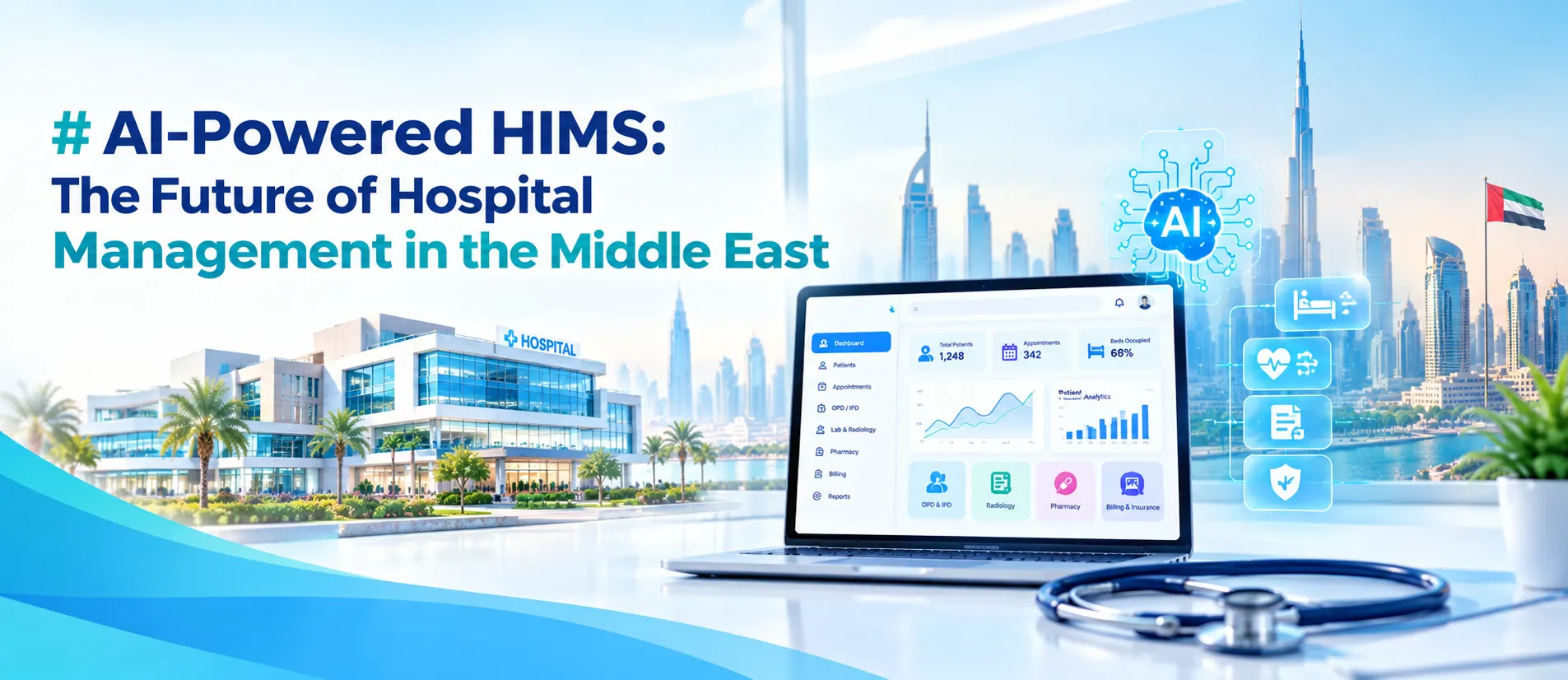
Healthcare providers will increasingly use AI analysis of patient records to identify disease patterns and suggest treatment options. EMR systems will integrate AI capabilities without requiring separate tools.
Private clinics, hospitals, labs, and pharmacies will operate as seamless networks sharing patient data with consent. A patient's complete medical journey becomes visible across providers.
Remote consultations will become routine rather than exceptional. Patients access healthcare providers from home. Digital prescriptions and online pharmacies complete the remote care experience.
Historical patient data allows healthcare systems to predict health risks before patients develop symptoms. Prevention becomes the focus instead of just treating illness.
Healthcare providers will customize treatment based on individual patient data rather than one-size-fits-all approaches. Precision medicine becomes possible through comprehensive digital records.
Patient health records will incorporate data from smartwatches, fitness trackers, and medical devices. Doctors have continuous health information beyond periodic clinic visits.
Select an EMR system that grows with your healthcare practice. A system suitable for a single clinic should handle multi-specialty hospitals if you plan to expand.
Verify the system is ABDM-certified and supports ABHA integration. Non-compliant systems will eventually require replacement.
Healthcare professionals are busy treating patients, not learning complex software. Choose systems with intuitive interfaces requiring minimal training.
Select vendors providing responsive customer support and regular software updates. Healthcare regulations change frequently, and your EMR must adapt accordingly.
Understand the total cost including implementation, monthly subscriptions, support, and training. Factor in staff time required for setup and adaptation.
Healthcare data is sensitive. Ensure your EMR provider uses encryption, regular backups, and security protocols meeting healthcare industry standards.
Check whether the system integrates with your existing clinic management tools, accounting software, and lab management systems.
Manage patients, appointments, billing, clinical workflows, and healthcare operations efficiently with ZYNO HIMS, an integrated healthcare management solution.
General practitioners benefit from instant patient history access and automated appointment scheduling. Billing becomes faster, reducing administrative burden. Patients appreciate immediate digital prescriptions.
Large hospitals use EMR systems to coordinate care across departments. Patient information follows them seamlessly from emergency to surgery to recovery. Specialist teams access complete context for better treatment decisions.
Multi-location polyclinic networks centralize patient records while maintaining location-specific operations. A patient can visit any clinic location and doctors access their complete history instantly.
EMR integration allows labs to upload results directly to patient records in connected clinics and hospitals. Healthcare providers receive results instantly rather than waiting for paper reports.
Remote consultation providers use EMR systems to maintain patient records equivalent to in-person clinics. Doctors provide quality care remotely with complete health context.
Healthcare facility leaders who delay digital transformation risk falling behind. Patients increasingly expect digital options. Regulatory requirements continue tightening around ABDM compliance.
The time to implement ABDM EMR systems is now. Start with assessment of your current operations and identification of your biggest pain points. Select an ABDM-compliant system matching your facility's size and specialty.
ZYNO HIMS and similar platforms make implementation practical for clinics of any size. Your healthcare providers will quickly appreciate faster consultations, better clinical decisions, and improved patient outcomes.
Digital transformation of healthcare facilities isn't a future consideration. It's happening now across India. Private clinics and hospitals adopting ABDM-aligned EMR systems will lead their markets in patient satisfaction, operational efficiency, and clinical quality.
ABDM EMR systems fundamentally change how private clinics, hospitals, and polyclinics operate. Patient information becomes instantly accessible. Administrative work decreases dramatically. Clinical quality improves through better information availability.
Choosing the right healthcare management platform like ZYNO HIMS positions your facility for growth while meeting national compliance standards. The healthcare providers adopting these systems today will dominate their markets tomorrow through superior patient experience, operational efficiency, and clinical outcomes.
Your healthcare facility's digital transformation journey starts with one decision: commit to ABDM compliance and implement a robust EMR system. The benefits for your patients, staff, and business are immediate and substantial.
Why Cloud-Based AI HIMS is Transforming the Future of Indian Healthcare
Read More →The Complete ZYNO HIMS Guide for Modern Healthcare Management
Read More →How a Hospital Management System Improves Healthcare Operations
Read More →
Cloud vs Offline Hospital Management Systems: What Should Your Hospital Choose
Read More →What Is a Hospital Information System (HIS)? Features, Benefits & Complete Guide
Read More →How HIMS Software Improves Patient Care and Hospital Efficiency
Read More →How Is Hospital Software Transforming Patient Data Management in Modern Healthcare
Read More →
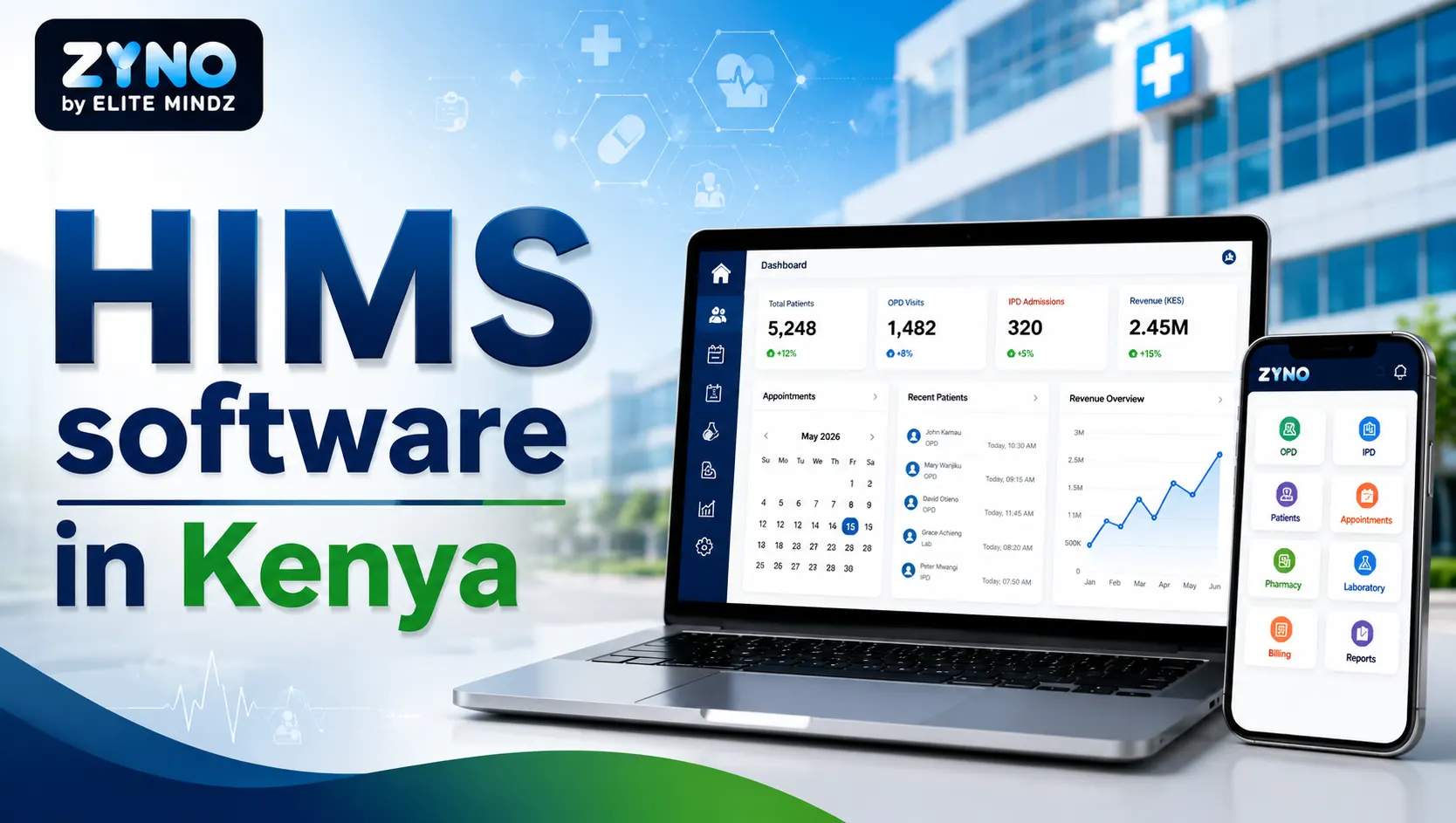
HIMS Software in Kenya: The Complete Guide for Hospitals & Clinics (2026)
Read More →
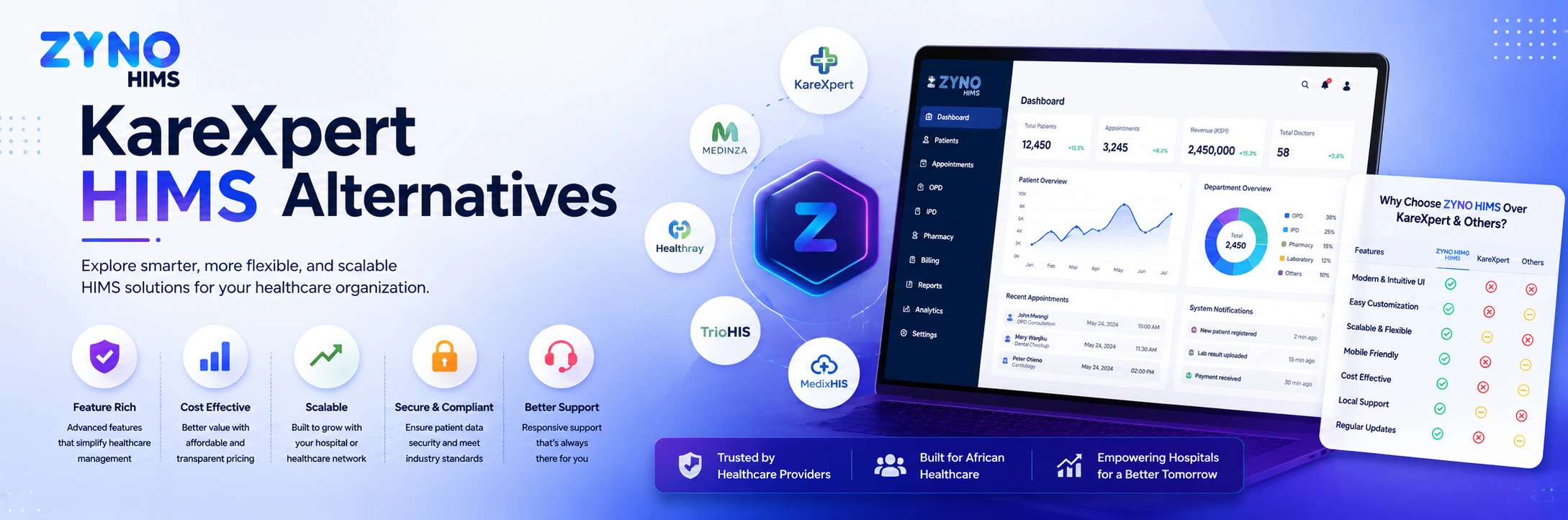
Top 10 KareXpert HIMS Alternatives & Competitors in 2026
Read More →
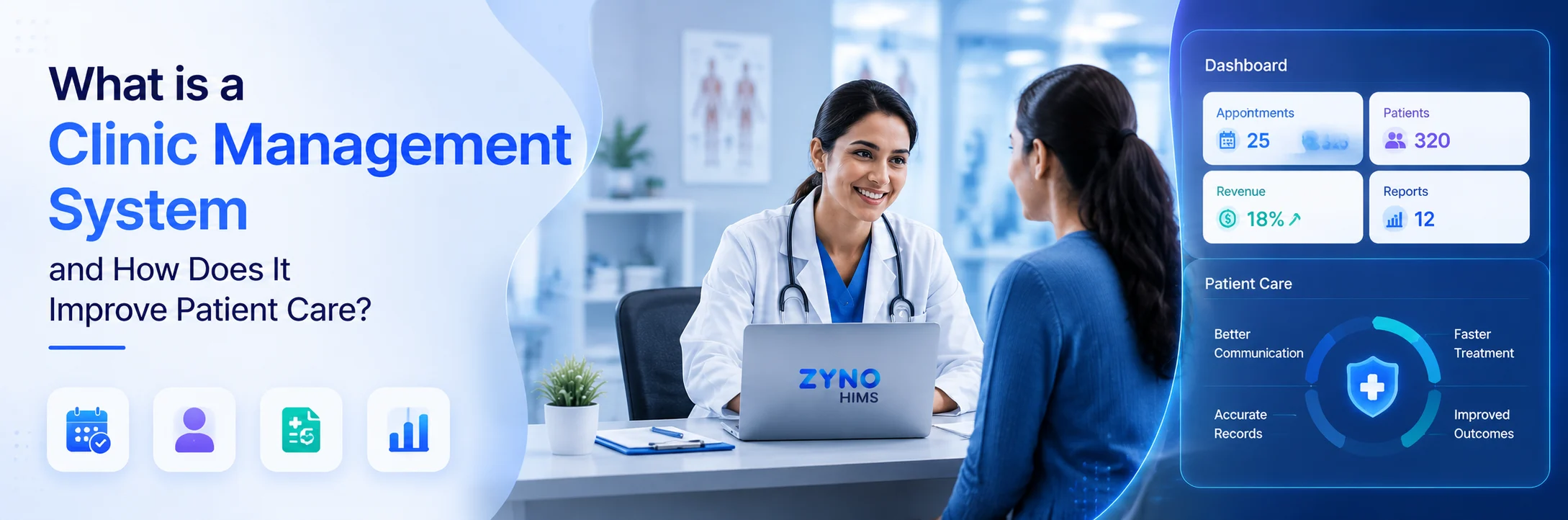
What is a Clinic Management System and How Does It Improve Patient Care?
Read More →
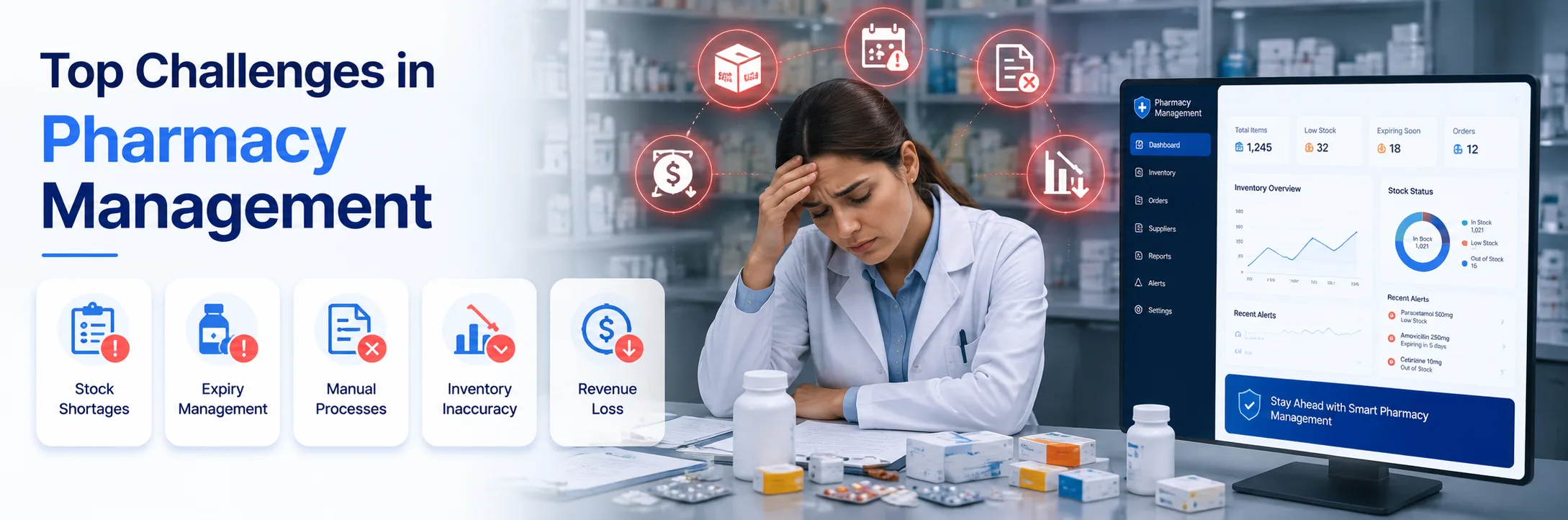
Top Challenges in Pharmacy Management and How to Overcome Them
Read More →
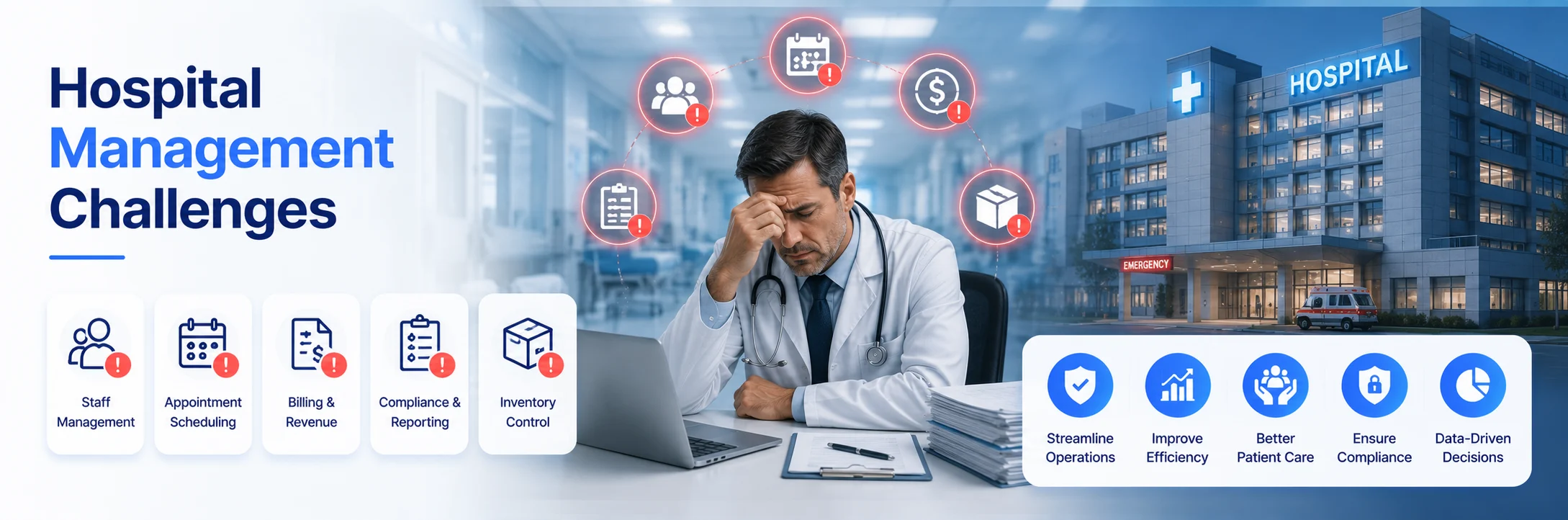
Top 10 Hospital Management Challenges and How ZYNO HIMS Solves Them
Read More →
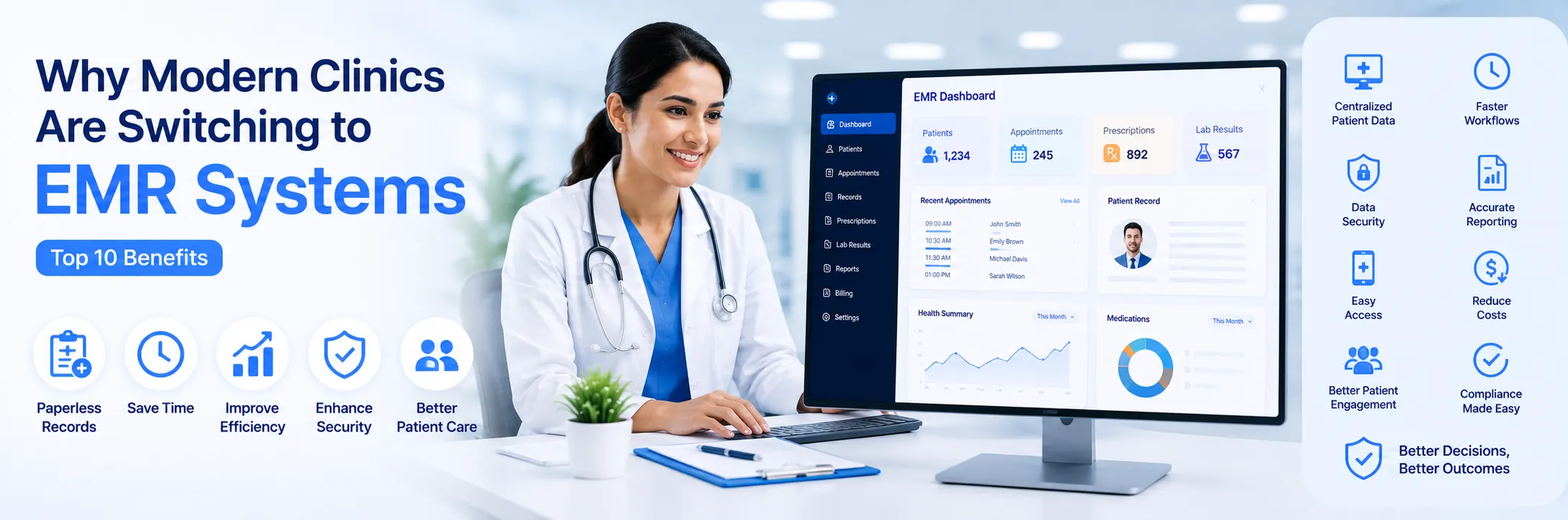
Why Modern Clinics Are Switching to EMR Systems
Read More →
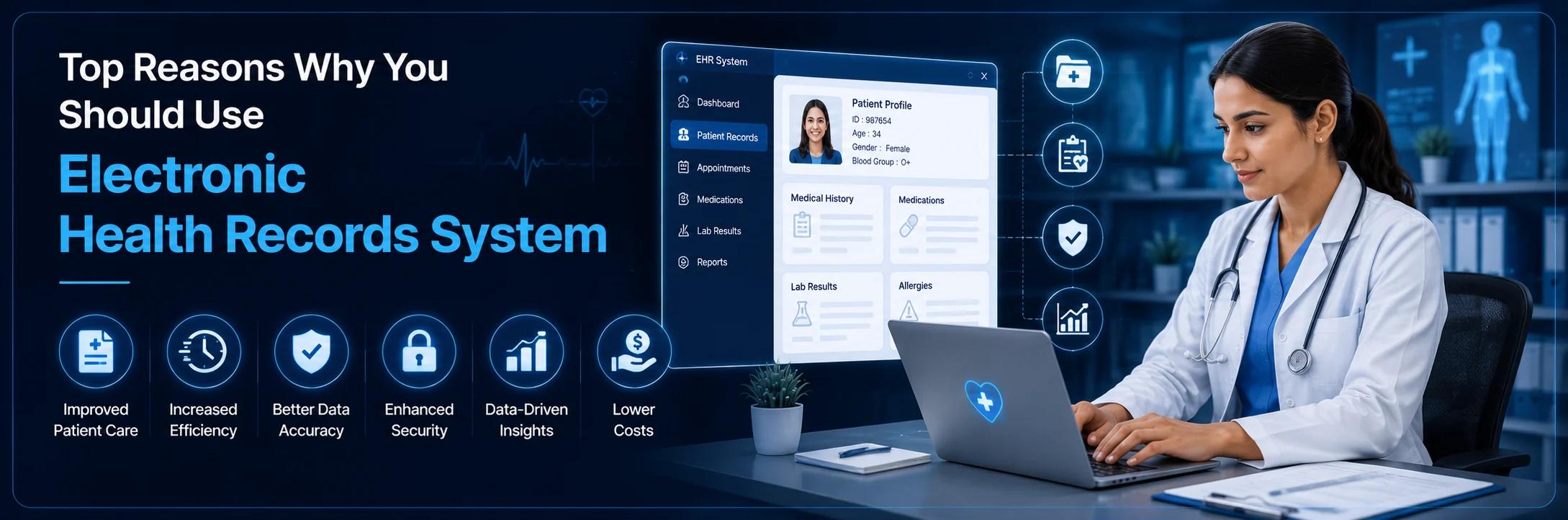
Top Reasons Why You Should Use Electronic Health Records System
Read More →
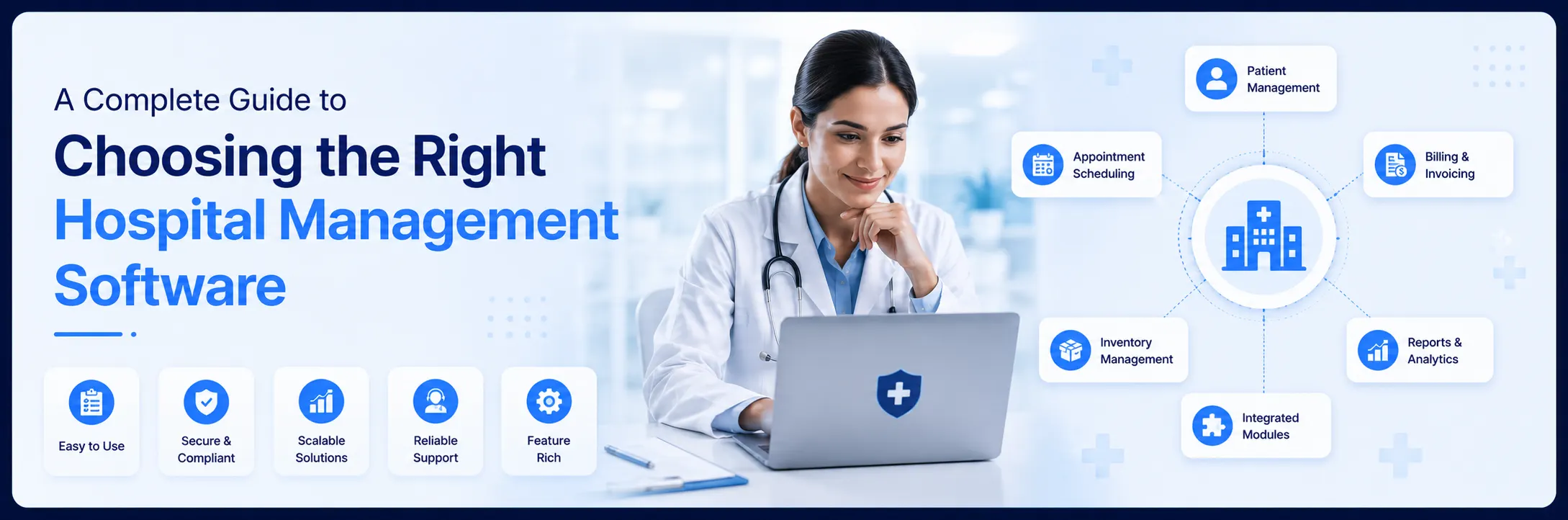
A Complete Guide to Choosing the Right Hospital Management Software
Read More →
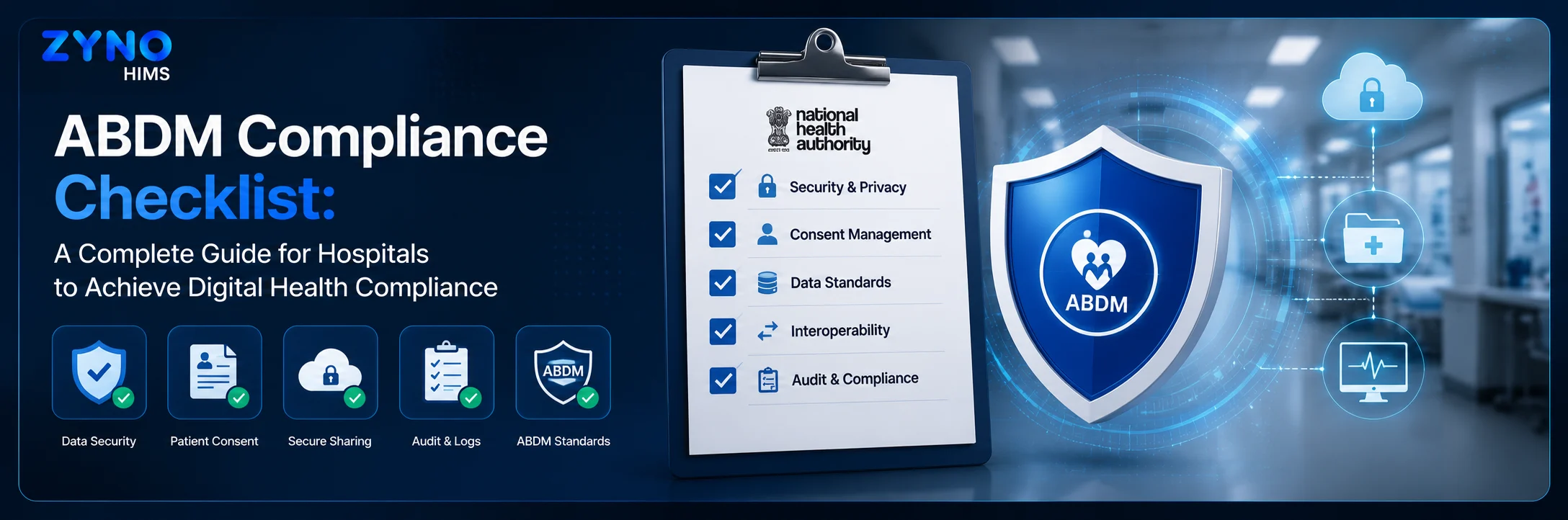
ABDM Compliance Checklist: A Complete Guide for Hospitals to Achieve Digital Health Compliance
Read More →
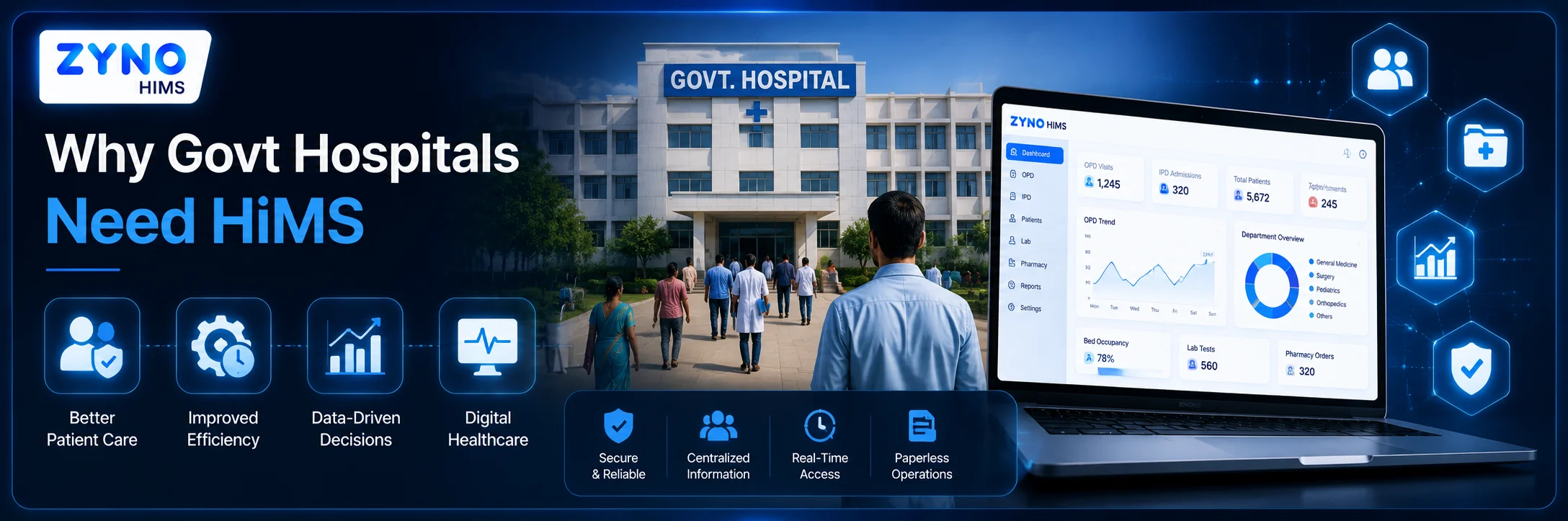
Why Govt Hospitals Need HIMS: Improving Patient Care, Efficiency, and Digital Healthcare
Read More →
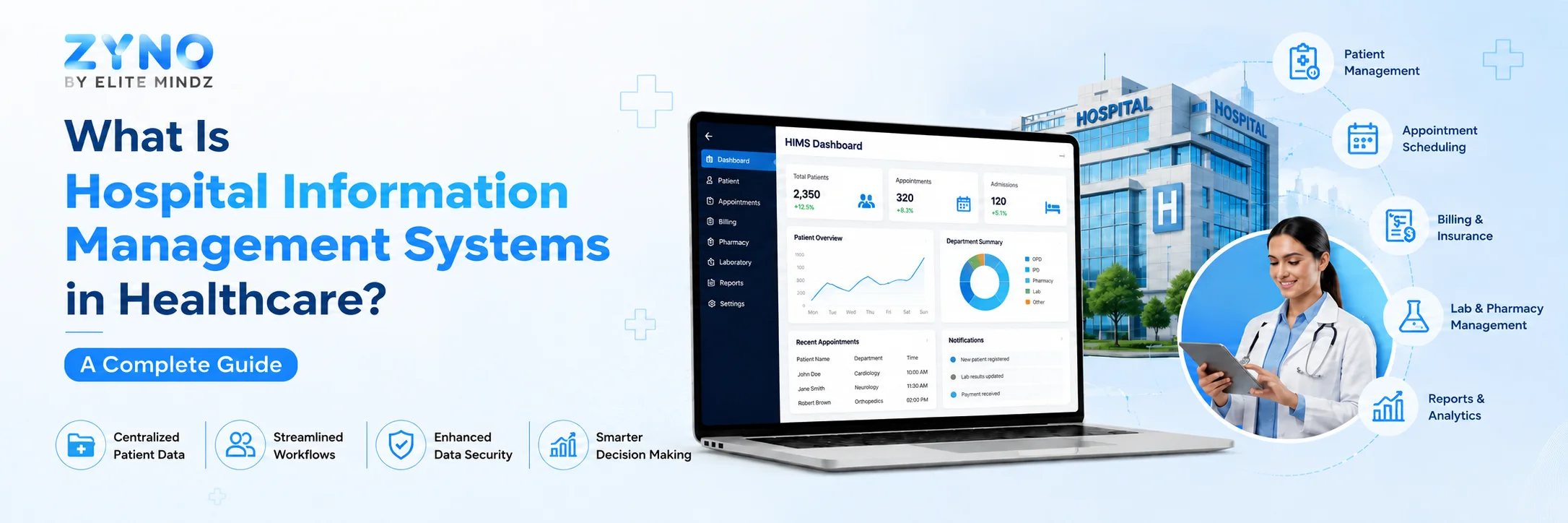
What Is Hospital Information Management Systems in Healthcare? A Complete Guide
Read More →
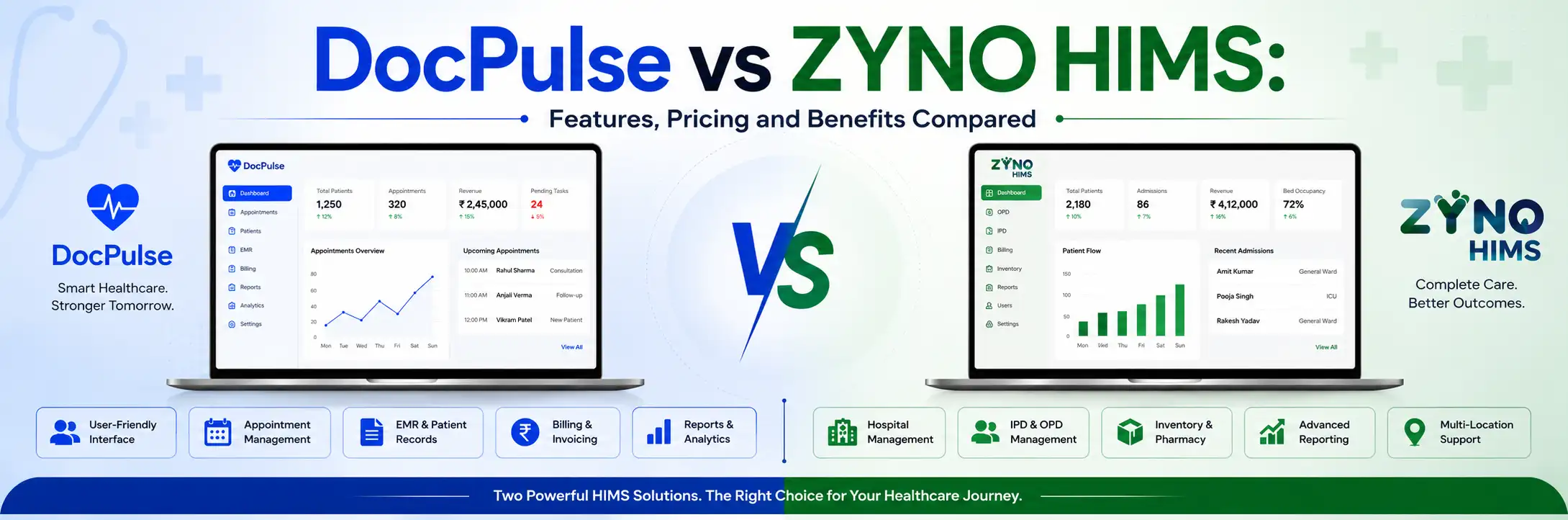
DocPulse vs ZYNO HIMS (2026): Why ZYNO HIMS Is the Smarter Hospital Management Choice
Read More →
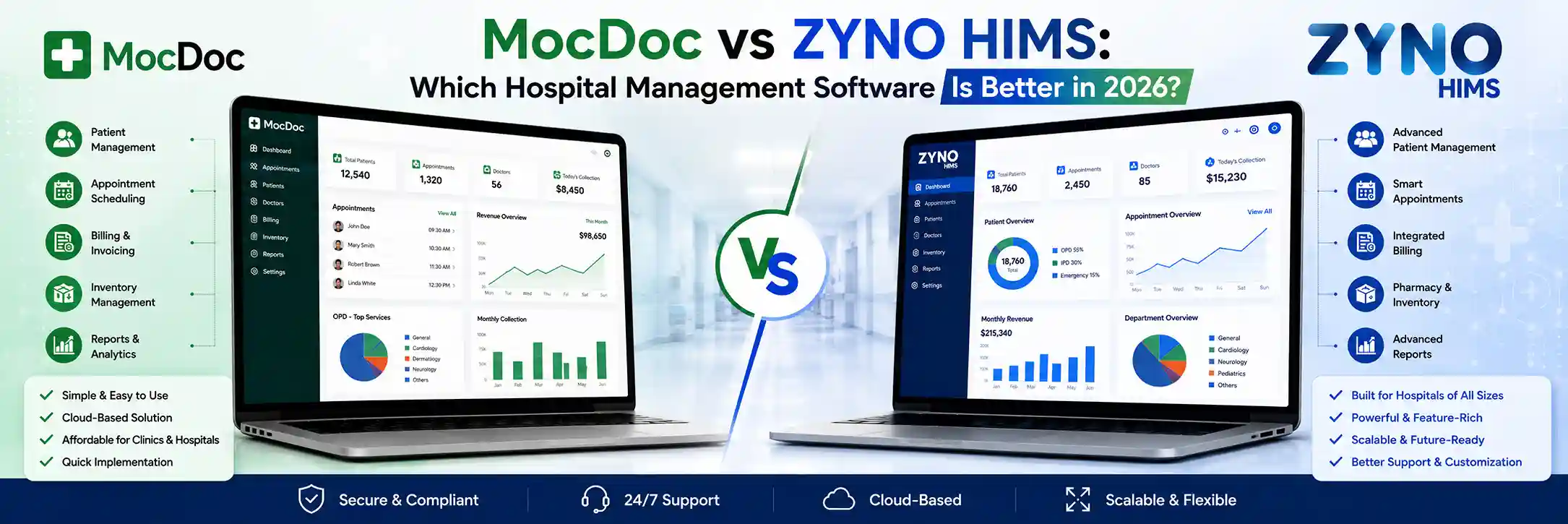
MocDoc vs ZYNO HIMS: Which Hospital Management Software Is Better in 2026?
Read More →
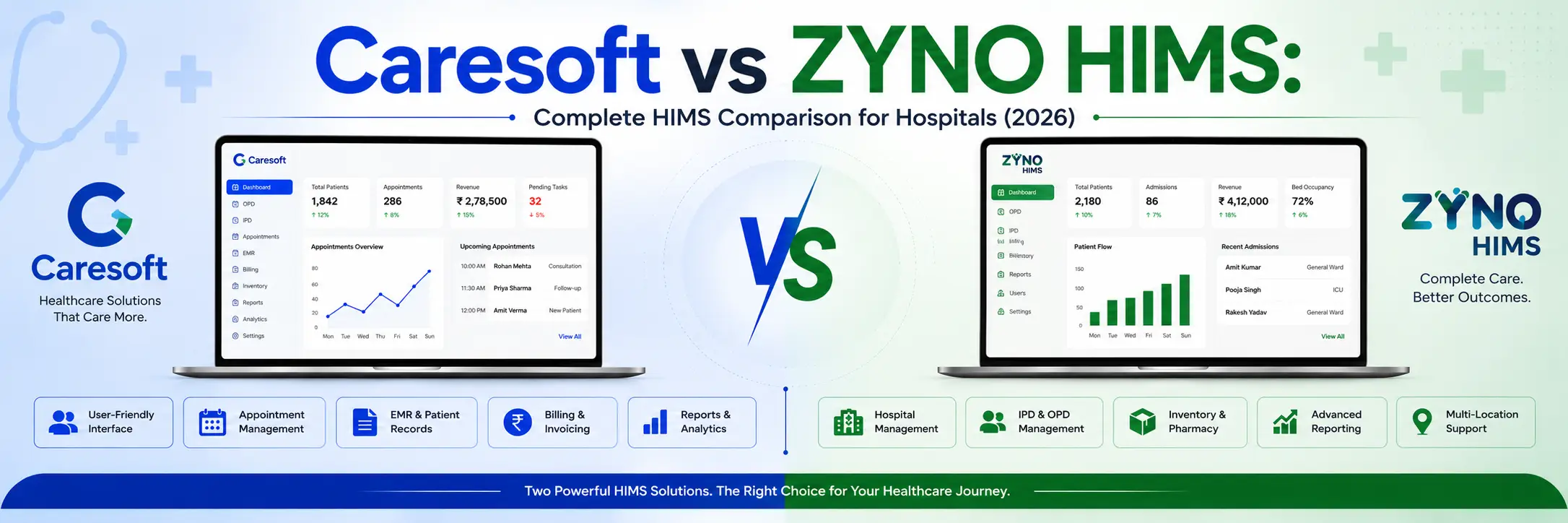
Caresoft vs ZYNO HIMS: Complete HIMS Comparison for Hospitals
Read More →
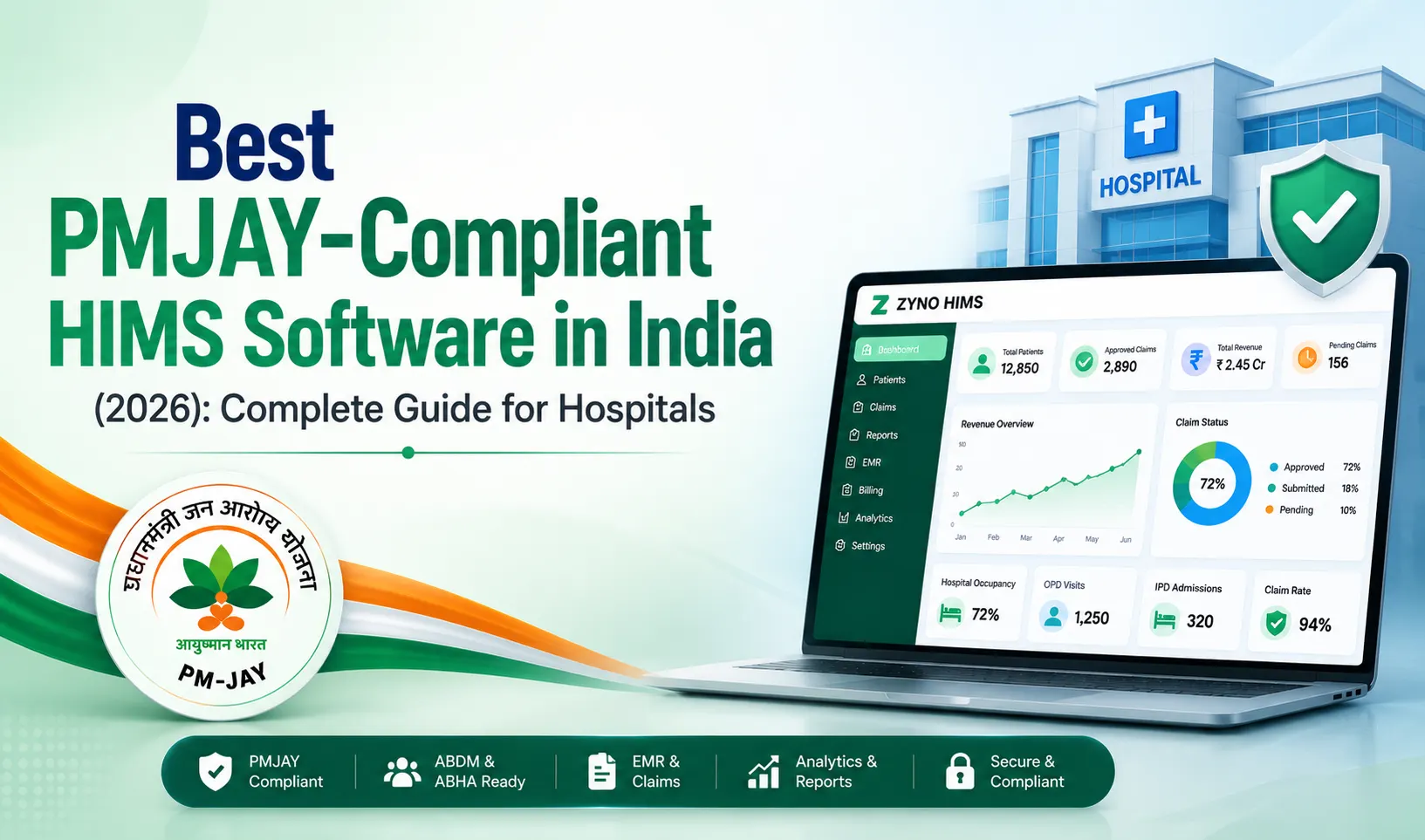
Best PMJAY-Compliant HIMS Software in India (2026): Complete Guide for Hospitals
Read More →
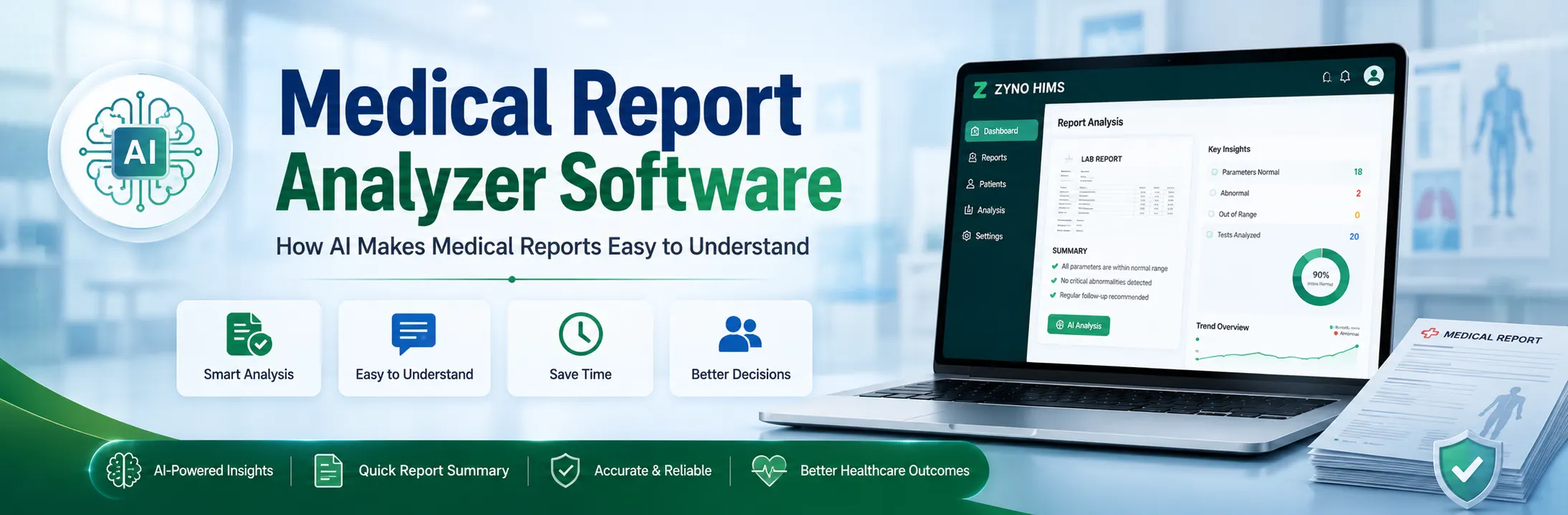
Medical Report Analyzer Software: How AI Makes Medical Reports Easy to Understand
Read More →
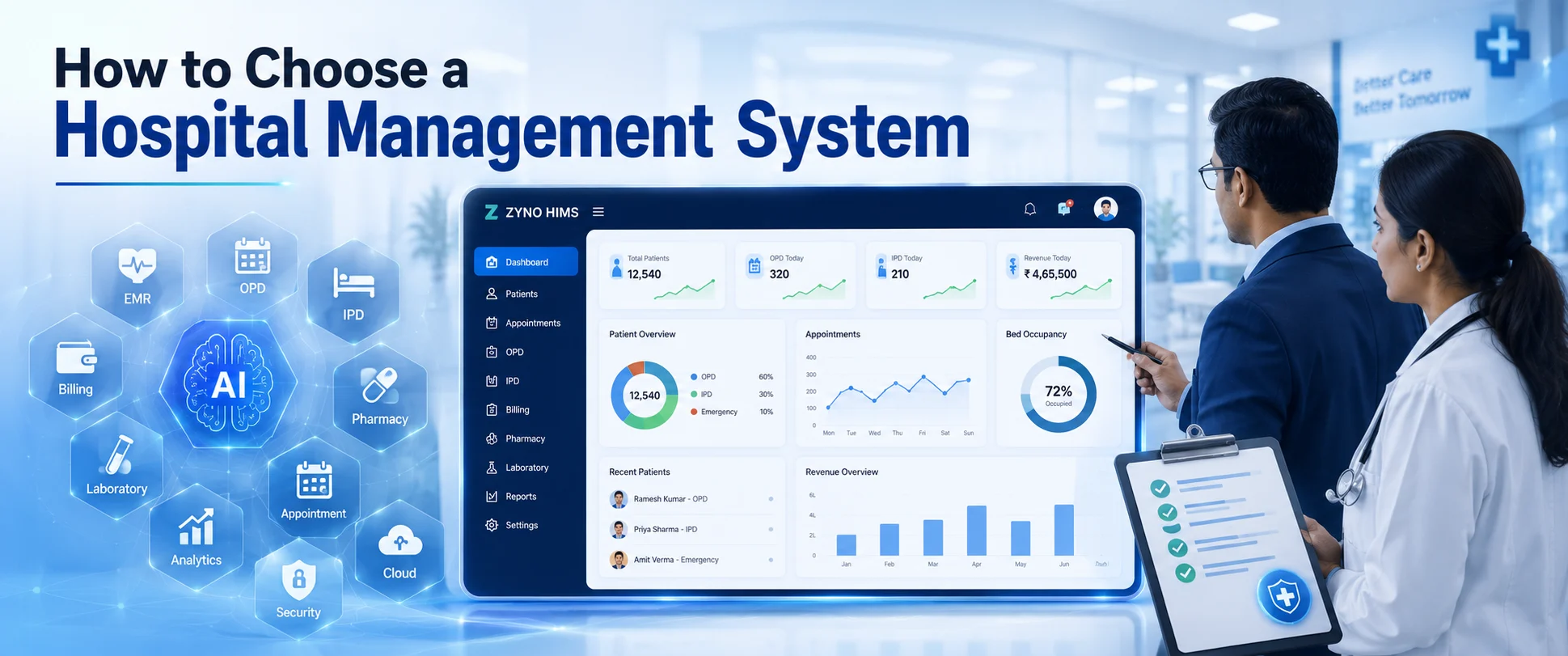
How to Choose a Hospital Management System
Read More →
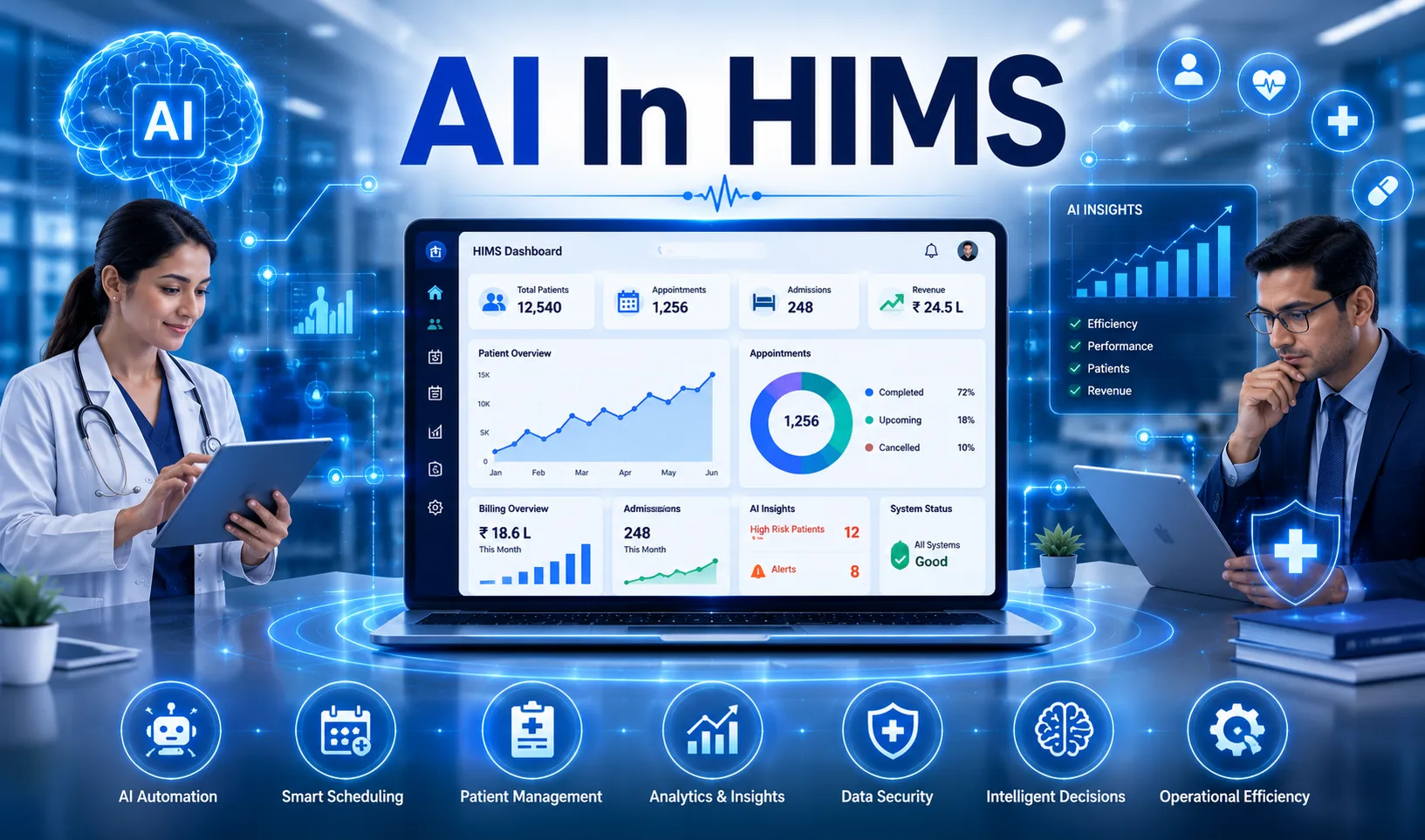
AI in HIMS: 10 Practical Ways Artificial Intelligence is Transforming Hospital Management
Read More →
Best Hospital Management Software for Private Clinics in Kenya
Read More →
Hospital Management Software in Japan: What Healthcare Providers Need in 2026
Read More →
Pharmacy Management Software for Kenyan Pharmacies: Features That Matter
Read More →
DHA and MOH Compliance for Hospital Software in the UAE
Read More →
Top 10 Hospital Management Software in India 2026: Features, Pros, Cons & Pricing
Read More →
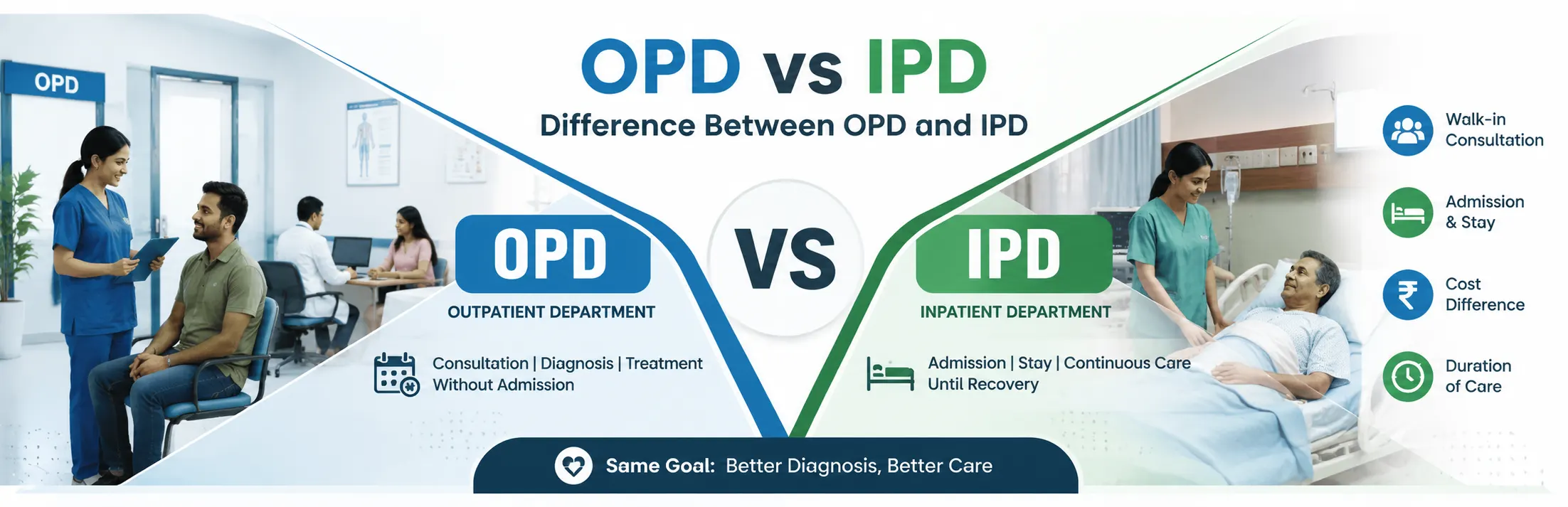
OPD vs IPD: Difference Between OPD and IPD, Services & Complete Guide
Read More →
Pharmacy Inventory Management: Methods, Inventory Control & Best Practices
Read More →
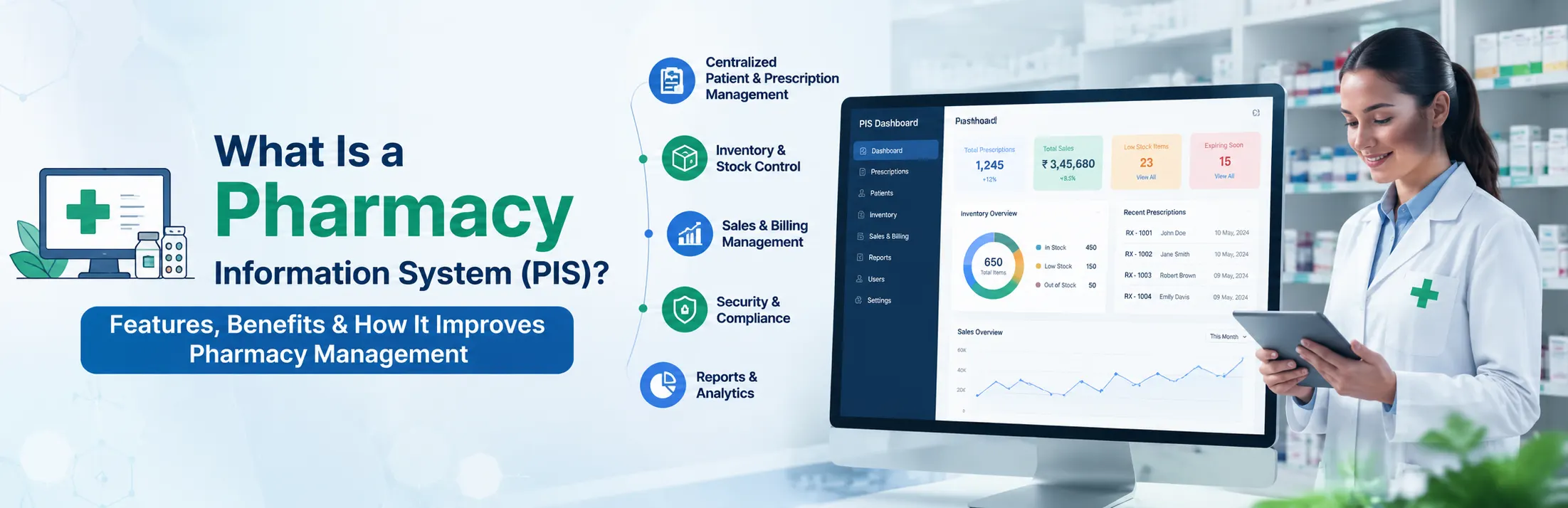
What Is a Pharmacy Information System (PIS)? Features, Benefits & How It Improves Pharmacy Management
Read More →
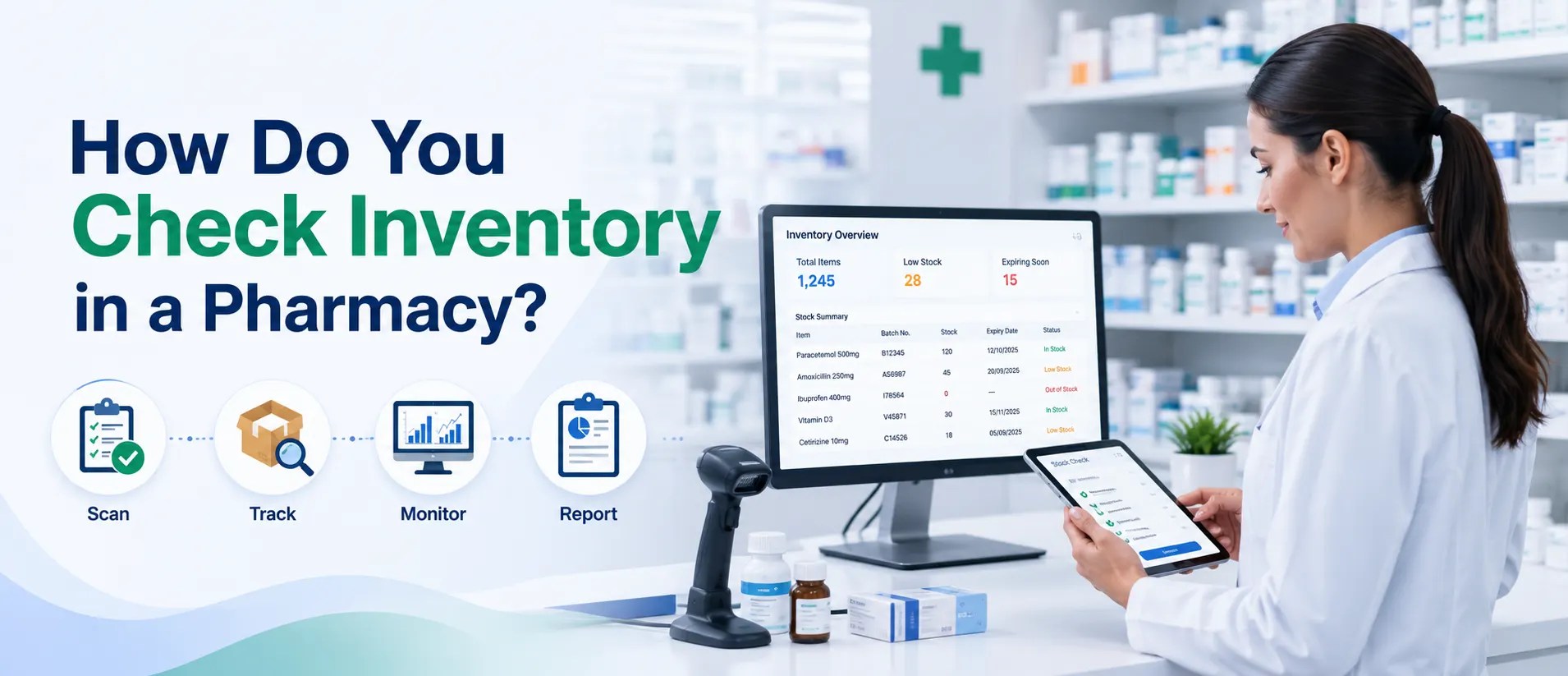
How Do You Check Inventory in a Pharmacy?
Read More →
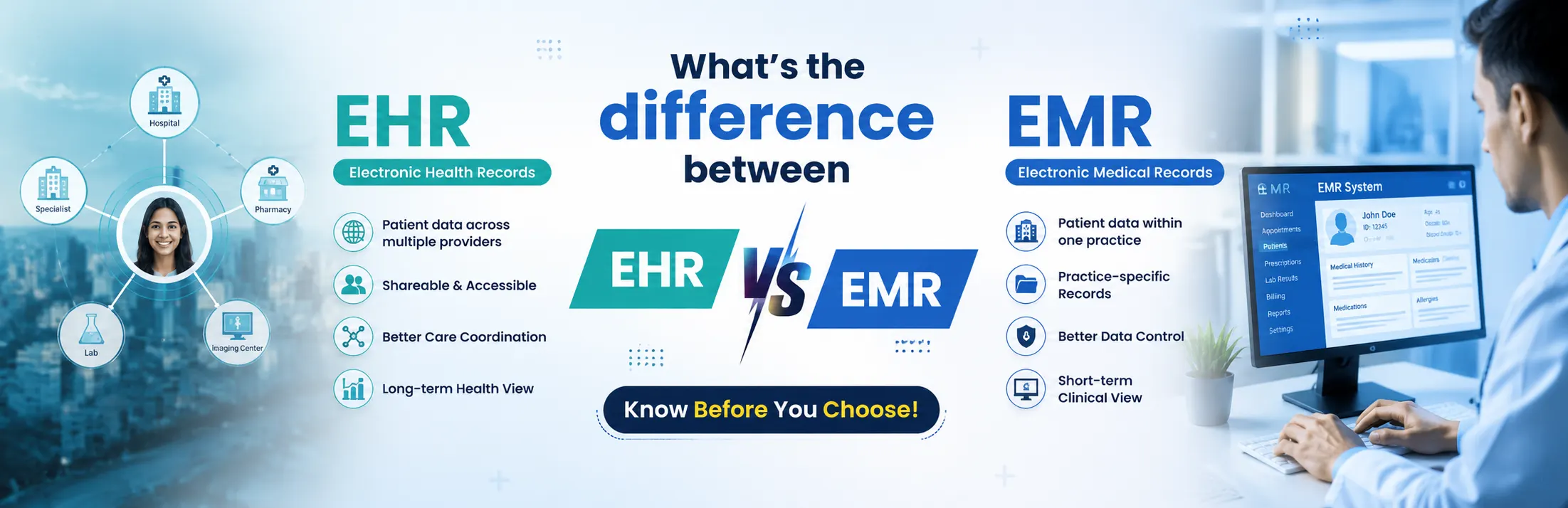
What’s the Difference Between EHR and EMR? Key Differences, Benefits & Guide
Read More →
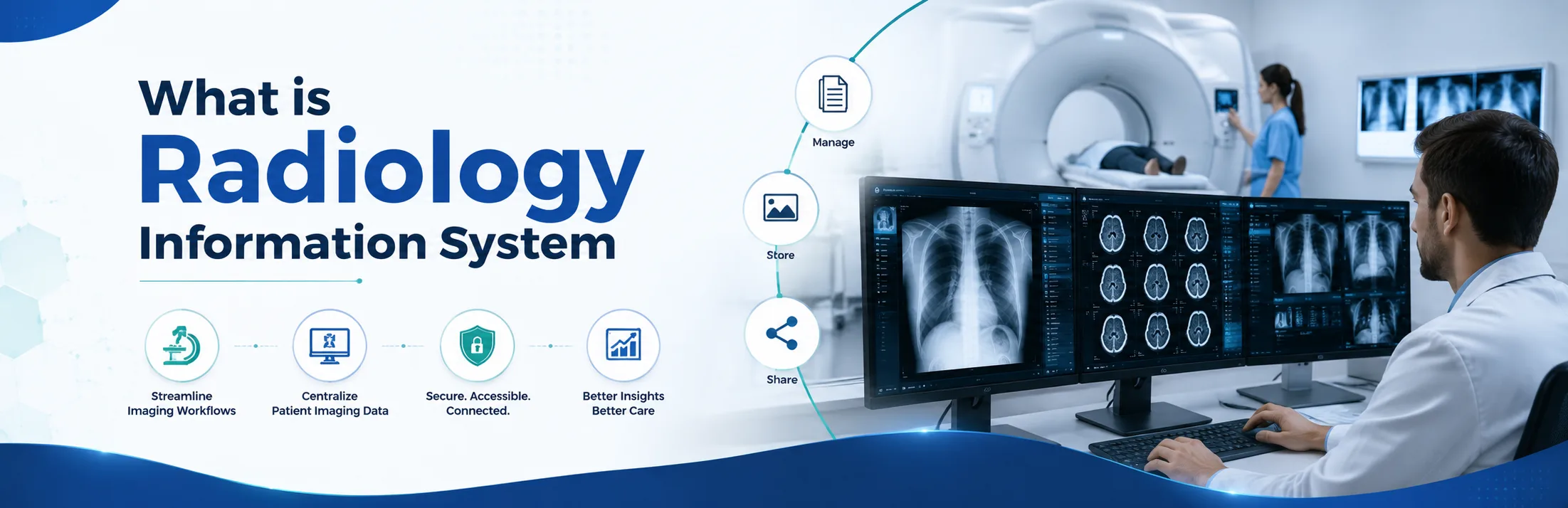
What is Radiology Information System? Features & Benefits
Read More →
What Is Digital Healthcare? Benefits, Examples & Future
Read More →
Healthcare Supply Chain Management Benefits
Read More →
Benefits of Patient Information Management Systems for Hospitals & Clinics
Read More →
What Is the Difference Between PACS, DICOM, RIS & CIS?
Read More →
Best Hospital Billing Software in India 2026: Top 10 Medical Billing Solutions
Read More →
Top Features of Hospital Billing Software in India
Read More →
Best Cloud-Based Hospital Inventory Management Software in 2026: Top 10 Solutions
Read More →
Which Hospital Management Software in India Is Suitable for Newly Established Hospitals?
Read More →
Medical Diagnostic Software: What It Is, How It Works & Top 5 Players in 2026
Read More →
10 Best Patient Management Software in 2026
Read More →
Hospital Management Software for Multispecialty Hospitals: A Complete Guide
Read More →
Top 10 Multi-Location Hospital Management Software in India
Read More →
Top 10 Hospital Management Software Companies in Qatar
Read More →
ZYNO HIMS: Enterprise Healthcare Management for Private Facilities
Read More →
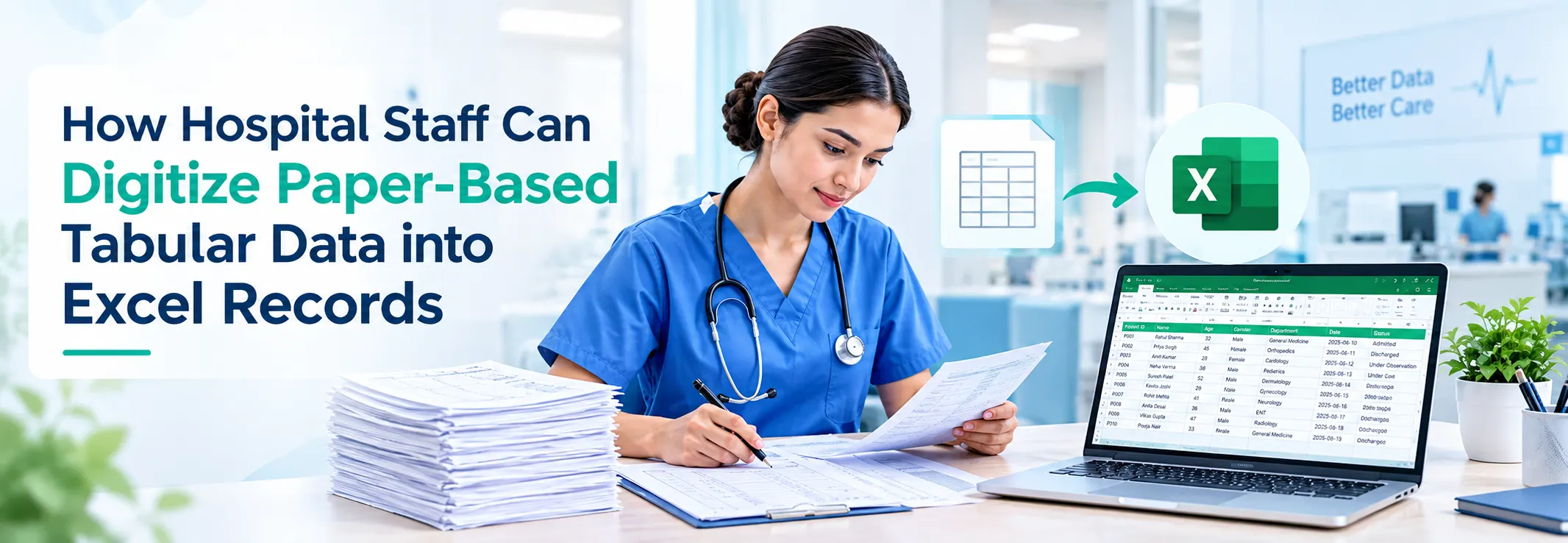
How Hospital Staff Can Digitize Paper-Based Tabular Data into Excel Records
Read More →Partner with ZYNO by Elite Mindz to revolutionize how your business works. Fill out the form, and we’ll reach out with AI-powered solutions made just for you.
We use browser cookies to ensure you get the best experience on our website. Learn more
The form was submitted successfully!