Why Cloud-Based AI HIMS is Transforming the Future of Indian Healthcare
Read More →
×
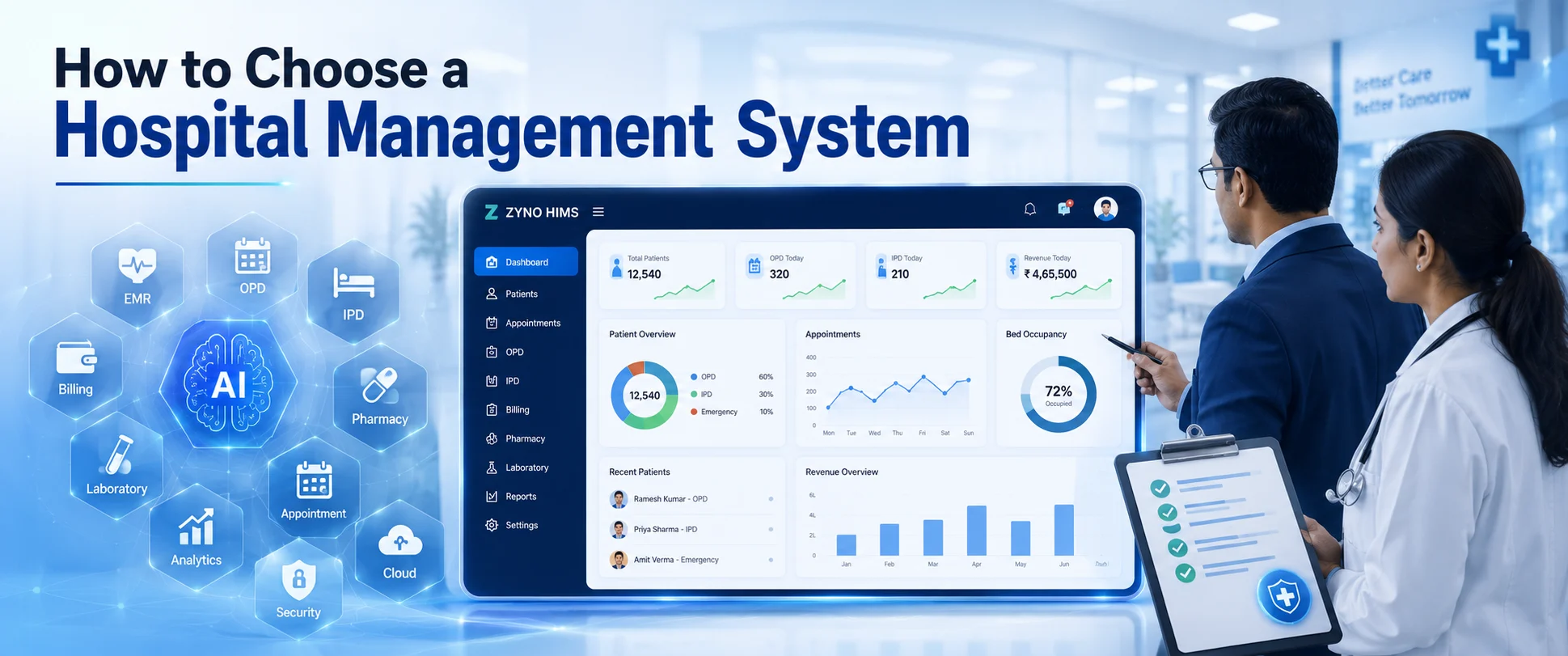
Choosing the right Hospital Management System (HMS) means finding software that adapts to your healthcare specialty—not the other way around. This guide explains the essential features, AI capabilities, customizable workflows, billing, EMR integration, and key questions to help hospitals, clinics, diagnostic centers, and specialty care providers select the best HIMS for their needs.
Businesses using ZYNO Books cut accounting time by 70% and stay 100% ZATCA-compliant — automatically.
A multi-specialty hospital does not operate like a fertility clinic. A mental health center follows different documentation standards than a diagnostic laboratory. Rehabilitation facilities, dental clinics, eye hospitals, day-care centers, and home healthcare providers also have their own patient journeys, billing requirements, clinical records, and approval processes.
This is why healthcare organizations should not choose hospital software based only on a long feature list.
The right Hospital Management System should adapt to your organization instead of forcing doctors, nurses, therapists, administrators, and billing teams to change proven workflows simply to fit the software.
A configurable Hospital Information Management System can support different departments, specialties, documentation formats, user roles, billing rules, and clinical processes from one connected platform.
Explore how ZYNO HIMS helps hospitals, specialty clinics, diagnostic centers, and healthcare providers streamline patient care with AI-powered automation, customizable workflows, EMR, billing, pharmacy, laboratory management, and ABDM-ready capabilities. Schedule a free demo and see how ZYNO HIMS adapts to your unique healthcare needs.
A specialty-ready Hospital Management System, or HIMS, is healthcare software designed to support different organizations through configurable workflows, specialty-specific documentation, customizable forms, billing, patient management, and AI-powered automation. Instead of providing one fixed process, it adapts to the clinical and operational needs of hospitals, clinics, rehabilitation centers, diagnostic facilities, and specialty care providers.
Traditional hospital software is generally built around fixed modules. Every organization receives the same registration process, consultation format, billing structure, and reporting system. Customization may be limited, expensive, or dependent on the software provider.
Modern configurable HIMS platforms work differently. They allow healthcare organizations to design workflows around their own clinical and administrative requirements.
|
Traditional Hospital Software |
Modern Configurable HIMS |
|
Fixed patient journeys |
Custom patient journeys |
|
Standard forms |
Specialty-specific custom forms |
|
Limited departmental flexibility |
Configurable departments and services |
|
Manual documentation |
AI-assisted clinical documentation |
|
Difficult integrations |
API and third-party connectivity |
|
Fixed billing structures |
Custom packages, tariffs, and billing rules |
|
Generic reports |
Role-specific dashboards and analytics |
|
Difficult to scale |
Designed for expansion |
The difference is important because healthcare workflows are shaped by specialty, patient type, treatment duration, regulatory requirements, and the professionals involved in care.
Multi-specialty hospitals require connected workflows across OPD, IPD, emergency care, pharmacy, laboratory, radiology, operation theatre, insurance, inventory, billing, and discharge. The HIMS must allow departments to share information without creating duplicate records.
Mental health organizations require much more than basic doctor consultation notes.
For example, a mental health and addiction treatment center requires extensive psychotherapy documentation, treatment plans, progress notes, and multidisciplinary collaboration. These are workflows that many traditional HIMS platforms struggle to support.
A suitable system should support:
Role-based permissions are particularly important because different professionals may require access to different parts of the patient record.
Diagnostic centers need appointment management, sample collection, barcode tracking, test processing, result validation, report delivery, equipment integration, and referring-doctor management. The system should also support different test packages and home sample collection.
Day-care hospitals manage patients who are admitted and discharged on the same day. Their software should support fast registration, procedure scheduling, consent forms, medication records, observation notes, billing, and same-day discharge summaries.
Hospital software for rehabilitation centers should manage long-term treatment plans, multidisciplinary assessments, therapy schedules, functional progress, caregiver involvement, and outcome measurement.
Physiotherapy clinics need assessment templates, pain scoring, session packages, exercise plans, therapist notes, progress charts, and recurring appointment scheduling.
Dental software should support odontograms, treatment plans, procedure-based billing, dental imaging, appointment reminders, consent forms, and follow-up schedules.
Eye hospitals require visual acuity records, refraction details, ophthalmology templates, optical prescriptions, surgical planning, diagnostic results, and lens or implant inventory.
Fertility clinics need cycle tracking, hormone monitoring, ultrasound documentation, embryo records, medication protocols, laboratory coordination, consent management, and secure couple-based records.
Home healthcare providers require mobile access, caregiver scheduling, visit verification, remote documentation, medication tracking, care plans, and centralized monitoring of services delivered at the patient’s home.
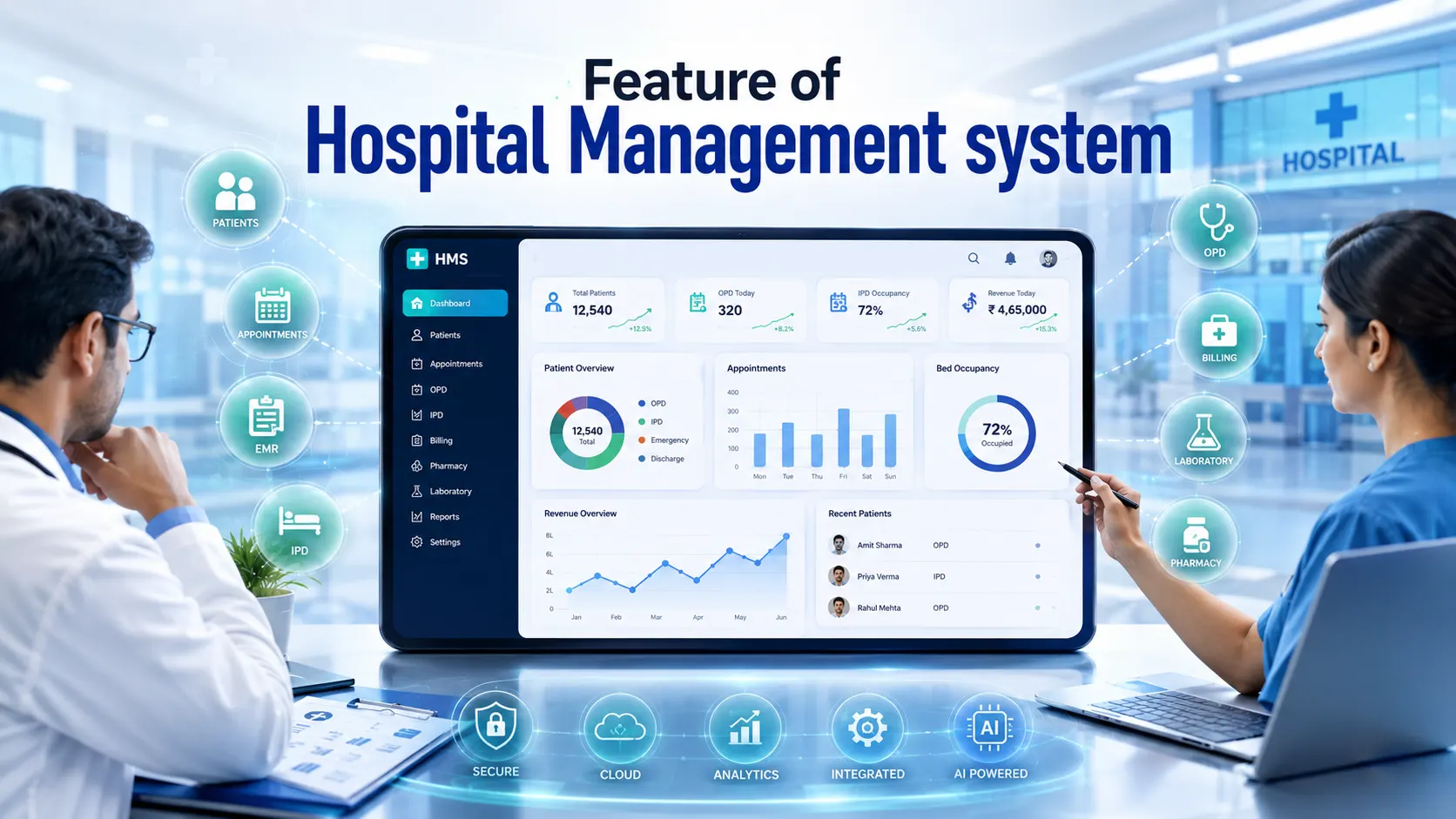
Choosing the right Hospital Management System goes beyond basic features. A specialty-ready HIMS should provide configurable workflows, AI-powered automation, role-based access, custom documentation, integrated billing, pharmacy, laboratory management, analytics, and seamless interoperability to meet the unique needs of hospitals, clinics, diagnostic centers, and specialty healthcare providers.

A configurable HIMS should allow each organization to define its own patient journey. Administrators should be able to create departments, consultation stages, approvals, referrals, admissions, therapy sessions, and discharge processes without rebuilding the entire system.
Different specialties require different clinical information. The system should support custom forms, assessment templates, progress notes, consent documents, treatment plans, and specialty-specific fields. This improves documentation quality and reduces irrelevant data entry.
Doctors, nurses, therapists, pharmacists, laboratory technicians, accountants, and administrators should not have identical access. Role-based access protects confidential information while ensuring each user can view and update the information needed for their responsibilities.
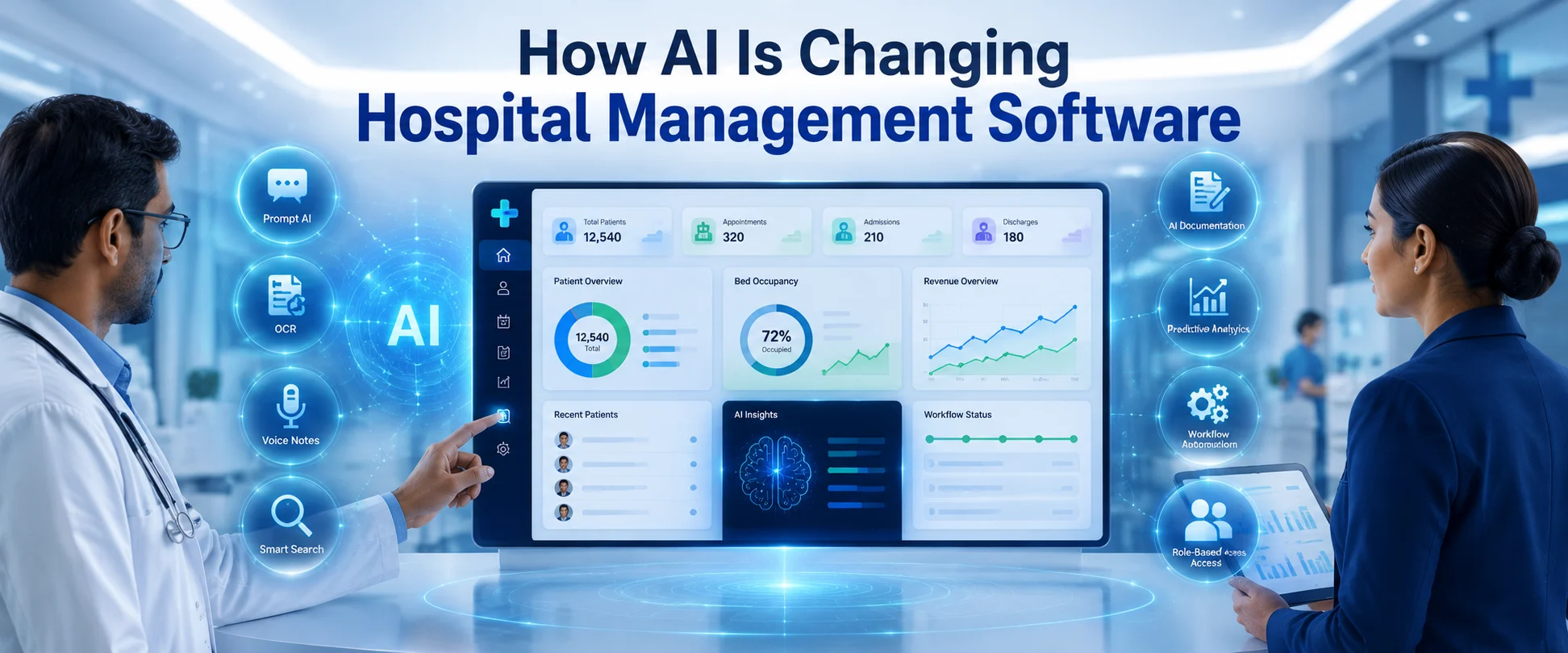
An AI Hospital Management System can help healthcare professionals create structured notes, summarize medical histories, prepare discharge summaries, and retrieve information using simple prompts. AI should assist clinical teams while keeping healthcare professionals in control of final documentation.
OCR allows the system to read information from uploaded prescriptions, laboratory reports, discharge papers, and scanned medical records. It reduces repetitive typing and helps organizations digitize existing paper documents.
Billing varies across departments and specialties. A configurable system should support packages, consultation fees, therapy sessions, procedures, consumables, insurance tariffs, discounts, taxes, advance payments, and organization-specific approval rules.
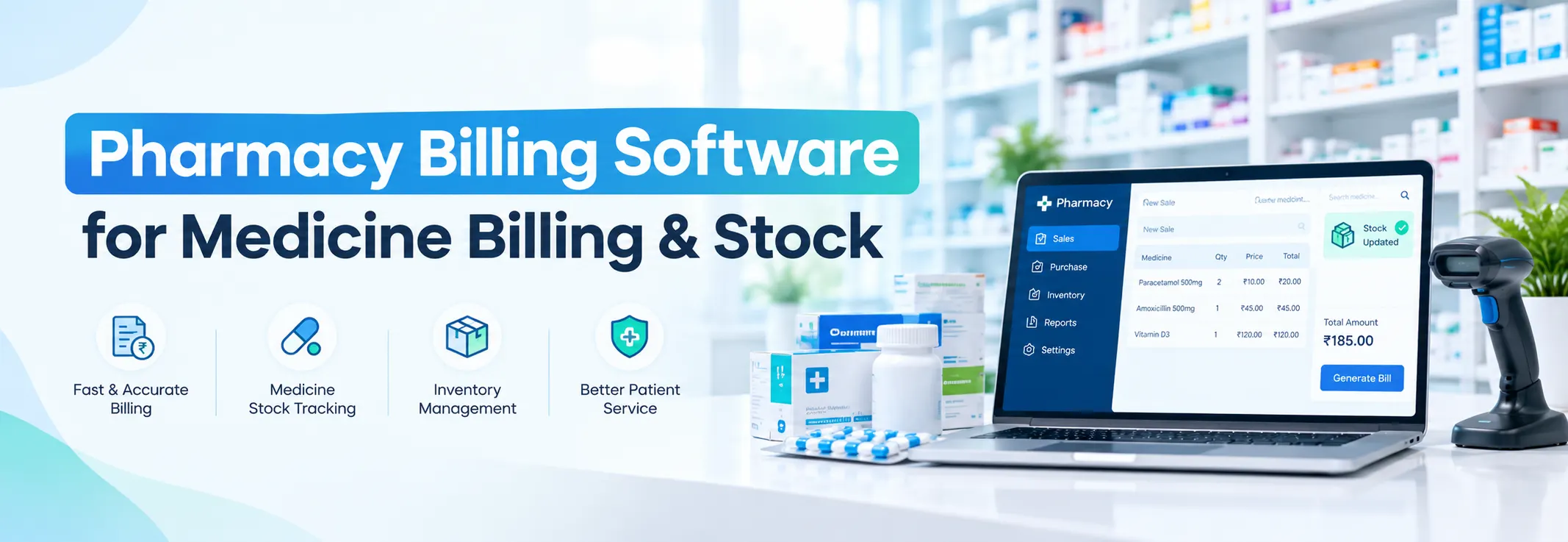
Pharmacy integration connects prescriptions with dispensing, batch tracking, stock availability, expiry monitoring, purchase management, and billing. It helps prevent missed charges and gives management better control over medicine inventory.
Laboratory integration should support test ordering, sample collection, barcode generation, result entry, approval workflows, reference ranges, and report delivery. Integration with laboratory equipment can further reduce manual errors.
A modern healthcare ERP should provide dashboards for patient volumes, occupancy, revenue, outstanding payments, pharmacy stock, laboratory turnaround time, treatment outcomes, and department performance. Reports should be filtered by date, location, specialty, doctor, or payer.
Hospital software should connect with payment gateways, insurance platforms, diagnostic equipment, government healthcare systems, accounting software, patient applications, and communication tools. Strong APIs make the system easier to expand as organizational needs change.
Your existing hospital software may be creating operational problems when:
These issues increase administrative work, slow decision-making, and create fragmented patient records.
Use this checklist when evaluating healthcare management software:

AI is improving hospital workflow management by reducing repetitive administrative tasks.
AI should support healthcare professionals and improve decision-making, not replace clinical judgement.
ZYNO HIMS does not require every healthcare organization to follow the same fixed process. Its configurable, cloud-based structure allows hospitals, clinics, diagnostic centers, rehabilitation facilities, and other specialty care providers to manage their clinical and administrative workflows according to their operational requirements.
By combining configurable workflows with AI prompts, OCR, EMR, EHR, LIMS, pharmacy, billing, analytics, ABDM integration, and cloud access, ZYNO HIMS can support different healthcare environments without forcing every specialty to use the same patient journey or documentation process.
Healthcare is becoming more specialized every year.
Your software should evolve with your organization instead of holding it back.
Whether you manage a hospital, rehabilitation center, specialty clinic, diagnostic facility, or behavioral healthcare organization, choosing a configurable, cloud-based, and AI-powered Hospital Management System ensures that your technology supports your clinical workflows rather than limiting them.
It is a configurable HIMS that supports specialty-specific workflows, forms, documentation, billing, user roles, and reporting instead of forcing every healthcare organization to use one standard process.
Yes. A configurable HIMS can create different departments, forms, permissions, billing rules, and patient journeys for each specialty while maintaining one connected patient record.
It gives healthcare professionals access to relevant information, reduces duplicate data entry, improves collaboration, and ensures that documentation follows the actual treatment process.
Yes. It can support therapist notes, psychiatric evaluations, treatment plans, group sessions, family counselling, outcome assessments, and controlled access to sensitive records.
It should include configurable workflows, custom forms, role-based access, billing, pharmacy, laboratory management, analytics, integrations, OCR, and AI-assisted documentation.
Yes. It can automate service charges, packages, discounts, approvals, payer tariffs, claim documentation, payment tracking, and outstanding balance reporting.
Cloud software generally provides easier remote access, faster updates, simpler scaling, and lower infrastructure requirements. The right option still depends on security, connectivity, and organizational policies.
AI can help summarize records, structure notes, prepare drafts, interpret voice input, and retrieve information. Healthcare professionals should review and approve all clinical documentation.
They align the software with actual clinical processes, reduce unnecessary steps, improve task routing, and make the platform easier for staff to use.
A generic HMS provides fixed modules, while a configurable HIMS allows organizations to modify workflows, forms, roles, billing structures, and reports.
OCR extracts text and information from scanned medical documents, prescriptions, and reports, making the content searchable and reducing repetitive typing.
Yes. APIs and built-in modules can connect prescriptions, medicine inventory, test orders, sample tracking, results, billing, and clinical records.
It limits users to the information and actions required for their jobs, reducing unnecessary access to confidential clinical, financial, or administrative data.
Yes. It can support new users, departments, specialties, services, and locations without requiring the organization to replace its complete software platform.
Hospitals, dental clinics, eye hospitals, fertility centers, rehabilitation facilities, physiotherapy clinics, diagnostic centers, mental health organizations, day-care hospitals, and home healthcare providers can benefit from configurable healthcare software.
Why Cloud-Based AI HIMS is Transforming the Future of Indian Healthcare
Read More →The Complete ZYNO HIMS Guide for Modern Healthcare Management
Read More →How a Hospital Management System Improves Healthcare Operations
Read More →
Cloud vs Offline Hospital Management Systems: What Should Your Hospital Choose
Read More →What Is a Hospital Information System (HIS)? Features, Benefits & Complete Guide
Read More →How HIMS Software Improves Patient Care and Hospital Efficiency
Read More →How Is Hospital Software Transforming Patient Data Management in Modern Healthcare
Read More →
HIMS Software in Kenya: The Complete Guide for Hospitals & Clinics (2026)
Read More →
Top 10 KareXpert HIMS Alternatives & Competitors in 2026
Read More →
What is a Clinic Management System and How Does It Improve Patient Care?
Read More →
Top Challenges in Pharmacy Management and How to Overcome Them
Read More →
Top 10 Hospital Management Challenges and How ZYNO HIMS Solves Them
Read More →
Why Modern Clinics Are Switching to EMR Systems
Read More →
Top Reasons Why You Should Use Electronic Health Records System
Read More →
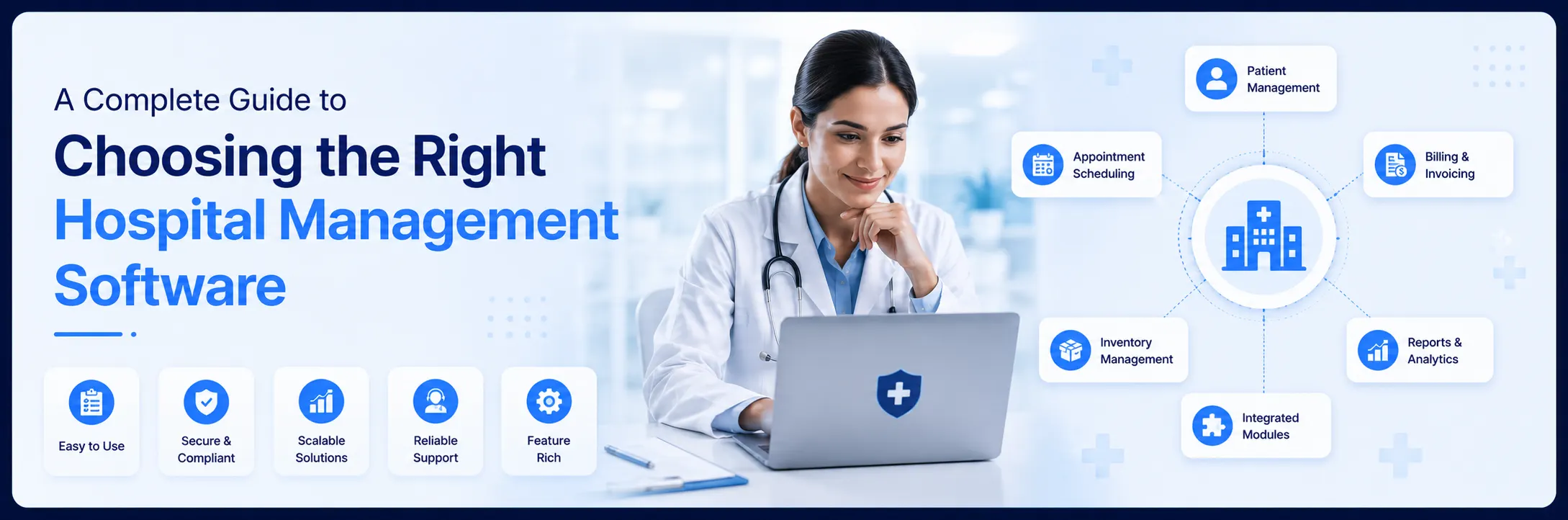
A Complete Guide to Choosing the Right Hospital Management Software
Read More →
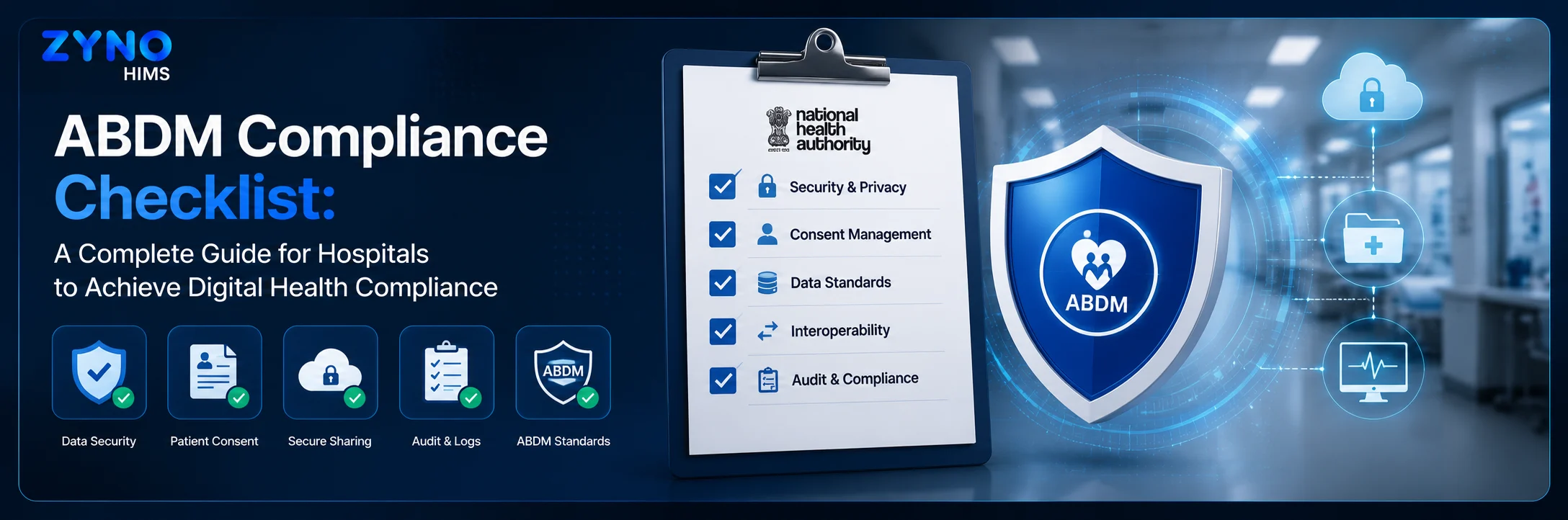
ABDM Compliance Checklist: A Complete Guide for Hospitals to Achieve Digital Health Compliance
Read More →
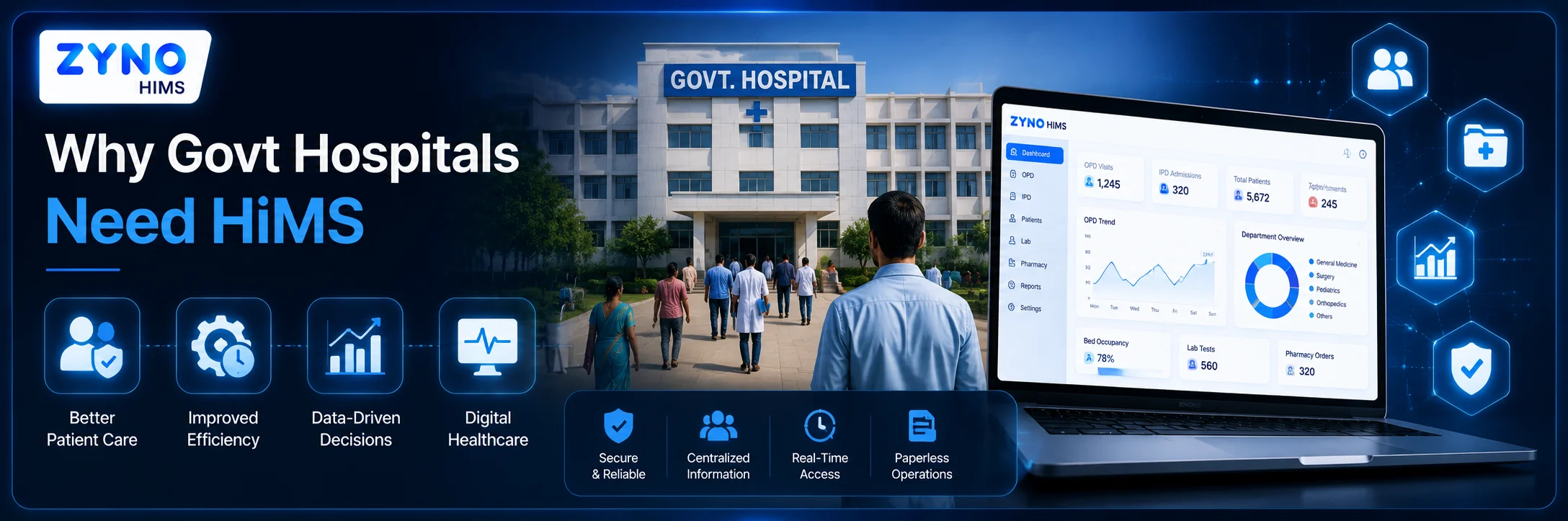
Why Govt Hospitals Need HIMS: Improving Patient Care, Efficiency, and Digital Healthcare
Read More →
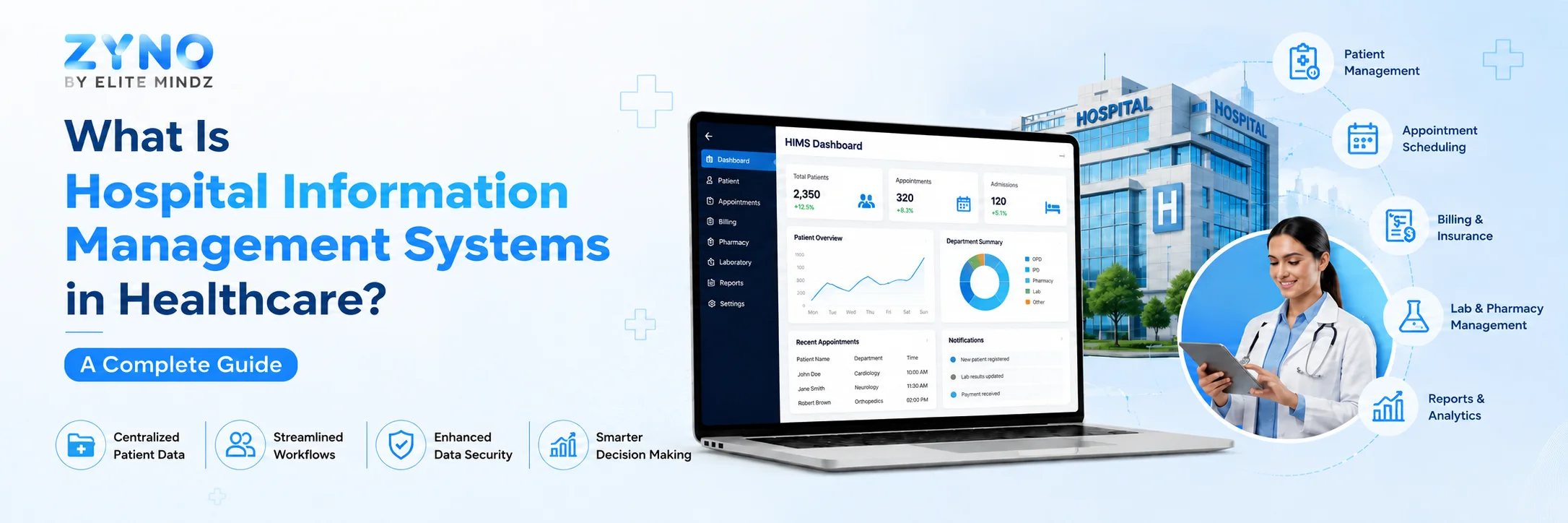
What Is Hospital Information Management Systems in Healthcare? A Complete Guide
Read More →
DocPulse vs ZYNO HIMS (2026): Why ZYNO HIMS Is the Smarter Hospital Management Choice
Read More →
MocDoc vs ZYNO HIMS: Which Hospital Management Software Is Better in 2026?
Read More →
Caresoft vs ZYNO HIMS: Complete HIMS Comparison for Hospitals
Read More →
Best PMJAY-Compliant HIMS Software in India (2026): Complete Guide for Hospitals
Read More →
Medical Report Analyzer Software: How AI Makes Medical Reports Easy to Understand
Read More →
How to Choose a Hospital Management System
Read More →Partner with ZYNO by Elite Mindz to revolutionize how your business works. Fill out the form, and we’ll reach out with AI-powered solutions made just for you.
We use browser cookies to ensure you get the best experience on our website. Learn more
The form was submitted successfully!
ZYNO Digital
Fueling Smarter Digital Growth
ZYNO Digital fuels smarter digital growth through data-driven marketing, creative storytelling, and performance strategies that boost visibility, engagement, and measurable business outcomes across global platforms.
ZYNO Tech
Engineering the Future of IT
ZYNO Tech delivers cutting-edge IT solutions — including web, mobile, and digital transformation services — helping businesses scale efficiently, innovate faster, and stay ahead in a connected world.
ZYNO AI
AI Built for Business Growth
ZYNO AI harnesses the power of artificial intelligence to automate processes, enhance decision-making, and deliver predictive insights — driving innovation, agility, and measurable business growth.
ZYNO by Elite Mindz
Your Partner in the AI-Powered Future
ZYNO by Elite Mindz offers AI-powered products and services that unify operations, boost productivity, and drive digital transformation — helping businesses scale smarter and innovate faster.
* In just 2 mins you'll get a response
* Your idea is 100% protected by our Non-Disclosure Agreement