Why Cloud-Based AI HIMS is Transforming the Future of Indian Healthcare
Read More →

×
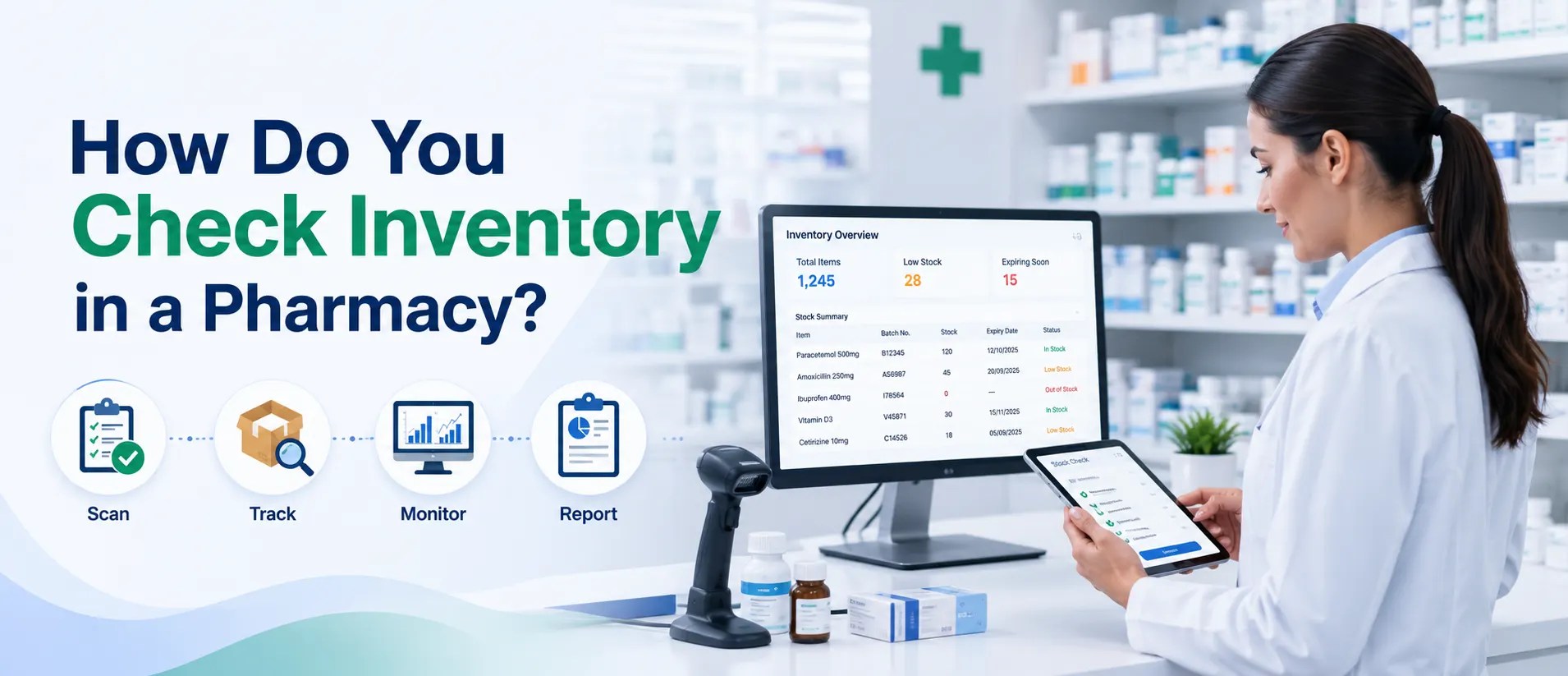
Pharmacies check inventory using a 3-layer method: digital tracking software for stock alerts, continuous physical cycle counts, and shelf-level FEFO checks to prevent expiries. Read this guide to master inventory verification, accurate PAR levels, and stock control.
Businesses using ZYNO Books cut accounting time by 70% and stay 100% ZATCA-compliant — automatically.
Ask any pharmacist what keeps them up at night, and "running out of a critical medicine" or "finding an expired batch on the shelf" will almost always come up. Inventory checking is the quiet, unglamorous process that stands between a smooth-running pharmacy and a costly stock-out or worse, a compliance violation.
Whether you run a single retail counter or manage the pharmacy department of a multi-specialty hospital, the fundamentals of checking inventory are the same. What changes is the scale, and how much of it you can safely automate.
This guide breaks down exactly how pharmacies check inventory today combining computer tracking, physical counts, and shelf-level checks and then looks at how to actually control that inventory so problems get caught before they become expensive.
If you want the deeper, step-by-step playbook once you've got the basics down, our detailed guide on Pharmacy Inventory Management is a good next read.
Explore ZYNO HIMS pharmacy management software to streamline stock counts, eliminate expiry losses, and connect your entire clinical workflow in real time.
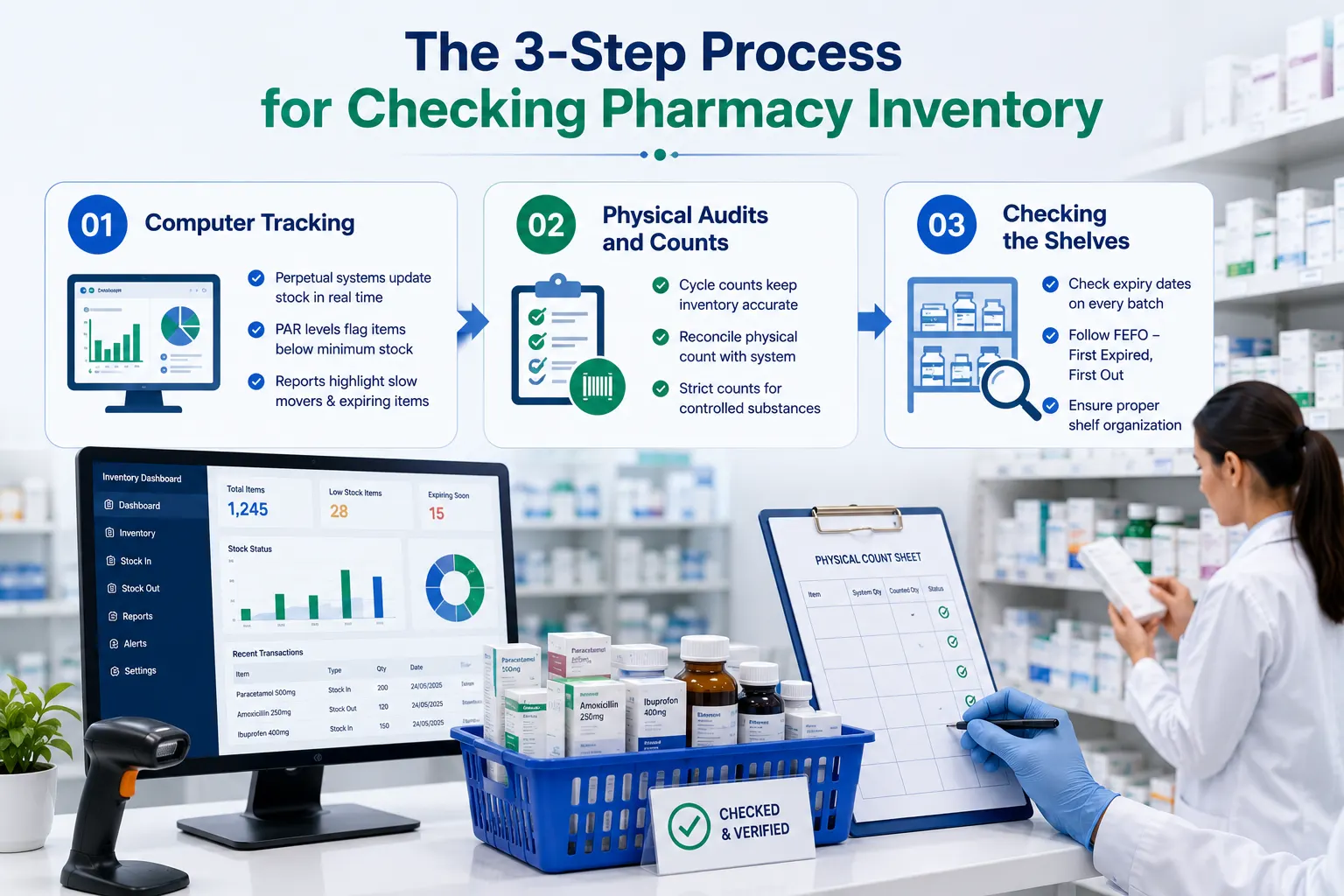
Explore ZYNO HIMSChecking inventory in a pharmacy involves a mix of computer software, barcode scanning, and physical stock counts. No single method is enough on its own software tells you what should be on the shelf, and physical counts confirm what's actually there.
Here's how the three layers work together in practice.
Modern pharmacies rely on software as the backbone of inventory management, not just a record-keeping afterthought. Most of this tracking today runs through a dedicated Pharmacy Information System, which is purpose-built to log stock movement, flag reorder points, and keep an audit trail of every transaction rather than relying on a generic spreadsheet or a standalone billing tool.
Software is only as accurate as the last physical check that confirmed it. That's why every well-run pharmacy still puts hands on the shelf.

The final layer is a simple, visual one but it's where a lot of real-world problems get caught.
Together, these three layers software, physical counts, and shelf checks are what most guides mean when they describe how inventory is verified in a pharmacy. But checking inventory is only half the job.
The bigger challenge, especially as volume grows, is controlling it making sure the process is preventing problems, not just documenting them after the fact.
Controlling inventory means moving from a reactive system (finding problems during a count) to a proactive one (preventing problems before a count is even needed). Here's how pharmacies actually do it.
A PAR level that's too low causes stock-outs; one that's too high ties up capital and shelf space, and increases the risk of expiry. PAR levels should be reviewed periodically against actual usage patterns, seasonal demand, and supplier lead times not set once and forgotten.
Every new shipment should be placed behind existing stock, not in front of it. This one habit, enforced consistently, prevents most expiry-related losses without needing any extra technology.
Rather than one chaotic annual count, break the pharmacy into zones and count a zone a day or week. This keeps discrepancies small and easy to trace, instead of discovering a large, unexplained gap once a year.
Controlled drugs should have their own logbook, restricted access, and mandatory counts at every shift change, independent of the general inventory process. This isn't optional it's usually a regulatory requirement, and it's also where audits look first.
This is where the difference between basic billing pharmacy software and true pharmacy management software shows up. A capable system doesn't just log what was sold it actively flags near-expiry batches, automatically raises reorder alerts at PAR level, and reconciles physical counts against digital records so mismatches surface immediately instead of at the next audit.
This is exactly the gap ZYNO HIMS is built to close for hospitals and multi-outlet pharmacies. As part of ZYNO's broader AI Healthcare Operating System, its pharmacy and inventory module ties PAR-level alerts, batch/expiry tracking, and controlled-substance logs directly into billing and EMR, so pharmacy staff aren't reconciling three different systems by hand.
A mismatch that's investigated immediately is a quick fix. The same mismatch investigated a month later, after dozens of transactions have layered on top of it, is nearly impossible to trace. Discipline in reconciliation timing matters as much as the count itself.
Cycle counts and FEFO rules are easy to skip when staff don't understand why they matter. Pharmacies that treat inventory control as a compliance-and-safety issue not just paperwork tend to see far fewer discrepancies over time.

In a hospital setting, pharmacy inventory isn't just about cost control a stock-out can delay patient treatment, and a missed expiry check on an emergency drug can be a serious safety incident. This is why hospitals are increasingly moving away from spreadsheet-based or standalone pharmacy tools toward integrated hospital management system that connects pharmacy inventory directly to prescriptions, billing, and patient records.
When a doctor's order automatically checks stock availability in real time, and the system already knows the PAR level and expiry status of every batch, the entire chain from prescribing to dispensing becomes measurably safer and faster.
Poor inventory control rarely happens in isolation it's usually tied to broader operational gaps. Our breakdown of the Top Challenges in Pharmacy Management covers the other pressure points hospital pharmacies commonly run into alongside inventory, from staffing to compliance.
Stop worrying about stock-outs and expired batches. See how ZYNO HIMS connects inventory, billing, and patient records into one seamless, automated platform.
Book a Free DemoChecking pharmacy inventory is a layered process software tracking, physical cycle counts, and shelf-level checks all working together. Controlling it well means turning those checks into a proactive habit: accurate PAR levels, disciplined FEFO practices, same-day reconciliation, and strict handling of controlled substances.
Pharmacies that get this right spend less time firefighting stock-outs and expiries, and more time focused on patient care. Purpose-built platforms like ZYNO HIMS make that shift easier by bringing inventory, billing, and clinical records into one connected system, instead of leaving staff to reconcile spreadsheets and logbooks on their own.
Most pharmacies avoid one large annual count in favor of continuous cycle counts, covering a section daily or weekly so the entire inventory is verified several times a year without shutting down operations.
A PAR level is the minimum quantity of a drug that should always be in stock. When inventory drops below it, the system automatically flags the item for reordering.
FIFO (First In, First Out) dispenses stock in the order it arrived. FEFO (First-Expired, First-Out) dispenses stock based on which batch expires soonest which matters more for medicines, since a later shipment can sometimes have an earlier expiry date than an older one.
Narcotics and other scheduled drugs carry legal recordkeeping requirements. Regulators expect a dedicated logbook, restricted access, and counts at every shift change, independent of general stock reconciliation.
No. Software tracks what should be on the shelf, but only a physical count confirms what's actually there. The two need to work together which is why systems like ZYNO HIMS are designed to support both digital tracking and easy physical reconciliation, rather than replacing one with the other.
There's no single "best" method most well-run pharmacies combine a perpetual software system (for real-time tracking and PAR-level alerts) with regular cycle counts (for physical verification) and strict FEFO practices on the shelf. Relying on just one of these leaves gaps the others would have caught.
Barcode scanning links every unit of stock to its batch, expiry date, and quantity in the software the moment it's received or dispensed. This removes manual data-entry errors, speeds up cycle counts, and makes reconciliation far more accurate than counting and logging by hand.
Common causes include data-entry errors during receiving, expired or damaged stock removed from shelves without updating the system, mislabeled or misplaced items, and less often theft or diversion. Frequent cycle counts and same-day reconciliation catch most of these before they compound.
Retention periods vary by country and by drug schedule, but regulators typically require pharmacies to keep dispensing and controlled-substance records for several years. Pharmacies should always confirm the exact retention period with their local pharmacy council or drug control authority, since requirements differ by region.
Inventory software helps at any scale. Even a single-outlet pharmacy benefits from automatic PAR-level alerts and expiry tracking, since manual tracking becomes error-prone as soon as the product range grows beyond a few hundred SKUs. Platforms like ZYNO HIMS are built to scale from a single pharmacy counter up to a multi-outlet hospital network, so the same system grows with the business instead of needing to be replaced later.
Why Cloud-Based AI HIMS is Transforming the Future of Indian Healthcare
Read More →The Complete ZYNO HIMS Guide for Modern Healthcare Management
Read More →How a Hospital Management System Improves Healthcare Operations
Read More →
Cloud vs Offline Hospital Management Systems: What Should Your Hospital Choose
Read More →What Is a Hospital Information System (HIS)? Features, Benefits & Complete Guide
Read More →How HIMS Software Improves Patient Care and Hospital Efficiency
Read More →How Is Hospital Software Transforming Patient Data Management in Modern Healthcare
Read More →
HIMS Software in Kenya: The Complete Guide for Hospitals & Clinics (2026)
Read More →
Top 10 KareXpert HIMS Alternatives & Competitors in 2026
Read More →
What is a Clinic Management System and How Does It Improve Patient Care?
Read More →
Top Challenges in Pharmacy Management and How to Overcome Them
Read More →
Top 10 Hospital Management Challenges and How ZYNO HIMS Solves Them
Read More →
Why Modern Clinics Are Switching to EMR Systems
Read More →
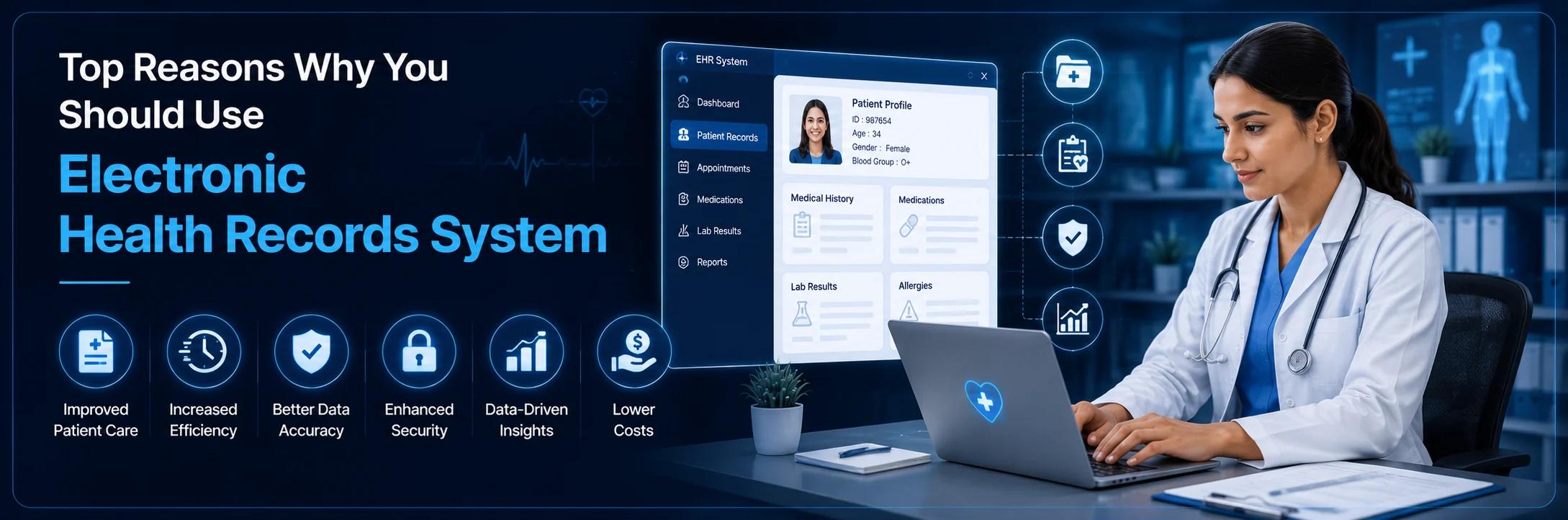
Top Reasons Why You Should Use Electronic Health Records System
Read More →
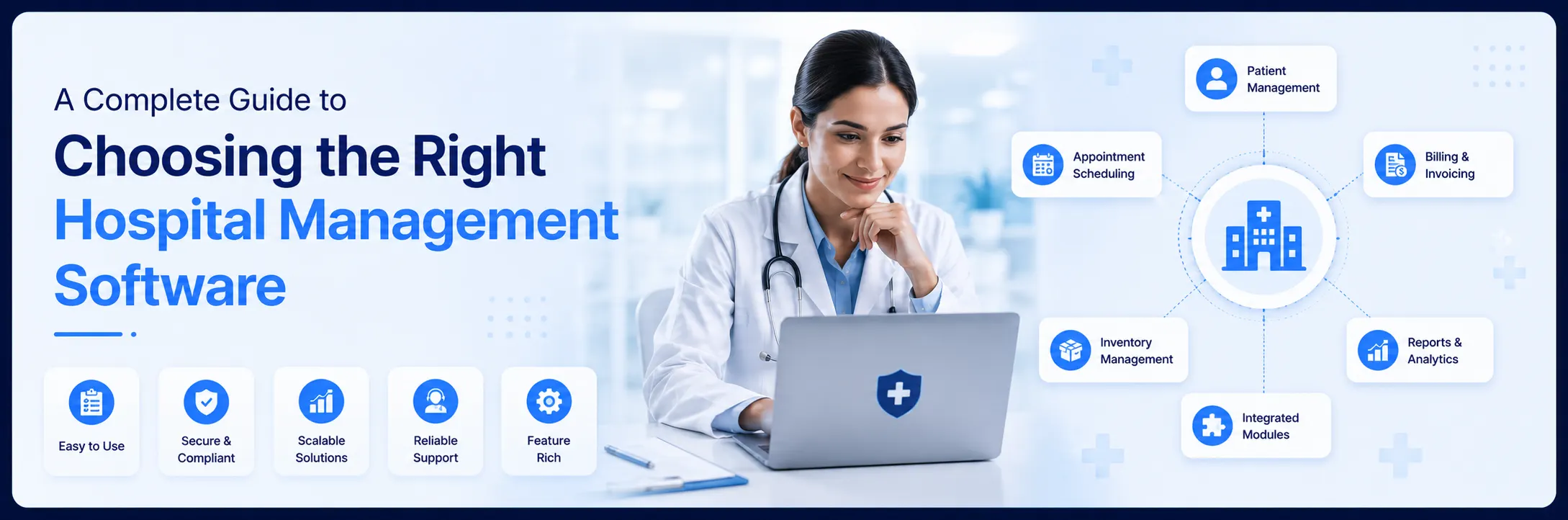
A Complete Guide to Choosing the Right Hospital Management Software
Read More →
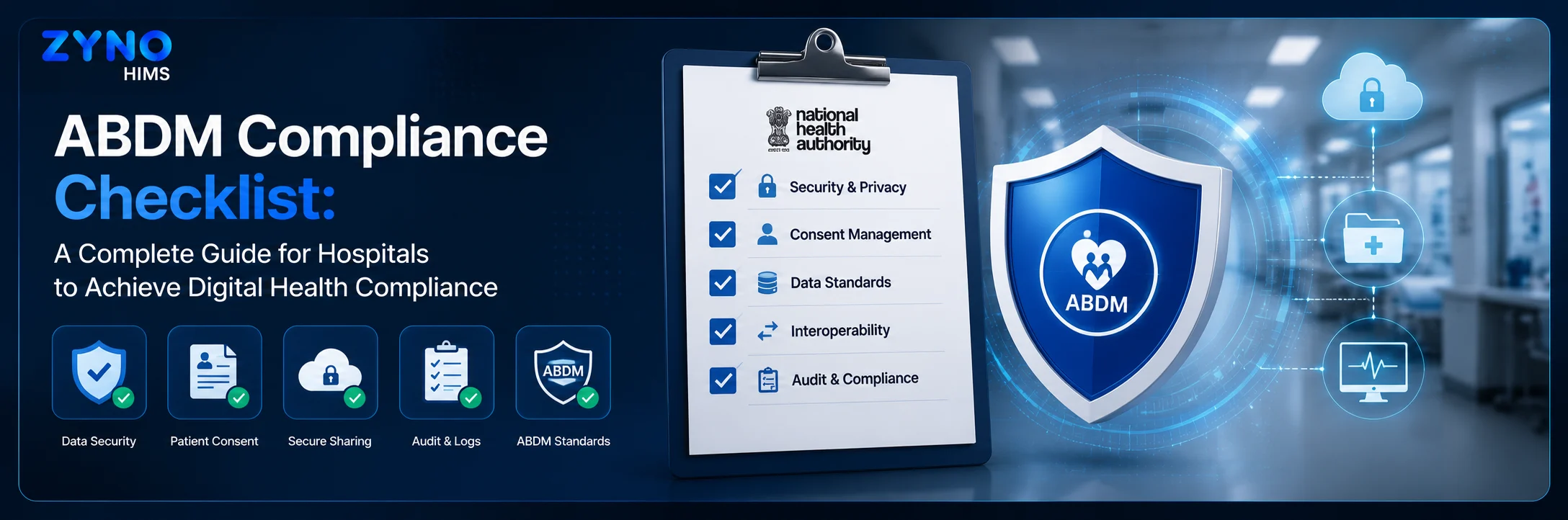
ABDM Compliance Checklist: A Complete Guide for Hospitals to Achieve Digital Health Compliance
Read More →
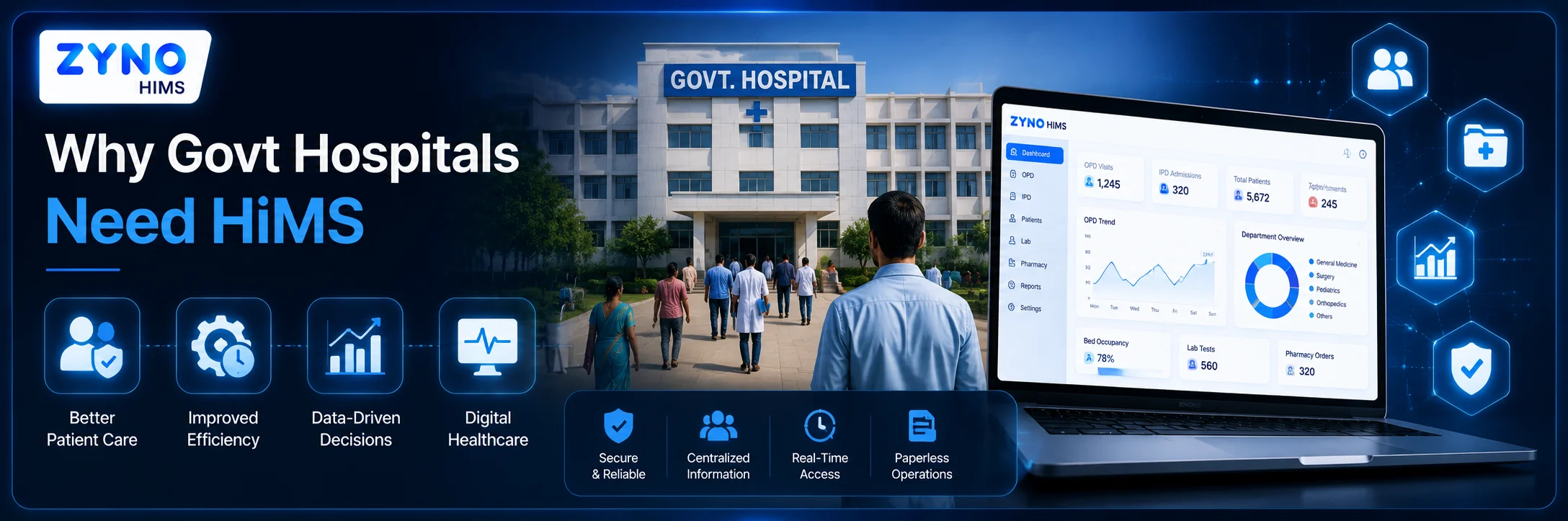
Why Govt Hospitals Need HIMS: Improving Patient Care, Efficiency, and Digital Healthcare
Read More →
What Is Hospital Information Management Systems in Healthcare? A Complete Guide
Read More →
DocPulse vs ZYNO HIMS (2026): Why ZYNO HIMS Is the Smarter Hospital Management Choice
Read More →
MocDoc vs ZYNO HIMS: Which Hospital Management Software Is Better in 2026?
Read More →
Caresoft vs ZYNO HIMS: Complete HIMS Comparison for Hospitals
Read More →
Best PMJAY-Compliant HIMS Software in India (2026): Complete Guide for Hospitals
Read More →
Medical Report Analyzer Software: How AI Makes Medical Reports Easy to Understand
Read More →
How to Choose a Hospital Management System
Read More →
AI in HIMS: 10 Practical Ways Artificial Intelligence is Transforming Hospital Management
Read More →
Best Hospital Management Software for Private Clinics in Kenya
Read More →
Hospital Management Software in Japan: What Healthcare Providers Need in 2026
Read More →
Pharmacy Management Software for Kenyan Pharmacies: Features That Matter
Read More →
DHA and MOH Compliance for Hospital Software in the UAE
Read More →
Top 10 Hospital Management Software in India 2026: Features, Pros, Cons & Pricing
Read More →
OPD vs IPD: Difference Between OPD and IPD, Services & Complete Guide
Read More →
Pharmacy Inventory Management: Methods, Inventory Control & Best Practices
Read More →
What Is a Pharmacy Information System (PIS)? Features, Benefits & How It Improves Pharmacy Management
Read More →
How Do You Check Inventory in a Pharmacy?
Read More →Partner with ZYNO by Elite Mindz to revolutionize how your business works. Fill out the form, and we’ll reach out with AI-powered solutions made just for you.
We use browser cookies to ensure you get the best experience on our website. Learn more
The form was submitted successfully!