×
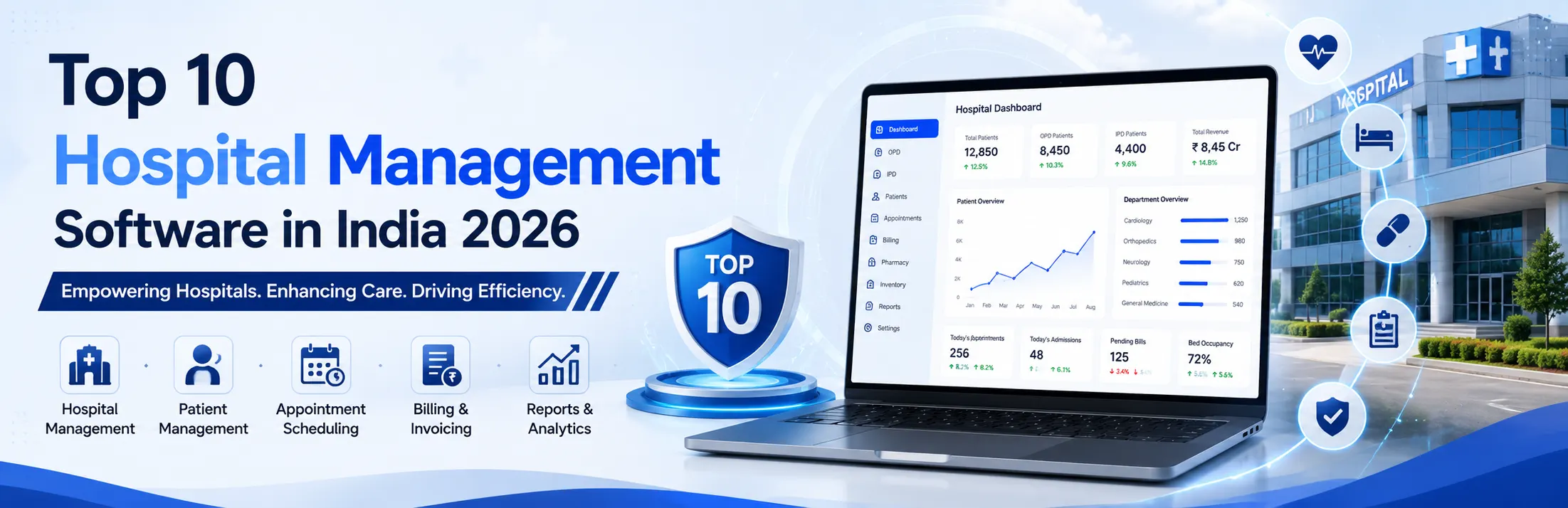
Benefits of hospital software include better handling of information due to its centralization, automation of processes, and real-time availability to different departments within hospitals. Its benefits extend to reduced chances for mistakes, faster decision-making, and improved communication among medical staff, billing, and administration.
Let’s be honest: Healthcare is faster than it’s ever been, but most hospital administrations are still running on 20th-century tools. When a doctor has to wait 20 minutes for a physical file or a patient gets billed twice for the same test, it’s not just a 'glitch'—it’s a drain on your reputation and your revenue.
Every day, the average hospital generates enough data to fill a library, yet much of it vanishes into messy inboxes or cabinet black holes. But what if your facility had a central 'digital brain' that synced every department in real-time? From the global market set to hit $120.8 billion by 2034 to the local clinics scaling overnight, the shift is clear. If you aren't automating, you aren't just falling behind—you're losing the trust of your patients
Hospitals generate enormous amounts of data. According to the U.S. Department of Health and Human Services, healthcare data grows at 36% annually. This includes patient records, lab reports, prescriptions, billing details, and appointment histories.
Without a proper system, this data becomes messy. Doctors cannot find records quickly. Billing errors happen more often. Patients wait longer for simple tasks. Furthermore, data security becomes a serious concern.
Therefore, hospitals need a reliable patient management system that can handle data efficiently, securely, and in real time. In India, Only around 30% of hospitals in India have adopted hospital information systems, meaning the majority still rely on manual processes.
As per the Grand View Research, The rapid growth of the HIS market in India highlights how quickly hospitals are moving toward digital transformation.
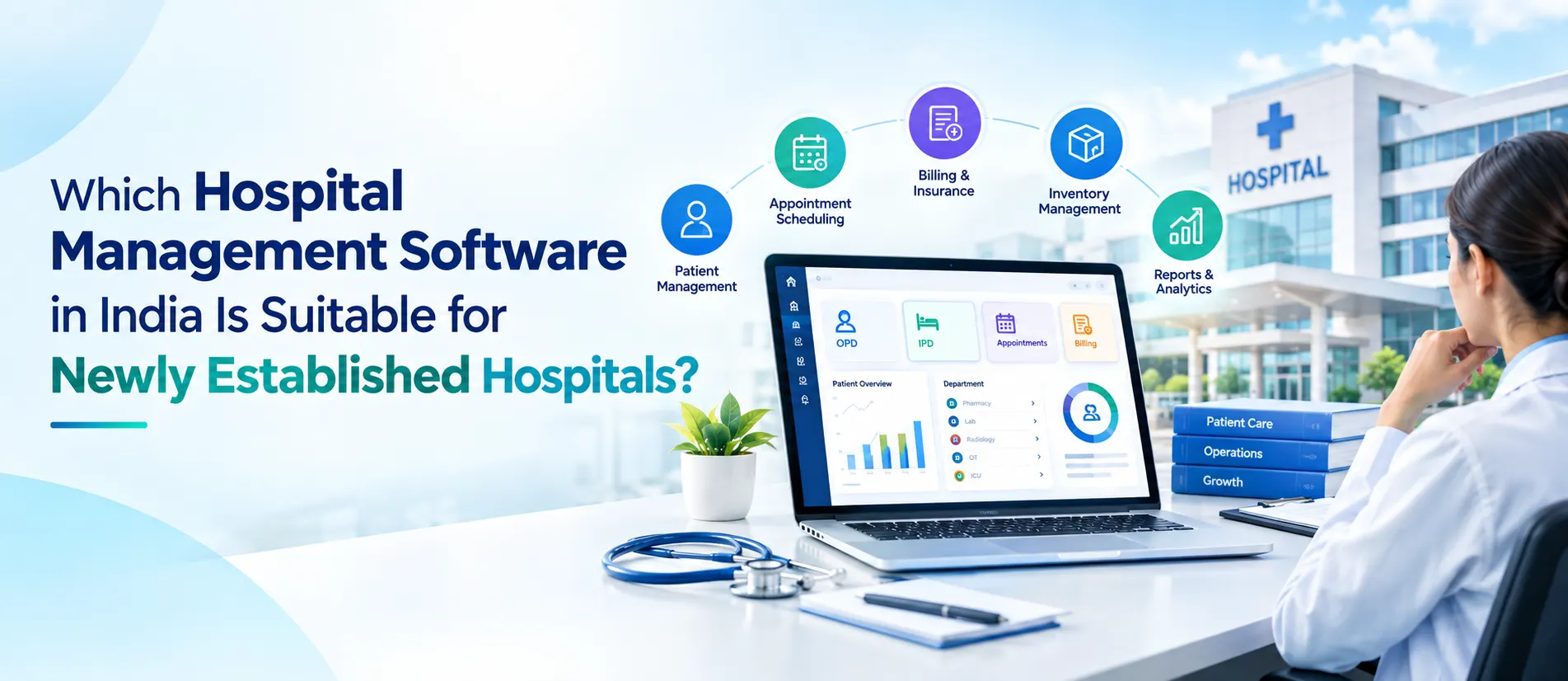
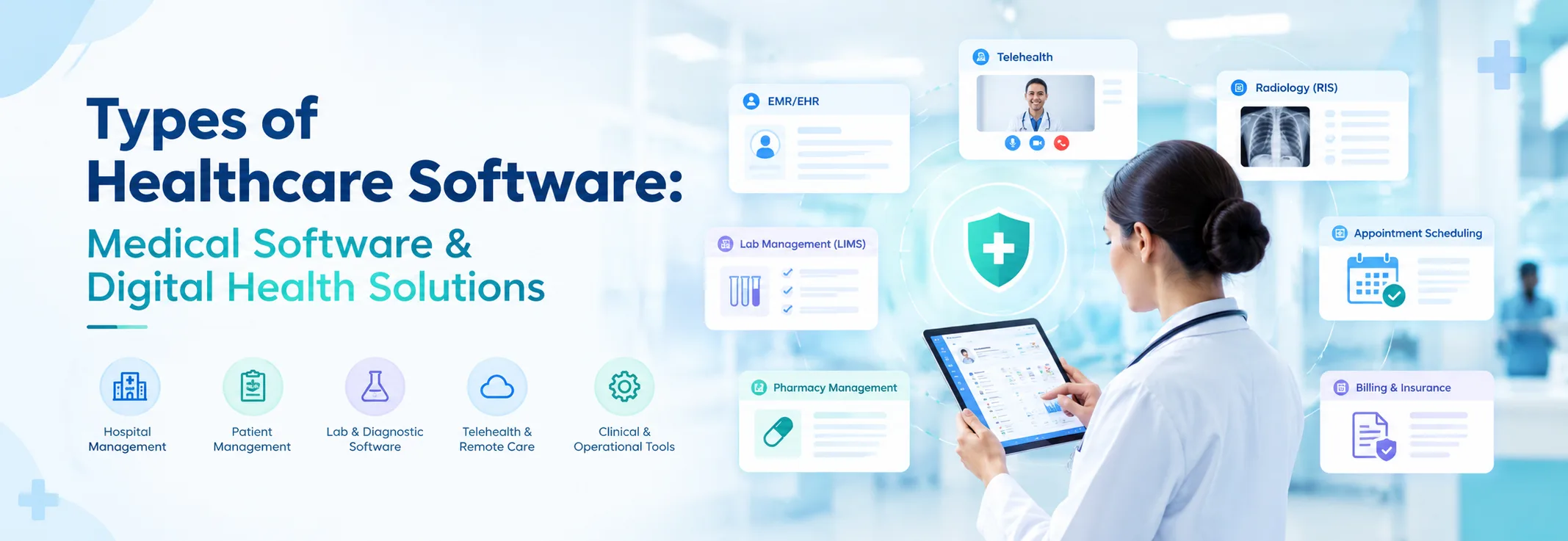
Hospital software is a digital platform that manages all hospital operations in one place. It connects departments — from outpatient to pharmacy, from billing to the lab. Every team works with the same data, at the same time, without confusion.
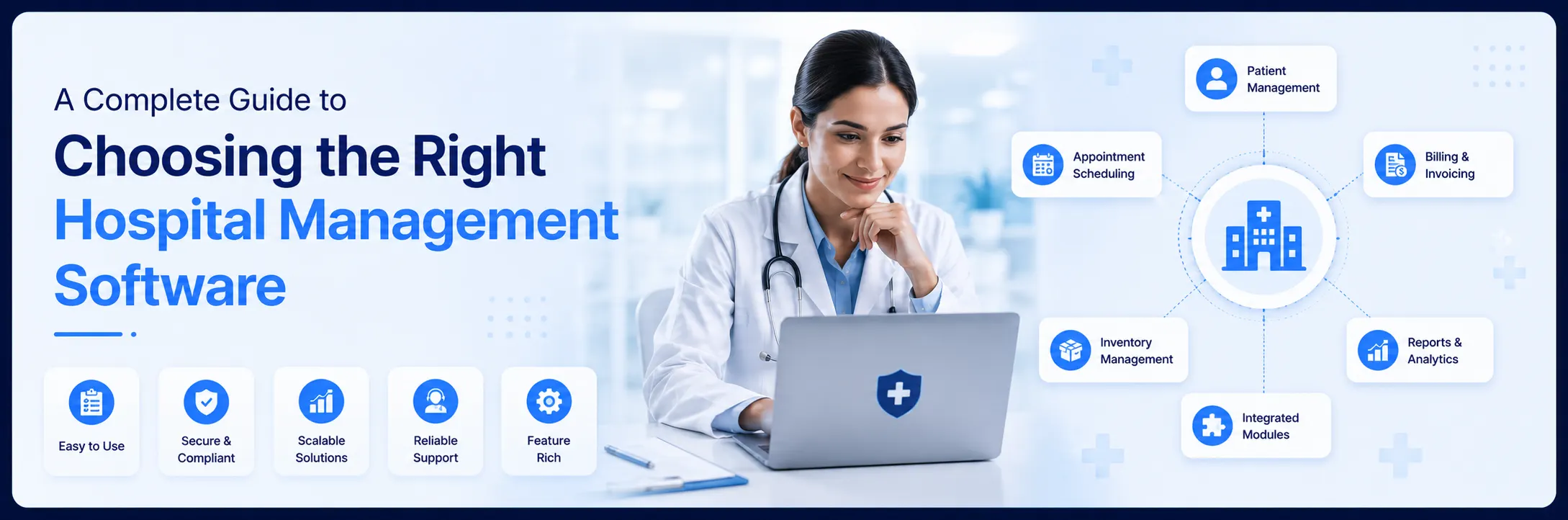
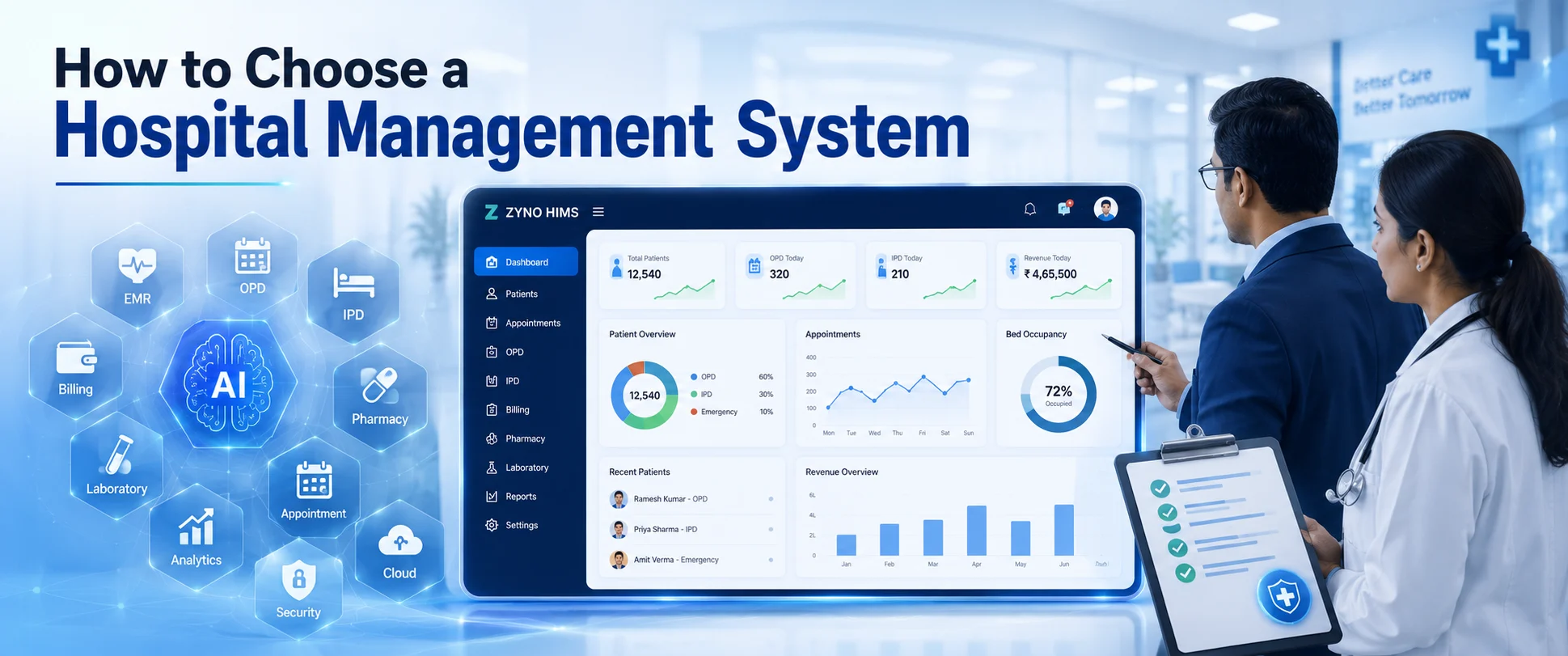
A good hospital management system typically includes:
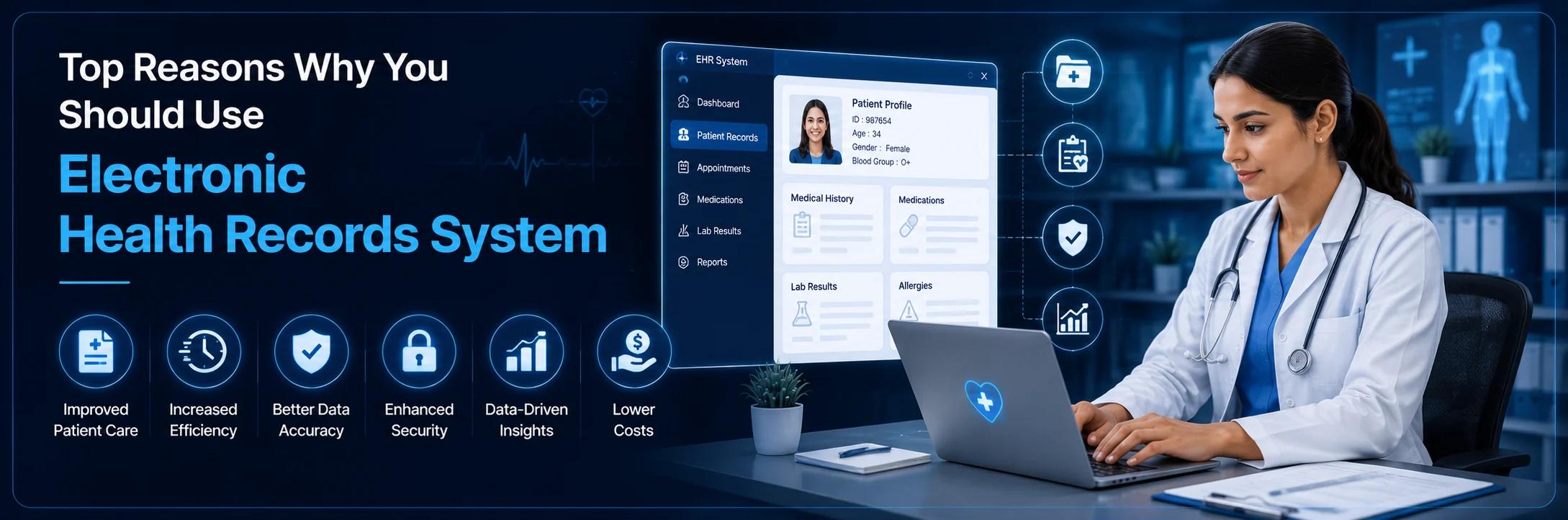
Electronic Health Records (EHR) for storing patient histories
Appointment and scheduling tools for managing OPD flows
Hospital billing software for faster and error-free invoicing
Lab and pharmacy modules for tracking tests and medicines
Reporting dashboards for management decisions
In short, it brings the entire hospital onto one connected platform.
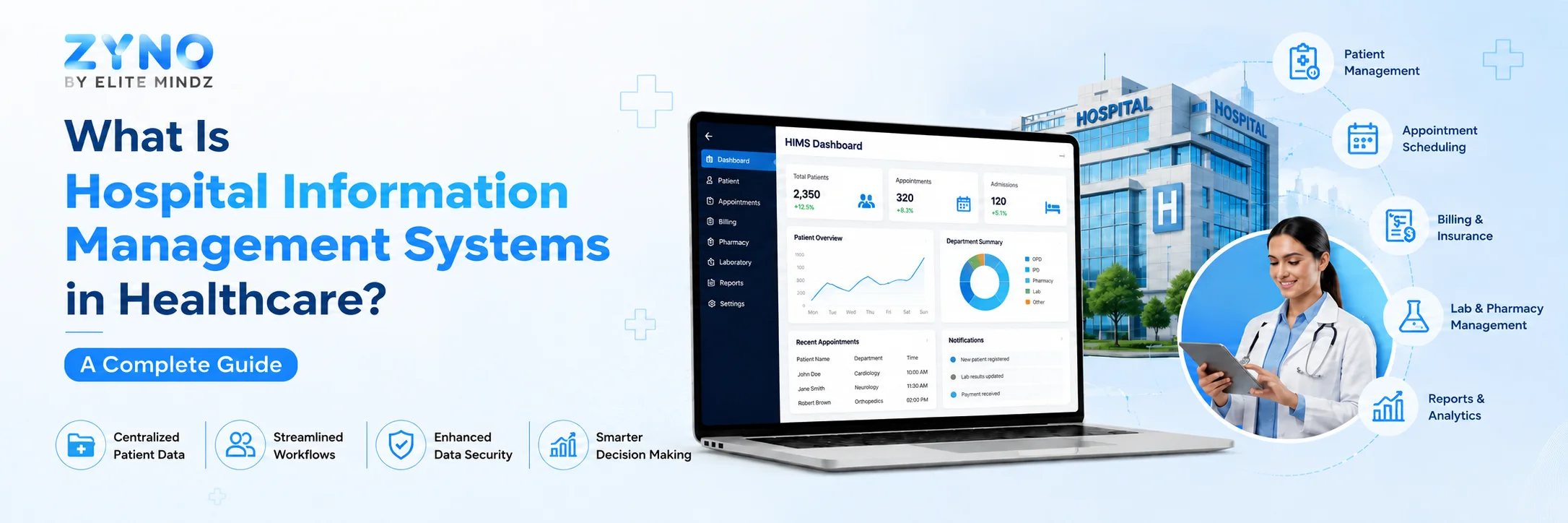
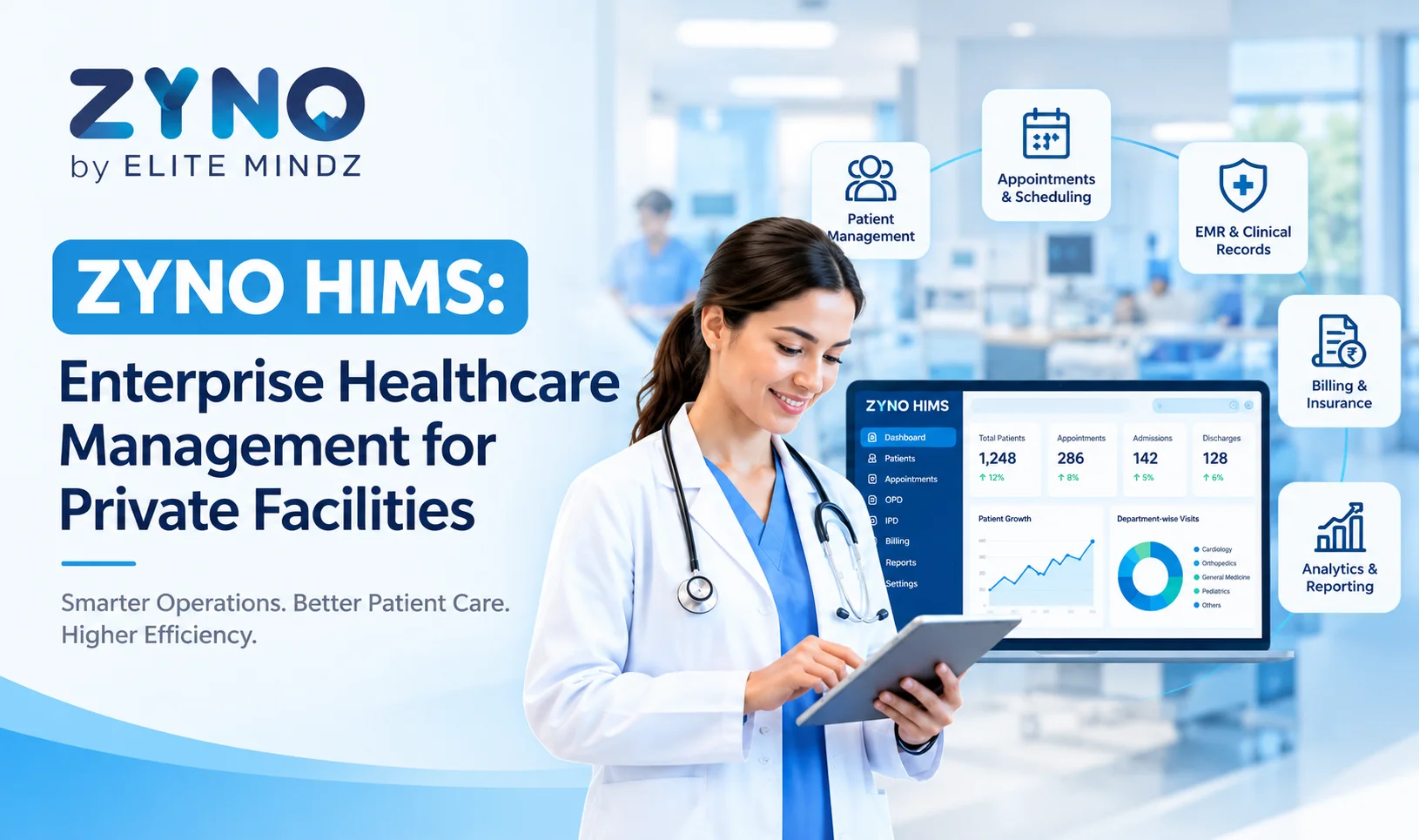
Streamline workflows, improve patient care, and boost operational efficiency with our advanced Hospital Information Management System.
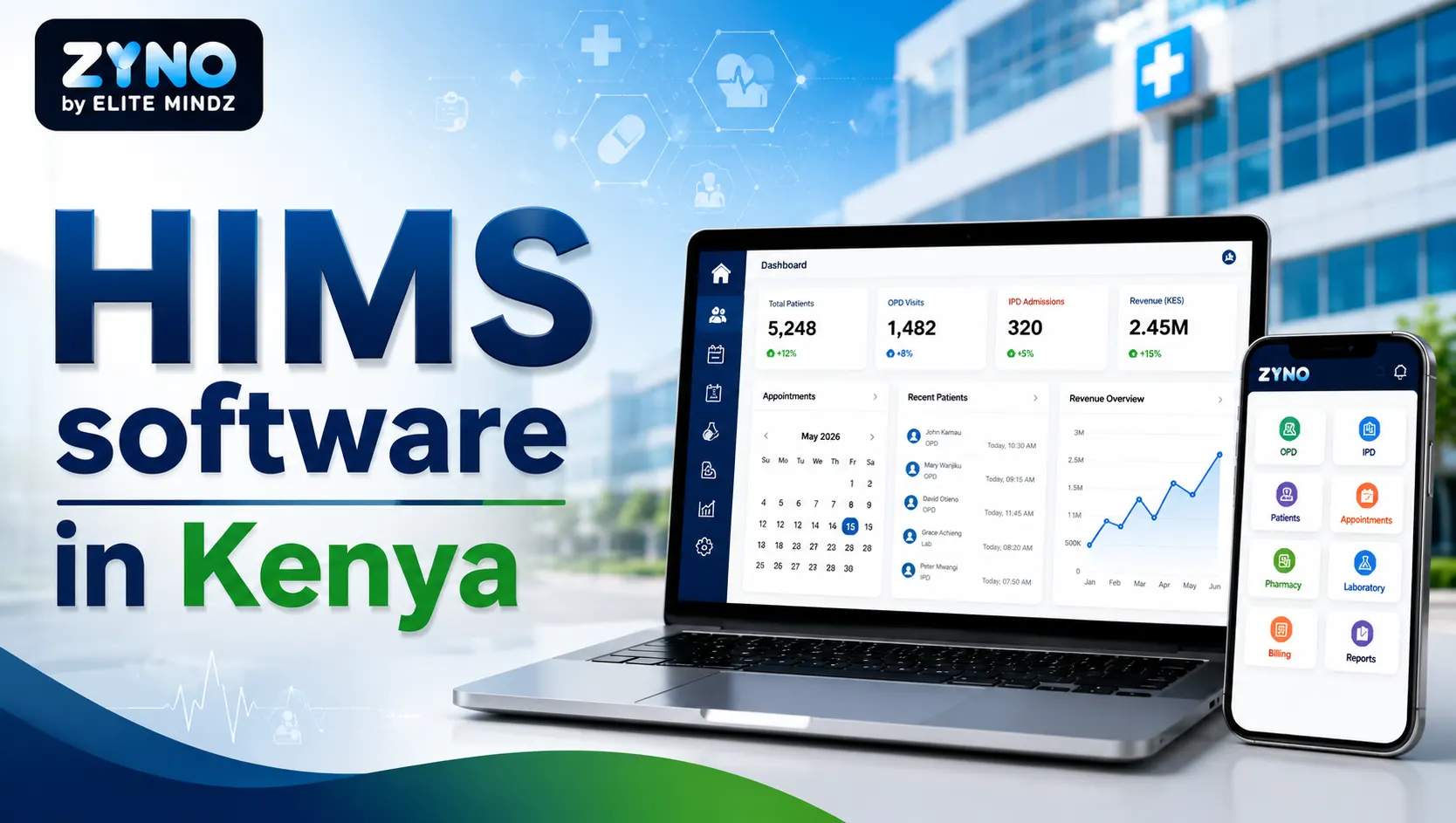
HIMS software stands for Hospital Information Management System. It is the central brain of a hospital's digital operations. Every patient interaction — from registration to discharge — is recorded and managed through this system.
“Healthcare organizations that fail to modernize their data systems will struggle not just with efficiency, but with patient trust and long-term sustainability.”
— Dr. John Halamka, President, Mayo Clinic Platform
A strong health management information system ensures that:
Patient data is stored safely and can be accessed anytime
Doctors get accurate, up-to-date information before every consultation
Administrative staff can process admissions and discharges faster
No duplicate records or data entry errors slow the process down
Moreover, HIMS software reduces paperwork drastically. Staff spend less time searching for files and more time caring for patients.
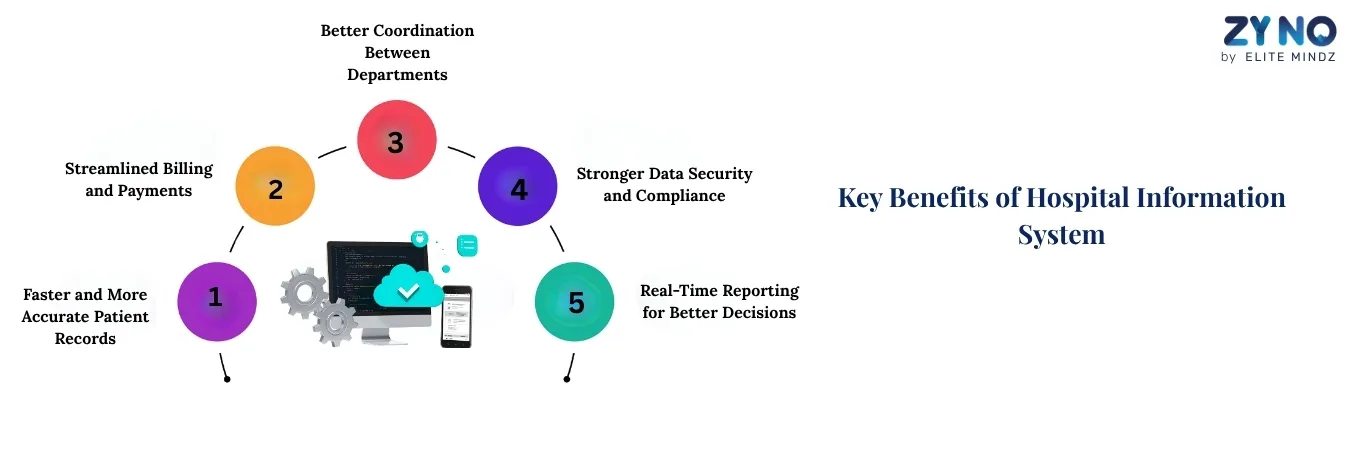
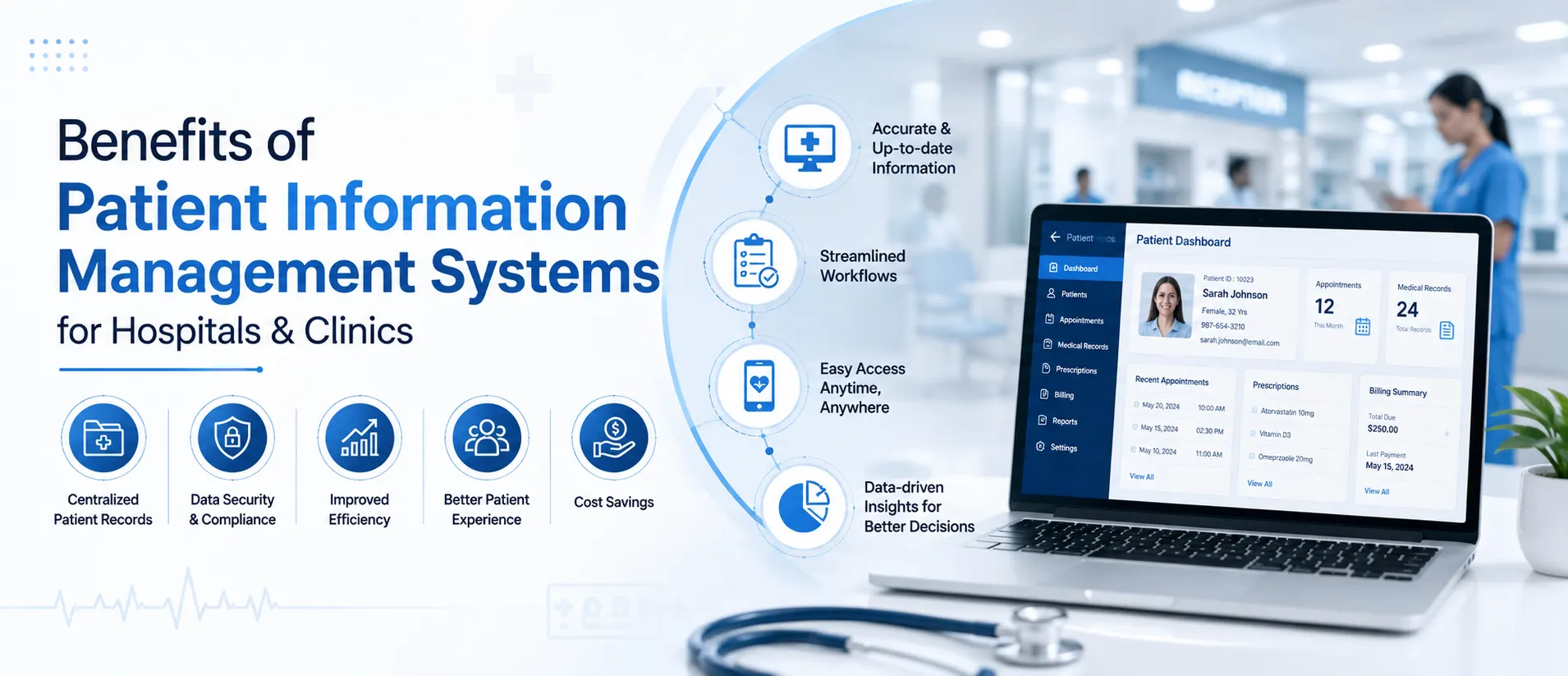
Hospitals that use a modern hospital information system see clear improvements across every department. Here are the most important benefits:

A hospital information system stores all patient data digitally. Doctors can pull up a patient's full medical history in seconds. This speeds up diagnosis and reduces the chances of medical errors significantly.
Hospital billing software automates the entire billing process. It calculates charges, applies insurance deductions, and generates invoices automatically. As a result, billing errors drop and revenue cycles improve.
When all departments share a single platform, communication improves. A lab test result updated by a technician is instantly visible to the treating doctor. This removes delays and makes care more coordinated.
Modern healthcare software follows strict data protection regulations. Patient records are encrypted and access is controlled through role-based permissions. This protects sensitive health information from breaches and unauthorized access.
Hospital management needs accurate data to make smart decisions. A health management information system generates real-time reports on patient flow, bed availability, revenue, and staff performance. This supports faster and better management choices.
It is not just large hospitals that benefit from digital tools. Clinics are also rapidly adopting clinic management software to stay organized and competitive.
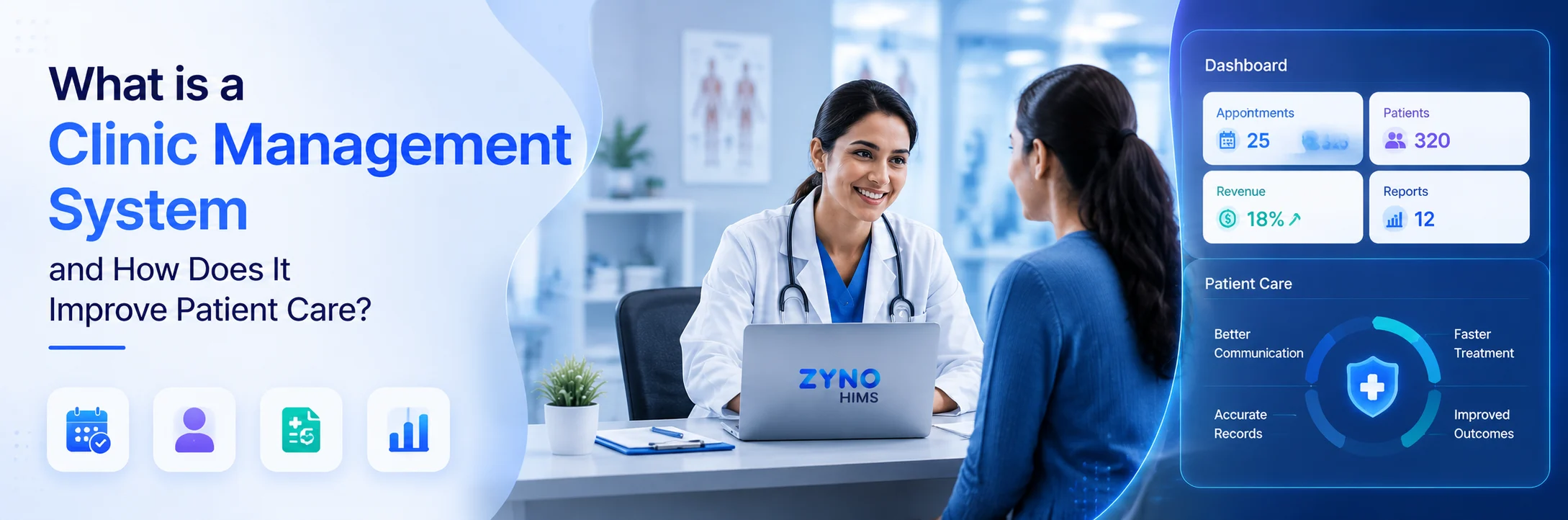
Clinic management software handles patient appointments, doctor schedules, billing, and medical records — all in one simple dashboard. It is designed for smaller setups that need efficiency without complexity.
The clinic segment is expected to grow at a CAGR of 8% during the forecast period. This shows that even small healthcare providers understand the need for proper healthcare software today.
Not all hospitals are the same. A large multi-speciality hospital has different needs than a small clinic. That is why working with an experienced healthcare software development company matters so much.
A skilled development partner:
Understands the specific workflows of different hospital types
Builds customized modules for different departments
Ensures smooth integration with existing systems
Provides ongoing support and system upgrades
Furthermore, a good healthcare software development company ensures that the system complies with all healthcare data regulations. This removes legal risks and protects both patients and providers.
Not every system delivers the same results. The best hospital management systems share a few important qualities that set them apart:
A system that is difficult to learn creates resistance. The best hospital software platforms have simple, clean interfaces. Even non-technical staff can use them comfortably after basic training.
A good hospital information management system grows with the hospital. Whether you add new departments, new doctors, or new locations — the system should handle it without breaking down.
Cloud-based healthcare software allows doctors and administrators to access data from anywhere. The cloud-based segment held a 49.5% market share in 2024 and continues to grow rapidly. This shows the strong demand for flexible, remote-access solutions.
Modern hospitals use many tools — diagnostic machines, pharmacy systems, insurance platforms. The best hospital information system integrates smoothly with all of these. This ensures a seamless flow of data across the facility.
Let us look at some recent numbers that highlight why hospital software is no longer optional:
The hospital patient data management systems market was valued at USD 2.5 billion in 2024 and is projected to reach USD 5.1 billion by 2033
The patient data hub solutions market was valued at USD 1.55 billion in 2024, expected to reach USD 3.01 billion by 2033 at a CAGR of 7.59%
Software represents 47.8% of the hospital information system market — the largest segment by component
Hospitals dominate the patient data management market, holding 50% of market share
The web-based segment led the healthcare information systems market with a revenue share of over 43% in 2025
These figures make one thing very clear. Hospitals across the world are investing in hospital software at an unprecedented rate. Those who delay this transition risk falling behind in both efficiency and patient satisfaction.
Choosing the right platform is a critical decision. Here is a simple approach to get it right:
Step 1 – Assess your current pain points. Identify where your hospital loses time or makes errors today. This could be in billing, patient records, or scheduling.
Step 2 – List your must-have features. Do you need hospital billing software, EHR or a complete hospital information management system? Define your priorities clearly.
Step 3 – Evaluate vendors carefully. Look for a healthcare software development company with proven experience in hospital deployments. Check references and case studies.
Step 4 – Prioritize ease of implementation. The best system is one your team actually uses. Choose software that offers proper onboarding and training support.
Step 5 – Plan for the future. Pick a platform that can scale with your growth and integrate new technologies like AI and telehealth as you need them.
Patient data is the foundation of good healthcare. When hospitals manage this data well, everything improves — from diagnoses to billing to patient satisfaction. Hospital software, HIMS software, and modern healthcare software platforms make this possible.
The numbers are clear. The need is urgent. And the solutions are ready.
Whether you run a large hospital or a growing clinic, investing in the right hospital information system today sets you up for better outcomes tomorrow. The question is not whether to digitize — it is how quickly you can get started.
In case you need a healthcare software development company to help you build or upgrade your hospital management system, connect with our team today. We bring deep domain expertise, proven technology, and a commitment to your hospital's success.
What is hospital software and what does it do?
Hospital software is a digital platform that manages all hospital operations. It manages patient records, appointments, billing, lab reports and so on in a single location. It connects every department so data flows smoothly without delays or errors.
What is the difference between HIMS software and a hospital management system?
HIMS software (Hospital Information Management System) focuses on storing and managing clinical and administrative data. A hospital management system is broader — it covers operations, billing, staff, and patient workflows. In many cases, both terms refer to the same integrated platform.
How does a hospital information system improve patient care?
A hospital information system gives doctors instant access to a patient's full medical history. This leads to faster and more accurate diagnoses. Moreover, it reduces medication errors and improves coordination between departments — all of which directly improve patient outcomes.
Is hospital billing software really necessary for small hospitals?
Yes, absolutely. Even small hospitals deal with a large volume of daily transactions. Hospital billing software automates charge calculations, insurance claims, and invoice generation. As a result, it reduces manual errors and speeds up payments — saving both time and money.
What is a health management information system used for?
A health management information system collects and organizes health data across a facility. It assists hospital administrators to trace patient movement, bed availability, staff management as well as produce reports. Therefore, it supports smarter decisions at every level of hospital management.
Sneha Singh
Content Writer
Sneha Singh is a B2B tech content strategist with 4+ years of experience. She specializes in SEO-driven SaaS content, whitepapers, and platform-native social media campaigns that simplify complex technology and drive business growth. Sneha's core exp
Why Cloud-Based AI HIMS is Transforming the Future of Indian Healthcare
Read More →The Complete ZYNO HIMS Guide for Modern Healthcare Management

Read More →How a Hospital Management System Improves Healthcare Operations
Read More →
Cloud vs Offline Hospital Management Systems: What Should Your Hospital Choose
Read More →What Is a Hospital Information System (HIS)? Features, Benefits & Complete Guide
Read More →How HIMS Software Improves Patient Care and Hospital Efficiency
Read More →How Is Hospital Software Transforming Patient Data Management in Modern Healthcare
Read More →Partner with ZYNO by Elite Mindz to revolutionize how your business works. Fill out the form, and we’ll reach out with AI-powered solutions made just for you.
We use browser cookies to ensure you get the best experience on our website. Learn more
The form was submitted successfully!
ZYNO Digital
Fueling Smarter Digital Growth
ZYNO Digital fuels smarter digital growth through data-driven marketing, creative storytelling, and performance strategies that boost visibility, engagement, and measurable business outcomes across global platforms.
ZYNO Tech
Engineering the Future of IT
ZYNO Tech delivers cutting-edge IT solutions — including web, mobile, and digital transformation services — helping businesses scale efficiently, innovate faster, and stay ahead in a connected world.
ZYNO AI
AI Built for Business Growth
ZYNO AI harnesses the power of artificial intelligence to automate processes, enhance decision-making, and deliver predictive insights — driving innovation, agility, and measurable business growth.
ZYNO by Elite Mindz
Your Partner in the AI-Powered Future
ZYNO by Elite Mindz offers AI-powered products and services that unify operations, boost productivity, and drive digital transformation — helping businesses scale smarter and innovate faster.
* In just 2 mins you'll get a response
* Your idea is 100% protected by our Non-Disclosure Agreement