Why Cloud-Based AI HIMS is Transforming the Future of Indian Healthcare
Read More →

×
Hospital billing software in India offers GST-ready invoicing, insurance and TPA claim management, IPD/OPD billing, pharmacy and lab integration, multiple payment modes, and automated MIS reports, helping hospitals speed up settlements, reduce billing errors, and improve overall revenue cycle efficiency.
Businesses using ZYNO Books cut accounting time by 70% and stay 100% ZATCA-compliant — automatically.
Hospital billing is no longer limited to creating patient invoices. Modern hospitals manage OPD, IPD, pharmacy, laboratory, radiology, insurance, TPA claims, packages, refunds, and multiple payment channels often across several departments or locations.
That is why choosing the right hospital billing software has become an important operational and financial decision. The best systems connect billing with other hospital workflows, reduce manual entry, improve revenue visibility, and support Indian requirements such as GST invoicing and digital-health workflows.
Manual billing can quietly create revenue leakage through missed charges, billing errors, delayed claims, and duplicate data entry. Hospitals also need to manage GST invoicing, insurance documentation, TPA workflows, and increasingly digital healthcare requirements.
A dedicated hospital billing system can help by:
For a growing hospital, connecting these activities through one system can significantly simplify the billing process.
Discover how ZYNO HIMS can simplify hospital billing, payments, invoices, insurance management, and revenue operations with a connected healthcare platform.
When evaluating hospital billing software, these are the capabilities that should be considered essential.
The software should support both outpatient (OPD) and inpatient (IPD) billing from the same platform.
For OPD, staff should be able to quickly generate consultation and procedure bills. For IPD patients, the system should manage running bills, bed charges, procedures, medicines, investigations, interim settlements, and final discharge billing.
One of the most important capabilities is automatically capturing charges generated by different departments.
Pharmacy, laboratory, radiology, procedures, and other services should be connected to billing so that completed or ordered services are not accidentally left out of the patient's final bill.
Hospital billing software in India should support GST-compliant invoicing, including configurable tax treatment and relevant HSN/SAC information where applicable.
This reduces dependence on manually prepared invoices and helps hospitals maintain consistent billing documentation.
Insurance and TPA billing can become complicated, particularly for cashless admissions.
A capable system should support workflows around pre-authorisation, cashless billing, claim submission, settlement, and reconciliation. Keeping these activities connected to the patient's billing record can also reduce documentation-related delays.
Patients increasingly expect convenient payment methods.
Hospital billing software should support common options such as:
The system should also maintain a clear record of payments, outstanding balances, refunds, and adjustments.
Hospitals frequently provide predefined packages for surgeries, maternity care, diagnostics, health check-ups, and other treatments.
Billing software should allow hospitals to configure packages and schemes so that applicable services can be billed consistently. It can also be useful for hospitals handling government healthcare schemes such as Ayushman Bharat, subject to the applicable workflow and requirements.
Hospital groups may operate multiple clinics, branches, or facilities.
A centralized billing system can provide consolidated visibility while allowing individual locations to manage their own transactions. This becomes increasingly important as a healthcare organization expands into multiple locations.
Billing systems should provide controlled workflows for discounts, refunds, cancellations, and adjustments.
Role-based approvals and audit trails help hospitals understand who made a change, what was changed, and when it happened, improving financial accountability.
Hospital management needs more than individual invoices. They need visibility into collections, outstanding payments, department-wise revenue, and other financial indicators.
Real-time dashboards and reports can help management identify trends and make faster operational decisions.
AI is becoming one of the most important developments in modern hospital billing software.
New-age healthcare platforms are increasingly using AI to assist with billing analysis, claim review, anomaly detection, revenue-cycle workflows, and financial insights.
For example, AI can potentially help identify unusual billing patterns, highlight missing information, summarize financial data, or surface claims that require human attention. The objective is not to replace billing teams but to reduce repetitive work and help them focus on exceptions and decisions.
Prompt-based AI can take this further by allowing authorized users to ask questions in natural language, such as:
“Show today's total OPD collections.”
“Which departments have the highest outstanding amount?”
“Summarize pending insurance claims.”
This represents a shift from traditional menu-driven billing systems toward AI-assisted hospital financial management.

Hospital billing software generally follows a connected workflow:
Patient Registration → OPD/IPD Services → Automatic Charge Capture → Bill Generation → Payment/Insurance → Reconciliation → Financial Reporting
A patient is registered once, and relevant billing information follows the patient through different hospital departments. Charges from services such as pharmacy, laboratory, radiology, procedures, and accommodation can then be associated with the patient's account.
At the end of treatment, the system can generate the applicable bill and record payment or insurance information. Management reports are updated from the same underlying transaction data.
This connected workflow helps reduce duplicate data entry and the possibility of missed charges.
The real value of hospital billing software comes from integration.
A connected system can bring together:
Instead of maintaining separate billing processes for each department, hospitals can create a more unified financial workflow.
The answer depends on the individual software and its implementation.
A hospital evaluating a solution should specifically verify whether it supports GST-compliant invoicing, ABDM/ABHA-related digital-health workflows, and the documentation and audit requirements relevant to its NABH processes.
Do not assume that every billing system automatically satisfies every compliance requirement. Ask the vendor for current documentation, certifications, integrations, and implementation details.
|
Criteria |
What to Check |
|
Integration |
OPD, IPD, pharmacy, lab and EHR connectivity |
|
Compliance |
GST, applicable digital-health and documentation requirements |
|
Insurance |
TPA, cashless and claim workflows |
|
Deployment |
Cloud access and multi-location support |
|
Scalability |
Ability to support future hospital expansion |
|
Security |
Role-based access and audit trails |
|
AI |
AI-assisted billing, analysis and revenue intelligence |
|
Support |
Training, migration and local support |
|
Pricing |
Transparent pricing without unexpected costs |
For hospitals in India, compliance and digital-health readiness should be important considerations when selecting billing software.
ZYNO HIMS is ABDM-verified and NABH-ready, helping hospitals align their digital hospital operations with India's evolving healthcare ecosystem and accreditation requirements.
Simplify patient billing, invoices, payments, and financial workflows with ZYNO hospital Billing Software.
Explore hospital Billing Software →ZYNO HIMS supports ABDM-aligned healthcare workflows, helping hospitals work with India's national digital health infrastructure. This is particularly valuable for healthcare organizations looking to modernize patient records and digital healthcare processes.
The best hospital billing software should connect billing, payments, insurance, departments, reporting, and hospital operations instead of functioning as a simple invoice generator.
And the next generation is already moving toward AI-powered billing and revenue intelligence, where hospitals can use automation and natural-language insights to identify issues faster and make better financial decisions.
For hospitals evaluating a new system, the ideal solution is one that combines integrated billing + hospital workflows + compliance support + real-time reporting + practical AI capabilities in a single platform.
Hospital billing software is a digital system used to manage patient billing, charges, payments, insurance claims, refunds, outstanding amounts, and financial reporting across hospital departments.
Integrated charge capture is one of the most important capabilities because it helps connect services from departments such as pharmacy, laboratory, radiology, and IPD with the patient's billing record.
Yes. Modern hospital billing systems can support both OPD and IPD workflows, including outpatient consultations, inpatient running bills, services, procedures, and final settlement.
Yes, depending on the platform. Advanced systems can support cashless workflows, pre-authorisation, claim submission, settlement, and reconciliation.
AI-powered hospital billing software uses artificial intelligence to assist with tasks such as billing analysis, claim review, anomaly detection, revenue intelligence, and financial reporting.
AI can help identify unusual patterns, missing information, or potential billing issues, but important financial decisions should still be reviewed by authorized hospital staff.
Many modern systems support multiple payment methods, including UPI, cards, cash, and online payment links. Payment options should be confirmed with the individual vendor.
Pricing varies according to hospital size, number of users, locations, modules, implementation requirements, and integrations. Cloud solutions may offer monthly plans, while larger hospital networks generally require customized pricing.
Cloud deployment can provide easier access across locations and reduce the need for extensive local infrastructure. However, hospitals should evaluate security, uptime, data ownership, backup, compliance, and vendor support before choosing a cloud solution.
Hospitals should look for AI-assisted claim analysis, anomaly detection, revenue intelligence, automated workflows, natural-language reporting, and integration with billing and hospital-management data rather than AI as a standalone feature.
Is ZYNO HIMS ABDM-verified and NABH-ready?
Yes. ZYNO HIMS is ABDM-verified and NABH-ready, making it a suitable choice for hospitals looking for a modern HIMS that combines billing, hospital operations, compliance-oriented workflows, and AI capabilities.
Can ABDM and NABH readiness help hospitals beyond billing?
Yes. These capabilities are relevant to the broader digital and operational environment of a hospital, including patient information management, documentation, process standardization, and auditability.
Why Cloud-Based AI HIMS is Transforming the Future of Indian Healthcare
Read More →The Complete ZYNO HIMS Guide for Modern Healthcare Management
Read More →How a Hospital Management System Improves Healthcare Operations
Read More →
Cloud vs Offline Hospital Management Systems: What Should Your Hospital Choose
Read More →What Is a Hospital Information System (HIS)? Features, Benefits & Complete Guide
Read More →How HIMS Software Improves Patient Care and Hospital Efficiency
Read More →How Is Hospital Software Transforming Patient Data Management in Modern Healthcare
Read More →
HIMS Software in Kenya: The Complete Guide for Hospitals & Clinics (2026)
Read More →
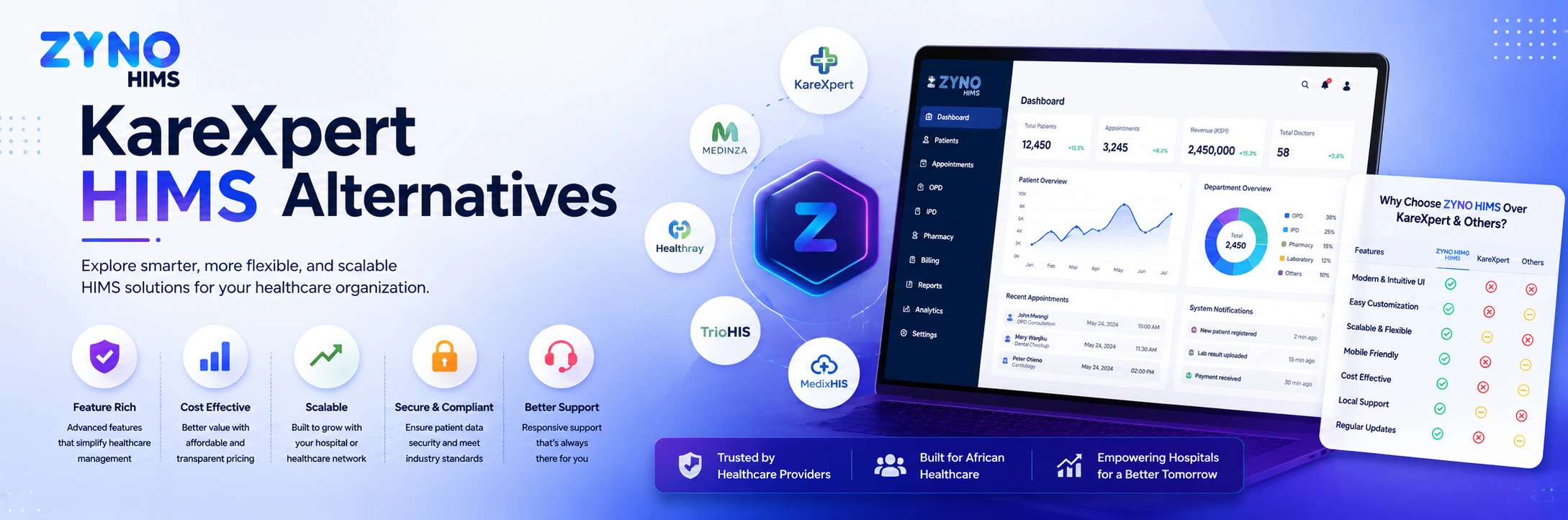
Top 10 KareXpert HIMS Alternatives & Competitors in 2026
Read More →
What is a Clinic Management System and How Does It Improve Patient Care?
Read More →
Top Challenges in Pharmacy Management and How to Overcome Them
Read More →
Top 10 Hospital Management Challenges and How ZYNO HIMS Solves Them
Read More →
Why Modern Clinics Are Switching to EMR Systems
Read More →
Top Reasons Why You Should Use Electronic Health Records System
Read More →
A Complete Guide to Choosing the Right Hospital Management Software
Read More →
ABDM Compliance Checklist: A Complete Guide for Hospitals to Achieve Digital Health Compliance
Read More →
Why Govt Hospitals Need HIMS: Improving Patient Care, Efficiency, and Digital Healthcare
Read More →
What Is Hospital Information Management Systems in Healthcare? A Complete Guide
Read More →
DocPulse vs ZYNO HIMS (2026): Why ZYNO HIMS Is the Smarter Hospital Management Choice
Read More →
MocDoc vs ZYNO HIMS: Which Hospital Management Software Is Better in 2026?
Read More →
Caresoft vs ZYNO HIMS: Complete HIMS Comparison for Hospitals
Read More →
Best PMJAY-Compliant HIMS Software in India (2026): Complete Guide for Hospitals
Read More →
Medical Report Analyzer Software: How AI Makes Medical Reports Easy to Understand
Read More →
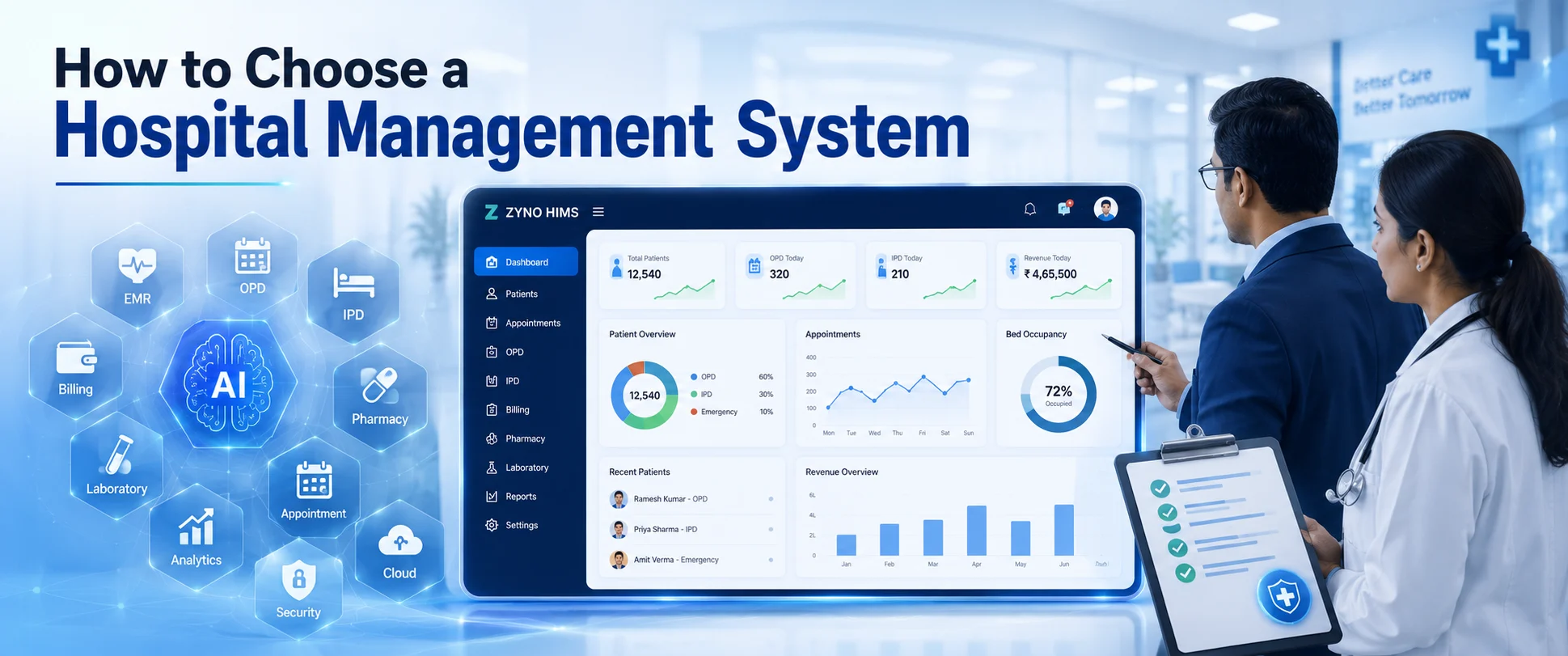
How to Choose a Hospital Management System
Read More →
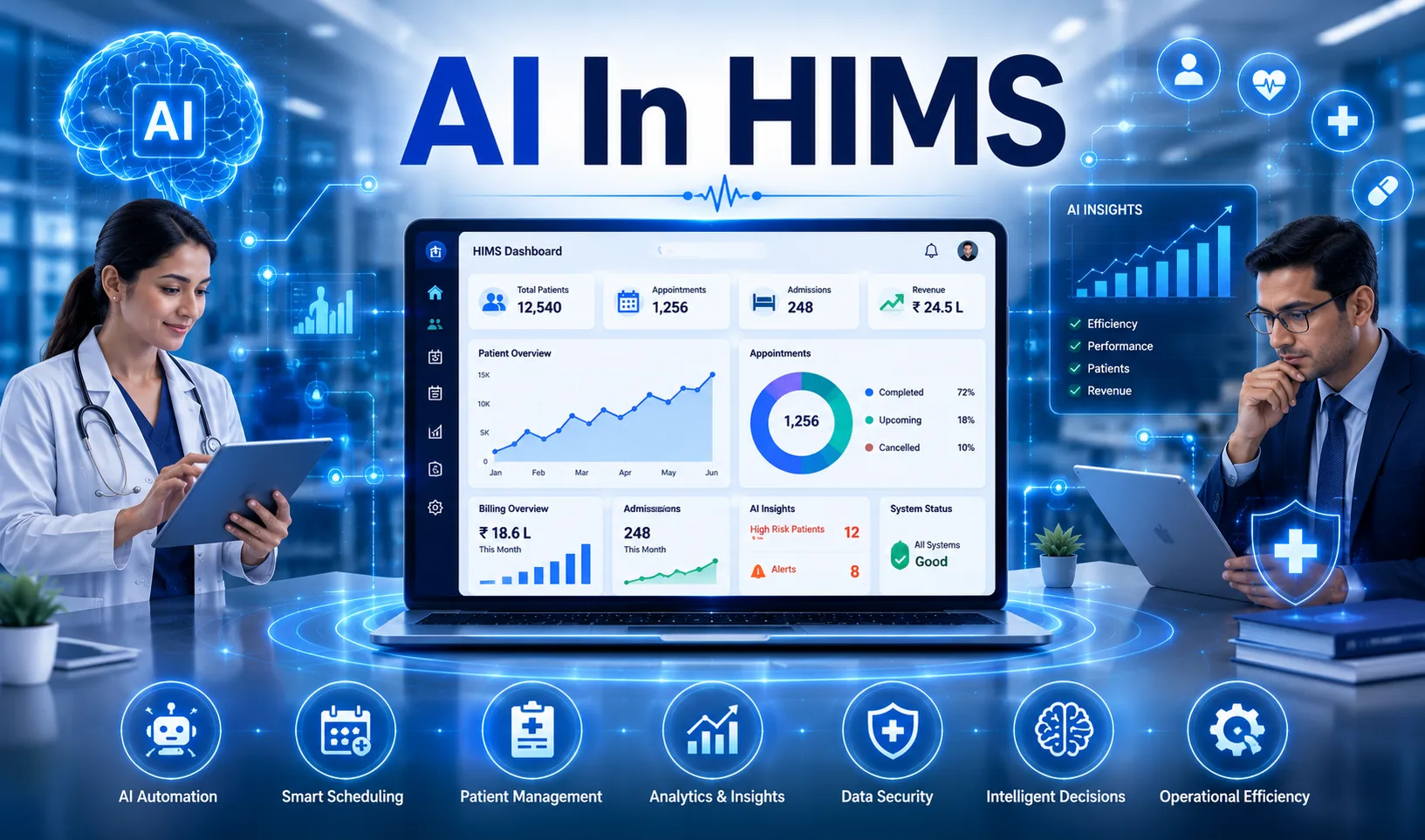
AI in HIMS: 10 Practical Ways Artificial Intelligence is Transforming Hospital Management
Read More →
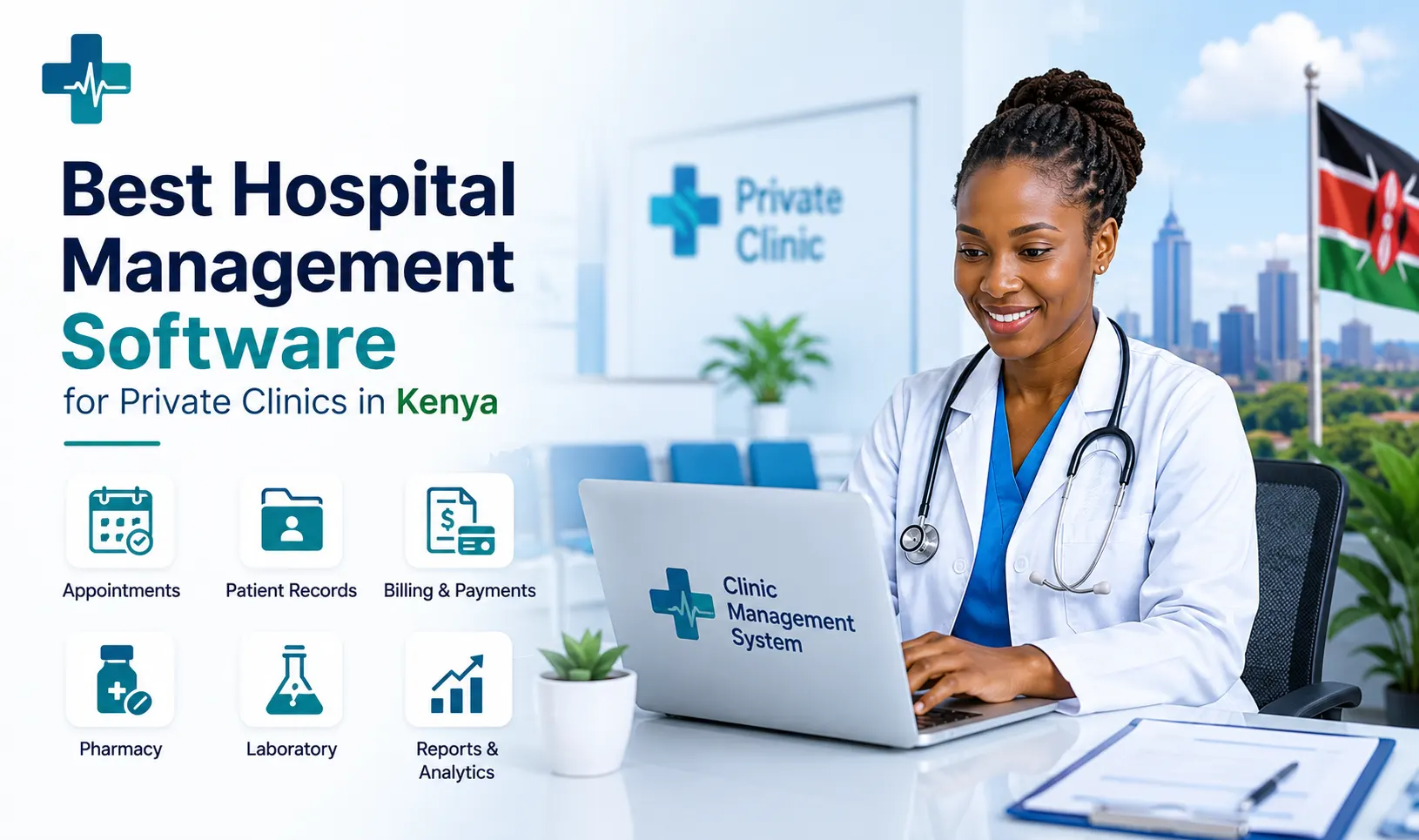
Best Hospital Management Software for Private Clinics in Kenya
Read More →
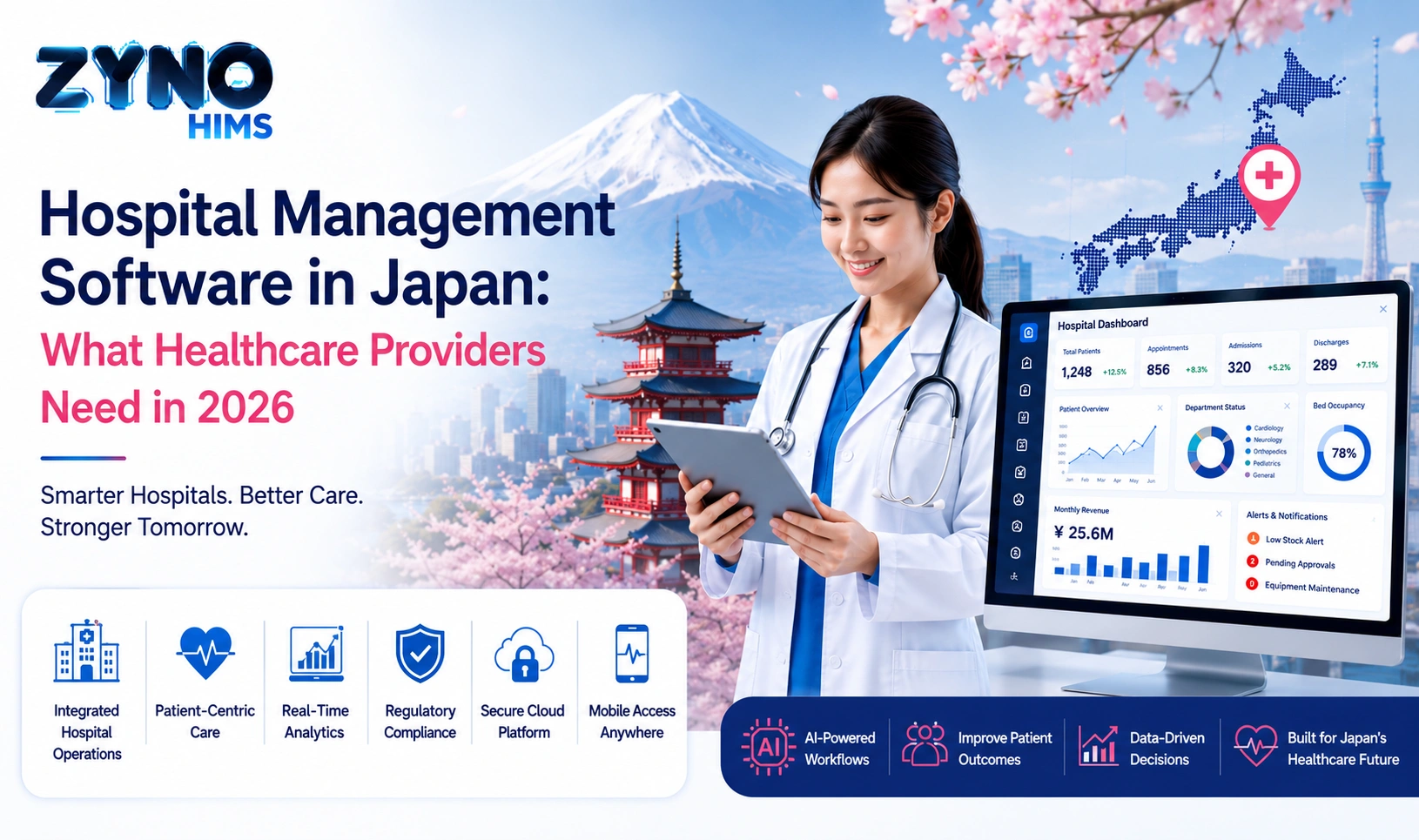
Hospital Management Software in Japan: What Healthcare Providers Need in 2026
Read More →
Pharmacy Management Software for Kenyan Pharmacies: Features That Matter
Read More →
DHA and MOH Compliance for Hospital Software in the UAE
Read More →
Top 10 Hospital Management Software in India 2026: Features, Pros, Cons & Pricing
Read More →
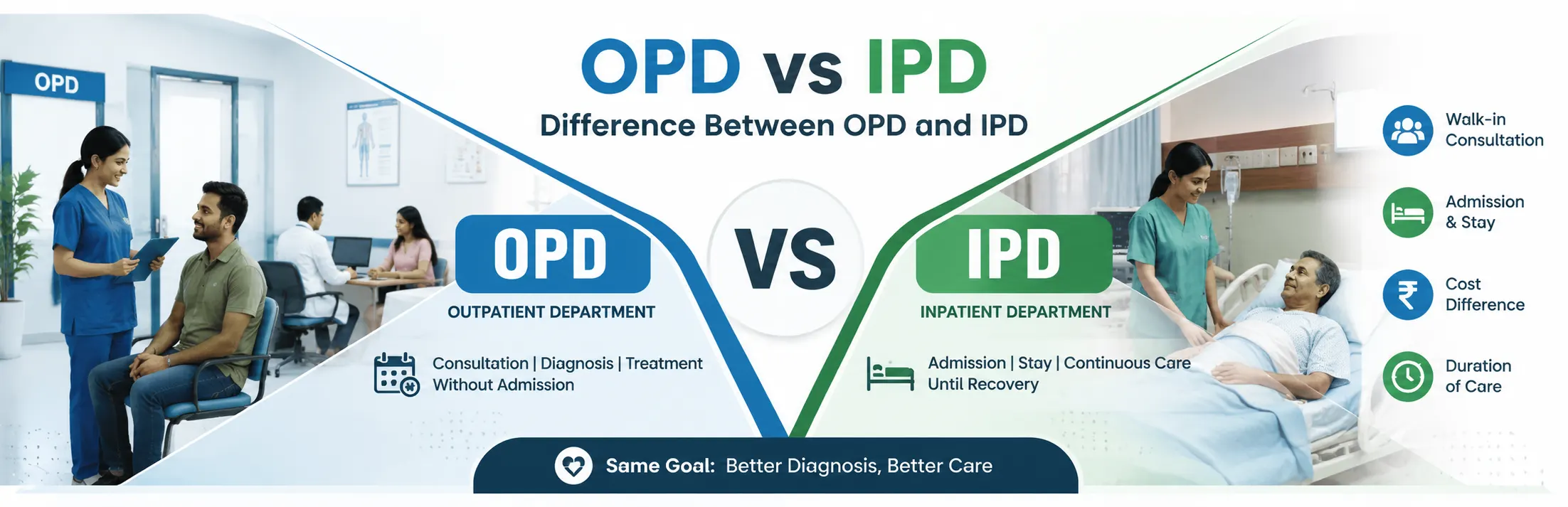
OPD vs IPD: Difference Between OPD and IPD, Services & Complete Guide
Read More →
Pharmacy Inventory Management: Methods, Inventory Control & Best Practices
Read More →
What Is a Pharmacy Information System (PIS)? Features, Benefits & How It Improves Pharmacy Management
Read More →
How Do You Check Inventory in a Pharmacy?
Read More →
What’s the Difference Between EHR and EMR? Key Differences, Benefits & Guide
Read More →
What is Radiology Information System? Features & Benefits
Read More →
What Is Digital Healthcare? Benefits, Examples & Future
Read More →
Healthcare Supply Chain Management Benefits
Read More →
Benefits of Patient Information Management Systems for Hospitals & Clinics
Read More →
What Is the Difference Between PACS, DICOM, RIS & CIS?
Read More →
Best Hospital Billing Software in India 2026: Top 10 Medical Billing Solutions
Read More →
Top Features of Hospital Billing Software in India
Read More →
Top Features of Hospital Billing Software in India
Read More →Partner with ZYNO by Elite Mindz to revolutionize how your business works. Fill out the form, and we’ll reach out with AI-powered solutions made just for you.
We use browser cookies to ensure you get the best experience on our website. Learn more
The form was submitted successfully!