Why Cloud-Based AI HIMS is Transforming the Future of Indian Healthcare
Read More →

×
The main types of healthcare software are EHR/EMR (patient records), HIMS (hospital operations), Practice Management (clinic billing), and Telemedicine (remote care). Digital health solutions like LIMS and Medical Billing automate workflows, reduce errors, and improve patient care.
Businesses using ZYNO Books cut accounting time by 70% and stay 100% ZATCA-compliant — automatically.
Hospitals, clinics, labs, and pharmacies don't run on paper anymore, they run on software. But "healthcare software" isn't one product. It's an entire ecosystem of tools, each solving a different piece of patient care, operations, or compliance.
This guide breaks down every major type of medical software in use today, what each one actually does, and since most facilities end up juggling five or six disconnected tools how to tell when it's time to consolidate onto one platform instead of managing a dozen vendor relationships.
Healthcare software is any digital application built to support clinical care, hospital operations, or patient management- from recording a diagnosis to scheduling an appointment to tracking a lab sample. It replaces manual, paper-based processes with structured, searchable, auditable digital workflows.
The category is broad on purpose. A 200-bed hospital, a diagnostic lab, and a solo practitioner's clinic all need "healthcare sotuion". However, the specific tools look completely different depending on the setting.
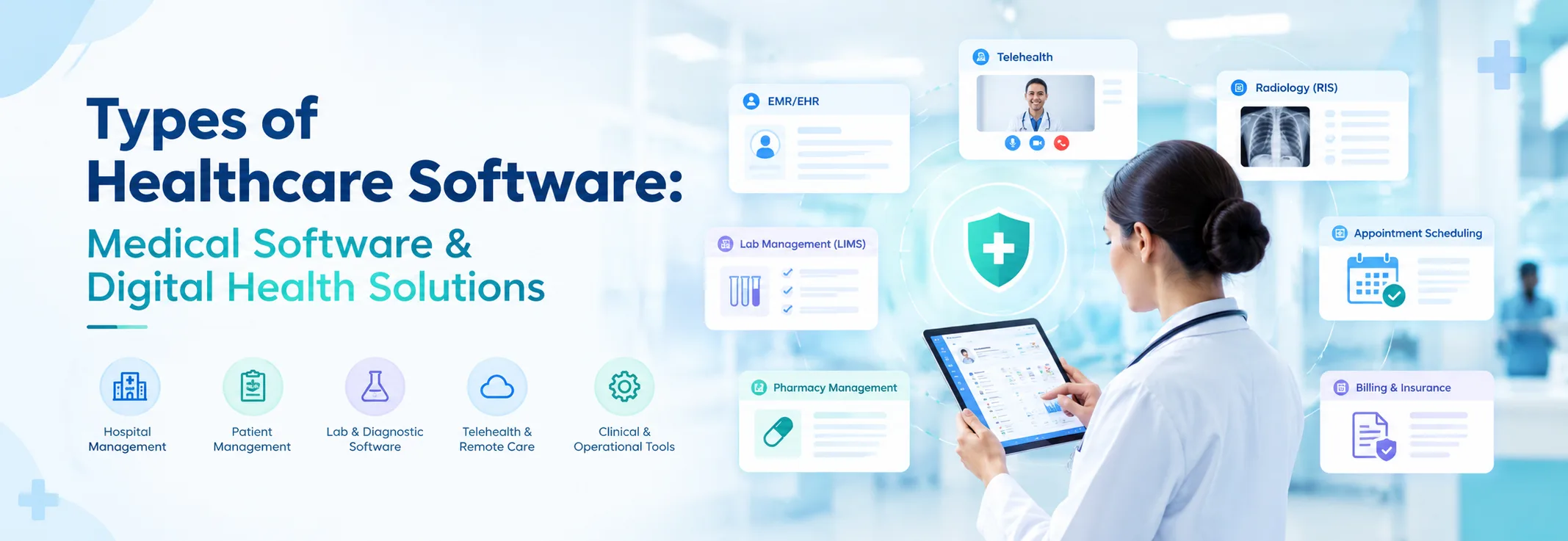
Explore powerful healthcare software and digital health solutions designed to streamline hospital operations, improve patient care, automate workflows, and securely manage healthcare data with ZYNO HIMS.
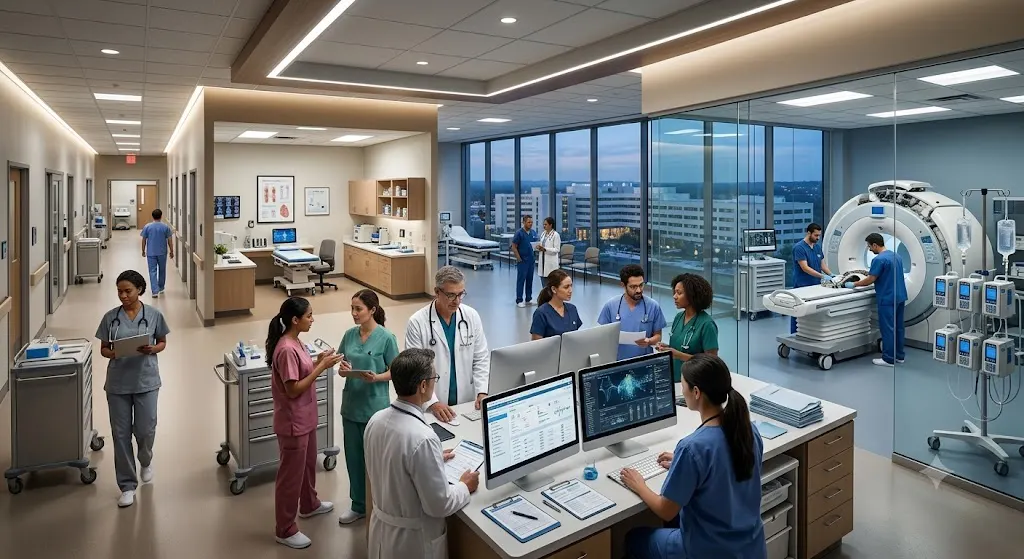
Patient volumes are up, staff are stretched thin, and compliance requirements (data privacy, billing accuracy, audit trails) keep tightening. Manual record-keeping simply can't keep pace.
The right medical software reduces documentation errors, speeds up patient throughput, cuts billing leakage, and gives administrators real visibility into what's actually happening across departments instead of finding out three weeks later during a reconciliation.
Here's a breakdown of the types of software used in the healthcare industry today, organized by function.
Centralizes patient diagnoses, medications, allergies, lab results, and treatment history in one digital record accessible to multiple providers, supporting compliance and coordinated hospital or clinic care.
Features: Centralized patient charting, multi-provider access, e-signature support, integration with labs and pharmacies, audit trails for compliance.
Best for: Hospitals, clinics, and multi-specialty practices that need a single source of truth for patient records.
Serves as a hospital's operational core, linking patient records, billing, bed management, and department workflows into one real-time system instead of scattered spreadsheets.
Features: Patient registration and admission, bed and ward management, appointment scheduling, integrated billing, department-wise dashboards, AI-assisted diagnostics support.
Best for: Mid-to-large hospitals managing multiple departments, high patient volumes, and inpatient care.
Manages the administrative and financial side of a clinic separately from clinical notes, covering insurance checks, claims, staff scheduling, and document handling for small practices.
Features: Insurance eligibility checks, claims processing, patient balance tracking, staff scheduling, document digitization.
Best for: Independent practices and small clinics managing front-desk and back-office operations.
Oversees a patient's entire financial journey, from capturing charges through claim submission to payment reconciliation, reducing revenue loss from denials or billing mistakes.
Features: Automated claim generation, denial management, insurance verification, payment posting, financial reporting.
Best for: Any facility losing revenue to billing errors, claim denials, or delayed reimbursements.
Allows doctors to create and send prescriptions electronically to pharmacies, replacing handwritten scripts while flagging drug interactions and streamlining refill and fulfillment processes.
Features: Drug interaction alerts, formulary checks, automated refill reminders, prescription history tracking.
Best for: Physicians and hospitals looking to cut prescription errors and speed up pharmacy fulfillment.
Coordinates patient bookings and provider calendars with self-service options, automated reminders, and waitlist tools, helping facilities reduce no-shows and manual scheduling headaches.
Features: Online self-booking, automated reminders (SMS/email), waitlist management, calendar sync across providers.
Best for: Clinics and hospitals dealing with high no-show rates or manual scheduling bottlenecks.
Supports remote patient consultations via video, voice, or chat, extending healthcare access beyond physical locations while enabling intake forms and post-visit prescriptions.
Features: HIPAA-compliant video conferencing, e-prescriptions post-consultation, remote patient intake forms, appointment integration.
Best for: Providers serving remote or underserved patient populations, or offering hybrid in-person/virtual care.
Tracks diagnostic samples from collection through testing and reporting, ensuring quality control and regulatory compliance for labs processing high test volumes.
Features: Sample lifecycle tracking, automated result reporting, quality control workflows, regulatory compliance logging. Best for: Diagnostic labs, hospital pathology departments, and research labs processing high sample volumes.
Manages radiology workflows and diagnostic imaging analysis, storing and retrieving scans while integrating with PACS systems for reporting and visualization.
Features: Image storage and retrieval, 2D/3D visualization, report generation, integration with PACS systems.
Best for: Radiology departments and diagnostic imaging centers.
Handles pharmacy operations including inventory tracking, expiry alerts, prescription fulfillment, and billing, helping hospital and retail pharmacies manage large medication stock volumes.
Features: Real-time stock tracking, expiry alerts, prescription fulfillment, automated reordering, billing integration.
Best for: Hospital pharmacies and standalone pharmacy chains managing high SKU volumes.
Consolidates every patient interaction beyond clinical care, unifying communication, follow-ups, and feedback to improve retention and reduce missed appointments across touchpoints.
Features: Unified patient profiles, automated follow-up campaigns, feedback collection, appointment and billing history in one view.
Best for: Facilities focused on patient retention, satisfaction tracking, and reducing missed follow-ups.
Monitors hospital equipment throughout its full lifecycle, tracking maintenance schedules, usage history, and compliance certifications for facilities running extensive diagnostic tools.
Features: Maintenance scheduling, usage logs, compliance certification tracking, equipment lifecycle reporting.
Best for: Hospitals managing large volumes of diagnostic and clinical equipment across departments.
Manages purchasing and inventory of medical supplies through requisitions, vendor coordination, and automated reordering, preventing stockouts that could compromise patient care.
Features: Purchase requisition and approval workflows, vendor management, automated reordering, spend visibility.
Best for: Hospitals and hospital networks looking to control procurement costs and avoid stockouts.
Oversees staff scheduling, credential tracking, and payroll specifically for healthcare workers, addressing needs that generic HR systems typically fail to accommodate well.
Features: Shift and roster management, credential/license expiry tracking, payroll processing, compliance reporting.
Best for: Hospitals managing large, multi-shift clinical and non-clinical staff.
Aggregates data from EHRs, billing, and operations into dashboards, giving administrators predictive insights and performance visibility across facilities and departments.
Features: Custom dashboards, predictive analytics, department-wise performance tracking, financial and clinical KPI reporting.
Best for: Hospital administrators and multi-facility networks needing visibility across locations.
|
Software Type |
Primary Function |
Best For |
|
EHR/EMR |
Patient record management |
Hospitals, clinics |
|
HIMS/HMS |
End-to-end hospital operations |
Mid-to-large hospitals |
|
Practice Management |
Clinic administration |
Independent practices |
|
Medical Billing |
Revenue cycle management |
Any billing-heavy facility |
|
E-Prescribing |
Digital prescriptions |
Physicians, hospitals |
|
Appointment Scheduling |
Booking & reminders |
Clinics, hospitals |
|
Telemedicine |
Remote consultations |
Hybrid/remote care providers |
|
LIMS |
Lab sample & test management |
Diagnostic labs |
|
RIS/Imaging |
Radiology workflow & imaging |
Imaging centers |
|
Pharmacy Management |
Pharmacy inventory & billing |
Hospital/retail pharmacies |
|
Healthcare CRM |
Patient engagement |
Patient-retention-focused facilities |
|
Equipment Management |
Asset lifecycle tracking |
Equipment-heavy hospitals |
|
Supply Chain/Procurement |
Sourcing & inventory |
Hospitals, hospital networks |
|
HR & Payroll |
Staffing & payroll |
Multi-shift hospital staff |
|
Analytics & BI |
Data-driven decisions |
Administrators, networks |
Most medical software companies specialize in one category an EHR vendor, a LIMS vendor, a billing vendor. That's fine when you only need one thing. But hospitals rarely do.
The moment you're running an EHR from one vendor, billing from another, and pharmacy management from a third, you inherit a new problem: none of them talk to each other cleanly. Data gets re-entered, reconciled manually, or lost between systems entirely.

Before comparing vendors, get clear on three things:
Most facilities researching the types of medical software in hospitals eventually hit the same wall: individual tools solve individual problems, but nobody solves the "these five systems don't talk to each other" problem because that's not what a single-category vendor is built to do.
This is where ZYNO takes a different approach than most medical software companies on this list.
Instead of selling one module and leaving you to integrate the rest, ZYNO runs hospital operations, HR and payroll, procurement, and finance on one connected platform:
The result: one login, one data layer, no manual reconciliation between five different vendor dashboards.
Healthcare software isn't a single purchase decision it's a stack. Understanding the different types of healthcare software available is step one; deciding how many separate vendors you actually want to manage is step two.
For facilities tired of stitching together point solutions from multiple medical software companies, ZYNO offers hospital operations, HR, procurement, and finance on one connected platform.
Discover powerful healthcare software and digital health solutions with ZYNO HIMS to streamline hospital operations, automate workflows, and improve patient care.
Explore ZYNO HIMS →The main categories include EHR/EMR, HIMS, practice management, medical billing, e-prescribing, telemedicine, LIMS, pharmacy management, and healthcare analytics each covering a different part of clinical or operational workflow.
Hospitals typically run a HIMS as their core system, alongside EHR, billing, pharmacy management, radiology/imaging software, HR and payroll systems, and procurement software for supply management.
EHR focuses specifically on patient medical records. HIMS is broader it manages the entire hospital's operations, including EHR functionality, billing, scheduling, and department coordination.
No. Small clinics usually need practice management and appointment scheduling software, while large hospitals need a full HIMS with integrated billing, HR, and procurement.
It depends on scale. For a single department, a specialized tool works fine. For hospitals running multiple departments, an integrated platform reduces data silos, manual reconciliation, and vendor management overhead
Why Cloud-Based AI HIMS is Transforming the Future of Indian Healthcare
Read More →The Complete ZYNO HIMS Guide for Modern Healthcare Management
Read More →How a Hospital Management System Improves Healthcare Operations
Read More →
Cloud vs Offline Hospital Management Systems: What Should Your Hospital Choose
Read More →What Is a Hospital Information System (HIS)? Features, Benefits & Complete Guide
Read More →How HIMS Software Improves Patient Care and Hospital Efficiency
Read More →How Is Hospital Software Transforming Patient Data Management in Modern Healthcare
Read More →
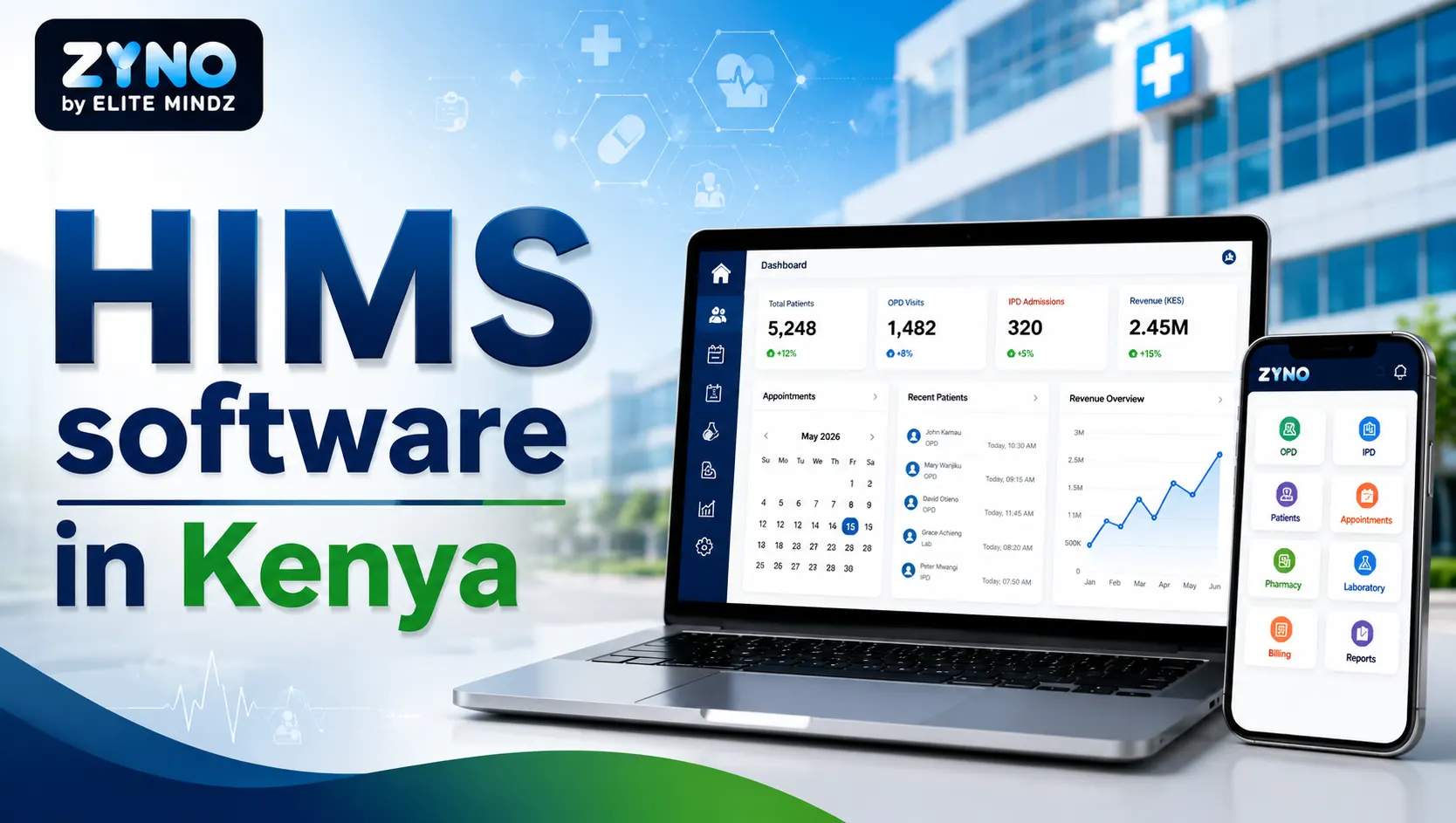
HIMS Software in Kenya: The Complete Guide for Hospitals & Clinics (2026)
Read More →
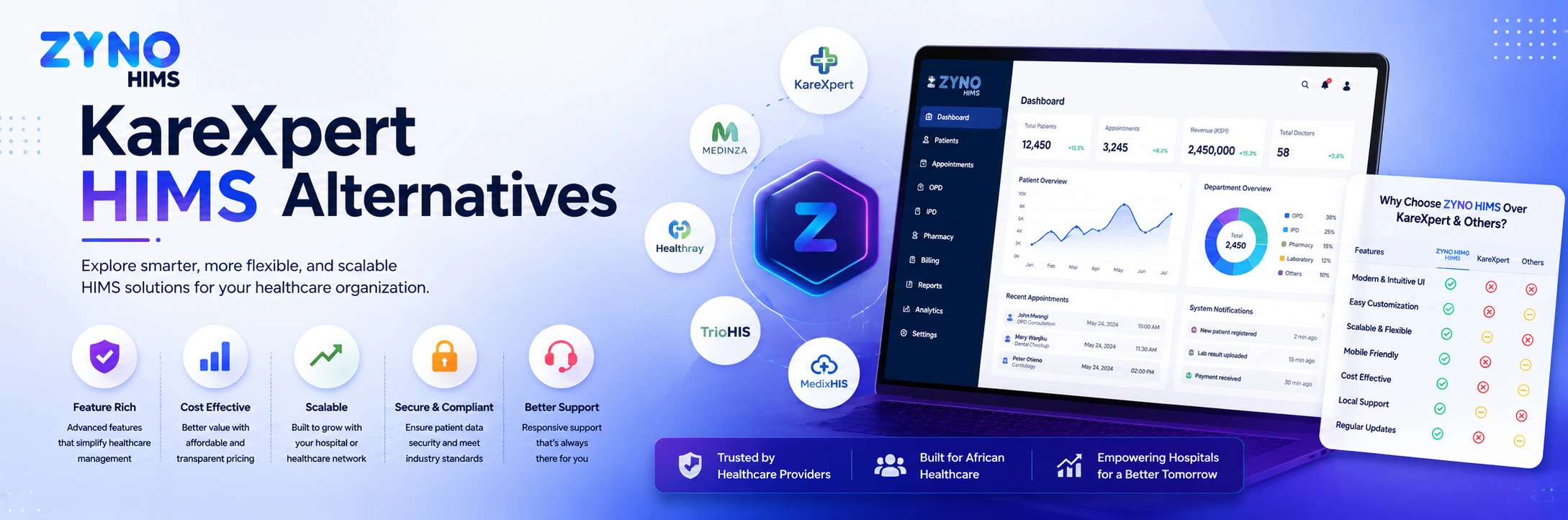
Top 10 KareXpert HIMS Alternatives & Competitors in 2026
Read More →
What is a Clinic Management System and How Does It Improve Patient Care?
Read More →
Top Challenges in Pharmacy Management and How to Overcome Them
Read More →
Top 10 Hospital Management Challenges and How ZYNO HIMS Solves Them
Read More →
Why Modern Clinics Are Switching to EMR Systems
Read More →
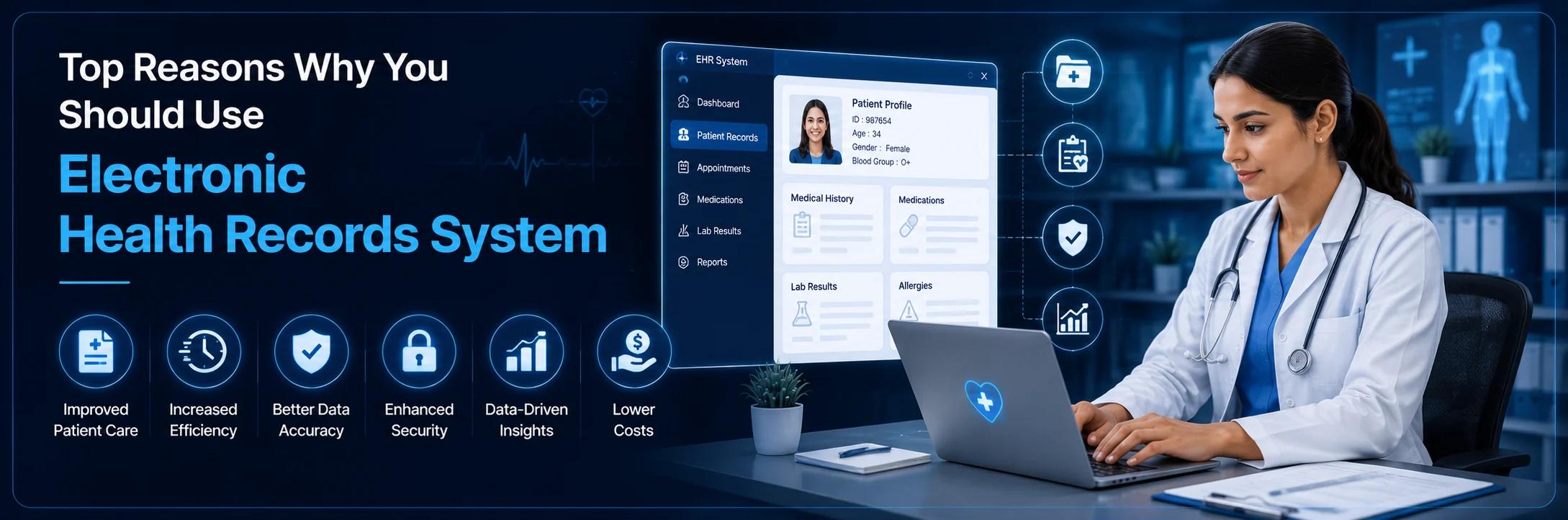
Top Reasons Why You Should Use Electronic Health Records System
Read More →
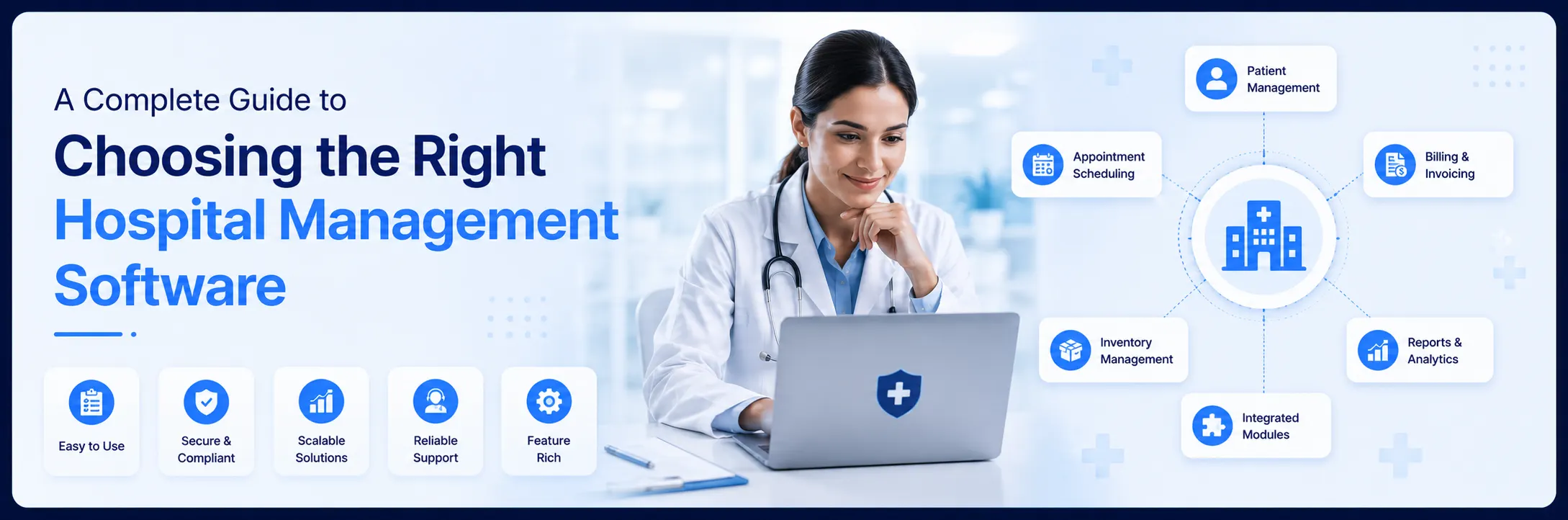
A Complete Guide to Choosing the Right Hospital Management Software
Read More →
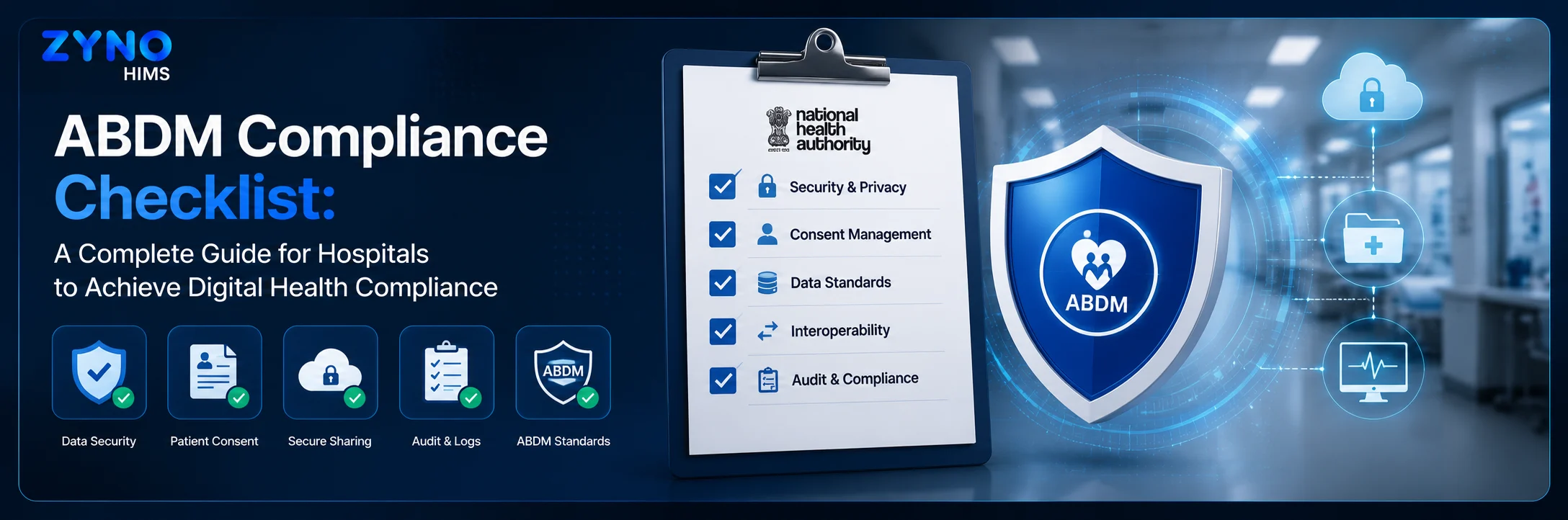
ABDM Compliance Checklist: A Complete Guide for Hospitals to Achieve Digital Health Compliance
Read More →
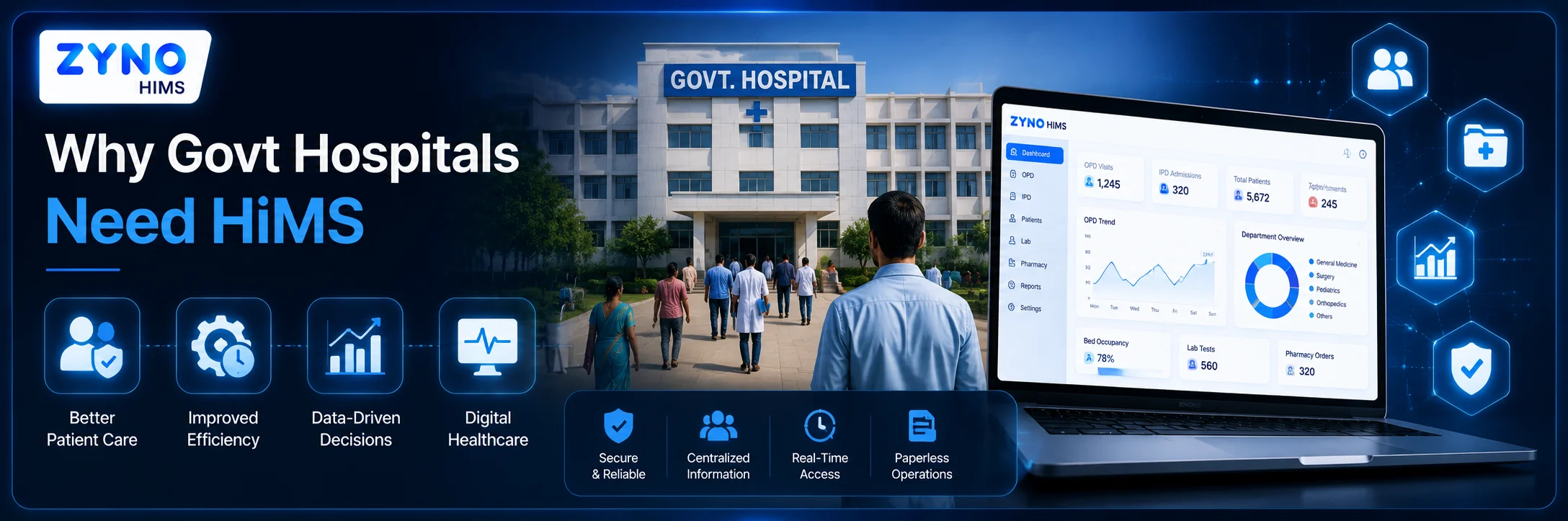
Why Govt Hospitals Need HIMS: Improving Patient Care, Efficiency, and Digital Healthcare
Read More →
What Is Hospital Information Management Systems in Healthcare? A Complete Guide
Read More →
DocPulse vs ZYNO HIMS (2026): Why ZYNO HIMS Is the Smarter Hospital Management Choice
Read More →
MocDoc vs ZYNO HIMS: Which Hospital Management Software Is Better in 2026?
Read More →
Caresoft vs ZYNO HIMS: Complete HIMS Comparison for Hospitals
Read More →
Best PMJAY-Compliant HIMS Software in India (2026): Complete Guide for Hospitals
Read More →
Medical Report Analyzer Software: How AI Makes Medical Reports Easy to Understand
Read More →
How to Choose a Hospital Management System
Read More →
AI in HIMS: 10 Practical Ways Artificial Intelligence is Transforming Hospital Management
Read More →
Best Hospital Management Software for Private Clinics in Kenya
Read More →
Hospital Management Software in Japan: What Healthcare Providers Need in 2026
Read More →
Pharmacy Management Software for Kenyan Pharmacies: Features That Matter
Read More →
DHA and MOH Compliance for Hospital Software in the UAE
Read More →
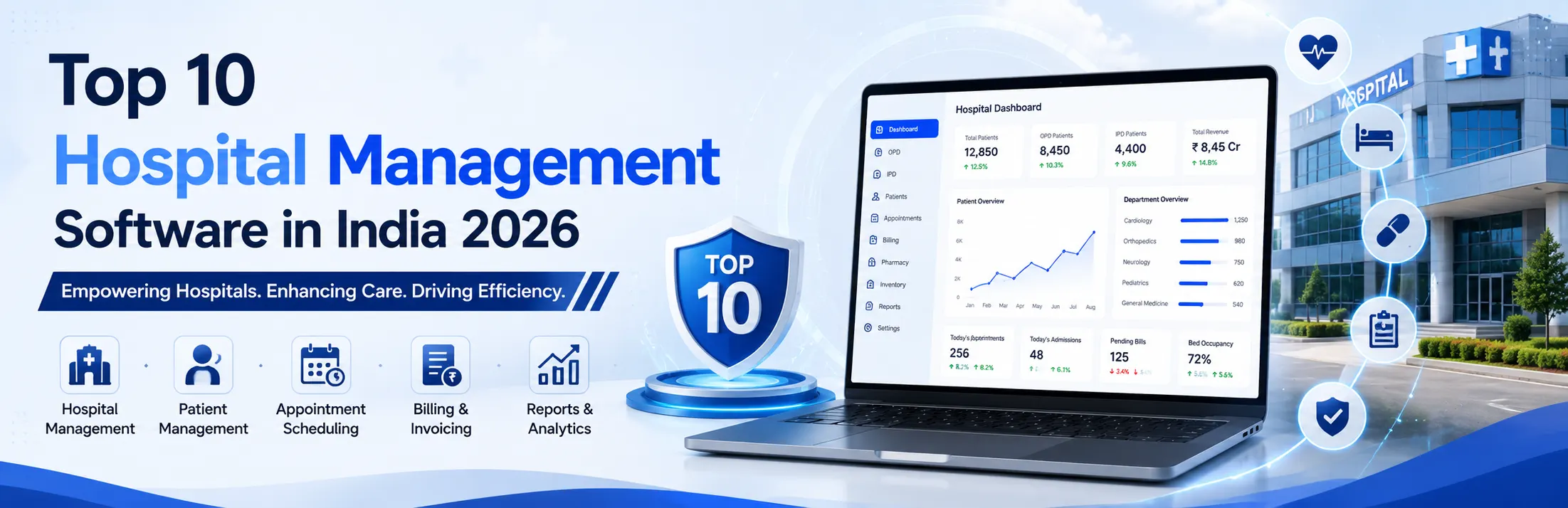
Top 10 Hospital Management Software in India 2026: Features, Pros, Cons & Pricing
Read More →
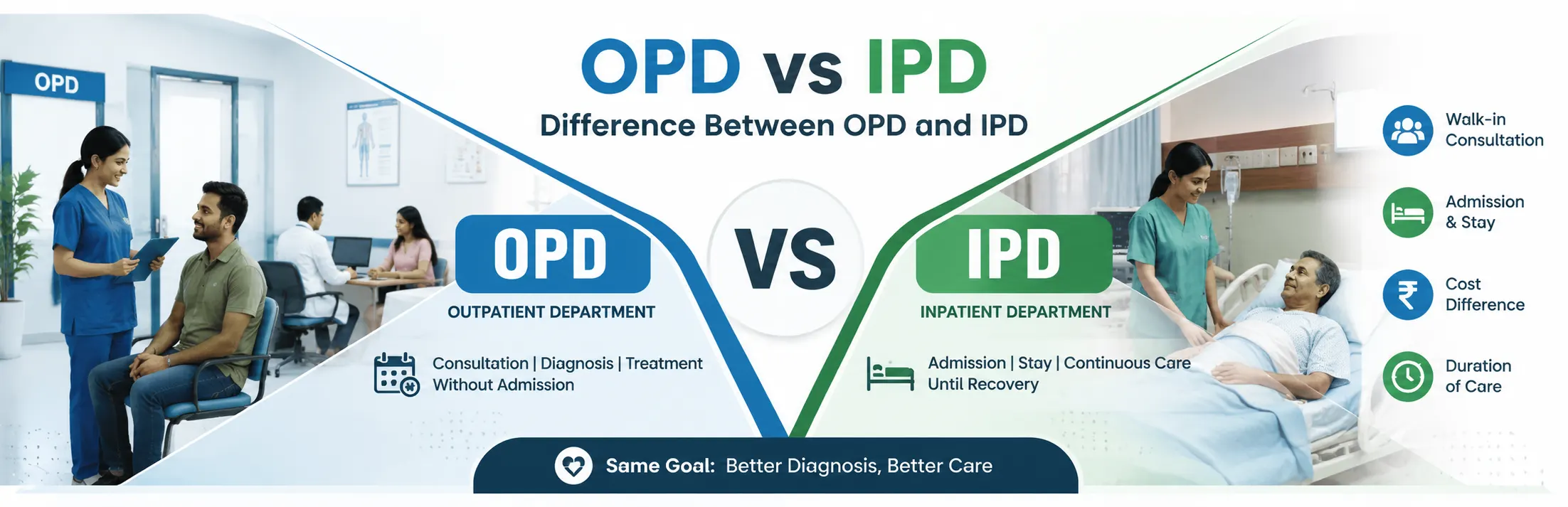
OPD vs IPD: Difference Between OPD and IPD, Services & Complete Guide
Read More →
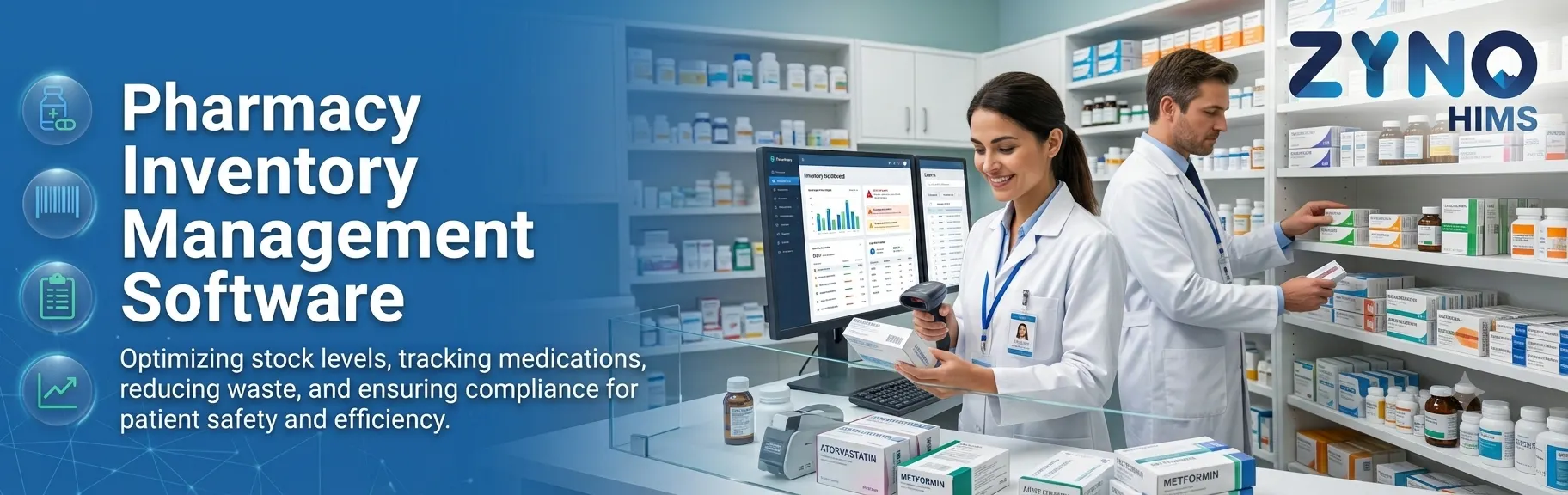
Pharmacy Inventory Management: Methods, Inventory Control & Best Practices
Read More →
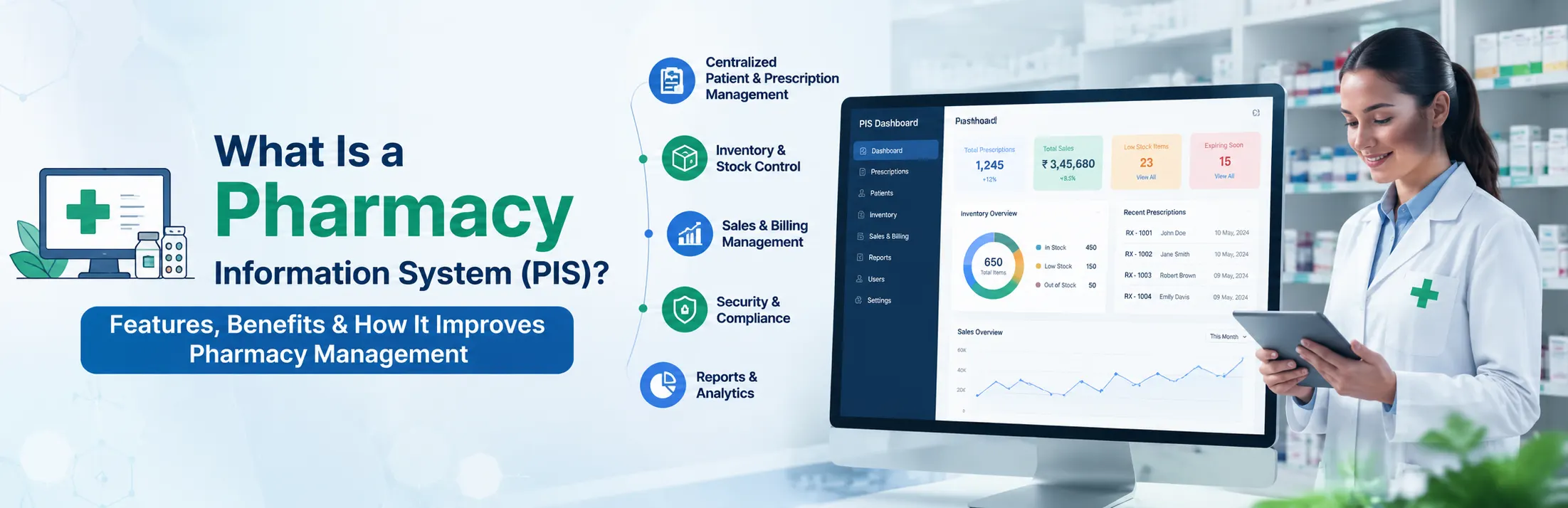
What Is a Pharmacy Information System (PIS)? Features, Benefits & How It Improves Pharmacy Management
Read More →
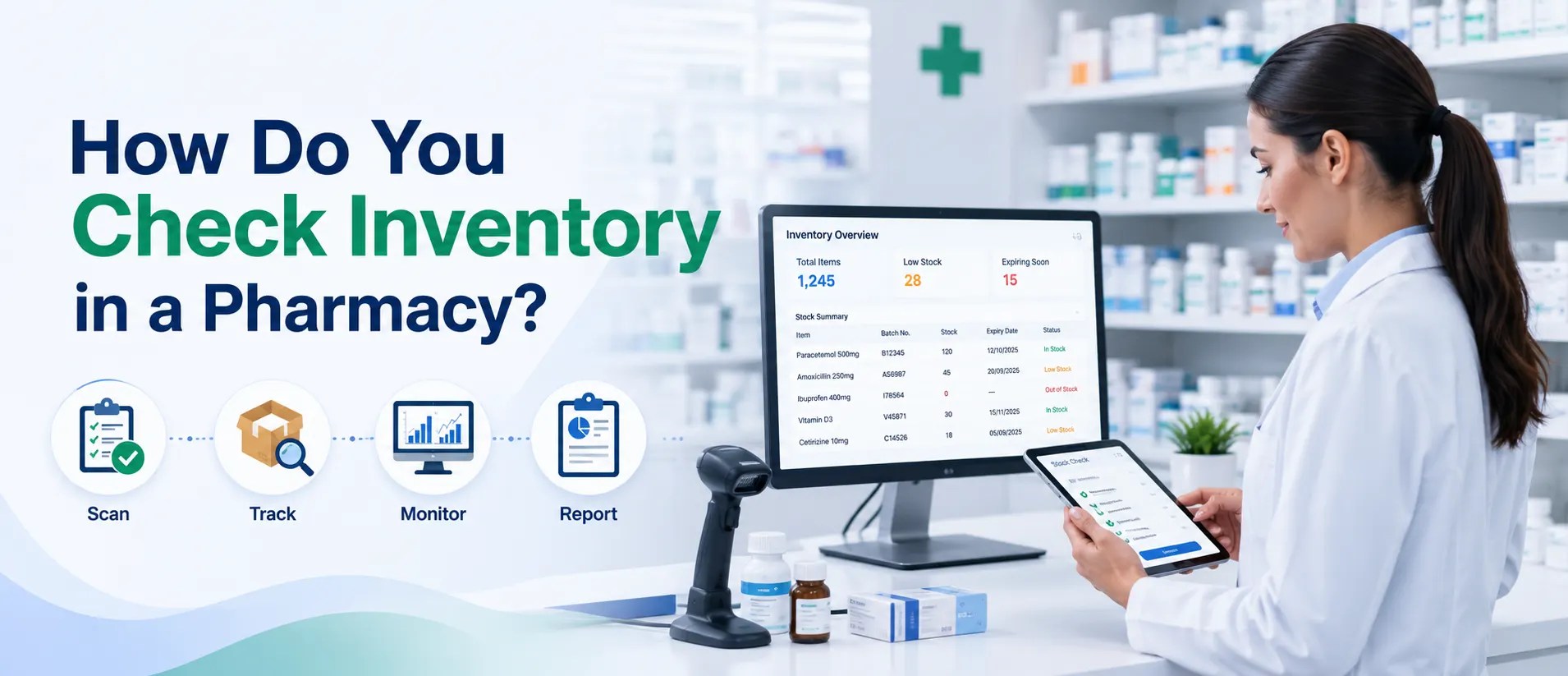
How Do You Check Inventory in a Pharmacy?
Read More →
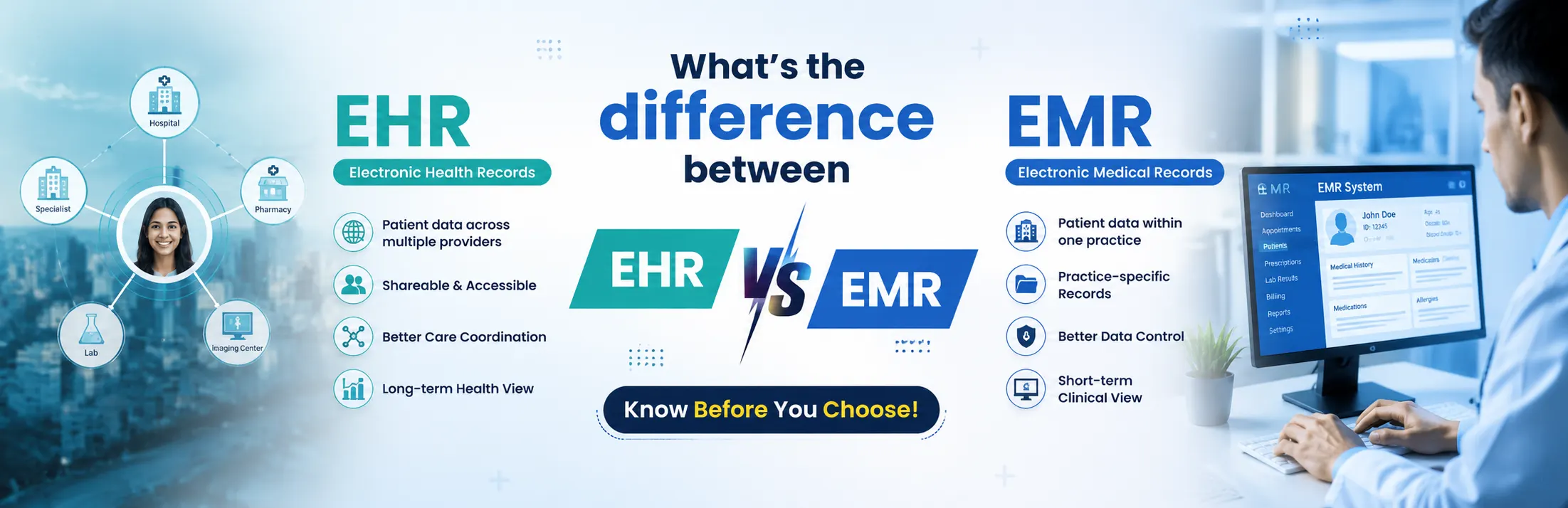
What’s the Difference Between EHR and EMR? Key Differences, Benefits & Guide
Read More →
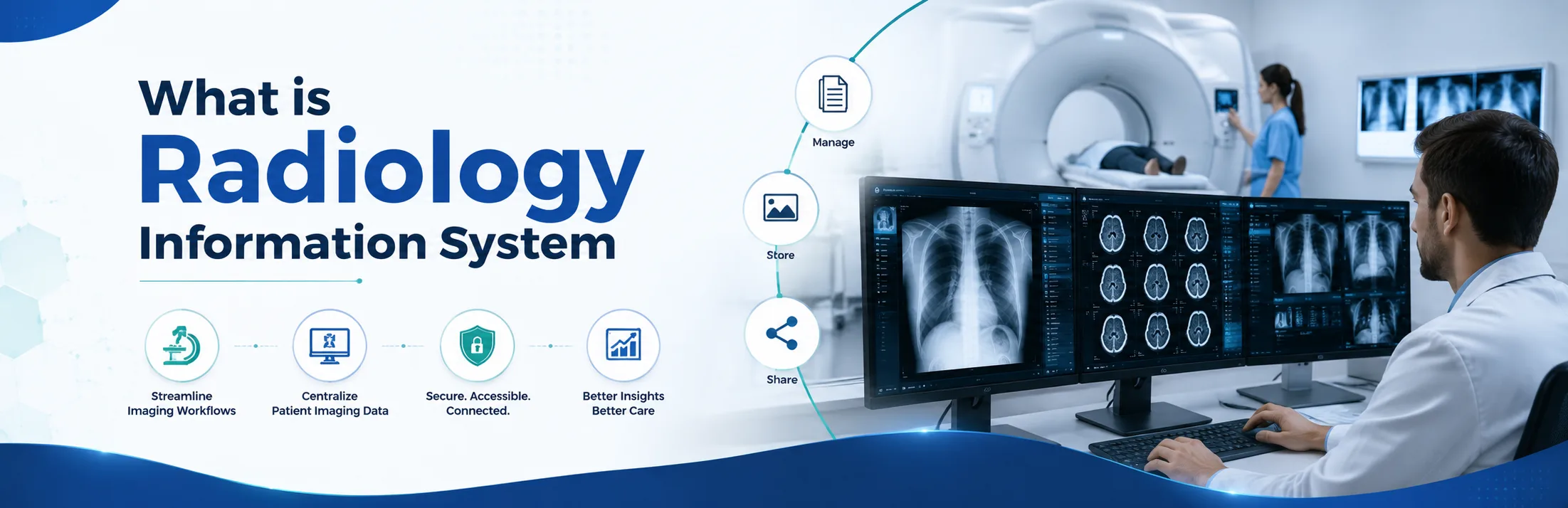
What is Radiology Information System? Features & Benefits
Read More →
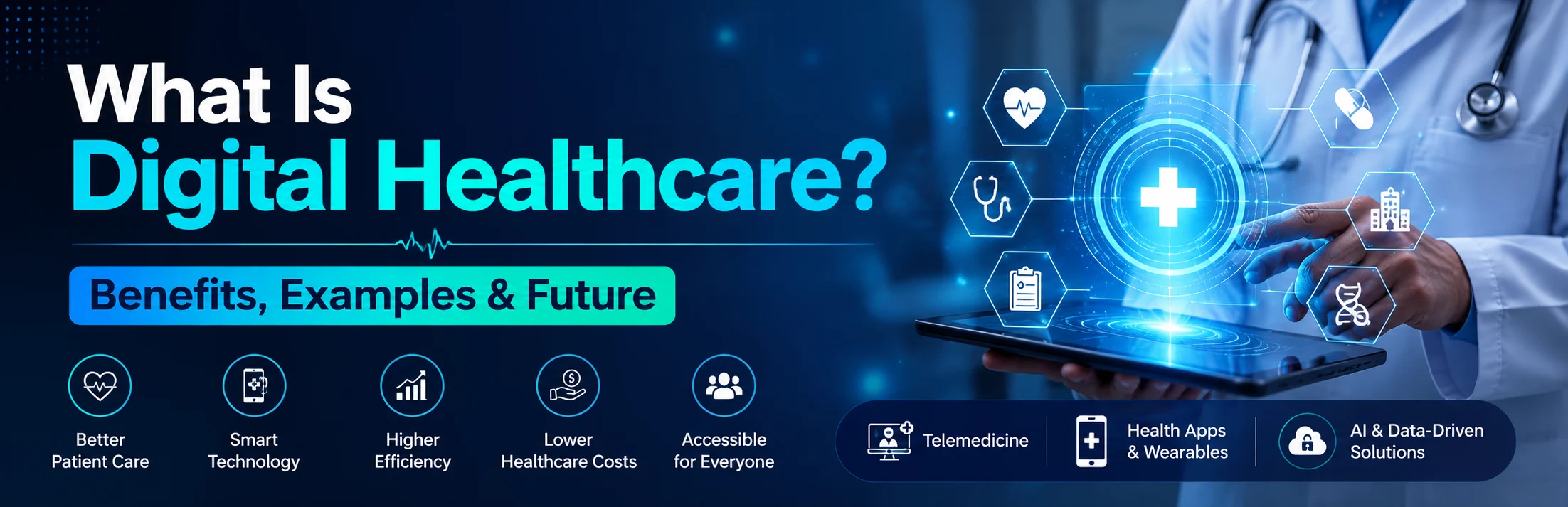
What Is Digital Healthcare? Benefits, Examples & Future
Read More →
Healthcare Supply Chain Management Benefits
Read More →
Benefits of Patient Information Management Systems for Hospitals & Clinics
Read More →
What Is the Difference Between PACS, DICOM, RIS & CIS?
Read More →
Best Hospital Billing Software in India 2026: Top 10 Medical Billing Solutions
Read More →
Top Features of Hospital Billing Software in India
Read More →
Best Cloud-Based Hospital Inventory Management Software in 2026: Top 10 Solutions
Read More →
Which Hospital Management Software in India Is Suitable for Newly Established Hospitals?
Read More →
Medical Diagnostic Software: What It Is, How It Works & Top 5 Players in 2026
Read More →
10 Best Patient Management Software in 2026
Read More →
Hospital Management Software for Multispecialty Hospitals: A Complete Guide
Read More →
Top 10 Multi-Location Hospital Management Software in India
Read More →
Top 10 Hospital Management Software Companies in Qatar
Read More →
ZYNO HIMS: Enterprise Healthcare Management for Private Facilities
Read More →
How Hospital Staff Can Digitize Paper-Based Tabular Data into Excel Records
Read More →
Top 10 Features to Look for in a HIMS Software in Saudi Arabia & UAE
Read More →
AI-Powered HIMS: The Future of Hospital Management in the Middle East
Read More →
Types of Healthcare Software: Medical Software & Digital Health Solutions
Read More →Partner with ZYNO by Elite Mindz to revolutionize how your business works. Fill out the form, and we’ll reach out with AI-powered solutions made just for you.
We use browser cookies to ensure you get the best experience on our website. Learn more
The form was submitted successfully!