Procurement Software Trends in 2026: What to Expect
Read More →

×
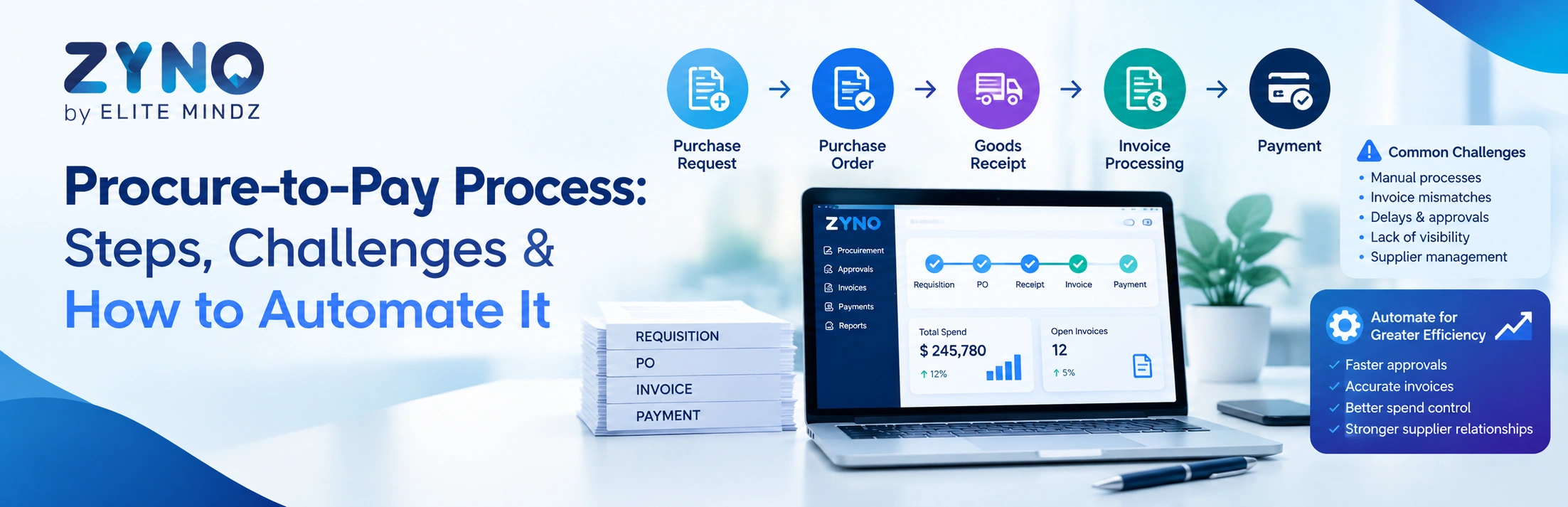
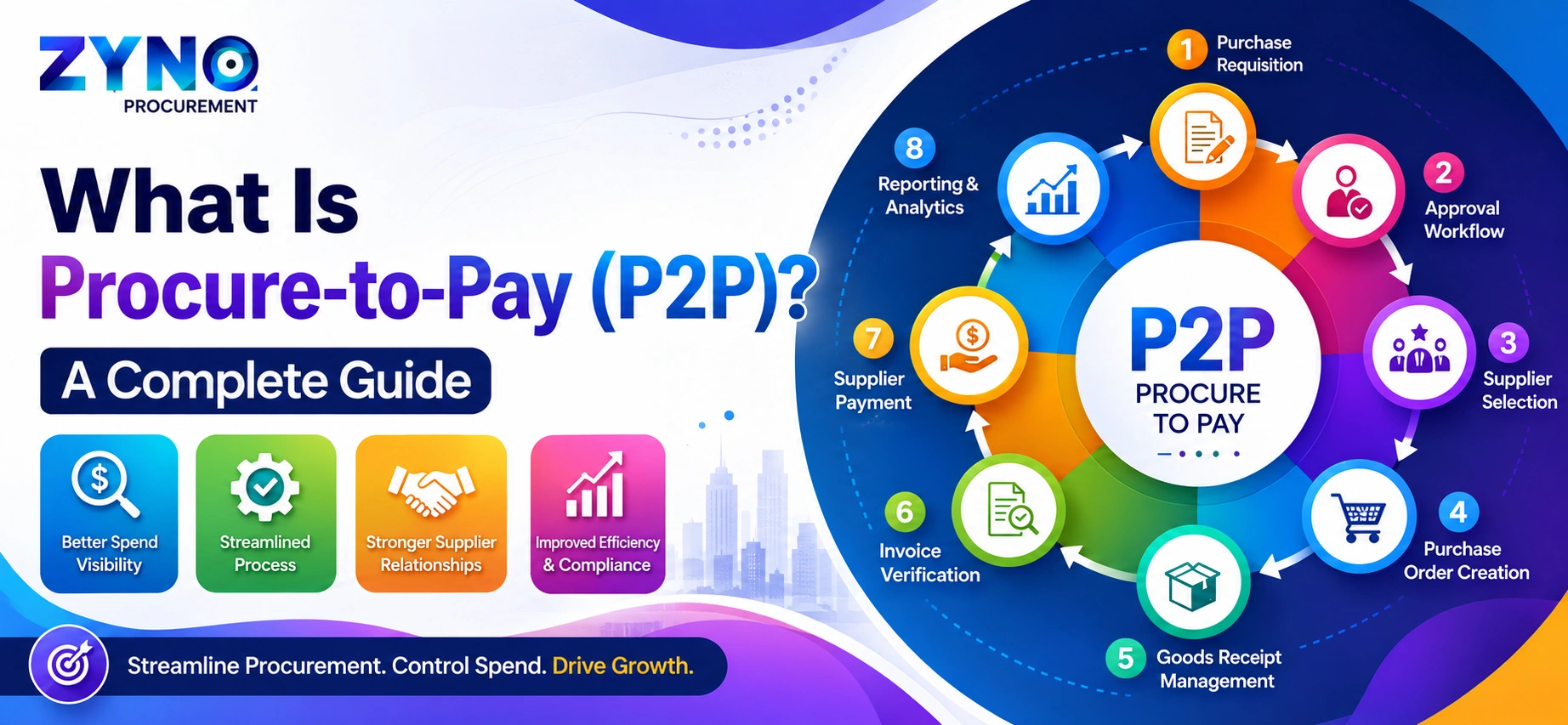
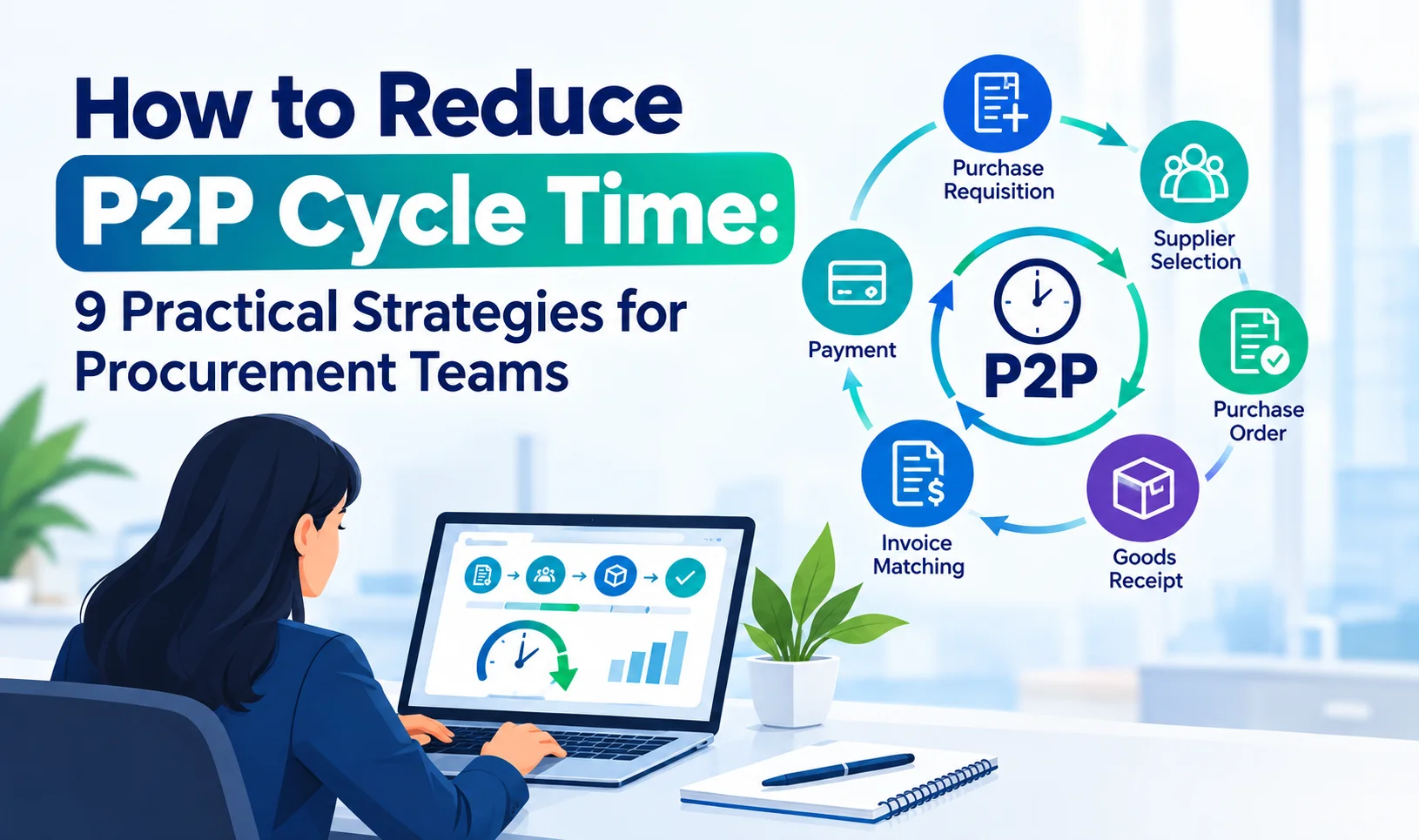
The Procure-to-Pay (P2P) process manages the complete purchasing cycle, from purchase requisition and approval to supplier selection, purchase orders, goods receipt, invoice matching, and payment. P2P automation connects these steps through procurement software, helping businesses reduce manual work, speed up approvals, improve spend visibility, strengthen compliance, and control procurement costs.
Businesses using ZYNO Books cut accounting time by 70% and stay 100% ZATCA-compliant — automatically.
The Procure-to-Pay (P2P) process covers the complete purchasing cycle, from raising a purchase requisition to approving the request, creating a purchase order, receiving goods or services, processing invoices, and completing payment. When these activities are managed manually, businesses often face approval delays, purchase order errors, invoice mismatches, limited spend visibility, and unnecessary administrative work.
A well-structured procure-to-pay process connects procurement, finance, employees, approvers, and suppliers through a single workflow. With procurement automation and P2P software, businesses can standardize purchasing, automate repetitive tasks, improve compliance, and gain better control over organizational spending.
The procure-to-pay process is an end-to-end procurement workflow that manages everything from identifying a purchasing need to paying the supplier.
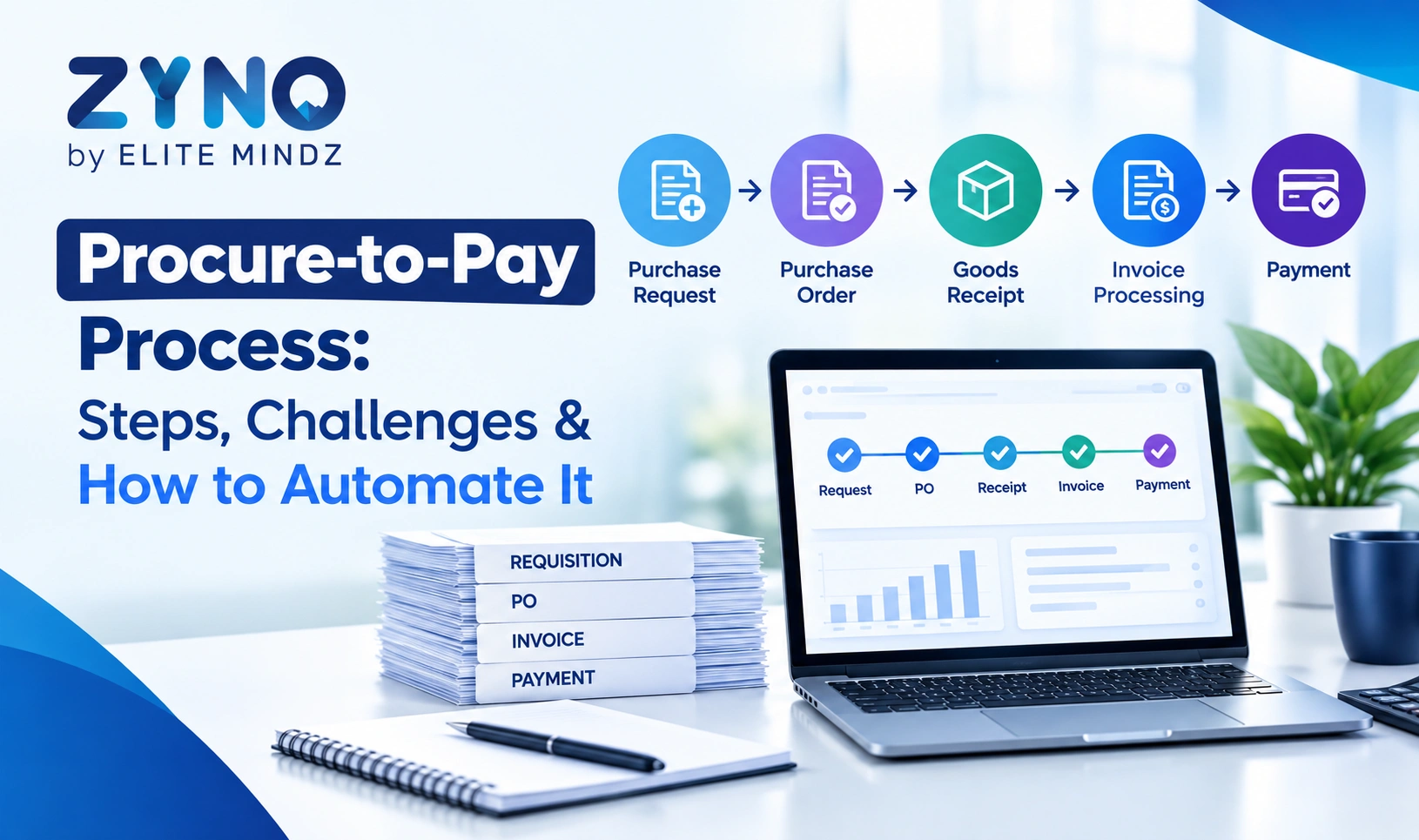
A typical P2P process includes:
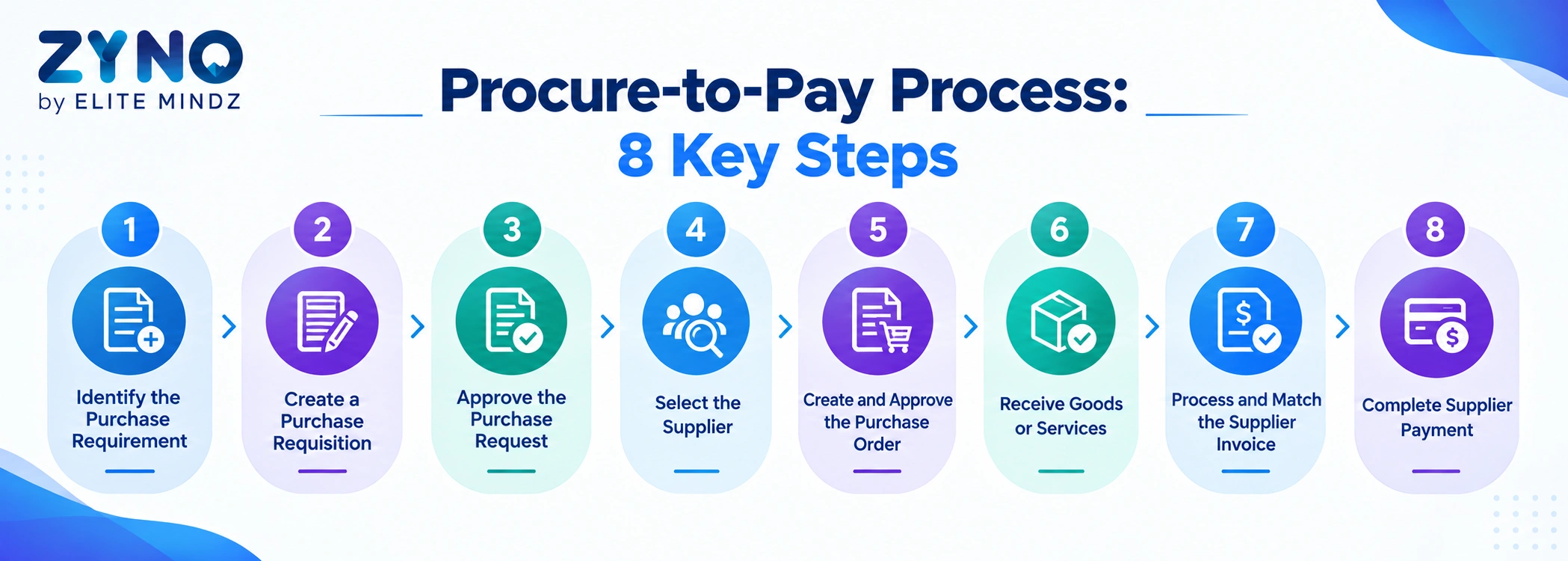
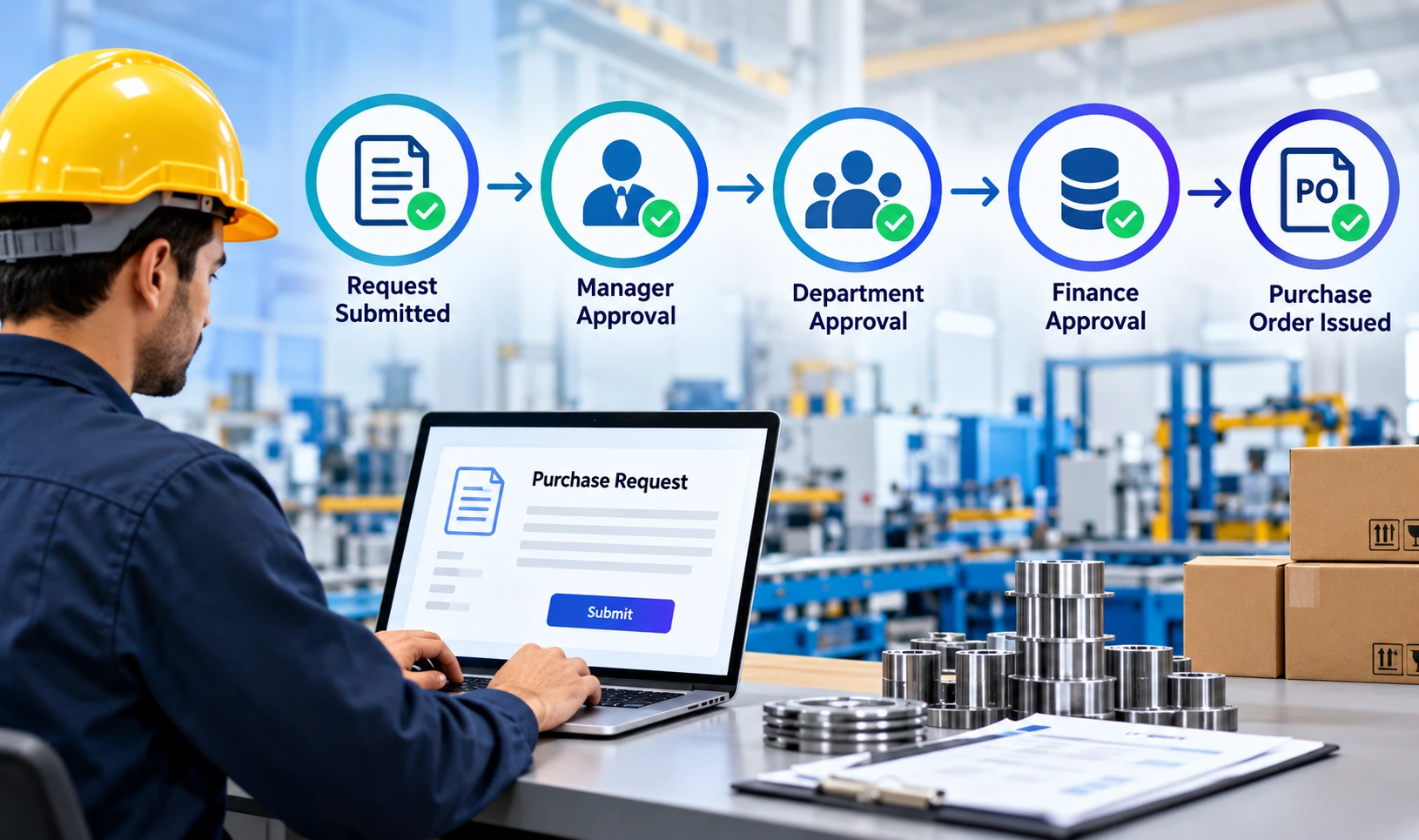
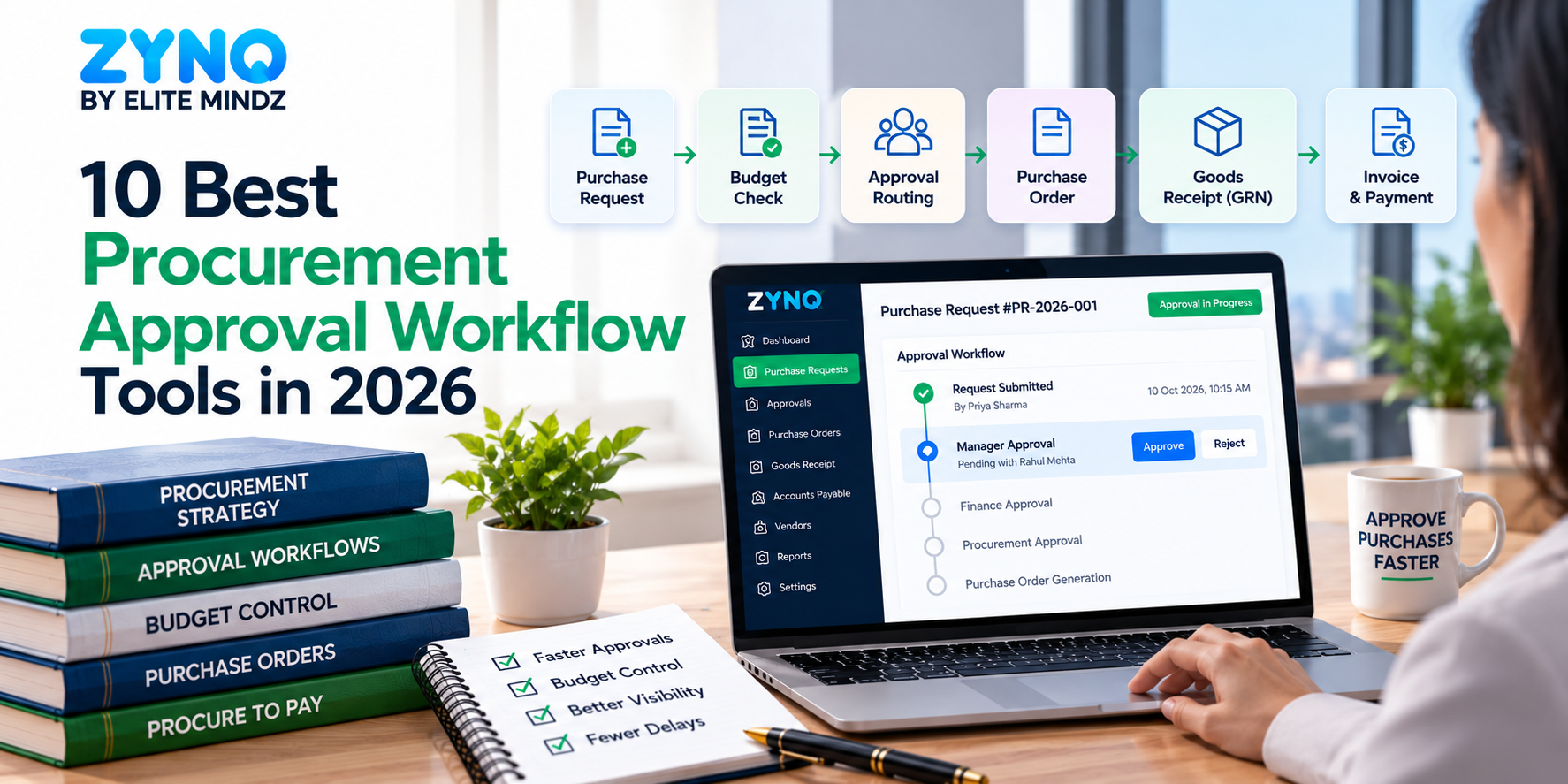
Purchase Request → Approval → Supplier Selection → Purchase Order → Goods/Service Receipt → Invoice Matching → Invoice Approval → Payment
The purpose of P2P is not simply to process purchases. It is to ensure that every purchase is authorized, traceable, compliant, and properly recorded.
For growing organizations, managing this workflow through emails, spreadsheets, and disconnected systems can make procurement difficult to control. A centralized procurement management software solution can connect purchasing and payment activities into one structured process.
Automate purchase requests, approvals, purchase orders, supplier management, invoices, and payments with ZYNO Procurement.
Procurement does not end when a purchase order is created. Businesses also need to ensure that the right goods are received, invoices are accurate, approvals are completed, and suppliers are paid correctly.
An efficient P2P process helps organizations:
The biggest advantage is process visibility. Procurement teams can see where a purchase is in the workflow instead of relying on emails or manual follow-ups.

The process begins when an employee or department identifies a need for products or services.
For example, a department may need:
Instead of sending a purchase request through email, organizations can use a centralized purchase requisition system where employees submit their requirements with relevant details.
A structured purchase request creates the foundation for a controlled procurement workflow.
Once the requirement is identified, the requester creates a purchase requisition or purchase request.
The request may include:
A digital purchase requisition workflow ensures that every request is documented and routed correctly.
This also reduces the risk of unauthorized or incomplete purchase requests entering the procurement process.
After submission, the purchase request moves through the appropriate purchase approval workflow.
Depending on the organization's procurement policy, approval may depend on:
Manual approval processes can become a major bottleneck when requests remain pending in inboxes.
With P2P automation, purchase requests can be automatically routed to the right approver, while notifications and approval status remain visible to procurement teams.
After approval, procurement teams may select an existing supplier or evaluate potential suppliers.
Supplier selection can involve:
Connecting supplier management with the procurement workflow gives teams better visibility when making purchasing decisions.
For organizations managing multiple suppliers, centralized supplier information can also reduce duplicate vendor records and improve procurement control.
Bring purchasing, approvals, purchase orders, supplier management, invoicing, and payments into one connected procurement workflow with ZYNO Procurement.
Once the supplier is selected, the organization creates a purchase order (PO).
The purchase order formally communicates what the organization intends to purchase, including:
Purchase order management software can automate PO creation from approved purchase requests, reducing manual data entry and minimizing errors.
This creates a stronger connection between the original request and the final order.
After the supplier fulfills the order, the organization confirms that the goods or services have been received.
This stage may involve:
Accurate receipt information is important because it helps procurement and finance teams determine whether the supplier invoice should be approved for payment.
The supplier then submits an invoice for the delivered goods or services.
Finance teams need to verify that the invoice matches the original transaction.
A common approach is three-way matching, where organizations compare:
Purchase Order + Goods Receipt + Supplier Invoice
If the information matches, the invoice can move forward for approval and payment.
Manual invoice processing can create delays when teams have to compare documents across emails, spreadsheets, and different systems.
Accounts payable automation and invoice processing workflows can reduce repetitive work and help identify mismatches earlier.
Once the invoice is approved, the payment is processed according to the agreed supplier terms.
At this stage, the complete transaction—from purchase request to payment—is recorded.
A connected P2P system gives procurement and finance teams better visibility into:
This creates a complete audit trail across the purchasing cycle.
Although the P2P process looks straightforward, many businesses struggle when procurement activities are managed manually.
Purchase requests may sit in email inboxes for days, delaying the entire procurement cycle.
Solution: Use automated approval workflows that route requests to the appropriate approver based on predefined rules.
Creating POs manually from approved requests can lead to duplicate data entry and incorrect quantities or prices.
Solution: Automate purchase order creation directly from approved purchase requisitions.
When purchases are spread across departments, spreadsheets, emails, and different systems, procurement leaders may struggle to understand where money is being spent.
Solution: Centralize procurement data and use real-time spend visibility and reporting.
Differences between purchase orders, received goods, and invoices can create payment delays and additional work for finance teams.
Solution: Use automated invoice matching and exception workflows.
Without standardized workflows, employees may bypass approval processes or purchase from unauthorized suppliers.
Solution: Establish approval rules, purchasing policies, supplier controls, and digital audit trails.
Procurement teams may not have a complete view of supplier activity, orders, performance, and compliance.
Solution: Connect supplier management with the P2P workflow so supplier information is available during purchasing.
| Area | Manual P2P Process | Automated P2P Process |
|---|---|---|
| Purchase Requests | Emails & spreadsheets | Digital purchase requests |
| Approvals | Manual follow-ups | Automated approval workflows |
| Purchase Orders | Manual creation | Automated PO generation |
| Supplier Data | Scattered records | Centralized supplier information |
| Invoice Processing | Manual verification | Automated invoice workflows |
| Spend Tracking | Delayed reporting | Real-time spend visibility |
| Compliance | Difficult to monitor | Rule-based controls |
| Audit Trail | Manual documentation | Centralized digital records |
| Reporting | Spreadsheet-based | Real-time procurement analytics |
P2P automation uses software to automate repetitive activities throughout the procure-to-pay cycle.
Instead of manually moving information between employees, procurement teams, suppliers, and finance, automation connects these activities through predefined workflows.
A modern procure-to-pay automation solution can support:
The objective is not simply to eliminate manual work. It is to create a faster, more controlled, and more transparent procurement process.
A dedicated procure-to-pay software solution can connect purchasing and payment activities on one platform.
For example, an automated workflow can start with an employee submitting a purchase request. The request is routed to the correct approver, converted into a purchase order after approval, tracked through delivery, and connected with invoice processing.
This creates a continuous procurement workflow instead of separate purchasing and finance activities.
Modern P2P platforms can also provide real-time order tracking, automated approvals, supplier management, spend visibility, and invoice workflows. ZYNO Procurement, for example, positions its P2P solution around purchase requests, approvals, purchase orders, invoice processing, supplier management, and real-time procurement visibility.
Automating requests, approvals, and purchase orders reduces unnecessary waiting and manual coordination.
Centralized purchasing data helps organizations understand where, how, and with whom they are spending.
Automating repetitive data entry and purchase order creation can reduce common manual errors.
Standardized workflows ensure purchases follow organizational approval policies and procurement controls.
A connected workflow makes it easier to track supplier orders, deliveries, invoices, and payments.
Procurement and finance teams can track the status of purchases from request through payment.
Automation allows procurement professionals to spend less time chasing approvals, updating spreadsheets, and manually checking documents.
P2P automation becomes especially valuable when:
If procurement volume is increasing but the process is still largely manual, automation can help the organization scale without adding the same level of administrative workload.
Before choosing a P2P software solution, businesses should evaluate whether it supports the complete procurement workflow rather than solving only one part of the process.
Important capabilities include:
An end-to-end platform can help organizations avoid creating another disconnected system within their procurement technology stack.
Centralize supplier data, track performance indicators, manage vendor risks, and make informed procurement decisions with ZYNO Procurement.
AI is making P2P automation more intelligent by helping organizations automate decisions and repetitive procurement activities.
AI-powered procurement can support:
For example, ZYNO's Procure-to-Pay solution uses AI-powered workflows for purchase requests, approvals, ordering, inventory-related purchasing, and spend visibility.
The result is a procurement process that can move from simply being digital to becoming more automated and intelligent.
Consider a company that needs 50 laptops for a new team.
The traditional process may look like this:
Employee Email → Manager Approval → Procurement Team → Supplier Email → Manual PO → Delivery → Invoice Email → Finance Verification → Payment
This process can involve multiple people, emails, spreadsheets, and manual checks.
An automated P2P workflow can look like:
Purchase Request → Automated Approval → Supplier Selection → PO Creation → Delivery Confirmation → Invoice Matching → Approval → Payment
The second approach creates a connected digital workflow with greater visibility and fewer manual handoffs.
The procure-to-pay process is one of the most important workflows for controlling business purchasing and supplier payments. When procurement requests, approvals, purchase orders, receipts, invoices, and payments operate separately, businesses can lose time, visibility, and control.
Procure-to-pay automation connects these activities into one structured workflow.
By implementing the right procure-to-pay software, businesses can automate purchase requests and approvals, streamline purchase order management, improve invoice processing, strengthen supplier management, increase spend visibility, and build a more efficient procurement operation.
For organizations looking to modernize procurement, the goal should not be simply to digitize individual tasks. The bigger opportunity is to automate the complete purchasing lifecycle from request to payment.
The Procure-to-Pay process is the complete purchasing cycle from purchase requisition and approval to supplier selection, purchase order creation, goods receipt, invoice processing, and final payment.
The main steps include purchase request, approval, supplier selection, purchase order creation, goods or service receipt, invoice matching, invoice approval, and payment.
P2P automation uses procurement software to automate repetitive purchasing activities such as purchase requests, approvals, purchase orders, invoice processing, and payment workflows.
Procure-to-Pay software can improve procurement efficiency, speed up approvals, reduce manual errors, improve spend visibility, strengthen compliance, simplify supplier management, and provide better control over purchasing.
P2P software connects purchase requests, approvals, purchase orders, supplier activity, invoices, and payments in one workflow, reducing manual coordination and improving visibility across the procurement cycle.
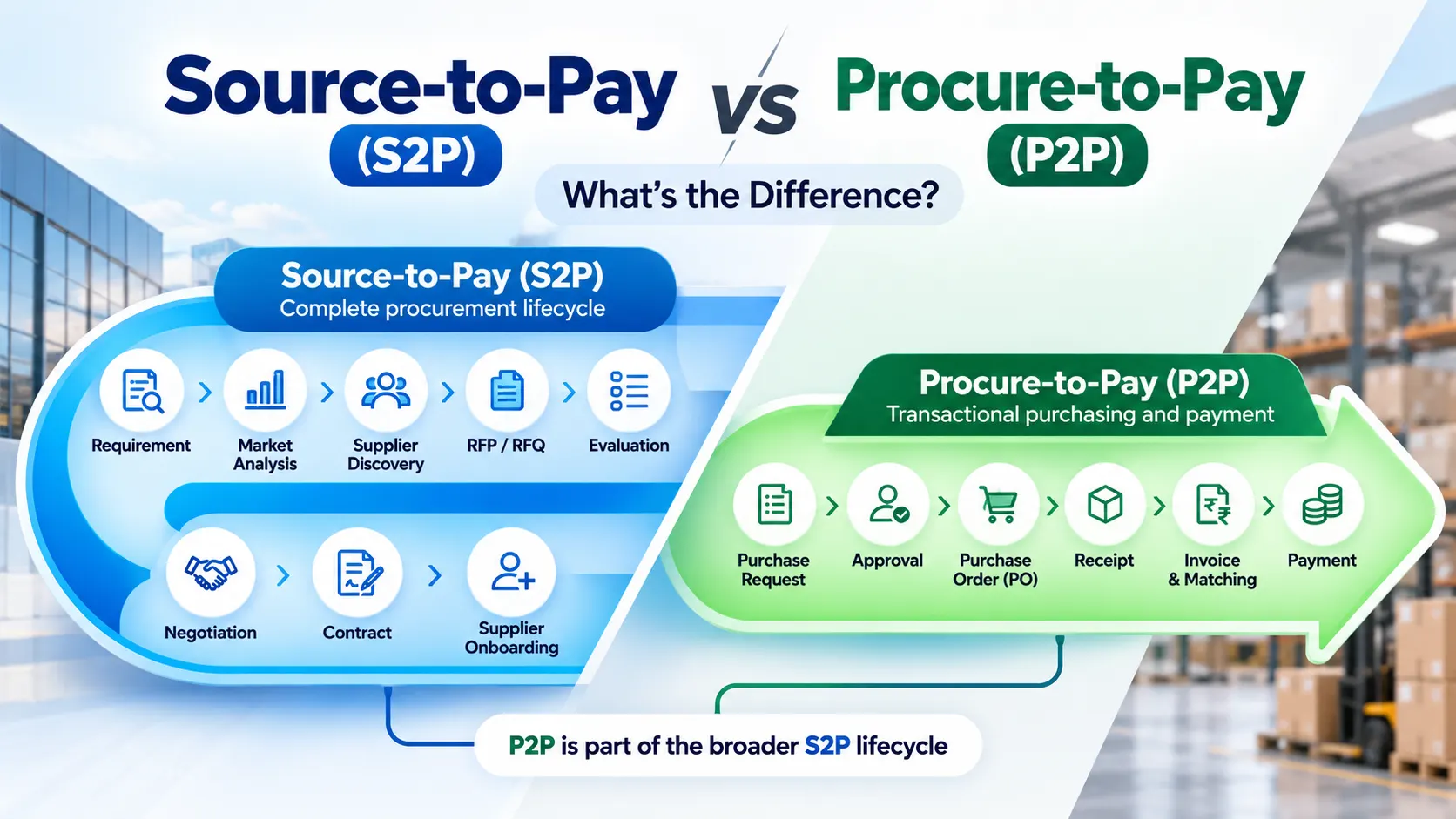
Procure-to-Pay focuses primarily on the purchasing cycle from requisition through payment. Source-to-Pay is broader and typically includes strategic sourcing and supplier selection before the purchasing process begins.
Procurement Software Trends in 2026: What to Expect
Read More →
Why E-Procurement Outperforms Traditional ERP in Modern Procurement
Read More →
Top Procurement Software in India: 12 Best Options for 2026
Read More →
Best Procurement Software Companies in Kuwait (2025)
Read More →
5 Best Procurement Software in Africa for Enterprises & SMEs (2026 Guide)
Read More →
Best Procurement Software in Nigeria 2026 | Top 5 Picks
Read More →
Best Procurement Software Providers in USA (2025): How AI is Transforming the Future
Read More →
10 Best Procurement Software Providers in Thailand for Streamlined Supply Chain Management
Read More →
Top 10 Cloud-Based Procurement Solutions in Portugal for Businesses in 2025
Read More →
Top 10 Procurement Software Providers in Switzerland 2026: Streamlining Sourcing and Supplier Management
Read More →
What Makes ZYNO Procurement Different from Other Oil & Gas Procurement Software
Read More →
The Digital Transformation of Logistics Procurement in the Middle East
Read More →
A Step by Step Guide to Procurement Management Software for Modern Enterprises
Read More →
Sourcing and Procurement: What is the Difference and Why It Matters
Read More →Difference Between Procurement and Supply Chain Management
Read More →
What Is Procurement Software and Why Do Modern Businesses Need It?
Read More →
Best Procurement Management Software to Automate ERP Process
Read More →
Direct vs Indirect Procurement: Key Differences, Examples & Uses (2026)
Read More →
Smart procurement strategies for cost optimization & risk management
Read More →
What Is Procurement? Everything You Need to Know (Types, Process & SAP)
Read More →Beyond Cost-Cutting: How Procurement Drives Margin Expansion in 2026
Read More →
Direct Procurement: Process, Examples, and When to Use It
Read More →
What Are the 5 Types of E-Procurement? A Complete Guide for Businesses
Read More →
Which Procurement Management Software Is Best? Top Tools Compared for 2026
Read More →
Top 8 Coupa Alternatives to Explore in 2026
Read More →
Looking to Replace Coupa? Discover the Best Alternatives Like ZYNO Procurement
Read More →
How Does Procurement Software Work? A Complete Guide
Read More →
ZYNO Procurement vs Coupa: Best Procurement Software Comparison for Mid-Market Teams
Read More →
Best SAP ARIBA Procurement Alternatives in 2026
Read More →
ZYNO Procurement vs SAP Ariba: Which Solution Is More User-Friendly?
Read More →
AI-Powered Procurement Management Software for Fast, Connected, and Visible Workflows in Dubai
Read More →
What is Vendor Management? Complete Guide to Vendor Management Software, Systems, and Processes
Read More →
Best Procurement Management Software In Kenya
Read More →
6 SAP Ariba Alternatives for Mid-Market Businesses in 2026
Read More →
Top E-Procurement Solutions for B2B Organizations (2026)
Read More →
Quotation Format: Free Templates + Complete Guide (2026)
Read More →
Cost Control Software: Features, Benefits & Performance Guide for 2026
Read More →
Procurement Workflow: Steps, Stages, and Real Examples
Read More →
Top 10 Zycus Alternatives for Procurement Teams in 2026
Read More →
Best Precoro Alternative for Purchase Requisition and Procurement
Read More →
Top AI Procurement Tools in 2026
Read More →
Best Tools for Supplier Risk Management
Read More →
FEFO vs FIFO vs LIFO: Differences, Benefits & Which Inventory Method Is Best?
Read More →
AI Procurement Software: Features, Benefits, Use Cases & How to Choose
Read More →
Best AI Tools for Supply Chain Procurement
Read More →
Procurement Risk Management
Read More →
Still Using Excel for Procurement? Read This Before It's Too Late
Read More →
Best RFP Software in 2026: Top Tools Compared for Faster Proposal Responses
Read More →
What Is Procure-to-Pay (P2P)? A Complete Guide
Read More →
Complete Procurement Workflow Guide for Modern Businesses
Read More →
Complete Guide to E-Procurement Solutions for B2B Organizations
Read More →
Cost Control Software Comparison Guide: Features, Pricing & Benefits
Read More →
Purchase Order Tracking: How to Manage Every PO Without the Chaos
Read More →
Inventory Management: What It Is, How It Works and Why It Matters
Read More →
Top 10 Procurement Software Tools for Purchasing Automation in 2026
Read More →
Agentic AI Procurement Platforms and the Future of Strategic Sourcing
Read More →
AI Spend Analytics Software for Procurement Leaders
Read More →
From Prompt to Procurement: How AI Is Transforming Enterprise Purchasing
Read More →
ZYNO Procurement vs IBM Procure-to-Pay Automation
Read More →
ZYNO Procurement vs Infor Nexus: Which Procure-to-Pay Platform Fits Your Team?
Read More →
AI-Powered Procurement Software in 2026: Top 6 Platforms That Actually Deliver ROI
Read More →
Contract Management Software Buyer's Guide: Features, Costs & Top Picks
Read More →
Top 10 Procure to Pay Software Companies in India 2026
Read More →
10 Best Vendor Management Software in India (2026): Features, Benefits & Comparison
Read More →
How Machine Learning and AI Are Transforming Procurement: A Strategic Overview
Read More →
What Is Procurement Software for GP? Features, Benefits and Best Solutions for Businesses
Read More →
What Procurement Software Do Mid-Market Companies Use Instead of SAP Ariba or Coupa?
Read More →
Prompt-Based Procurement Software for Kenyan Businesses
Read More →
Project Management Software: A Complete Guide to Streamline Business Operations and Procurement Processes
Read More →
SAP Ariba vs ZYNO Procurement: Complete Feature Comparison (2026)
Read More →
Coupa vs SAP Ariba vs ZYNO: Which Procurement Platform Wins for Fast-Growing Teams?
Read More →
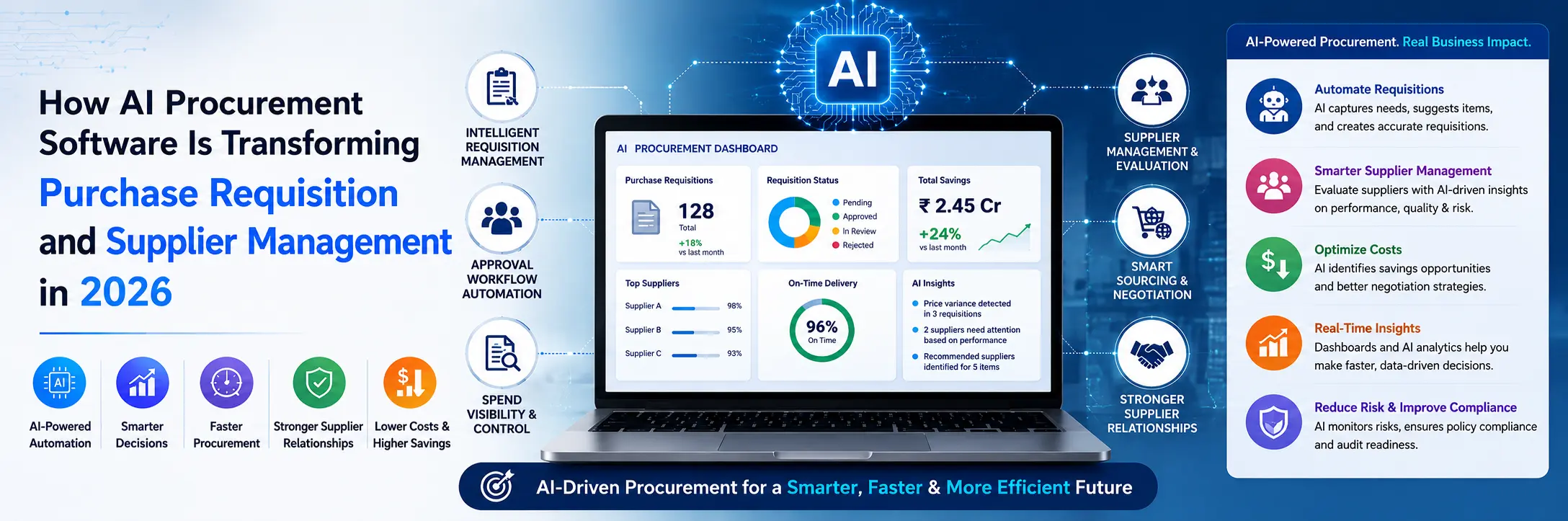
How AI Procurement Software Is Transforming Purchase Requisition and Supplier Management in 2026
Read More →
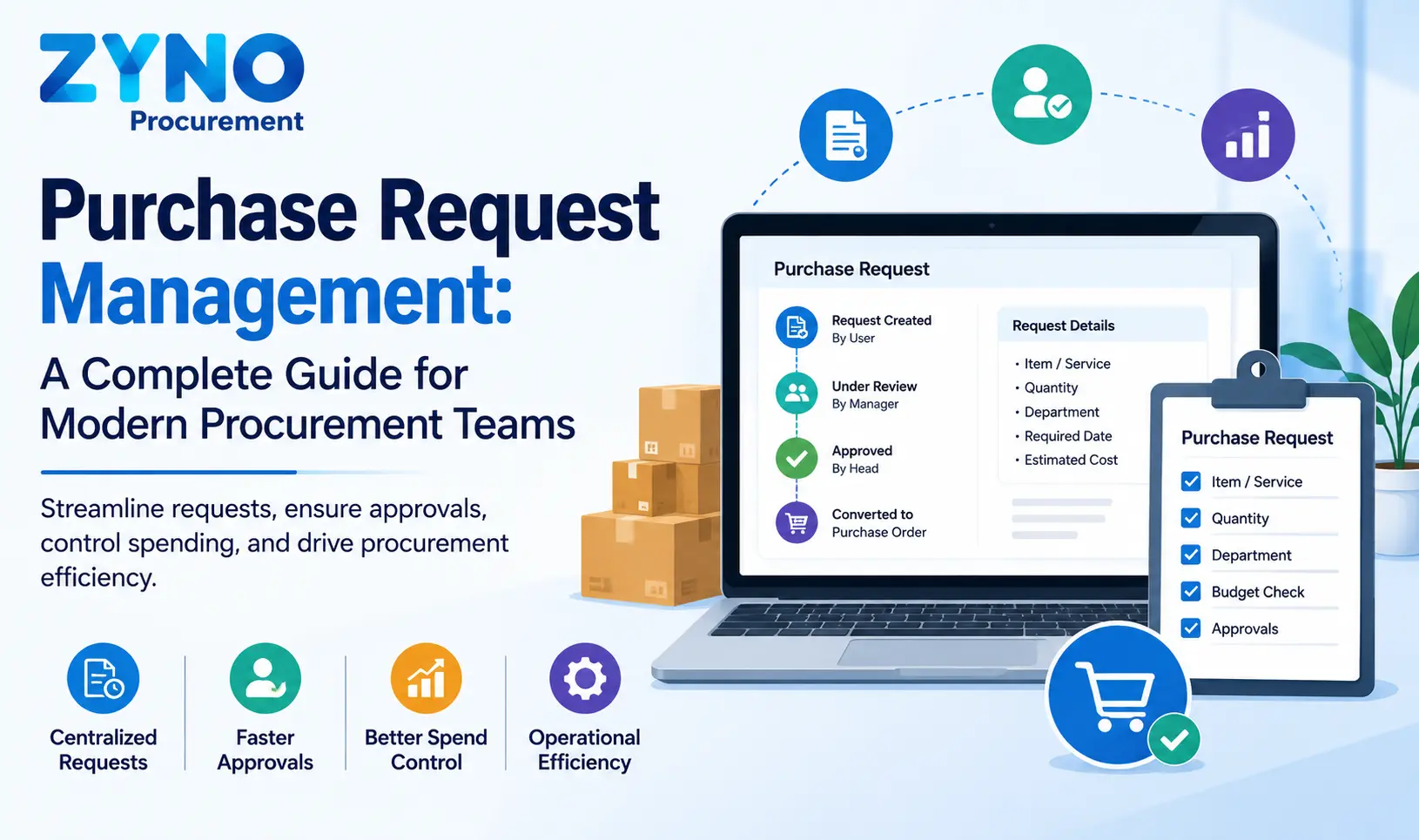
Purchase Request Management: A Complete Guide for Modern Procurement Teams
Read More →
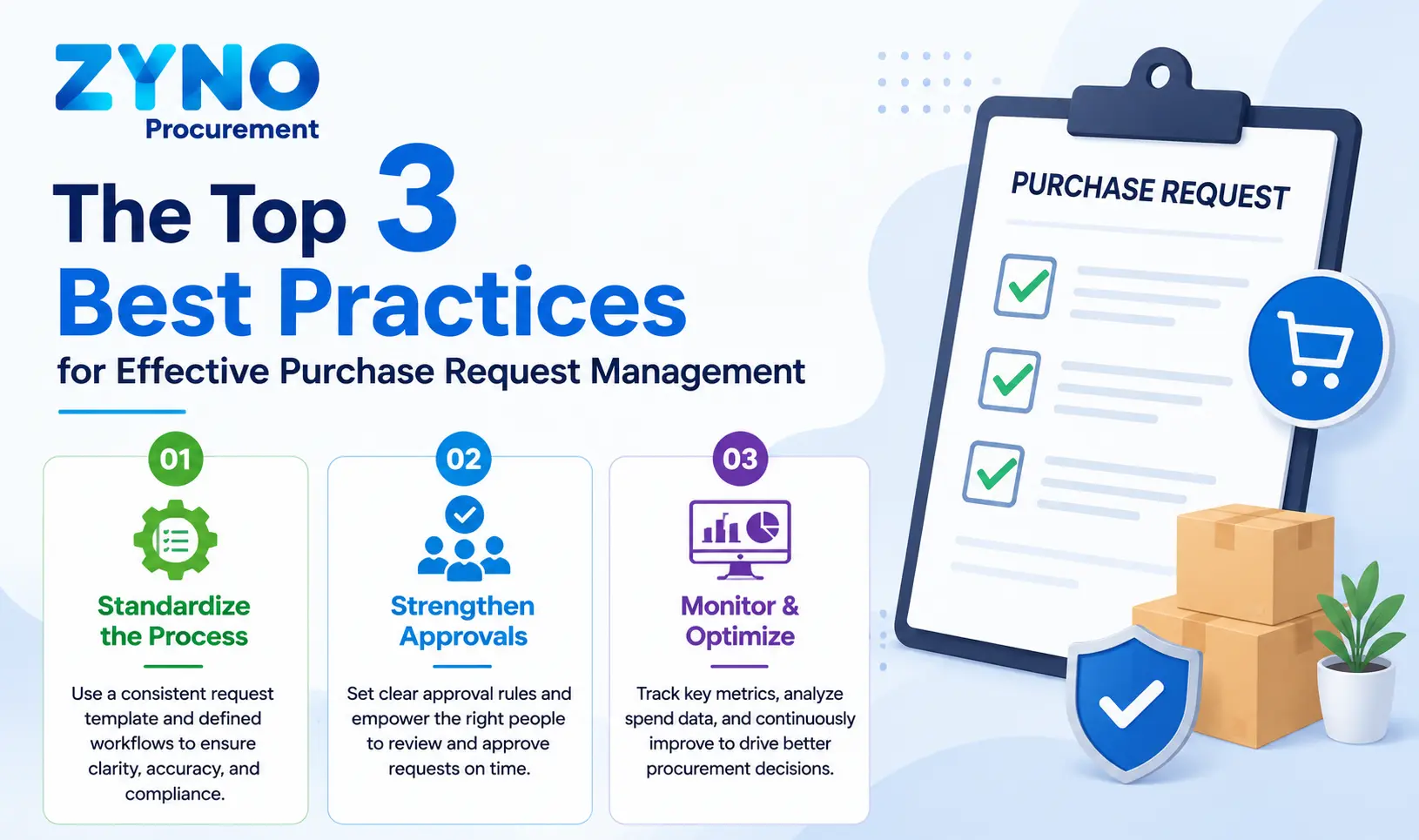
The Top 3 Best Practices for Effective Purchase Request Management
Read More →
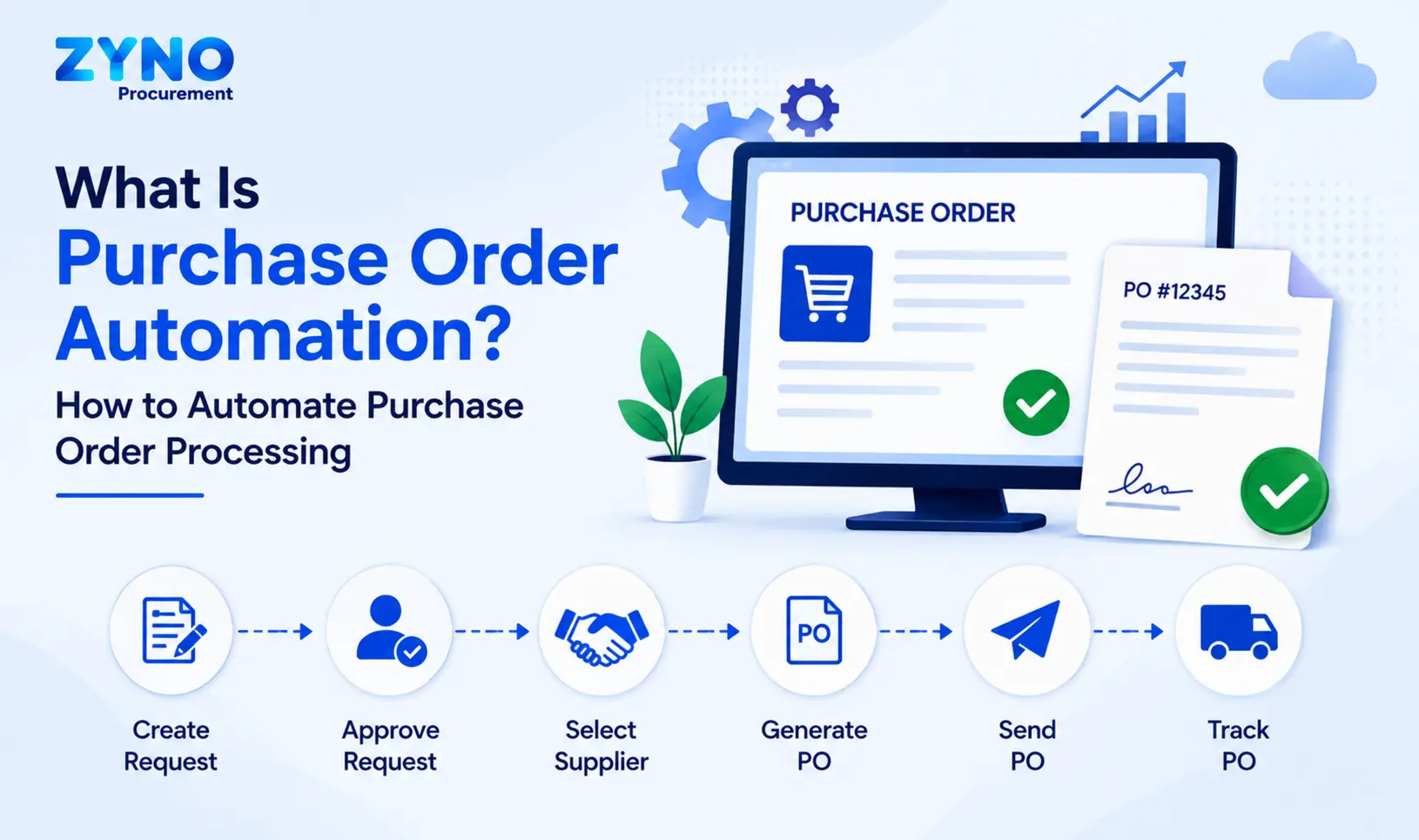
What Is Purchase Order Automation? How to Automate Purchase Order Processing
Read More →
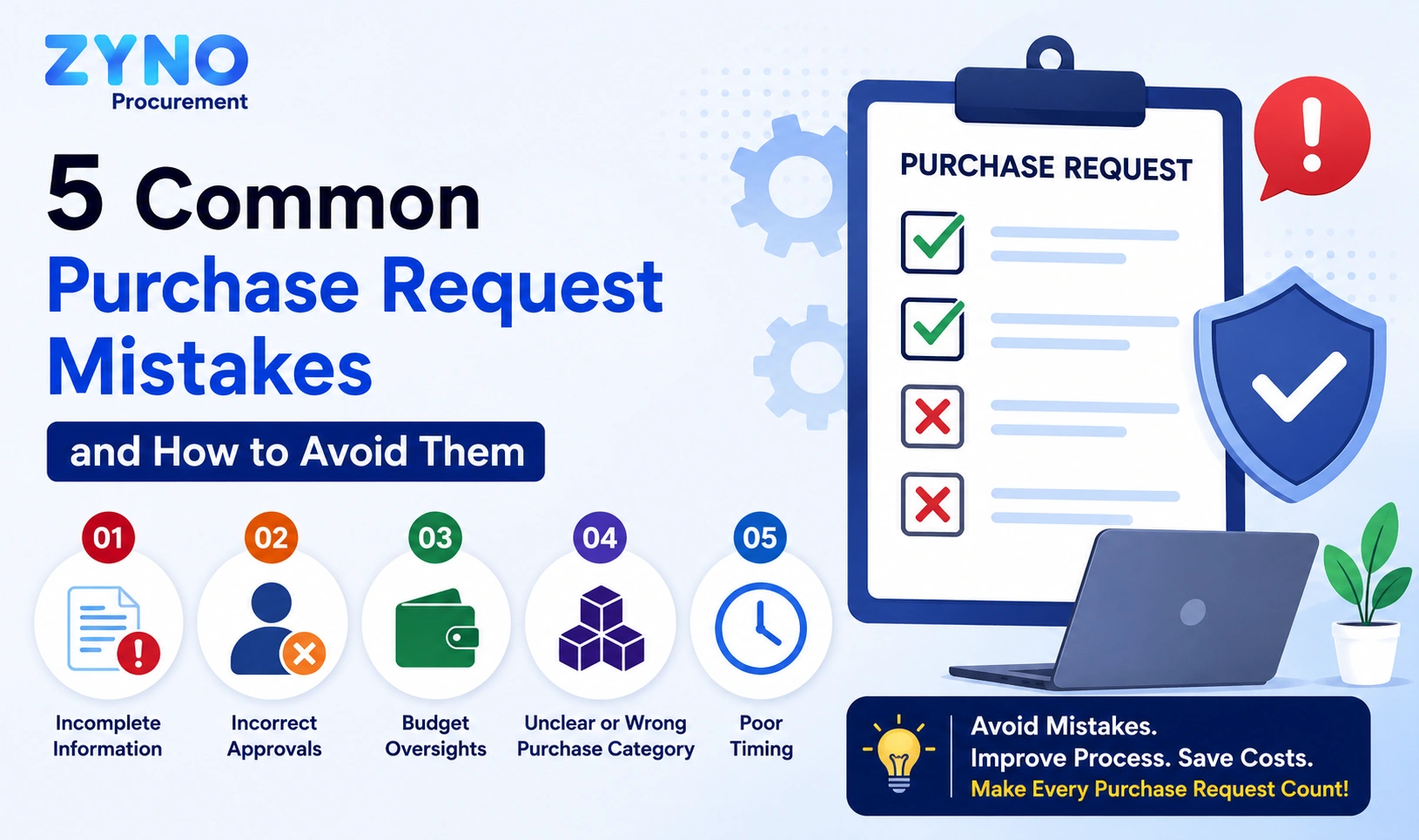
5 Common Purchase Request Mistakes and How to Avoid Them
Read More →
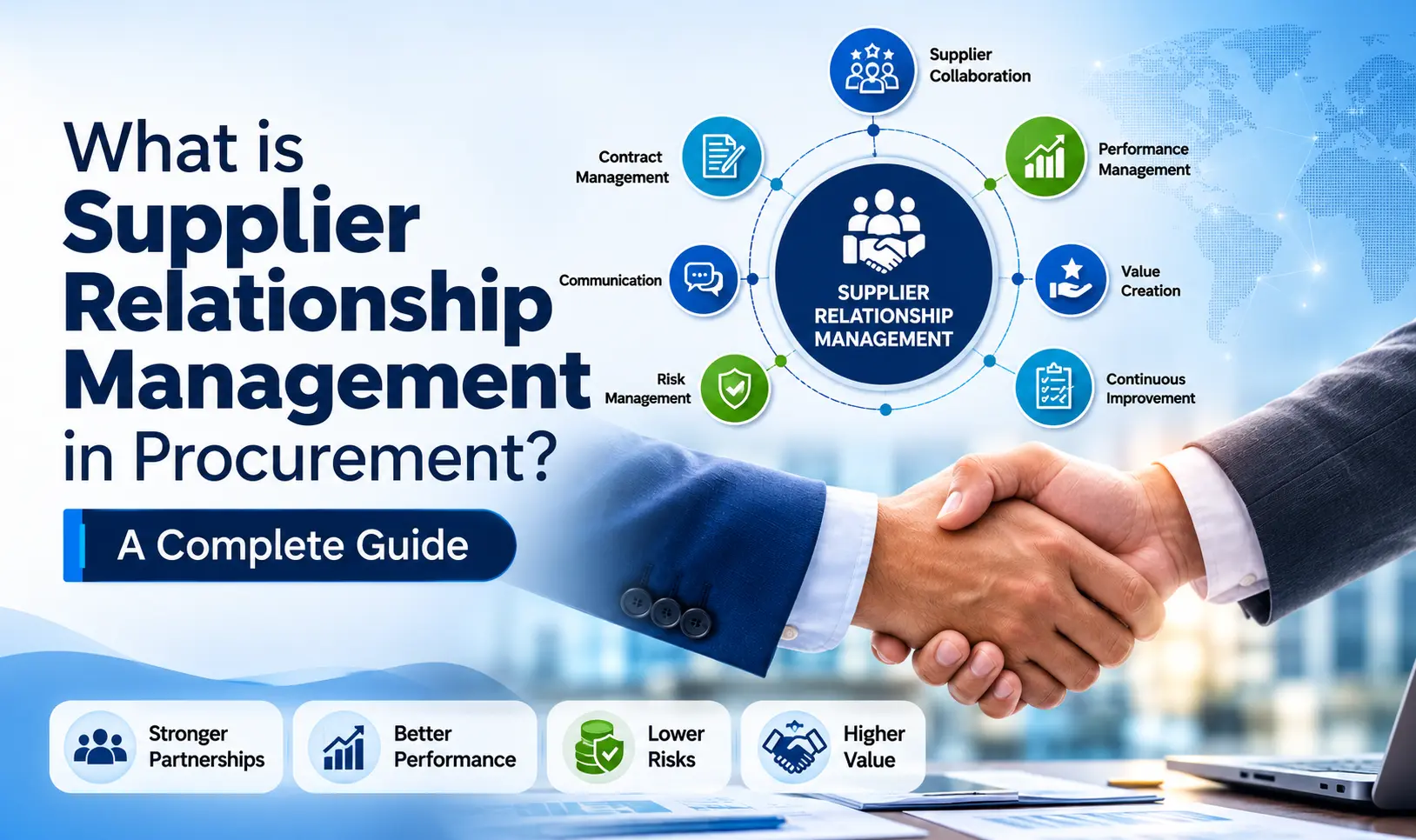
What is Supplier Relationship Management in Procurement? A Complete Guide
Read More →
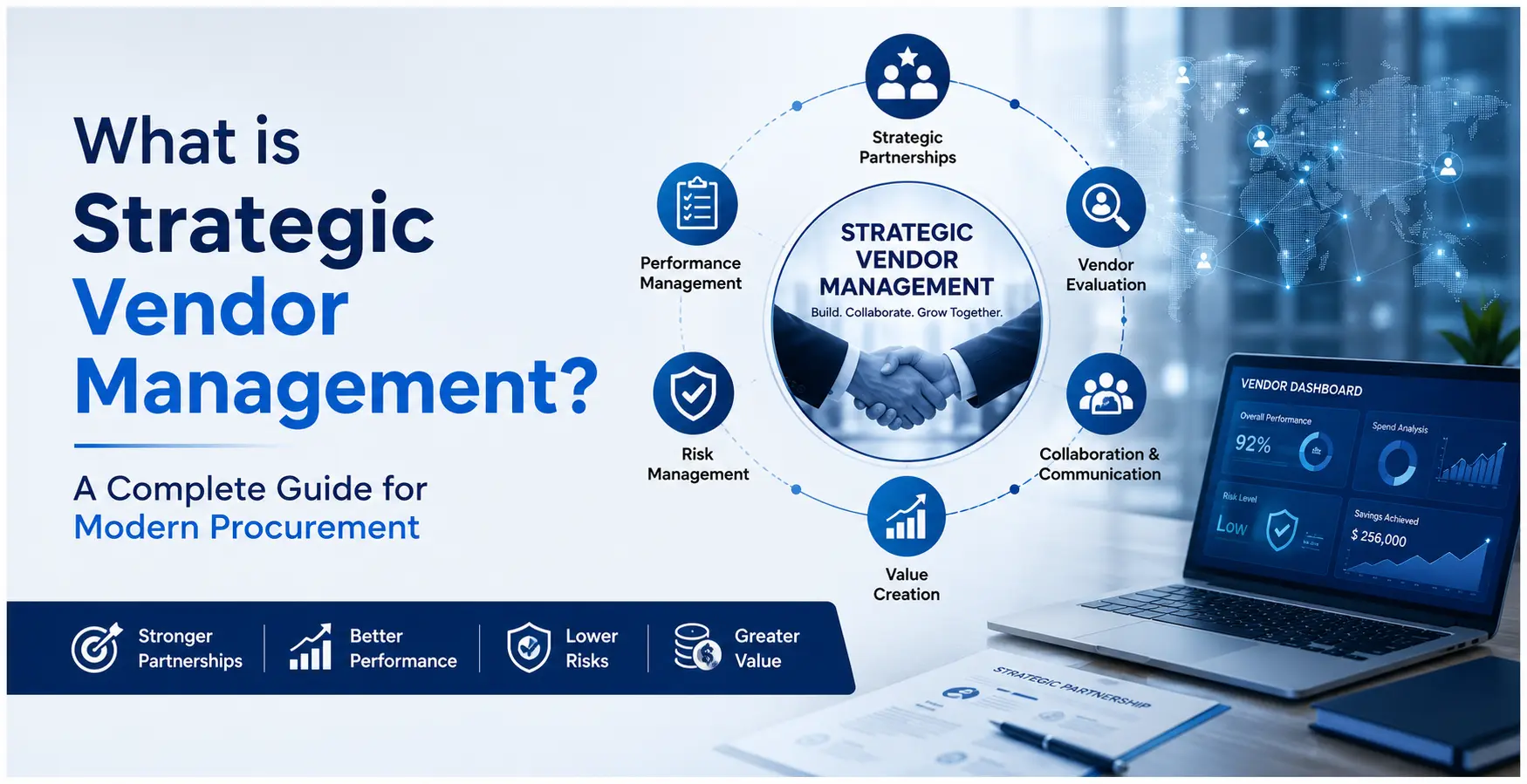
What is Strategic Vendor Management? A Complete Guide for Modern Procurement
Read More →
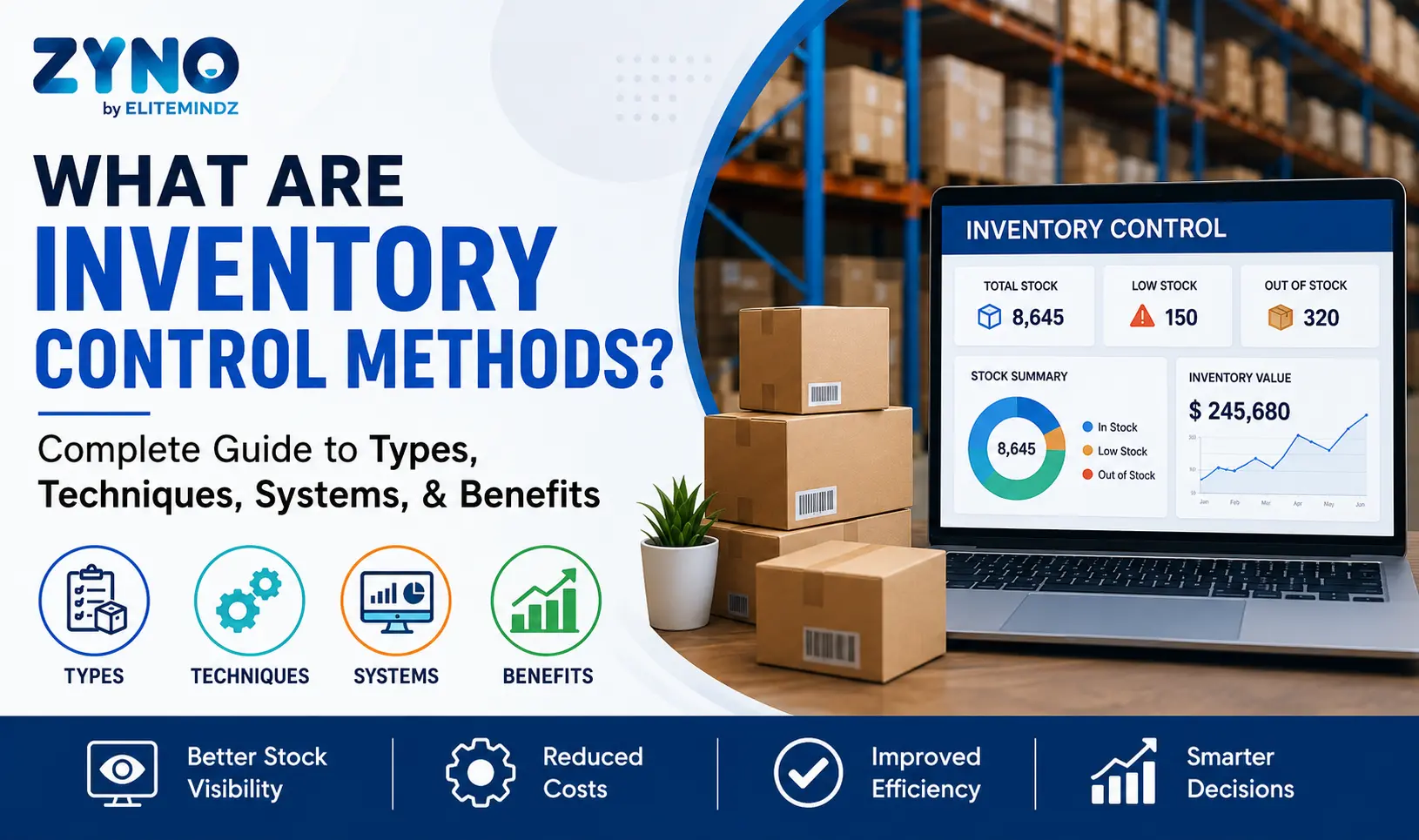
What Are Inventory Control Methods? Complete Guide to Types, Techniques, Systems, & Benefits
Read More →
Inventory Audit Checklist: Steps, Process & Best Practices
Read More →
Warehouse Inventory Management: Best Practices for 2026
Read More →
Treasury Management System (TMS): A Complete Guide for Modern Corporates
Read More →
What is Portfolio Management Services (PMS) and What Are Its Benefits?
Read More →
Generative AI Procurement Software Solution: The Future of Intelligent Procurement
Read More →
Top Contract Management Software Companies in Ethiopia: Features, Benefits & Best Procurement Solutions
Read More →
AI Procurement Software: Complete Guide to Intelligent, Generative AI & Machine Learning Procurement Solutions
Read More →
Top SAP alternatives for small, midsize, and enterprise businesses
Read More →
Best RFP Software in 2026: Top Solutions for Smarter Procurement and Proposal Management
Read More →
GST on Purchase: Complete Guide to GST on Purchases in India
Read More →
Procurement Software UAE: Complete Guide to Choosing the Best Procurement Solution
Read More →
Supply Chain Procurement: Everything You Need to Know
Read More →
Top 10 Oracle Procurement Alternatives for Businesses in 2026
Read More →
Quotation Software vs Excel: Which Is Better for Businesses in 2026?
Read More →
Contract Management Software Buyer's Guide: Features, Pricing & How to Choose
Read More →
How to Identify the Right Vendor: 10 Simple Steps
Read More →
Top 10 Automated PO Generation Tools in 2026: Best Purchase Order Software with AI Capabilities
Read More →
How to Generate a PO Automatically in SAP: Step-by-Step Guide
Read More →
What Is the Best Budget-Friendly Procurement Software With Vendor Onboarding for Indian SMEs?
Read More →
How to Generate a PO Automatically in SAP: Step-by-Step Guide
Read More →
How to Solve Invoice Mismatches: 10 Real Ways to Fix Invoice Discrepancies
Read More →
Top 10 Vendor Onboarding Tools for Businesses in 2026: Features, Process & How to Choose
Read More →
Vendor Comparison & Supplier Intelligence: How AI Helps Businesses Choose the Right Vendor
Read More →
How to Choose the Right Procurement Management Software in 2026 (Complete Buyer's Guide)
Read More →
How to Reduce Procurement Costs: 18 Practical Strategies That Actually Work
Read More →
How to Choose the Right Procurement Management Software in 2026 (Complete Buyer's Guide)
Read More →
How to Calculate Procurement Software ROI: Formula, Example & Calculator
Read More →
Procurement Software Evaluation Checklist: 35 Criteria for Choosing the Right Platform
Read More →
How Businesses Can Improve Vendor Performance and Manage Supplier Risk
Read More →
Procure-to-Pay Process: Steps, Challenges & How to Automate It
Read More →
Purchase Requisition vs Purchase Order: What’s the Difference?
Read More →
Purchase Requisition vs Purchase Order: What’s the Difference?
Read More →Partner with ZYNO by Elite Mindz to revolutionize how your business works. Fill out the form, and we’ll reach out with AI-powered solutions made just for you.
We use browser cookies to ensure you get the best experience on our website. Learn more
The form was submitted successfully!