Procurement Software Trends in 2026: What to Expect
Read More →

×
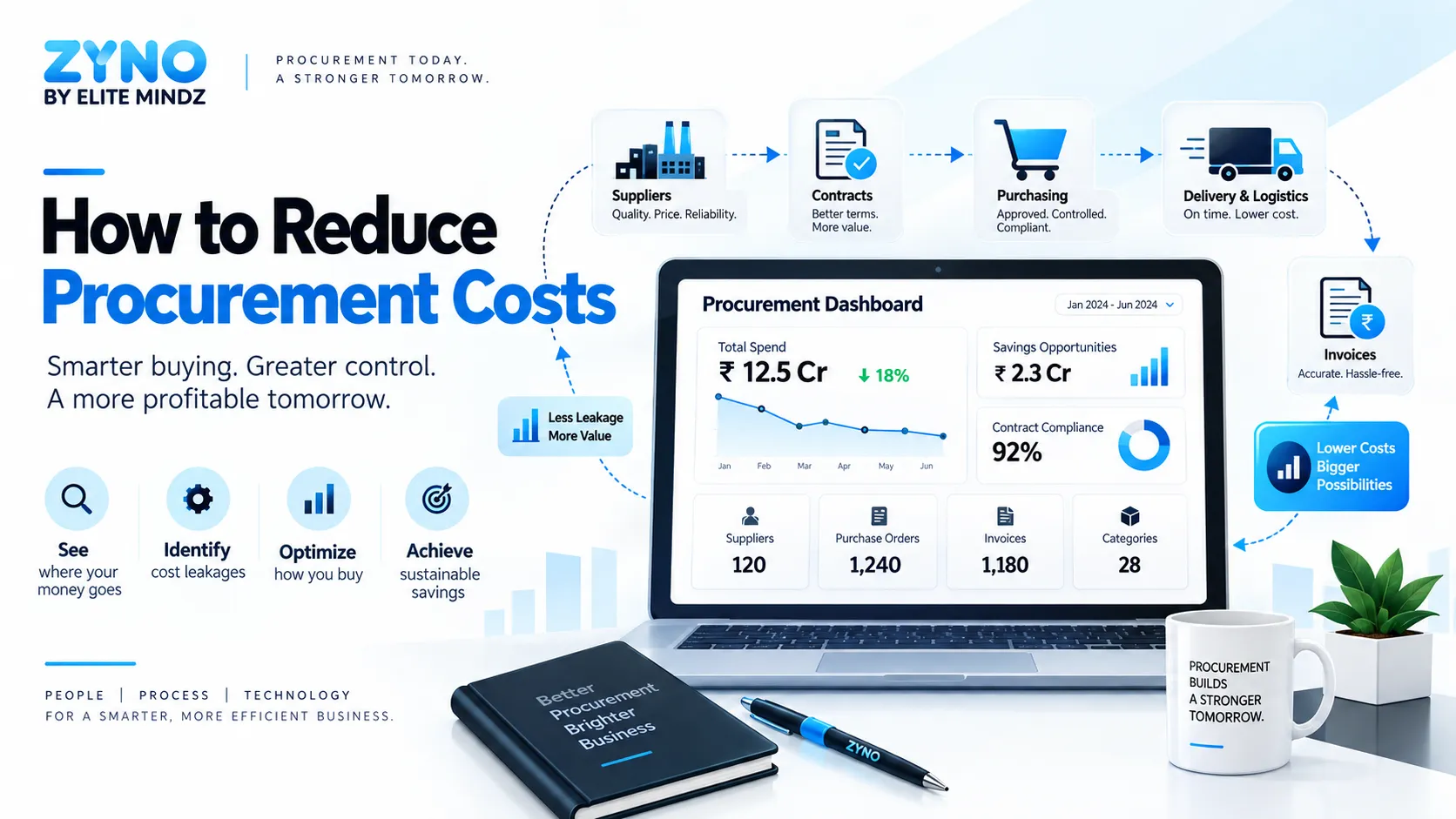
To reduce procurement costs, start by finding where your money is going and where unnecessary costs are entering the purchasing process. Then focus on the biggest opportunities, such as supplier negotiation, maverick spending, supplier consolidation, strategic sourcing, total cost of ownership, demand management, inventory optimization, and procurement automation. The best results come from improving the entire procurement process, not simply asking suppliers for lower prices.
Businesses using ZYNO Books cut accounting time by 70% and stay 100% ZATCA-compliant — automatically.
Reducing procurement costs sounds simple: buy the same things for less money. In practice, it is rarely that simple. A business can negotiate a lower supplier price and still spend more because of expensive freight, excess inventory, poor-quality products, emergency purchases, unnecessary subscriptions, duplicate suppliers, or manual procurement processes. That is why effective procurement cost reduction starts with a broader question:
Where is money being lost across the entire purchasing process?
The following 18 strategies cover the main areas where procurement teams can find and sustain savings.
| Strategy | What it can reduce | Best starting point |
|---|---|---|
| Analyze procurement spend | Hidden and fragmented spend | When spend visibility is poor |
| Renegotiate supplier contracts | Prices, fees and unfavorable terms | Existing suppliers |
| Eliminate maverick spending | Off-contract purchases | Poor purchasing control |
| Consolidate suppliers | Supplier and administrative costs | Too many vendors |
| Use strategic sourcing | Supplier and category costs | High-value categories |
| Use Total Cost of Ownership | Hidden lifecycle costs | Complex purchases |
| Manage demand | Unnecessary purchases | Over-purchasing |
| Standardize specifications | Product and SKU complexity | Multiple similar products |
| Consolidate purchase volumes | Small-order costs | Fragmented buying |
| Optimize payment terms | Financing and working-capital costs | Supplier contracts |
| Reduce freight costs | Transportation expenses | Physical goods |
| Optimize inventory | Holding and emergency costs | Manufacturing and distribution |
| Control tail spend | Small uncontrolled purchases | High transaction volumes |
| Use category management | Structural inefficiencies | Major spend categories |
| Improve supplier performance | Quality and delivery costs | Supplier-related problems |
| Benchmark supplier pricing | Overpayment | Uncertain market pricing |
| Automate procurement workflows | Administrative costs | Manual processes |
| Use analytics and AI | Hidden savings opportunities | Large or complex spend data |
But before choosing a strategy, it helps to understand what procurement cost actually includes.
Procurement costs are the costs involved in acquiring goods and services for a business, including costs beyond the supplier's quoted purchase price. For example, imagine a company buys equipment for ₹10 lakh. The company may also spend:
The equipment may have a purchase price of ₹10 lakh, but the broader cost associated with acquiring and using it is ₹11.5 lakh. This is the first important idea behind procurement cost reduction:

The price on the purchase order is not always the true cost to the business.
Once you understand that, the next question becomes easier: Which costs should procurement actually try to reduce, and which costs should it prevent in the first place?
Procurement cost reduction lowers an existing cost, while cost avoidance prevents a future cost from increasing or occurring. These are different, even though both can create financial value.
Suppose a supplier charges ₹100 per unit. After negotiation, the price becomes ₹92. If the business continues buying the same product under the new price, it has achieved a cost reduction.
Now imagine a supplier plans to increase its price by 8% next year. Procurement negotiates a contract that limits the increase to 3%. The company has prevented part of the expected increase. That is cost avoidance.
Cost reduction lowers a cost you already have. Cost avoidance prevents an additional cost in the future.
Both are useful, but procurement teams should define and report them separately. This distinction also matters when management asks a very practical question:
“How much money did procurement actually save?”
To answer that properly, procurement first needs a clear view of what it was spending. That brings us to the first and often most important strategy.
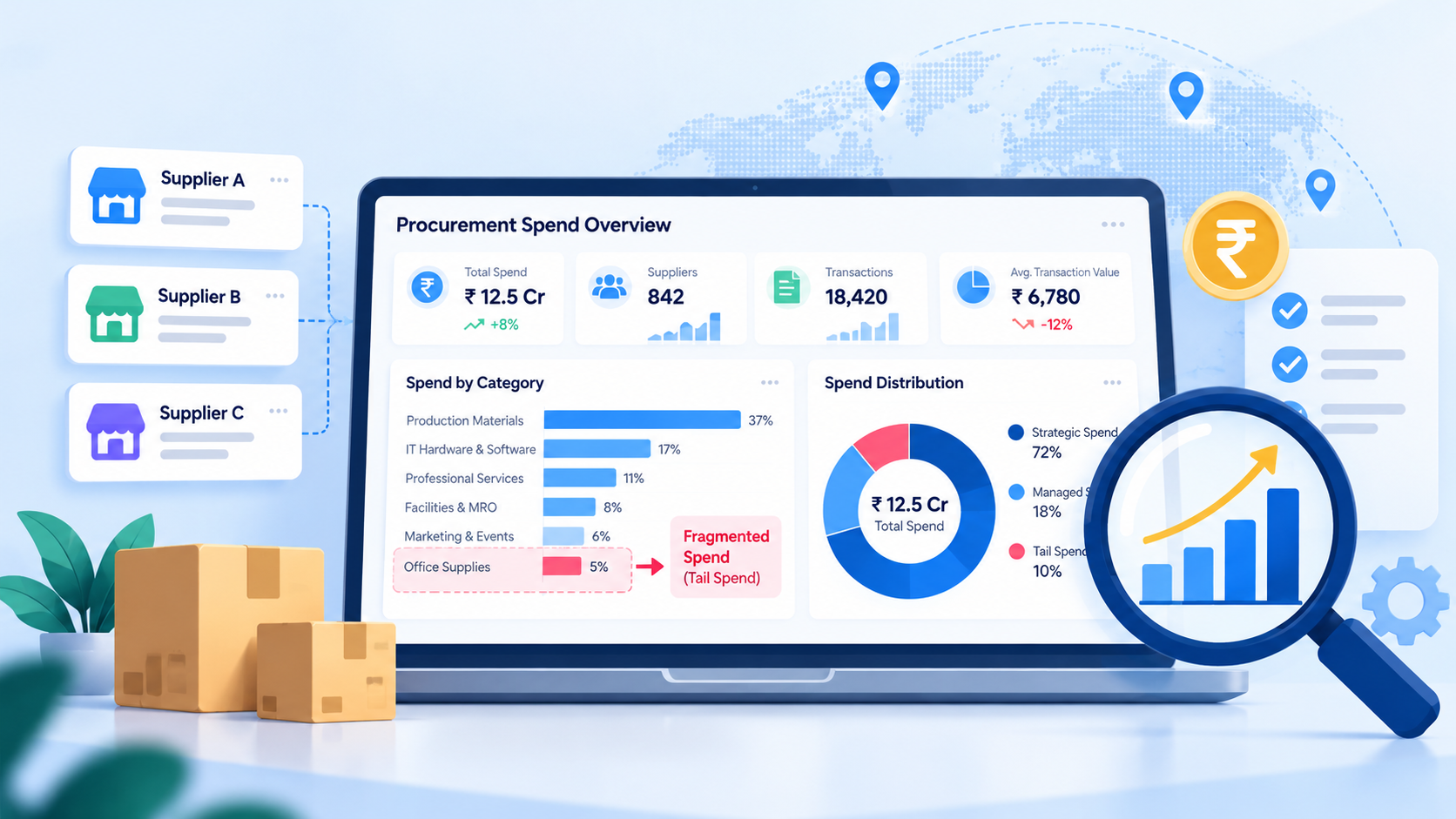
The first step to reducing procurement costs is to understand where the money is going. You cannot reliably reduce costs that you cannot see. In many organizations, purchasing information is spread across:
This makes it difficult to answer simple questions such as:
Suppose three departments buy the same product:
Individually, each purchase may look normal. Together, they reveal a potential savings opportunity. Procurement can investigate why the prices differ and whether the purchases can be consolidated or renegotiated.
Break spend down by:
Then look for:
Don't try to negotiate with every supplier immediately. First rank opportunities by: Spend size + savings potential + ease of implementation + business risk This helps procurement focus its limited time on the opportunities most likely to create meaningful results. Once you know where the money is going, the next logical step is to look at the suppliers already receiving that money.
Reviewing and renegotiating supplier contracts can uncover relatively quick procurement savings, especially when agreements are outdated or purchasing volumes have changed. You do not always need to switch suppliers to reduce costs. Your existing supplier may be willing to improve its terms if you approach the negotiation with good data.
Then use your purchasing history as leverage. Instead of:
“Can you give us a discount?”
try:
“We purchased ₹2 crore from you last year. If we maintain or increase that volume, what pricing and commercial improvements can you offer?”
You can also negotiate:
This is where procurement starts moving from buying cheaper to buying better. But even the best negotiated contract will not deliver its intended savings if employees continue buying outside it. That leads to another major source of procurement leakage.
Maverick spending is purchasing that happens outside approved procurement processes, suppliers, or contracts. Imagine procurement negotiates a preferred price of ₹900 for an item. An employee buys the same item elsewhere for ₹1,050 because that supplier is easier to use. One transaction may not matter. Now imagine 1,000 similar purchases. The organization has potentially lost ₹150,000 compared with its preferred price. The bigger problem is that procurement may not even know the purchases happened.
It can:
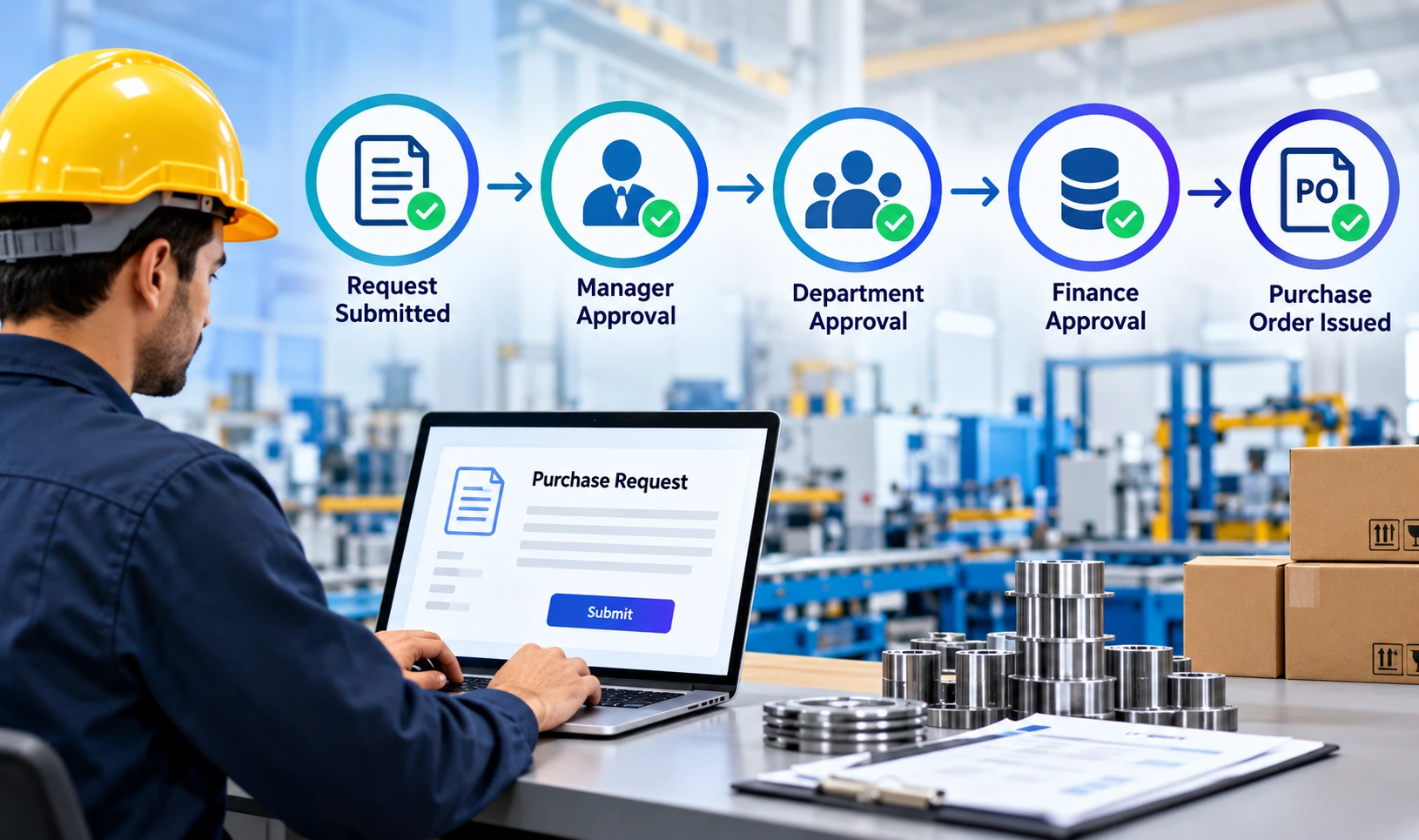
Create a straightforward purchasing route: Request → Approval → Approved Supplier → Purchase Order → Delivery → Invoice Support that process with:

The goal is not to create more bureaucracy. It is to make the compliant buying path the easiest path. Once purchasing is brought under control, procurement can see another question more clearly: Are we using too many suppliers for the same things?
Supplier consolidation can reduce procurement costs by combining fragmented purchasing and reducing unnecessary supplier-management work. Imagine a company purchases similar office supplies from 25 suppliers. Each supplier can create work around:
If some of those suppliers provide essentially the same products, procurement can investigate whether the supplier base can be simplified.
But there is an important qualification. Do not consolidate suppliers simply to reduce the supplier count. Putting everything with one supplier can create:
The objective is appropriate supplier rationalization, not supplier reduction at any cost. Once procurement has a clearer supplier base, it can go one step further and rethink how important categories are sourced.
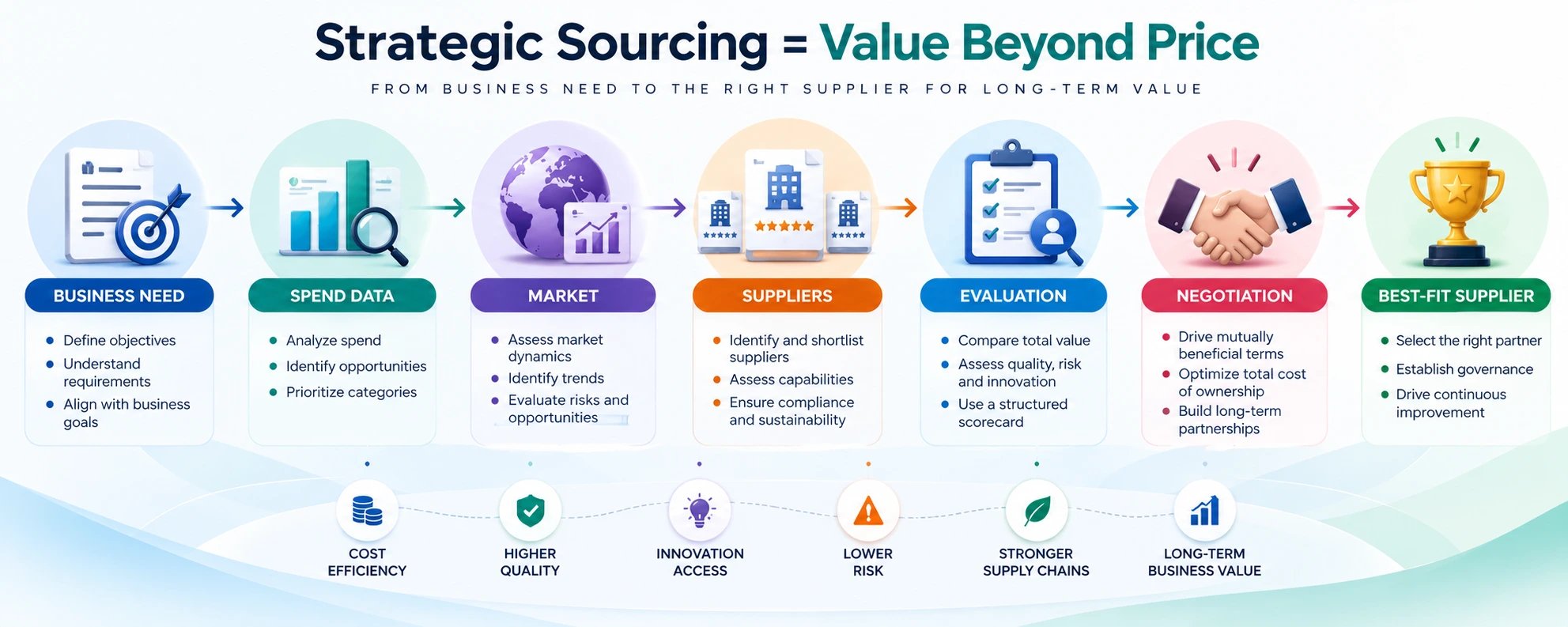
Strategic sourcing reduces procurement costs by systematically evaluating requirements, suppliers, competition, risk, pricing, and total cost before selecting a supplier. Instead of asking:
“Which supplier gave us the cheapest quote?”
strategic sourcing asks:
“Which sourcing approach gives the business the best overall value?”
A simple sourcing process looks like this:
Strategic sourcing is particularly useful for high-value categories. If a company spends ₹5 crore on a category, even a small percentage improvement can have a meaningful financial impact. But comparing suppliers still has one major limitation: The quoted price may not tell you the actual cost.
Total Cost of Ownership, or TCO, measures the broader cost of buying and using a product or service instead of looking only at its purchase price. Depending on the category, TCO can include: Purchase price + freight + duties + installation + maintenance + quality costs + inventory + disposal
Supplier A:
Estimated total = ₹6,30,000 Supplier B:
Estimated total = ₹5,80,000 Supplier B costs more to purchase. Yet Supplier B has the lower estimated overall cost. That is why TCO is particularly useful for:
TCO changes the procurement conversation from:
“How much does it cost?”
to:
“How much will this decision cost the business over its useful life?”
However, there is another question procurement should ask before negotiating any purchase: Do we actually need to buy it?
Demand management reduces procurement costs by preventing unnecessary purchases, excessive consumption, and over-ordering. This can sometimes create more sustainable savings than negotiating another few percentage points from a supplier. Consider software licenses. A company owns 1,000 licenses but only 800 employees actively use them. Negotiating a lower price is useful. But eliminating 200 unnecessary licenses can remove the cost altogether.
Demand management is particularly important for:
Once procurement understands what the business genuinely needs, it becomes easier to determine whether different products or specifications can also be standardized.
Standardizing products and specifications can reduce procurement costs by removing unnecessary variation and increasing purchasing leverage. For example, three departments may buy three different laptop models even though all employees have similar requirements. If the business can standardize on fewer suitable models, it may reduce:
It may also increase purchasing volume with selected suppliers.
“Is this specification genuinely required, or is it simply what we have always purchased?”
That question can uncover unnecessary cost. Standardization does not mean forcing every department to use the same product regardless of its needs. It means separating real requirements from unnecessary preferences. And when similar demand is identified across departments, procurement can often use that combined demand to negotiate better commercial terms.
Consolidating appropriate purchase volumes can improve negotiating leverage and reduce the cost of processing multiple small orders. Suppose three departments purchase the same product:
Together they need: 5,000 units A supplier may offer a different price for a larger commitment than for three smaller orders. Consolidation may also reduce:
But bigger orders are not automatically better. Large purchases can increase:
So the right question is:
“What purchase volume gives us the best total cost?”
not:
“How big an order can we place?”
That same principle applies to payment terms: the commercial agreement should optimize the whole relationship, not just one number.
Optimizing payment terms can improve working capital and, in some cases, create additional financial value. For example, a company may currently pay suppliers within 15 days. Depending on the relationship and contract, it may negotiate 30 or 45 days. Another supplier may offer:
2% discount for payment within 10 days.
Procurement and finance can compare the value of the discount with the value of retaining cash longer. The important point is that payment terms should be considered as part of the overall supplier agreement. Don't negotiate:
without understanding the combined commercial impact. Once the commercial terms are optimized, procurement should look at another cost that can quietly make a good supplier agreement more expensive: getting the product from the supplier to the business.
Procurement teams can reduce supply costs by improving delivery planning, shipment consolidation, freight negotiations, and landed-cost analysis. A product with a low purchase price can become expensive when transportation costs are high. Common causes include:
Suppose five separate deliveries cost ₹10,000 each. 5 × ₹10,000 = ₹50,000 If the business can consolidate suitable deliveries without creating inventory or service problems, it may reduce transportation costs.
Procurement can:
But freight is only one part of the physical supply chain. If the company buys too much to secure a discount, it may simply move the cost from freight into inventory. That is why the next question is: How much inventory should we actually hold?
Inventory optimization reduces procurement costs by balancing product availability with the cost of holding excess stock. Too much inventory can create:
Too little inventory can create:
So the objective is not:
“Keep inventory as low as possible.”
It is:
“Keep the right amount of inventory at the right time.”
Useful approaches include:
This is also why procurement savings cannot be viewed in isolation. A cheaper unit price, a larger order, or a lower inventory level can each create unintended costs elsewhere. The same principle applies to smaller purchases, where the individual transaction may seem insignificant but the combined cost can be substantial.
Tail spend management reduces the cost and complexity created by large numbers of small, fragmented purchases. Imagine a company has:
Each purchase may look too small to deserve strategic attention. But collectively they can create:
You can:
The objective is not to manually manage every ₹1,000 purchase. It is to make repetitive, low-value purchasing simple, controlled, and efficient. Once recurring spend is grouped into meaningful categories, procurement can move from managing individual transactions to managing the category itself.
Category management reduces procurement costs by managing related purchases as a strategic group rather than treating every transaction separately. For example, instead of separately managing hundreds of IT purchases, procurement can create an IT category strategy. Other categories might include:
A category strategy can consider:
This changes the question from:
“How do we save money on this purchase?”
to:
“How should we manage this entire category to create better value?”
That broader view also makes it easier to identify a cost that is often missed during sourcing: the cost of poor supplier performance.
Improving supplier performance can reduce costs caused by late deliveries, poor quality, rework, returns, and emergency purchases. Consider a supplier that offers a very competitive price but frequently delivers late. The business may then need to:
The supplier looked cheap on paper. The supplier relationship was expensive in practice.
This allows procurement to connect supplier performance with actual business costs. And there is another useful question: How do you know whether your supplier's price is actually competitive in the first place? That is where benchmarking becomes useful.
Supplier price benchmarking helps procurement identify whether it may be paying more than comparable prices justify. Useful comparison points include:
Your company pays ₹120 for a component. Another business unit pays ₹108 for a similar volume. That does not automatically mean your supplier is overcharging. The products may differ. The specifications may differ. The delivery terms may differ. The purchase volumes may differ. But the difference gives procurement a reason to investigate. Benchmarking changes:
“I think we're paying too much.”
into:
“Our price is higher than comparable purchases. What is causing the difference?”
Once procurement starts identifying these differences systematically, the volume of information to review can become difficult to manage manually. That is where technology starts becoming useful.
Procurement automation reduces the time, manual effort, errors, and administrative cost involved in repetitive purchasing activities. Consider a traditional process: Email → Spreadsheet → Manager → Procurement → Supplier → Finance → Accounts Payable Every manual handoff creates an opportunity for:
A digital workflow can connect: Purchase Request → Approval → Approved Supplier → Purchase Order → Receipt → Invoice This can help automate activities such as:
The important point is:
Automation should solve a real procurement problem, not simply add technology to the process.
If a process is unnecessarily complicated, simplify it first. Then automate the repetitive parts. And once procurement processes are digital, the organization generates more usable data. That creates an opportunity to find savings that manual analysis may miss.
Procurement analytics and AI can help teams identify spending patterns, anomalies, supplier risks, and savings opportunities faster. Analytics can help identify:
For example, a procurement analytics system might highlight:
“Three departments purchased the same category from different suppliers at significantly different prices.”
Or:
“Supplier X increased pricing by 9%, while comparable supplier prices remained relatively stable.”
Or:
“This contract is approaching renewal and annual spend has increased substantially since the original agreement.”
AI can help procurement teams process large volumes of information and surface patterns faster. But AI should not replace procurement judgment. The purpose is to help people answer better questions, prioritize opportunities, and make faster decisions. At this point, the organization has another important challenge: How do you know whether all these identified opportunities actually became savings?
Procurement savings should be measured from an agreed baseline and tracked from the initial opportunity through negotiation, implementation, and actual purchasing. A savings opportunity is not automatically a realized saving. Consider this example.
Current supplier price: ₹100 Potential new price: ₹90 Potential opportunity: ₹10 per unit At this point, procurement has identified an opportunity.
The supplier agrees to ₹90. Annual expected volume: 100,000 units Potential negotiated saving: ₹10 × 100,000 = ₹10 lakh But the business still needs to purchase under those terms.
Suppose the business actually purchases 100,000 units at ₹90. Now procurement can verify the saving against the agreed baseline. But if the business purchases only 50,000 units, the actual saving will be different. That is why procurement and finance should agree on:
The goal is to move from: “We negotiated ₹10 lakh in savings.” to: “We can prove ₹10 lakh was actually realized.” That distinction becomes especially important when procurement performance is being reported to finance and senior management.
The fastest procurement savings usually come from areas where the problem already exists and can be addressed without major process transformation.
Look at:
These are often easier to act on than a complete procurement transformation.
Move into:
Focus on:
A useful way to think about it is:
Quick wins stop existing leakage. Structural improvements make it harder for that leakage to return.
That leads to an important practical question.
Start with visibility, not negotiation. If you are starting a procurement cost-reduction program, follow this sequence.
Understand where money is going.
Look for:
Prioritize categories based on: Spend × savings potential × implementation effort × risk
Compare:
Look for:
Ask:
Use:
Digitize repetitive workflows and improve spend visibility.
Track realized savings rather than only potential savings. This gives procurement a practical path from finding the problem to proving the result.
To reduce procurement costs across the supply chain, look beyond supplier price and optimize purchasing, transportation, inventory, quality, demand, and supplier reliability together. For example, consider a company buying raw materials. A lower material price may look attractive. But if that supplier has:
the overall supply-chain cost may increase.
A cheaper supplier may become more expensive after freight, duties, and other logistics costs.
Consolidate suitable shipments and reduce emergency deliveries.
Better forecasts can reduce excess inventory and emergency purchases.
Unreliable lead times can force businesses to hold more safety stock.
Overly complex specifications can reduce competition and increase costs.
Consider storage, working capital, obsolescence, and stockout risks.
Poor quality and late delivery can create additional operational costs.
Supplier price + logistics + inventory + quality + administration + risk rather than: Supplier price alone This same principle is important when procurement is under pressure to reduce costs without damaging quality.
Procurement can reduce costs without sacrificing quality by optimizing total value rather than choosing the cheapest supplier or cutting specifications blindly. Instead of asking:
“How can we make this cheaper?”
ask:
“How can we reduce the total cost while maintaining the performance the business actually needs?”
Evaluate:
A company has two components: Component A: ₹1,000 Component B: ₹700 It chooses B because it is cheaper. But B fails twice as often. The company may then spend more on:
The ₹700 component may therefore have a higher total cost. Good procurement does not simply reduce the price. It removes unnecessary cost without creating a larger cost somewhere else.
Sometimes the easiest way to understand a procurement strategy is to see how it works in a real business situation.
A company uses 12 suppliers for similar products.
Purchasing volume is fragmented and supplier management requires significant administrative work.
Procurement compares supplier pricing, quality, capacity, risk, and performance and consolidates suitable purchases among qualified suppliers.
Employees purchase directly from suppliers without using approved contracts.
Procurement cannot fully control or see the spending.
The organization introduces preferred suppliers, purchasing catalogs, approval workflows, and appropriate spending controls.
A supplier automatically increases prices during renewal.
The existing agreement has not been reviewed against current spending, supplier performance, or market alternatives.
Procurement analyzes historical spend and supplier performance before negotiating the renewal.
The company places several small urgent orders each week.
Frequent deliveries increase transportation costs.
Procurement and operations improve demand planning and consolidate suitable deliveries.
These examples show why procurement savings rarely come from one single action. They usually come from several improvements working together.
Manufacturers can reduce procurement costs by optimizing raw materials, components, supplier pricing, specifications, quality, logistics, inventory, and demand. Procurement decisions in manufacturing can directly affect production costs. Common savings areas include:
Imagine a manufacturer purchases a component 100,000 times per year at ₹100. Annual spend: 100,000 × ₹100 = ₹1 crore A 3% cost reduction equals: ₹1 crore × 3% = ₹3 lakh per year That saving could come from:
The important point is that procurement teams do not always need a dramatic price reduction. A small improvement applied to a large spend category can create meaningful savings.
After looking at all these strategies, most procurement savings opportunities can be grouped into five simple levers.
Can you obtain better commercial terms? Examples:
Can you avoid unnecessary purchases? Examples:
Can you combine purchasing power? Examples:
Can you make procurement cheaper and faster to operate? Examples:
Can you reduce costs beyond the purchase price? Examples:
Price is only one procurement savings lever.
If procurement focuses exclusively on price, it can miss some of the largest opportunities elsewhere in the purchasing lifecycle.
Strategic sourcing reduces procurement costs by creating a structured process for comparing suppliers, requirements, competition, risk, and total cost before a purchasing decision is made. A simple process is: Analyze spend → Define requirements → Research suppliers → Invite competition → Evaluate TCO → Negotiate → Contract → Monitor This allows procurement to consider:
Strategic sourcing works particularly well for high-value categories. It also creates a stronger foundation for supplier negotiation because procurement enters the discussion with alternatives and data rather than simply asking for a discount.
The strongest supplier negotiations start with data, a clear baseline, and a good understanding of alternatives. Before negotiating, know:
Then negotiate the complete commercial package. You may be able to negotiate:
Instead of:
“Give us 10% off.”
try:
“What commercial options can reduce our total cost if we commit to this volume and contract term?”
That opens the conversation beyond a simple price discount. And after the negotiation is complete, one more step is critical: make sure the agreed savings actually reach the business.
Measure procurement savings against a defined baseline and track them through actual transactions. A simple savings flow is:
For example: Current price = ₹100 Negotiated price = ₹90 Actual purchase volume = 100,000 units Realized saving: ₹10 × 100,000 = ₹10 lakh But if only 50,000 units are purchased at the new price, the realized saving is ₹5 lakh. This is why procurement should not stop measuring at the negotiation stage. A contract can promise savings. Actual purchasing proves them.

The right KPIs depend on the problem procurement is trying to solve.
| KPI | What it tells you |
|---|---|
| Procurement savings % | How much cost has been reduced |
| Realized savings | What was actually achieved |
| Cost avoidance | Future costs prevented |
| Maverick spend % | How much purchasing bypasses controls |
| Contract compliance | Whether negotiated contracts are being used |
| Spend under management | How much spend procurement controls |
| Purchase cycle time | How quickly purchases move through procurement |
| PO compliance | Whether purchasing follows the required process |
| Supplier defect rate | Quality-related cost |
| On-time delivery | Supplier reliability |
| Supplier price variance | Differences in supplier pricing |
| Invoice processing cost | Administrative efficiency |
Don't track every metric simply because it is available. Match the KPI to the problem. Problem: High maverick spend → Track maverick spend percentage. Problem: Slow procurement → Track purchase cycle time. Problem: Supplier pricing → Track price variance and realized savings. Problem: Supplier quality → Track defect and rework rates. This keeps procurement measurement useful rather than turning it into another reporting exercise.
Choose the strategy based on the problem you are trying to solve.
| If your problem is... | Start with... |
|---|---|
| You don't know where money goes | Spend analysis |
| Supplier prices seem high | Benchmarking + negotiation |
| Employees buy outside contracts | Maverick-spend controls |
| You have too many suppliers | Supplier rationalization |
| The cheapest supplier isn't cheapest overall | TCO analysis |
| You buy more than you need | Demand management |
| Products are unnecessarily different | Standardization |
| Freight costs are high | Logistics optimization |
| Inventory is too high | Demand forecasting + inventory optimization |
| Procurement takes too long | Workflow automation |
| Small purchases are uncontrolled | Tail-spend management |
| Category spending is fragmented | Category management |
| Supplier performance is poor | Supplier performance management |
| Savings are difficult to prove | Savings tracking |
| Procurement data is difficult to analyze | Procurement analytics |
This gives procurement teams a practical starting point. Instead of asking:
“Which procurement strategy is best?”
ask:
“What is causing our procurement cost problem?”
Then select the appropriate lever.
Cost reduction can create new problems when it is approached too narrowly.
A lower purchase price can create higher quality, logistics, maintenance, or operational costs.
The problem may actually be unnecessary demand, poor specifications, or internal purchasing behavior.
Thousands of small transactions can create significant administrative and compliance costs.
Too much supplier concentration can increase supply-chain risk.
Lower inventory can create stockouts and emergency purchases.
A negotiated discount should be tracked through actual purchasing before being reported as realized savings.
Technology cannot fix unclear requirements or unnecessary process steps. Simplify the process first. Then automate it. These mistakes all point to the same conclusion: procurement cost reduction works best when it is treated as an end-to-end improvement program, not a collection of isolated discounts.
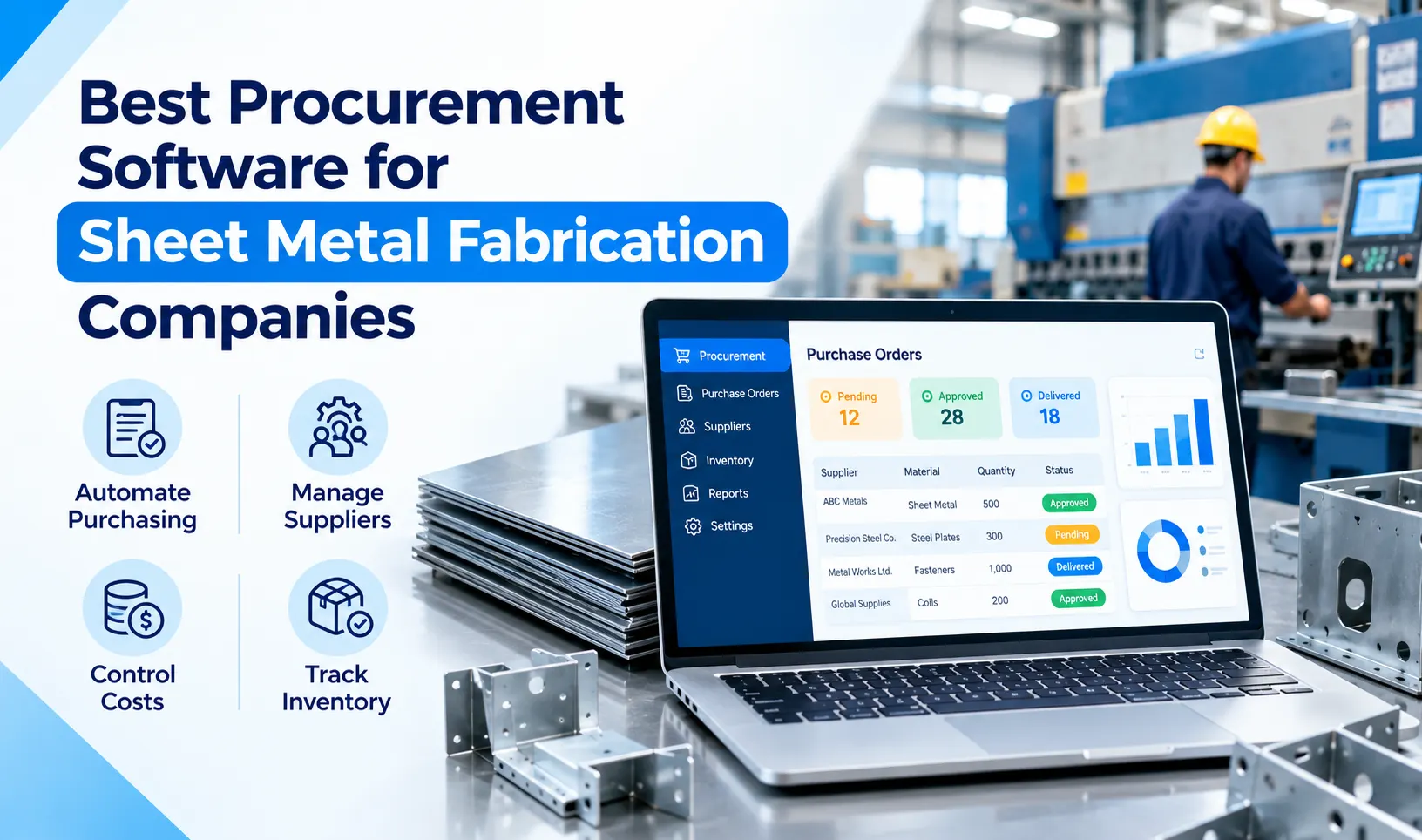
Yes. Procurement software can help reduce procurement costs by improving spend visibility, enforcing purchasing controls, automating workflows, and reducing manual administrative work. But software does not create savings simply because it has been installed. The value comes from using it to improve the way procurement operates. A digital procurement process can connect:
This can help reduce:
It can also help procurement connect: people → purchases → suppliers → contracts → transactions → spend data That creates a much clearer picture of what is happening across the procurement lifecycle. For organizations looking to centralize procurement workflows, ZYNO Procurement by Elite Mindz can support purchasing, approvals, supplier management, and procurement visibility within a more structured digital workflow. The bigger shift is moving from:
“What did we spend?”
to:
“Why did we spend it, was it approved, was it under contract, and did we receive the value we negotiated?”
If your organization is starting a cost-reduction program, don't try to implement all 18 strategies at once. Start with visibility and quick wins.
Focus on:
Create a prioritized list of savings opportunities. At this stage, the objective is not to save money immediately. It is to understand where the biggest opportunities are.
Now focus on:
Turn high-confidence opportunities into active savings initiatives. This is where the analysis from the first 30 days starts becoming financial results.
Once immediate opportunities are being addressed, work on:
Make the savings repeatable. Because reducing costs once is useful. Building a procurement process that keeps finding and preventing unnecessary costs is much more valuable.
The entire approach can be simplified into five steps:

Understand where money is going. Spend data + suppliers + contracts + purchasing patterns
Stop unnecessary leakage. Approvals + preferred suppliers + contract compliance + purchasing controls
Find better ways to buy. Sourcing + negotiation + TCO + demand management + category management
Reduce repetitive work. Purchase requests + approvals + purchase orders + invoices + reporting
Prove that savings actually happened. Baseline + realized savings + finance validation + KPIs The sequence matters. There is little value in automating a procurement process that nobody understands. There is little value in negotiating savings that employees do not follow. And there is little value in reporting savings that cannot be verified. The strongest procurement programs connect all five steps.
Start with spend analysis, contract reviews, supplier pricing, and maverick-spend analysis. These areas can quickly reveal overpriced purchases, off-contract spending, fragmented suppliers, and opportunities for negotiation.
What are the main ways to reduce procurement costs?The main approaches include spend analysis, supplier negotiation, strategic sourcing, supplier consolidation, maverick-spend control, TCO analysis, demand management, inventory optimization, category management, procurement automation, and analytics.
How can procurement reduce costs without reducing quality?Use Total Cost of Ownership rather than choosing suppliers based only on purchase price. Consider quality, delivery, maintenance, freight, warranty, reliability, and other lifecycle costs.
How does spend analysis reduce procurement costs?Spend analysis shows what the organization buys, from whom, at what price, and under which contracts. This can reveal duplicate suppliers, price differences, maverick spending, fragmented purchases, and other savings opportunities.
What is maverick spending in procurement?Maverick spending is purchasing that happens outside approved procurement processes, suppliers, or contracts. It can reduce negotiated buying power and make spending harder to control.
How does supplier consolidation reduce procurement costs?Supplier consolidation can increase purchasing volume, improve negotiation leverage, reduce administrative work, simplify supplier management, and reduce unnecessary supplier fragmentation.
What is Total Cost of Ownership in procurement?Total Cost of Ownership is the broader cost of acquiring and using a product or service. It can include purchase price, freight, installation, maintenance, quality costs, inventory, and disposal.
How does strategic sourcing reduce procurement costs?Strategic sourcing evaluates requirements, suppliers, market conditions, competition, pricing, risk, and TCO before a supplier is selected. This can create better commercial terms and reduce overall purchasing costs.
Can procurement automation reduce costs?Yes. Automation can reduce manual processing, approval delays, errors, repetitive administrative work, and off-contract purchasing while improving spend visibility.
How can AI help reduce procurement costs?AI and analytics can help identify price anomalies, supplier differences, purchasing patterns, contract leakage, demand trends, and potential savings opportunities more quickly.
What is the difference between procurement cost reduction and cost avoidance?Cost reduction lowers an existing cost. Cost avoidance prevents a future cost increase or unnecessary expense. Both can create value but should be measured separately.
How should procurement savings be measured?Start with an agreed baseline, calculate the savings opportunity, track negotiated savings, and then verify actual purchasing and financial results to determine realized savings.
What are the most important procurement cost reduction KPIs?Useful KPIs include realized savings, savings percentage, cost avoidance, maverick spend, contract compliance, spend under management, purchase cycle time, supplier performance, price variance, and invoice-processing costs.
How can procurement reduce costs in manufacturing?Manufacturers can focus on raw materials, components, supplier pricing, specifications, supplier quality, freight, inventory, demand forecasting, minimum order quantities, and strategic sourcing.
Reducing procurement costs is not about making every purchase as cheap as possible. It is about understanding where money is going, why it is being spent, and whether the business is getting the value it expects in return. Start with visibility. Then identify the biggest sources of leakage:
From there, use the right savings lever: strategic sourcing, supplier negotiation, demand management, TCO, category management, process improvement, automation, or analytics. And don't stop when a supplier agrees to a discount. Track the saving through the contract, purchase order, invoice, and actual transaction so you can prove that the saving was realized. The strongest procurement teams don't just ask:
“How can we spend less?”
They ask:
“How can we get the best business value from every rupee we spend?”
For organizations managing procurement across multiple departments, suppliers, categories, and purchase requests, procurement technology can make this process easier by bringing purchasing workflows, approvals, supplier management, and spend visibility into one system.
Gain better control over procurement spend with centralized purchasing workflows, approvals, supplier management, contract visibility, spend insights, and automation designed to reduce unnecessary costs and improve purchasing efficiency.
Request a Free DemoExplore ZYNO Procurement
Procurement Software Trends in 2026: What to Expect
Read More →
Why E-Procurement Outperforms Traditional ERP in Modern Procurement
Read More →
Top Procurement Software in India: 12 Best Options for 2026
Read More →
Best Procurement Software Companies in Kuwait (2025)
Read More →
5 Best Procurement Software in Africa for Enterprises & SMEs (2026 Guide)
Read More →
Best Procurement Software in Nigeria 2026 | Top 5 Picks
Read More →
Best Procurement Software Providers in USA (2025): How AI is Transforming the Future
Read More →
10 Best Procurement Software Providers in Thailand for Streamlined Supply Chain Management
Read More →
Top 10 Cloud-Based Procurement Solutions in Portugal for Businesses in 2025
Read More →
Top 10 Procurement Software Providers in Switzerland 2026: Streamlining Sourcing and Supplier Management
Read More →
What Makes ZYNO Procurement Different from Other Oil & Gas Procurement Software
Read More →
The Digital Transformation of Logistics Procurement in the Middle East
Read More →
A Step by Step Guide to Procurement Management Software for Modern Enterprises
Read More →
Sourcing and Procurement: What is the Difference and Why It Matters
Read More →Difference Between Procurement and Supply Chain Management
Read More →
What Is Procurement Software and Why Do Modern Businesses Need It?
Read More →
Best Procurement Management Software to Automate ERP Process
Read More →
Direct vs Indirect Procurement: Key Differences, Examples & Uses (2026)
Read More →
Smart procurement strategies for cost optimization & risk management
Read More →
What Is Procurement? Everything You Need to Know (Types, Process & SAP)
Read More →Beyond Cost-Cutting: How Procurement Drives Margin Expansion in 2026
Read More →
Direct Procurement: Process, Examples, and When to Use It
Read More →
What Are the 5 Types of E-Procurement? A Complete Guide for Businesses
Read More →
Which Procurement Management Software Is Best? Top Tools Compared for 2026
Read More →
Top 8 Coupa Alternatives to Explore in 2026
Read More →
Looking to Replace Coupa? Discover the Best Alternatives Like ZYNO Procurement
Read More →
How Does Procurement Software Work? A Complete Guide
Read More →
ZYNO Procurement vs Coupa: Best Procurement Software Comparison for Mid-Market Teams
Read More →
Best SAP ARIBA Procurement Alternatives in 2026
Read More →
ZYNO Procurement vs SAP Ariba: Which Solution Is More User-Friendly?
Read More →
AI-Powered Procurement Management Software for Fast, Connected, and Visible Workflows in Dubai
Read More →
What is Vendor Management? Complete Guide to Vendor Management Software, Systems, and Processes
Read More →
Best Procurement Management Software In Kenya
Read More →
6 SAP Ariba Alternatives for Mid-Market Businesses in 2026
Read More →
Top E-Procurement Solutions for B2B Organizations (2026)
Read More →
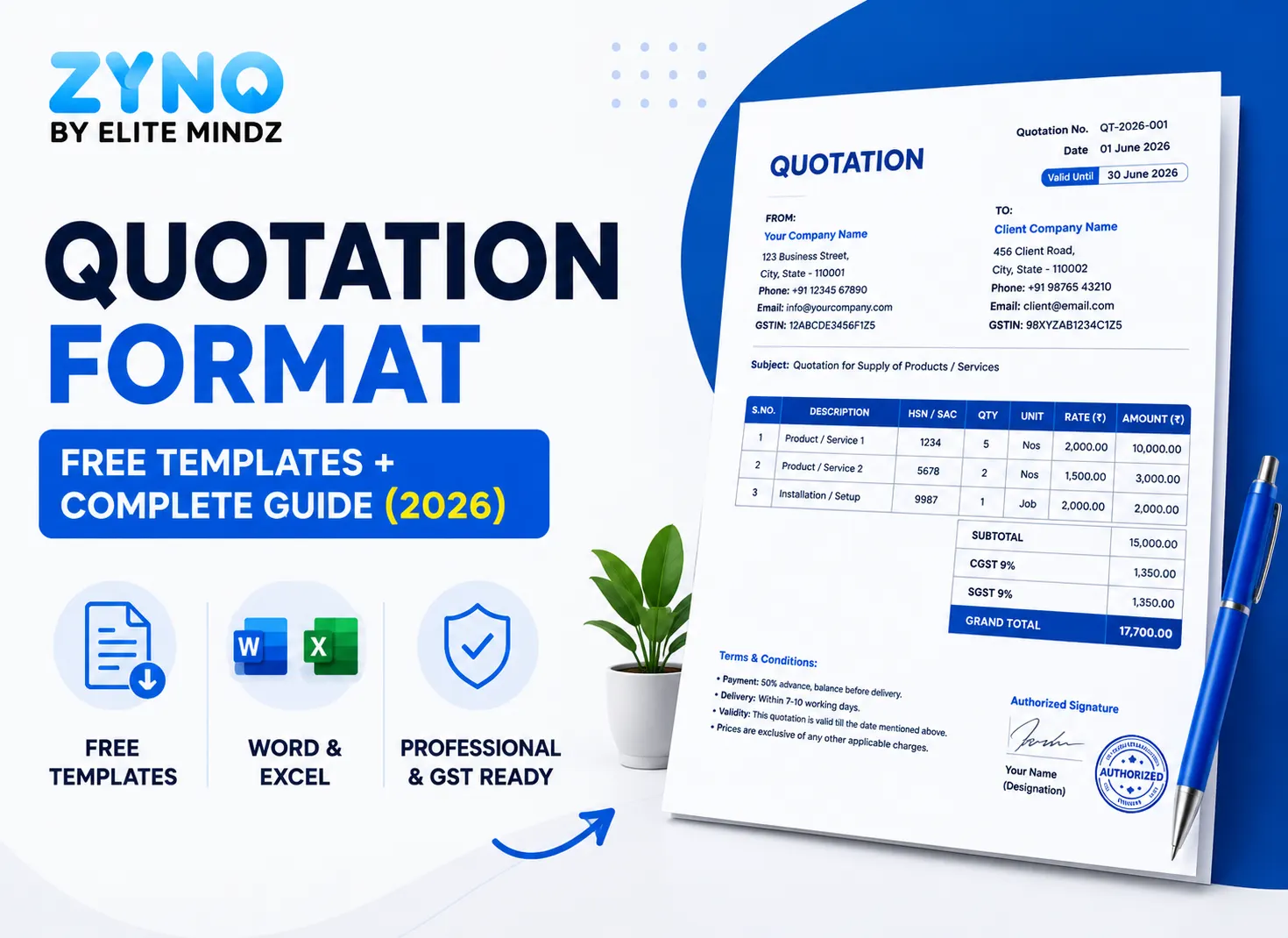
Quotation Format: Free Templates + Complete Guide (2026)
Read More →
Cost Control Software: Features, Benefits & Performance Guide for 2026
Read More →
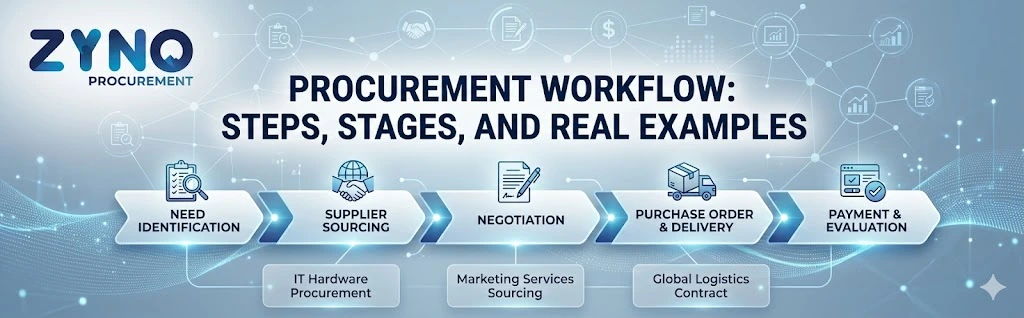
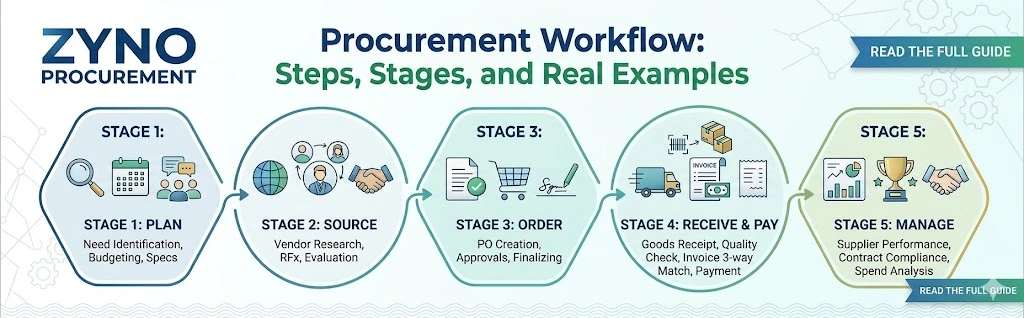
Procurement Workflow: Steps, Stages, and Real Examples
Read More →
Top 10 Zycus Alternatives for Procurement Teams in 2026
Read More →
Best Precoro Alternative for Purchase Requisition and Procurement
Read More →
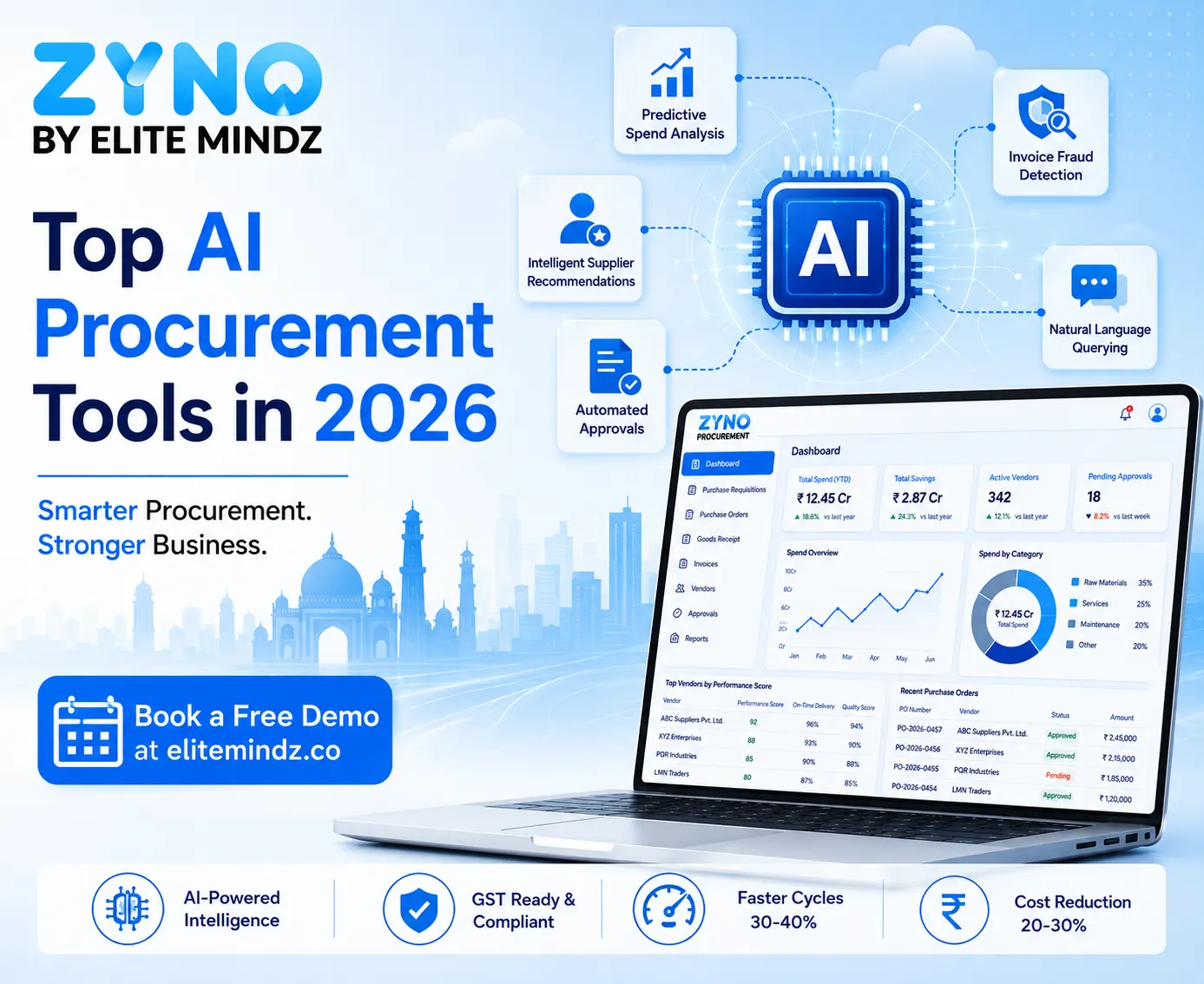
Top AI Procurement Tools in 2026
Read More →
Best Tools for Supplier Risk Management
Read More →
FEFO vs FIFO vs LIFO: Differences, Benefits & Which Inventory Method Is Best?
Read More →
AI Procurement Software: Features, Benefits, Use Cases & How to Choose
Read More →
Best AI Tools for Supply Chain Procurement
Read More →
Procurement Risk Management
Read More →
Still Using Excel for Procurement? Read This Before It's Too Late
Read More →
Best RFP Software in 2026: Top Tools Compared for Faster Proposal Responses
Read More →
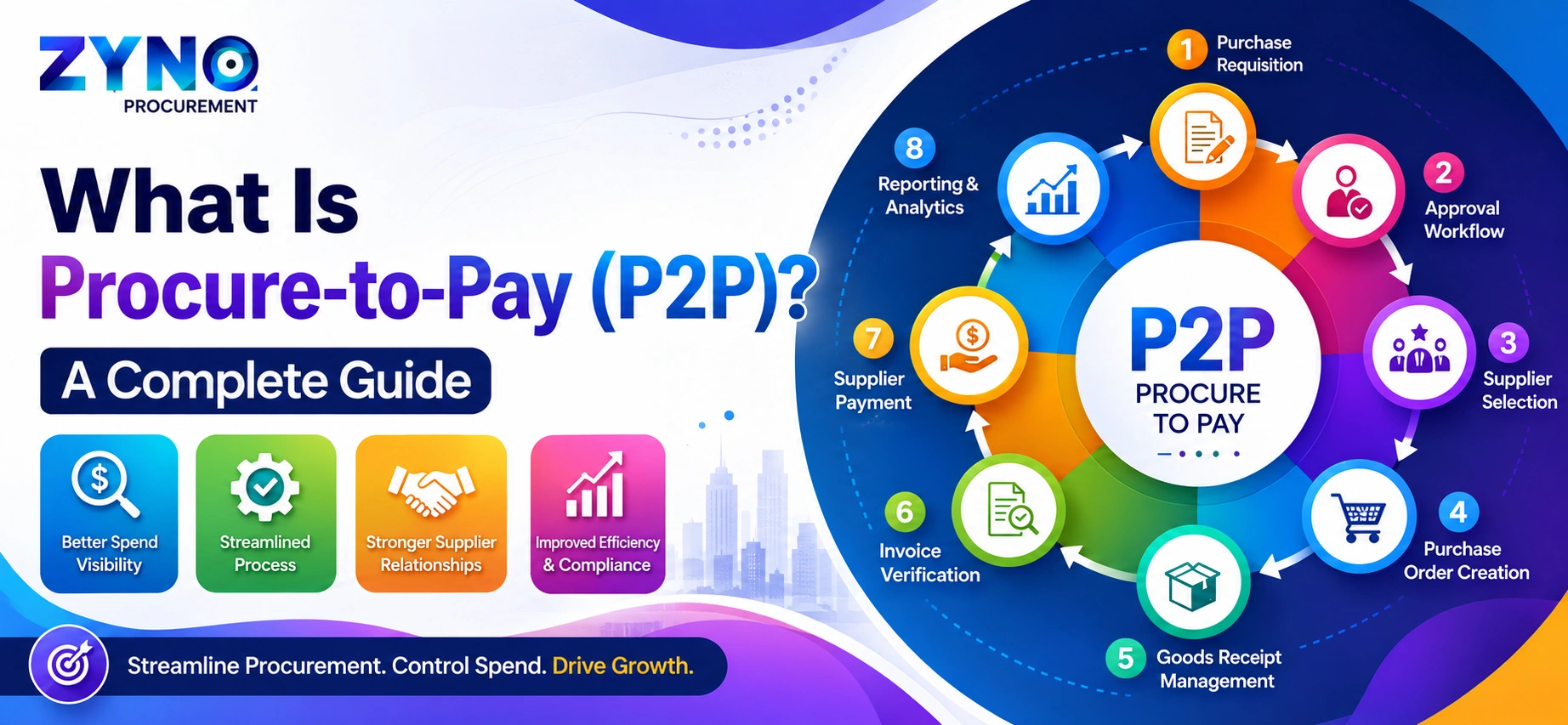
What Is Procure-to-Pay (P2P)? A Complete Guide
Read More →
Complete Procurement Workflow Guide for Modern Businesses
Read More →
Complete Guide to E-Procurement Solutions for B2B Organizations
Read More →
Cost Control Software Comparison Guide: Features, Pricing & Benefits
Read More →
Purchase Order Tracking: How to Manage Every PO Without the Chaos
Read More →
Inventory Management: What It Is, How It Works and Why It Matters
Read More →
Top 10 Procurement Software Tools for Purchasing Automation in 2026
Read More →
Agentic AI Procurement Platforms and the Future of Strategic Sourcing
Read More →
AI Spend Analytics Software for Procurement Leaders
Read More →
From Prompt to Procurement: How AI Is Transforming Enterprise Purchasing
Read More →
ZYNO Procurement vs IBM Procure-to-Pay Automation
Read More →
ZYNO Procurement vs Infor Nexus: Which Procure-to-Pay Platform Fits Your Team?
Read More →
AI-Powered Procurement Software in 2026: Top 6 Platforms That Actually Deliver ROI
Read More →
Contract Management Software Buyer's Guide: Features, Costs & Top Picks
Read More →
Top 10 Procure to Pay Software Companies in India 2026
Read More →
10 Best Vendor Management Software in India (2026): Features, Benefits & Comparison
Read More →
How Machine Learning and AI Are Transforming Procurement: A Strategic Overview
Read More →
What Is Procurement Software for GP? Features, Benefits and Best Solutions for Businesses
Read More →
What Procurement Software Do Mid-Market Companies Use Instead of SAP Ariba or Coupa?
Read More →
Prompt-Based Procurement Software for Kenyan Businesses
Read More →
Project Management Software: A Complete Guide to Streamline Business Operations and Procurement Processes
Read More →
SAP Ariba vs ZYNO Procurement: Complete Feature Comparison (2026)
Read More →
Coupa vs SAP Ariba vs ZYNO: Which Procurement Platform Wins for Fast-Growing Teams?
Read More →
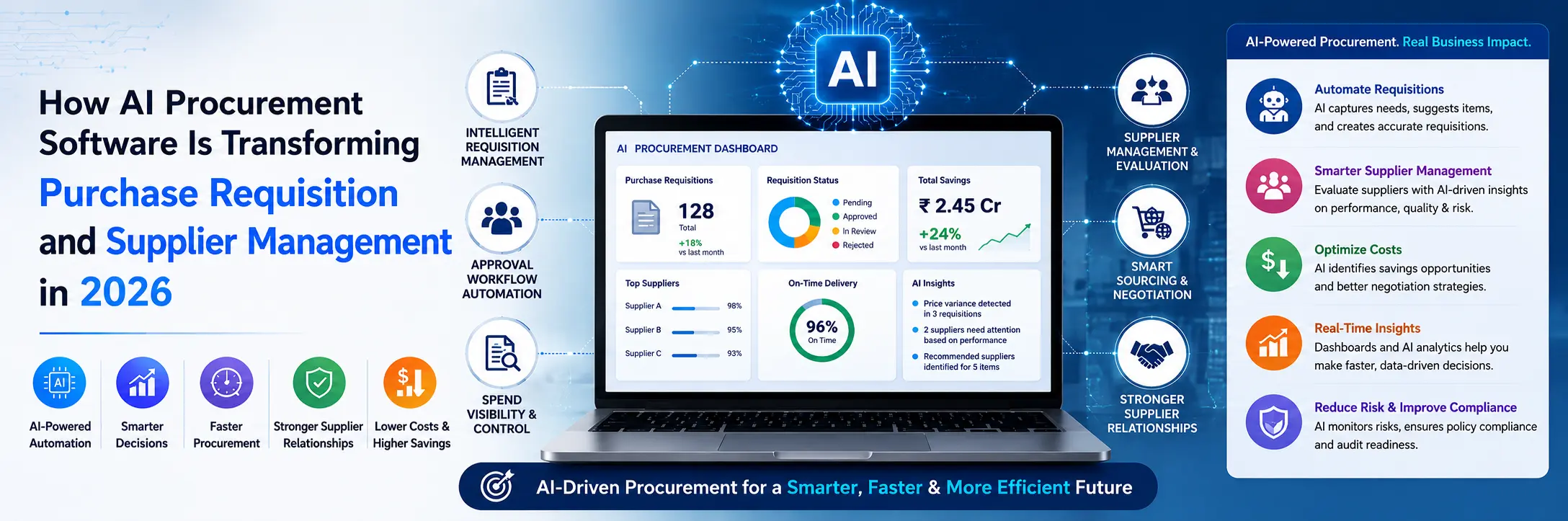
How AI Procurement Software Is Transforming Purchase Requisition and Supplier Management in 2026
Read More →
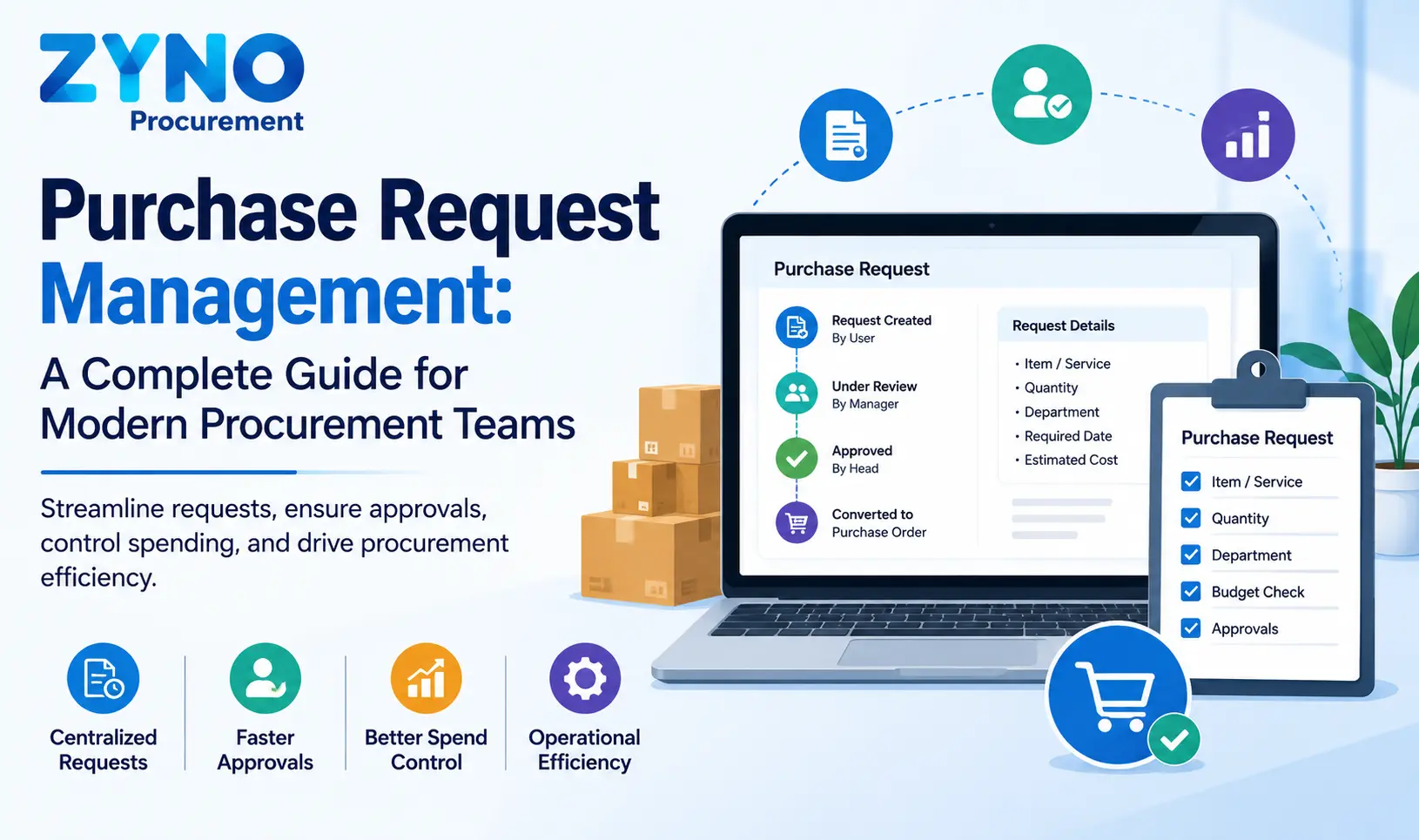
Purchase Request Management: A Complete Guide for Modern Procurement Teams
Read More →
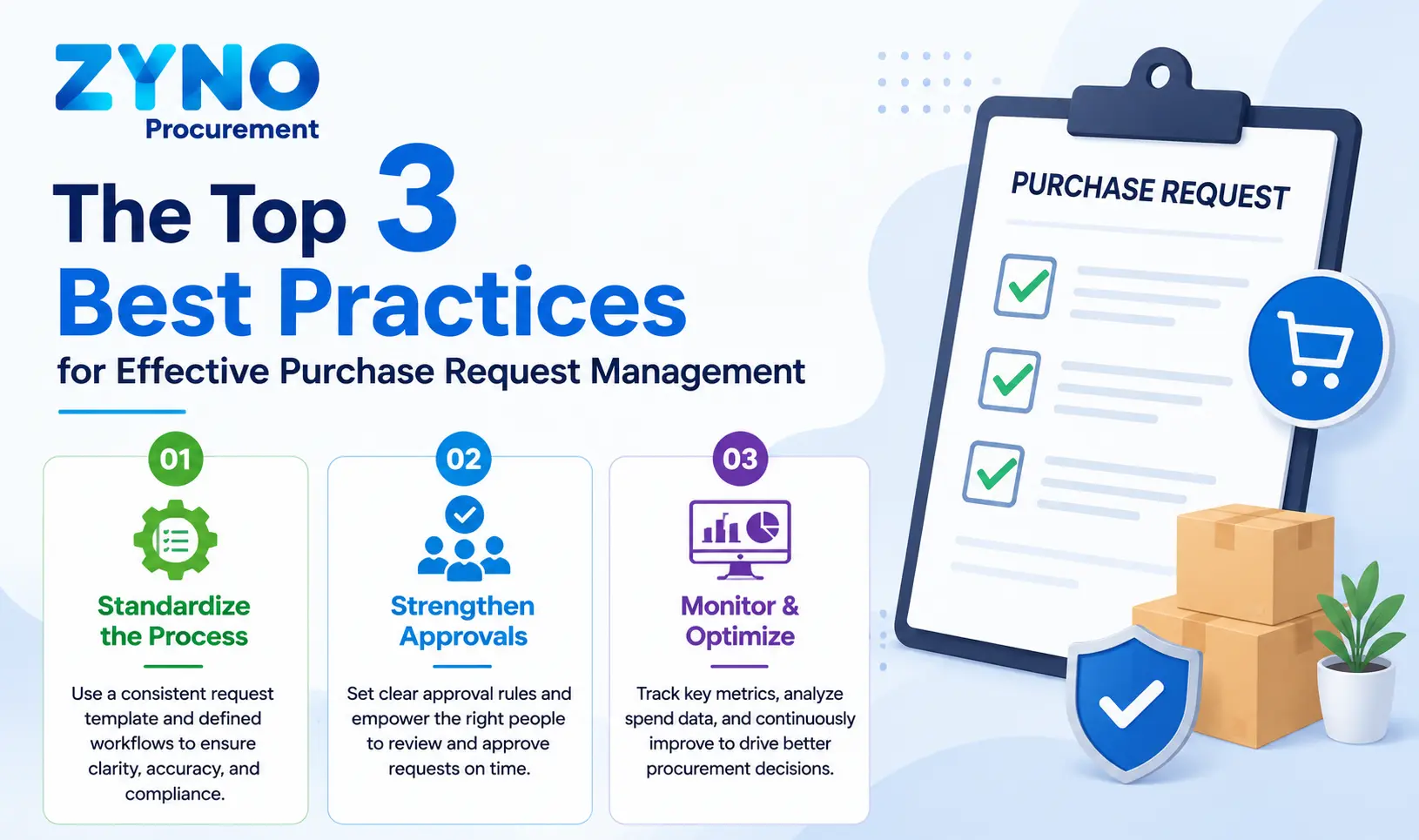
The Top 3 Best Practices for Effective Purchase Request Management
Read More →
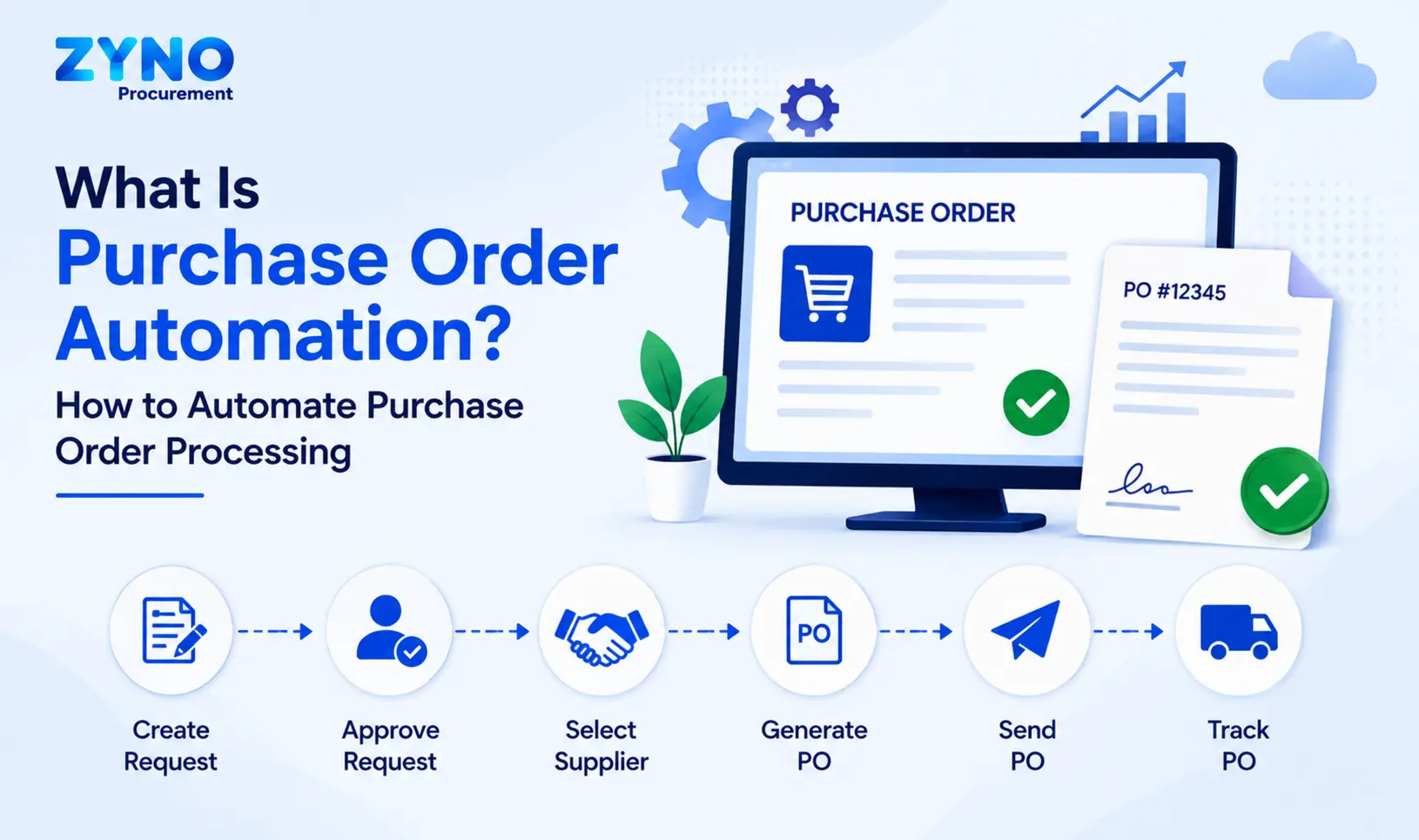
What Is Purchase Order Automation? How to Automate Purchase Order Processing
Read More →
5 Common Purchase Request Mistakes and How to Avoid Them
Read More →
What is Supplier Relationship Management in Procurement? A Complete Guide
Read More →
What is Strategic Vendor Management? A Complete Guide for Modern Procurement
Read More →
What Are Inventory Control Methods? Complete Guide to Types, Techniques, Systems, & Benefits
Read More →
Inventory Audit Checklist: Steps, Process & Best Practices
Read More →
Warehouse Inventory Management: Best Practices for 2026
Read More →
Treasury Management System (TMS): A Complete Guide for Modern Corporates
Read More →
What is Portfolio Management Services (PMS) and What Are Its Benefits?
Read More →
Generative AI Procurement Software Solution: The Future of Intelligent Procurement
Read More →
Top Contract Management Software Companies in Ethiopia: Features, Benefits & Best Procurement Solutions
Read More →
AI Procurement Software: Complete Guide to Intelligent, Generative AI & Machine Learning Procurement Solutions
Read More →
Top SAP alternatives for small, midsize, and enterprise businesses
Read More →
Best RFP Software in 2026: Top Solutions for Smarter Procurement and Proposal Management
Read More →
GST on Purchase: Complete Guide to GST on Purchases in India
Read More →
Procurement Software UAE: Complete Guide to Choosing the Best Procurement Solution
Read More →
Supply Chain Procurement: Everything You Need to Know
Read More →
Top 10 Oracle Procurement Alternatives for Businesses in 2026
Read More →
Quotation Software vs Excel: Which Is Better for Businesses in 2026?
Read More →
Contract Management Software Buyer's Guide: Features, Pricing & How to Choose
Read More →
How to Identify the Right Vendor: 10 Simple Steps
Read More →
Top 10 Automated PO Generation Tools in 2026: Best Purchase Order Software with AI Capabilities
Read More →
How to Generate a PO Automatically in SAP: Step-by-Step Guide
Read More →
What Is the Best Budget-Friendly Procurement Software With Vendor Onboarding for Indian SMEs?
Read More →
How to Generate a PO Automatically in SAP: Step-by-Step Guide
Read More →
How to Solve Invoice Mismatches: 10 Real Ways to Fix Invoice Discrepancies
Read More →
Top 10 Vendor Onboarding Tools for Businesses in 2026: Features, Process & How to Choose
Read More →
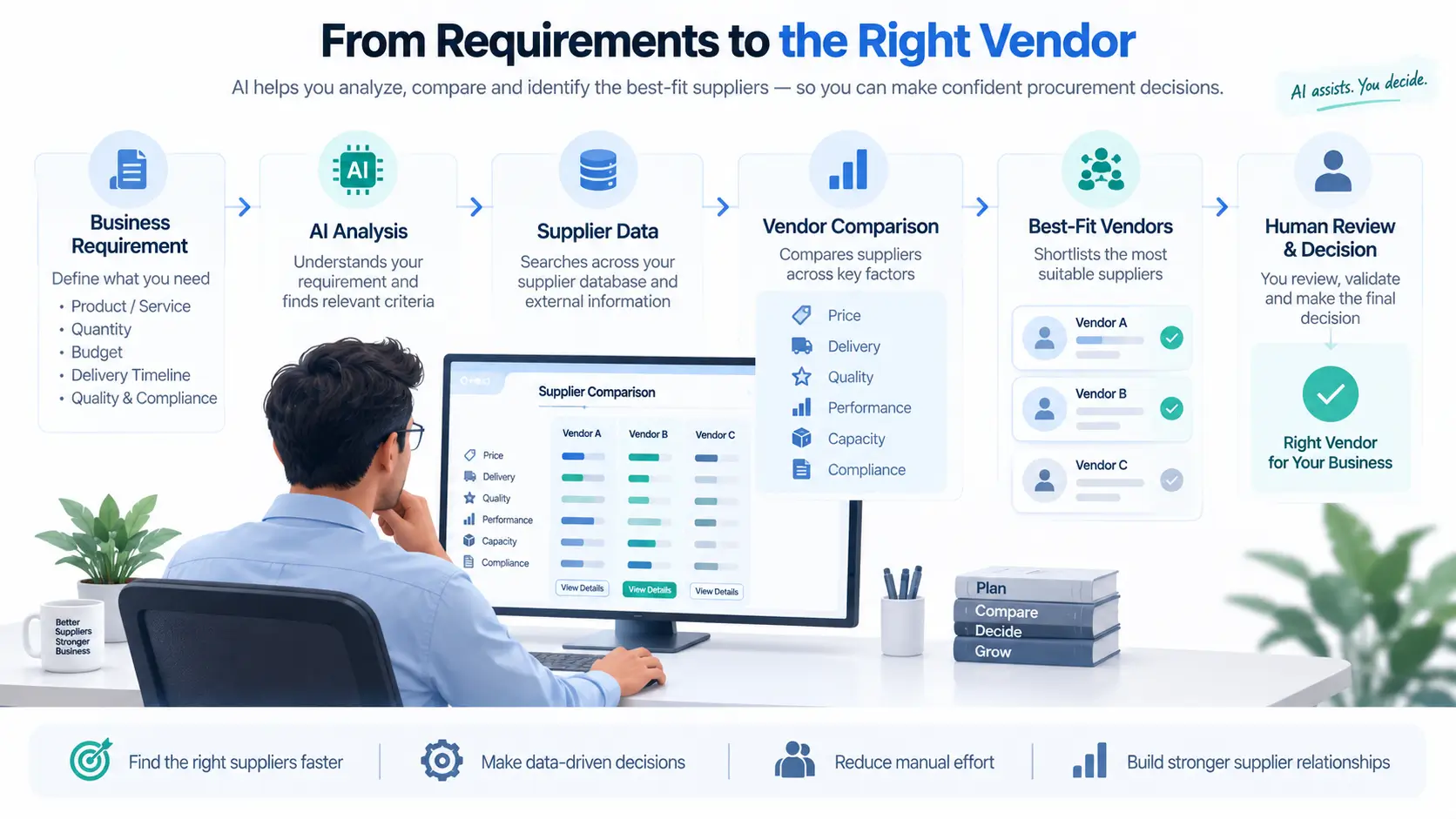
Vendor Comparison & Supplier Intelligence: How AI Helps Businesses Choose the Right Vendor
Read More →
How to Choose the Right Procurement Management Software in 2026 (Complete Buyer's Guide)
Read More →
How to Reduce Procurement Costs: 18 Practical Strategies That Actually Work
Read More →
How to Choose the Right Procurement Management Software in 2026 (Complete Buyer's Guide)
Read More →Partner with ZYNO by Elite Mindz to revolutionize how your business works. Fill out the form, and we’ll reach out with AI-powered solutions made just for you.
We use browser cookies to ensure you get the best experience on our website. Learn more
The form was submitted successfully!