Procurement Software Trends in 2026: What to Expect
Read More →

×
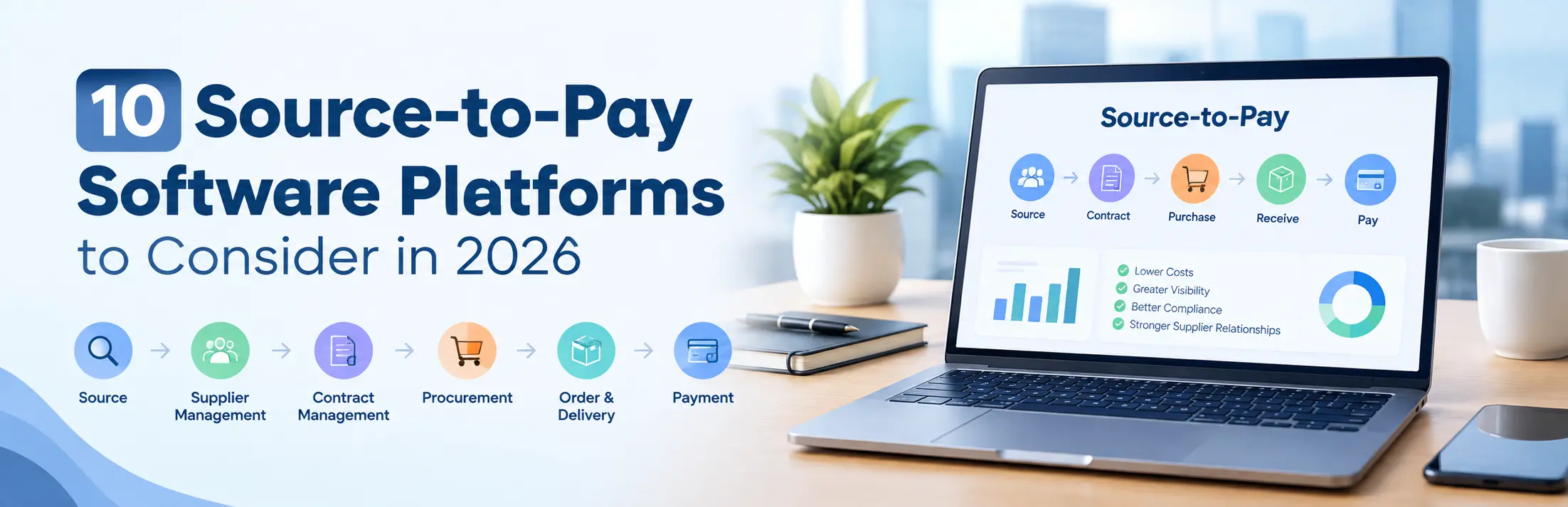
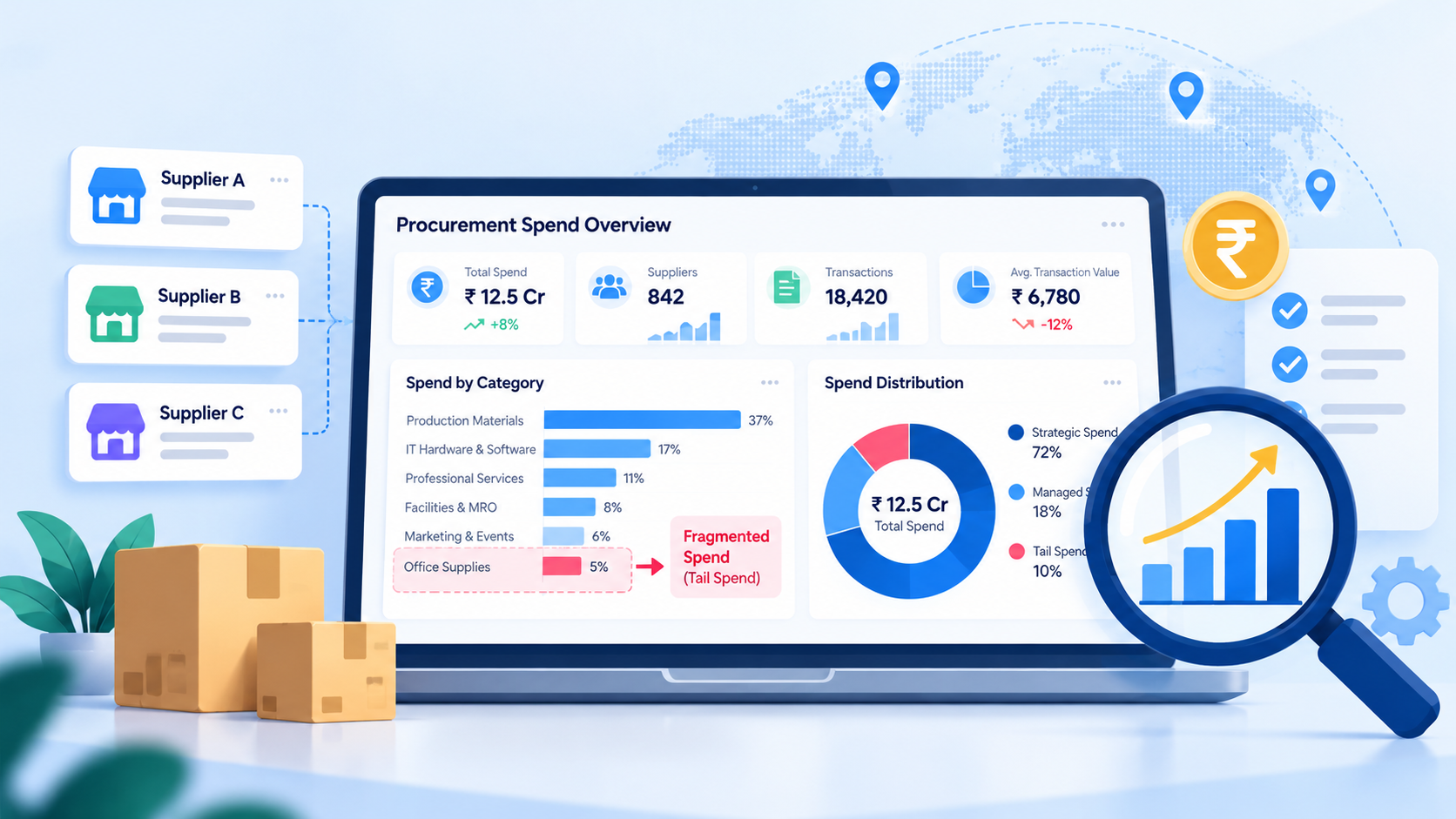
Source-to-pay software connects sourcing, supplier selection, contracts, purchasing, receiving, invoicing, and payments in one workflow. It helps businesses automate procurement, improve spend visibility, manage suppliers, reduce manual work, and strengthen purchasing controls. Popular platforms include ZYNO Procurement, Coupa, Ivalua, GEP SMART, SAP Ariba, JAGGAER, Zip, Zycus, Basware, and Precoro.Source-to-pay software connects sourcing, purchasing, suppliers, and payments. It helps automate procurement workflows, improve spend visibility, and reduce manual work.
Businesses using ZYNO Books cut accounting time by 70% and stay 100% ZATCA-compliant — automatically.
Source-to-pay (S2P) software connects the procurement lifecycle from identifying a business need and sourcing suppliers through contracting, purchasing, receiving, invoice processing, and payment. The right platform can reduce manual work, improve spend visibility, strengthen purchasing controls, and give procurement and finance teams a shared view of supplier and transaction data.
But not every organization needs the same type of S2P platform.
Some businesses need strategic sourcing and complex supplier management. Others primarily need purchase requisitions, approvals, purchase orders, goods receipt, invoice matching, and payment automation. Enterprise organizations may prioritize ERP integration, global supplier networks, compliance, analytics, and multi-entity support, while growing companies may prioritize ease of implementation and adoption.
This guide compares 10 source-to-pay and procurement platforms across their primary capabilities, use cases, strengths, limitations, and overall fit.
Connect sourcing, supplier management, purchase orders, approvals, invoices, and spend analytics in one integrated procurement platform with ZYNO Procurement.
The platforms below are presented as options to consider rather than as a universal ranking. They serve different procurement environments, so the most suitable choice depends on your organization's requirements.

Best suited for: Organizations looking for connected procurement workflows, AI-powered automation, supplier management, sourcing, and procure-to-pay capabilities in one platform.
Pricing: Custom quote based on selected modules and requirements.
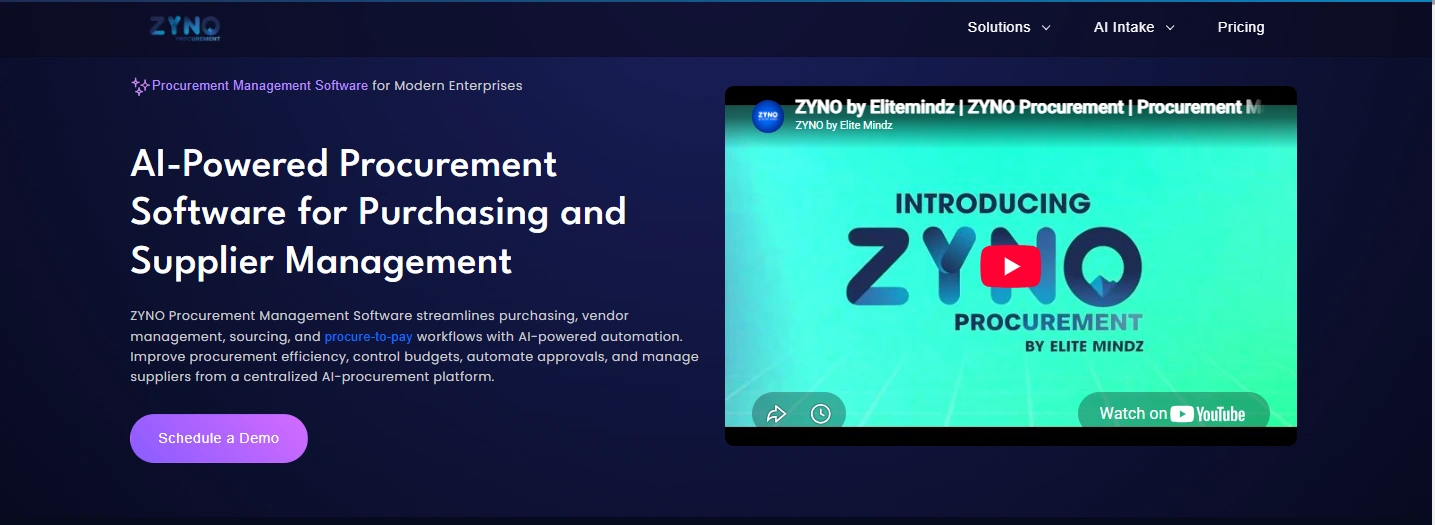
ZYNO Procurement by Elite Mindz is an AI-powered procurement platform designed to connect purchasing, supplier management, sourcing, approvals, procure-to-pay workflows, spend visibility, and related procurement processes.
The platform brings procurement activities into a centralized environment rather than requiring teams to manage requests, supplier information, quotations, purchase orders, receipts, invoices, and spend information across disconnected tools.
Its AI capabilities are designed to simplify procurement tasks such as purchase request creation, supplier analysis, invoice verification, and procurement insights.
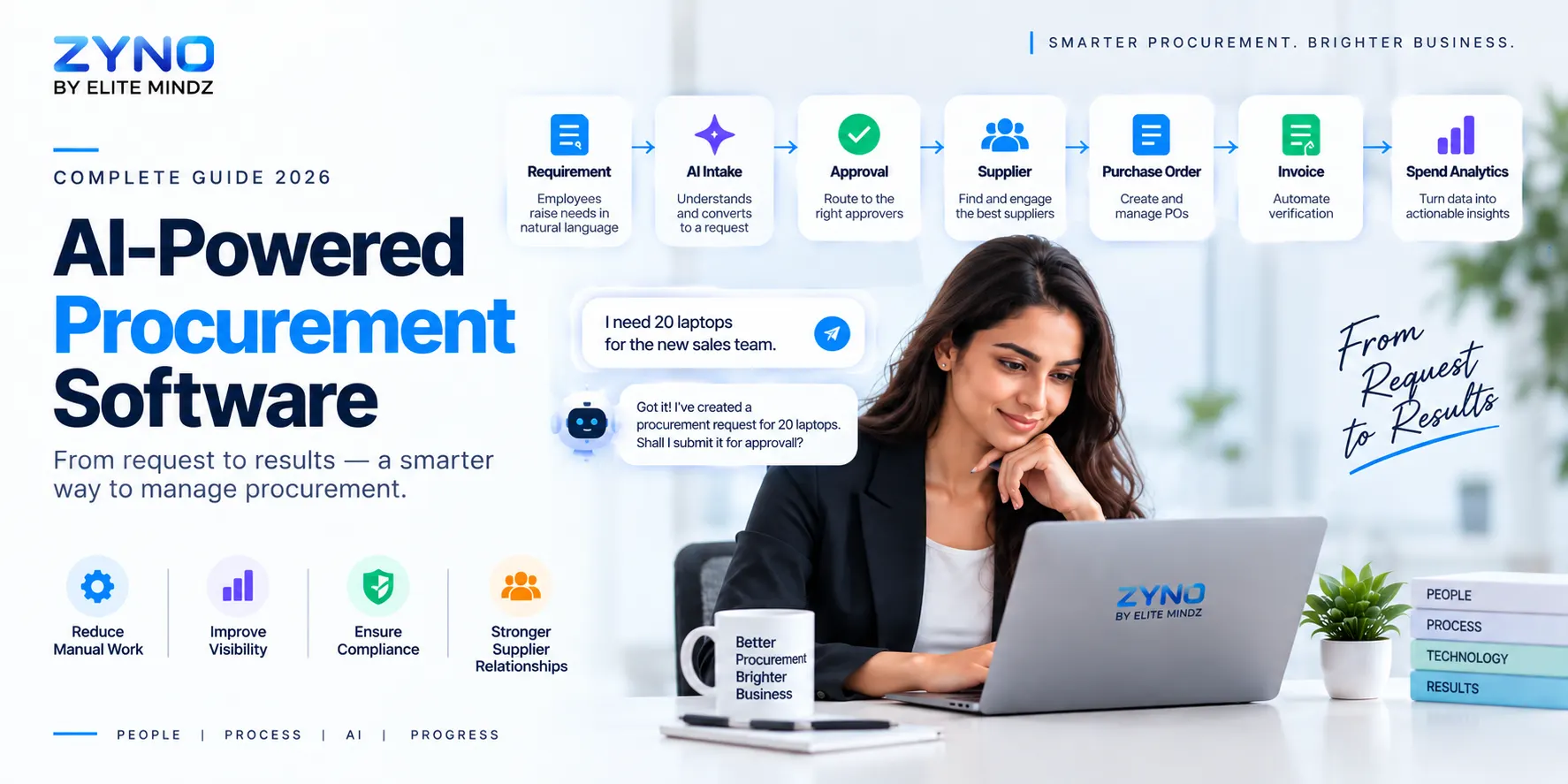
For example, ZYNO's AI intake functionality can interpret natural-language purchase requirements and help create structured purchase requests. Its procurement platform also connects purchasing workflows with supplier management, quotation management, RFPs, goods receipt, accounts payable, and spend analytics.
One of the main advantages of a connected procurement environment is that information can move between procurement processes without repeated manual entry.
For example:
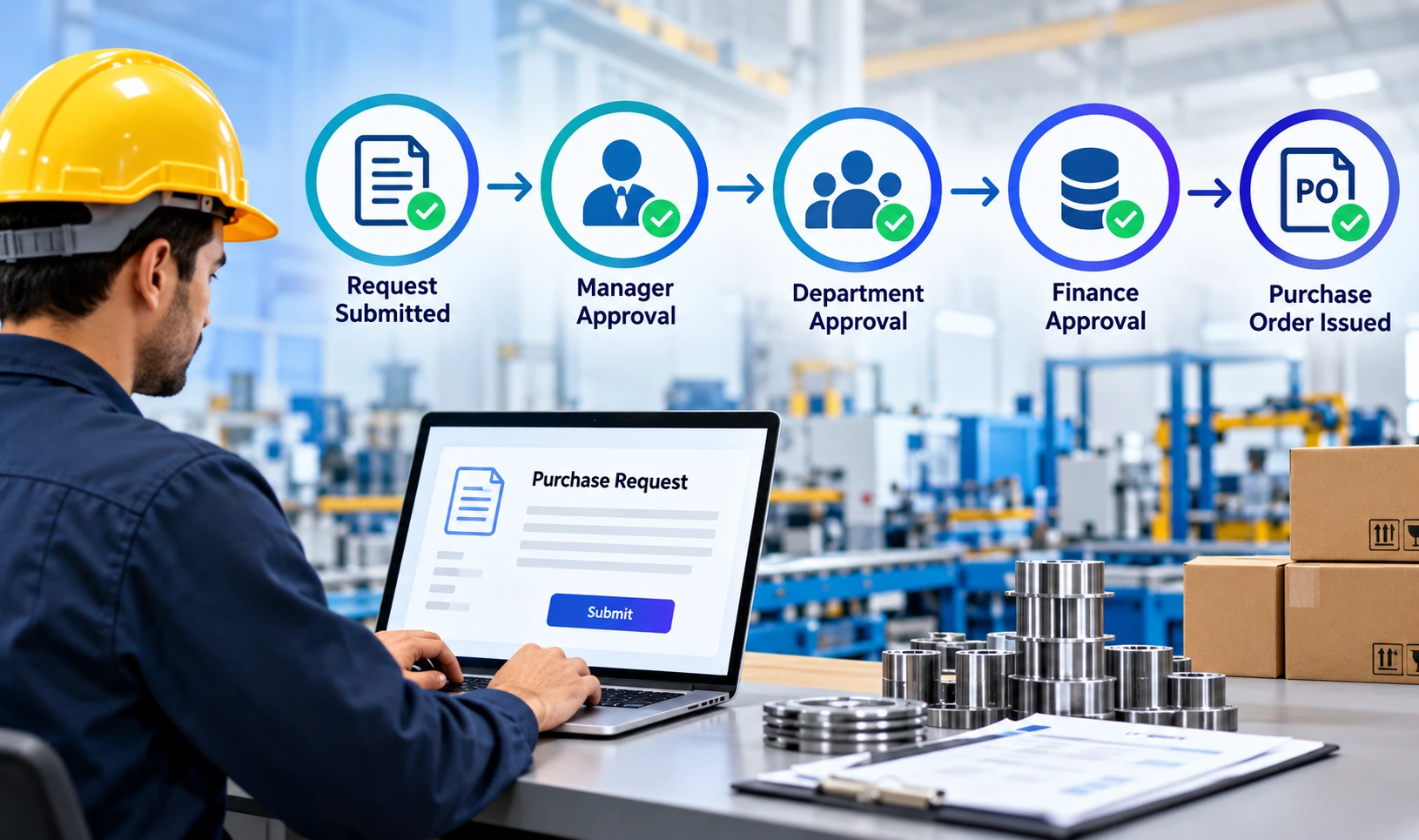
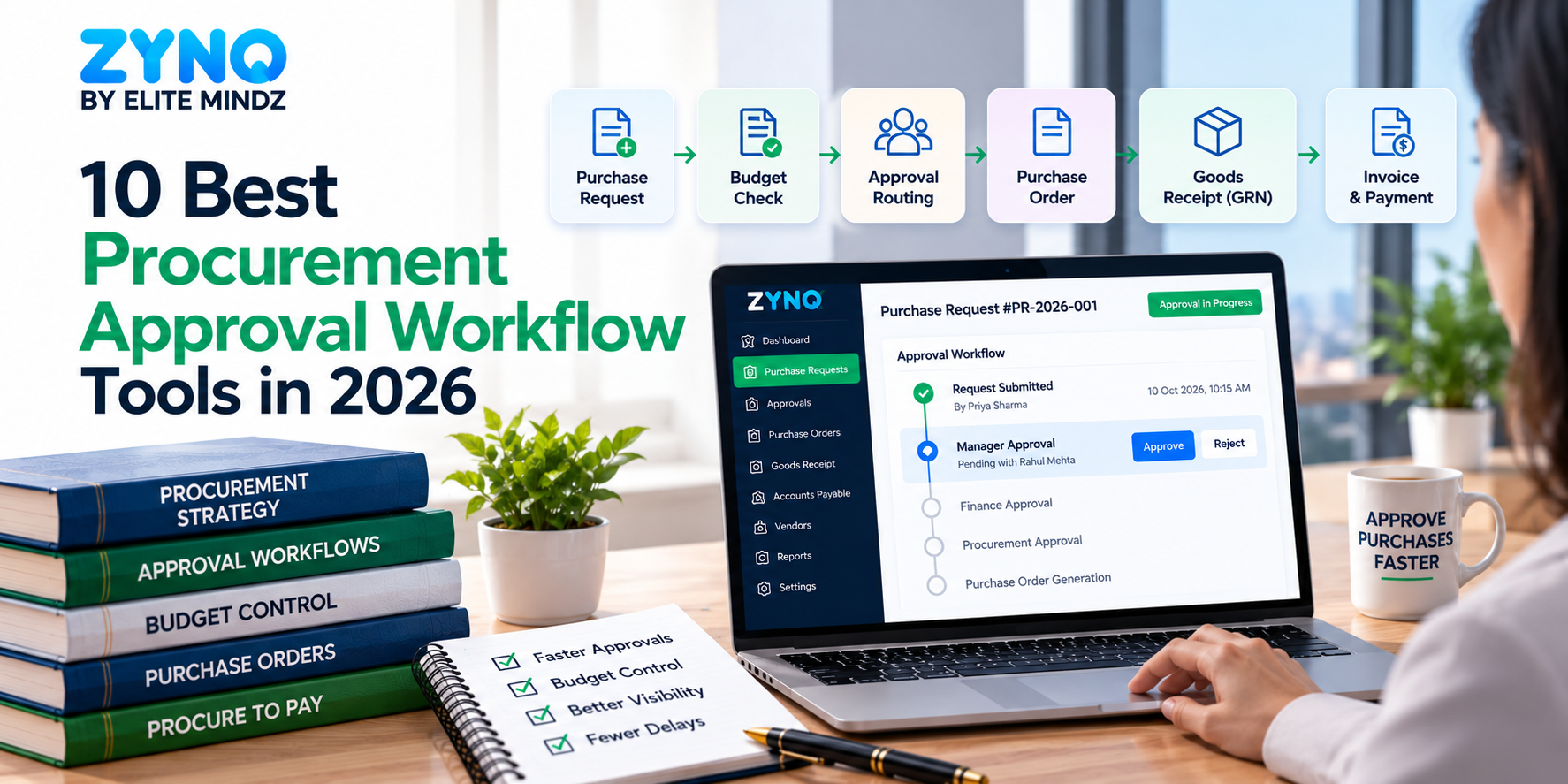
Purchase Request → Approval → Supplier/Quotation → Purchase Order → Goods Receipt → Invoice Matching → Payment
This gives procurement and finance teams a more connected view of the transaction lifecycle.
ZYNO also has dedicated capabilities for vendor management, RFPs, purchase requests, GRNs, spend analytics, and procure-to-pay workflows, allowing organizations to evaluate individual procurement requirements as well as the broader platform.
ZYNO can be considered by mid-market and enterprise organizations that want to centralize procurement operations and connect sourcing, supplier management, purchasing, approvals, receiving, invoice processing, and spend visibility.
Want to see how your current procurement workflow could work in ZYNO? Request a ZYNO Procurement demo and walk through a real purchase request, approval, supplier, PO, GRN, and invoice scenario.

Best suited for: Organizations looking for broad spend management and enterprise procurement capabilities.
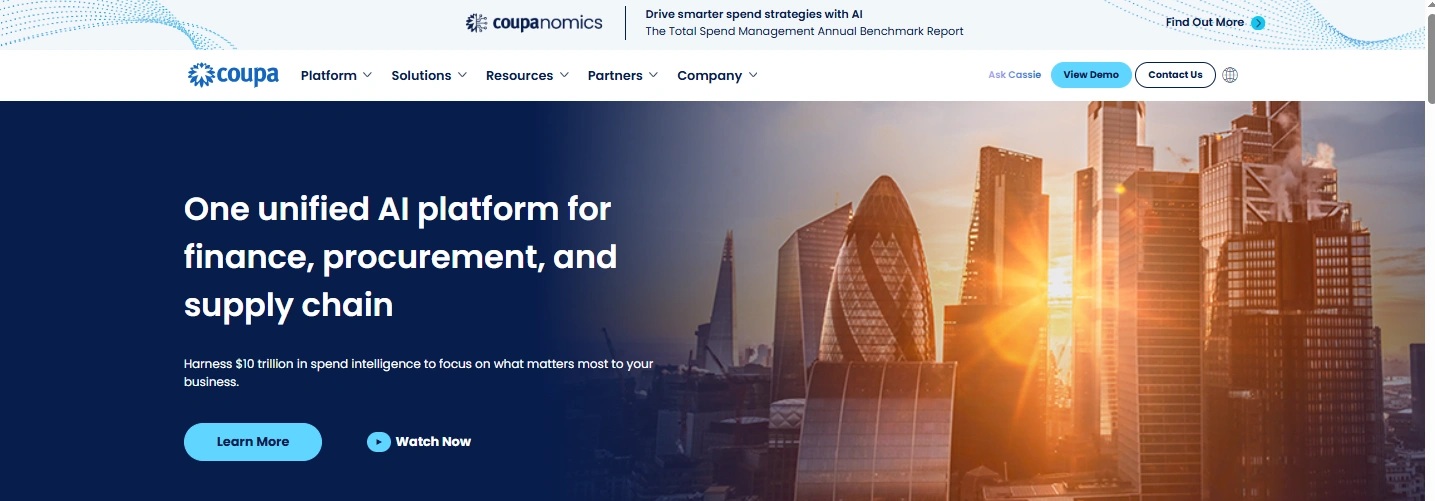
Coupa is an established business spend management and source-to-pay platform covering areas such as procurement, sourcing, contracts, invoicing, supplier management, and spend visibility.
Its broad functionality makes it relevant to organizations managing procurement across multiple categories, departments, suppliers, and geographic markets.
Large organizations that need broad spend management and procurement capabilities across multiple categories, business units, or regions.

Best suited for: Organizations with complex sourcing, supplier management, contract, and direct procurement requirements.
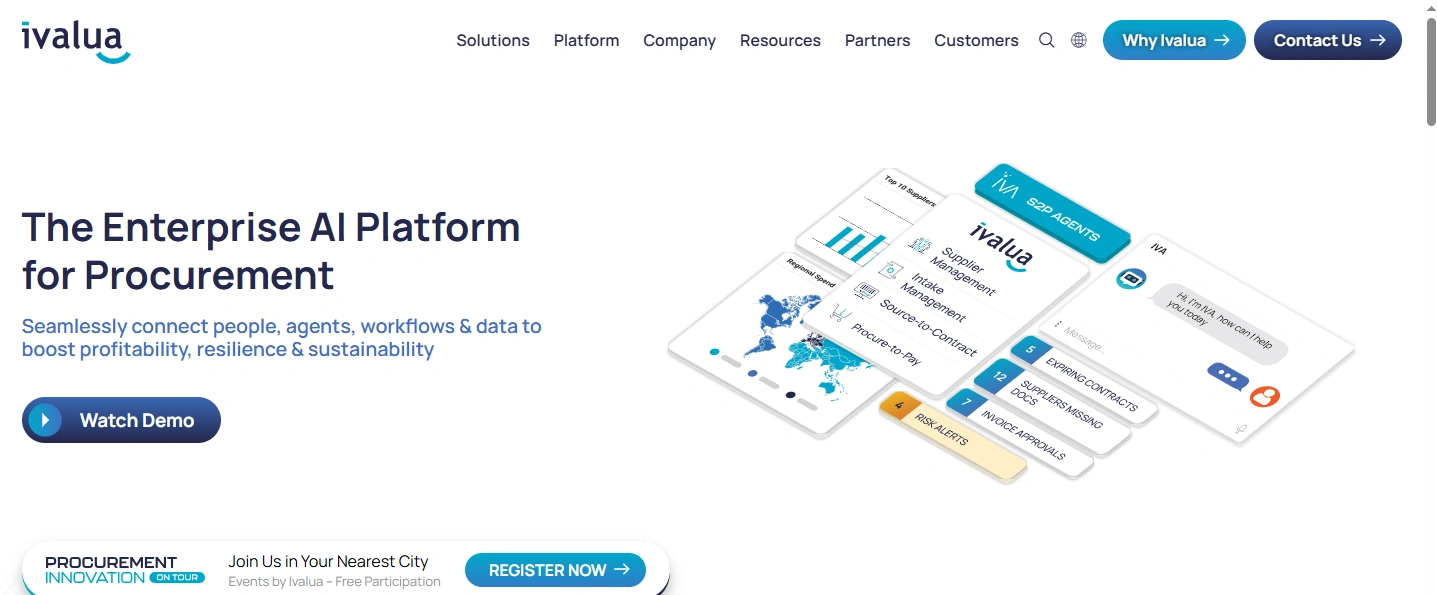
Ivalua provides a broad source-to-pay platform covering sourcing, contracts, supplier management, procurement, spend management, and related procurement processes.
It is particularly relevant for organizations where procurement extends beyond indirect purchasing and involves complex supplier relationships, direct materials, sourcing events, and detailed supplier processes.
Large and complex organizations with sophisticated sourcing, supplier, contract, and procurement requirements.

Best suited for: Enterprises managing strategic sourcing, direct and indirect spend, procurement operations, and supply chain-related processes.
GEP SMART combines procurement technology with GEP's broader procurement services ecosystem.
The platform is designed for organizations that need procurement functionality across sourcing, purchasing, supplier management, spend analytics, and related areas.
Large organizations that want technology and procurement expertise across complex direct and indirect spend environments.

Best suited for: Organizations already operating extensively within the SAP ecosystem.
SAP Ariba provides procurement and supplier collaboration capabilities and can be particularly relevant for organizations using SAP environments.
Its ecosystem covers sourcing, procurement, supplier collaboration, catalogs, contracts, and related purchasing processes.
Large organizations with substantial SAP investments that want procurement technology connected to their broader enterprise environment.

Best suited for: Organizations with complex sourcing, supplier management, and regulated procurement requirements.
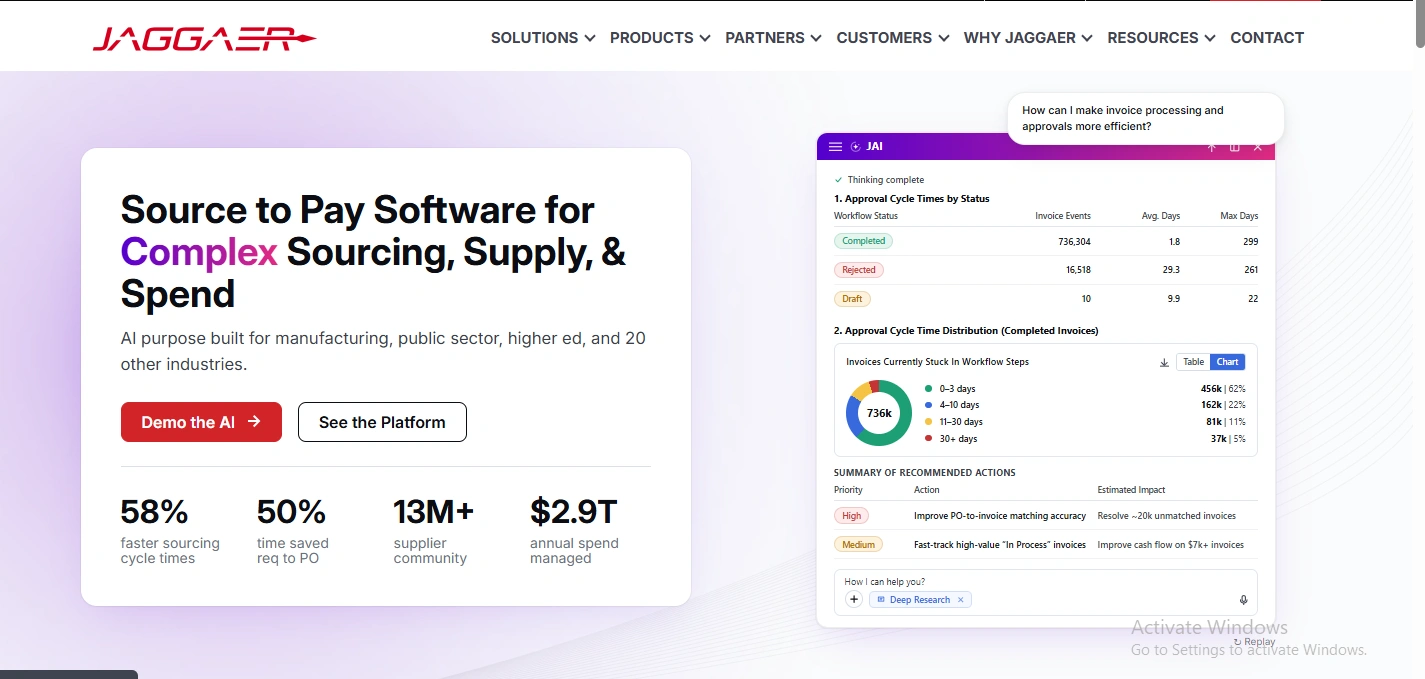
JAGGAER provides source-to-pay capabilities with particular relevance to organizations that require structured sourcing, supplier processes, procurement workflows, and documentation.
It is used across sectors where procurement processes can involve detailed evaluation, approvals, compliance, and audit requirements.
Organizations where sourcing, supplier qualification, compliance, and structured procurement processes are important.

Best suited for: Enterprises looking for procurement orchestration and a centralized intake experience across existing systems.
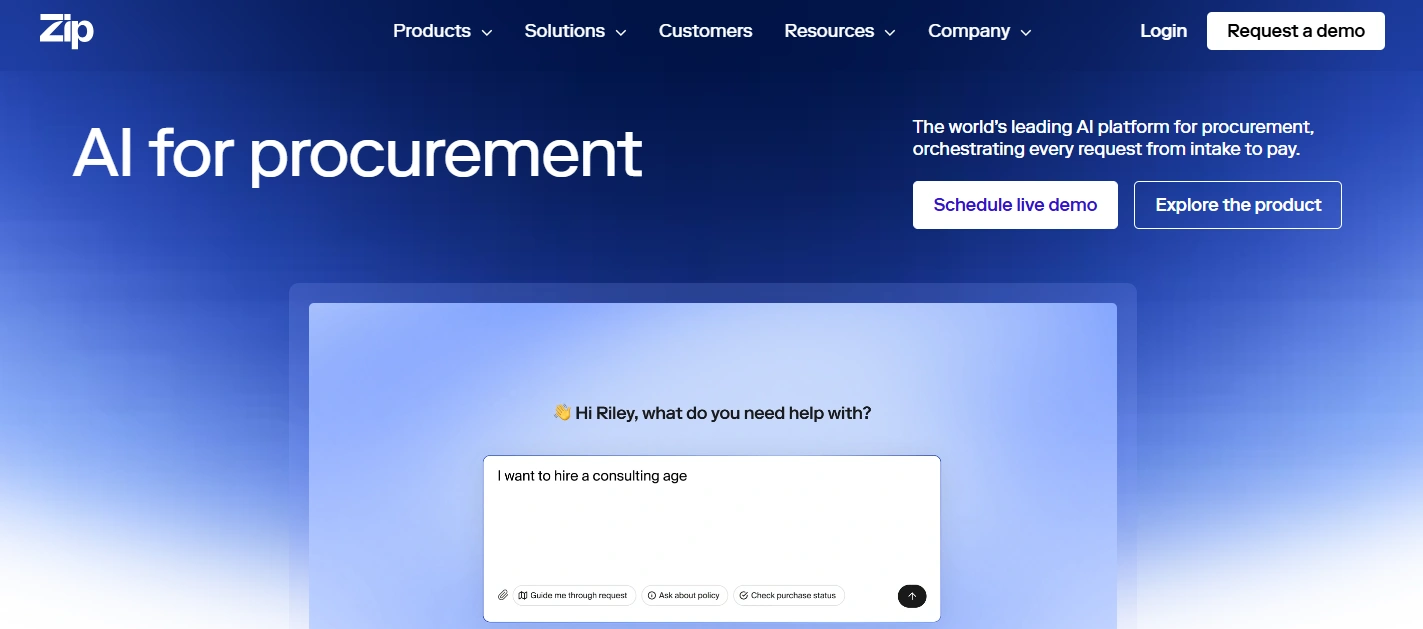
Zip takes a procurement orchestration approach. Instead of requiring an organization to replace every existing procurement or enterprise system, the platform can act as an intake and workflow layer connecting stakeholders and downstream systems.
This approach is particularly relevant to organizations where procurement requests involve multiple departments such as finance, legal, IT, security, and procurement.
Large organizations that already have multiple enterprise systems and want to improve procurement intake and orchestration without replacing the entire technology stack.

Best suited for: Enterprises looking for AI-enabled source-to-pay capabilities across sourcing, procurement, supplier management, contracts, and spend analytics.
Zycus provides procurement technology across strategic sourcing, contract management, supplier management, procurement, spend analytics, and accounts payable-related processes.
Its product strategy places significant emphasis on AI and automation across procurement workflows.
Organizations looking for broad S2P functionality with significant AI and automation capabilities.

Best suited for: Organizations where accounts payable, invoice automation, and e-invoicing are major procurement priorities.
Basware is particularly associated with accounts payable automation, invoice processing, spend visibility, and e-invoicing.
For organizations where invoice volumes, invoice compliance, or accounts payable efficiency are major problems, these capabilities can be especially relevant.
Organizations where invoice automation, AP efficiency, and e-invoicing are central procurement priorities.

Best suited for: Small and growing organizations that primarily need procure-to-pay automation.
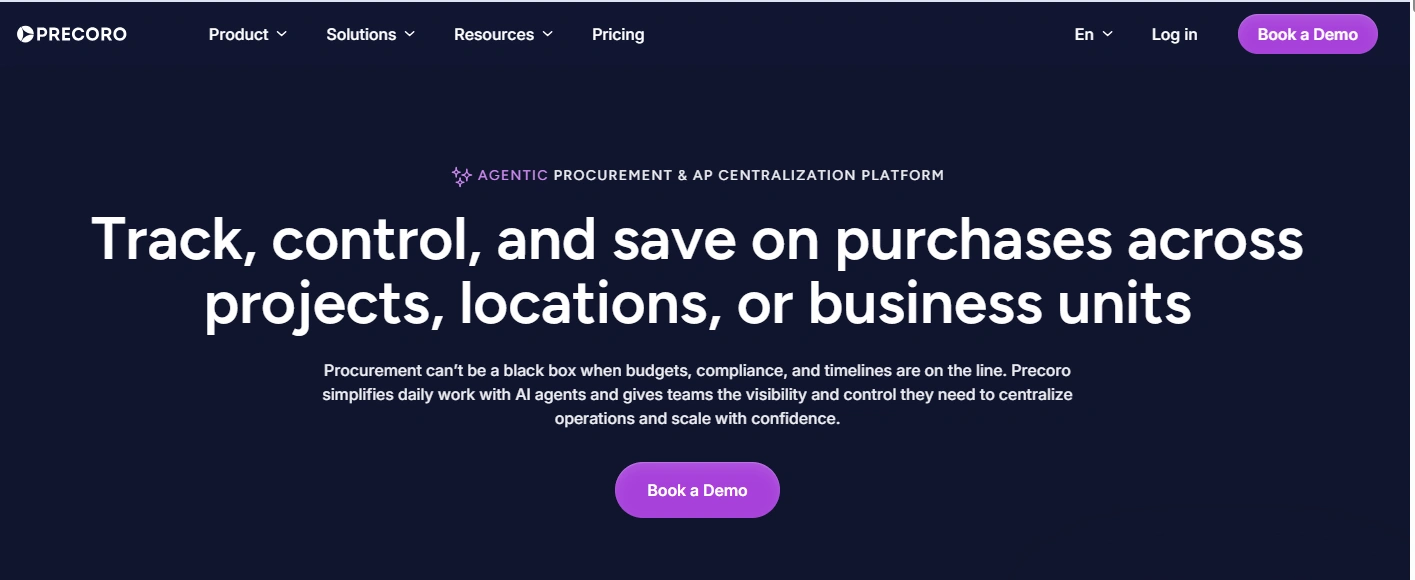
Precoro focuses heavily on transactional procurement and procure-to-pay workflows.
Its publicly listed Core plan starts at $499 per month when billed annually, while its Automation plan starts at $999 per month when billed annually. Enterprise pricing is customized.
Small and growing organizations that need to replace manual purchasing processes with structured procure-to-pay workflows.
Important: Pricing, implementation effort, integrations, and feature availability can vary by organization, selected modules, geography, contract terms, and deployment scope. Always request a current proposal based on your actual requirements.
| Platform | Primary Strength | Best Suited For | Pricing Approach | Implementation Considerations |
|---|---|---|---|---|
| ZYNO Procurement | AI-powered procurement and connected workflows | Mid-market and enterprise organizations | Custom quote | Scope and integrations dependent |
| Coupa | Broad spend management | Large enterprises | Custom quote | Enterprise configuration and change management |
| Ivalua | Sourcing and complex procurement | Complex procurement organizations | Custom quote | Detailed configuration likely |
| GEP SMART | Direct and indirect procurement | Large enterprises | Custom quote | Scope and services model should be evaluated |
| SAP Ariba | SAP-connected procurement | SAP environments | Custom quote | ERP and enterprise integration |
| JAGGAER | Sourcing and structured procurement | Regulated and complex procurement | Custom quote | Workflow and configuration requirements |
| Zip | Procurement orchestration | Enterprises with multiple systems | Custom quote | Integration architecture is important |
| Zycus | AI-enabled S2P | Mid-market and enterprise organizations | Custom quote | Evaluate AI, integrations, and deployment scope |
| Basware | AP and invoice automation | Invoice-intensive organizations | Custom quote | AP and e-invoicing requirements |
| Precoro | Procure-to-pay automation | Small and growing organizations | Public plans + custom Enterprise | Faster setup, depending on requirements |
A source-to-pay platform should not be selected by counting features alone.
Manage supplier sourcing, purchase requests, approvals, POs, invoices, and spend visibility through a connected Source-to-Pay workflow with ZYNO Procurement.
We considered the following areas when structuring this comparison:
Can the platform support sourcing, supplier selection, RFx processes, negotiation, and contracting?
Can it manage purchase requests, approvals, purchase orders, receiving, invoice processing, matching, and payment workflows?
Can procurement teams onboard suppliers, manage supplier information, monitor performance, and track compliance?
Can finance and procurement teams understand spending by supplier, category, department, project, or business unit?
Does the platform use automation or AI to reduce repetitive work and improve procurement decision-making?
Can the platform connect with ERP, accounting, finance, HR, inventory, or other enterprise systems?
Can employees outside procurement easily raise and track requests?
How much configuration, integration, data migration, training, and change management may be required?
Can the platform support additional departments, suppliers, locations, entities, categories, and transaction volumes as the organization grows?
Software licensing is only one part of the cost. Buyers should also consider implementation, integration, support, training, customization, and ongoing administration.
Source-to-pay software is technology that connects the broader procurement lifecycle from identifying a purchasing need through sourcing, supplier selection, contracting, purchasing, receiving, invoicing, and payment.
Instead of managing procurement information across spreadsheets, email, disconnected purchasing tools, and separate supplier databases, an S2P platform brings multiple procurement processes into a connected system.
A typical source-to-pay lifecycle includes:
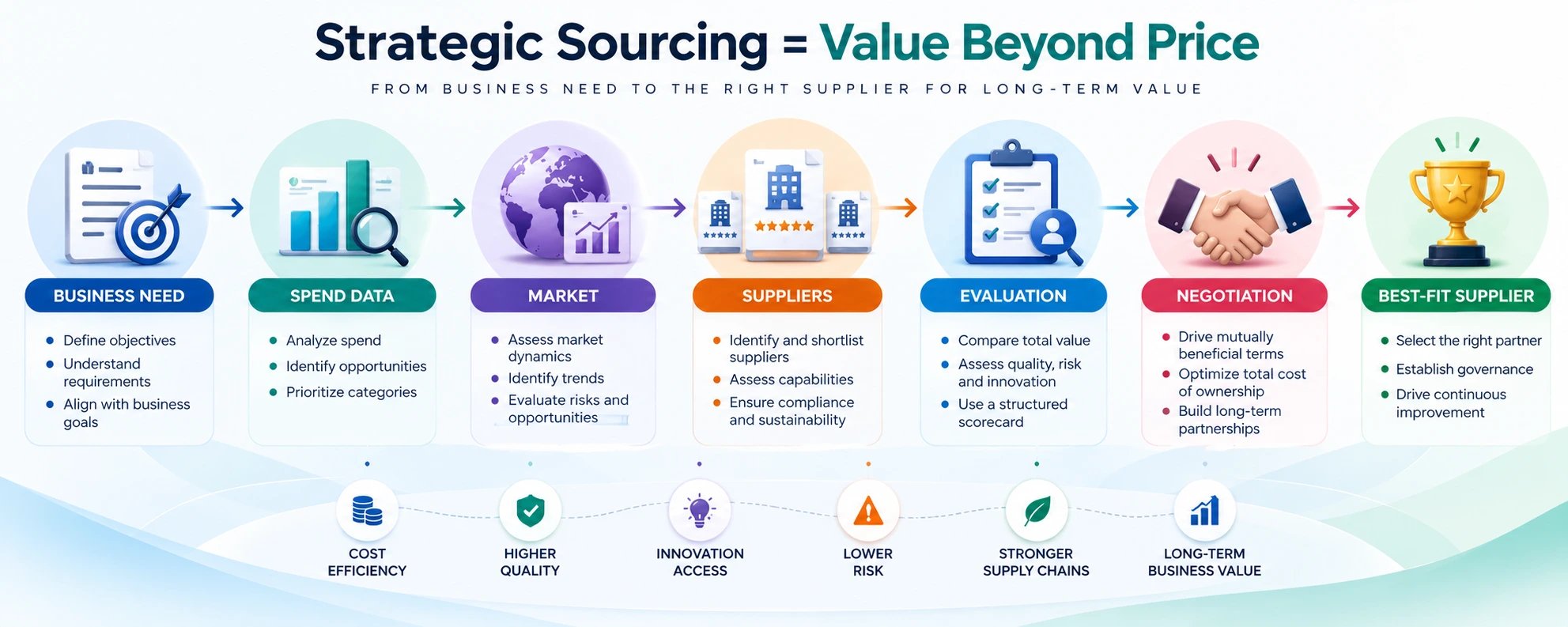
Need → Sourcing → Supplier Selection → Contract → Purchase Request → Approval → Purchase Order → Goods Receipt → Invoice → Payment → Spend Analysis
The exact workflow varies by organization and procurement category.
The upstream portion of procurement typically includes:
A department identifies a need for a product, service, supplier, or project.
Procurement identifies potential suppliers that can meet the requirement.
The organization collects pricing, technical information, proposals, or bids from suppliers.
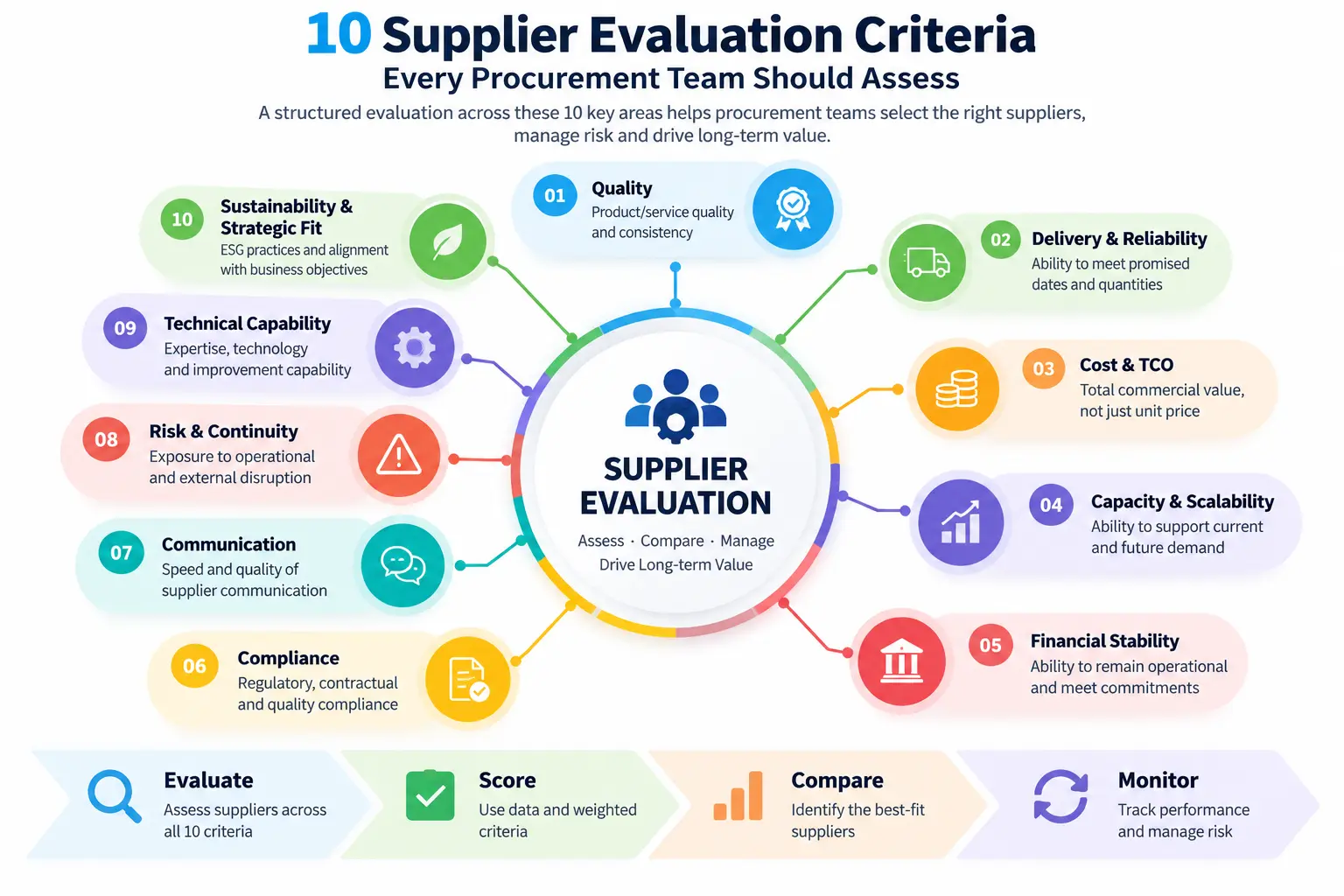
Procurement compares suppliers based on criteria such as price, quality, delivery, compliance, risk, and capabilities.
The organization negotiates commercial and contractual terms.
The selected supplier and organization agree on contractual terms and obligations.
Supplier information, tax information, banking details, compliance documentation, and other required data are collected.
After the supplier and purchasing requirements are established, transactional procurement commonly includes:
An employee or department submits a request for a product or service.
The request is checked against organizational policies, budgets, approval rules, and other controls.
An approved request is converted into a purchase order and sent to the supplier.
The organization records the goods or services received.
The supplier invoice is captured and validated.
The invoice can be compared with the purchase order and receipt information.
The approved invoice moves through the organization's payment process.
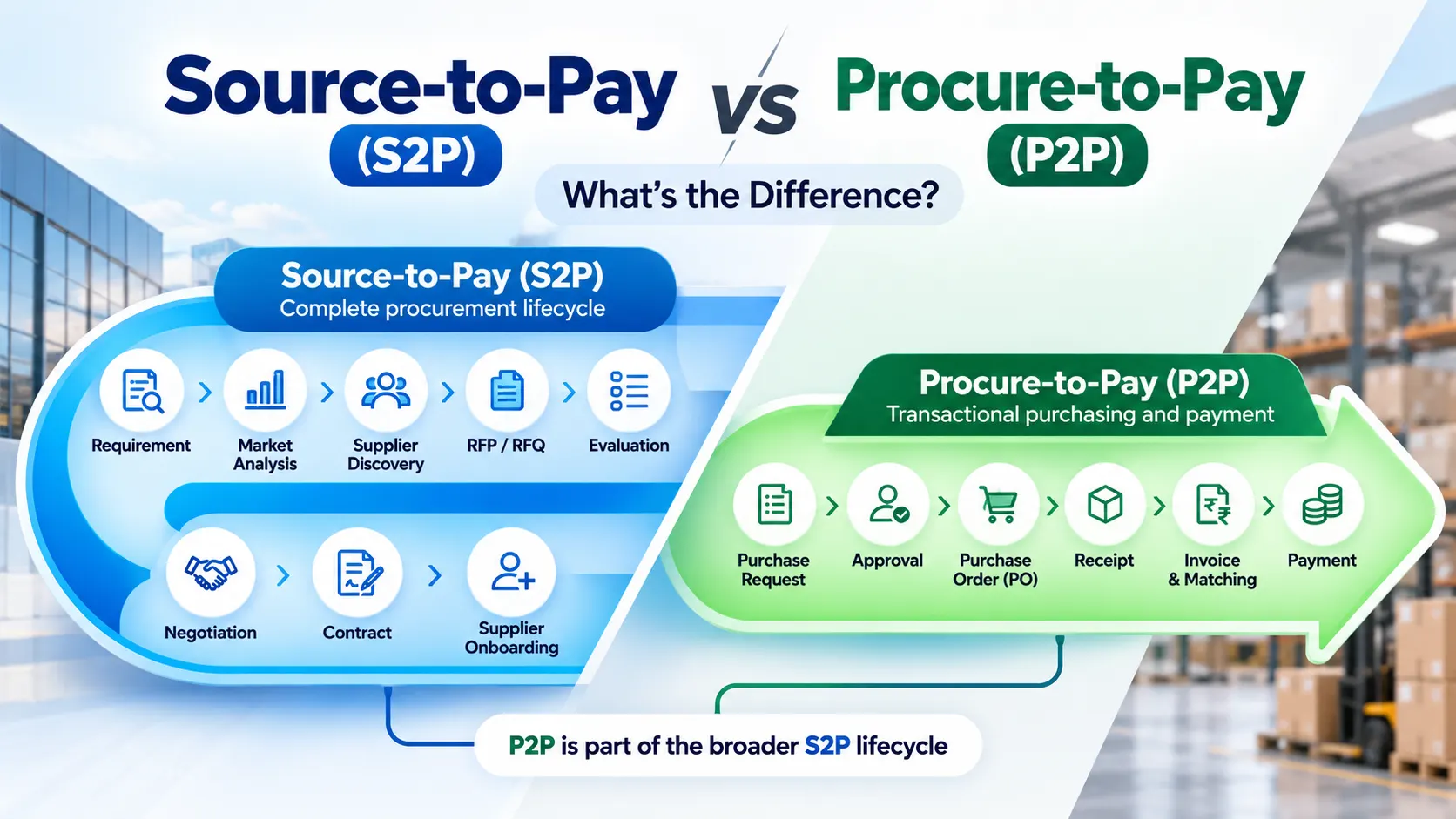
The terms are closely related but describe different scopes.
| Source-to-Pay | Procure-to-Pay |
|---|---|
| Broader procurement lifecycle | Transactional procurement lifecycle |
| Includes sourcing | Usually begins with purchasing |
| Supplier discovery and selection | Purchase requisition |
| RFQs and RFPs | Approval workflows |
| Negotiation | Purchase orders |
| Contracting | Goods receipt |
| Supplier management | Invoice processing |
| Purchasing | Invoice matching |
| Receiving | Payment |
| Spend analysis | Transaction visibility |
Source-to-pay = sourcing through payment.
Procure-to-pay = purchasing through payment.
P2P is therefore generally considered part of the broader S2P lifecycle.
The distinction matters when choosing software. A company struggling with supplier discovery, competitive bidding, sourcing, or contracts may need broader S2P capabilities. A company primarily struggling with purchase requests, approvals, POs, receipts, invoices, and payment may be able to focus more heavily on P2P.
Supplier, purchasing, contract, transaction, and spend information can be brought into a more connected environment.
Automated approvals, routing, purchase orders, matching, and notifications can reduce repetitive administrative work.
Procurement and finance teams can analyze spending by supplier, category, department, location, or project.
Approval workflows, budgets, policies, preferred suppliers, and purchasing rules can help organizations control unauthorized or off-contract purchasing.
Centralized supplier records can make onboarding, compliance, performance monitoring, and supplier communication easier to manage.
Automation can reduce repetitive work across purchase requests, purchase orders, invoices, receipts, and reporting.
A connected procurement system can provide a clearer record of requests, approvals, purchases, receipts, invoices, and other procurement activities.
Spend analytics, supplier performance information, sourcing data, and procurement history can give teams more information when making purchasing decisions.
A modern procurement platform can connect multiple stages of the purchasing lifecycle.
Instead of receiving procurement requests through email, messaging apps, spreadsheets, and informal conversations, organizations can provide employees with a structured purchasing intake process.
The request can capture information such as:
This gives procurement more complete information before the purchasing process begins.
Approval rules can route requests to the appropriate stakeholders based on factors such as:
This reduces unnecessary back-and-forth and gives requesters visibility into request status.
Supplier information should not live separately from purchasing activity.
Connecting supplier records with quotations, contracts, purchase orders, receipts, invoices, and performance information gives procurement teams greater context.
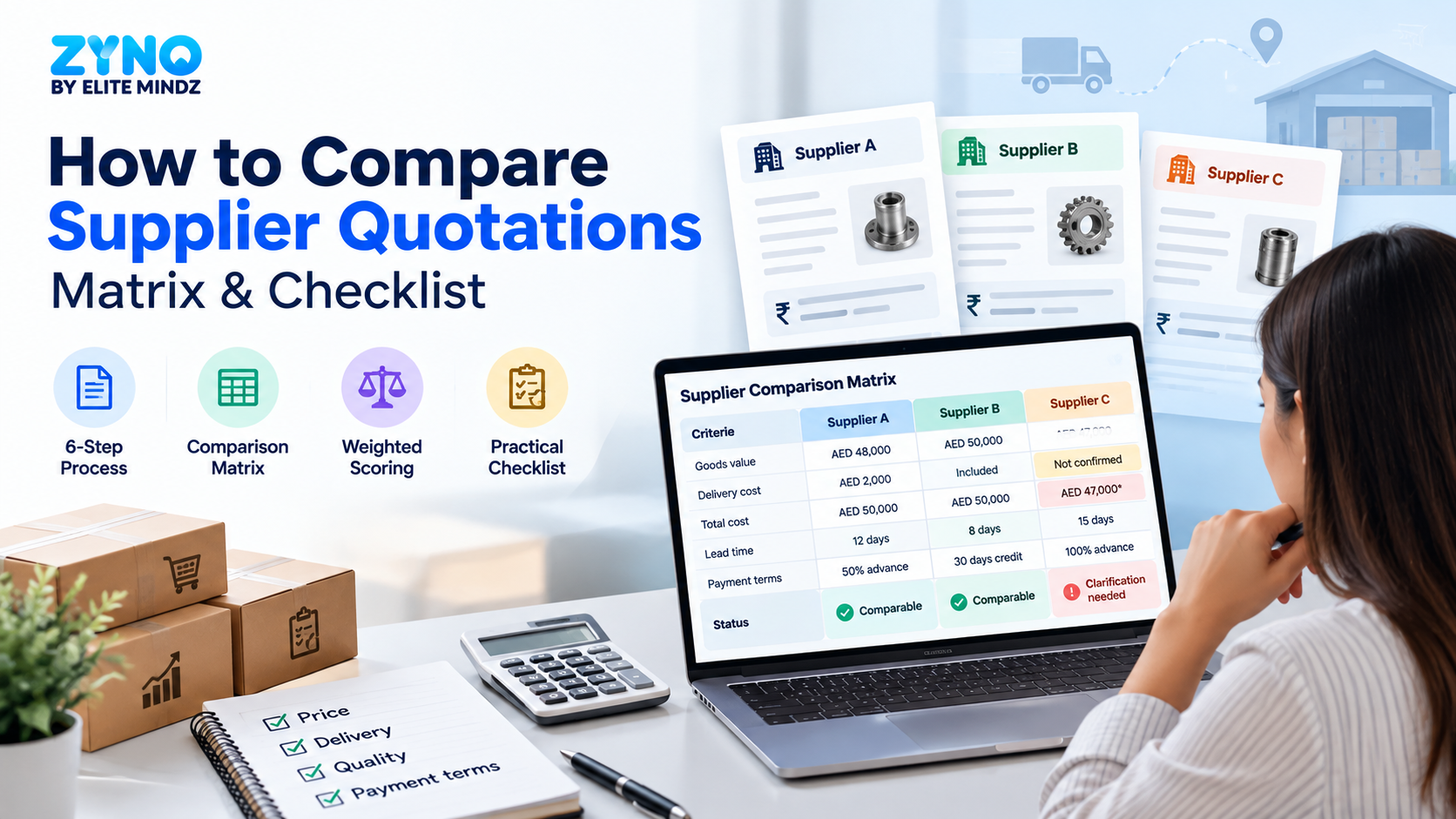
For competitive purchasing, procurement teams can collect supplier quotations and compare factors such as:
A structured comparison makes supplier selection easier to document and review.
Once a request and supplier are approved, procurement software can reduce manual re-entry by carrying approved information into the purchase order workflow.
Goods receipt information can be connected to purchase orders and invoices.
This can support two-way or three-way matching and help identify discrepancies before payment.
When purchasing transactions are centralized, procurement teams can analyze:
AI can increasingly assist with activities such as:
The important question is not simply whether a vendor has an “AI” feature.
Ask what the AI actually does.
Choosing S2P software should start with your procurement problems rather than the vendor feature list.
Document your current workflow:
Request → Approval → Sourcing → Supplier → PO → Receipt → Invoice → Payment
Identify where work currently happens.
For example:
This reveals where integration and automation could create the most value.
Ask:
If the challenge is primarily transactional purchasing, a P2P-focused platform may be sufficient.
If the organization needs sourcing, supplier management, contracts, purchasing, and payment in a connected lifecycle, broader S2P functionality may be appropriate.
Look for:
If strategic sourcing matters, evaluate:
Do not assume that every procurement platform has the same sourcing depth.
Run an actual scenario:
“An employee needs 50 units of a product. Show us how they create the request, get approval, create the PO, receive the goods, process the invoice, and complete payment.”
This reveals more than a generic product presentation.
Ask about integration with:
Also ask who is responsible for building and maintaining each integration.
Instead of asking:
“Does your platform use AI?”
Ask:
“Show us what AI does when I create this purchase request.”
Then test:
Consider:
Software + Implementation + Integration + Data Migration + Training + Support + Customization + Administration
A lower licence price does not automatically mean a lower total cost.
Procurement software is used by more than procurement specialists.
Include:
A platform that works for procurement but frustrates employees can create adoption problems.
Simplify sourcing, supplier collaboration, purchasing, approvals, invoice processing, and spend management with an integrated Source-to-Pay solution.
Before signing a contract, ask each vendor:
ZYNO Procurement may be worth evaluating if your organization wants to bring multiple procurement processes into a connected platform.
For example, you may be dealing with:
ZYNO combines procurement capabilities including vendor management, quotation management, RFPs, procure-to-pay, purchase requests, GRN management, accounts payable, spend analytics, and vendor portal functionality.
The platform also provides AI-powered procurement capabilities designed to support purchase request intake, invoice verification, supplier insights, and procurement decision-making.
Instead of requesting a generic demo, bring one real procurement workflow.
For example:
Step 1: Create a purchase request.
Step 2: Route it for approval.
Step 3: Select or onboard a supplier.
Step 4: Request and compare quotations.
Step 5: Create the purchase order.
Step 6: Record the goods receipt.
Step 7: Process the supplier invoice.
Step 8: Match the invoice against the purchasing records.
Step 9: Review the transaction in spend analytics.
This gives procurement, finance, and business stakeholders a practical view of how the platform could fit their process.
Source-to-pay software connects the procurement lifecycle from identifying a purchasing need through sourcing, supplier selection, contracting, purchasing, receiving, invoice processing, and payment.
S2P stands for source-to-pay.
It describes the broader procurement lifecycle from sourcing a supplier through completing the purchasing and payment process.
Source-to-pay covers the broader procurement lifecycle, including sourcing, supplier selection, contracting, purchasing, receiving, invoicing, and payment.
Procure-to-pay primarily focuses on transactional purchasing activities such as requisitions, approvals, purchase orders, receiving, invoice processing, and payment.
Generally, yes. P2P represents the transactional purchasing portion of the broader source-to-pay lifecycle.
Important capabilities can include:
The right feature set depends on your procurement model and business requirements.
There is no single price for source-to-pay software.
Enterprise platforms commonly use customized pricing based on factors such as users, transaction volume, modules, entities, integrations, geography, implementation requirements, and support.
Some procurement platforms publish entry-level pricing. For example, Precoro currently lists plans starting at $499 per month when billed annually, with its Automation plan starting at $999 per month. Enterprise pricing is customized.
ZYNO Procurement also uses customized pricing based on the modules and capabilities selected.
Implementation time varies considerably.
A focused procurement workflow can be implemented differently from a large enterprise transformation involving multiple entities, ERP integrations, historical data migration, custom workflows, supplier migration, security requirements, and extensive user training.
Ask every vendor for an implementation plan based on your actual scope rather than relying on a generic timeline.
AI can be valuable when it solves specific procurement problems.
Useful applications can include:
However, buyers should evaluate what the AI actually does rather than selecting software based solely on AI terminology.
There is no single platform that is the right choice for every organization.
The appropriate option depends on factors such as:
The best way to compare platforms is to evaluate the same real procurement workflow in each system.
Not necessarily.
Some S2P platforms can provide extensive procurement functionality, while others are designed to work alongside ERP systems.
Before choosing a platform, map which functions currently sit inside your ERP and which functions you want the procurement platform to own.
Use a real procurement scenario.
Ask the vendor to demonstrate:
Purchase Request → Approval → Supplier Selection → Quotation/RFP → Purchase Order → Goods Receipt → Invoice Matching → Spend Reporting
Also test the experience from the perspective of an employee, procurement manager, finance user, and supplier.
Source-to-pay software is not simply a purchasing automation tool.
A well-designed S2P environment connects strategic sourcing with day-to-day procurement so that supplier information, purchasing activity, contracts, transactions, invoices, and spend data can work together.
The right platform depends on what your organization actually needs.
If your primary challenge is purchase requests, approvals, purchase orders, receiving, and invoice processing, a P2P-focused solution may be enough.
If you also need sourcing, supplier management, RFPs, contracts, spend analytics, and broader procurement orchestration, evaluate full source-to-pay capabilities.
For organizations looking to connect these workflows with AI-powered procurement automation, supplier management, sourcing, purchasing, receiving, AP, and spend visibility, ZYNO Procurement is worth including in the evaluation process.
Ready to see how your procurement workflow could be automated? Book a ZYNO Procurement demo and evaluate the platform using your own procurement scenario.
Procurement Software Trends in 2026: What to Expect
Read More →
Why E-Procurement Outperforms Traditional ERP in Modern Procurement
Read More →
Top Procurement Software in India: 12 Best Options for 2026
Read More →
Best Procurement Software Companies in Kuwait (2025)
Read More →
5 Best Procurement Software in Africa for Enterprises & SMEs (2026 Guide)
Read More →
Best Procurement Software in Nigeria 2026 | Top 5 Picks
Read More →
Best Procurement Software Providers in USA (2025): How AI is Transforming the Future
Read More →
10 Best Procurement Software Providers in Thailand for Streamlined Supply Chain Management
Read More →
Top 10 Cloud-Based Procurement Solutions in Portugal for Businesses in 2025
Read More →
Top 10 Procurement Software Providers in Switzerland 2026: Streamlining Sourcing and Supplier Management
Read More →
What Makes ZYNO Procurement Different from Other Oil & Gas Procurement Software
Read More →
The Digital Transformation of Logistics Procurement in the Middle East
Read More →
A Step by Step Guide to Procurement Management Software for Modern Enterprises
Read More →
Sourcing and Procurement: What is the Difference and Why It Matters
Read More →Difference Between Procurement and Supply Chain Management
Read More →
What Is Procurement Software and Why Do Modern Businesses Need It?
Read More →
Best Procurement Management Software to Automate ERP Process
Read More →
Direct vs Indirect Procurement: Key Differences, Examples & Uses (2026)
Read More →
Smart procurement strategies for cost optimization & risk management
Read More →
What Is Procurement? Everything You Need to Know (Types, Process & SAP)
Read More →Beyond Cost-Cutting: How Procurement Drives Margin Expansion in 2026
Read More →
Direct Procurement: Process, Examples, and When to Use It
Read More →
What Are the 5 Types of E-Procurement? A Complete Guide for Businesses
Read More →
Which Procurement Management Software Is Best? Top Tools Compared for 2026
Read More →
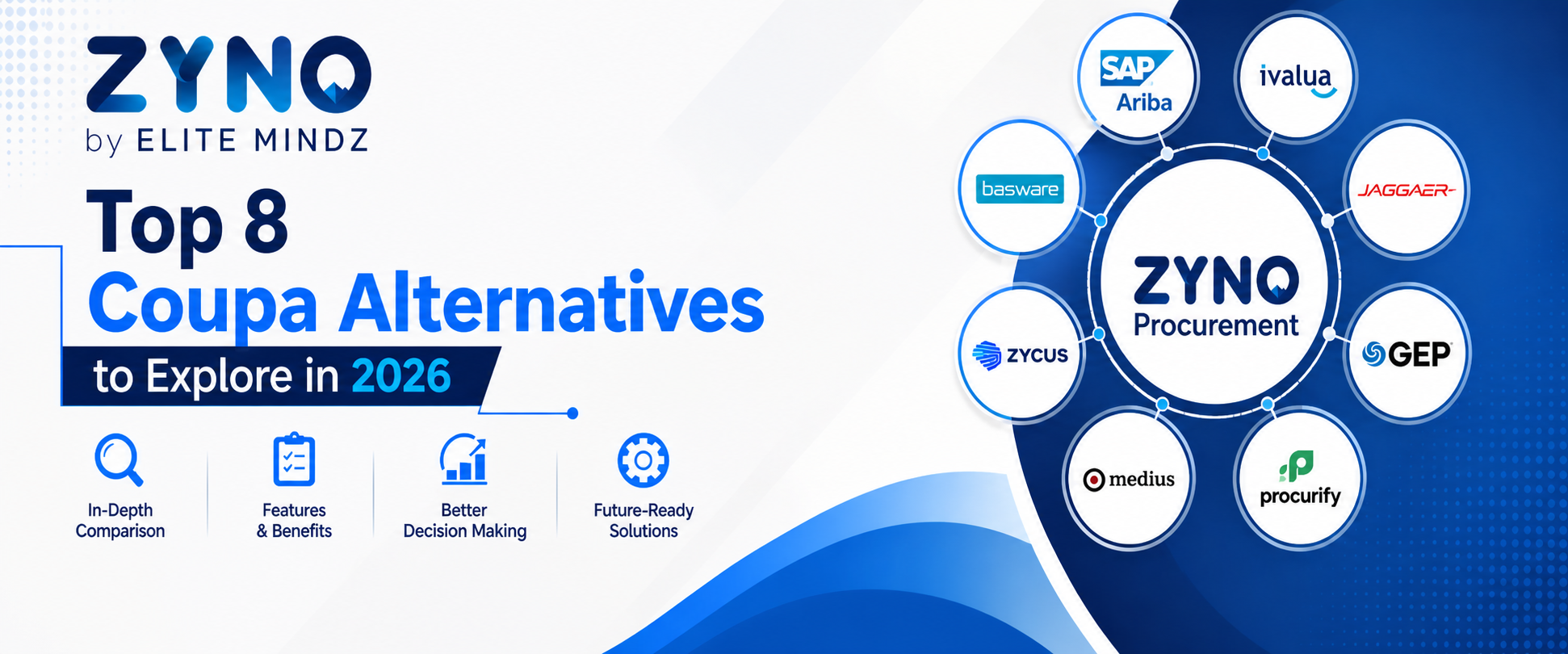
Top 8 Coupa Alternatives to Explore in 2026
Read More →
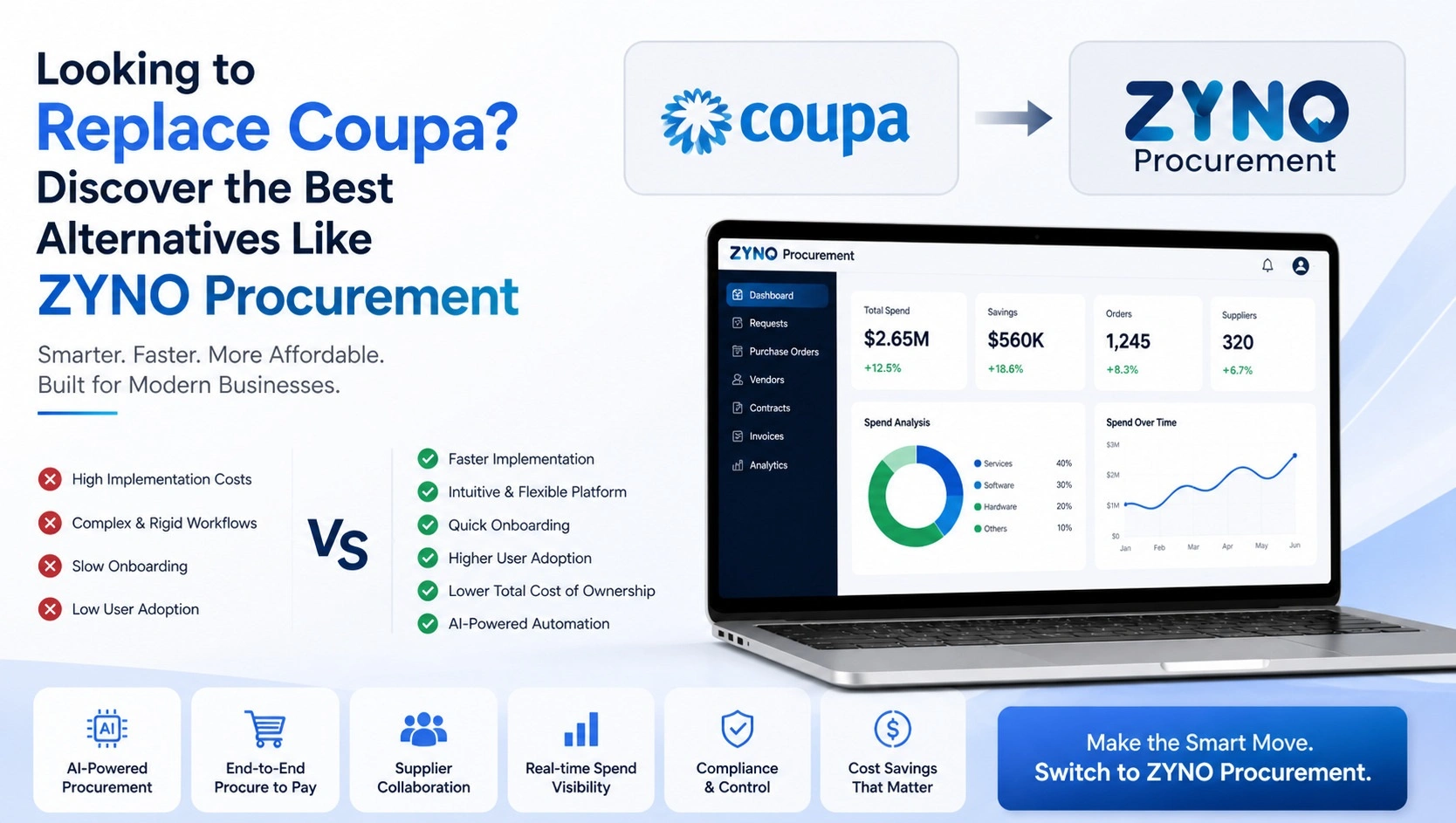
Looking to Replace Coupa? Discover the Best Alternatives Like ZYNO Procurement
Read More →
How Does Procurement Software Work? A Complete Guide
Read More →
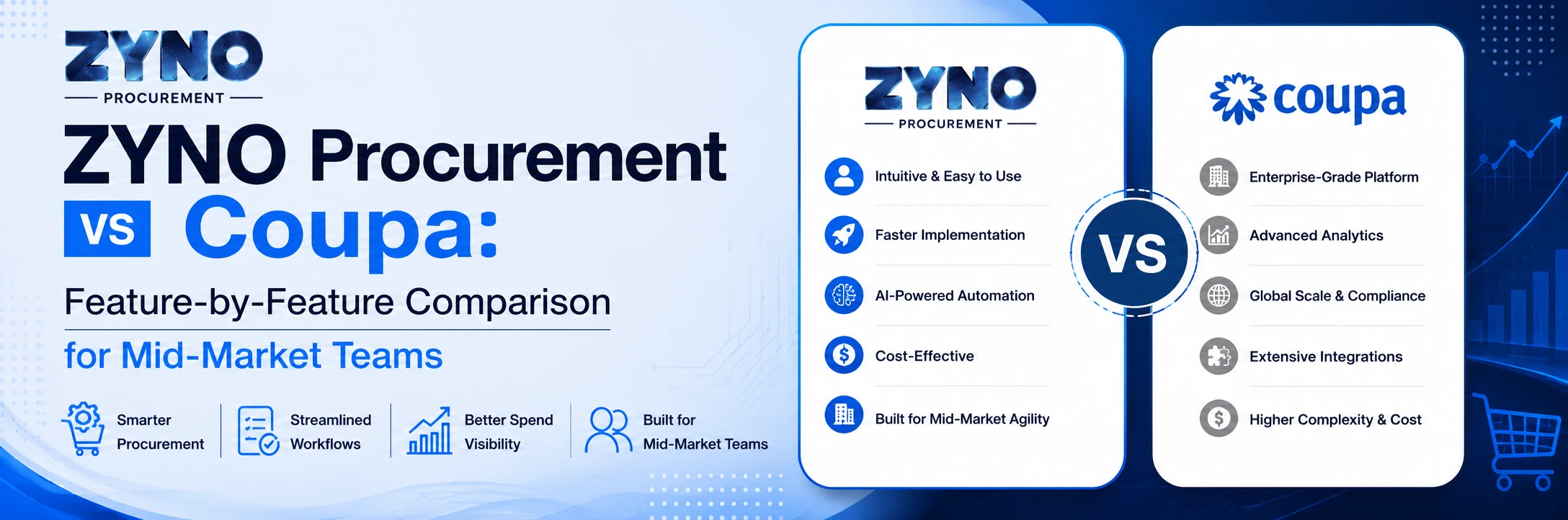
ZYNO Procurement vs Coupa: Best Procurement Software Comparison for Mid-Market Teams
Read More →
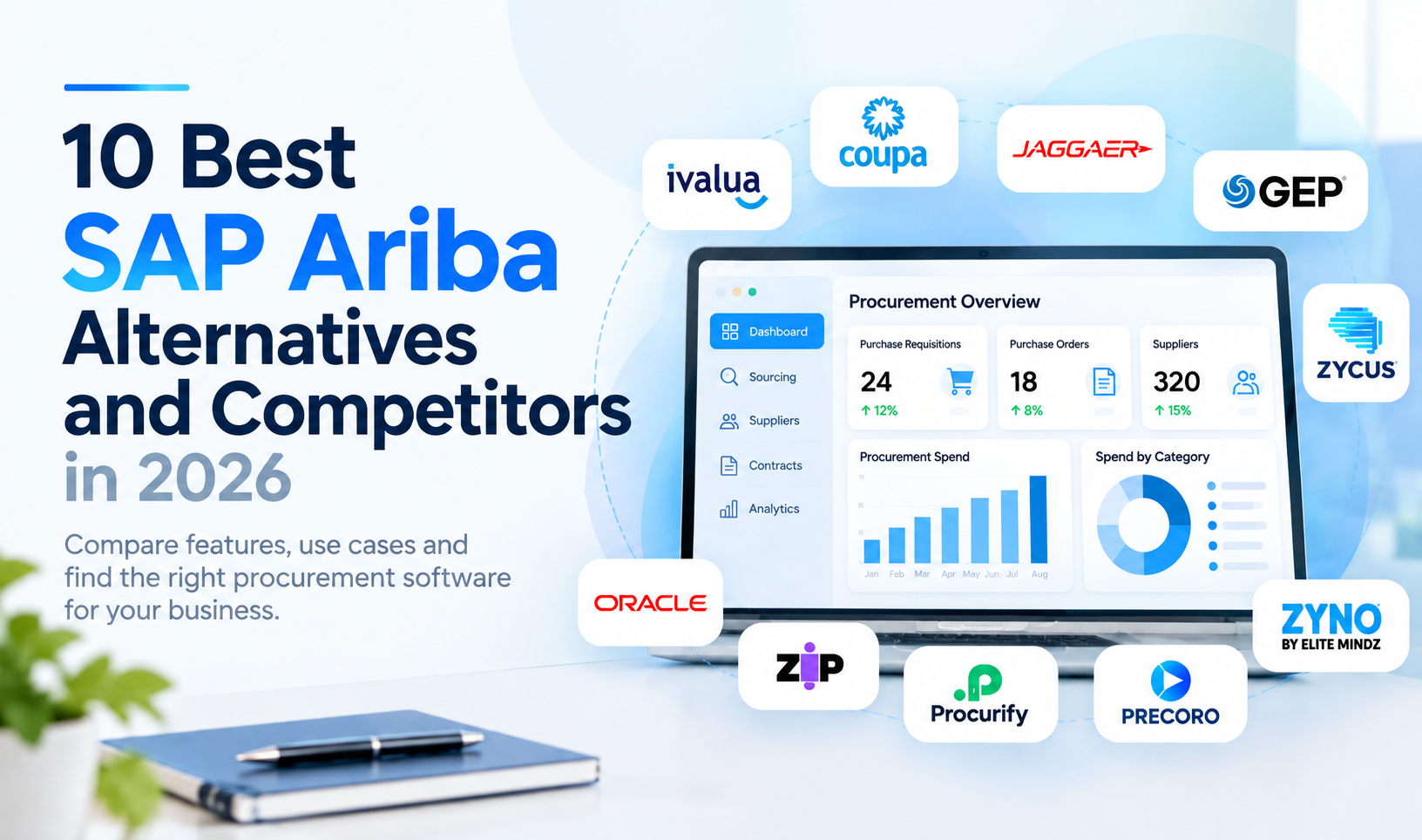
Best SAP ARIBA Procurement Alternatives in 2026
Read More →
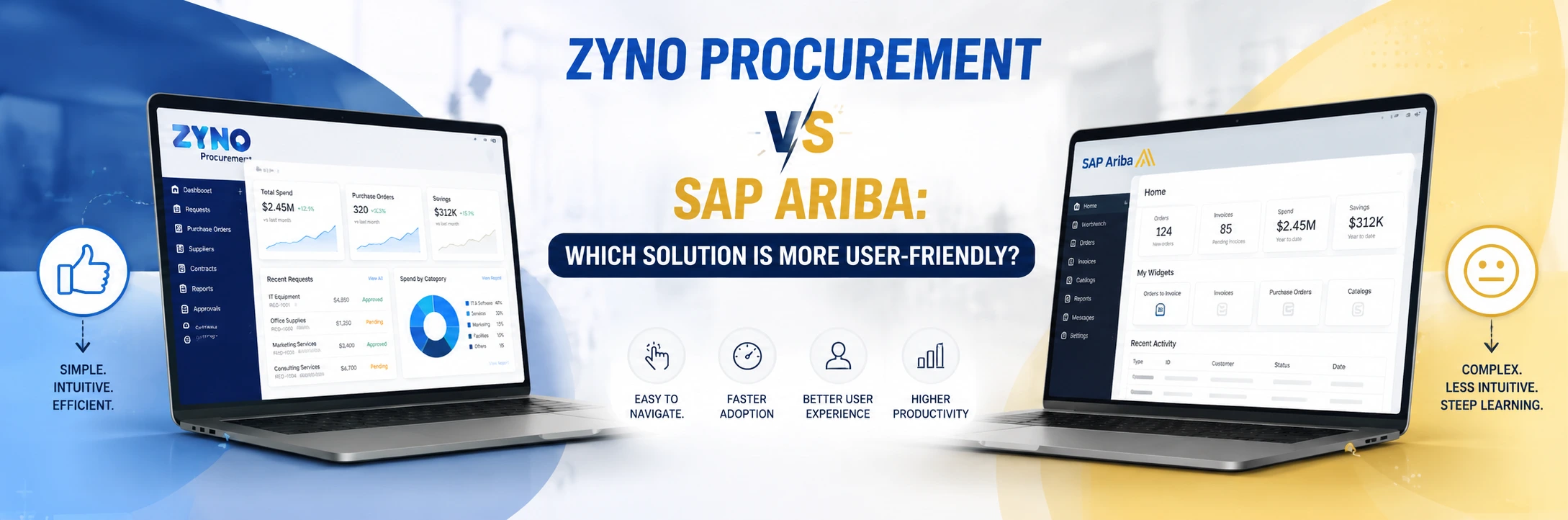
ZYNO Procurement vs SAP Ariba: Which Solution Is More User-Friendly?
Read More →
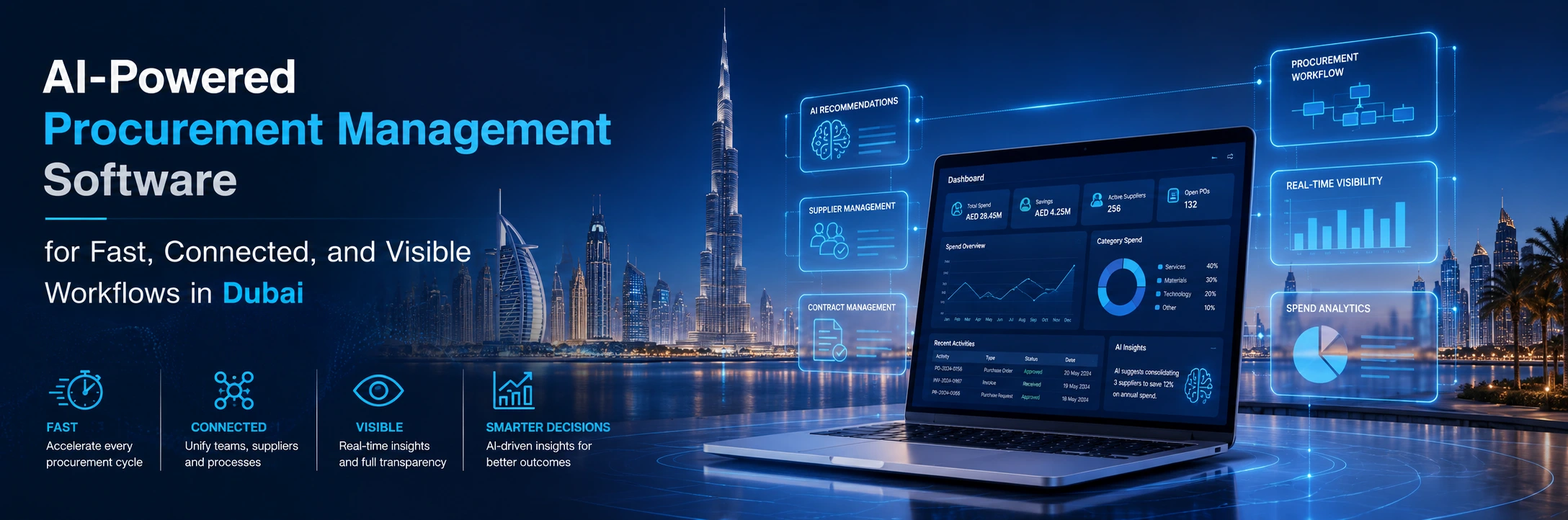
AI-Powered Procurement Management Software for Fast, Connected, and Visible Workflows in Dubai
Read More →
What is Vendor Management? Complete Guide to Vendor Management Software, Systems, and Processes
Read More →
Best Procurement Management Software In Kenya
Read More →
6 SAP Ariba Alternatives for Mid-Market Businesses in 2026
Read More →
Top E-Procurement Solutions for B2B Organizations (2026)
Read More →
Quotation Format: Free Templates + Complete Guide (2026)
Read More →
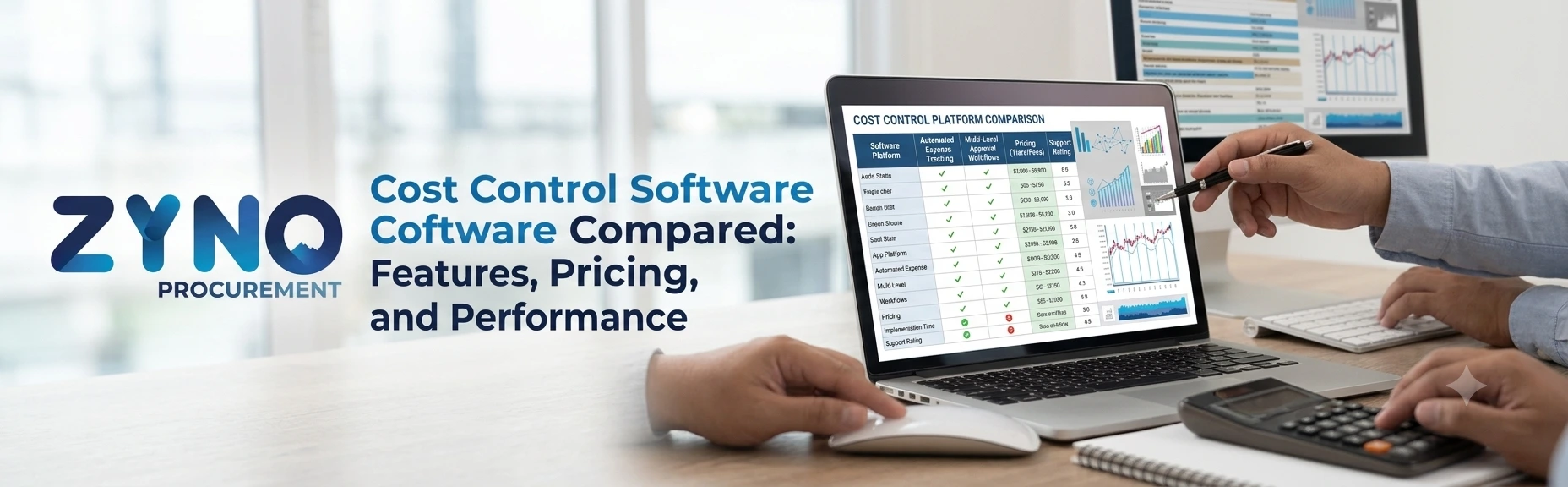
Cost Control Software: Features, Benefits & Performance Guide for 2026
Read More →
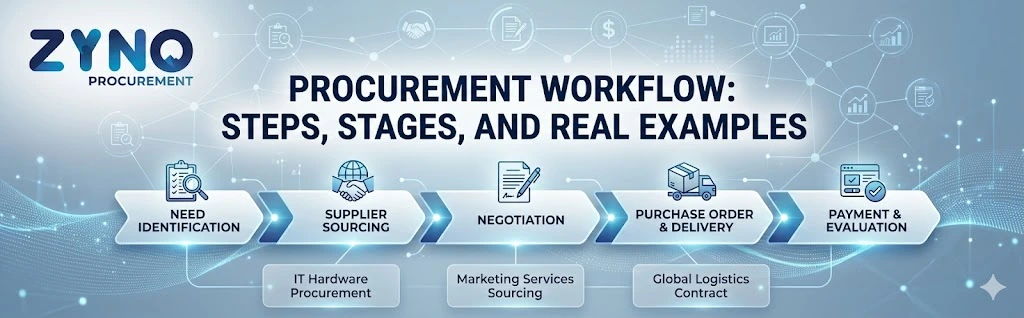
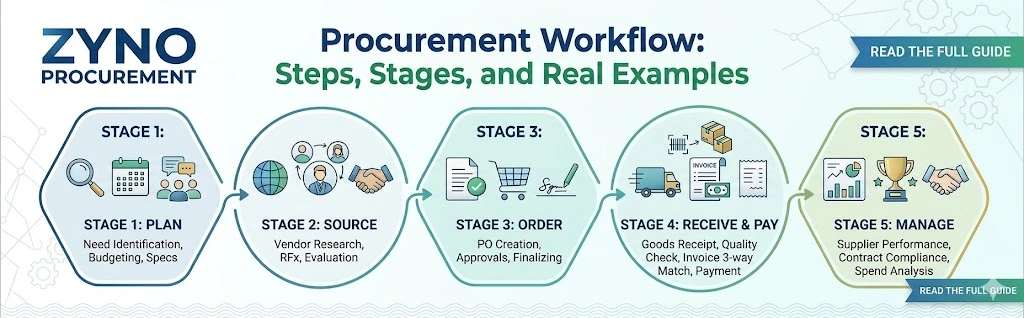
Procurement Workflow: Steps, Stages, and Real Examples
Read More →
Top 10 Zycus Alternatives for Procurement Teams in 2026
Read More →
Best Precoro Alternative for Purchase Requisition and Procurement
Read More →
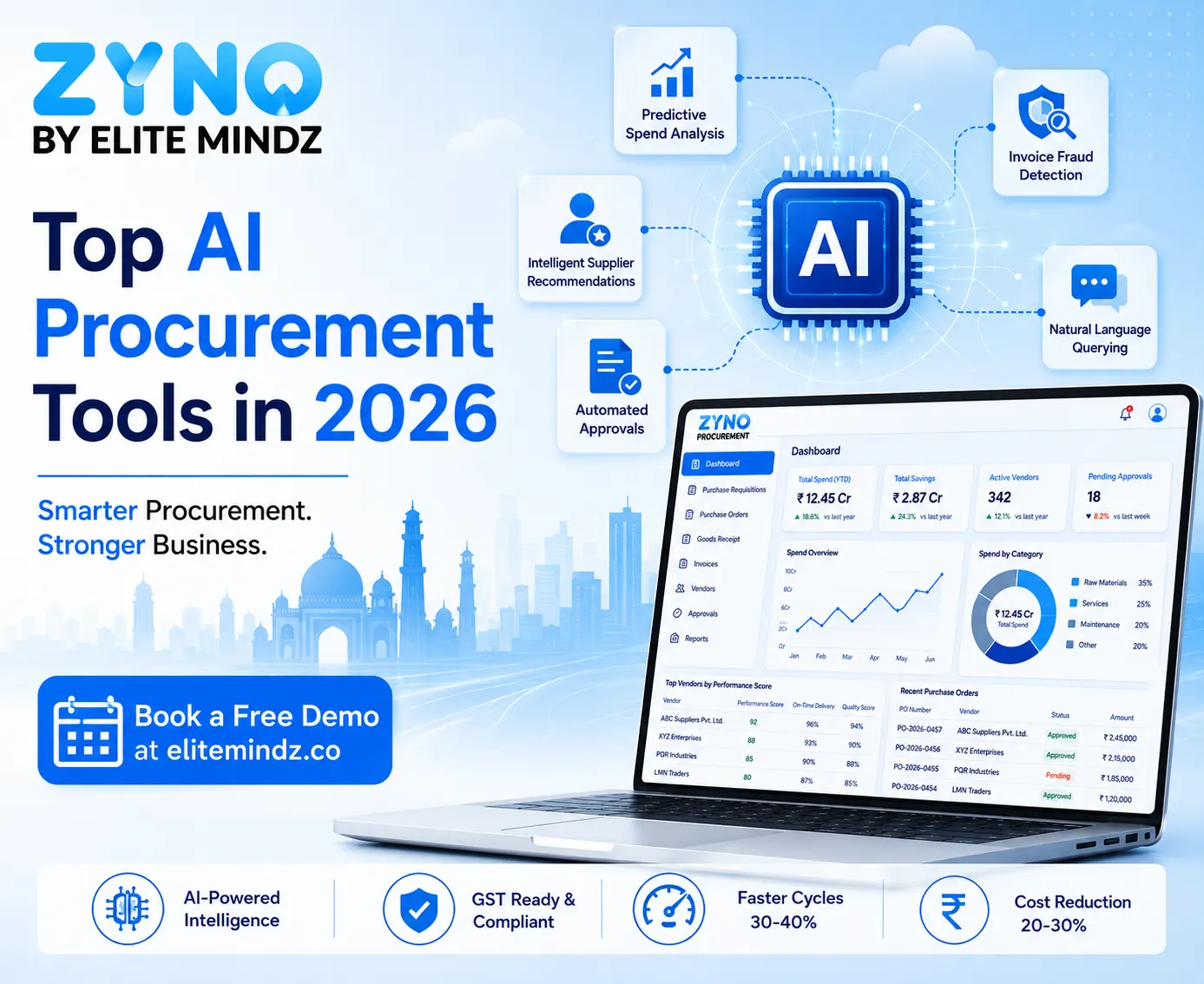
Top AI Procurement Tools in 2026
Read More →
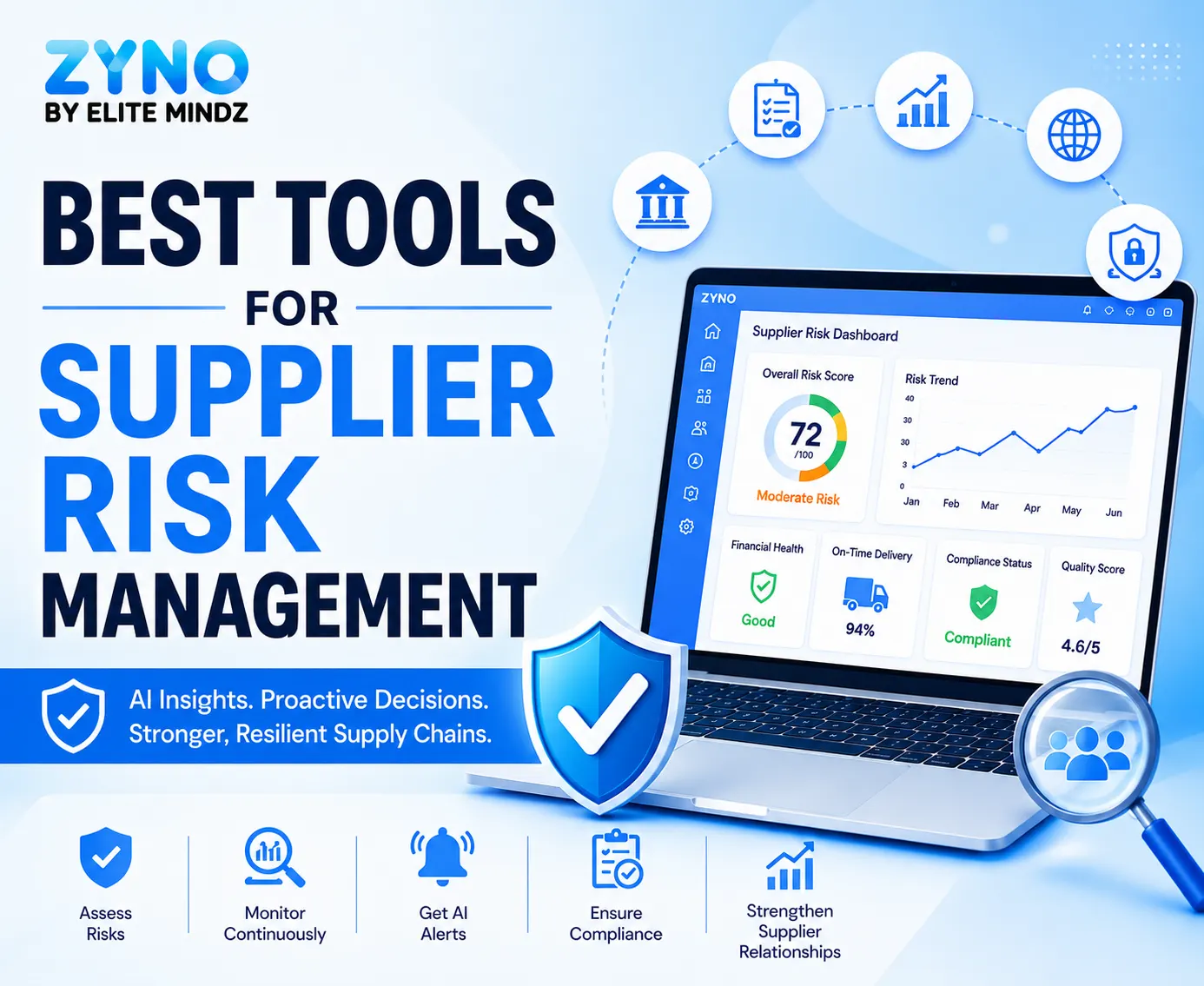
Best Tools for Supplier Risk Management
Read More →
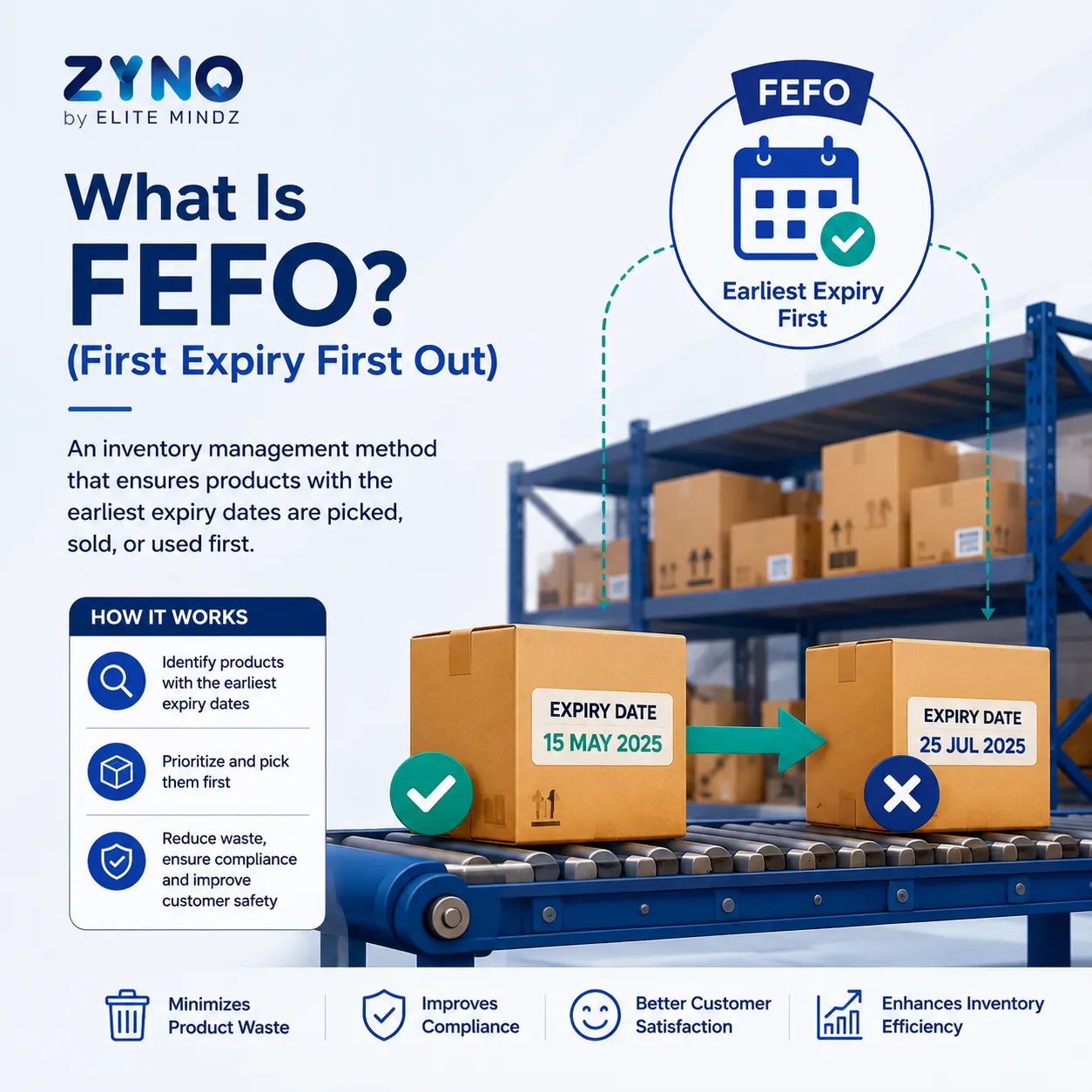
FEFO vs FIFO vs LIFO: Differences, Benefits & Which Inventory Method Is Best?
Read More →
AI Procurement Software: Features, Benefits, Use Cases & How to Choose
Read More →
Best AI Tools for Supply Chain Procurement
Read More →
Procurement Risk Management
Read More →
Still Using Excel for Procurement? Read This Before It's Too Late
Read More →
Best RFP Software in 2026: Top Tools Compared for Faster Proposal Responses
Read More →
What Is Procure-to-Pay (P2P)? A Complete Guide
Read More →
Complete Procurement Workflow Guide for Modern Businesses
Read More →
Complete Guide to E-Procurement Solutions for B2B Organizations
Read More →
Cost Control Software Comparison Guide: Features, Pricing & Benefits
Read More →
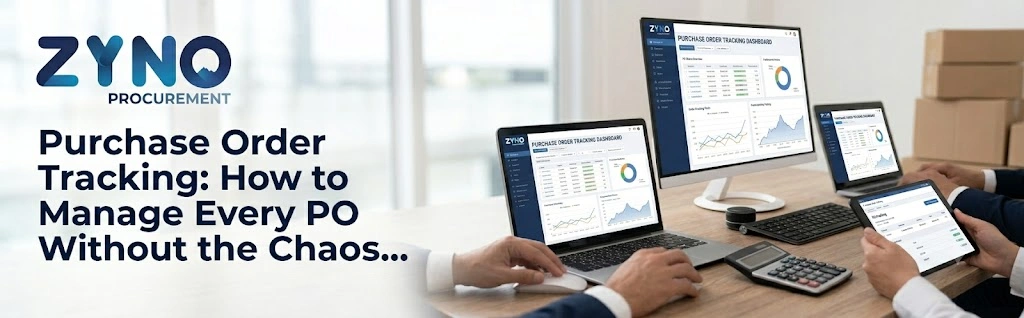
Purchase Order Tracking: How to Manage Every PO Without the Chaos
Read More →
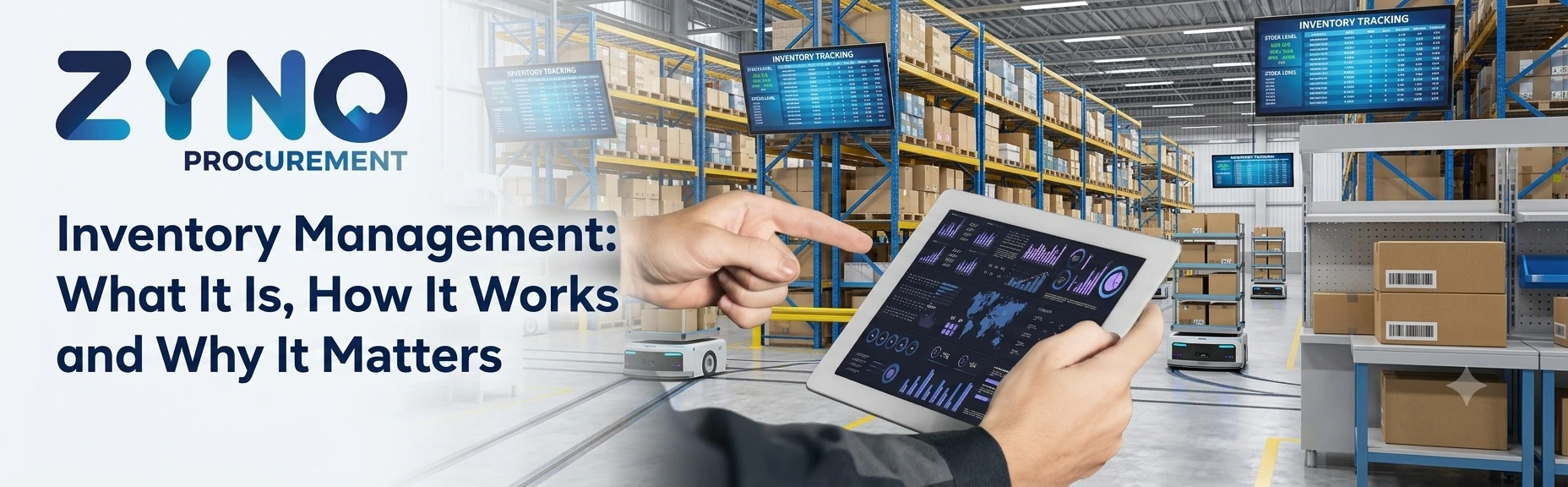
Inventory Management: What It Is, How It Works and Why It Matters
Read More →
Top 10 Procurement Software Tools for Purchasing Automation in 2026
Read More →
Agentic AI Procurement Platforms and the Future of Strategic Sourcing
Read More →
AI Spend Analytics Software for Procurement Leaders
Read More →
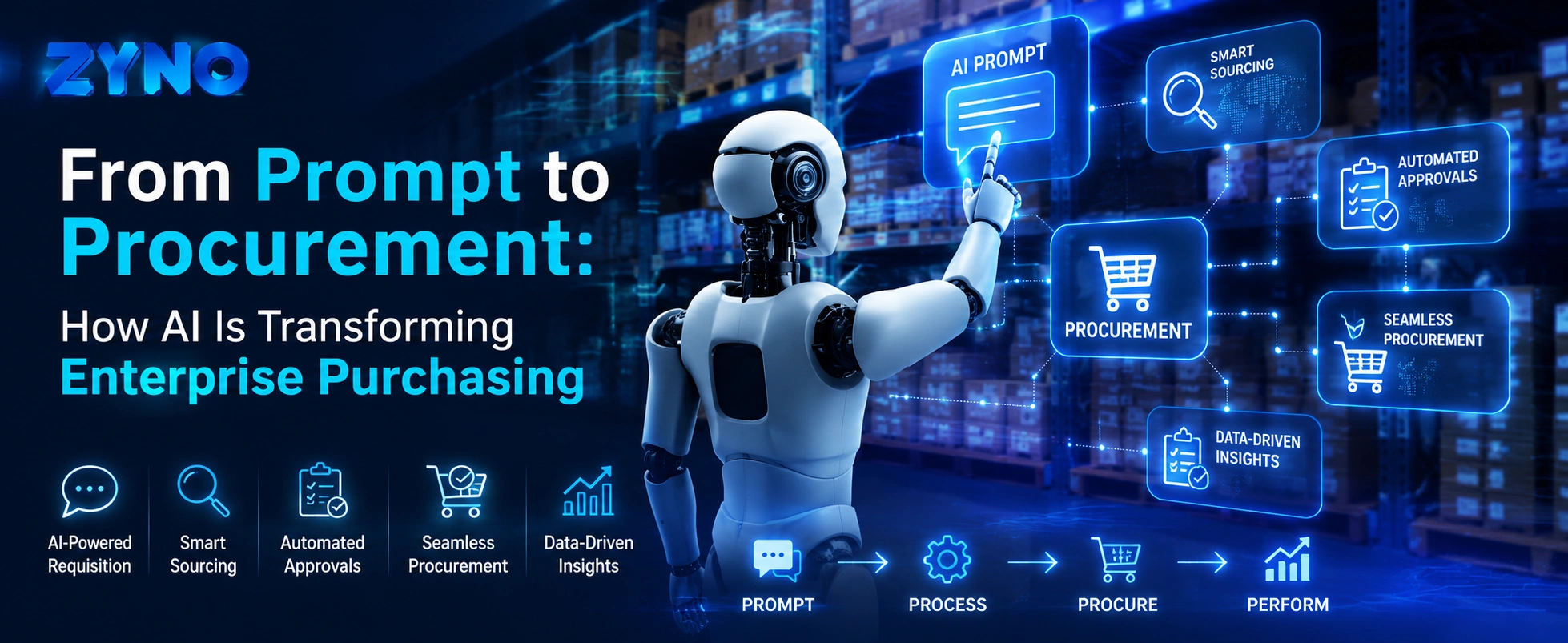
From Prompt to Procurement: How AI Is Transforming Enterprise Purchasing
Read More →
ZYNO Procurement vs IBM Procure-to-Pay Automation
Read More →
ZYNO Procurement vs Infor Nexus: Which Procure-to-Pay Platform Fits Your Team?
Read More →
AI-Powered Procurement Software in 2026: Top 6 Platforms That Actually Deliver ROI
Read More →
Contract Management Software Buyer's Guide: Features, Costs & Top Picks
Read More →
Top 10 Procure to Pay Software Companies in India 2026
Read More →
10 Best Vendor Management Software in India (2026): Features, Benefits & Comparison
Read More →
How Machine Learning and AI Are Transforming Procurement: A Strategic Overview
Read More →
What Is Procurement Software for GP? Features, Benefits and Best Solutions for Businesses
Read More →
What Procurement Software Do Mid-Market Companies Use Instead of SAP Ariba or Coupa?
Read More →
Prompt-Based Procurement Software for Kenyan Businesses
Read More →
Project Management Software: A Complete Guide to Streamline Business Operations and Procurement Processes
Read More →
SAP Ariba vs ZYNO Procurement: Complete Feature Comparison (2026)
Read More →
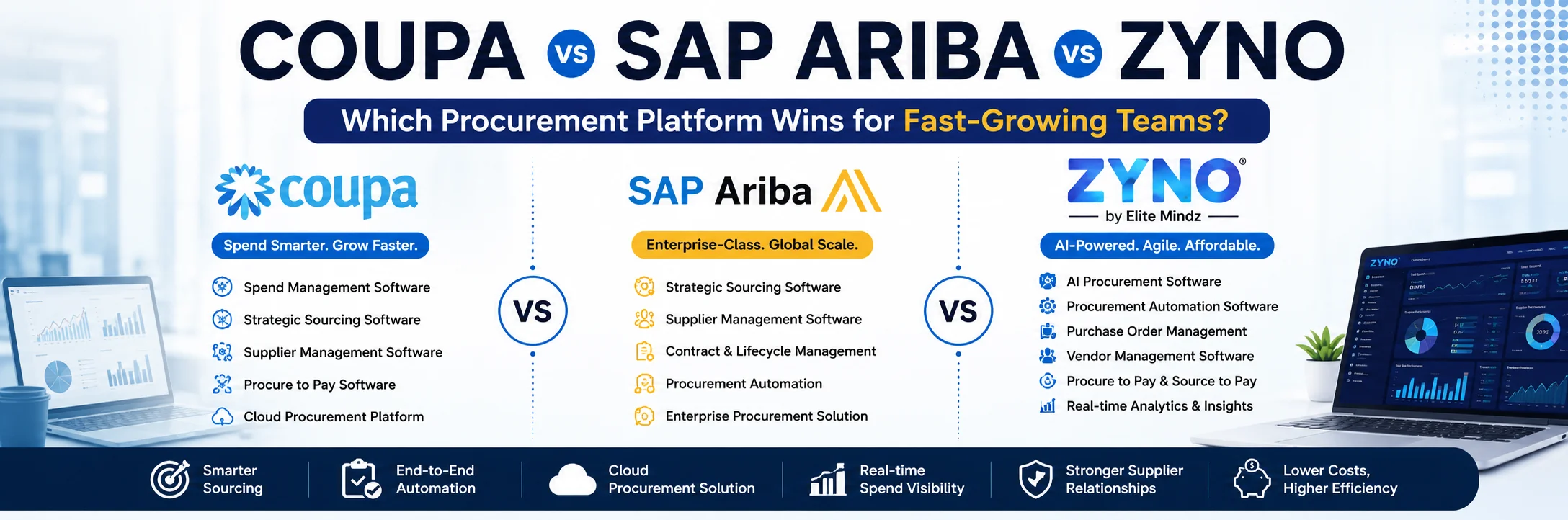
Coupa vs SAP Ariba vs ZYNO: Which Procurement Platform Wins for Fast-Growing Teams?
Read More →
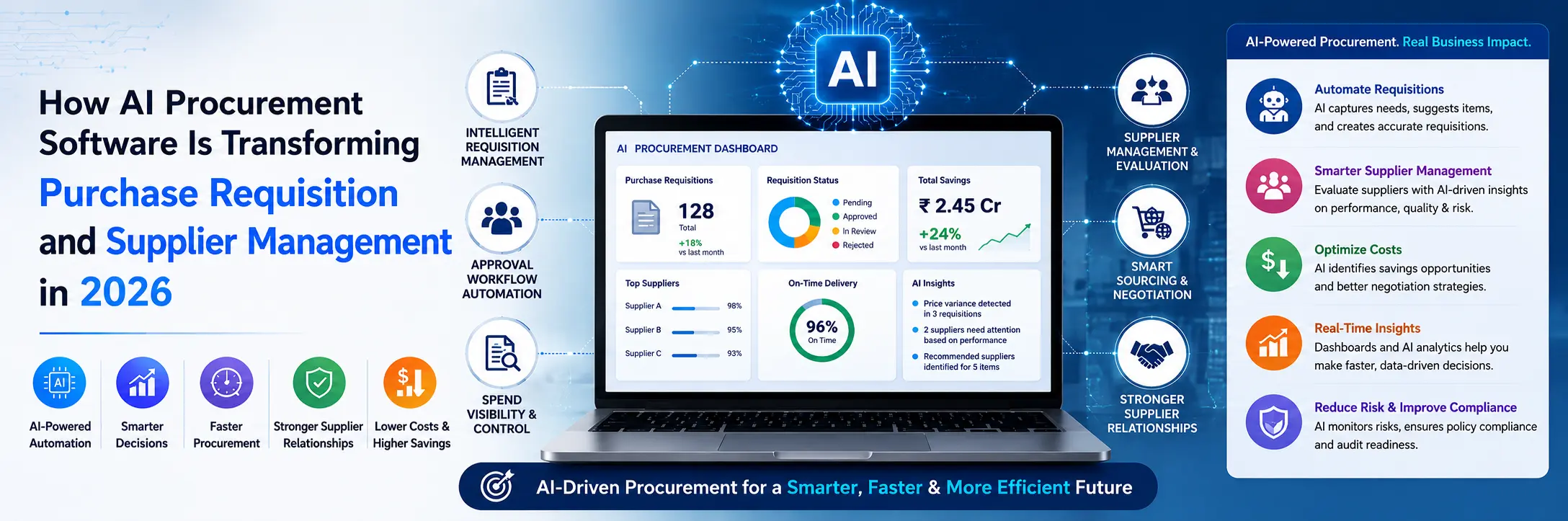
How AI Procurement Software Is Transforming Purchase Requisition and Supplier Management in 2026
Read More →
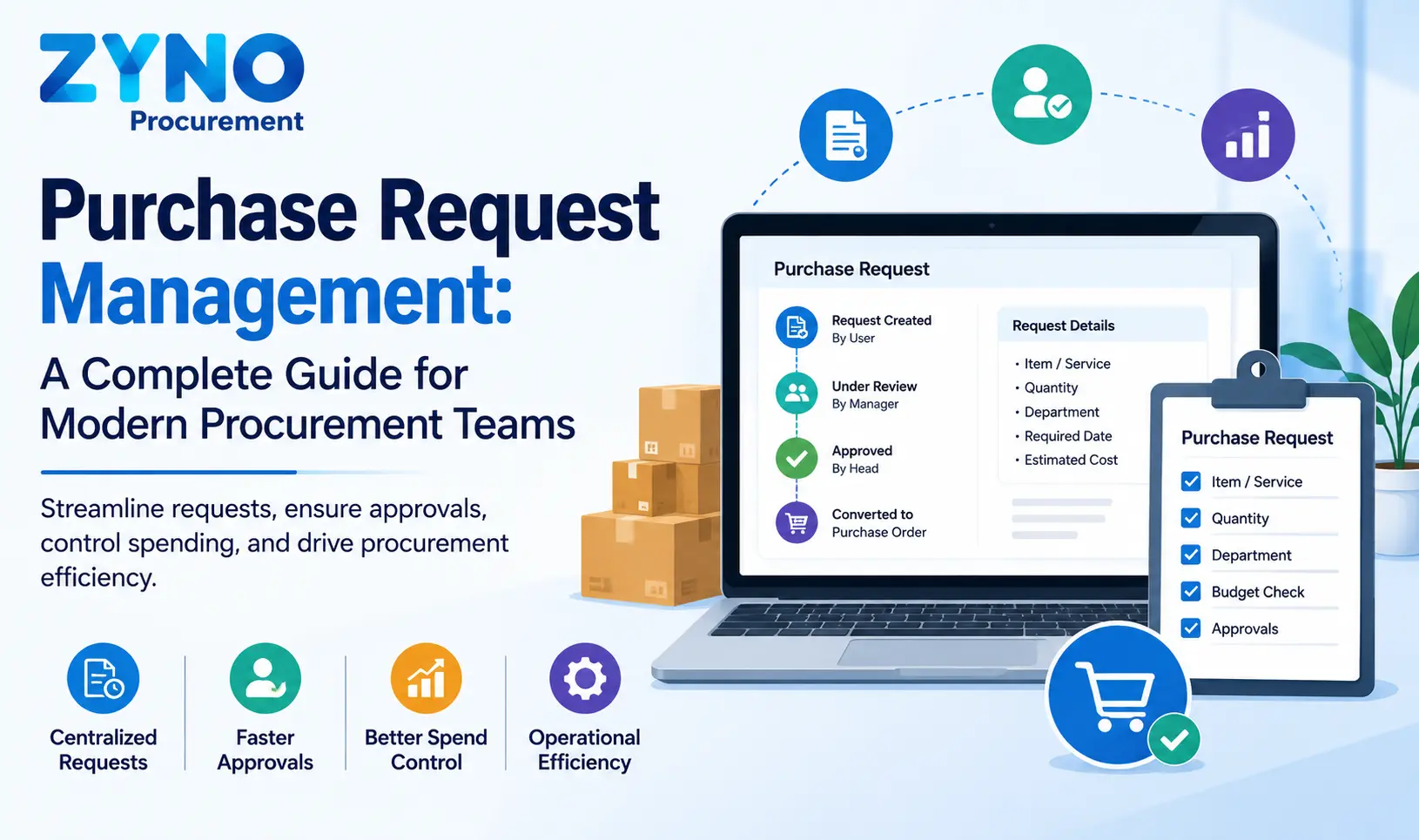
Purchase Request Management: A Complete Guide for Modern Procurement Teams
Read More →
The Top 3 Best Practices for Effective Purchase Request Management
Read More →
What Is Purchase Order Automation? How to Automate Purchase Order Processing
Read More →
5 Common Purchase Request Mistakes and How to Avoid Them
Read More →
What is Supplier Relationship Management in Procurement? A Complete Guide
Read More →
What is Strategic Vendor Management? A Complete Guide for Modern Procurement
Read More →
What Are Inventory Control Methods? Complete Guide to Types, Techniques, Systems, & Benefits
Read More →
Inventory Audit Checklist: Steps, Process & Best Practices
Read More →
Warehouse Inventory Management: Best Practices for 2026
Read More →
Treasury Management System (TMS): A Complete Guide for Modern Corporates
Read More →
What is Portfolio Management Services (PMS) and What Are Its Benefits?
Read More →
Generative AI Procurement Software Solution: The Future of Intelligent Procurement
Read More →
Top Contract Management Software Companies in Ethiopia: Features, Benefits & Best Procurement Solutions
Read More →
AI Procurement Software: Complete Guide to Intelligent, Generative AI & Machine Learning Procurement Solutions
Read More →
Top SAP alternatives for small, midsize, and enterprise businesses
Read More →
Best RFP Software in 2026: Top Solutions for Smarter Procurement and Proposal Management
Read More →
GST on Purchase: Complete Guide to GST on Purchases in India
Read More →
Procurement Software UAE: Complete Guide to Choosing the Best Procurement Solution
Read More →
Supply Chain Procurement: Everything You Need to Know
Read More →
Top 10 Oracle Procurement Alternatives for Businesses in 2026
Read More →
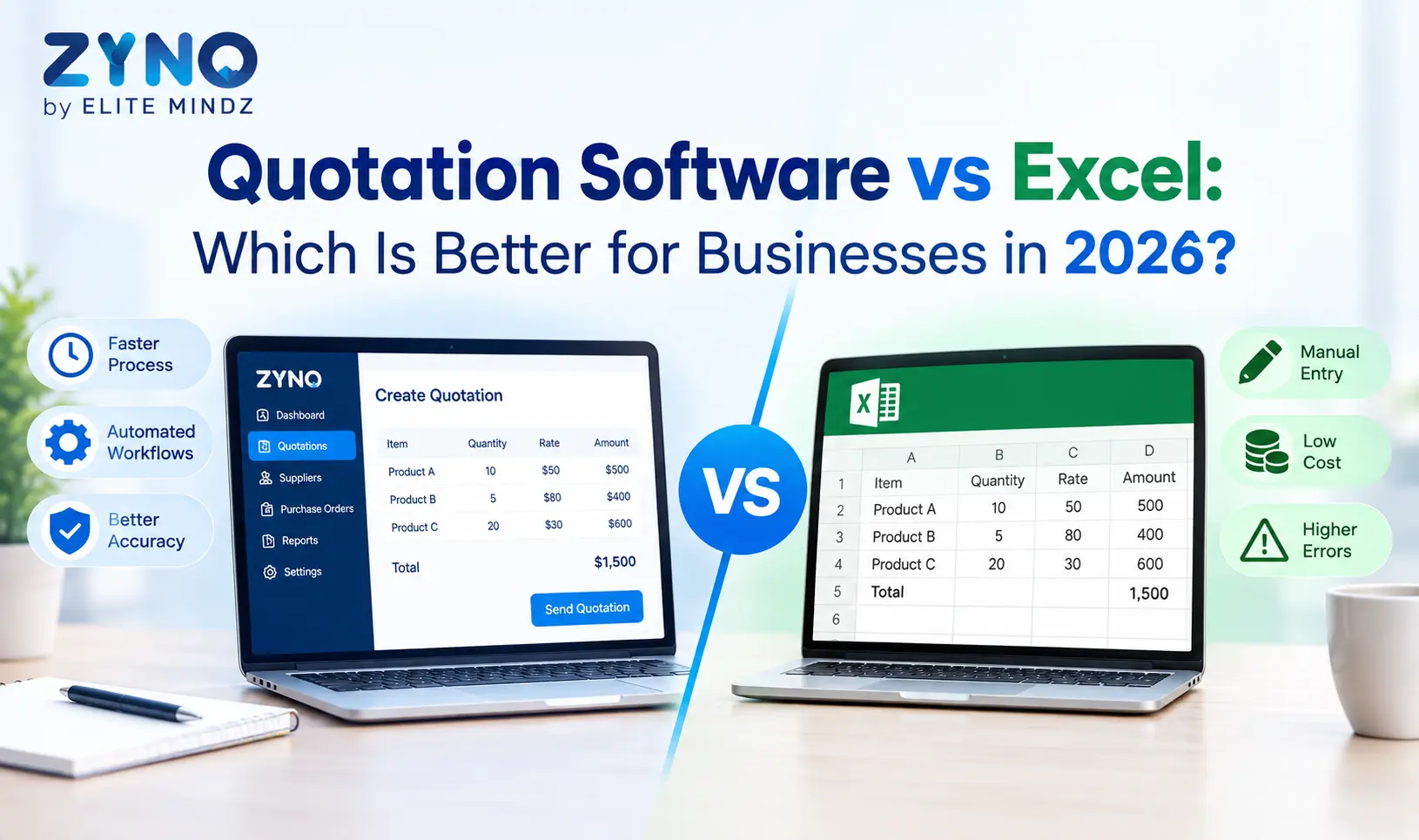
Quotation Software vs Excel: Which Is Better for Businesses in 2026?
Read More →
Contract Management Software Buyer's Guide: Features, Pricing & How to Choose
Read More →
How to Identify the Right Vendor: 10 Simple Steps
Read More →
Top 10 Automated PO Generation Tools in 2026: Best Purchase Order Software with AI Capabilities
Read More →
How to Generate a PO Automatically in SAP: Step-by-Step Guide
Read More →
What Is the Best Budget-Friendly Procurement Software With Vendor Onboarding for Indian SMEs?
Read More →
How to Generate a PO Automatically in SAP: Step-by-Step Guide
Read More →
How to Solve Invoice Mismatches: 10 Real Ways to Fix Invoice Discrepancies
Read More →
Top 10 Vendor Onboarding Tools for Businesses in 2026: Features, Process & How to Choose
Read More →
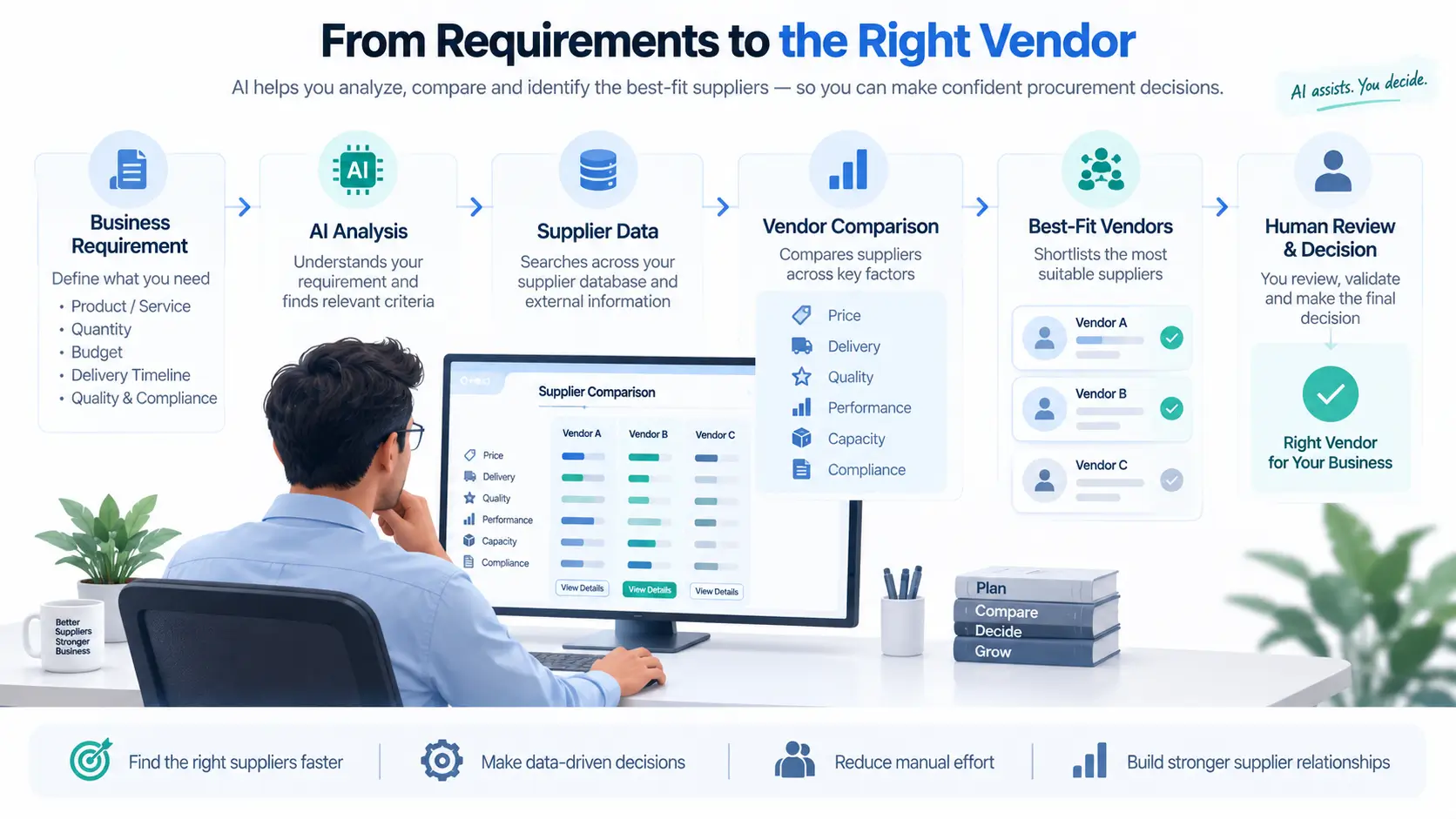
Vendor Comparison & Supplier Intelligence: How AI Helps Businesses Choose the Right Vendor
Read More →
How to Choose the Right Procurement Management Software in 2026 (Complete Buyer's Guide)
Read More →
How to Reduce Procurement Costs: 18 Practical Strategies That Actually Work
Read More →
How to Choose the Right Procurement Management Software in 2026 (Complete Buyer's Guide)
Read More →
How to Calculate Procurement Software ROI: Formula, Example & Calculator
Read More →
Procurement Software Evaluation Checklist: 35 Criteria for Choosing the Right Platform
Read More →
How Businesses Can Improve Vendor Performance and Manage Supplier Risk
Read More →
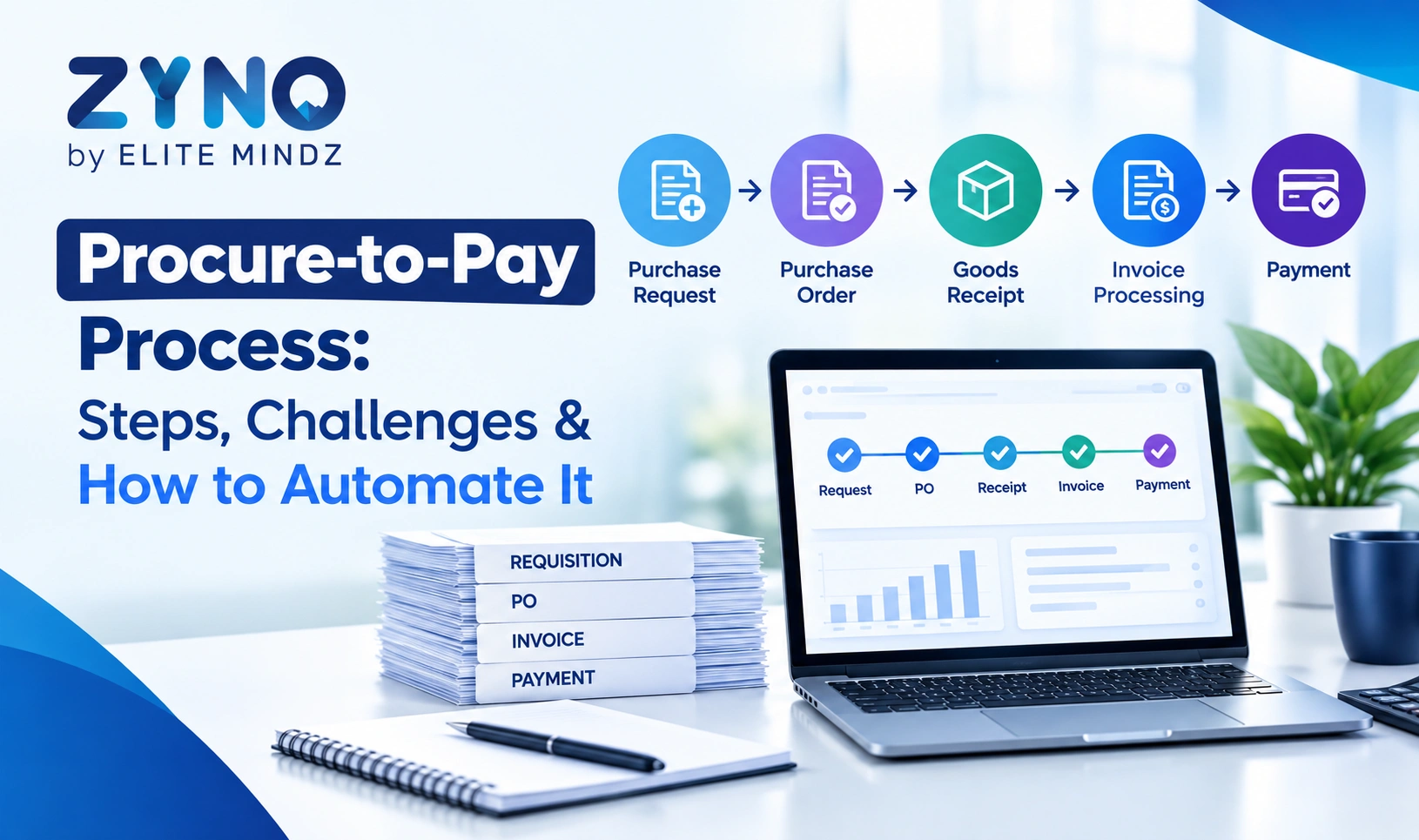
Procure-to-Pay Process: Steps, Challenges & How to Automate It
Read More →
Purchase Requisition vs Purchase Order: What’s the Difference?
Read More →
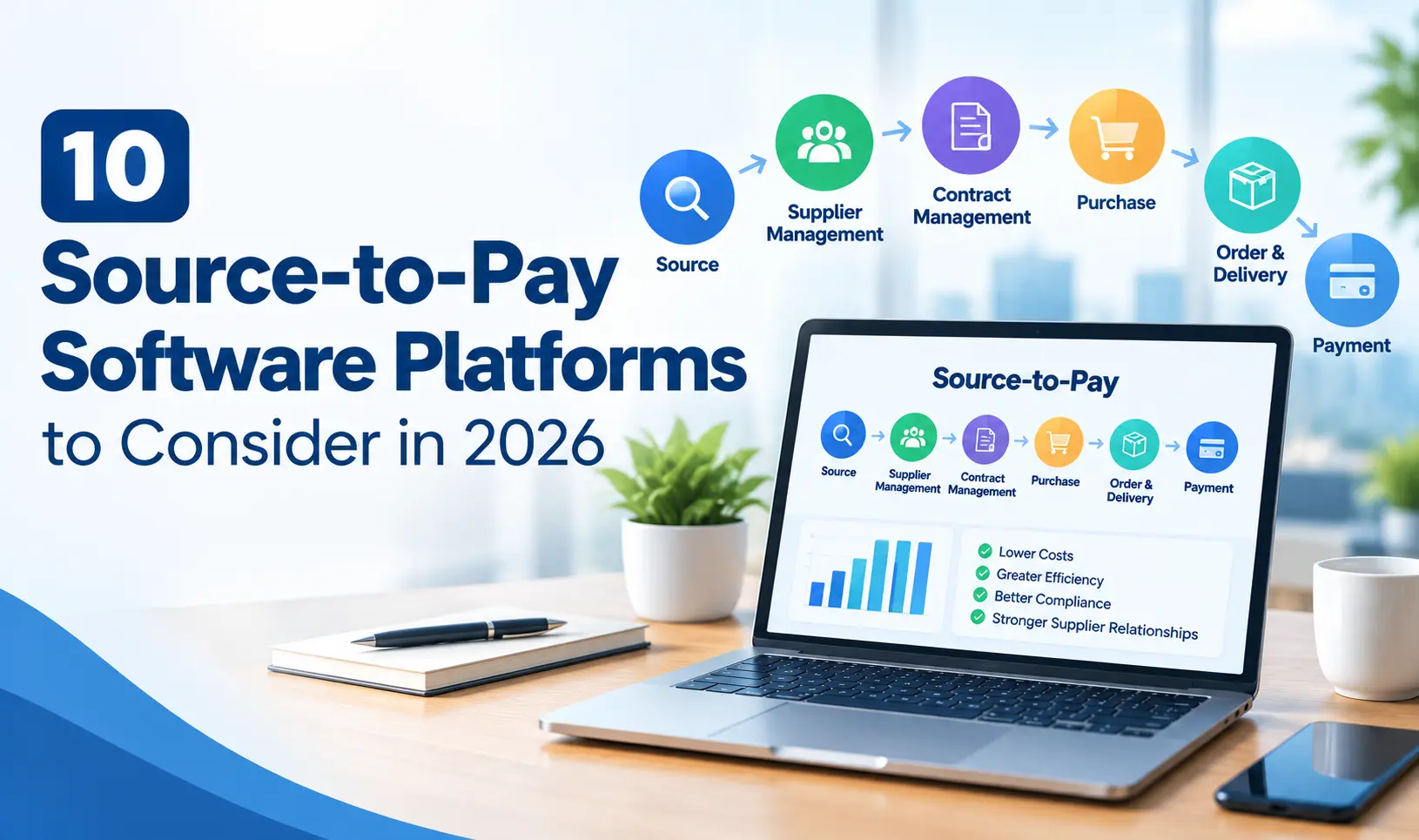
10 Source-to-Pay Software Platforms to Consider in 2026
Read More →Partner with ZYNO by Elite Mindz to revolutionize how your business works. Fill out the form, and we’ll reach out with AI-powered solutions made just for you.
We use browser cookies to ensure you get the best experience on our website. Learn more
The form was submitted successfully!