Procurement Software Trends in 2026: What to Expect
Read More →

×
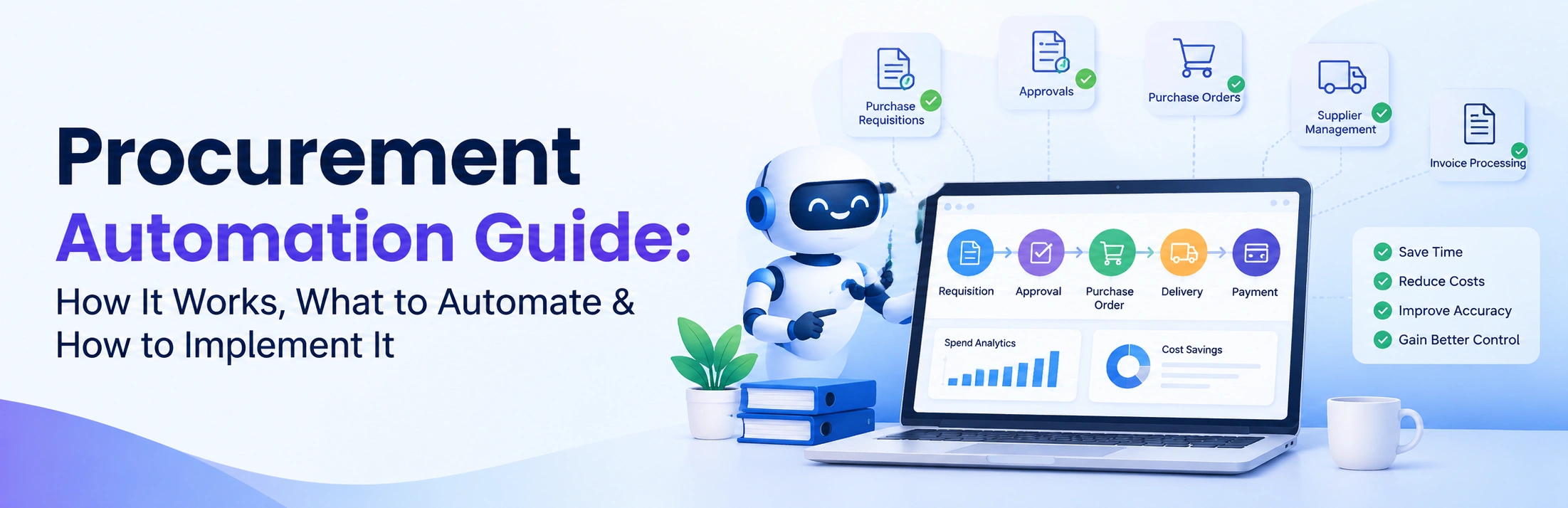
Procurement automation uses digital workflows and AI to streamline purchasing tasks such as requisitions, approvals, purchase orders, supplier management, invoice processing, and spend tracking. A successful implementation reduces manual work, improves procurement accuracy, strengthens compliance, and provides better visibility into purchasing activities while helping teams make faster, data-driven decisions.
Businesses using ZYNO Books cut accounting time by 70% and stay 100% ZATCA-compliant — automatically.
Instead of managing procurement through disconnected emails, spreadsheets, manual approvals, and repeated data entry, automation creates a structured workflow for activities such as:
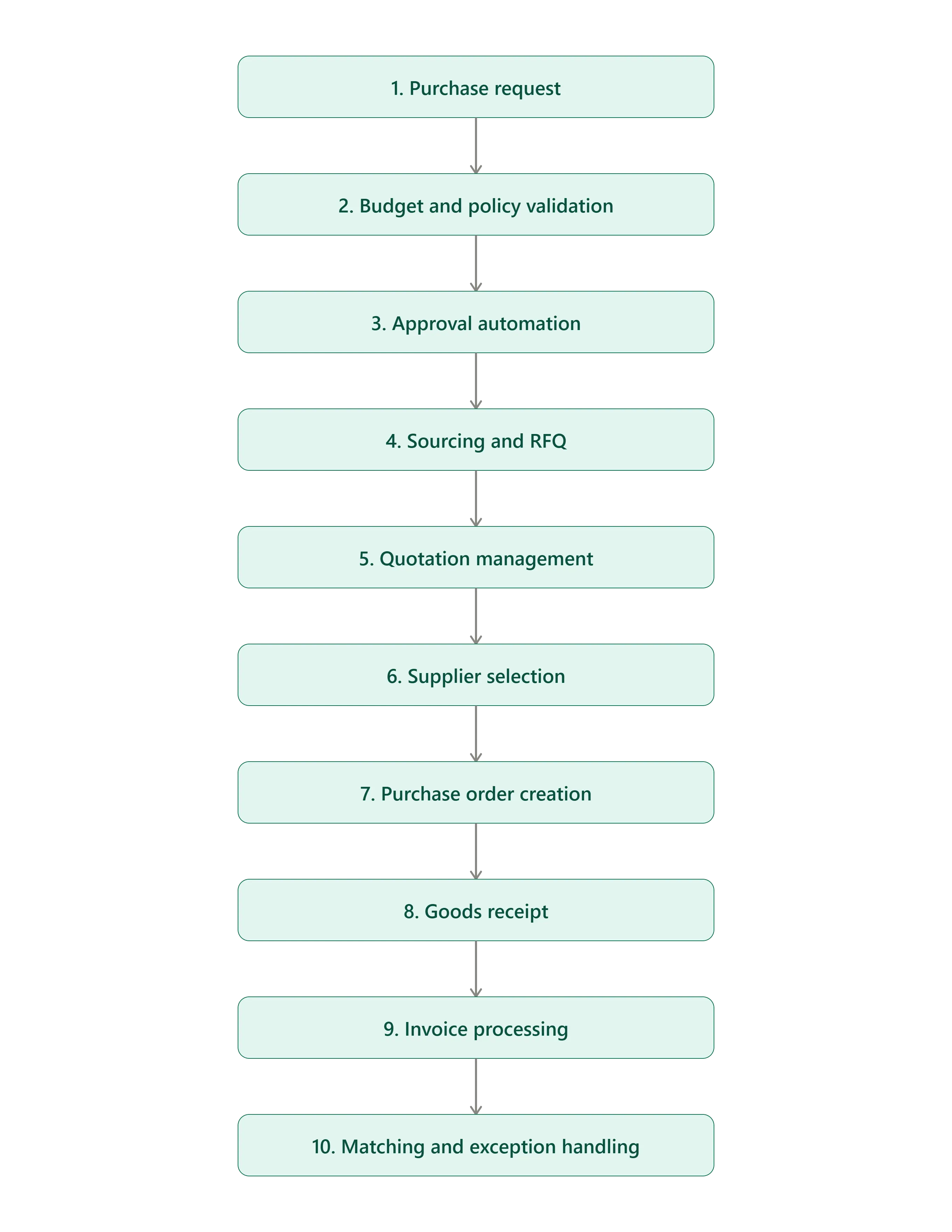
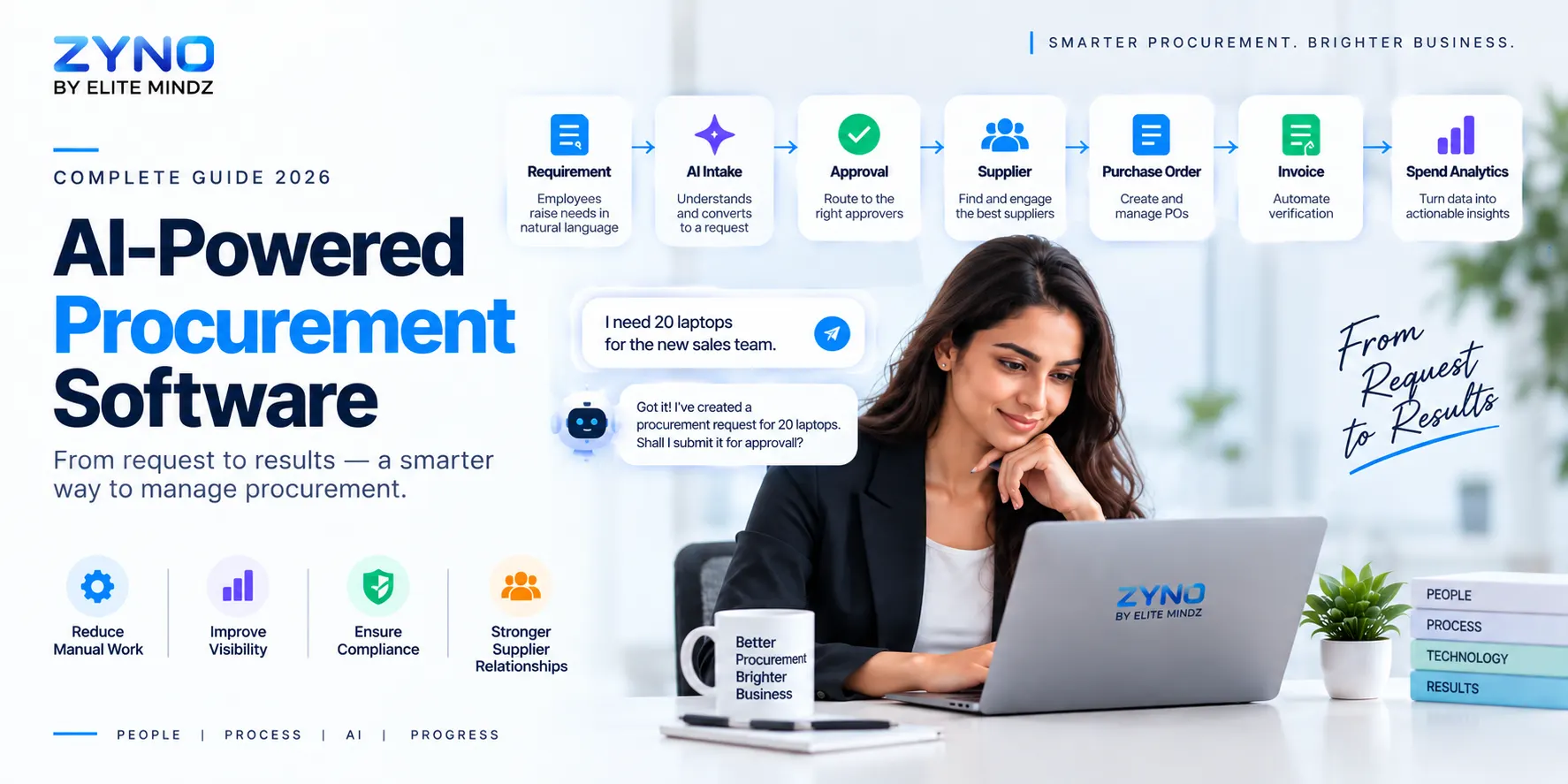
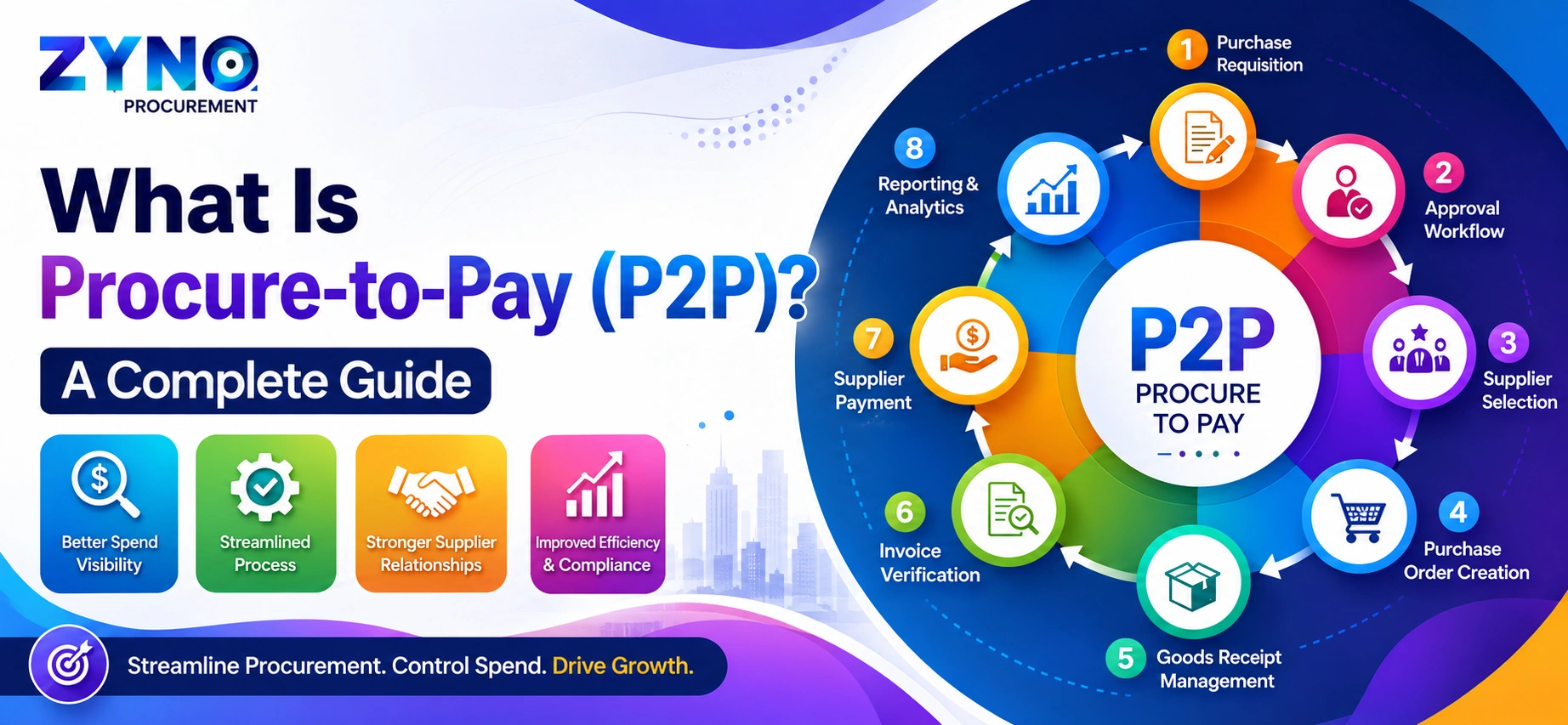
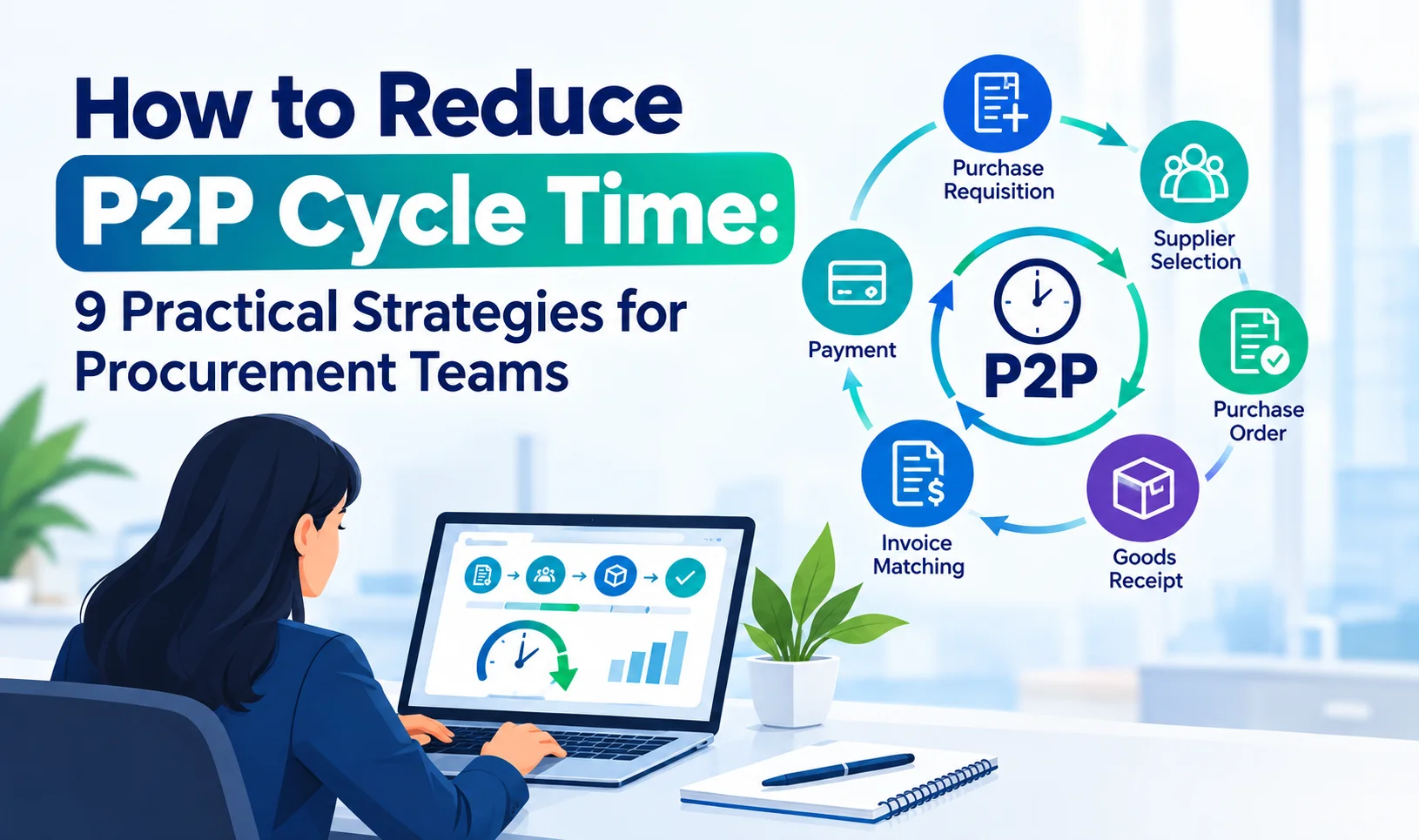
Purchase Request → Approval → Sourcing → Quotation → Supplier Selection → Purchase Order → Goods Receipt → Invoice Verification → Payment
The goal is not to remove people from procurement.
The goal is to let technology handle repetitive and rules-based work while procurement professionals focus on decisions that require judgment, such as supplier selection, negotiation, risk management, exceptions, and strategic sourcing.
This procurement automation guide explains what procurement automation is, how the process works, what can be automated, how AI fits into procurement, what software should provide, how to implement it, how to measure results, and how to build a practical business case.
| Question | Answer |
|---|---|
| What is procurement automation? | The use of technology to automate repetitive procurement activities and workflows. |
| What can be automated? | Purchase requests, approvals, sourcing, quotations, supplier workflows, purchase orders, receiving, invoice processing, and spend analysis. |
| What is the procurement automation process? | A connected workflow that moves a purchase from request and approval through purchasing, receiving, invoice verification, and payment. |
| What is P2P automation? | Automation of the procure-to-pay lifecycle from requisition through payment. |
| How does AI help? | AI can interpret requests, extract information, classify data, identify anomalies, compare information, and assist with recommendations. |
| Does automation replace procurement teams? | No. People remain responsible for strategic decisions, approvals, negotiations, risk, and exceptions. |
| What should be automated first? | High-volume, repetitive, rules-based processes where manual work creates measurable delays or errors. |
| How do you implement it? | Map the current process, standardize it, select a starting workflow, configure automation, integrate systems, train users, and measure results. |
Procurement automation means using technology to reduce manual work across the procurement lifecycle.
Finance checks the invoice against the purchase order and receipt.
If something does not match, someone investigates it manually.
None of these steps is necessarily difficult on its own.
The problem is the number of handoffs between them.
Every handoff can create another email, another spreadsheet, another follow-up, and another opportunity for information to be lost or entered incorrectly.
Procurement automation connects these activities into a defined workflow.
Information captured at the beginning of the process can move into the next stage instead of being manually recreated.
That is why modern procurement automation is not simply about automating individual tasks.
It is about making the procurement process work as one connected flow.
Streamline supplier onboarding, improve vendor performance, automate procurement workflows, and gain better visibility with powerful supplier management software.
The need for procurement automation usually becomes visible when procurement teams start spending too much time coordinating transactions instead of managing procurement strategically.
Common signs include:
These problems become more difficult as transaction volumes, departments, suppliers, and locations increase.
Automation introduces structure into the process.
Instead of asking:
"Where is this purchase request?"
the organization can see its status.
Instead of manually deciding:
"Who needs to approve this?"
the workflow can determine the appropriate approval path.
Instead of searching through emails:
"Which supplier sent this quotation?"
the sourcing workflow can keep the relevant information together.
The value of automation therefore comes from reducing unnecessary coordination while improving control and visibility.
Procurement automation works by combining workflow rules, approvals, data, integrations, and automation actions.
At each stage, the system determines:
For example:
Employee submits a purchase request
↓
Required information is checked.
↓
Budget and procurement rules are applied.
↓
The request is routed to the appropriate approver.
↓
Once approved, sourcing or purchasing begins.
↓
Supplier quotations are collected where required.
↓
Quotations are evaluated.
↓
The selected supplier is approved.
↓
A purchase order is created.
↓
Goods or services are received.
↓
The invoice is checked against relevant procurement records.
↓
Exceptions are identified and routed for review.
↓
The transaction proceeds through the payment process.
This is the basic logic behind an automated procurement workflow.

The easiest way to understand procurement automation is to follow one purchase from beginning to end.
Every procurement transaction starts with a business requirement.
An employee or department needs something and submits a purchase request.
A structured request can capture:
This gives procurement the information needed to begin processing the requirement.
With ZYNO Purchase Request, organizations can digitize purchase requests, route them through approval workflows, track their status, and move approved requests toward purchase orders.
The reason this stage matters is simple:
Better input creates a better downstream process.
If procurement starts with incomplete or inconsistent information, every later stage becomes harder to automate.
Manage suppliers efficiently, streamline procurement workflows, monitor vendor performance, and improve purchasing visibility with ZYNO Procurement.
Once a purchase request is submitted, the organization may need to check whether it follows its procurement policies and budget requirements.
Depending on the organization's rules, the workflow may consider:
These controls can be incorporated into the workflow instead of relying entirely on manual checks.
That means procurement policy becomes part of the purchasing process rather than something employees have to verify separately.
The purchase request is then routed to the appropriate approver.
Approval rules may depend on:
For example:
Low-value purchase → Department approval
Higher-value purchase → Department + Procurement approval
High-value or sensitive purchase → Additional approval
The exact rules depend on the organization.
The important point is that the workflow should determine the path consistently.
This reduces unnecessary back-and-forth and gives requesters and procurement teams visibility into where a request is waiting.
Not every purchase requires competitive sourcing.
When sourcing is required, procurement Software may request information from multiple suppliers.
An automated sourcing workflow can help manage:
Instead of managing each supplier conversation separately, procurement can create a structured sourcing process.
This also creates a record of the sourcing activity that can be reviewed later.
Supplier quotations can arrive in different formats and through different channels.
This creates another area where manual work can accumulate.
Quotation management can centralize:
Procurement teams can then compare relevant information more consistently.
ZYNO Quotation Management supports quotation creation, comparison, and approval workflows.
Automation does not mean selecting the cheapest supplier automatically.
The decision may also depend on quality, delivery, compliance, supplier capability, risk, and commercial terms.
Once quotations or sourcing responses have been evaluated, procurement selects the supplier.
Depending on the purchase, the evaluation may consider:
Automation helps organize this information and route the decision through the required approvals.
For strategic or higher-risk purchases, human judgment remains essential.
Once the purchase is approved and the supplier has been selected, the organization can create the purchase order.
In a connected workflow, information already captured during the request and approval stages can be carried forward.
That reduces duplicate data entry.
The workflow becomes:
Approved Request → Supplier Selection → Purchase Order
instead of:
Approved Request → Manually Re-enter Information → Create Purchase Order
The difference becomes significant when an organization handles a large number of transactions.
After the supplier delivers the goods or services, the organization records what was received.
For physical products, this may include:
For services, the organization may need confirmation that the agreed service was delivered.
This information becomes important during invoice verification.
The supplier submits an invoice after fulfilling the order.
In a connected procurement workflow, the invoice does not have to be treated as a completely separate transaction.
Relevant information can be connected across:
Purchase Order → Receipt → Invoice
This creates the foundation for automated validation and matching.
One of the most useful applications of procurement automation is identifying transactions that need attention.
The system can compare relevant purchasing records and determine whether they meet the configured rules.
For example:
Purchase Order
Goods Receipt
Supplier Invoice
If the information matches the organization's rules, the transaction can continue.
If there is a mismatch, it becomes an exception for review.
This leads to an important principle:
Good procurement automation does not try to eliminate every exception. It identifies exceptions early and sends them to the right person.
That allows people to spend less time checking routine transactions and more time resolving the transactions that actually need judgment.

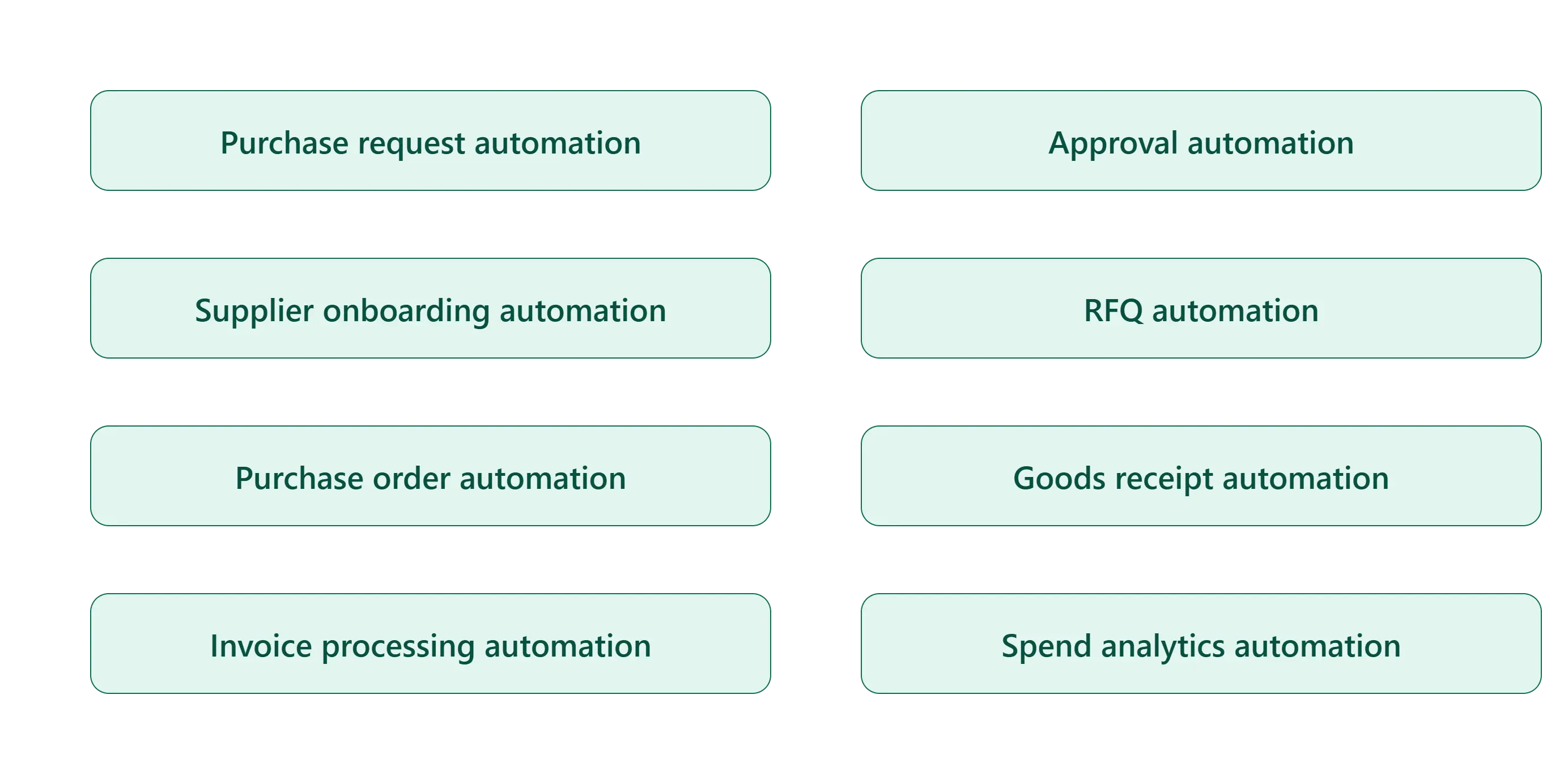
Procurement automation can cover almost every repetitive stage of the purchasing lifecycle.
Organizations can automate:
Approval workflows can automate:
Supplier onboarding can include:
Vendor Management supports supplier onboarding, compliance documentation, supplier performance management, and related vendor workflows.
RFQ workflows can automate:
RFP automation can support:
RFP Management supports RFP creation, vendor distribution, response collection, AI-assisted scoring, evaluation, and approval workflows.
Purchase order automation can support:
Organizations can digitize and track:
Invoice workflows can help automate:
Once procurement information is centralized, organizations can analyze:
Spend Analytics provides procurement spend visibility, categorization, supplier analysis, budget tracking, and spend reporting capabilities.
Procurement workflow automation is the use of rules, routing logic, notifications, approvals, and system actions to move procurement transactions through a defined process.
Think of the workflow as the logic that answers:
"What happens next?"
For example:
Purchase value exceeds approval threshold
→ Send to additional approver.
Supplier documentation is incomplete
→ Hold supplier activation.
Purchase request exceeds available budget
→ Flag for review.
Invoice does not match the purchase order
→ Create an exception.
This is what makes procurement automation more than simply storing procurement information digitally.
The system is actively moving the transaction through the process.
Simplify supplier onboarding, track vendor performance, streamline procurement processes, and gain greater control over supplier relationships with ZYNO Procurement.
Procurement automation and P2P automation are closely related, but they are not exactly the same.
Procurement automation is the broader concept.
It can include:
P2P stands for procure-to-pay.
It focuses on the purchasing transaction lifecycle from requisition through payment.
| Procurement Automation Area | What Can Be Automated |
|---|---|
| Purchase Requests | Digital purchase requisitions, request routing, and approval workflows |
| Approvals | Rule-based approval routing, notifications, and escalation |
| Supplier Management | Supplier onboarding, information collection, qualification, and compliance workflows |
| Sourcing & Quotations | RFQs, quotation collection, comparison, and supplier communication |
| Purchase Orders | PO creation, approval, dispatch, and tracking |
| Receiving | Goods receipt recording, verification, and workflow updates |
| Invoice Processing | Invoice capture, matching, validation, exception handling, and approvals |
| Spend Analysis | Spend categorization, supplier analysis, reporting, and procurement insights |
So, P2P automation can be considered an important part of broader procurement automation.
Digitizing procurement does not automatically mean procurement is automated.
A company may have:
and still have employees manually moving information between them.
The real question is:
How connected is the procurement process?
A more automated environment allows information to move between stages without unnecessary manual intervention.
For example:
Purchase Request
↓
Approval
↓
Sourcing
↓
Purchase Order
↓
Receipt
↓
Invoice
↓
Payment
The more effectively these stages work together, the less manual coordination is required.
AI adds another layer to procurement automation.
Traditional automation is usually based on predefined rules.
For example:
If the purchase value exceeds a defined threshold, route the request to the appropriate approver.
AI can help when the information entering the process is less structured.
For example, an employee might write:
"We need 20 laptops for the new sales team, with 16GB RAM and 512GB storage."
Instead of requiring the employee to understand every procurement field, AI can help interpret the requirement and convert it into structured procurement information.
AI can also assist with:
ZYNO AI Intake is designed to let users describe what they need in natural language and convert that requirement into structured procurement information, while applying budget validation, supplier recommendations, and approval routing. Explore ZYNO AI Purchase Request and Order.
The important distinction is:
Rules provide control. AI provides interpretation and assistance.
Both can work together.
AI does not need to make every procurement decision.
For higher-risk purchases, supplier decisions, policy changes, and unusual transactions, human review remains important.
RPA stands for Robotic Process Automation.
It uses software robots to perform repetitive actions within applications.
RPA can be useful for tasks such as:
However, RPA should not automatically be used for every integration problem.
Where a reliable API or direct integration exists, that may be a more appropriate long-term approach.
RPA is most useful when it solves a clearly defined repetitive task or system-connectivity gap.
A procurement process is not successful simply because it contains automation.
Good procurement automation should make the process easier to understand and manage.
Employees know where to submit procurement requirements.
Budget, approval, and procurement rules are applied as the transaction moves forward.
Low-risk, predictable transactions should not require unnecessary manual intervention.
Transactions that need attention should be clearly identified.
Employees should not have to repeatedly recreate the same information.
The organization can see who requested, approved, changed, or processed a transaction.
Teams can see what is pending, what is approved, what is delayed, and what requires attention.
Automation handles predictable work while people handle decisions that require experience and context.
That is the balance procurement automation should aim for.
One of the biggest mistakes organizations make is trying to automate everything at once.
Instead, ask:
Which procurement activity creates the most unnecessary manual work today?
Evaluate each process based on:
For example:
The best starting point is usually a process that is:
| Process | Volume | Repetition | Rules-Based | Potential Priority |
|---|---|---|---|---|
| Purchase requests | High | High | High | High |
| Approval routing | High | High | High | High |
| PO creation | High | High | High | High |
| Invoice matching | High | High | High | High |
| Supplier onboarding | Medium | High | Medium | High |
| Strategic negotiation | Lower | Lower | Low | Human-led |
| Complex supplier decisions | Lower | Lower | Low | Human + AI assistance |
Frequent + repetitive + measurable + important
For example, if procurement spends a significant amount of time chasing approvals, approval workflow automation may create more immediate value than automating a low-volume sourcing activity.
Procurement automation should be treated as a process improvement initiative, not simply a software installation.
Document what actually happens today.
Do not only document the official SOP.
Find out how employees really work.
Look for:
Measure where time is being lost.
For example:
If most of the delay occurs between purchase request and approval, automating invoice processing first may not solve the biggest problem.
The automation roadmap should follow the actual bottleneck.
Before automating, define:
A standardized process is easier to automate and easier to measure.
Choose a process that is:
Purchase request and approval is one possible starting point.
Supplier onboarding, quotation management, purchase orders, or invoice processing may be better starting points for other organizations.
Set up:
Determine which systems need to exchange information.
Depending on the organization, these may include:
The objective is not to create another isolated system.
It is to connect procurement into the existing business environment.
Do not add AI simply because a platform offers it.
Start with a specific use case.
For example:
Natural-language requirement → Structured purchase request
or:
Supplier responses → Structured comparison
or:
Invoice information → Automated verification and exception detection
Every AI use case should have a clear purpose and appropriate human oversight.
Procurement automation affects more than procurement.
Users may include:
If employees continue bypassing the official workflow, the organization will not achieve complete process visibility.
Before implementation, record the current performance.
For example:
Then compare the same metrics after implementation.
The right KPIs depend on what you are trying to improve.
Track:
Track:
Track:
Track:
Track:
Track:
The most important point is to measure before and after.
Without a baseline, it is difficult to determine whether automation actually improved the process.
Procurement automation can provide several operational benefits when the underlying process is designed correctly.
Routine activities can move through defined workflows without requiring manual coordination at every stage.
Requesters, procurement teams, finance, and managers can see transaction status without relying entirely on email.
The same rules can be applied consistently to relevant transactions.
Approval requirements, budgets, supplier rules, and procurement policies can become part of the workflow.
Information can move between procurement stages instead of being manually recreated.
Supplier information, onboarding, documents, performance, and communication can be managed through structured workflows.
Problems can be surfaced while they can still be resolved.
Centralized procurement data makes it easier to understand where money is being spent.
Reducing repetitive administrative work can allow procurement professionals to spend more time on sourcing, negotiation, supplier relationships, risk, and category strategy.
Automation is not a shortcut around procurement problems.
Several challenges need to be addressed.
Incorrect or incomplete supplier, product, financial, or organizational data can affect automation.
Automating an unnecessarily complicated process can simply make the complicated process digital.
If systems cannot exchange information effectively, manual work may remain between automated steps.
The new process only works if employees actually use it.
Too much customization can make workflows difficult to maintain.
Every automated workflow needs a clear way to handle transactions that do not follow the standard path.
Not every procurement decision should be fully automated.
Strategic negotiations, complex supplier decisions, unusual purchases, and high-risk transactions may require human judgment.
The objective should therefore be:
Appropriate automation, not maximum automation.
Procurement automation does not necessarily mean replacing the ERP.
In many organizations, the ERP continues to hold important financial and operational records.
A procurement automation platform can work alongside the ERP and connect procurement workflows with existing systems.
Before implementation, determine:
This matters because an organization can automate one procurement application and still have a manual process between that application and the ERP.
The goal should be:
Connected procurement, not another isolated tool.
Once you know which processes need automation, software evaluation becomes much easier.
Do not begin with:
"Which platform has the most features?"
Begin with:
"Which platform can solve our procurement problems while fitting our processes and existing systems?"
Evaluate the following areas.
Can the platform support the procurement workflows your organization actually uses?
Can employees submit structured requests easily?
Can approval rules be configured based on amount, department, category, or other requirements?
Can suppliers be onboarded, managed, monitored, and evaluated?
Can RFQs and RFPs be managed within the procurement workflow?
Can supplier quotations be collected and compared systematically?
Can approved requests move into purchase orders without unnecessary re-entry?
Can purchasing, receiving, invoice processing, and payment workflows be connected?
Does AI solve specific procurement problems, or is it simply an additional interface?
Can the platform connect with the ERP, finance, accounting, inventory, and other systems you already use?
Can the organization see who requested, approved, changed, and processed a transaction?
Can procurement teams measure process performance and spend?
What configuration, integration, process redesign, training, and change management will be required?
Consider more than the software subscription.
Evaluate:
The right procurement automation software is not necessarily the one with the longest feature list.
It is the one that fits your procurement process, technology environment, business requirements, and level of procurement maturity.
There is no single price for procurement automation software.
The total cost can depend on:
This is why organizations should evaluate total cost of ownership, rather than comparing subscription prices alone.
ZYNO uses a modular pricing approach based on the capabilities required. View ZYNO Procurement Pricing.
A procurement automation business case should compare measurable benefits with the investment required.
A basic ROI formula is:
ROI = [(Total Measurable Benefits − Total Investment Cost) ÷ Total Investment Cost] × 100
Potential benefits may include:
However, not every improvement should automatically be treated as a direct financial saving.
For example, if automation saves an employee several hours each week, that does not automatically mean the organization reduced its salary expense.
Those hours may instead create additional capacity.
Similarly, cost avoidance is not the same as realized savings.
A credible business case should separate:
This creates a more defensible view of procurement automation ROI.
For a detailed calculation framework, see How to Calculate Procurement Software ROI.
Consider a company where purchase requests are currently handled through email.
An employee sends a request.
↓
Procurement asks for missing information.
↓
A manager is contacted for approval.
↓
Approval is received.
↓
Procurement requests quotations.
↓
Suppliers respond by email.
↓
The buyer creates a comparison spreadsheet.
↓
A supplier is selected.
↓
A purchase order is created.
↓
Goods are delivered.
↓
The receipt is recorded.
↓
The invoice arrives.
↓
Finance checks the records.
↓
A mismatch requires manual investigation.
Now consider the same process after automation.
The employee submits a structured purchase request.
↓
Required information is captured.
↓
Budget and policy rules are checked.
↓
The request is routed to the appropriate approver.
↓
The request is approved.
↓
Sourcing begins when required.
↓
Supplier responses are collected.
↓
Quotations are compared.
↓
The supplier is selected.
↓
The purchase order is created.
↓
Goods are received.
↓
The invoice is checked against the relevant records.
↓
Exceptions are routed to the appropriate person.
↓
The transaction proceeds through the payment workflow.
What changed?
The people did not disappear.
The unnecessary movement of information did.
That is the real purpose of procurement automation.
Procurement automation affects more than the procurement department.
Procurement teams can benefit from:
Finance may benefit from:
Employees want:
Leaders need visibility into:
This is why procurement automation should be designed around the complete procurement journey, not just one department.
ZYNO Procurement is an AI-powered procurement platform designed to connect purchasing, supplier management, sourcing, procure-to-pay workflows, and spend visibility.
Its procurement capabilities include:
This allows organizations to approach procurement automation as a connected workflow rather than treating every procurement activity as a separate process.
Explore ZYNO Purchase Request.
Explore ZYNO Vendor Management.
Explore ZYNO Quotation Management.
Explore ZYNO RFP Management.
Explore ZYNO Procure-to-Pay.
Explore ZYNO AI Purchase Request and Order.
Explore ZYNO Spend Analytics.
The right starting point depends on where your current procurement process has the greatest amount of manual work, delay, or limited visibility.
Procurement automation is the use of software, workflows, integrations, and AI to automate repetitive procurement activities and connect processes such as purchase requests, approvals, sourcing, purchase orders, receiving, invoice processing, and payment.
Automatically routing a purchase request to the correct approver based on purchase value and department is one example. Automatically converting an approved purchase request into a purchase order is another.
Procurement automation uses workflows, business rules, integrations, and sometimes AI to determine what should happen at each stage of a procurement transaction, who needs to act, and what should happen when an exception occurs.
Organizations can automate purchase requests, approvals, supplier onboarding, RFQs, RFPs, quotation management, purchase orders, receiving, invoice processing, matching, notifications, reporting, and spend analysis.
Procurement process automation means using technology to automate defined steps within the procurement process. It can involve one workflow or connect multiple procurement stages into an end-to-end process.
Procurement workflow automation uses rules, routing, notifications, approvals, and system actions to move procurement transactions through predefined processes with less manual coordination.
P2P automation means automating the procure-to-pay process, generally covering the journey from purchase requisition and approval through purchase order, receipt, invoice processing, matching, and payment.
Procurement automation is the broader concept and can include sourcing, supplier management, purchasing, spend analytics, and P2P. P2P automation specifically focuses on the procure-to-pay transaction lifecycle.
AI can help interpret natural-language purchase requirements, extract information, classify procurement data, analyze supplier or quotation information, identify anomalies, and provide recommendations within defined workflows.
RPA, or Robotic Process Automation, uses software robots to perform repetitive actions in applications. It can be useful for screen-based tasks or situations where direct integration is unavailable.
No. Procurement automation primarily reduces repetitive administrative work. Procurement professionals remain important for strategic sourcing, negotiations, supplier relationships, risk management, approvals, and exceptions.
No. Procurement automation can work alongside an ERP. The ERP can continue serving as an important system of record while procurement automation manages workflows and connects relevant processes.
Start by mapping the existing procurement process, identifying bottlenecks, standardizing the workflow, selecting one high-volume and repetitive process, configuring automation, integrating relevant systems, and measuring the results.
Start with processes that are high-volume, repetitive, rules-based, and measurable. Purchase requests, approval routing, purchase orders, supplier onboarding, and invoice matching are common candidates.
Potential benefits include less repetitive work, more consistent workflows, better process visibility, stronger policy enforcement, improved data continuity, better supplier processes, and faster identification of exceptions.
Common challenges include poor data quality, poorly designed workflows, integration gaps, user adoption, excessive customization, weak exception handling, and attempting to automate decisions that require human judgment.
Start with your procurement processes and requirements. Evaluate workflow automation, purchase requests, approvals, supplier management, sourcing, quotation management, P2P, invoice processing, analytics, AI, integrations, auditability, implementation requirements, and total cost of ownership.
There is no universal price. Cost depends on the software modules, users, transaction volume, implementation, integrations, configuration, customization, training, and support required.
Useful measures include PR-to-PO time, approval time, automation rate, manual intervention, touchless processing, invoice matching, exception aging, policy compliance, on-contract purchasing, supplier onboarding time, and procurement spend visibility.
There is no universal implementation timeline. Scope, integrations, process complexity, data quality, organizational readiness, and the number of workflows being automated all affect implementation. A practical approach is to start with a defined workflow, measure the results, and expand from there.
Streamline purchase requests, approvals, supplier workflows, purchase orders, invoice processing, and spend visibility with intelligent procurement automation.
Explore ZYNO Procurement Request a DemoProcurement automation is not about putting every procurement decision on autopilot.
It is about creating a procurement process where:
Employees submit requirements through a structured process.
Rules determine the appropriate workflow.
Routine activities move automatically.
Information follows the transaction.
AI assists where interpretation adds value.
Exceptions reach the people who need to make decisions.
Procurement teams can see what is happening.
The strongest approach is therefore not:
"Automate everything."
It is:
Find the procurement process where manual work is creating the most friction. Standardize it. Automate it. Measure it. Then expand.
For organizations evaluating procurement automation, explore ZYNO Procurement to see how purchase requests, supplier management, sourcing, procure-to-pay, AI-assisted procurement, and spend analytics can work together within a connected procurement workflow.
Procurement Software Trends in 2026: What to Expect
Read More →
Why E-Procurement Outperforms Traditional ERP in Modern Procurement
Read More →
Top Procurement Software in India: 12 Best Options for 2026
Read More →
Best Procurement Software Companies in Kuwait (2025)
Read More →
5 Best Procurement Software in Africa for Enterprises & SMEs (2026 Guide)
Read More →
Best Procurement Software in Nigeria 2026 | Top 5 Picks
Read More →
Best Procurement Software Providers in USA (2025): How AI is Transforming the Future
Read More →
10 Best Procurement Software Providers in Thailand for Streamlined Supply Chain Management
Read More →
Top 10 Cloud-Based Procurement Solutions in Portugal for Businesses in 2025
Read More →
Top 10 Procurement Software Providers in Switzerland 2026: Streamlining Sourcing and Supplier Management
Read More →
What Makes ZYNO Procurement Different from Other Oil & Gas Procurement Software
Read More →
The Digital Transformation of Logistics Procurement in the Middle East
Read More →
A Step by Step Guide to Procurement Management Software for Modern Enterprises
Read More →
Sourcing and Procurement: What is the Difference and Why It Matters
Read More →Difference Between Procurement and Supply Chain Management
Read More →
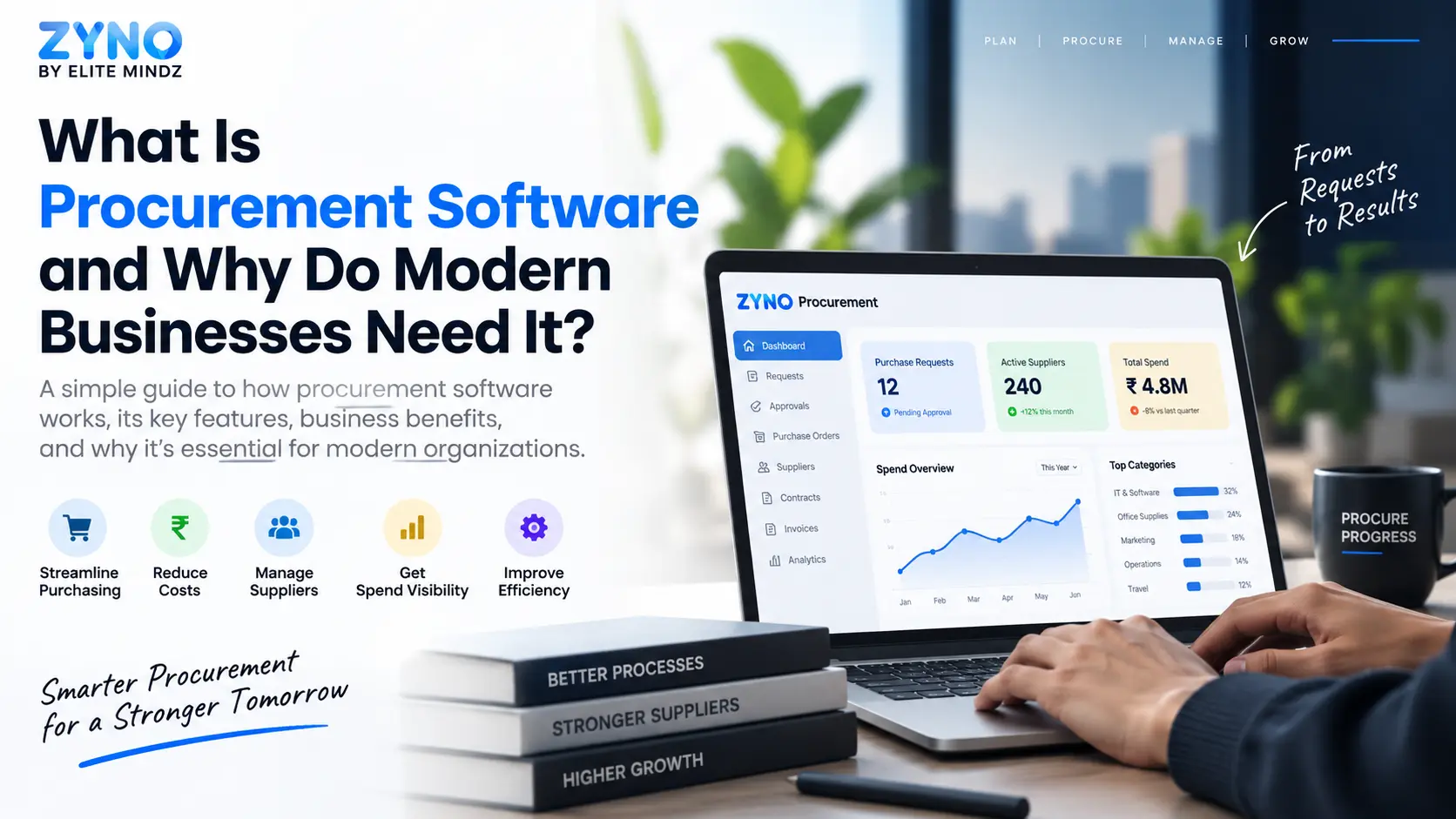
What Is Procurement Software and Why Do Modern Businesses Need It?
Read More →
Best Procurement Management Software to Automate ERP Process
Read More →
Direct vs Indirect Procurement: Key Differences, Examples & Uses (2026)
Read More →
Smart procurement strategies for cost optimization & risk management
Read More →
What Is Procurement? Everything You Need to Know (Types, Process & SAP)
Read More →Beyond Cost-Cutting: How Procurement Drives Margin Expansion in 2026
Read More →
Direct Procurement: Process, Examples, and When to Use It
Read More →
What Are the 5 Types of E-Procurement? A Complete Guide for Businesses
Read More →
Which Procurement Management Software Is Best? Top Tools Compared for 2026
Read More →
Top 8 Coupa Alternatives to Explore in 2026
Read More →
Looking to Replace Coupa? Discover the Best Alternatives Like ZYNO Procurement
Read More →
How Does Procurement Software Work? A Complete Guide
Read More →
ZYNO Procurement vs Coupa: Best Procurement Software Comparison for Mid-Market Teams
Read More →
Best SAP ARIBA Procurement Alternatives in 2026
Read More →
ZYNO Procurement vs SAP Ariba: Which Solution Is More User-Friendly?
Read More →
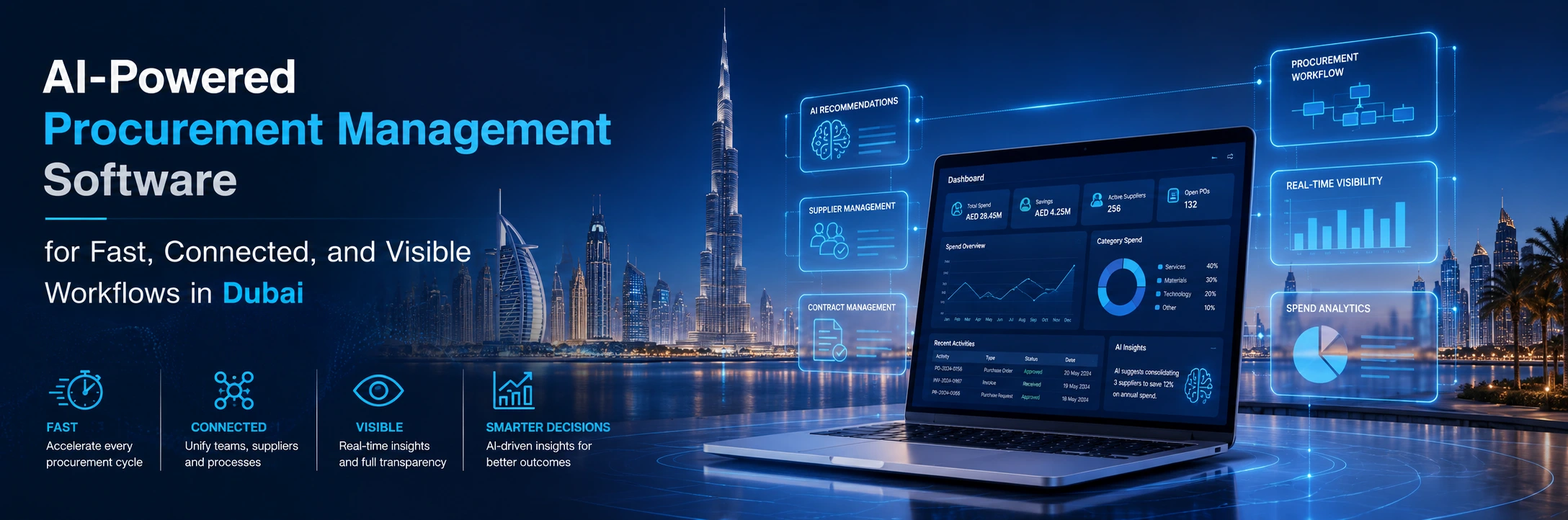
AI-Powered Procurement Management Software for Fast, Connected, and Visible Workflows in Dubai
Read More →
What is Vendor Management? Complete Guide to Vendor Management Software, Systems, and Processes
Read More →
Best Procurement Management Software In Kenya
Read More →
6 SAP Ariba Alternatives for Mid-Market Businesses in 2026
Read More →
Top E-Procurement Solutions for B2B Organizations (2026)
Read More →
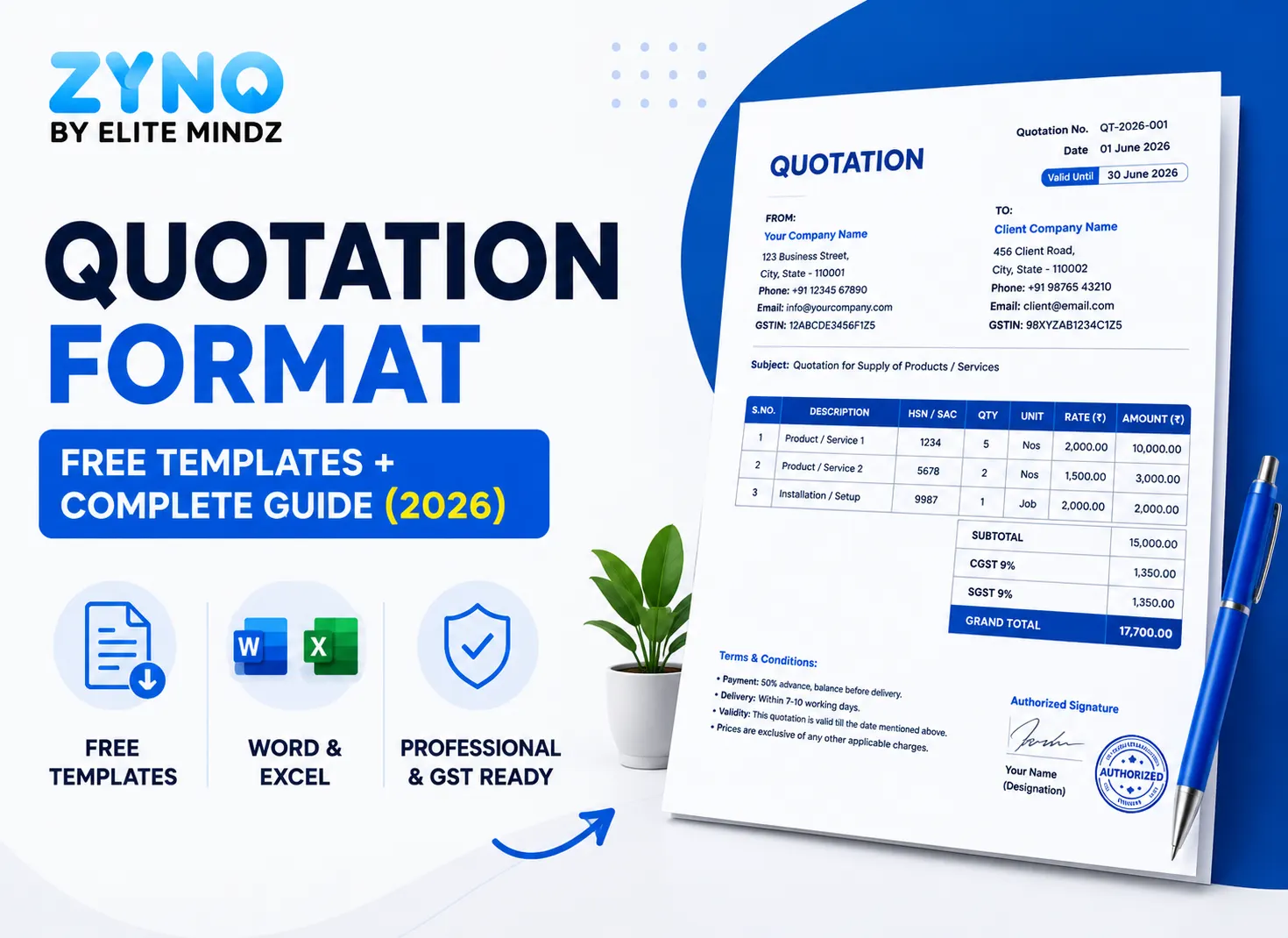
Quotation Format: Free Templates + Complete Guide (2026)
Read More →
Cost Control Software: Features, Benefits & Performance Guide for 2026
Read More →
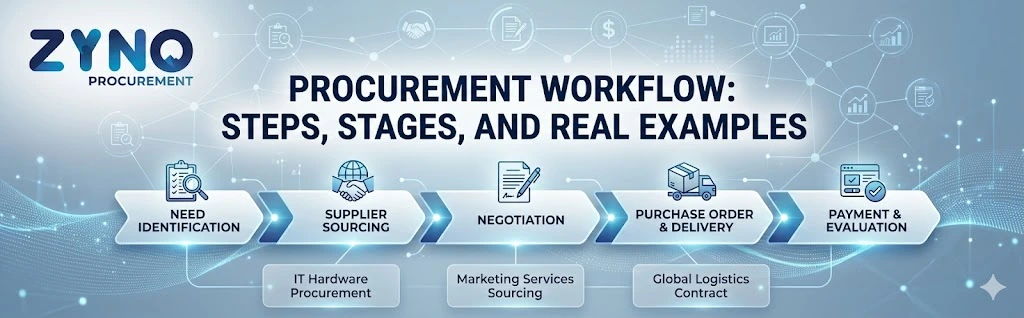
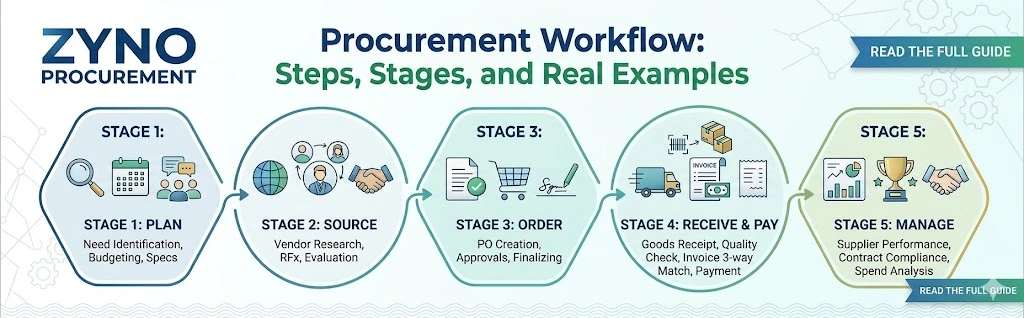
Procurement Workflow: Steps, Stages, and Real Examples
Read More →
Top 10 Zycus Alternatives for Procurement Teams in 2026
Read More →
Best Precoro Alternative for Purchase Requisition and Procurement
Read More →
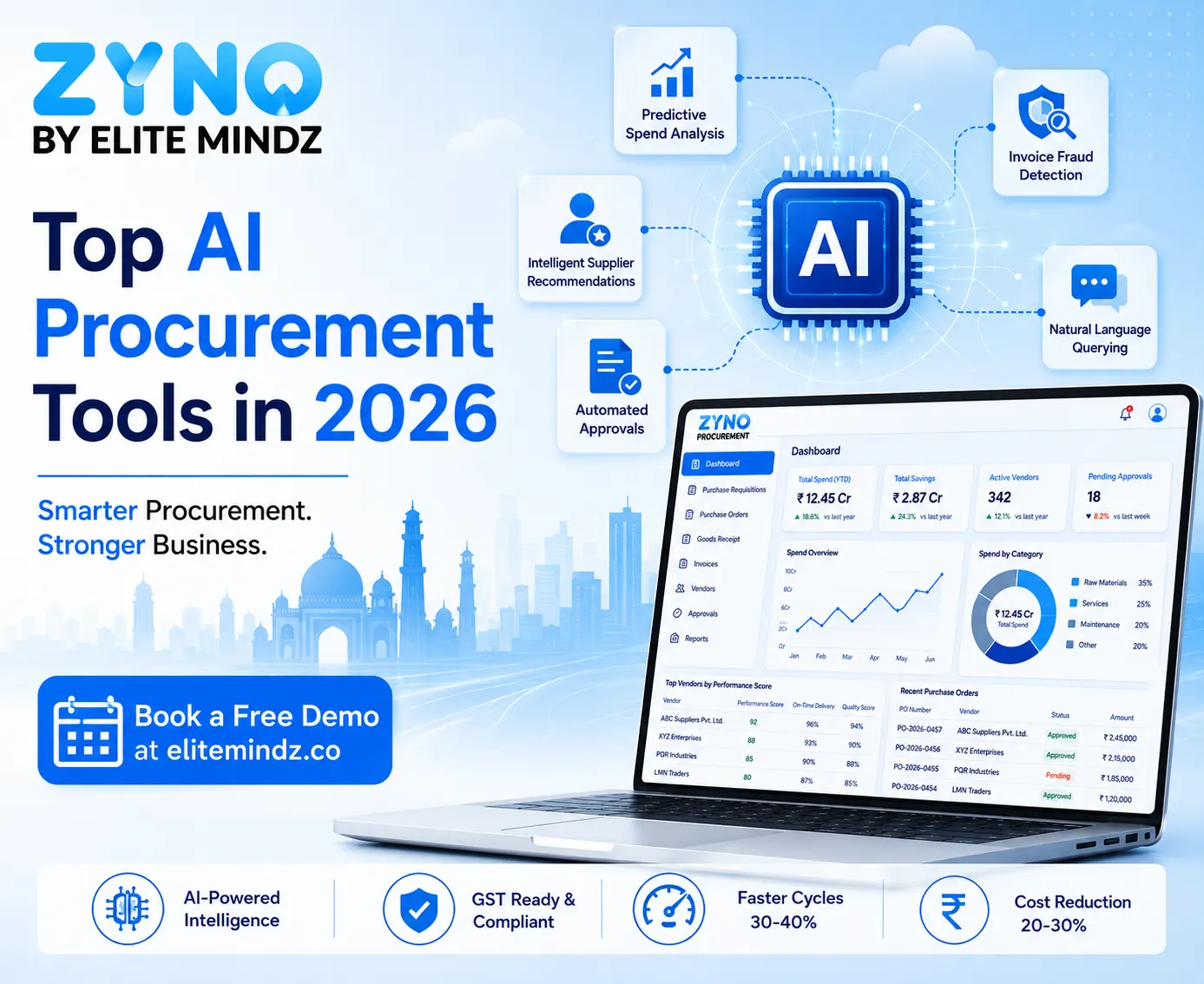
Top AI Procurement Tools in 2026
Read More →
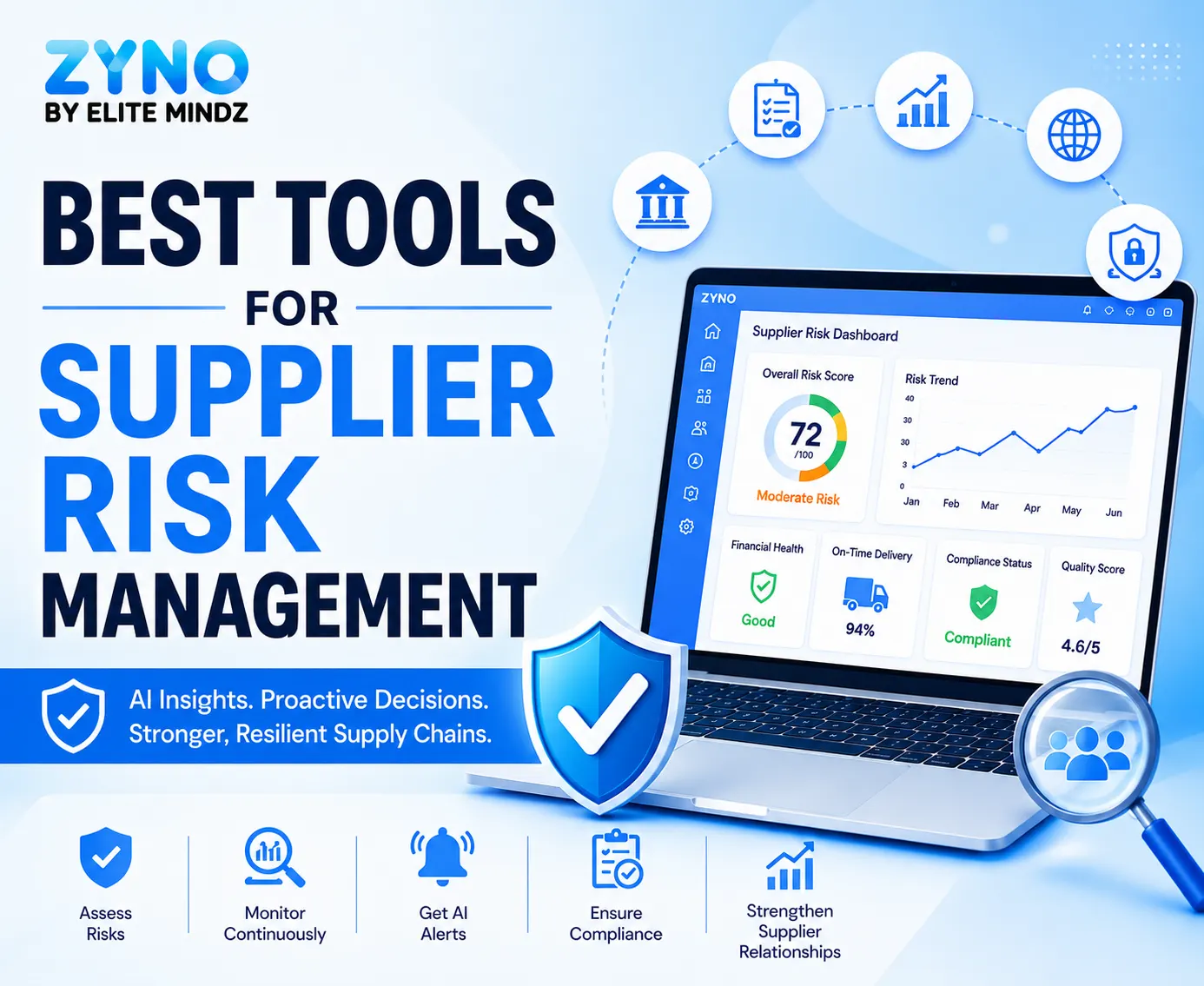
Best Tools for Supplier Risk Management
Read More →
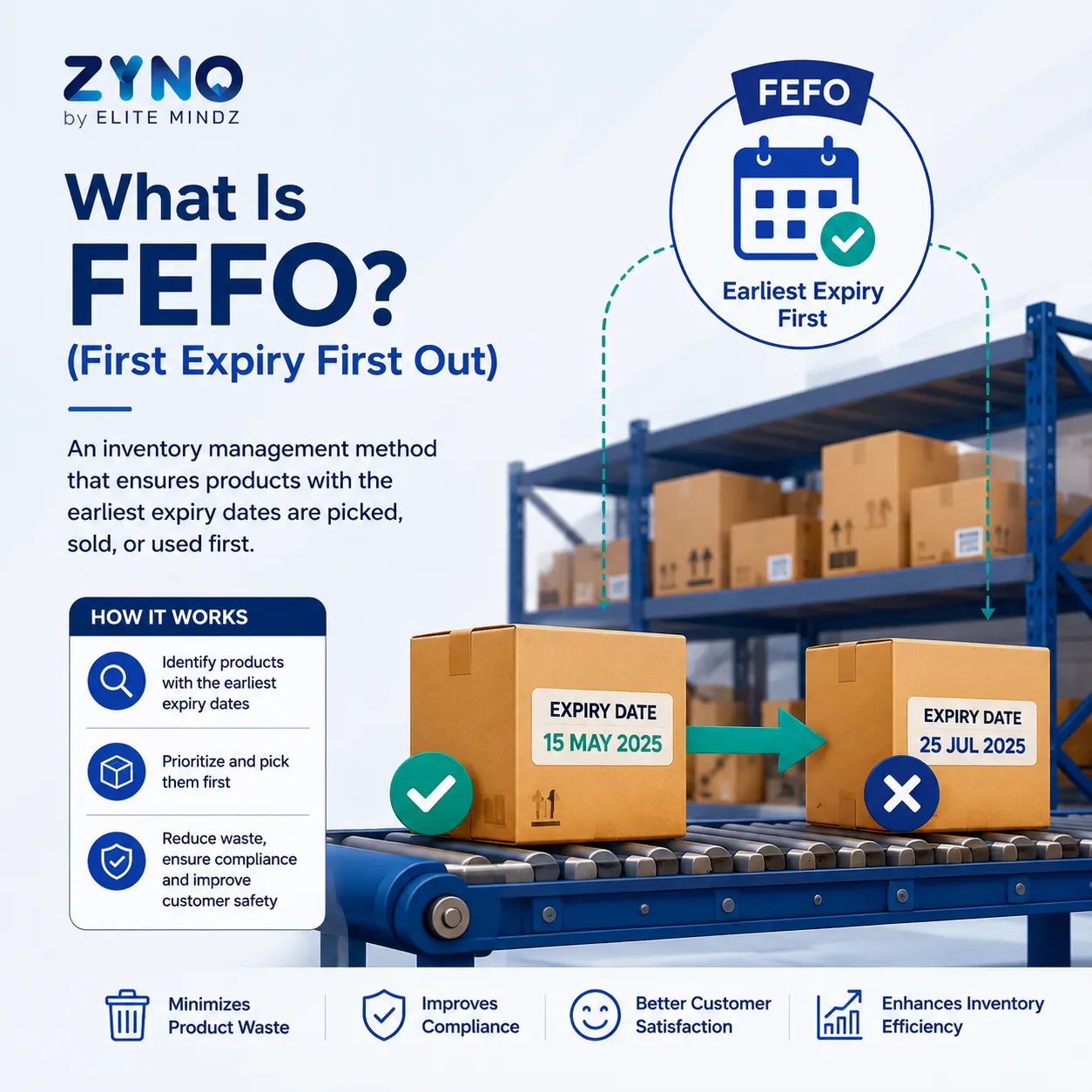
FEFO vs FIFO vs LIFO: Differences, Benefits & Which Inventory Method Is Best?
Read More →
AI Procurement Software: Features, Benefits, Use Cases & How to Choose
Read More →
Best AI Tools for Supply Chain Procurement
Read More →
Procurement Risk Management
Read More →
Still Using Excel for Procurement? Read This Before It's Too Late
Read More →
Best RFP Software in 2026: Top Tools Compared for Faster Proposal Responses
Read More →
What Is Procure-to-Pay (P2P)? A Complete Guide
Read More →
Complete Procurement Workflow Guide for Modern Businesses
Read More →
Complete Guide to E-Procurement Solutions for B2B Organizations
Read More →
Cost Control Software Comparison Guide: Features, Pricing & Benefits
Read More →
Purchase Order Tracking: How to Manage Every PO Without the Chaos
Read More →
Inventory Management: What It Is, How It Works and Why It Matters
Read More →
Top 10 Procurement Software Tools for Purchasing Automation in 2026
Read More →
Agentic AI Procurement Platforms and the Future of Strategic Sourcing
Read More →
AI Spend Analytics Software for Procurement Leaders
Read More →
From Prompt to Procurement: How AI Is Transforming Enterprise Purchasing
Read More →
ZYNO Procurement vs IBM Procure-to-Pay Automation
Read More →
ZYNO Procurement vs Infor Nexus: Which Procure-to-Pay Platform Fits Your Team?
Read More →
AI-Powered Procurement Software in 2026: Top 6 Platforms That Actually Deliver ROI
Read More →
Contract Management Software Buyer's Guide: Features, Costs & Top Picks
Read More →
Top 10 Procure to Pay Software Companies in India 2026
Read More →
10 Best Vendor Management Software in India (2026): Features, Benefits & Comparison
Read More →
How Machine Learning and AI Are Transforming Procurement: A Strategic Overview
Read More →
What Is Procurement Software for GP? Features, Benefits and Best Solutions for Businesses
Read More →
What Procurement Software Do Mid-Market Companies Use Instead of SAP Ariba or Coupa?
Read More →
Prompt-Based Procurement Software for Kenyan Businesses
Read More →
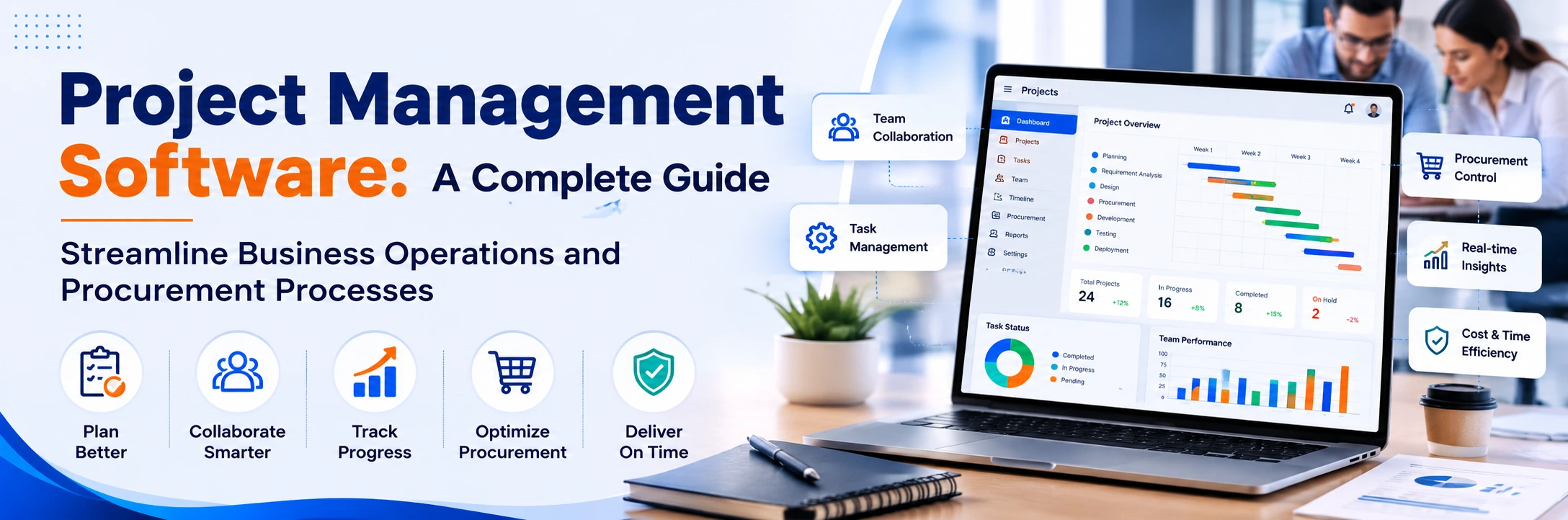
Project Management Software: A Complete Guide to Streamline Business Operations and Procurement Processes
Read More →
SAP Ariba vs ZYNO Procurement: Complete Feature Comparison (2026)
Read More →
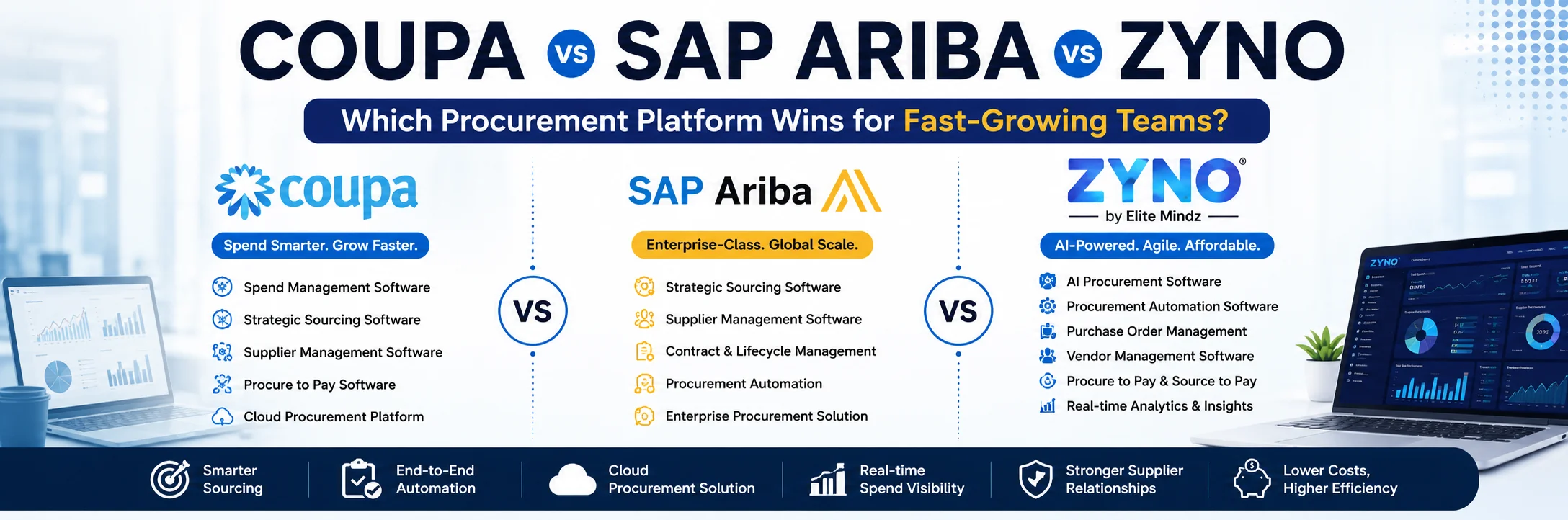
Coupa vs SAP Ariba vs ZYNO: Which Procurement Platform Wins for Fast-Growing Teams?
Read More →
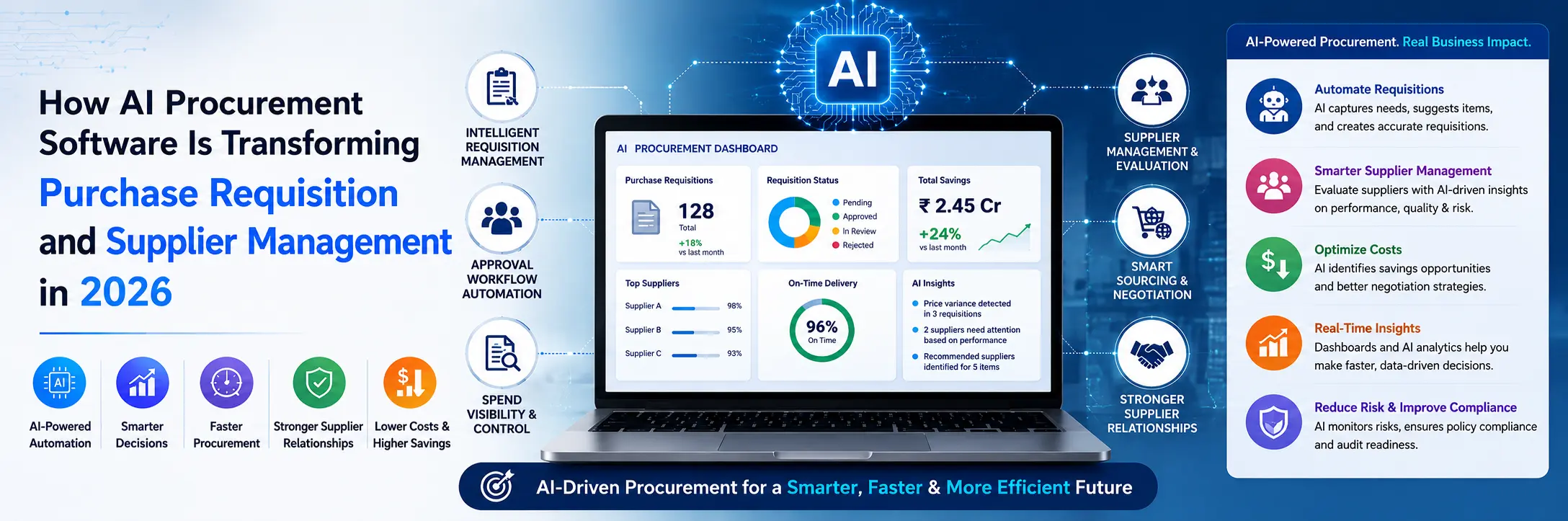
How AI Procurement Software Is Transforming Purchase Requisition and Supplier Management in 2026
Read More →
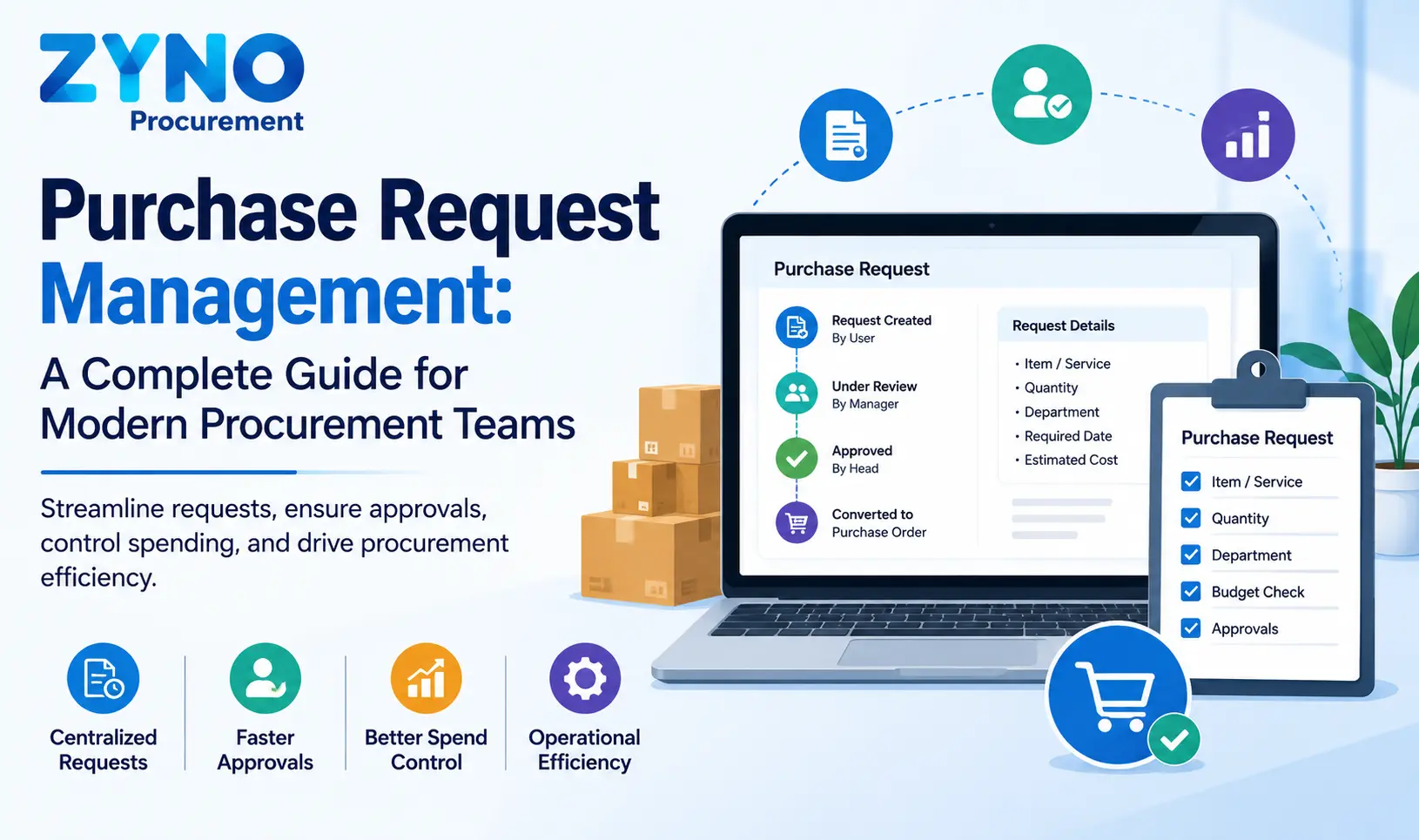
Purchase Request Management: A Complete Guide for Modern Procurement Teams
Read More →
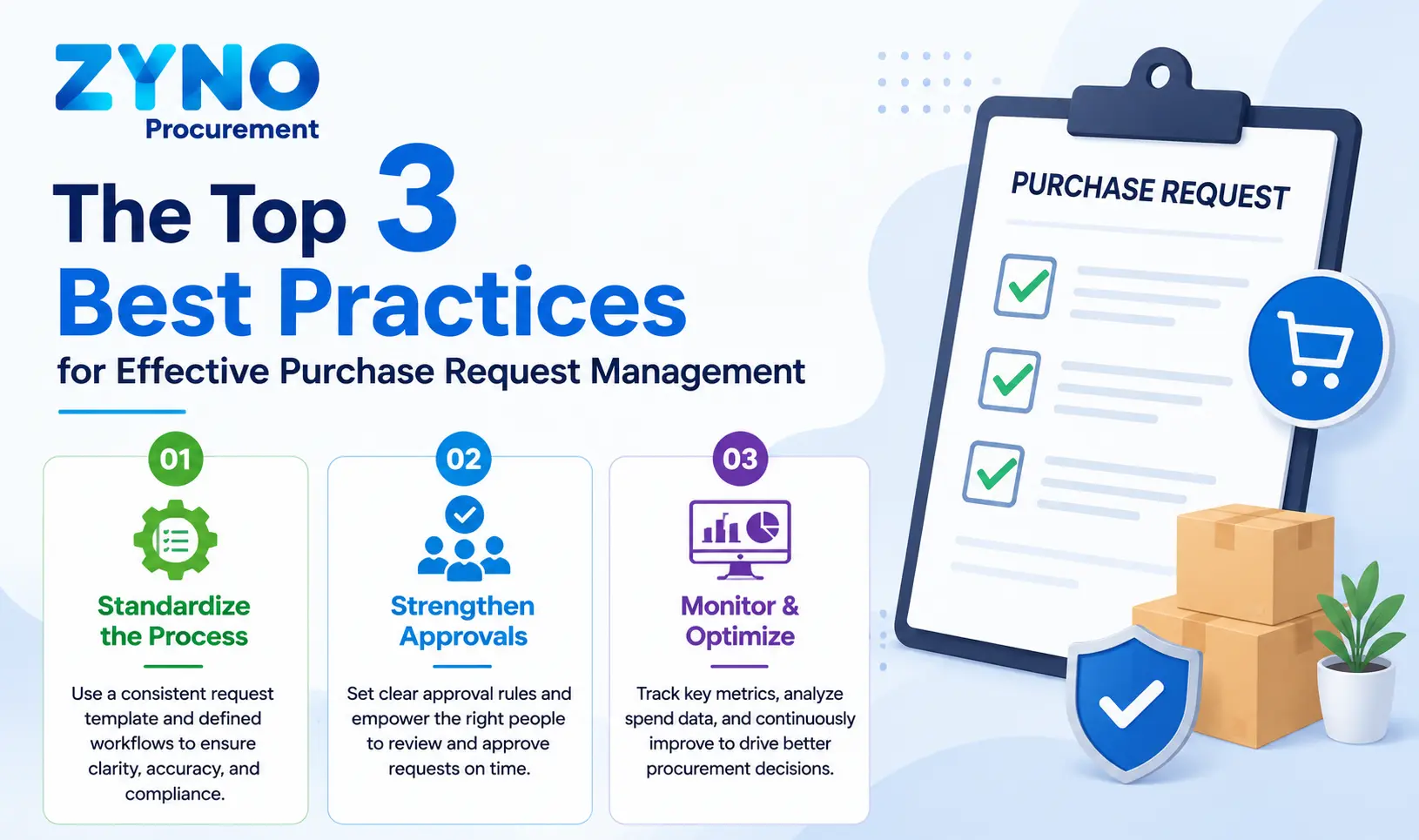
The Top 3 Best Practices for Effective Purchase Request Management
Read More →
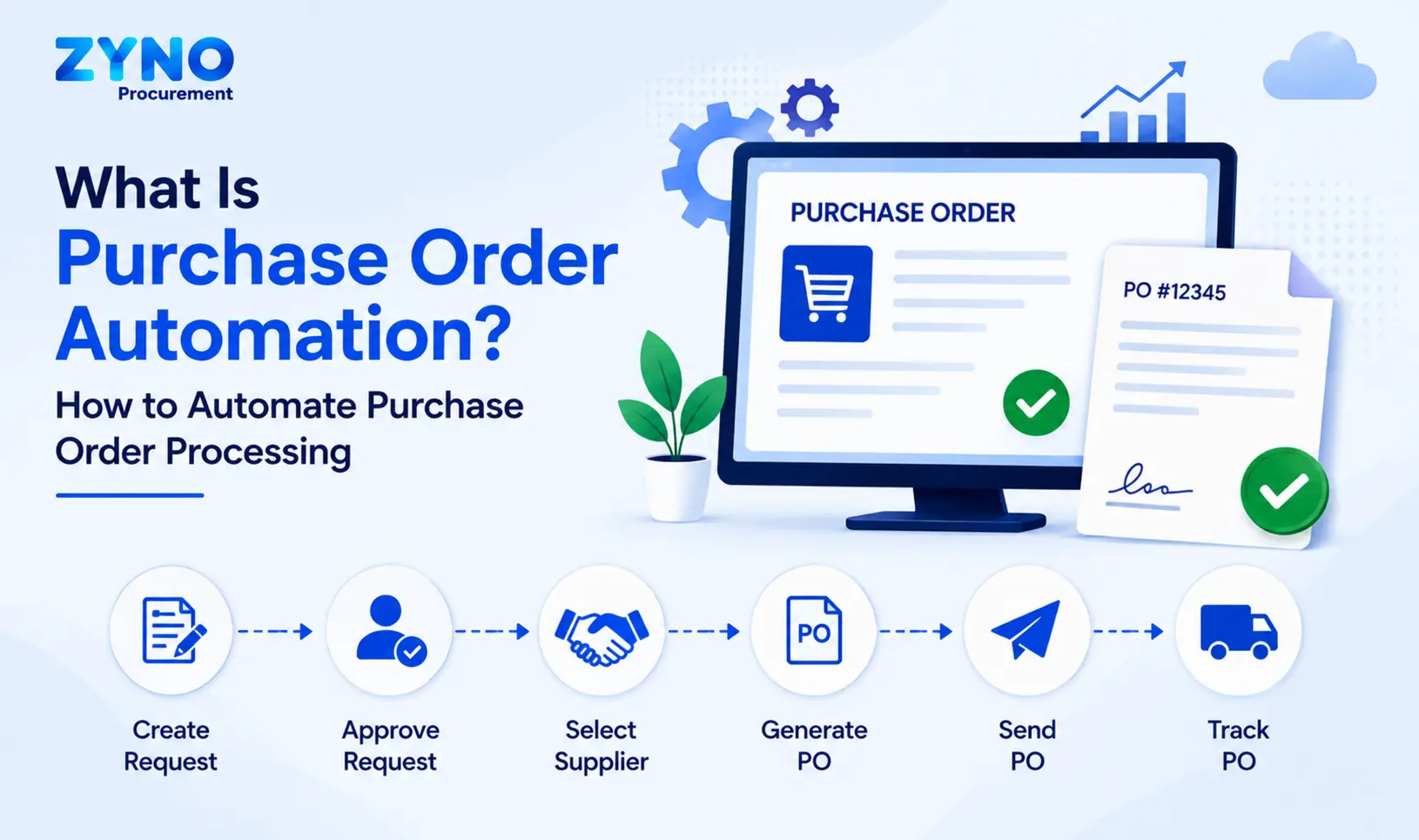
What Is Purchase Order Automation? How to Automate Purchase Order Processing
Read More →
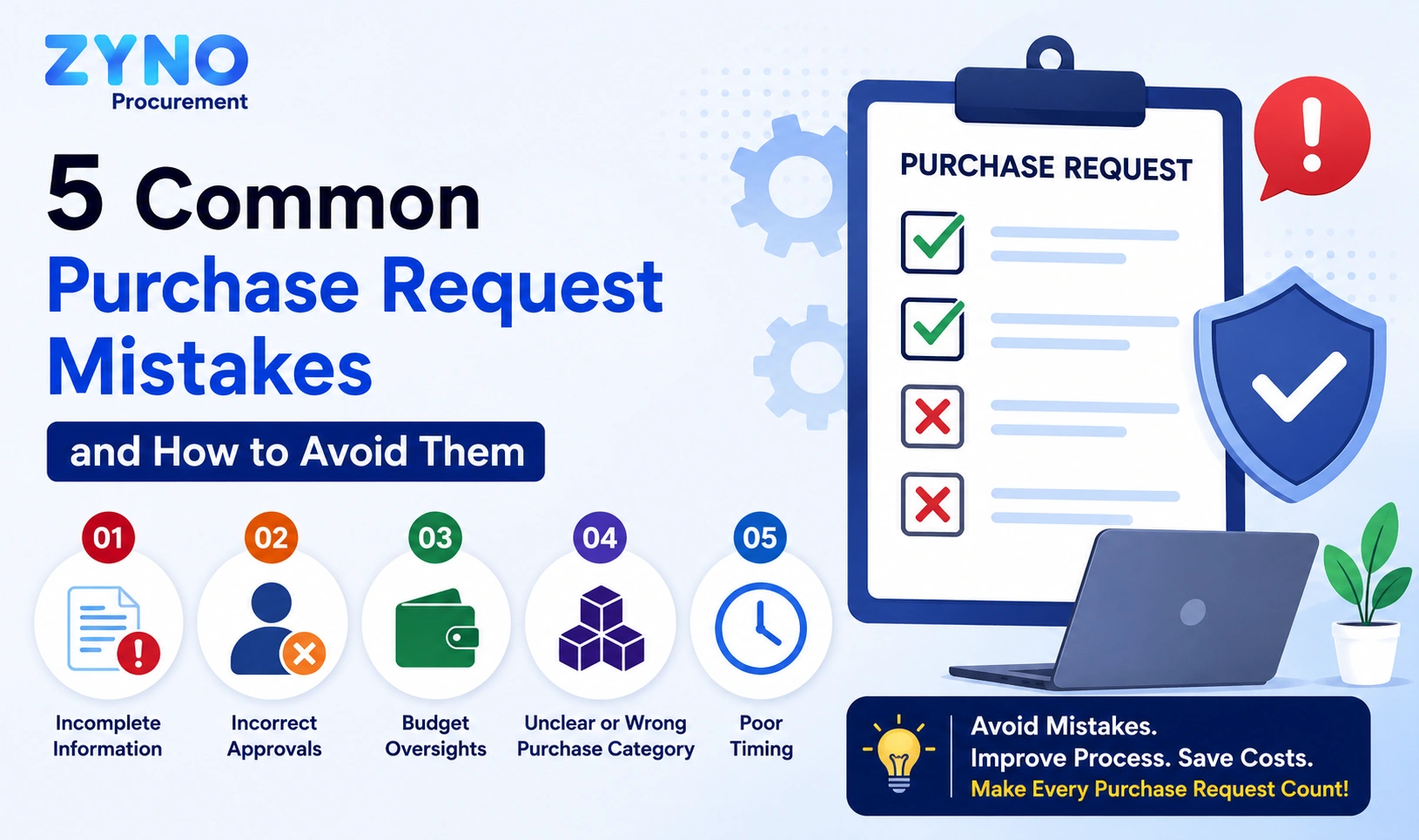
5 Common Purchase Request Mistakes and How to Avoid Them
Read More →
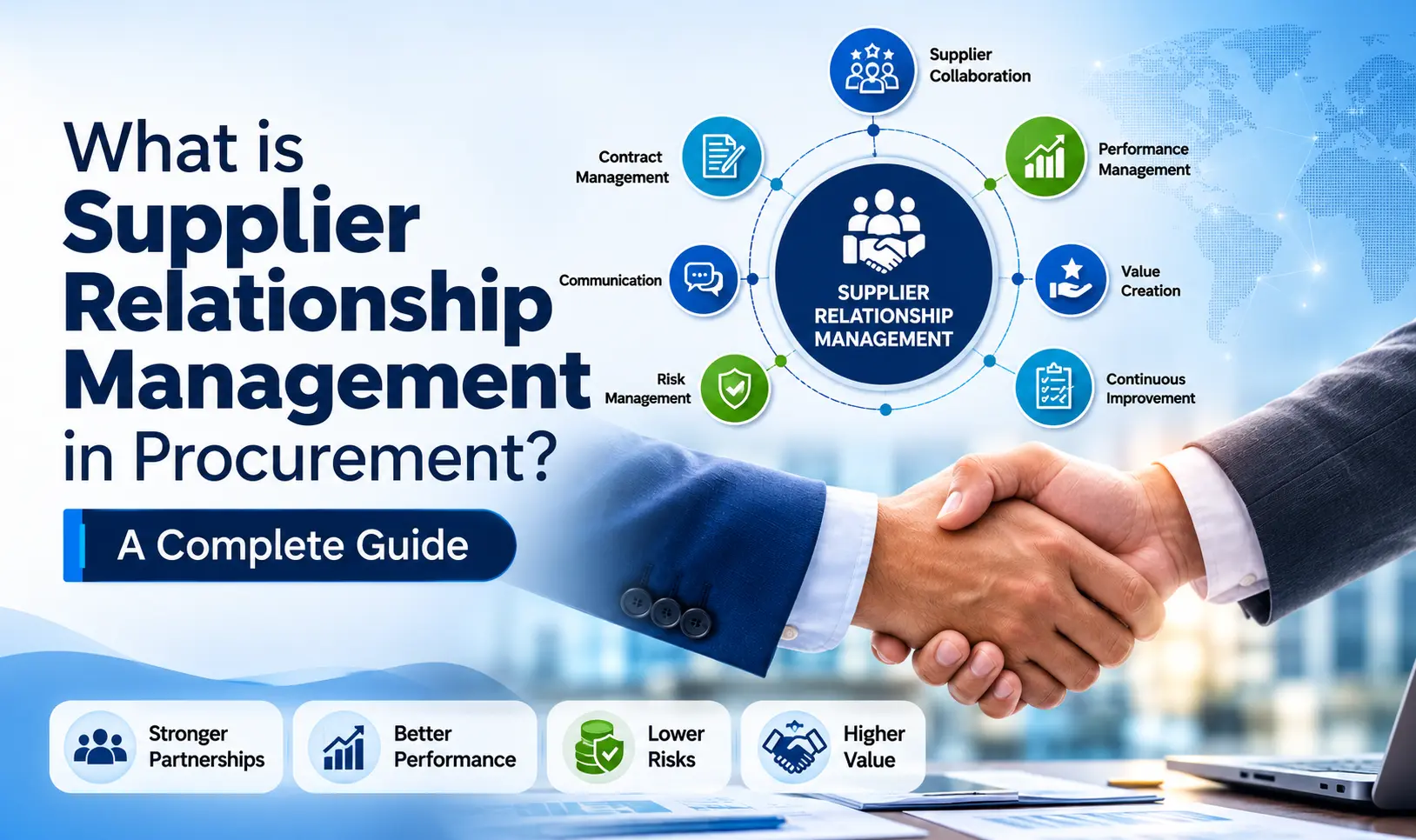
What is Supplier Relationship Management in Procurement? A Complete Guide
Read More →
What is Strategic Vendor Management? A Complete Guide for Modern Procurement
Read More →
What Are Inventory Control Methods? Complete Guide to Types, Techniques, Systems, & Benefits
Read More →
Inventory Audit Checklist: Steps, Process & Best Practices
Read More →
Warehouse Inventory Management: Best Practices for 2026
Read More →
Treasury Management System (TMS): A Complete Guide for Modern Corporates
Read More →
What is Portfolio Management Services (PMS) and What Are Its Benefits?
Read More →
Generative AI Procurement Software Solution: The Future of Intelligent Procurement
Read More →
Top Contract Management Software Companies in Ethiopia: Features, Benefits & Best Procurement Solutions
Read More →
AI Procurement Software: Complete Guide to Intelligent, Generative AI & Machine Learning Procurement Solutions
Read More →
Top SAP alternatives for small, midsize, and enterprise businesses
Read More →
Best RFP Software in 2026: Top Solutions for Smarter Procurement and Proposal Management
Read More →
GST on Purchase: Complete Guide to GST on Purchases in India
Read More →
Procurement Software UAE: Complete Guide to Choosing the Best Procurement Solution
Read More →
Supply Chain Procurement: Everything You Need to Know
Read More →
Top 10 Oracle Procurement Alternatives for Businesses in 2026
Read More →
Quotation Software vs Excel: Which Is Better for Businesses in 2026?
Read More →
Contract Management Software Buyer's Guide: Features, Pricing & How to Choose
Read More →
How to Identify the Right Vendor: 10 Simple Steps
Read More →
Top 10 Automated PO Generation Tools in 2026: Best Purchase Order Software with AI Capabilities
Read More →
How to Generate a PO Automatically in SAP: Step-by-Step Guide
Read More →
What Is the Best Budget-Friendly Procurement Software With Vendor Onboarding for Indian SMEs?
Read More →
How to Generate a PO Automatically in SAP: Step-by-Step Guide
Read More →
How to Solve Invoice Mismatches: 10 Real Ways to Fix Invoice Discrepancies
Read More →
Top 10 Vendor Onboarding Tools for Businesses in 2026: Features, Process & How to Choose
Read More →
Vendor Comparison & Supplier Intelligence: How AI Helps Businesses Choose the Right Vendor
Read More →
How to Choose the Right Procurement Management Software in 2026 (Complete Buyer's Guide)
Read More →
How to Reduce Procurement Costs: 18 Practical Strategies That Actually Work
Read More →
How to Choose the Right Procurement Management Software in 2026 (Complete Buyer's Guide)
Read More →
How to Calculate Procurement Software ROI: Formula, Example & Calculator
Read More →
Procurement Software Evaluation Checklist: 35 Criteria for Choosing the Right Platform
Read More →
How Businesses Can Improve Vendor Performance and Manage Supplier Risk
Read More →
Procure-to-Pay Process: Steps, Challenges & How to Automate It
Read More →
Purchase Requisition vs Purchase Order: What’s the Difference?
Read More →
10 Source-to-Pay Software Platforms to Consider in 2026
Read More →
Supplier Management Software Buying Guide: How to Choose the Right Platform
Read More →
Procurement Automation Guide: How It Works, What to Automate & How to Implement It
Read More →Partner with ZYNO by Elite Mindz to revolutionize how your business works. Fill out the form, and we’ll reach out with AI-powered solutions made just for you.
We use browser cookies to ensure you get the best experience on our website. Learn more
The form was submitted successfully!