Procurement Software Trends in 2026: What to Expect
Read More →

×
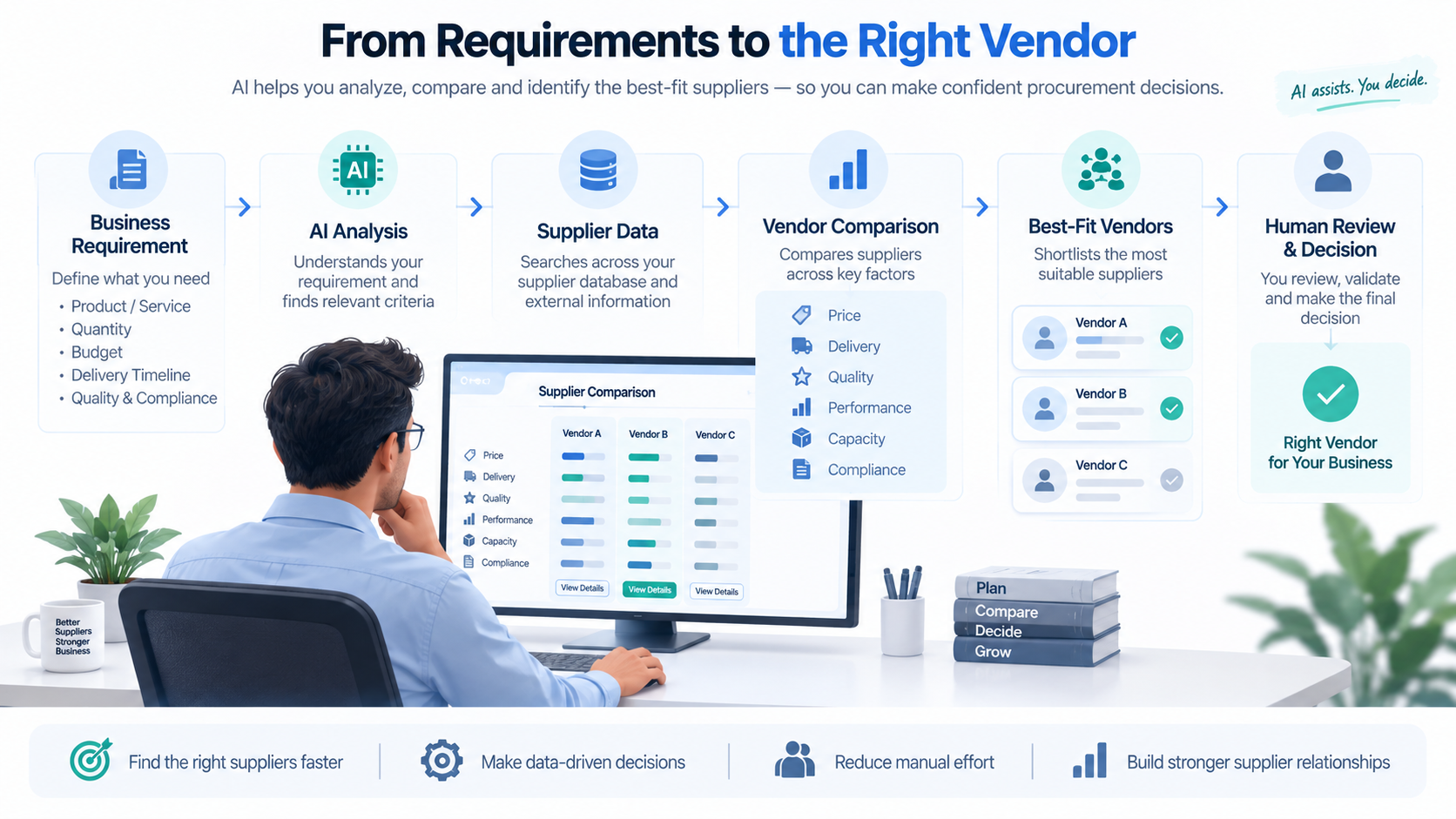
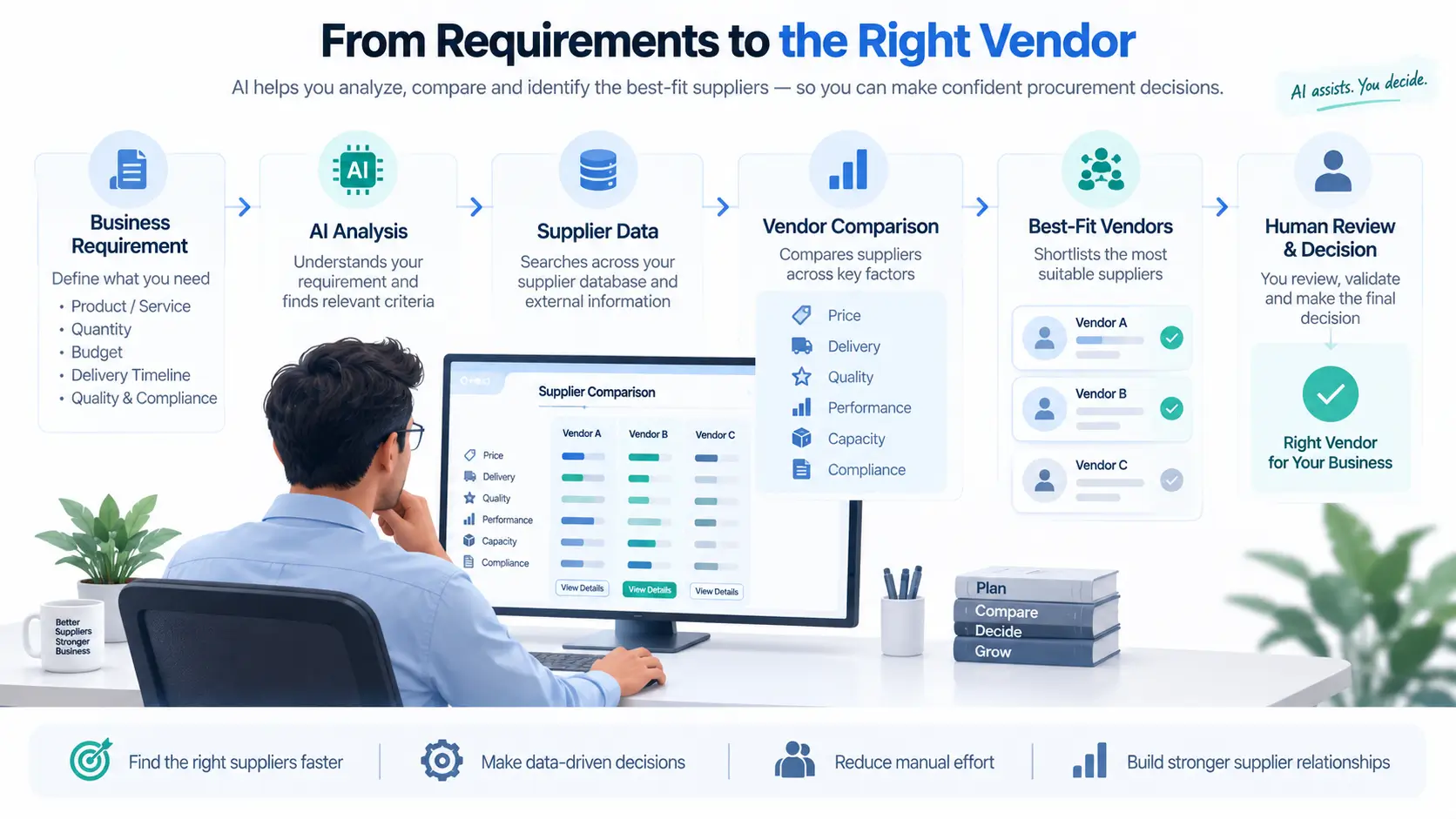
Choosing the right vendor is about more than finding the lowest quotation. Procurement teams also need to consider price, product fit, quality, delivery capability, supplier performance, capacity, payment terms, compliance and business requirements. AI can help businesses compare vendors by connecting a purchase requirement with available supplier data and identifying vendors that best match the relevant criteria. Instead of relying only on spreadsheets, emails or individual employee knowledge, procurement teams can use supplier intelligence to make vendor selection more structured and data-driven. The goal is not to let AI automatically choose a supplier. The goal is to help procurement teams find relevant vendors faster, compare them across meaningful criteria and make better-informed purchasing decisions. In simple terms: vendor comparison tells you how suppliers compare, while supplier intelligence helps you understand which supplier is the better fit for a specific business requirement. AI can make that process faster by matching requirements with available supplier information.
Businesses using ZYNO Books cut accounting time by 70% and stay 100% ZATCA-compliant — automatically.
Vendor comparison is the process of evaluating multiple suppliers against the criteria that matter for a particular purchase before selecting a vendor.
The criteria can vary depending on what the business is buying. A procurement team may compare:
The important point is that there is no single vendor comparison score that works for every purchase. The right criteria depend on what the business is buying and what could affect the outcome.
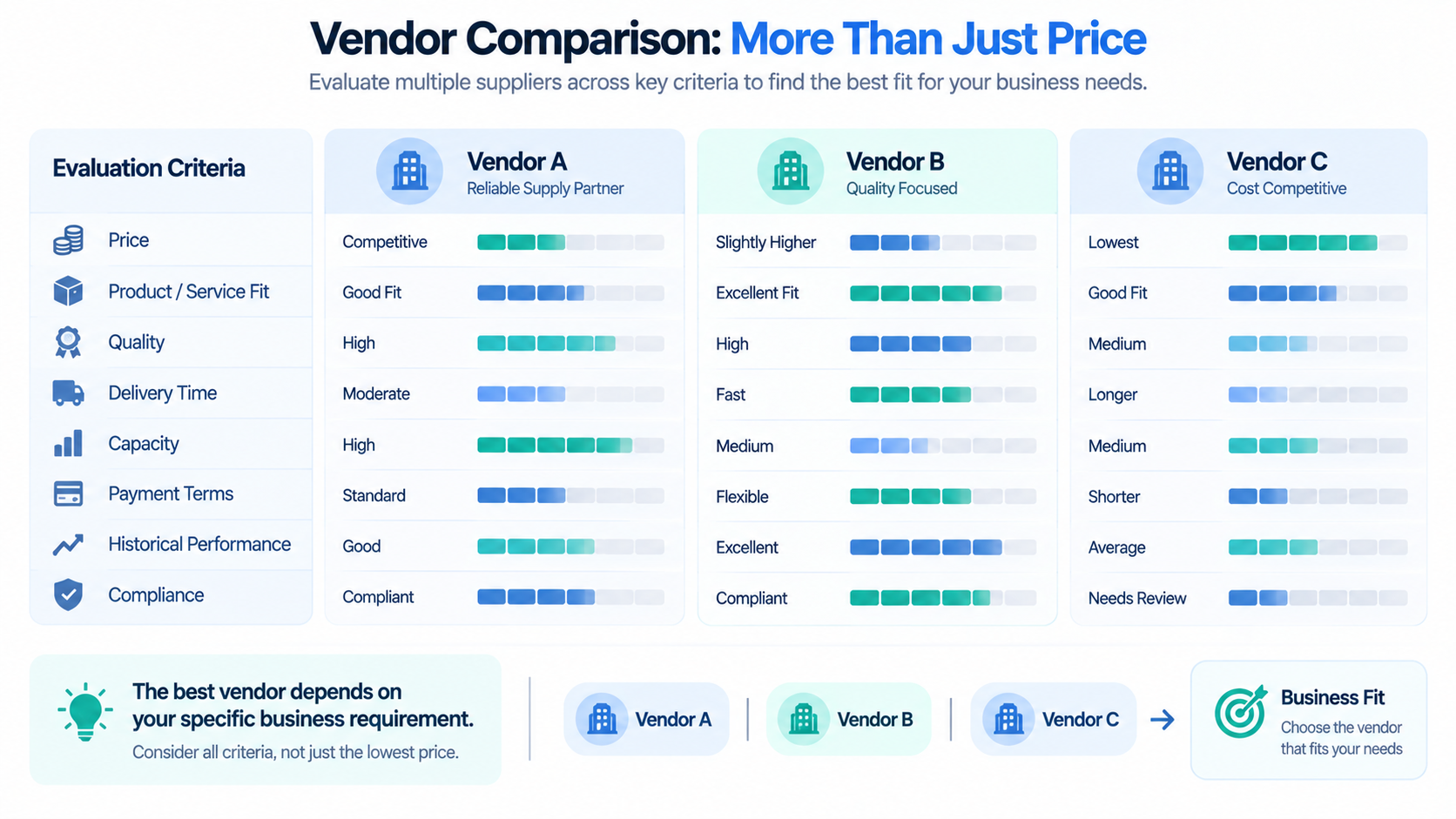
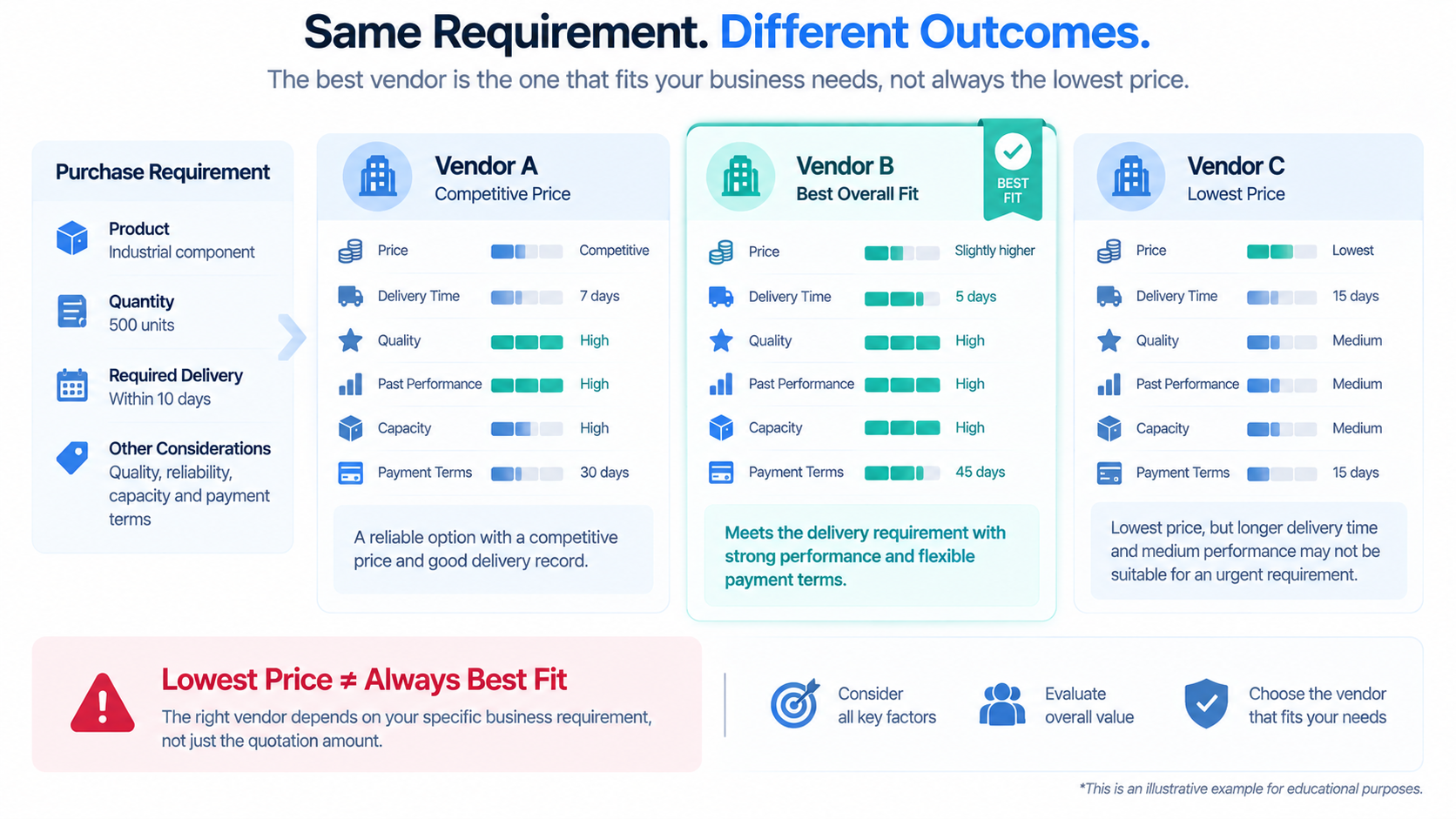
For example, imagine a company needs 500 units of an industrial component within 10 days. An illustrative comparison might look like this:
If the component is urgently required for production, Vendor B may be a better fit even though it is not the cheapest option.
Good vendor selection therefore considers the business requirement, not price alone.

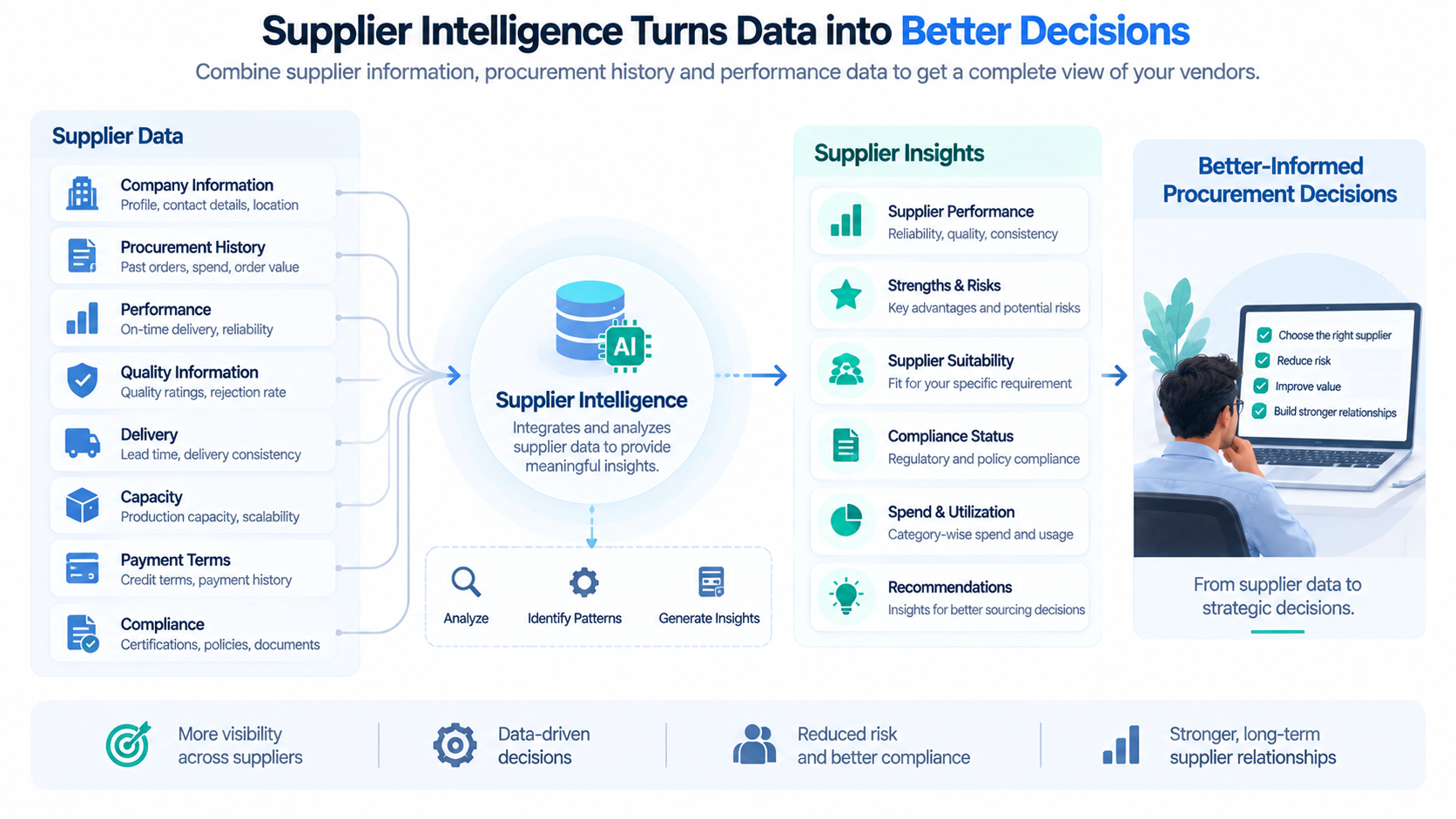
Supplier intelligence is the use of supplier information, procurement history and relevant business data to understand a vendor's suitability, performance, capabilities and potential risks.
A basic supplier record may contain information such as:
Vendor Name + Contact Details + GSTIN
Supplier intelligence goes further by helping procurement teams understand the supplier in the context of actual purchasing decisions.
For example, a supplier profile may show:
The purpose is not to automatically label one supplier as "good" and another as "bad." Instead, the information gives procurement teams more context for deciding which supplier fits the current requirement.

For a small number of suppliers and purchases, a spreadsheet can be perfectly adequate. The problem appears when procurement volume, supplier count and purchasing complexity increase.
A traditional process may look like:
This process can work, but several challenges can emerge.
Vendor information may exist across spreadsheets, emails, ERP records, documents and the knowledge of individual procurement employees. This makes it harder to get a complete picture of a supplier before making a decision.
Procurement employees may need to manually compare:
The more suppliers involved, the more time this can require.
Price is one of the easiest variables to compare. Delivery reliability, quality history and supplier capacity can be more difficult to assess consistently.
A vendor may offer an attractive quotation today but have a history of late deliveries or rejected goods. Without accessible historical data, that context can be missed.
Businesses may already have a large supplier base but still spend considerable time searching for the right vendor for a new requirement.
An experienced procurement professional may know which suppliers are dependable for specific categories. When that knowledge is not captured systematically, supplier selection can become dependent on individual experience. This is where supplier intelligence can add value.

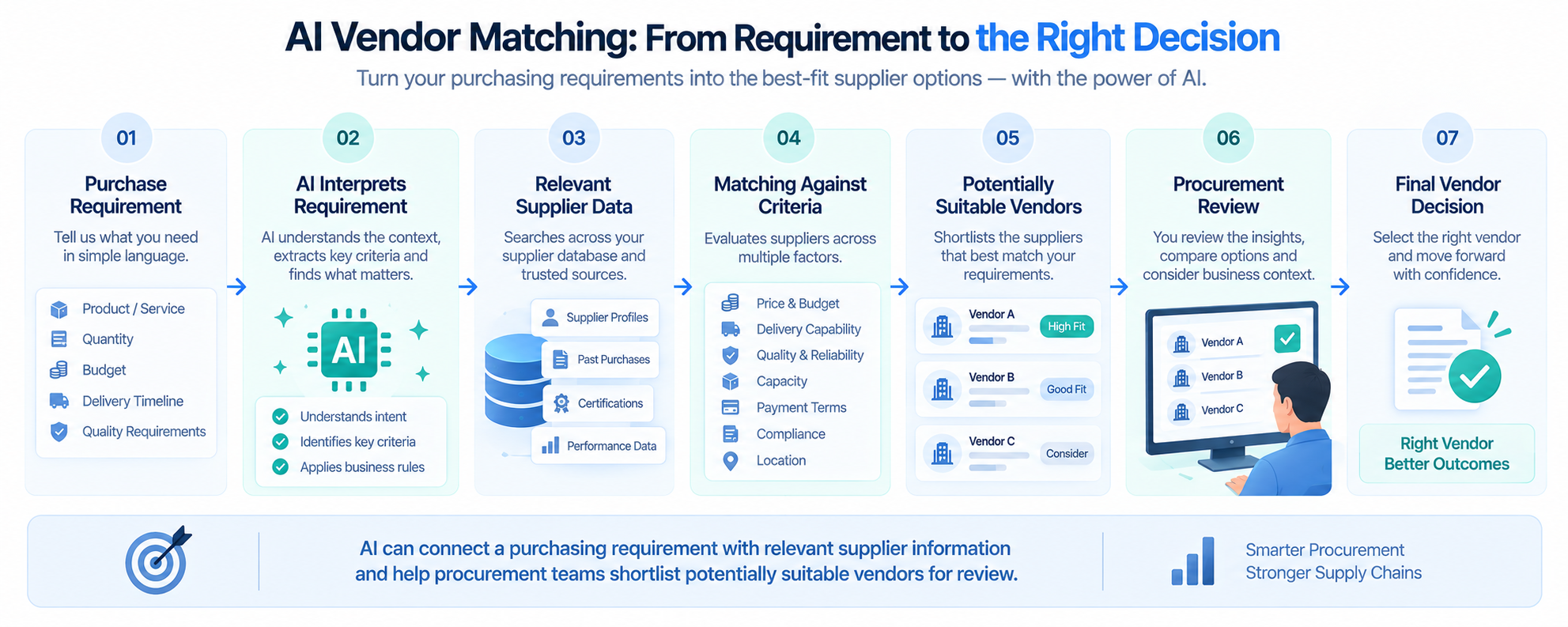
AI can help procurement teams turn a natural-language purchasing requirement into structured criteria and use available supplier information to identify potentially suitable vendors.
For example, instead of manually searching through supplier records, a procurement user could provide a requirement such as:
"Find suppliers for 1,000 units of electronic components under ₹15 lakh, with delivery required within 10 days, preferably from approved vendors with strong previous performance."
An AI-enabled procurement system can interpret relevant parts of the request, such as:
It can then use the supplier information available to the system to help identify vendors that match those requirements.
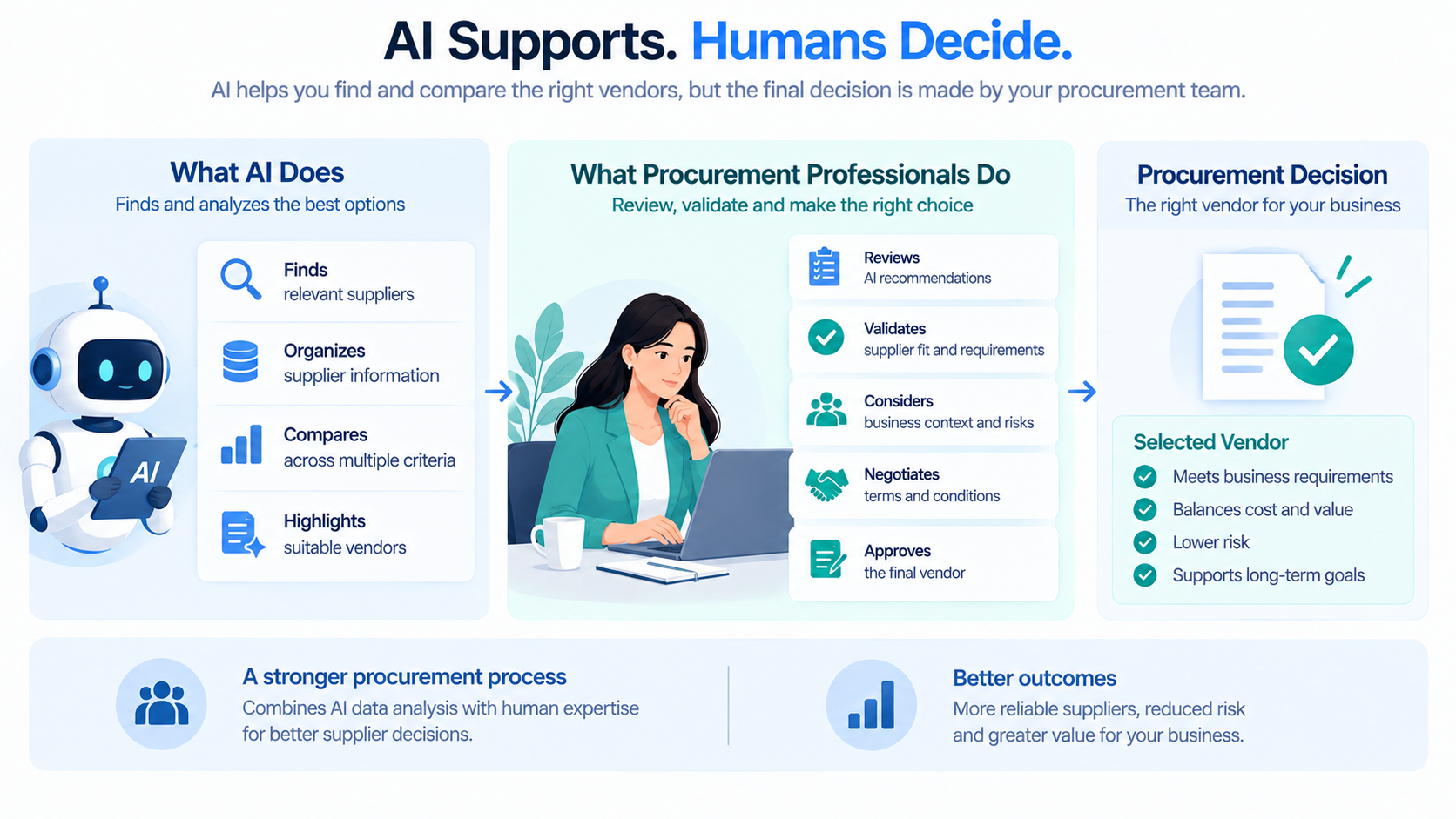
AI can assist with vendor discovery and comparison, but the procurement team should remain responsible for reviewing the recommendation and making the final decision.
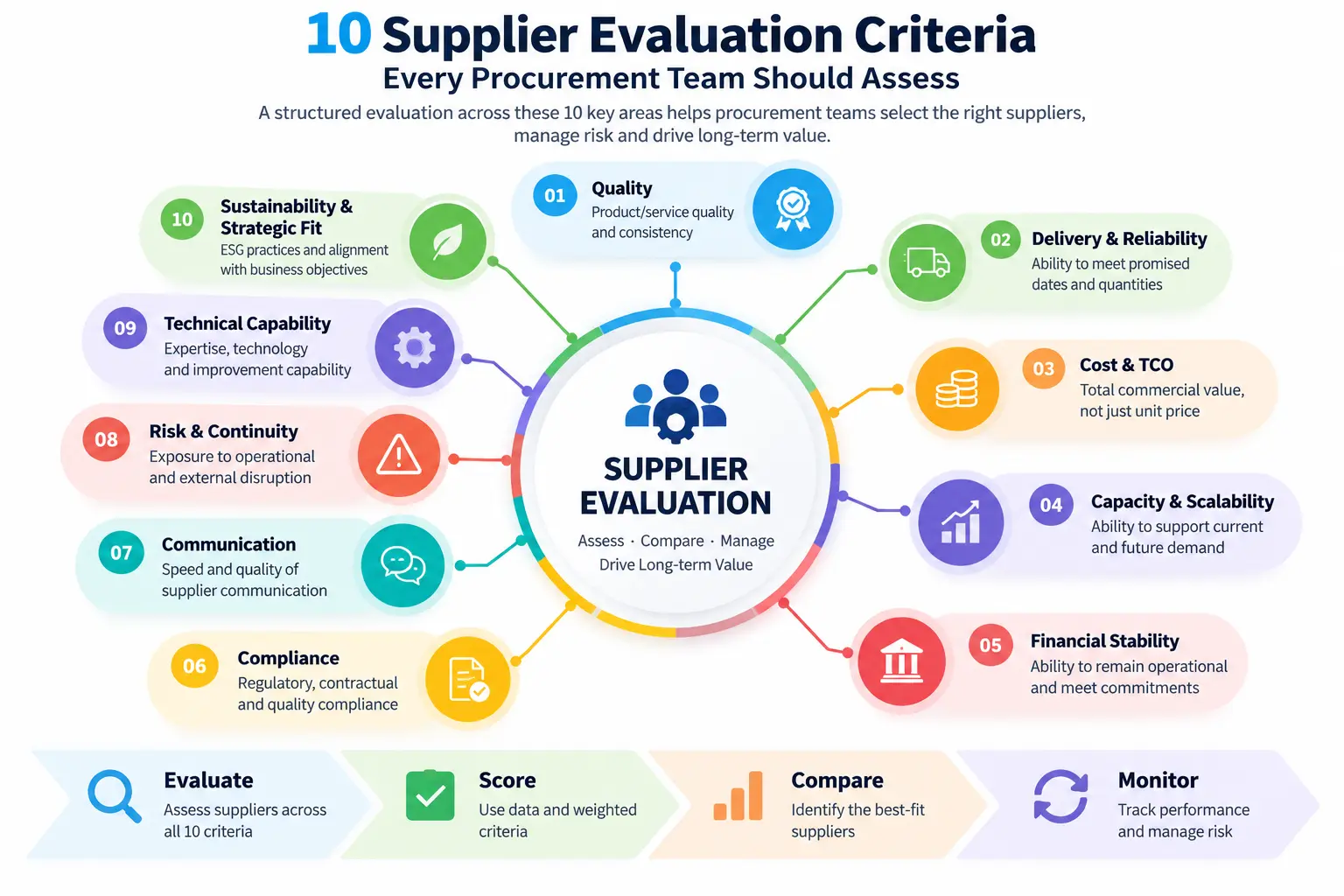
AI-based vendor matching becomes more useful when the system can evaluate the criteria that actually matter for the purchase. However, not every criterion should carry the same importance for every procurement decision.
Does the supplier's quotation fit the approved budget or expected commercial range?
Does the supplier actually provide the required product or service?
Can the supplier meet the required delivery timeline?
How has the supplier performed in previous transactions?
What does available quality or rejection data indicate about previous purchases?
Can the supplier handle the required quantity or order volume?
Does the supplier's location make sense for the delivery, logistics or service requirement?
Are the supplier's payment conditions commercially acceptable?
Are the required supplier documents, certifications and compliance information available and current?
Is the supplier active, approved or otherwise eligible according to the organization's procurement policies?
The appropriate criteria depend on the purchase. For example, delivery capability may be critical for a production-critical component, while certifications may be more important for regulated products.
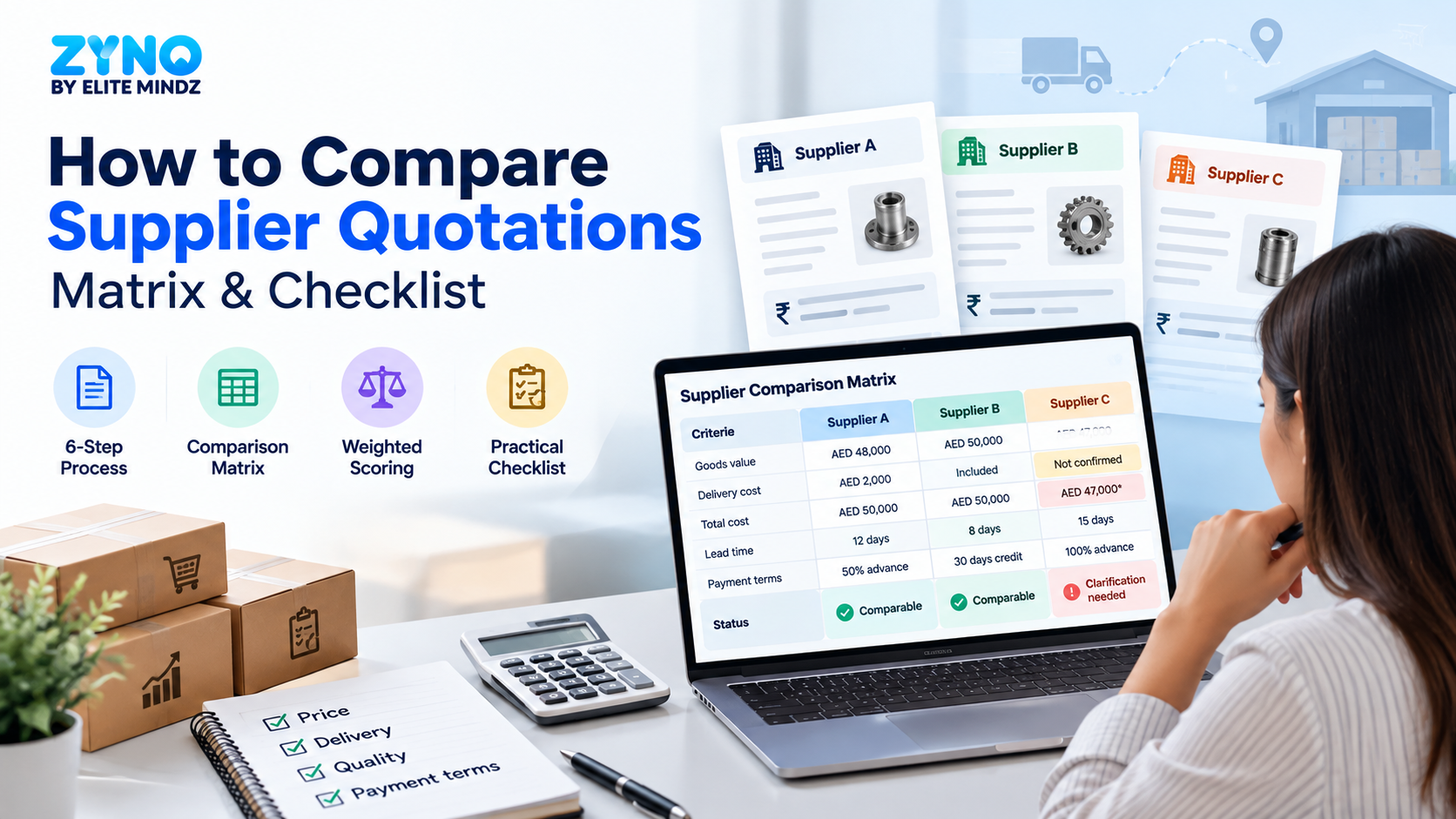
Consider an illustrative purchase where a business receives three quotations.
| Criteria | Vendor A | Vendor B | Vendor C |
|---|---|---|---|
| Price | ₹9.8 lakh | ₹10.1 lakh | ₹9.5 lakh |
| Delivery | 7 days | 5 days | 15 days |
| Historical Performance | High | High | Medium |
| Quality | High | High | Medium |
| Payment Terms | 30 days | 45 days | 15 days |
| Capacity | High | High | Medium |
| Overall Fit | Good | Best Fit | Low |

In this example, Vendor C has the lowest price, but Vendor B may be the better choice because it meets more of the requirements.
The cheapest quotation and the best-fit supplier are not always the same thing.
The example above is illustrative rather than a real supplier evaluation. In an actual procurement process, the weighting of each criterion should be based on the organization's requirements and procurement policy.
One practical advantage of natural-language AI is that procurement users can describe what they need without necessarily navigating multiple search filters.
A user might need to specify:
"Find suitable suppliers for 500 units of this raw material, preferably in Delhi NCR, under ₹10 lakh, with delivery within 7 days and strong previous performance."
The AI layer can help translate that business requirement into searchable procurement criteria. That makes the interaction closer to how procurement professionals naturally communicate requirements.
ZYNO Procurement brings AI into procurement workflows through prompt-based interactions and vendor management capabilities. Its approach is designed to connect purchasing requirements with available supplier information rather than treating vendor management as only a static supplier directory.
For example, a procurement user could provide a requirement such as:
"I need a reliable supplier for 500 units of raw material, within budget, with delivery in 7 days."
Based on the vendor information and procurement criteria available to the system, AI can help identify potentially relevant suppliers. The procurement team can then review the suggested vendors and their relevant information before proceeding with the purchasing workflow.
This approach can help reduce the manual effort involved in searching through supplier records and comparing vendors.
Important: AI recommendations are only as useful as the supplier data available to the system. Complete, accurate and up-to-date vendor information is therefore an important part of supplier intelligence.
To see how supplier onboarding, compliance, vendor records and performance can fit into the same procurement environment, explore ZYNO Vendor Management .
If your procurement process also involves formal supplier proposals and multi-vendor evaluation, ZYNO RFP Management can help connect RFP creation, vendor response collection, comparison and approval within the procurement workflow.
You can also explore the broader ZYNO Procurement platform to understand how vendor management, purchasing and procurement workflows can work together.
When the necessary supplier data is available and the matching criteria are well defined, AI can support several parts of vendor selection.
Instead of manually searching through a large supplier database, procurement teams can use requirements to identify potentially relevant vendors more quickly.
AI can help organize multiple supplier attributes around the specific purchasing requirement.
Procurement employees can spend less time manually locating supplier records and comparing basic information.
When previous purchase and supplier performance data is available, it can provide useful context during vendor evaluation.
A structured comparison process can reduce reliance on individual employee memory when the same procurement criteria need to be considered repeatedly.
Businesses may discover that an existing supplier is already capable of meeting a new requirement, reducing unnecessary supplier searches.
Connecting supplier information with procurement activity can give businesses a clearer view of purchasing patterns and supplier utilization.
However, these benefits depend on the quality of the underlying data, the relevance of the matching criteria and appropriate human review.

This is one of the most important points in AI-assisted procurement.
An AI system should not simply look at three quotations and select the lowest number. Instead, AI can help surface potentially suitable suppliers while the procurement team reviews the recommendation against the business requirement.
Before selecting a vendor, the procurement team should be able to understand relevant factors such as:
This creates a more explainable and reviewable procurement process. The final decision can remain with the procurement team, while AI helps reduce the effort involved in finding and comparing relevant information.
These terms are related but not identical.
| Vendor Comparison | Supplier Intelligence |
|---|---|
| Compares suppliers | Builds broader supplier understanding |
| Often focuses on a specific purchase | Can use information across the supplier lifecycle |
| May compare quotations and terms | Can incorporate history, performance and supplier data |
| Helps evaluate current options | Helps provide context for supplier decisions |
| Often transaction-focused | More data- and relationship-focused |
In simple terms:
Vendor comparison asks:
"How do these suppliers compare for this purchase?"
Supplier intelligence asks:
"What do we know about these suppliers, and which information matters for this decision?"
AI vendor matching connects the two by helping match a specific requirement with relevant supplier information.
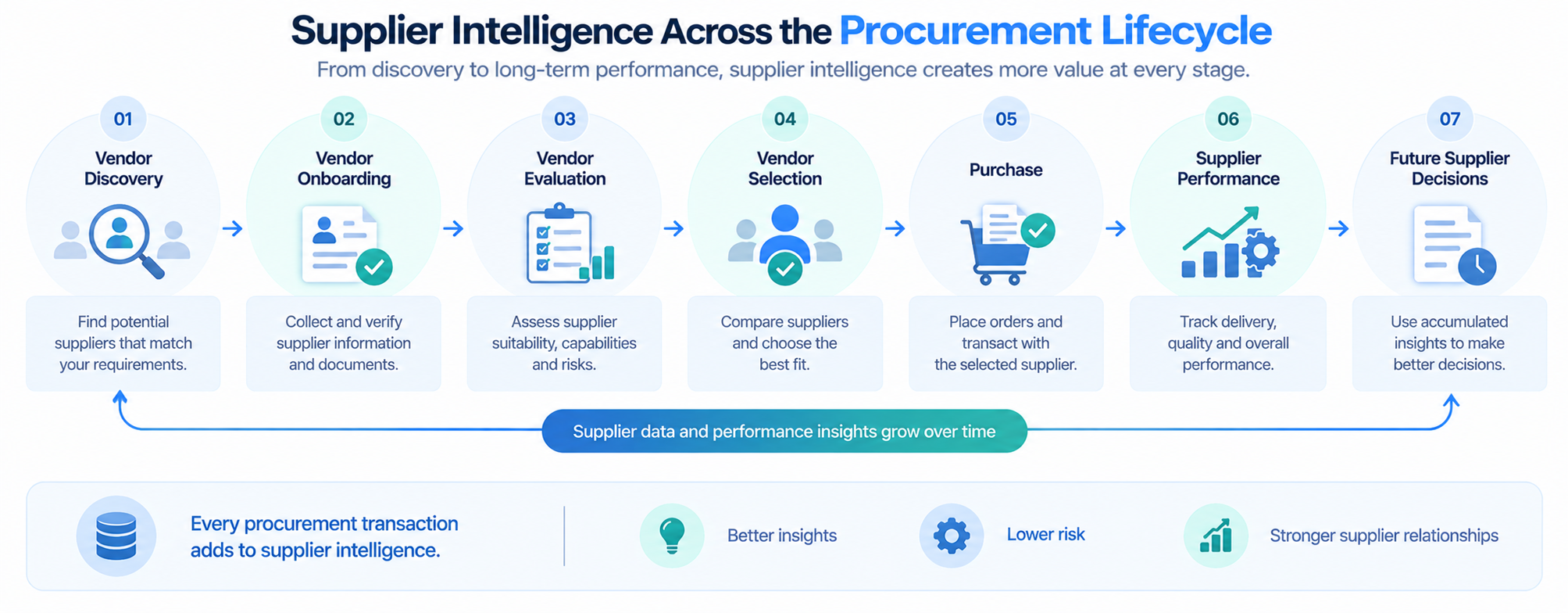
Supplier intelligence does not have to stop when a vendor is selected. It can support different stages of the supplier lifecycle:

Identify potential suppliers that may meet a business requirement.
Collect supplier information and required documentation.
Assess supplier suitability against relevant business criteria.
Compare suppliers for a specific purchasing requirement.
Use the selected supplier within the procurement workflow.
Track available information such as delivery, quality and purchasing history.
Use accumulated information to support future supplier decisions.
This makes supplier intelligence a continuous procurement capability rather than a one-time vendor comparison exercise.
AI-based vendor matching can be particularly useful when procurement becomes difficult to manage manually. It may be worth considering when:
For a small business with only a handful of suppliers and simple purchases, a spreadsheet may still be sufficient. The value of supplier intelligence generally becomes more apparent as supplier volume, purchasing frequency and decision complexity increase.
AI can make supplier comparison more efficient, but it is not a substitute for procurement judgment. Businesses should consider several limitations.
If supplier information is incomplete, outdated or inaccurate, AI recommendations may also be less useful.
Some decisions involve negotiations, relationships, strategic considerations or risks that require human judgment.
An AI system cannot reliably evaluate information that it does not have access to.
Supplier recommendations should remain consistent with organizational approval rules, compliance requirements and purchasing policies.
Procurement teams should be able to review the reasoning, relevant data and criteria behind a recommendation before approving a purchase.
Therefore, the strongest approach is not AI instead of procurement professionals.
AI-assisted procurement with human oversight.
Businesses do not necessarily need to introduce AI immediately to improve supplier selection. A strong foundation starts with the procurement process itself.
Clearly identify:
Use existing approved suppliers where appropriate and identify additional vendors when necessary.
Decide which factors actually matter for that purchase.
Make sure quotations and supplier data are captured in a consistent format.
Look beyond the current quotation where historical supplier information is available.
Evaluate vendors against the criteria that matter rather than focusing exclusively on price.
If AI is being used, review the supplier recommendation and the information supporting it.
Follow the organization's procurement approval process before completing the purchase.
Record relevant supplier performance so that future vendor decisions can benefit from the new information.
This final step is particularly important because today's procurement transaction can become tomorrow's supplier intelligence.
ZYNO Procurement brings vendor management, purchasing, supplier information and procurement workflows together on one platform. If you want to understand how AI-assisted procurement could fit into your organization's purchasing process, talk to the team about your requirements.
Explore ZYNO ProcurementVendor comparison is the process of evaluating multiple suppliers against relevant criteria such as price, quality, delivery, capacity, payment terms, compliance and historical performance before selecting a supplier.
Supplier intelligence is the use of supplier data, procurement history and relevant business information to understand supplier suitability, performance, capabilities and potential risks.
AI can interpret a purchasing requirement, identify relevant supplier information and help compare vendors against applicable criteria. The procurement team can then review the results and make the final decision.
No. A well-designed AI-assisted procurement process should consider the criteria relevant to the purchase rather than automatically selecting the lowest quotation.
Common factors include price, product or service fit, quality, delivery capability, capacity, historical performance, payment terms, location, supplier status and compliance.
No. AI can reduce manual searching and comparison work, but procurement professionals still need to validate the information, consider business context, negotiate where appropriate and approve purchasing decisions.
It depends on the business. A company with a small supplier base and simple purchasing requirements may be able to manage vendor comparison with spreadsheets. AI becomes more useful as supplier numbers, purchase frequency or procurement complexity increases.
The quality of the recommendation depends on factors such as the accuracy and completeness of supplier data, the relevance of the purchasing criteria, the available historical information and how the system is configured.
Vendor comparison should not start and end with the question:
"Who gave us the lowest price?"
A better question is:
"Which supplier best meets our business requirement at the right overall cost, quality, delivery capability and level of risk?"
AI can help answer that question by connecting purchasing requirements with available supplier information, historical performance and relevant procurement criteria.
Supplier intelligence adds another layer by turning vendor data and procurement history into useful context for future decisions.
With ZYNO Procurement, businesses can move toward a more intelligent vendor management approach using prompt-based AI vendor matching, centralized supplier information and structured procurement workflows.
The goal is not to replace procurement judgment. It is to help procurement teams spend less time searching for supplier information and more time making informed supplier decisions.
Procurement Software Trends in 2026: What to Expect
Read More →
Why E-Procurement Outperforms Traditional ERP in Modern Procurement
Read More →
Top Procurement Software in India: 12 Best Options for 2026
Read More →
Best Procurement Software Companies in Kuwait (2025)
Read More →
5 Best Procurement Software in Africa for Enterprises & SMEs (2026 Guide)
Read More →
Best Procurement Software in Nigeria 2026 | Top 5 Picks
Read More →
Best Procurement Software Providers in USA (2025): How AI is Transforming the Future
Read More →
10 Best Procurement Software Providers in Thailand for Streamlined Supply Chain Management
Read More →
Top 10 Cloud-Based Procurement Solutions in Portugal for Businesses in 2025
Read More →
Top 10 Procurement Software Providers in Switzerland 2026: Streamlining Sourcing and Supplier Management
Read More →
What Makes ZYNO Procurement Different from Other Oil & Gas Procurement Software
Read More →
The Digital Transformation of Logistics Procurement in the Middle East
Read More →
A Step by Step Guide to Procurement Management Software for Modern Enterprises
Read More →
Sourcing and Procurement: What is the Difference and Why It Matters
Read More →Difference Between Procurement and Supply Chain Management
Read More →
What Is Procurement Software and Why Do Modern Businesses Need It?
Read More →
Best Procurement Management Software to Automate ERP Process
Read More →
Direct vs Indirect Procurement: Key Differences, Examples & Uses (2026)
Read More →
Smart procurement strategies for cost optimization & risk management
Read More →
What Is Procurement? Everything You Need to Know (Types, Process & SAP)
Read More →Beyond Cost-Cutting: How Procurement Drives Margin Expansion in 2026
Read More →
Direct Procurement: Process, Examples, and When to Use It
Read More →
What Are the 5 Types of E-Procurement? A Complete Guide for Businesses
Read More →
Which Procurement Management Software Is Best? Top Tools Compared for 2026
Read More →
Top 8 Coupa Alternatives to Explore in 2026
Read More →
Looking to Replace Coupa? Discover the Best Alternatives Like ZYNO Procurement
Read More →
How Does Procurement Software Work? A Complete Guide
Read More →
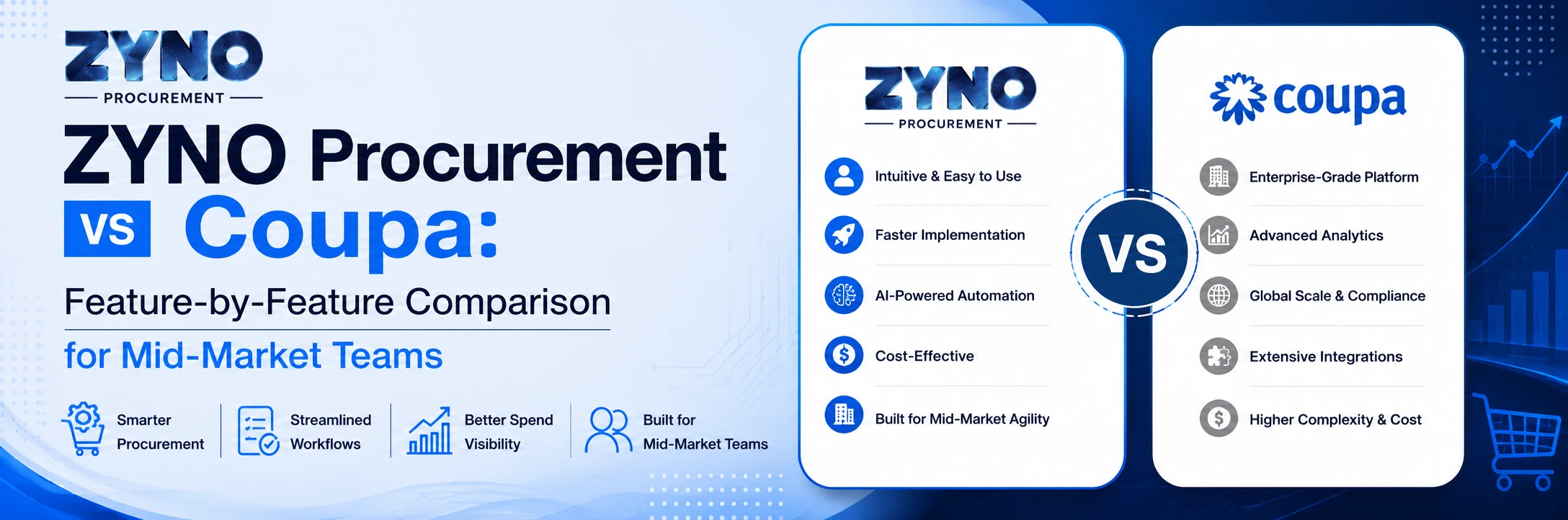
ZYNO Procurement vs Coupa: Best Procurement Software Comparison for Mid-Market Teams
Read More →
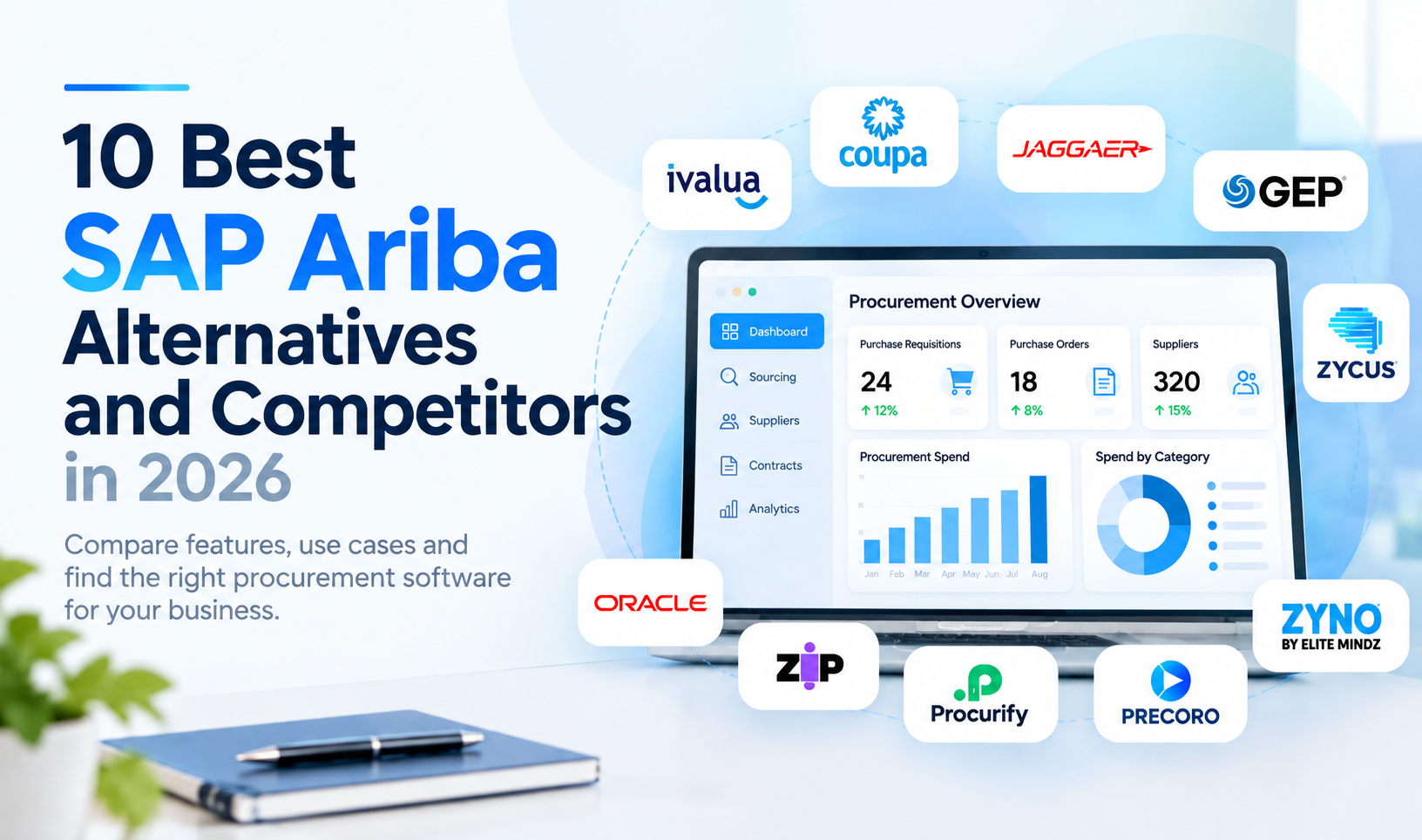
Best SAP ARIBA Procurement Alternatives in 2026
Read More →
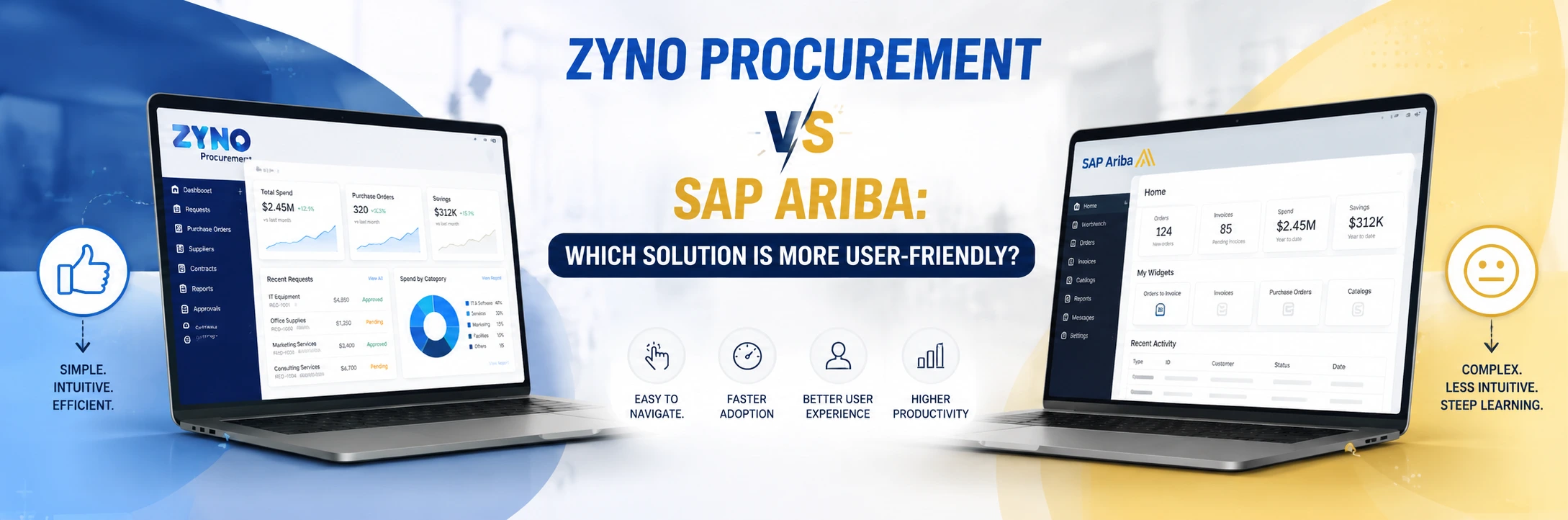
ZYNO Procurement vs SAP Ariba: Which Solution Is More User-Friendly?
Read More →
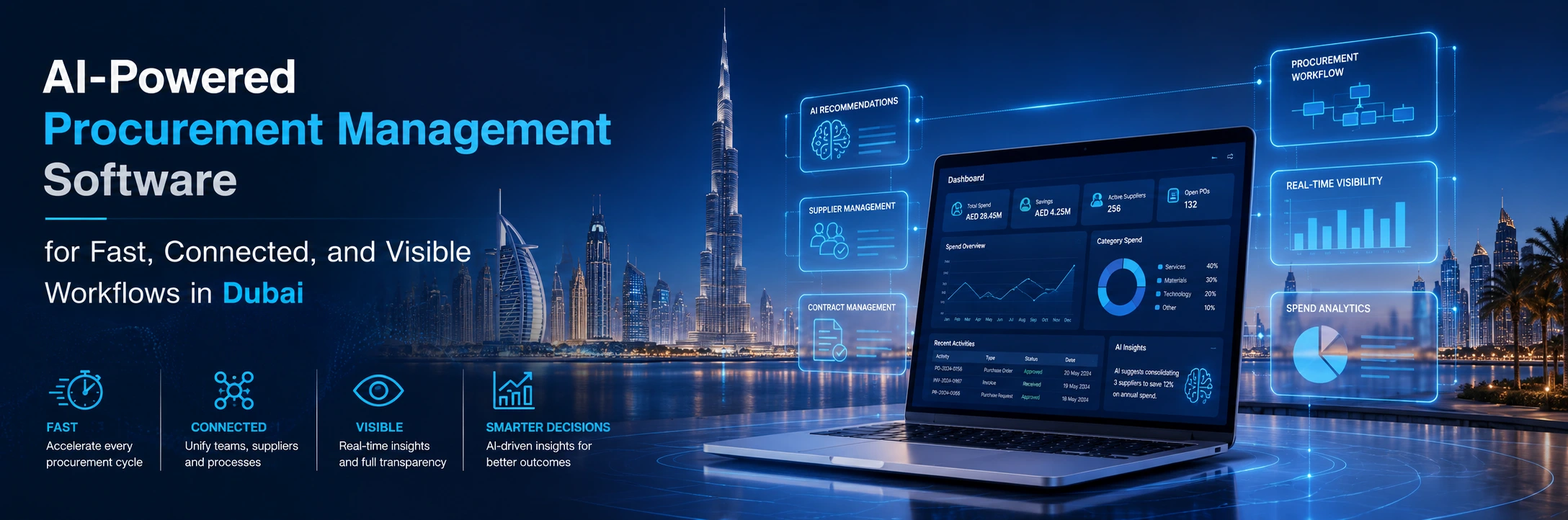
AI-Powered Procurement Management Software for Fast, Connected, and Visible Workflows in Dubai
Read More →
What is Vendor Management? Complete Guide to Vendor Management Software, Systems, and Processes
Read More →
Best Procurement Management Software In Kenya
Read More →
6 SAP Ariba Alternatives for Mid-Market Businesses in 2026
Read More →
Top E-Procurement Solutions for B2B Organizations (2026)
Read More →
Quotation Format: Free Templates + Complete Guide (2026)
Read More →
Cost Control Software: Features, Benefits & Performance Guide for 2026
Read More →
Procurement Workflow: Steps, Stages, and Real Examples
Read More →
Top 10 Zycus Alternatives for Procurement Teams in 2026
Read More →
Best Precoro Alternative for Purchase Requisition and Procurement
Read More →
Top AI Procurement Tools in 2026
Read More →
Best Tools for Supplier Risk Management
Read More →
FEFO vs FIFO vs LIFO: Differences, Benefits & Which Inventory Method Is Best?
Read More →
AI Procurement Software: Features, Benefits, Use Cases & How to Choose
Read More →
Best AI Tools for Supply Chain Procurement
Read More →
Procurement Risk Management
Read More →
Still Using Excel for Procurement? Read This Before It's Too Late
Read More →
Best RFP Software in 2026: Top Tools Compared for Faster Proposal Responses
Read More →
What Is Procure-to-Pay (P2P)? A Complete Guide
Read More →
Complete Procurement Workflow Guide for Modern Businesses
Read More →
Complete Guide to E-Procurement Solutions for B2B Organizations
Read More →
Cost Control Software Comparison Guide: Features, Pricing & Benefits
Read More →
Purchase Order Tracking: How to Manage Every PO Without the Chaos
Read More →
Inventory Management: What It Is, How It Works and Why It Matters
Read More →
Top 10 Procurement Software Tools for Purchasing Automation in 2026
Read More →
Agentic AI Procurement Platforms and the Future of Strategic Sourcing
Read More →
AI Spend Analytics Software for Procurement Leaders
Read More →
From Prompt to Procurement: How AI Is Transforming Enterprise Purchasing
Read More →
ZYNO Procurement vs IBM Procure-to-Pay Automation
Read More →
ZYNO Procurement vs Infor Nexus: Which Procure-to-Pay Platform Fits Your Team?
Read More →
AI-Powered Procurement Software in 2026: Top 6 Platforms That Actually Deliver ROI
Read More →
Contract Management Software Buyer's Guide: Features, Costs & Top Picks
Read More →
Top 10 Procure to Pay Software Companies in India 2026
Read More →
10 Best Vendor Management Software in India (2026): Features, Benefits & Comparison
Read More →
How Machine Learning and AI Are Transforming Procurement: A Strategic Overview
Read More →
What Is Procurement Software for GP? Features, Benefits and Best Solutions for Businesses
Read More →
What Procurement Software Do Mid-Market Companies Use Instead of SAP Ariba or Coupa?
Read More →
Prompt-Based Procurement Software for Kenyan Businesses
Read More →
Project Management Software: A Complete Guide to Streamline Business Operations and Procurement Processes
Read More →
SAP Ariba vs ZYNO Procurement: Complete Feature Comparison (2026)
Read More →
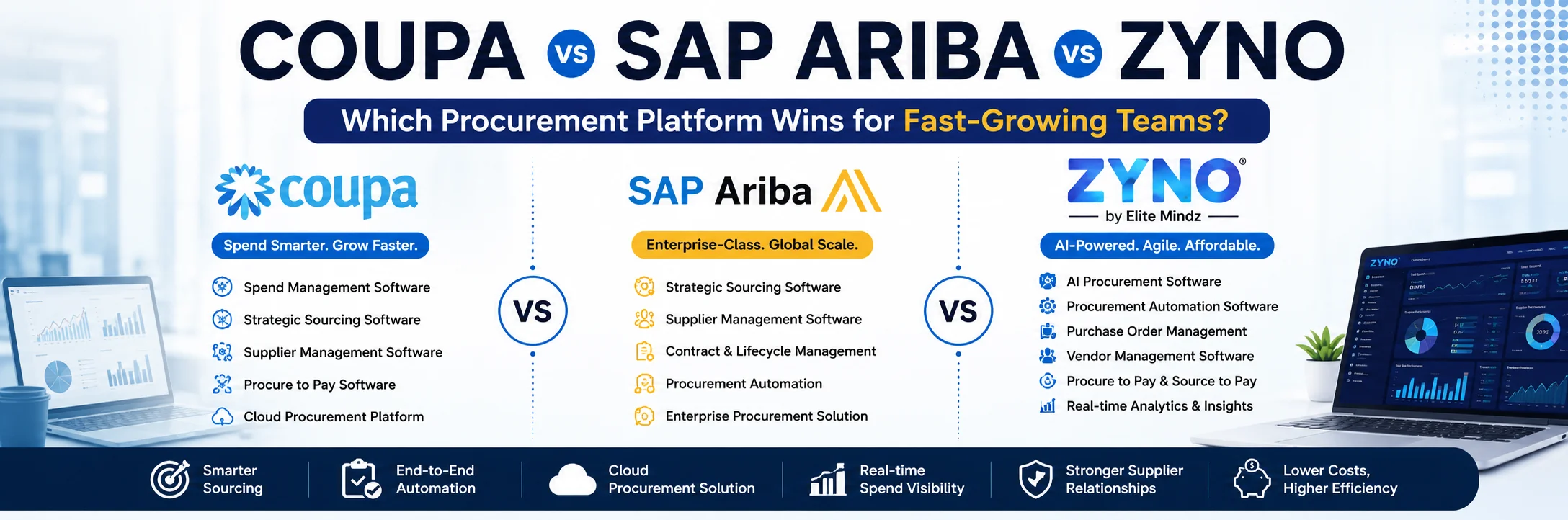
Coupa vs SAP Ariba vs ZYNO: Which Procurement Platform Wins for Fast-Growing Teams?
Read More →
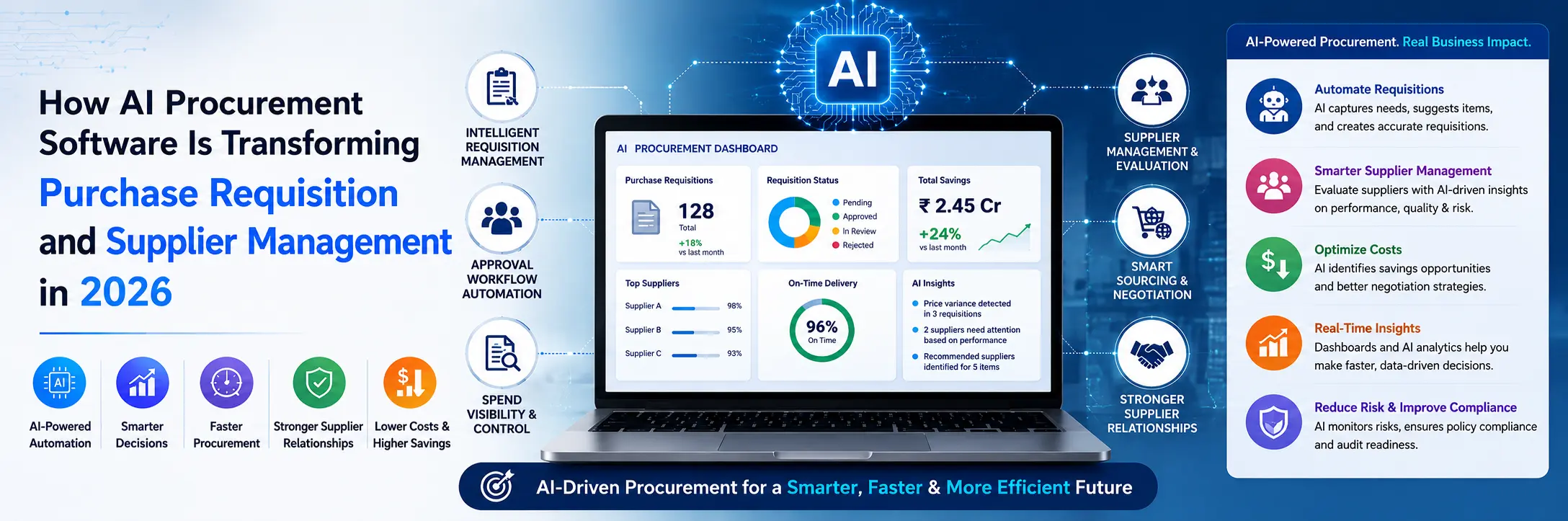
How AI Procurement Software Is Transforming Purchase Requisition and Supplier Management in 2026
Read More →
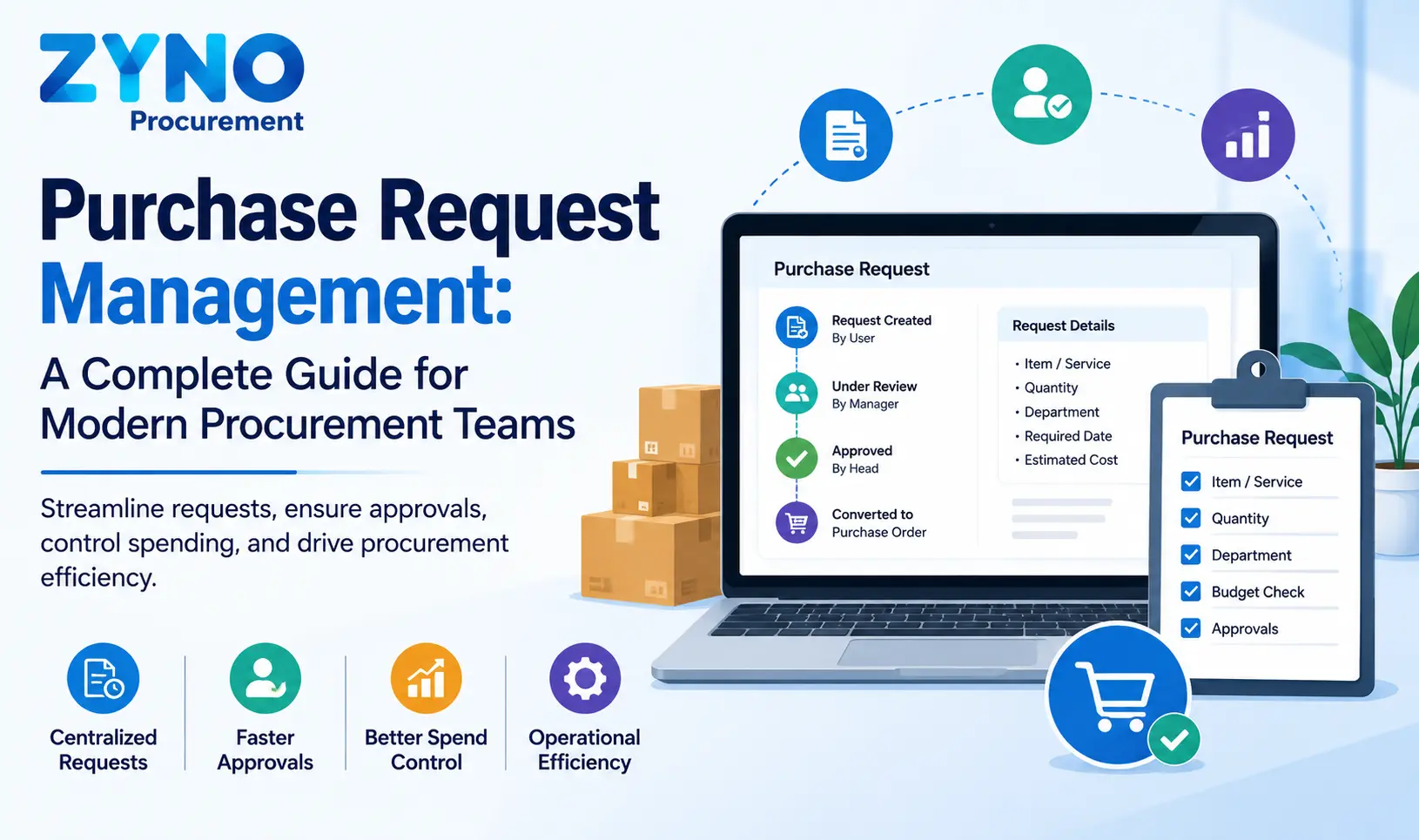
Purchase Request Management: A Complete Guide for Modern Procurement Teams
Read More →
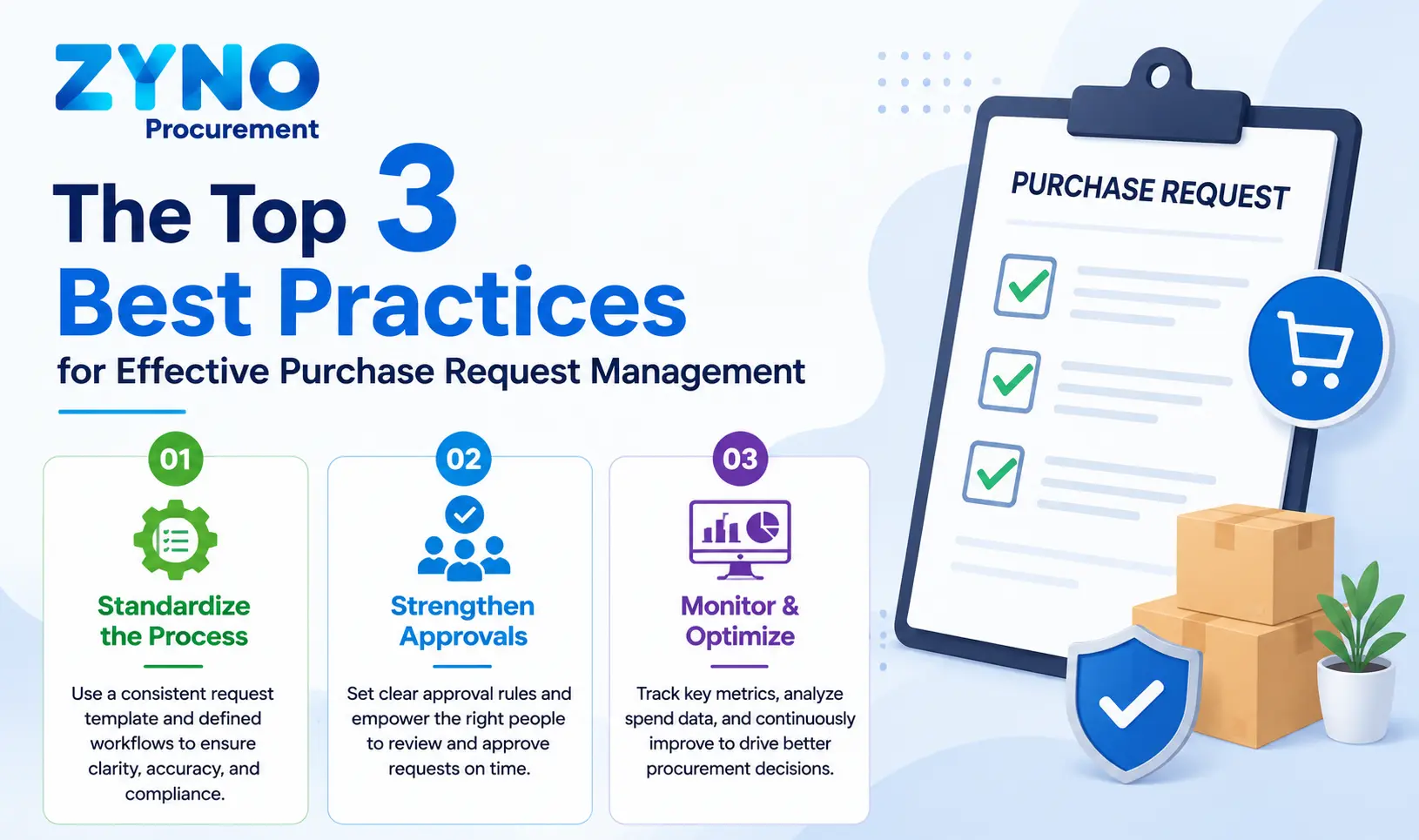
The Top 3 Best Practices for Effective Purchase Request Management
Read More →
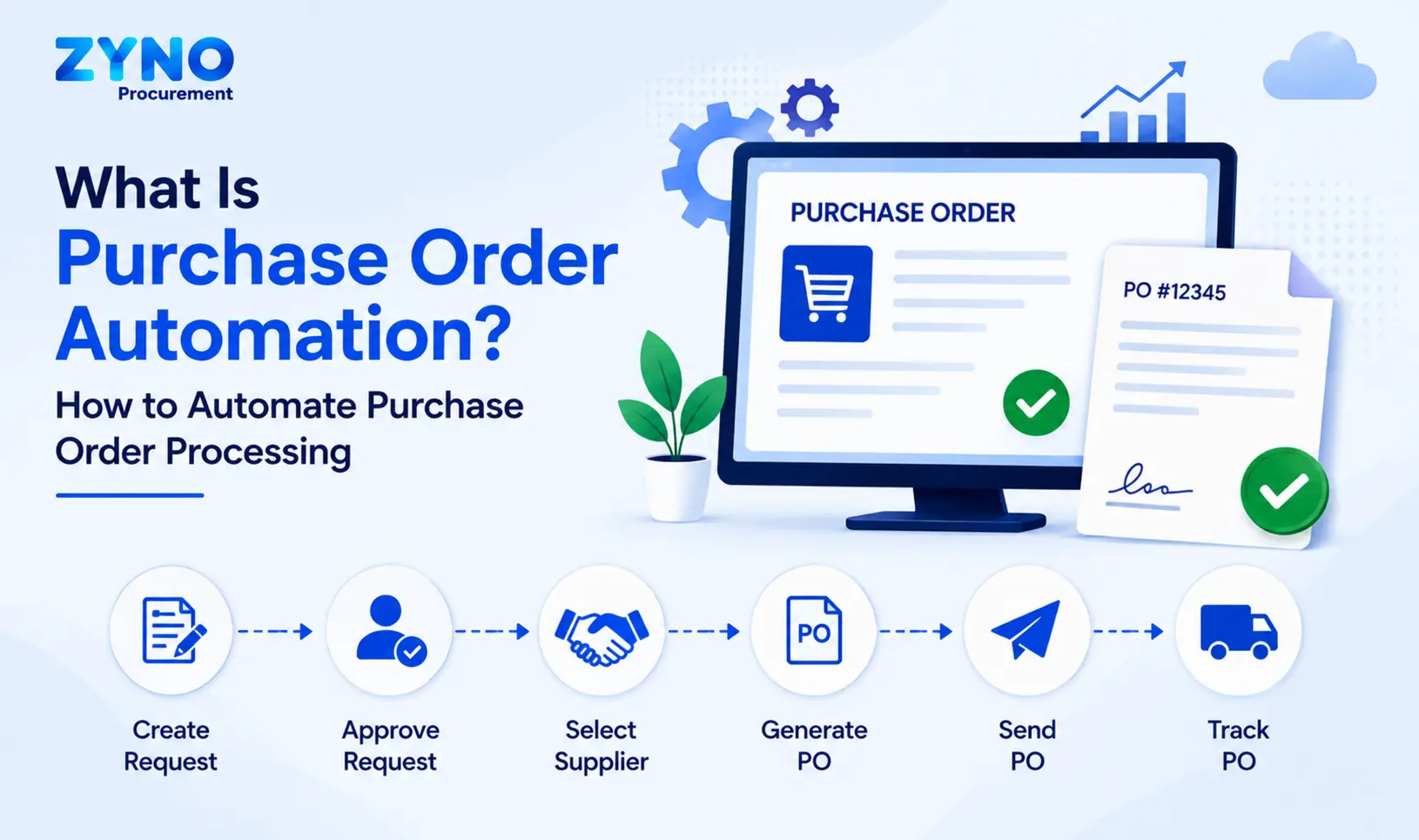
What Is Purchase Order Automation? How to Automate Purchase Order Processing
Read More →
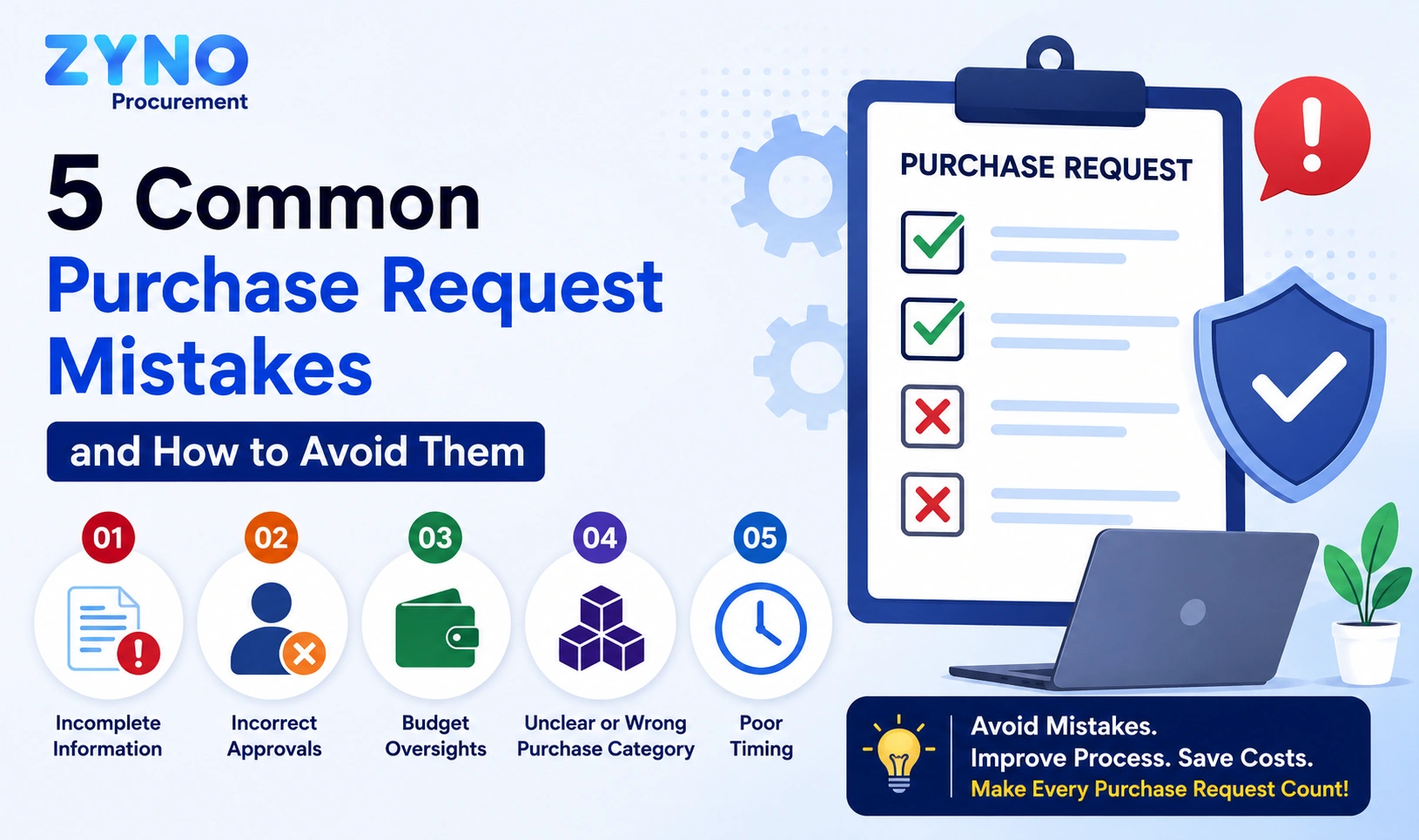
5 Common Purchase Request Mistakes and How to Avoid Them
Read More →
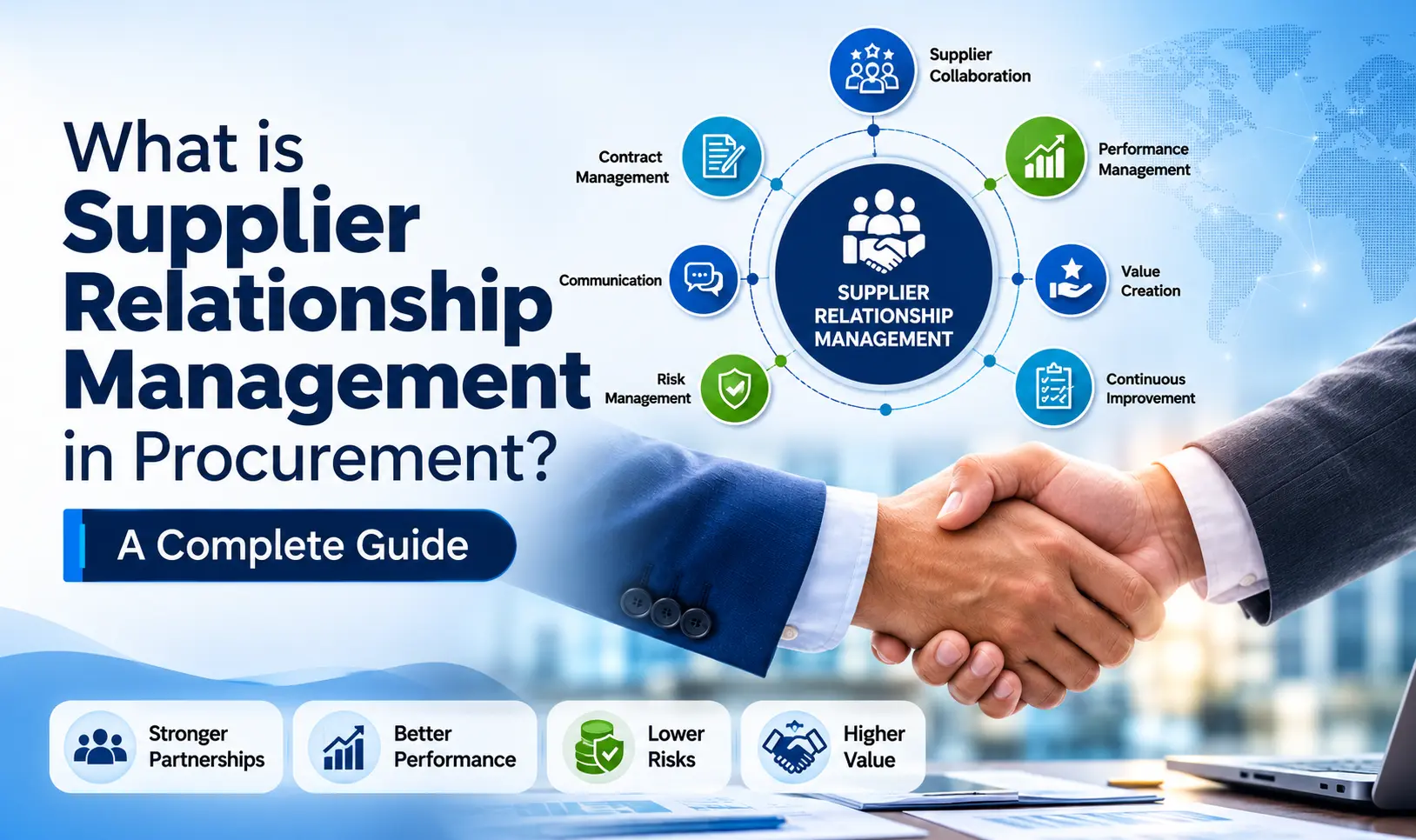
What is Supplier Relationship Management in Procurement? A Complete Guide
Read More →
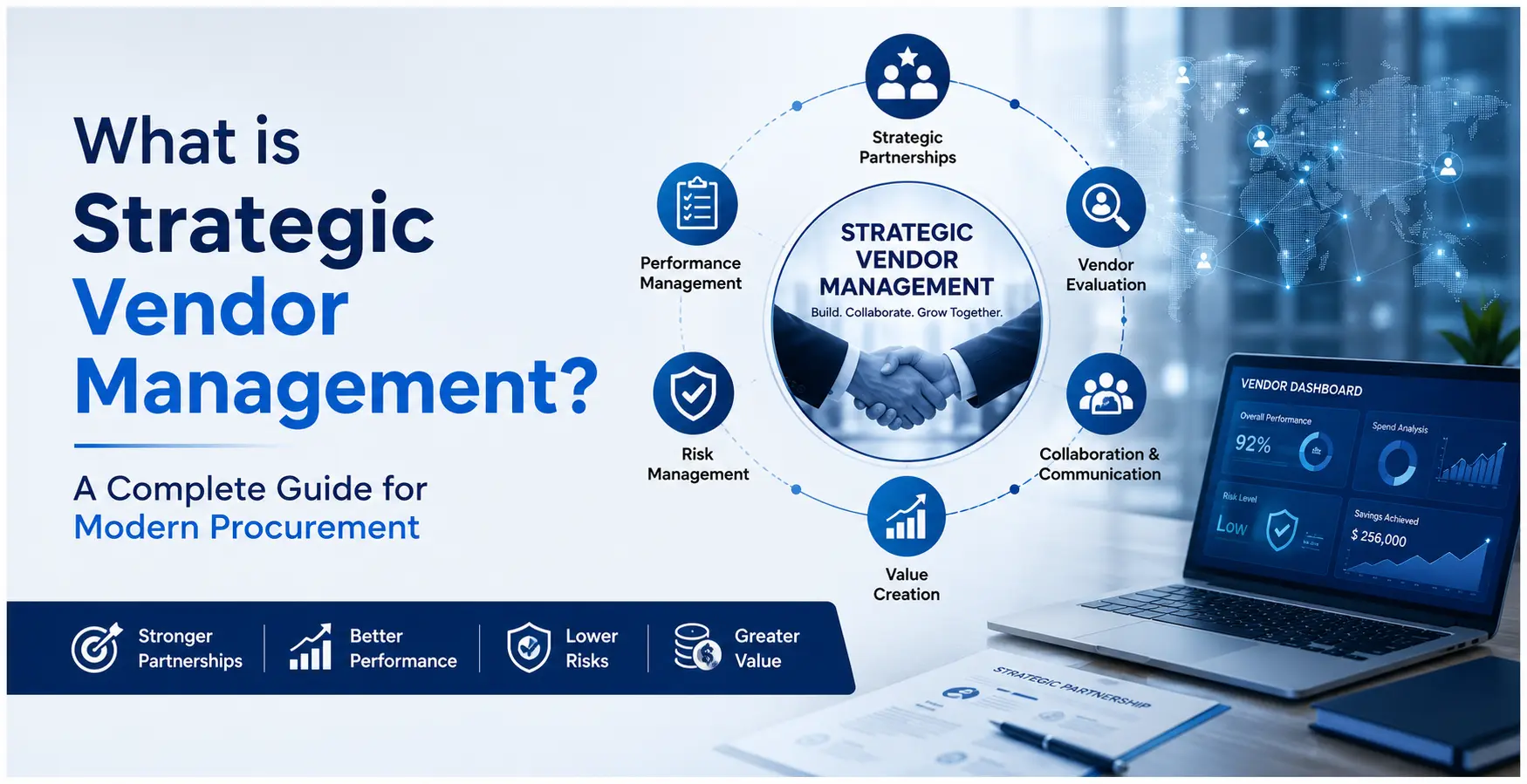
What is Strategic Vendor Management? A Complete Guide for Modern Procurement
Read More →
What Are Inventory Control Methods? Complete Guide to Types, Techniques, Systems, & Benefits
Read More →
Inventory Audit Checklist: Steps, Process & Best Practices
Read More →
Warehouse Inventory Management: Best Practices for 2026
Read More →
Treasury Management System (TMS): A Complete Guide for Modern Corporates
Read More →
What is Portfolio Management Services (PMS) and What Are Its Benefits?
Read More →
Generative AI Procurement Software Solution: The Future of Intelligent Procurement
Read More →
Top Contract Management Software Companies in Ethiopia: Features, Benefits & Best Procurement Solutions
Read More →
AI Procurement Software: Complete Guide to Intelligent, Generative AI & Machine Learning Procurement Solutions
Read More →
Top SAP alternatives for small, midsize, and enterprise businesses
Read More →
Best RFP Software in 2026: Top Solutions for Smarter Procurement and Proposal Management
Read More →
GST on Purchase: Complete Guide to GST on Purchases in India
Read More →
Procurement Software UAE: Complete Guide to Choosing the Best Procurement Solution
Read More →
Supply Chain Procurement: Everything You Need to Know
Read More →
Top 10 Oracle Procurement Alternatives for Businesses in 2026
Read More →
Quotation Software vs Excel: Which Is Better for Businesses in 2026?
Read More →
Contract Management Software Buyer's Guide: Features, Pricing & How to Choose
Read More →
How to Identify the Right Vendor: 10 Simple Steps
Read More →
Top 10 Automated PO Generation Tools in 2026: Best Purchase Order Software with AI Capabilities
Read More →
How to Generate a PO Automatically in SAP: Step-by-Step Guide
Read More →
What Is the Best Budget-Friendly Procurement Software With Vendor Onboarding for Indian SMEs?
Read More →
How to Generate a PO Automatically in SAP: Step-by-Step Guide
Read More →
How to Solve Invoice Mismatches: 10 Real Ways to Fix Invoice Discrepancies
Read More →
Top 10 Vendor Onboarding Tools for Businesses in 2026: Features, Process & How to Choose
Read More →
Vendor Comparison & Supplier Intelligence: How AI Helps Businesses Choose the Right Vendor
Read More →Partner with ZYNO by Elite Mindz to revolutionize how your business works. Fill out the form, and we’ll reach out with AI-powered solutions made just for you.
We use browser cookies to ensure you get the best experience on our website. Learn more
The form was submitted successfully!