Procurement Software Trends in 2026: What to Expect
Read More →

×
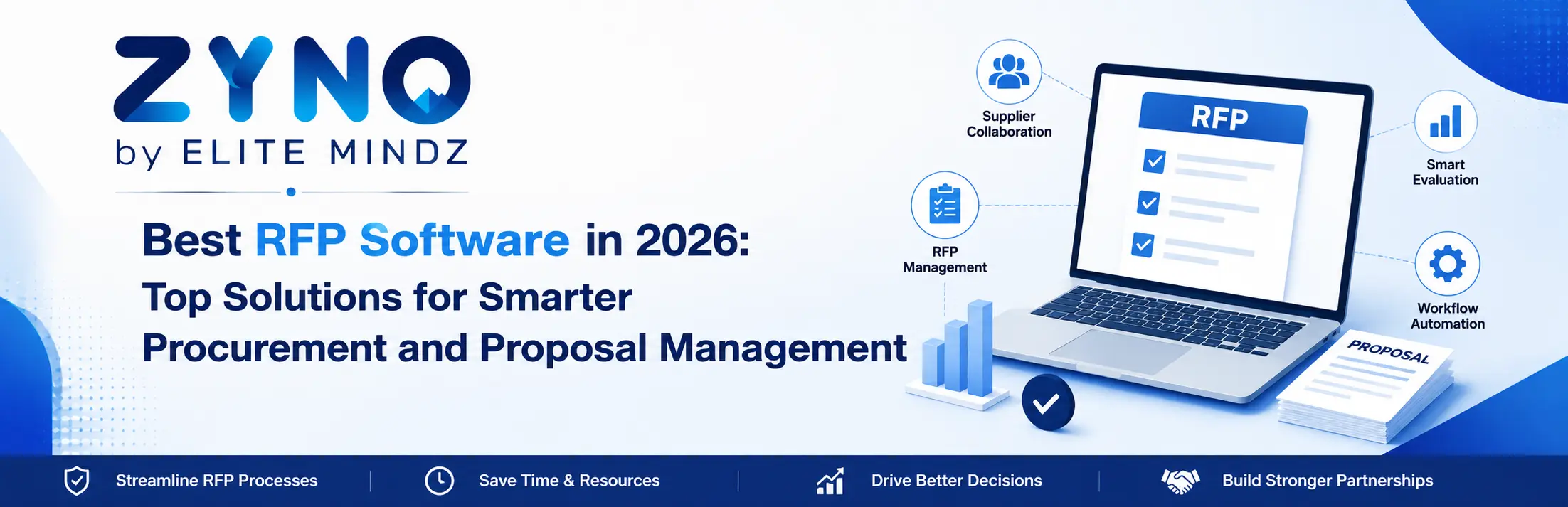
Discover the best RFP software in 2026 to streamline procurement, automate proposal management, evaluate suppliers, and make smarter sourcing decisions. Compare top RFP solutions, key features, and benefits to choose the right platform for your procurement team. Improve collaboration, reduce manual effort, and accelerate your overall RFP lifecycle.
Businesses using ZYNO Books cut accounting time by 70% and stay 100% ZATCA-compliant — automatically.
Managing Requests for Proposals manually can quickly become complicated. Procurement teams often have to create RFP documents, invite suppliers, collect proposals, compare responses, coordinate with internal stakeholders, and complete approvals within tight deadlines. When these activities depend on spreadsheets, emails, and disconnected documents, delays and errors become difficult to avoid.
This is where modern RFP automation software can make a significant difference. Instead of managing every stage manually, organizations can use technology to centralize RFP activities, automate repetitive workflows, improve supplier collaboration, and make vendor evaluation more structured.
In 2026, businesses are increasingly looking for RFP management software that does more than simply create proposal documents. Modern platforms combine workflow automation, supplier communication, evaluation tools, analytics, document management, AI-powered insights, and enterprise integrations.
This guide explains what to look for in the best RFP software, how RFP automation works, its major benefits, and how solutions such as ZYNO RFP can help procurement teams improve sourcing efficiency.
Request for Proposal software is a digital solution designed to help organizations create, distribute, manage, evaluate, and track Requests for Proposals throughout the procurement lifecycle.
Traditional RFP processes often involve multiple spreadsheets, email conversations, document versions, and manual follow-ups. A centralized RFP platform brings these activities together, allowing procurement teams to manage the complete process from one system.
A modern RFP platform can help teams:
The goal is not simply to digitize paperwork. The right platform creates a structured and transparent sourcing workflow that helps procurement teams make faster and more informed decisions.
Discover how ZYNO RFP helps procurement teams automate RFP workflows, manage supplier responses, evaluate proposals, and make faster, data-driven sourcing decisions.
Procurement has become increasingly data-driven. Organizations may work with dozens or hundreds of suppliers while managing multiple sourcing projects simultaneously. Manual RFP management makes it difficult to maintain consistency and visibility across these activities.
An RFP management system provides a centralized environment where procurement teams can control the entire RFP lifecycle.
Instead of asking team members to search through emails for supplier responses or manually compare spreadsheets, teams can access proposal information from a common platform.
The major reasons businesses are adopting modern RFP platforms include:
Reusable templates allow procurement teams to create standardized RFPs without starting from scratch for every sourcing project.
Suppliers can receive RFP invitations, submit proposals, and communicate through structured digital workflows.
RFP documents, supplier responses, evaluation information, and supporting files can be managed from a single location.
Predefined evaluation criteria and scoring mechanisms help procurement teams compare suppliers using consistent parameters.
Real-time tracking provides visibility into RFP status, supplier responses, approvals, deadlines, and sourcing activities.
Automation minimizes repetitive activities such as notifications, response tracking, document handling, and workflow follow-ups.
Choosing the best RFP software requires more than checking whether a platform can create an RFP document. Procurement teams should evaluate how well the solution supports the complete sourcing workflow.
A modern platform should make it easy to create customized RFPs according to specific sourcing requirements.
Procurement teams should be able to define requirements, create templates, add evaluation parameters, and standardize documents across sourcing projects.
This reduces repetitive work and helps maintain consistency across different RFPs.
Automation is one of the most important capabilities of modern RFP platforms.
An effective system can automate activities such as:
By automating repetitive tasks, procurement Software professionals can spend more time on supplier strategy and commercial decision-making.
RFP processes depend heavily on communication between buyers and suppliers.
RFP management software should provide structured supplier interactions instead of relying entirely on email.
Suppliers can receive invitations, submit proposals, respond to requirements, and participate in the sourcing process through a centralized environment.
This improves transparency while reducing communication gaps.
Comparing multiple supplier proposals manually can be time-consuming and inconsistent.
A modern RFP management system should allow teams to compare supplier responses according to predefined criteria such as:
Structured scoring and comparison tools help procurement teams make objective sourcing decisions.
Artificial intelligence is becoming an important part of modern procurement technology.
AI-powered RFP capabilities can analyze historical procurement data, identify patterns, suggest relevant information, highlight gaps, and support supplier evaluation.
Instead of relying only on manual analysis, procurement teams can use intelligent insights to improve sourcing decisions and identify potentially suitable suppliers.
RFP processes generate a significant amount of documentation.
A centralized document repository can help organizations manage:
This creates a more organized and searchable procurement environment.
Procurement leaders need visibility into sourcing performance.
Modern RFP platforms can provide dashboards and reports covering areas such as:
These insights help organizations identify bottlenecks and improve procurement processes.
RFP management should not operate as an isolated system.
The platform should be able to connect with existing ERP, CRM, procurement, supplier management, and financial systems where required.
Integrations help maintain consistent data, reduce duplicate entry, and improve visibility across the broader procurement ecosystem.
Discover how ZYNO Procurement helps businesses automate purchasing, streamline workflows, manage suppliers, control spend, and make smarter procurement decisions.
An effective RFP automation software solution generally follows a structured workflow.
The procurement team identifies business requirements, specifications, quantities, delivery expectations, evaluation criteria, and other sourcing conditions.
The team uses a standardized template to prepare the RFP. Required questions, documents, evaluation criteria, and supplier requirements can be added before publishing.
Qualified suppliers are invited to participate in the sourcing event. Automated notifications can help suppliers receive the relevant information and deadlines.
Suppliers submit their proposals electronically through the platform. Procurement teams can track submissions without manually checking multiple email accounts.
Responses are reviewed against predefined criteria. Teams can compare pricing, quality, compliance, delivery capabilities, and other relevant parameters.
Procurement teams and internal stakeholders can collaborate on evaluations while approval workflows help maintain control and accountability.
Once proposals have been evaluated, procurement teams can identify the supplier that best matches business requirements and sourcing objectives.
Reports and analytics provide insights into sourcing performance and help organizations improve future RFP processes.

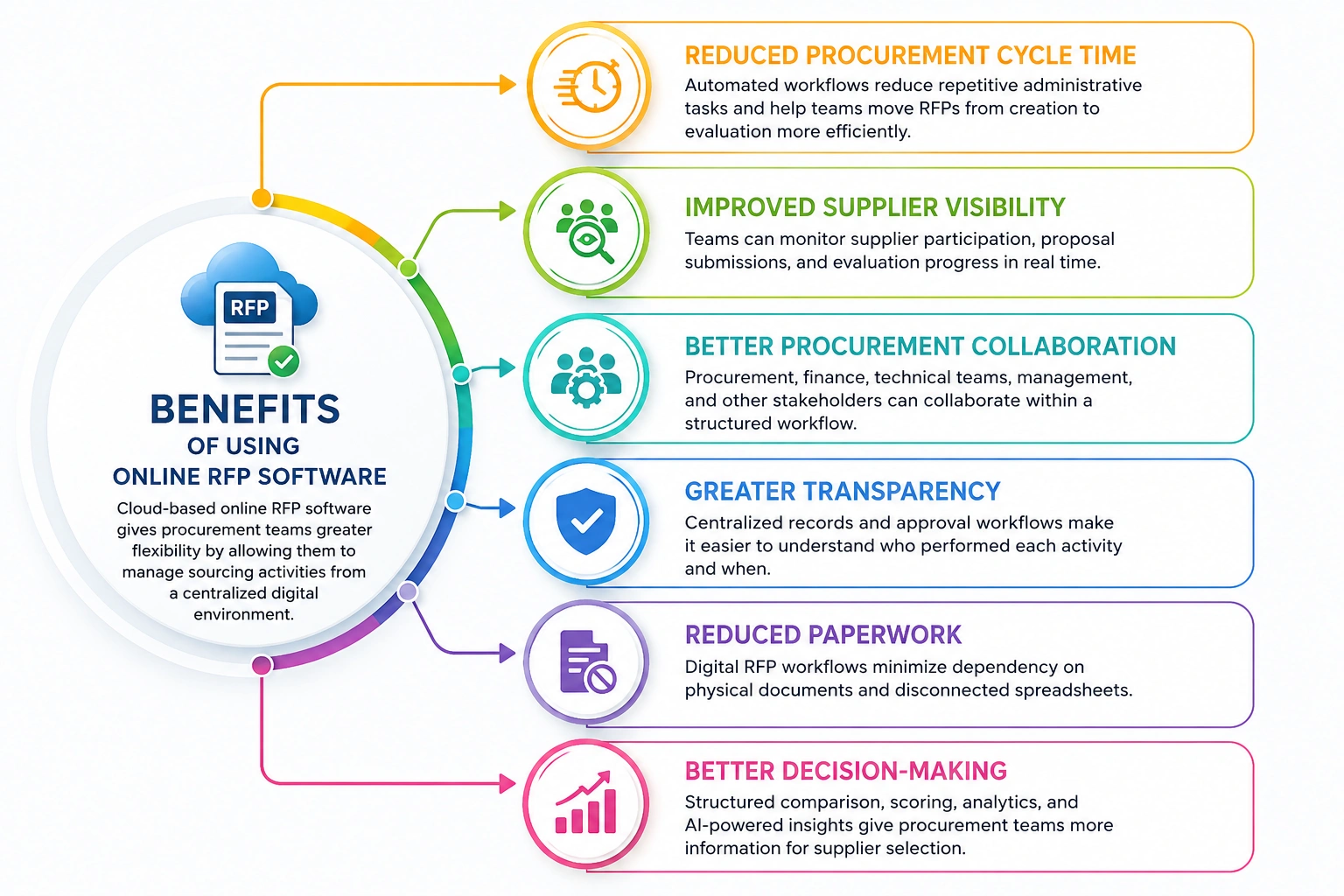
Cloud-based online RFP software gives procurement teams greater flexibility by allowing them to manage sourcing activities from a centralized digital environment.
Some of the key benefits include:
Automated workflows reduce repetitive administrative tasks and help teams move RFPs from creation to evaluation more efficiently.
Teams can monitor supplier participation, proposal submissions, and evaluation progress in real time.
Procurement, finance, technical teams, management, and other stakeholders can collaborate within a structured workflow.
Centralized records and approval workflows make it easier to understand who performed each activity and when.
Digital RFP workflows minimize dependency on physical documents and disconnected spreadsheets.
Structured comparison, scoring, analytics, and AI-powered insights give procurement teams more information for supplier selection.
e RFP software refers to the electronic or digital management of the Request for Proposal process.
Instead of distributing documents manually and receiving supplier proposals through email, organizations can manage the process digitally.
An electronic RFP platform can enable procurement teams to:
This approach makes sourcing more organized, traceable, and efficient.
| Area | Manual RFP Process | RFP Management Software |
|---|---|---|
| RFP Creation | Manual documents | Templates and workflows |
| Supplier Communication | Emails and calls | Centralized communication |
| Response Collection | Email/files | Online submissions |
| Proposal Comparison | Spreadsheets | Structured comparison |
| Evaluation | Manual scoring | Predefined criteria |
| Approvals | Email-based | Automated workflows |
| Tracking | Manual follow-ups | Real-time status |
| Reporting | Manual reports | Dashboards and analytics |
| Documentation | Scattered files | Centralized repository |
| Visibility | Limited | Real-time visibility |
The difference becomes particularly important when organizations manage multiple sourcing projects simultaneously.
For procurement and sourcing teams looking to modernize their RFP workflow, ZYNO RFP provides a centralized solution for creating, managing, evaluating, and tracking Requests for Proposals.
The platform supports customized RFP templates, evaluation criteria, supplier invitations, proposal tracking, response comparison, collaboration, approval workflows, notifications, audit trails, and reporting.
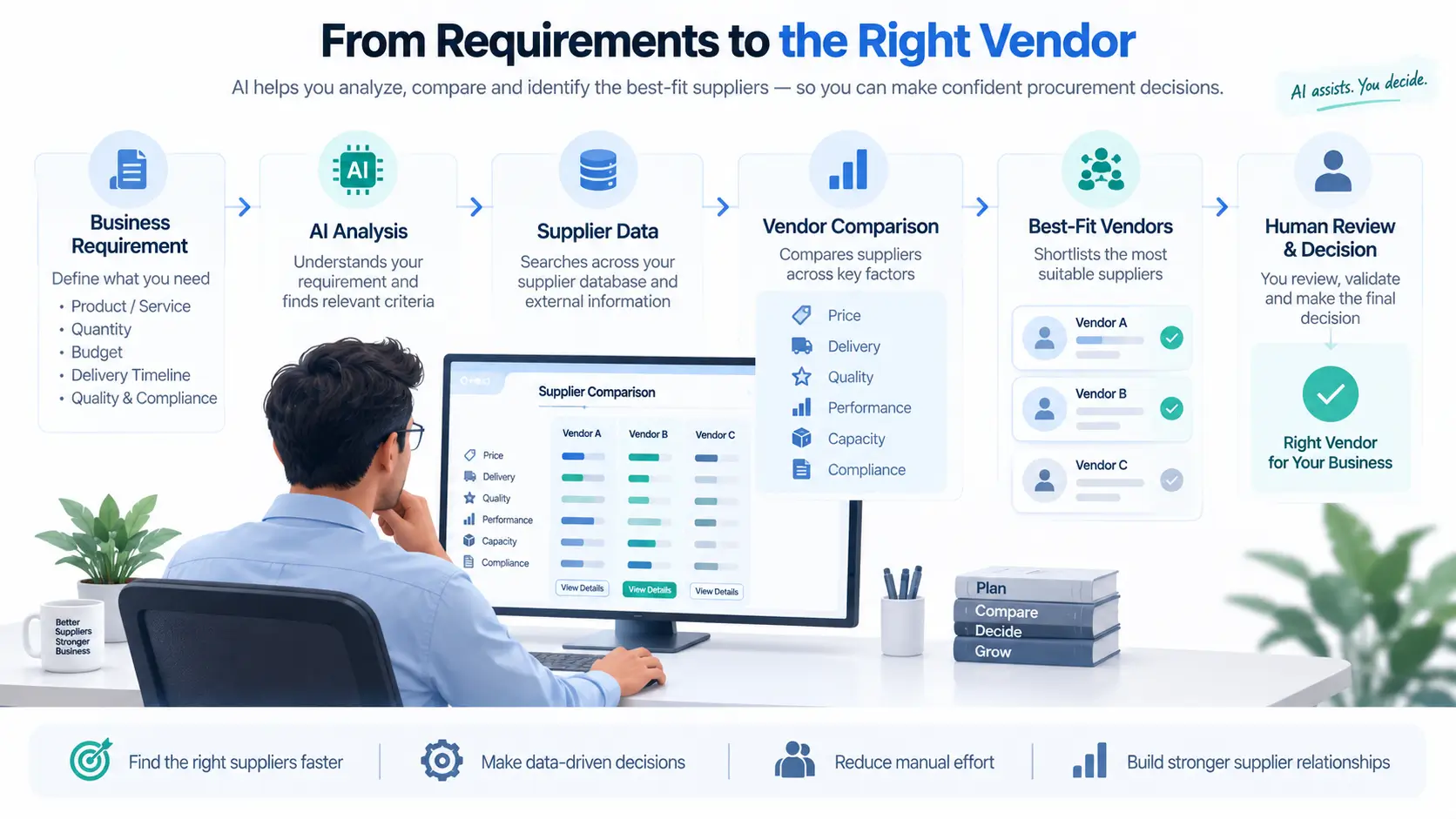
ZYNO also incorporates AI-powered capabilities to support vendor analysis, identify gaps, provide insights from historical information, and help procurement teams make more informed sourcing decisions.
Key Capabilities of ZYNO RFP
Automate repetitive RFP activities and reduce manual procurement work.
Create standardized RFPs based on individual sourcing requirements.
Compare suppliers using structured criteria including pricing, quality, compliance, and delivery capabilities.
Real-Time Response Tracking:
Monitor supplier participation and proposal submissions from a centralized platform.
Supplier Collaboration:
Improve communication between procurement teams and suppliers through structured digital workflows.
Approval Workflows:
Maintain transparency and control through defined approval processes.
Reporting and Analytics:
Generate procurement insights and monitor RFP performance.
ERP and Procurement Integration:
Connect RFP activities with broader enterprise and procurement systems for better data flow.
These capabilities make ZYNO suitable for organizations that want to move from fragmented RFP processes toward a more centralized and automated sourcing environment.
Before investing in an RFP management system, procurement leaders should consider several factors.
Organizations handling a high number of RFPs should prioritize automation, templates, collaboration, and centralized data management.
If supplier collaboration is a major challenge, look for features that simplify invitations, submissions, communication, and response tracking.
The platform should allow procurement teams to define scoring criteria and compare suppliers consistently.
Check whether the platform can work with your existing ERP, CRM, procurement, financial, and supplier management systems.
RFPs can contain commercially sensitive information. Access controls, audit trails, secure document management, and compliance capabilities should therefore be considered.
Choose a solution that provides useful dashboards and reports rather than simply storing RFP documents.
Without dedicated technology, procurement teams often face challenges such as:
An automated platform brings these activities into a structured workflow, helping procurement teams gain better control over the sourcing process.
RFP technology is moving beyond basic document management. AI, automation, analytics, and enterprise integrations are changing how procurement teams manage sourcing.
Future-focused procurement management software will increasingly help organizations automate repetitive decisions, analyze supplier information, improve compliance, and generate actionable procurement insights.
AI can also help teams identify patterns from historical sourcing information and support better supplier selection. Combined with workflow automation, these capabilities can transform RFP management from an administrative activity into a strategic procurement function.
Connect with the Elite Mindz team to discuss your business requirements, explore AI-powered solutions, and discover how our enterprise software can streamline your operations.
The right RFP platform can significantly improve the way organizations manage sourcing and supplier selection. Instead of relying on disconnected documents, spreadsheets, and email chains, businesses can centralize RFP activities, automate repetitive workflows, collaborate with suppliers, compare proposals, and gain real-time visibility.
When evaluating the best RFP software for 2026, organizations should look beyond basic RFP creation. Automation, supplier collaboration, evaluation tools, AI capabilities, reporting, security, and enterprise integrations are becoming increasingly important.
For procurement teams looking for a centralized and intelligent solution, ZYNO RFP combines RFP automation, supplier evaluation, collaboration, reporting, and AI-powered procurement capabilities to help organizations build faster and more controlled sourcing workflows.
FAQs
What is RFP automation software?
RFP automation software automates repetitive activities involved in creating, distributing, managing, evaluating, and tracking Requests for Proposals. It helps reduce manual work and improve sourcing efficiency.
What is RFP management software used for?
RFP management software is used to manage the complete RFP lifecycle, including RFP creation, supplier invitations, proposal collection, evaluation, approvals, collaboration, and reporting.
What is Request for Proposal software?
Request for Proposal software is a digital platform that helps organizations create RFPs, communicate requirements to suppliers, collect proposals, compare responses, and select suitable vendors.
What features should the best RFP software have?
The best RFP software should include customizable templates, workflow automation, supplier collaboration, proposal comparison, evaluation scorecards, reporting, analytics, document management, approvals, and integrations.
How does online RFP software help procurement teams?
Online RFP software enables teams to manage sourcing activities digitally, track supplier responses, collaborate with stakeholders, and evaluate proposals from a centralized platform.
What is e RFP software?
e RFP software digitizes the traditional RFP process by allowing organizations to create, distribute, receive, evaluate, and manage proposals electronically.
Why is an RFP management system important?
An RFP management system provides centralized control over sourcing activities, improves transparency, reduces administrative work, and helps procurement teams make more consistent supplier-selection decisions.
Can RFP software integrate with ERP systems?
Yes. Modern RFP platforms can integrate with ERP, procurement, CRM, supplier management, and other enterprise applications to improve data flow and reduce duplicate data entry.
How does ZYNO RFP improve vendor evaluation?
ZYNO RFP provides structured evaluation capabilities that allow teams to compare supplier proposals based on factors such as pricing, quality, compliance, delivery capabilities, and other defined criteria.
Is RFP software useful for supply chain teams?
Yes. Procurement and supply chain teams can use RFP software to streamline supplier communication, proposal evaluation, approvals, documentation, and sourcing activities.
Procurement Software Trends in 2026: What to Expect
Read More →
Why E-Procurement Outperforms Traditional ERP in Modern Procurement
Read More →
Top 10 Procurement Software Companies in India 2026
Read More →
Best Procurement Software Companies in Kuwait (2025)
Read More →
5 Best Procurement Software in Africa for Enterprises & SMEs (2026 Guide)
Read More →
Best Procurement Software in Nigeria 2026 | Top 5 Picks
Read More →
Best Procurement Software Providers in USA (2025): How AI is Transforming the Future
Read More →
10 Best Procurement Software Providers in Thailand for Streamlined Supply Chain Management
Read More →
Top 10 Cloud-Based Procurement Solutions in Portugal for Businesses in 2025
Read More →
Top 10 Procurement Software Providers in Switzerland 2026: Streamlining Sourcing and Supplier Management
Read More →
What Makes ZYNO Procurement Different from Other Oil & Gas Procurement Software
Read More →
The Digital Transformation of Logistics Procurement in the Middle East
Read More →
A Step by Step Guide to Procurement Management Software for Modern Enterprises
Read More →
Sourcing and Procurement: What is the Difference and Why It Matters
Read More →Difference Between Procurement and Supply Chain Management
Read More →
What Is Procurement Software and Why Modern Businesses Need It
Read More →
Best Procurement Management Software to Automate ERP Process
Read More →
Direct vs Indirect Procurement: Key Differences, Examples & Uses (2026)
Read More →
Smart procurement strategies for cost optimization & risk management
Read More →
What Is Procurement? Everything You Need to Know (Types, Process & SAP)
Read More →Beyond Cost-Cutting: How Procurement Drives Margin Expansion in 2026
Read More →
Direct Procurement: Process, Examples, and When to Use It
Read More →
What Are the 5 Types of E-Procurement? A Complete Guide for Businesses
Read More →
Which Procurement Management Software Is Best? Top Tools Compared for 2026
Read More →
Top 8 Coupa Alternatives to Explore in 2026
Read More →
Looking to Replace Coupa? Discover the Best Alternatives Like ZYNO Procurement
Read More →
How Does Procurement Software Work? A Complete Guide
Read More →
ZYNO Procurement vs Coupa: Best Procurement Software Comparison for Mid-Market Teams
Read More →
Best SAP ARIBA Procurement Alternatives in 2026
Read More →
ZYNO Procurement vs SAP Ariba: Which Solution Is More User-Friendly?
Read More →
AI-Powered Procurement Management Software for Fast, Connected, and Visible Workflows in Dubai
Read More →
What is Vendor Management? Complete Guide to Vendor Management Software, Systems, and Processes
Read More →
Best Procurement Management Software In Kenya
Read More →
6 SAP Ariba Alternatives for Mid-Market Businesses in 2026
Read More →
Top E-Procurement Solutions for B2B Organizations (2026)
Read More →
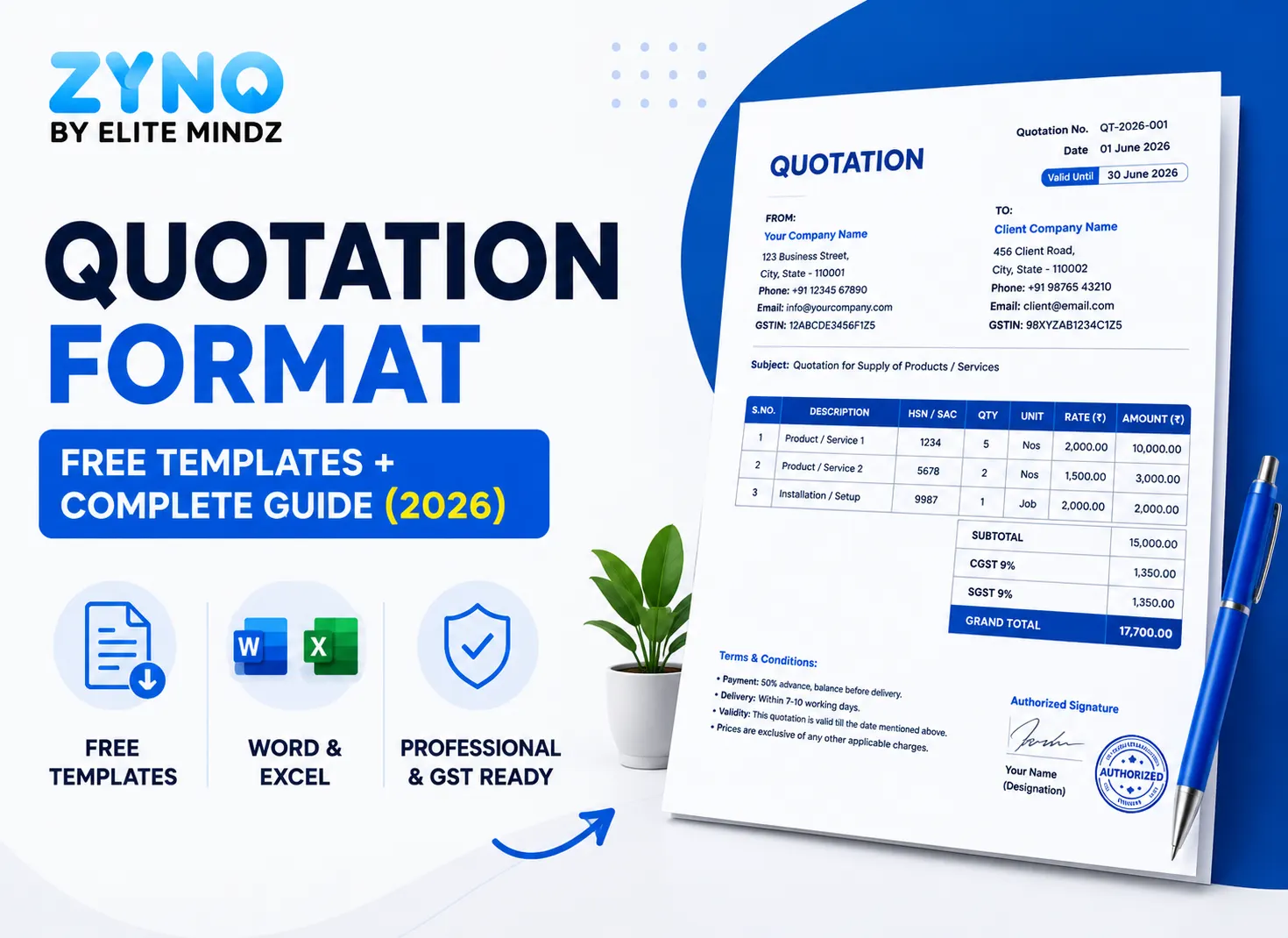
Quotation Format: Free Templates + Complete Guide (2026)
Read More →
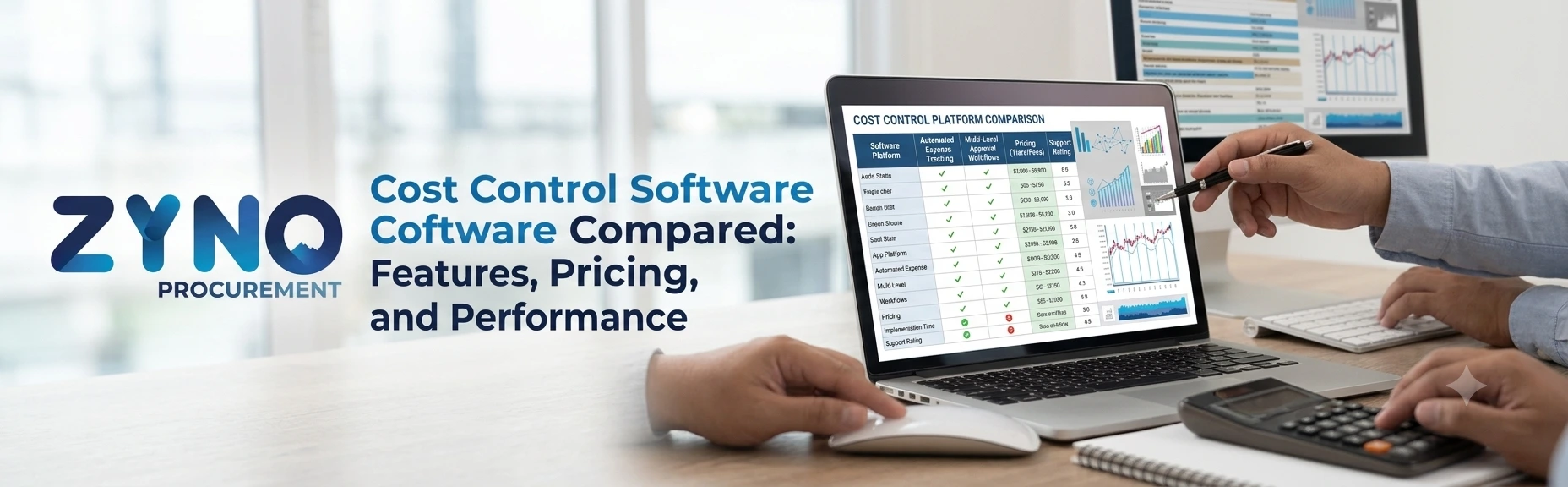
Cost Control Software: Features, Benefits & Performance Guide for 2026
Read More →
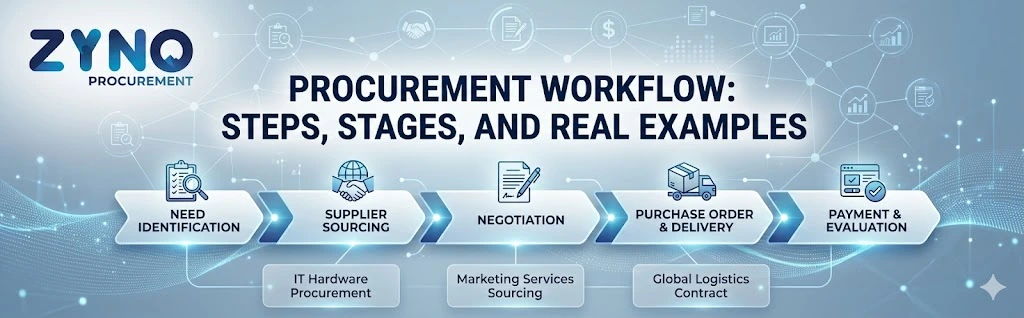
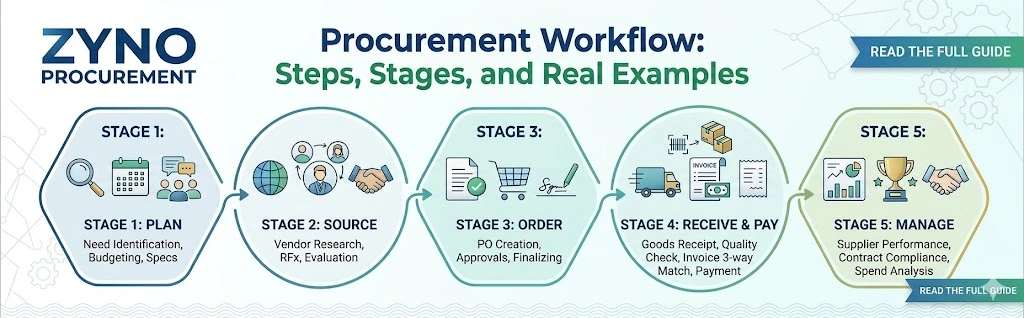
Procurement Workflow: Steps, Stages, and Real Examples
Read More →
Top 10 Zycus Alternatives for Procurement Teams in 2026
Read More →
Best Precoro Alternative for Purchase Requisition and Procurement
Read More →
Top AI Procurement Tools in 2026
Read More →
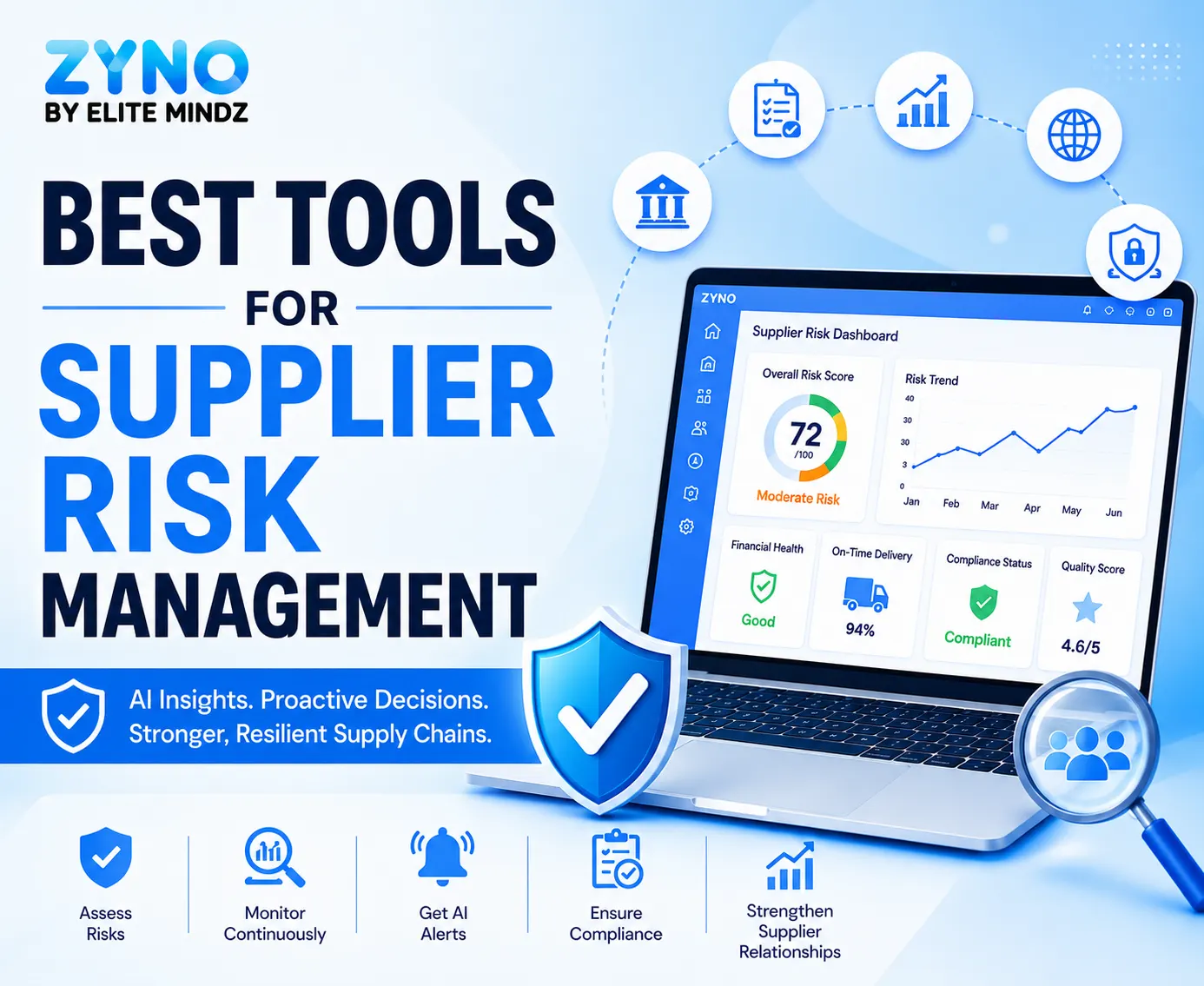
Best Tools for Supplier Risk Management
Read More →
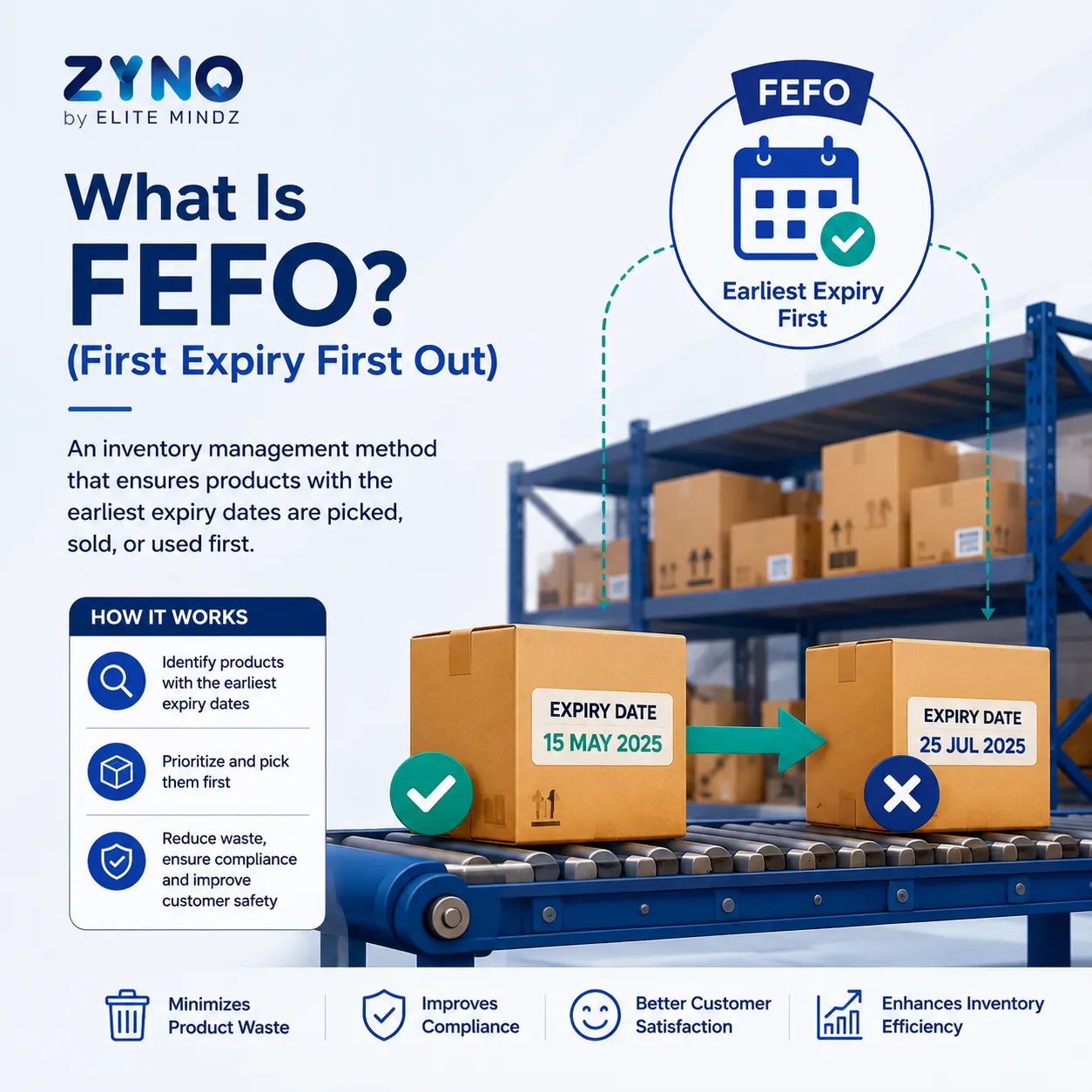
FEFO vs FIFO vs LIFO: Differences, Benefits & Which Inventory Method Is Best?
Read More →
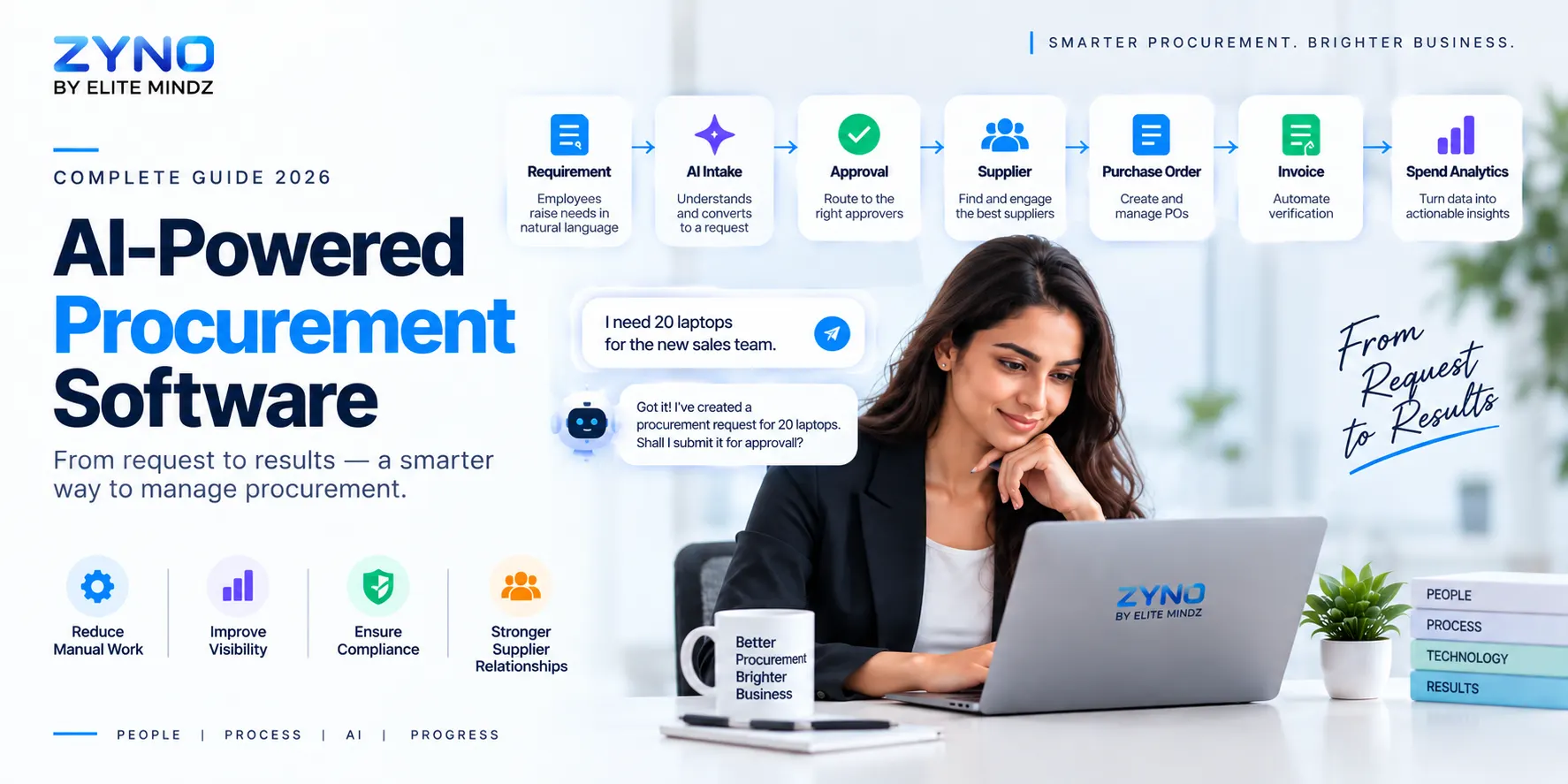
AI-Powered Procurement Software: A Complete Guide for Businesses
Read More →
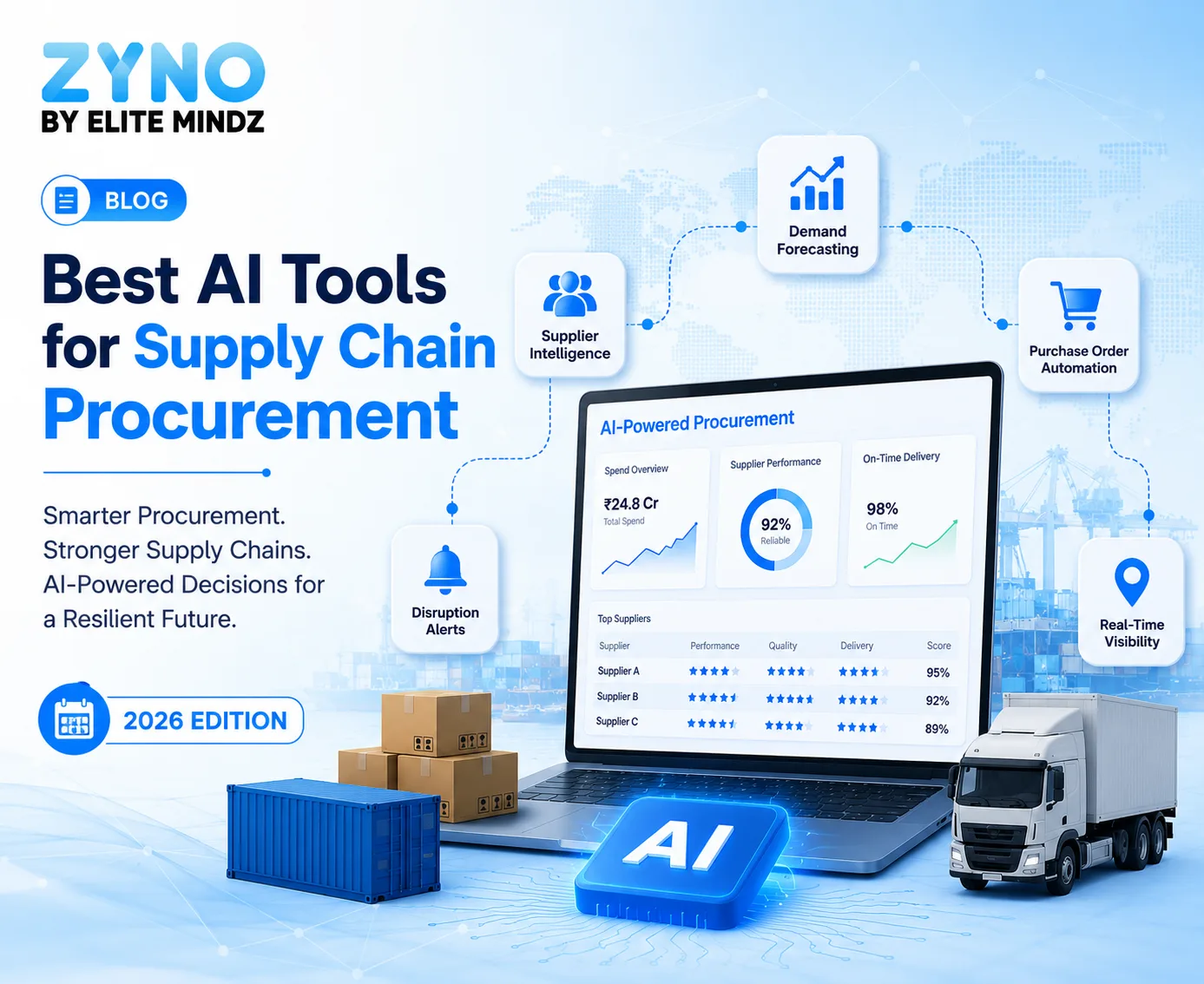
Best AI Tools for Supply Chain Procurement
Read More →
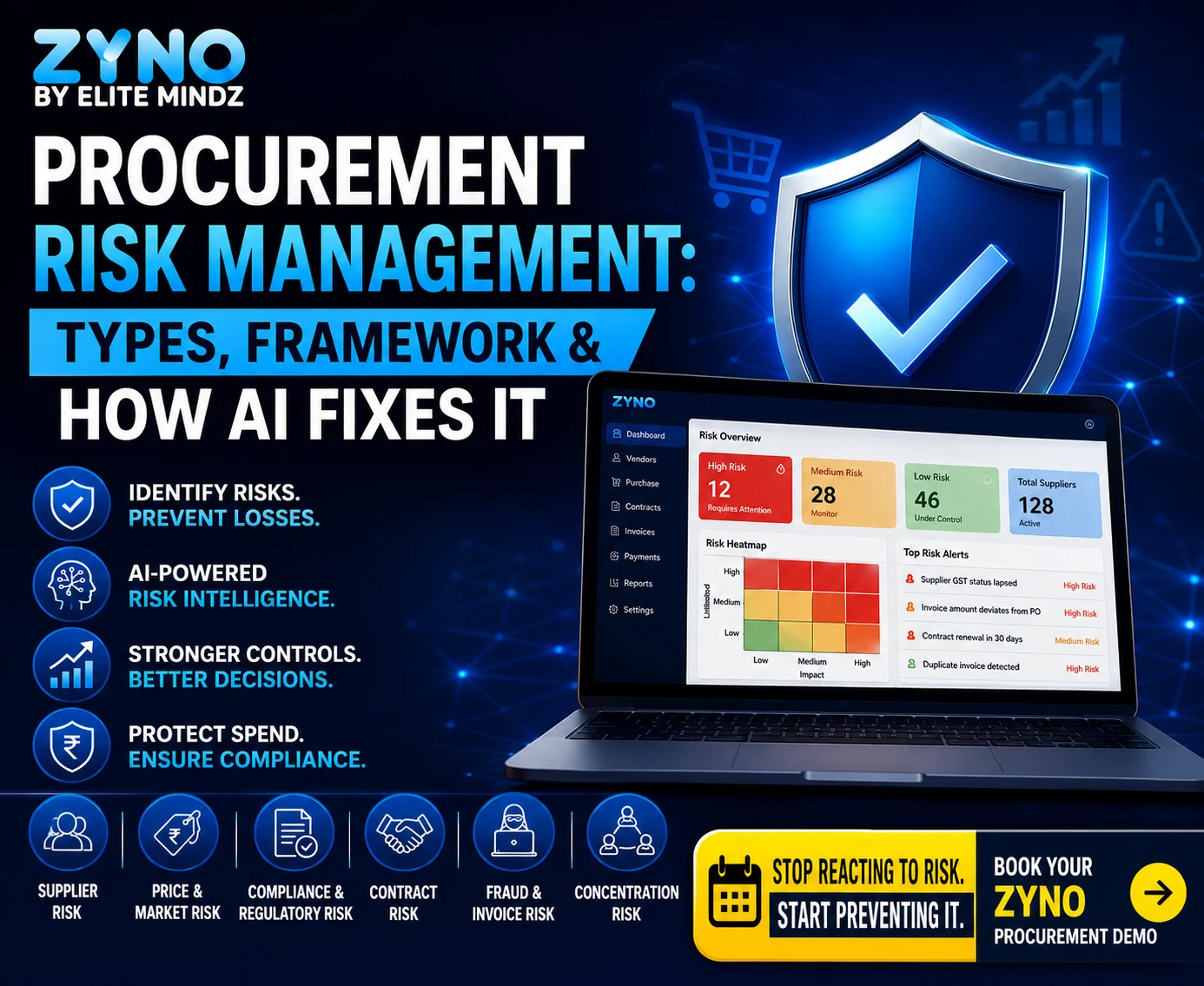
Procurement Risk Management
Read More →
Still Using Excel for Procurement? Read This Before It's Too Late
Read More →
Best RFP Software in 2026: Top Tools Compared for Faster Proposal Responses
Read More →
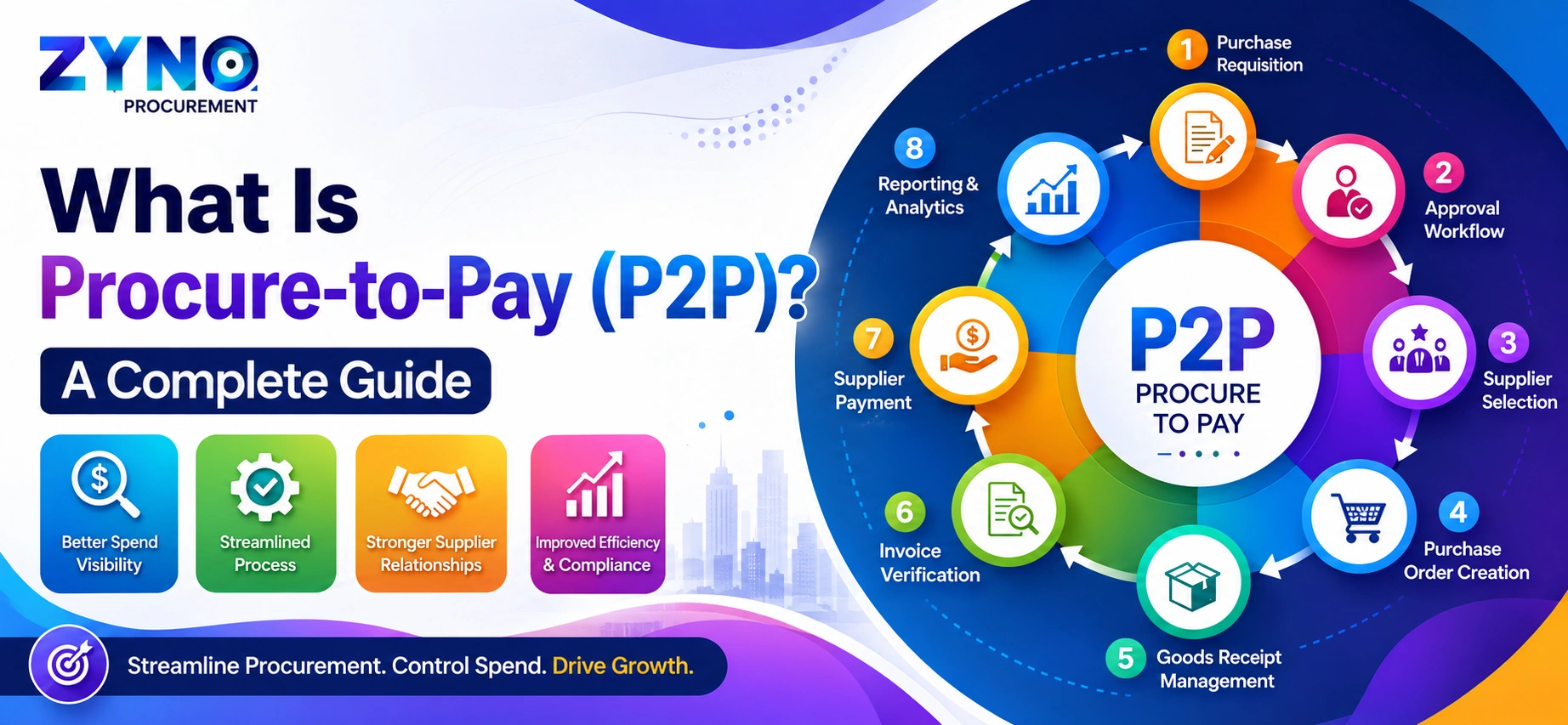
What Is Procure-to-Pay (P2P)? A Complete Guide
Read More →
Complete Procurement Workflow Guide for Modern Businesses
Read More →
Complete Guide to E-Procurement Solutions for B2B Organizations
Read More →
Cost Control Software Comparison Guide: Features, Pricing & Benefits
Read More →
Purchase Order Tracking: How to Manage Every PO Without the Chaos
Read More →
Inventory Management: What It Is, How It Works and Why It Matters
Read More →
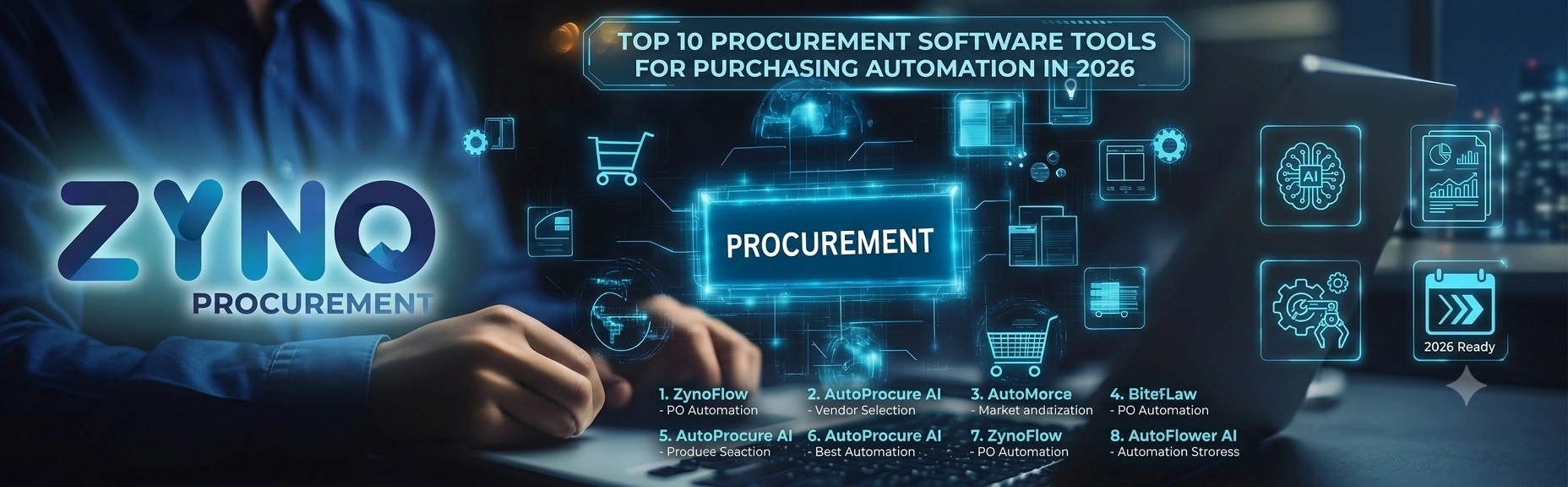
Top 10 Procurement Software Tools for Purchasing Automation in 2026
Read More →
Agentic AI Procurement Platforms and the Future of Strategic Sourcing
Read More →
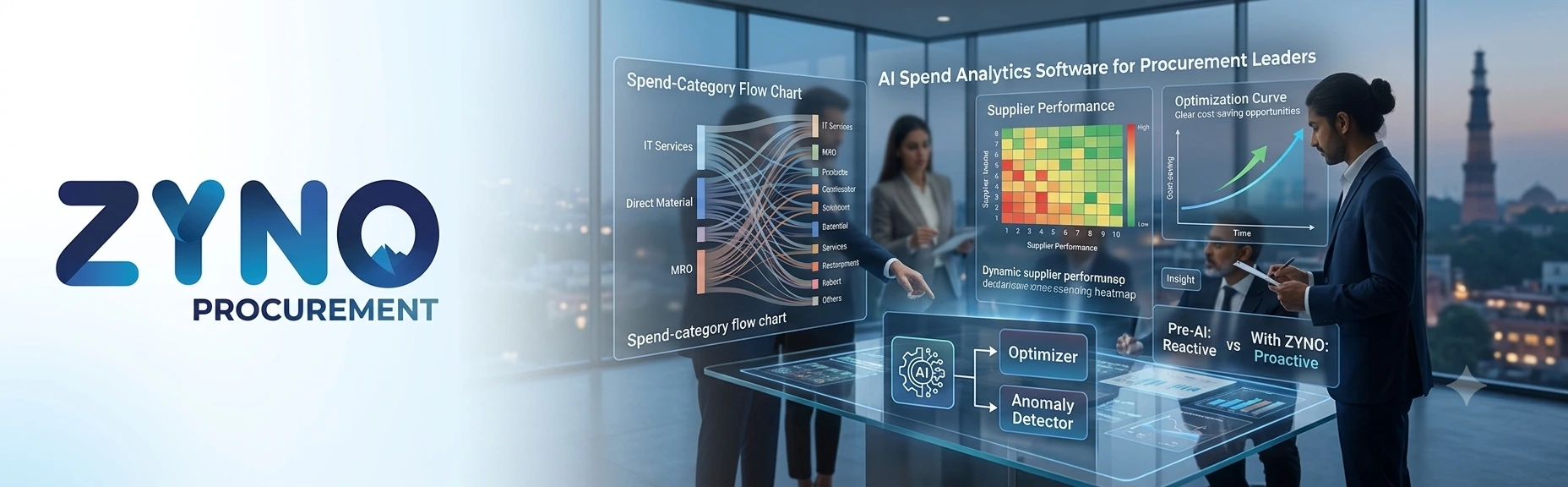
AI Spend Analytics Software for Procurement Leaders
Read More →
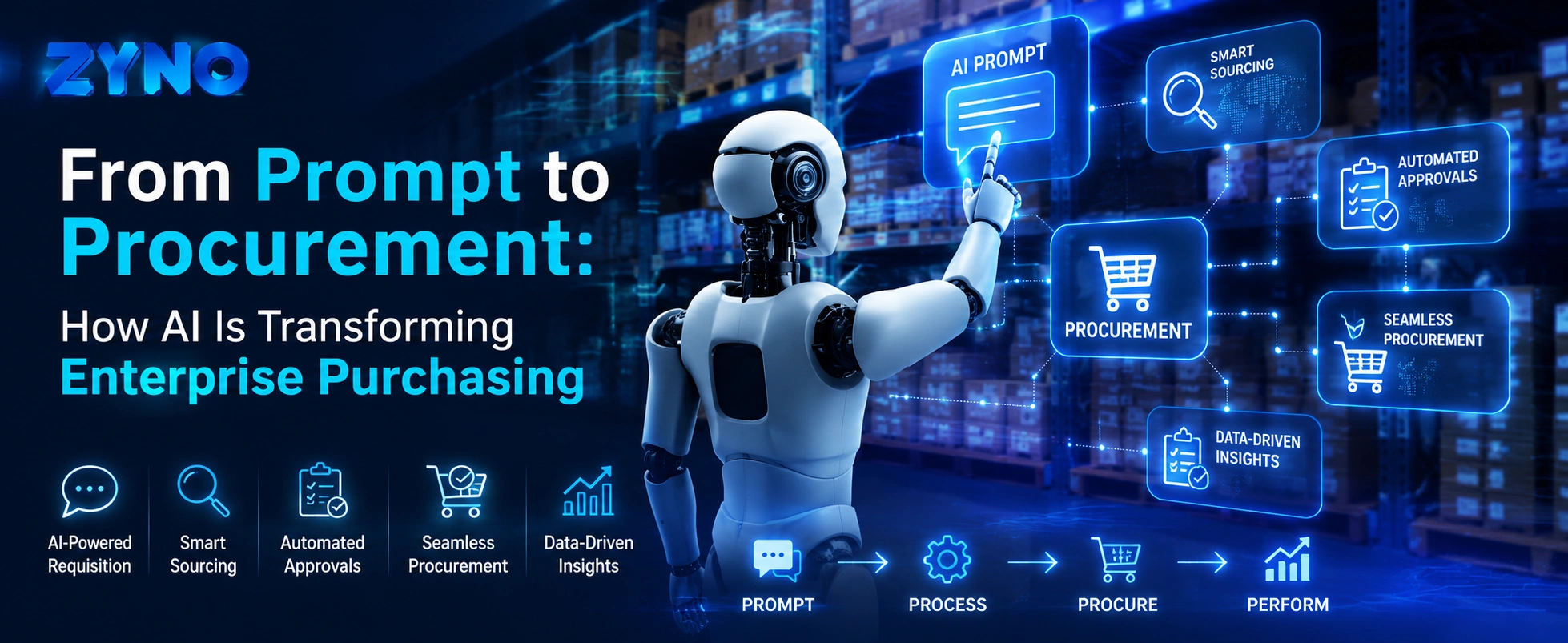
From Prompt to Procurement: How AI Is Transforming Enterprise Purchasing
Read More →
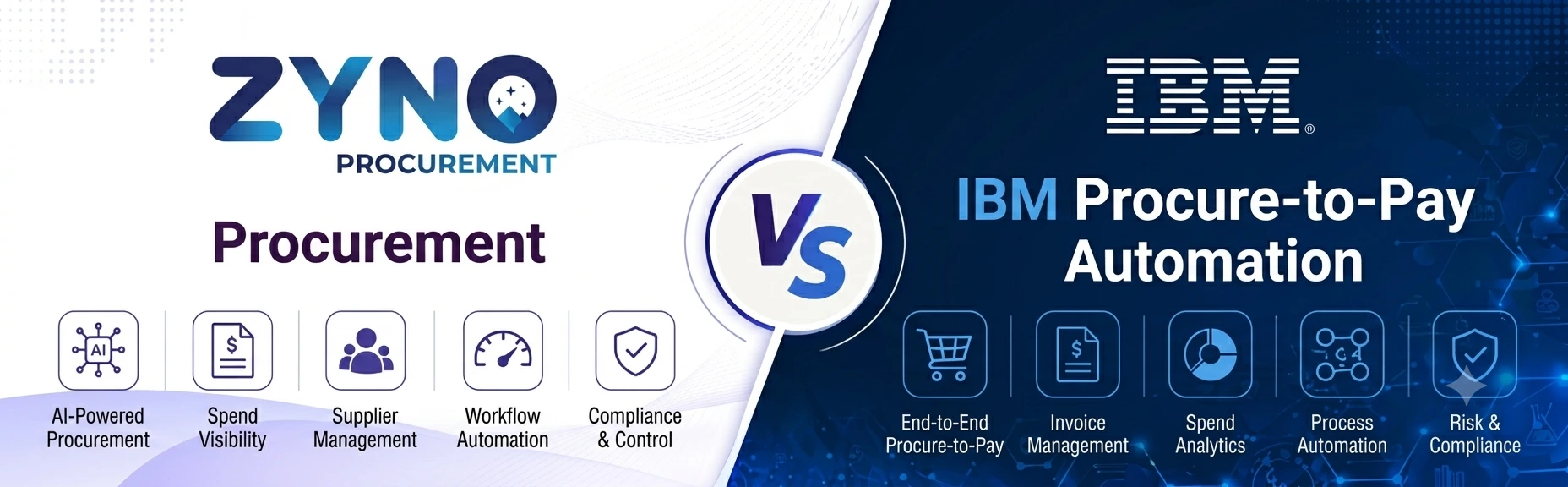
ZYNO Procurement vs IBM Procure-to-Pay Automation
Read More →
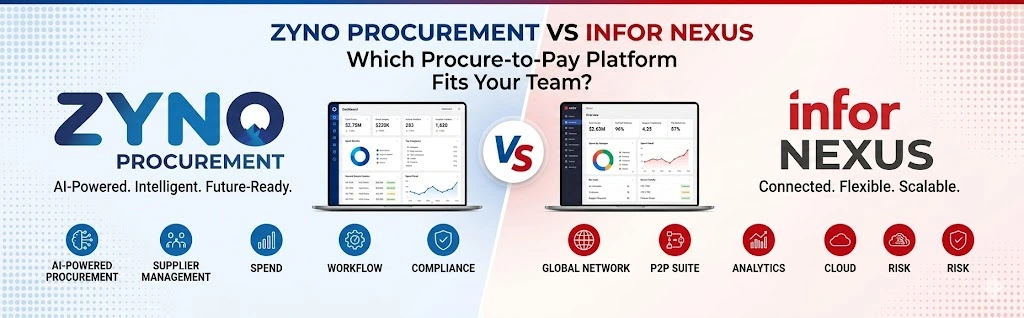
ZYNO Procurement vs Infor Nexus: Which Procure-to-Pay Platform Fits Your Team?
Read More →
AI-Powered Procurement Software in 2026: Top 6 Platforms That Actually Deliver ROI
Read More →
Contract Management Software Buyer's Guide: Features, Costs & Top Picks
Read More →
Top 10 Procure to Pay Software Companies in India 2026
Read More →
10 Best Vendor Management Software in India (2026): Features, Benefits & Comparison
Read More →
How Machine Learning and AI Are Transforming Procurement: A Strategic Overview
Read More →
What Is Procurement Software for GP? Features, Benefits and Best Solutions for Businesses
Read More →
What Procurement Software Do Mid-Market Companies Use Instead of SAP Ariba or Coupa?
Read More →
Prompt-Based Procurement Software for Kenyan Businesses
Read More →
Project Management Software: A Complete Guide to Streamline Business Operations and Procurement Processes
Read More →
SAP Ariba vs ZYNO Procurement: Complete Feature Comparison (2026)
Read More →
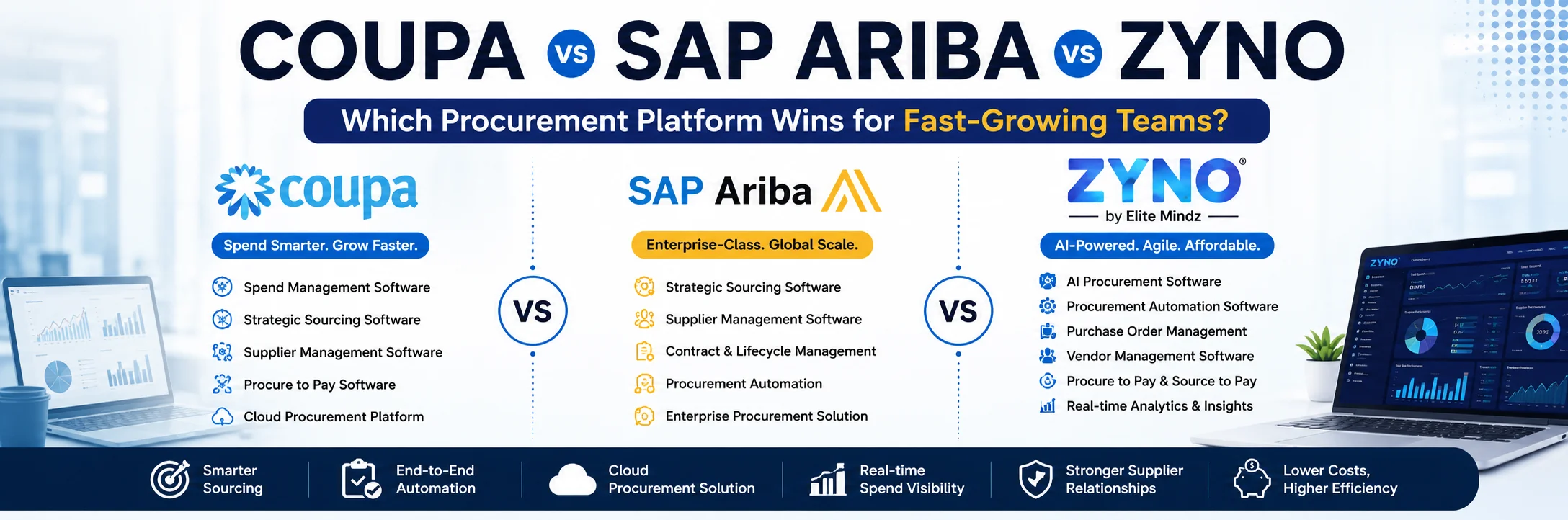
Coupa vs SAP Ariba vs ZYNO: Which Procurement Platform Wins for Fast-Growing Teams?
Read More →
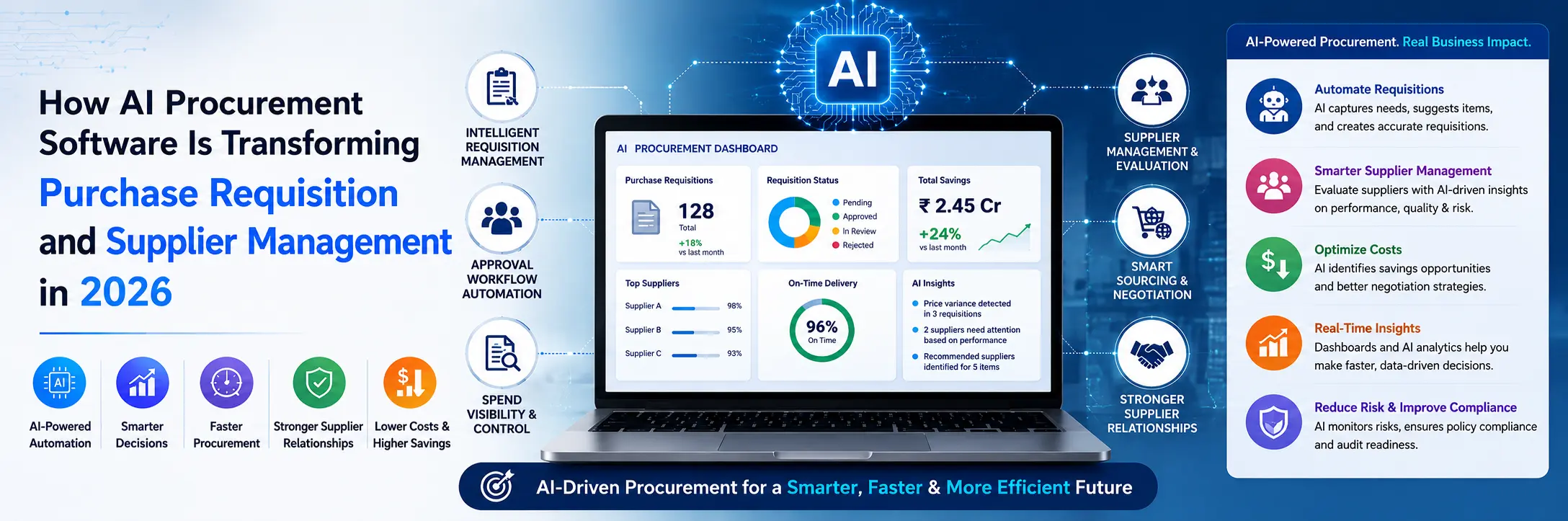
How AI Procurement Software Is Transforming Purchase Requisition and Supplier Management in 2026
Read More →
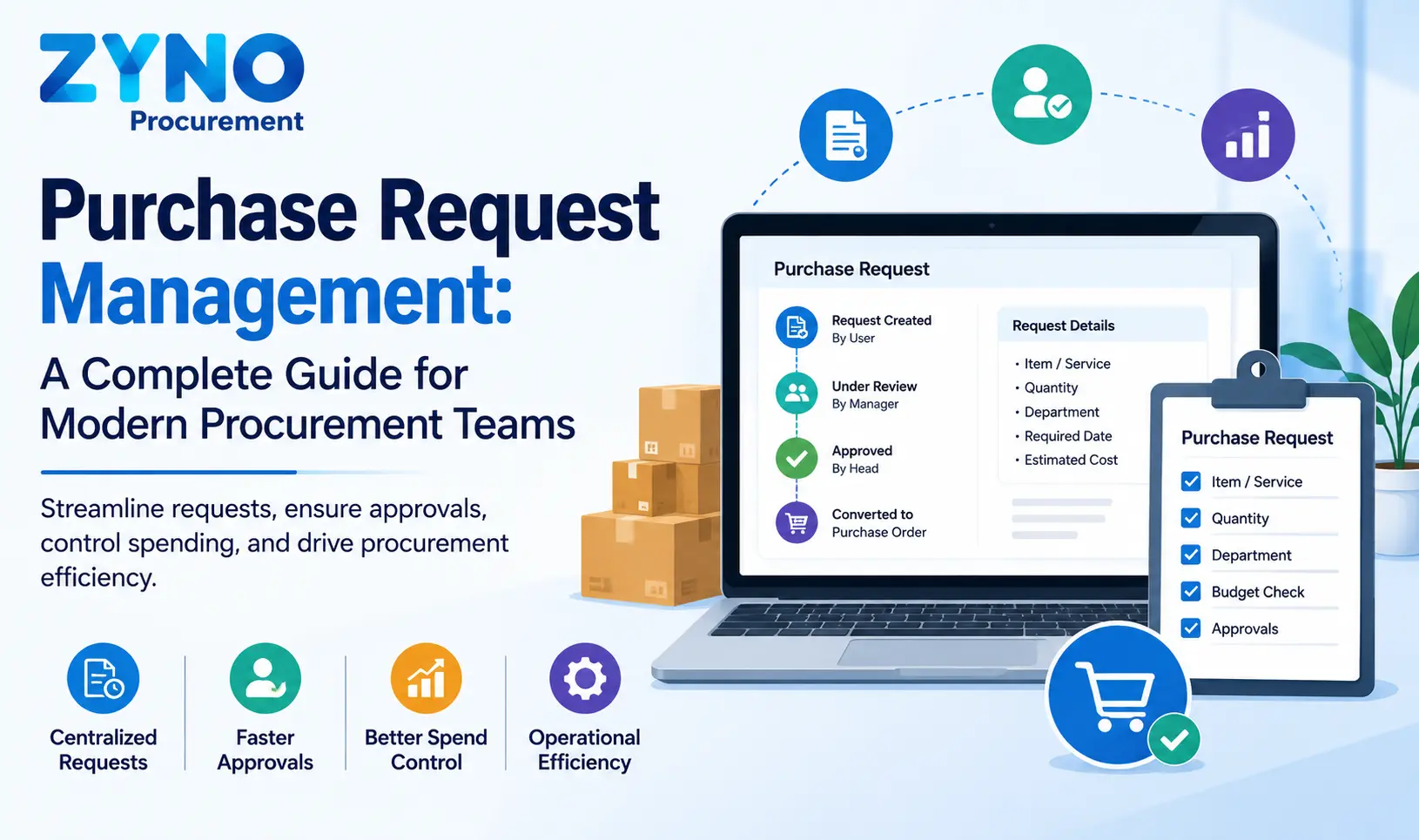
Purchase Request Management: A Complete Guide for Modern Procurement Teams
Read More →
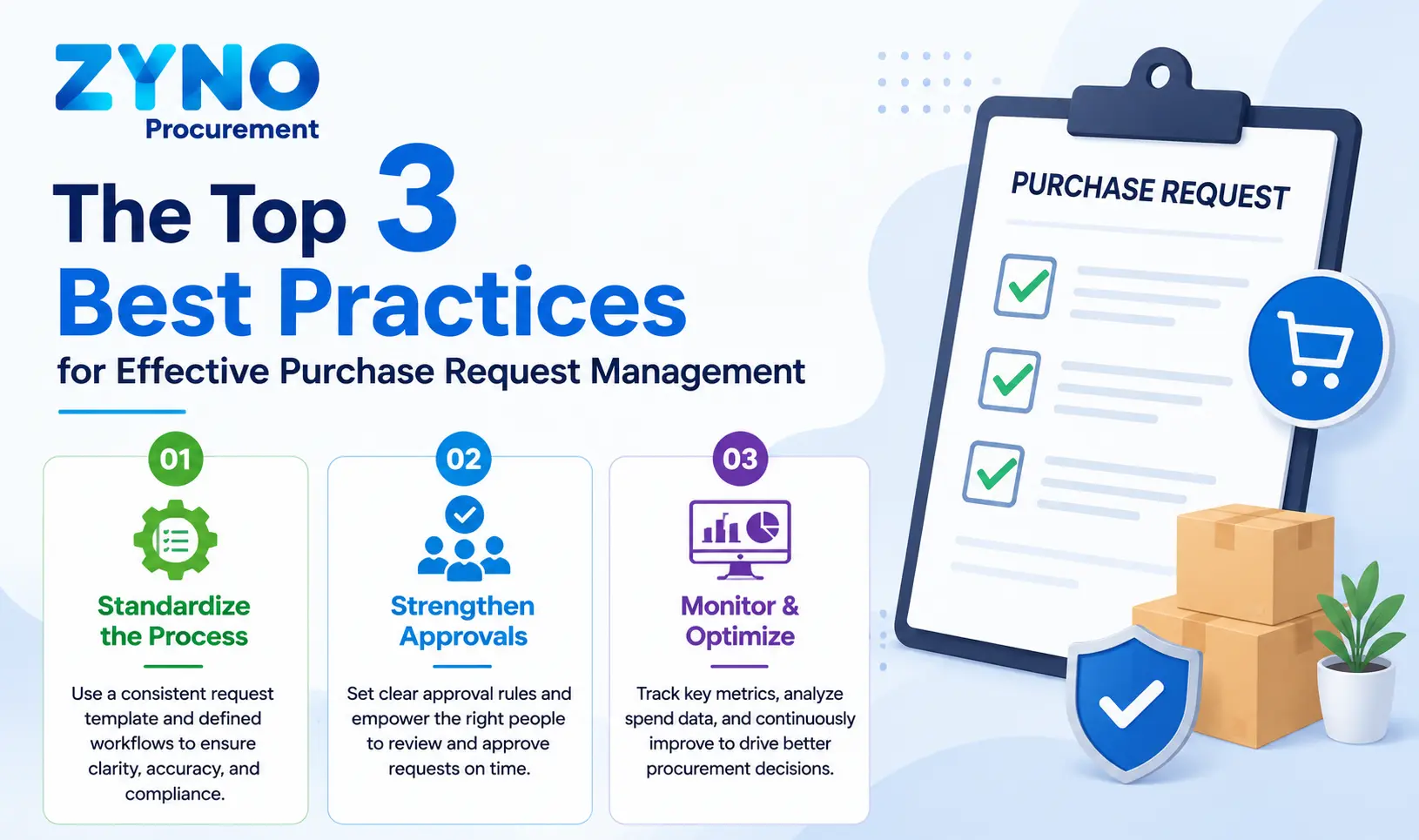
The Top 3 Best Practices for Effective Purchase Request Management
Read More →
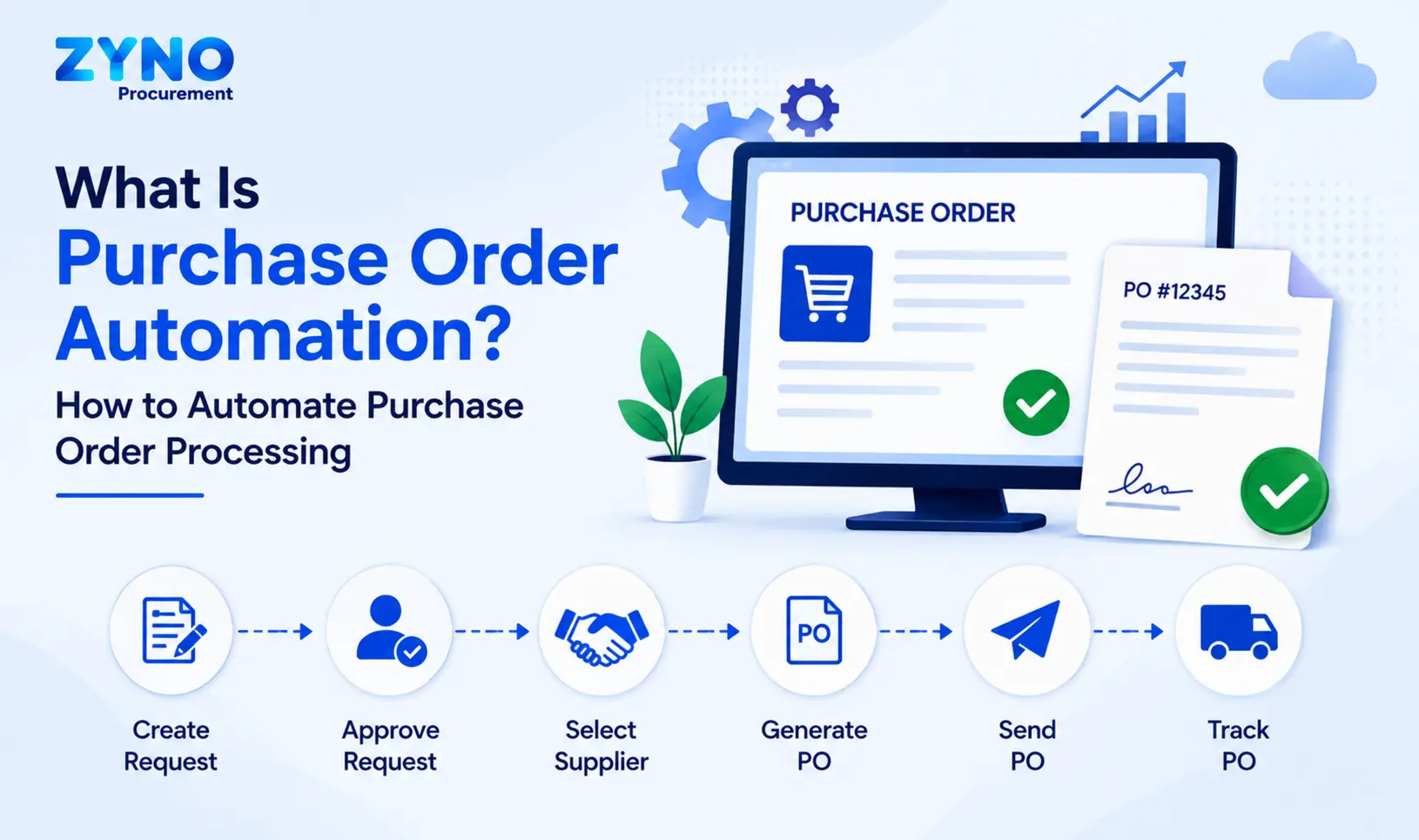
What Is Purchase Order Automation? How to Automate Purchase Order Processing
Read More →
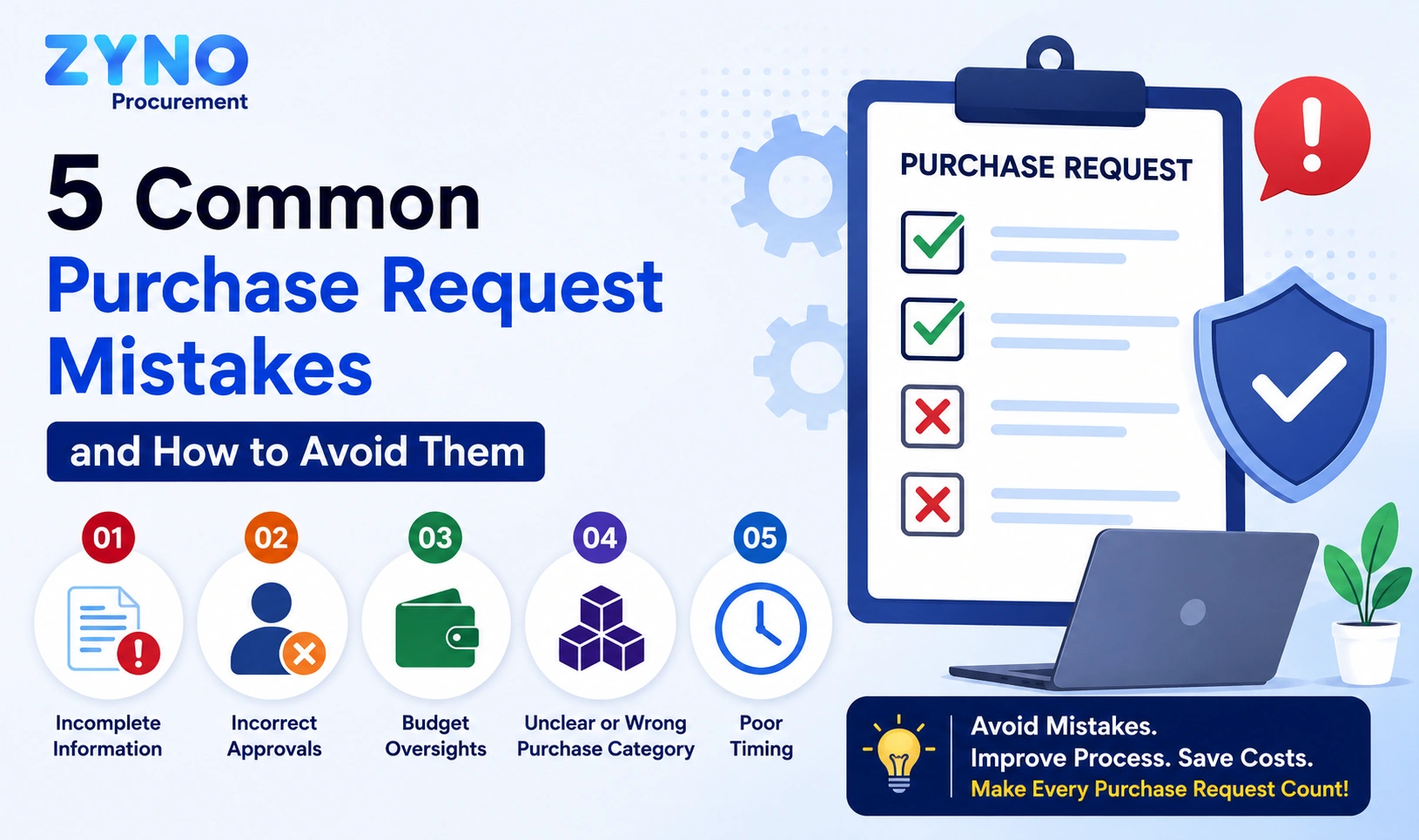
5 Common Purchase Request Mistakes and How to Avoid Them
Read More →
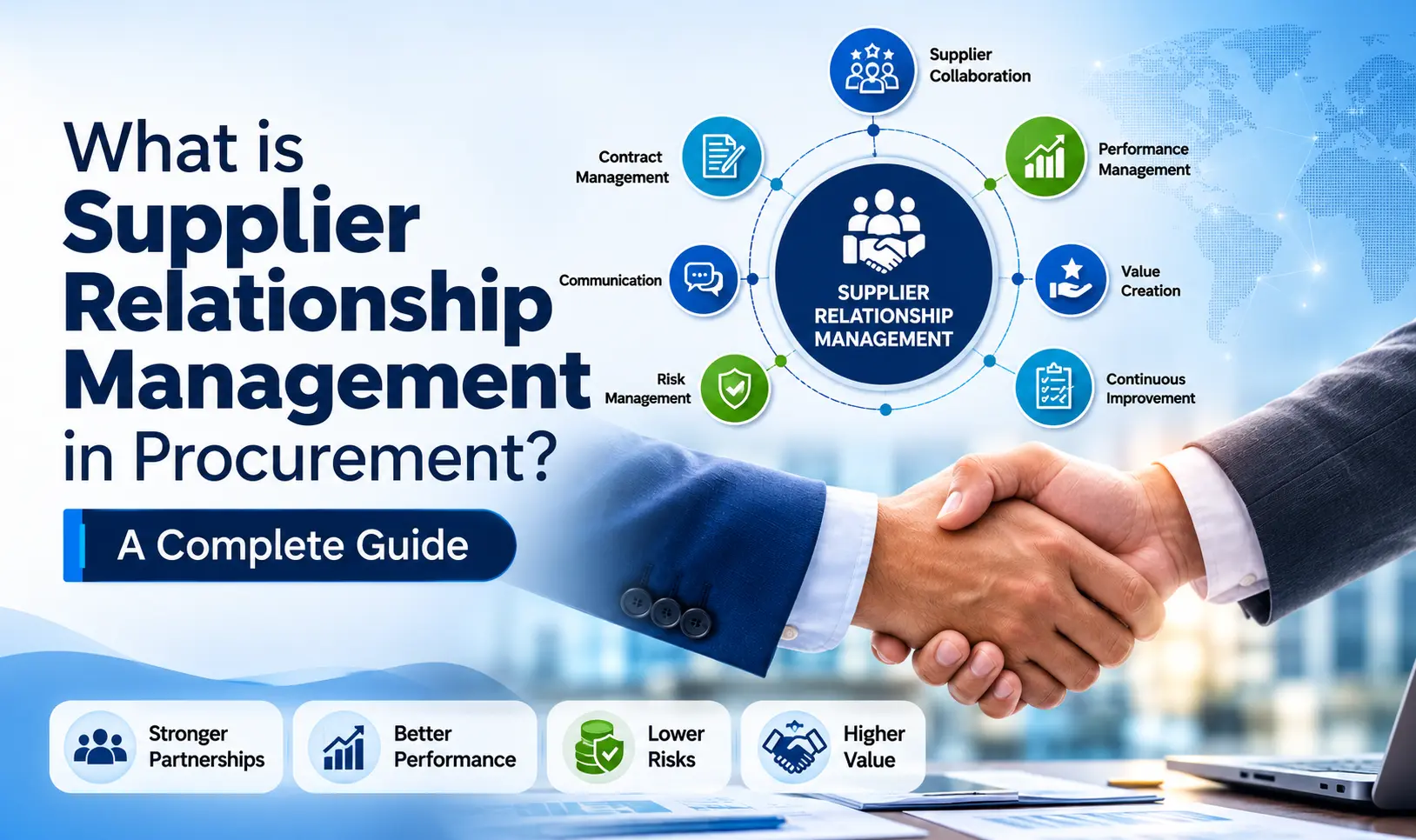
What is Supplier Relationship Management in Procurement? A Complete Guide
Read More →
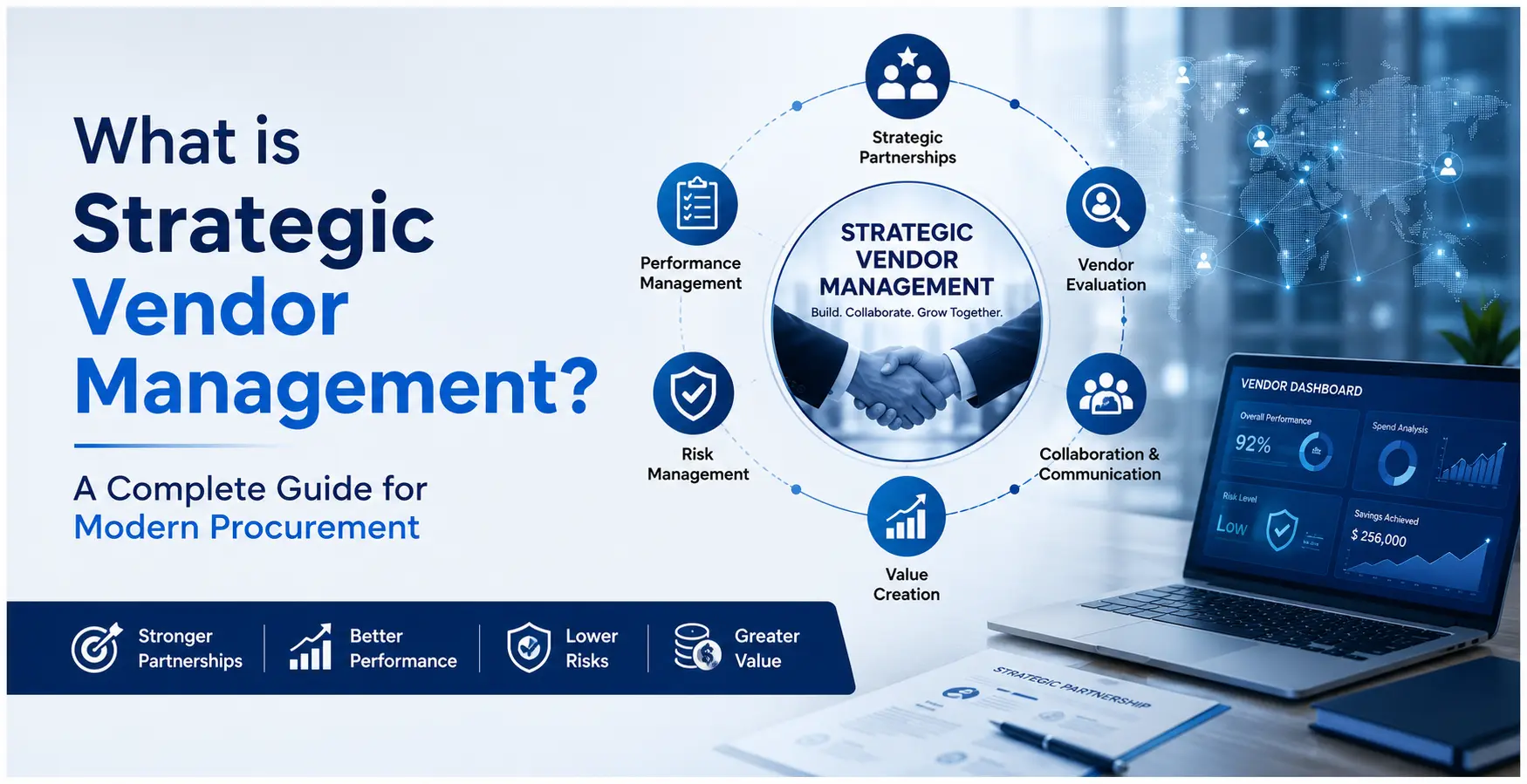
What is Strategic Vendor Management? A Complete Guide for Modern Procurement
Read More →
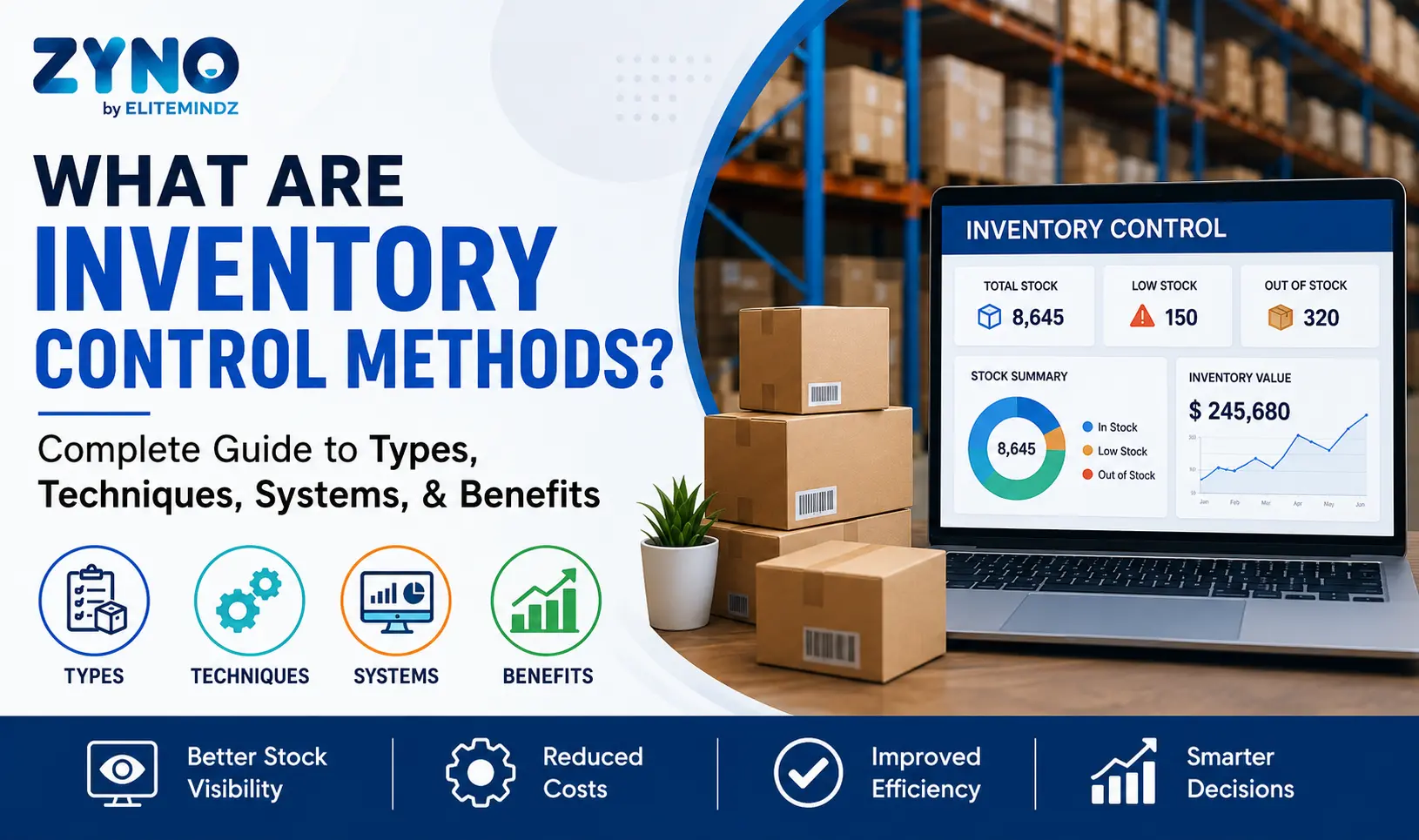
What Are Inventory Control Methods? Complete Guide to Types, Techniques, Systems, & Benefits
Read More →
Inventory Audit Checklist: Steps, Process & Best Practices
Read More →
Warehouse Inventory Management: Best Practices for 2026
Read More →
Treasury Management System (TMS): A Complete Guide for Modern Corporates
Read More →
What is Portfolio Management Services (PMS) and What Are Its Benefits?
Read More →
Generative AI Procurement Software Solution: The Future of Intelligent Procurement
Read More →
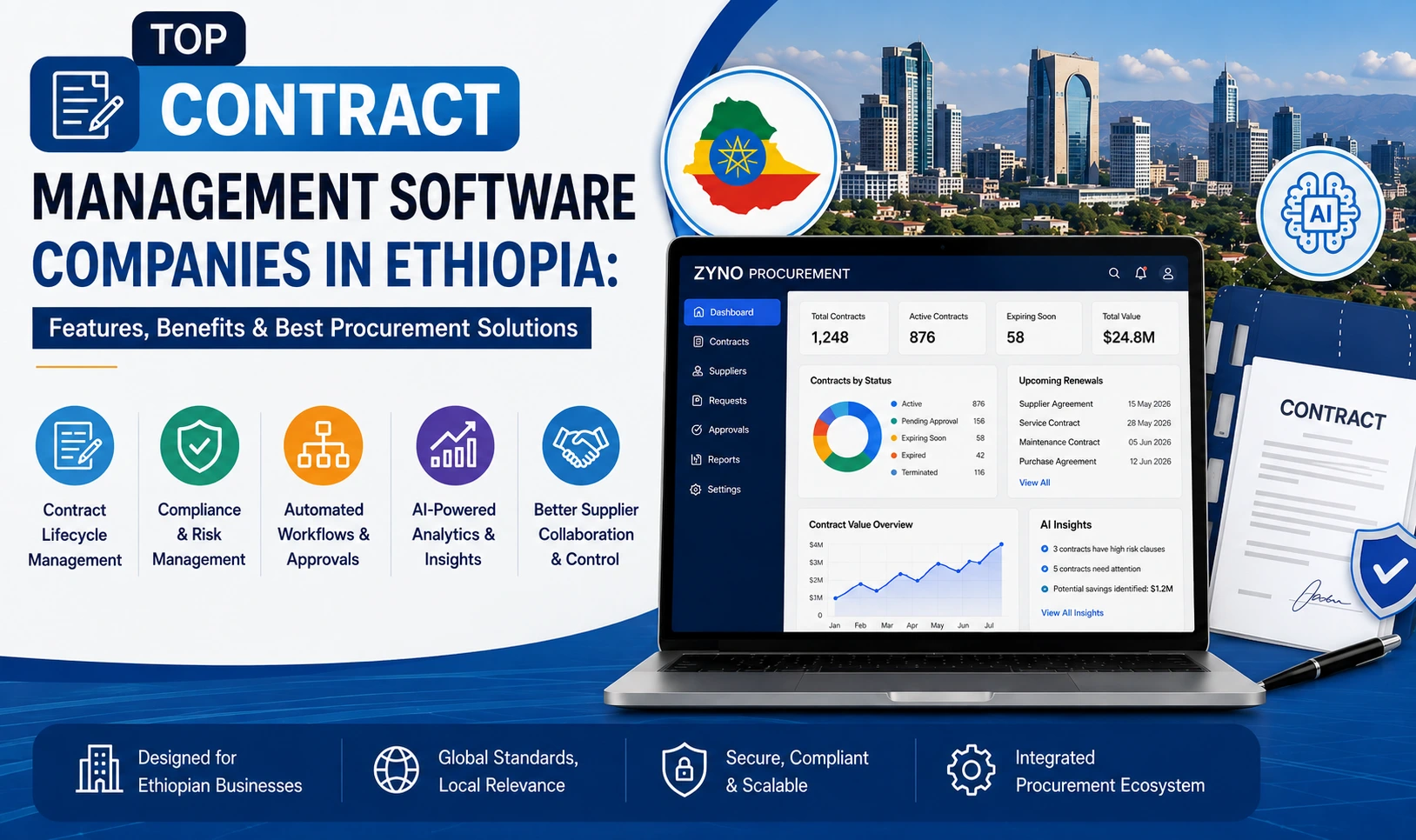
Top Contract Management Software Companies in Ethiopia: Features, Benefits & Best Procurement Solutions
Read More →
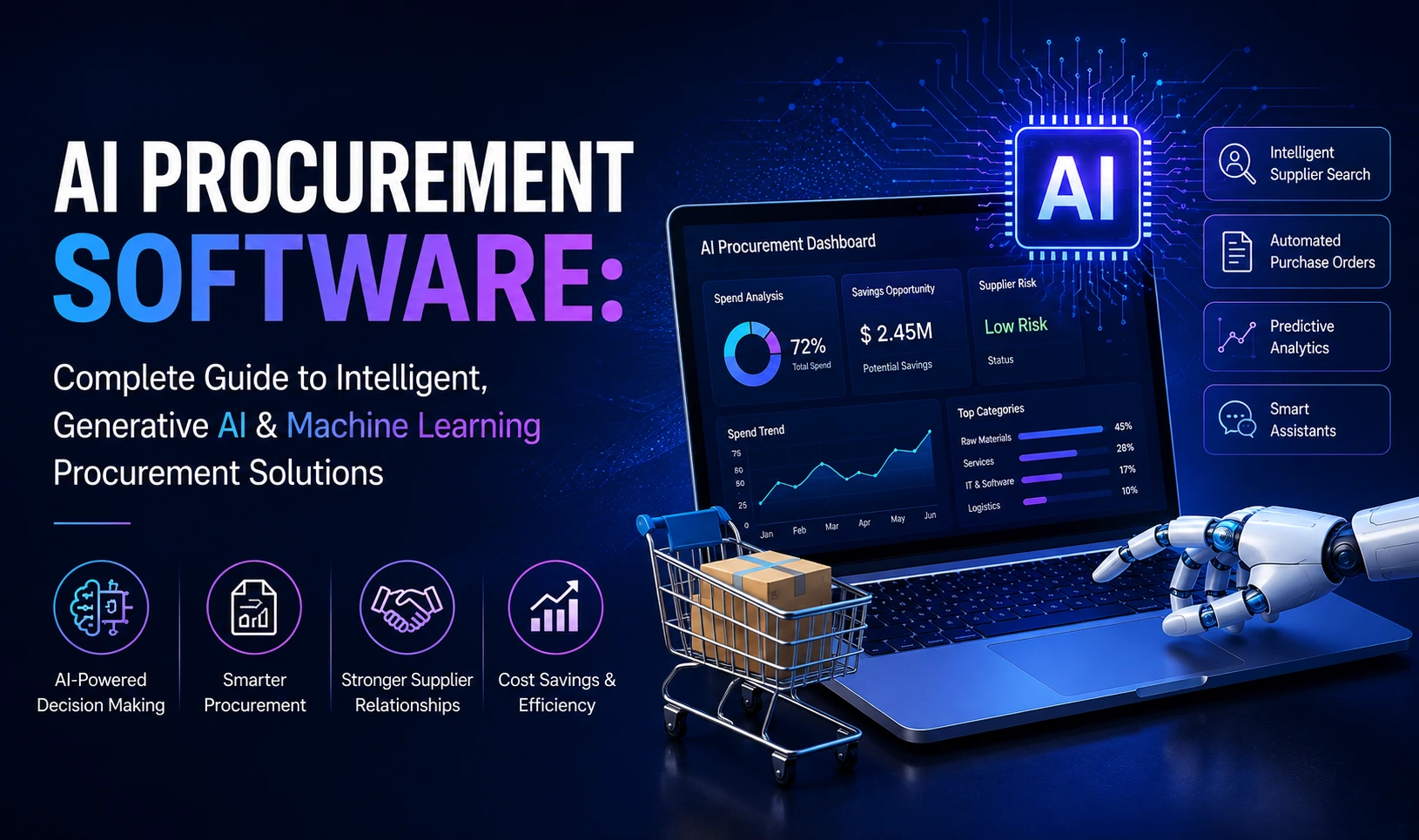
AI Procurement Software: Complete Guide to Intelligent, Generative AI & Machine Learning Procurement Solutions
Read More →
Top SAP alternatives for small, midsize, and enterprise businesses
Read More →
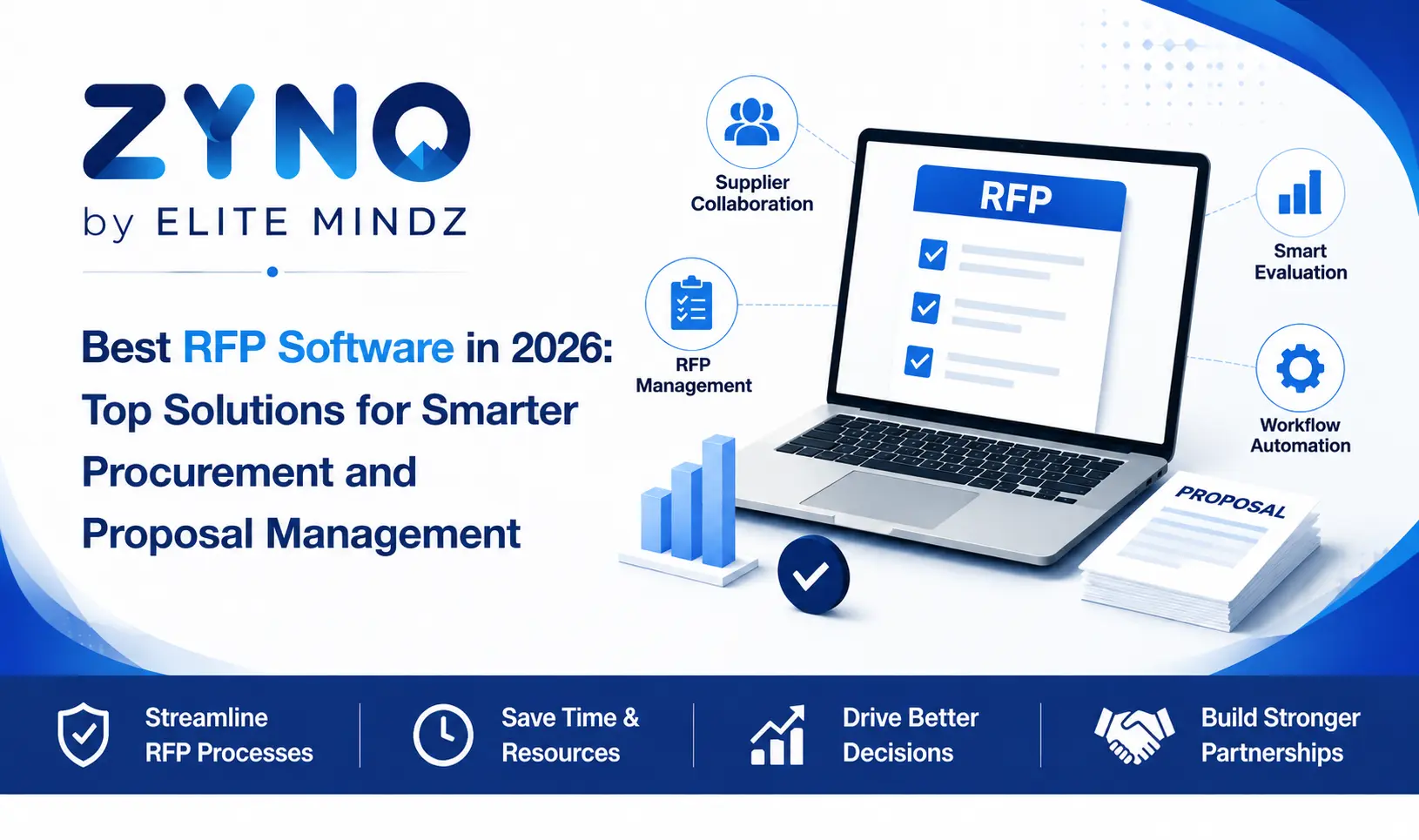
Best RFP Software in 2026: Top Solutions for Smarter Procurement and Proposal Management
Read More →
Best RFP Software in 2026: Top Solutions for Smarter Procurement and Proposal Management
Read More →Partner with ZYNO by Elite Mindz to revolutionize how your business works. Fill out the form, and we’ll reach out with AI-powered solutions made just for you.
We use browser cookies to ensure you get the best experience on our website. Learn more
The form was submitted successfully!