Procurement Software Trends in 2026: What to Expect
Read More →

×
Procurement software helps businesses automate and manage the end-to-end procurement lifecycle. Core features include purchase requisitions, approval workflows, purchase orders, supplier management, sourcing, quotation comparison, invoice matching, spend analytics, contract compliance, ERP integration, and AI-assisted procurement. These capabilities improve purchasing control, supplier visibility, operational efficiency, and spend management.
Businesses using ZYNO Books cut accounting time by 70% and stay 100% ZATCA-compliant — automatically.
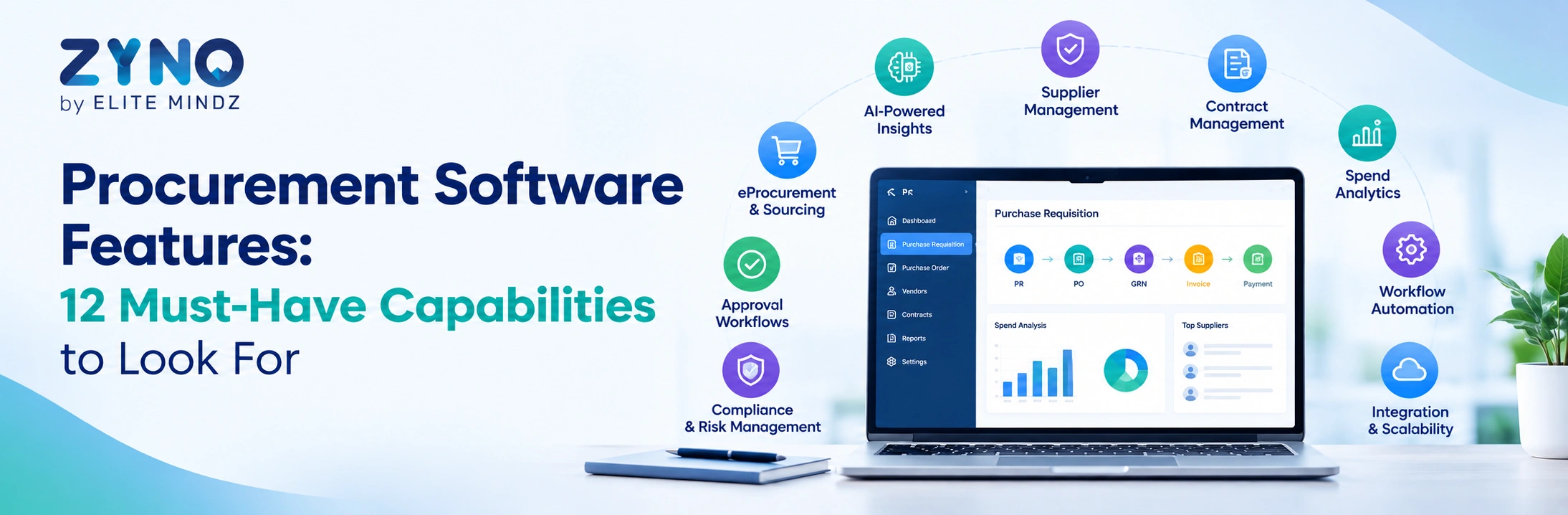
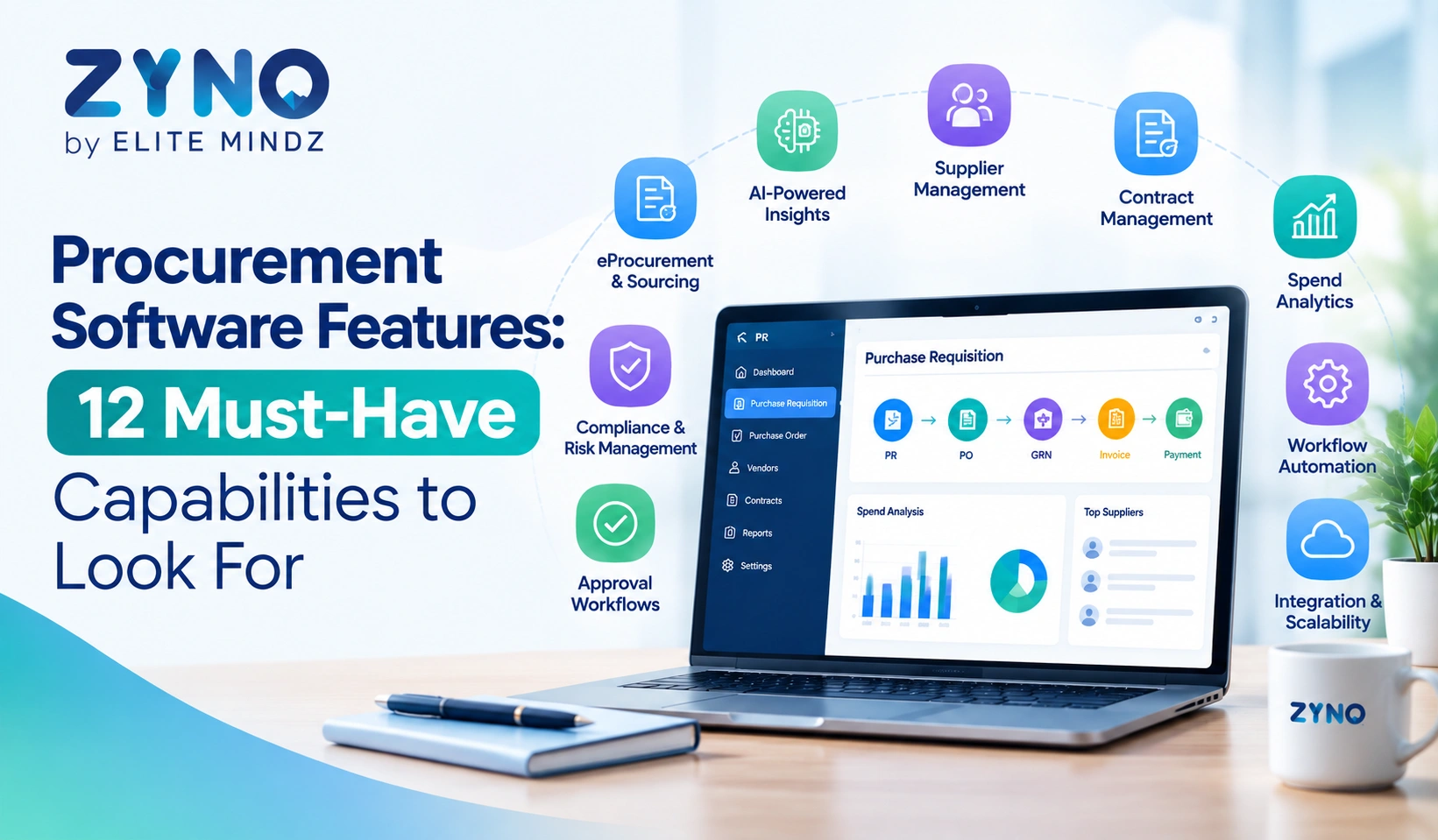
Procurement software should cover the complete buying process, from purchase requests and approvals to supplier management, purchase orders, invoices, spend analysis, and reporting. The most important procurement software features are:
The most important procurement software features are purchase requisition management, approval workflows, purchase order management, supplier management, sourcing and RFQ/RFP management, quotation comparison, guided buying, invoice matching, spend analytics, contract and compliance management, ERP integration, and AI-powered procurement.
Together, these capabilities connect the procurement process from the initial request through approval, sourcing, purchasing, invoicing, and spend analysis.
That distinction is important. Procurement software is not simply a digital purchase-order system. A useful platform should connect the different steps of procurement so teams can control purchasing while maintaining visibility into suppliers, budgets, transactions, and spend. Current procurement software guides similarly emphasize requisitions, approvals, POs, supplier management, invoice matching, analytics, and integrations as core capabilities.
Purchase requisition management lets employees submit what they need through a structured digital request instead of relying on emails, spreadsheets, or informal messages.
A good system should allow users to create purchase requests, provide required details, select categories or items, attach supporting information, and track the request after submission.
The requisition is where procurement begins. If this first step is poorly controlled, everything that follows becomes harder to manage.
Approval workflows automatically route purchase requests to the right people based on rules such as department, spending amount, category, or business unit.
Instead of someone manually checking who needs to approve a purchase, the software applies predefined rules.
This is where procurement software starts doing more than storing information. It actively controls how purchasing moves through the organization.
Explore how ZYNO Procurement helps businesses automate purchasing, manage suppliers, control spending, and streamline procurement workflows.
Purchase order management helps teams create, approve, send, track, amend, and close purchase orders from one system.
Once a requisition is approved, the next question is simple: what exactly are we ordering, from whom, at what price, and under which terms?
The PO should make those answers clear.
A connected workflow also reduces the need to re-enter information between procurement steps.
Supplier management centralizes vendor information and helps procurement teams manage onboarding, documentation, compliance, performance, and supplier relationships.
Instead of keeping supplier details across spreadsheets, emails, and folders, teams can maintain a central supplier record.
Supplier management Software becomes particularly important as the number of vendors grows. The goal is not simply to know who your suppliers are, but to know whether they are approved, compliant, performing, and appropriate for the purchases being made.
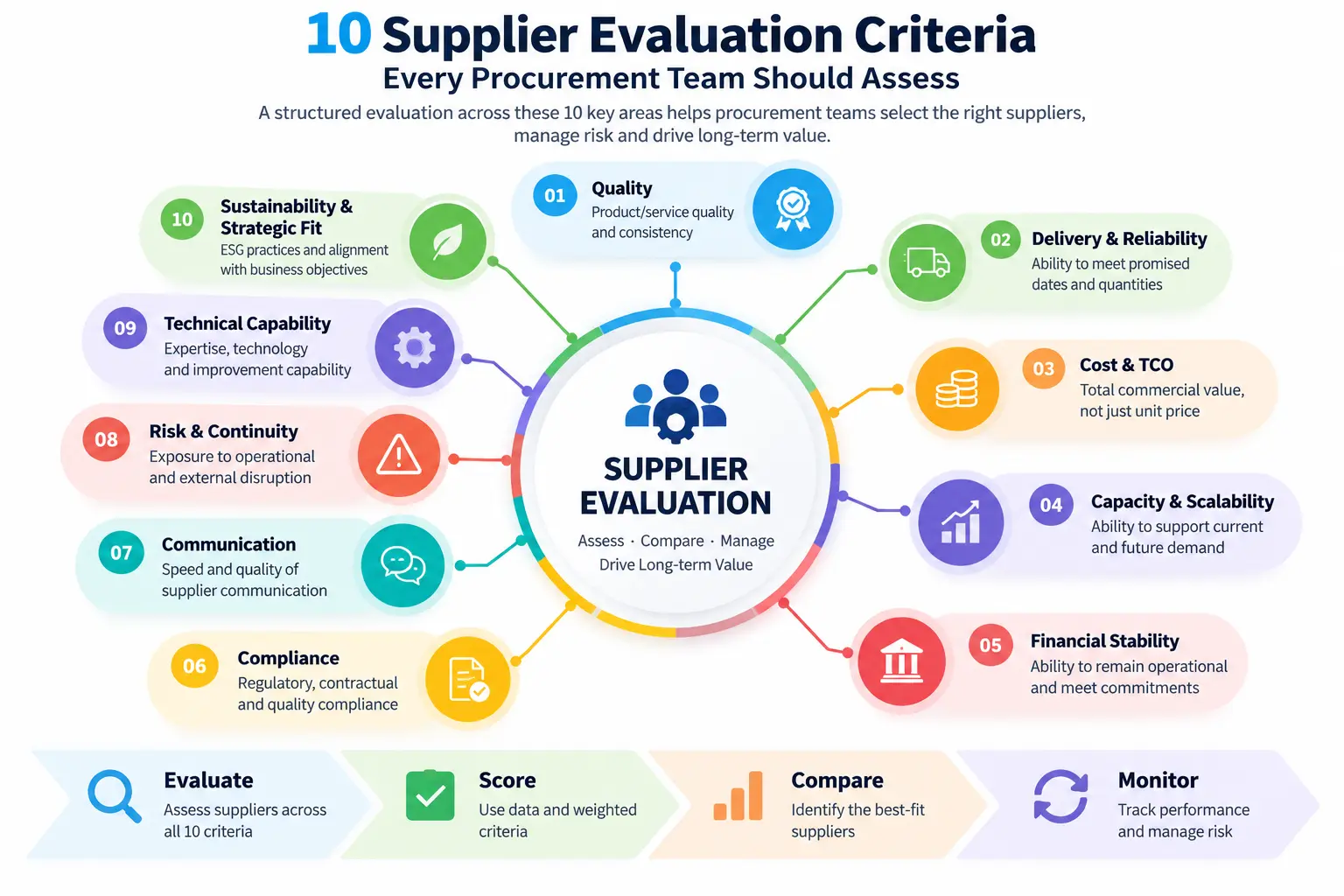
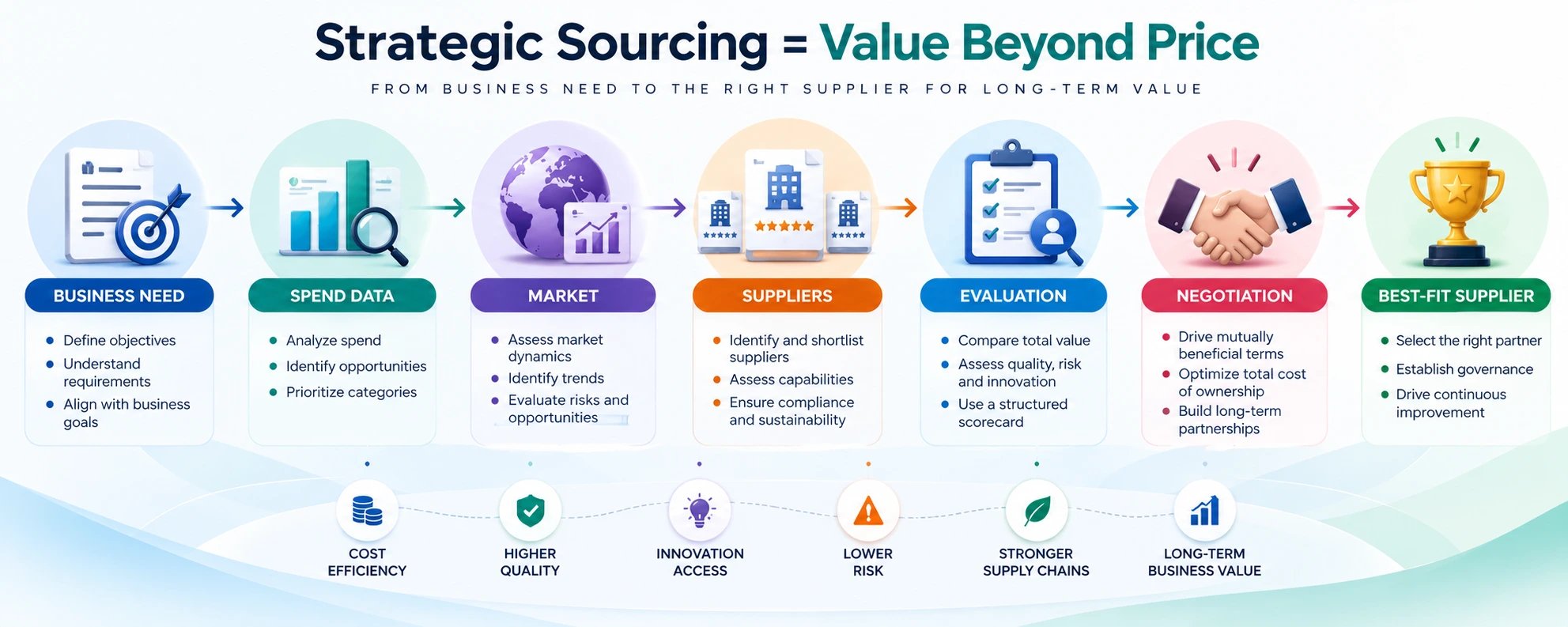
Sourcing features help procurement teams collect supplier responses, compare options, and manage RFQs and RFPs through a structured process.
A procurement platform should make competitive sourcing easier to manage without forcing teams to coordinate every supplier response manually.
This connects sourcing with purchasing instead of treating supplier selection as a separate spreadsheet exercise.
Quotation management Software allows teams to collect supplier quotations and compare price and other commercial criteria before selecting a supplier.
The important part is not simply storing quotations. It is making comparison easier and more consistent.
For procurement teams, this can make the decision process much easier to review and audit.
Guided buying helps employees purchase approved products or services from preferred suppliers while following procurement policies.
Instead of asking employees to understand every procurement rule, the software can guide them toward the right purchasing path.
This feature matters because procurement control should not mean making employees jump through unnecessary hoops. The better approach is to make the compliant option the easiest option.
Explore how ZYNO Procurement helps businesses automate purchase requests, manage approvals, control spending, and streamline procurement workflows.
Invoice processing helps procurement and finance teams manage supplier invoices, while three-way matching compares the purchase order, receipt, and invoice before payment.
The three documents answer three different questions:
Matching them helps identify discrepancies before payment.
This closes an important gap between purchasing and accounts payable.
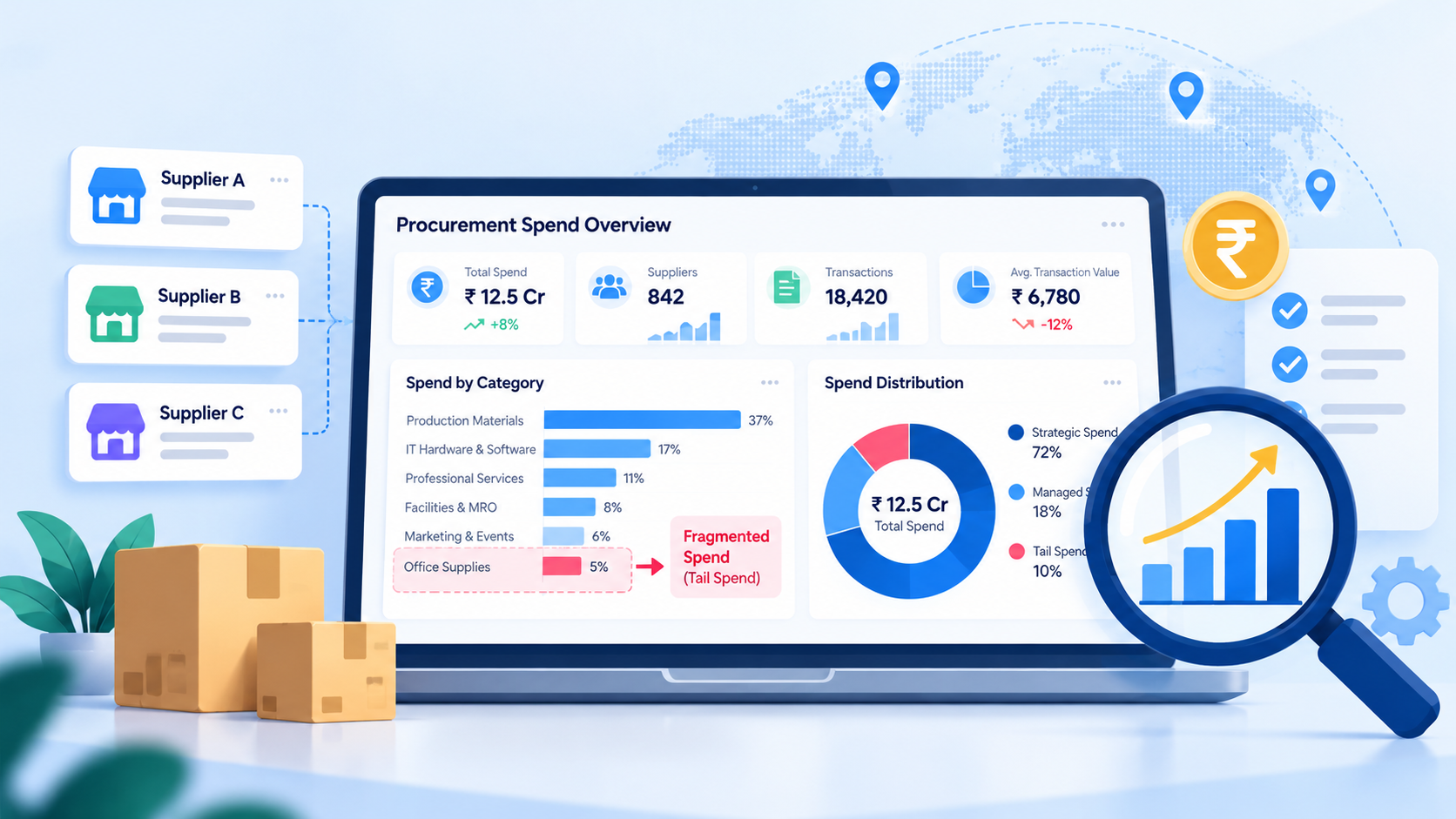
Spend analytics gives procurement teams visibility into what they are buying, from which suppliers, how much they are spending, and where purchasing patterns need attention.
Without reliable spend data, procurement teams are often forced to make decisions using incomplete information.
Spend analytics is where procurement data becomes useful for decision-making, rather than simply becoming another collection of records. Current buyer guidance also places spend visibility and reporting among the core capabilities to evaluate.
Contract management software and compliance features help organizations connect purchasing activity with supplier agreements, procurement policies, and required documentation.
The objective is straightforward: purchases should follow the rules the organization has already established.
This becomes particularly valuable when procurement teams need to understand not only what was purchased, but whether it was purchased under the appropriate terms and approvals.
Procurement management software should integrate with ERP, accounting, finance, and other business systems so procurement data can move between systems without unnecessary manual re-entry.
The procurement platform does not necessarily need to replace the ERP. It needs to work with the systems the business already depends on.
Integration is not a technical checkbox. It directly affects whether procurement becomes a connected process or another isolated system.
AI-powered procurement uses artificial intelligence to reduce manual work, surface relevant insights, and assist users with procurement decisions and workflows.
AI is becoming an important layer of modern procurement software, but the useful question is not whether a platform has an “AI” label. The question is what the AI actually does.
AI should support procurement professionals, not make important purchasing decisions impossible to understand or review. Current procurement guidance increasingly emphasizes AI alongside workflow automation, analytics, orchestration, and human oversight.
The real value of procurement software is not having 12 separate features sitting inside one dashboard.
It is how those features connect.
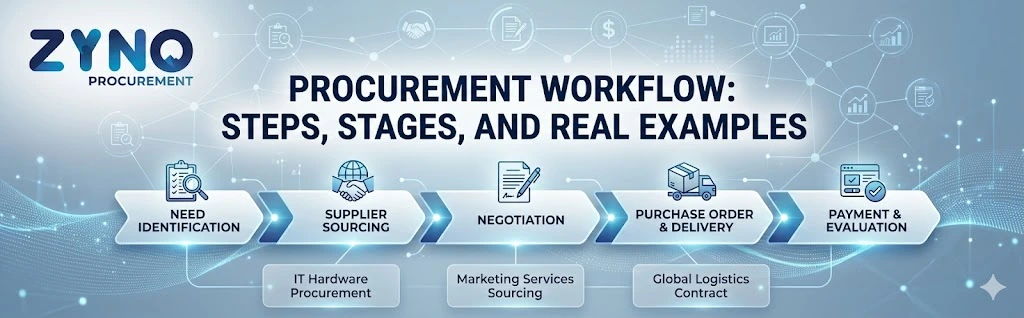
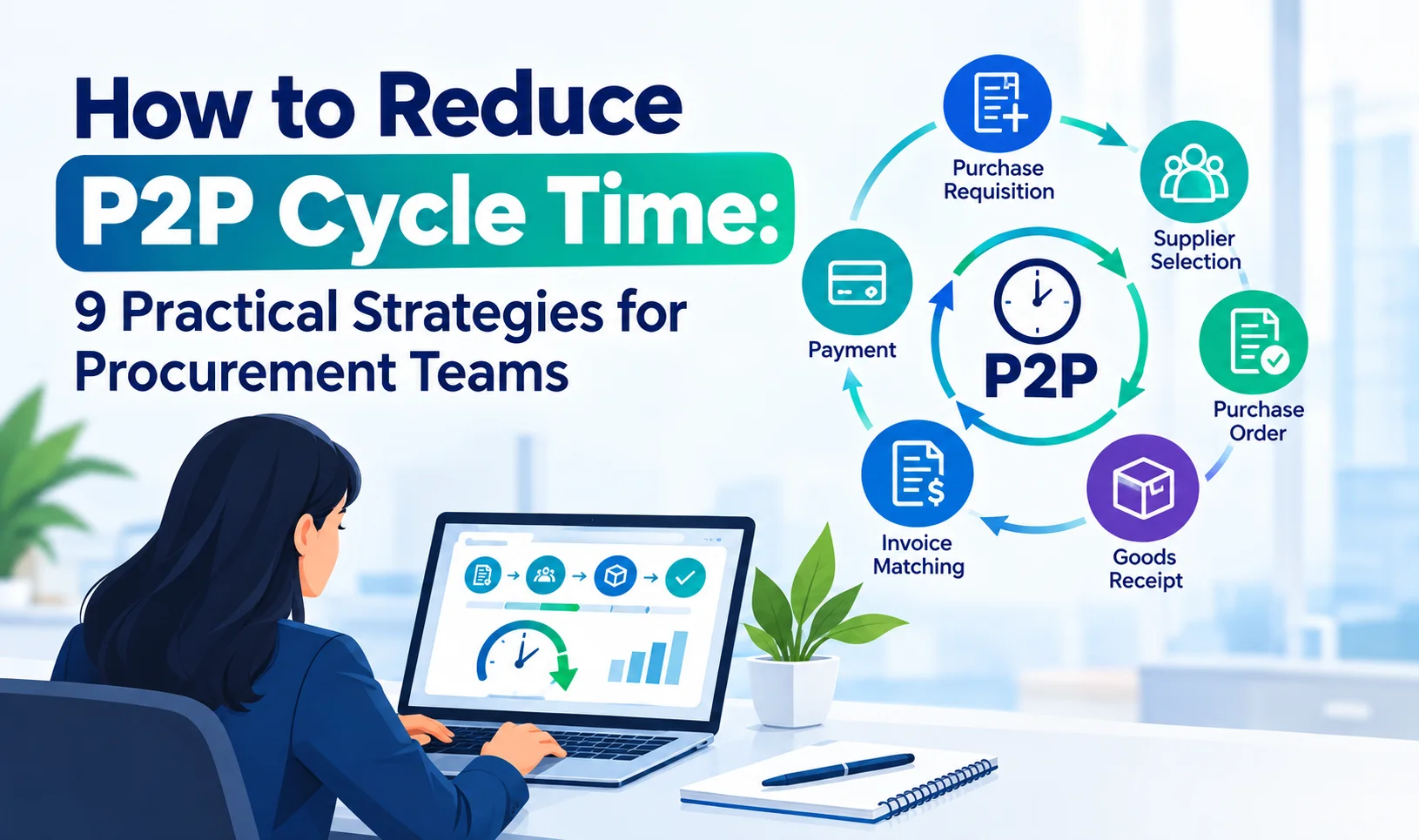
A typical procurement workflow looks like this:
Purchase Request → Approval → Sourcing/Quotation → Supplier Selection → Purchase Order → Receipt → Invoice → Matching → Spend Analysis
For example, an employee raises a purchase request. The request goes through the configured approval workflow. Procurement can then source the requirement or compare supplier quotations. Once a supplier is selected, the approved information can flow into a purchase order.
After the purchase, invoice processing and matching help finance verify the transaction. The resulting data then feeds spend analytics.
That connected flow is what turns procurement software from a collection of digital forms into a procurement management system.

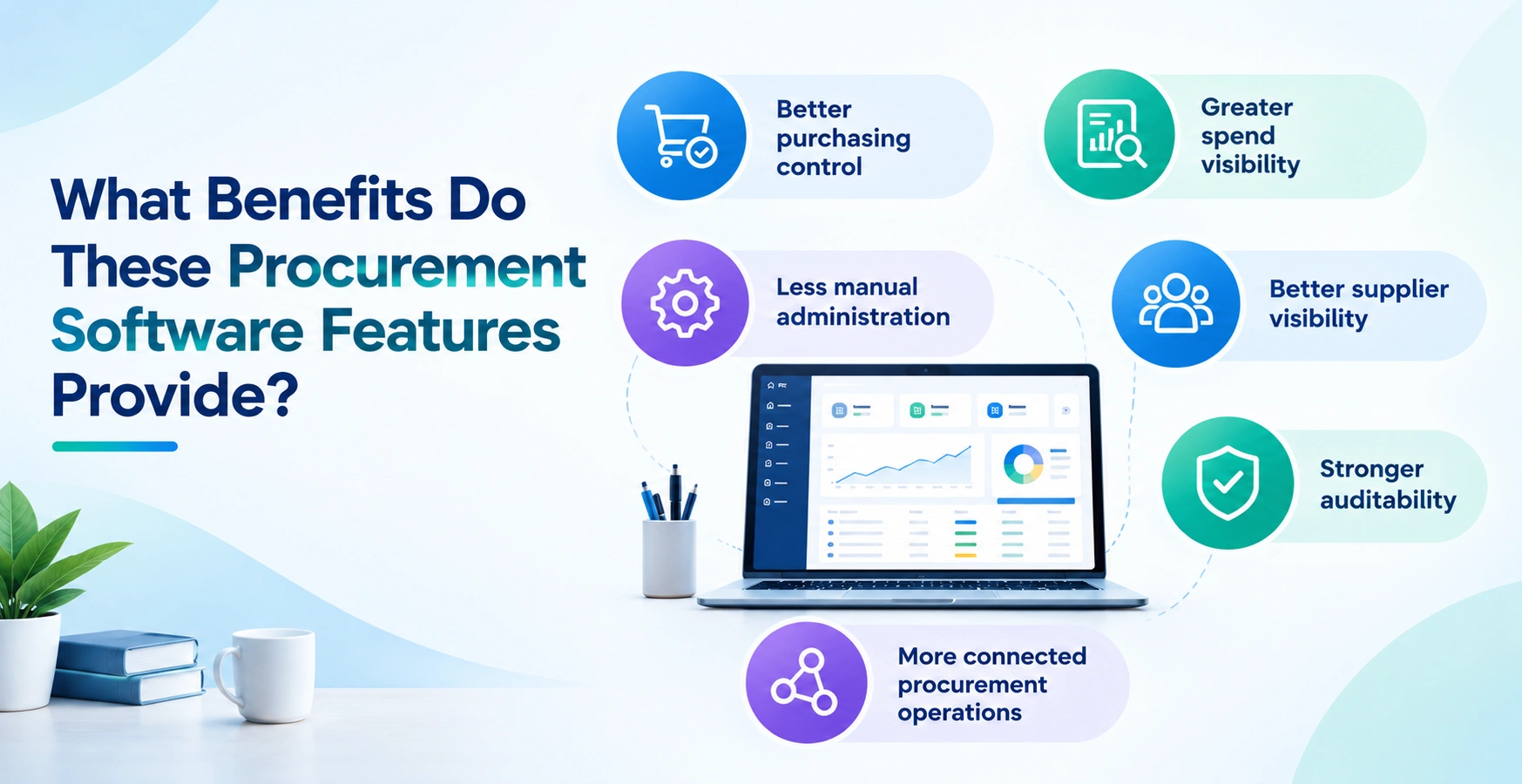
The features above support several practical procurement outcomes:
Approval workflows, guided buying, supplier controls, and compliance features help standardize how purchases are made.
Spend analytics provides a clearer view of purchasing across suppliers, categories, departments, and budgets.
Automated requests, approvals, POs, sourcing workflows, and invoice processing reduce repetitive administrative work.
Centralized supplier records make onboarding, documentation, compliance, and performance easier to manage.
Approval histories, transaction records, and audit trails provide a clearer record of procurement activity.
ERP and finance integrations help connect procurement data with the broader business environment.
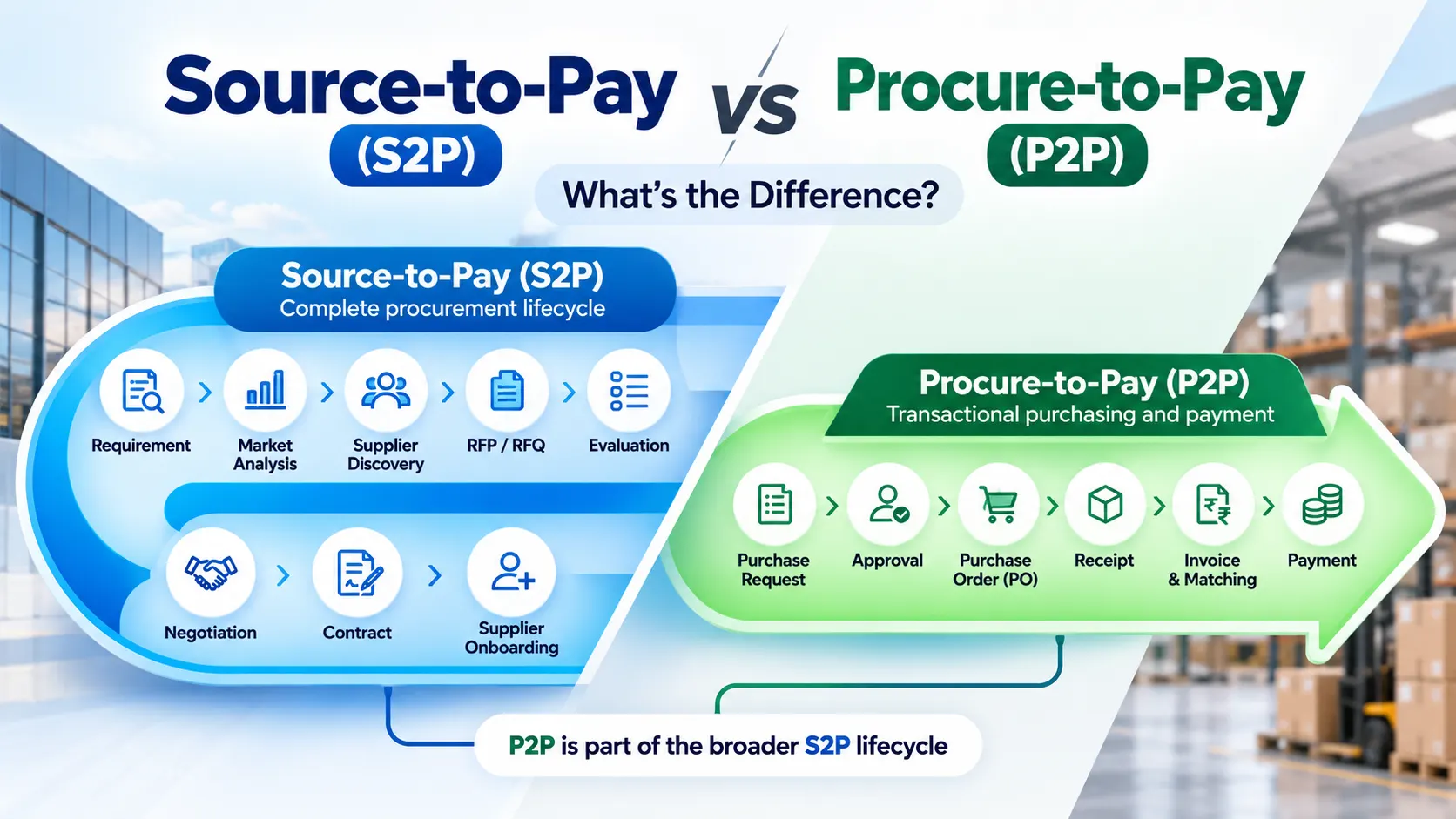
Procurement software generally covers a broader part of the procurement lifecycle than basic purchasing software.
Purchasing software typically focuses on buying activities such as requisitions, purchase orders, and invoices. Procurement software can extend further into sourcing, supplier management, contracts, compliance, spend analytics, and other strategic procurement activities.
The exact scope varies by platform, so businesses should evaluate the actual capabilities rather than relying only on the product category name.Procurement Software vs. ERP
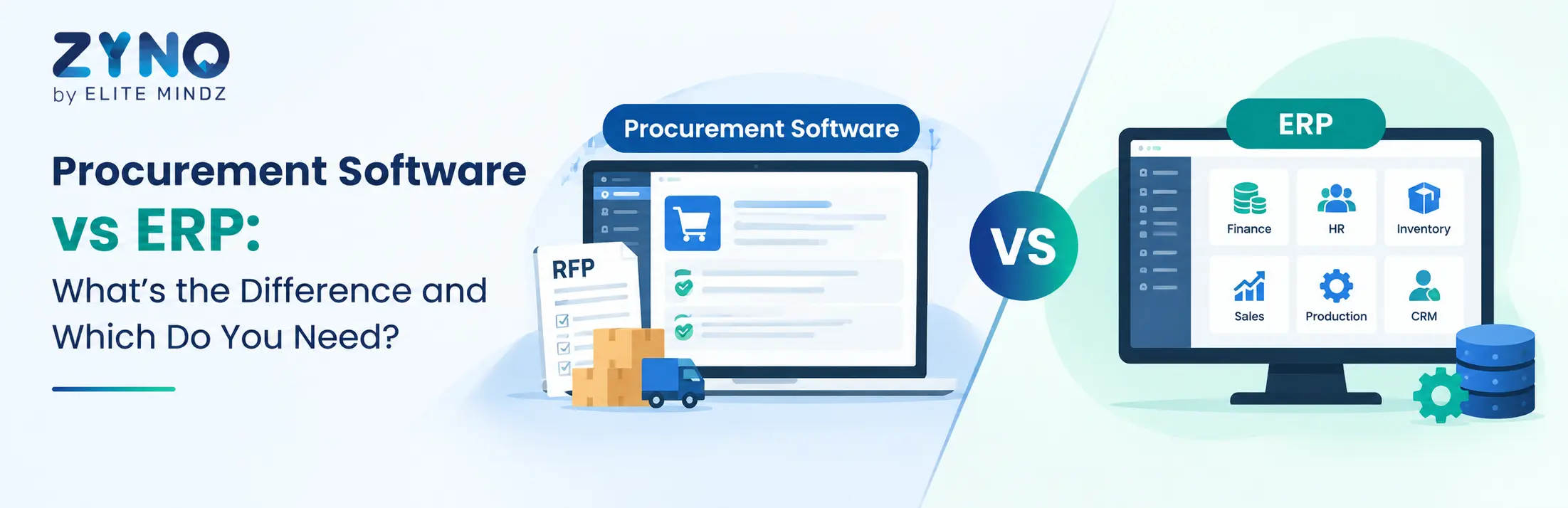
Procurement software does not necessarily replace an ERP. It can provide deeper procurement workflows while integrating with the organization's existing ERP or finance systems.
An ERP may provide broad business functions across finance, inventory, operations, and other areas. Procurement software can focus more deeply on purchasing workflows, sourcing, supplier management, approvals, and procurement analytics.
The right choice depends on what your existing systems already handle and where the current procurement gaps are.
Explore how ZYNO Procurement helps businesses automate purchase requests, manage approvals, control spending, and streamline procurement workflows.
Once you know the features you need, don't start by asking which platform has the longest feature list.
Start with your procurement process.
Ask:
This gives you a much more useful evaluation framework than comparing feature counts alone.
| Feature | What to Verify |
|---|---|
| Purchase requisitions | Can users create and track purchase requests? |
| Approval workflows | Can approval rules be configured? |
| Purchase orders | Can POs be created, approved, tracked, and managed? |
| Supplier management | Can supplier information and documents be centralized? |
| RFQ/RFP | Can sourcing events be managed digitally? |
| Quotation comparison | Can supplier quotations be compared efficiently? |
| Guided buying | Can users purchase through approved channels? |
| Invoice matching | Can invoices be matched against purchasing records? |
| Spend analytics | Can procurement spend be analyzed and reported? |
| Contracts & compliance | Can contracts and compliance requirements be managed? |
| Integration | Can the platform connect with ERP and finance systems? |
| AI | Does AI solve a real procurement workflow or decision-support need? |
Before selecting a platform, make sure you can answer yes to the capabilities that matter to your business:
ZYNO is designed around the same connected procurement lifecycle covered throughout this guide.
Its procurement capabilities include purchase requests, approval workflows, vendor management, RFP management, quotation management, procure-to-pay workflows, spend analytics, and AI-assisted purchase requests.
The important point is that these capabilities address different stages of the procurement process rather than functioning as isolated tools.
For organizations evaluating procurement software, the next step is to map these capabilities against your existing purchasing process, approval structure, supplier workflows, and reporting requirements.
The best procurement software is not the platform with the longest feature list. It is the one that connects the right procurement capabilities across your actual buying process.
At a minimum, evaluate how the software handles requests, approvals, suppliers, sourcing, quotations, purchase orders, invoices, spend visibility, compliance, integrations, and AI-assisted workflows.
The right combination gives procurement teams something more useful than digitized paperwork: a connected way to control purchasing, manage suppliers, understand spend, and make better procurement decisions.
The key features include purchase requisition management, approval workflows, purchase order management, supplier management, sourcing and RFQ/RFP management, quotation comparison, guided buying, invoice processing, spend analytics, contract and compliance management, ERP integration, and AI-powered procurement.
E-procurement software typically includes digital purchase requests, approval workflows, supplier and catalog management, purchase orders, invoice processing, spend visibility, reporting, audit trails, and integration with finance or ERP systems. The exact feature set varies by platform.
Procurement software manages and automates procurement activities from purchase requests and approvals through sourcing, supplier management, purchasing, invoicing, and spend analysis.
There is no single feature that is most important for every organization. Approval workflows, purchase requisitions, supplier management, purchase orders, spend visibility, and integration are foundational because they connect core procurement activities.
It can control spend by routing purchases through approval workflows, guiding users toward approved suppliers or catalogs, providing budget and spend visibility, and helping procurement teams identify purchasing patterns that need attention.
Not necessarily. Procurement software can integrate with an existing ERP or finance system while providing specialized procurement workflows and capabilities.
AI is increasingly useful for tasks such as natural-language requests, document processing, supplier recommendations, anomaly detection, and procurement insights. However, AI should solve a real workflow or decision-support problem rather than simply being included as a marketing feature.
Procurement Software Trends in 2026: What to Expect
Read More →
Why E-Procurement Outperforms Traditional ERP in Modern Procurement
Read More →
Top Procurement Software in India: 12 Best Options for 2026
Read More →
Best Procurement Software Companies in Kuwait (2025)
Read More →
5 Best Procurement Software in Africa for Enterprises & SMEs (2026 Guide)
Read More →
Best Procurement Software in Nigeria 2026 | Top 5 Picks
Read More →
Best Procurement Software Providers in USA (2025): How AI is Transforming the Future
Read More →
10 Best Procurement Software Providers in Thailand for Streamlined Supply Chain Management
Read More →
Top 10 Cloud-Based Procurement Solutions in Portugal for Businesses in 2025
Read More →
Top 10 Procurement Software Providers in Switzerland 2026: Streamlining Sourcing and Supplier Management
Read More →
What Makes ZYNO Procurement Different from Other Oil & Gas Procurement Software
Read More →
The Digital Transformation of Logistics Procurement in the Middle East
Read More →
A Step by Step Guide to Procurement Management Software for Modern Enterprises
Read More →
Sourcing and Procurement: What is the Difference and Why It Matters
Read More →Difference Between Procurement and Supply Chain Management
Read More →
What Is Procurement Software and Why Do Modern Businesses Need It?
Read More →
Best Procurement Management Software to Automate ERP Process
Read More →
Direct vs Indirect Procurement: Key Differences, Examples & Uses (2026)
Read More →
Smart procurement strategies for cost optimization & risk management
Read More →
What Is Procurement? Everything You Need to Know (Types, Process & SAP)
Read More →Beyond Cost-Cutting: How Procurement Drives Margin Expansion in 2026
Read More →
Direct Procurement: Process, Examples, and When to Use It
Read More →
What Are the 5 Types of E-Procurement? A Complete Guide for Businesses
Read More →
Which Procurement Management Software Is Best? Top Tools Compared for 2026
Read More →
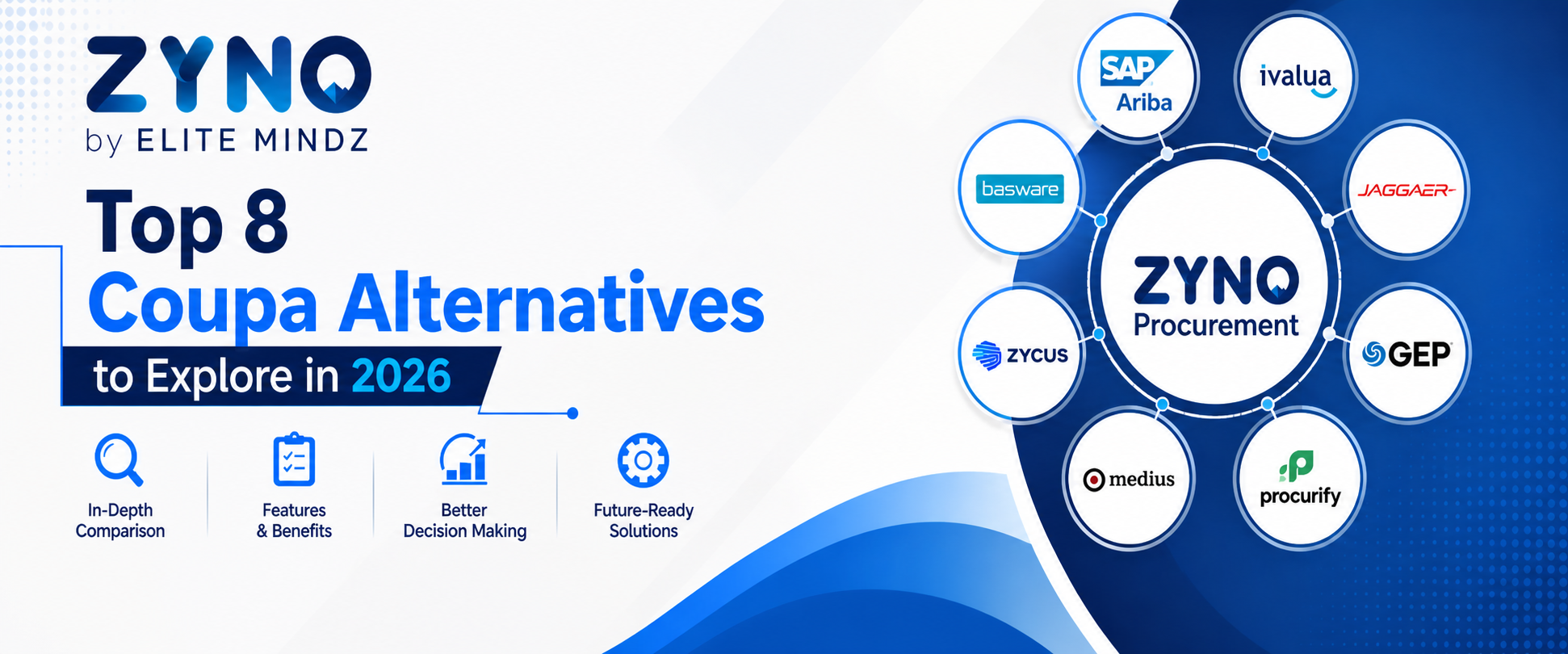
Top 8 Coupa Alternatives to Explore in 2026
Read More →
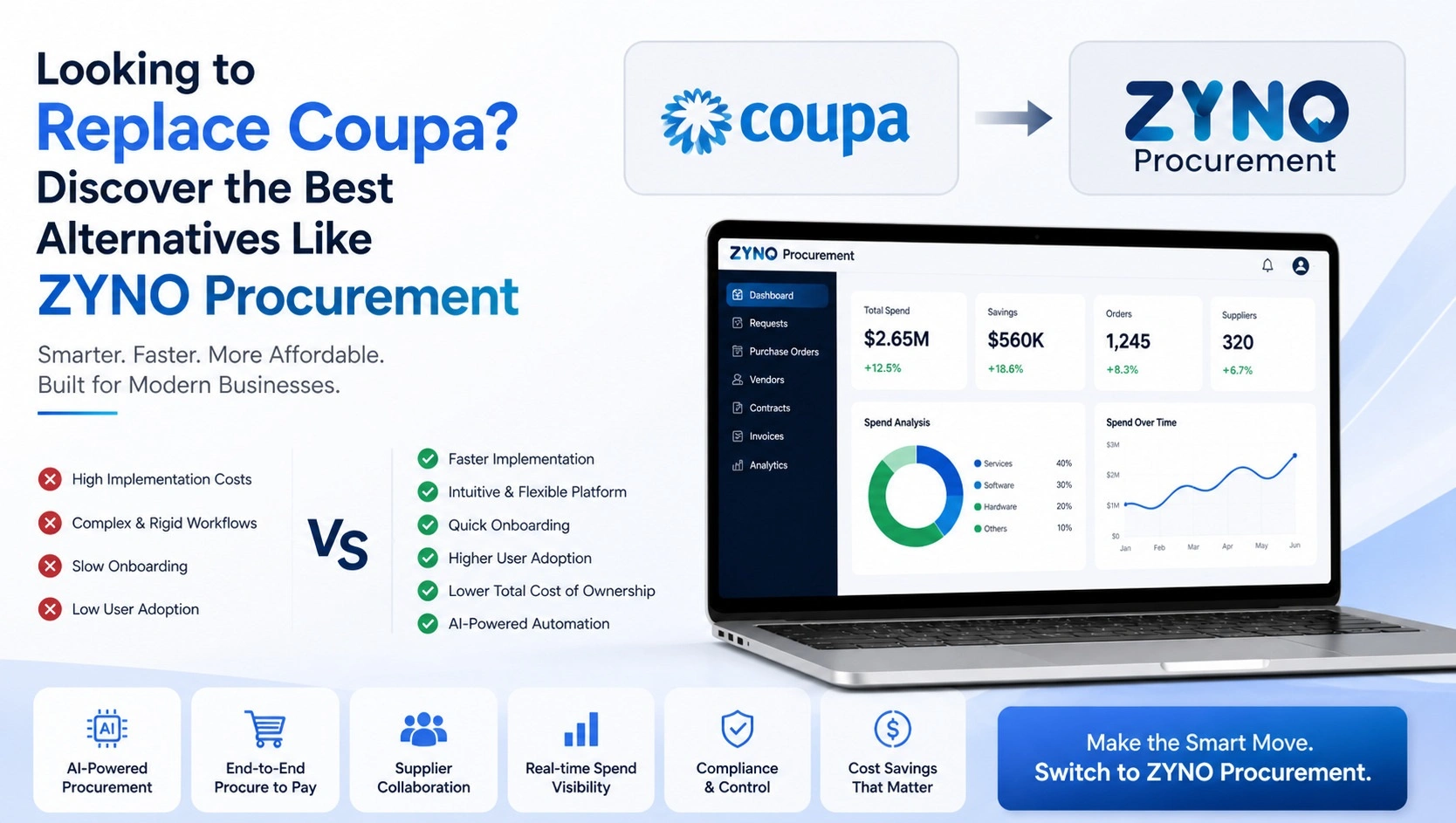
Looking to Replace Coupa? Discover the Best Alternatives Like ZYNO Procurement
Read More →
How Does Procurement Software Work? A Complete Guide
Read More →
ZYNO Procurement vs Coupa: Best Procurement Software Comparison for Mid-Market Teams
Read More →
Best SAP ARIBA Procurement Alternatives in 2026
Read More →
ZYNO Procurement vs SAP Ariba: Which Solution Is More User-Friendly?
Read More →
AI-Powered Procurement Management Software for Fast, Connected, and Visible Workflows in Dubai
Read More →
What is Vendor Management? Complete Guide to Vendor Management Software, Systems, and Processes
Read More →
Best Procurement Management Software In Kenya
Read More →
6 SAP Ariba Alternatives for Mid-Market Businesses in 2026
Read More →
Top E-Procurement Solutions for B2B Organizations (2026)
Read More →
Quotation Format: Free Templates + Complete Guide (2026)
Read More →
Cost Control Software: Features, Benefits & Performance Guide for 2026
Read More →
Procurement Workflow: Steps, Stages, and Real Examples
Read More →
Top 10 Zycus Alternatives for Procurement Teams in 2026
Read More →
Best Precoro Alternative for Purchase Requisition and Procurement
Read More →
Top AI Procurement Tools in 2026
Read More →
Best Tools for Supplier Risk Management
Read More →
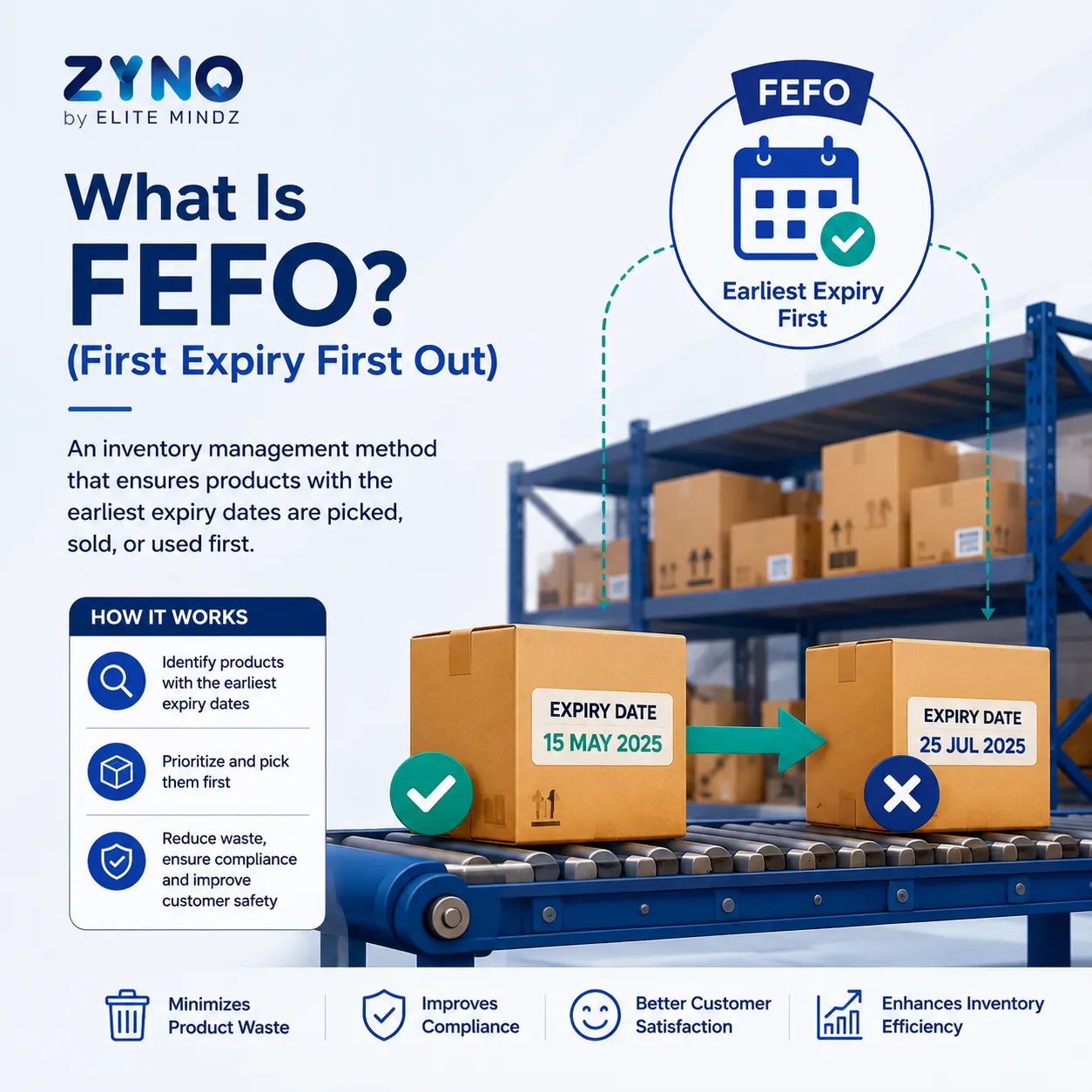
FEFO vs FIFO vs LIFO: Differences, Benefits & Which Inventory Method Is Best?
Read More →
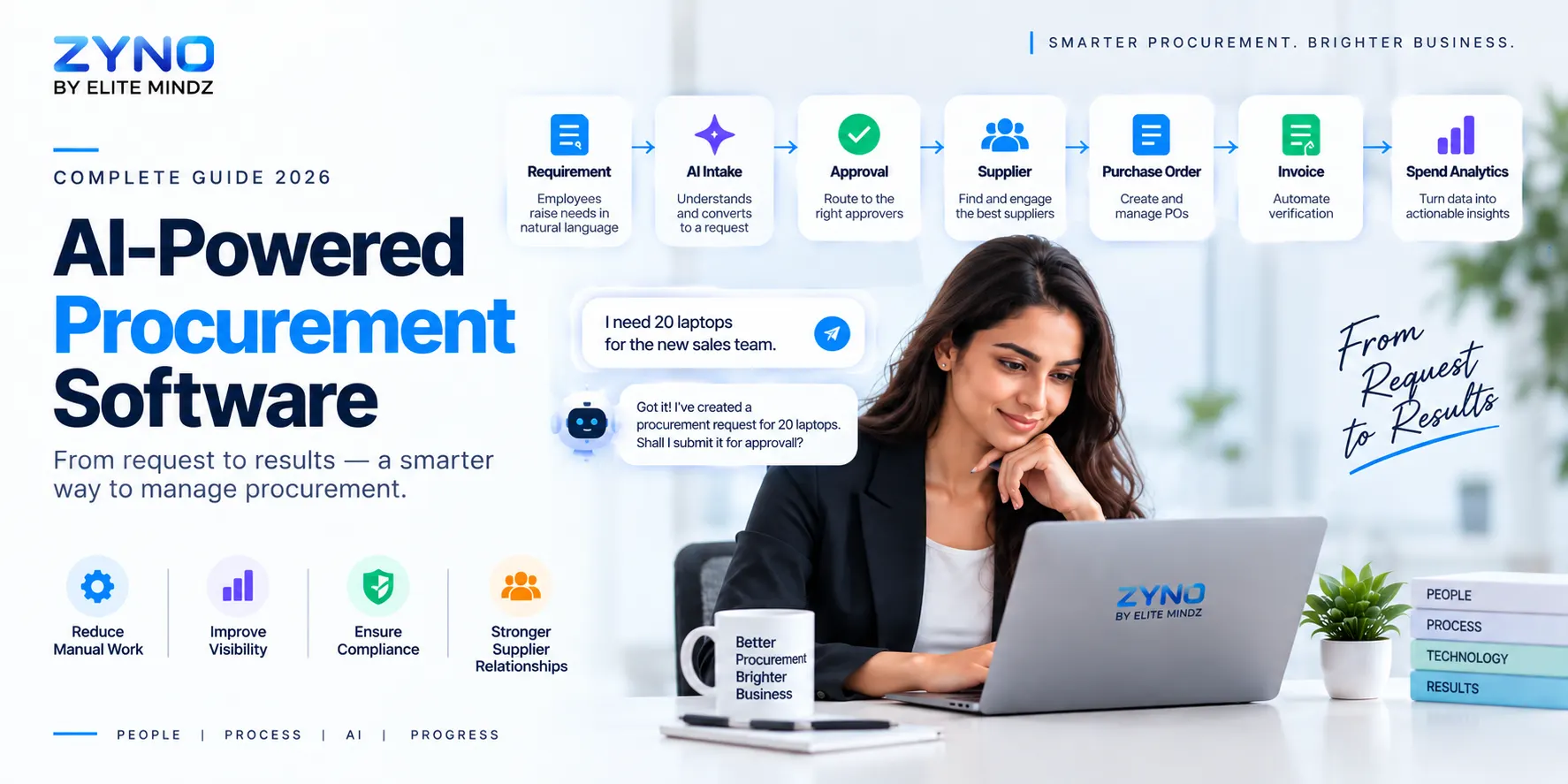
AI Procurement Software: Features, Benefits, Use Cases & How to Choose
Read More →
Best AI Tools for Supply Chain Procurement
Read More →
Procurement Risk Management
Read More →
Still Using Excel for Procurement? Read This Before It's Too Late
Read More →
Best RFP Software in 2026: Top Tools Compared for Faster Proposal Responses
Read More →
What Is Procure-to-Pay (P2P)? A Complete Guide
Read More →
Complete Procurement Workflow Guide for Modern Businesses
Read More →
Complete Guide to E-Procurement Solutions for B2B Organizations
Read More →
Cost Control Software Comparison Guide: Features, Pricing & Benefits
Read More →
Purchase Order Tracking: How to Manage Every PO Without the Chaos
Read More →
Inventory Management: What It Is, How It Works and Why It Matters
Read More →
Top 10 Procurement Software Tools for Purchasing Automation in 2026
Read More →
Agentic AI Procurement Platforms and the Future of Strategic Sourcing
Read More →
AI Spend Analytics Software for Procurement Leaders
Read More →
From Prompt to Procurement: How AI Is Transforming Enterprise Purchasing
Read More →
ZYNO Procurement vs IBM Procure-to-Pay Automation
Read More →
ZYNO Procurement vs Infor Nexus: Which Procure-to-Pay Platform Fits Your Team?
Read More →
AI-Powered Procurement Software in 2026: Top 6 Platforms That Actually Deliver ROI
Read More →
Contract Management Software Buyer's Guide: Features, Costs & Top Picks
Read More →
Top 10 Procure to Pay Software Companies in India 2026
Read More →
10 Best Vendor Management Software in India (2026): Features, Benefits & Comparison
Read More →
How Machine Learning and AI Are Transforming Procurement: A Strategic Overview
Read More →
What Is Procurement Software for GP? Features, Benefits and Best Solutions for Businesses
Read More →
What Procurement Software Do Mid-Market Companies Use Instead of SAP Ariba or Coupa?
Read More →
Prompt-Based Procurement Software for Kenyan Businesses
Read More →
Project Management Software: A Complete Guide to Streamline Business Operations and Procurement Processes
Read More →
SAP Ariba vs ZYNO Procurement: Complete Feature Comparison (2026)
Read More →
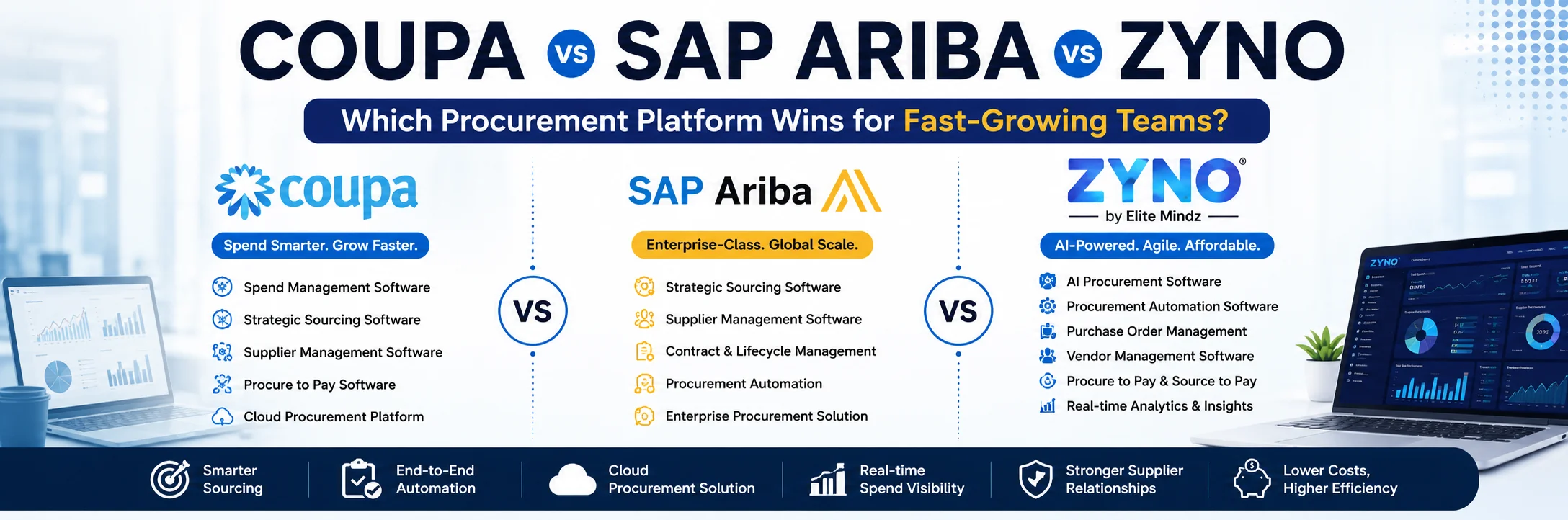
Coupa vs SAP Ariba vs ZYNO: Which Procurement Platform Wins for Fast-Growing Teams?
Read More →
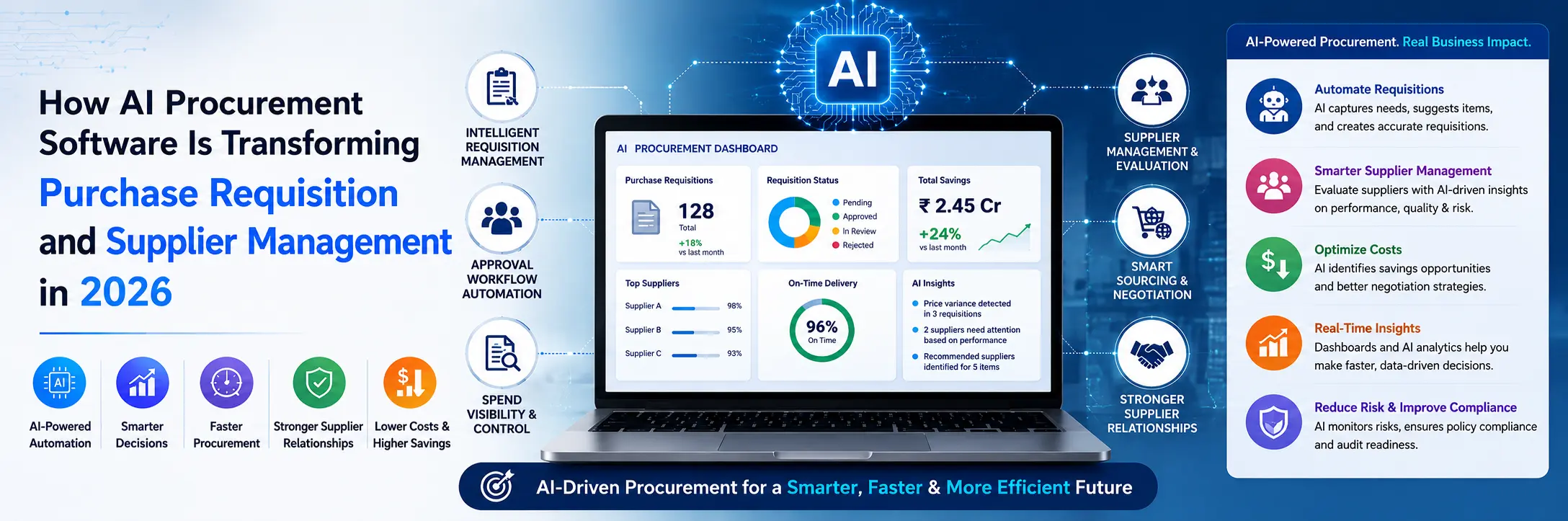
How AI Procurement Software Is Transforming Purchase Requisition and Supplier Management in 2026
Read More →
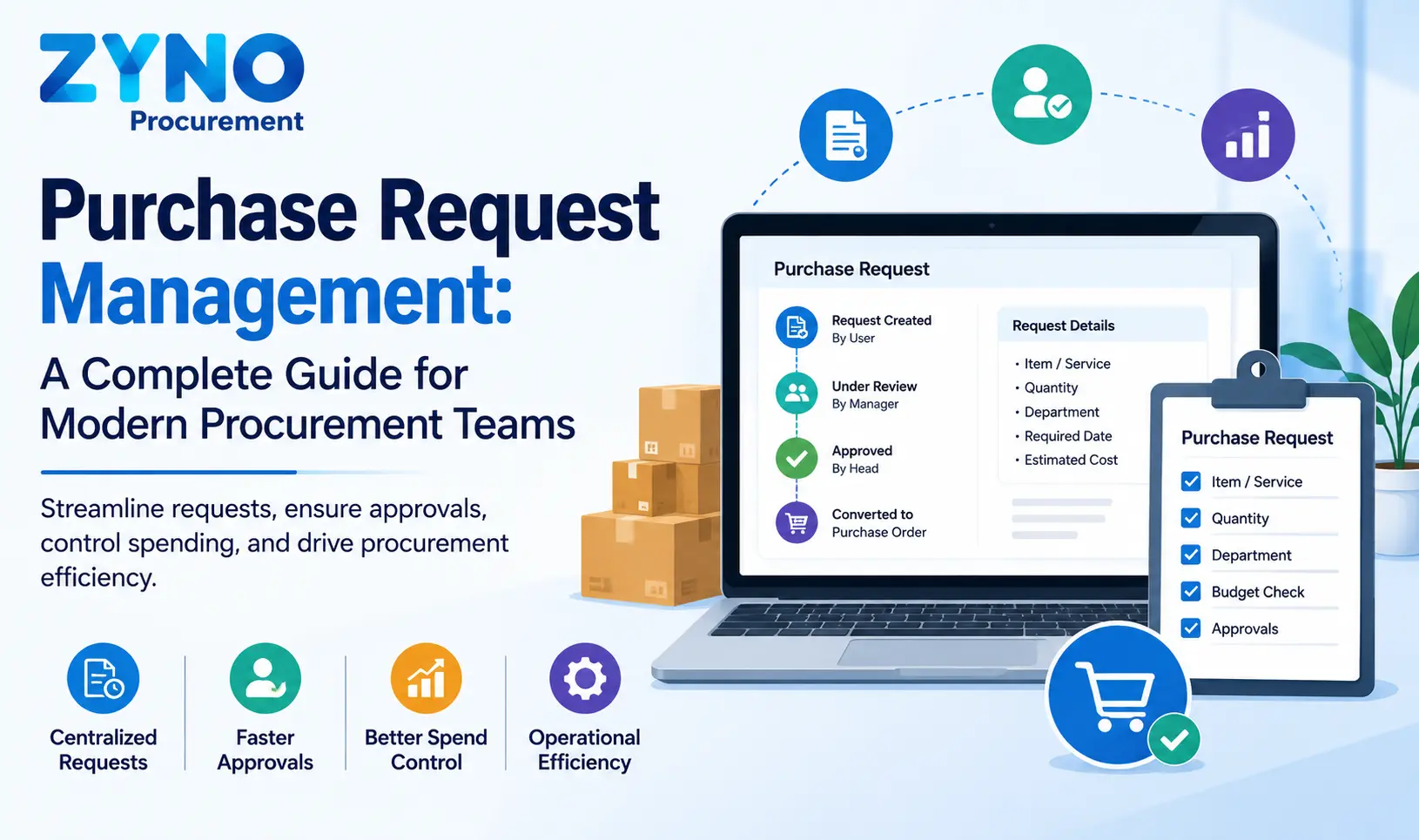
Purchase Request Management: A Complete Guide for Modern Procurement Teams
Read More →
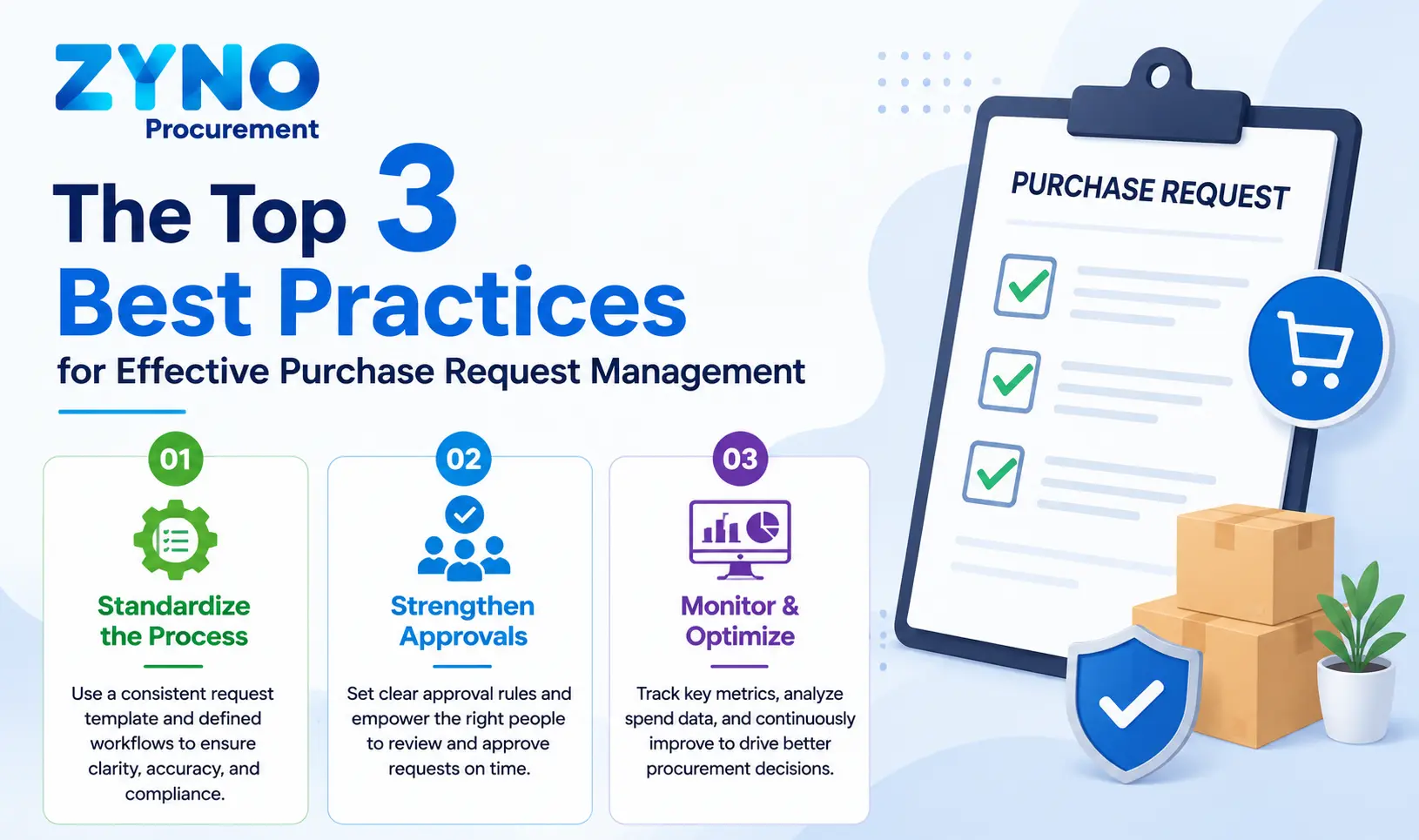
The Top 3 Best Practices for Effective Purchase Request Management
Read More →
What Is Purchase Order Automation? How to Automate Purchase Order Processing
Read More →
5 Common Purchase Request Mistakes and How to Avoid Them
Read More →
What is Supplier Relationship Management in Procurement? A Complete Guide
Read More →
What is Strategic Vendor Management? A Complete Guide for Modern Procurement
Read More →
What Are Inventory Control Methods? Complete Guide to Types, Techniques, Systems, & Benefits
Read More →
Inventory Audit Checklist: Steps, Process & Best Practices
Read More →
Warehouse Inventory Management: Best Practices for 2026
Read More →
Treasury Management System (TMS): A Complete Guide for Modern Corporates
Read More →
What is Portfolio Management Services (PMS) and What Are Its Benefits?
Read More →
Generative AI Procurement Software Solution: The Future of Intelligent Procurement
Read More →
Top Contract Management Software Companies in Ethiopia: Features, Benefits & Best Procurement Solutions
Read More →
AI Procurement Software: Complete Guide to Intelligent, Generative AI & Machine Learning Procurement Solutions
Read More →
Top SAP alternatives for small, midsize, and enterprise businesses
Read More →
Best RFP Software in 2026: Top Solutions for Smarter Procurement and Proposal Management
Read More →
GST on Purchase: Complete Guide to GST on Purchases in India
Read More →
Procurement Software UAE: Complete Guide to Choosing the Best Procurement Solution
Read More →
Supply Chain Procurement: Everything You Need to Know
Read More →
Top 10 Oracle Procurement Alternatives for Businesses in 2026
Read More →
Quotation Software vs Excel: Which Is Better for Businesses in 2026?
Read More →
Contract Management Software Buyer's Guide: Features, Pricing & How to Choose
Read More →
How to Identify the Right Vendor: 10 Simple Steps
Read More →
Top 10 Automated PO Generation Tools in 2026: Best Purchase Order Software with AI Capabilities
Read More →
How to Generate a PO Automatically in SAP: Step-by-Step Guide
Read More →
What Is the Best Budget-Friendly Procurement Software With Vendor Onboarding for Indian SMEs?
Read More →
How to Generate a PO Automatically in SAP: Step-by-Step Guide
Read More →
How to Solve Invoice Mismatches: 10 Real Ways to Fix Invoice Discrepancies
Read More →
Top 10 Vendor Onboarding Tools for Businesses in 2026: Features, Process & How to Choose
Read More →
Vendor Comparison & Supplier Intelligence: How AI Helps Businesses Choose the Right Vendor
Read More →
How to Choose the Right Procurement Management Software in 2026 (Complete Buyer's Guide)
Read More →
How to Reduce Procurement Costs: 18 Practical Strategies That Actually Work
Read More →
How to Choose the Right Procurement Management Software in 2026 (Complete Buyer's Guide)
Read More →
How to Calculate Procurement Software ROI: Formula, Example & Calculator
Read More →
Procurement Software Evaluation Checklist: 35 Criteria for Choosing the Right Platform
Read More →
How Businesses Can Improve Vendor Performance and Manage Supplier Risk
Read More →
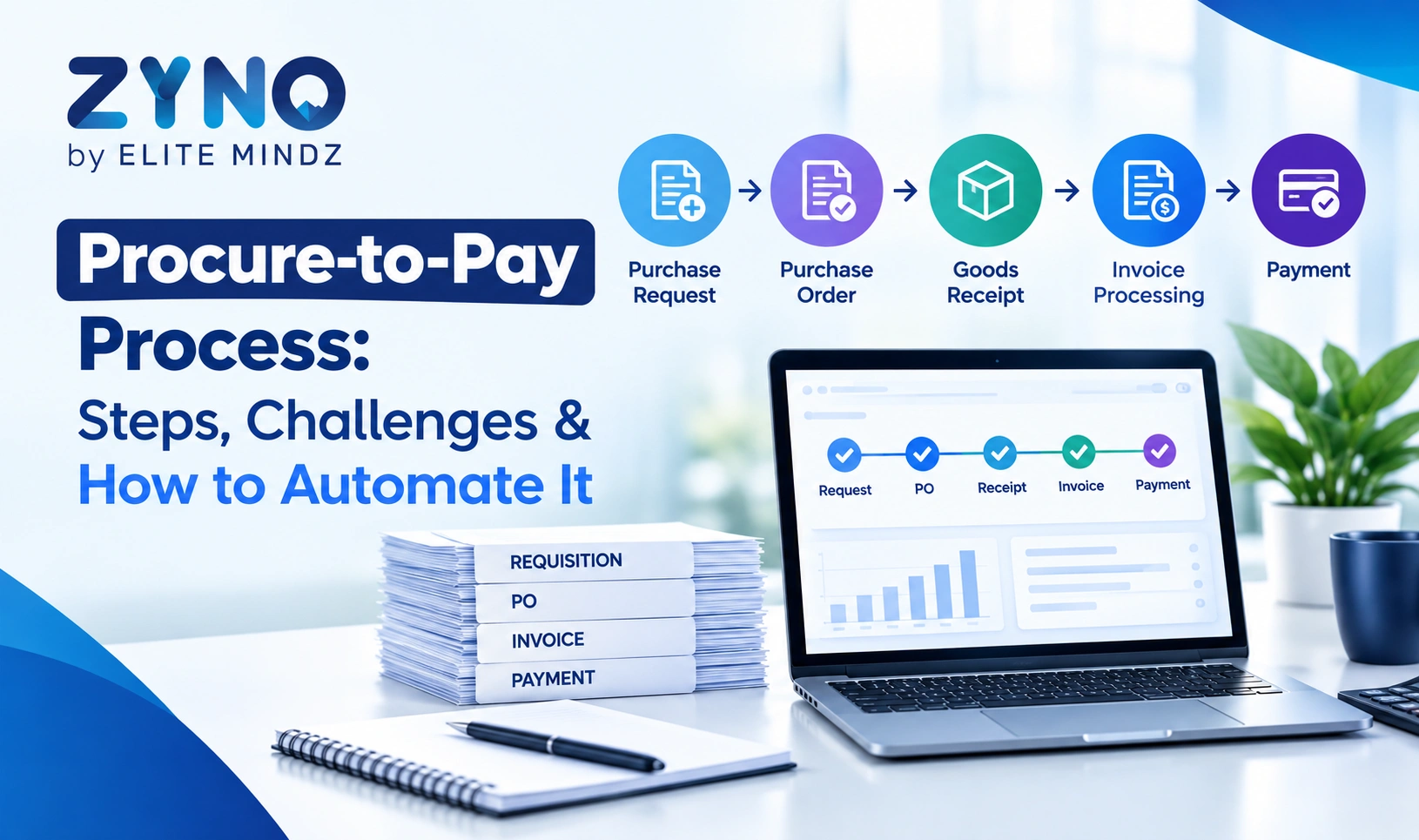
Procure-to-Pay Process: Steps, Challenges & How to Automate It
Read More →
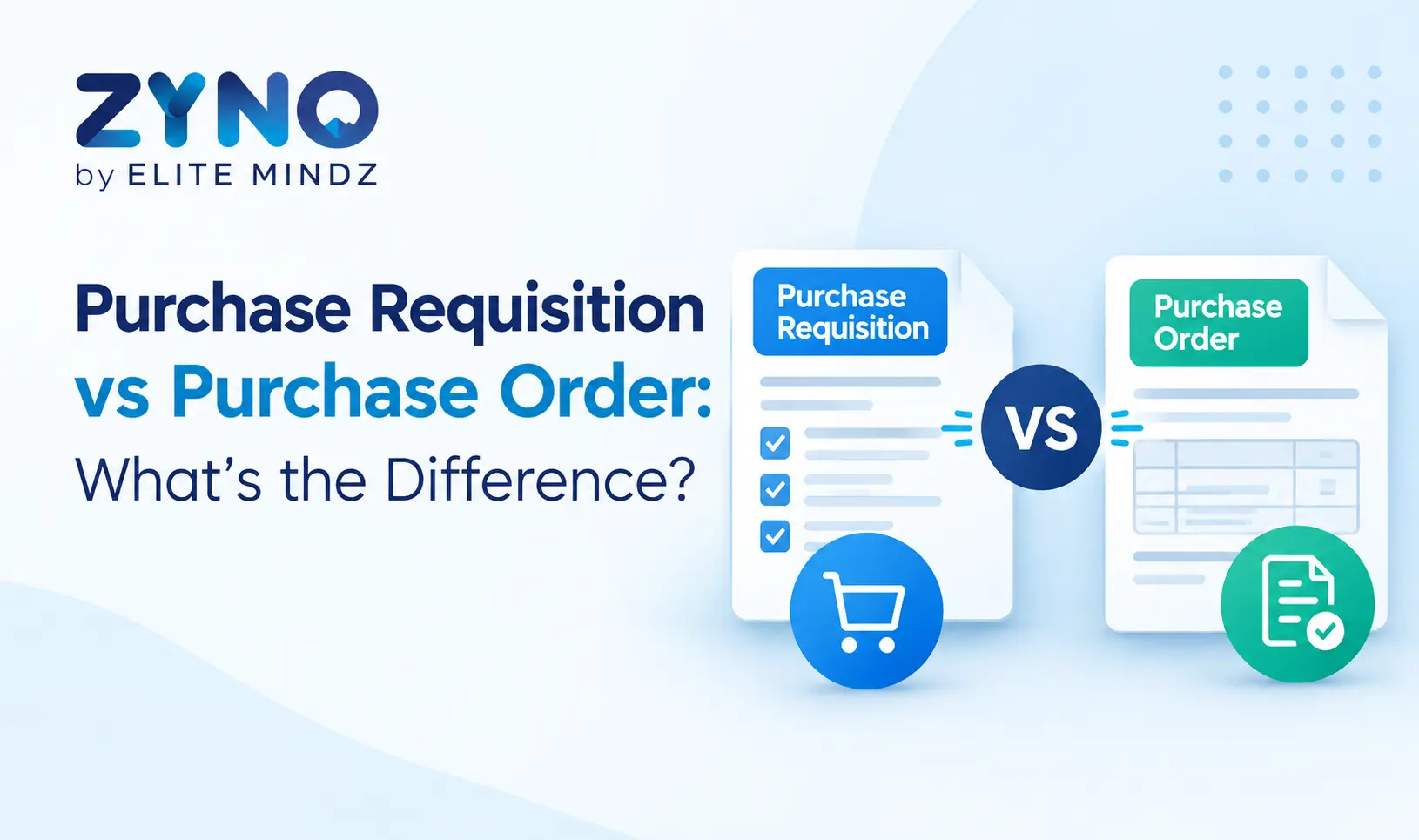
Purchase Requisition vs Purchase Order: What’s the Difference?
Read More →
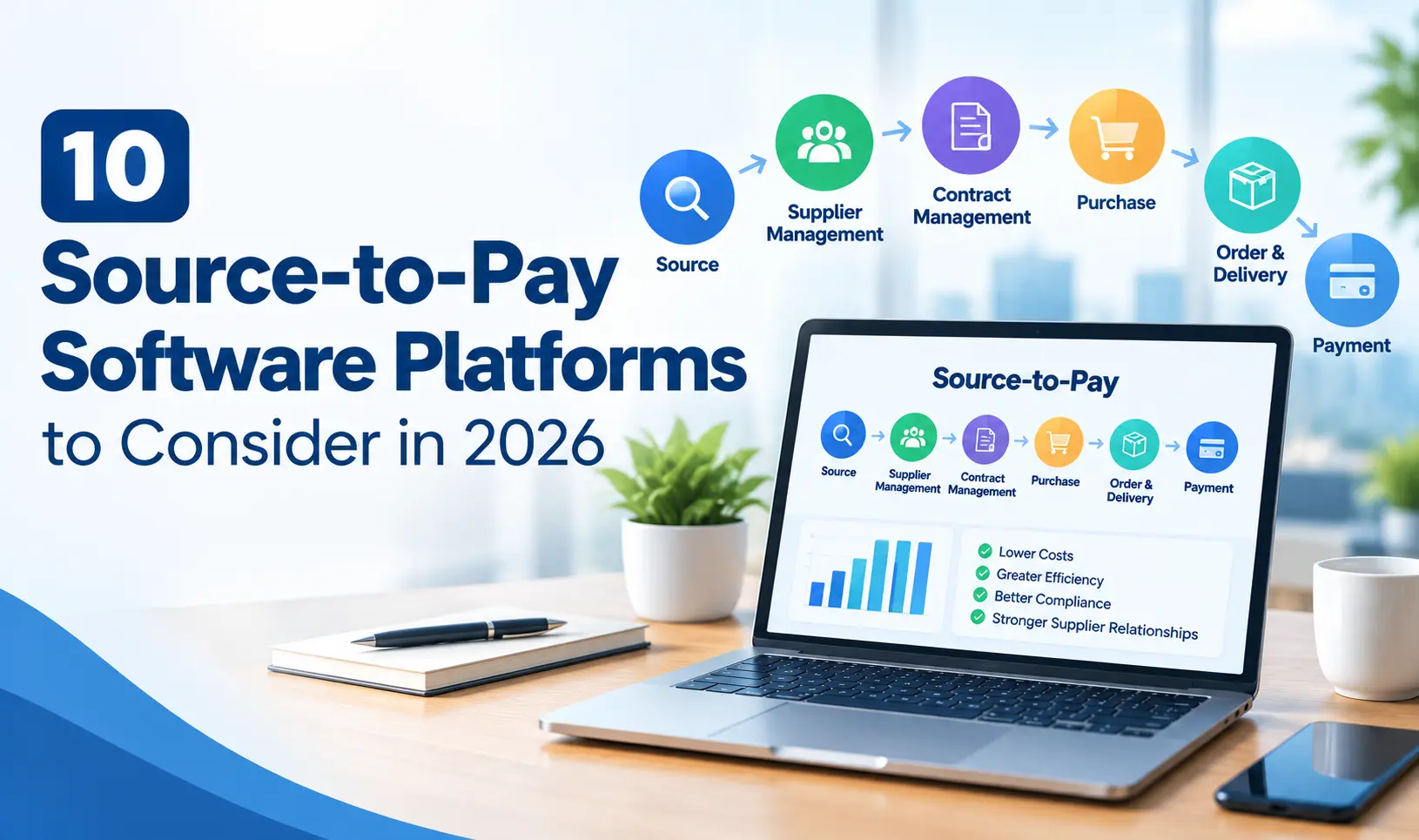
10 Source-to-Pay Software Platforms to Consider in 2026
Read More →
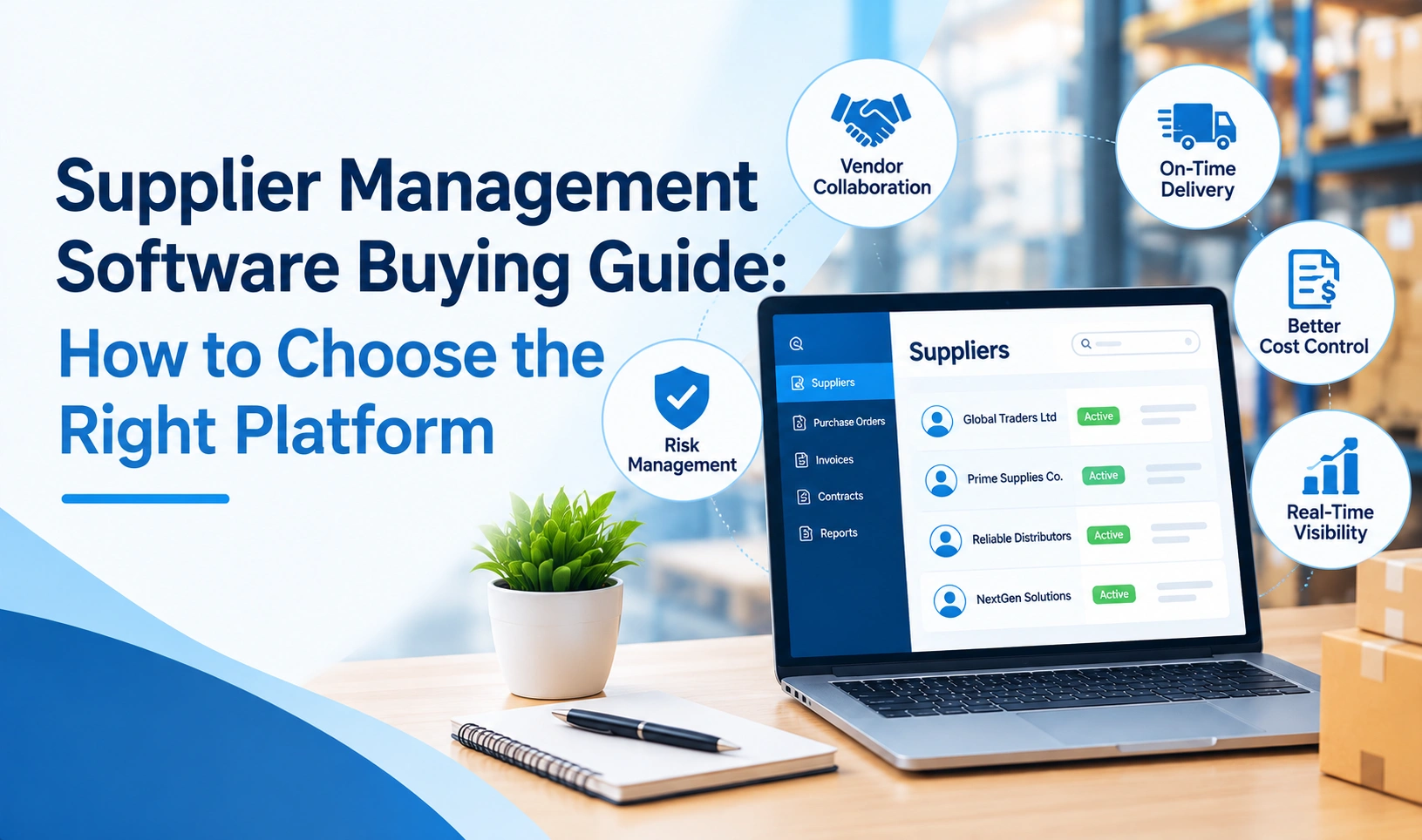
Supplier Management Software Buying Guide: How to Choose the Right Platform
Read More →
Procurement Automation Guide: How It Works, What to Automate & How to Implement It
Read More →
Procurement Software Features: 12 Must-Have Capabilities to Look For
Read More →Partner with ZYNO by Elite Mindz to revolutionize how your business works. Fill out the form, and we’ll reach out with AI-powered solutions made just for you.
We use browser cookies to ensure you get the best experience on our website. Learn more
The form was submitted successfully!