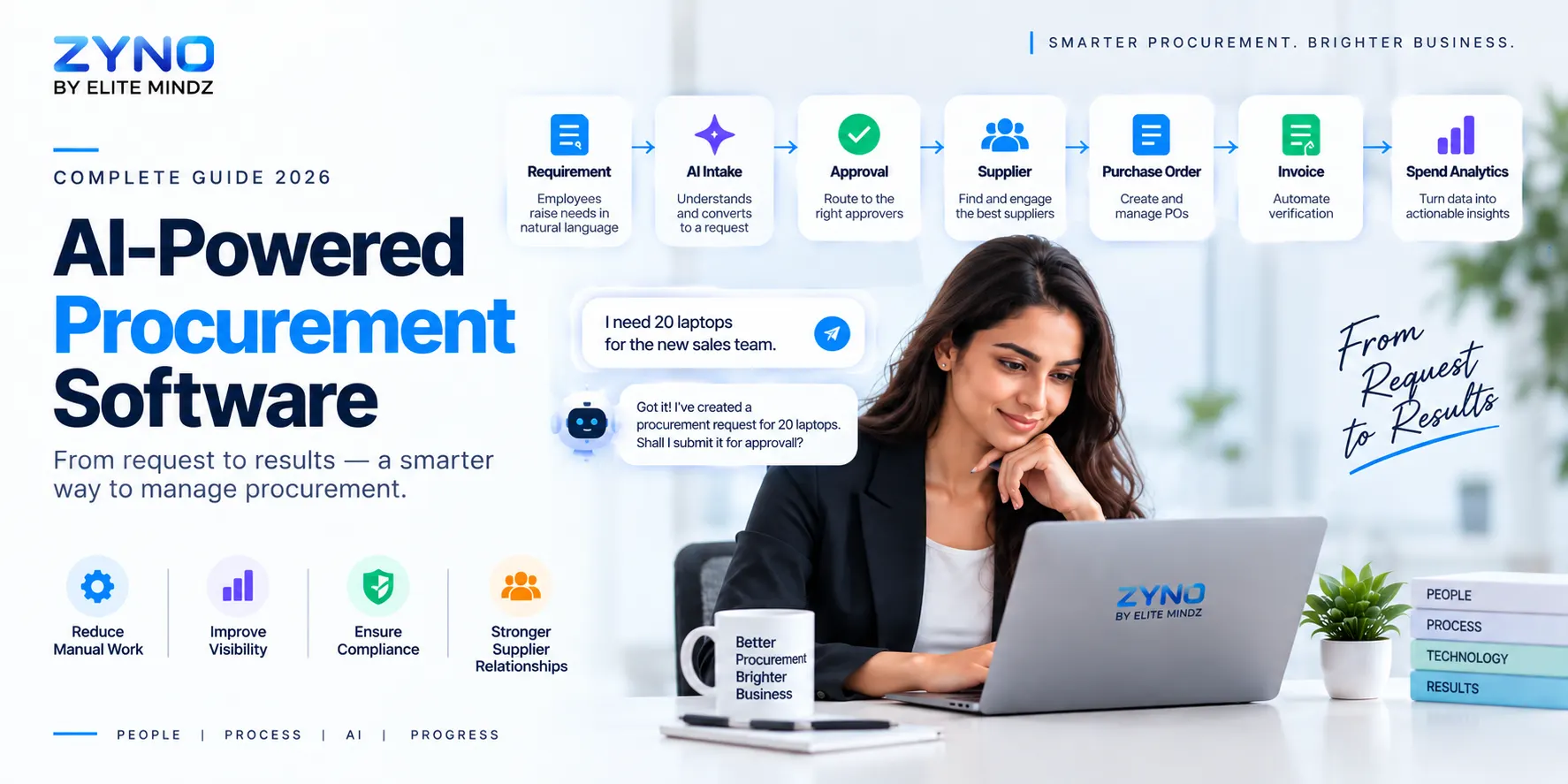
Procurement Software Trends in 2026: What to Expect
Read More →

×
Learn how to generate a PO automatically in SAP with this step-by-step guide. Understand purchase requisitions, source determination, approvals, master data, and automatic PO creation. Discover how AI-powered procurement solutions can further streamline supplier recommendations, budget validation, approvals, and purchase order automation for faster and more efficient purchasing workflows.
Businesses using ZYNO Books cut accounting time by 70% and stay 100% ZATCA-compliant — automatically.
Creating purchase orders manually in SAP can become time-consuming when procurement teams process a large number of purchase requisitions. SAP supports automatic purchase order creation from eligible purchase requisitions, but the process depends on correct master data, source-of-supply determination, purchasing configuration, and automation settings.
There is also an important point to understand first:
SAP does not generally create a PO directly from a Sales Order in a standard third-party process. In third-party processing, the Sales Order can trigger a Purchase Requisition, which is then processed into a Purchase Order. SAP documents that a third-party item in a sales order can automatically create a purchase requisition, after which the PO is created from the requisition.
This guide explains the process, prerequisites, SAP transaction options, automatic scheduling, common errors, and where AI-powered procurement tools such as ZYNO can make the overall workflow smarter.
The basic process looks like this:
Sales Order / Purchase Requirement
↓
Purchase Requisition
↓
Source of Supply Determination
↓
Validation & Approval
↓
Automatic PO Creation Job
↓
Purchase Order
↓
Supplier Dispatch
↓
Goods Receipt
↓
Invoice Verification
For a normal procurement scenario, the process starts with a Purchase Requisition (PR). For third-party sales processing, a Sales Order can create the PR automatically. SAP's documentation confirms that third-party sales order items can generate corresponding purchase requisition items.
Discover how ZYNO Procurement helps businesses manage vendors, streamline sourcing, compare quotations, and make smarter purchasing decisions with AI-powered procurement automation.
The first step is to have a valid Purchase Requisition.
A PR can originate from several business processes, including:
In third-party processing, when a suitable third-party item is entered in the Sales Order, SAP automatically creates the related purchase requisition. The PR contains information such as:
If your question is "How do I create a PO from a Sales Order in SAP?", the more accurate workflow is:
Sales Order → Purchase Requisition → Purchase Order
rather than:
Sales Order → Purchase Order
SAP needs to know where the requested material or service should be purchased from.
This is where source determination becomes important.
Depending on the scenario, SAP can use purchasing information such as:
SAP's current documentation states that a purchase requisition must have an assigned source of supply for certain PO creation processes.
If SAP cannot determine an eligible source, automatic PO creation may not work as expected.
Automatic PO creation is only as reliable as the underlying master data.
Check that the relevant information is maintained for:
Make sure the material has the necessary purchasing information.
The supplier should have the appropriate purchasing organization information.
Maintain relevant purchasing info records and source-of-supply information where required.
SAP's automatic PO creation scenarios explicitly require master data such as material, supplier, and purchasing information.
This is one of the most common reasons an automatic PO process fails.
Bad master data = bad automation
Streamline the journey from purchase requisition to purchase order with AI-powered supplier recommendations, budget validation, approval workflows, and automated PO generation.
Explore ZYNO Procurement Explore Procure-to-PayFor automatic PO creation, SAP needs to be configured to permit the relevant purchasing process.
The exact configuration depends on your SAP version, deployment model, purchasing scenario, and business process.
The goal is to ensure that eligible purchase requisitions can be converted into purchase orders automatically rather than requiring a buyer to process each one manually.
For older SAP GUI-based processes, ME59N is associated with automatic creation of purchase orders from requisitions. SAP documentation identifies ME59N as the transaction for automatic PO creation from requisitions.
Not every PR should automatically become a PO.
Before automatic conversion, check whether:
SAP's current S/4HANA documentation states that PO creation from a PR requires conditions such as an assigned source of supply and an unblocked requisition item.
This is why simply activating automation does not mean every PR will instantly become a PO.
In SAP environments where ME59N is applicable, buyers can use it to process eligible purchase requisitions and create purchase orders automatically.
The basic concept is:
Purchase Requisition → Automatic PO Processing → Purchase Order
ME59N is particularly useful when you want to process multiple eligible requisitions rather than manually creating each PO individually. SAP documentation specifically identifies ME59N for automatic PO creation from requisitions.
However, modern SAP S/4HANA environments also provide Fiori-based approaches for scheduled purchasing jobs.
For current SAP S/4HANA procurement workflows, SAP provides the Schedule Purchasing Jobs - Advanced app.
The relevant job template is:
Automatic Creation of Purchase Orders from Requisitions
SAP's documented procedure is:
SAP confirms that the scheduled job automatically converts eligible purchase requisitions into purchase orders.
You can also configure the job to run on a recurring basis rather than requiring someone to manually initiate the process every time.
After the automatic job finishes, check the generated PO.
Verify:
SAP provides job results that allow the purchaser to review the generated PO after automatic processing.
Automation should reduce manual work, but organizations should still define appropriate controls for exceptions and high-value purchases.
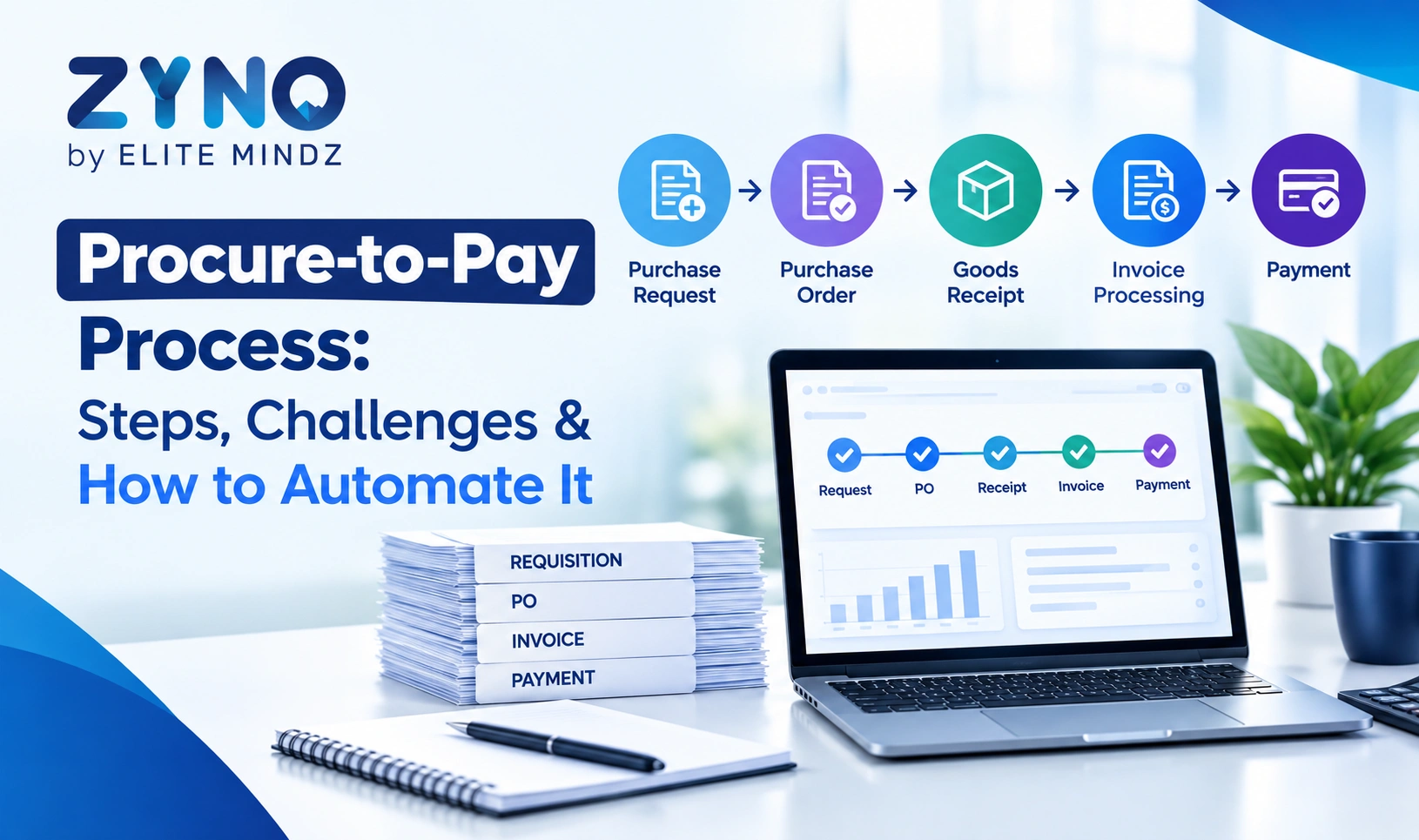
Automate invoice processing, approvals, three-way matching, and payment workflows with ZYNO Procurement's AI-powered Accounts Payable solution.
Once the PO has been created and released according to your workflow, it can be communicated to the supplier through the configured output channel.
Depending on the SAP environment, supplier communication can use mechanisms such as:
The exact method depends on your SAP configuration and supplier integration.
Creating the PO is not the end of procurement.
The complete process usually continues:
PR
↓
PO
↓
Supplier Confirmation
↓
Goods / Service Delivery
↓
Goods Receipt / GRN
↓
Invoice
↓
PO + GRN + Invoice Matching
↓
Payment
This is where three-way matching becomes important.
The organization can compare:
Purchase Order + Goods Receipt + Supplier Invoice
to identify issues such as:
Yes, but there is an important distinction.
Traditional SAP automation primarily automates the conversion and processing of eligible procurement documents according to configured rules. AI can add intelligence earlier in the process.
For example:
Employee Requirement
↓
AI Understands Requirement
↓
Purchase Requisition
↓
AI Supplier Recommendation
↓
Budget & Policy Validation
↓
Approval
↓
Automatic PO Creation
↓
GRN
↓
Invoice Matching
This can address a problem that simple PO automation does not solve:
How do you create the right PR in the first place?
If SAP is not creating the PO automatically, check these areas first:
SAP cannot determine which supplier should receive the order.
Supplier, material, info record, or purchasing data may be missing.
A blocked or otherwise ineligible requisition cannot proceed through the configured automatic process.
The PR may still be waiting for the required release or approval.
The relevant automatic PO creation settings or purchasing configuration may not be active.
A previously valid source of supply may have expired or no longer meet the conditions.
In S/4HANA, the scheduled purchasing job must be configured with the appropriate selection parameters and recurrence settings.
| Capability | SAP Automatic PO Creation | AI Procurement Workflow |
|---|---|---|
| Create PR | Depends on process | AI can create from natural language |
| Source determination | Rules/master data | AI can recommend suppliers |
| Budget validation | Configured controls | AI-assisted validation |
| Approval | Configured workflow | AI-assisted routing |
| PO generation | Yes | Yes |
| Supplier recommendation | Rule/source based | AI-based recommendations |
| Natural-language procurement | Not the core PO process | Yes |
| Invoice matching | SAP capabilities vary by configuration | AI can automate matching and exception detection |
| Procurement intelligence | Reporting/analytics | AI-driven recommendations and insights |
If your goal is simply to automatically convert eligible Purchase Requisitions into Purchase Orders in SAP, the key is to maintain the required master data, establish a valid source of supply, configure the relevant purchasing settings, and use the appropriate automatic PO creation process. In current SAP S/4HANA, the Schedule Purchasing Jobs - Advanced app provides a documented job for automatically converting purchase requisitions into purchase orders.
If the bigger objective is to make procurement intelligent from the beginning, the workflow needs to go beyond PO creation.
That's where AI becomes valuable.
Manage vendors, streamline sourcing, compare quotations, and improve procurement decisions with ZYNO Procurement's AI-powered vendor management and procurement automation.
Instead of starting with a manually created PR, an AI procurement platform such as ZYNO Procurement Software can start with the employee's natural-language requirement, create the PR, recommend suitable suppliers, validate budget and policy, route approval, and then convert the approved request into a PO.
In short: SAP can automate the PO. AI can help automate the decision and workflow that leads to the PO.
You can automate PO creation from eligible purchase requisitions by maintaining the required master data and source of supply, configuring the purchasing process, and using the appropriate automatic PO creation functionality. In SAP S/4HANA, the Schedule Purchasing Jobs - Advanced app includes an Automatic Creation of Purchase Orders from Requisitions job template.
ME59N is the SAP transaction associated with automatic creation of purchase orders from purchase requisitions in applicable SAP environments.
In a standard third-party processing scenario, SAP first creates a Purchase Requisition from the relevant Sales Order item. The PR is then processed into a Purchase Order.
Common causes include missing source-of-supply information, incomplete master data, blocked or unapproved requisitions, invalid purchasing information, or incorrect automation configuration.
Yes. ZYNO AI Intake, for example, can interpret natural-language purchasing requirements and generate a structured purchase requisition while recommending suppliers, validating budgets, and routing the request for approval.
Yes. ZYNO states that its automated purchase order system can convert an approved purchase request into a PO while carrying vendor, pricing, and item information into the order.
It is better to position ZYNO as an AI-powered procurement automation platform, not simply as an alternative SAP transaction. Its value is in automating the broader workflow around procurement intake, supplier recommendation, approvals, PO creation, GRN, invoice processing, and spend visibility.
A Purchase Requisition is an internal request to procure goods or services. A Purchase Order is the formal purchasing document issued to the supplier. The PR generally precedes the PO in the procurement workflow.
Procurement Software Trends in 2026: What to Expect
Read More →
Why E-Procurement Outperforms Traditional ERP in Modern Procurement
Read More →
Top Procurement Software in India: 12 Best Options for 2026
Read More →
Best Procurement Software Companies in Kuwait (2025)
Read More →
5 Best Procurement Software in Africa for Enterprises & SMEs (2026 Guide)
Read More →
Best Procurement Software in Nigeria 2026 | Top 5 Picks
Read More →
Best Procurement Software Providers in USA (2025): How AI is Transforming the Future
Read More →
10 Best Procurement Software Providers in Thailand for Streamlined Supply Chain Management
Read More →
Top 10 Cloud-Based Procurement Solutions in Portugal for Businesses in 2025
Read More →
Top 10 Procurement Software Providers in Switzerland 2026: Streamlining Sourcing and Supplier Management
Read More →
What Makes ZYNO Procurement Different from Other Oil & Gas Procurement Software
Read More →
The Digital Transformation of Logistics Procurement in the Middle East
Read More →
A Step by Step Guide to Procurement Management Software for Modern Enterprises
Read More →
Sourcing and Procurement: What is the Difference and Why It Matters
Read More →Difference Between Procurement and Supply Chain Management
Read More →
What Is Procurement Software and Why Do Modern Businesses Need It?
Read More →
Best Procurement Management Software to Automate ERP Process
Read More →
Direct vs Indirect Procurement: Key Differences, Examples & Uses (2026)
Read More →
Smart procurement strategies for cost optimization & risk management
Read More →
What Is Procurement? Everything You Need to Know (Types, Process & SAP)
Read More →Beyond Cost-Cutting: How Procurement Drives Margin Expansion in 2026
Read More →
Direct Procurement: Process, Examples, and When to Use It
Read More →
What Are the 5 Types of E-Procurement? A Complete Guide for Businesses
Read More →
Which Procurement Management Software Is Best? Top Tools Compared for 2026
Read More →
Top 8 Coupa Alternatives to Explore in 2026
Read More →
Looking to Replace Coupa? Discover the Best Alternatives Like ZYNO Procurement
Read More →
How Does Procurement Software Work? A Complete Guide
Read More →
ZYNO Procurement vs Coupa: Best Procurement Software Comparison for Mid-Market Teams
Read More →
Best SAP ARIBA Procurement Alternatives in 2026
Read More →
ZYNO Procurement vs SAP Ariba: Which Solution Is More User-Friendly?
Read More →
AI-Powered Procurement Management Software for Fast, Connected, and Visible Workflows in Dubai
Read More →
What is Vendor Management? Complete Guide to Vendor Management Software, Systems, and Processes
Read More →
Best Procurement Management Software In Kenya
Read More →
6 SAP Ariba Alternatives for Mid-Market Businesses in 2026
Read More →
Top E-Procurement Solutions for B2B Organizations (2026)
Read More →
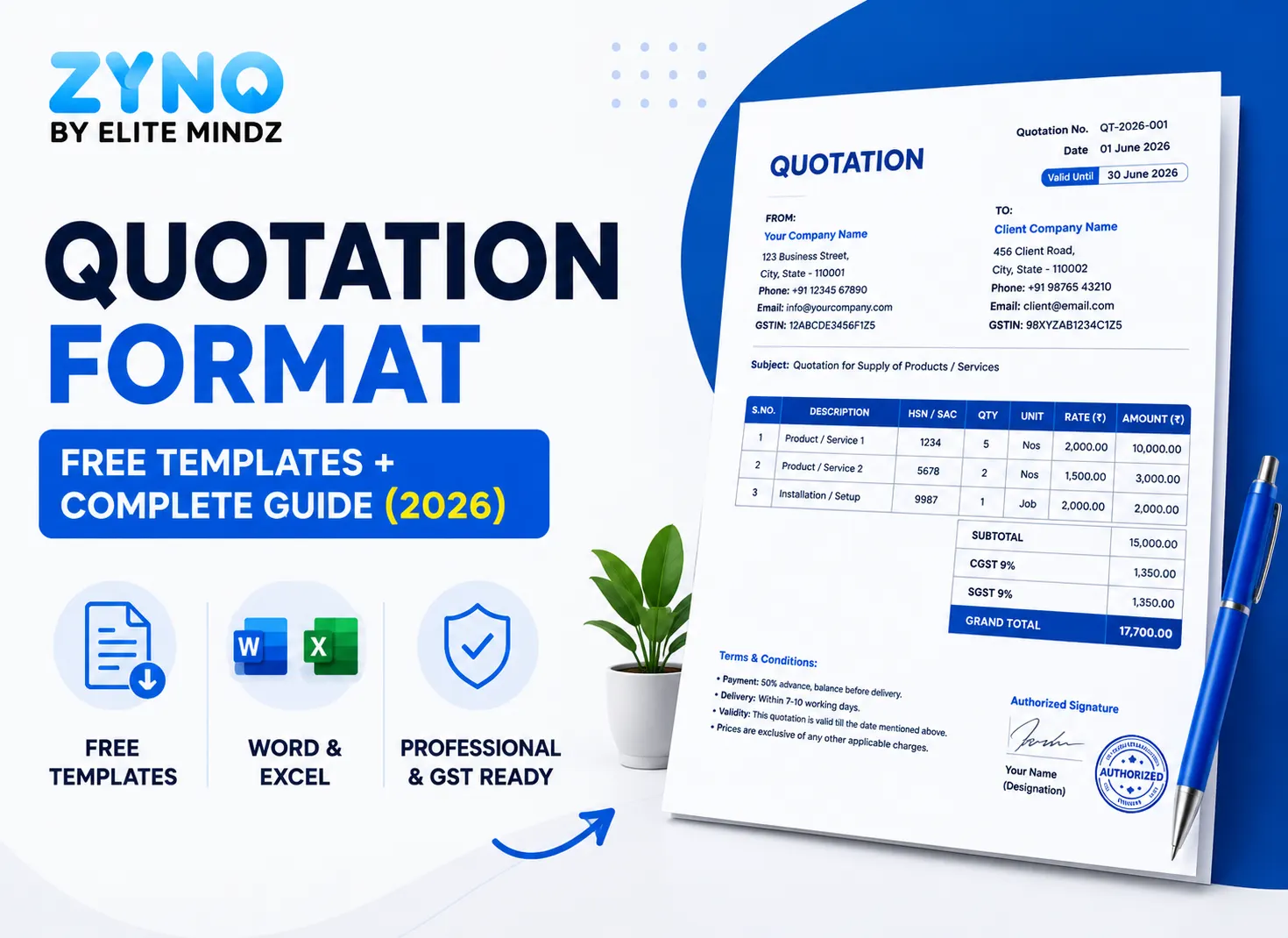
Quotation Format: Free Templates + Complete Guide (2026)
Read More →
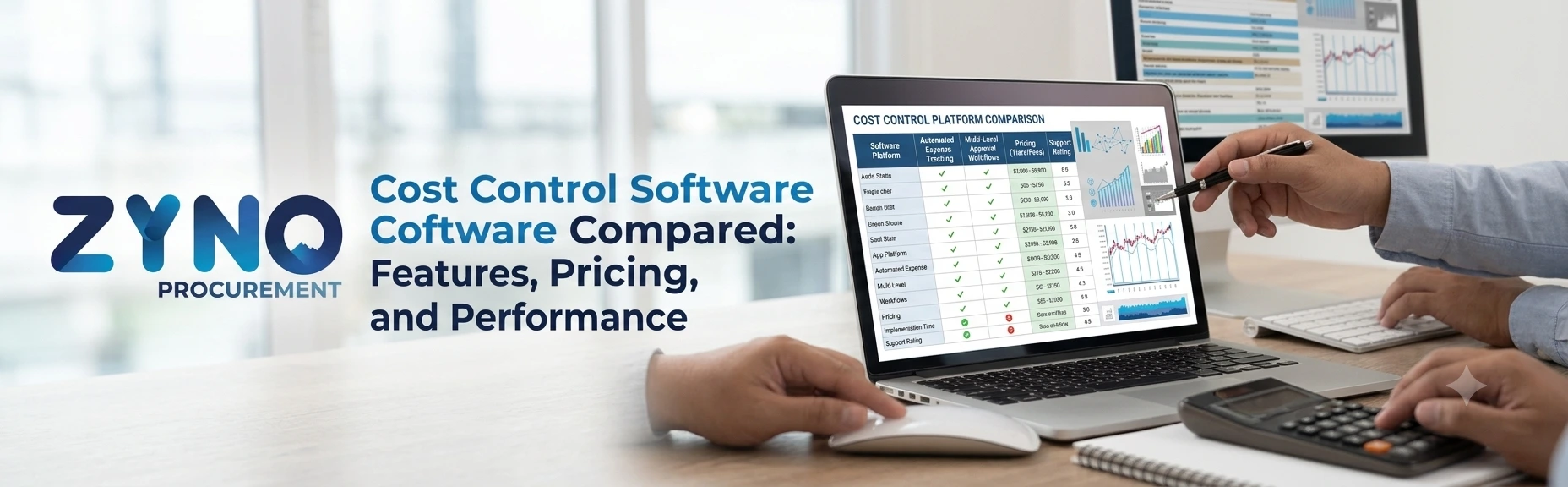
Cost Control Software: Features, Benefits & Performance Guide for 2026
Read More →
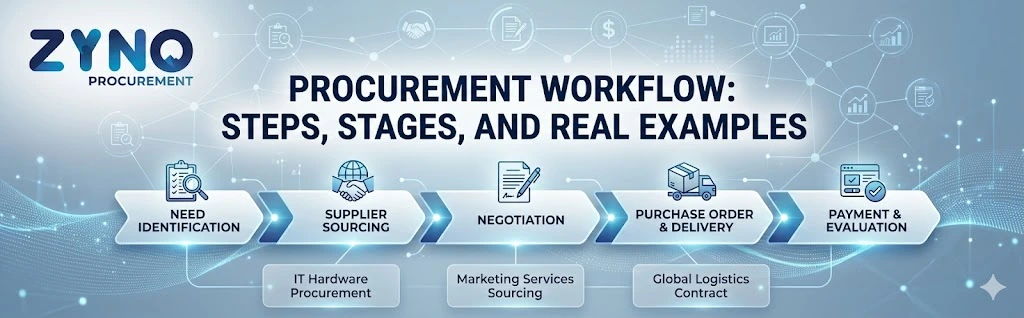
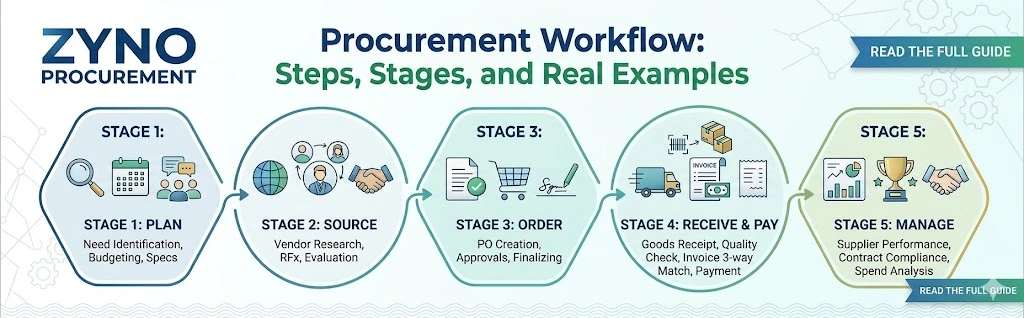
Procurement Workflow: Steps, Stages, and Real Examples
Read More →
Top 10 Zycus Alternatives for Procurement Teams in 2026
Read More →
Best Precoro Alternative for Purchase Requisition and Procurement
Read More →
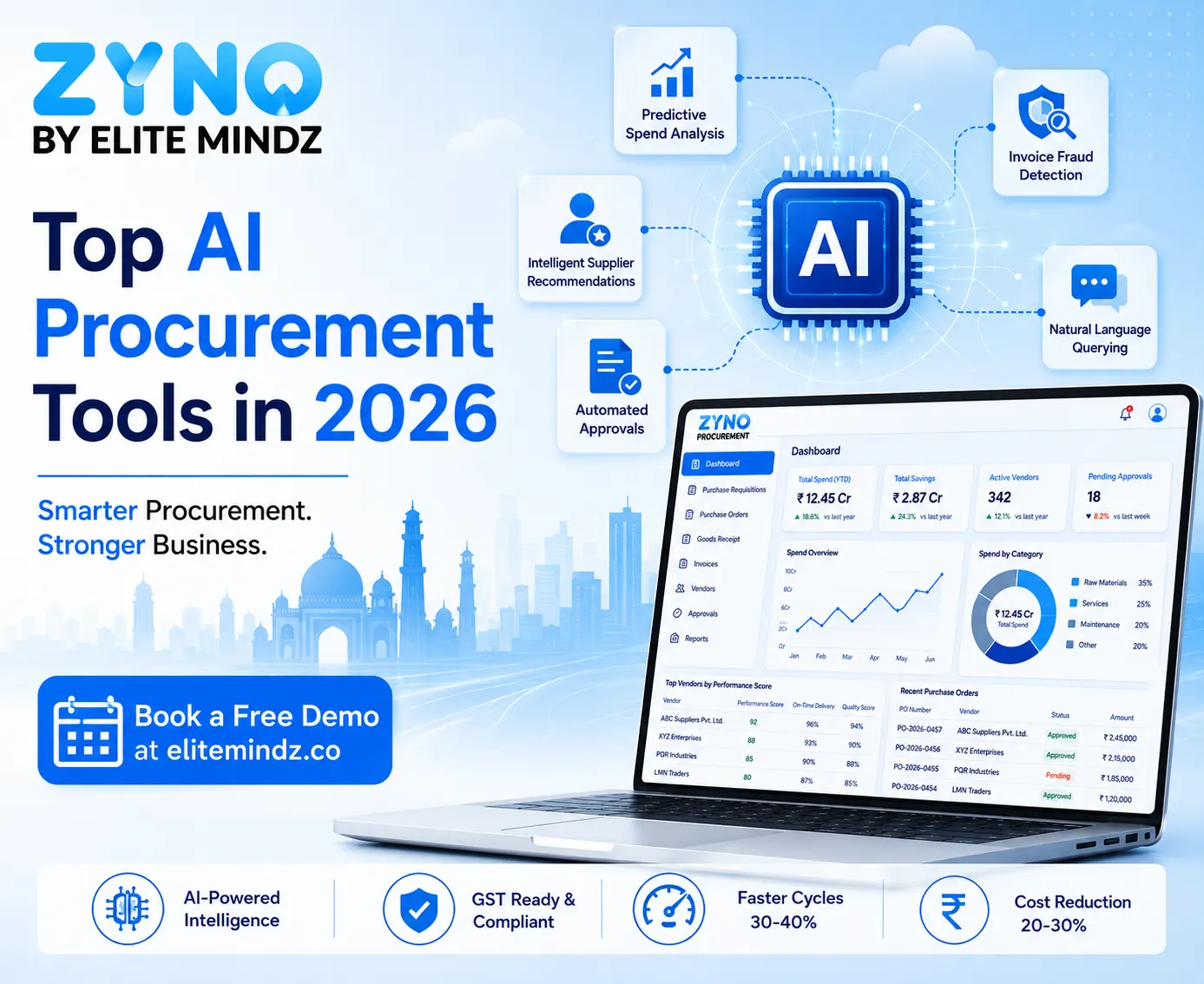
Top AI Procurement Tools in 2026
Read More →
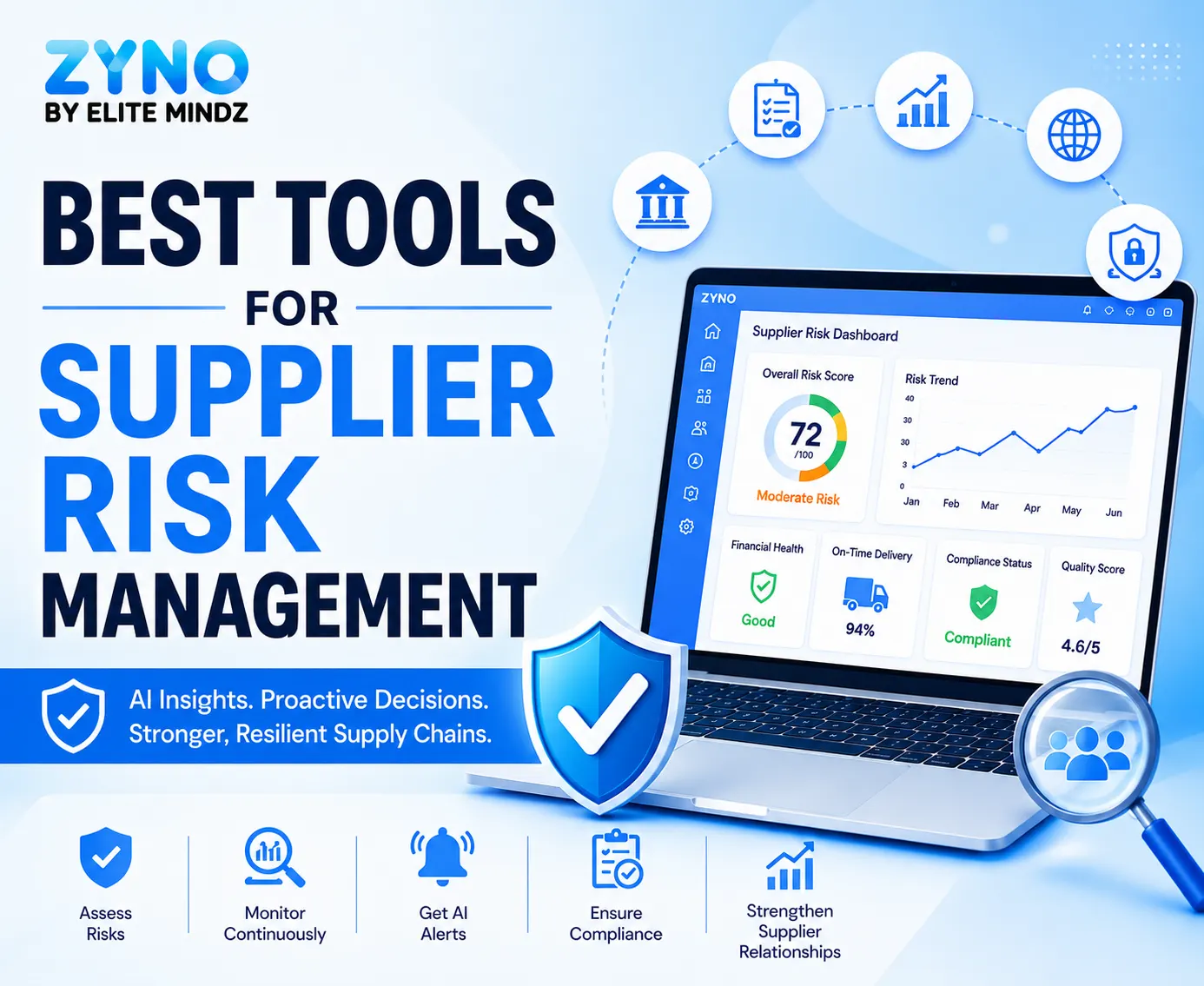
Best Tools for Supplier Risk Management
Read More →
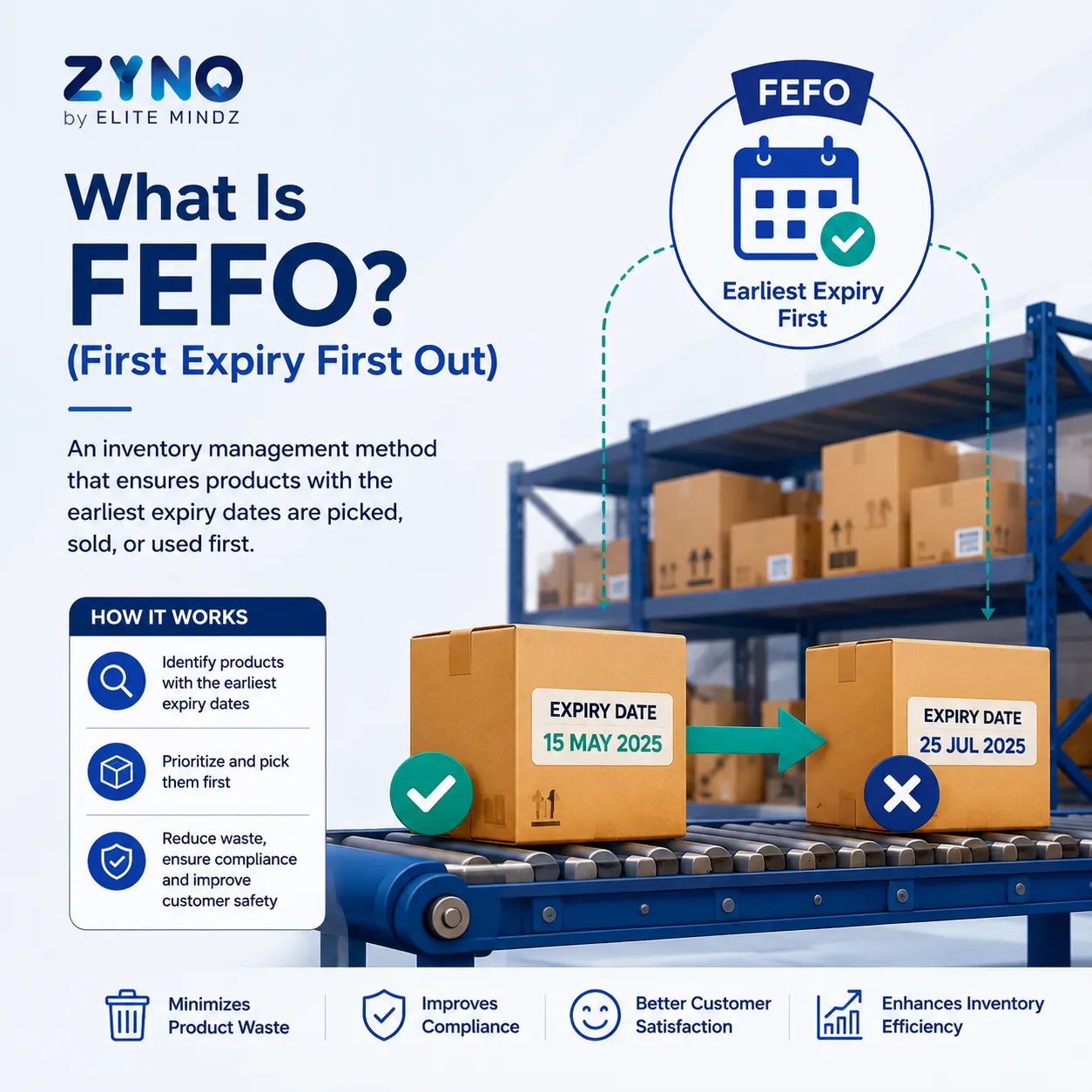
FEFO vs FIFO vs LIFO: Differences, Benefits & Which Inventory Method Is Best?
Read More →
AI Procurement Software: Features, Benefits, Use Cases & How to Choose
Read More →
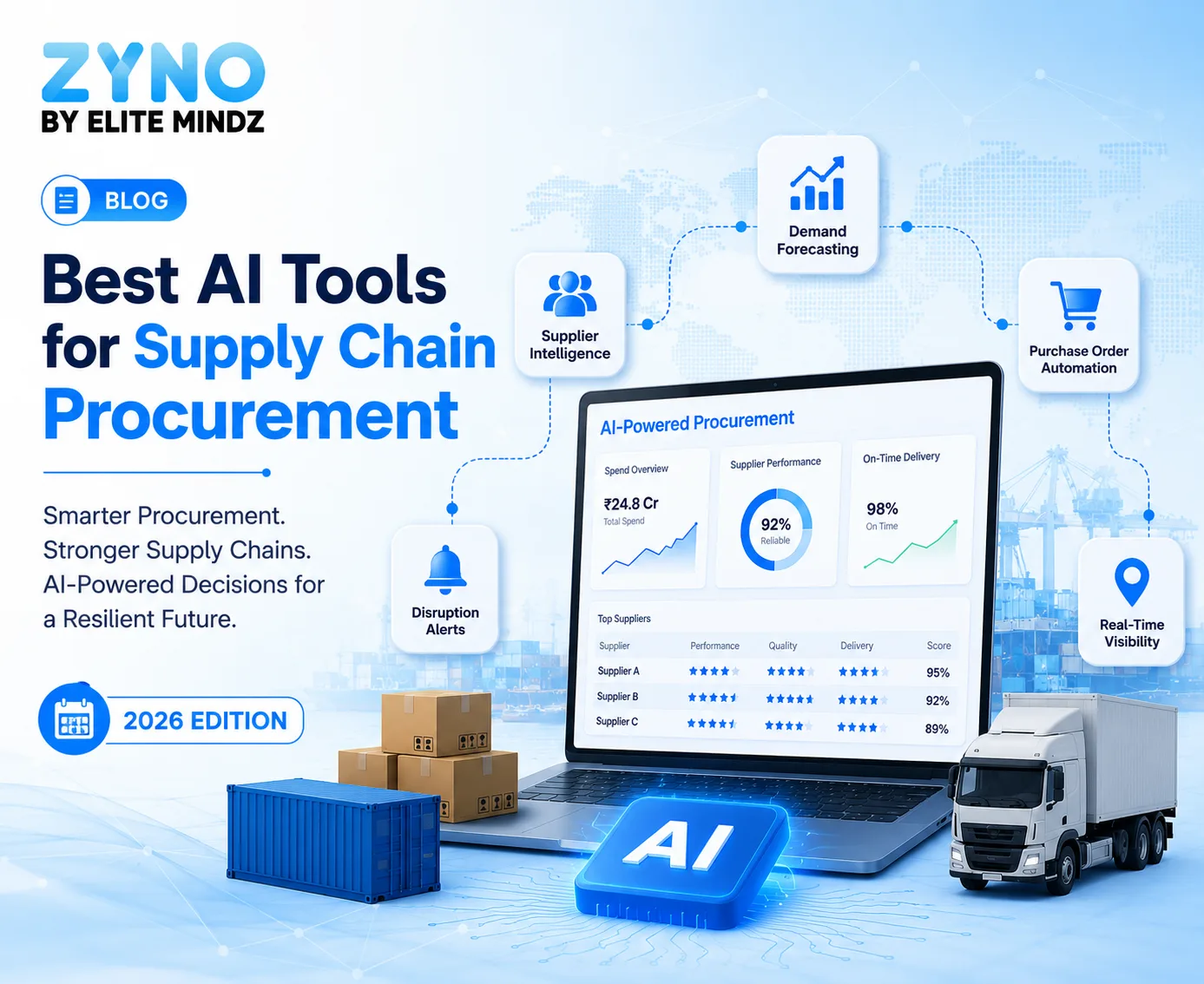
Best AI Tools for Supply Chain Procurement
Read More →
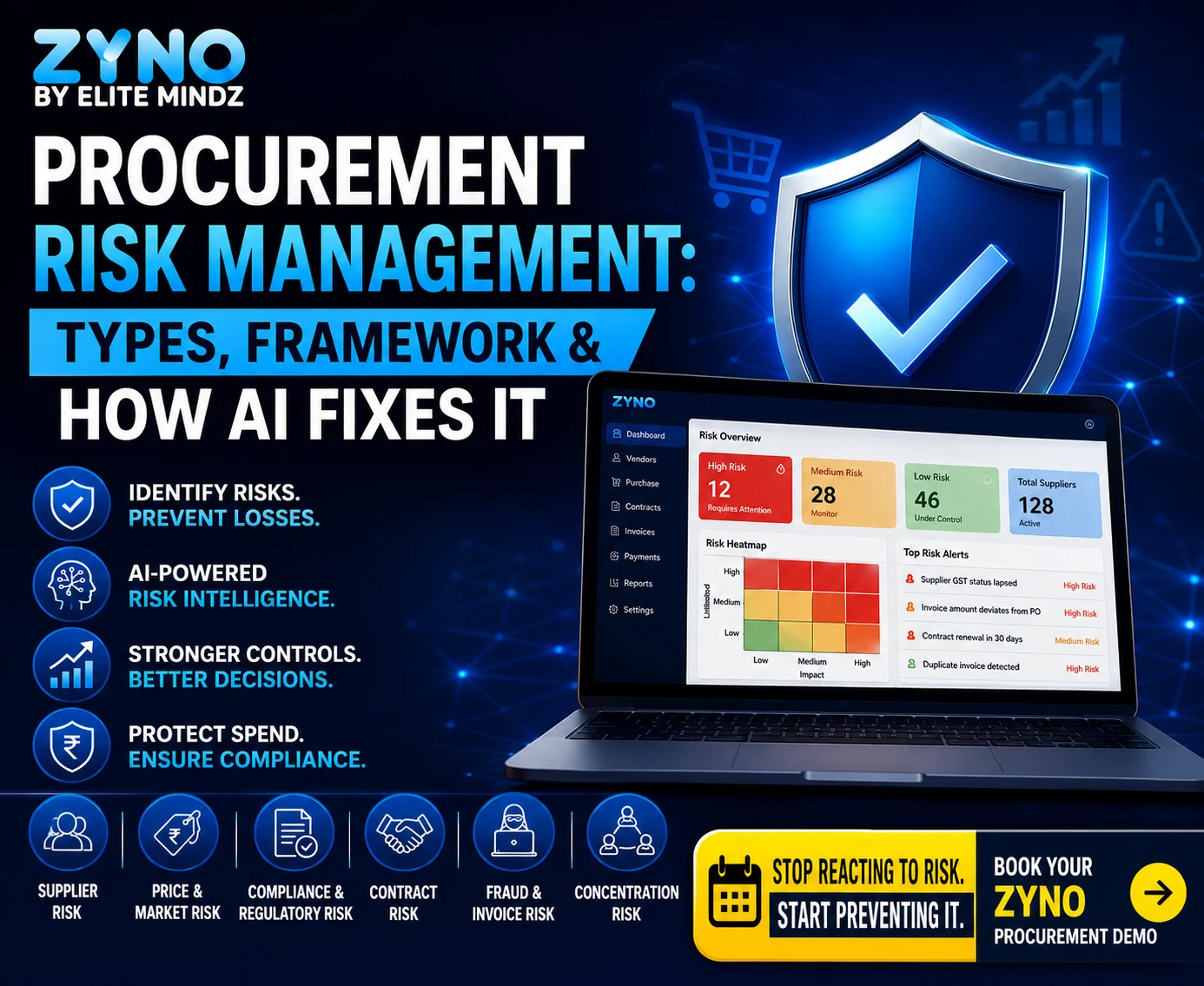
Procurement Risk Management
Read More →
Still Using Excel for Procurement? Read This Before It's Too Late
Read More →
Best RFP Software in 2026: Top Tools Compared for Faster Proposal Responses
Read More →
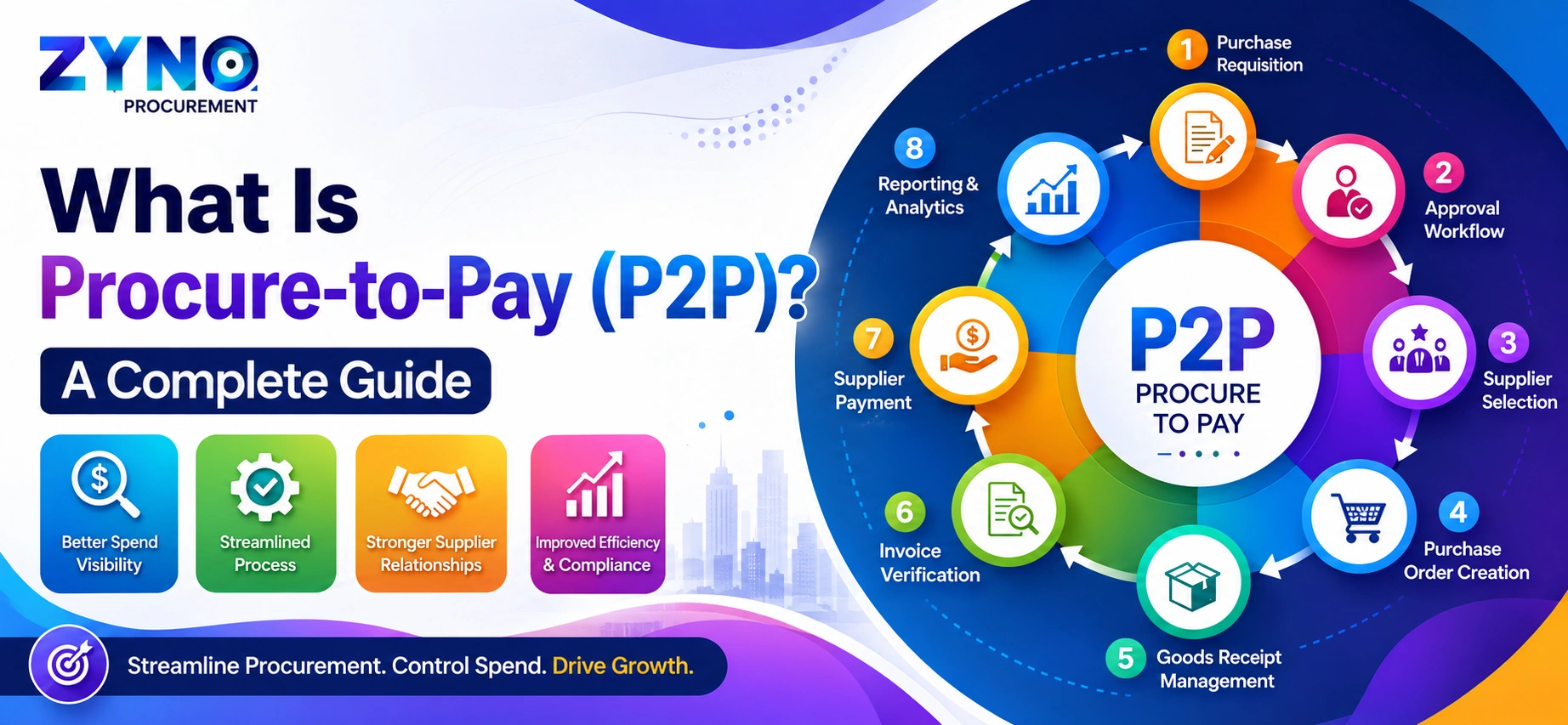
What Is Procure-to-Pay (P2P)? A Complete Guide
Read More →
Complete Procurement Workflow Guide for Modern Businesses
Read More →
Complete Guide to E-Procurement Solutions for B2B Organizations
Read More →
Cost Control Software Comparison Guide: Features, Pricing & Benefits
Read More →
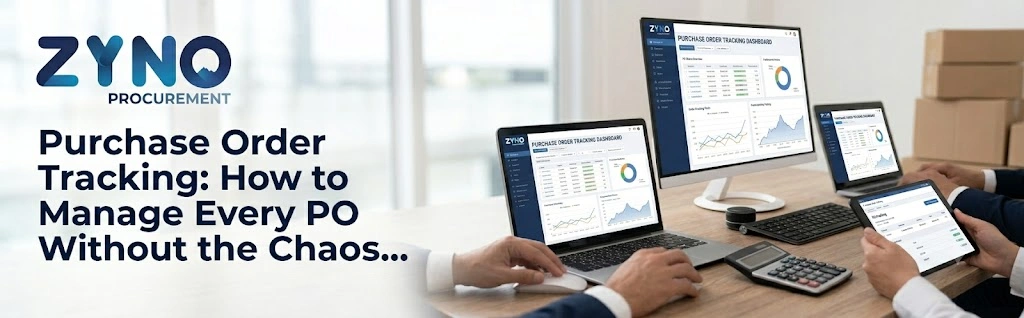
Purchase Order Tracking: How to Manage Every PO Without the Chaos
Read More →
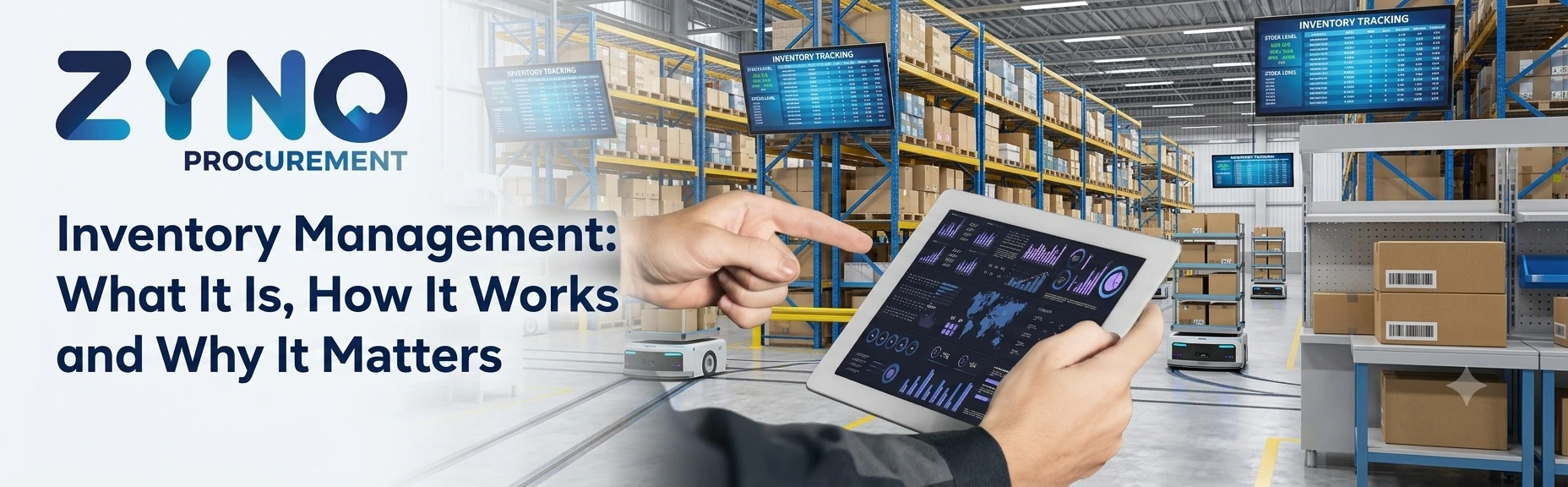
Inventory Management: What It Is, How It Works and Why It Matters
Read More →
Top 10 Procurement Software Tools for Purchasing Automation in 2026
Read More →
Agentic AI Procurement Platforms and the Future of Strategic Sourcing
Read More →
AI Spend Analytics Software for Procurement Leaders
Read More →
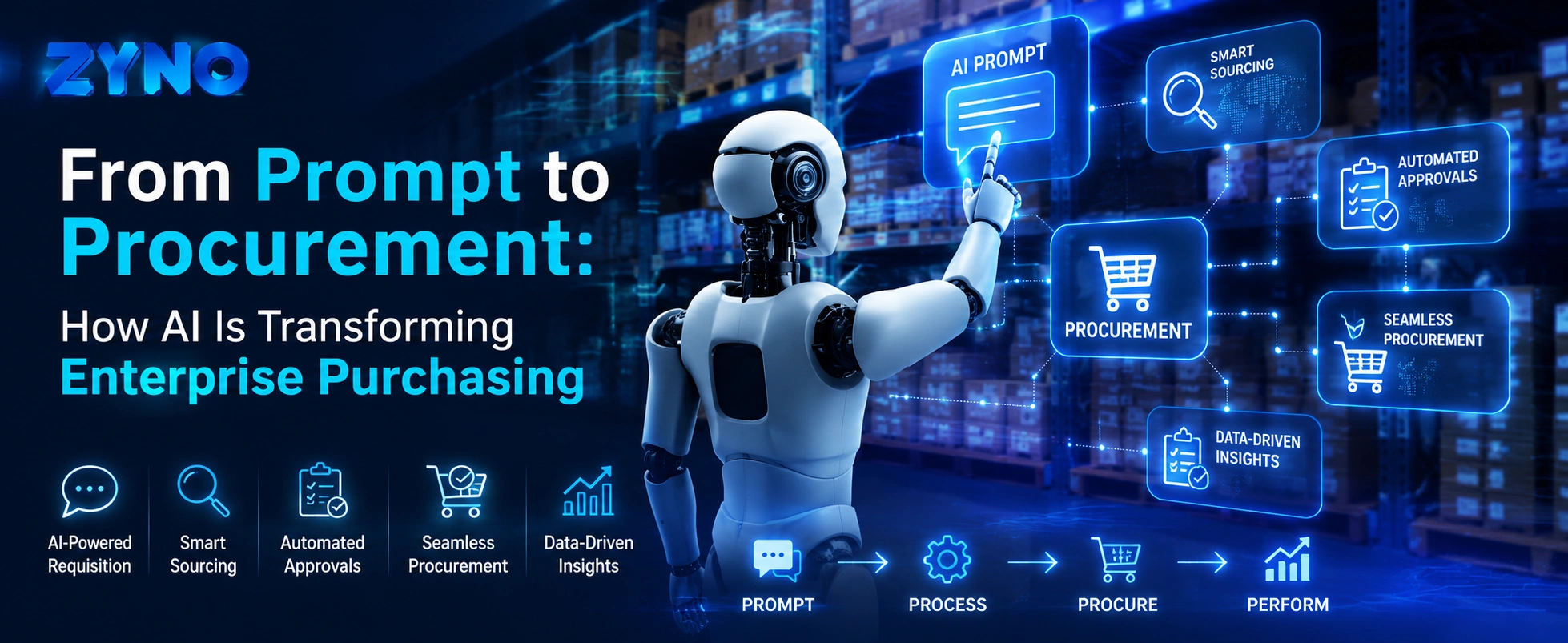
From Prompt to Procurement: How AI Is Transforming Enterprise Purchasing
Read More →
ZYNO Procurement vs IBM Procure-to-Pay Automation
Read More →
ZYNO Procurement vs Infor Nexus: Which Procure-to-Pay Platform Fits Your Team?
Read More →
AI-Powered Procurement Software in 2026: Top 6 Platforms That Actually Deliver ROI
Read More →
Contract Management Software Buyer's Guide: Features, Costs & Top Picks
Read More →
Top 10 Procure to Pay Software Companies in India 2026
Read More →
10 Best Vendor Management Software in India (2026): Features, Benefits & Comparison
Read More →
How Machine Learning and AI Are Transforming Procurement: A Strategic Overview
Read More →
What Is Procurement Software for GP? Features, Benefits and Best Solutions for Businesses
Read More →
What Procurement Software Do Mid-Market Companies Use Instead of SAP Ariba or Coupa?
Read More →
Prompt-Based Procurement Software for Kenyan Businesses
Read More →
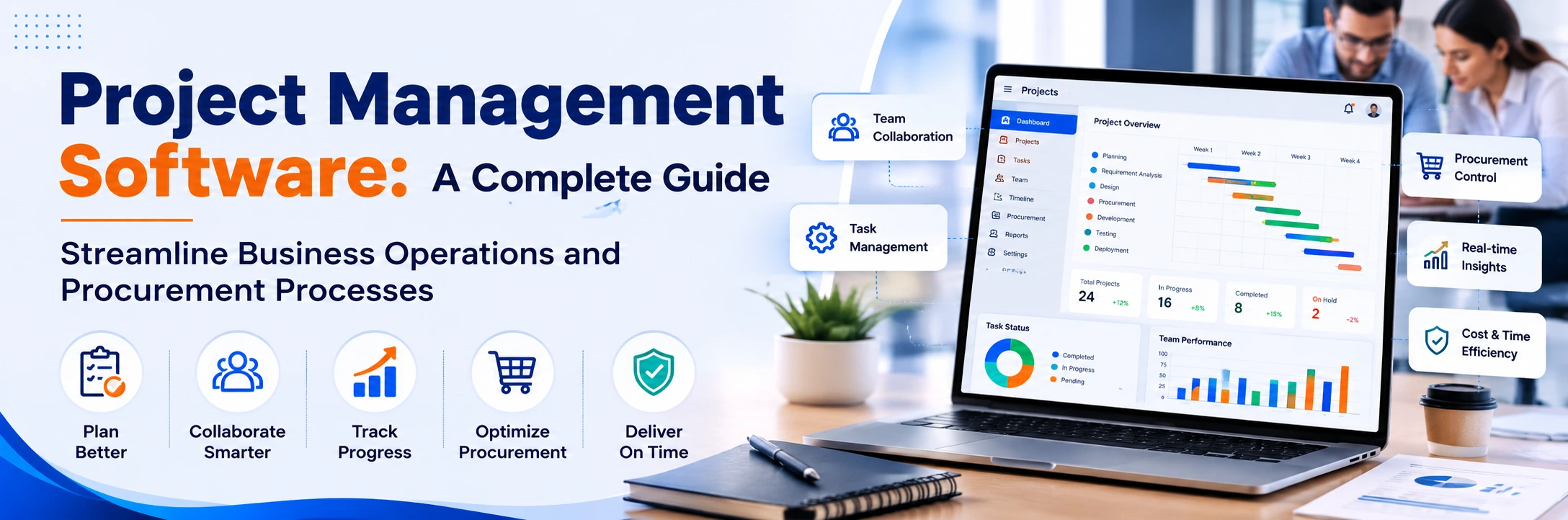
Project Management Software: A Complete Guide to Streamline Business Operations and Procurement Processes
Read More →
SAP Ariba vs ZYNO Procurement: Complete Feature Comparison (2026)
Read More →
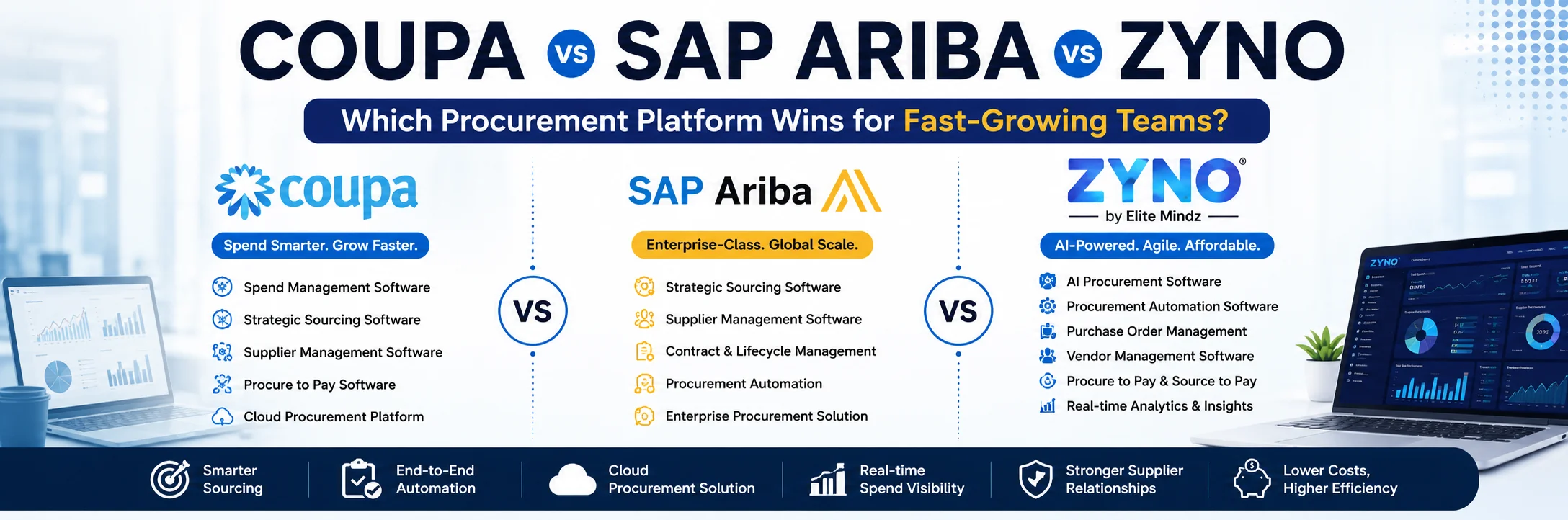
Coupa vs SAP Ariba vs ZYNO: Which Procurement Platform Wins for Fast-Growing Teams?
Read More →
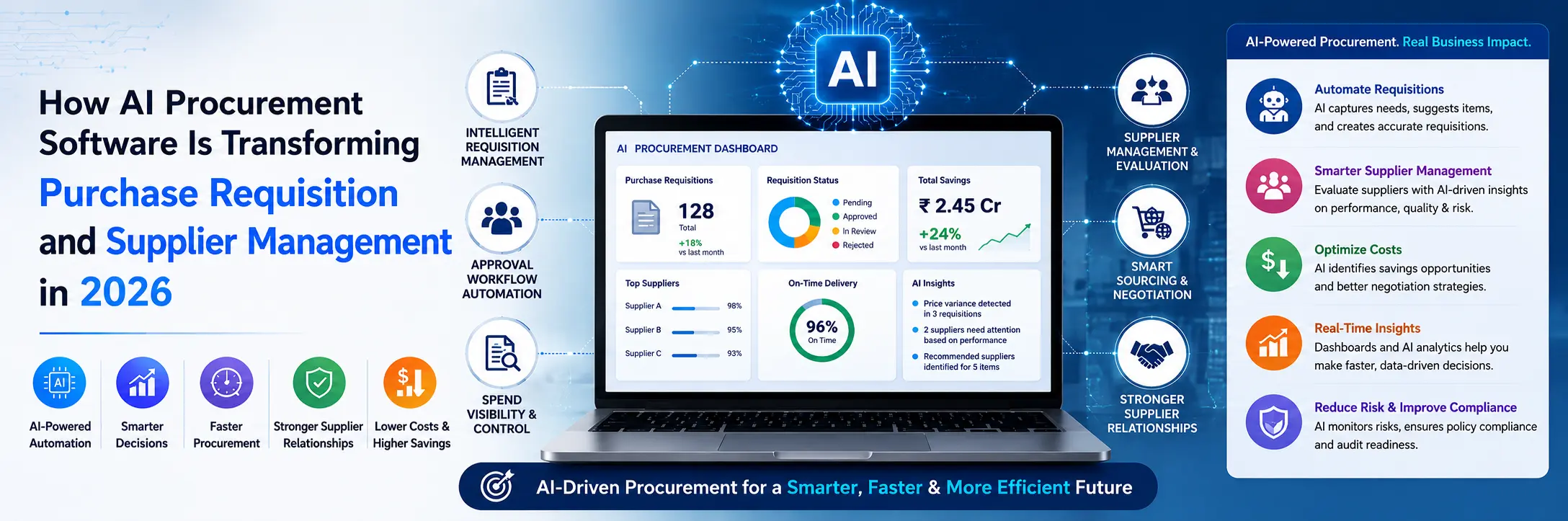
How AI Procurement Software Is Transforming Purchase Requisition and Supplier Management in 2026
Read More →
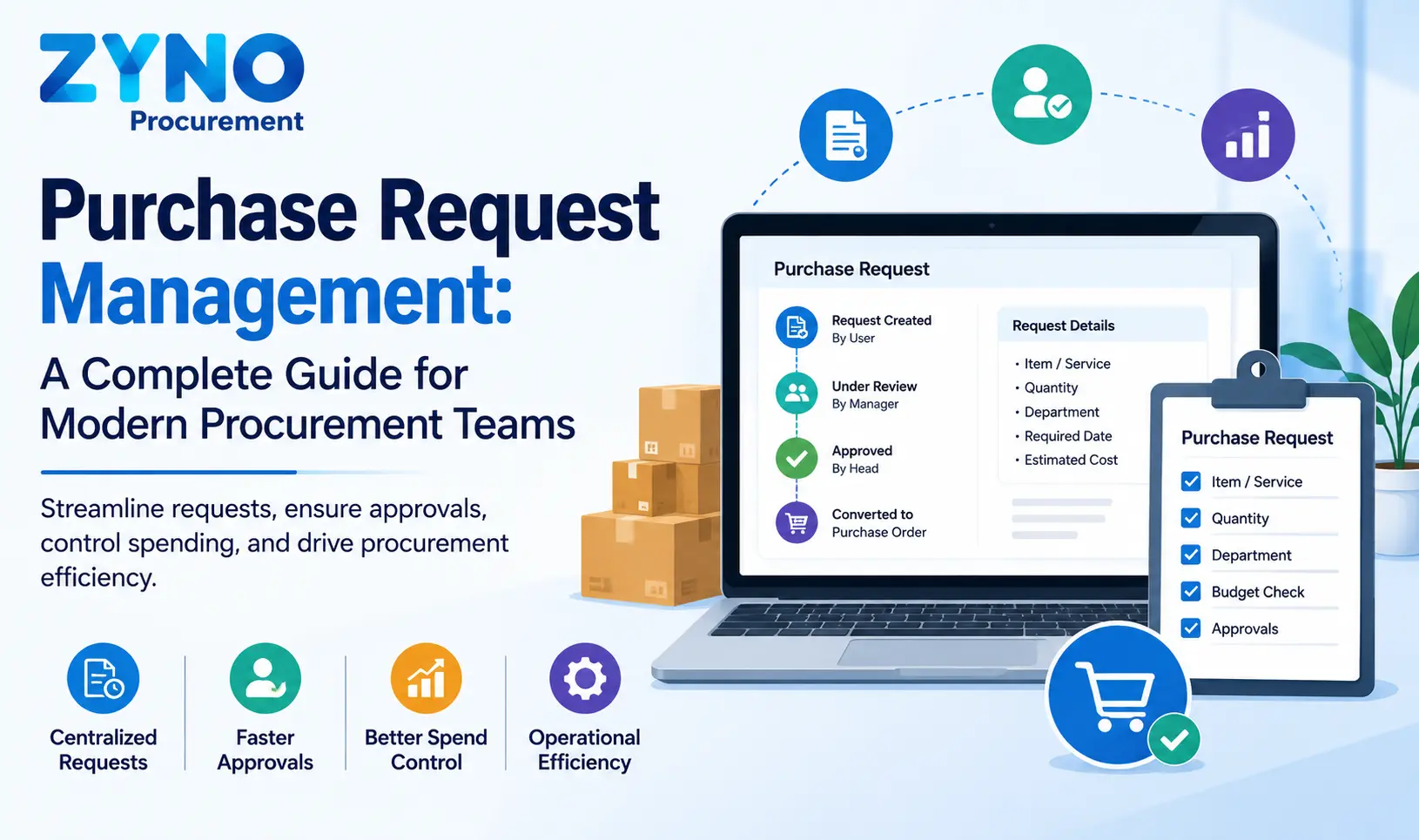
Purchase Request Management: A Complete Guide for Modern Procurement Teams
Read More →
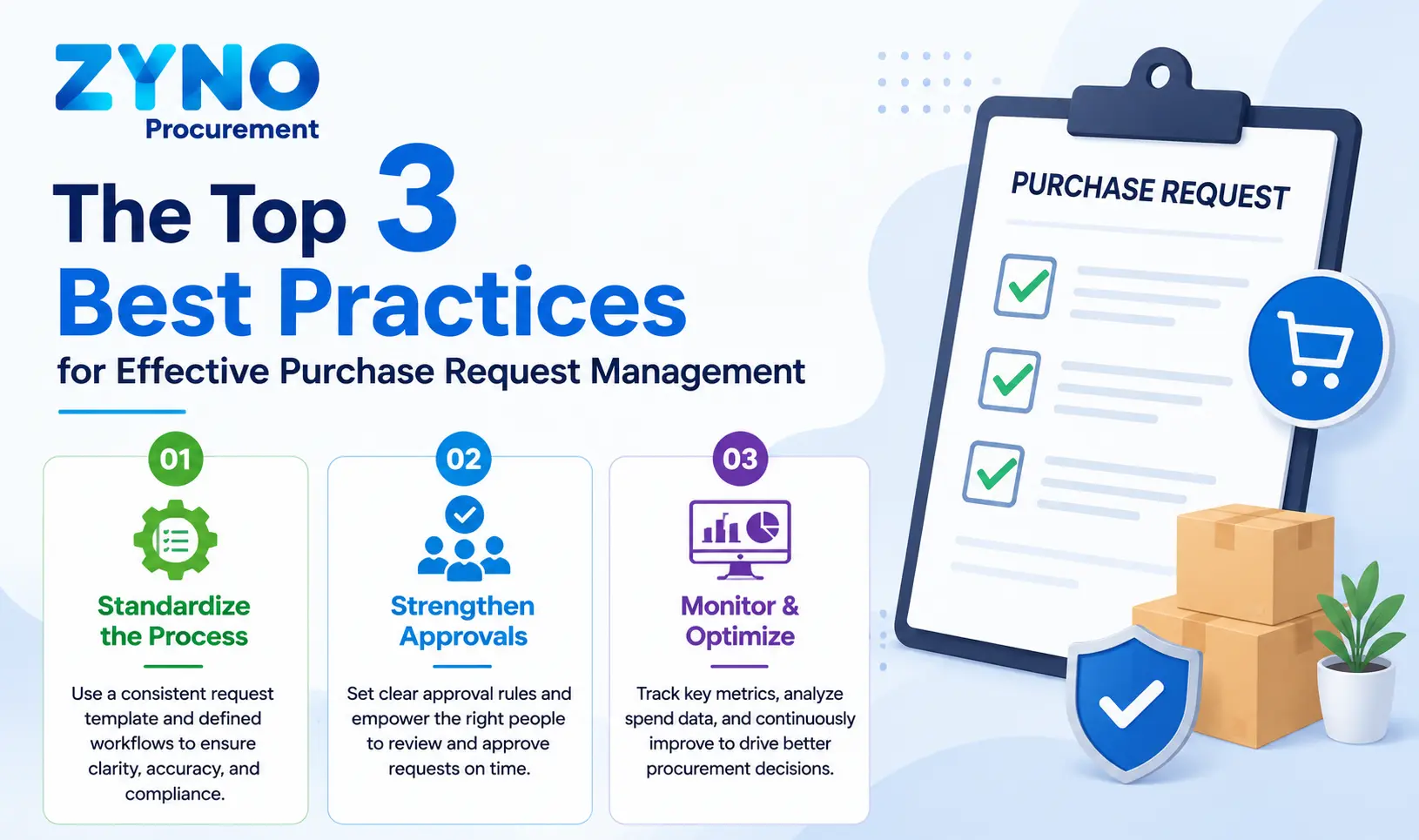
The Top 3 Best Practices for Effective Purchase Request Management
Read More →
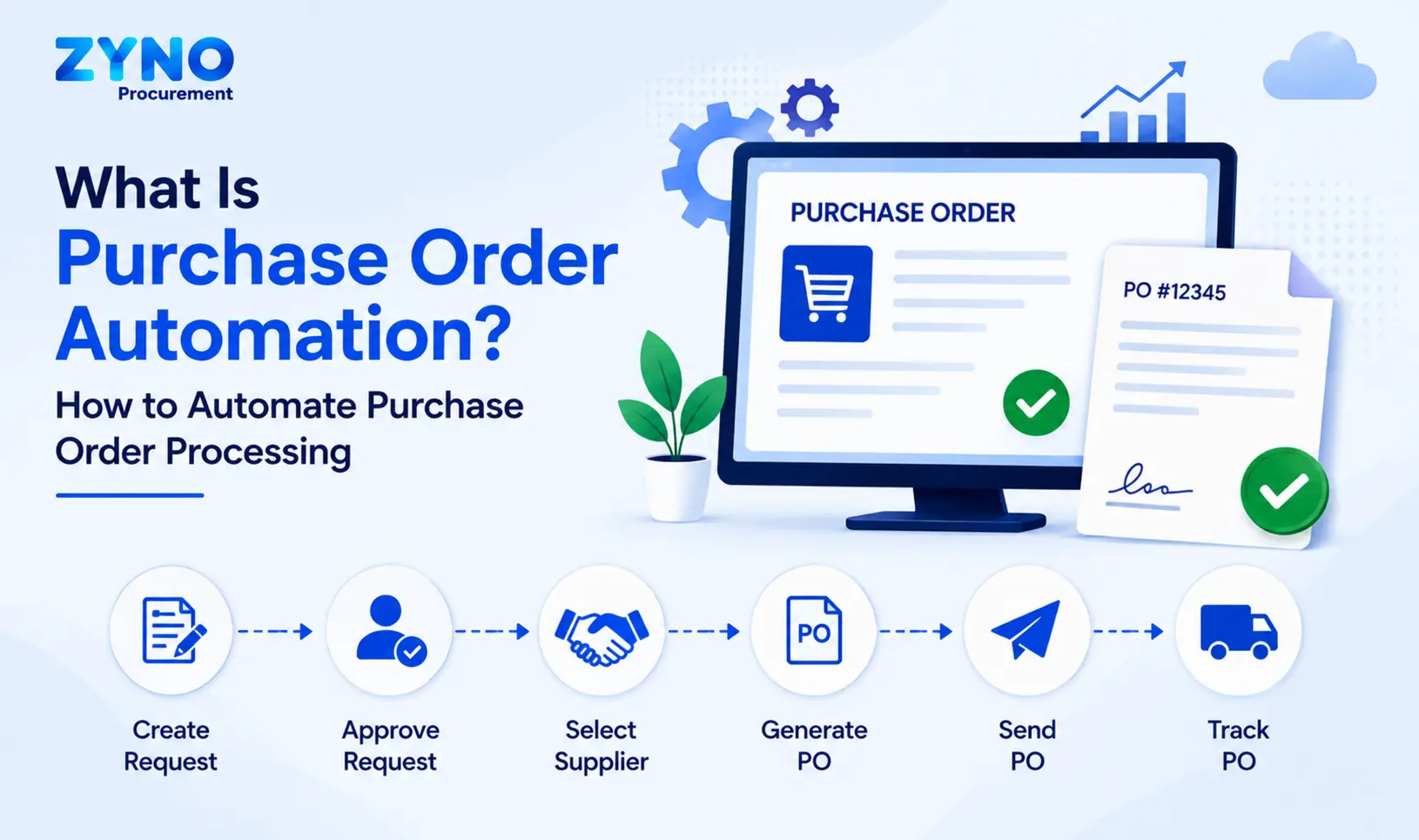
What Is Purchase Order Automation? How to Automate Purchase Order Processing
Read More →
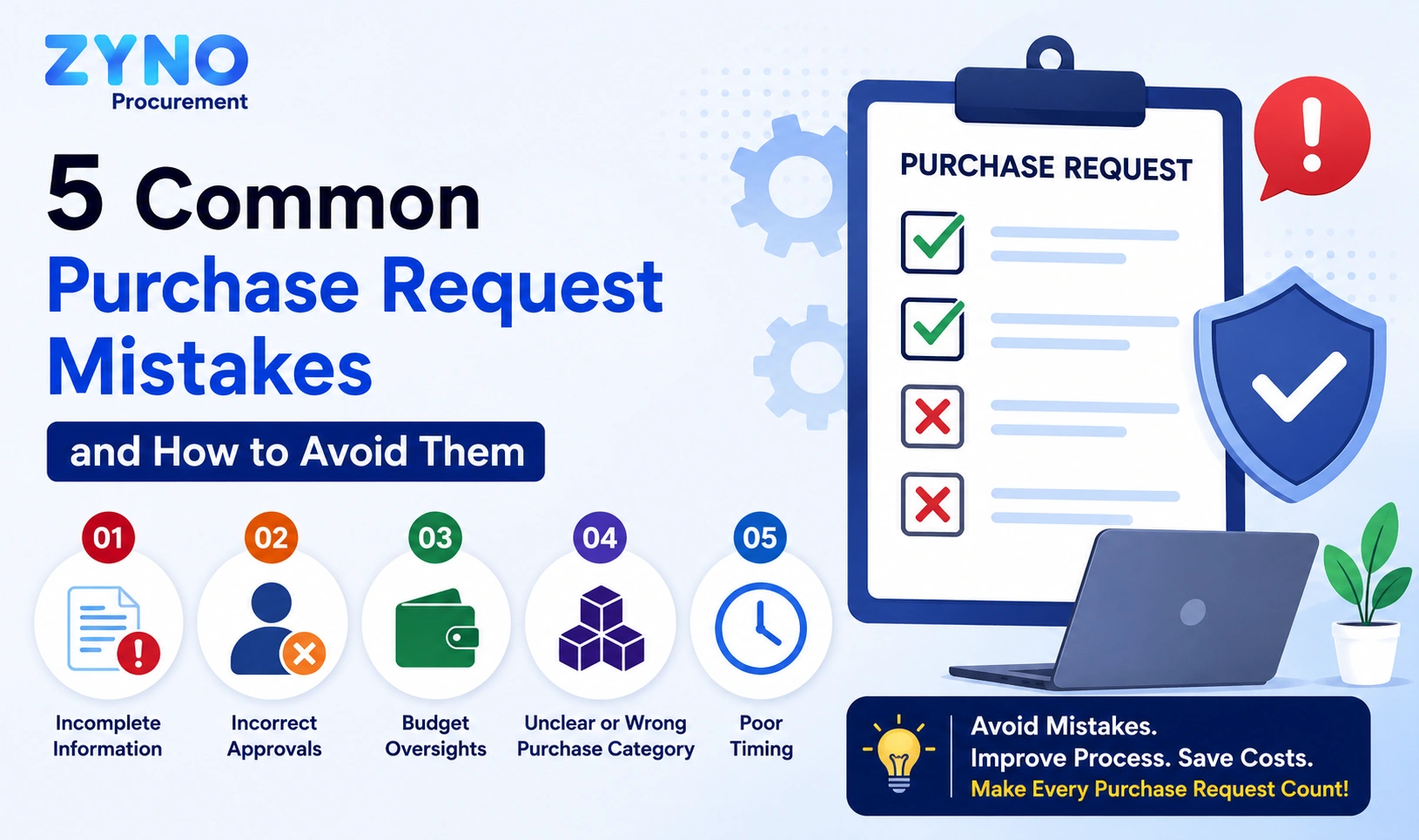
5 Common Purchase Request Mistakes and How to Avoid Them
Read More →
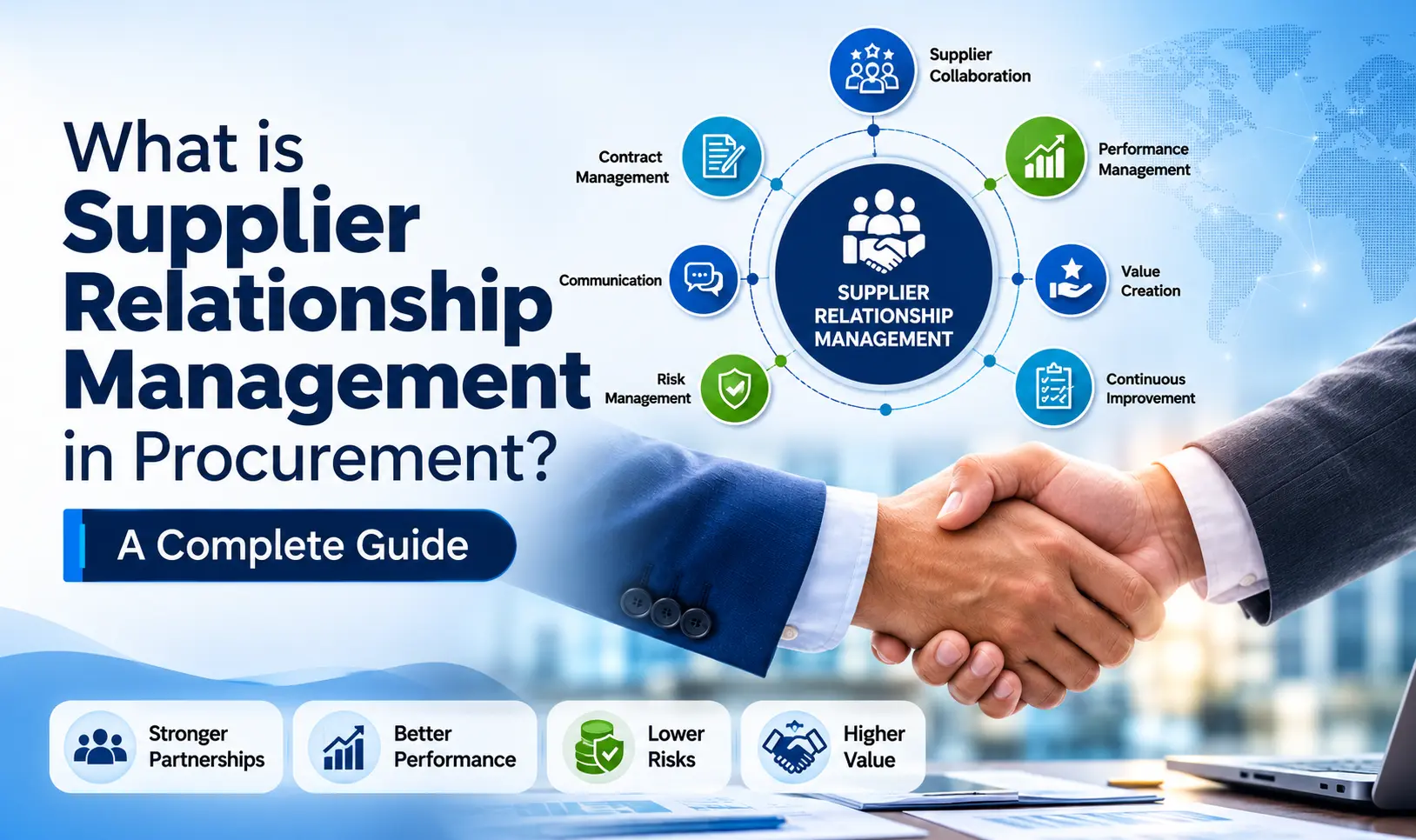
What is Supplier Relationship Management in Procurement? A Complete Guide
Read More →
What is Strategic Vendor Management? A Complete Guide for Modern Procurement
Read More →
What Are Inventory Control Methods? Complete Guide to Types, Techniques, Systems, & Benefits
Read More →
Inventory Audit Checklist: Steps, Process & Best Practices
Read More →
Warehouse Inventory Management: Best Practices for 2026
Read More →
Treasury Management System (TMS): A Complete Guide for Modern Corporates
Read More →
What is Portfolio Management Services (PMS) and What Are Its Benefits?
Read More →
Generative AI Procurement Software Solution: The Future of Intelligent Procurement
Read More →
Top Contract Management Software Companies in Ethiopia: Features, Benefits & Best Procurement Solutions
Read More →
AI Procurement Software: Complete Guide to Intelligent, Generative AI & Machine Learning Procurement Solutions
Read More →
Top SAP alternatives for small, midsize, and enterprise businesses
Read More →
Best RFP Software in 2026: Top Solutions for Smarter Procurement and Proposal Management
Read More →
GST on Purchase: Complete Guide to GST on Purchases in India
Read More →
Procurement Software UAE: Complete Guide to Choosing the Best Procurement Solution
Read More →
Supply Chain Procurement: Everything You Need to Know
Read More →
Top 10 Oracle Procurement Alternatives for Businesses in 2026
Read More →
Quotation Software vs Excel: Which Is Better for Businesses in 2026?
Read More →
Contract Management Software Buyer's Guide: Features, Pricing & How to Choose
Read More →
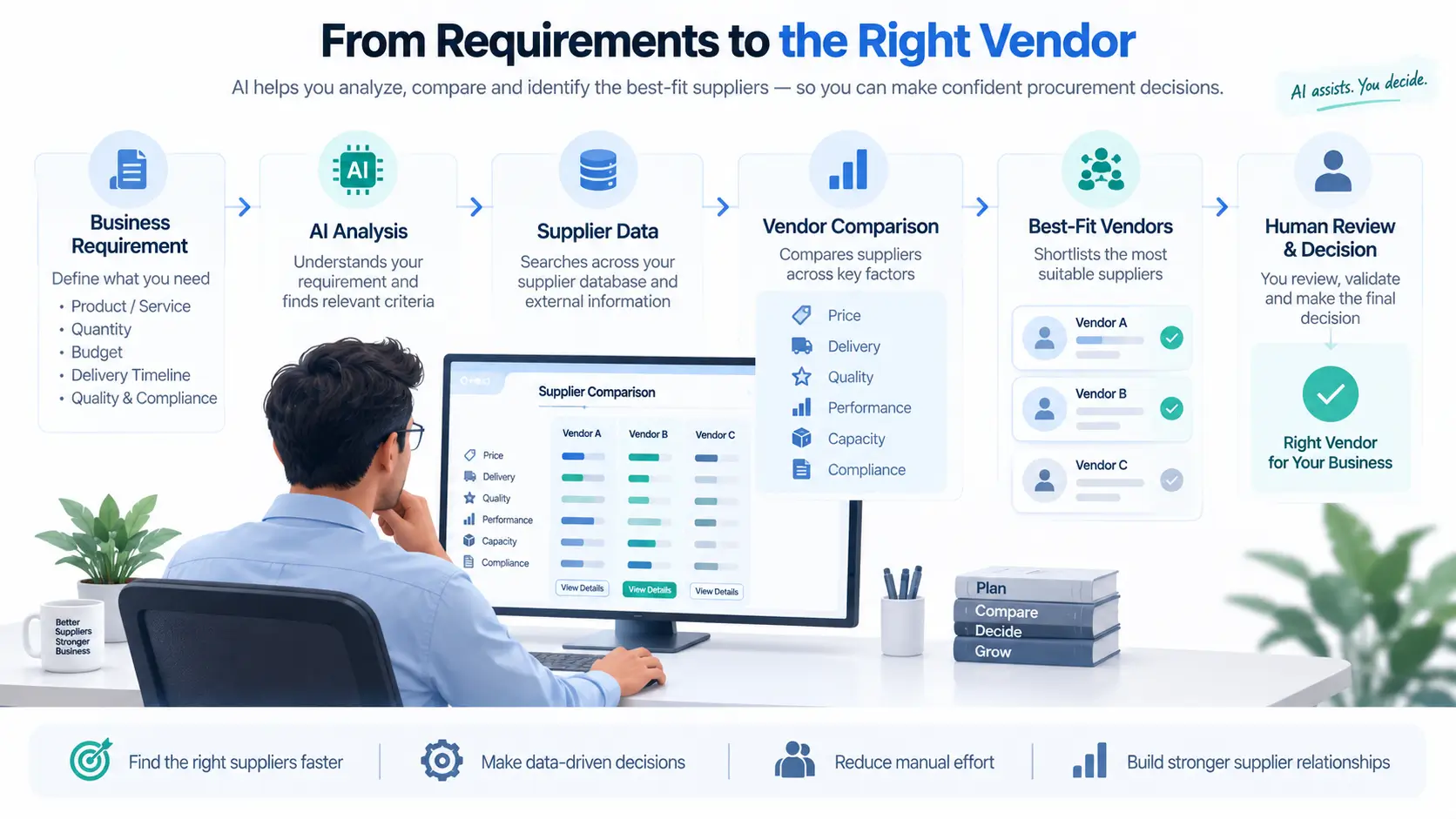
How to Identify the Right Vendor: 10 Simple Steps
Read More →
Top 10 Automated PO Generation Tools in 2026: Best Purchase Order Software with AI Capabilities
Read More →
Top 10 Automated PO Generation Tools in 2026: Best Purchase Order Software with AI Capabilities
Read More →
How to Generate a PO Automatically in SAP: Step-by-Step Guide
Read More →
What Is the Best Budget-Friendly Procurement Software With Vendor Onboarding for Indian SMEs?
Read More →
How to Generate a PO Automatically in SAP: Step-by-Step Guide
Read More →Partner with ZYNO by Elite Mindz to revolutionize how your business works. Fill out the form, and we’ll reach out with AI-powered solutions made just for you.
We use browser cookies to ensure you get the best experience on our website. Learn more
The form was submitted successfully!