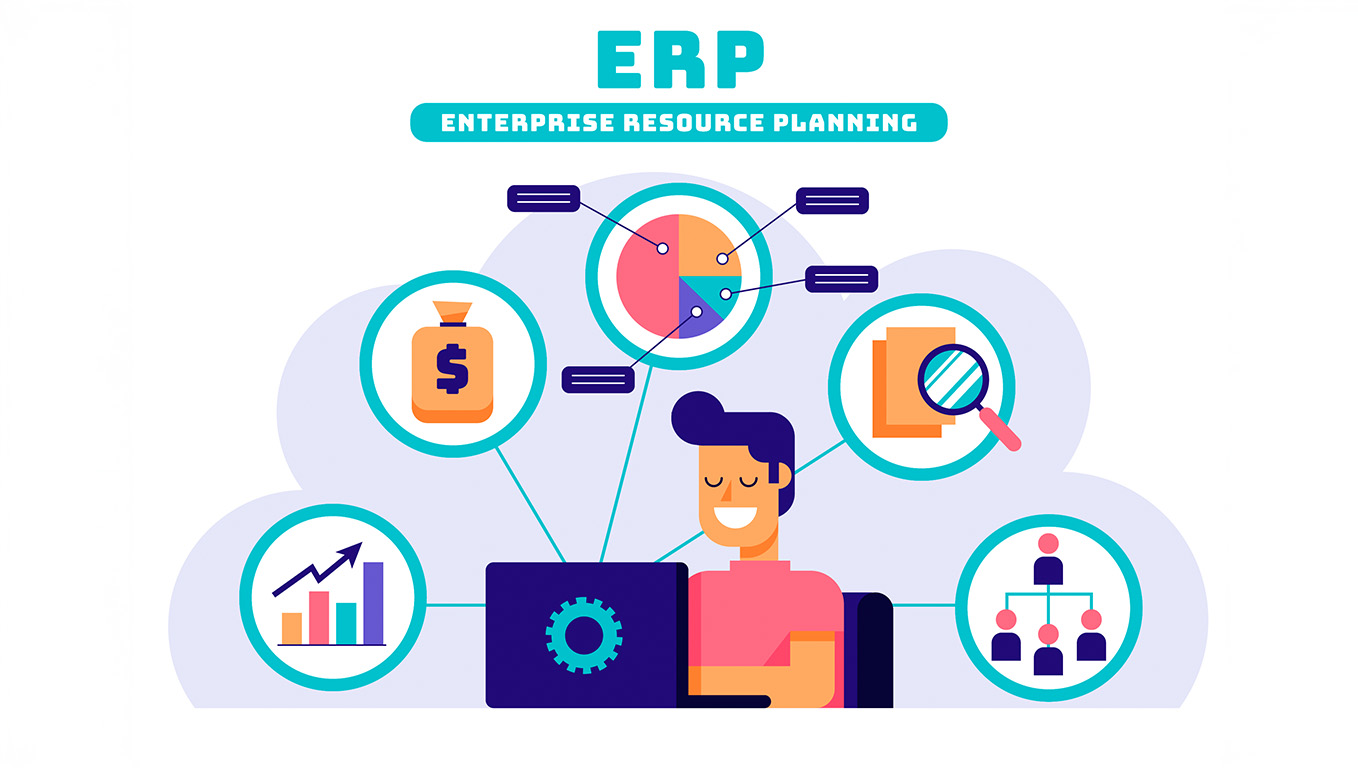
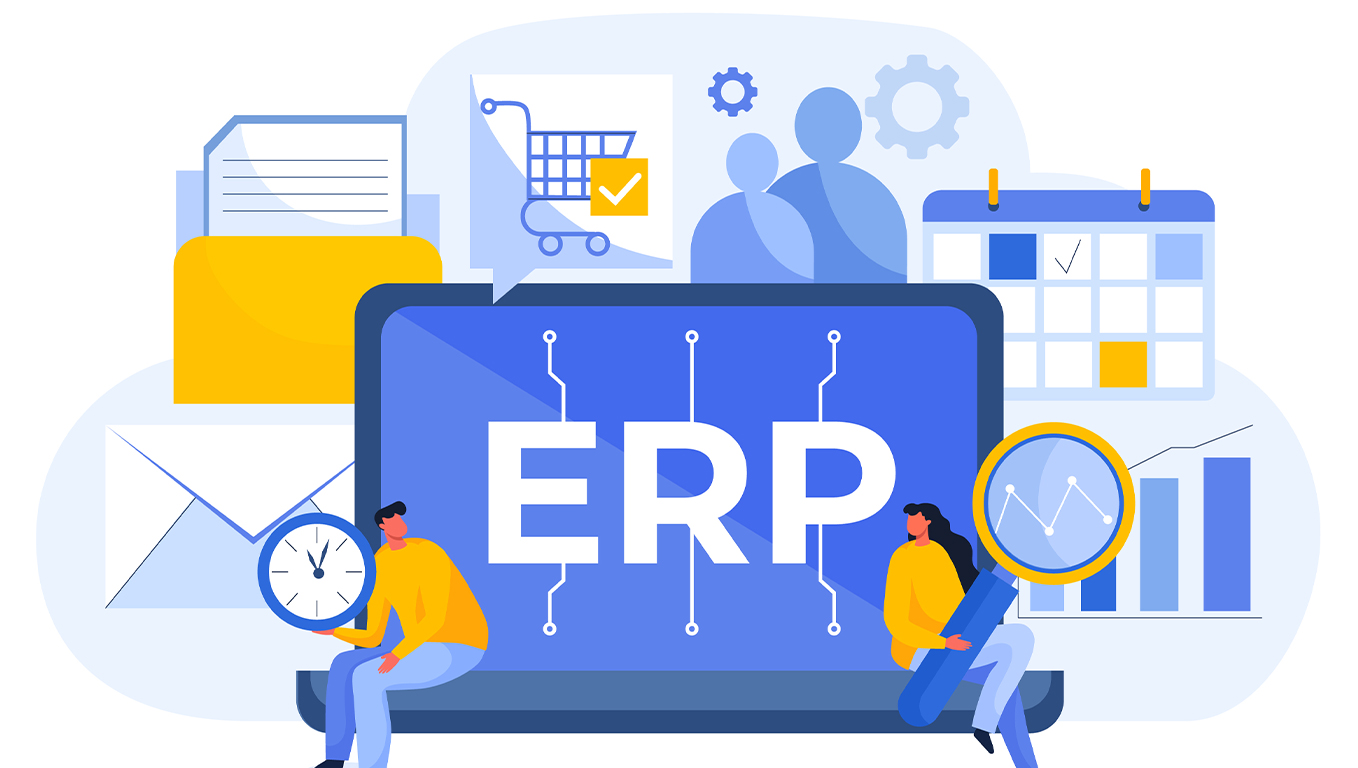
What is ERP? A Beginner's Guide to Enterprise Resource Planning
Read More →

×
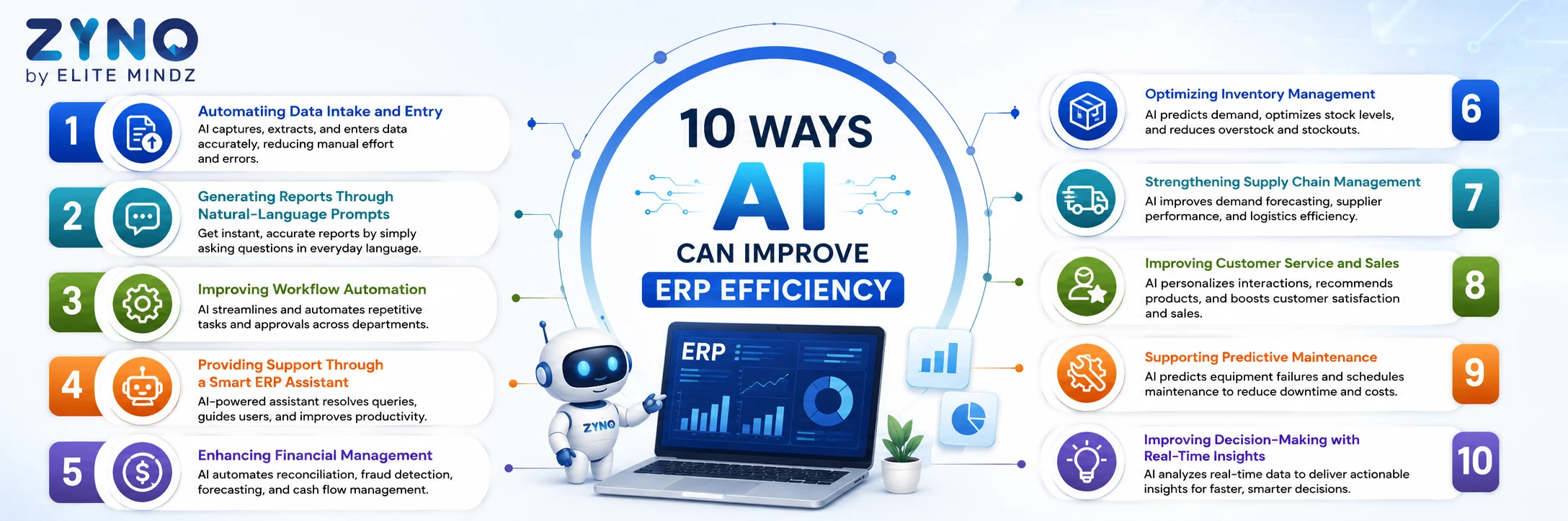
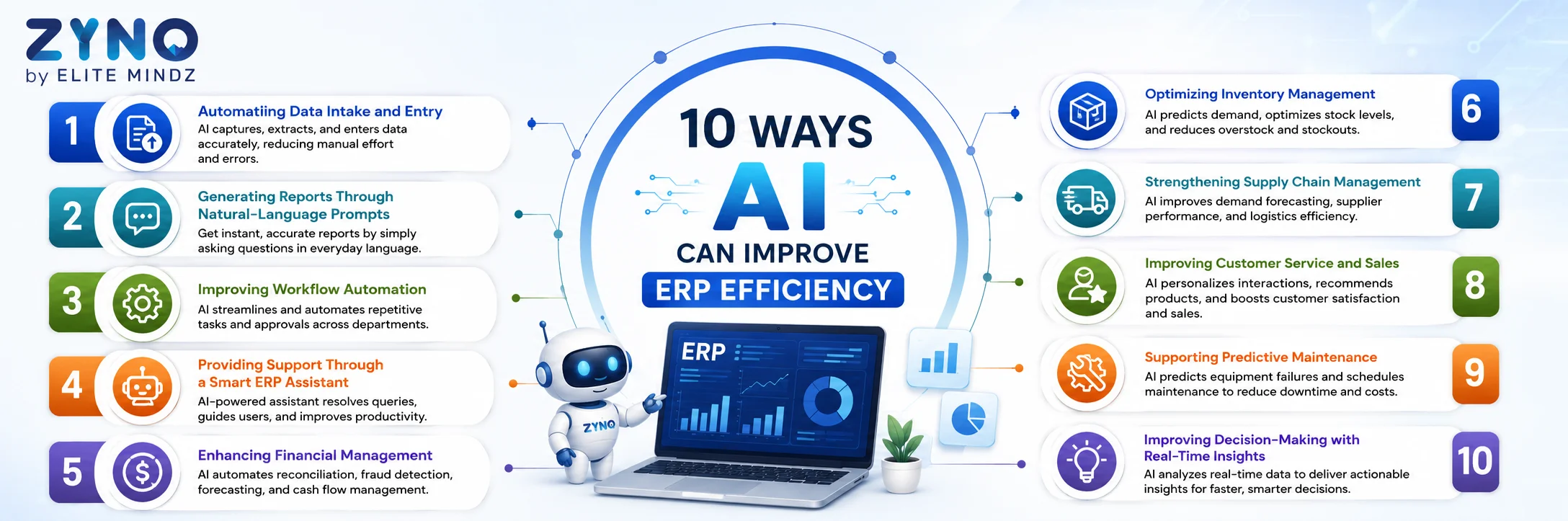
AI improves ERP efficiency by automating data entry, generating reports through prompts, streamlining workflows, supporting financial management, optimizing inventory, strengthening supply chains, enhancing customer service, enabling predictive maintenance, providing smart assistance, and delivering real-time insights for faster, more accurate decisions.
Businesses using ZYNO Books cut accounting time by 70% and stay 100% ZATCA-compliant — automatically.

Enterprise Resource Planning systems help businesses manage finance, inventory, sales, procurement, human resources, and other essential operations. However, traditional ERP systems often require employees to spend significant time entering data, generating reports, reviewing transactions, and completing repetitive tasks.
Artificial intelligence is changing this by making ERP platforms faster, smarter, and easier to use. Modern ERP Software can now automate routine work, analyze large volumes of business data, and provide real-time recommendations.
From AI intake and report generation through prompts to AI workflow automation, businesses can use AI to improve productivity, reduce errors, and make better decisions. A smart ERP assistant can also help employees interact with ERP systems through simple questions and commands instead of navigating complex menus.
Here are 10 ways AI can improve ERP efficiency.
Manual data entry is one of the most time-consuming parts of ERP management. Employees may need to enter information from invoices, purchase orders, emails, forms, receipts, and customer requests.
AI intake can automatically capture, classify, and organize this information before sending it to the appropriate ERP module.
For example, an AI-powered system can extract supplier names, invoice numbers, payment amounts, and due dates from uploaded documents. It can then create a draft transaction for review.
This reduces repetitive work and minimizes the risk of typing errors.
Key benefits of AI intake include:
AI intake is especially useful in accounts payable, procurement, customer onboarding, inventory management, and order processing.
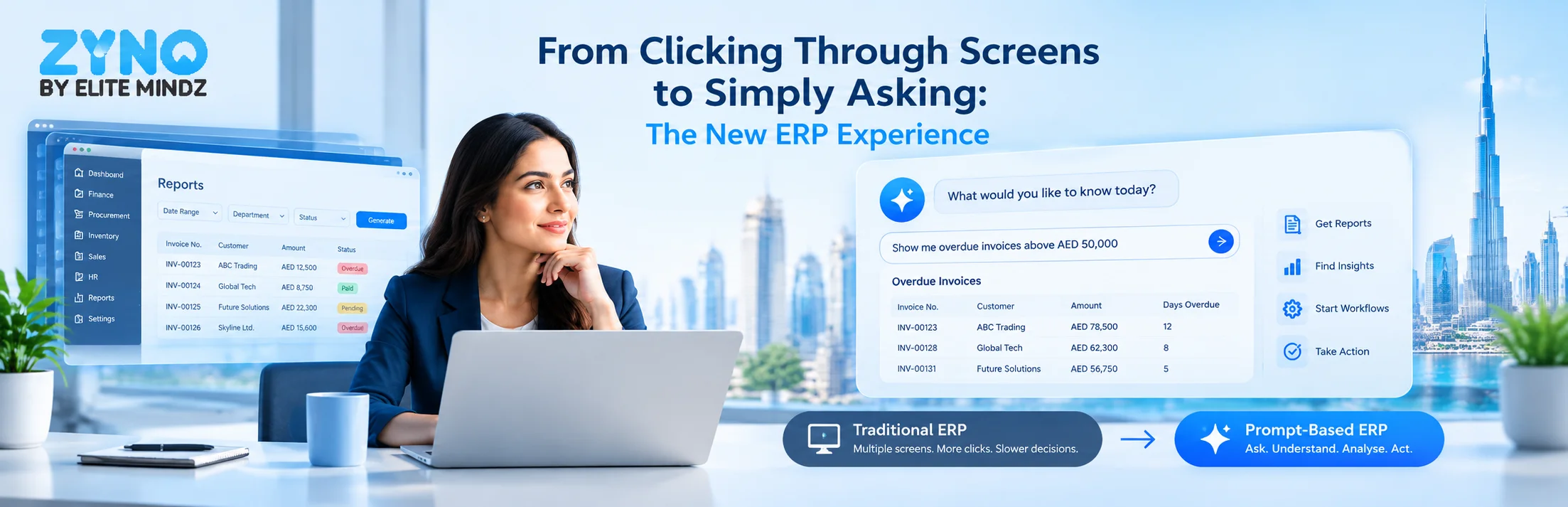
Traditional ERP reporting can require users to select filters, choose data fields, configure dashboards, and export spreadsheets. AI simplifies this process through report generation through prompts.
Instead of building a report manually, a user can type a request such as:
“Show monthly sales by region for the last six months.”
The system can then retrieve the relevant data, create a report, and present the results in a clear format.
Users may also ask follow-up questions such as:
“Which region had the highest growth?”
“Compare these results with the same period last year.”
“Summarize the main reasons for the decline.”
Report generation through prompts makes business intelligence more accessible to employees who may not have technical reporting skills.
It also supports faster decision-making because users can receive answers without waiting for analysts or IT teams.
Discover how AI-powered ERP software can automate data entry, streamline workflows, optimize inventory and supply chains, generate intelligent reports, and deliver real-time insights for faster, smarter business decisions.
AI workflow automation helps businesses manage repetitive processes across departments.
Traditional workflow automation usually follows fixed rules. AI-powered workflows can go further by evaluating context, identifying patterns, and recommending the next best action.
For example, AI workflow automation can:
By reducing manual handoffs and unnecessary approvals, AI can help teams complete processes faster.
AI workflow automation can also improve consistency by ensuring that employees follow the same business rules and approval procedures.
A smart ERP assistant allows employees to interact with ERP Software using natural language.
Users can ask questions, request reports, search for records, create tasks, or review business performance without navigating multiple screens.
For example, an employee could ask:
“What invoices are overdue?”
“Show products with low stock.”
“Create a purchase request for these items.”
“Summarize this week’s sales performance.”
A smart ERP assistant can reduce the learning curve for new employees and make ERP systems easier to use.
It can also help experienced users work more efficiently by reducing the number of steps required to complete common tasks.
AI can improve financial management by automating transaction matching, expense classification, forecasting, and anomaly detection.
In accounting and finance, AI-powered ERP systems can help with:
AI can identify unusual payments, duplicate invoices, or transactions that do not match expected patterns.
It can also help finance teams prepare forecasts using historical data, current performance, and market trends.
This gives decision-makers a clearer view of financial risks and opportunities.
Inventory management requires businesses to balance product availability with storage costs. Too much inventory can increase expenses, while too little inventory can cause delays and lost sales.
AI-powered inventory management can analyze sales patterns, seasonal demand, supplier performance, and stock movement.
It can then recommend:
AI demand forecasting can help businesses predict future inventory needs more accurately.
When integrated into ERP Software, these recommendations can support automatic purchase planning and inventory replenishment.
Supply chains can be affected by delivery delays, supplier issues, changing demand, transportation costs, and unexpected disruptions.
AI can analyze supply chain data and identify potential problems before they become serious.
An AI-enabled ERP platform may detect that a supplier is frequently delivering late or that a shipment is likely to miss its expected arrival date.
The system can then recommend alternative suppliers, adjust purchase plans, or notify the appropriate team.
AI-powered supply chain management can improve:
This helps businesses build more responsive and resilient supply chains.
AI can connect customer data, sales activity, order history, and service requests within the ERP system.
Sales teams can use AI to identify promising opportunities, predict customer needs, and recommend follow-up actions.
Customer service teams can use a smart ERP assistant to quickly find order details, payment information, delivery updates, and previous communications.
AI can also help businesses:
By giving employees faster access to accurate information, AI can improve both response times and customer satisfaction.
Manufacturing companies and asset-intensive businesses use ERP Software to manage equipment, maintenance schedules, spare parts, and production operations.
AI can analyze equipment data and identify signs that a machine may require maintenance.
Instead of relying only on fixed maintenance schedules, businesses can use predictive maintenance to service equipment when data indicates a potential problem.
This can reduce:
AI can also help maintenance teams prioritize work orders and ensure that required materials are available before repairs begin.
One of the biggest advantages of AI in ERP is the ability to turn business data into useful insights.
ERP systems contain information from finance, sales, inventory, procurement, production, and human resources. AI can analyze this data and highlight trends, risks, and opportunities.
For example, an AI-powered ERP system can notify managers when:
AI business intelligence tools can present these insights through dashboards, alerts, summaries, and recommendations.
This allows managers to respond faster and make decisions based on current information.

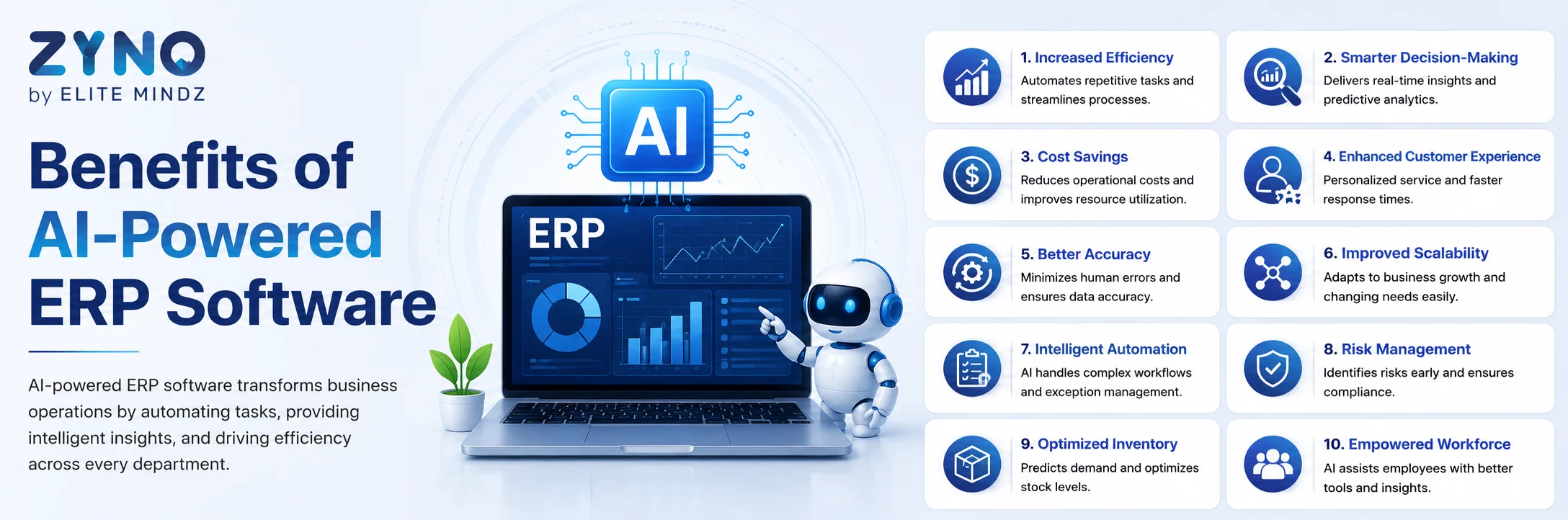
The use of AI in ERP can provide several long-term business benefits.
Employees spend less time on repetitive administrative work and more time on valuable activities.
AI can reduce manual errors in data entry, reporting, transaction processing, and document handling.
Real-time ERP analytics and automated insights give managers quicker access to important information.
Natural-language search, report generation through prompts, and smart ERP assistants make ERP platforms easier to use.
Automation can reduce processing time, improve resource allocation, and minimize unnecessary expenses.
AI-powered ERP systems can help businesses process larger volumes of transactions without increasing administrative workload at the same rate.
Modernize your business operations with AI-powered ERP software. Automate repetitive tasks, improve inventory and financial management, strengthen supply chain performance, and gain real-time insights that help your team make faster, data-driven decisions.
Although AI offers many advantages, businesses should prepare carefully before implementation.
Data quality is one of the most important considerations. AI systems require accurate and consistent data to produce reliable results.
Businesses should also consider:
Organizations should begin with clearly defined use cases and measurable objectives.
For example, a business may start by using AI intake for invoice processing or report generation through prompts for management reporting.
After demonstrating results, the organization can gradually expand AI workflow automation to other departments.
When selecting an AI-enabled ERP platform, businesses should evaluate both the core ERP capabilities and the quality of the AI features.
Important factors include:
A smart ERP assistant should provide useful answers while respecting user roles and data-access permissions.
Businesses should also confirm that AI-generated reports and recommendations can be reviewed and validated by employees.
AI will continue to change how businesses use ERP Software.
Future ERP platforms are likely to become more conversational, predictive, and autonomous. Employees may increasingly use prompts to complete tasks, generate reports, analyze performance, and manage workflows.
AI intake will make it easier to process documents and unstructured information. Report generation through prompts will give more employees access to business intelligence. AI workflow automation will help organizations manage complex processes with less manual intervention.
The smart ERP assistant will become an important interface between employees and enterprise data.
Rather than replacing employees, AI will help them work faster, reduce administrative effort, and focus on decisions that require human judgment.
AI can significantly improve ERP efficiency by automating data entry, simplifying reporting, optimizing workflows, and delivering real-time insights.
Features such as AI intake, report generation through prompts, AI workflow automation, and a smart ERP assistant can make ERP Software more productive and accessible.
Businesses that adopt AI-powered ERP solutions can reduce manual work, improve accuracy, respond faster to operational changes, and make better decisions.
The most effective approach is to begin with practical use cases, maintain strong data quality, and gradually expand AI capabilities across the organization.
As AI technology continues to develop, ERP systems will become more intelligent, proactive, and valuable to businesses of every size.
1. What is AI in ERP?
AI in ERP refers to the use of artificial intelligence within ERP Software to automate tasks, analyze business data, generate reports, improve forecasting, and support faster decision-making.
2. How does AI improve ERP efficiency?
AI improves ERP efficiency by reducing manual data entry, automating repetitive workflows, identifying errors, generating real-time insights, and helping employees complete tasks faster.
3. What is an AI Smart ERP Assistant?
An AI Smart ERP Assistant is an intelligent tool that allows users to interact with an ERP system using natural-language questions and commands. It can retrieve data, create summaries, generate reports, and recommend actions.
4. What is AI intake in ERP?
AI intake is the automated process of capturing and organizing data from invoices, emails, forms, receipts, purchase orders, and other documents. It reduces manual entry and improves data accuracy.
5. How does report generation through prompts work?
Report generation through prompts allows users to request reports using everyday language. For example, a user can ask, “Show monthly sales by region,” and the ERP system can automatically generate the required report.
6. What is AI workflow automation?
AI workflow automation uses artificial intelligence to manage, route, prioritize, and complete business processes. It can automate approvals, task assignments, alerts, invoice processing, and operational follow-ups.
7. Can AI be integrated with existing ERP Software?
Yes. Many AI tools can be integrated with existing ERP Software through APIs, connectors, and custom integrations. Compatibility depends on the ERP platform, data structure, and business requirements.
8. Which departments can benefit from AI-powered ERP?
AI-powered ERP can support finance, accounting, procurement, inventory, sales, customer service, human resources, manufacturing, supply chain management, and business operations.
9. Is AI-powered ERP suitable for small businesses?
Yes. Small and medium-sized businesses can use AI-powered ERP to reduce administrative work, improve reporting, manage inventory, automate processes, and make better use of limited resources.
10. Can AI generate accurate ERP reports?
AI can generate accurate reports when the ERP data is complete, consistent, and properly maintained. Businesses should still review important financial, compliance, and operational reports before making critical decisions.
What is ERP? A Beginner's Guide to Enterprise Resource Planning
Read More →
Cloud ERP vs. On-Premise vs. Hybrid: Best ERP Model for 2025
Read More →How To Customize ERP Software Without Breaking The Bank?
Read More →
The Future of Manufacturing ERP in 2026 & Beyond
Read More →Best ERP Software in India: 2026 Edition
Read More →
AI in Manufacturing ERP: The Future of Smart Factories
Read More →
How ERP Transforms Inventory Management and Reduces Costs
Read More →
Top Features to Look for in Inventory Management Software in 2025
Read More →
Top 5 Ways Asset Management Software Can Save Your Business Money
Read More →
Why Smart Businesses Are Switching to Vendor Management Systems in 2025?
Read More →
Why Manufacturing Companies Need ERP Software
Read More →
Cloud ERP vs. Traditional ERP: Which is Right for You?
Read More →
ERP for Small Business: Is It Worth the Investment?
Read More →
How to Calculate ERP ROI and Why It's Worth the Investment
Read More →
Top 10 ERP Software Companies in India 2026 Updated List (Complete Guide)
Read More →
ERP Implementation Mistakes to Avoid in 2025
Read More →
Cloud ERP vs Edge Computing: What's Right for Modern Manufacturing?
Read More →
The Future of ERP Software and the Role of Generative AI
Read More →
Digital Twin Technology & ERP: Real-Time Insights for Smarter Manufacturing
Read More →
Scalable ERP Solutions Designed for Modern Enterprises
Read More →
ERP and IoT Integration: Smart Factory Vision
Read More →Best ERP Software for Manufacturing Businesses in India
Read More →Top 10 Best Manufacturing ERP Software in India (2026)
Read More →
Best ERP Software for Manufacturing Industries in Ethiopia (2026)
Read More →
Best School ERP Software Providers in UAE (2025 Edition)
Read More →
Best School ERP Software for 2025: Guide for Educational Institutions
Read More →
Top 10 ERP Software Solutions for Nigerian Manufacturers (2025 Edition)
Read More →
Best ERP Systems for Scalable Retail and POS Integration
Read More →
Top 10 Cloud-Based Manufacturing ERP Solutions in Africa (2025 Edition)
Read More →
Top 10 Cloud-Based Manufacturing ERP in UAE
Read More →
Top 10 Cloud-Based Manufacturing ERP Software in Nigeria (2026 Edition)
Read More →
Top 10 School ERP Software Companies in Kenya (2025)
Read More →
Best School ERP Software Providers in Nigeria (2025)
Read More →
Top Cloud-Based Manufacturing ERP in Zimbabwe (2025)
Read More →
Best ERP Software in U.K
Read More →
Top 10 ERP Software Developers in the U.K. (2025)
Read More →
Best ERP Software Providers in France (2025)
Read More →
Best ERP Software Companies in Germany : A Comprehensive Guide
Read More →
Top 10 ERP Software Development Companies in Qatar
Read More →
10 Best ERP Providers in Germany - 2026 Updated List
Read More →
Best ERP Software Firms in Saudi Arabia (2025)
Read More →
Best ERP Service Providers in Indonesia for SMEs and Large Enterprises
Read More →
Top 10 Cloud-Based Manufacturing ERP Systems in Egypt for Modern Factories
Read More →
Top ERP Solutions in the USA 2025: Streamline Your Business with ZYNO ERP
Read More →
Top ERP Solutions in Qatar for Businesses of All Sizes
Read More →Top Manufacturing ERP Software in India 2026 ZYNO Manufacturing ERP
Read More →How Manufacturing Companies Reduce Production Delays Using ERP Automation
Read More →Why Legal Firms Need ERP to Manage Cases, Billing & Compliance
Read More →What Is ERP And How Does It Work
Read More →
How ERP Systems Are Evolving in 2026: What Businesses Need to Know
Read More →
Best ERP Software in India: 2025 Edition
Read More →
Top 10 ERP Software Companies in Delhi NCR
Read More →
How Manufacturing ERP Software Improves Demand Forecasting
Read More →
Top 10 Best School Management Software in India
Read More →Manufacturing & Wholesale ERP in Qatar: Complete Industry Guide 2026
Read More →Cloud ERP Software in Qatar: Why Businesses Are Moving in 2026
Read More →Is ERP a Procurement Software? Key Differences, Benefits & What to Choose
Read More →What Is Production Planning and Control? Definition, Objectives & Functions
Read More →
Garment Inventory Management Software: Complete Guide 2026
Read More →
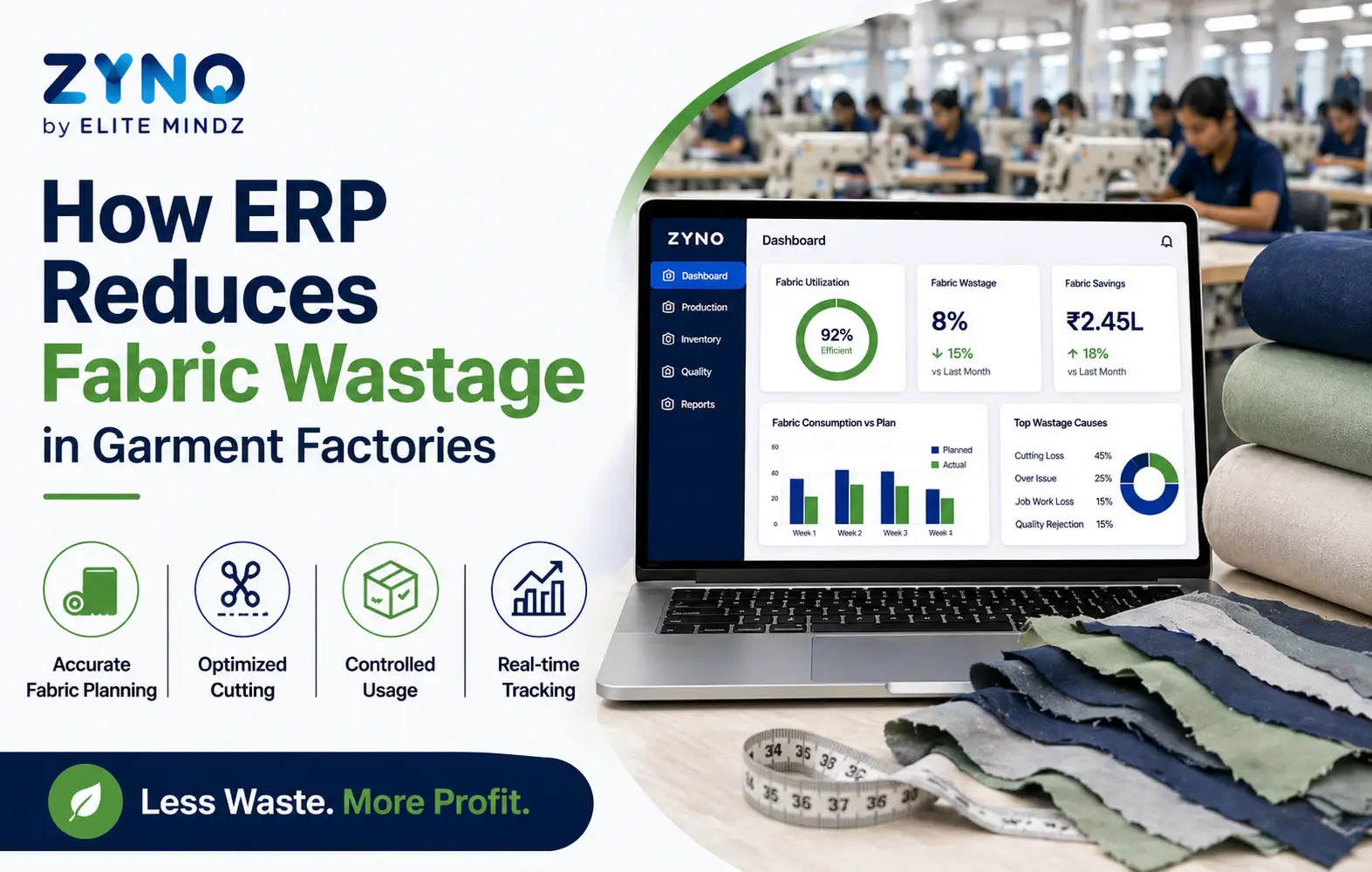
How ERP Reduces Fabric Wastage in Garment Factories
Read More →
Why the Garment Industry Needs a Specialized ERP
Read More →
Features to Look for in Garment Manufacturing ERP Software
Read More →
Best ERP Software for Small Garment Manufacturing Business in India
Read More →
The Real Problems Holding Back Small Garment Manufacturers in India
Read More →Garment Manufacturing ERP Software in India: Best Options, Features & Complete Guide 2026
Read More →
Which ERP is Best for Manufacturers in 2026?
Read More →
Distributor & Consumer Management System: The Complete Guide for 2026
Read More →
Best Pharma ERP Software in India 2026 – Features, Compliance & Buying Guide
Read More →
SAP Alternative for Manufacturing in India (2026): 6 Options Compared Honestly
Read More →
What Is the Relation Between MIS and Enterprise Resource Planning?
Read More →
Best ERP for Sweater Manufacturers in India
Read More →
What Manufacturing ERP Systems Provide the Best Demand Forecasting Features?
Read More →
Which ERP Software Provides the Best Demand Forecasting for Manufacturers?
Read More →
What are the key features to look for in AI ERP software for manufacturing companies in India?
Read More →
How does AI-powered ERP software improve production planning and inventory management in manufacturing?
Read More →
Which AI ERP platforms are best suited for small and mid-sized manufacturing businesses in India?
Read More →
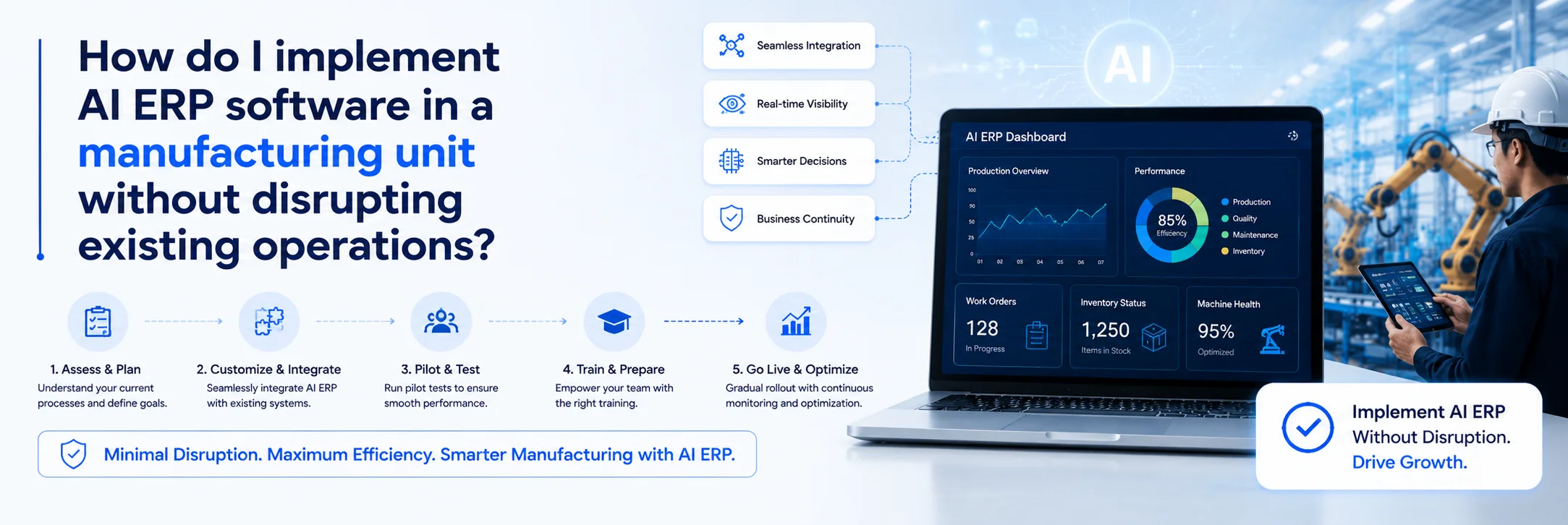
How do I implement AI ERP software in a manufacturing unit without disrupting existing operations?
Read More →
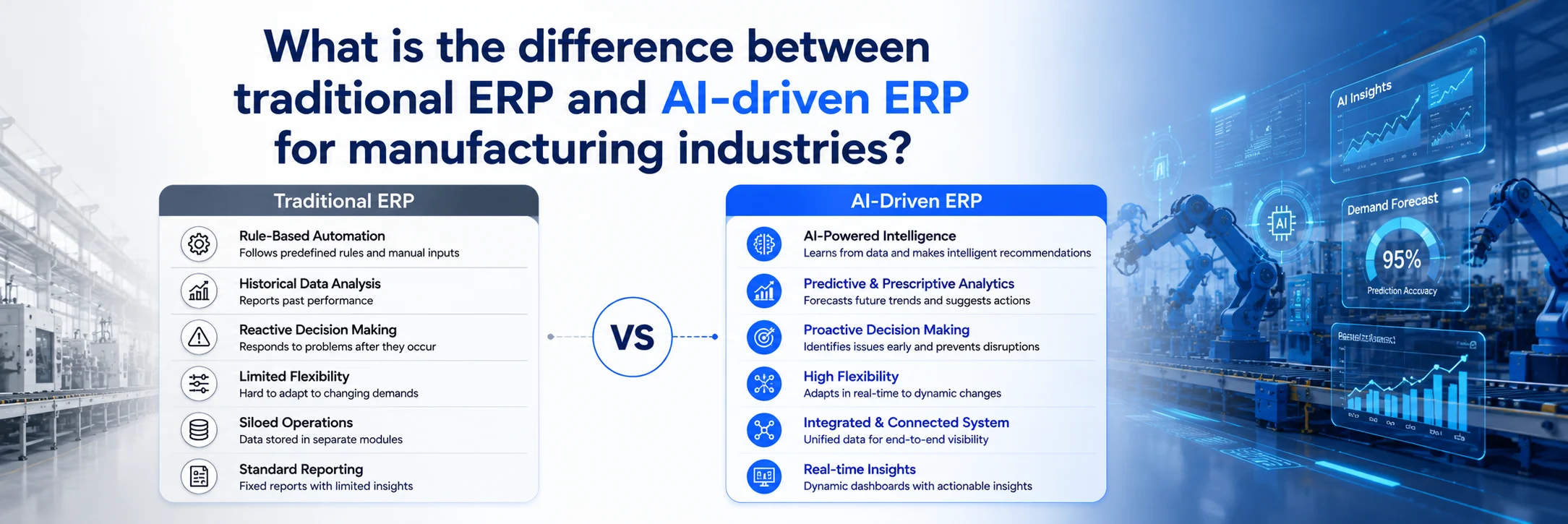
What is the difference between traditional ERP and AI-driven ERP for manufacturing industries?
Read More →
AI-Powered Smart ERP Software: The Complete Guide for Modern Enterprises
Read More →
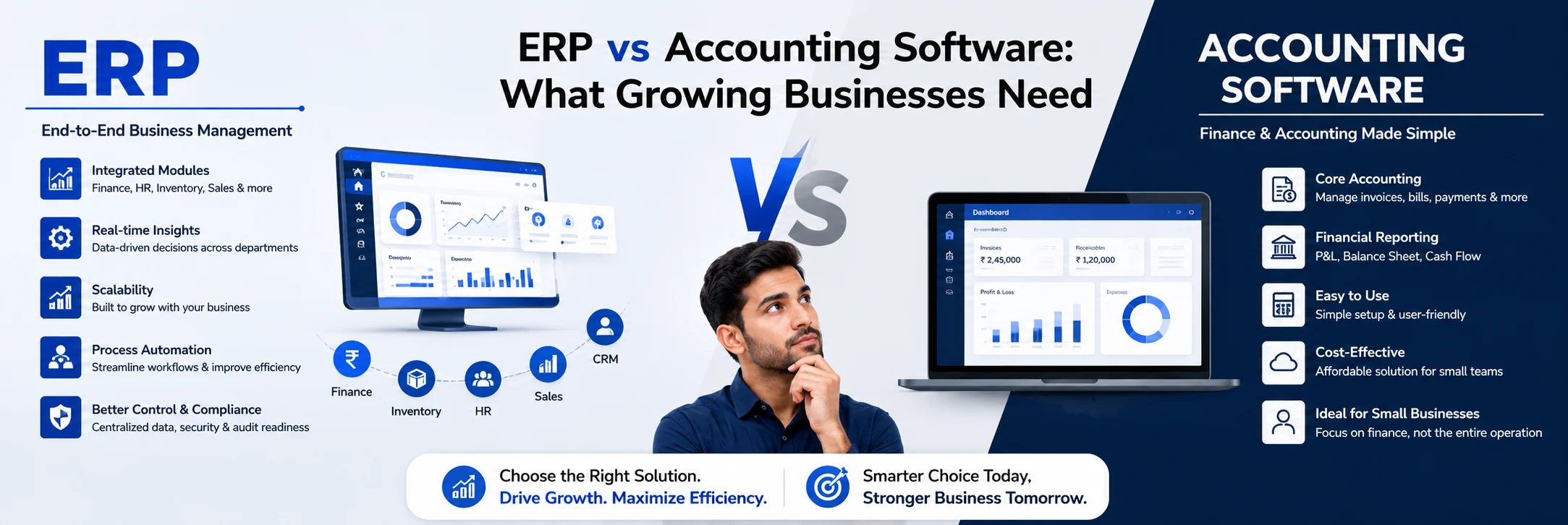
ERP vs Accounting Software: What Growing Businesses Need
Read More →
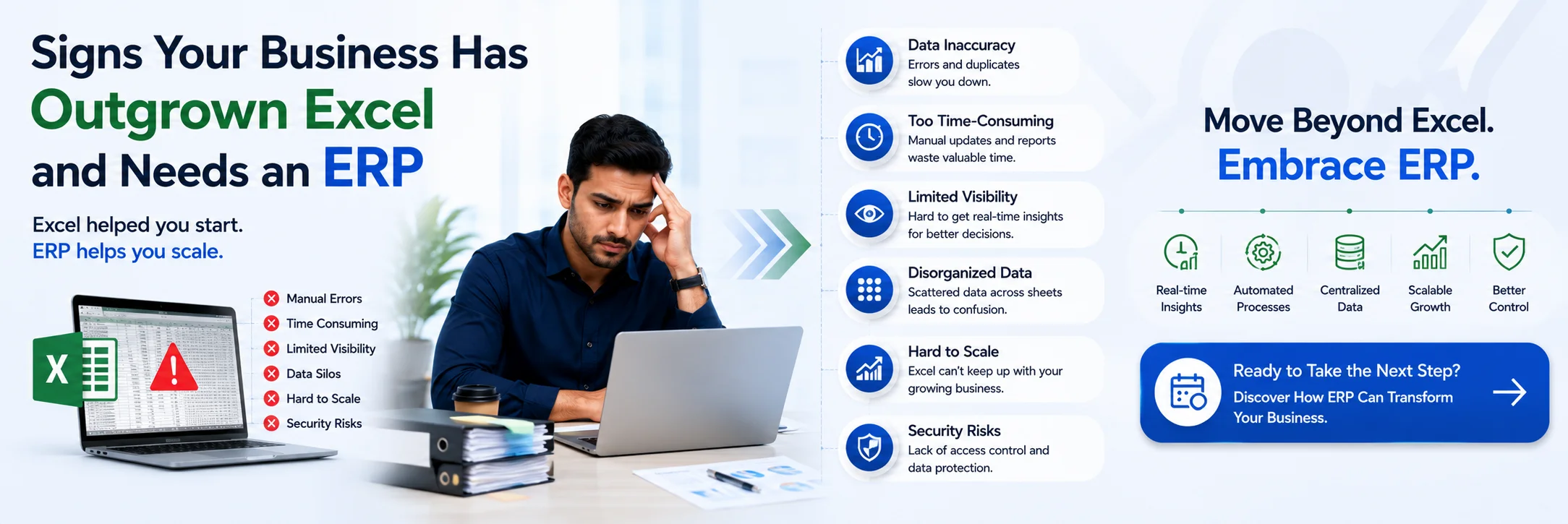
Signs Your Business Has Outgrown Excel and Needs an ERP
Read More →
How to Index HR Records from an ERP System for a Chatbot?
Read More →
What is the Best Software for Retail Garment Shop?
Read More →
Manufacturing Software for the Textile and Garment Industry?
Read More →
Best ERP Software for Manufacturing Companies in India?
Read More →
How ERP Reduces Production Costs and Improves Profitability?
Read More →
Which ERP Software is Mostly Used in Garment Retail Shop?
Read More →
10 Ways AI Can Improve ERP Efficiency
Read More →Partner with ZYNO by Elite Mindz to revolutionize how your business works. Fill out the form, and we’ll reach out with AI-powered solutions made just for you.
We use browser cookies to ensure you get the best experience on our website. Learn more
The form was submitted successfully!
ZYNO Digital
Fueling Smarter Digital Growth
ZYNO Digital fuels smarter digital growth through data-driven marketing, creative storytelling, and performance strategies that boost visibility, engagement, and measurable business outcomes across global platforms.
ZYNO Tech
Engineering the Future of IT
ZYNO Tech delivers cutting-edge IT solutions — including web, mobile, and digital transformation services — helping businesses scale efficiently, innovate faster, and stay ahead in a connected world.
ZYNO AI
AI Built for Business Growth
ZYNO AI harnesses the power of artificial intelligence to automate processes, enhance decision-making, and deliver predictive insights — driving innovation, agility, and measurable business growth.
ZYNO by Elite Mindz
Your Partner in the AI-Powered Future
ZYNO by Elite Mindz offers AI-powered products and services that unify operations, boost productivity, and drive digital transformation — helping businesses scale smarter and innovate faster.
* In just 2 mins you'll get a response
* Your idea is 100% protected by our Non-Disclosure Agreement