What is ERP? A Beginner's Guide to Enterprise Resource Planning
Read More →

×
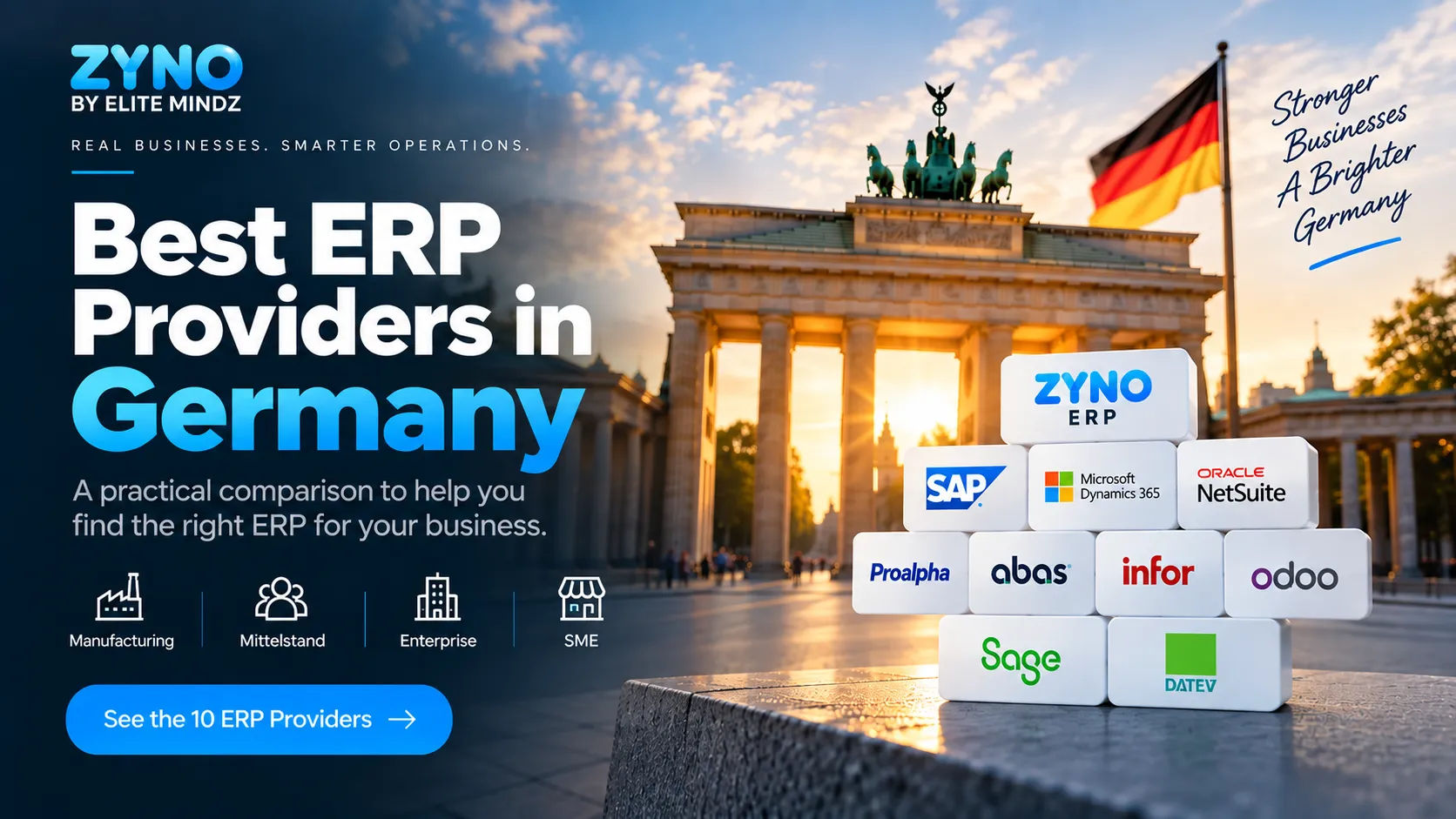
There is no single best ERP software for every business in Germany. SAP, Microsoft Dynamics 365, Oracle NetSuite, Proalpha, abas, Infor, Odoo, Sage, DATEV and ZYNO are worth considering based on company size, industry, manufacturing needs, integrations, German localization, deployment and budget. The best choice is the ERP that fits your business processes and can scale with your requirements.
Businesses using ZYNO Books cut accounting time by 70% and stay 100% ZATCA-compliant — automatically.
Choosing an ERP system in Germany is a bigger decision than comparing feature lists.
The right platform needs to fit the way your business actually operates, whether you run a manufacturing company, a growing Mittelstand business, a service organization, or a larger enterprise with multiple locations and complex processes.
That is why the question is not simply, “Which ERP is the best?” A more useful question is, “Which ERP is the best fit for our company?”
This comparison looks at leading ERP software providers in Germany across business fit, core functionality, manufacturing capabilities, deployment options, scalability, automation, integrations, German-market requirements and implementation considerations.
You will also find a practical way to narrow the list based on your company size, industry and priorities, so you can move from a long vendor list to a realistic ERP shortlist.
There is no single ERP system that is right for every German business. Large enterprises may prioritize the depth and ecosystem of SAP, while Microsoft-centric organizations may prefer Dynamics 365. Manufacturing-focused Mittelstand companies can evaluate platforms such as Proalpha and abas alongside broader ERP suites. NetSuite is worth considering for growing cloud-first organizations, while Odoo can suit businesses looking for a modular approach.
For businesses specifically interested in modern automation and AI-enabled workflows, ZYNO is another option worth evaluating alongside established ERP providers.
The important part is to compare these systems against your own processes rather than choosing a platform simply because it is well known.
The providers below cover different parts of the German ERP market. Some are designed for large enterprises, some have a strong Mittelstand or manufacturing focus, and others are better suited to smaller or growing businesses.
Use this list as a starting point for your shortlist, not as a universal ranking.
| ERP Provider | Best For | Key Strength | What to Evaluate |
|---|---|---|---|
| ZYNO ERP | Businesses looking for AI-enabled ERP and connected workflows | AI, automation and integrated business processes | Industry fit, localization, integrations and implementation requirements |
| SAP | Large and complex organizations | Enterprise depth and broad ecosystem | Complexity, implementation and total cost |
| Microsoft Dynamics 365 | Organizations using the Microsoft ecosystem | ERP, business applications and Microsoft integration | Product edition, modules and implementation scope |
| Oracle NetSuite | Growing and international businesses | Cloud ERP and multi-entity management | Localization, integrations and configuration |
| Proalpha | German-speaking Mittelstand and manufacturing | Manufacturing and industry-focused ERP | Business processes, customization and implementation |
| abas | Industrial and manufacturing businesses | Manufacturing-focused functionality | Production complexity and deployment model |
| Infor | Industry-focused and larger organizations | Industry-specific ERP capabilities | Industry module requirements and integrations |
| Odoo | SMEs seeking modular ERP | Modularity and flexibility | Customization and implementation governance |
| Sage | Small and mid-sized businesses | Finance and business management | Product scope and operational requirements |
| DATEV | Accounting and tax-focused businesses | German accounting and tax ecosystem | Whether broader ERP functionality is also required |
A vendor can look impressive on paper and still be the wrong choice for your business.
For example, a large enterprise ERP may provide extensive functionality, but that does not automatically make it the right choice for a 50-person manufacturer. Likewise, a lightweight modular ERP may be attractive for an SME but struggle to support highly complex production or multi-company operations.
Before comparing individual providers, evaluate them against the following criteria.
| Criterion | What to Ask |
|---|---|
| Business fit | Does the platform fit our company size and operating model? |
| Industry fit | Does it support the workflows that are specific to our industry? |
| Core functionality | Can it connect finance, purchasing, inventory, sales and operations? |
| Manufacturing | Does it support MRP, production planning, BOMs, capacity and quality? |
| Automation and AI | Which tasks are actually automated, and where does AI provide measurable value? |
| Integration | Can it connect with the systems we already use? |
| Scalability | Can it support additional users, locations, entities and processes? |
| Implementation | How much configuration, migration and training will be required? |
| Total cost | What will the software, implementation and ongoing costs be? |
Best for: Businesses looking for a modern ERP approach with AI-enabled automation and connected workflows.
ZYNO ERP is designed around the idea that business systems should do more than store information. They should help teams move work forward.
Its platform connects business processes with automation and AI capabilities across areas such as procurement, manufacturing, CRM and other operational workflows.
For businesses evaluating modern ERP software, this makes ZYNO particularly relevant when automation is a strategic priority rather than simply an additional feature on an ERP checklist.
For example, ZYNO Procurement can automate purchase requests, approval routing, budget checks, supplier workflows and invoice verification within a connected procurement process.
That makes it worth evaluating for organizations where procurement is one of the major ERP workflows they want to modernize.
As with any ERP platform, businesses should evaluate ZYNO against their own requirements, including industry fit, German localization, integrations, security, implementation scope and the specific workflows they expect to automate.
Best fit: Organizations looking for a modern ERP approach with AI-enabled automation and connected business workflows.
Best for: Large enterprises and organizations with complex business operations.
SAP is one of the most established ERP names in the market and is particularly relevant when an organization has complex financial, supply chain, manufacturing or international requirements.
Its broad ecosystem can connect many parts of an enterprise, but that breadth can also mean greater implementation complexity.
Best fit: Large organizations that need extensive enterprise functionality and have the resources to support a substantial ERP program.
Best for: Businesses that already rely heavily on Microsoft technologies.
Microsoft Dynamics 365 combines business applications across areas such as finance, supply chain, sales and customer operations.
Its biggest practical advantage for many organizations is the connection with the wider Microsoft ecosystem.
Best fit: Growing and larger businesses that want ERP to work closely with their existing Microsoft environment.
Best for: Growing and international businesses looking for cloud ERP.
NetSuite is a cloud ERP platform that brings financial and operational processes together in a single environment.
It can be particularly relevant for organizations managing multiple entities, locations or markets and looking for centralized financial and operational visibility.
German businesses should verify the exact localization, tax, accounting and integration requirements that apply to their organization before implementation.
Best fit: Growing and international organizations looking for a cloud-first ERP environment.
Best for: German-speaking Mittelstand and manufacturing organizations.
Proalpha has a strong position in the German-speaking Mittelstand and industrial market. Its platform is built around connecting business processes across areas such as manufacturing, finance, logistics and supply chain.
Current market positioning also highlights Proalpha's relevance to manufacturing and Mittelstand businesses.
Best fit: German-speaking manufacturing and Mittelstand organizations that need deeper industry and production capabilities.
Best for: Industrial and manufacturing companies with complex production requirements.
abas is positioned specifically around manufacturing and industrial organizations. That focus matters because manufacturing ERP requirements can become significantly more complex than those of a general business management system.
Current German ERP comparisons position abas particularly strongly for mid-sized industrial companies with complex manufacturing processes, including production planning and shop-floor requirements.
Best fit: Manufacturing businesses where production complexity is a primary ERP requirement.
Best for: Organizations looking for industry-focused ERP capabilities.
Infor takes an industry-oriented approach to ERP, which can be useful when standard business workflows are not enough and the organization has specialized operational requirements.
Best fit: Organizations where industry-specific functionality is a major selection criterion.
Best for: SMEs and growing companies looking for modular ERP.
Odoo takes a modular approach, allowing organizations to combine applications for areas such as accounting, CRM, sales, inventory, purchasing and manufacturing.
This can be attractive when a business wants to start with a focused set of capabilities and expand over time.
The trade-off is that flexibility needs governance. Excessive customization can make an ERP harder to maintain and upgrade.
Best fit: SMEs and growing businesses that value modularity and flexibility.
Best for: Small and mid-sized businesses with strong finance and accounting requirements.
Sage offers business software across finance, accounting and operational management. Its suitability depends on the specific Sage product and the breadth of ERP functionality required.
Best fit: Smaller and mid-sized organizations where financial management is a central ERP requirement.
Best for: Businesses where German accounting and tax processes are central to the software environment.
DATEV is different from broad ERP platforms such as SAP or Dynamics 365. Its major strength is its position within the German accounting, tax and professional services ecosystem.
That distinction is important when comparing ERP providers.
If a business needs advanced production planning, manufacturing management or broad supply chain orchestration, it should evaluate whether DATEV alone meets those requirements or whether it needs to work alongside another ERP platform.
Best fit: Organizations with strong German accounting and tax requirements that need DATEV within their overall business software environment.
Once you understand the major providers, the shortlist becomes much easier if you start with your business situation.
| Business Situation | ERP Options to Evaluate | Primary Consideration |
|---|---|---|
| Large enterprise | SAP, Microsoft Dynamics 365, Oracle, Infor | Scale, complexity and integrations |
| German Mittelstand | Proalpha, abas, Dynamics 365, SAP Business One and other mid-market ERP | Industry fit, implementation and scalability |
| Manufacturing company | Proalpha, abas, SAP, Dynamics 365, Infor and specialized manufacturing ERP | MRP, production and supply chain |
| Cloud-first business | NetSuite, Dynamics 365, Odoo and other cloud ERP | Scalability, integration and operating model |
| SME seeking modular ERP | Odoo, Sage and other SME-focused platforms | Flexibility and implementation effort |
| Microsoft-centric organization | Microsoft Dynamics 365 | Ecosystem integration |
| AI and automation-focused business | ZYNO and other AI-enabled ERP platforms | Real automation use cases and measurable value |
Manufacturing deserves a separate consideration because the ERP requirements are often more demanding than those of a general service business.
A manufacturer may need to coordinate demand, materials, purchasing, production, quality, inventory, delivery and finance through connected workflows.
That means an ERP should be evaluated on what it can actually do across the production lifecycle, not simply on whether it has a “manufacturing” module.
| Capability | Why It Matters |
|---|---|
| MRP | Helps plan material requirements around production demand. |
| Production planning | Helps coordinate production schedules and resources. |
| BOM management | Maintains product structures and required components. |
| Capacity planning | Helps align production demand with available resources. |
| Inventory | Provides visibility into raw materials, WIP and finished goods. |
| Procurement | Connects purchasing decisions with production and material requirements. |
| Quality management | Supports quality checks and operational controls. |
| Traceability | Helps track batches, serial numbers or materials where required. |
| Costing | Helps understand product and production costs. |
Current German manufacturing ERP comparisons place strong emphasis on production planning, MRP/MES, capacity planning, shop-floor processes, localization and industry fit.
The ERP requirements of a Mittelstand company are often different from those of a global enterprise.
The business may have complex production, multiple suppliers, several locations or specialized workflows, but it may not have the internal IT resources or budget required for a massive transformation program.
That creates an important balance:
The ERP needs enough depth to handle complexity without creating unnecessary complexity itself.
Current ERP guidance for the German Mittelstand similarly emphasizes company size, process complexity, industry requirements, implementation resources, local support and reporting capabilities.
Choosing a globally popular ERP does not automatically mean it is the right ERP for a German business.
Before signing a contract, confirm how the system and its implementation handle the requirements that apply to your organization.
Verify that the ERP supports the accounting and tax processes required by your business and that the implementation partner understands the German market.
Where applicable, assess how records, documents, changes and audit trails are handled.
Confirm that the system supports the relevant VAT and invoicing workflows for your organization.
Ask how the platform supports applicable e-invoicing requirements and how those processes will work in practice.
Review how personal and business data is stored, processed, accessed and protected.
If your accounting team or tax adviser relies on DATEV, confirm the required integration before selecting the ERP.
For a German operation, language support, implementation expertise and access to knowledgeable local partners can be important factors during both deployment and ongoing operation.
There is no universal winner between cloud and on-premise ERP.
The right choice depends on your IT strategy, security requirements, existing infrastructure, integrations and the level of control your organization needs.
Cloud ERP can reduce the need to manage infrastructure internally and can make upgrades and scaling easier.
On-premise deployment can give organizations greater control over their infrastructure, but the business also takes on more responsibility for hosting, maintenance and upgrades.
A hybrid approach can make sense when an organization needs to connect existing systems with newer cloud applications.
The better question is not “Which deployment model is modern?” but “Which model fits our business and IT strategy?”
ERP pricing varies significantly depending on the provider, number of users, modules, deployment model and implementation requirements.
Looking only at the software subscription or license price can therefore give you an incomplete picture.
| Cost Area | What Can Affect Cost? |
|---|---|
| Software | Users, modules and licensing or subscription model |
| Implementation | Configuration, deployment and consulting |
| Data migration | Volume and quality of existing data |
| Integrations | Number and complexity of connected systems |
| Customization | Changes beyond standard functionality |
| Training | Number of users and training requirements |
| Support | Ongoing service and support requirements |
The lowest software price is not necessarily the lowest total cost.
Compare the total cost of ownership over the period you expect to use the ERP, including implementation, migration, integrations, training and support.
Once you have narrowed the market, the next challenge is choosing between the remaining options.
A structured selection process helps prevent the decision from being driven by the best sales presentation.
Document how finance, procurement, sales, inventory, production and other important workflows operate today.
Are you dealing with disconnected data, slow approvals, poor inventory visibility, manual reporting, production delays or weak financial visibility?
Start with the business problem, not the software feature.
Prioritize requirements before speaking to vendors. Otherwise, every vendor demo can make its feature list look essential.
List the systems that the ERP needs to connect with, including finance, CRM, e-commerce, warehouse, manufacturing, HR and other operational applications.
If CRM integration is an important part of your evaluation, you can also review ZYNO CRM as part of the wider business application environment.
Determine whether cloud, on-premise or hybrid deployment fits your IT and operational strategy.
Evaluate accounting, tax, invoicing, data protection and other requirements that apply to your business.
The ERP product is only one part of the project. Implementation expertise can have a major impact on the final outcome.
Include licensing, implementation, migration, customization, integrations, training and support.
Don't ask only whether the software has a procurement or manufacturing module.
Instead, ask the vendor to demonstrate a real workflow from beginning to end.
For example:
Purchase request → approval → supplier quotation → purchase order → goods receipt → invoice → payment
This exposes practical workflow gaps much faster than a generic feature presentation.
Your ERP should support the business you expect to become, not only the processes you have today.
Not necessarily. The right ERP depends on the complexity of your business. A smaller organization may get more value from a focused and easier-to-manage platform than from an enterprise system with capabilities it will never use.
No. Popularity can indicate market presence, but it does not tell you whether the software fits your processes, industry, budget or implementation resources.
AI should solve a real business problem rather than exist as a marketing label. Ask which tasks are automated, what data the AI uses, where human approval remains necessary and how the capability affects the actual workflow.
No. Customization can help an ERP fit specialized processes, but excessive customization can increase implementation costs and make future upgrades more difficult.
Price matters, but it should be evaluated alongside implementation effort, functionality, integrations, support and total cost of ownership.
Some ERP platforms cover a very broad range of functions, but organizations should still evaluate whether each capability is deep enough for their specific requirements. Sometimes specialized applications remain appropriate alongside the ERP.
At this stage, you should not still be comparing ten providers equally.
A practical shortlist usually comes from matching the software to your most important requirements.
| Your Priority | What to Prioritize |
|---|---|
| Complex enterprise operations | Depth, scalability, integrations and enterprise governance |
| Manufacturing | MRP, production, BOMs, inventory, quality and costing |
| Mittelstand | Industry fit, implementation effort and scalability |
| Cloud-first operations | Cloud architecture, integration and scalability |
| AI and automation | Real workflow automation rather than AI branding alone |
| German accounting requirements | Localization, tax, accounting and relevant integrations |
ERP selection in Germany should not be treated as a popularity contest.
SAP may make sense for a large enterprise with complex global requirements. Microsoft Dynamics 365 can be attractive for organizations deeply invested in Microsoft. Proalpha and abas deserve attention when manufacturing and Mittelstand requirements dominate the decision. NetSuite can be relevant to growing cloud-first businesses, while Odoo and Sage may suit different SME requirements.
For businesses looking to bring AI and automation deeper into their ERP workflows, ZYNO is another platform that can be evaluated against the same practical requirements.
The best way to make the decision is to move beyond feature lists.
Define your requirements. Shortlist the systems that fit. Test your real workflows. Calculate the total cost. Then choose the platform that solves today's problems without creating tomorrow's.
If procurement, supplier management and purchasing automation are among your priorities, you can also evaluate ZYNO Procurement as part of that ERP decision.
There is no single ERP that is best for every German business. The right platform depends on company size, industry, process complexity, manufacturing requirements, integrations, deployment preferences and budget.
Manufacturing companies should prioritize production planning, MRP, BOM management, inventory, procurement, quality, costing and traceability. Platforms such as Proalpha, abas, SAP, Microsoft Dynamics 365 and Infor can be evaluated depending on the company's size and requirements.
The best ERP for the Mittelstand depends on the company's industry and operational complexity. Manufacturing businesses may prioritize manufacturing-focused ERP platforms, while other organizations may prefer broader mid-market solutions.
SAP is a major enterprise ERP platform and can be highly suitable for large and complex organizations. However, its scale does not automatically make it the best option for every German business.
Microsoft Dynamics 365 can be a strong option for businesses that want ERP capabilities connected to the Microsoft ecosystem. Companies should still verify localization, accounting, tax, integration and implementation requirements for their specific environment.
Neither deployment model is universally better. Cloud ERP can simplify infrastructure and upgrades, while on-premise ERP can provide greater control over the IT environment. The right choice depends on the organization's requirements and IT strategy.
ERP costs vary based on users, modules, deployment, implementation, migration, customization, integrations, training and support. Total cost of ownership is more useful for comparison than software pricing alone.
Businesses should evaluate industry functionality, integrations, German accounting and tax requirements, data protection, e-invoicing, deployment, implementation support, scalability and total cost of ownership.
AI-powered ERP combines traditional ERP functions with artificial intelligence or machine-learning capabilities that can assist with automation, analysis, recommendations, forecasting, data processing and decision support. The actual capabilities vary by platform.
ZYNO can be evaluated by businesses looking for modern ERP capabilities with AI-enabled automation and connected business workflows. Organizations should compare its functionality, localization, integrations, security and implementation requirements against their own needs before making a purchasing decision.
The fastest way to identify the right ERP is to test the software against your actual workflows rather than comparing feature lists alone.
If AI-enabled automation, procurement, supplier management and connected business processes are important to your ERP strategy, ZYNO can be included in your shortlist and evaluated alongside the established providers in this guide.
What is ERP? A Beginner's Guide to Enterprise Resource Planning
Read More →
Cloud ERP vs. On-Premise vs. Hybrid: Best ERP Model for 2025
Read More →How To Customize ERP Software Without Breaking The Bank?
Read More →
The Future of Manufacturing ERP in 2026 & Beyond
Read More →Best ERP Software in India: 2026 Edition
Read More →
AI in Manufacturing ERP: The Future of Smart Factories
Read More →
How ERP Transforms Inventory Management and Reduces Costs
Read More →
Inventory Management Software Features: The Complete 2026 Buying Guide
Read More →
Top 5 Ways Asset Management Software Can Save Your Business Money
Read More →
Why Smart Businesses Are Switching to Vendor Management Systems in 2025?
Read More →
Why Manufacturing Companies Need ERP Software
Read More →
Cloud ERP vs. Traditional ERP: Which is Right for You?
Read More →
ERP for Small Business: Is It Worth the Investment?
Read More →
How to Calculate ERP ROI and Why It's Worth the Investment
Read More →
Top 10 ERP Software Companies in India 2026 Updated List (Complete Guide)
Read More →
ERP Implementation Mistakes to Avoid in 2025
Read More →
Cloud ERP vs Edge Computing: What's Right for Modern Manufacturing?
Read More →
The Future of ERP Software and the Role of Generative AI
Read More →
Digital Twin Technology & ERP: Real-Time Insights for Smarter Manufacturing
Read More →
Scalable ERP Solutions Designed for Modern Enterprises
Read More →
ERP and IoT Integration: Smart Factory Vision
Read More →Best ERP Software for Manufacturing Businesses in India
Read More →Top 10 Best Manufacturing ERP Software in India (2026)
Read More →
Best ERP Software for Manufacturing Industries in Ethiopia (2026)
Read More →
Best School ERP Software Providers in UAE (2025 Edition)
Read More →
Best School ERP Software for 2025: Guide for Educational Institutions
Read More →
Top 10 ERP Software Solutions for Nigerian Manufacturers (2025 Edition)
Read More →
Best ERP Systems for Scalable Retail and POS Integration
Read More →
Top 10 Cloud-Based Manufacturing ERP Solutions in Africa (2025 Edition)
Read More →
Top 10 Cloud-Based Manufacturing ERP in UAE
Read More →
Top 10 Cloud-Based Manufacturing ERP Software in Nigeria (2026 Edition)
Read More →
Top 10 School ERP Software Companies in Kenya (2025)
Read More →
Best School ERP Software Providers in Nigeria (2025)
Read More →
Top Cloud-Based Manufacturing ERP in Zimbabwe (2025)
Read More →
Best ERP Software in U.K
Read More →
Top 10 ERP Software Developers in the U.K. (2025)
Read More →
Best ERP Software Providers in France (2025)
Read More →
Best ERP Software Companies in Germany : A Comprehensive Guide
Read More →
Top 10 ERP Software Development Companies in Qatar
Read More →
Best ERP Providers in Germany: 10 ERP Software Options Compared
Read More →
Best ERP Software Firms in Saudi Arabia (2025)
Read More →
Best ERP Service Providers in Indonesia for SMEs and Large Enterprises
Read More →
Top 10 Cloud-Based Manufacturing ERP Systems in Egypt for Modern Factories
Read More →
Top ERP Solutions in the USA 2025: Streamline Your Business with ZYNO ERP
Read More →
Top ERP Solutions in Qatar for Businesses of All Sizes
Read More →Top Manufacturing ERP Software in India 2026 ZYNO Manufacturing ERP
Read More →How Manufacturing Companies Reduce Production Delays Using ERP Automation
Read More →Why Legal Firms Need ERP to Manage Cases, Billing & Compliance
Read More →What Is ERP And How Does It Work
Read More →
How ERP Systems Are Evolving in 2026: What Businesses Need to Know
Read More →
Best ERP Software in India: 2025 Edition
Read More →
Top 10 ERP Software Companies in Delhi NCR
Read More →
How Manufacturing ERP Software Improves Demand Forecasting
Read More →
Top 10 Best School Management Software in India
Read More →Manufacturing & Wholesale ERP in Qatar: Complete Industry Guide 2026
Read More →Cloud ERP Software in Qatar: Why Businesses Are Moving in 2026
Read More →Is ERP a Procurement Software? Key Differences, Benefits & What to Choose
Read More →What Is Production Planning and Control? Definition, Objectives & Functions
Read More →
Garment Inventory Software: Features, Providers & Buying Guide (2026)
Read More →
How ERP Reduces Fabric Wastage in Garment Factories
Read More →
Why the Garment Industry Needs a Specialized ERP
Read More →
Features to Look for in Garment Manufacturing ERP Software
Read More →
Best ERP Software for Small Garment Manufacturing Business in India
Read More →
The Real Problems Holding Back Small Garment Manufacturers in India
Read More →Garment Manufacturing ERP Software in India: Best Options, Features & Complete Guide 2026
Read More →
Which ERP is Best for Manufacturers in 2026?
Read More →
Distributor & Consumer Management System: The Complete Guide for 2026
Read More →
Best Pharma ERP Software in India 2026 – Features, Compliance & Buying Guide
Read More →
SAP Alternative for Manufacturing in India (2026): 6 Options Compared Honestly
Read More →
What Is the Relation Between MIS and Enterprise Resource Planning?
Read More →
Best ERP for Sweater Manufacturers in India
Read More →
What Manufacturing ERP Systems Provide the Best Demand Forecasting Features?
Read More →
Which ERP Software Provides the Best Demand Forecasting for Manufacturers?
Read More →
What are the key features to look for in AI ERP software for manufacturing companies in India?
Read More →
How does AI-powered ERP software improve production planning and inventory management in manufacturing?
Read More →
Which AI ERP platforms are best suited for small and mid-sized manufacturing businesses in India?
Read More →
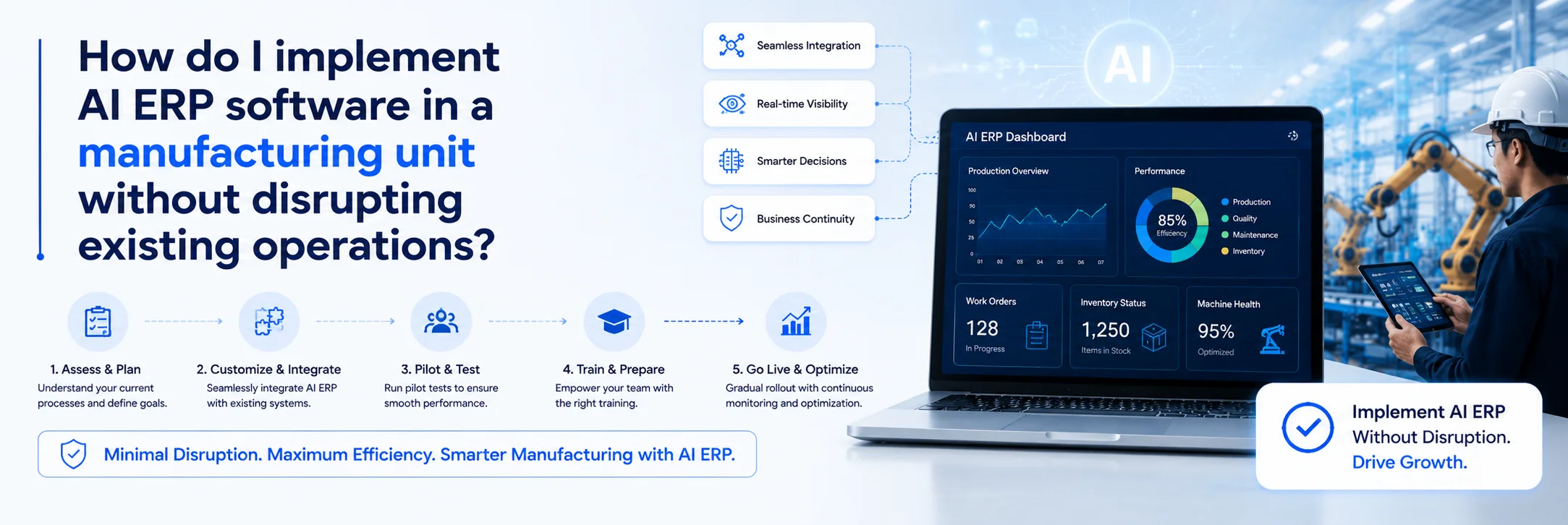
How do I implement AI ERP software in a manufacturing unit without disrupting existing operations?
Read More →
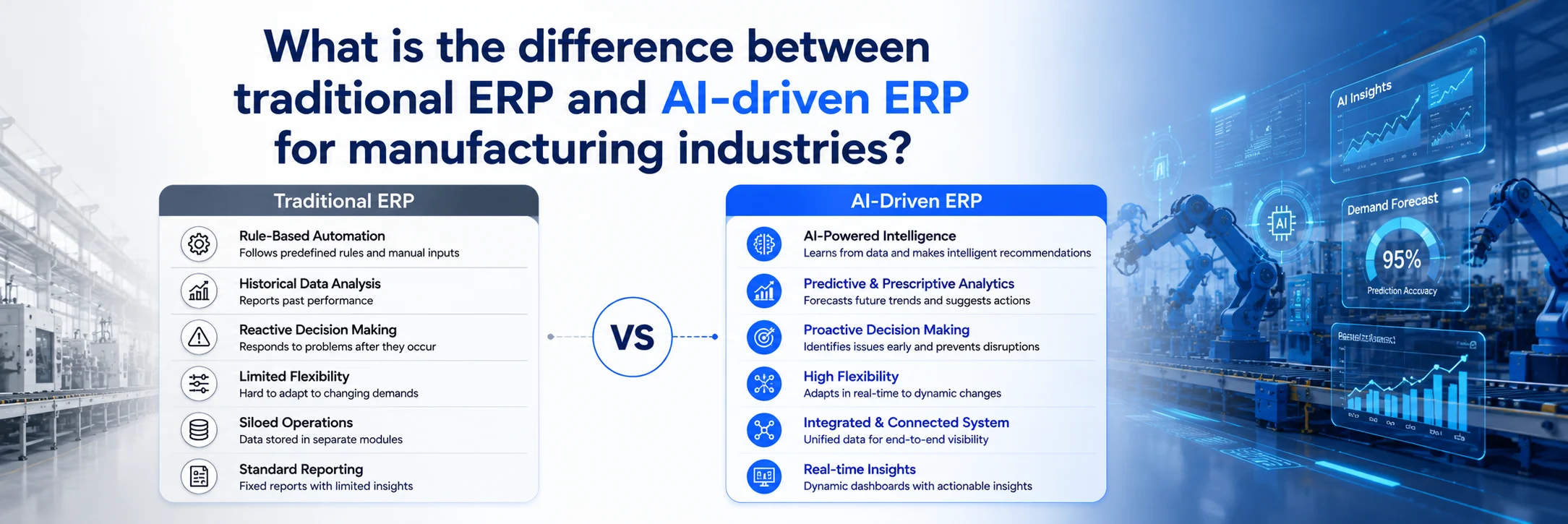
What is the difference between traditional ERP and AI-driven ERP for manufacturing industries?
Read More →
AI-Powered Smart ERP Software: The Complete Guide for Modern Enterprises
Read More →
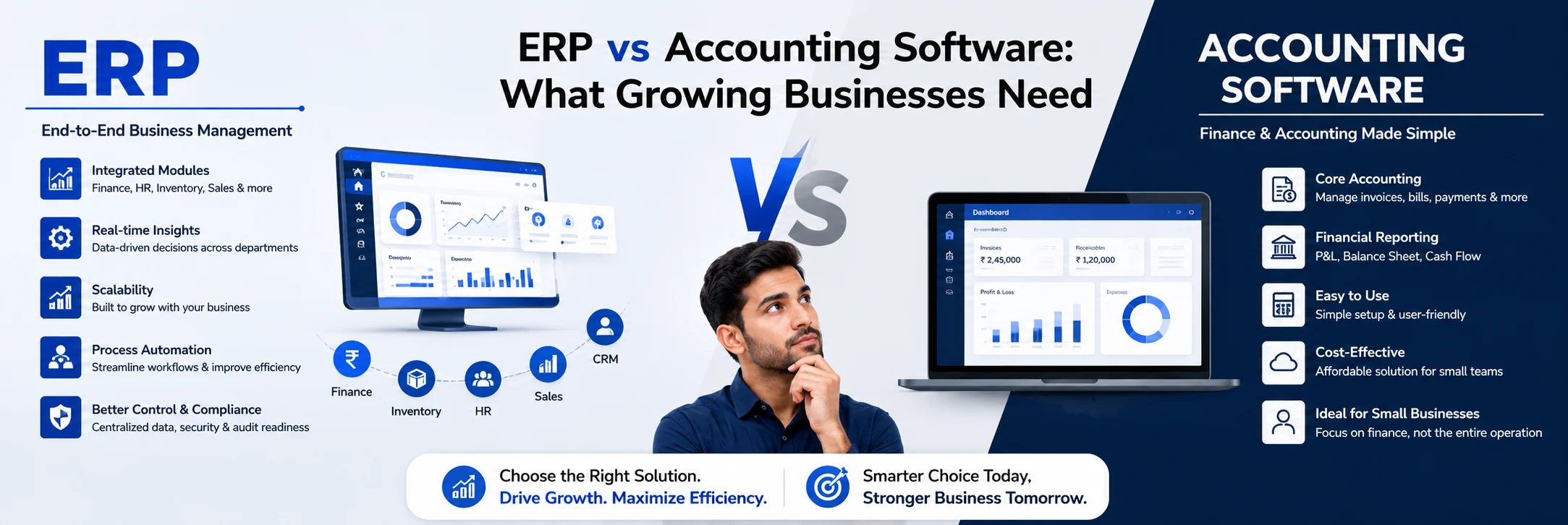
ERP vs Accounting Software: What Growing Businesses Need
Read More →
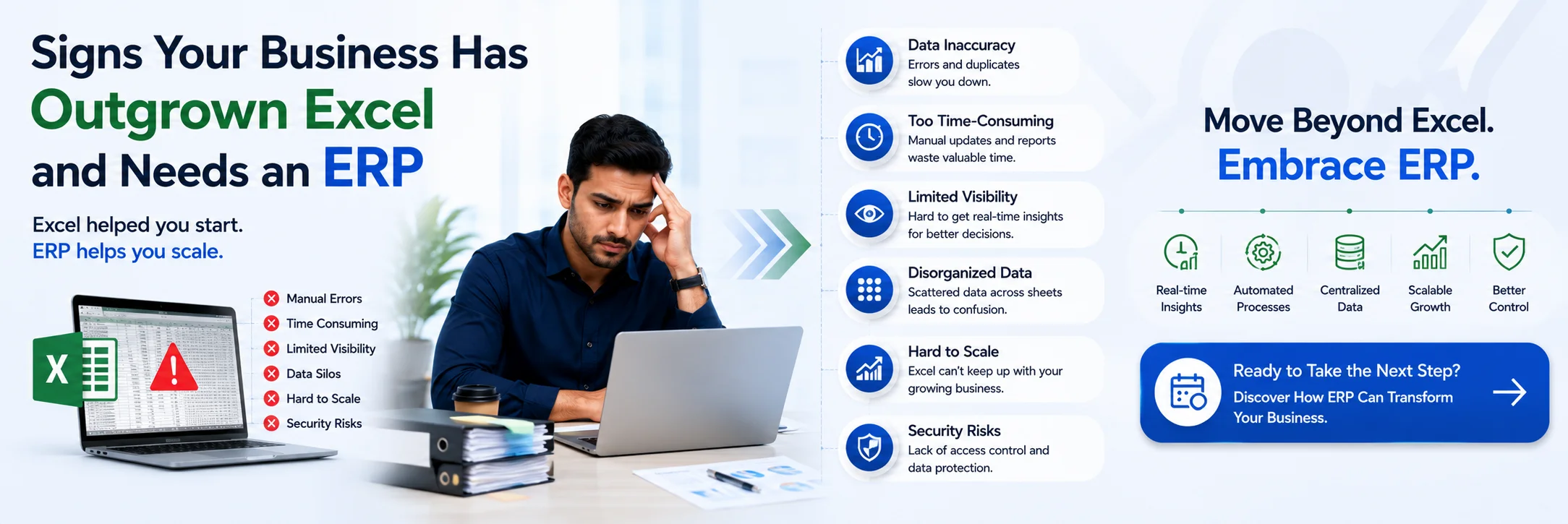
Signs Your Business Has Outgrown Excel and Needs an ERP
Read More →
How to Index HR Records from an ERP System for a Chatbot?
Read More →
What is the Best Software for Retail Garment Shop?
Read More →
Manufacturing Software for the Textile and Garment Industry?
Read More →
Best ERP Software for Manufacturing Companies in India?
Read More →
How ERP Reduces Production Costs and Improves Profitability?
Read More →
Which ERP Software is Mostly Used in Garment Retail Shop?
Read More →
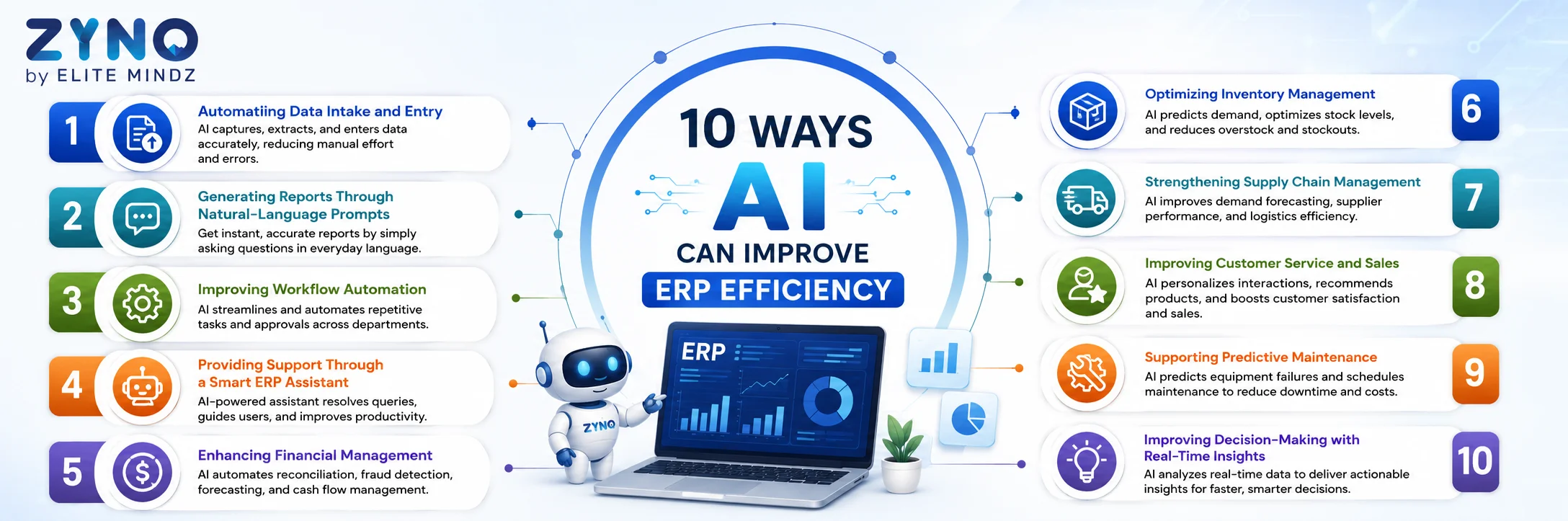
10 Ways AI Can Improve ERP Efficiency
Read More →
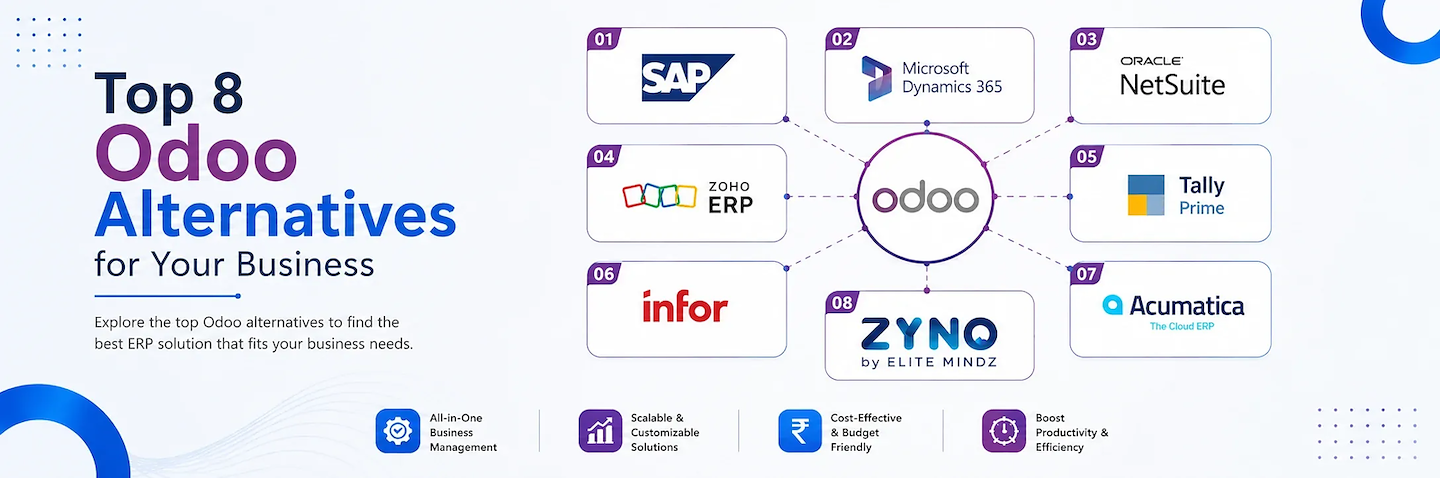
Top 8 Odoo Alternatives for Your Business
Read More →
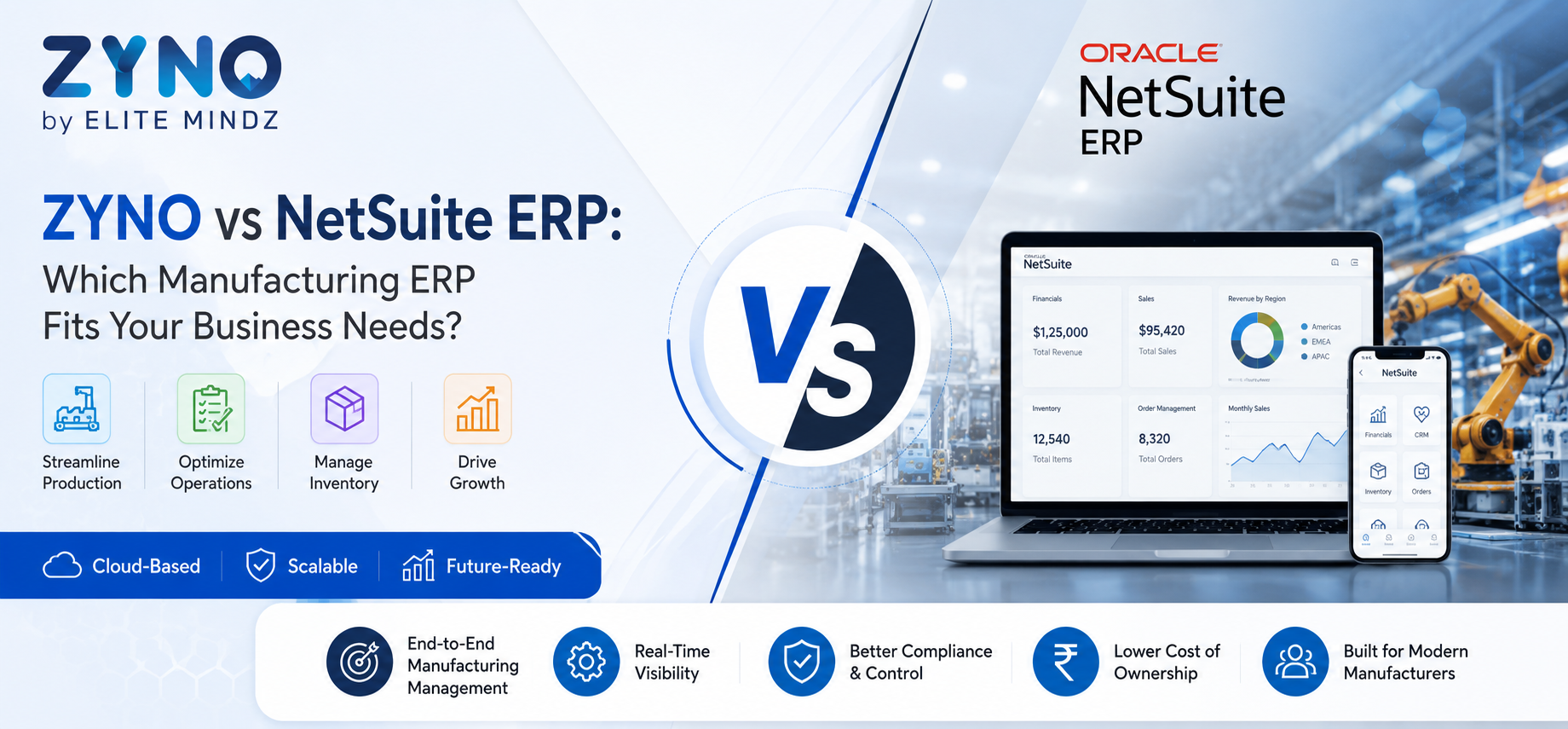
ZYNO vs NetSuite ERP: Which Manufacturing ERP Fits Your Business Needs?
Read More →
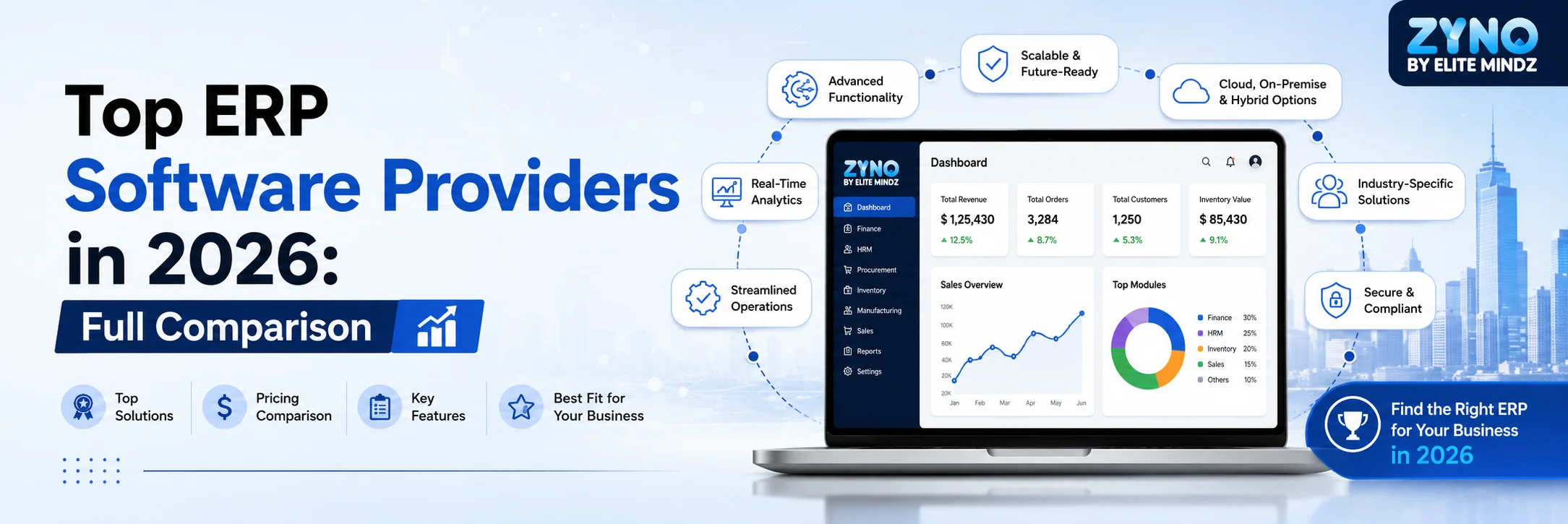
Top ERP Software Providers in 2026: Full Comparison
Read More →
ERP Software Reviews: What Buyers Actually Say in 2026
Read More →
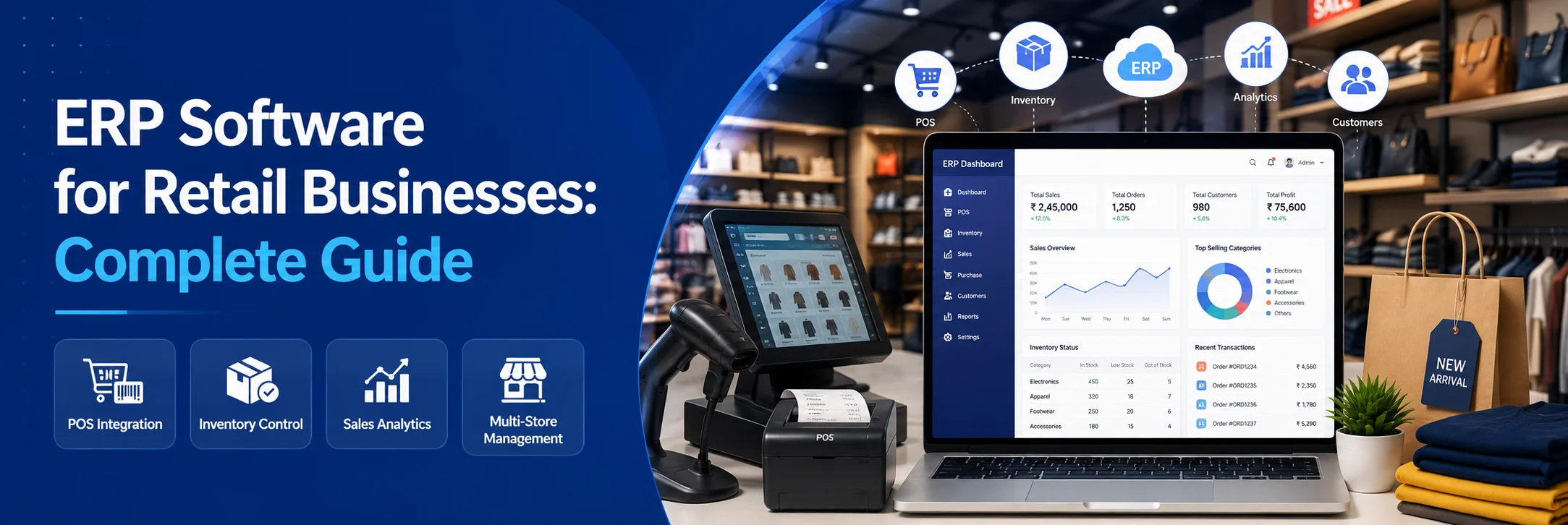
ERP Software for Retail Businesses: Complete Guide
Read More →
ERP Software for Healthcare: Beyond Patient Records
Read More →
ERP Software for Logistics Companies: A Complete Guide
Read More →
Best ERP Software for SaaS Companies in 2026
Read More →
Cloud ERP Software Features: The Complete List for 2026
Read More →
Top ERP Software in Kenya (2026): Best Picks for Growing Businesses
Read More →
How eTIMS Affects Manufacturers in Kenya: ERP, Input Tax & Supply Chain Impact
Read More →
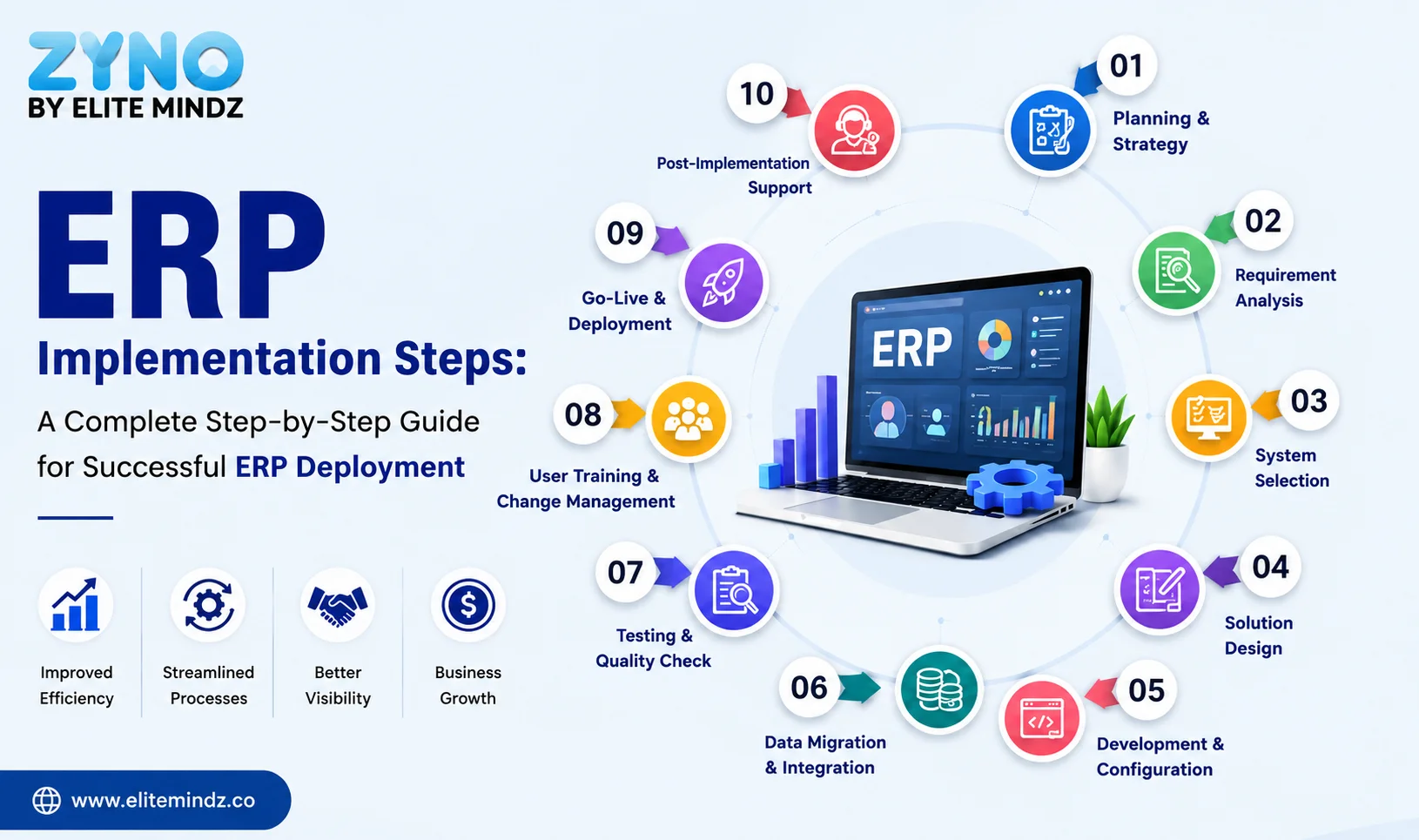
ERP Implementation Steps: A Complete Step-by-Step Guide for Successful ERP Deployment
Read More →
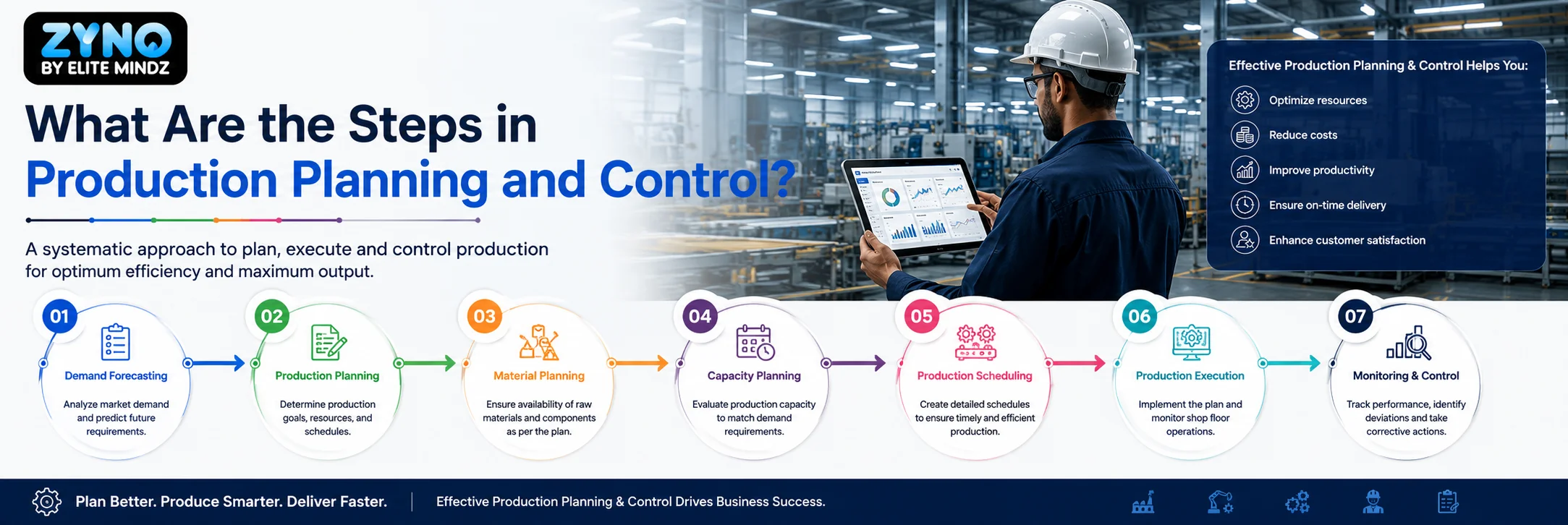
What Are the Steps in Production Planning and Control?
Read More →
Manufacturing Compliance in Kenya: A Complete Guide for Factory Tax Compliance & Regulatory Excellence
Read More →
ERP Migration Checklist for Manufacturing, Retail, and Service Businesses
Read More →
ERP Go-Live Checklist: Step-by-Step Guide for a Smooth System Launch
Read More →
Best ERP Software in the Middle East: What Actually Matters in 2026
Read More →
ERP Training Best Practices: Essential Tips for a Smooth ERP Implementation
Read More →
Traceability in Manufacturing: Cost Effective Solution and Complete Information
Read More →
Manufacturing ERP Software Buying Guide: Features, Checklist & Questions to Ask Before You Invest
Read More →
20 Best ERP Software in Japan (2026): Top AI-Powered & Cloud ERP Platforms Ranked
Read More →
10 Best ERP Software for Metal Manufacturing Companies: Features, Checklist & Buying Guide (2026)
Read More →How Manufacturing ERP Helps Ethiopian Factories Improve Production Planning & Cost Control
Read More →
Top 15 Business Management Software for Growing Businesses in 2026
Read More →
Why These Are the Top 15 Small Business ERP Systems for 2026
Read More →
BOM Management Software: A Complete Guide to Smarter Manufacturing
Read More →
Which Companies Build Affordable Manufacturing ERP Software in India?
Read More →
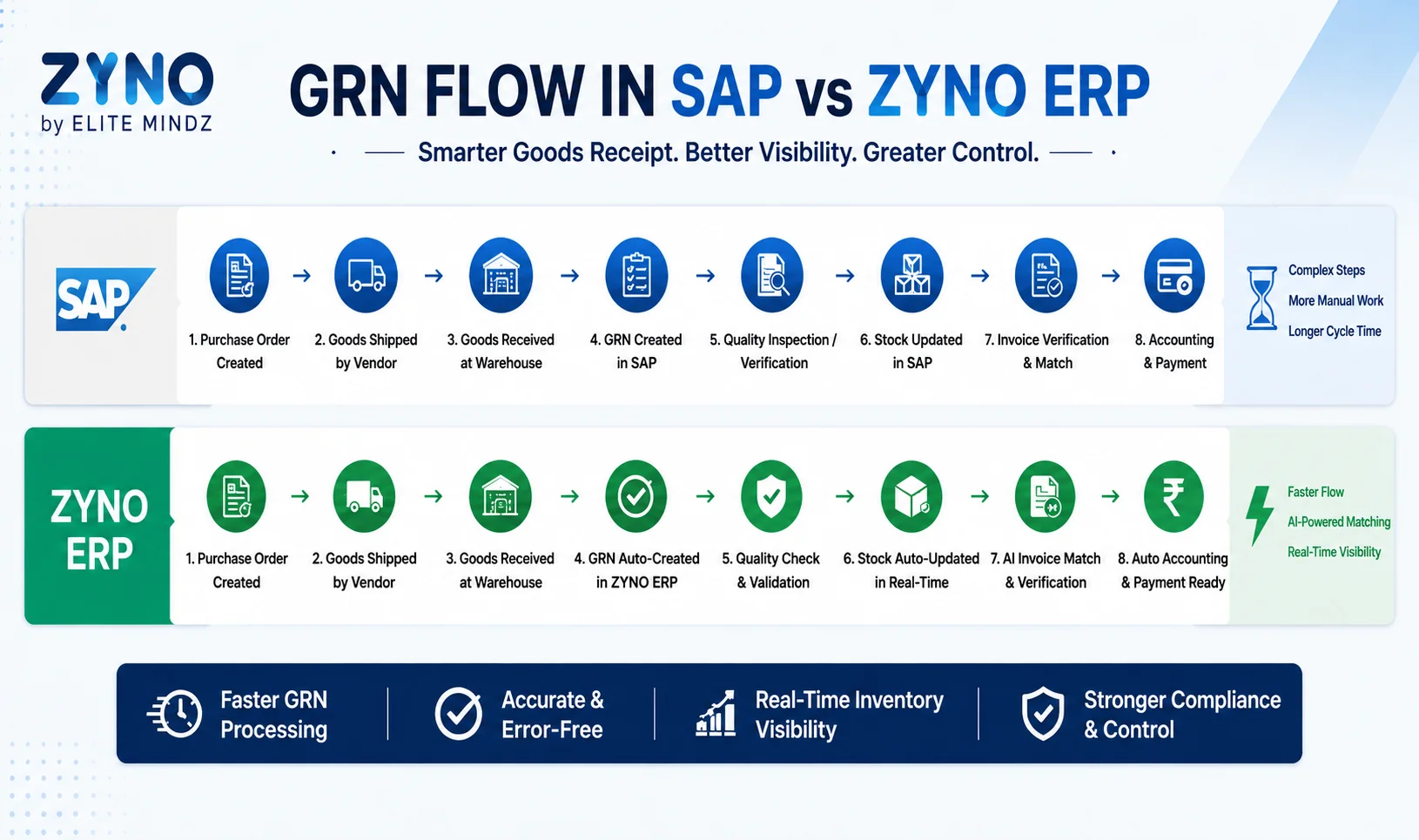
GRN Flow in SAP vs ZYNO ERP
Read More →
Which AI ERP Platform Offers the Best ROI for Retail Businesses Looking to Automate Operations in India?
Read More →
Warehouse Management System (WMS): Complete Guide
Read More →
Best WMS Software in 2026: 10 Warehouse Management Systems Compared
Read More →
Top Warehouse Management System (WMS) Pain Points and How to Solve Them
Read More →
ERP in Inventory Management: Features, Benefits & Best Practices
Read More →
Best ERP for Inventory Management : Top 10 Software Compared
Read More →Partner with ZYNO by Elite Mindz to revolutionize how your business works. Fill out the form, and we’ll reach out with AI-powered solutions made just for you.
We use browser cookies to ensure you get the best experience on our website. Learn more
The form was submitted successfully!